• Skip to primary navigation
  • Skip to main content
  • Skip to primary sidebar
John Elkington

John Elkington

A world authority on corporate responsibility and sustainable development.

  • About
    • Ambassador from the future
  • Past lives
    • Professional
      • Volans
      • SustainAbility
      • CounterCurrent
      • Boards & Advisory Boards
      • Awards & Listings
    • Personal
      • Family
      • Other Influences
      • Education
      • Photography
      • Music
      • Cycling
    • Website
  • Speaking
    • Media
    • Exhibitions
  • Publications
    • Books
    • Reports
    • Articles & Blogs
    • Contributions
    • Tweets
    • Unpublished Writing
  • Journal
  • Contact
  • Show Search
Hide Search
You are here: Home / Journal

Journal

That Was The Glory That Was “The Glory That Was Greece”

John Elkington · 17 March 2020 · Leave a Comment

Post 7 of 7

Ultimately, despite the disruption – and ultimately truncation – of the trip, we had a fantastic time. Our guides – Jeremy Paterson, George Terezakis and Bianca de Klein – were outstanding, constantly adapting in real time to the developing coronavirus crisis. We benefitted hugely from their knowledge both of the history of Ancient Greece and their intimate connections with today’s Greece.

Doors were opened that otherwise have been closed. And the Travel Editions team back in the UK sorted out our flights back to a London increasingly teetering on the edge of lock-down. We owe them all a huge debt of gratitude.

We also enjoyed ongoing conversations with a number of the other members of the group, though I’m very far from being a group person. On the ground, I’m typically far ahead, far behind or flanking any group. Scouting, I suppose. That’s how I see things that others miss, like the spray of bee-eaters launching almost from beneath my feet in the ruins of Dura Europa, Syria, and gliding down over the Euphrates.

Can’t wait to go to Greece again, including places we didn’t get to like Mystras and Sparta. But, first, notes on a few final stops we made along the way.

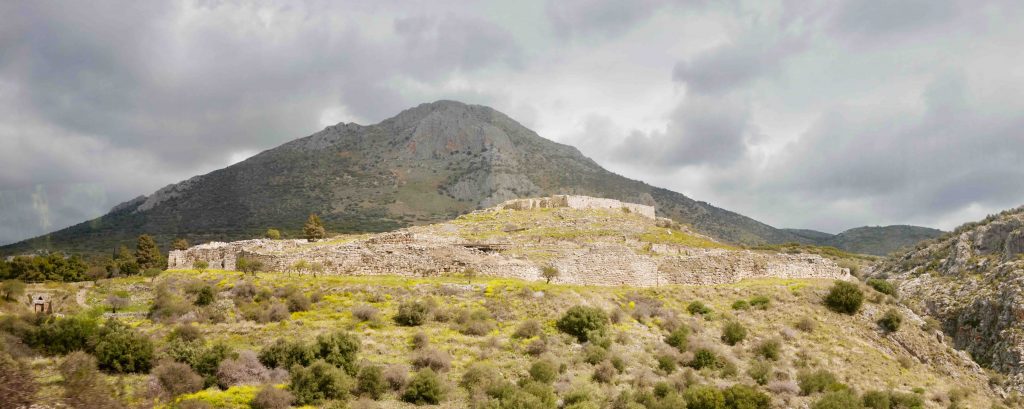
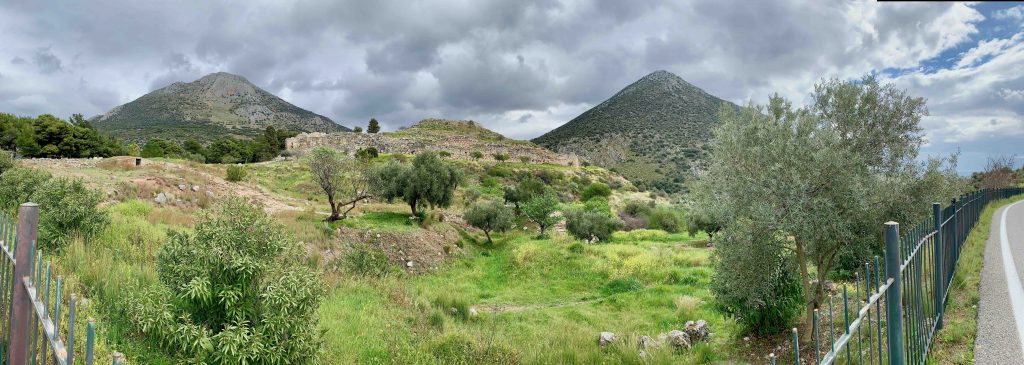
First, Mycenae. I think I first came across the Mycenians in my teens, through their role in the Trojan War. No way were we getting inside the fabled walls on this trip, with COVID-19 stalking the land, but we did have a wonderful prowl around the battlecruiser-shaped hulk of the ruined citadel, with a powerful wind thumping all around – and a fitful sun alternately shadowing and spotlighting the battlecruiser.
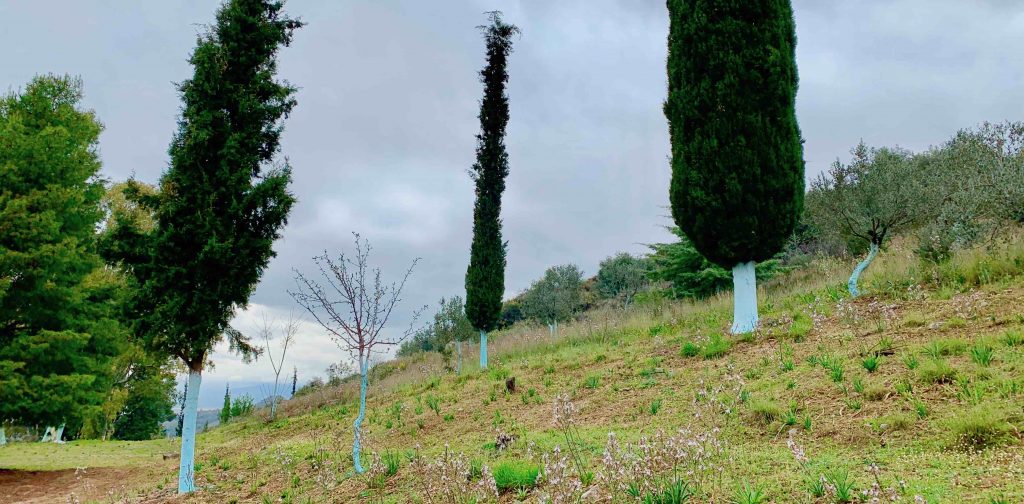
Earlier, we had tried to enter a nunnery, where we had been given permission to enter in groups of four. But the nuns had apparently thought better of it in the meantime. No amount of knocking or telephoning could raise them. This is what we saw when we turned our eyes from the attempts to raise the apparently dead.
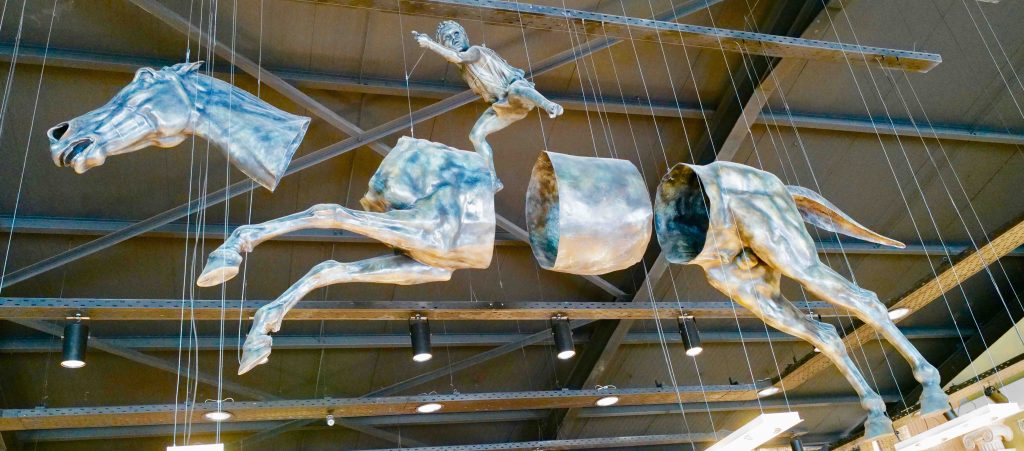
Tourist trap: A riff off the famous Artemision horse and its little jockey
Mycenae, Bronze Age battlecruiser
Panoptic view of Mycenae
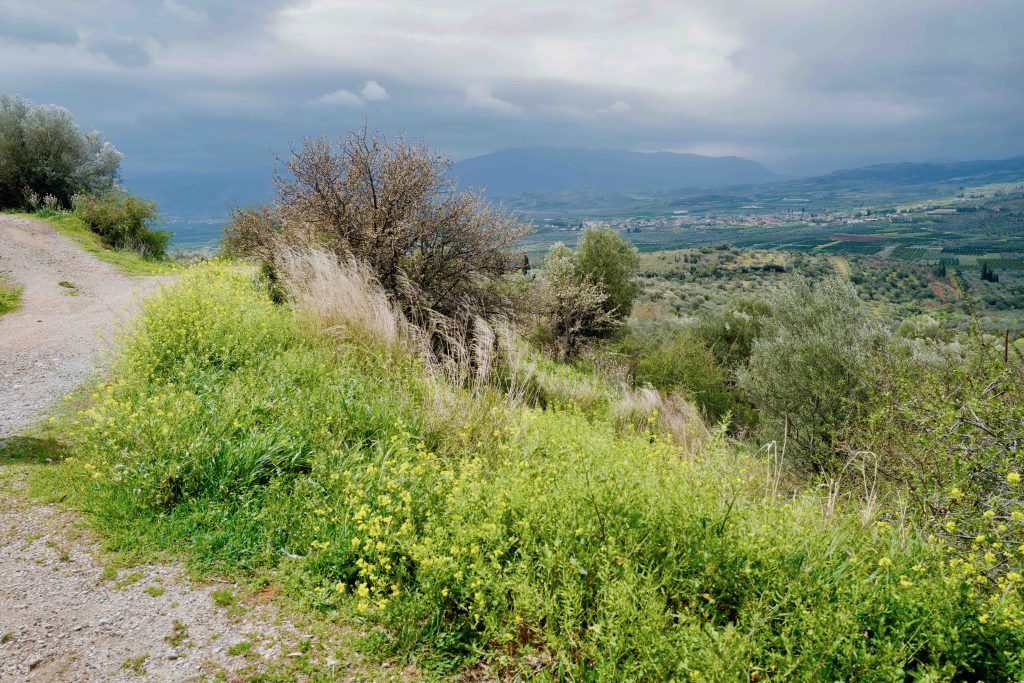
Looking the other way, into a thumping wind
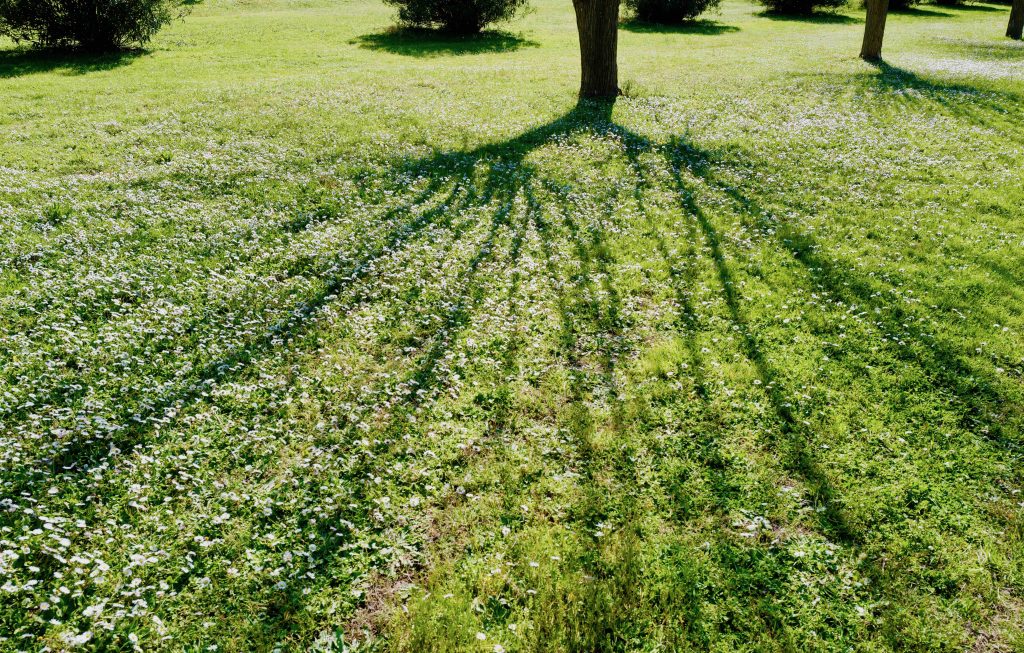
Shadow outside an ancient healing site, Epidauros
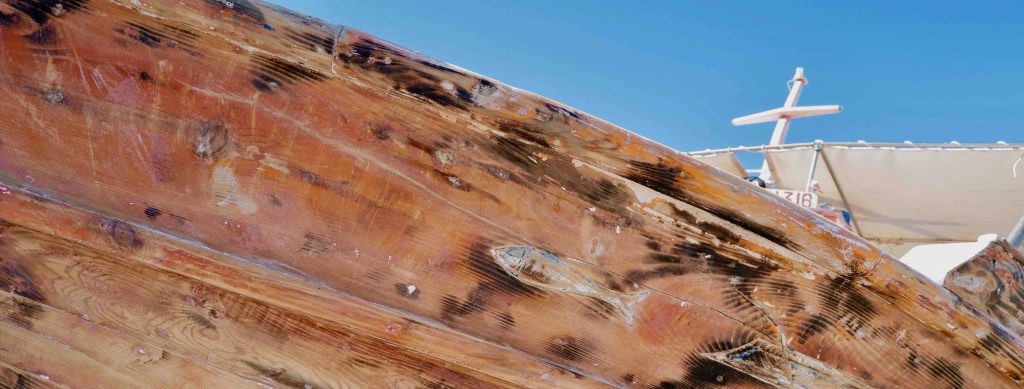
Along the coast, a fish carving on a fishing boat, awaiting repainting
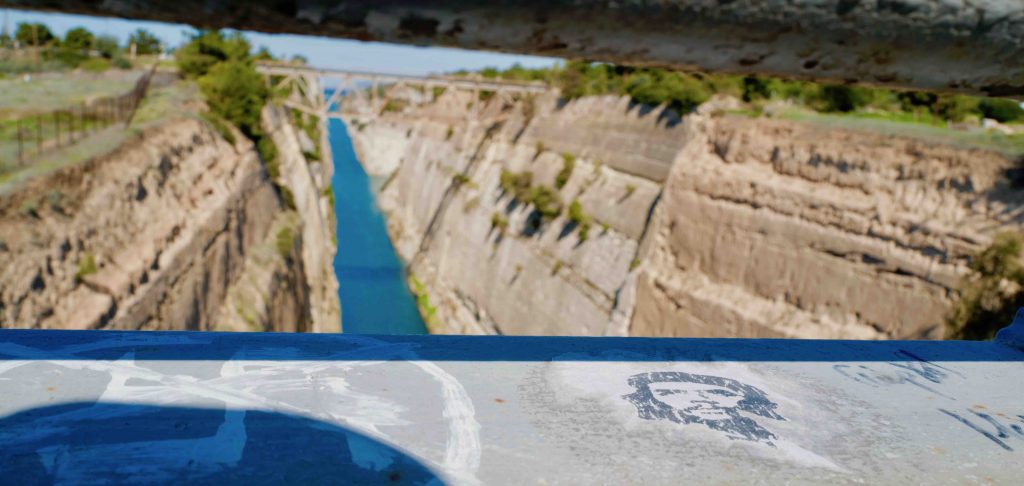
So Che did make it to the Corinth Canal …

Nafplio, With Axeman

John Elkington · 17 March 2020 · Leave a Comment

Post 6 of 7

Loved our visit to Nafplio’s (or, as we knew it, Nauplion’s) Palamidi fortress 50 years ago, back in 1970. At the time, Elaine, Rex and I sat for ages in an underground cistern, watching reflected sunlight from a high window scattering across the walls.

A natural form of the light shows in fashion at the time at places like the Middle Earth club in Covent Garden, which we haunted to see bands like The Byrds, Fairport Convention, The Incredible String Band, Pink Floyd and Marc Bolan’s Tyranosaurus Rex. Those were the days, my friend.

And here are some images from our return visit, when the town was gradually closing in on itself, because of COVID-19.

A tantalising corner of the Palamidi Fortress
Sign of the times, on Palamidi front gate
Statue of Theodoros Kolokotronis in Nafplio, a warrior-bandit made good
Closed for refurbishment: Ioannis Capodistria, foreign minister for Tsar Alexander I in Russia, and modern Greece’s first leader
Palamidi looms over Nafplio
The Lion of Bavaria, commemorating Bavarian troops who died in great numbers from typhus in 1833. Service in Greece was unpopular with the Bavarians, resulting in the deaths of around half of those who served. They failed to understand the Greeks they were meant to help pacify.
A very different artform: across the road from the Lion of Bavaria statue
And a little further along
The eyes have it
Ice cream parlour, empty
A distant Bourtzi Castle from Nafplio waterfront

Altogether, we were four nights at the Amalia Hotel outside Nafplio, a great base for exploring the city and region. But very few other people were staying – and on the day we left to fly back early to the UK, they closed the hotel entirely.

Lovely to hear frogs in the landscape around the hotel – and to see bats flitting across the evening sky.

One less romantic memory surfaced, however, when George Terezakis, our Greek guide, pointed out the local open prison as we drove by. Near the Mycenian ruin of Tiryns.

That did it. We recalled pulling our Landrover off the road nearby back in 1970. Elaine and I were sleeping in the back of the vehicle, while the others slept around about in tents.

In the morning Elaine woke up from dream that someone was sawing off her feet, which protruded onto the Landrover’s tailgate. Lifting the tarpaulin backflap, she saw a man standing outside, with an axe.

We began talking to him, in French, I think. Turned out he was from the nearby open prison. We asked why he had been imprisoned. He said he had killed his wife’s lover. With an axe. Otherwise, a perfectly charming man.

Aggro At Acrocorinth

John Elkington · 14 March 2020 · Leave a Comment

Post 5 of 7

Looking across Roman ruins of Ancient Corinth
A palpable sense of power, overlooking the Gulf of Corinth
Euphorbia, or tree spurge, I’m pretty sure. I discovered from Wikipedia that the botanical name Euphorbia derives from Euphorbos, the Greek physician of king Juba II of Numidia (52–50 BC – 23 AD), who apparently married the daughter of Anthony and Cleopatra.
A staggering, in multiple senses, set of walls wreaths the entire mountain
Later, further along our way, an ancient quarry

Arriving at the fence of the Romans centre of Ancient Corinth, I was particularly interested to look across to the ruin where (St.) Paul was invigilated. Here he had worked as a tentmaker, before he gave up trying to pitch Christianity to the Jews and decided, instead, to focus in future on the gentiles. A truly momentous moment in world history.

But I confess that throughout I cast a constantly covetous eye at the massive, castle-crowned mountain beyond the site. Acrocorinth. Before arriving, I hadn’t even realised it existed, but now I wanted to get as close to it as possible.

Shortly afterwards, we were wending our way up and up, until we were right in front of the gates. What an extraordinary defensive system.

One name strongly associated with Acrocorinth is Leo Sgouros. A profoundly unpleasant and violent man, aggro incarnate. He would lead a brave five year resistance to the Franks, who laid siege to the acropolis. In the end, it is said, he committed suicide by jumping off the cliffs on his horse.

Apparently the people who find this story hardest to bear are the British. They feel sorry for the horse.

Surprised By Cervantes In Nafpaktos

John Elkington · 14 March 2020 · Leave a Comment

Post 4 of 7

Statue of Cervantes, with broken sword
Looking the other way, towards the ill-fated Giorgos Anemogiannis
The Rio-Antirrio bridge from the ferry, as we head into the Peloponnese

Not quite the last person I expected to bump into in Greece, but close to it, was Miguel de Cervantes, author of Don Quixote. But there he was standing inside the ramparts in Nafpaktos, in bronze effigy. Waving.

Then I recalled reading decades ago that he took part in the Battle of Lepanto, just offshore from Nafpaktos (formerly known as Lepanto) – receiving three gunshot wounds for his trouble.

He would later quip that, “The loss of my left arm is for the greater glory of my right.” The right arm that, in short, would write what is reputed to be the first novel in European fiction.

The Christian coalition that won the Battle of Lepanto had been promoted by Pope Pius V to rescue the Venetian colony of Famagusta on Cyprus, where I spent happy years in the 1950s. This was after Nicosia and other Venetian possessions in Cyprus had fallen to the Ottomans in 1570.

As Wikipedia notes: “The Venetians had surrendered after being reassured that they could leave Cyprus freely. However, the Ottoman commander, Lala Kara Mustafa Pasha, who had lost some 50,000 men in the siege, broke his word, imprisoning the Venetians.”

Then, as I remember being horrified to learn while at school in the 1960s, Marco Antonio Bragadin was flayed alive and his corpse hung on Mustafa’s galley, together with the heads of three other Venetian commanders.

So you could safely say Lepanto was something of a grudge match. And that other statue that the statue of Cervantes appears to be waving at in Nafpaktos is of Giorgos Anemogiannis, who also came to a sticky end at the hands of the Ottomans.

Hosios Loukas After Distomo: Heaven Versus Hell

John Elkington · 14 March 2020 · Leave a Comment

Post 3 of 7

Braced: truncated plane tree at Hosios Loukas monastery
A different form of surveillance society
Feline column
See-through walls
Natural beauty as we leave …
… including almond blossom

On the slopes of Mount Helicon today, we visited the monastery of Hosios Loukas. Charming. Indeed, a vision of heaven on earth, or at least of heaven as seen in the past by some of those then on Earth.

By way of a stupefying contrast, on the way across we stopped off for a coffee in Distomo, the site of an horrendous massacre by Waffen-SS troops in June, 1944. Truly a vision of hell on earth. Some further background here.

Even if these events happened five years before I was born, it’s not hard to see why Greece’s relationship with Germany remains an often troubled one to this day.

Later, as our small group headed towards the Peloponnese, some of us were busily monitoring what looks set to be one of the biggest shocks to the global economy since WW2, the coronavirus outbreak now ripping into Italy – and set to turn Europe into its new incubator and transmission hub.

It’s all-too-tempting to fall back on a Manichean view of this world of ours, with an ongoing battle between the forces of good and evil. But such terms, as a certain U.S. President demonstrated with his “axis of evil” ideology, are all-too-easy to pervert.

  • « Go to Previous Page
  • Go to page 1
  • Interim pages omitted …
  • Go to page 60
  • Go to page 61
  • Go to page 62
  • Go to page 63
  • Go to page 64
  • Interim pages omitted …
  • Go to page 282
  • Go to Next Page »

Primary Sidebar

Introduction

I began this blog with an entry reporting on a visit to the Woods Hole Oceanographic Institution on Cape Cod, on 30 September 2003. The blog element of the website has gone through several iterations since, with much of the older material still available.

Like so many things in my life, blog entries blur the boundaries between the personal and the professional. As explained on this site’s Home Page, the website and the blog are part platform for ongoing projects, part autobiography, and part accountability mechanism.

In addition, my blogs have appeared on many sites such as: Chinadialogue, CSRWire, Fast Company, GreenBiz, Guardian Sustainable Business, and the Harvard Business Review.

Recent Comments

  • Thomas Forster on Reminder of Glencot Years
  • Thomas Forster on Reminder of Glencot Years
  • Julia on Reminder of Glencot Years

Journal Archive

About

John Elkington is a world authority on corporate responsibility and sustainable development. He is currently Founding Partner and Executive Chairman of Volans, a future-focused business working at the intersection of the sustainability, entrepreneurship and innovation movements.

Contact

john@johnelkington.com  |  +44 203 701 7550 | Twitter: @volansjohn

John Elkington

Copyright © 2026 John Elkington. All rights reserved. Log in