• Skip to primary navigation
  • Skip to main content
  • Skip to primary sidebar
John Elkington

John Elkington

A world authority on corporate responsibility and sustainable development.

  • About
    • Ambassador from the future
  • Past lives
    • Professional
      • Volans
      • SustainAbility
      • CounterCurrent
      • Boards & Advisory Boards
      • Awards & Listings
    • Personal
      • Family
      • Other Influences
      • Education
      • Photography
      • Music
      • Cycling
    • Website
  • Speaking
    • Media
    • Exhibitions
  • Publications
    • Books
    • Reports
    • Articles & Blogs
    • Contributions
    • Tweets
    • Unpublished Writing
  • Journal
  • Contact
  • Show Search
Hide Search

Search Results for: Tim elkington

Jubilee Marsh, Wallasea

John Elkington · 7 September 2023 · Leave a Comment

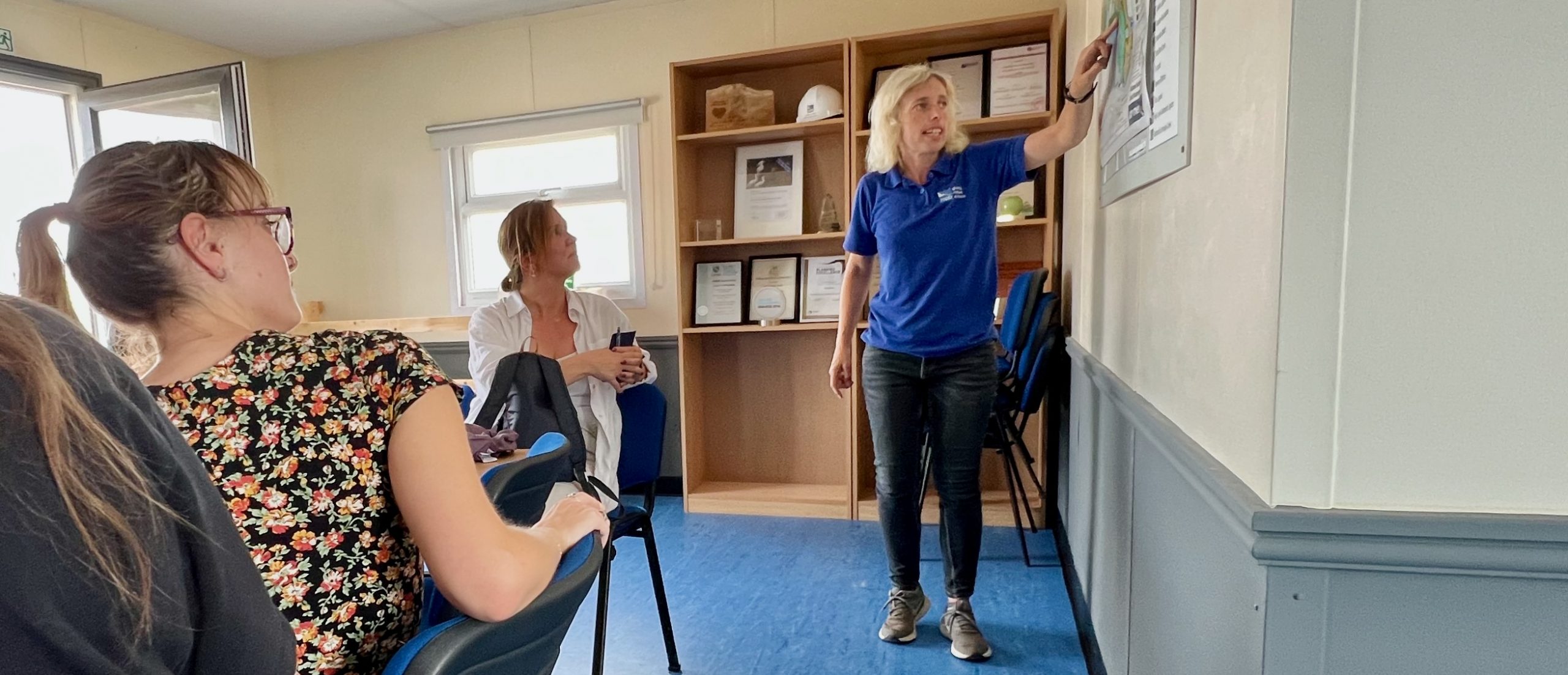
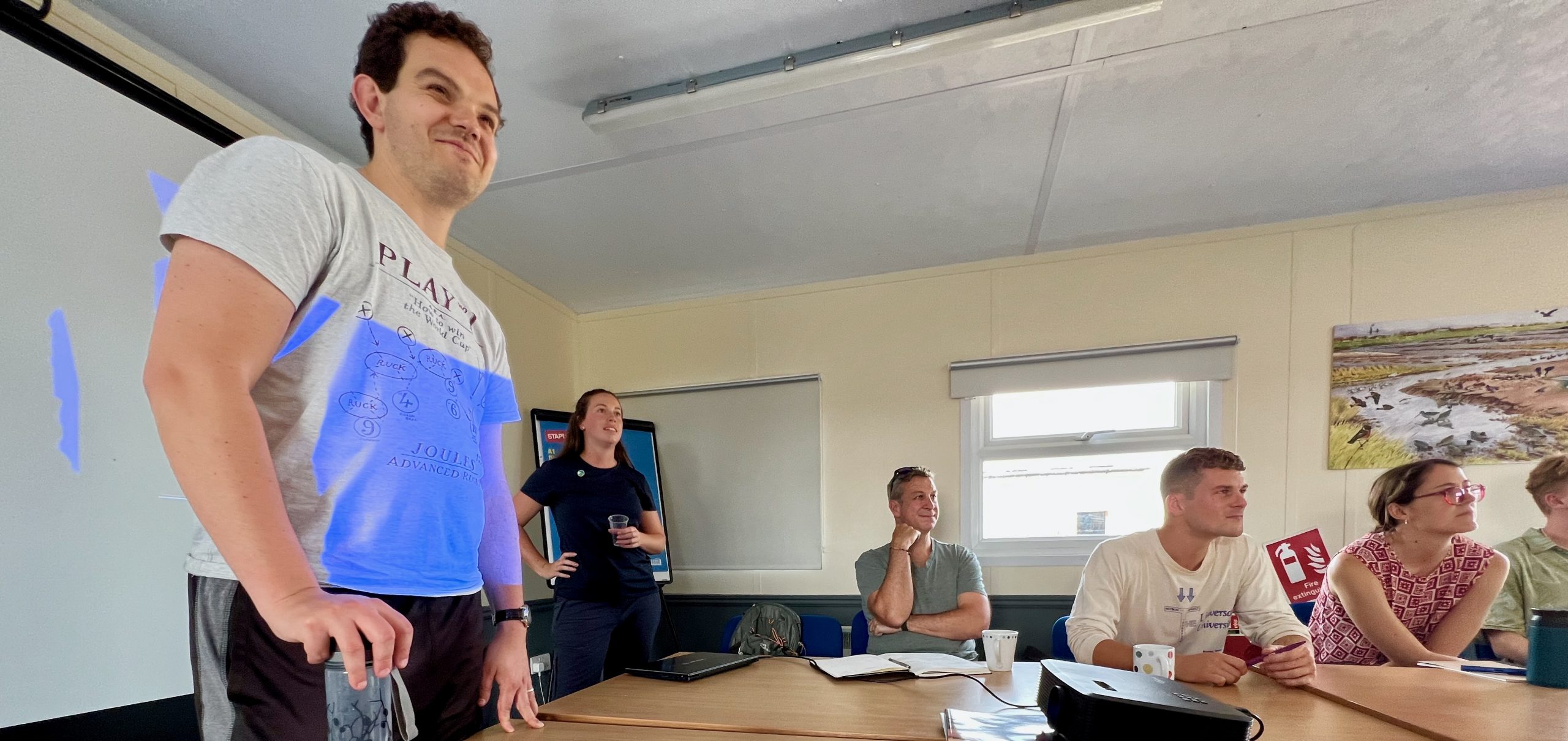
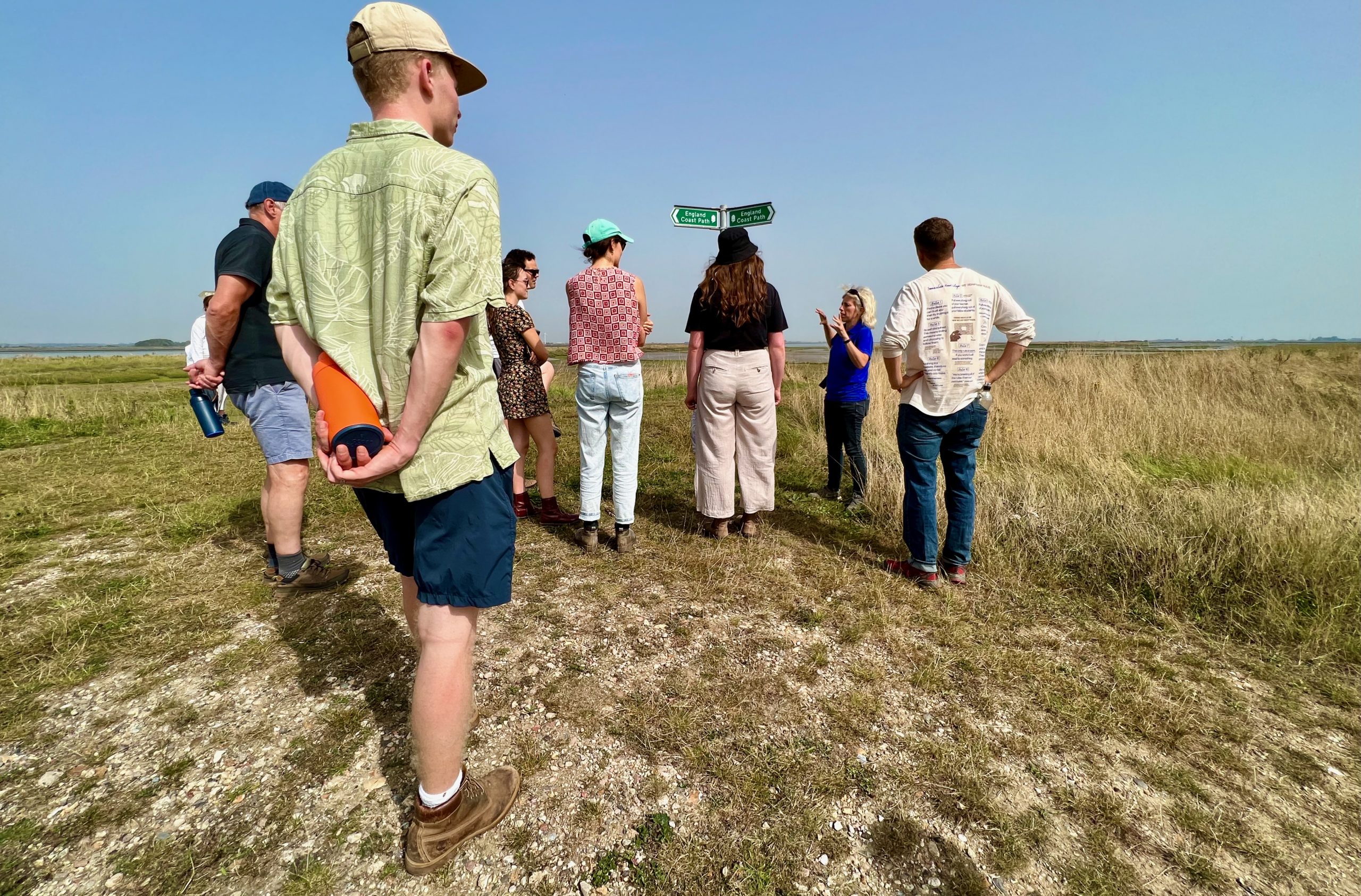
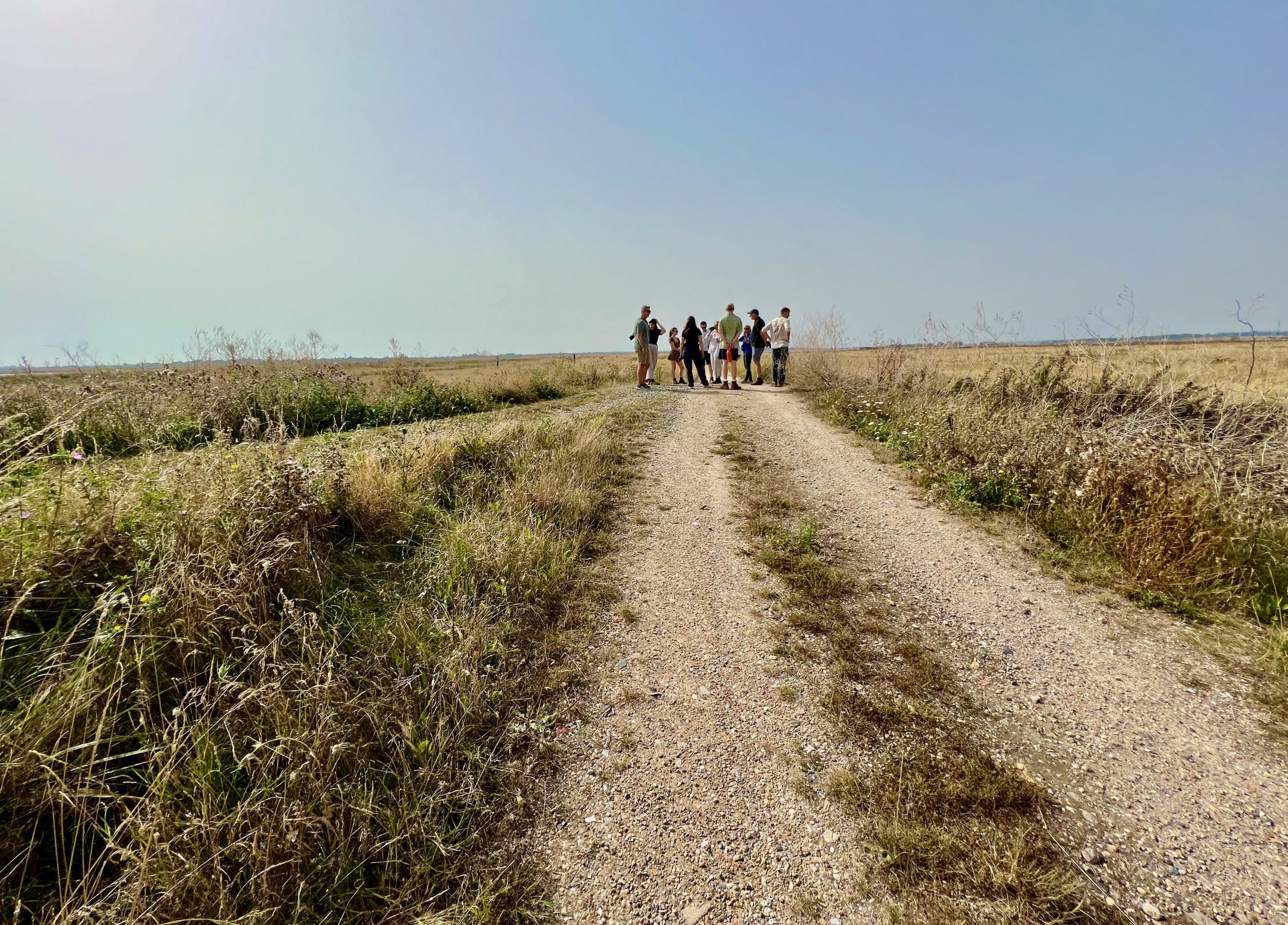
We are briefed by Rachel on what lies ahead
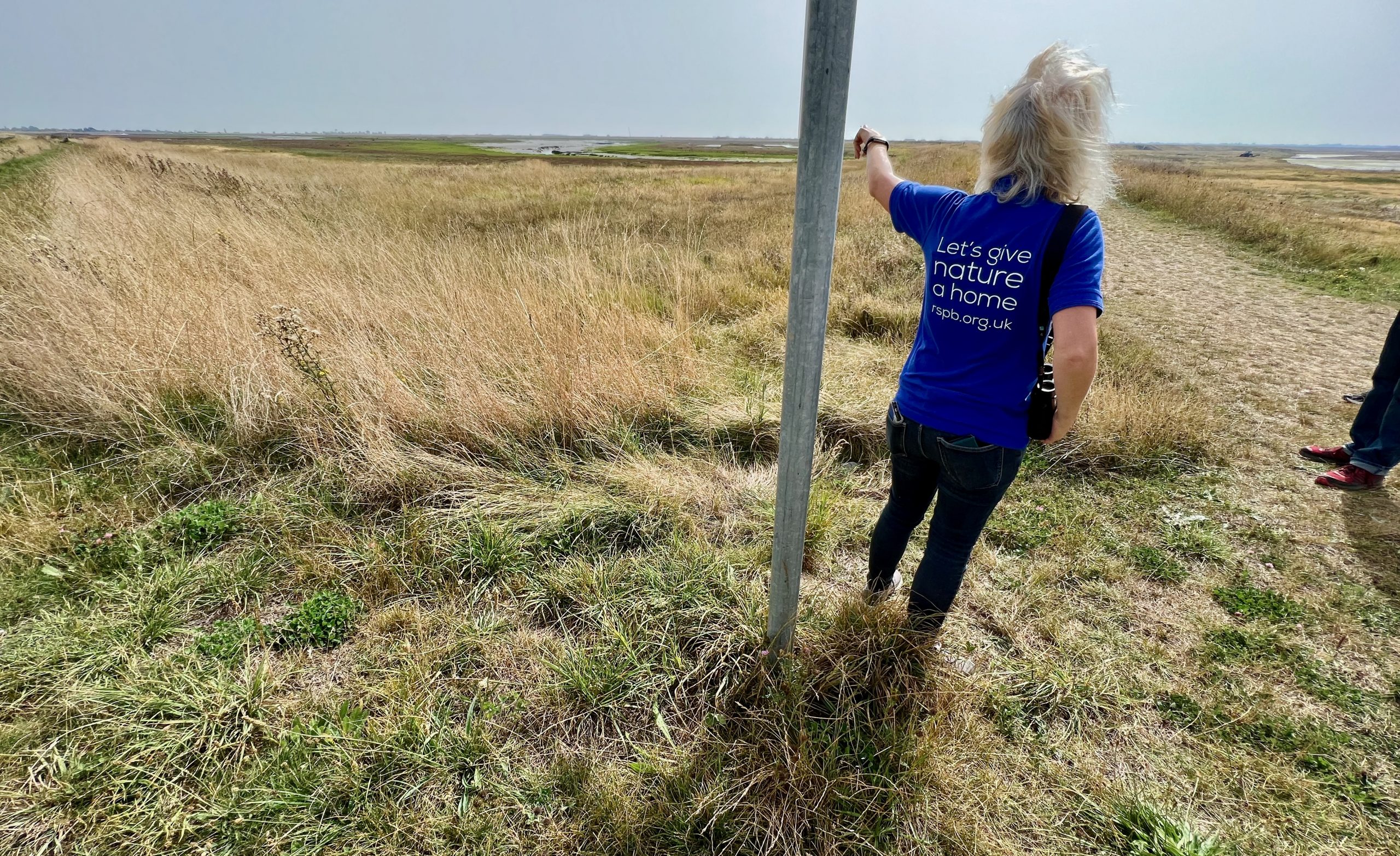
Lizzie explains RSPB’s strategy
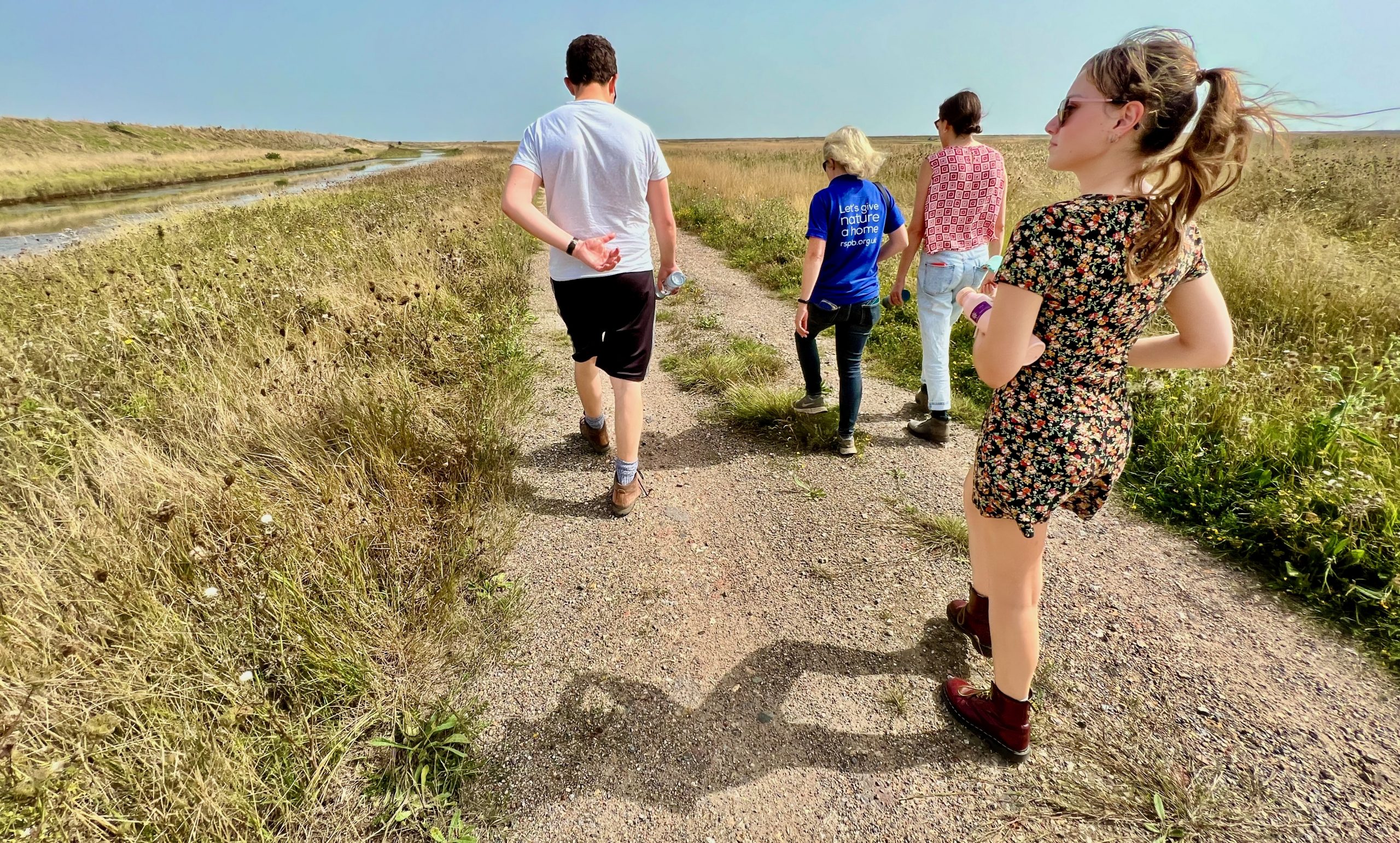
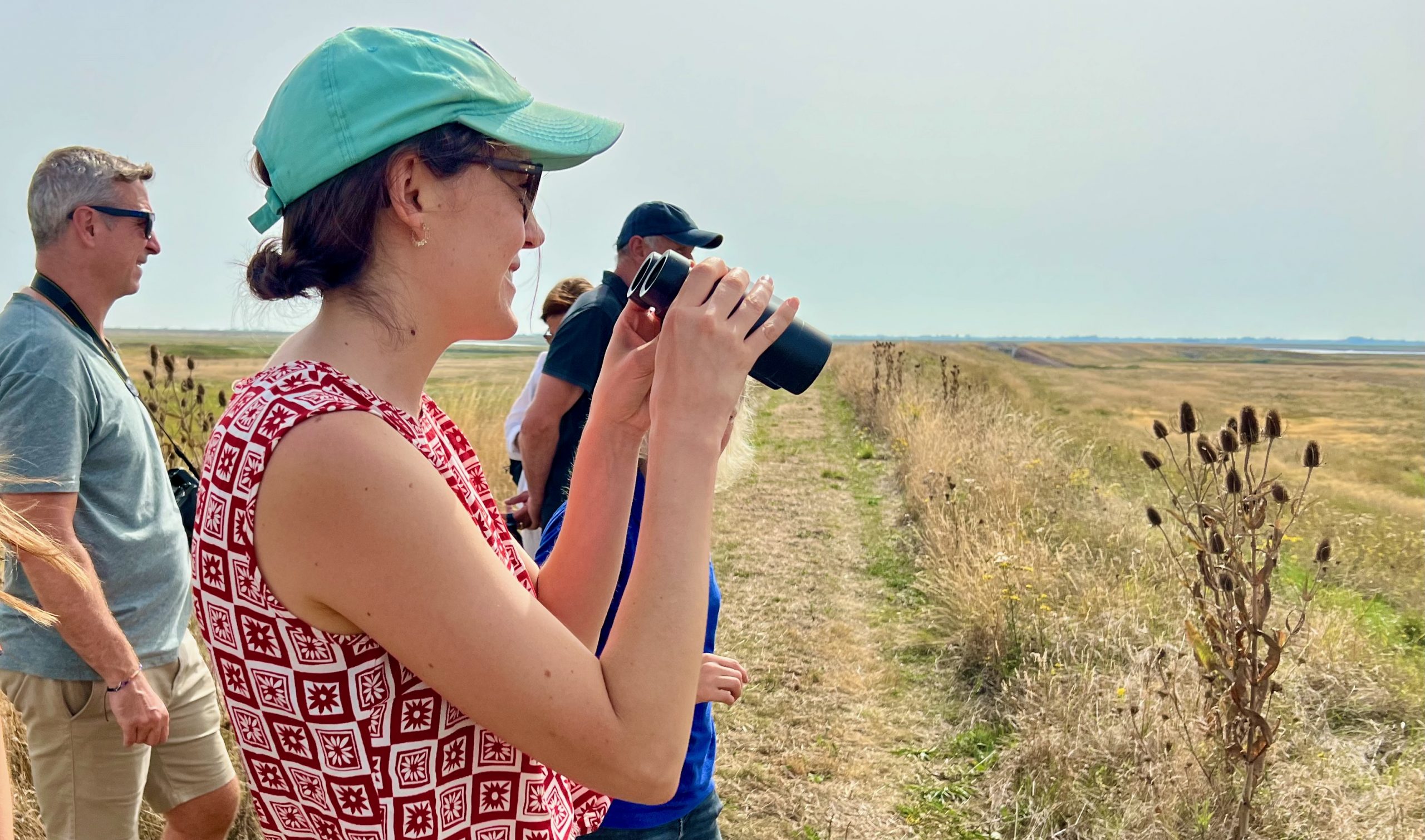
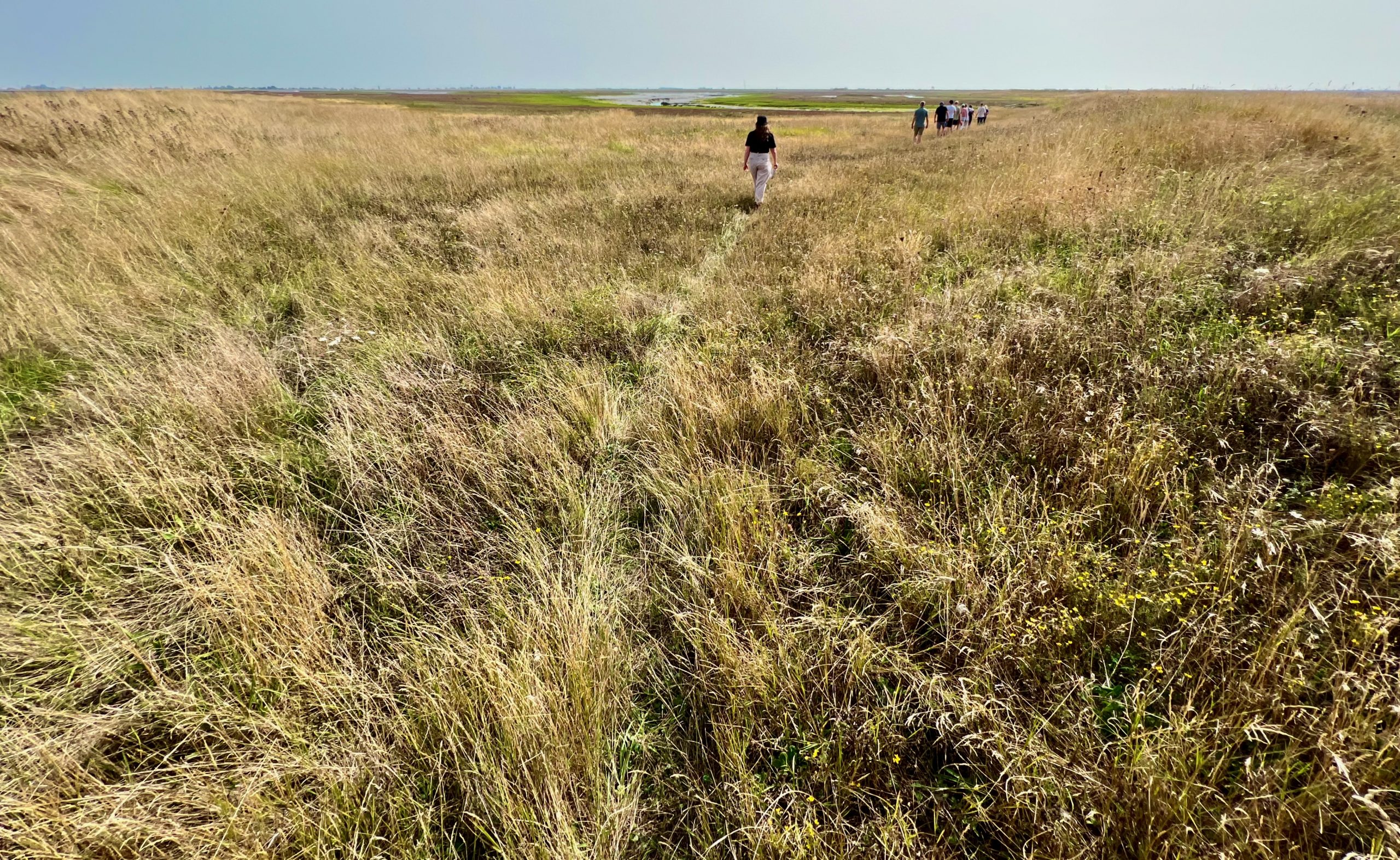
March around the marsh begins
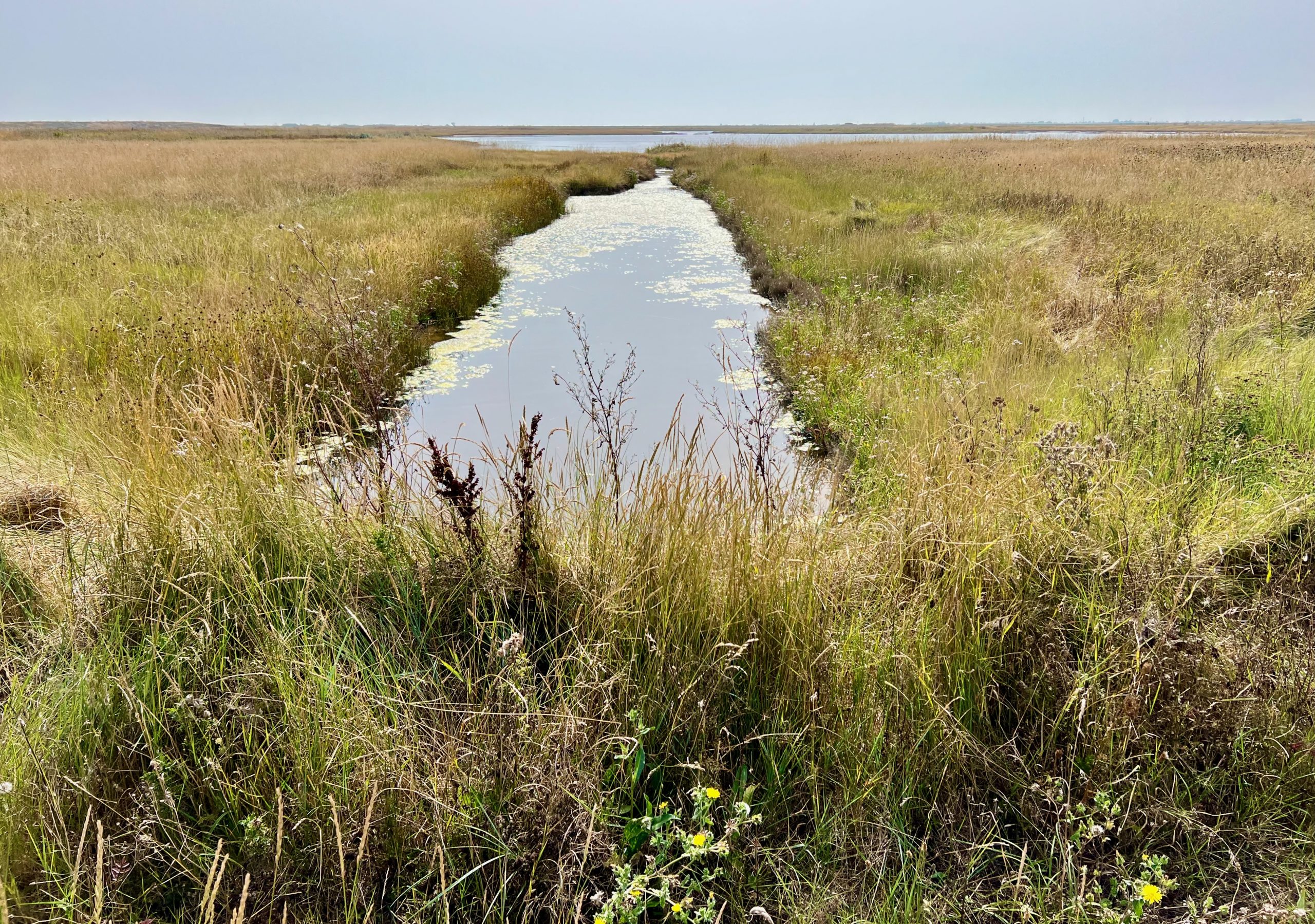
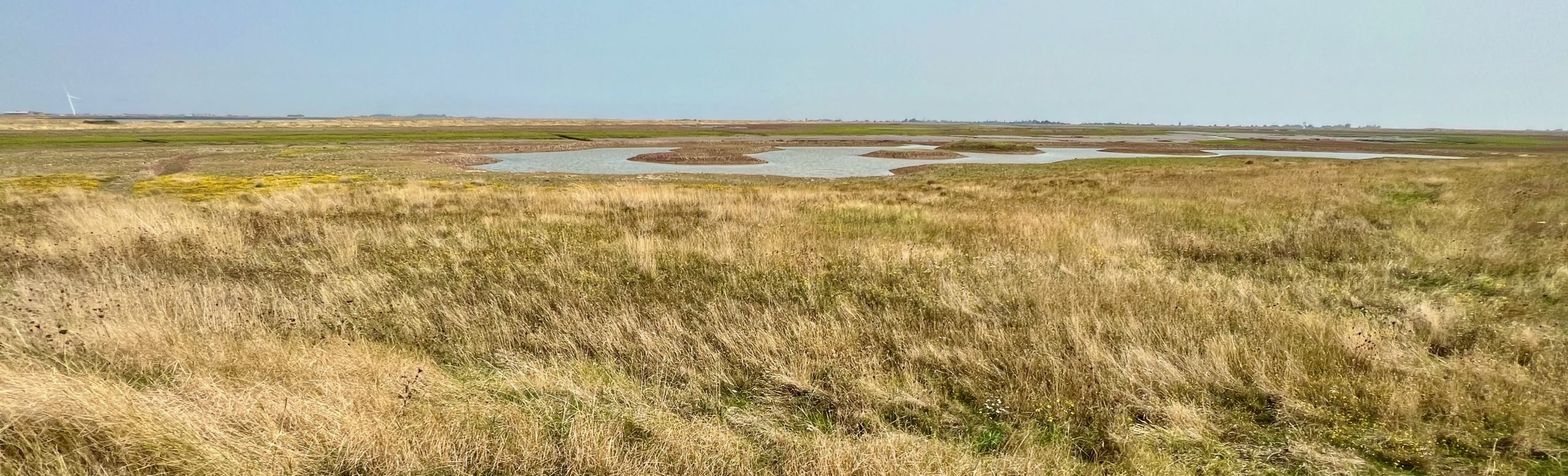
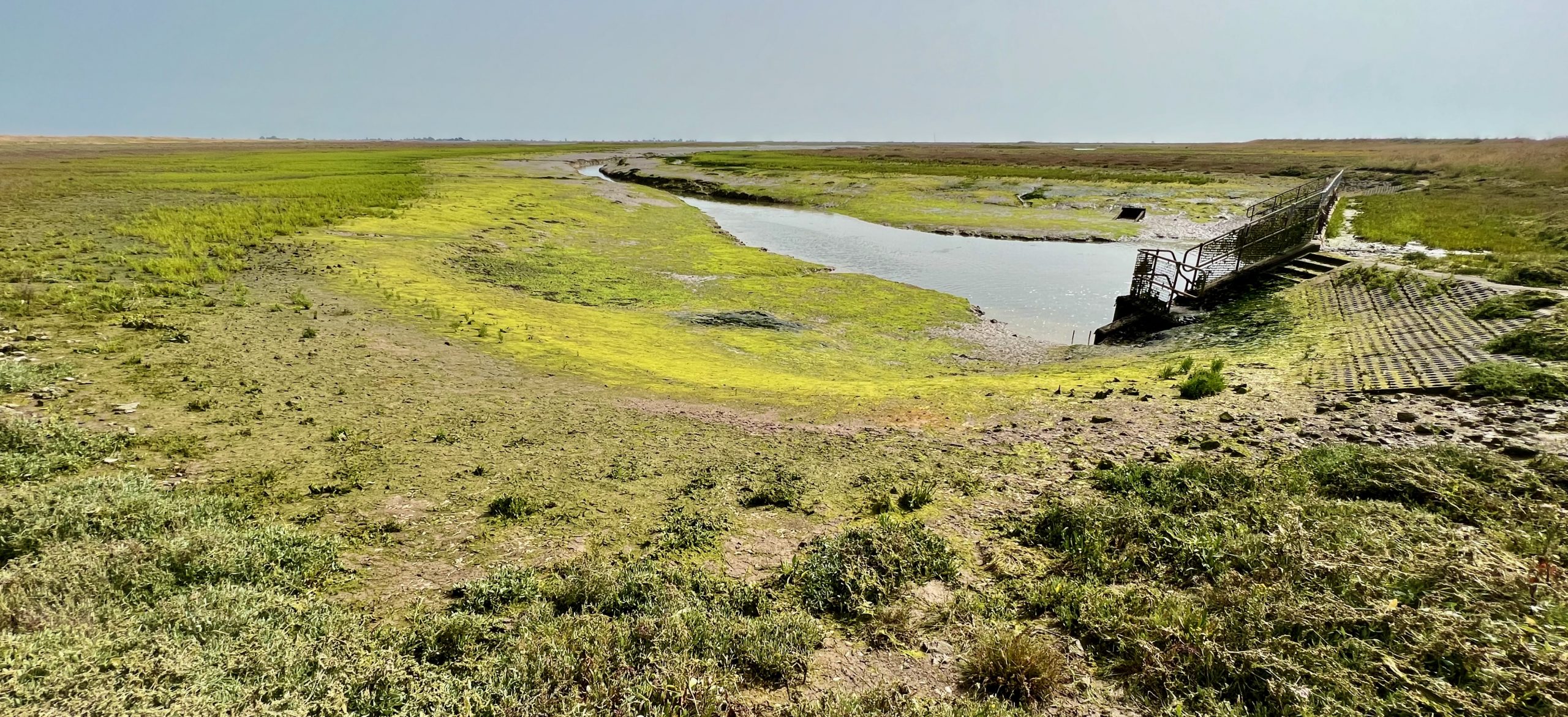
Lagoon
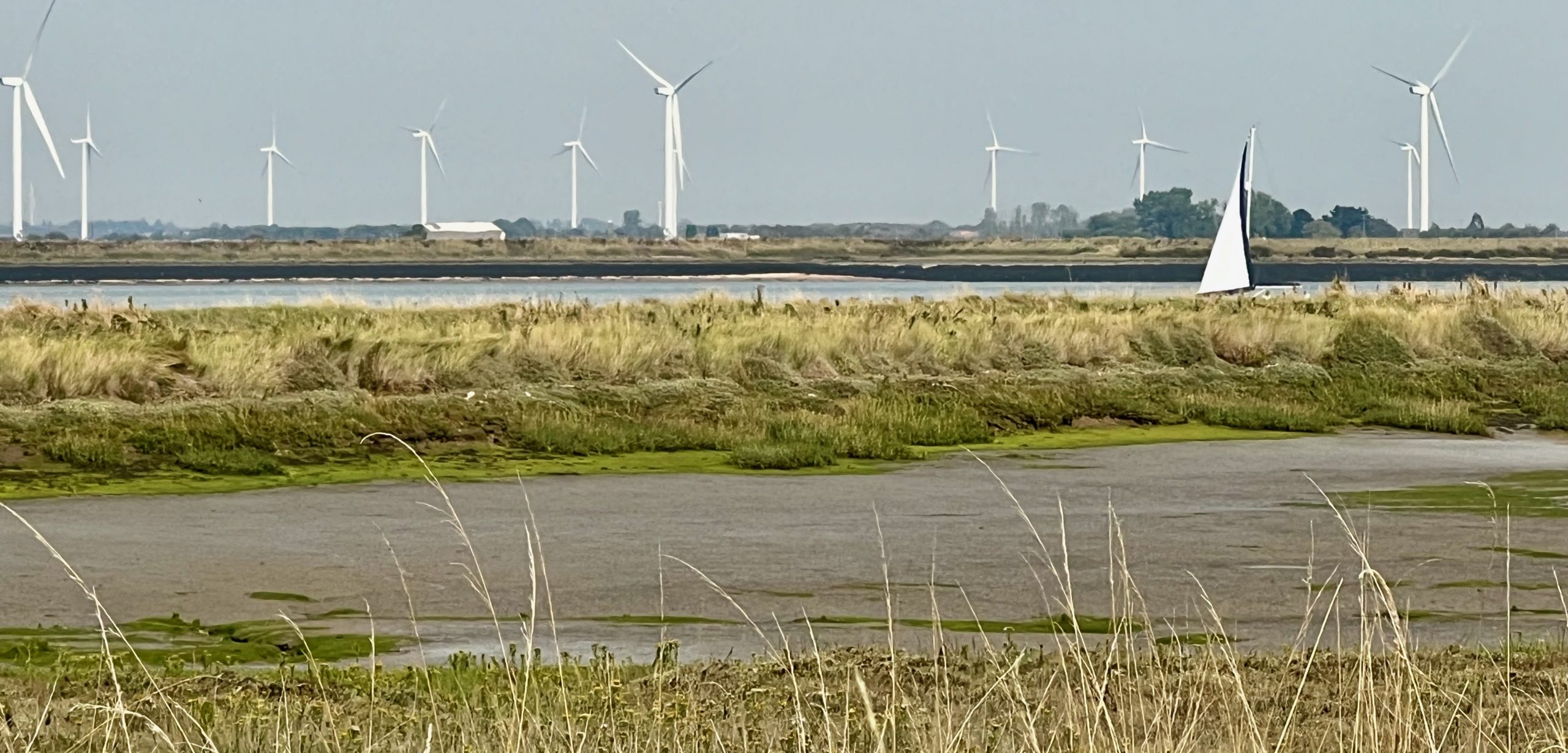
Beyond the embankments
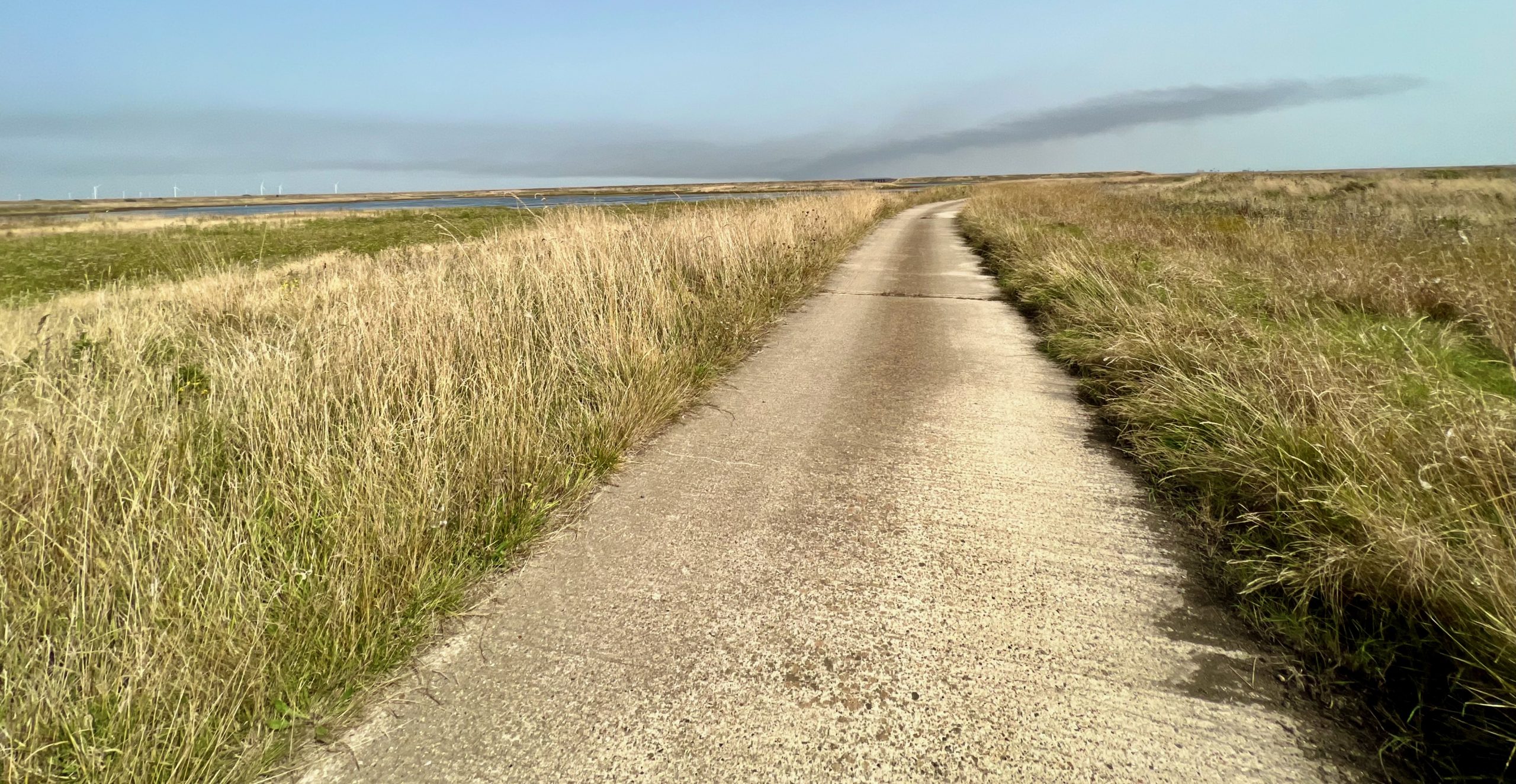
Finding our way
Let’s give nature a home
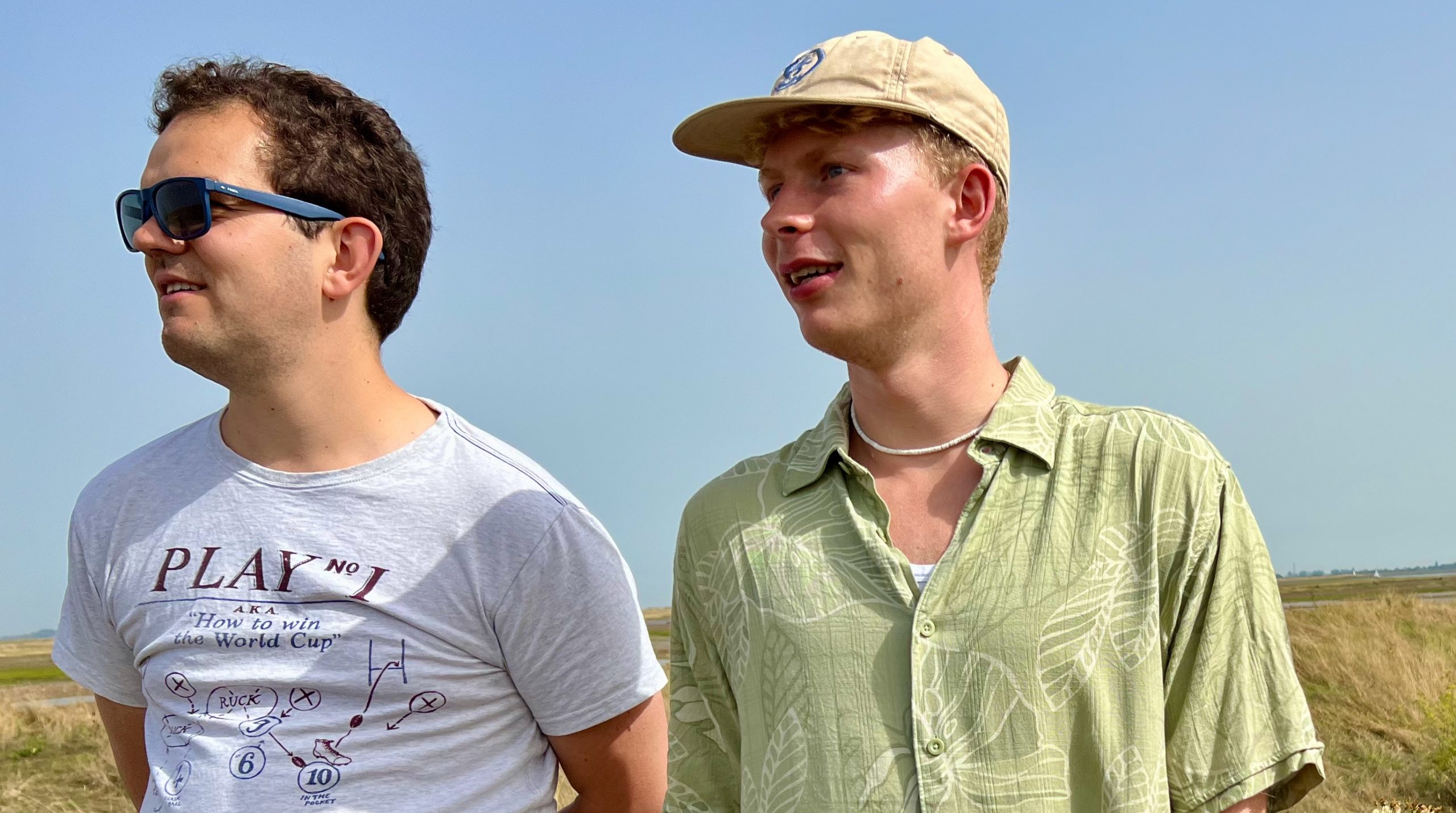
Richard and Josh paying attention
Islets, featuring geese
Tom, Josie and Mark survey the scene
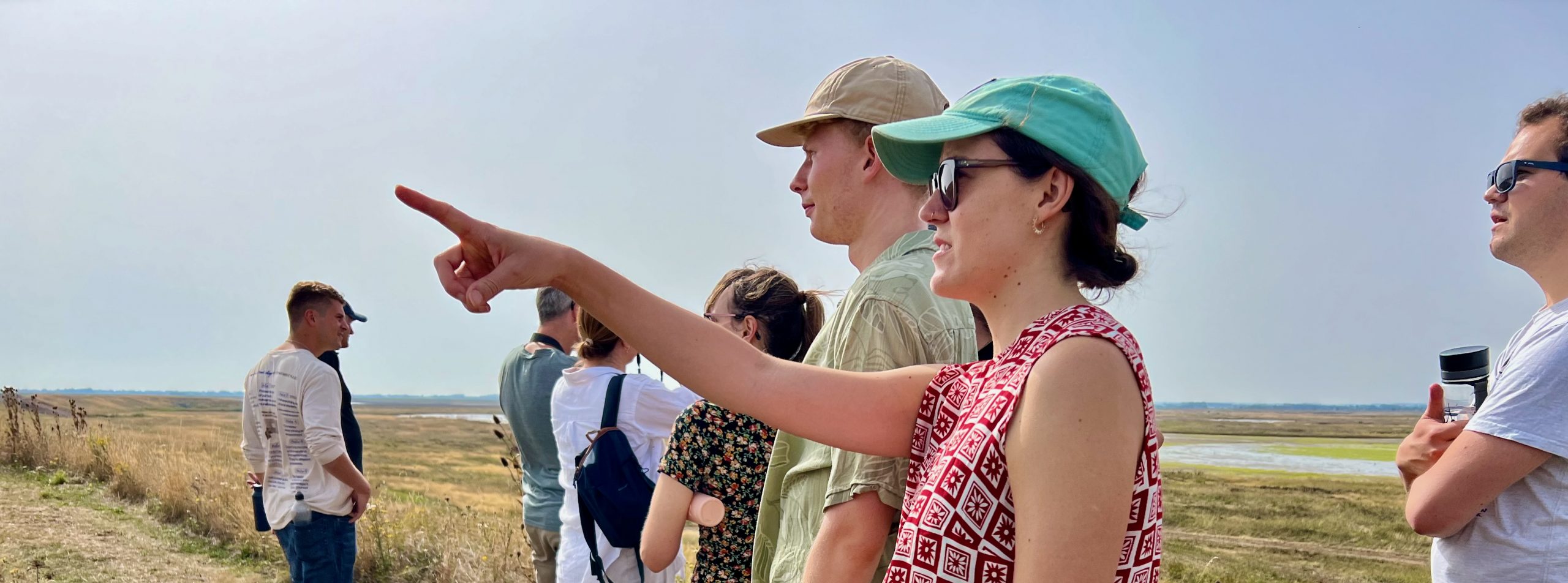
Josie directs
The haunt of samphire
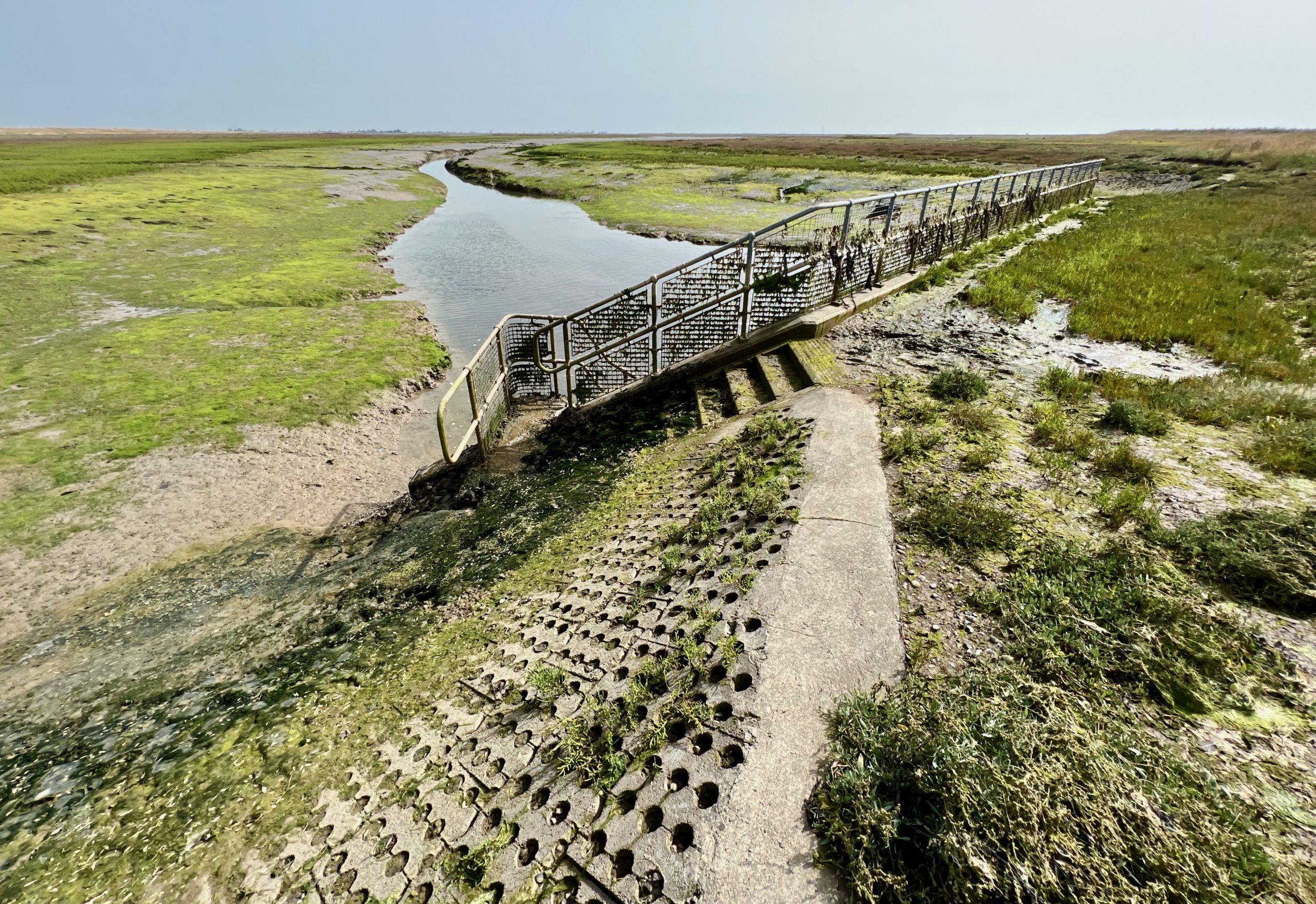
Bridged
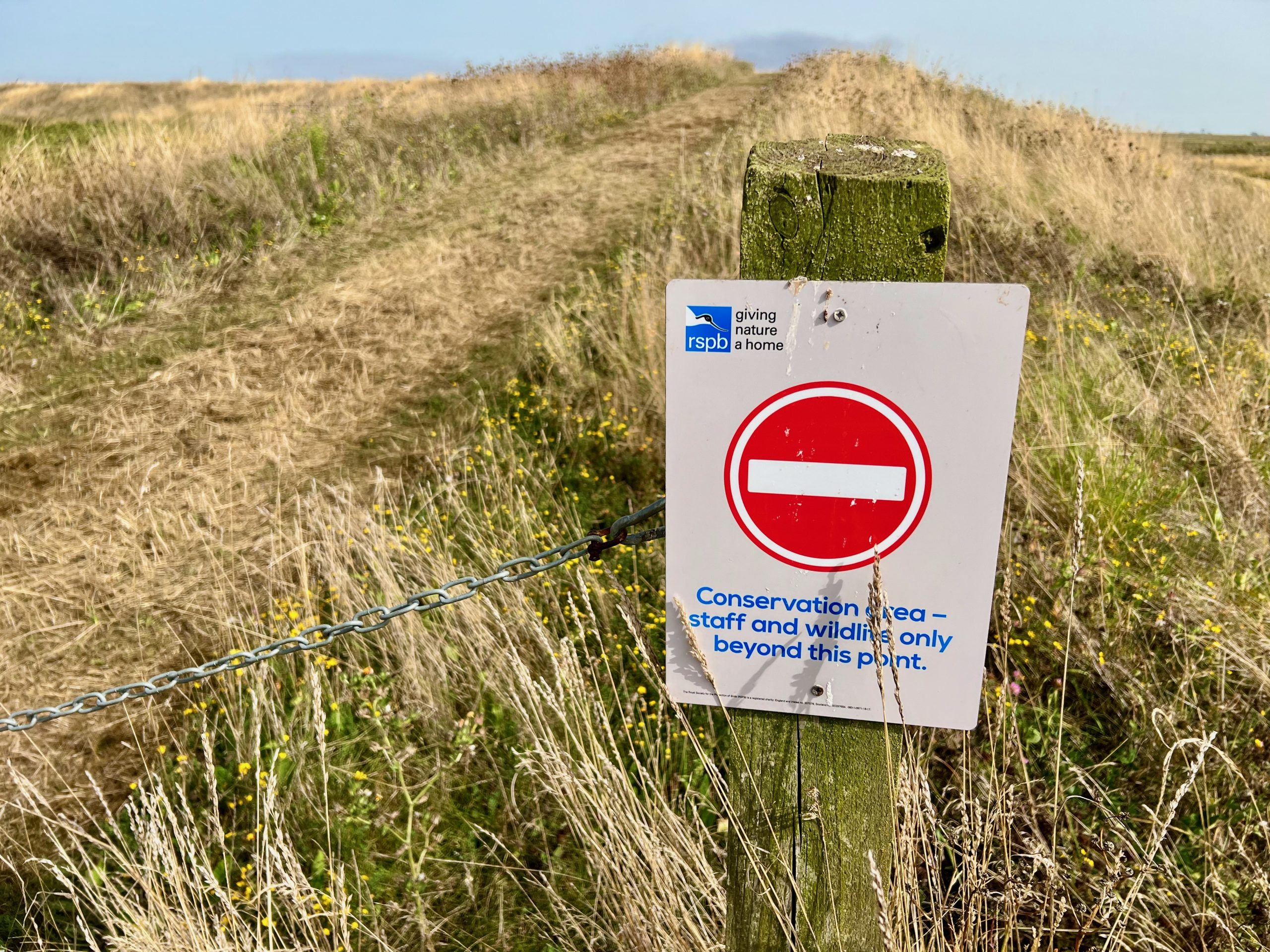
Only animals, staff and us
Cami trails the flock
Smoke from an oil fire gradually embraces our horizons, both sides
Eyeing the route home
Richard, Louise and Stirling digest lessons
Spotted as we wait to leave by taxi – will all this one day be under water?

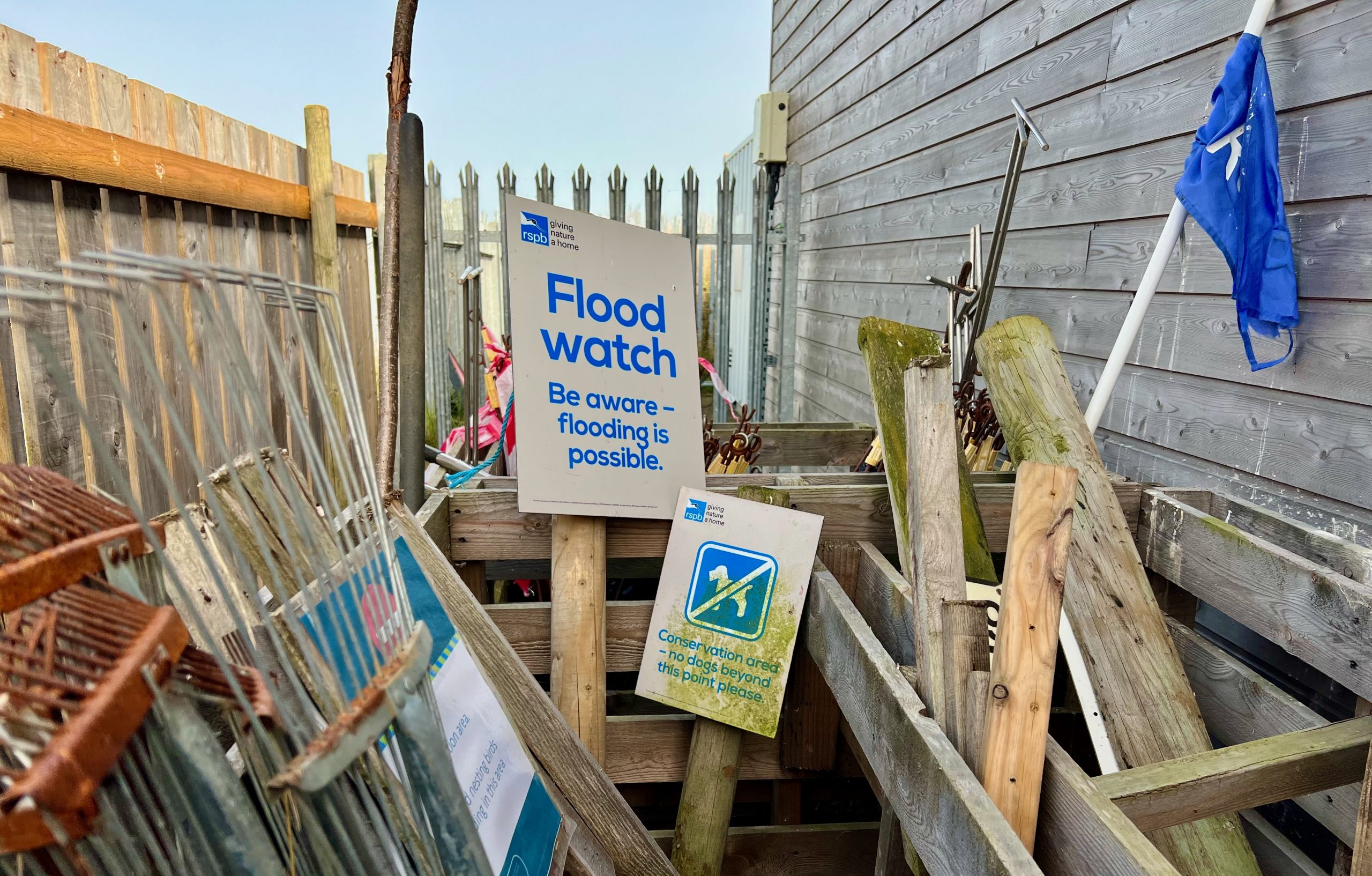
Serendipity can work in mysterious ways. Some years ago Elaine showed me a media report on Jubilee Marsh, near Southend-on-Sea, where 3 million tonnes of spoil from the Elizabeth Line tunnelling project had been used to reinforce and extend a saltmarsh. I made a mental note to visit it someday.

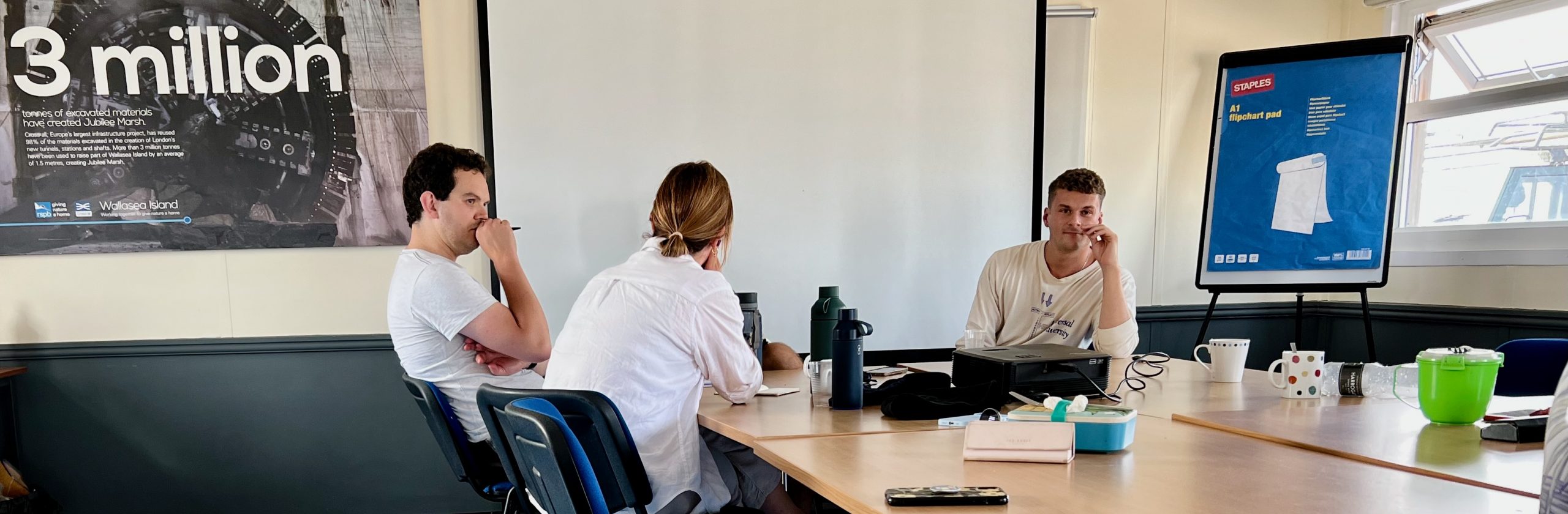
Then, today, the Volans team took the train to Rochford, Essex, to visit the self-same marsh. I only realised last night that where we were headed and where I had wanted to head several years ago were one and the same place.

We were hosted and guided around the site by RSPB team members, Lizze and Rachel. The visit followed an event that Volans organised at Somerset House some time ago, where residents were invited to imagine the local ecosystem as some sort of salt marsh. And there were also interesting links to our infrastructure and tunnelling conversations with at least one client.

What a joy it was to breathe the open air, to watch egrets and flights of golden plover, and taste marsh samphire as we progressed around the site. At one point, our guide wondered aloud what the marsh would become when sea level rise inundates much of the region.

An excellent account of the background story by Robin McKee can be found here.

One thing we discussed with our taxi drivers there and back was how the area around Southend-on-Sea became an overspill area for Greater London after WW2. As we arrived in – and drove through – Rochford, you could see the changed development patterns very clearly.

One thing we didn’t discuss though, was the wave of school closures in the wake of growing concern about RAAC, or reinforced autoclaved aerated concrete, used in a huge number of buildings at the time. It now turns out that Essex has more such buildings than anywhere else in the country. I wondered whether our alma mater, The University of Essex, was affected by the crumbling concrete syndrome, but apparently not.
Society Of Economic Geologists

John Elkington · 27 August 2023 · Leave a Comment

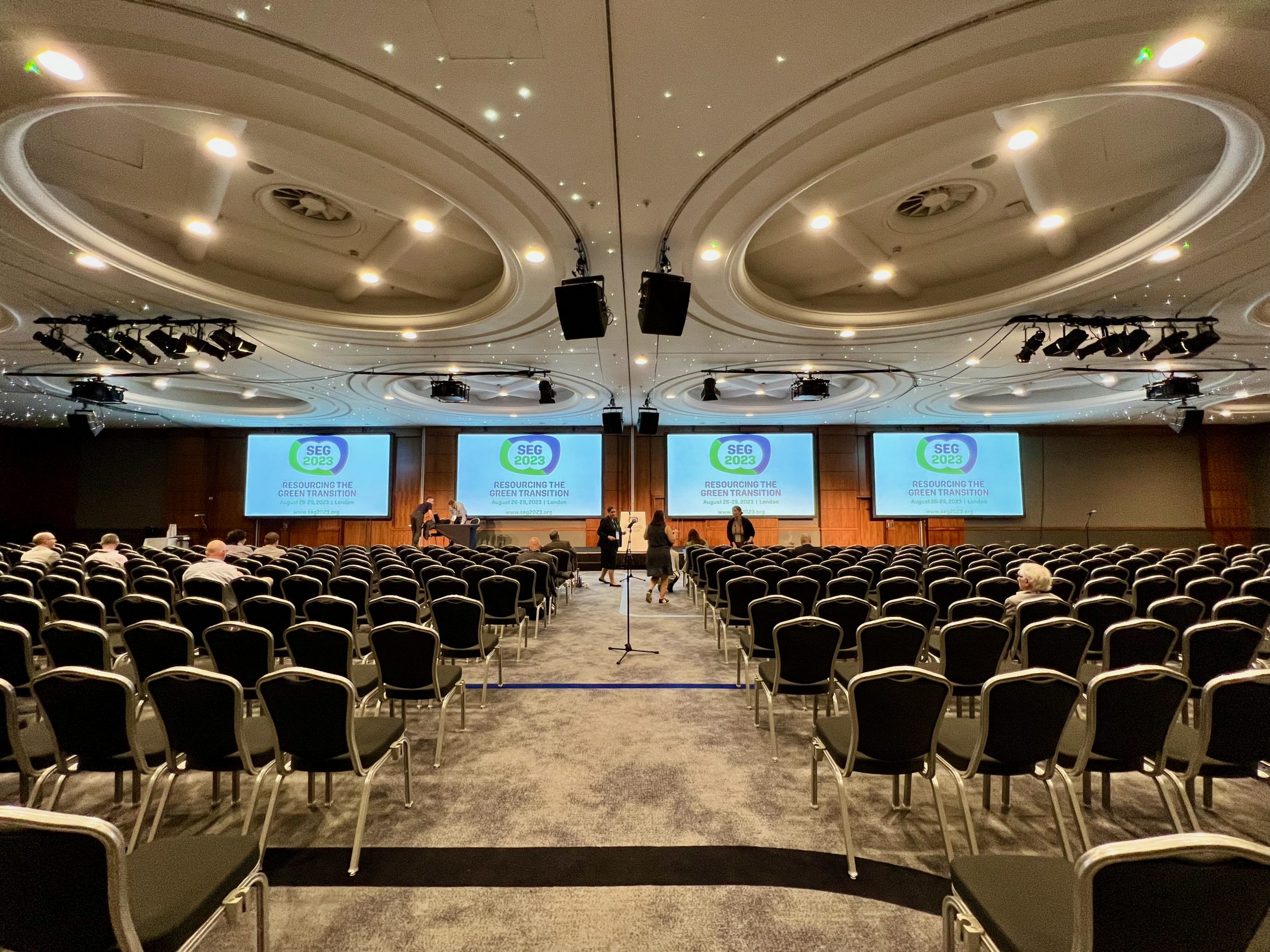
Part of the auditorium, as audience begins to file in
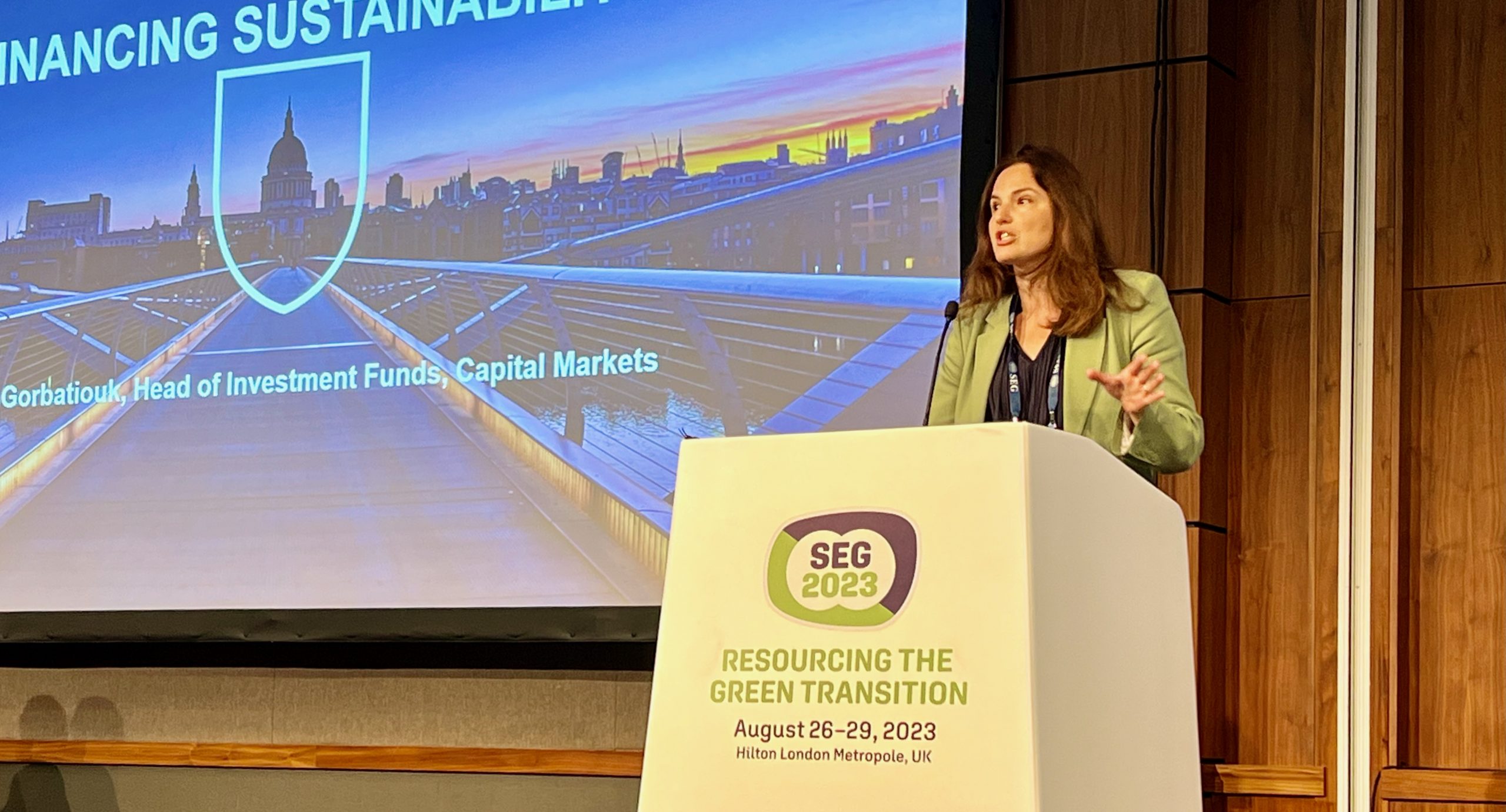
Katya Gorbatiouk of the London Stock Exchange
Walking home across Barnes Common

The speeches are coming fairly thick and fast at the moment, though it’s rare that I speak on a Sunday., Today I was taxi’d across to the Hilton Metropole Hotel up near Edgware Road, to speak at the annual gathering of the Society of Economic Geologists. The theme: Resourcing the Green Transition. Interesting spectrum of speakers.

The invitation followed on from a virtual event I did during one of the lockdowns for the Natural History Museum, with people like Iain Stewart. This time there were over 800 people, apparently, in the auditorium, and a very energetic set of exchanges, Well worth the trip, even at a weekend.
Bornholming

John Elkington · 12 August 2023 · Leave a Comment

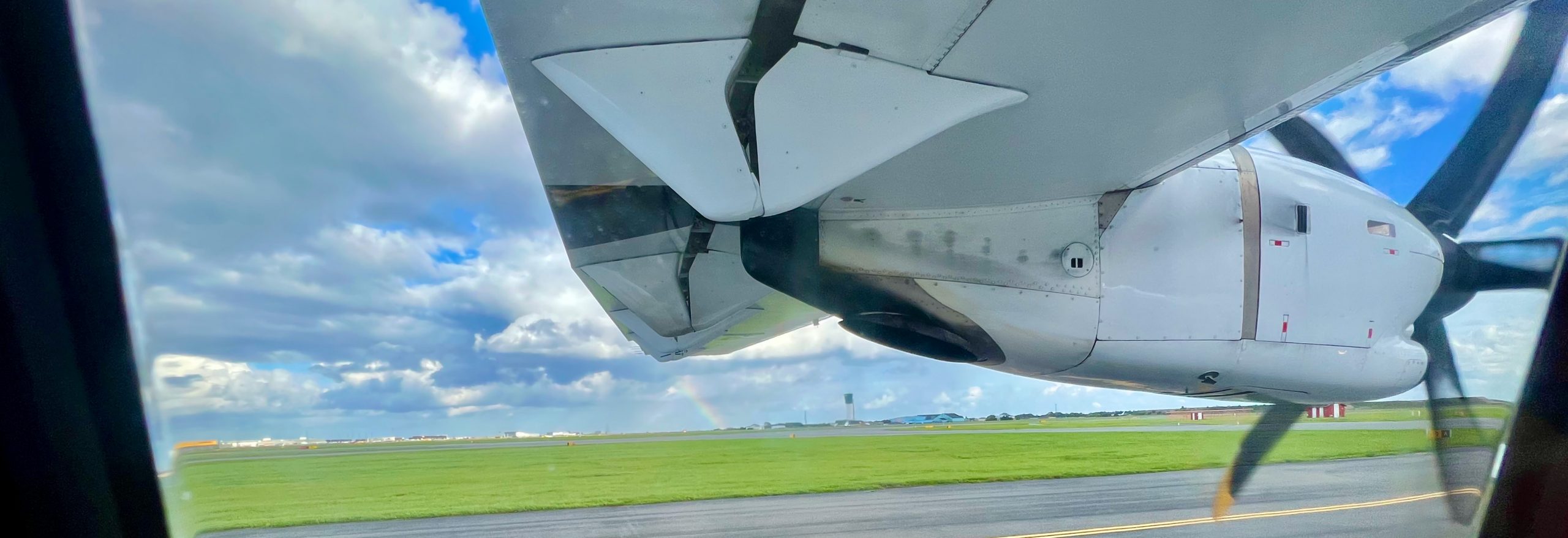
Rainbow on horizon as we take off from Copenhagen for Bornholm
Something of the Viking era to this
And, according to 123andMe, there’s a fair amount of Viking to this, too
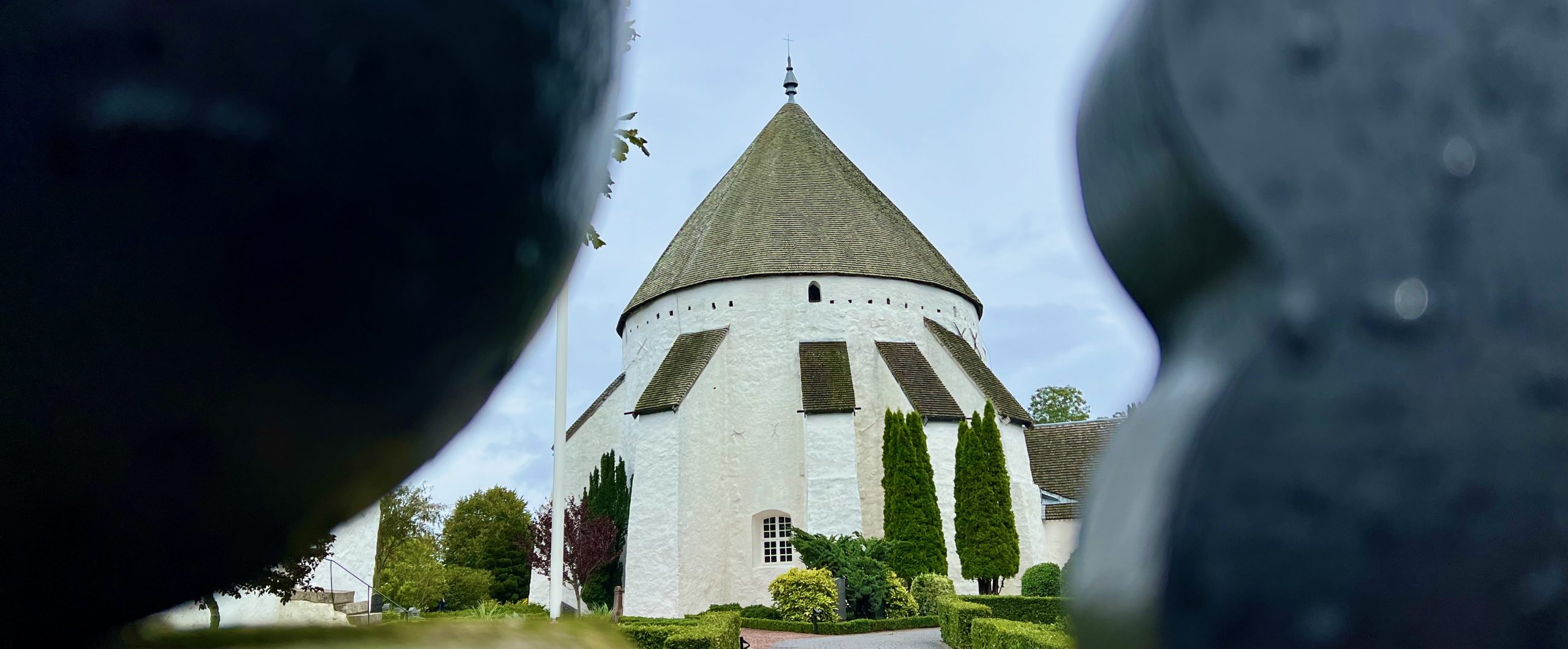
The island’s largest round church, Østerlars
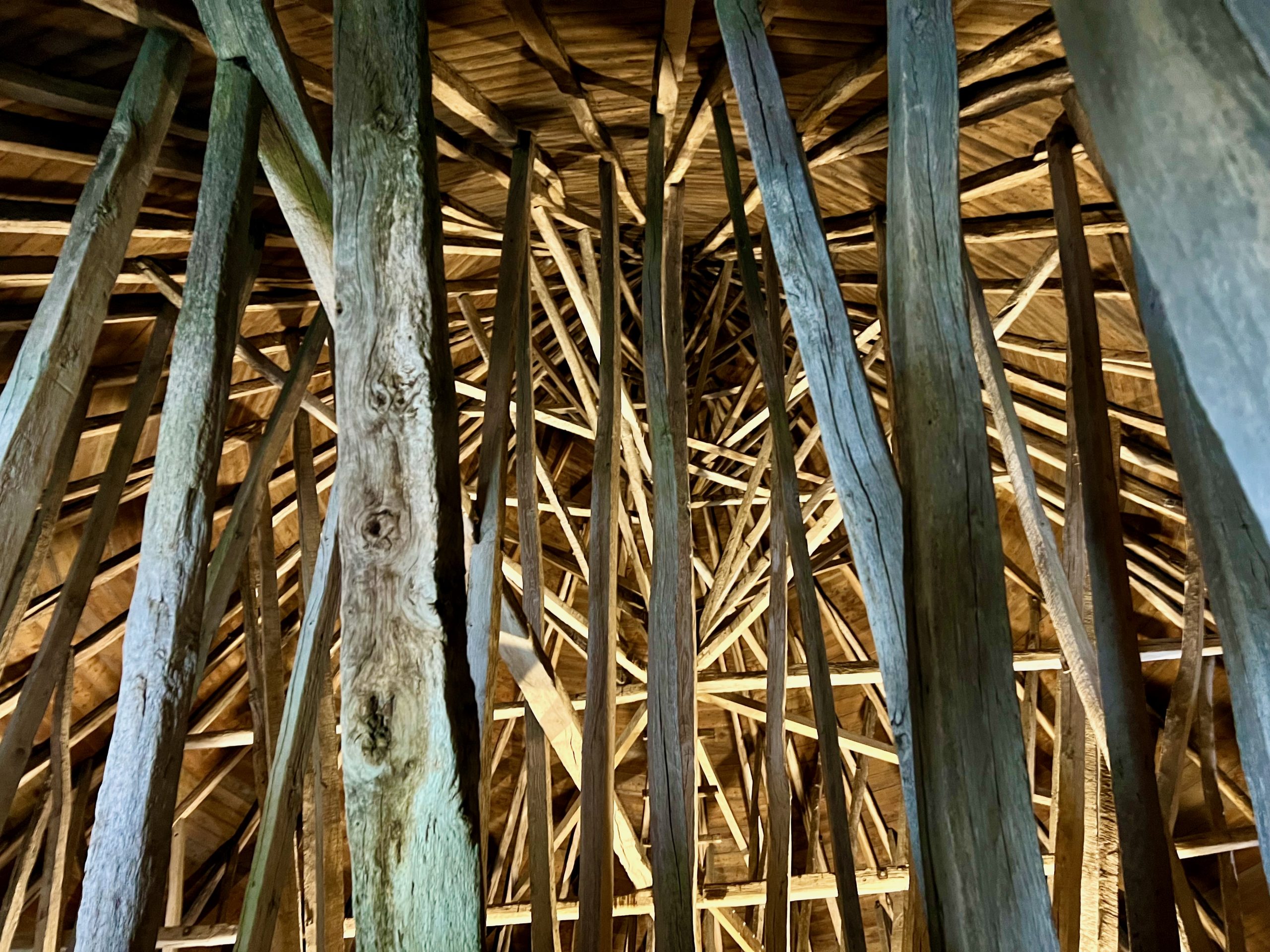
Inside, raising the roof
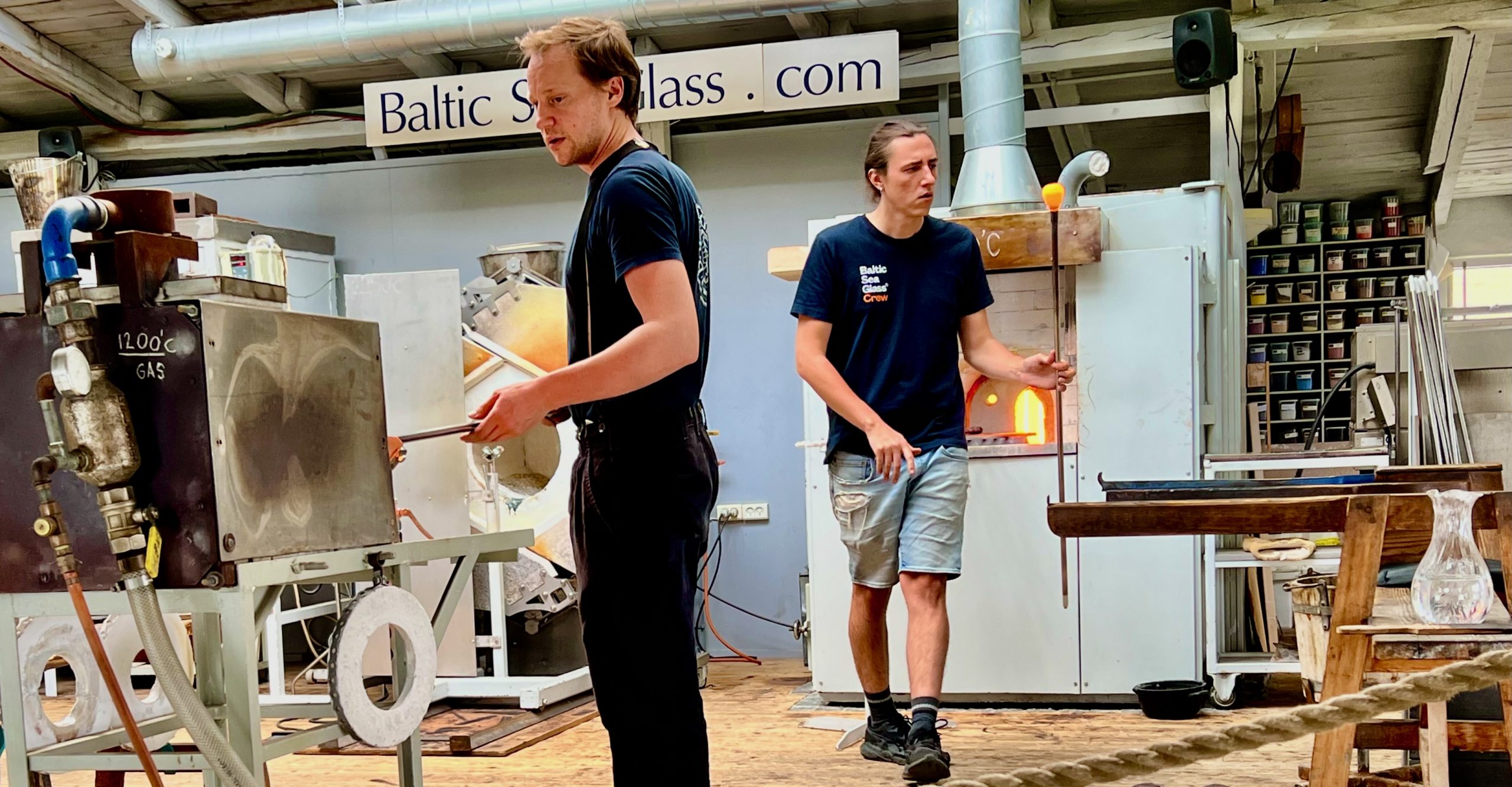
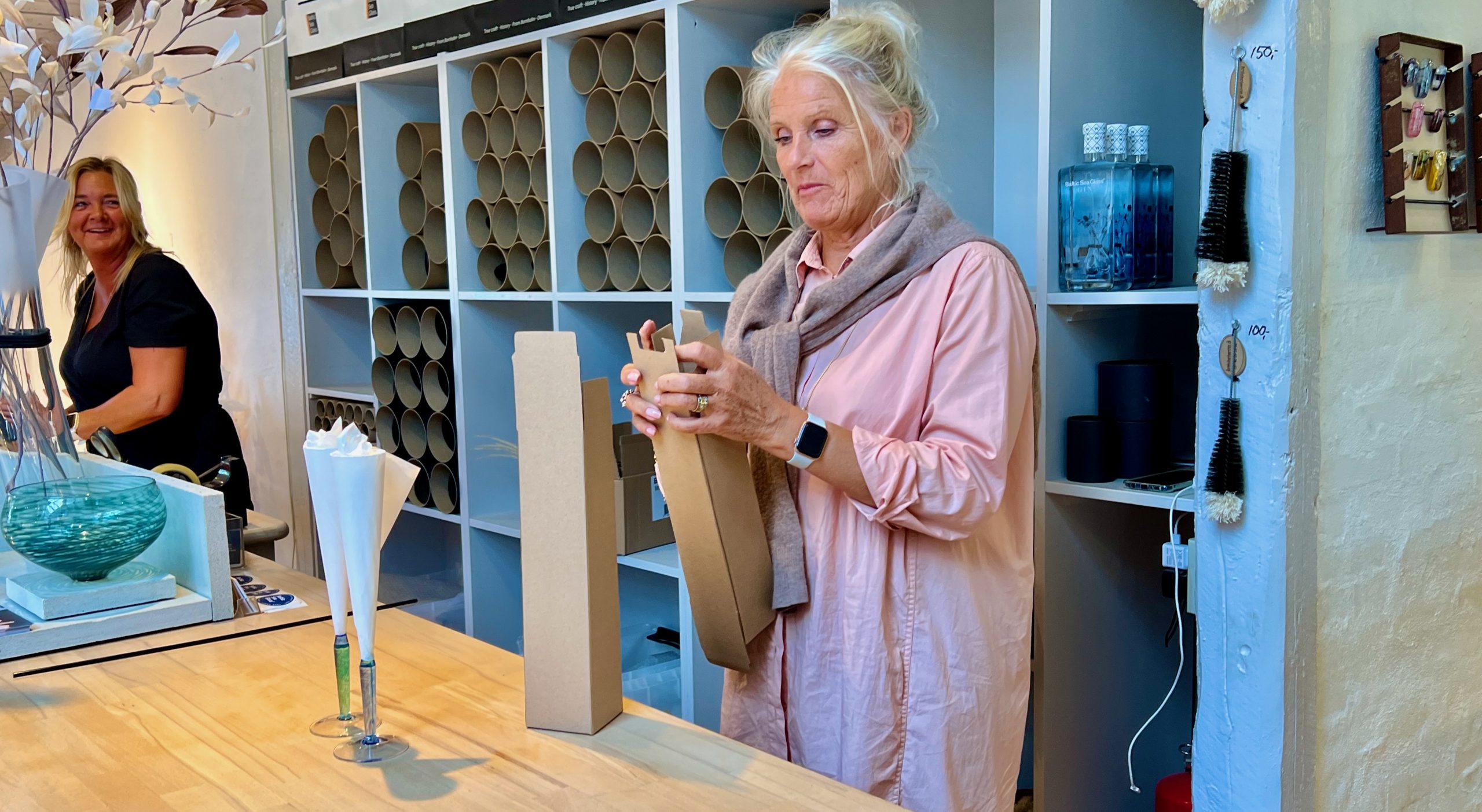
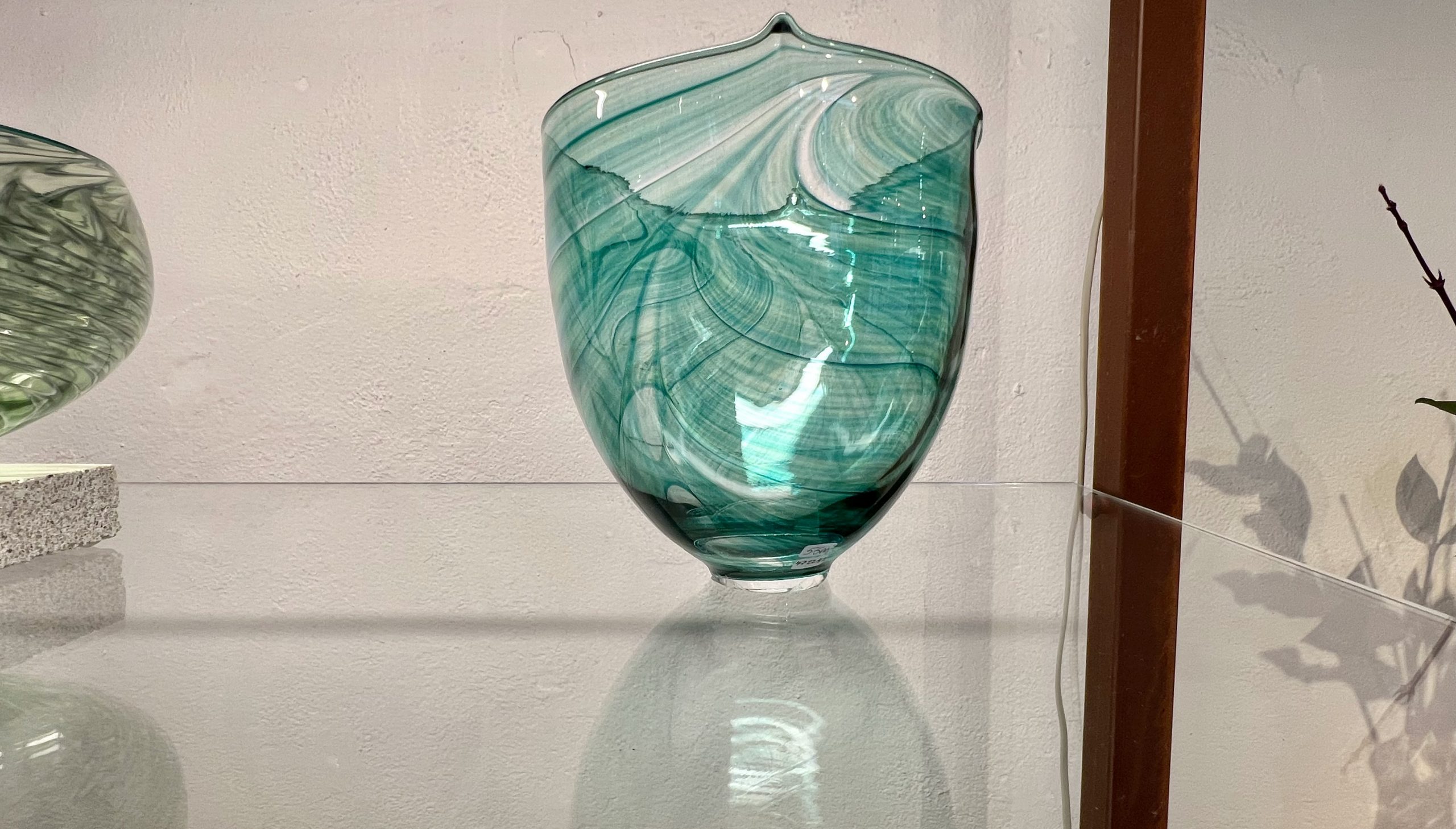
Glassblowing at Baltic Sea Glass
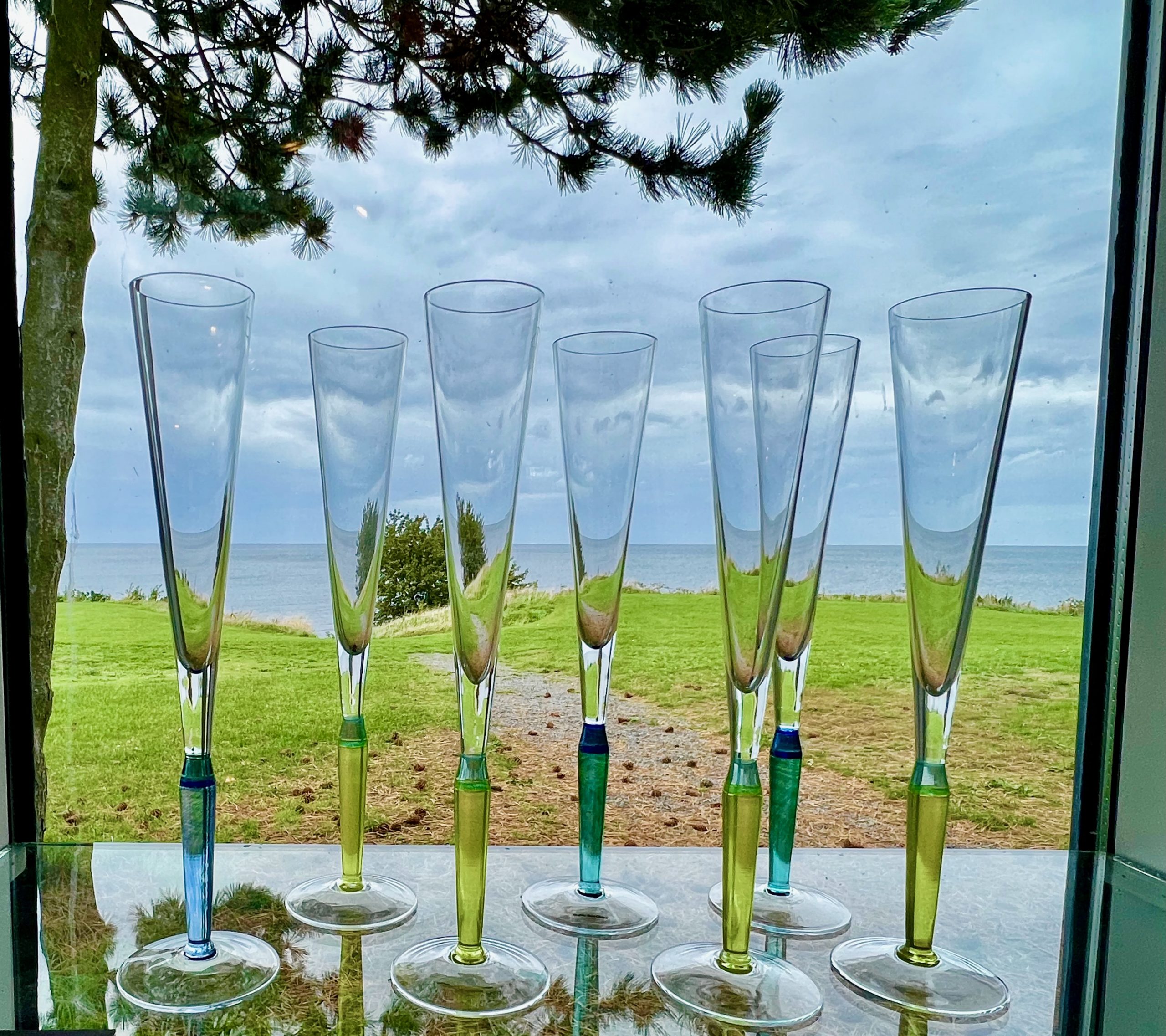
Caught my eye
Sparingly, I only bought two
For Elaine, the one that got away
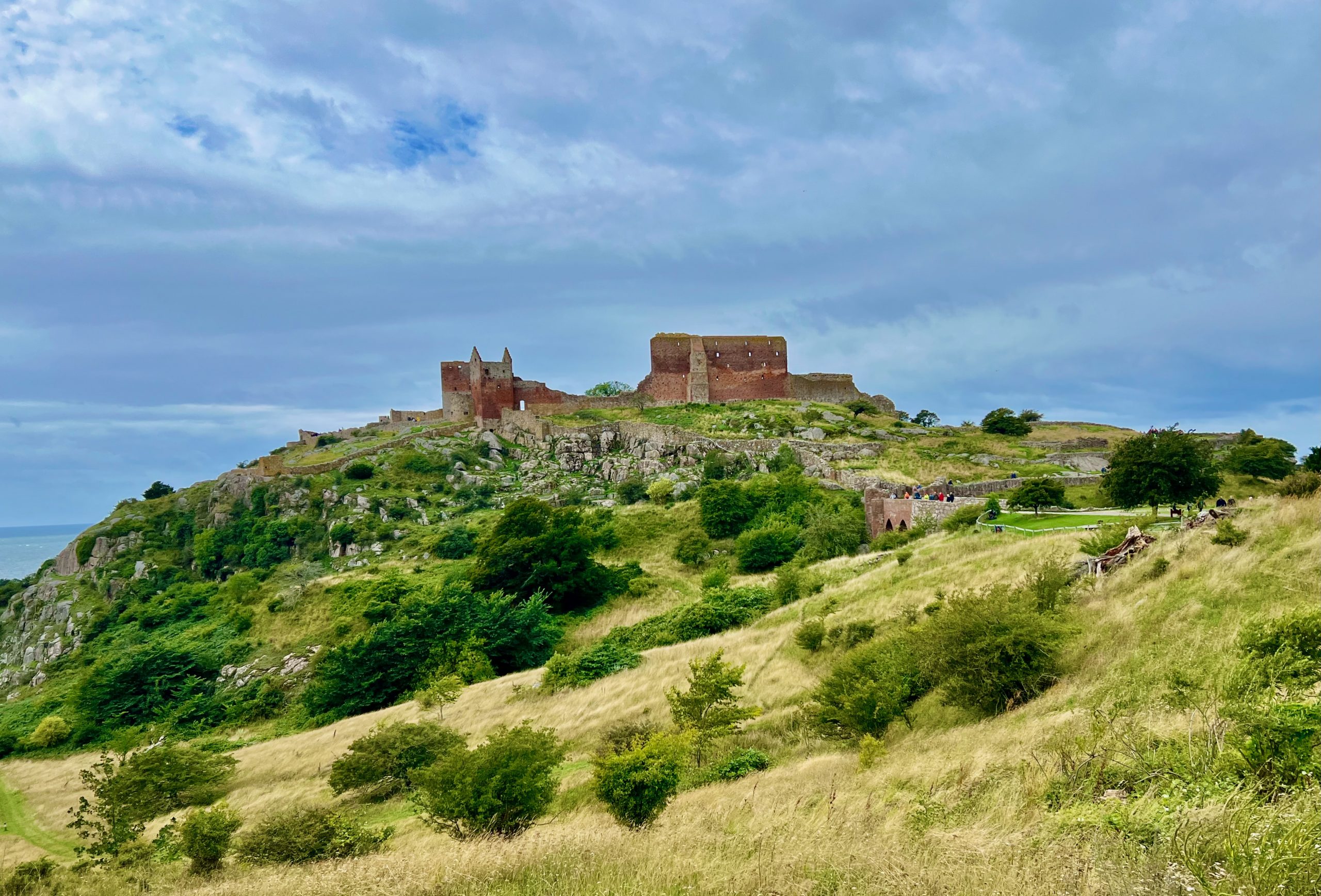
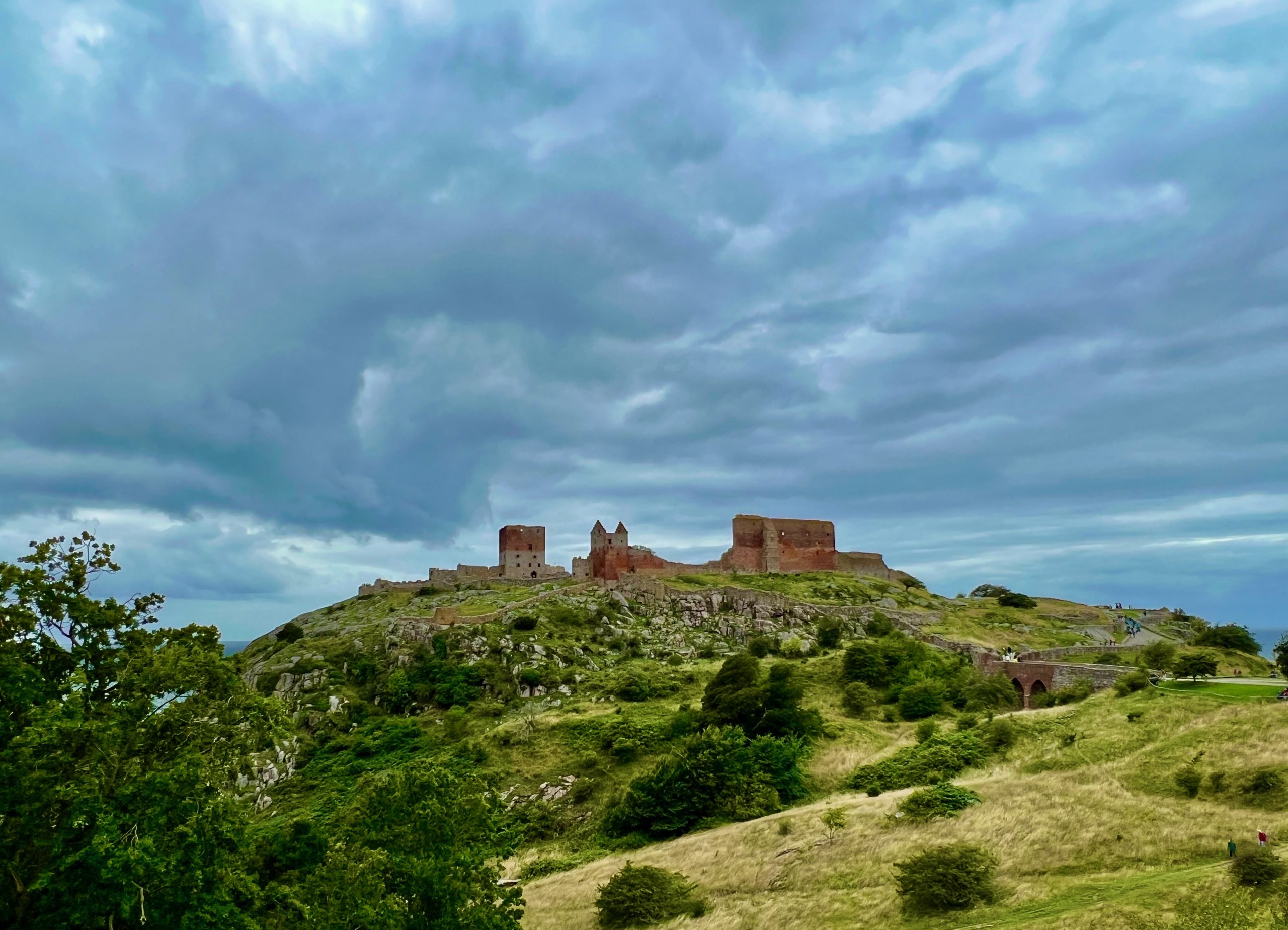
Hammershus Castle
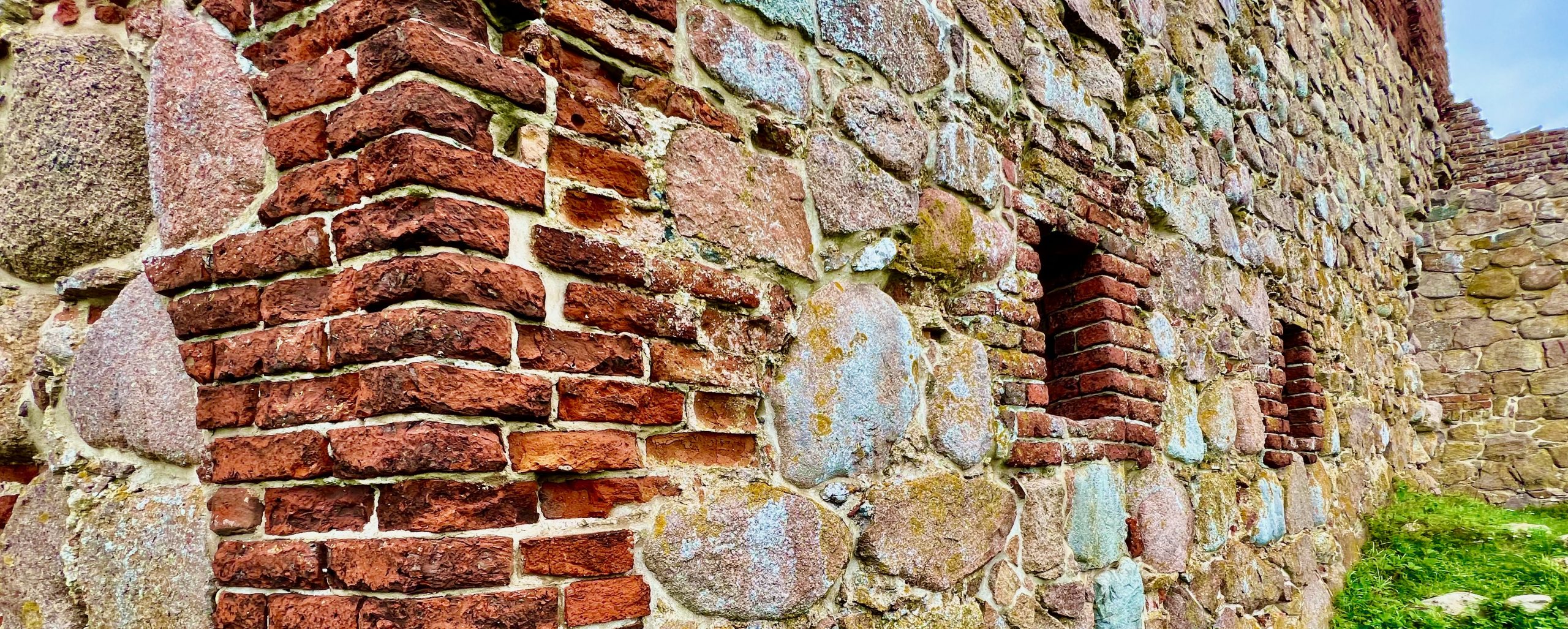
Restoration is a bit of a patchwork
But fun’s being had
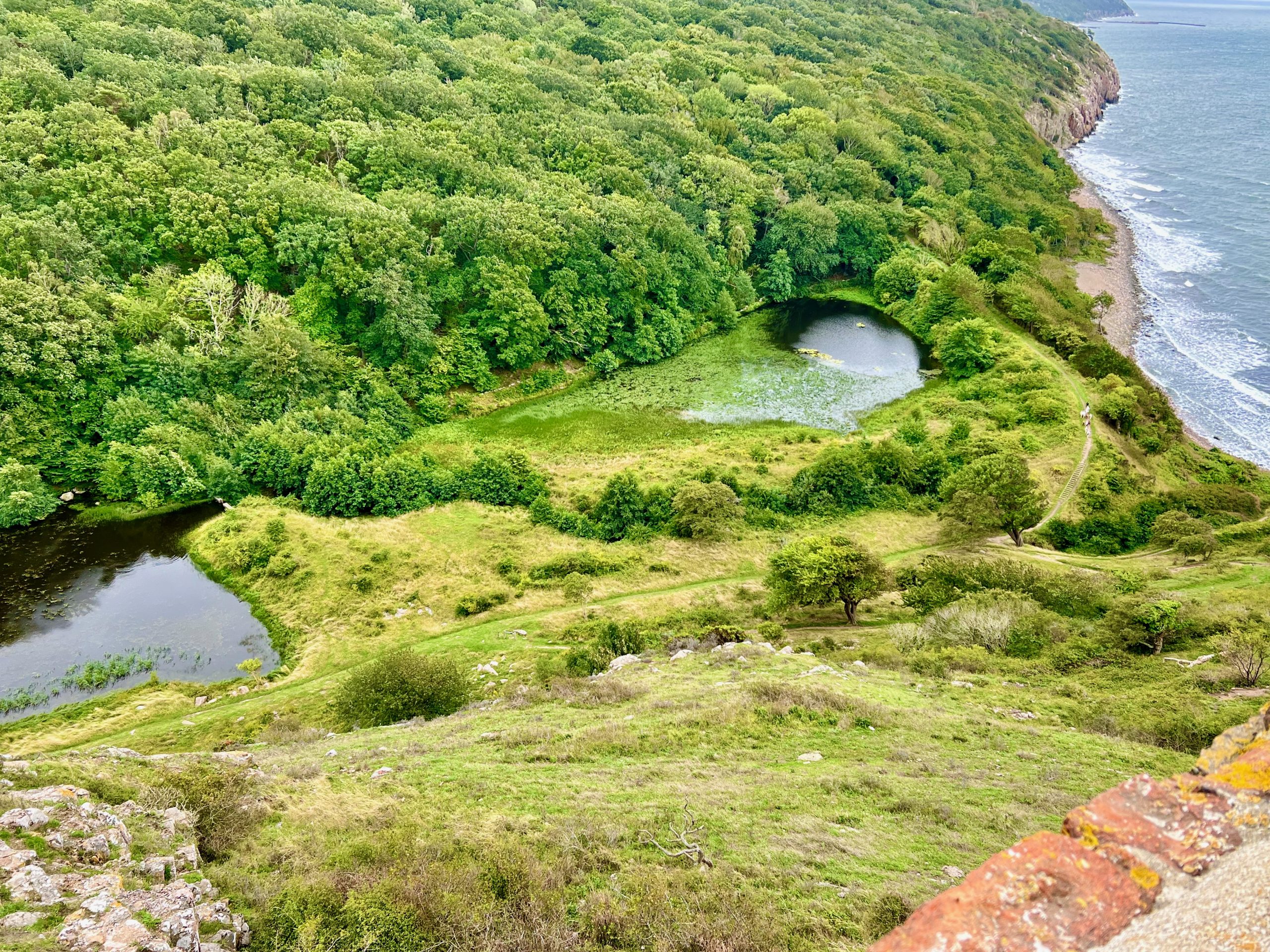
From the ramparts, a line of goats on path between second lake and sea
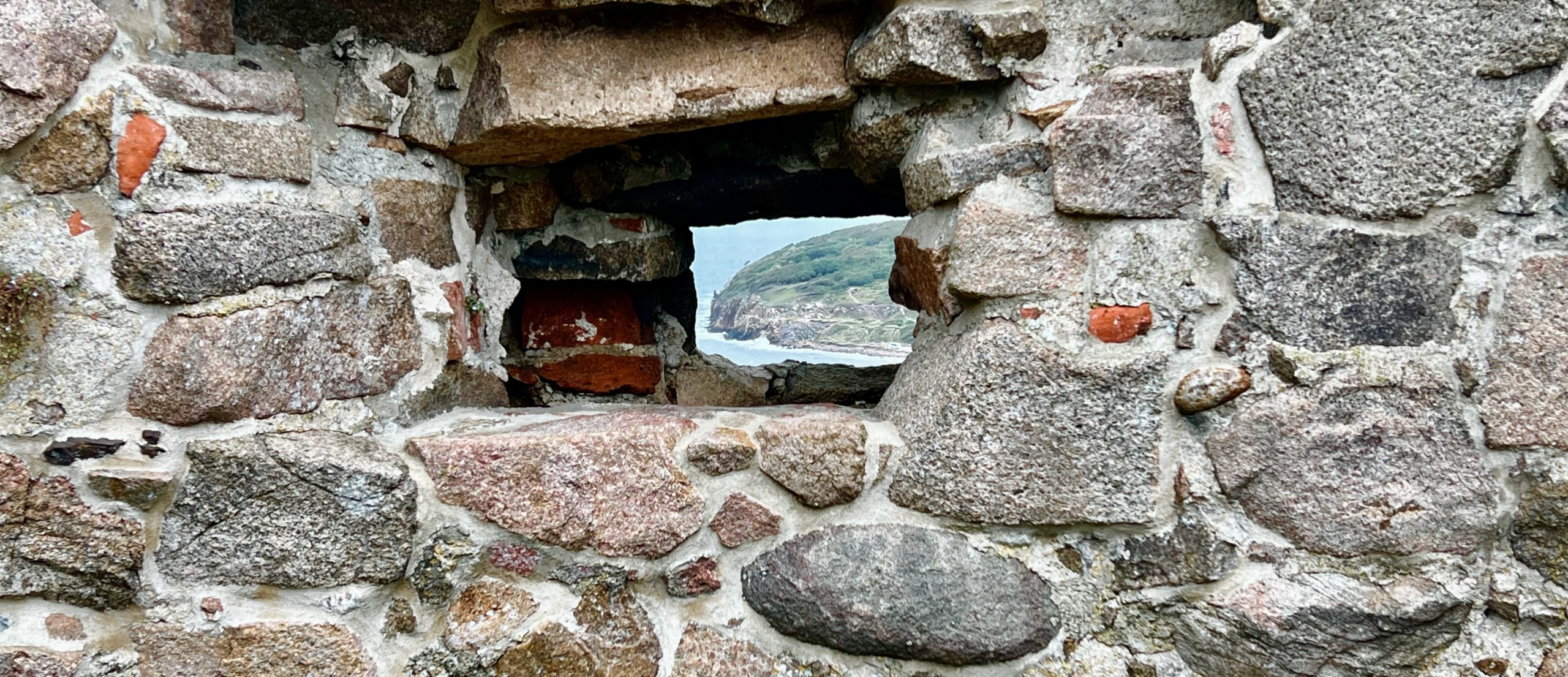
Gunport overlooks headland
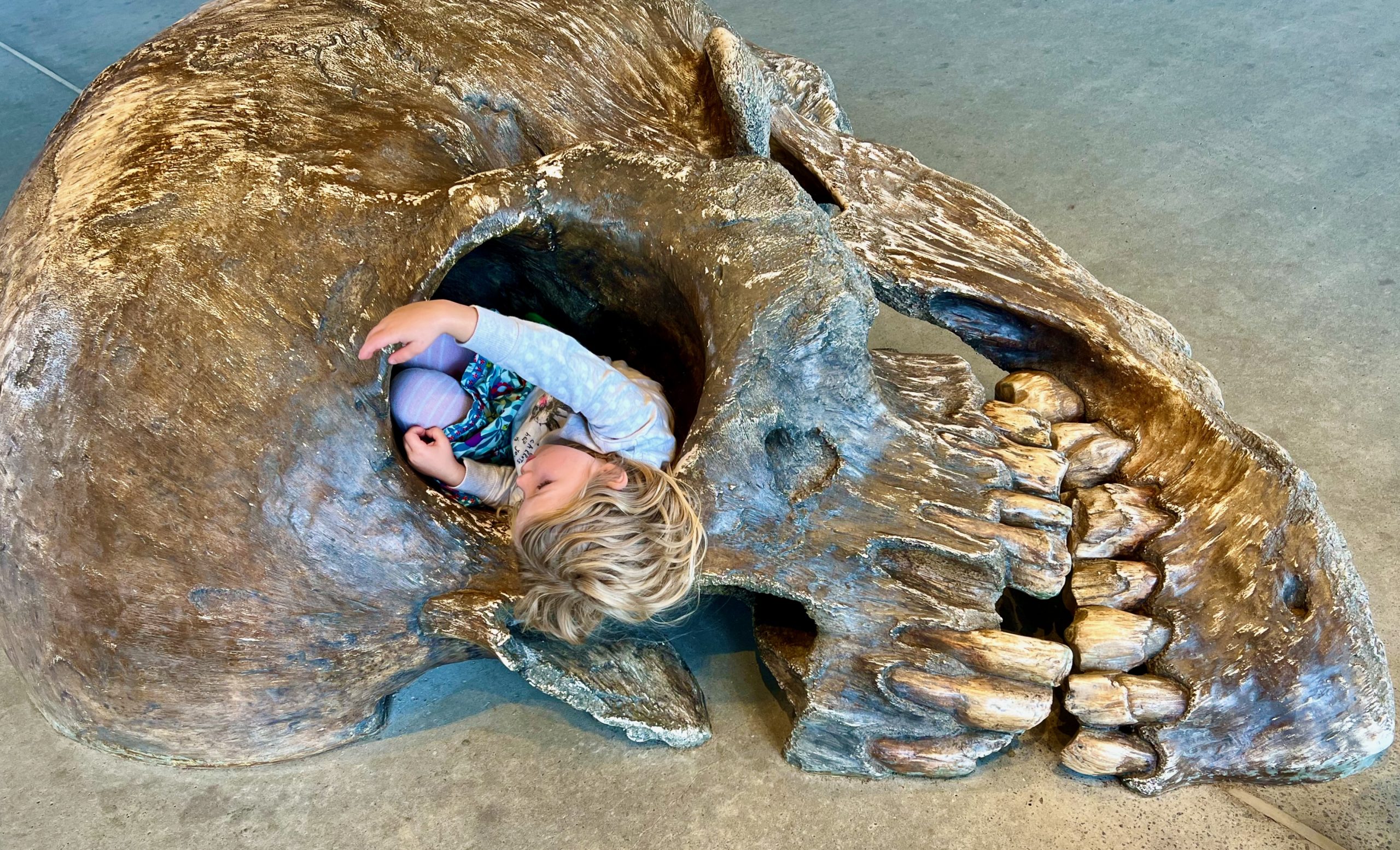
Two eyes in one socket
As we walk back down the hill
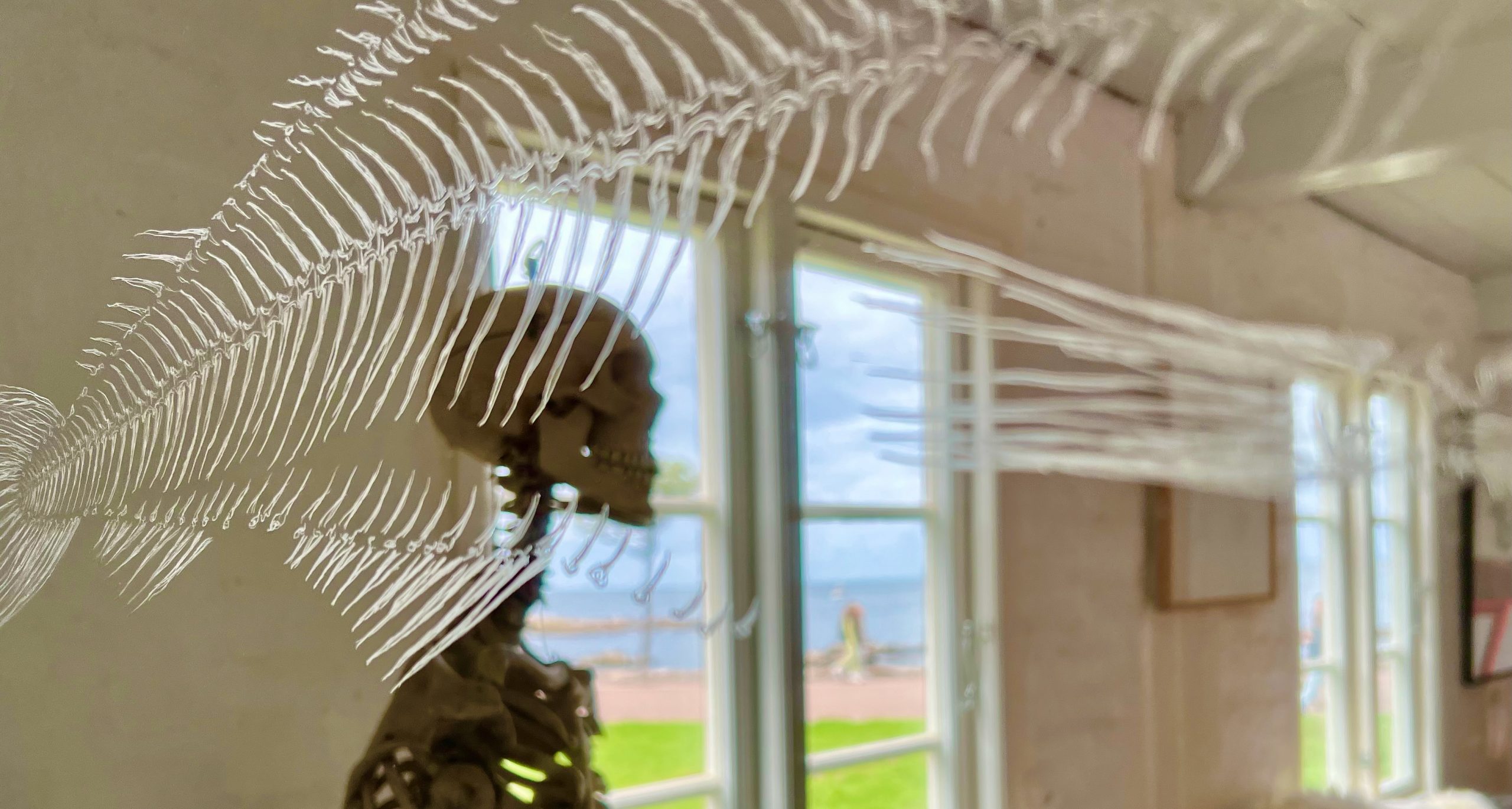
Another skull, this time on a skeleton, seen through a fish-boned mirror
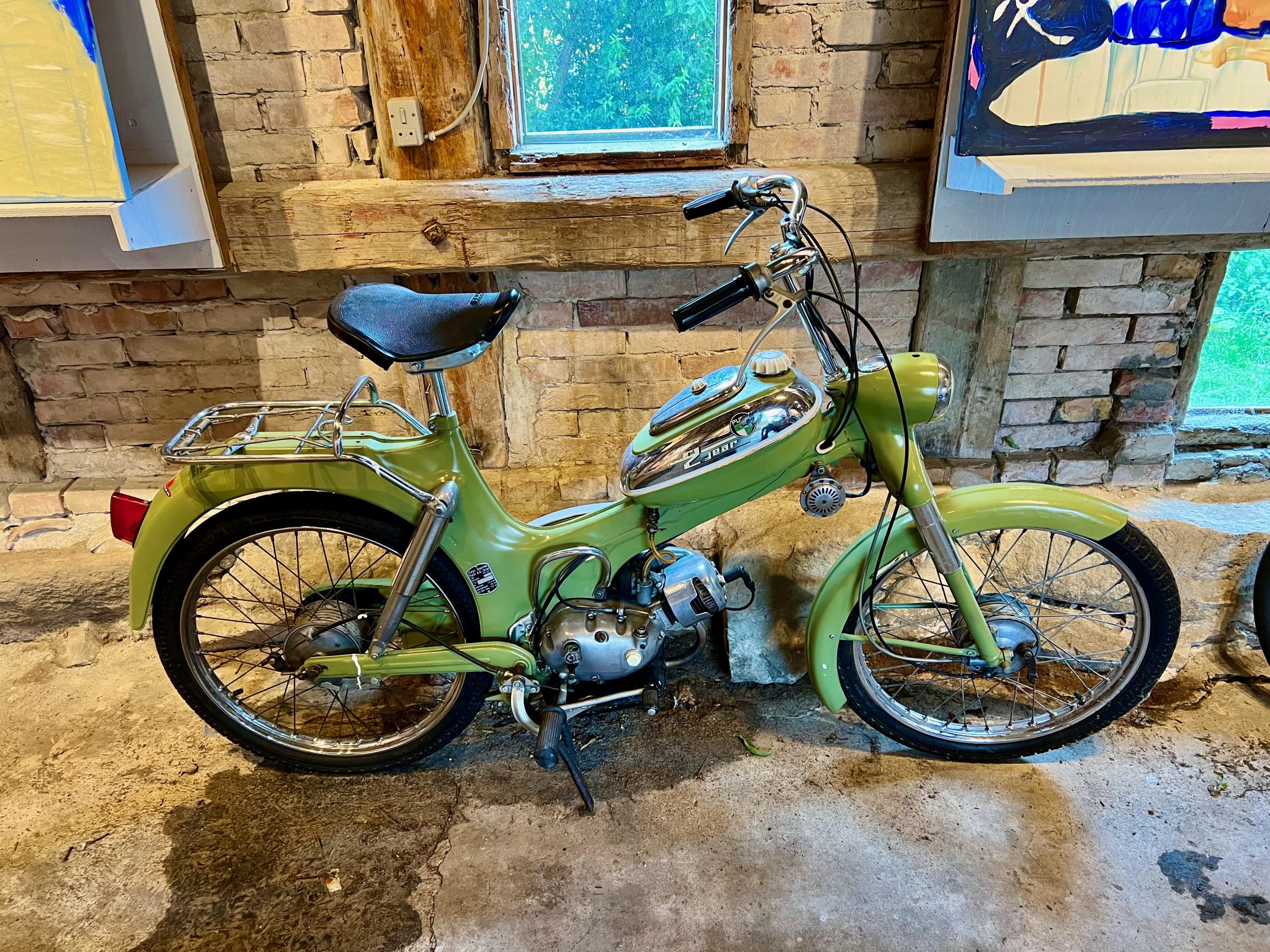
Part of her husband’s motorbike collection …
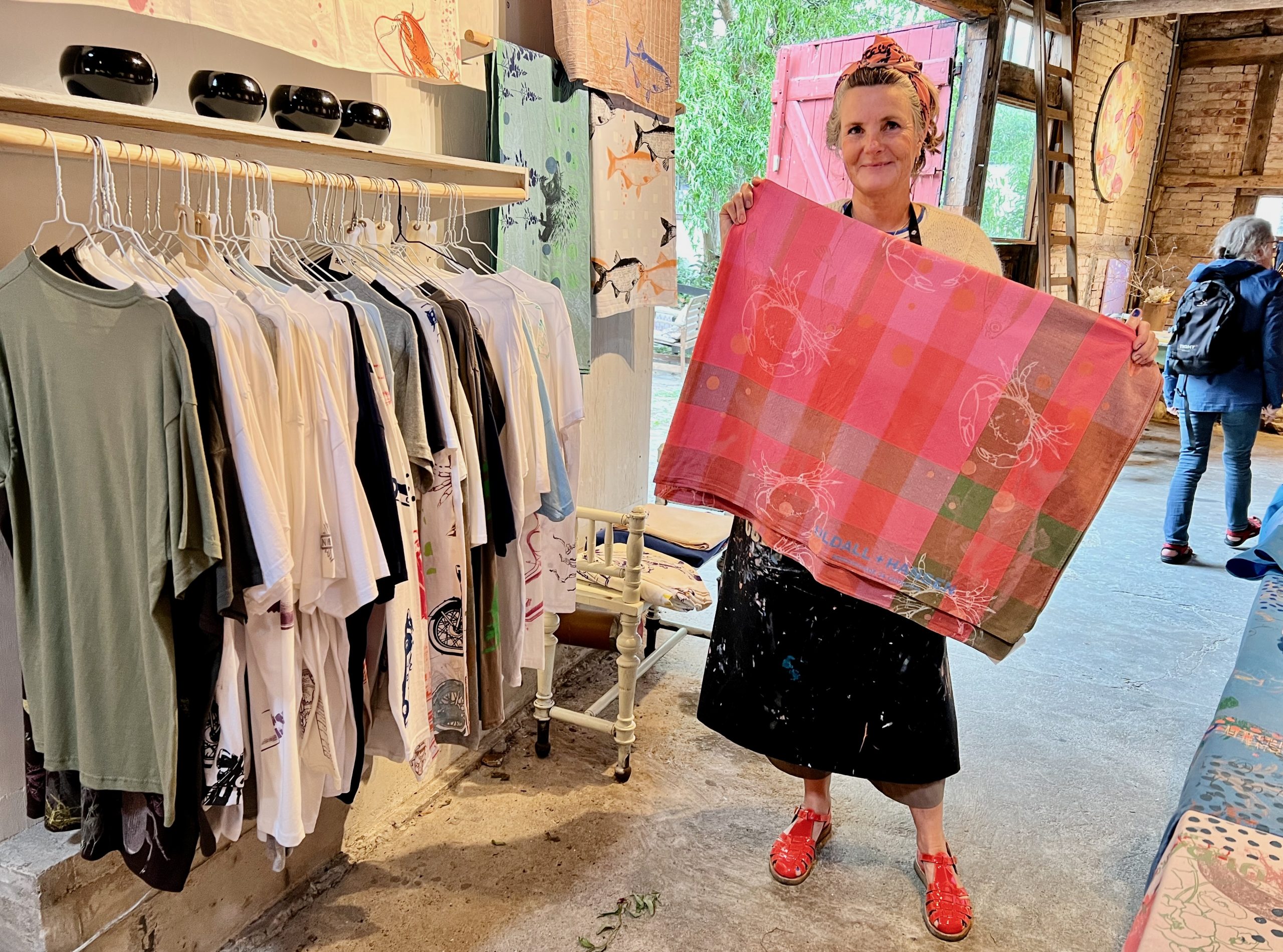
… and here she is with the printed linen tablecloth we bought
Noah and Astrid, homeward bound after our night out
As we walk to the beach the next morning
On the beach …
Elaine embraces Bornholm
Indeed
Elaine and Louise on the softest of sand
Into the island’s central forest
Slightly unhinged: Noah opens the gate, before we spot whirligig beetles
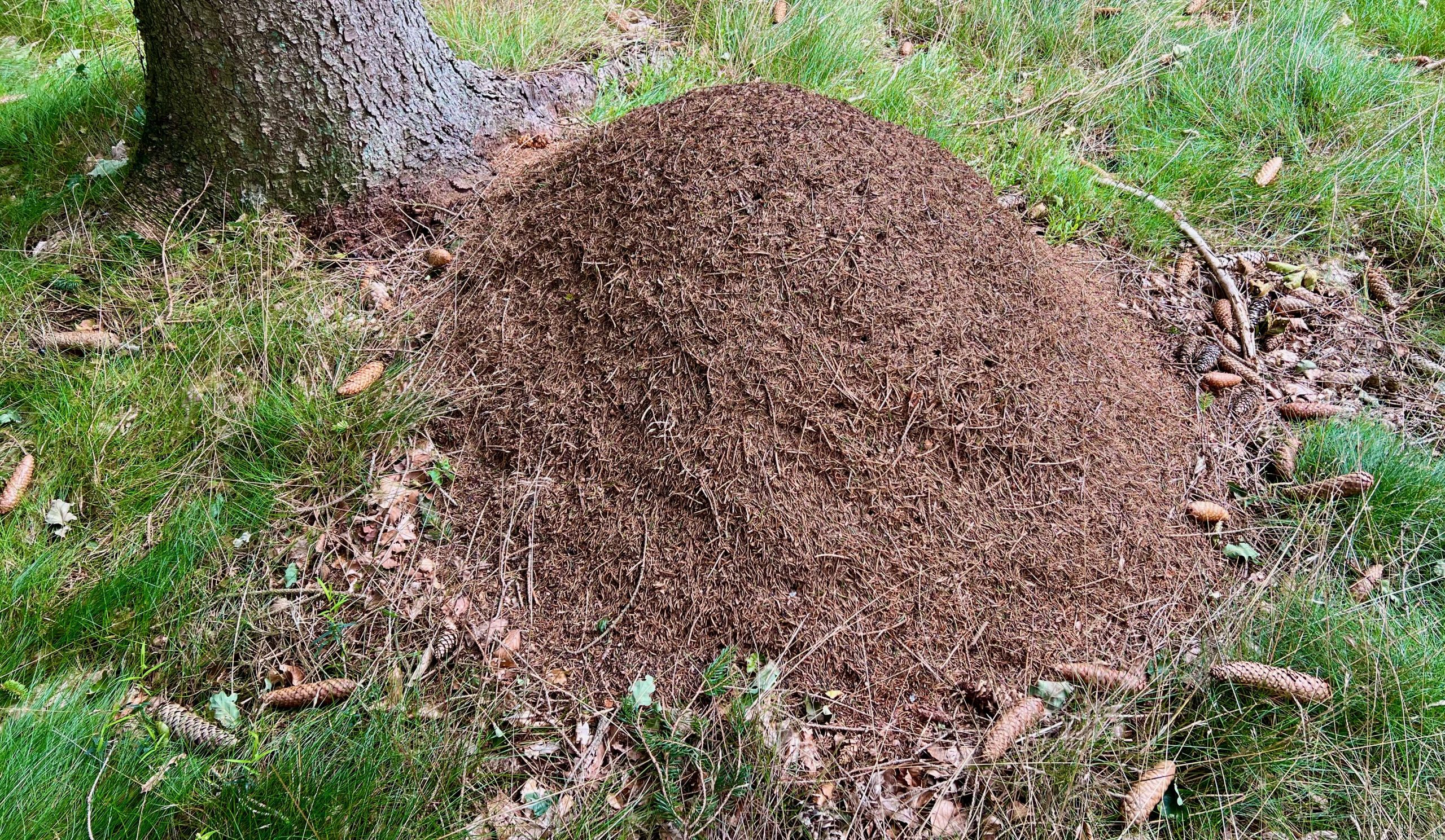
Ant’s nest
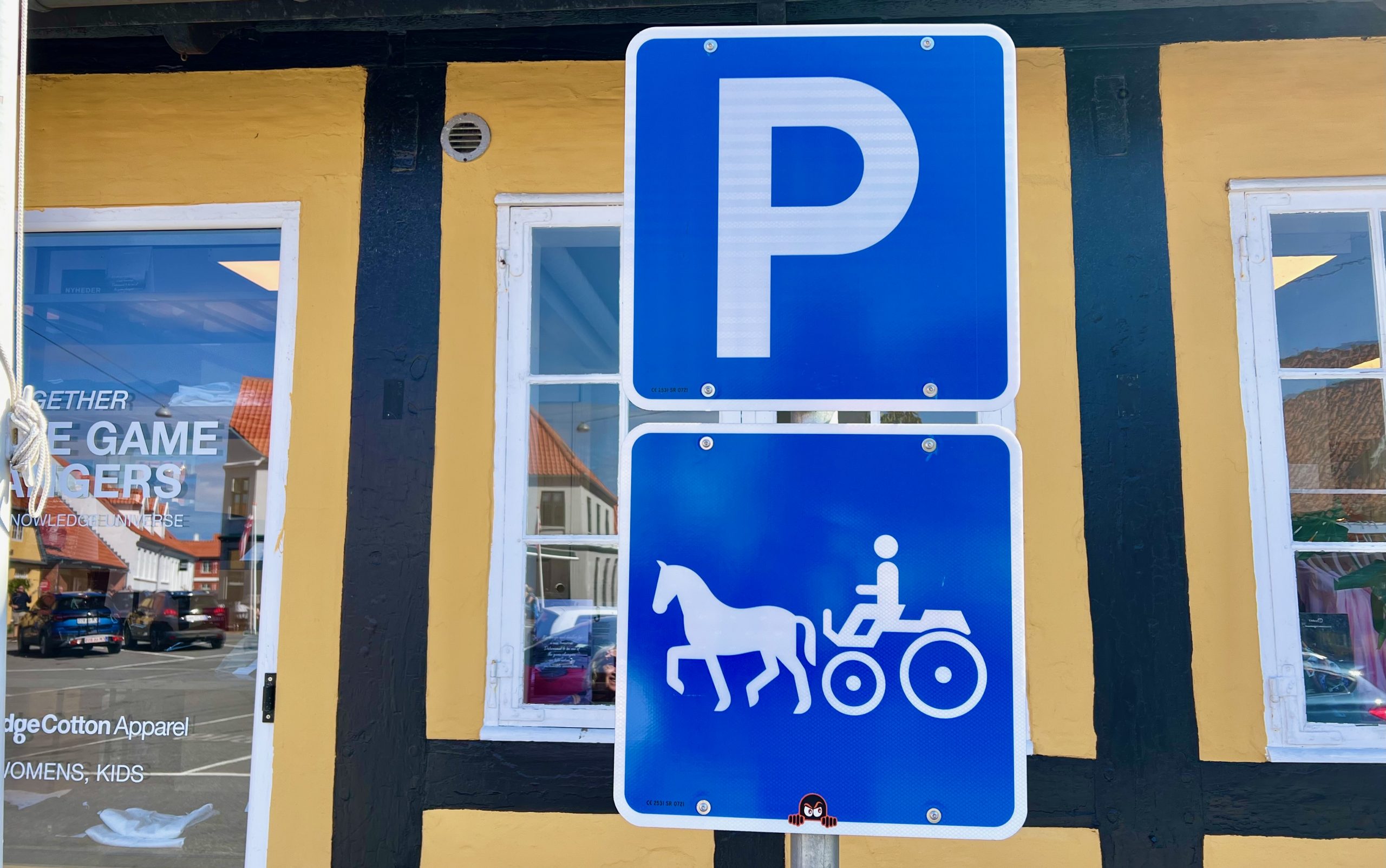
Where to park your horse and barouche or gig

Elaine and I flew SAS to Copenhagen on Tuesday, early in the morning. Because of a screw-up I was responsible for, however, we had to take a later flight on to the island of Bornholm. I had forgotten a speech I was meant to be doing for the AACSB, which links business schools around the world.

It turned out that I was meant to be on air at exactly the time we were meant to be in the air. Still, we made it work – and, thankfully, it seemed to go very well.

As we took off, after a holdover of something like six hours in Copenhagen Airport, Kastrup, a rainbow danced along the horizon – heralding we knew not what in terms of the week’s coming weather. As it happened, though, much of the week proved to be overcast, with some rain, though things did clear up a bit towards the end, particularly yesterday, when the sun remembered that Bornholm is meant to be the ‘Sunshine Island’.

During the short DAT flight to Bornholm, in a prop plane, we enjoyed cloud-studded but clear views of the sea, wind farms, ferries, tankers and a surfaced submarine. On arrival, Louise picked us up from the tiny airport and drove us back to the farmhouse where she and her family – in this instance Astrid, Mark and Noah – spend a significant slice of every other summer.

We clipped a pheasant along the way, though she may have been unruffled, and then turned off into a landscape of deer, hares, buzzards and, swirling around the house, swallows. Lovely to see Flossie, the Labradoodle who is a prominent feature in our Somerset House set-up, though she kept coming in from the wider world with an assortment of ticks. For a while, I became the self-appointed Tickspotter General.

Where I could squeeze it in, I continued reading Anthony Marra’s marvellous novel, Mercury Pictures Presents. I can’t remember laughing out loud so often since I read Joseph Heller’s Catch 22 at school, back in the early Sixties. Brought along a couple of other books, including Reinier de Graaf’s architect, verb, but – for whatever reason – didn’t manage to squeeze out much time for reading.

Sparked by the sight of barrows/tumuli along the roads, I dug a bit into the island’s deeper history, geological, archaeological and cultural. We then spent a goodly amount of time enjoying ourselves in smokeries, particularly the Nexø Gamli Røgeri, where the fish was extraordinary (went back several times); in restaurants, where the food was excellent; in schnapps shops like Nord in Svaneke; and in art galleries and craft workshops – including a couple of glassworks, where we watched glassblowing in real time.

Wonderful breakfasts of bread, cheeses and the like bought nearby, and then visits to special places on the island, including Østerlars, the biggest of Bornholm’s round churches, and Hammershus, a spectacularly positioned set of fortifications, albeit with a grim history extending over centuries. Learned a little about the extraordinary life of Leonora Christina Ulfeldt, who was imprisoned at Hammershus (a period during which she wrote that the rats in her cell were so ravenous that they ate her candles while they burned) and determined to read more about – and by – her.

On this, our last day, we took a glorious walk through Almindingen, the forest in the centre of the island. Not natural: instead, it was encouraged to grow from the 1800s, replacing earlier farms. An early example of rewilding. The heart of the forest, with exposed granite extrusions, trickling streams, a mixed canopy of beech and oak, and occasional lakes and reedbeds, is fabulous.

Intrigued to walk up the hill to Gamleborg, the oldest stone building on the island, and a former royal castle. This part of the visit made me think of the Japanese concept of Shinrin-yoku, or forest bathing. It seems its use as a medicinal practice only dates back to the 1980s. But we emerged from these special days feeling de-stressed and refreshed.

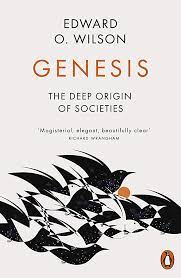
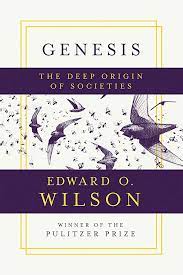
As we began to close the loop of our walk through Almindingen, Louise and I discussed next steps with Volans – with occasional stop-offs along the path to look at ant nests and the like. The scuttling ants put me in mind of E.O. Wilson, whose magical, short book Genesis (subtitled ‘The Deep Origin of Societies’) I had finished literally as the London-to-Copenhagen flight touched down. Had bought it three or four years ago, but never read it – until Elaine pulled it out a stack, to read herself.

The strange, endless power of serendipity.

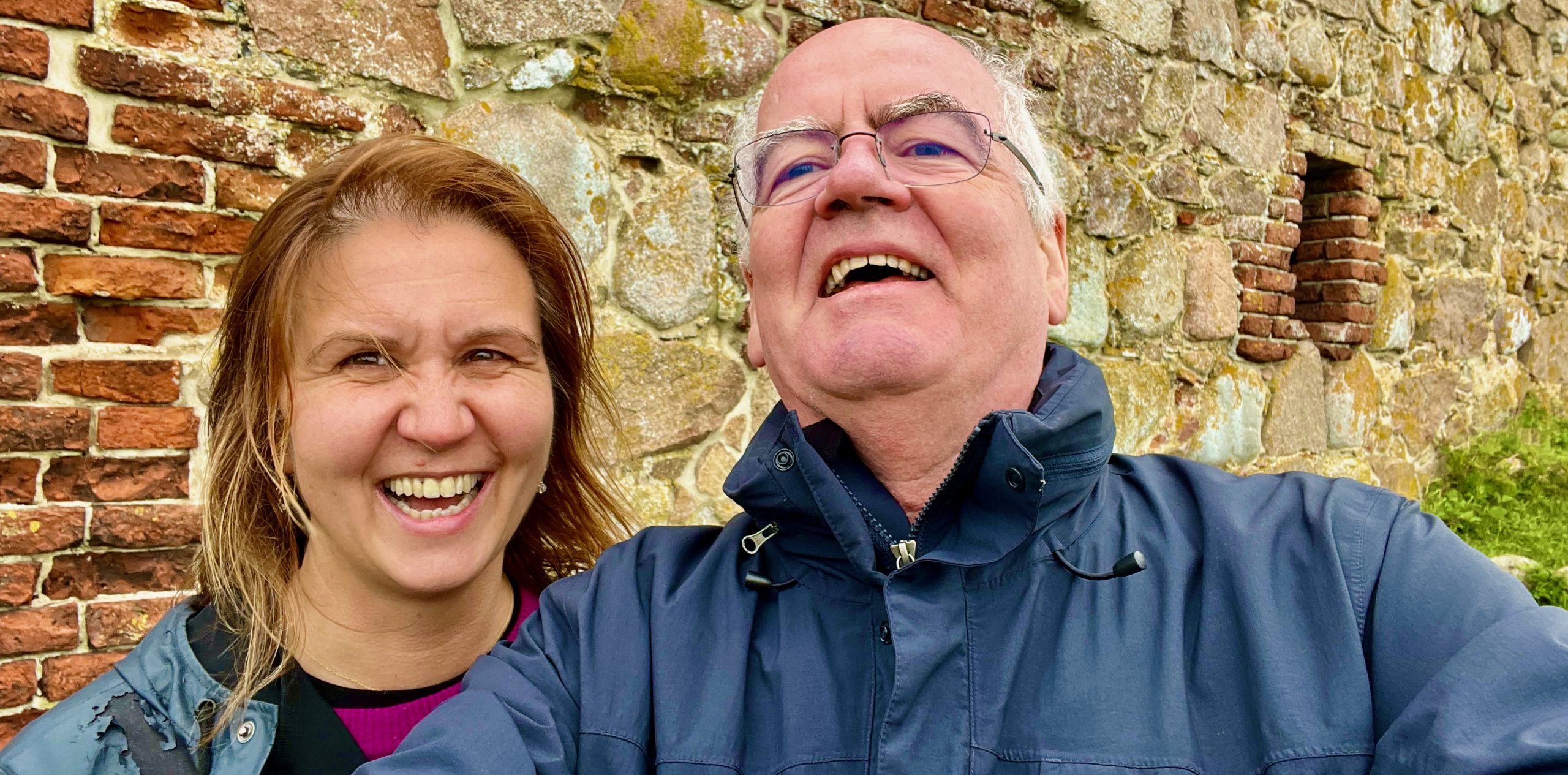
One of the highlights of the trip, at least for me, was seeing a young girl curling up in the eye socket of a 2.5-metre replica of a human skull embedded in the floor of the Hammershus visitor centre. I missed the moment, though, when her golden hair spilled out of the eye socket like that of a latter-day Rapunzel.

That child-in-the-skull moment put me in mind of the innumerable generations of human beings, on Bornholm and elsewhere, who have helped get us where we are today. And of the responsibility we now have to ensure the interests of future generations are reinforced and well served. Future generations, that is, of all all species, not just ours.

The copy of Genesis that I read on the flight over had a cover showing birds very much like starlings, which we would see in some profusion on the island. But the U.S. edition features swooping swifts, a bird we had discussed – but not seen – as the swallows blazed in and out of their nests under the roof of the farmhouse.

Ah, the ineffable pleasures of bathing not just in forests, but in (benign forms of ) nature. This distinction between benign and less so was hammered home for me part-way through our trip to Bornholm when I stumbled again, virtually (thanks to ongoing research for my new book, Tickling Sharks), across the Smithsonian magazine’s account of the shark attacks on survivors of USS Indianapolis, back in 1945. The worst shark attack in history.

For me, all these barrows, ancient fortresses, the evidence of the German occupation and Soviet bombing of the island in WWII, and the Indianapolis story, coupled with the backbeat of news reports from places like Ukraine and Maui, Hawaii, where climate-accelerated wildfires have just killed scores of people, are a constant reminder of just how narrow the margin is between this extraordinary world we take for granted and the very different worlds that have been – and will be.

The cover of the book I read
Swifts on the U.S. edition

At the same time, the trip was also a useful reminder of our impending fiftieth wedding anniversary next month, my fiftieth year of professional work trying to ‘save the world’, and of my commitment to Elaine to ensure that we see a bit more of this extraordinary world while we still have both the time and inclination.

RA Summer Show

John Elkington · 2 August 2023 · Leave a Comment

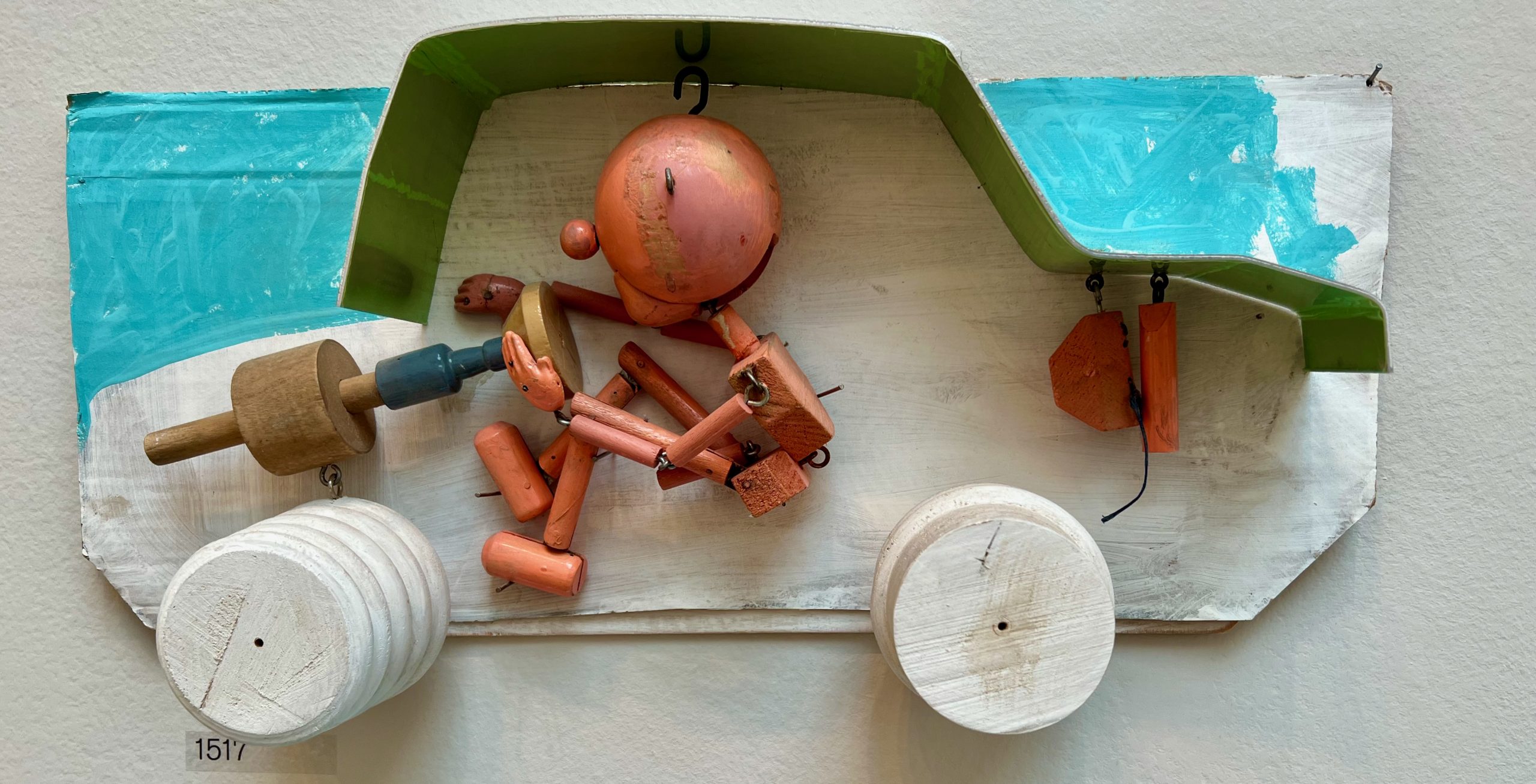
Sadly typical of the Summer Show – all a bit like a car boot sale

With Volans closed this week, for rest and recuperation, Elaine and I trundled across to the Royal Academy’s Summer Show. Without question, the most disappointing Summer Show I have yet seen, sadly.

But I did buy what looks to be a fascinating book in the RA shop, Reinier de Graaf’s architect, verb. Hope to read it on the island of Bornholm, Denmark, next week. And we then had a delightful time in Hatchard’s, buying books like The Man Who Was Thursday, by G.K. Chesteron (#495 out of a special edition of 2,000) and Mercury Pictures Presents by Andrew Marra.

(We ducked into Fortnum’s, too, to get a tin of the wonderful Smoky Earl Grey tea we had loved while with Pavan Sukhdev last week.)

Having just finished Ben Goldsmith’s profoundly moving God Is An Octopus, where I was in tears at various points in the book, it has been a particular joy to start Marra’s book. I haven’t laughed so much while reading since galloping through Joseph Heller’s Catch 22 in the school dormitory at Forrester House, Bryanston, back in the early Sixties.

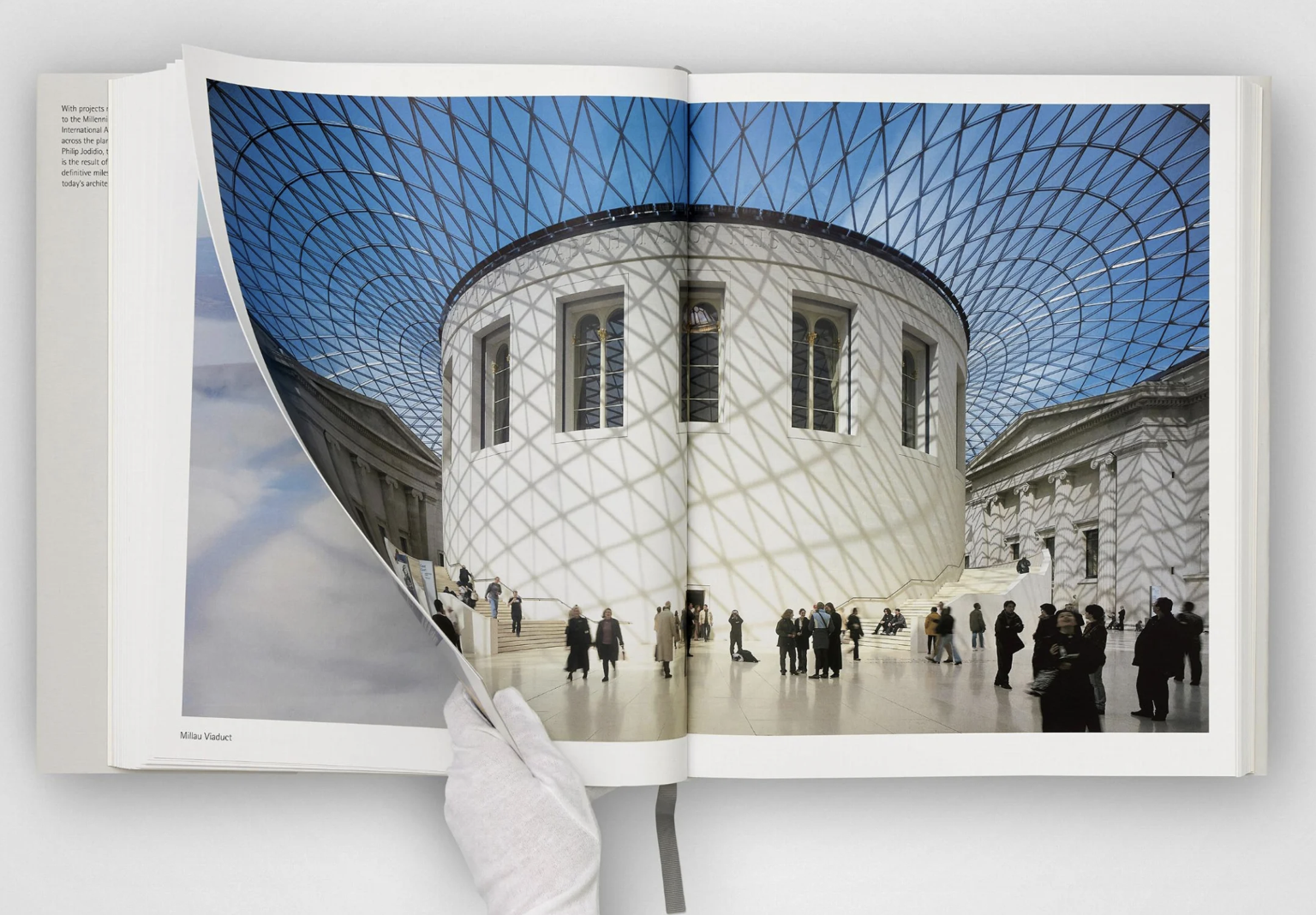
The other book I have been browsing this week is the vast 2-volume Taschen edition of the works of Norman Foster. I adore great architecture: wonderfully inspirational. Foster has long been one of my heroes – and was himself profoundly influenced by another, Bucky Fuller, who I had the privilege to meet in Reykjavik back in 1977.

One of my favourite London spaces, the British Museum’s Great Court (source: Taschen)

What’s Swiss For Serendipity?

John Elkington · 31 July 2023 · Leave a Comment

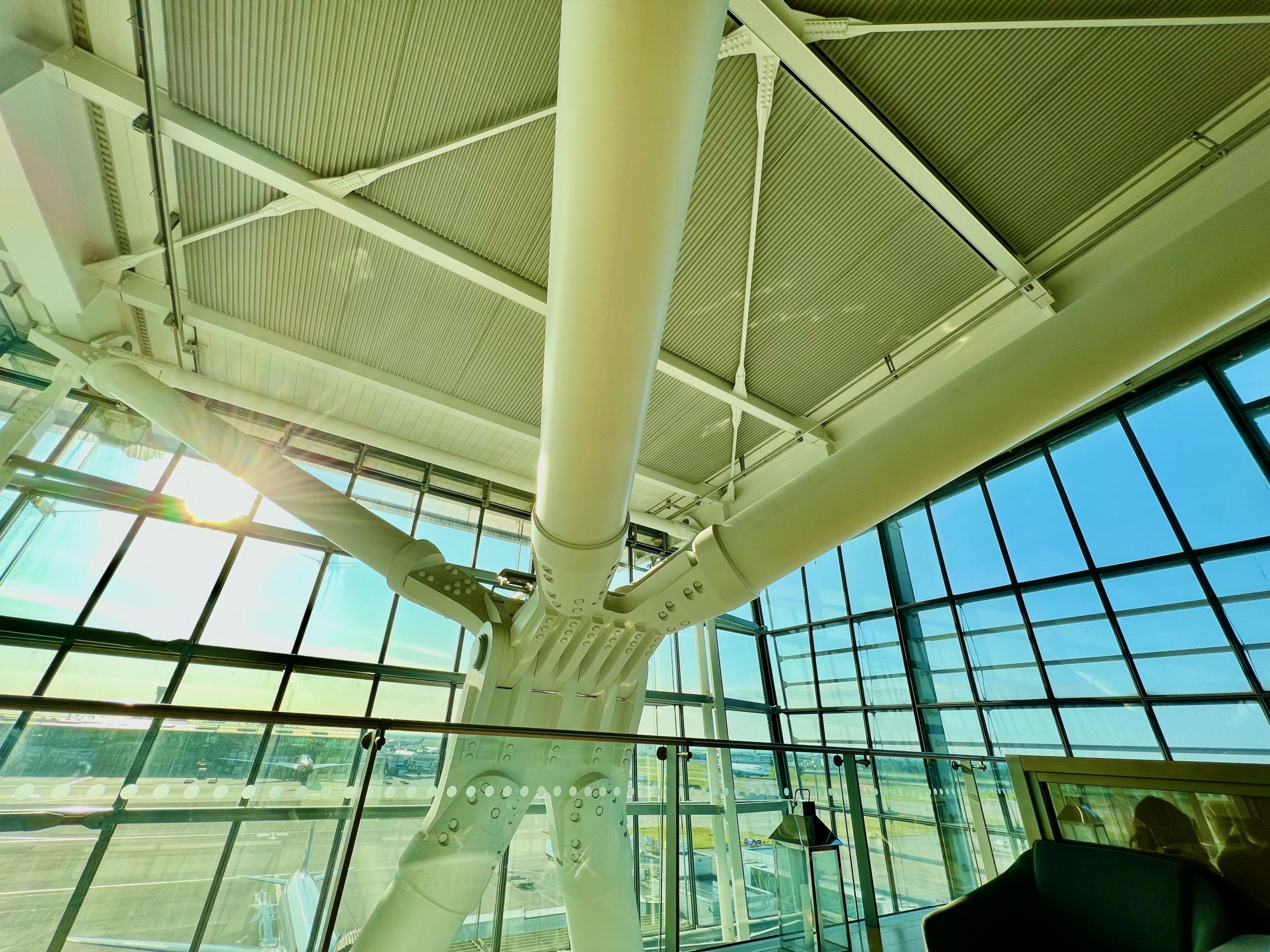
T5 dawn
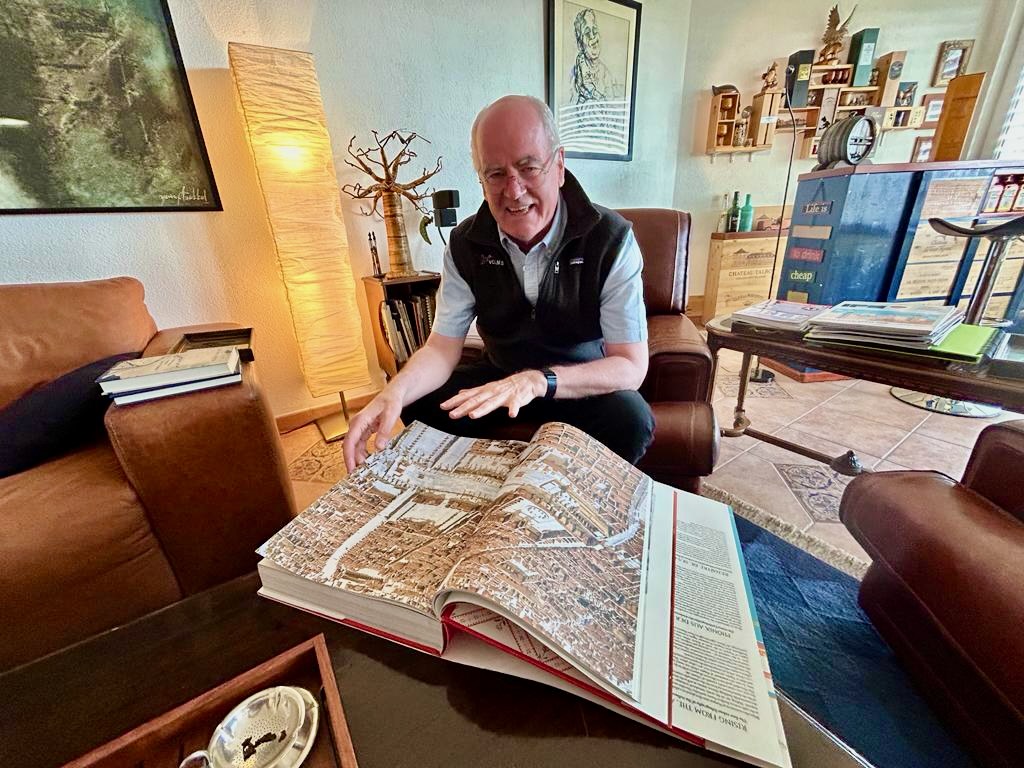
Immersed in Pavan’s giant book on Pompeii
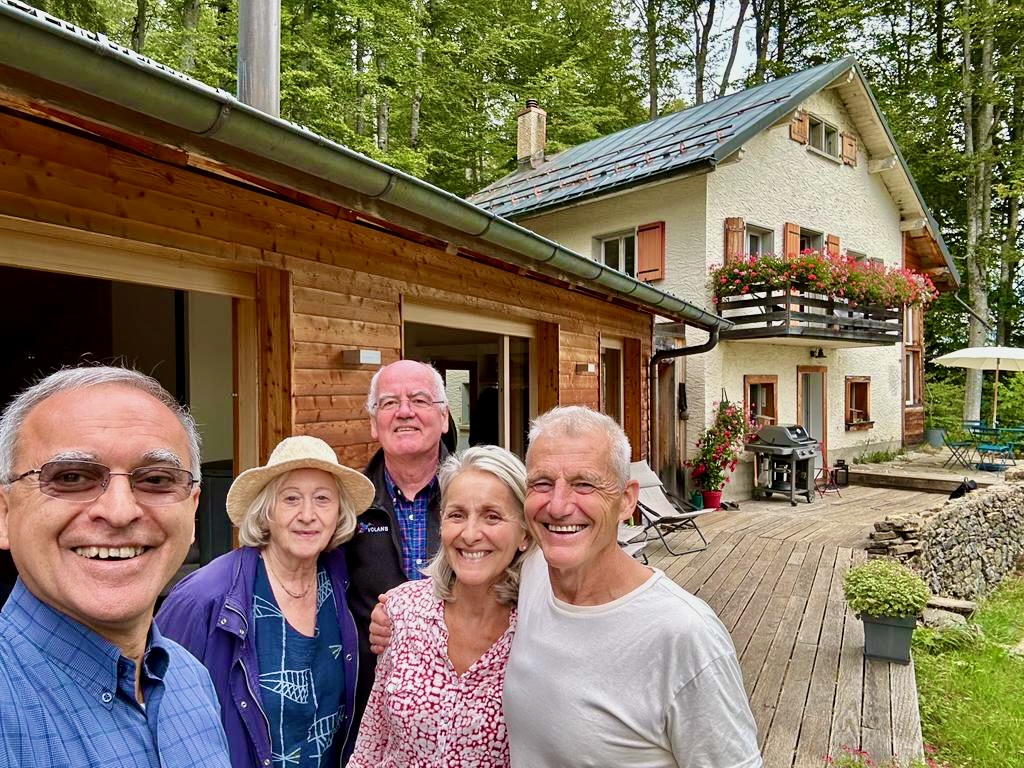
What lay in store several days later – Pavan, Elaine, me, and Jöelle and Paul Rose

What a week we had of it, arriving back last night. Elaine and I had flown from Heathrow’s T5 to Geneva on 26th July, to stay several days with Pavan Sukhdev. Have known him since the launch of his The Economics of Ecosystems & Bioversity (TEEB) reports back in 2010. Always liked him immensely, but didn’t know him that well – despite being a member of the Advisory Board of his impact intelligence platform, GIST Impact. All that changed this week.

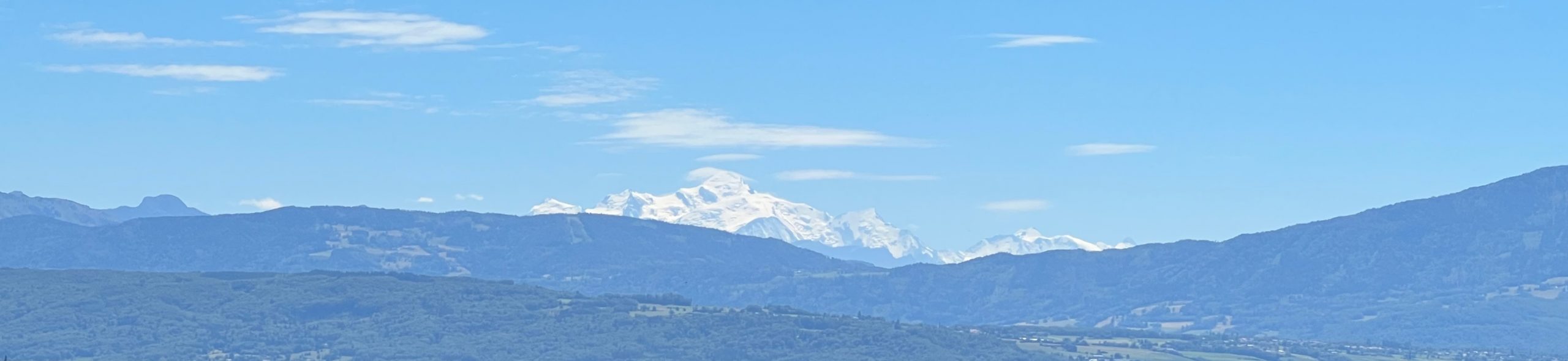
When I told him I that I had a small stroke (TIA) in one eye, he basically instructed me to drop everything and head off to his a home in Nyon, overlooking Lake Geneva and Mont Blanc. Irresistible, particularly since Elaine has always loved Switzerland to distraction.

Mont Blanc, seen across the lake, from our bedroom

Given that one of my key projects at the moment is the first Volans impact report, after ten years as a B Corporation, a status that means we should have been producing an annual impact report, I was thrilled by the chance to explore Pavan’s evolving thinking on the subject. As we sampled his library of single malt whiskies, we explored the horizons of impact – and I found myself getting much clearer on how we can do justice to the challenge. More on that anon.

Whisky Central

One thing we found we shared is a sense that serendipity is a critical element of our respective minutes and business models. My thinking on the subject had taken a step forward a couple of years ago when I interviewed Dr Christian Busch, author of The Serendipity Mindset, for our Green Swans Observatory. And this short visit constantly underscored the key role serendipity can play in our lives.

One evening while we were walking back through the old town of Nyon, I noted that the time was perfect for bats – then we walked into a towering square where the evening air was thick with them. Joy! We saw various forms of wildlife, including chamois, hummingbird hawk moths and, one evening, perhaps ten brown rats scurrying between wooden decks on which a local café and gardens stood. Enjoyed them all in equal measure, although – for me, at least – the bats topped the bill.

Then a passing woman asked if I was John Elkington? Sometimes, I replied. Turned out that she was Simone Awramenko, now a sustainability expert at Credit Suisse, who knew me of old.

Even more striking was the moment when Paul Rose, probably my favourite explorer, who I had met at Anthropy last year through David Williams of Impact International, liked one of my tweets. When I responded, noting that I was in Nyon, having no idea where he lived, he shot back that he lived 40 minutes up the hill from Nyon. All of which led to one of the most delightful days of my life, when Pavan took Elaine and I up by train to Saint-Cergue to see Paul and his wife Jöelle. But more of that in a moment, after a brief photo intermission.

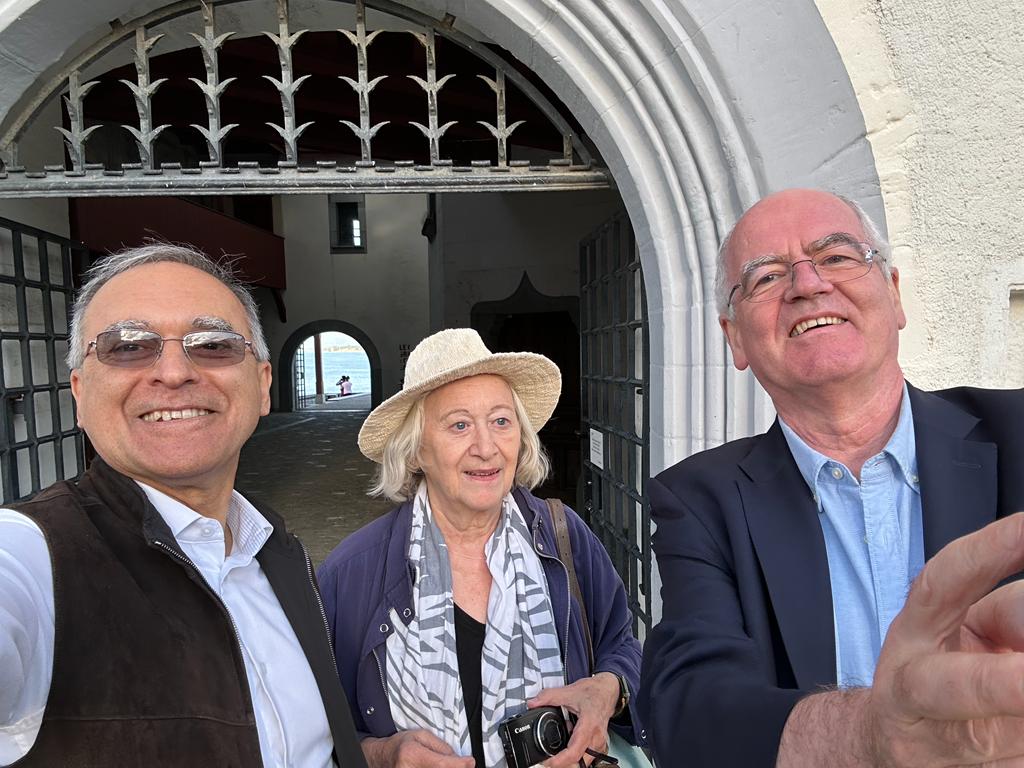
Pavan and I take simultaneous selfies – his was better
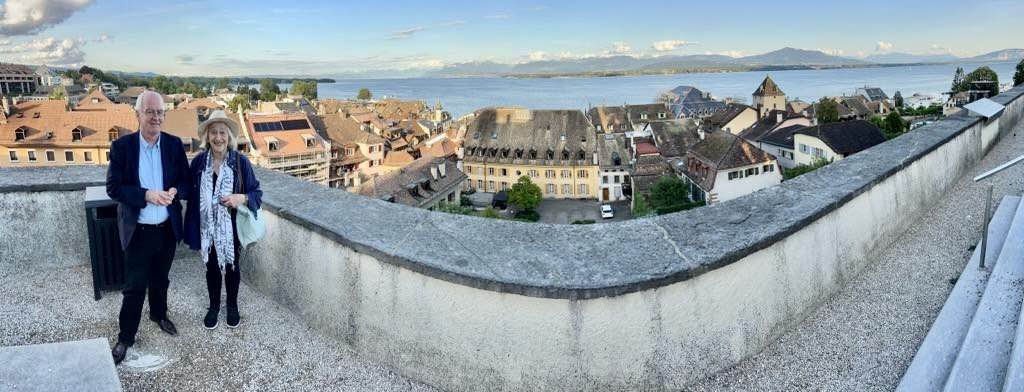
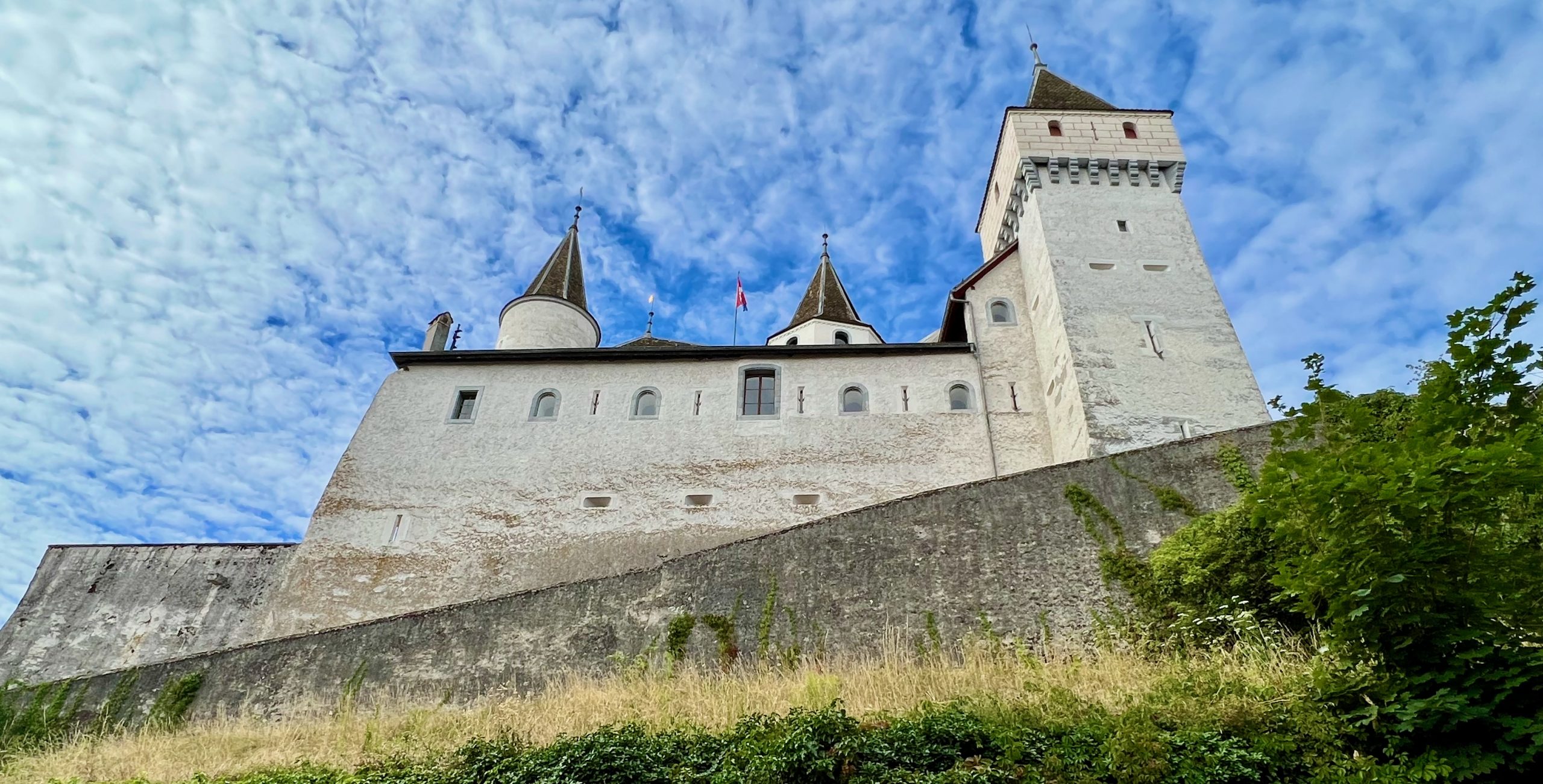
He also captures Elaine and I in front of the château
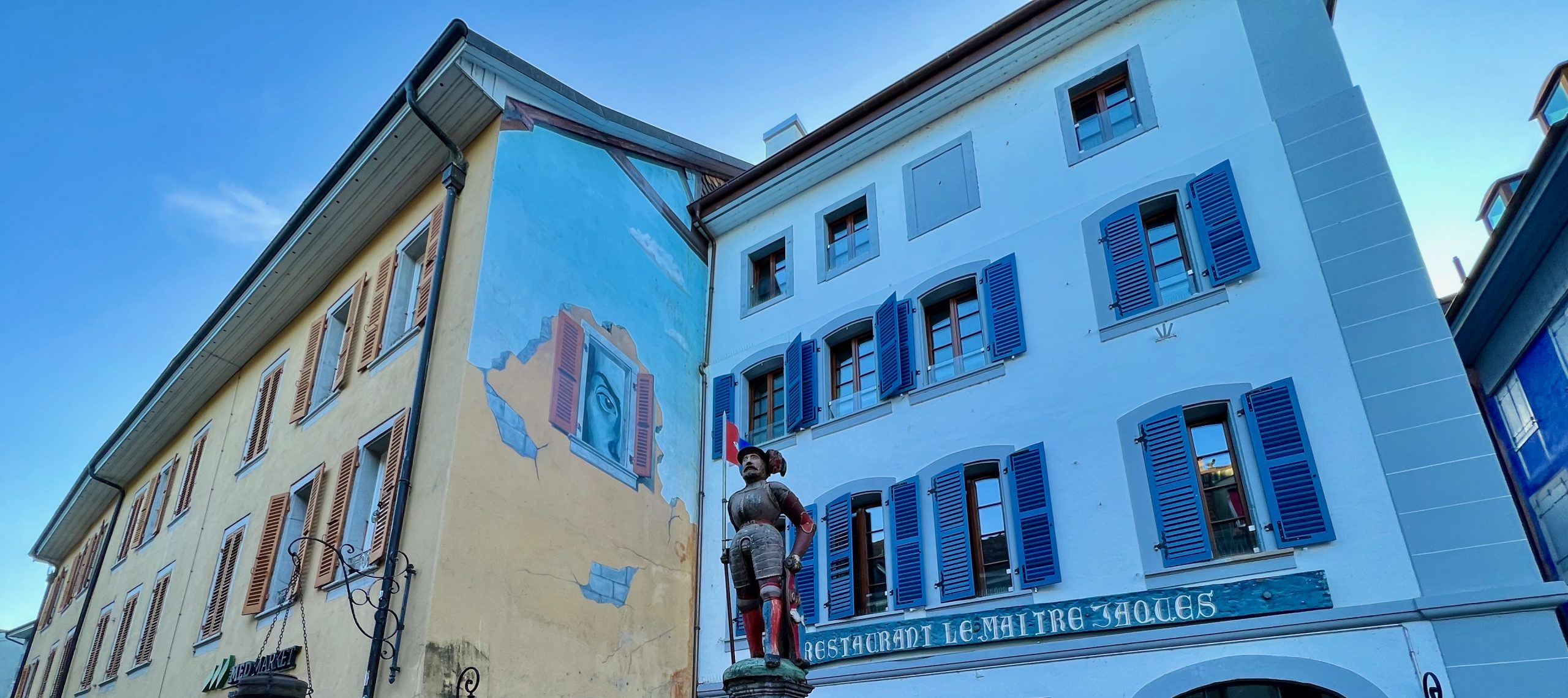
A wary eye being kept on Maître Jaques
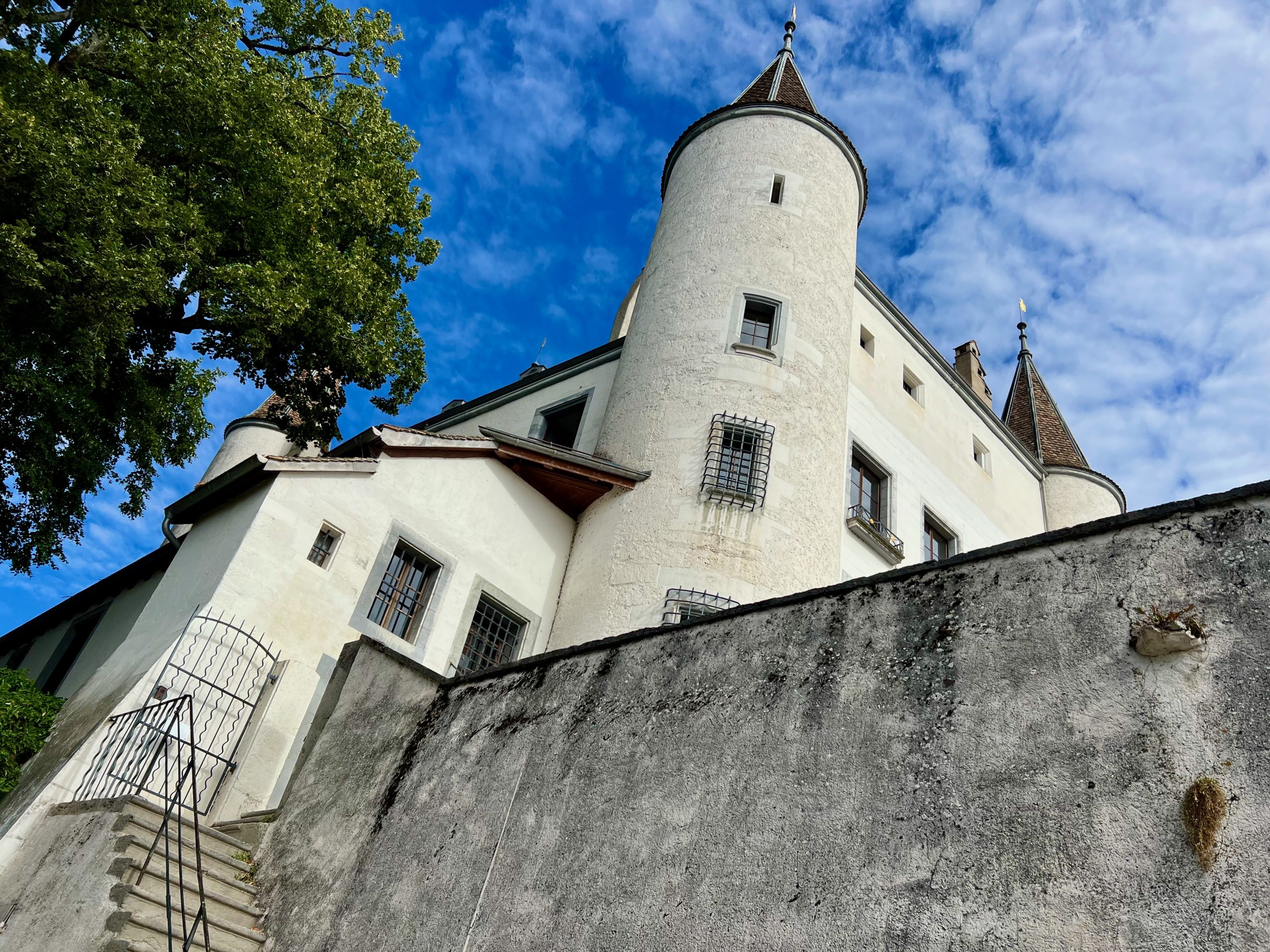
Watchful eyes once lived here, too
The perspective shifts
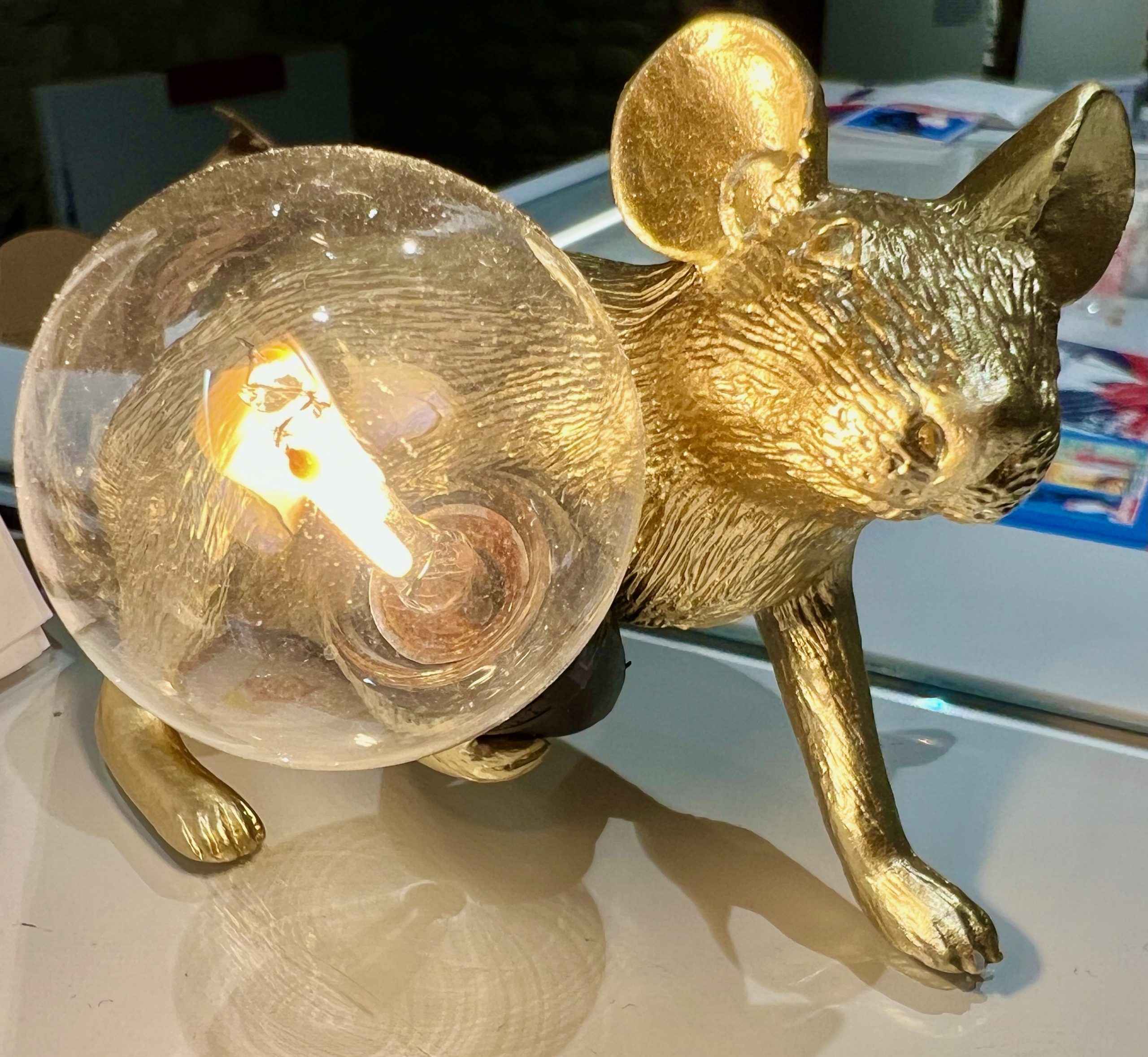
They like their rats gilded, apparently: on sale inside the château
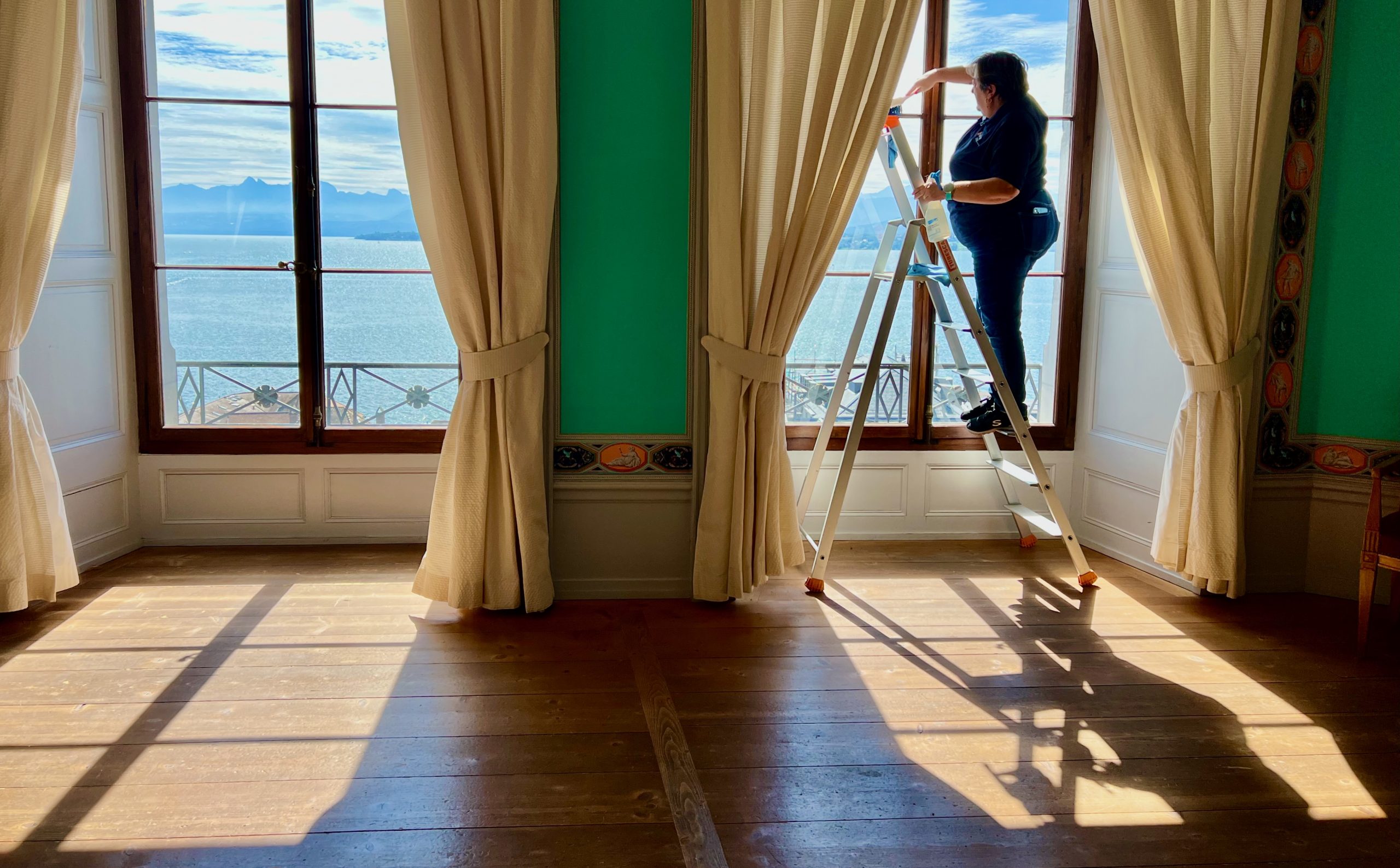
Letting the sun shine in
Slightly stoney, but she caught my eye
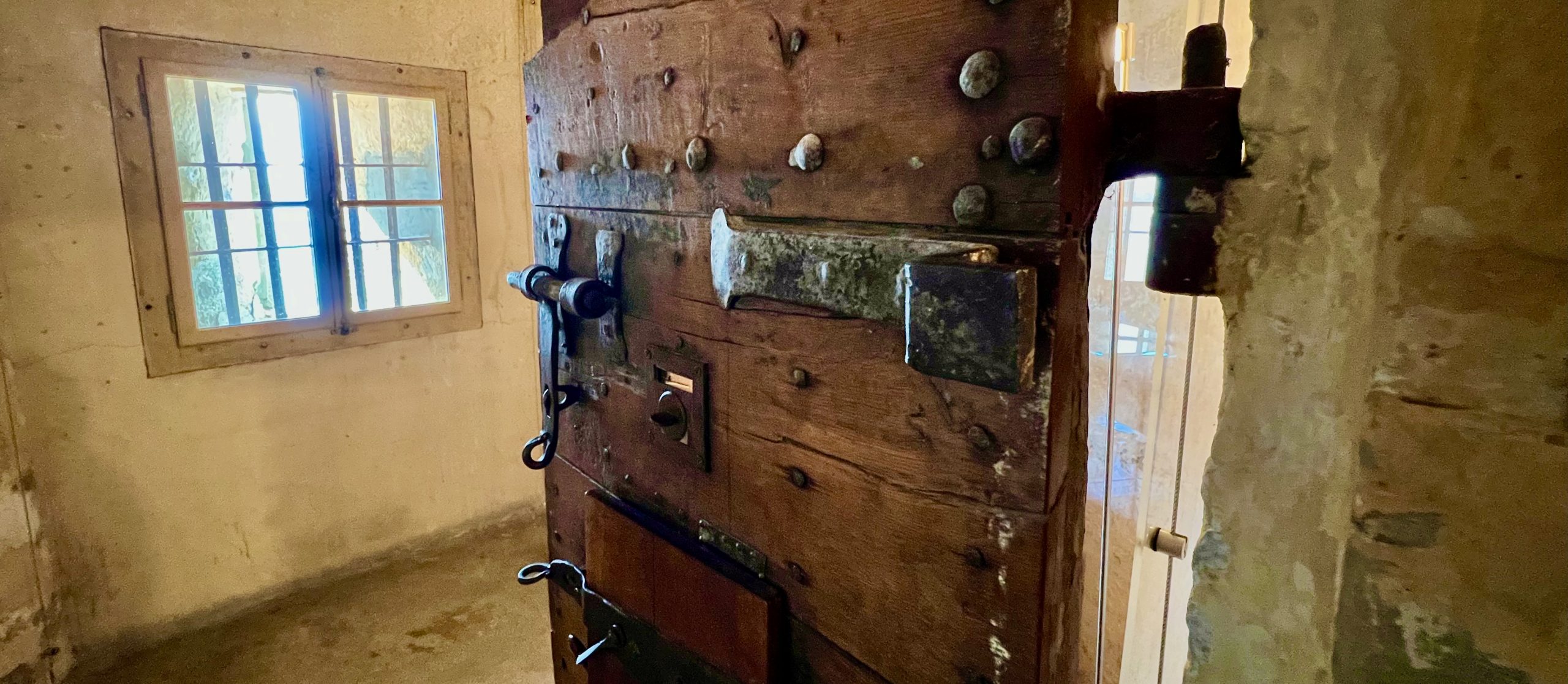
Horror in the attics: cells where some prisoners were held in solitary confinement for decades
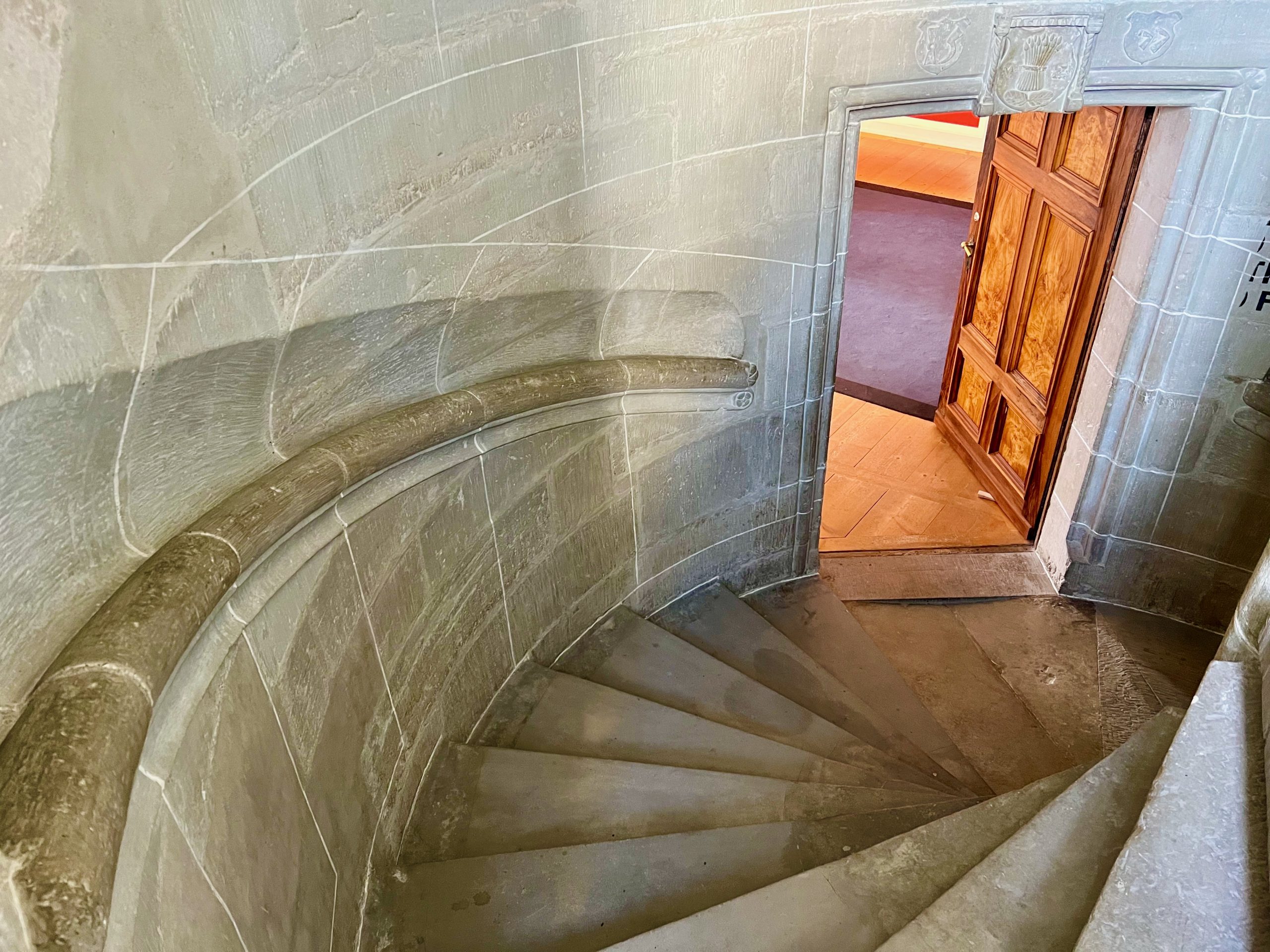
Now, perhaps, there’s a way out
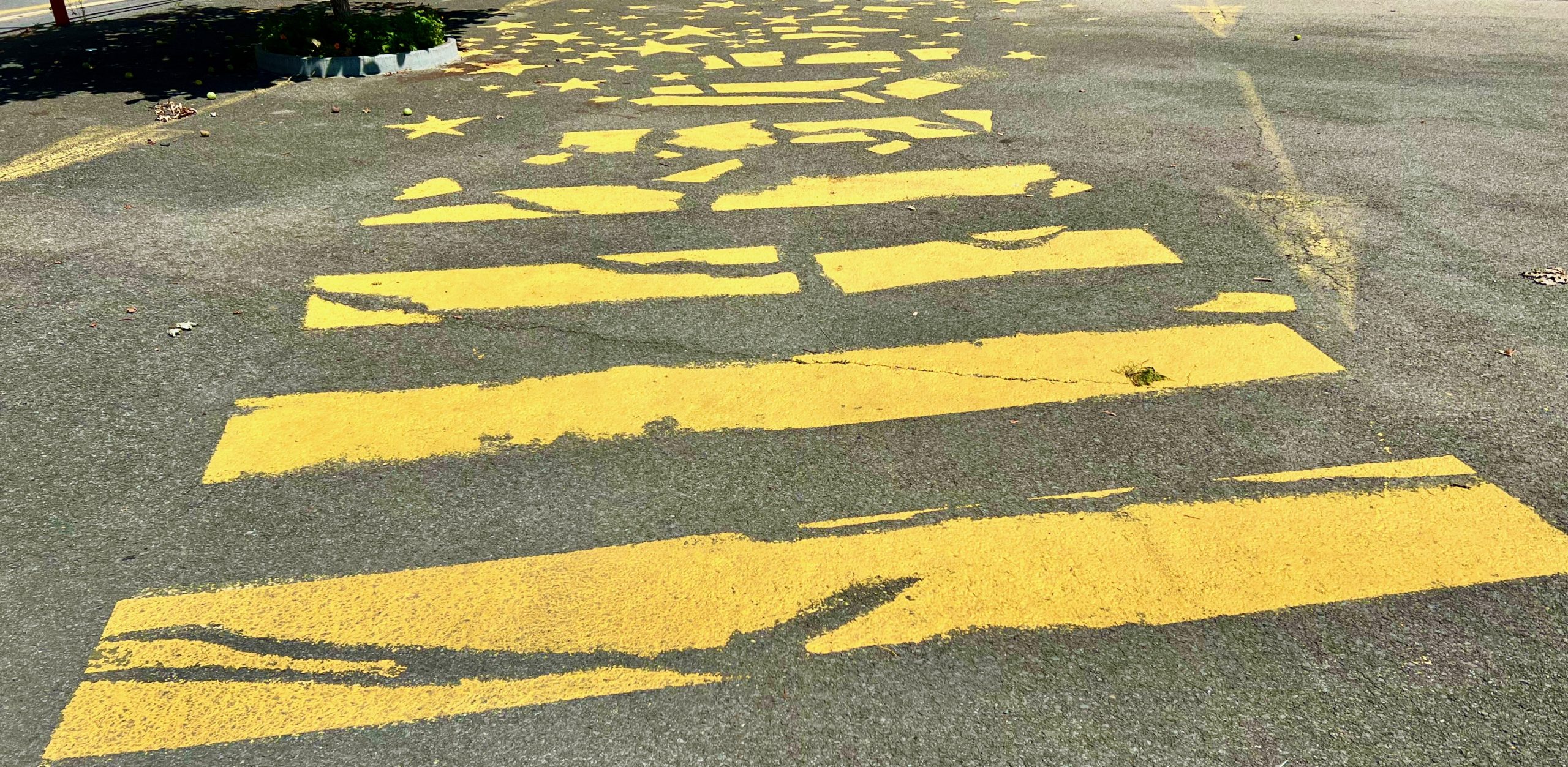
Loved this: pedestrian crossing explodes into stars towards circus school (L’Eslatique Citrique)
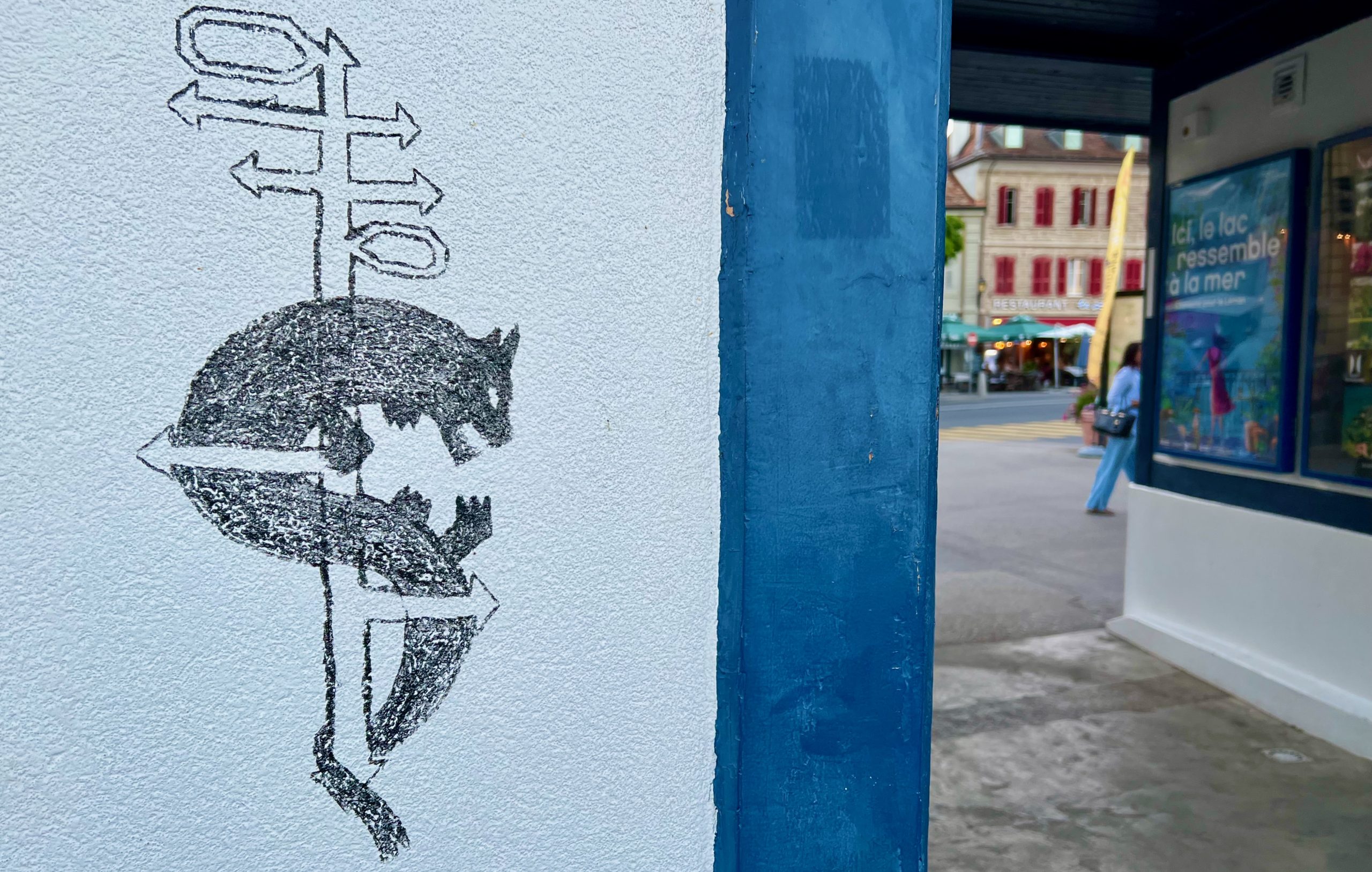
Graffito on the ferry dock
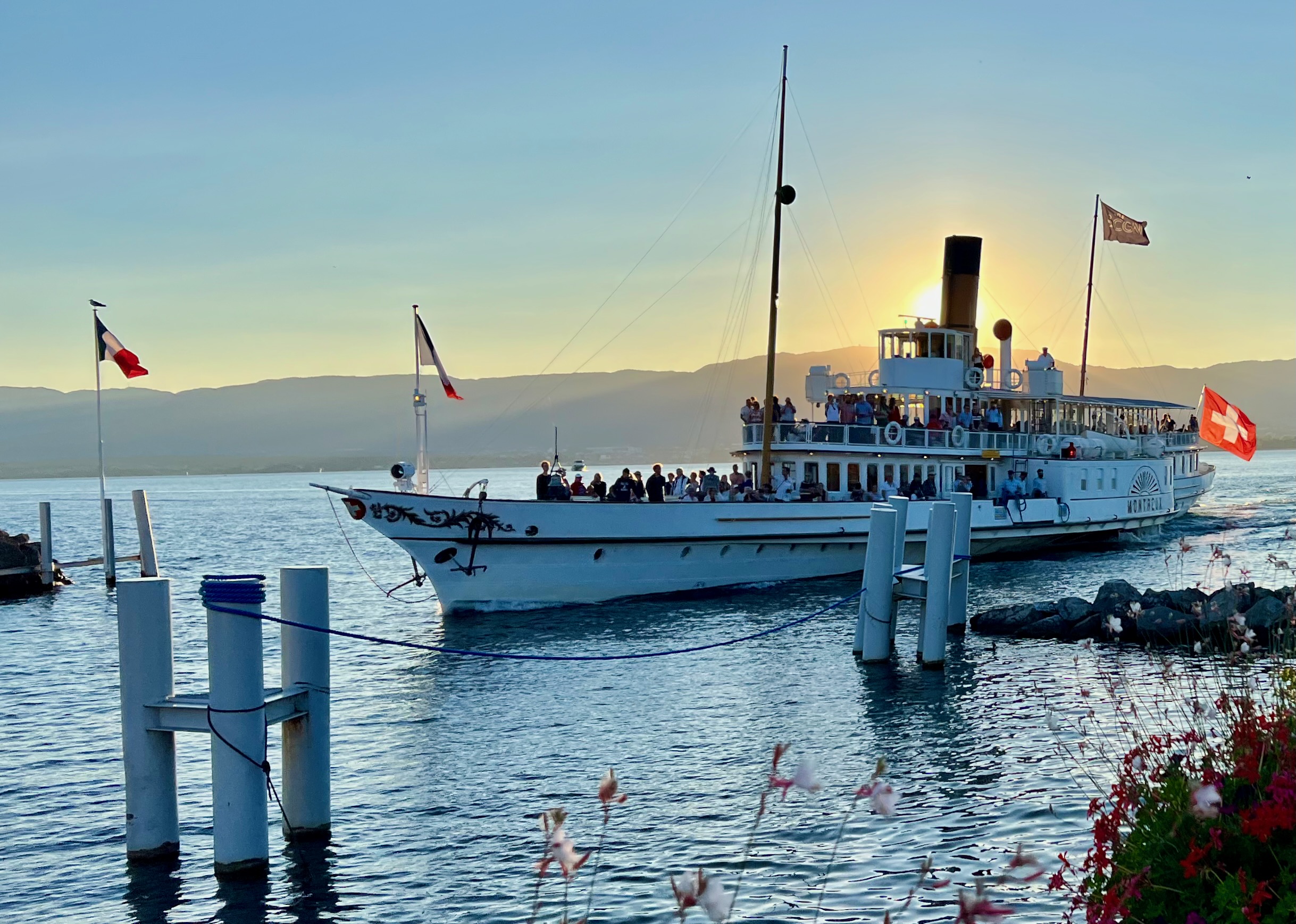
A Belle Époque ferry arrives in Yvoire
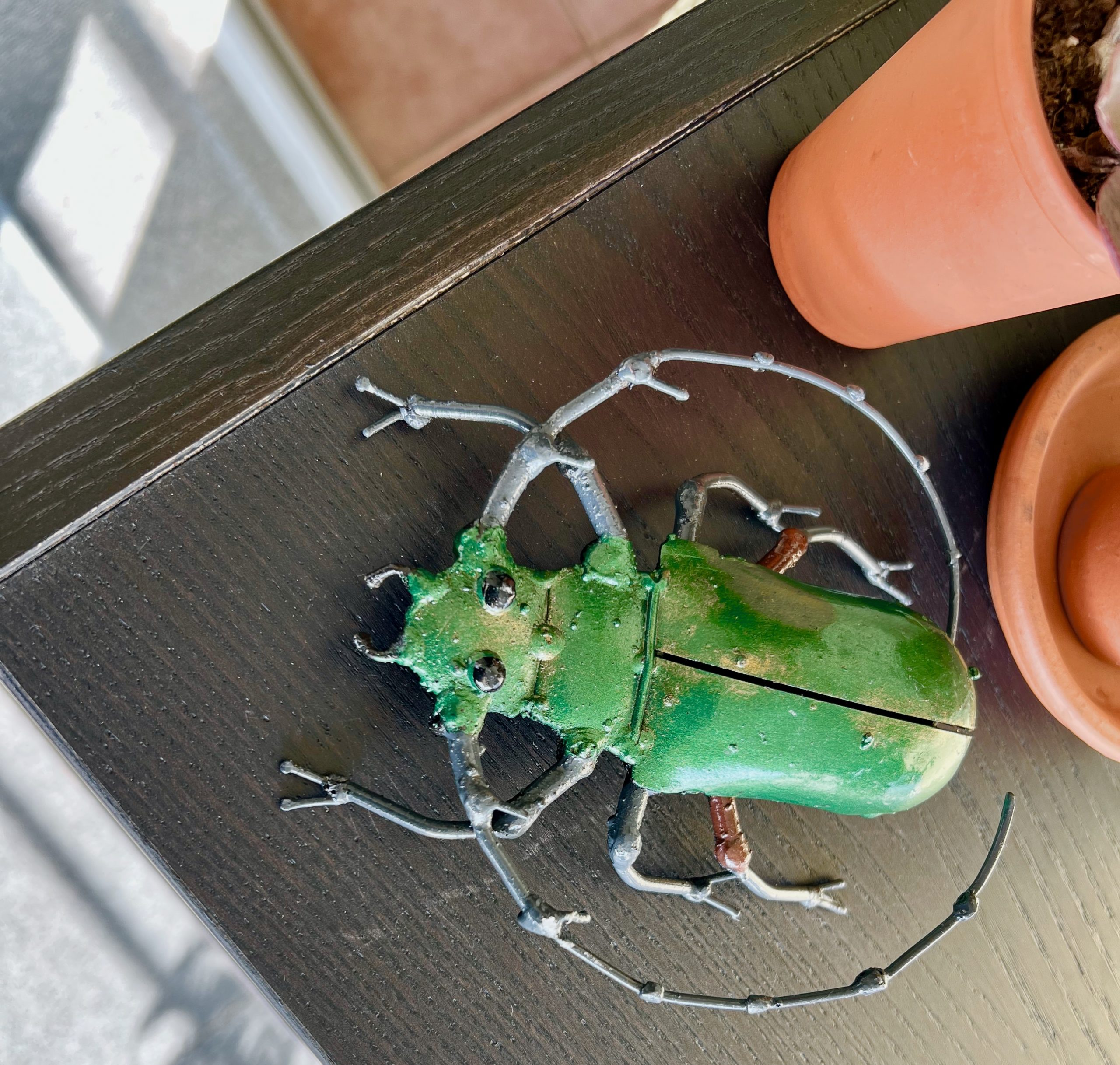
Green beetle makes it back to Pavan’s home from Yvoire’s Garden of the Five Senses

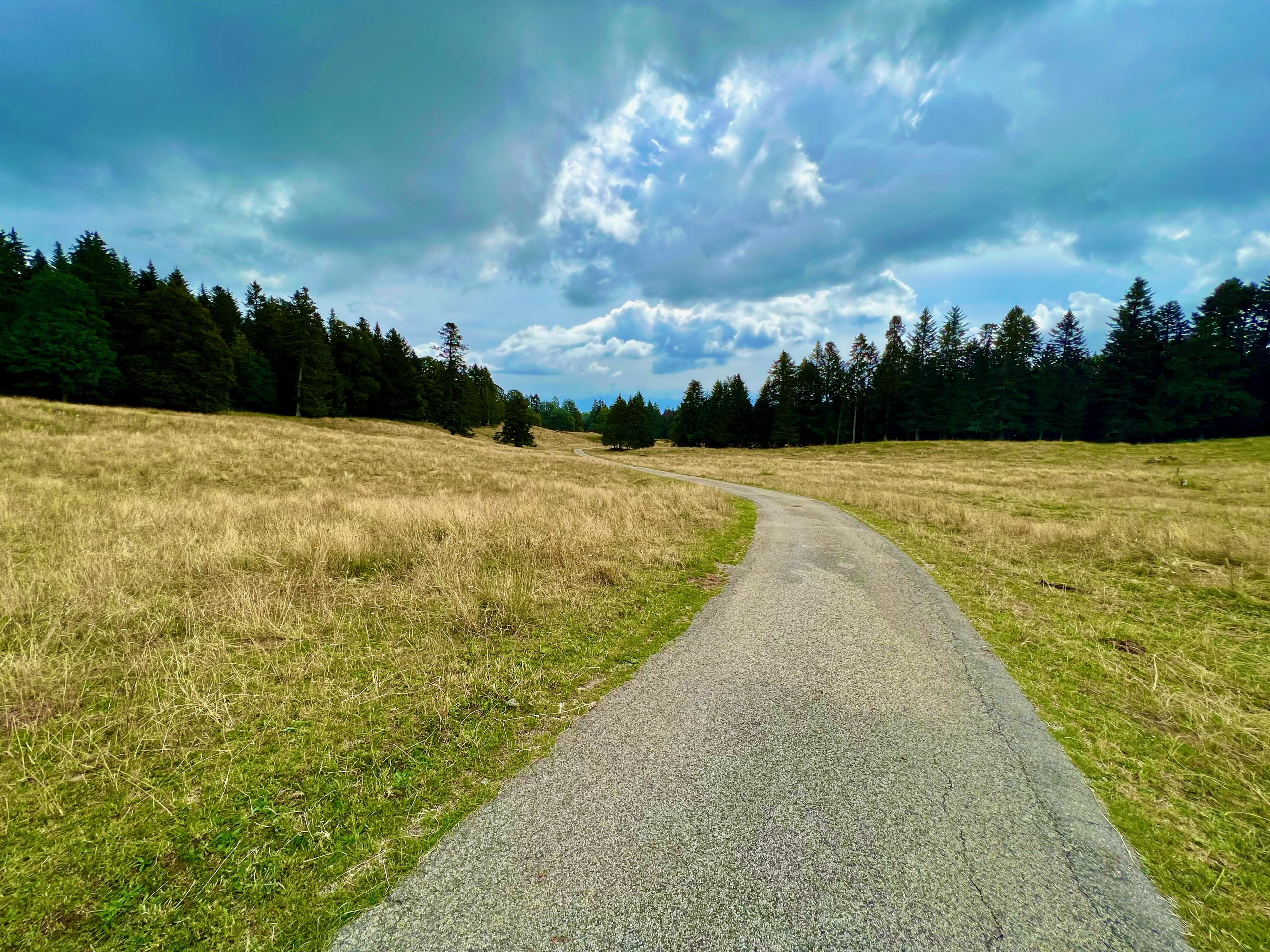
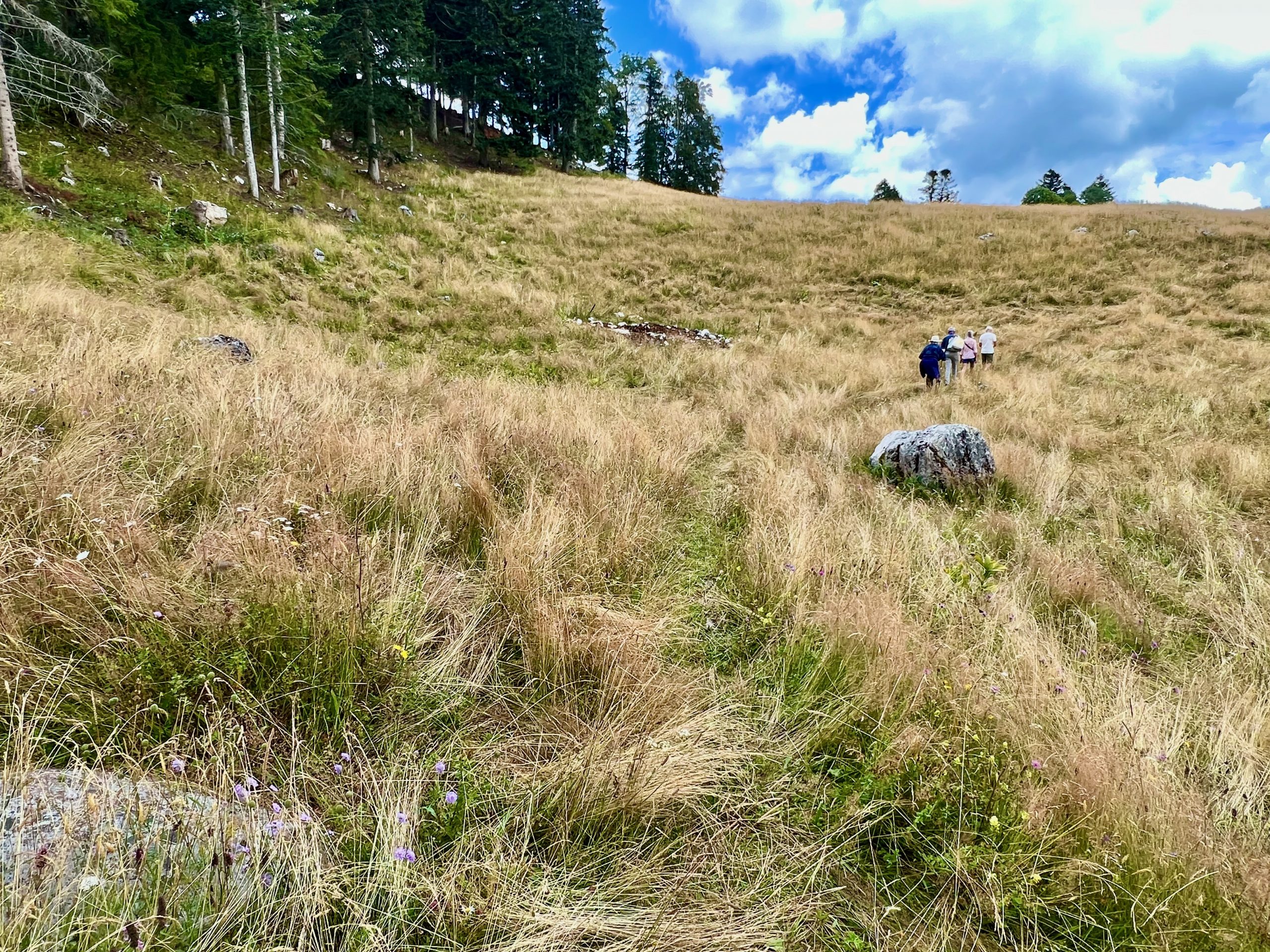
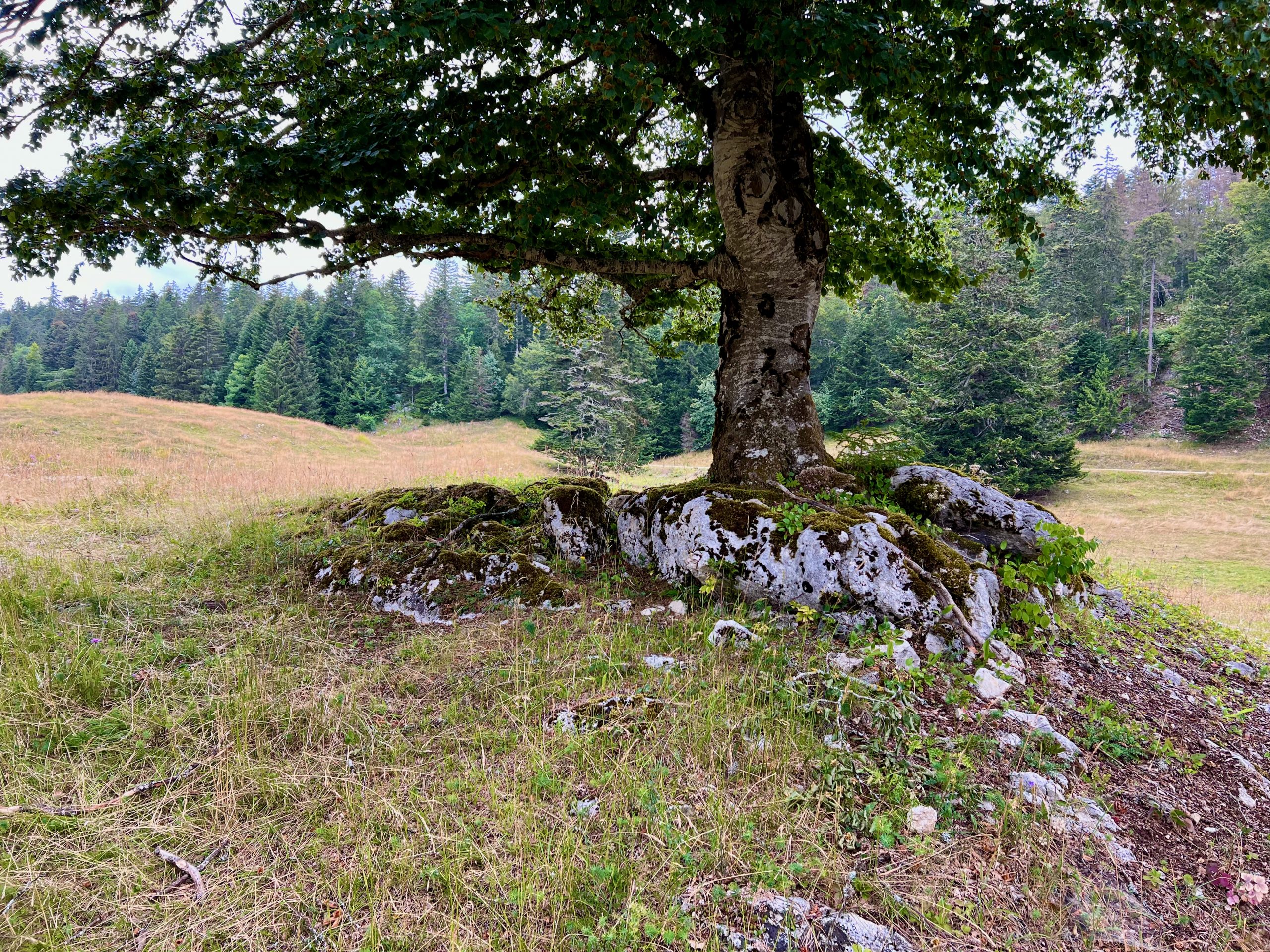
And then up into the mountains we went. As the train pulled into Saint-Cergue, I was watching out for deer, and spotted what I initially took to be an ibex, but which proved to be a chamois, hard by the track. Paul and Jöelle collected us á pied at the station and took us on a 3-hour walk across the peaks, then back to their wonderful home, passing another (or perhaps the same) chamois as we arrived back at Rose roost. A real sense of homecoming.

Our walk begins
Lost in space
Reminded me of early days Cyprus
Among the clouds – and cows
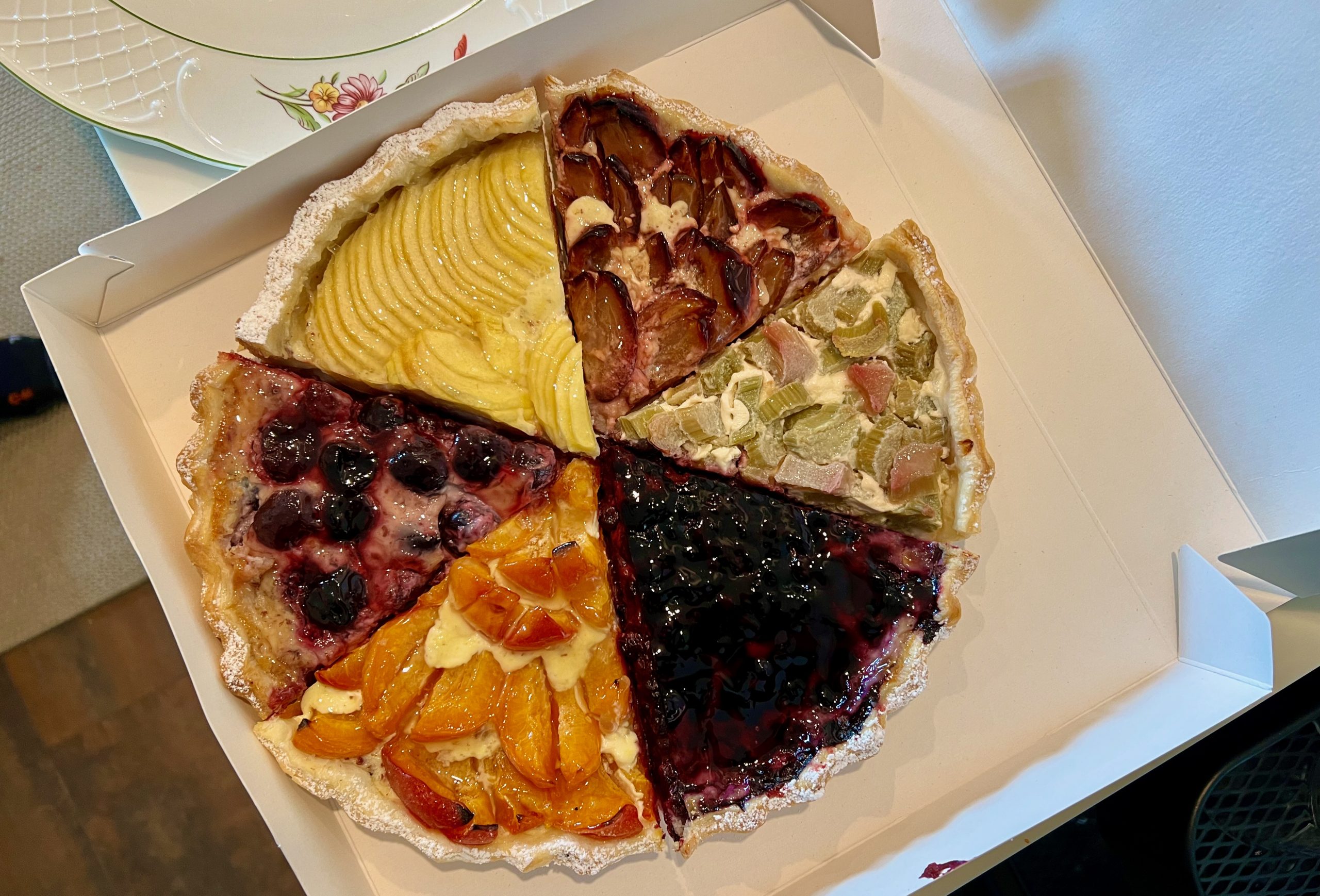
What’s for pudding?
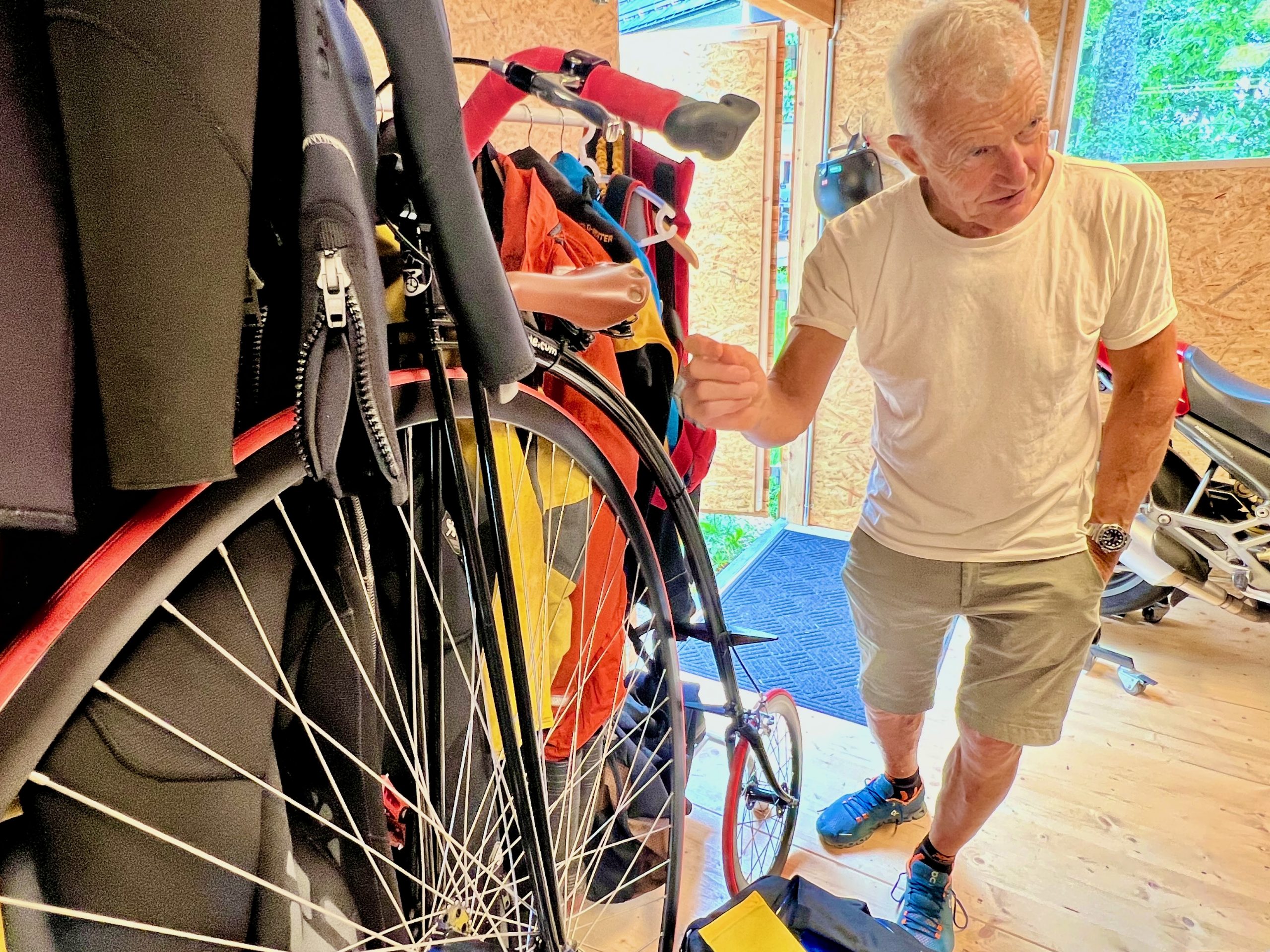
Paul introduces a penny farthing

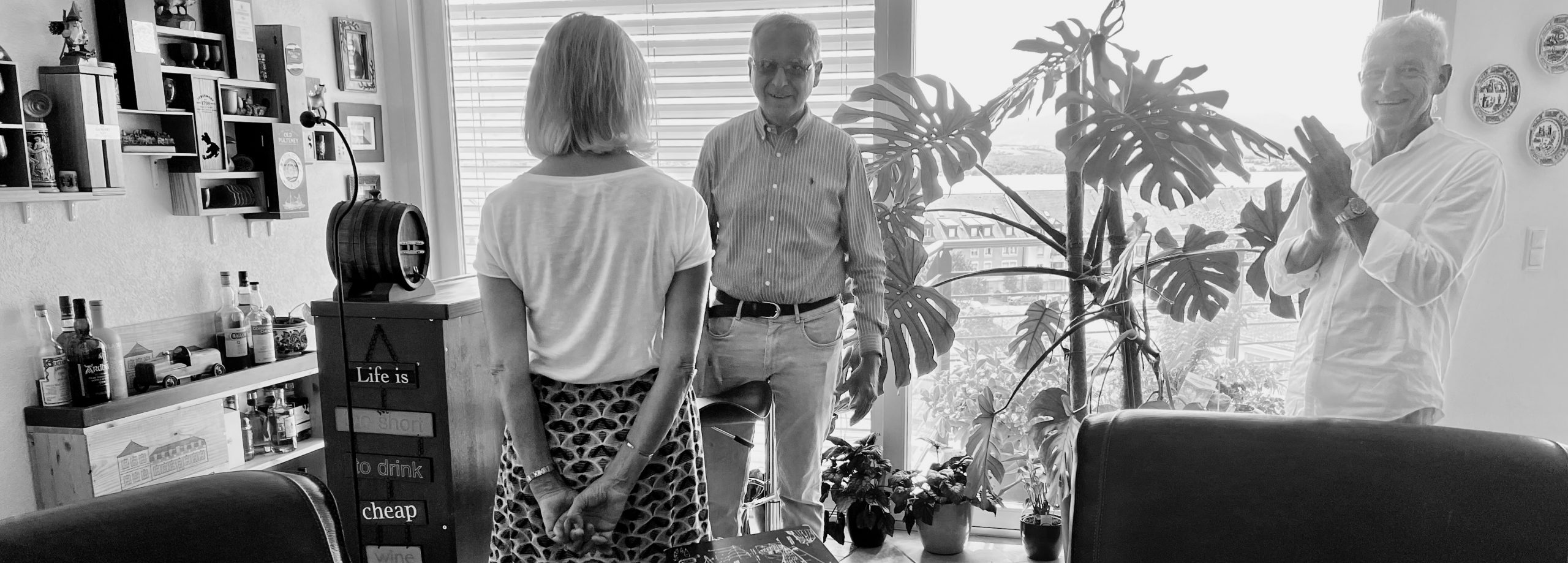
Although Pavan and Paul had met on a conference panel some time back, they didn’t know each other – so a wonderful moment of cross-pollination. Love Paul’s Pristine Seas project with the National Geographic Society. And then, as the black-and-white image of Pavan’s whisky bar illustrated at the opening of this post, Paul and Jöelle visited us a day or two later in Nyon – ahead of a joint raid on the local flea market, or Marché aux Puces on the Nyon waterfront. But first, a trio of images from our lunch afloat between Nyon and Lausanne on our penultimate day.

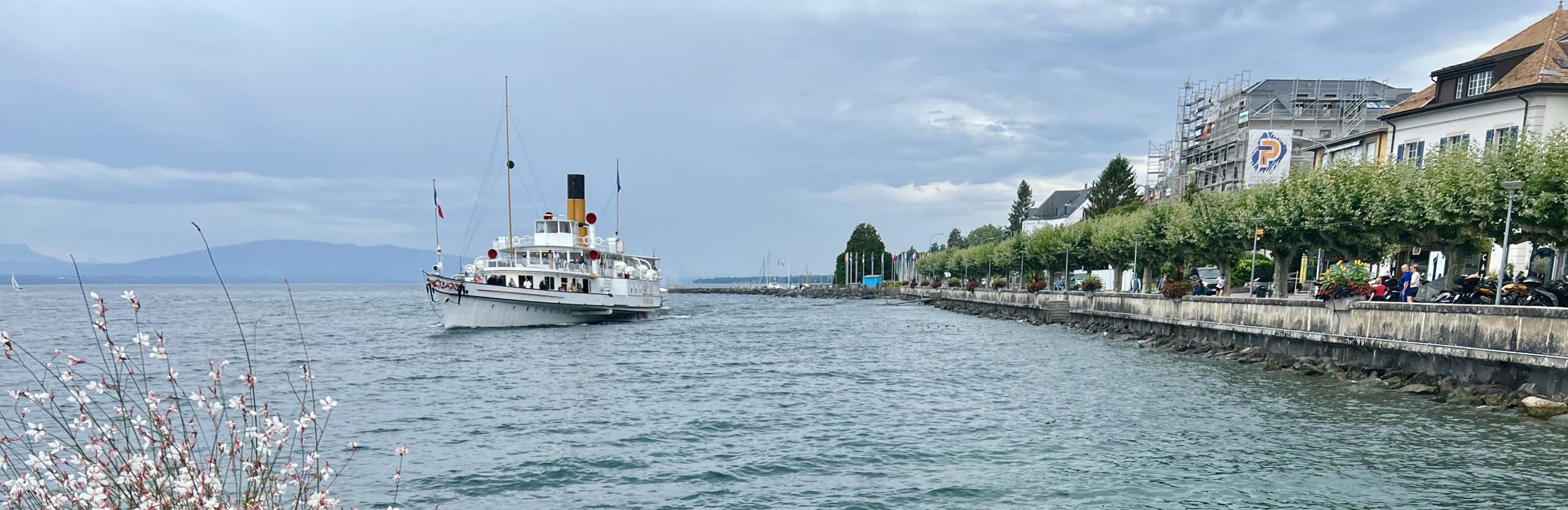
Our boat comes in
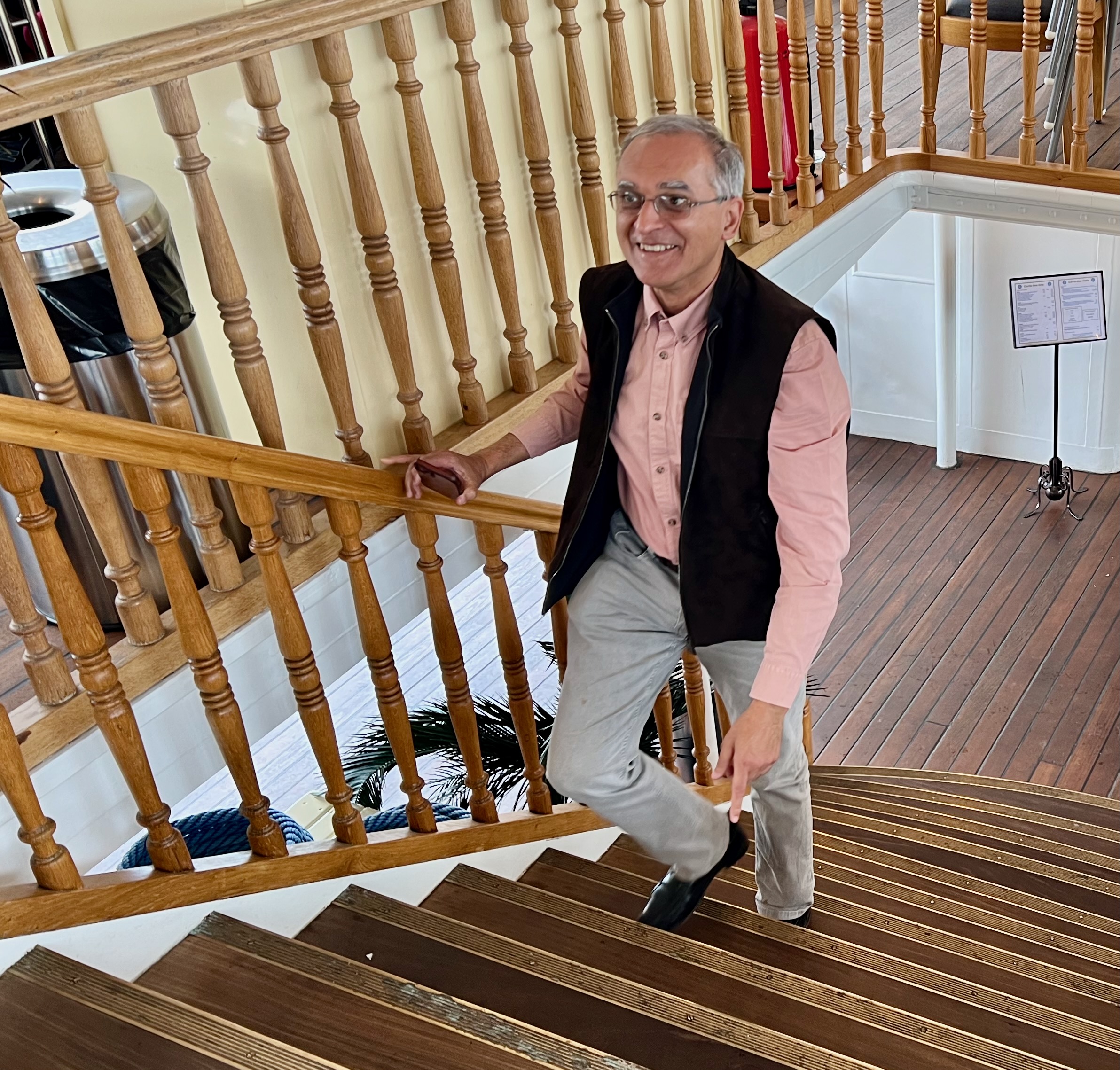
Pavan takes stairs in his stride
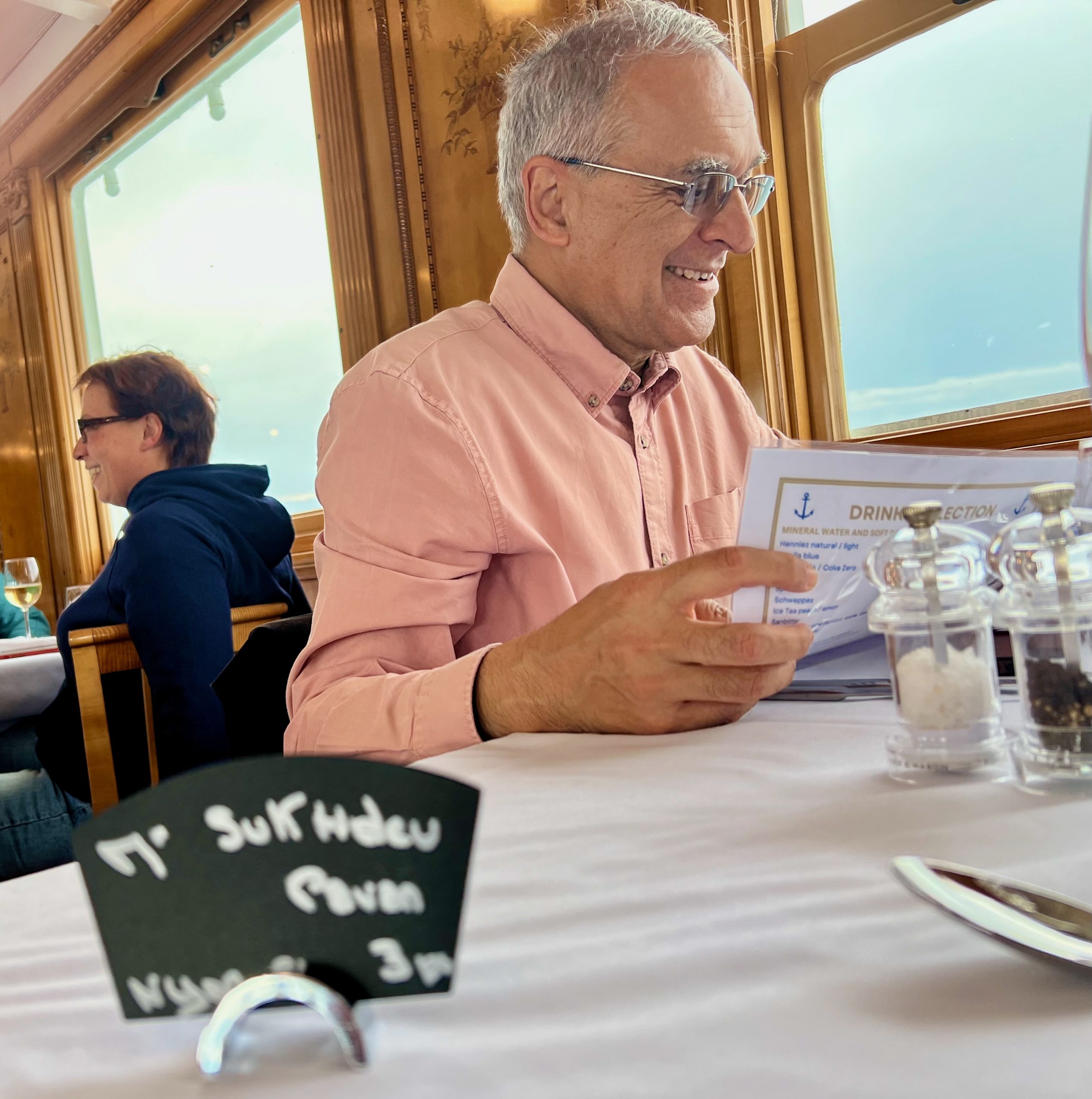
And surveys the menu

Part-way through the trip, I told Elaine that I felt I had been away for weeks, or even months. A elasticisation of time I often experience when doing different things – or doing things differently. And then, finally, the visit on our last day to the Marché aux Puces, followed by a delightful lunch in sun nearby.

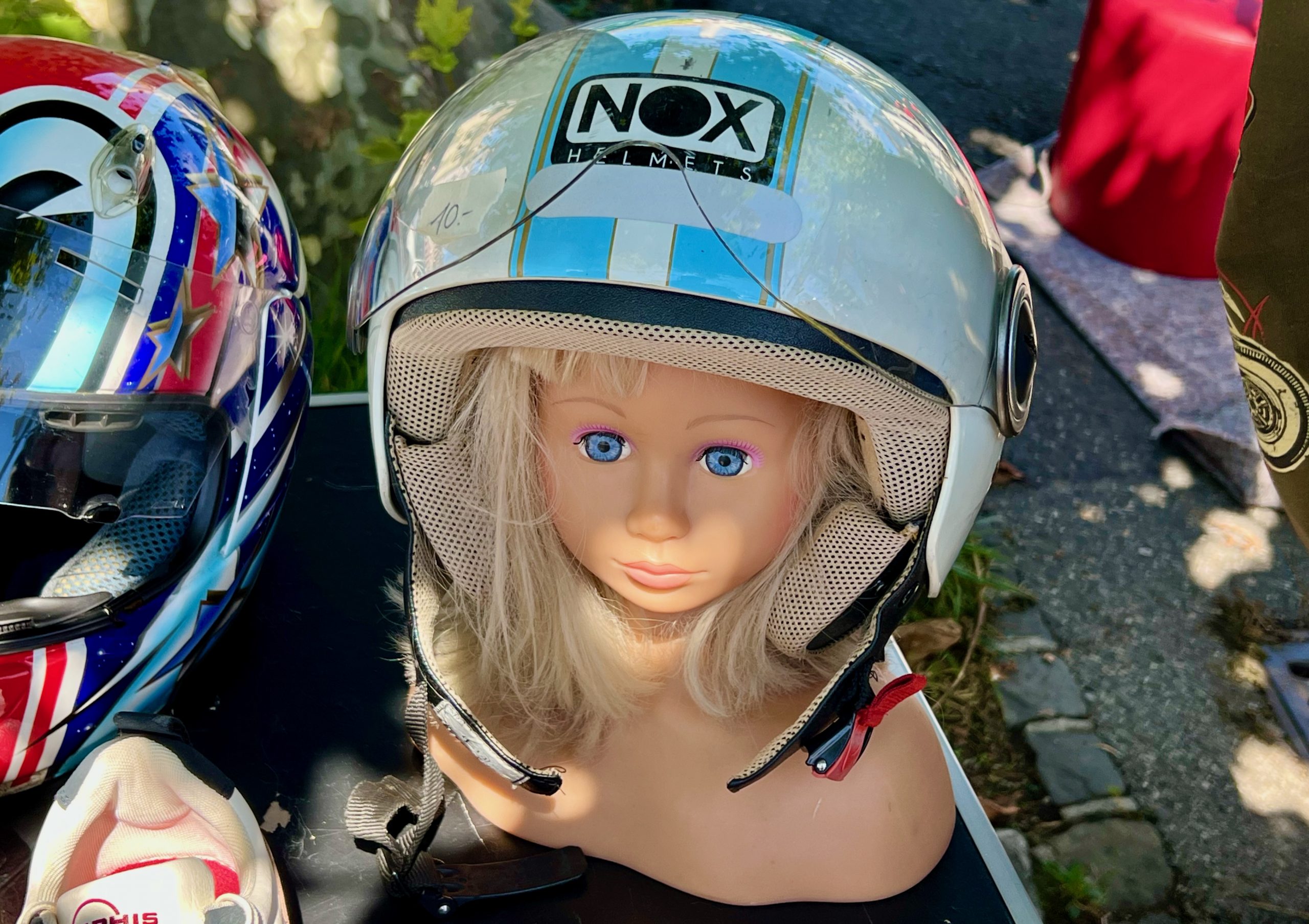
Ready for anything
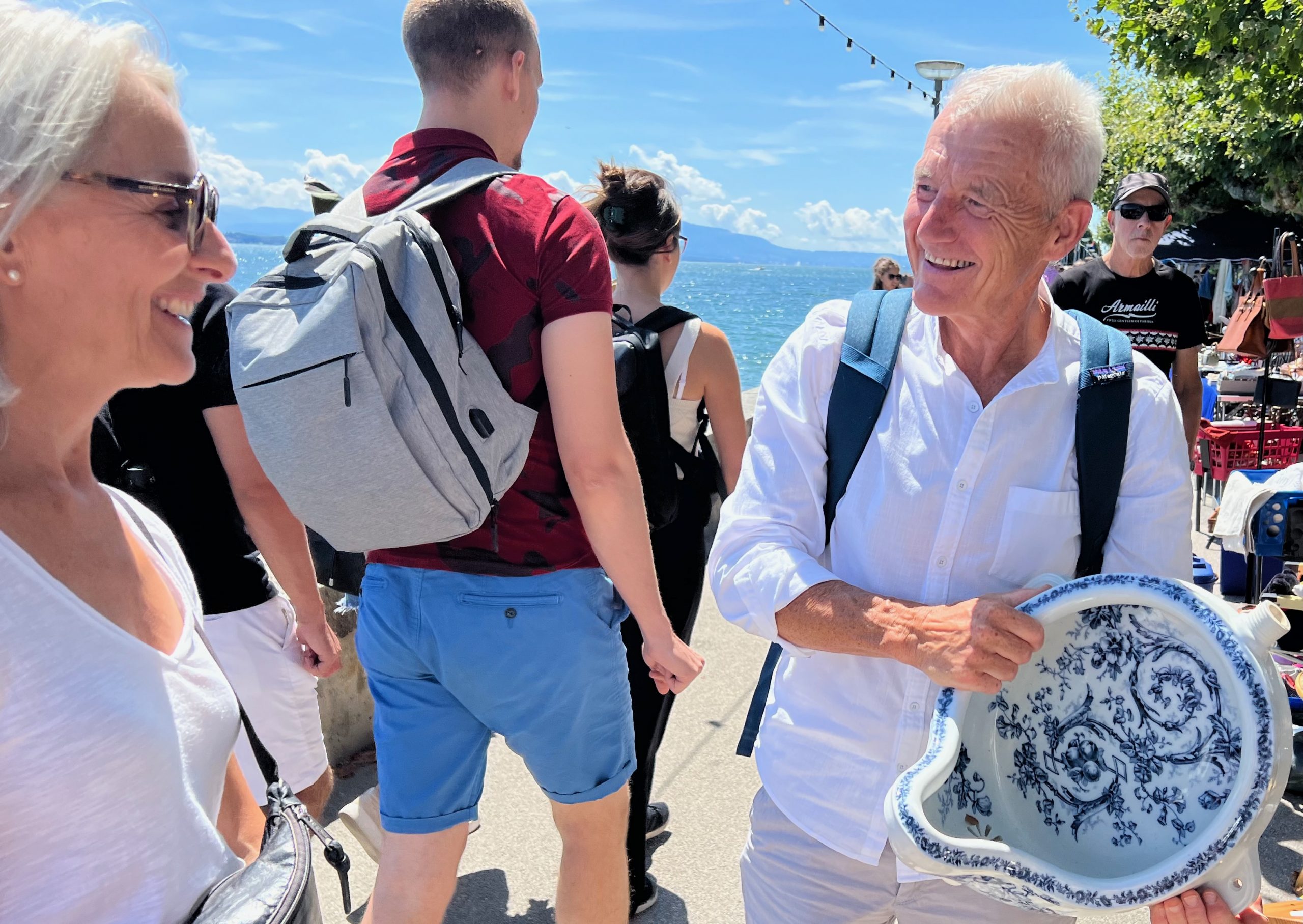
Paul’s eye caught by an ornate urinal
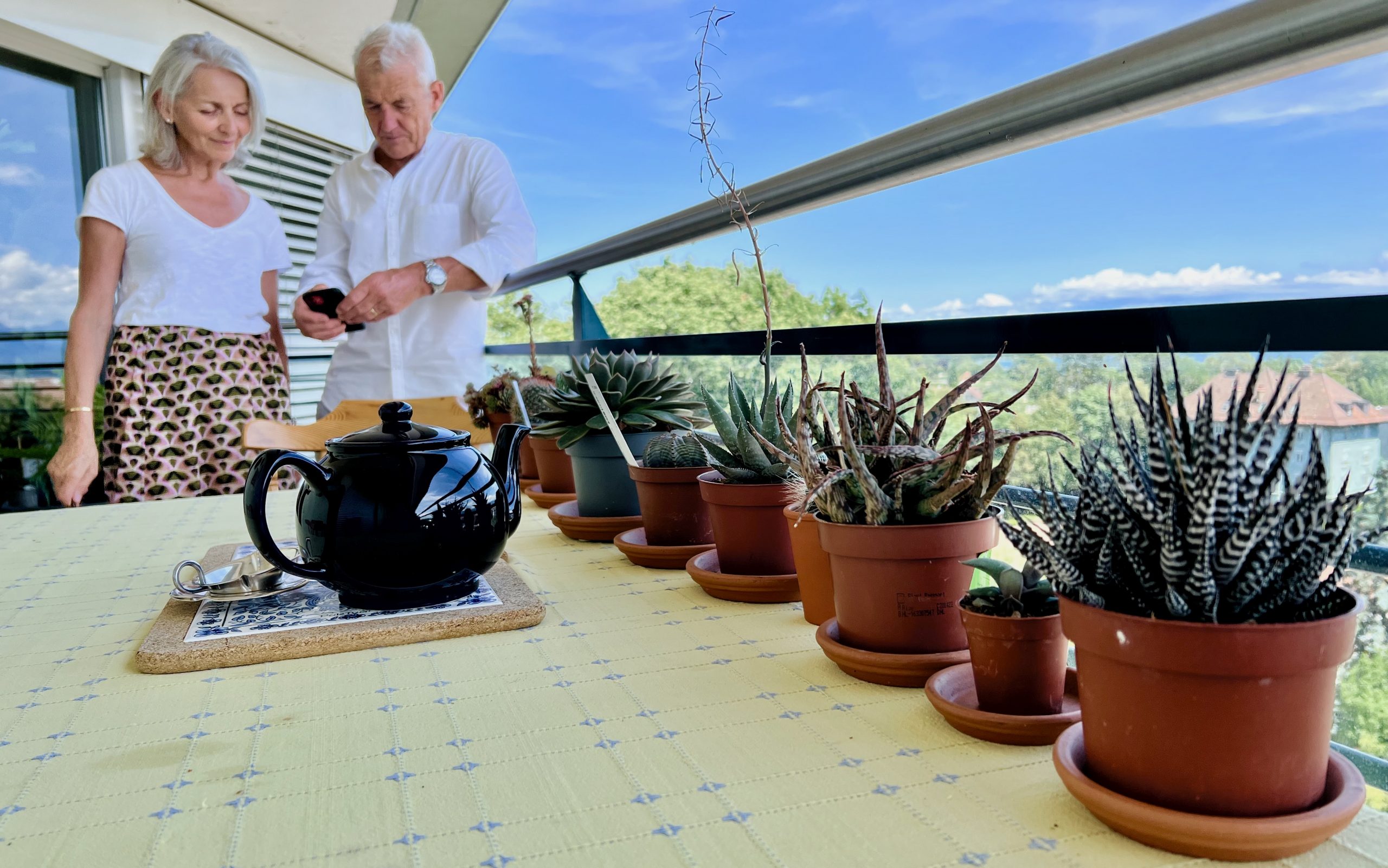
Back at Pavan’s, where some his succulents take a break in the sun
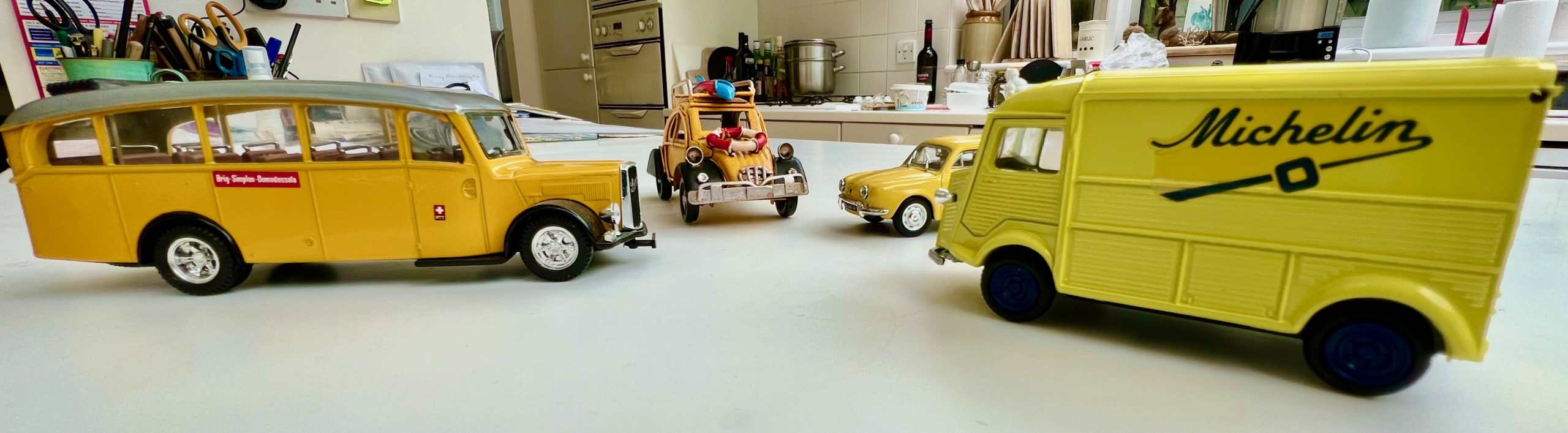
Four yellow vehicles from Nyon and Yvoire join our collection, mementoes of serendipities

By way of a coda, but as another example of how odd connections so often happen, on the flight back, in economy, I found myself having a fascinating conversation with an elaborately dressed 88-year old. We continued the conversation with him and his wife as we waited for our bags to appear on the carousel at T5. Turned out that this is who he was, is.

Then out into the rain of London, with the taxi driver noting our Nyon weather had been dramatically nicer than London’s. But at least everything looked lusciously green.

  • « Go to Previous Page
  • Go to page 1
  • Interim pages omitted …
  • Go to page 17
  • Go to page 18
  • Go to page 19
  • Go to page 20
  • Go to page 21
  • Interim pages omitted …
  • Go to page 134
  • Go to Next Page »

Primary Sidebar

Introduction

I began this blog with an entry reporting on a visit to the Woods Hole Oceanographic Institution on Cape Cod, on 30 September 2003. The blog element of the website has gone through several iterations since, with much of the older material still available.

Like so many things in my life, blog entries blur the boundaries between the personal and the professional. As explained on this site’s Home Page, the website and the blog are part platform for ongoing projects, part autobiography, and part accountability mechanism.

In addition, my blogs have appeared on many sites such as: Chinadialogue, CSRWire, Fast Company, GreenBiz, Guardian Sustainable Business, and the Harvard Business Review.

Recent Comments

  • John Elkington on The Hill House Elkingtons
  • sally fitzharris. (Rycroft) on The Hill House Elkingtons
  • Thomas Forster on Reminder of Glencot Years

Journal Archive

About

John Elkington is a world authority on corporate responsibility and sustainable development. He is currently Founding Partner and Executive Chairman of Volans, a future-focused business working at the intersection of the sustainability, entrepreneurship and innovation movements.

Contact

john@johnelkington.com  |  +44 203 701 7550 | Twitter: @volansjohn

John Elkington

Copyright © 2026 John Elkington. All rights reserved. Log in