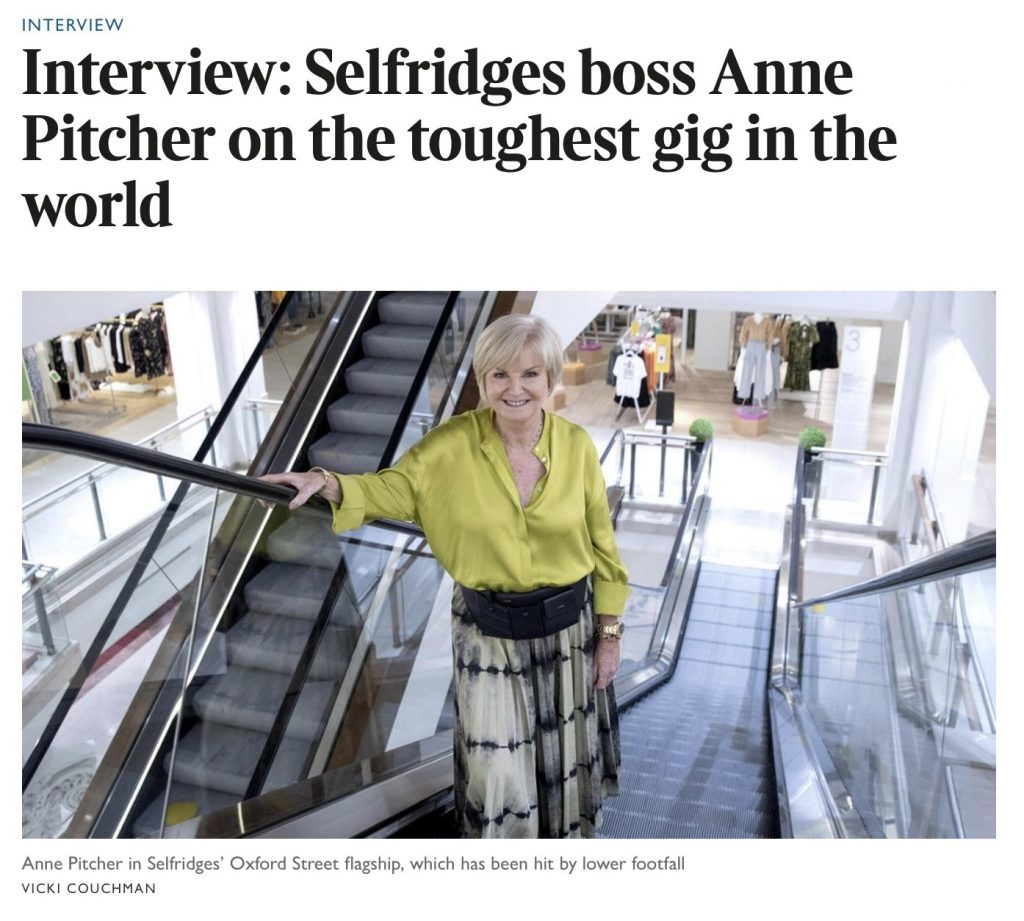
Wonderful to see see Selfridges group managing director Anne Pitcher flagging Green Swans as her favourite book in the business section of today’s Sunday Times. Article behind a paywall, I’m afraid.

John Elkington
A world authority on corporate responsibility and sustainable development.
Wonderful to see see Selfridges group managing director Anne Pitcher flagging Green Swans as her favourite book in the business section of today’s Sunday Times. Article behind a paywall, I’m afraid.
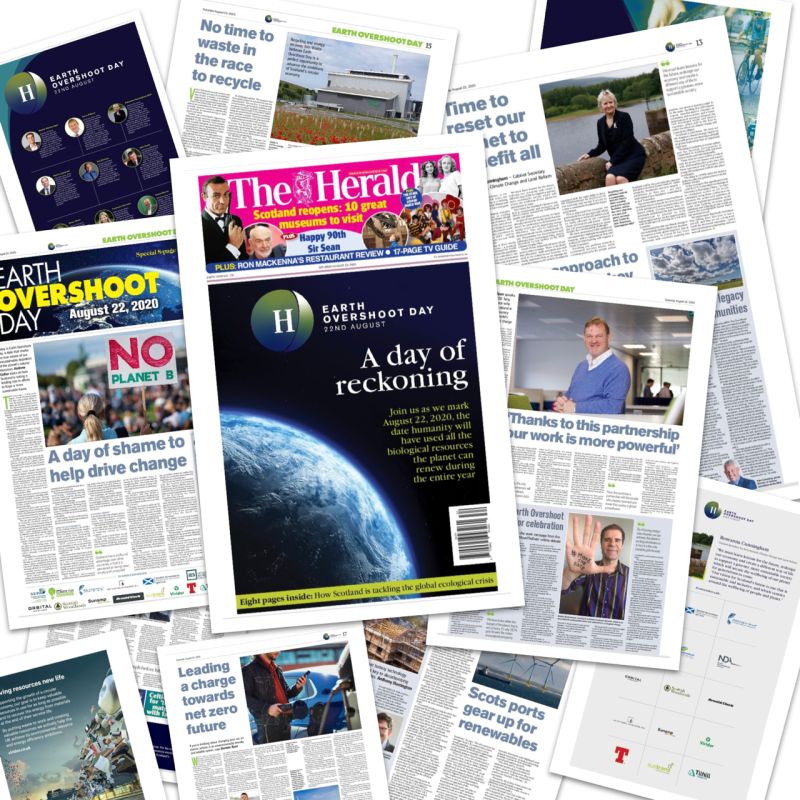
Better news! In 2020, for the first time, Earth Overshoot Day—the day in the year when our total consumption of resources overtakes our planet’s total production of the same resources—went backwards. But only because of COVID-19.
I was on the virtual stage in Glasgow on Thursday, 20 August, as the Scottish Government announced its plans to help drive the date back further still in the coming years. Or, as the hash-tag version puts it, to help #MoveTheDate. The story was covered by BBC News today.
The actual Earth Overshoot Day was on August 22 this year – and the press release for Earth Overshoot Day by Global Footprint Network can be found here. The Day was marked with a number of events, with the global one being co-hosted by the University of Glasgow and the Scottish Environment Protection Agency.
“Earth Overshoot Day is the day when we go into ecological debt,” SEPA explained, “when humanity’s demand for ecological resources and services exceeds what Earth can regenerate in that year. Over the past 20 years we’ve lost a month to global warming and climate change and we’re now living more than a third of the year in ecological debt.”
By way of background, the Global Footprint Network notes that: “Global overshoot started in the early 1970s. Now, the cumulative ecological debt is equivalent to 18 Earth years. In other words, it would take 18 years of our planet’s entire regeneration to reverse the damage from overuse of natural resources, assuming overuse was fully reversible. Solutions suggest that it is possible to live within the means of our planet. If we #MoveTheDate 5 days each year, humanity would be using less than one planet before 2050.”
GFN chief executive Laurel Hanscom told The New York Times: “The fact that Earth Overshoot Day is later this year is a reflection of a lot of suffering, and the reflection of imposed changes to our lives,” she said. “I don’t think there’s a silver lining to that. Far from a victory, Ms. Hanscom regards the delay of Earth Overshoot Day this year, and the pandemic that prompted it, as a warning sign. One way or another, humanity will come into balance with the Earth. We don’t want it to be through disaster. We want it to be through intentional, designed efforts to make sure it doesn’t come at such a high and terrible human cost.”
“Scotland is suddenly extremely exciting,” I told the global launch audience, reported to be some 800 participants from 23 nations around the world. “The country is in the spotlight because of next year’s COP26 climate summit, which it will host in Glasgow, but it is also notable because of its leadership in climate policy and action.”
All credit to our long-standing friends at the Global Footprint Network. They have started a movement which does for the 2020s what the Doomsday Clock of the Bulletin of the Atomic Scientists has long done for the risk of nuclear catastrophe—and now also for climate risk.
“Small nations are in a great position to show leadership,” said Scottish Government Secretary Rose Strathearn. SEPA noted: “Successful businesses in future will be those that use low amounts of water, materials and carbon-based energy and create little waste. Prosperous societies will be comprised of these businesses. This can be Scotland.”
Launching the Glasgow conference, GFN co-founder Mathis Wackernagel insisted: “Stop saying “should”. What do you really want? What do you love? That’s how we’re going to shift.” As SEPA chief executive Terry A’Hearn tweeted, “Plenty of solutions exist that #MoveTheDate of #EarthOvershootDay!”
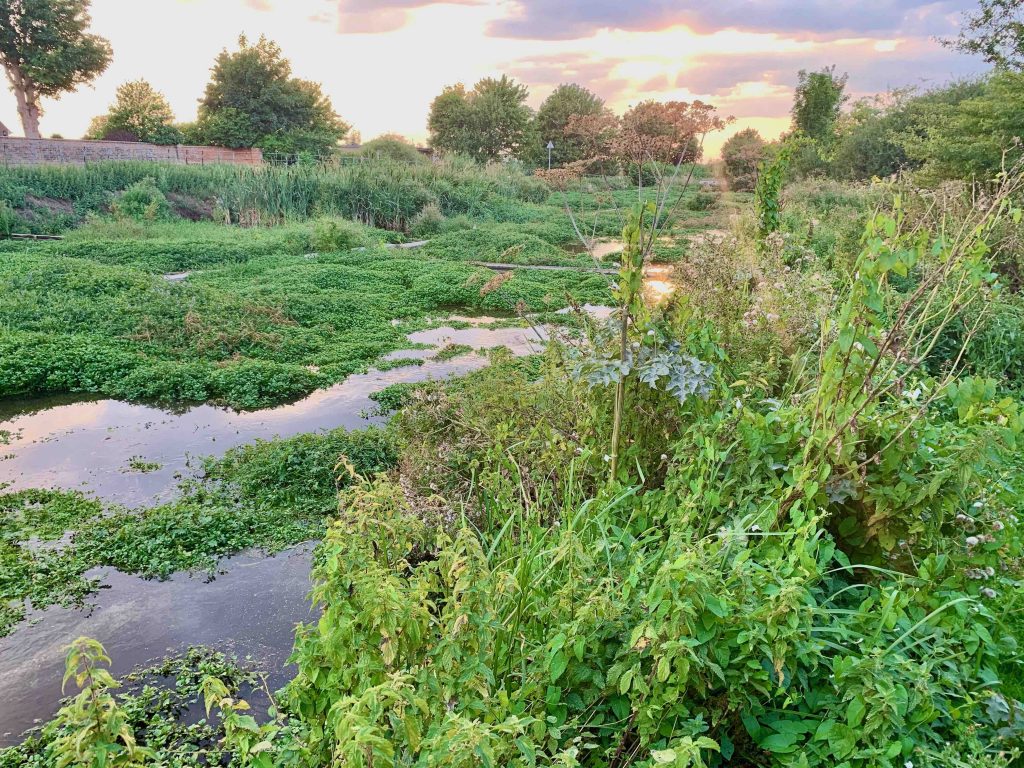
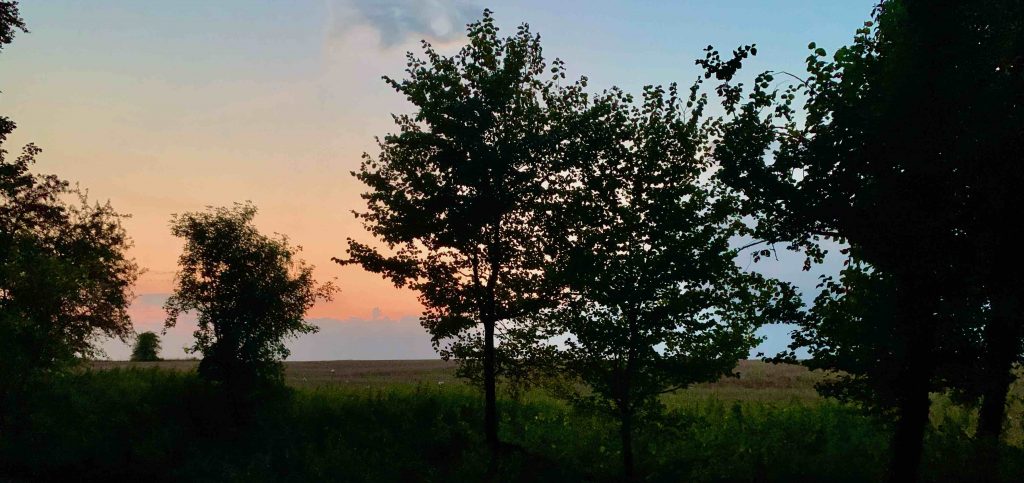
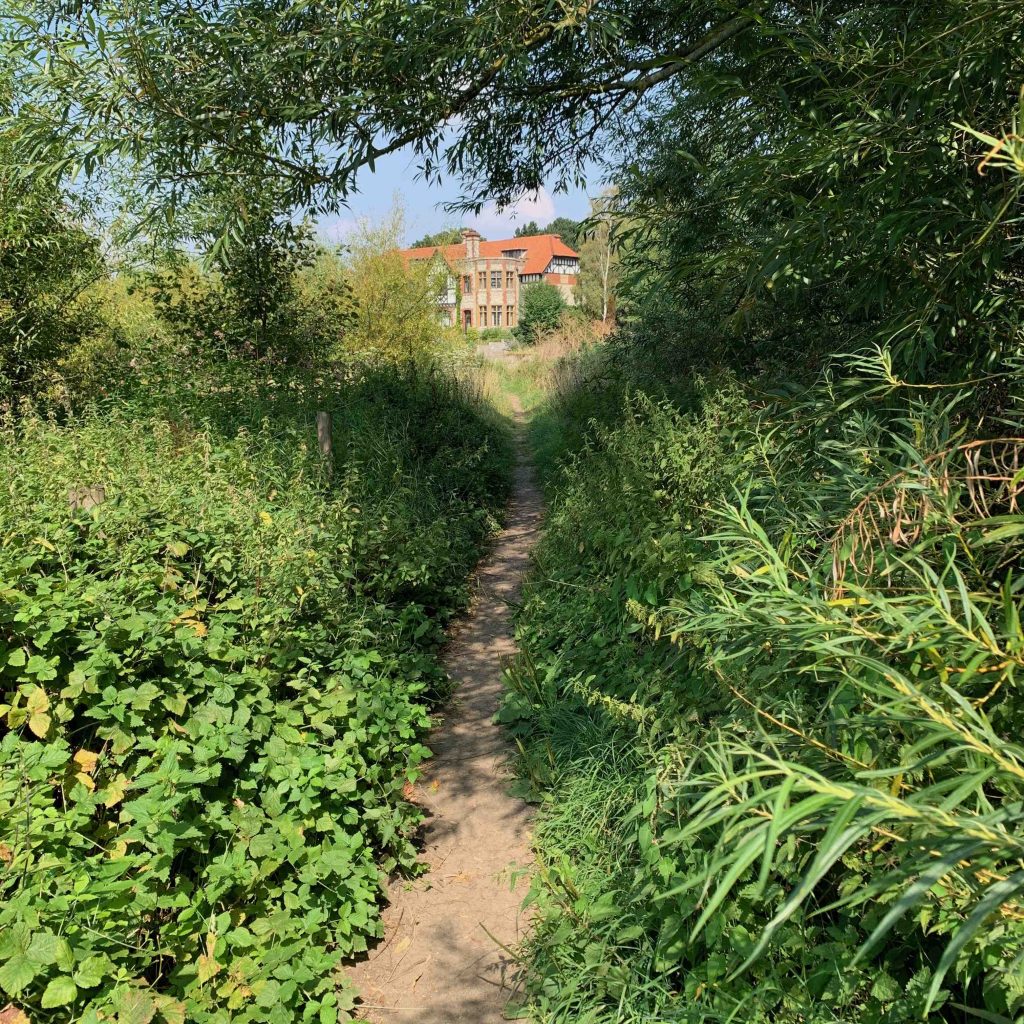
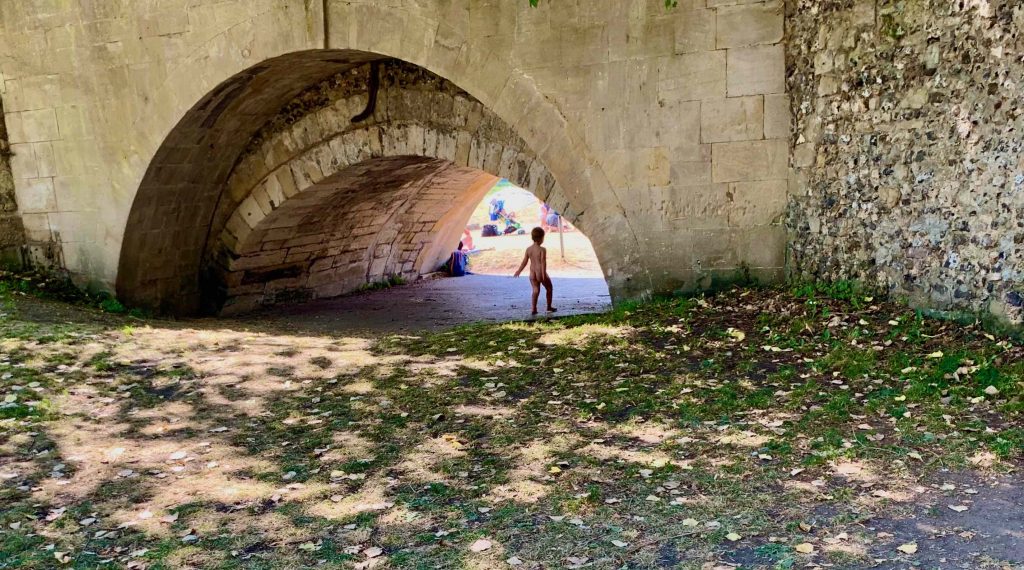
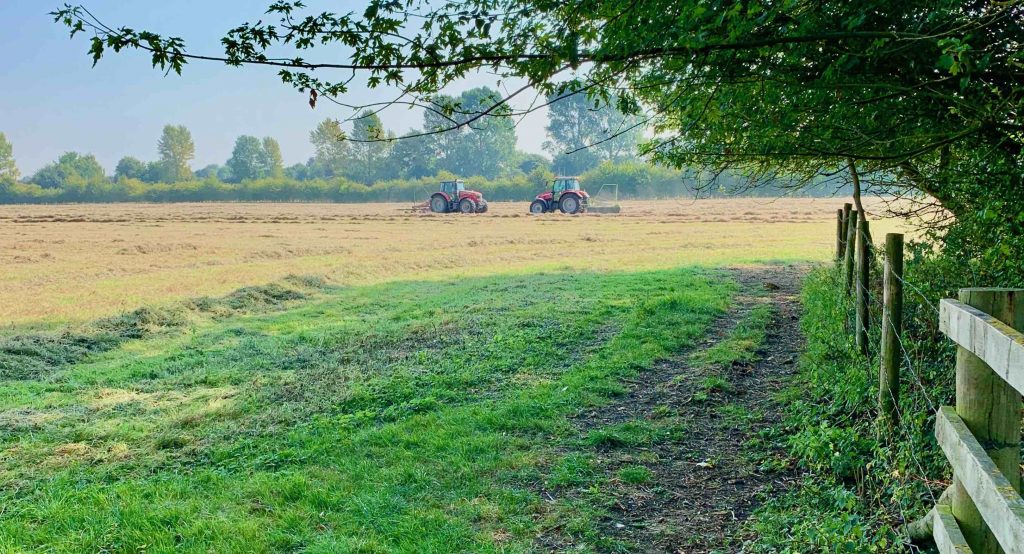
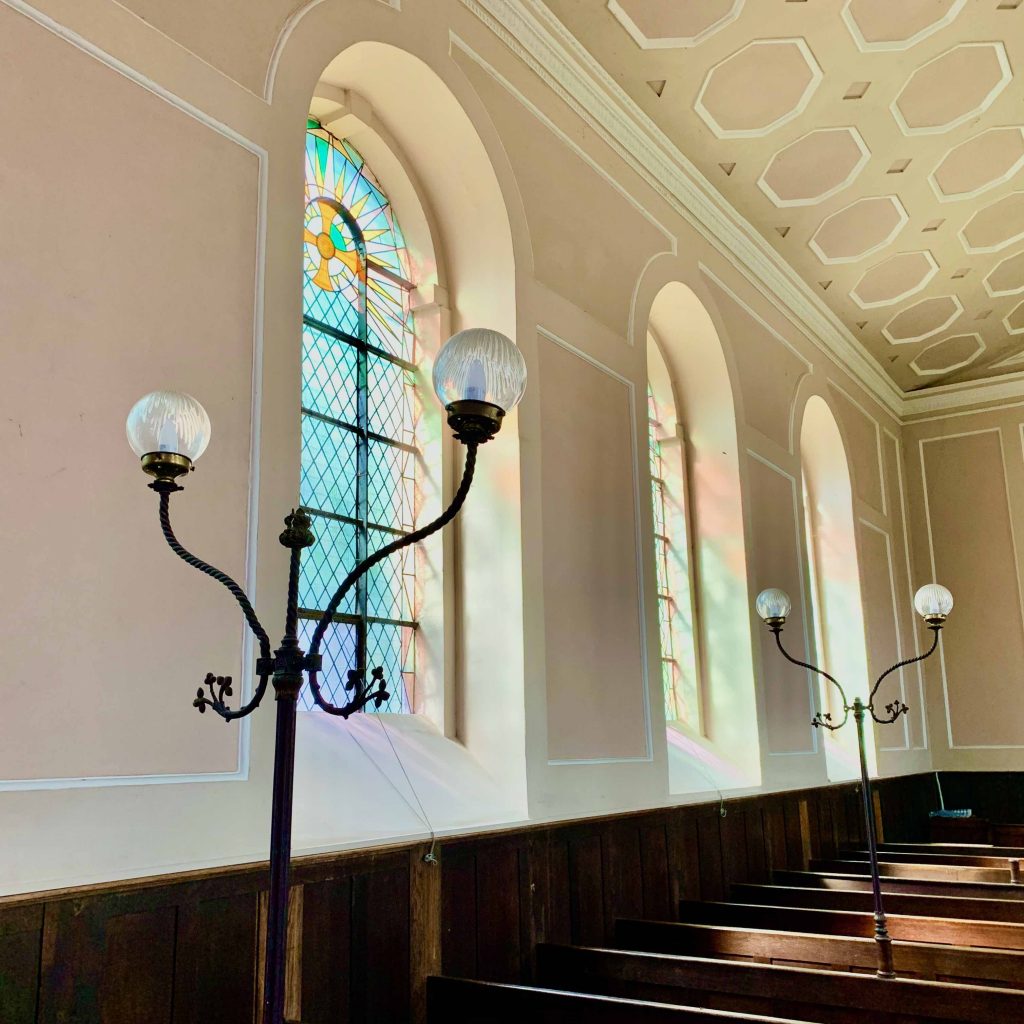
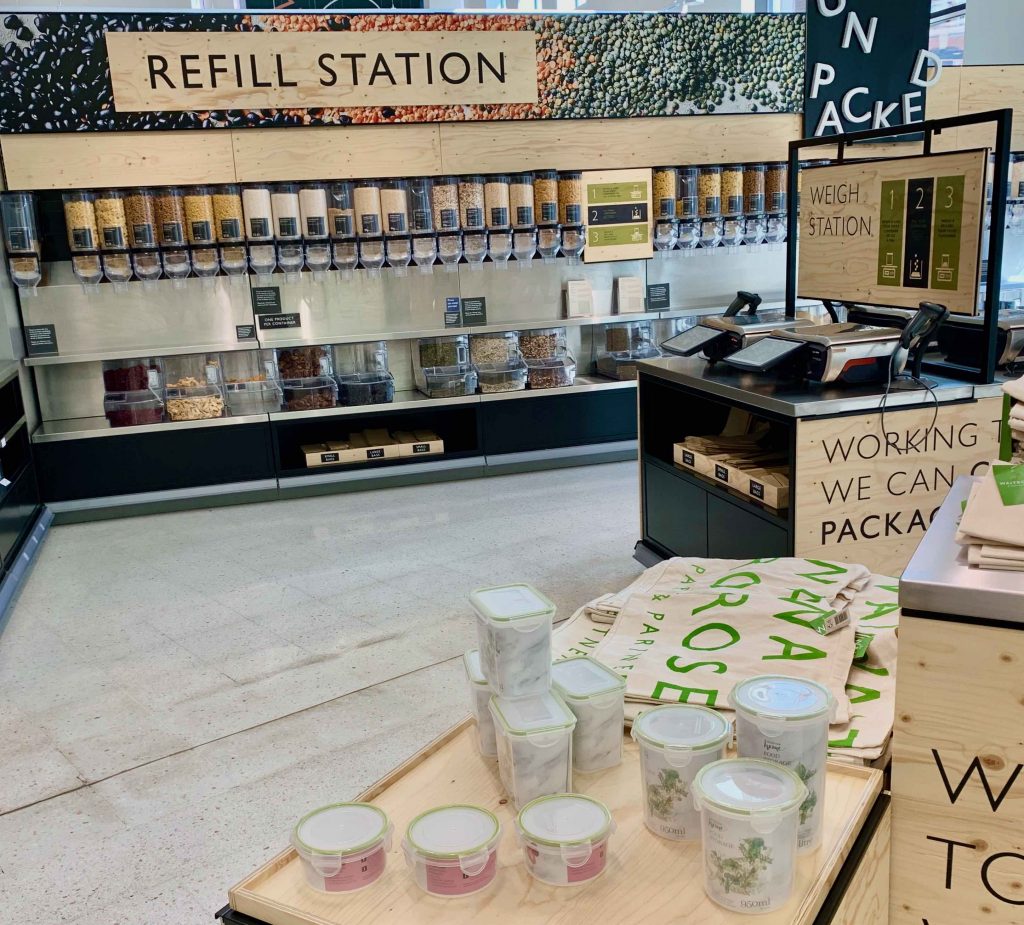
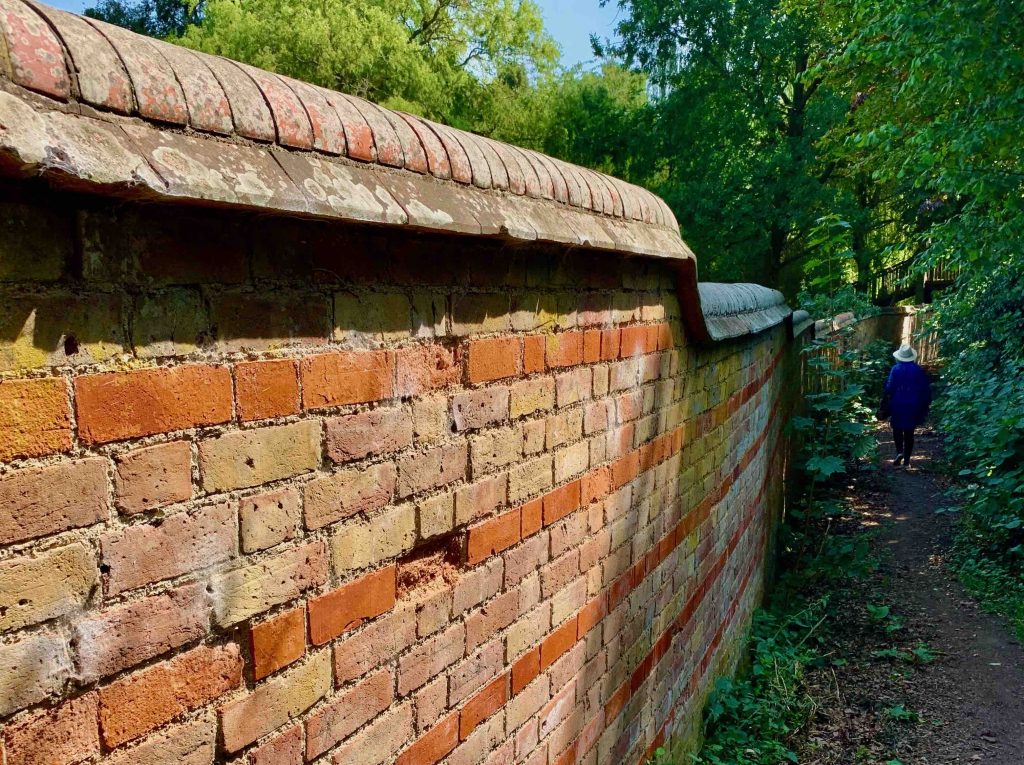
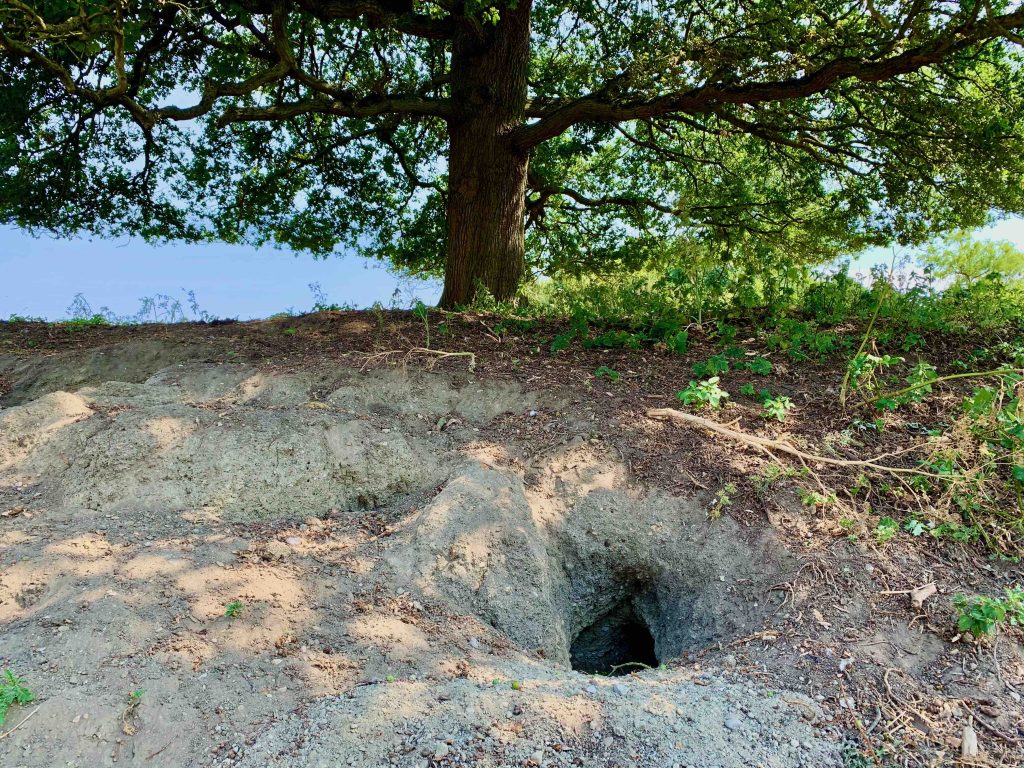
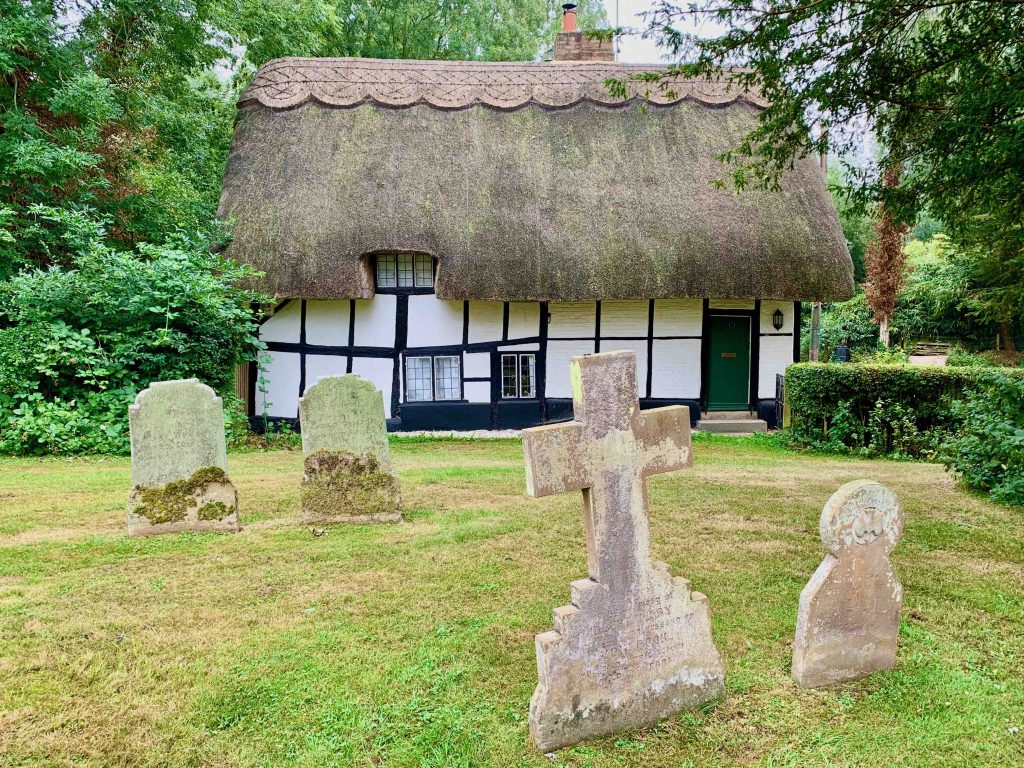
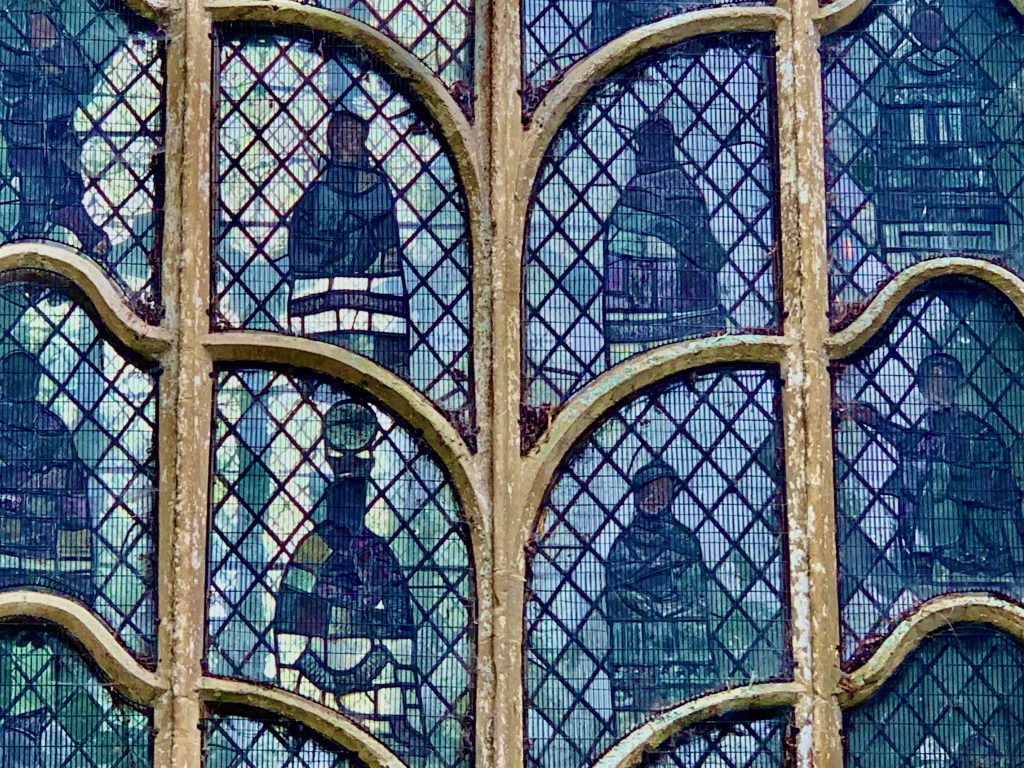

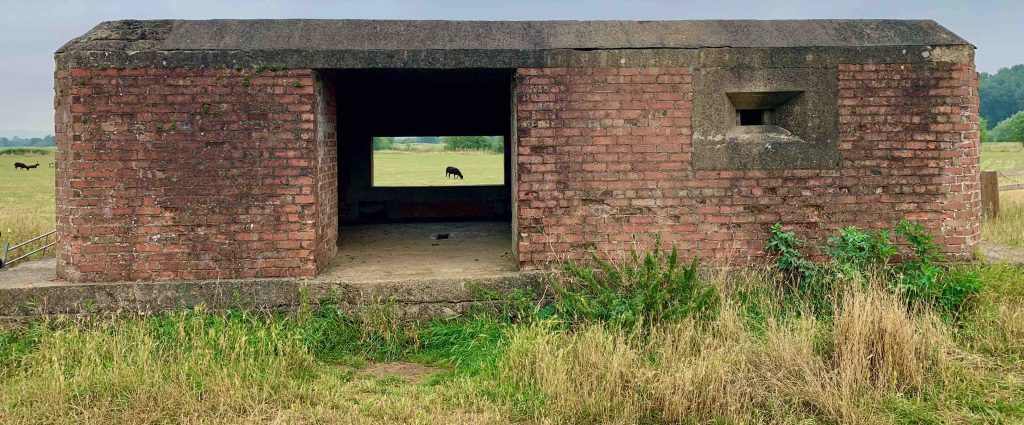
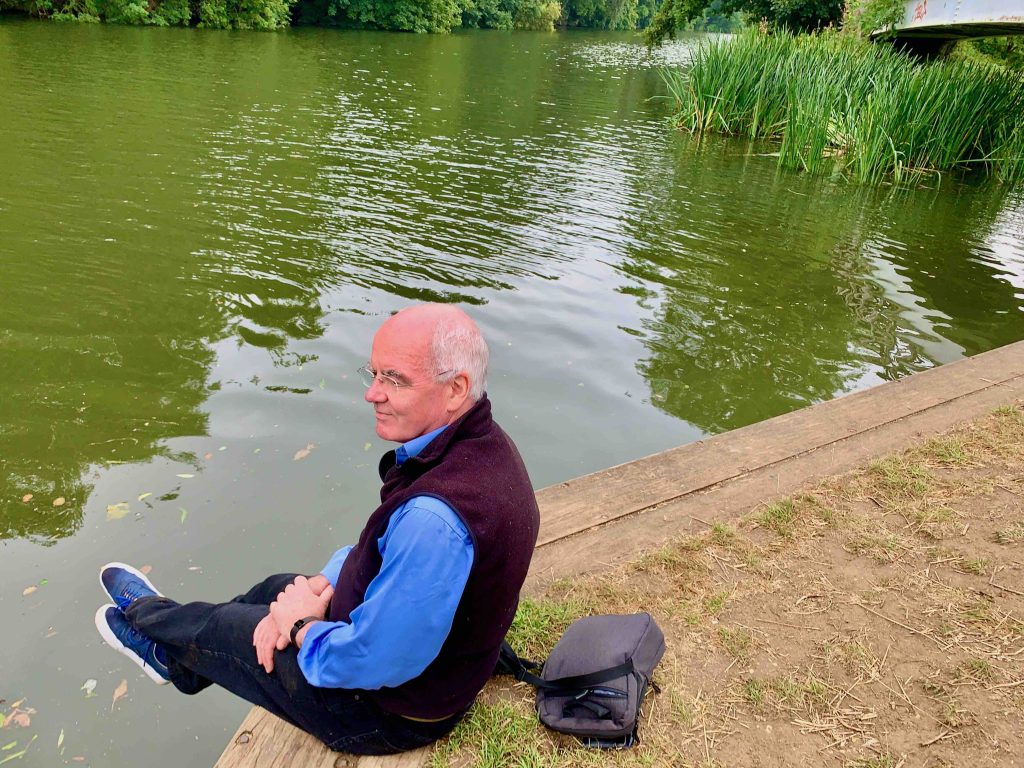
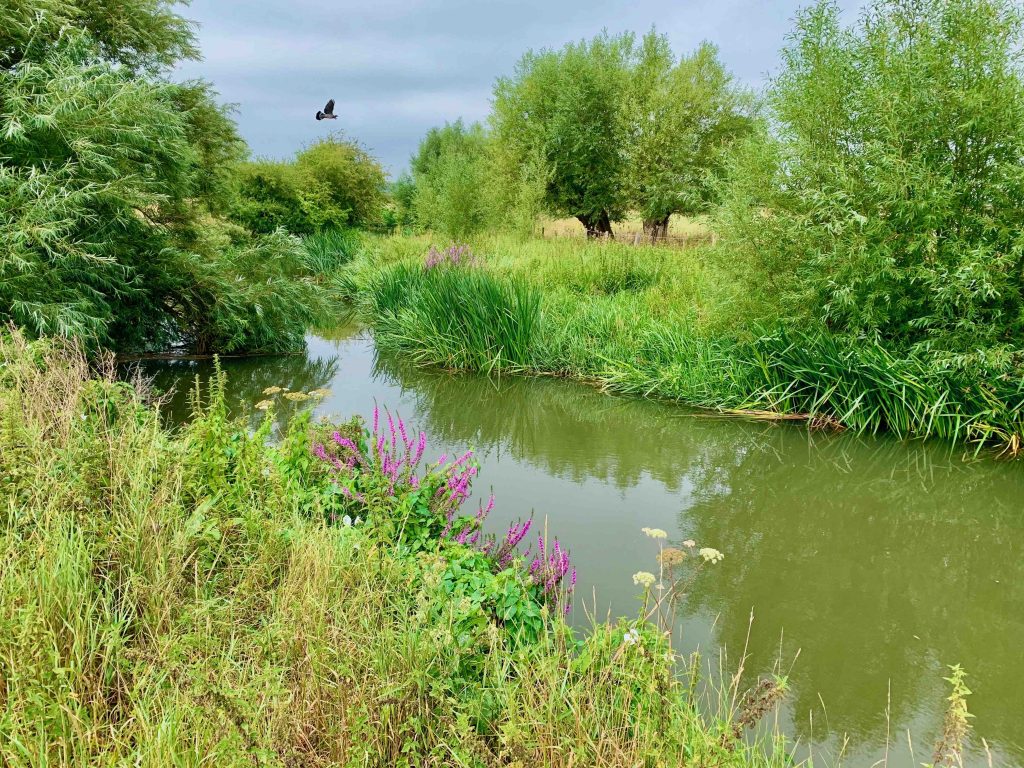
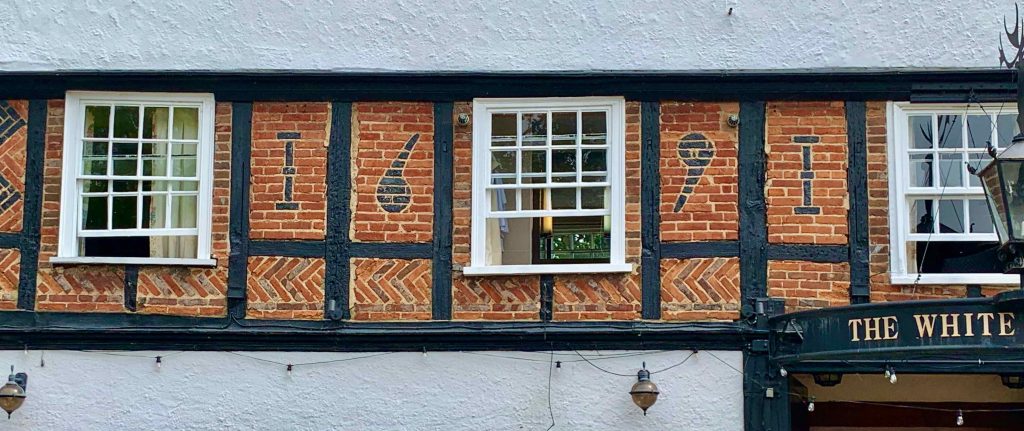
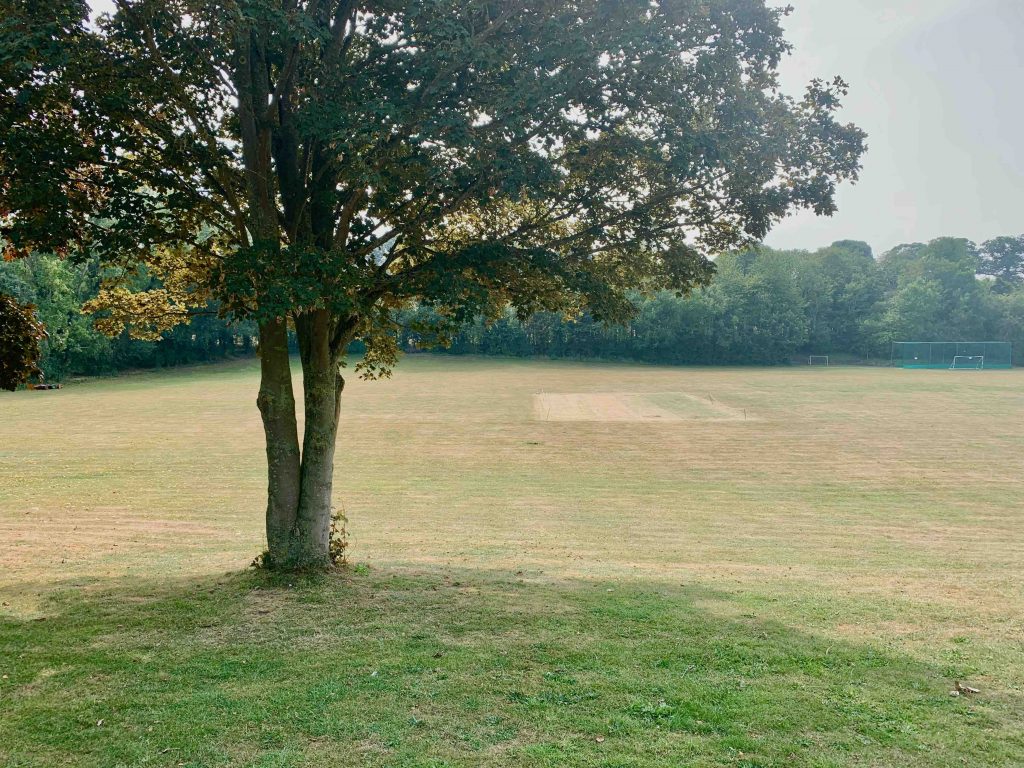
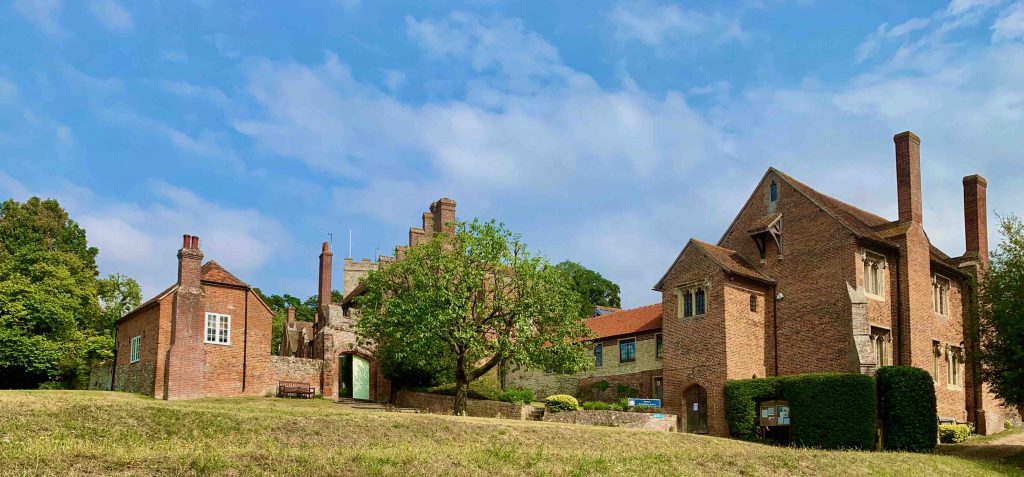
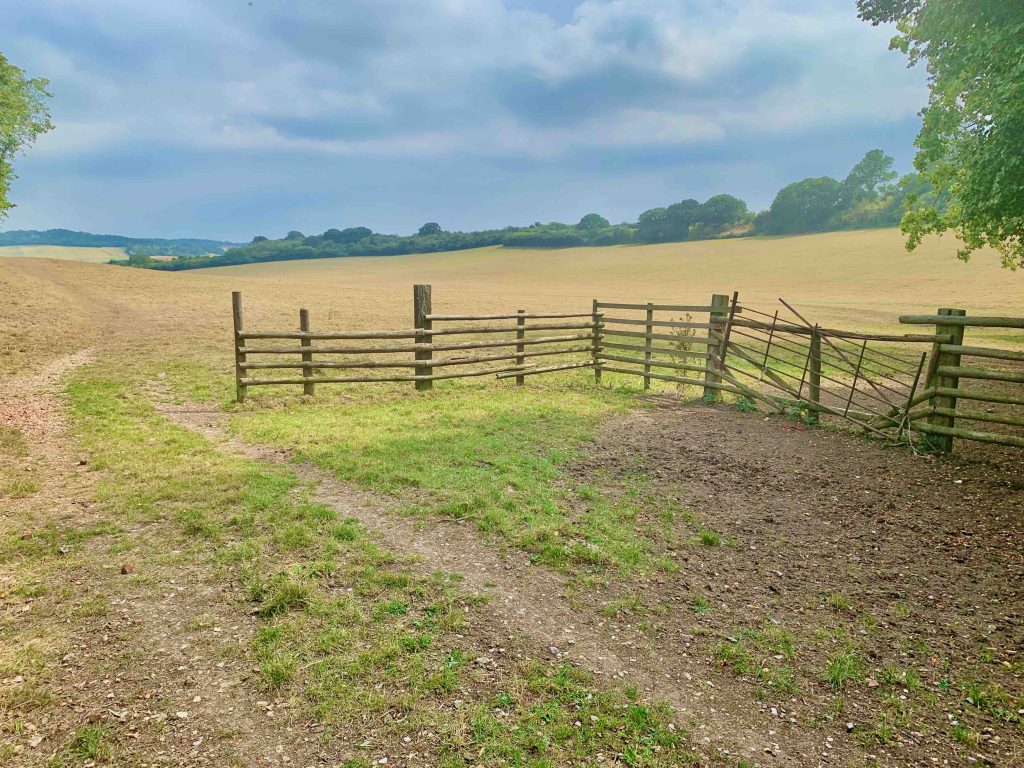
Elaine and I spent 11-13 August in the Chilterns, staying at Fyfield Manor. Nice place, though discovered that it gives directly onto RAF Benson. So there were moments one night when helicopters were winding up and down as we were trying to sleep when one could have wished we were back in medieval times. The manor was built in 1120. Thought to be linked to Simon de Montfort, the core of the manor is now reputed to be the oldest building in Oxfordshire.
Lovely walk across to Ewelme on first evening, for supper at The Shepherd’s Hut – our first meal out since lockdown. A slight surprise to be offered the Government’s discount for eating out – and saving the economy. A couple of Puma helicopter pilots talking to the elderly son of a Wellington bomber navigator from WWII. I talked to him, too, on the way out.
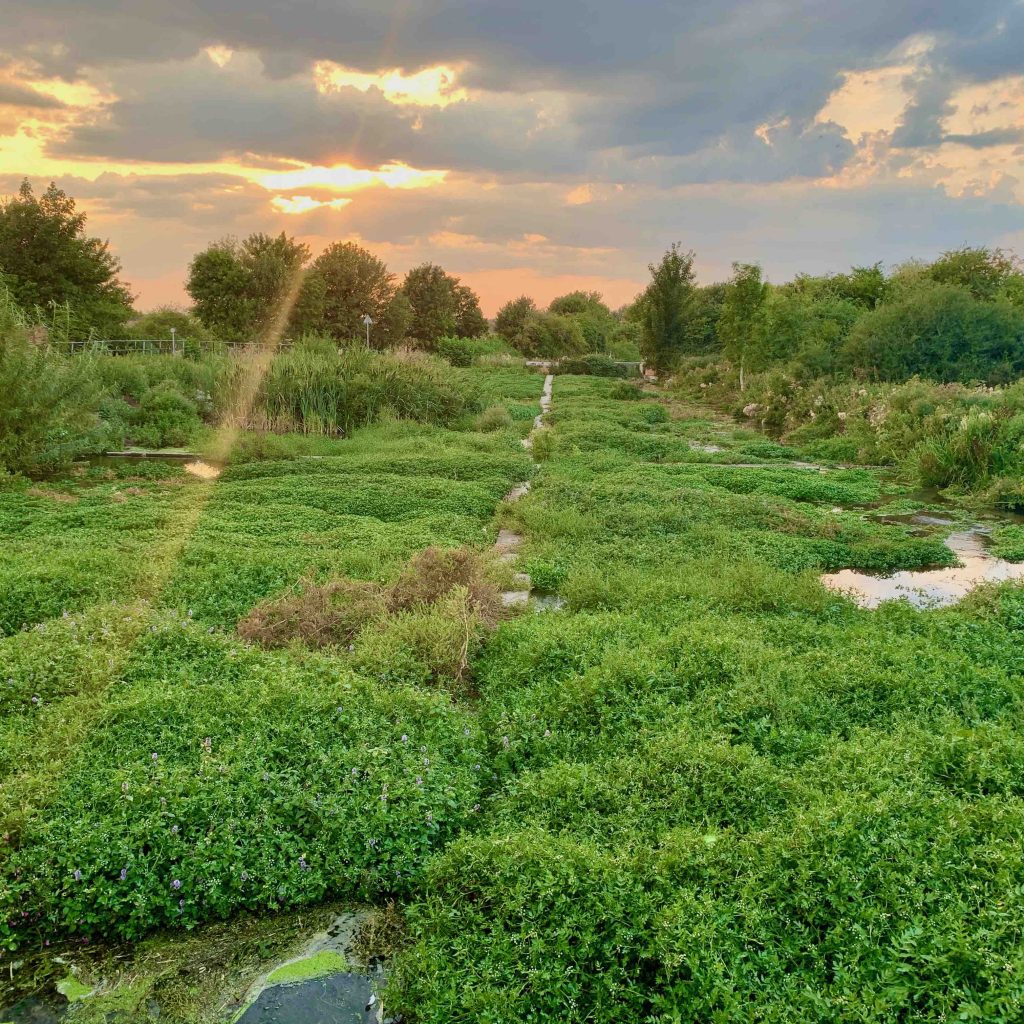
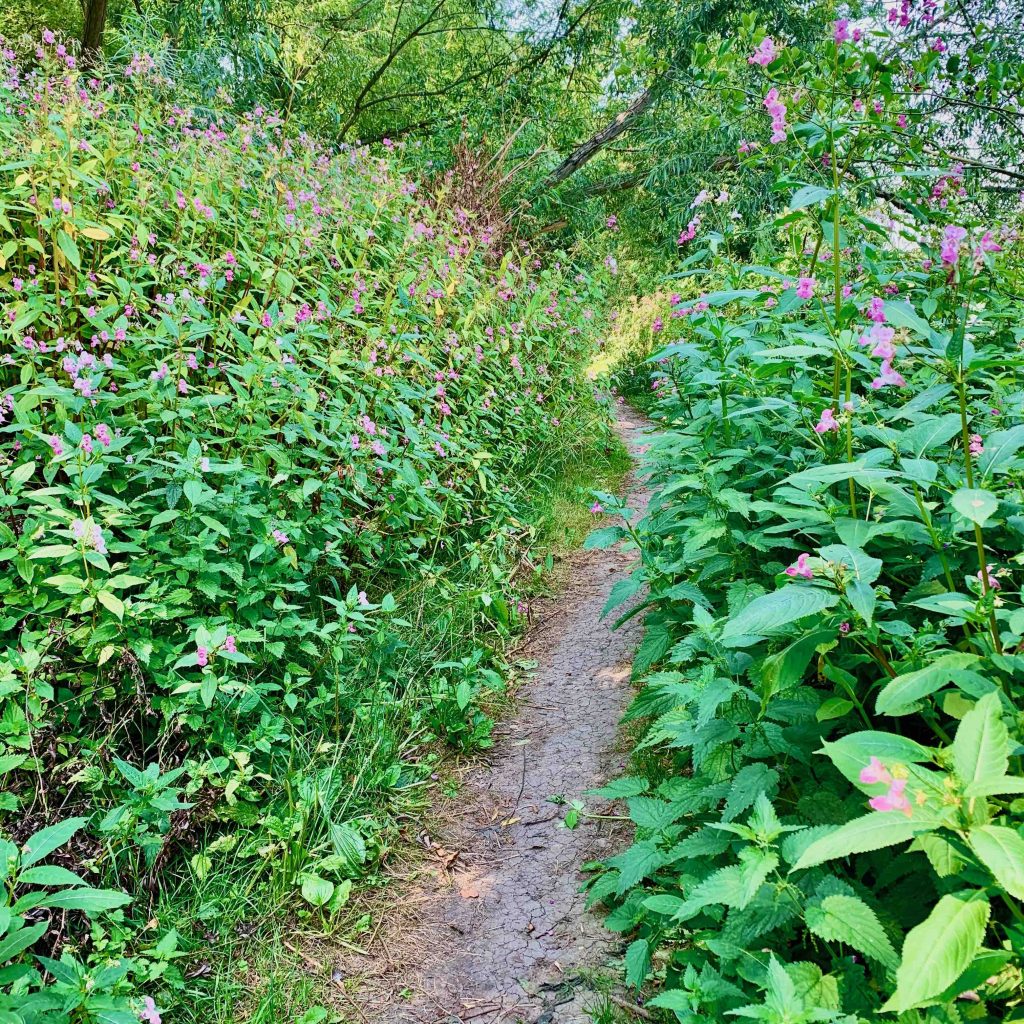
We visited Shillingford, where my parents honeymooned back in 1948, the riverbanks now cloaked in part by invasive Himalayan balsam – also present here in Barnes. Didn’t know that its nicknames include “policeman’s helmet”, “bobby tops”, “copper tops”, and “gnome’s hatstand” and “kiss-me-on-the-mountain”. But there are some wonderful rewilding project in progress here, organised by the Earth Trust.
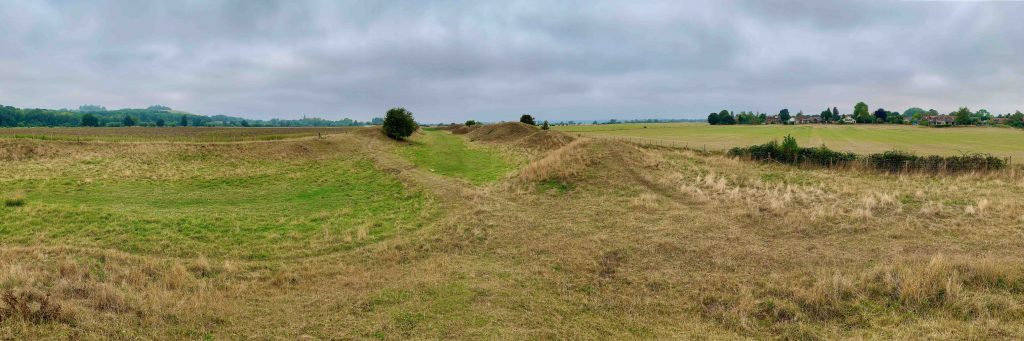
Glorious weather and we loved Wallingford Castle, though all that is left now is the landforms (extraordinary enough) and occasional remnants of walls and buildings. The castle made such a strong showing in the Civil War that it wasn’t captured, instead surrendering. It was then “slighted”, with the stone shipped off for other uses, including at Windsor, apparently. We also went to Dorchester-on-Thames, to see the Abbey, Dyke Hills and the confluence of the rivers Thame and Thames.
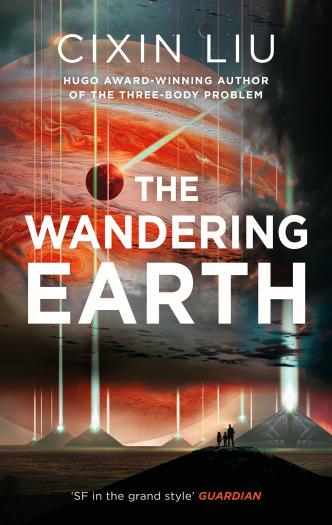
Among other things, I spent downtime reading Chinese science fiction, in the form of: Cixin Liu’s The Wandering Earth, a fascinating collection of his short fiction, and Invisible Planets, a collection of 13 of visions of the future from China, translated by Ken Liu. Raised this line of thought during a board meeting call I did with Conservation X Labs on our first evening at Fyfield Manor.
And then I had a fascinating exchange with sci-fi author David Brin about a possible confluence between the worlds of sci-fi and our rapidly evolving Green Swans Observatory. First time I had come across TASAT – ‘There’s A Story About That’. Am planning to dig into that in the coming weeks.
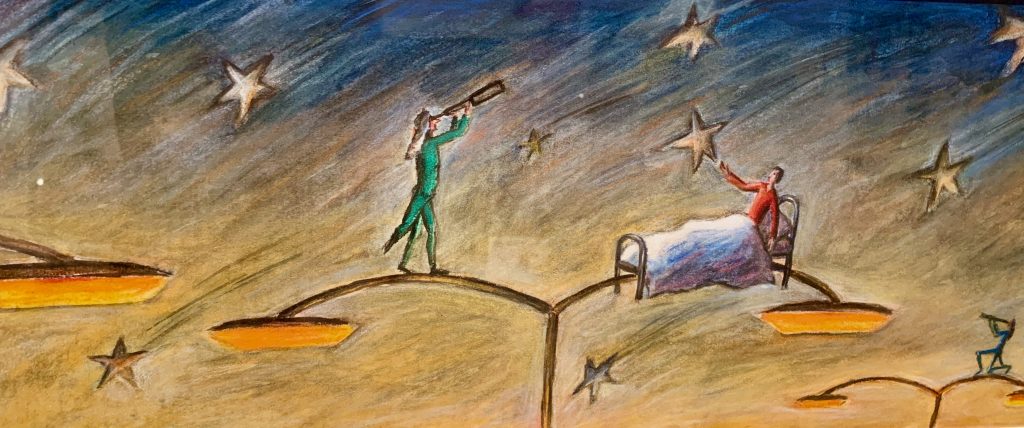
I’m amazed I don’t seem to have written about it online, though I did write an article for The Guardian on the story some time in the last century – illustrated with a wonderful painting by Greg Becker. But the fact is that in the summer of 1968 or 1969 I saw something that has illuminated my brain ever since, something Greg hinted at the weird majesty of.
Here’s what happened, as best I remember it. I was back from university at Hill House, Little Rissington, and we had just returned from Cheltenham, where we had seen the Peter Sellers film, I Love You, Alice B. Toklas. This was released in New York in October 1968, hence my guess that the year of the sighting must have been 1969, though the record shows that 1968 was a peak year – so maybe I have mis-remembered the film we saw?
Whatever I may have made of the film, some elements clearly chimed – and while Elaine and everyone else went to sleep indoors, I elected to sleep out on the front lawn, on a camp bed. Another example of serendipity in practice, it turned out.
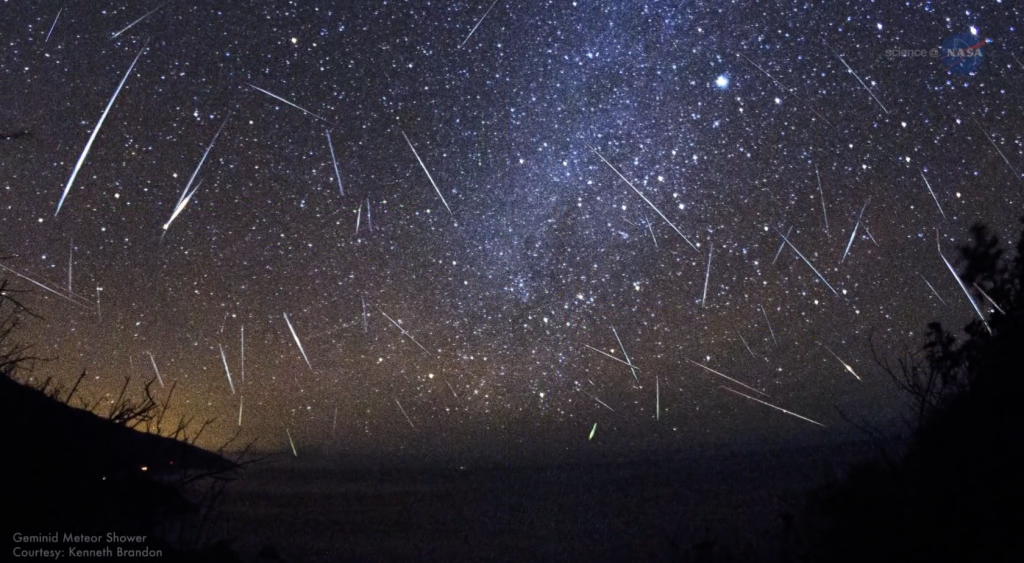
I started awake in the early hours, probably because the night-scented honeysuckle on the nearby Cotswold stone wall was tickling my senses. When I looked up, the entire night sky was ablaze. It was as if a nuclear bomb blast was raining debris down all around – or, as I said to the family the next morning, it was as if I had been in the nosecone of existence speeding through the sort of starfield we would later see in the Star Wars films, which was still almost a decade into the future.
I would later discover that I had witnessed the biggest meteor display for many years. Am still not sure whether I saw a Perseid or Leonid meteor storm. But at first I thought the nuclear holocaust had begun. Then I realised that the sky was aflame with countless shooting stars.
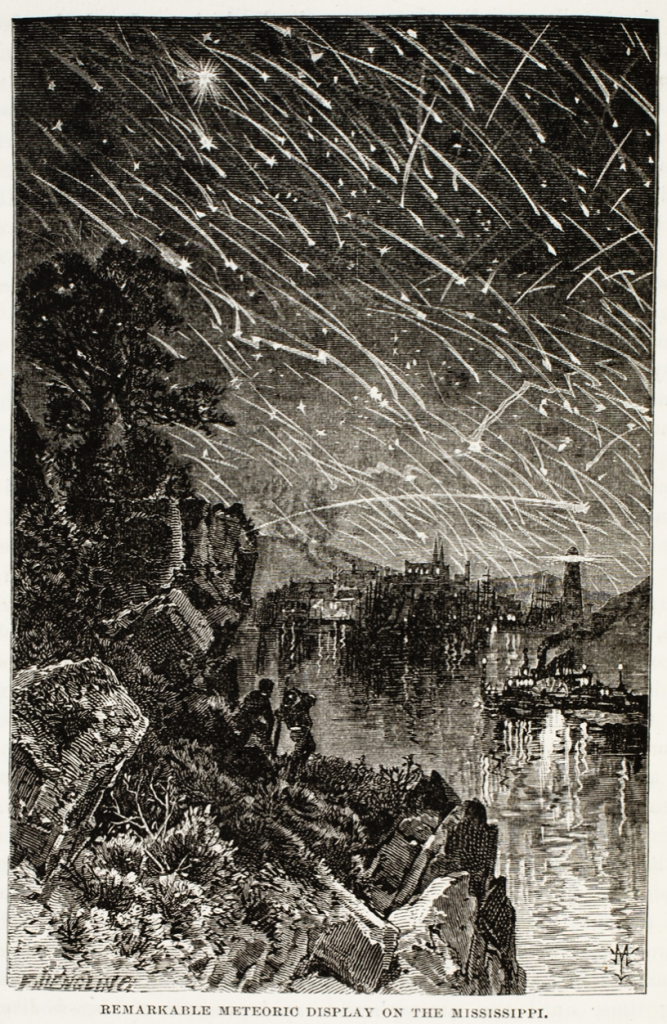
Years later I began to think that I might have dreamed it all, not all clear as to why I hadn’t gone into the house to wake everyone else. But for some reason I didn’t. And then I came across an engraving from the 1800s of an overseer on an American slave plantation stumbling out of his hut while slaves erupted out of theirs. Above their heads the sky was ablaze with meteors. The description ran along the following lines: “It was if someone had emptied a scuttle of burning coals across the heavens.”
That was exactly what I had seen – and it turned out that that image dated back to a year when a very similar shower was recorded. I am still trying to track down that image, but in the meantime came across this one of another meteor shower over the Mississippi – capturing the raw essence of what I saw that long-ago summer night.
I have always kept an eye on the night sky, for example drinking up the startingly clear Milky Way spanning the night sky as a number of us went in our American friend Gail’s boat on a fish poaching expedition against an oil multi-millionaire in Skiathos in 1970.
The sea was bright with phosphorescence, the liquid gold running back down the oars as they came out of the water, illuminating the rower’s hands. And I have frequently spied shooting stars, plus a roaring object that flew over Hill House one night and blew up over Ireland. But, for me, 1969 still takes the stellar biscuit.
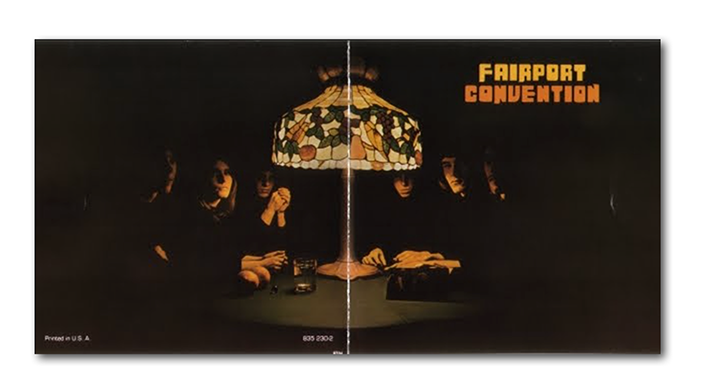
I often wonder if my tinnitus dates back to hearing early bands like The Who, The Move and, by far the loudest folk-rock band at the time, Fairport Convention.
Their singer in those early days was Judy Dyble, whose voice I loved on tracks like Time Will Show The Wiser and Reno Nevada. But my favourite track on that album was It’s Alright Ma, It’s Only Witchcraft – which made it into my spoof Desert Island Discs, to be found elsewhere on this site.
Sadly, Judy died on 12 July. A decent obituary can be found in The New York Times.