• Skip to primary navigation
  • Skip to main content
  • Skip to primary sidebar
John Elkington

John Elkington

A world authority on corporate responsibility and sustainable development.

  • About
    • Ambassador from the future
  • Past lives
    • Professional
      • Volans
      • SustainAbility
      • CounterCurrent
      • Boards & Advisory Boards
      • Awards & Listings
    • Personal
      • Family
      • Other Influences
      • Education
      • Photography
      • Music
      • Cycling
    • Website
  • Speaking
    • Media
    • Exhibitions
  • Publications
    • Books
    • Reports
    • Articles & Blogs
    • Contributions
    • Tweets
    • Unpublished Writing
  • Journal
  • Contact
  • Show Search
Hide Search

Search Results for: Tim elkington

Alex Steffen On Predatory Delay

John Elkington · 30 April 2016 · Leave a Comment

Source: Alex Steffen

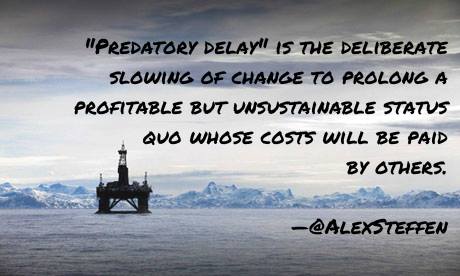
Alex Steffen was high on our list of people to meet on our recent San Francisco trip, but missed him this time round. I regret it even more after reading a blog he sent out yesterday on what he calls predatory delay. For more on what he is doing at The Heroic Futures, see here.

Meanwhile, as I limber up for an Oslo trip on Monday, where I will be speaking at three events, I’m finding the predatory delay concept helps crystallise a number of concerns I have had for some years about the whole sustainability industry.

Alex notes that: “Some people seem to have a hard time even understanding the concept of the rights of future generations. The idea that people who do not yet exist have the right to assert their needs in our lives is one that seems to be hard to fully grasp.

“Think of this example: If someone sets a bomb to go off in a public square a year from now, is he committing a crime? Should he be stopped? Almost everyone would say yes. Should he be tried before a court of law and prevented from doing further harm? Most of us would agree that he should. What about ten years? What about 100? When does our obligation to avoid serious, predictable harm to others end?

“Now, here’s the tricky part: climate emissions (and huge array of other unsustainable practices) are the bomb, and your grandkids and great-grandkids are the victims.”

He goes on to say:

“As long as we don’t use more of the planet’s bounty than can be sustainably provided in perpetuity, we have the ethical right to enjoy the best lives we can create. But the minute we stray into unsustainable levels of consumption, we’re not in fact spending our own riches, but those of future people, by setting in motion disasters that will greatly diminish their possibilities. Unfortunately, nearly everyone living a middle class or wealthier lifestyle now enriches their lives at the cost of future generations. As Paul Hawken says, ‘We have an economy where we steal the future, sell it in the present, and call it G.D.P.’

“Now, obviously, most of us did not intend to find ourselves in this situation, and so for a couple decades we had a legitimate argument that we needed a reasonable amount of time to change our ecological impact. It’s become clear that many of our leaders’ definition of a reasonable amount of time, though, is for things to change sometime after they’re dead.

“This is what I mean when I say that we have a politics of ‘predatory delay.’ Many wealthy people understand that their profits are extracted through destructively unsustainable practices, and they’ve known it for decades. By and large, they no longer deny the need for change, they simply argue for delay, on the basis that to change too quickly would be unfair to them.

“This allows them to been seen as responsible and caring. They want change, they claim; they just think we need prudent, appropriately paced change, mindful of economic trade-offs and judiciously studied — by which they mean cosmetic change for the foreseeable future. In the meantime, they fight like hell to delay change of any real magnitude, attacking not only the prospects of our kids and kin in the future, but increasingly of our society in the present. Their delay has real, serious human consequences, across generations. They’re taking, not creating; the harm they cause is measurable.”

For more of Alex’s thinking, sign up for his newsletter.

We Three Are Now X Hajjis

John Elkington · 15 April 2016 · Leave a Comment

Portal
Portal
Heavenly reception
Heavenly reception
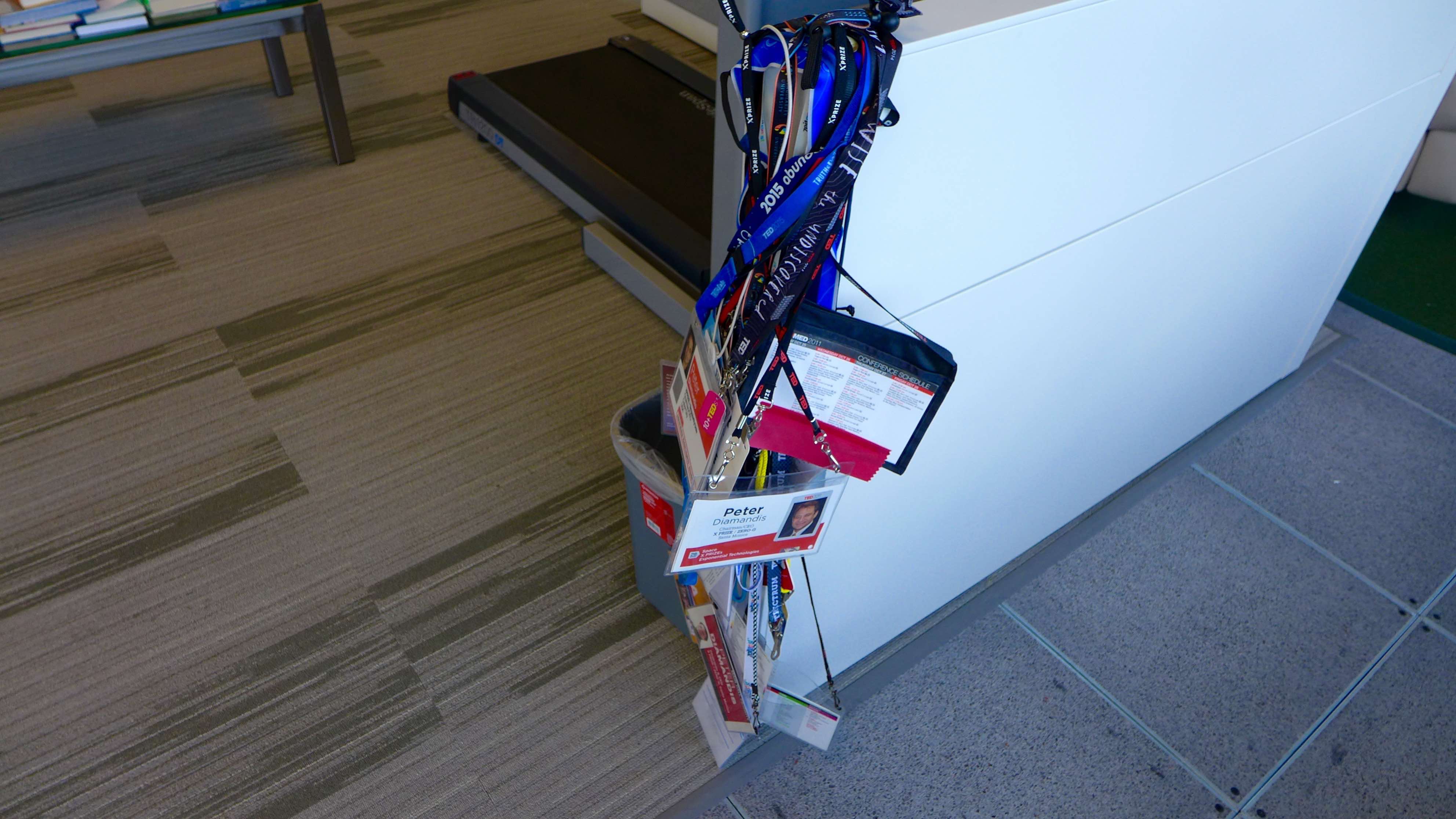
Peter Diamandis collects his conference badges like me ...
Peter Diamandis seems to collect his conference badges like me …
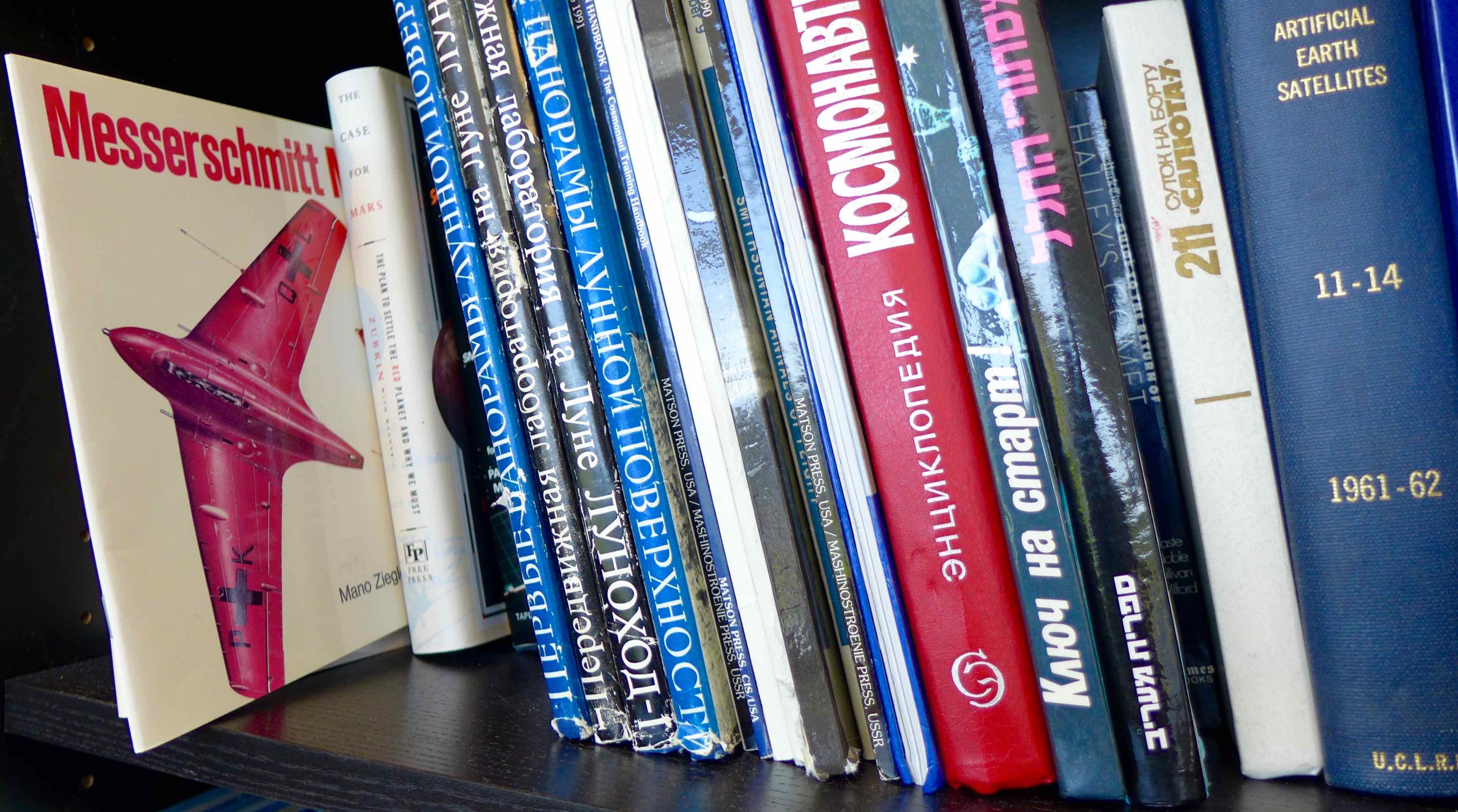
Books in library - including one on the Messcherschmitt Me 163 Comet - the WWII aircraft I'm most pleased not have had to fly (a flying bomb in all but name)
Books in library – including one on the Messcherschmitt Me 163 Comet – the WWII aircraft I’m most pleased not to have had to fly (a flying bomb in all but name)
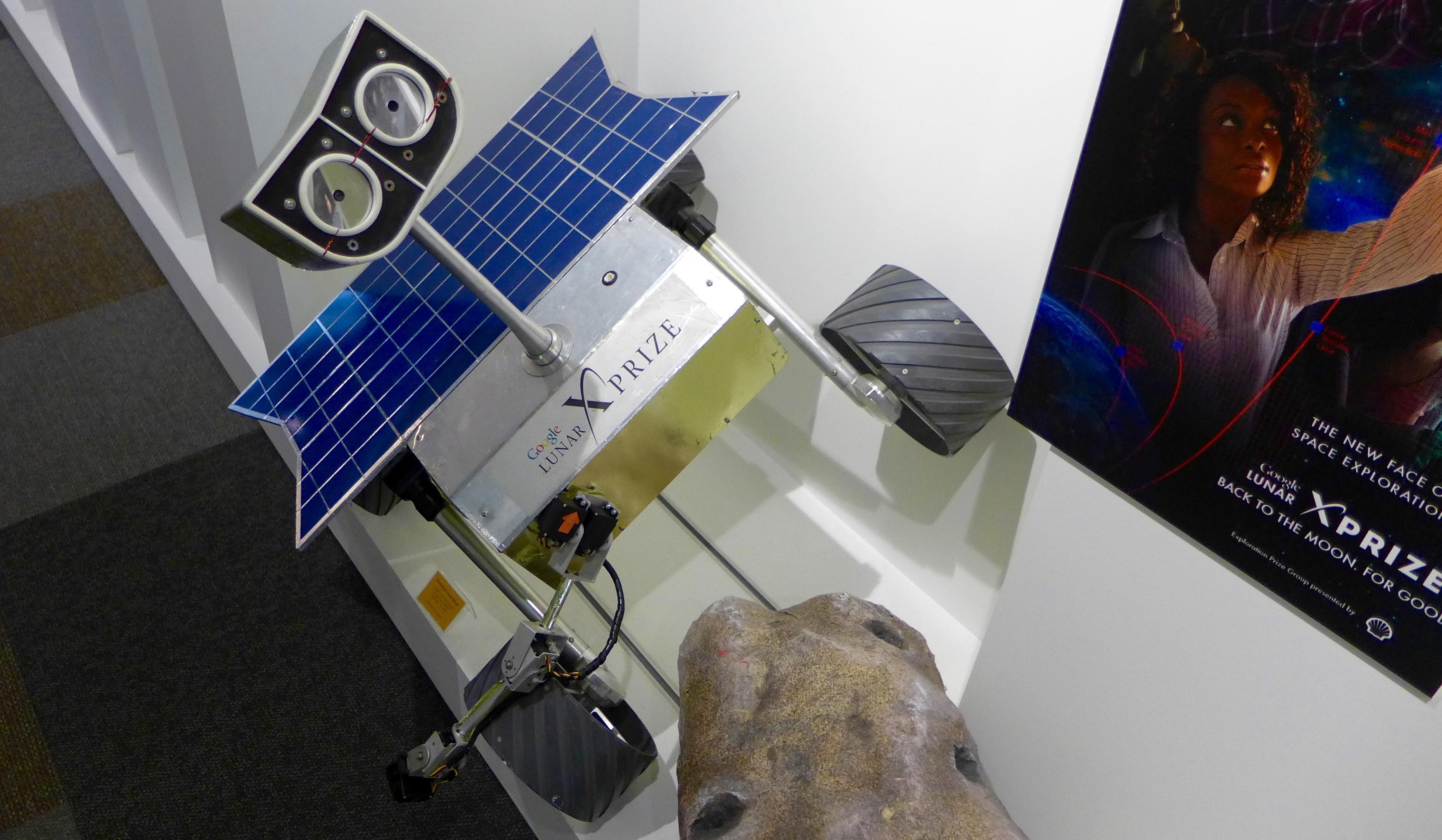
Lunar rover averts its eyes
Lunar rover averts its eyes, or is it just being coy?
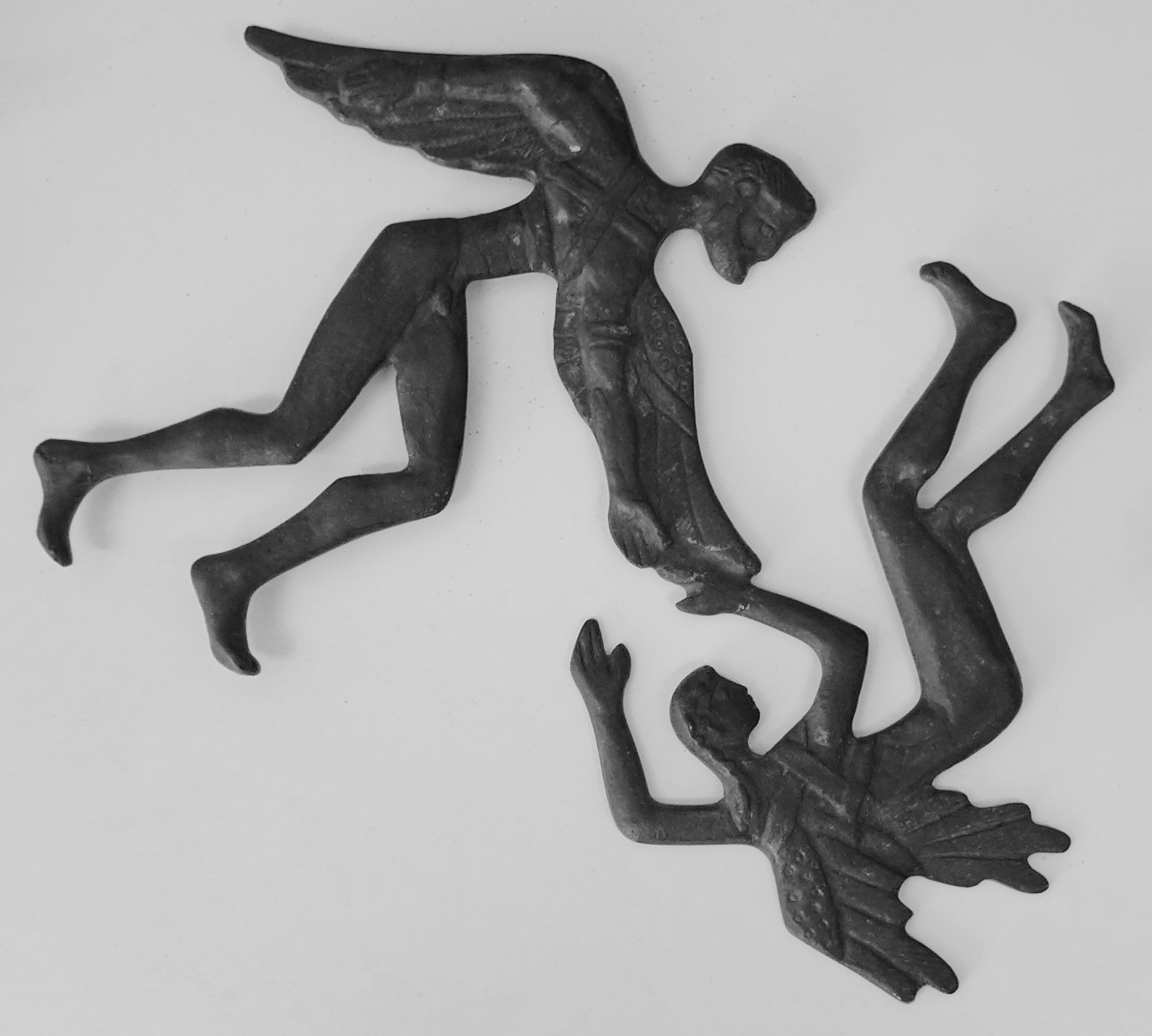
Icarus at work in Joel Carnes's office
Icarus takes a tumble in Joel Carnes’s office
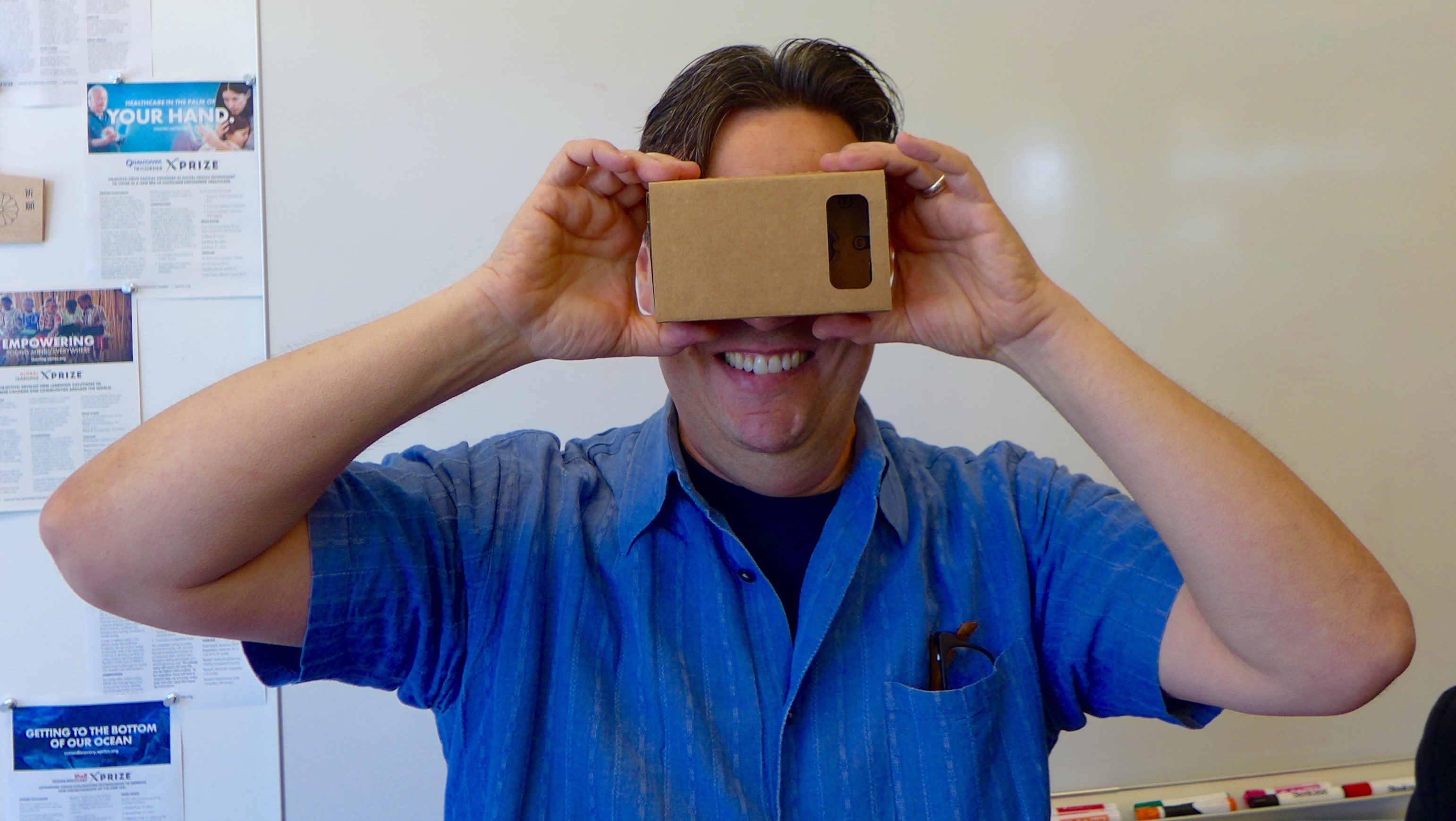
Joel eyes me through Google's Cardboard viewer
Joel eyes me through Google’s Cardboard viewer
We're on screen
We’ve arrived, apparently
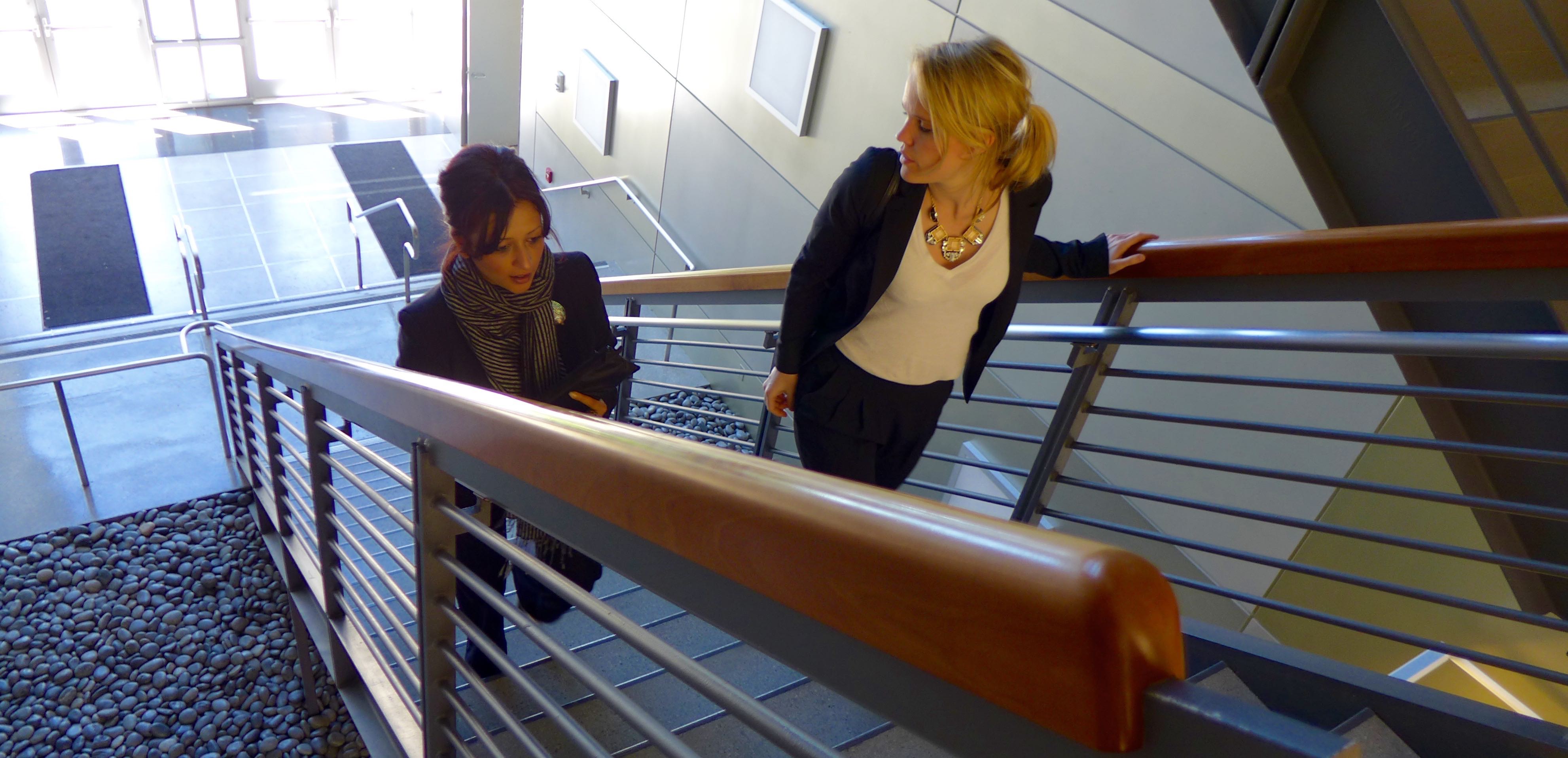
After lunch: Sam and Ingvild
After lunch: Sam and Ingvild ascend
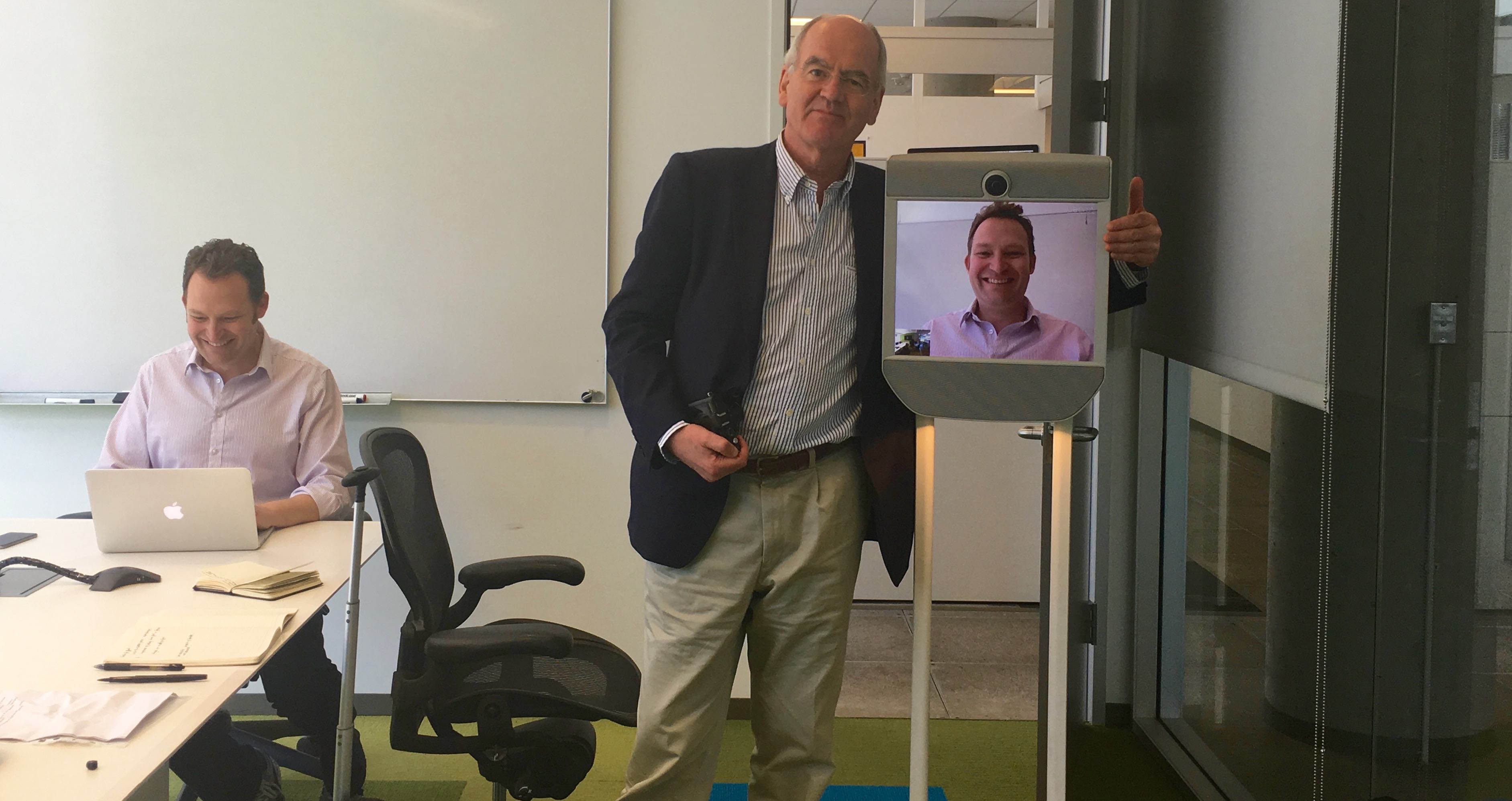
I hug robot featuring Paul Bunje, who is directing proceedings behind me
I hug a robot featuring Paul Bunje, who is directing proceedings behind me
Paul and Sam before filming

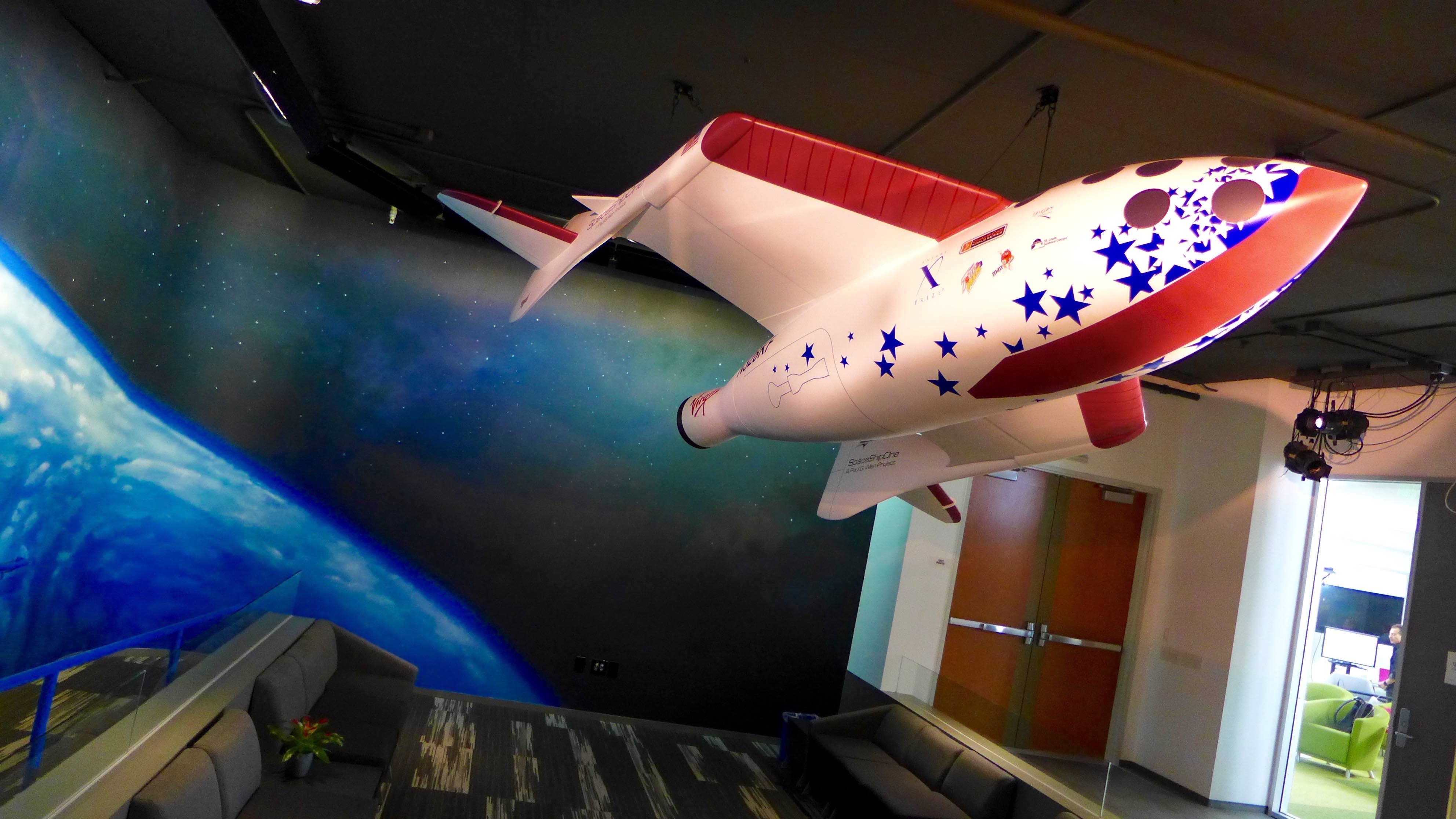
It’s around 11 years since an X Prize Foundation team came to see me at SustainAbility’s London offices in Bedford Row. That was around the Ansari X Prize time. Have been fascinated by their approach and activities ever since – and Peter Diamandis’s books Abundance and Bold are virtually set texts at Volans.

Serendipitously, we came across Paul Bunje (who is pivotal on the energy and environmental sides of their work) no less than three times in the recent past, and he kindly offered the keys not only to the Foundation, but also to Singularity U and organisations like IndieBio (both covered in earlier posts).

He also engineered it that we could sit in on a filmed seminar Peter Diamandis – who I talked to, of all places, in the restroom this morning – was doing for Success Magazine. Then we had mind-boggling conversations with the new CEO, Marcus Shingles, with Joel Carnes (who runs the Prizes) and with Paul.

It will take a while to process what we learned, and continue to learn, but with only one more visit to do – to the LA Cleantech Incubator, introduced to us by Paul – I have to say that this trip has exceeded my expectations by the proverbial country mile.

Just When You Think It Can’t Get Any Better

John Elkington · 13 April 2016 · Leave a Comment

We arrive
We arrive

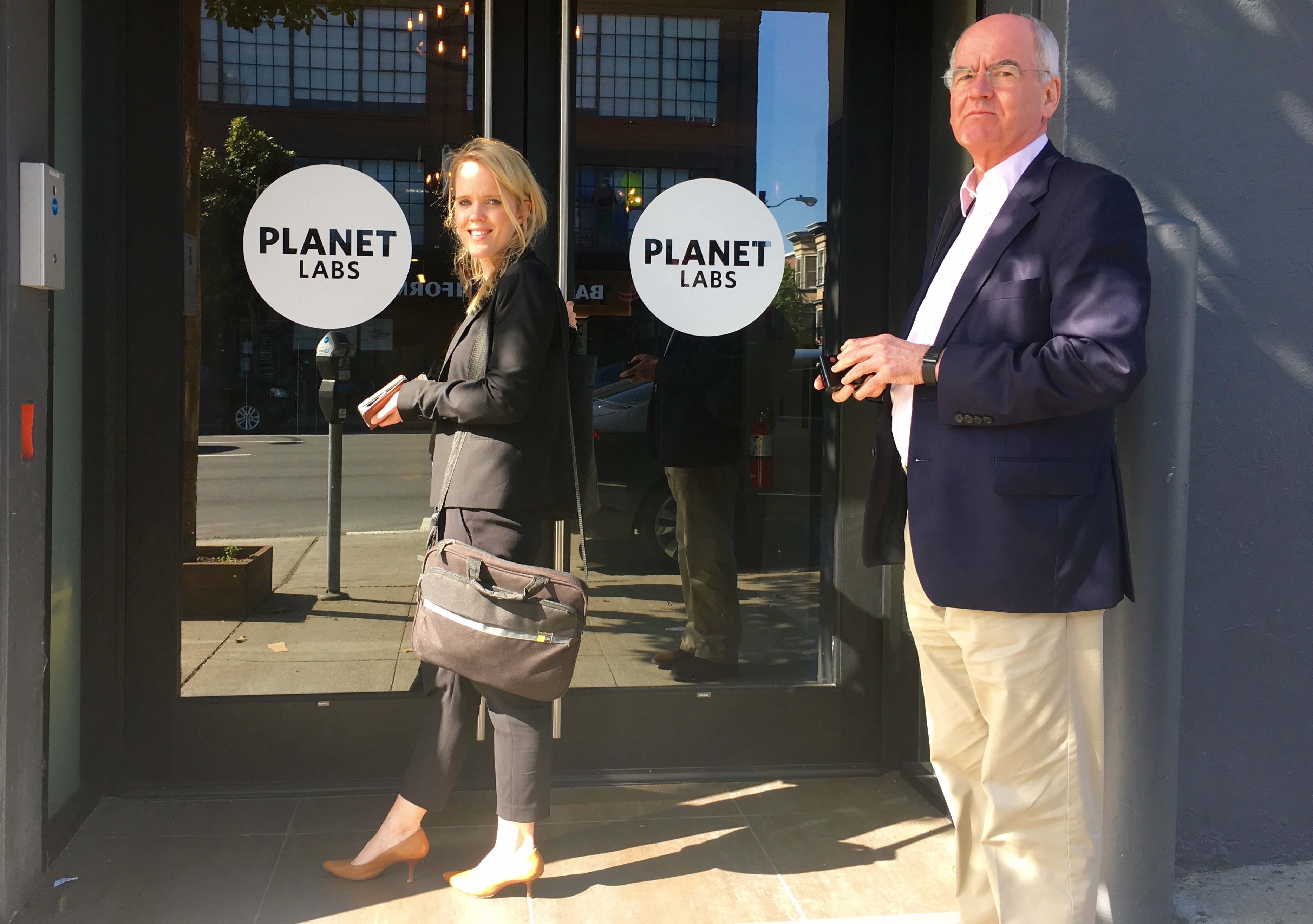
Recommended by Paul Bunje of the X Prize Foundation, I had only read of Planet Labs – but after visiting, am stunned I didn’t know more. Their motto: ‘Using Space to Help Life on Earth.’ We met one of the founders, Robbie Schlinger – and I came away totally sold on what they are doing.

Reminded me of the project I did for WRI on space and information technologies ways back in the 1980s, which resulted in a report called The Shrinking Planet.

Robbie had spent 9 years at NASA, where he helped build the Small Spacecraft Office at NASA Ames and was Capture Manager for the Transiting Exoplanet Survey Satellite (TESS). He later served as NASA’s Open Government Representative to the White House and as Chief of Staff for the Office of the Chief Technologist at NASA.

Love the spirit of their approach: “We care deeply about creating positive change and commercial value. At Planet, ethics are at the foundation of everything we do. We have fun, love space and are committed to transparency for the planet, for our company, and for our customers and partners. Our philosophy is to move fast: design, build, learn, repeat.”

Their Dove satellites fly in the face of conventional space industry wisdom. “They’re not works of arts, Ferraris,” is the way Robbie explained it. Instead, they’re tiny, are sent up in considerable numbers, or “flocks,” and can be programmed to operate like compound eyes in space.

Then on to RBS, or the Royal Bank of Scotland, to see their man in the Valley, John Stewart. They’re scouting, too, but they’ve put down strong roots. Their aim: :”To help customers solve problems they don’t yet even know they have.” 99.9% of Californians in the business are “nuts,” he suggested, but the result can be astonishing breakthroughs. One of his interests: quantum computing.

His aim is to make all of this relevant to someone on a dark, rainy morning in Bradford, without a cup of coffee in their hand or a small dog at their heel.

3D printed copy of the Rosetta Stone
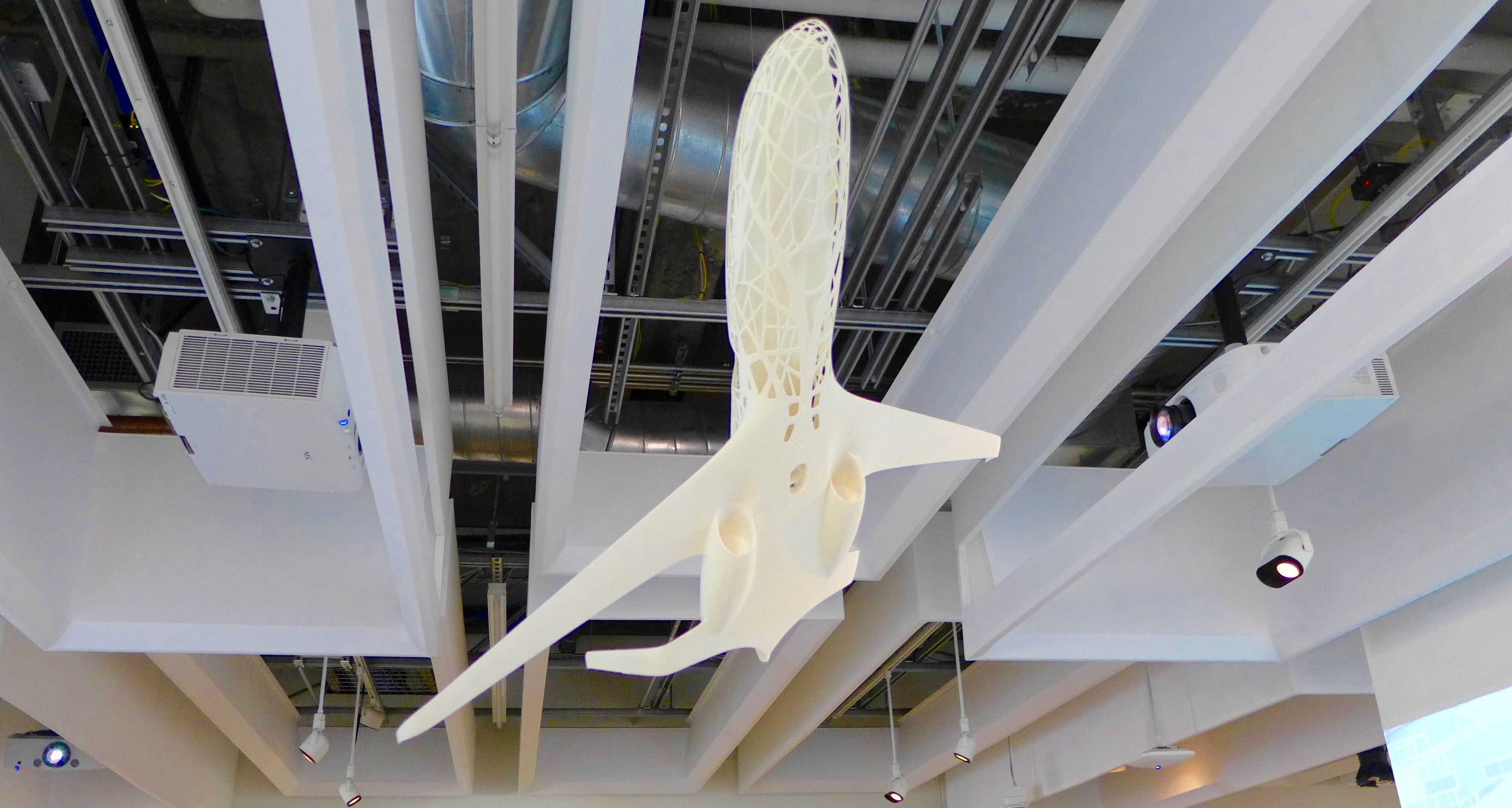
3D printed plane
3D printed plane
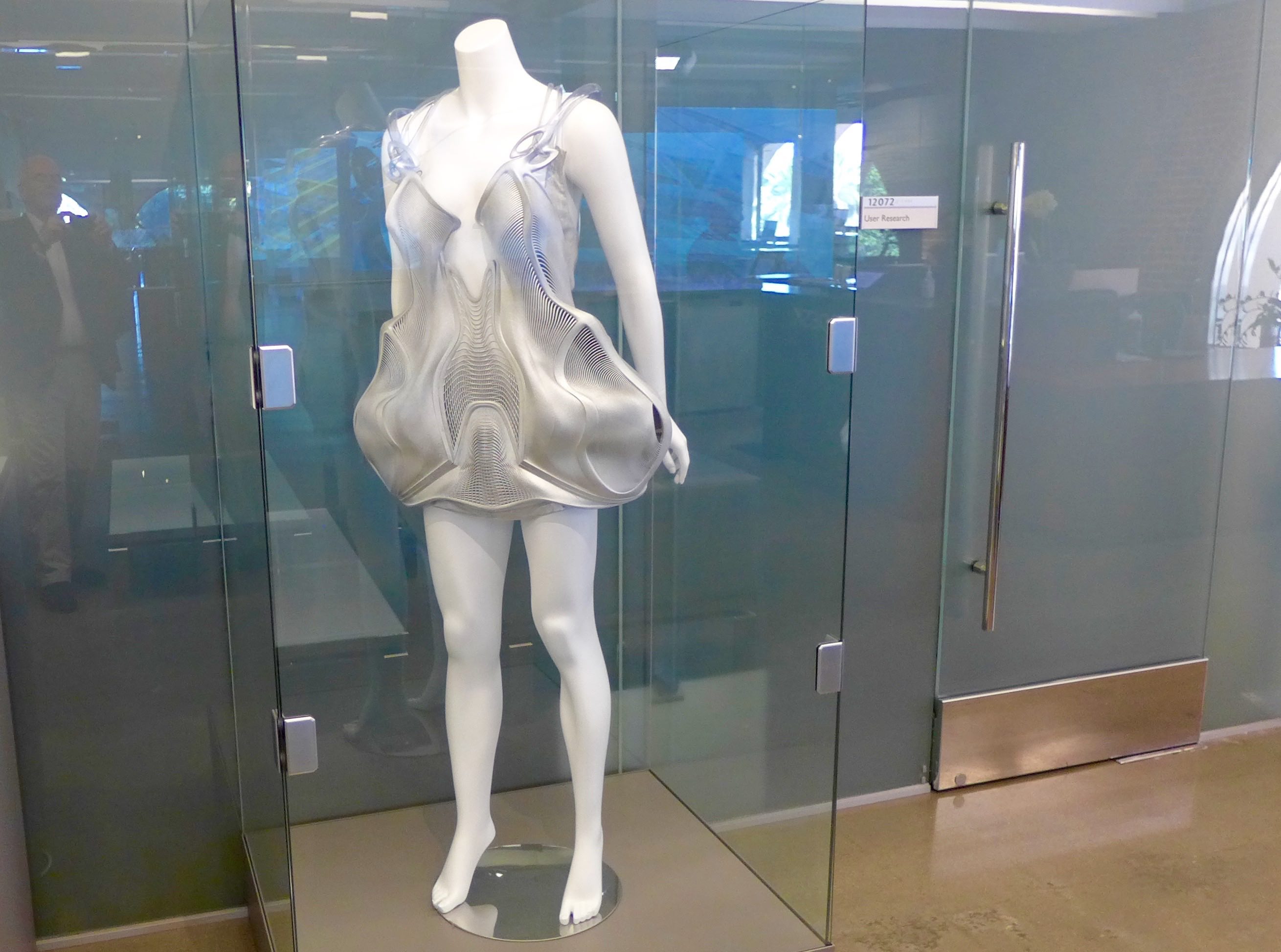
3D printed dress
3D printed dress

Then the Breakthrough scouting team split up for the first time, with Ingvild (Sörensen) and Sam (Lakha) making off to Facebook, while I went to see Emma Stewart at Autodesk, where she is Head of Sustainability Solutions. She is also involved in a new initiative designed to operationalise the triple bottom line, Impact Infrastructure.

The background: Impact Infrastructure, Inc. was founded in March 2012 and has offices in Manhattan and in Toronto’s Annex at the Centre for Social Innovation. The company’s primary goal is to create a standardized suite of business case analysis tools to promote the development of more sustainable and resilient communities. They talk in terms of “Sustainable Return on Investment” analysis (or SROI).

My train to Menlo Park, or one like it

Then across to the Caltrain station to catch a train to Menlo Park, for a serendipitous dinner at a Turkish restaurant with the reconvened scouts, and Janine Benyus, Beth Rattner and Courtney Morehouse of Biomimicry 3.8 and Biomimicry Institute (where I’m on the Board, as is Stefan Heck, mentioned in an earlier post in this series). They had just been to see Google X, or X as I think they now call themselves.

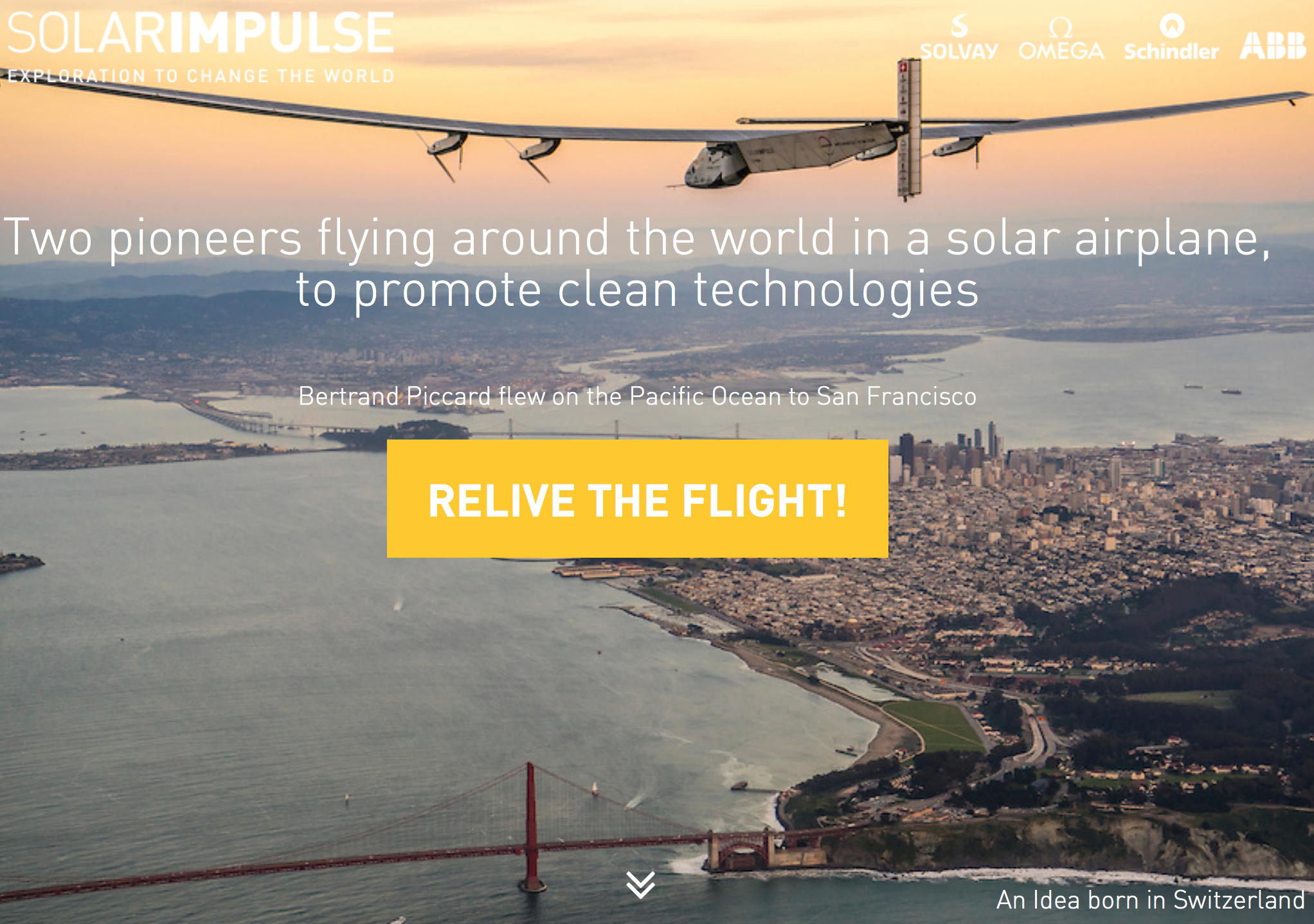
We were also joined by Richard Northcote and his colleague Alice from Covestro, who are working on the next leg of the Solar Impulse‘s flight – this time from Hawaii to San Francisco. We are working with Richard and Covestro on the con kept of carbon productivity. The evening fairly flew, particularly when I switched us to the Turkish wine.

Wonderful people – and a sense of being part of a true paradigm shift.

Visit the Solar Impulse site here

The Real Future Sounds Ridiculous

John Elkington · 11 April 2016 · Leave a Comment

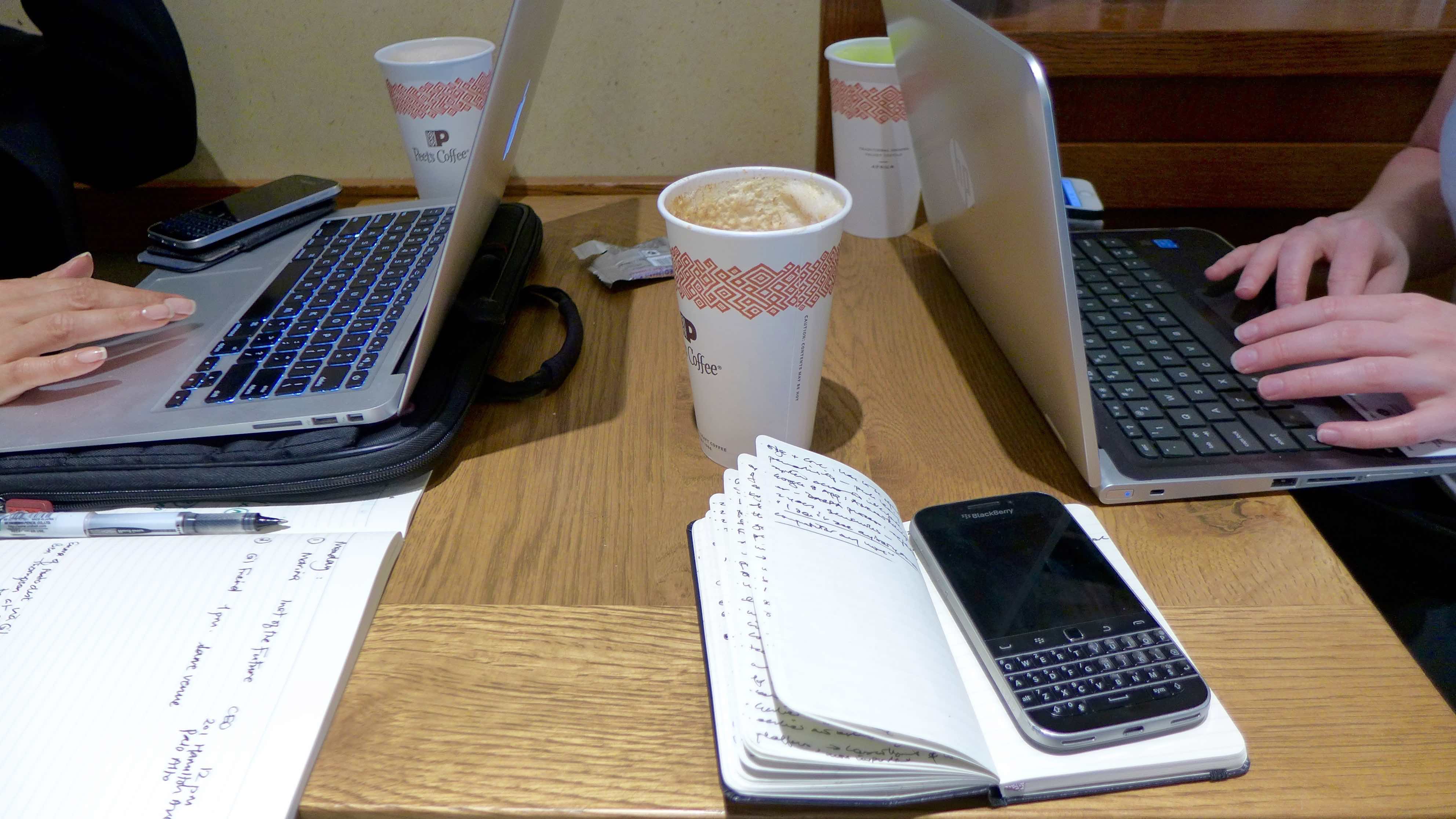
Tools of the trade in Peet's
Tools of the trade in Peet’s
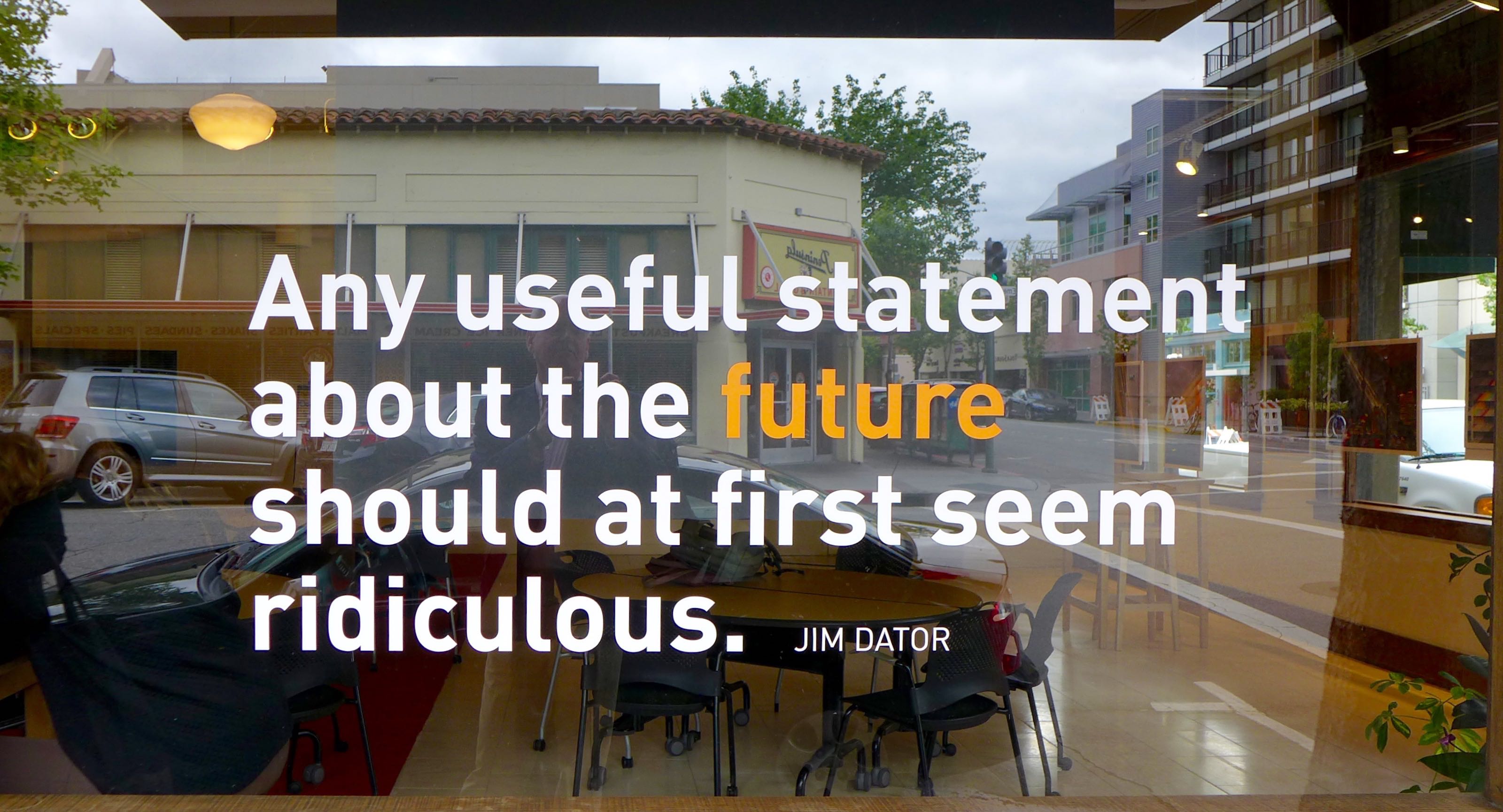
Jim Dator quote in IFTF window
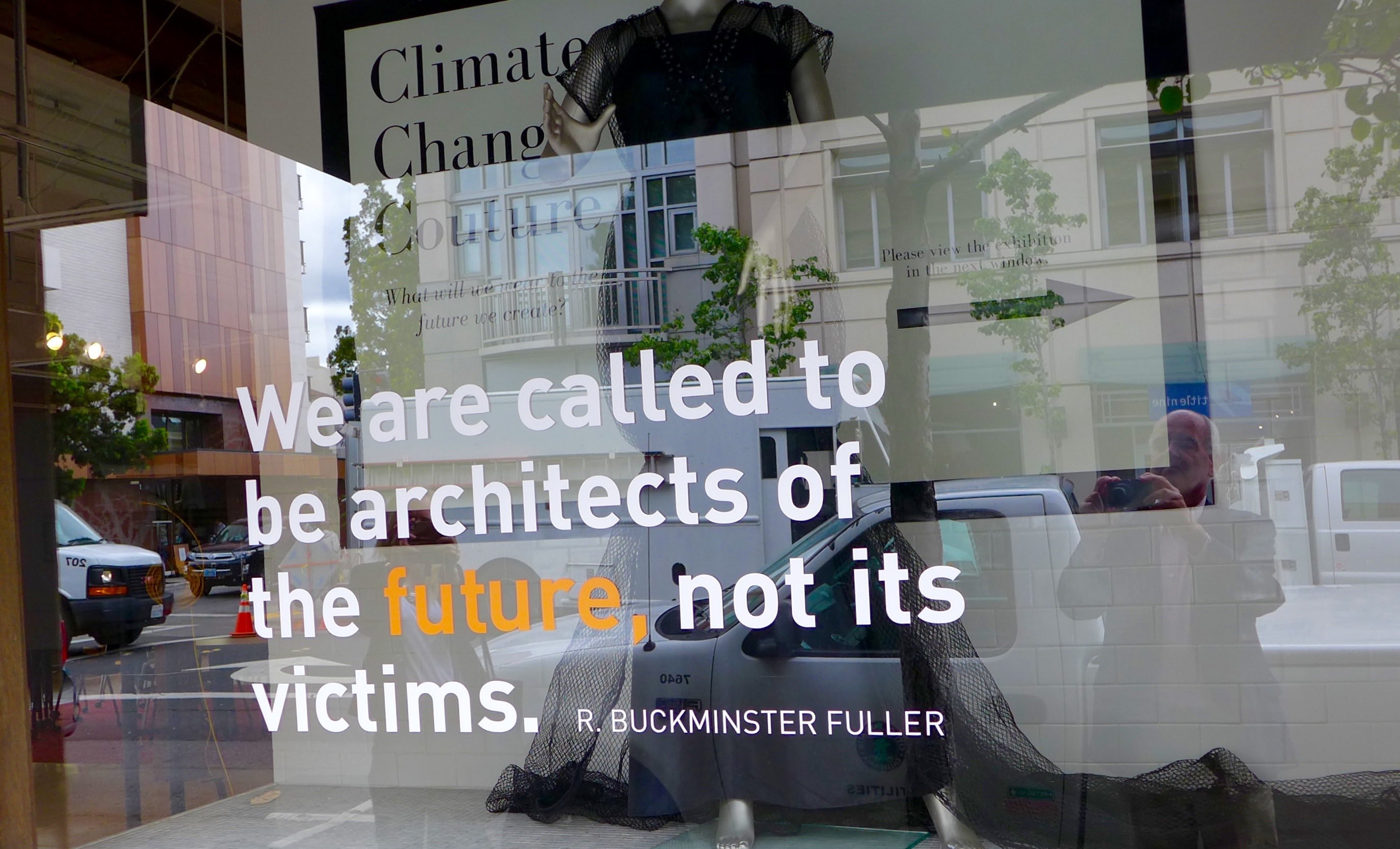
Bucky Fuller quote
Bucky Fuller quote
Gil Friend and I
Gil Friend and I
Working towards a gender balance

A day spent oscillating between San Francisco, Palo Alto and Sausalito (the subject of a separate post). The morning kicked of with a visit to Hampton Creek Foods, whose motto is “What would it look like if we started over?” Their product range started with plant-based substitutes for egg and egg-based food ingredients.

We were met by their Chief Happiness Officer, a large Golden Retriever. One interesting part of the conversation was around language – and how they avoid mentioning the fact that their products are vegan/vegetarian, even thought they are. This was a theme we encountered often during our California trip.

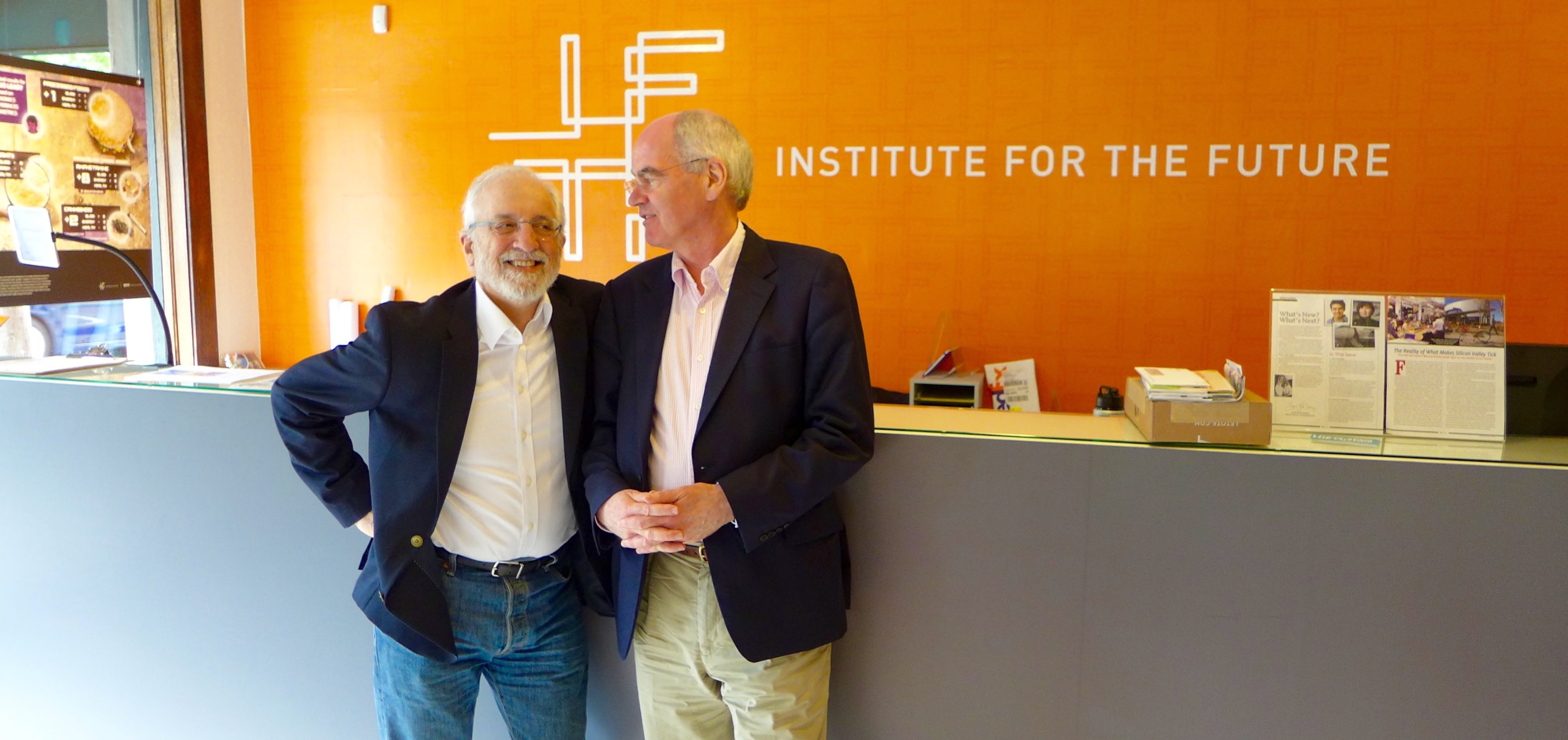
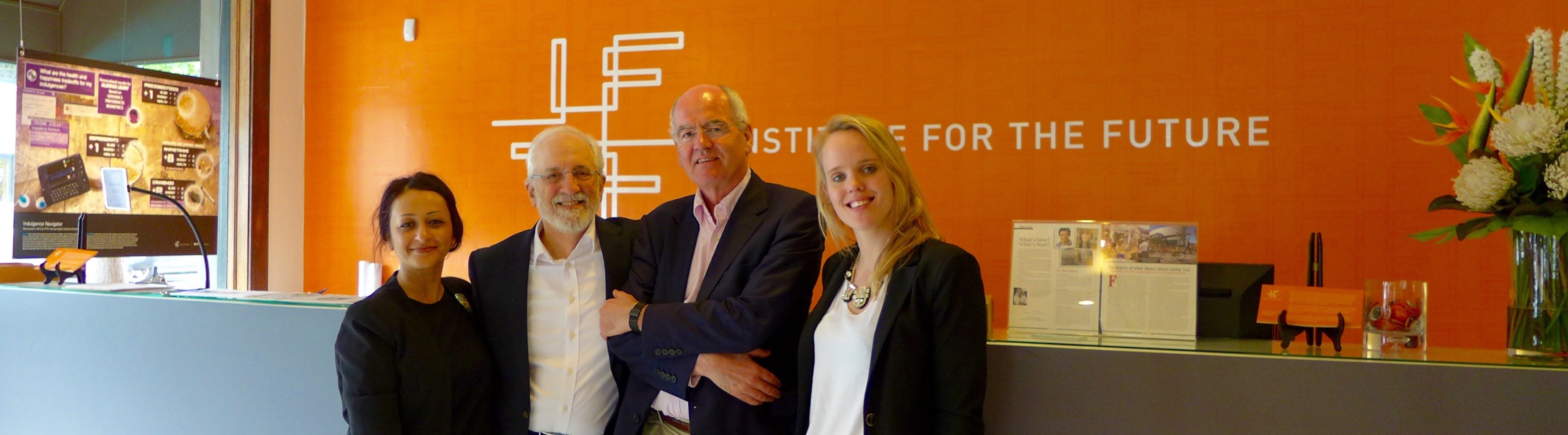
Then across to Palo Alto for a session with Marina Gorbis, Executive Director of Institute for the Future. Have long admired their work, back to the days of Paul Saffo’s time there, and it was great to catch up on some of the work they are now doing. Intriguing to dig a bit deeper into their 10-year forecasting cycle.

Among other things, Marina described the multiplicity of cultures in the Silicon Valley area, from the tech-obsessed through to the counter-cultural and humanistic. And what is striking is how these worlds can blur, as in people like the late Steve Jobs.

We also discussed the critical role of investigative reporting, with the Panama Papers, deservedly, getting a good deal of attention in the media at the moment.

Sign of the times
Sign of the times

Then into a great session with Gil Friend, who I have known and admired for many years – both at Natural Logic and now in his role as Chief Sustainability Officer at the City of Palo Alto. He has introduced us to a number of the people we are seeing on this trip. I don’t envy him the politics in his current work, but he is part of a growing movement of CSOs and similar in the world of local government. He referenced the work of the Urban Sustainability Directors Network (USDN.org).

As an example of the sort of dilemmas that people like him have to wrestle with, he noted that if Palo Alto pushes ahead with its plans to ensure the overwhelming majority of cars in the area are electrically-powered, companies like Tesla will do well – but poorer people (for example gardeners and maids) who can’t afford electric vehicles and have to commute in long distances will be disadvantaged.

We didn’t discuss it, but maybe the EV drivers will respond by buying robots to do the house and garden?

Then back to San Francisco for a session with Kavita Gupta and Chantal Buard of Amplifier Strategy. We met at The Battery, here it was interesting to hear about the evolving social innovation platform, Battery Powered. A great initiative – and one wonders how much of a following wind it may have been given by recent protests against companies like Google, as captured in Douglas Rushkoff’s book Throwing Rocks At The Google Bus.

His sub-title nicely (if uncomfortably) distils the issue: ‘How Growth Became the Enemy of Prosperity.’

Sitting in late afternoon sun at The Battery

Anthropocene Motherships: Buck’s & City Lights

John Elkington · 9 April 2016 · Leave a Comment

City Lights Bookstore, 2010 (photo credit: Caroline Culler)
Image of our table at Buck's, some years back (image credit: Wikipedia)
Image of our table at Buck’s, some years back (image credit: Wikipedia)

Struck me today that if any one city could claim to be my alma mater, it’s got to be San Francisco.

After an Uber ride south to Woodside, through teeming rain and brilliant green landscape with streaks of cloud snagged in the tree tops, we had breakfast (with Carl Page of the Anthropocene Institute) in the legendary Buck’s of Woodside this morning.

Our table is the one shown in the Wikipedia image above, a table which, among other things, boasts a Braille edition of Playboy signed by Stevie Wonder.

One intriguing project at AI involves exploring the use of robots to kill the lion fish that are having such a devastating impact on key fisheries. An odd eddy of the push towards an autonomous future. But Carl’s analysis of where the world ocean is headed made grim listening.

Lionfish/Pterois volitans (image credit: Jens Petersen, 2006, via Wikipedia)

In the afternoon, back in San Francisco, and still in heavy rain, headed across to the City Lights bookstore, which I love. There I bought seven books:

  • Jeremy Caradonna’s Sustainability: A History, 2014. Slightly odd to see myself mentioned in the history books, already.
  • Edward O. Wilson’s Half-Earth: Our Planet’s Fight for Life, Liveright Publishing 2016. Talk about bold: Wilson suggests setting side half the planet for Nature.
  • Roy Scranton’s Learning to Die in the Anthropocene: Reflections on the End of a Civilisation, City Lights Books, 2015. Billed as a Ginsberg-like Howl on what we’re doing to the world, it reads brilliantly well. And Scranton promptly retweeted my tweet to that effect.
  • The Shock of the Anthropocene: The Earth, History and Us, by Christophe Bonneuil and Jean-Baptiste Fressoz, Verso 2016. “Anthropo-what?” they ask at the outset, before giving a pretty comprehensive answer.
  • Ursula Le Guin’s The Lathe of Heaven, Scribner 1971/2008. I read this back in the 1970s, but adore her writing – and her theme here of “a future world racked by violence and environmental catastrophes” chimes with so much else that I have been absorbing as part of my background reading for our Exponential Futures mission to SF and LA.
  • Hans Ulrich Obrist’s Ways of Curating, Farrar, Straus and Giroux, 2014. Obrist is billed as the most influential curator of our age, having staged more than 250 art shows internationally. A useful guide, I’m hoping, to the best ways to promote generative conversations across cultures and across time.
  • And then how could I go to City Lights and not come away with poetry? Stumbled across a newish book (albeit prominently displayed) by probably my favourite poet, Gary Snyder. This Present Moment is published by Counterpoint, 2015.  And, despite his warning to the reader not to read the poem, I started at the end with Go Now. Probably the grisliest and most beautiful love poem I have yet read.

A nice Newsweek piece of Snyder as the “Poet Laureate of Our Continent,” can be found here. Intrigued to see him recall his epiphany around age 7, when told his heifer couldn’t go to Heaven with him. So, he said, he didn’t want to go to Heaven. Exactly my reaction, in relation to nature more generally, and at pretty much exactly the same age, back in Northern Ireland in the 1950s.

Sad to think this could be his last book, but better to have loved Gary Snyder and lost, than …

  • « Go to Previous Page
  • Go to page 1
  • Interim pages omitted …
  • Go to page 58
  • Go to page 59
  • Go to page 60
  • Go to page 61
  • Go to page 62
  • Interim pages omitted …
  • Go to page 134
  • Go to Next Page »

Primary Sidebar

Introduction

I began this blog with an entry reporting on a visit to the Woods Hole Oceanographic Institution on Cape Cod, on 30 September 2003. The blog element of the website has gone through several iterations since, with much of the older material still available.

Like so many things in my life, blog entries blur the boundaries between the personal and the professional. As explained on this site’s Home Page, the website and the blog are part platform for ongoing projects, part autobiography, and part accountability mechanism.

In addition, my blogs have appeared on many sites such as: Chinadialogue, CSRWire, Fast Company, GreenBiz, Guardian Sustainable Business, and the Harvard Business Review.

Recent Comments

  • John Elkington on The Hill House Elkingtons
  • sally fitzharris. (Rycroft) on The Hill House Elkingtons
  • Thomas Forster on Reminder of Glencot Years

Journal Archive

About

John Elkington is a world authority on corporate responsibility and sustainable development. He is currently Founding Partner and Executive Chairman of Volans, a future-focused business working at the intersection of the sustainability, entrepreneurship and innovation movements.

Contact

john@johnelkington.com  |  +44 203 701 7550 | Twitter: @volansjohn

John Elkington

Copyright © 2026 John Elkington. All rights reserved. Log in