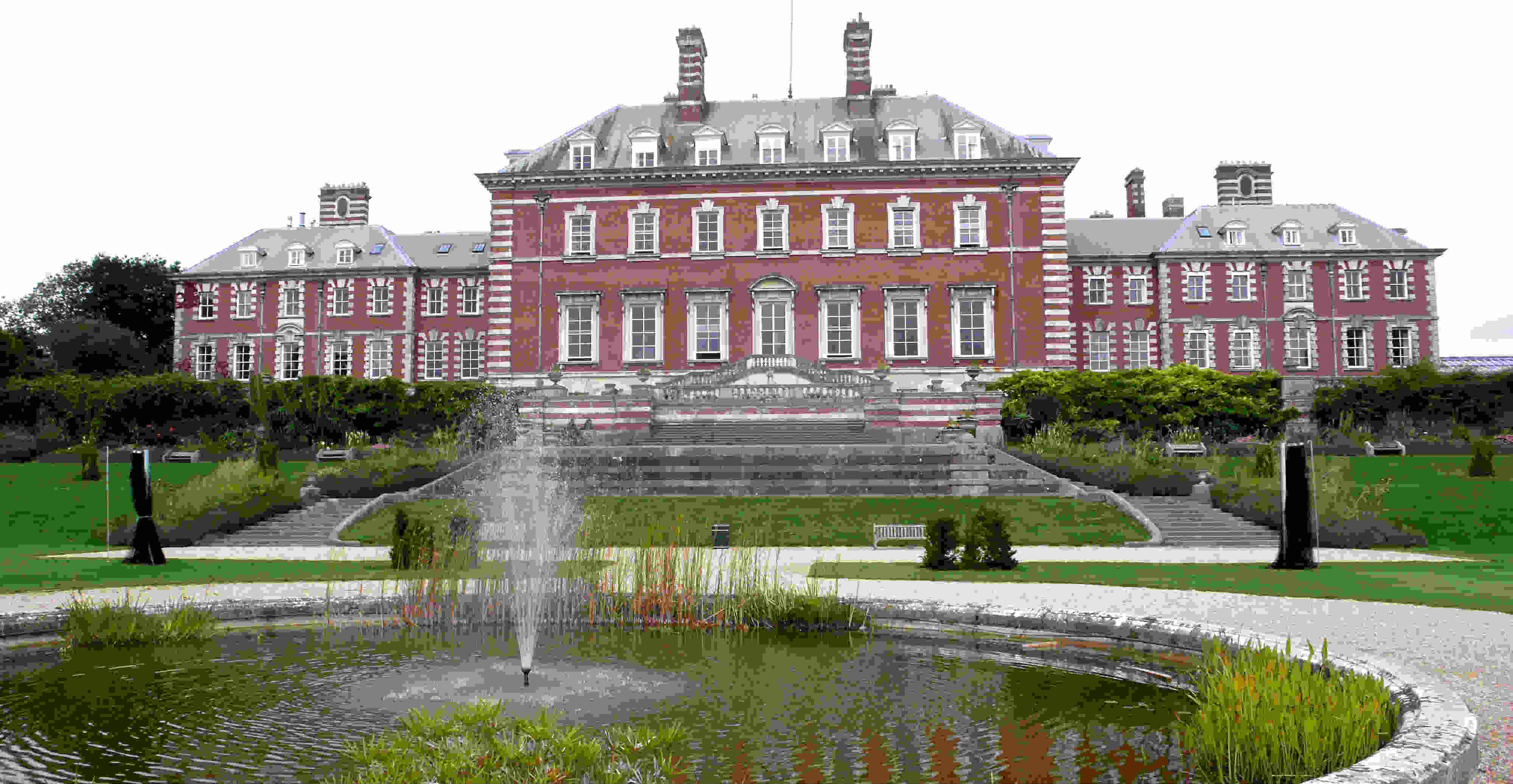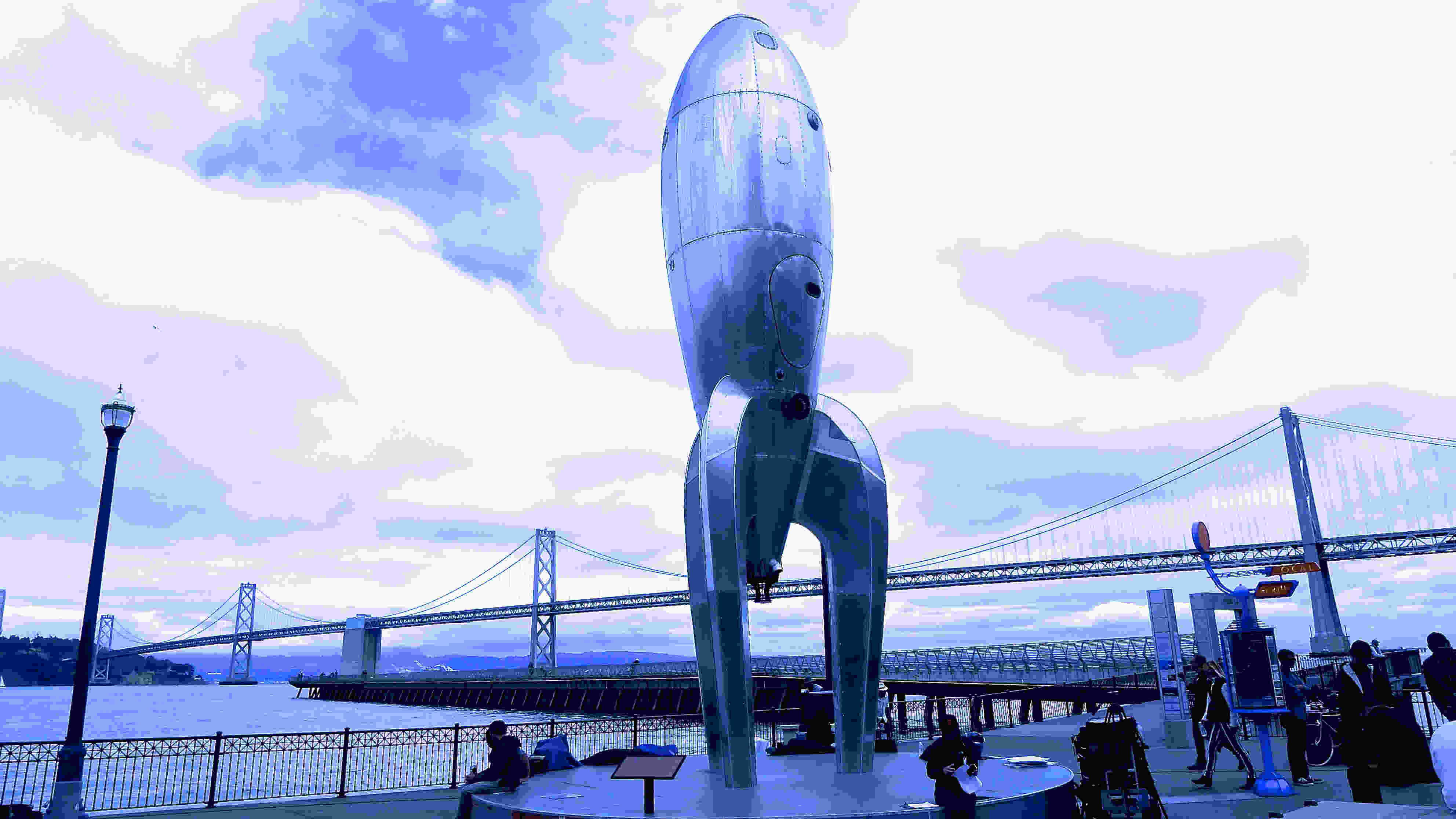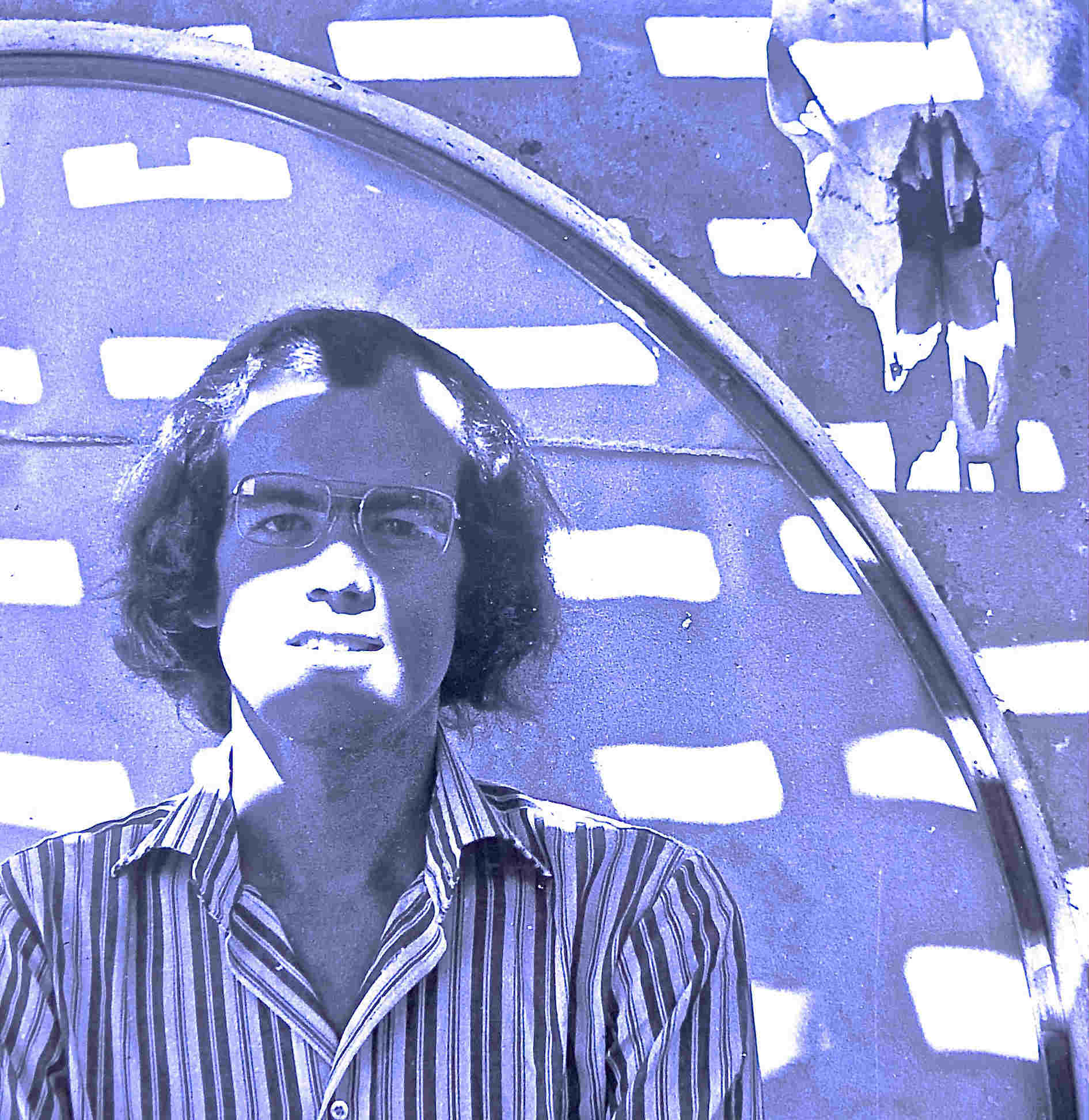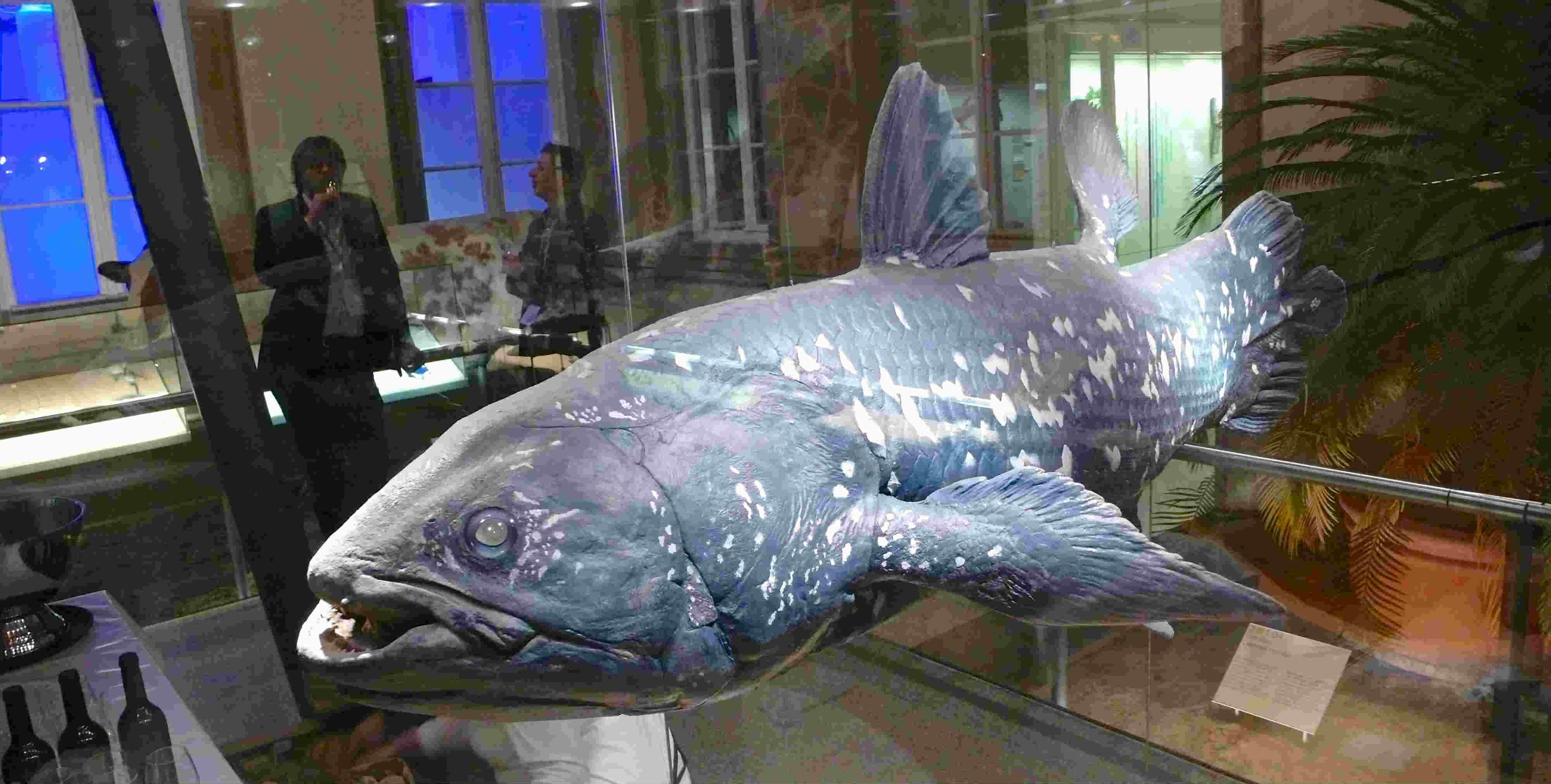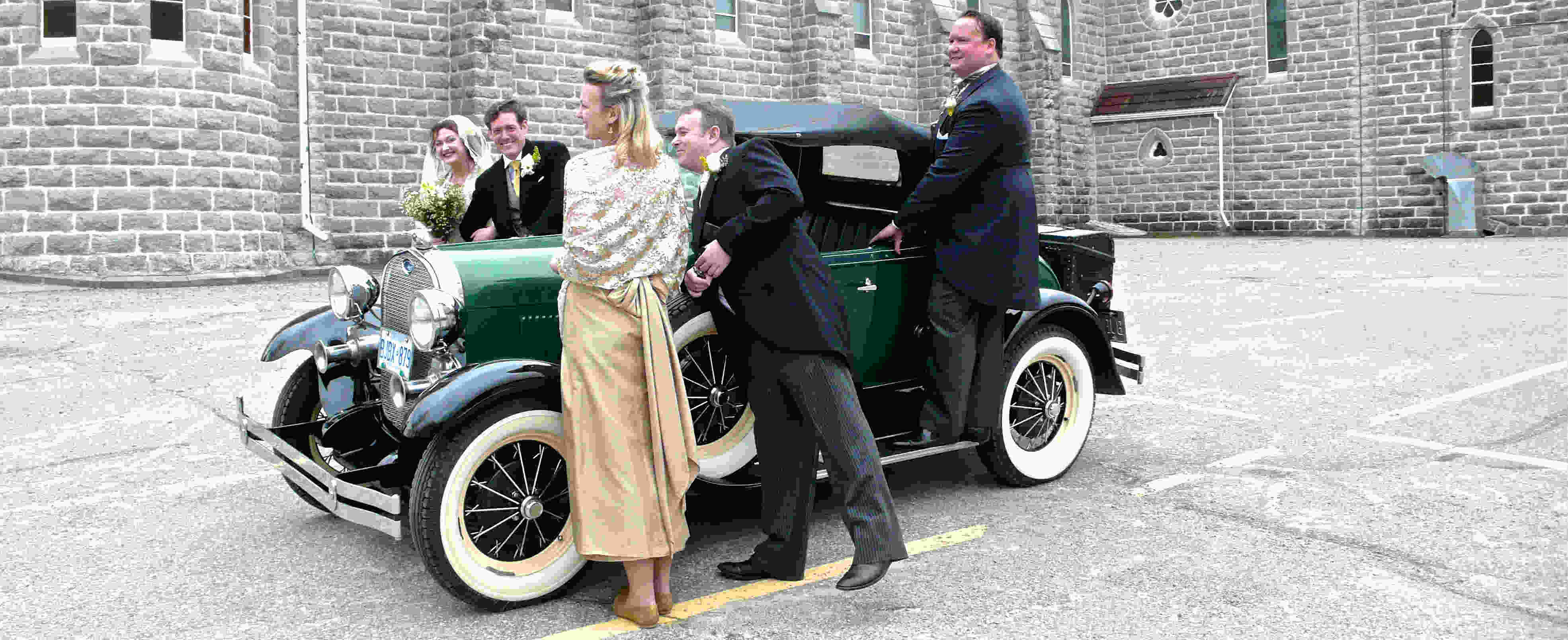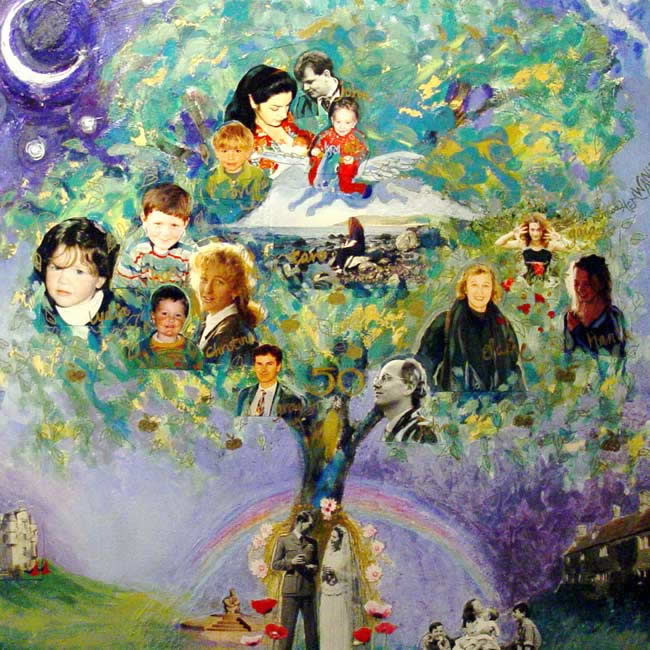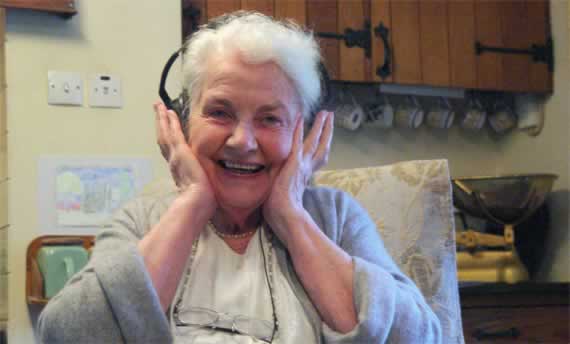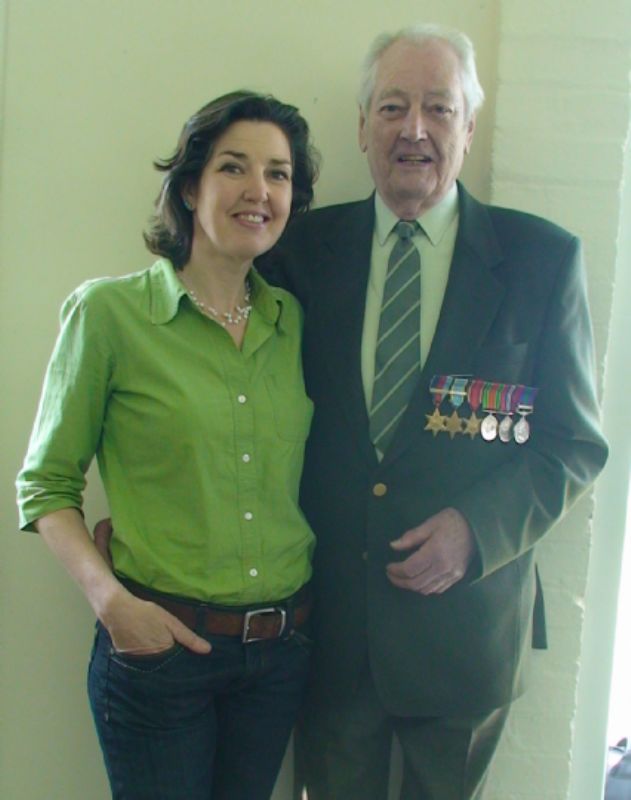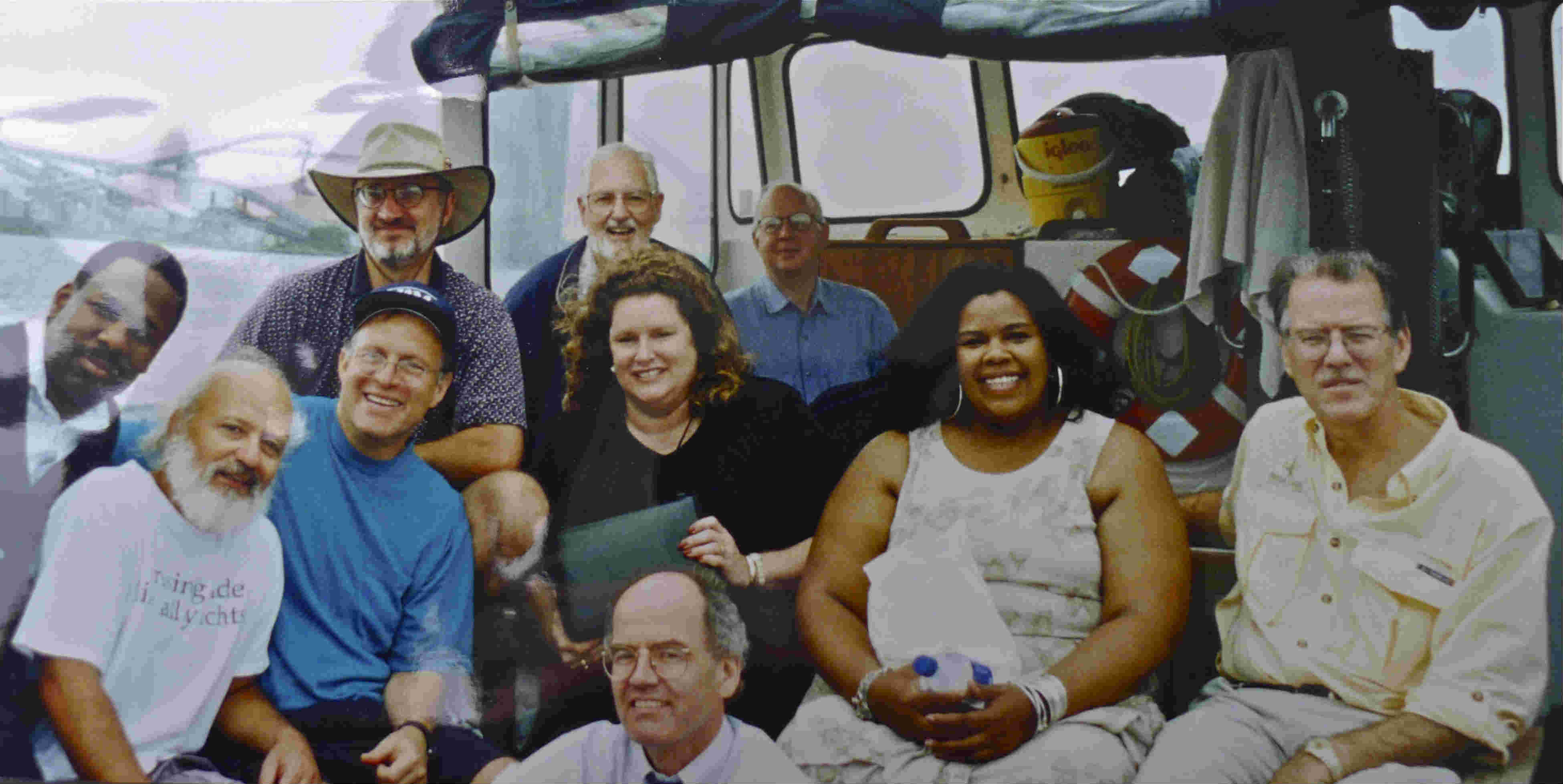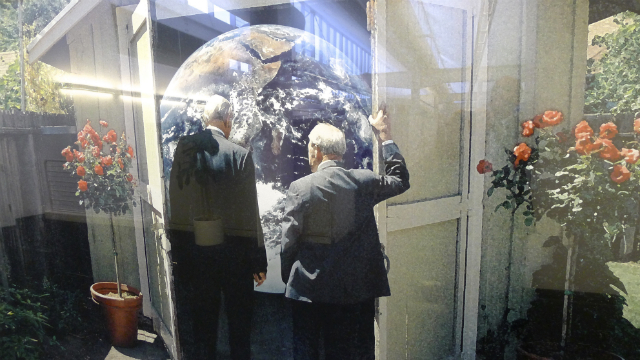
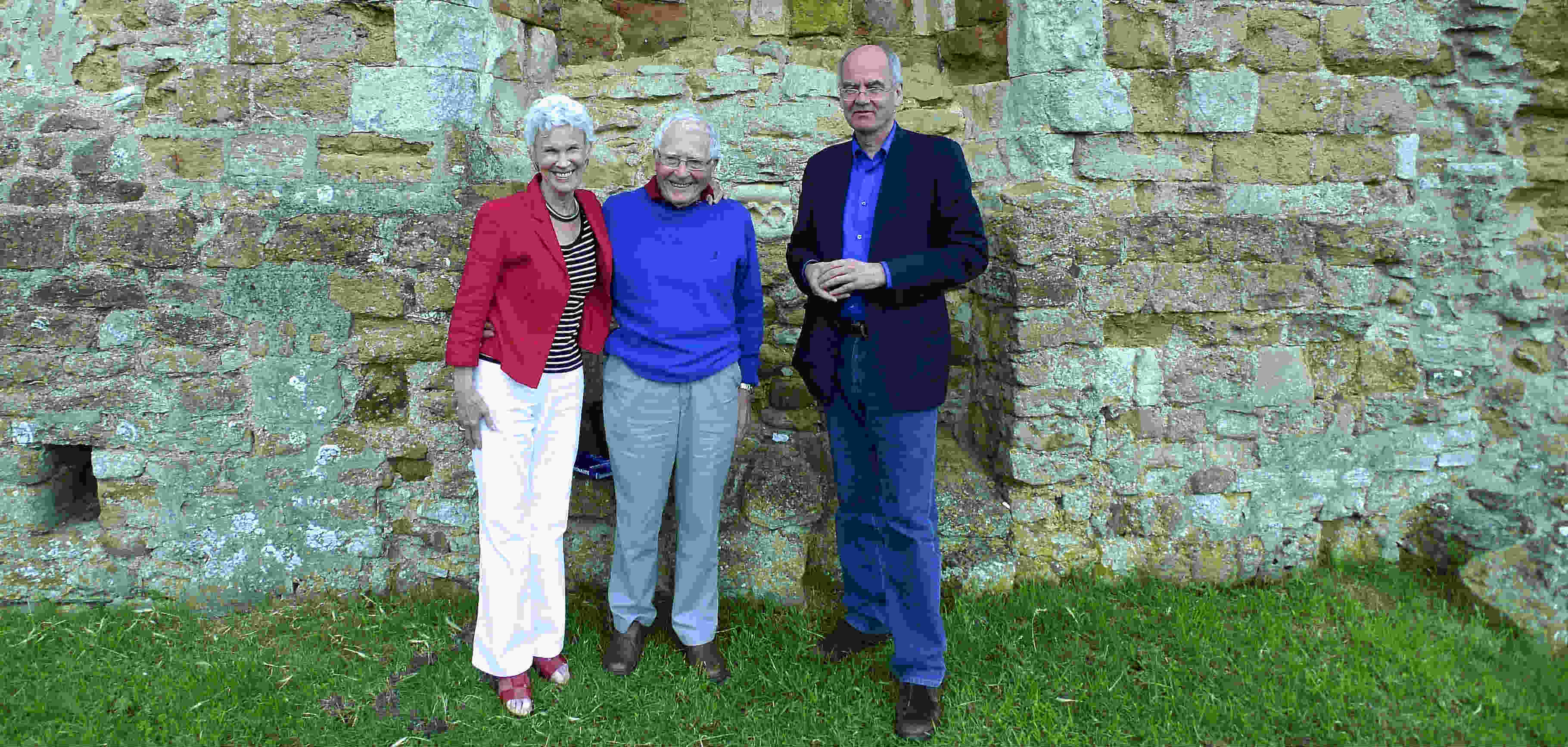
 With Sandy and Jim Lovelock, on a road trip with John Gilbert in 2013
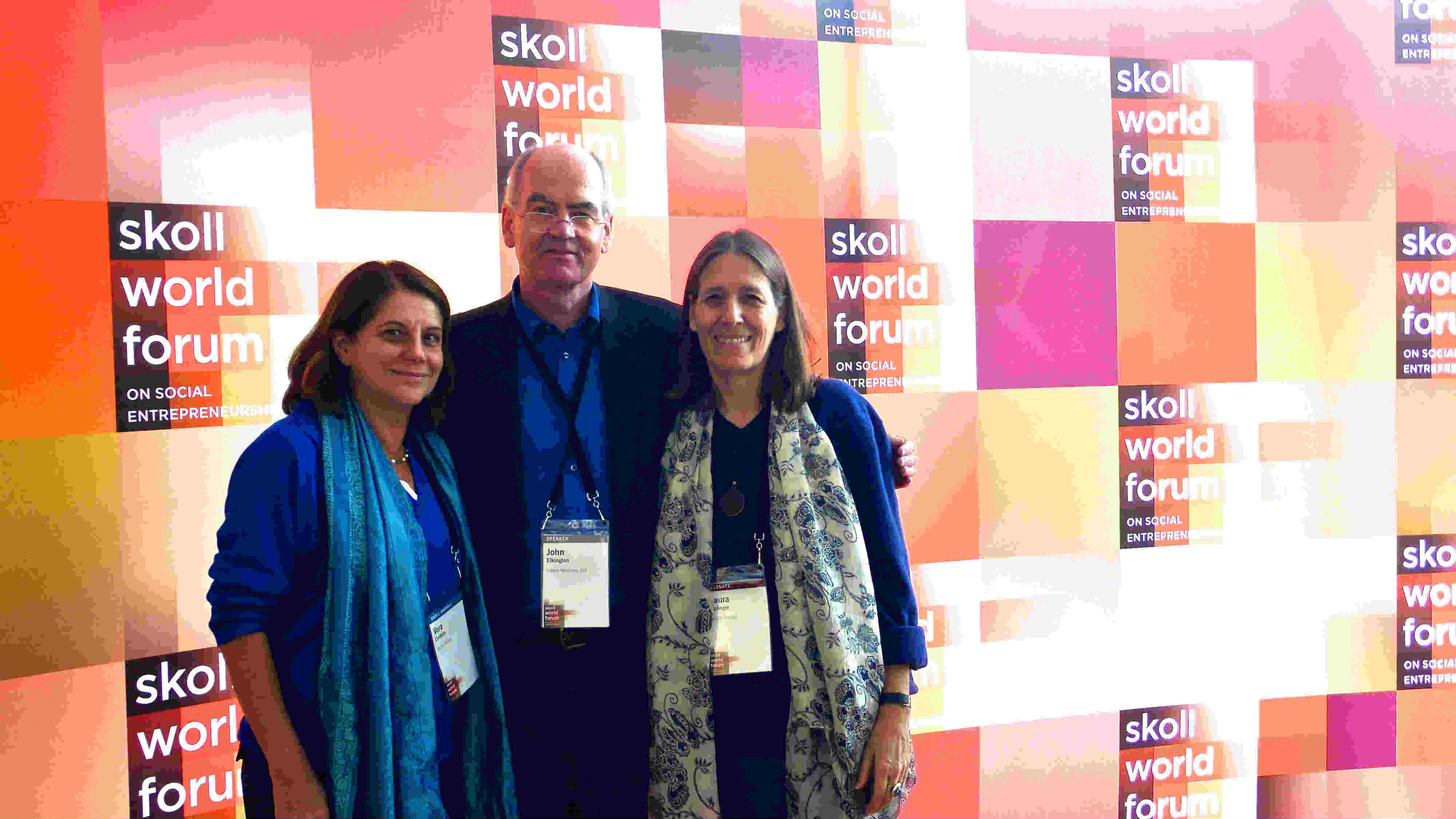
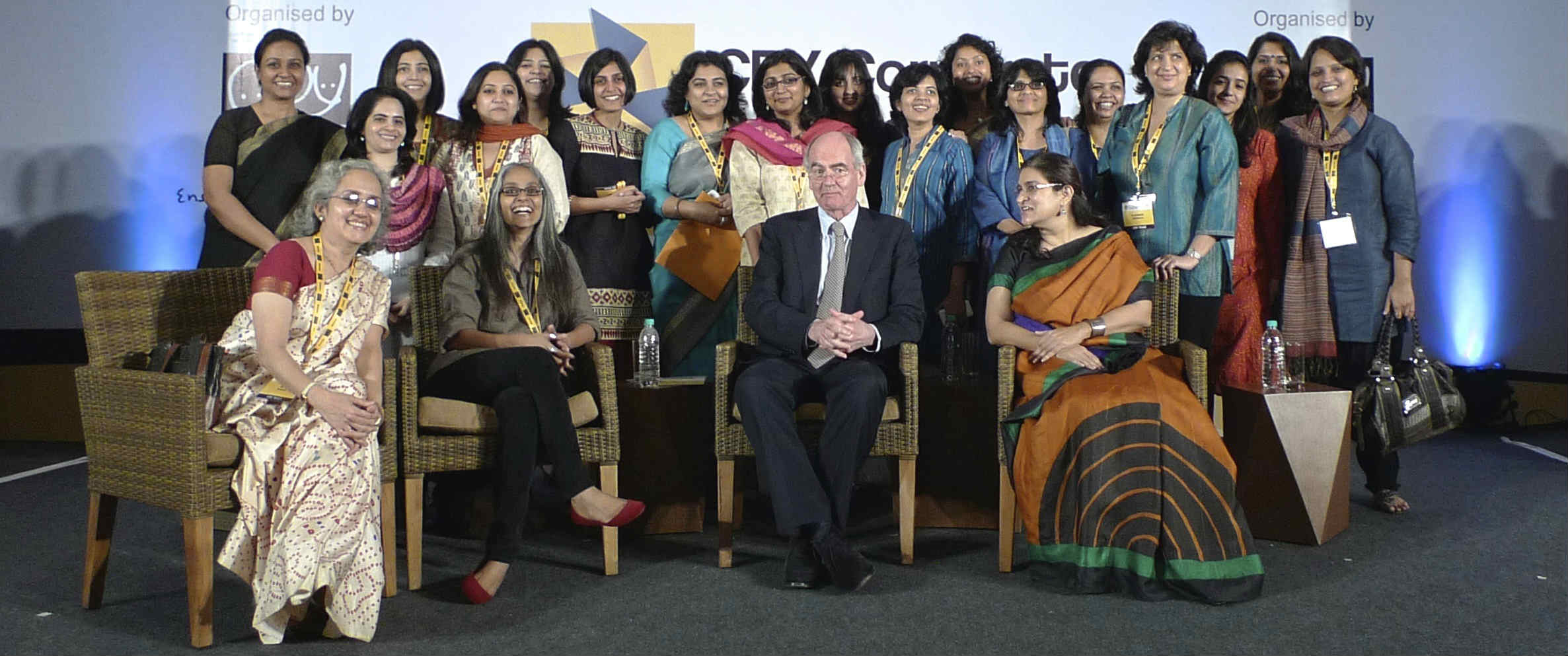 With CRY (Child Rights & You) team in Mumbai, the gender balance even more wildly and wonderfully askew
Once you start a listing of people who have influenced you, it becomes a Sisyphean task to keep it updated. Several times I have more or less given up, but in the spirit of acknowledging at least some of the debts owed, and in addition to all those already mentioned below, I am enormously grateful to my colleagues at Volans for making our small organisation such fun to be part of. Others I would like to thank include David Christie of The Value Web, my literary agent in New York, Doris Michaels, John Maas and Karen Murphy at Jossey-Bass, Nick Bellorini (formerly with Earthscan), and Jochen Zeitz, my co-author on a recent book.
 The English landscape was a huge shock to me when we returned from Cyprus in 1959, so green, but I learned not only to live with it but to love it—particularly features like Iron Age hill-forts. Favorites were Hambledon Hill and Hod Hill in Dorset, near Bryanston School. This is Maiden Castle, en route to see the Lovelocks in 2013.
This section is not really for wider consumption. It began as part of a process of identifying all the people who had had a major impact on my being and thinking over the years. As the listing went through various iterations, a few names dropped out and a few dropped in, but overall it stayed pretty much the same. and in reading it through while updating the website, it strikes me once again both how many people I have inevitably left out – and how privileged I have been with my family, teachers, colleagues and friends.
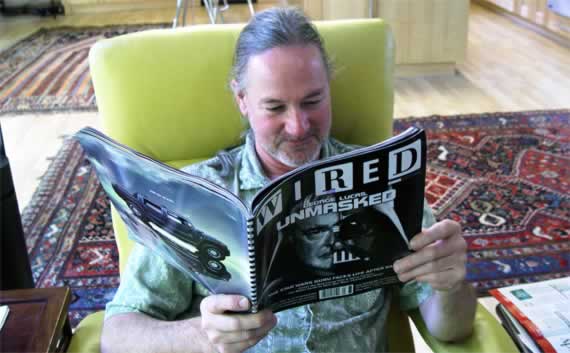
One of the longest-standing influences has been Ian Keay, shown here at a former home in California. He was at school with me, the brother of an early girlfriend and, in 1973, and—when Elaine and I finally got married—our best man. He introduced me to the work of a bunch of people when we were at Bryanston and afterwards, among them Buckminster Fuller and a half dozen science fiction writers. But more of that in a moment.
Although the first time I did this listing I did it according to the year I met the person, this time I have opted for a straightforward A-to-Z, starting with Douglas Adams and ending with Peter Zollinger. The ‘accordion’ listing below acts rather like an Advent calendar. Click on a name and an entry pops up. My ultimate aim is to get images for all the entries, but that will have to build over time, particularly as the list grows.
Douglas Adams
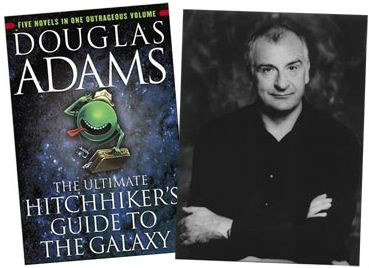
Born 1952, died 2001, but his work lives on. I adored the BBC radio series of The Hitch Hiker’s Guide to the Galaxy. The Babel fish notion took deep root in my brain. Douglas helped us with 1992’s ‘Holiday Extravaganza’.
Major ‘Ned’ Adams”
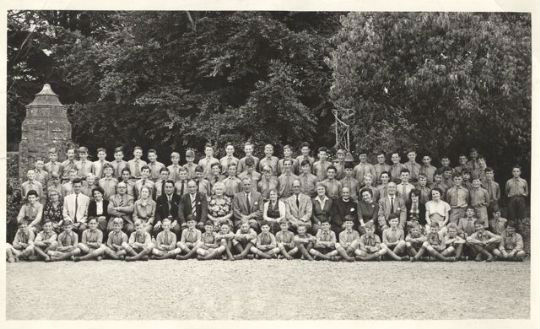
He and Mrs Adams ran our prep school, Glencot, near Wookey Hole and Wells, Somerset, where I arrived in 1959. The size of the school is indicated in the photo. He taught me various things: French, Maths, Latin. A tremendous teacher, but also a frantic caner and, it turns out, paedophile. He was eventually committed to an asylum.
At one stage I was getting caned more or less every week, mainly for things like throwing sticks in the river and then throwing stones at them. For years I thought I must have been a masochist, or just plain stupid, but then read that the part of the brain that handles the trajectories of stones, spears and the like also handles thinking about the future.
But then there was a ‘Lord of the Flies’ element to the proceedings. One weekend when staff were largely away, we created fortresses out of the new hay bales on the playing field, and bows and arrows out of bamboo from the cane grove by the river. One boy ended up with an arrow in his knee.
On the upside, when I broke a leaden calm between window panes, by throwing a hairbrush at a friend, a salvage mission worthy of a prison camp swung into action, with new glass being cut and put into place with chewing gum coloured with pencil lead. Character-forming.
Jacqueline Aloisi de Larderel
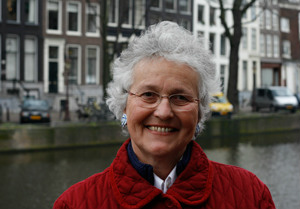
From the moment Jacqueline took over as director of the United Nations Environment Programme (UNEP)’s Industry & Environment Office in Paris in the late 1980s, we were co-conspirators. SustainAbility’s work on reporting (‘Engaging Stakeholders’, ‘Global Reporters’) would have taken a very different course if she hadn’t been there to support us through thick and thin. We continue to work together via the EcoVadis Advisory Board (see ‘Boards & Advisory Boards’).
Jamie Arbib
Along with Kelly Clark (q.v.), Jamie and his Tellus Mater Foundation have been a long-standing supporters of our Breakthrough Capitalism work. We admire their work on mapping Sustainable Capitalism.
Rupert Bassett
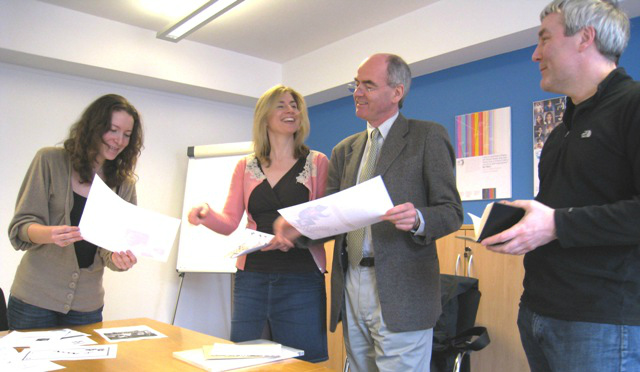
Rupert has been a profound influence on the evolution of SustainAbility’s and Volans’ branding and design. I have rarely been happier than working with him to design reports, books and other aspects of the businesses, as is clear from the photo. (Rupert is far right.) He also helped design the first iteration of this website, together with the CounterCurrent logotype (q.v.).
The Beatles
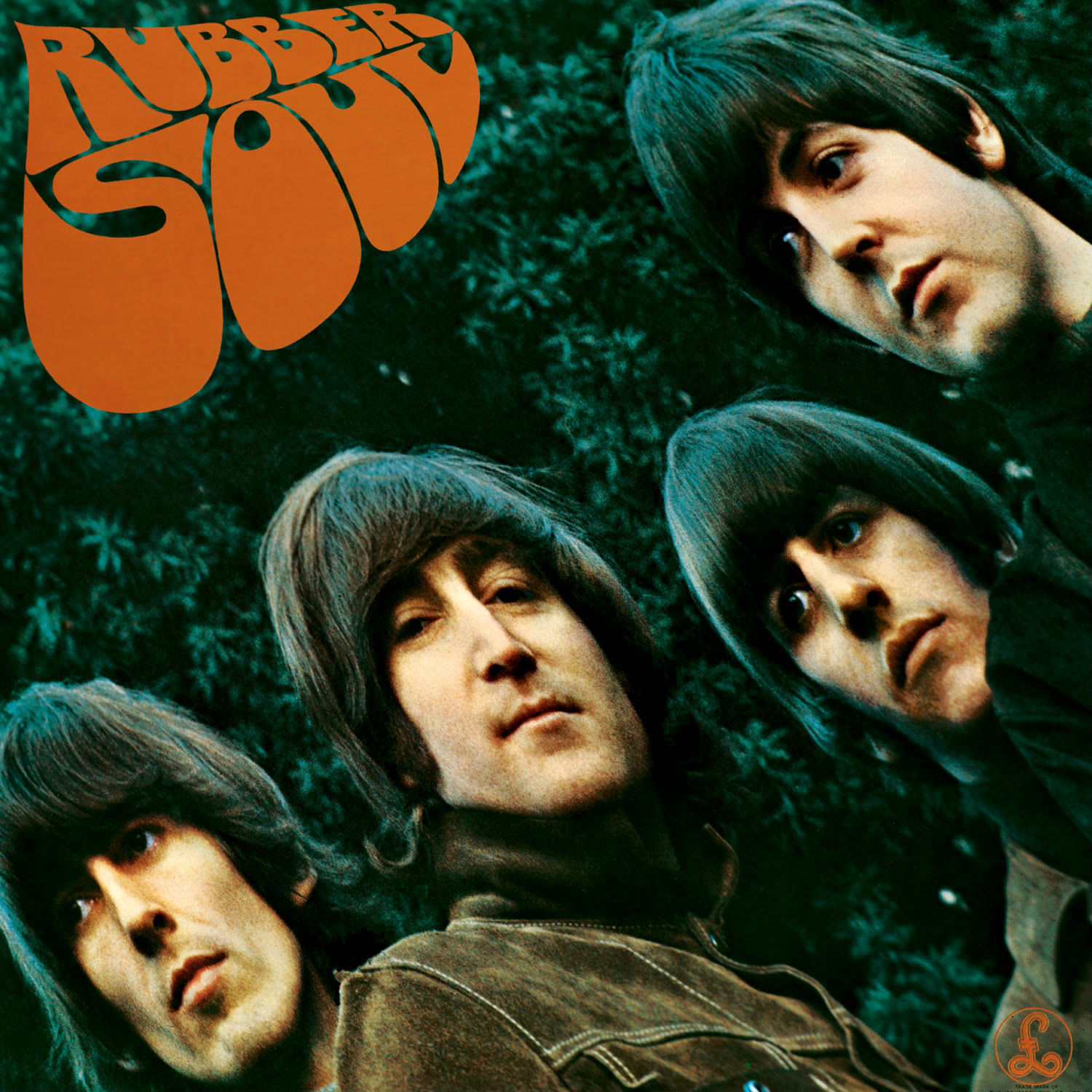 They helped create an opportunity space for my generation for which I am eternally grateful. They appear in my ‘Desert Island Discs’ selection (q.v.), in the form of Revolution. Whether we made sensible use of that opportunity space is another matter entirely. The Rubber Soul album came into my study at Bryanston and I thought it was the coolest thing ever.
Seb Beloe
Now with WHEB, Seb was a key member of the SustainAbility team for many years, co-evolving our work on the lobbying industry.
Amy Birchall
A long-standing colleague at Volans. She waded in as Managing Director at a critical time and did work way above and beyond the call of duty.
David Blood
Along with Al Gore (q.v.) and Colin le Duc of (q.v.) Generation Investment Management and the Generation Foundation, David has been a long-standing supporter of our Breakthrough Capitalism work. We admire their work on Sustainable Capitalism.
Stewart Brand
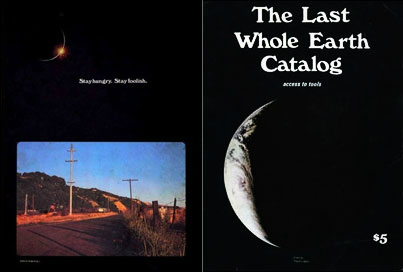
The man behind so many things, but the key was his Whole Earth Catolog series, which I devoured through the 70s. Stay Hungry. Stay Foolish. Met him properly at Jim Lovelock’s 100th birthday party in 2019 (q.v.).
Chuck and Jeanne Branson
Via Hollister Sprague (q.v.), we met his sister Joan (pronounced Jo-Anne) and her husband Elon, who lived on a ranch near Yakima, on the other side of the Cascades. Closer to hand, indeed just along the bluff on which stands Hollister’s extraordinary house, Forestledge, lives his niece, Jeanne and her husband Chuck and family. Hollister, Joan and Elon are long dead, but some of the links live on.
Lester Brown
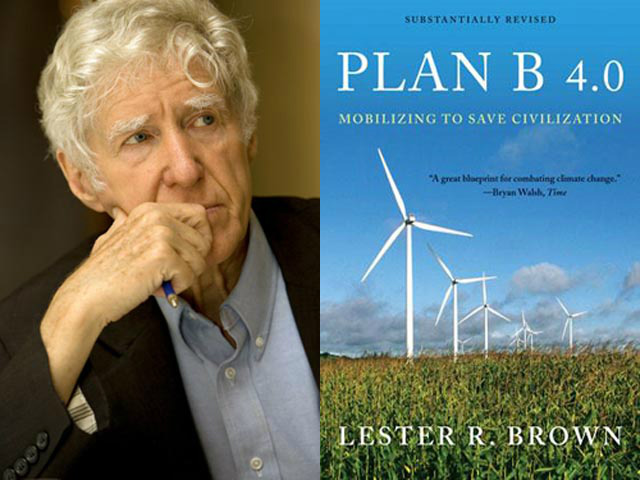
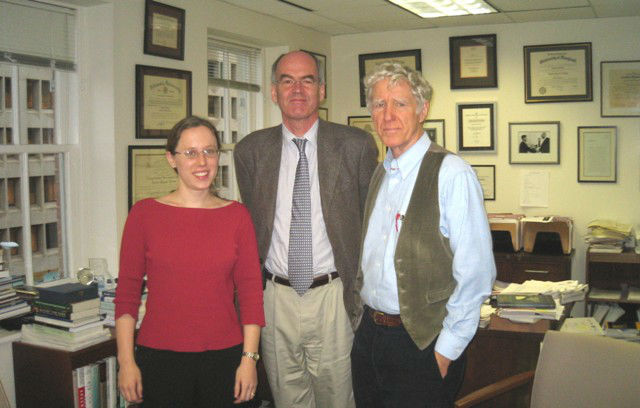
One of the iconic figures in the sustainability field more or less forever. I reviewed his Breaking New Ground autobiography in a 2014 issue of Resurgence magazine. That was then sampled on the Earth Policy Institute’s website. This is the bit they quoted: “I read the book cover-to-cover in a couple of sittings and learned an immense amount in the process, not just about Brown’s extraordinary life and times but also about the mind-boggling spectrum of challenges he has taken on.” The photo below was taken when I visited Les and his colleague Janet Larsen at the Institute in 2006.
Tom Burke
I met Tom when he was still executive director of Friends of the Earth in the UK. Later he contributed to The Green Capitalists and Green Pages, and was a co-founder of SustainAbility, introducing us to Dorothy Mackenzie (q.v.). Now with E3G.
Fiona Byrne
Fiona and Annie Dimmock (q.v.) were SustainAbility’s first proper employees – and tremendous allies and great friends in the early days.
Rachel Carson
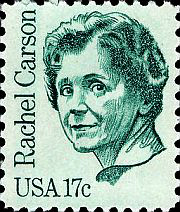
I can’t remember when I started reading her work, but books like The Sea Around Us and Silent Spring (the first on the world’s oceans, the second on the way insecticides like DDT were ravaging wildlife) helped transform the way I looked at the world – and at the future.
Sir Geoffrey Chandler
Geoffrey had an extraordinary career, straddling industry, government and the NGO sector – where he founded and chaired Amnesty International’s UK Business Group. He endlessly provoked me over the years, changing my thinking more than he knew. I was delighted when a photograph I took of him many years ago (above) was used to illustrate obituaries in The Financial Times, The Guardian and The Times. And was also thrilled to see a bat flying around the church belfry at his memorial service; he would have loved that.
Sir Winston Churchill
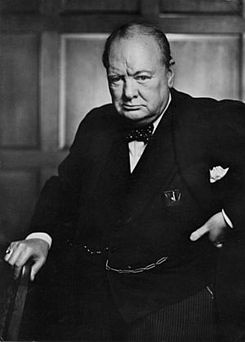
A Briton to be proud of. His 6-volume History of the Second World War sits on my shelves waiting to be read, if and when I ever retire. A distant cousin, I found his life story and speeches incredibly inspiring. An even greater honour, then, to have been awarded a Churchill Fellowship in 1981, which among other things resulted in my book Sun Traps. Photo by Yousuf Karsh, 1941.
Kelly Clark
Along with Jamie Arbib (q.v.), Kelly and their Tellus Mater Foundation have been long-standing supporters of our Breakthrough Capitalism work. We admire their work on mapping Sustainable Capitalism.
Robin Clarke
Previously editor of the Science Journal, a precursor of New Scientist, Robin founded Biotechnic Research & Development (BRAD). BRAD was somewhat akin to theNew Alchemy Institute in Cape Cod, co-founded by John Todd (q.v.). It was a fascinating combination of solar energy, windmills, fish ponds and the sort of social dysfunction you often found in low-discipline intentional communities or communes.
Isabel Coaker (née Griffin, then Elkington)
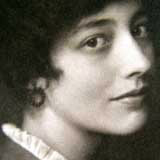
Well, of course she was family, but she was also a great friend, too, over many decades.
My father’s mother, half-American, Isabel gave an aura of sophistication to our childhood. When Elaine and I lived alongside her in Knightsbridge in the early 1970s, we traded stories of transcendental experiences, she having had an out-of-body experience when she almost died as a child in South Africa.
Joan Davidson
One of the best teachers I ever had. Loved her. She taught me rural environment subjects at UCL in 1972-74, as part of an urban and regional planning M. Phil. course – and was one of the first people to recommend that I take up writing professionally.
Tom Delfgaauw
SustainAbility’s first non-executive director, Tom was previously vice president for sustainable development at the Royal Dutch/Shell Group. A client during the early years of our post-Brent Spar re-engagement with Shell. We worked on Shell’s first sustainability report, for which he chose my phrase People, Planet & Profit as the title. A friend and, again, more influential than he imagines.
Anne Dimmock
Annie and Fiona Byrne (q.v.) were SustainAbility’s first proper employees – and tremendous allies and great friends in the early days.
Bernard Dixon
As editor of New Scientist, Bernard was a long-standing sponsor of my writing.
Murray Edmonds
Murray first turned up on our doorstep in High Street Kensington in 1997. Later, we helped Murray and Dobrina Edmonds to develop a series of agenda-setting conference tours of Australia and New Zealand. Murray has been a world-class guide to both countries. he and Dobrina are now retired.
Irene (‘Kerry’) Countess of Effingham
I met Kerry, alias Irene, Countess of Effingham, when she lived in Rose Cottage, Little Rissington. I was in my early teens, and she was one of my closest friends until she died at the age of 89 in 2001. Raised in India, she worked for Eisenhower in WWII and, among many other things, taught me to weave and dye.
Elaine Elkington

In retrospect, meeting Elaine in 1968 was the pivotal point in my life. We married in 1973 and she has been a Muse and hugely powerful influence in every aspect of my life since. She looks particularly happy here because we are winter walking near Wengen, Switzerland, which she loved. Her blog series can be found here.
Gaia & Hania Elkington
I always said to Elaine that I wanted two daughters. When Hania arrived in 1979, Elaine said words to the effect of: “There you are, that’s your lot!” Their influence is so pervasive it’s hard to know where to start.
John Francis Durham (‘Tim’) Elkington
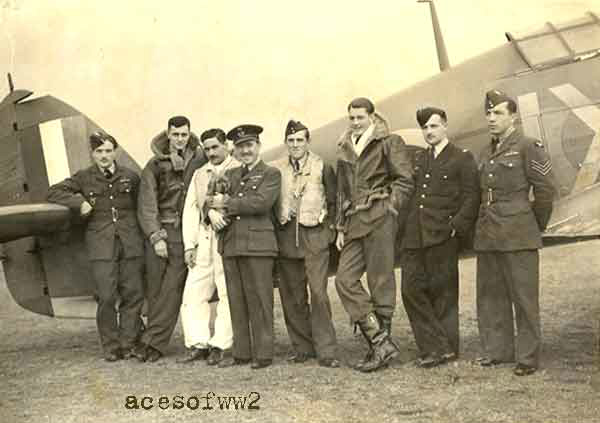
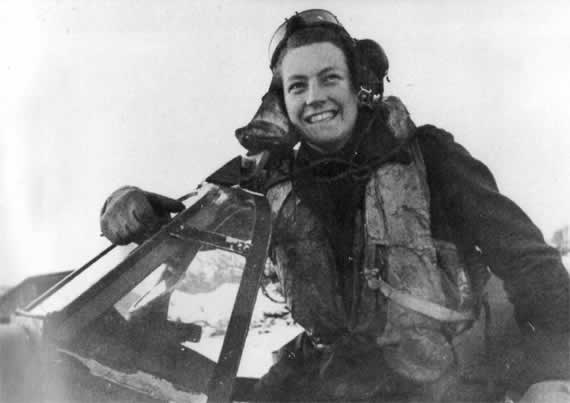
My father, John Francis Durham (‘Tim’) Elkington was born in 1920 and was an RAF pilot in the Battle of Britain. He is the tall one, third from right. Later in the war, he served in Russia, the Battle of the Atlantic and India.
He stayed on with the RAF until 1975, when he retired as a Wing Commander and set up an art and picture-framing business. An independent spirit. I inherited at least some of his stamina. Lower photo shows him about to fly in a Spitfire aged 90.
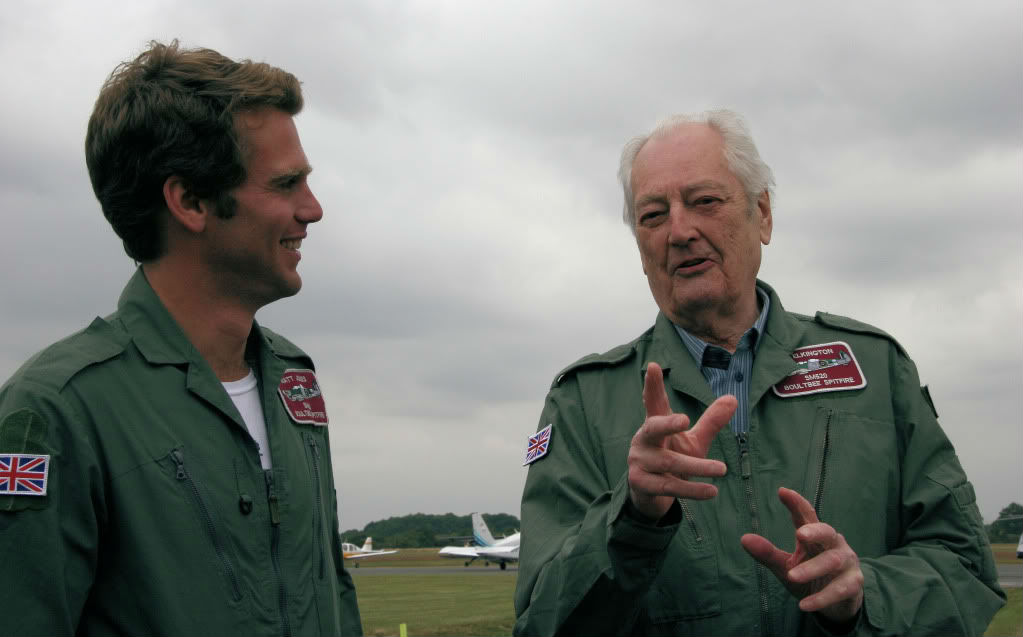
Tim died on February 1, 2019, while I was speaking at three conferences in a day in Copenhagen. My coverage of his memorial service can be found in several posts here, including a video clip of the flypast by the sort of Hurricane which he once flew.
Kay Elkington
My father’s stepmother, Kay was also my godmother. She long provided a peaceful refuge for family holidays in Solva, Dyfed.
Patricia (‘Pat’) Elkington
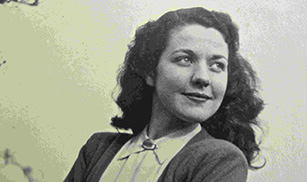
My mother, Patricia (Pat) Elkington, born in Birkenhead, Merseyside in 1922. She and Tim met at Castle Gogar (see below), inhabited by her aunts, Brenda and Dorothy. Brenda was married to Gogar’s owner, Sir James Steel-Maitland. At the time, Tim commanded nearby RAF Turnhouse and met Pat when making a courtesy call. The courtesy continues. I inherited her love of words and reading. She died in 2019.
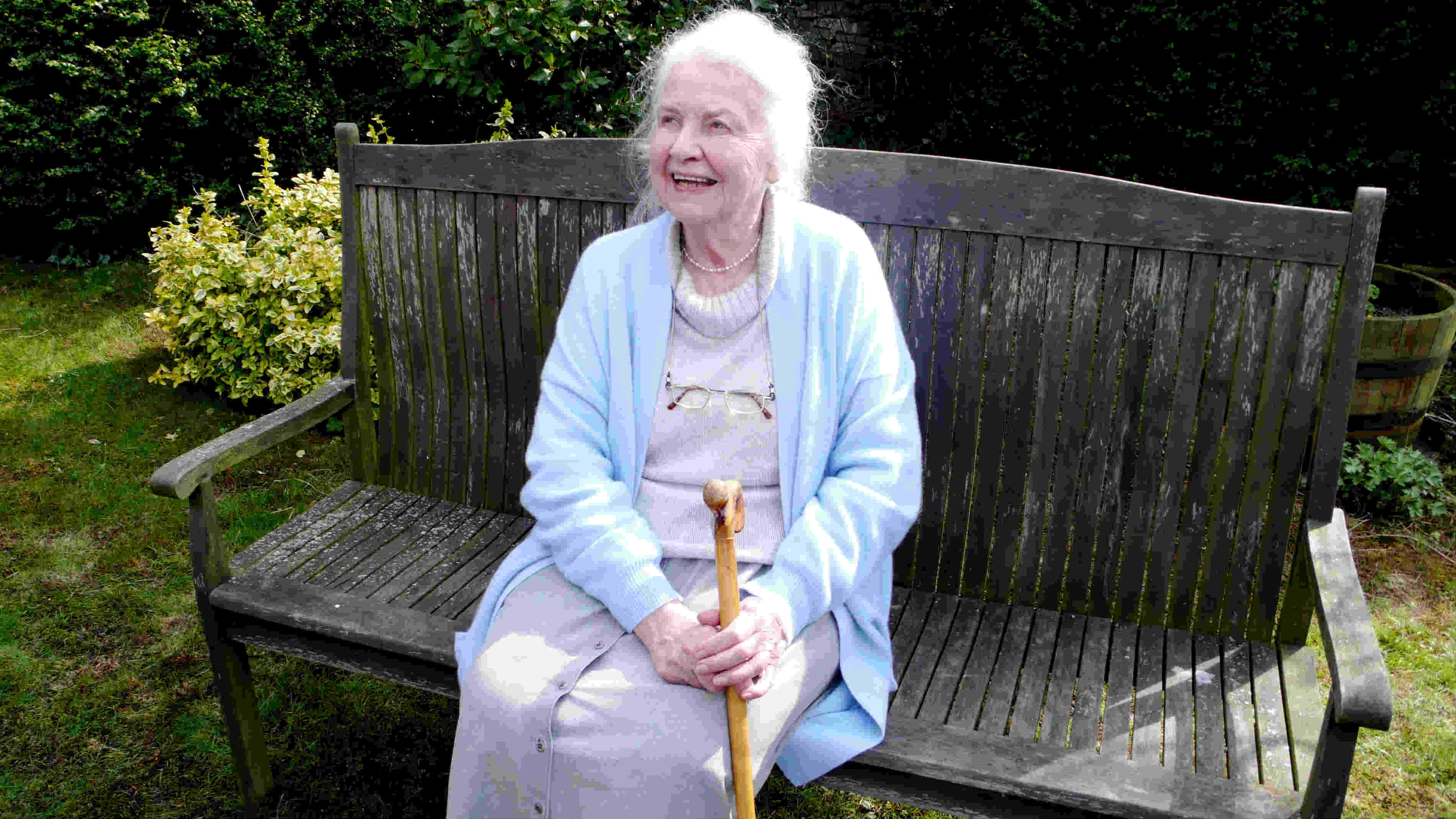
Sibling Elkingtons
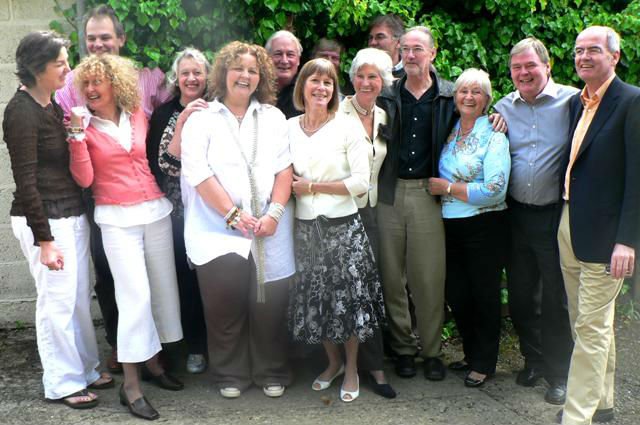
A huge influence, in one way or another. My brother Gray (and his former wife Christina) and my sisters Caroline and Tessa (and her husband John Chambers).
in this photo, Tessa is far left, Caroline fifth from left, and Gray fifth from the right, hidden in the ivy. Better photos will no doubt follow.
Lynne Elvins
Working alongside Rupert Bassett (q.v.), Lynne helped put together the first iteration of this website.
Jed Emerson
Venturing where others fear to tread, Jed’s ‘Blended Value Proposition’ mapped the future ‘beyond the triple bottom line’.
Jeff Erikson
A key member of the SustainAbility team in New York and then Washington, D.C. Now with Richard Branson’s Carbon War Room.
Amanda Feldman
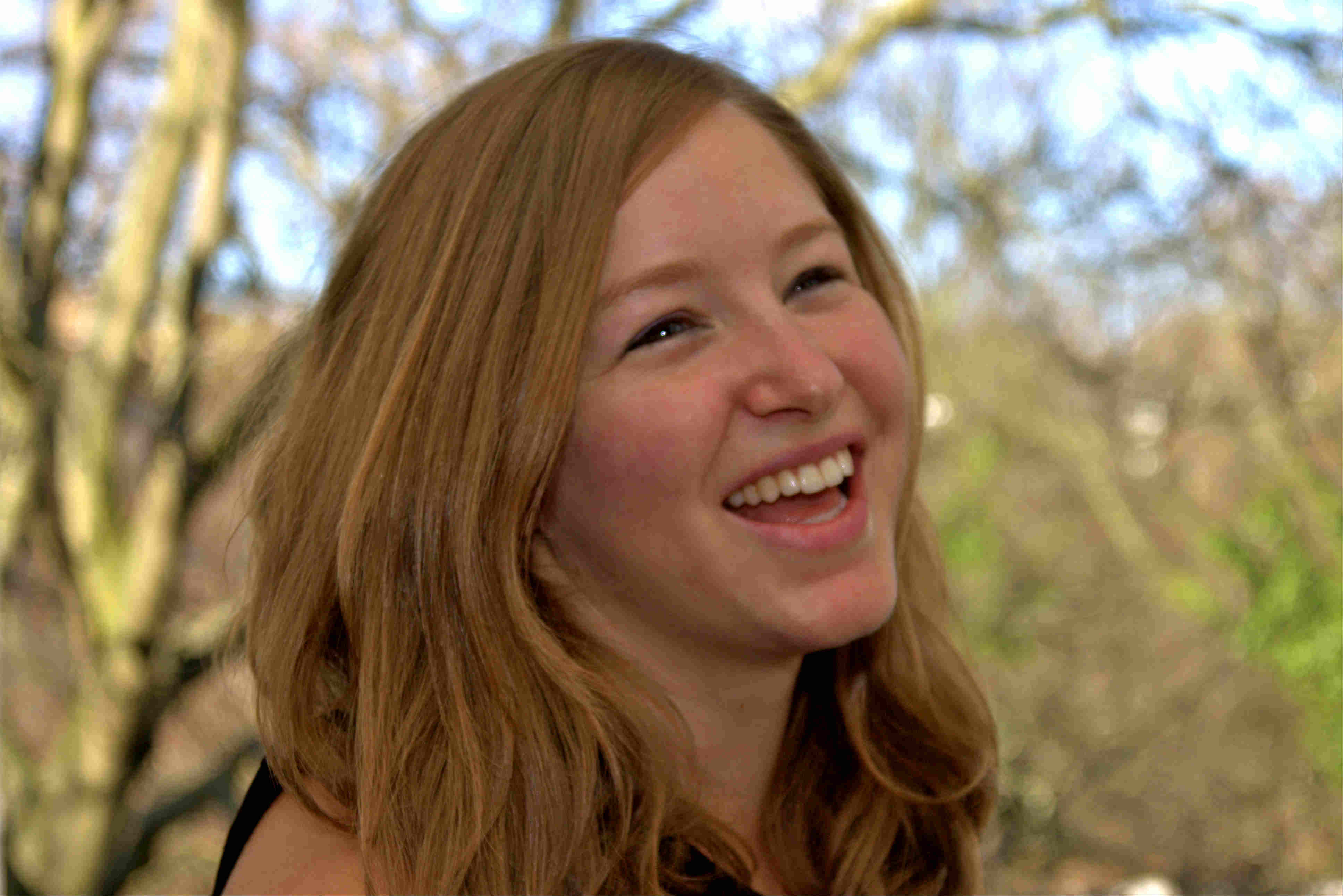
A long-standing colleague at Volans. The best of America. I love her insight and energy. A born social innovator.
Shelly Fennell
A long-standing colleague at SustainAbility. Some of the things we talked about some 20 years ago are only now bubbling to the surface.
Lynne Franks
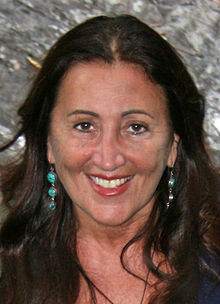
The PR queen and a model for TV’s Absolutely Fabulous, Lynne helped us propel The Green Consumer Guide and linked Green Consumer Week into orbit in late 1988, with the aid of a £6,000 grant from WWF.
Mike Franks
I met Mike when working with TEST. He was an architect-planner at the GLC office across the road in London’s Covent Garden. We shared a common interest in cities as ecosystems. Later, we (ENDS) took an office in the huge office complex Mike’s company, Regeneration, had redeveloped in Clerkenwell.
Richard Buckminster (‘Bucky’) Fuller
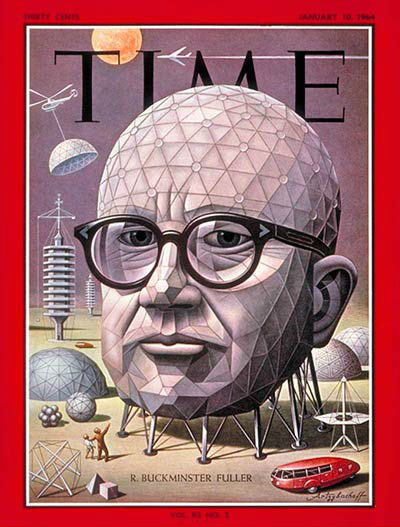
I read most of his books, though it wasn’t always easy, and finally met the man in Reykjavik in 1977. His concept of ephemeralization and notion of ‘doing more with less’, as with geodesic domes, were direct precursors of eco-efficiency. More recently, I was a judge for the Buckminster Fuller Institute’s Challenge.
Claude Fussler
Both when at Dow Europe and later at the World Business Council on Sustainable Development (WBCSD). Claude supported early work on green consumerism and life cycle assessment, plus our 1995 report Who Needs It? We also worked together in the early years of establishing European Partners for the Environment (EPE).
John Gilbert
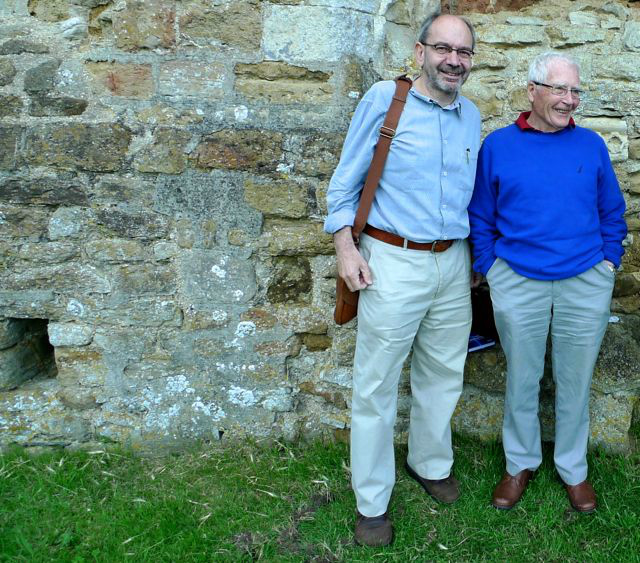
My companion on the adventure of exploring the next stage in the evolution of Gaia science. Seen here with Jim Lovelock.
Tom Gladwin
A long-standing member of the SustainAbility Council – and the man who probably more than anyone else put me on the track toward the triple bottom line.
Edward (‘Teddy’) Goldsmith
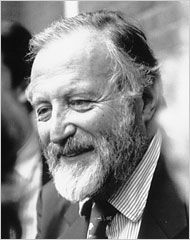
Much missed. He and I ended up sharing a hotel bedroom for most of a week in Reykjavik in 1977 during Nicholas Polunin’s Second International Conference on the Environment Future. I had long admired Teddy’s work with The Ecologist, although didn’t always agree. Elaine, Gaia (aged around three weeks) and I stayed with him and his family in Cornwall while I did a New Scientist piece on English China Clays. Among others staying were Laurence D. and Hilda Cherry Hills, who founded the Henry Doubleday Research Association (HDRA).
Al Gore
Along with David Blood (q.v.) and Colin le Duc (q.v.) of Generation Investment Management and the Generation Foundation, Al has been a long-standing supporter of our Breakthrough Capitalism work. We admire their work on Sustainable Capitalism.
Rex Gowar
Also a friend from Essex days he kept an eye on me during my first (and only) LSD trip. Life-transforming, literally.
Rob Gray
Professor of accounting and director of the Centre for Social and Environmental Accounting Research (CSEAR). A considerable influence in accounting and reporting. Also huge fun.
Julia Hailes
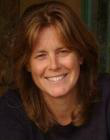
How do you put it into words? We met when she arrived at Earthlife, having spent a couple of years travelling around Latin America. She joined me to help produce Green Pages and we then co-evolved The Green Consumer Guide. When Earthlife went down in flames part way through both projects, we co-founded SustainAbility in 1987. We co-wrote 8 books and she remains a close friend. Her eldest son Connor is my godson.
Pamela Hartigan
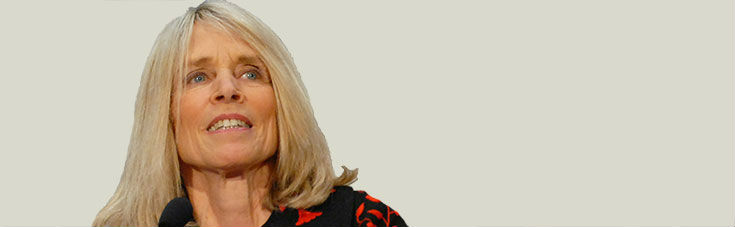
As Managing Director of The Schwab Foundation, Pamela helped introduce me to the extraordinary world of social entrepreneurs. She was a co-founder of Volans, and co-authored The Power of Unreasonable People, before becoming Director of the Skoll Centre for Social Entrepreneurship at the Saïd Business School, University of Oxford. She has served for many years as a Non-Executive Director of Volans.
Denis Hayes
A co-founder of Earth Day in 1970, I first met Denis when he was at the Worldwatch Institute, then again – on my 1981 Churchill Fellowship travels – when he was director of the Solar Energy Research Institute (SERI), in Golden, Colorado.
Almost a decade later, he invited me to join the international board for Earth Day 1990, an experience which helped broaden our international connections. Later President and CEO of the Bullitt Foundation in Seattle.
I interviewed him by Zoom for the 50th anniversary of Earth Day, in 2020, with four short videos here – including the one in which I present him with the third Green Swan Award.
Frank Herbert
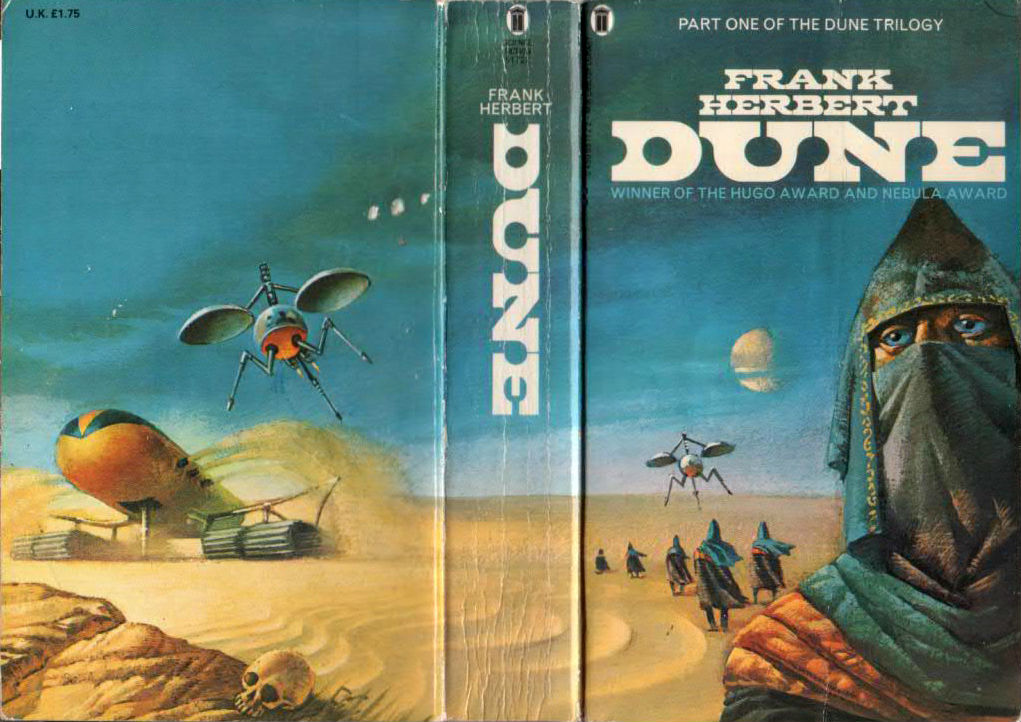
Herbert’s Dune series entertained me for years. I tried to meet up with him but somehow our paths never coincided – until we finally made it happen as I flew in from Seattle and he prepared to leave London for the reverse trip. The conversation was captured in a couple of articles, including a piece for Earthlife News.
Thor Heyerdahl
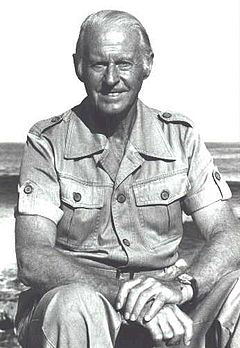
I read The Kon-Tiki Expedition and, while Heyerdahl (1914-2002) was probably (gloriously) wrong in some respects, the Kon-Tiki (1947) for me was a metaphor for casting forth – and of small groups of people of multiple nationalities learning to get along together, as we have at SustainAbility.
Helen Holdaway
I first met Helen, and Timothy Cantell, when they were running the environmental section at the Royal Society of Arts (RSA). The RSA played a key role in sustaining environmental thinking through the 1980s, co-hosting the UK Conservation and Development Programme (a response to the World Conservation Strategy), for which I wrote the Industry report.
Later, Helen I were both trustees of The Environment Foundation. Then she became Director and I became Chairman. Having won a victory against the Charity Commissioners to get sustainable development recognised as a charitable objective, the Foundation celebrated its 20th anniversary in 2003. Helen stood down as Director after the November Consultation. Sinceher death, I will miss her enormously.
Elliot Jackson
Elliot has helped keep both SustainAbility and Volans (mainly) on the financial rails over many years.
Vernon Jennings
Joined SustainAbility from Unilever and represented a major investment for us at the time, which we largely funded out of royalties from The Green Consumer Guide. He was with us for nine years and helped turn SustainAbility into the organisation it is today. A Vice President for social and ethical accountability with Novo Nordisk and later an independent consultant.
Ian Keay
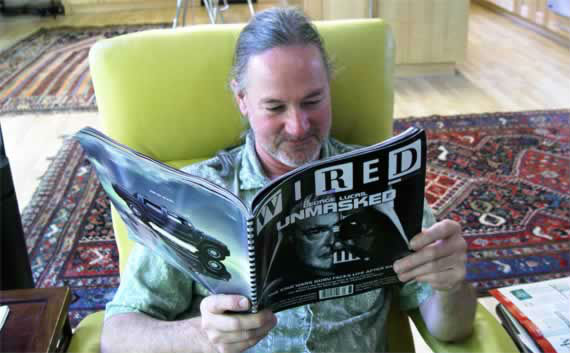
I first met Ian and his sister Jane when I was 14 – and had just had my appendix out after a school emergency before the Christmas holidays. Ian, who would be our best man in 1973, introduced me in the mid-1960s to the thinking of Buckminster Fuller (q.v.) and to a whole raft of science fiction writers.
Jane Keay
Though a couple of years older, Jane asked me to Charleston a few weeks after my appendicectomy. I was, as they say, sorely tempted. My first real girlfriend and still a very close friend. She is in the middle of the photo, seven from the right.
Peter Kinder
A leader in the area of socially responsible investment, and a founder of Kinder Lydenberg Domini (KLD), Peter and I met back-stage in Stockholm while waiting to speak at a conference. We found we shared a fascination for military history. Once when I visited Boston, Peter took a day off and took me walking around the War of Independence battlefields of Concord and Lexington.
Lise Kingo
We started to work with Denmark’s Novo Nordisk in 1989 and continue to do so today. Lise Kingo was there when we started, as a marketing assistant; today she is an executive vice-president for the triple bottom line aspects of Novo’s operations. Throughout, together with the company’s president (and now chairman) Mads Ovlisen, she has been both ally and inspiration. Novo Nordisk rechartered itself around the triple bottom line. Lise and I continue to work together via the Tesco Scale for Good Advisory Board we are both members of.
Rudyard Kipling
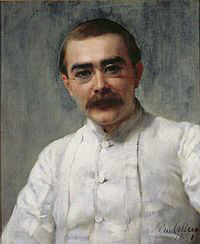
Unfashionable today, perhaps, but his Just So Stories left a huge impression, particularly drawings such as ‘The Whale and the ‘Stute Fish’ and ‘The Cat That Walked by Himself’. Painting of Kipling by John Collier.
Liz Knights
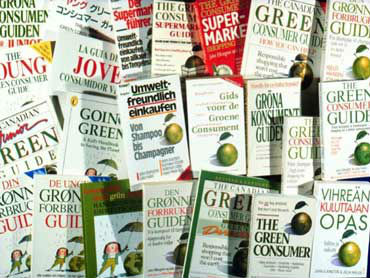
Liz edited a number of our books, most notably The Green Consumer Guide. Various editions of various of our consumer guides with Victor Gollancz, and from around the world, are shown in the image. She was pretty much a third author on several books, indeed both A Year in the Greenhouse and The Young Green Consumer Guide was her idea. She died of cancer in 1996 and is much missed.
Sam Lakha

By the time this website was revamped early in 2014, Sam and I had worked together for nine years, three at SustainAbility and then six at Volans. She has been the axis of my working life throughout that time. It is hard to imagine Volans having succeeded without her. The Times did a profile of our working relationship while we were still at SustainAbility, in their ‘Creme de la Creme’ section. Little did we imagine where the future would take us. Thank you, Sam.
The Hon. David Layton
Part of the family that founded The Economist, David had himself founded Incomes Data Services (IDS) – and now wanted to do something in the environmental world. The result: Environmental Data Services (ENDS). A profound influence in terms of how to write for a business audience.
Colin le Duc
Along with David Blood (q.v.) and Al Gore (q.v.) of Generation Investment Management and the Generation Foundation, Colin has been a long-standing supporter of our Breakthrough Capitalism work. We admire their work on Sustainable Capitalism.
Mark Lee
Variously CEO and Executive Director of SustainAbility for many years, Mark took the firm into a new stage of its development when I left in 2008.
Jeanne-Pierre Lehman
A member of the SustainAbility Faculty for many years, Jean Pierre was a professor at IMD – and also founded the Evian Group, of which I was a member.
Jonathan Levy
A friend at Bryanston, Johnny helped reinforce my love of the popular music of the 1930s and 1940s. The son of actress Constance Cummings and playwright Ben Levy, he was like a human gramophone.
John C. Lilly
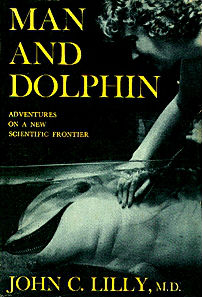
Mad as a hatter, at times, probably because of all the LSD he took. But his work on dolphins, (including building channels that brought them into his home), sparked something in my imagination. The bad news about dolphin abuse came later.
Jacqueline Lim
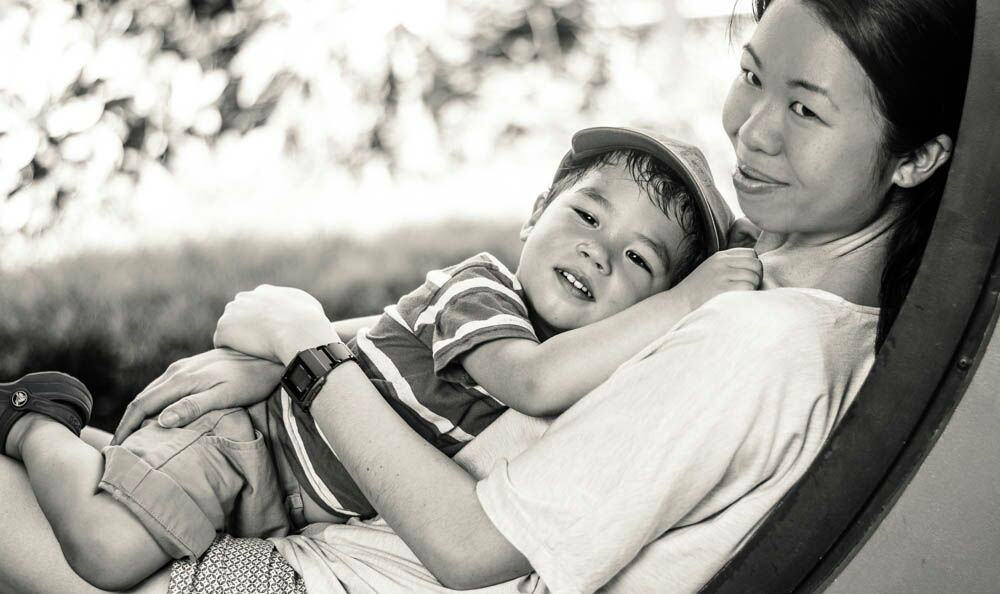
A long-standing colleague at Volans. She was for a long time the quiet, still force at the heart of Volans, in addition to being our “token Singaporean.”
Martin Lindsay
Another friend at Essex University, Martin introduced me to the music of Fairport Convention (It’s Alright, Ma, It’s Only Witchcraft) and to the more esoteric aspects of America’s West Coast sound.
Alejandro Litovsky
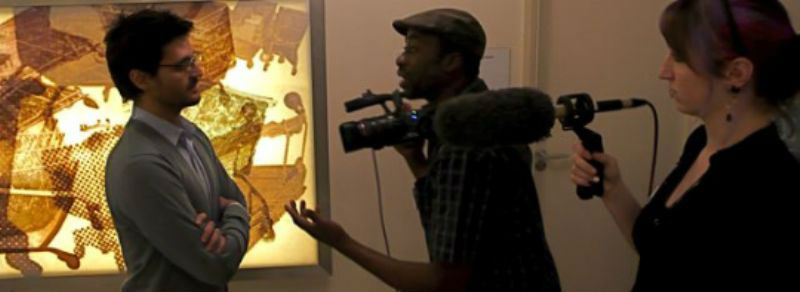
Now heading the Earth Security Initiative, Alejandro was a member of the Volans core team in the early years, when we produced The Biosphere Economy, of which he was the main author. Ale is on the left in the photo I took while we were working together.
Charmian Love
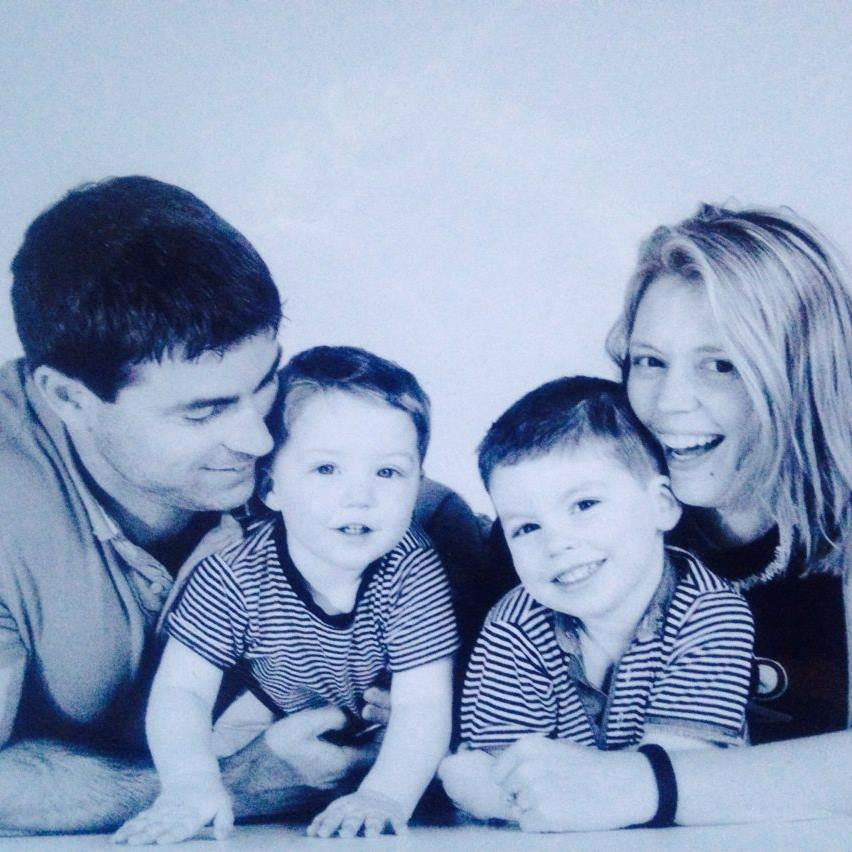
The best of Canada. Introduced by Pamela Hartigan (q.v.), Charmian has had a powerful influence on the evolution of Volans pretty much from the outset, not least as COO and then CEO for a number of years. A dynamo, even with two sons who are dynamos in their own right (see photo). An increasingly influential voice in the fields of social innovation and entrepreneurship.
James (‘Jim’) Lovelock
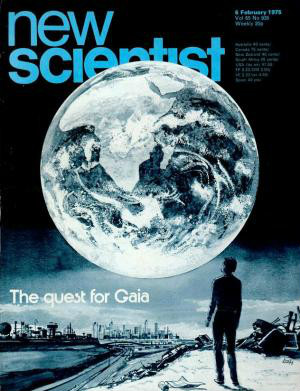
I saw a piece he wrote in New Scientist in 1976 on his Gaia Hypothesis (later Theory) and decided if Elaine and I ever had a daughter, she would be Gaia. Gaia was born the following year. Many years later, on 22 March 1985, Elaine’s idea of a time-capsule of seeds and books (including The Gaia Atlas of Planet Management) resulted in a capsule that you can still see in the Princess of Wales greenhouse at Kew Gardens. I later worked alongside him on the sustainability panel for the ill-fated Millennium Dome. I have also played a marginal role in the acquisition and exhibition of the Lovelock Archive by the Science Museum, alongside the much more active John Gilbert (q.v.). Went to his 100th birthday party at Blenheim Palace in July 2019.
Geoff Lye
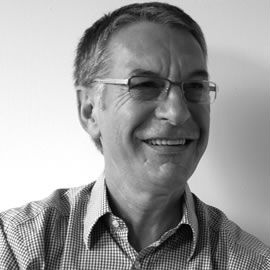
Geoff joined SustainAbility as a director in November 1995. He has transformed my thinking on the business aspects of what we do and has been a much valued friend and invaluable ‘thought partner’ through a series of adventures, including our relationships with Shell and Ford. Later he would help co-found Volans, where he serves as a Non-Executive Director.
Dorothy Mackenzie
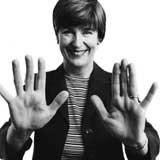
After several years based in our Barnes home, SustainAbility moved to the Notting Hill area, to share offices with Brand New Product Development, run by Dorothy Mackenzie. We did pioneering work with her on green consumerism and joint projects with companies such as Dow Europe. In 2003, we worked with her again on SustainAbility’s rebranding.
Georgina McAughtry
Georgina was at Environmental Data Services (ENDS) from the outset, while we found Marek (Mayer) through Elaine knowing the novelist Sue Gee, later his wife. When I began to unhook in the early 1980s, aided by the Churchill Fellowship, Marek and Georgina evolved ENDS into an organisation I am enormously proud to have been involved with.
Roger McGlynn
A colleague at TEST, Roger moved to Barnes – a visit to him in the summer of 1975 resulted in our decision to buy the house in the next street that we have lived in ever since.
Molly, Terry and Peggy March
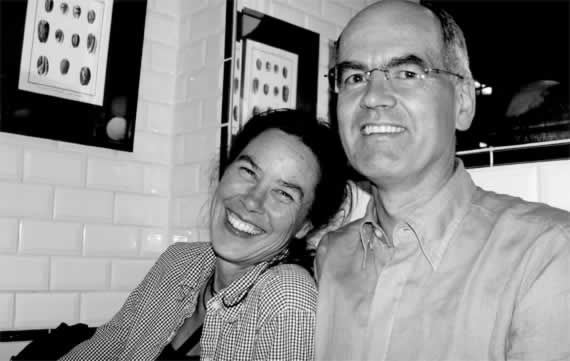
We spent the late 1950s in Cyprus, growing up alongside Americans, including the March girls. They helped give me an appetite for America, including the Beach Boys. Molly has been to see us a number of times in London, as indicated in the photo.
Robert Kinloch (‘Bob’) Massie”
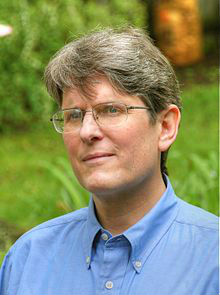
Both in his work at CERES and the Global Reporting Initiative, Bob has been a major influence. He and his wife Anne Tate have also been longstanding friends.
Marek Mayer
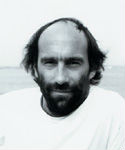
The late and sadly missed Marek took over from me as Editor of The ENDS Report, and – with Georgina McAughtry – took the organisation to new heights.
Charles Medawar
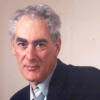
A founder of Social Audit. I wrote of his work in New Scientist in 1978. In 1996 he became a founder-member of SustainAbility’s Council.
Sara Menguc
We first worked together on Cannibals with Forks, Sara was hugely helpful as my third literary agent.
Doris Michaels
Doris, based in New York, is my fourth literary agent, and has represented me on three books to date: The Power of Unreasonable People, The Zeronauts and The Breakthrough Challenge.
Tim Moore
Among other things, he helped me put together Earthlife News.
Tell Münzing
Both at SustainAbility, and later at Performance Consultants and Impact Solutions, Tell has been both a colleague and a friend. He has played a key role in bringing our Breakthrough Capitalism agenda to Germany.
Jane Nelson
I met Jane in 1994, having just made a panic flight in by small aircraft to Victoria Falls, Zimbabwe, for a keynote speech, following a problem with flights from London. She has been a close friend ever since. Her work at the International Business Leaders’ Forum has closely paralleled our own – and she has been another loyal and inspiring ally. A founder-member of SustainAbility’s Council in 1996. She moved to the Kennedy School of Government at Harvard in 2003. She has served as a Trustee of The Environment Foundation, which I chaired, and as a member of the Volans Advisory Board.
Max Nicholson
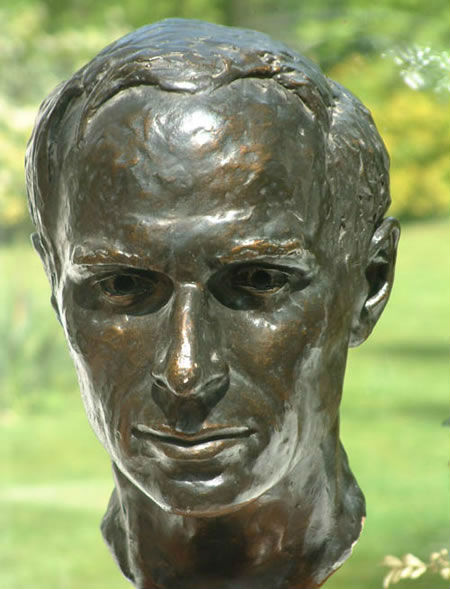
Max asked me in 1978 to help set up Environmental Data Services (ENDS) with David Layton. I had read his book The Environmental Revolution: A Guide for the New Masters of the Earth (1970) years before meeting him. I spent several months doing a feasibility study, and mocking up early editions, before we decided to press the button. He was from a very different generation, but a joy to work with. We worked together for 4-5 years directly, then continued to conspire over the years until his death in April 2003.
It turned out he had influenced me early on, when I was 11. I had asked all the boys at my prep school [see Major ‘Ned’ Adams] for their pocket money for two weeks for the just-formed the World Wildlife Fund (WWF: later the World Wide Fund for nature). Could never recall where that idea had come from. One day when we were driving down to WWF (which he co-founded) in the early 1980s, I told Max the story – and he said he had got four pages on WWF into a newspaper in 1961. Suddenly I remembered going into the school library and seeing the paper on a reading stand – that’s where seeds were sown in the fertile ground Mother Superior had prepared.
So Max influenced me for more than 40 years. His obituary in The Times (30 April 2003) covered only a few of his extraordinary contributions. But one aspect it did touch on was telling: I remember being fascinated by his appointment during WWII as head of the Ministry of War Transport’s allocation of tonnage division. Among other things, he oversaw the Pool of London at a time when Britain was being progressively starved by the U-boat campaign. His efforts then meant that he attended wartime summit meetings in Cairo, Quebec, Yalta and Potsdam. He told me that managing the complex dynamics involved in the Pool of London (including the interplay between ship arrivals, the tides and bombing raids) was much easier for an ecologist.
Max was born in 1904 and was 98 when he died. He and I were from very different wings of the environmental movement: he much more scientific, me more emotionally engaged, but we both agreed that ecological principles have to be fully integrated into our economies, a challenge that is no less urgent than when he and I first met. I wrote an obituary for Resurgence.
Max’s memorial website is here.
Sally Osberg
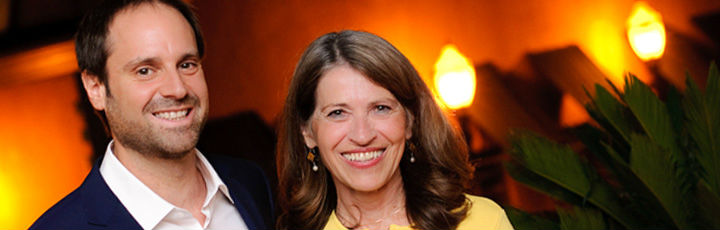
Anyone who knows Sally (seen here with Jeff Skoll), and her work at the Skoll Foundation for Social Entrepreneurship, will know why she has such an impact on all those she interacts with. A Muse in so many ways. I am enormously grateful to her, Jeff and his Foundation for their support at a critical juncture.
Mads Ovlisen
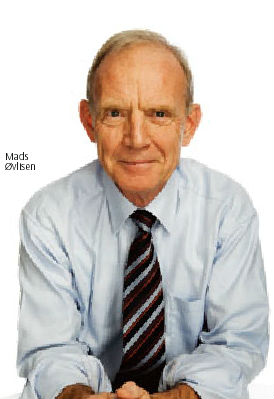
One of the wisest CEOs I have ever come across. We collided when Novo Nordisk was impacted by the ripple effects from our 1988 book The Green Consumer Guide. But he pulled us in, embraced the challenge and Novo Nordisk would eventually recharter itself around our triple bottom line agenda.
The Palmers
Cousins of the Keays (q.v.) and living in the same village, we also grew up alongside Nigel, Cally and Debby. Their parents, Judge Jack and Vanda (Bunny) Palmer were wonderful hosts.
Roger S. Payne

One of my favourite records during this period was Songs of the Humpback Whale (CRM Records, Del Mar, California), recorded at sea through hydrophones by Dr Roger S. Payne.
I used to turn the lights out and play the sounds of humpback and blue whales singing to Gaia and Hania late at night. It was like being immersed in a totally different realm, with these great creatures all around. Also had his album Deep Voices. As Payne said at the time, the world was “turning on to whales” – and he played a key role in the process.
Shawn Phillips
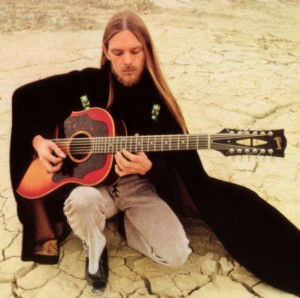
A musician we met in Positano, Italy, on our way to Greece in 1970. Three of us, Rex, Ian Lovell and I, spent an extraordinary night in Shawn’s hilltop house, listening to music he had just recorded with the likes of Paul McCartney and Stevie Winwood. For more details, look here.
Kavita Prakash-Mani
A long-standing colleague at SustainAbility, Kavita went on to Novartis and the World Economic Forum. Was on Volans Board for some years. A true friend, whose company on a major trip to India was particularly appreciated.
John Roberts
John contacted me a few weeks before the end of my M. Phil. course at UCL. We worked together for four years, on a range of projects in such areas as environmental impact assessment and the role of ecologists in the planning system. A huge influence, not least in providing a model of an independent think tank and consultancy, of which TEST was one of the very first.
Will Rosenzweig
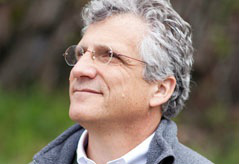
Will has been a very good friend for many years. I think I first met him at the World Economic Forum, at a session in 2001 organised by the Schwab Foundation for Social Entrepreneurship.
Later, I served for several years on his Advisory Board at Physic Ventures, in San Francisco. he has recently chaired the Vitality Commission’s inquiry into the implications of health and chronic illness for the U.S. economy. Elaine and I love the place he and his wife Carla have in the Sonoma Valley, the IdeaGarden. A home from home.
James (‘Jim’) Salzman
How to pin the man down? He was at S.C. Johnson when I first came across him, then at the OECD, then a professor at American University, then at Duke University. He was a founder member of the SustainAbility Council. And he has been a long-standing friend.
John Schaetzl
Played a key role at SustainAbility since I moved on to Volans, which I enormously appreciate.
Sir Peter Scott
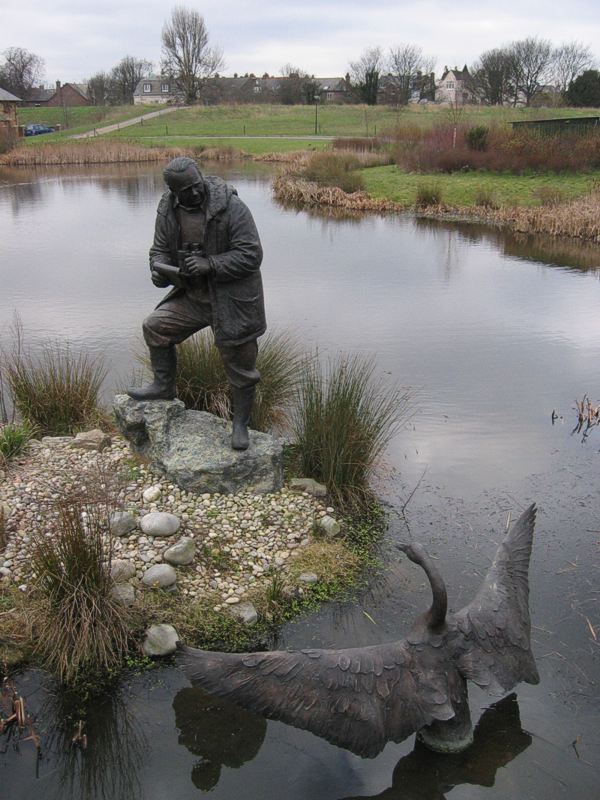
I met him first when he was one of the judges when I was interviewing for my Churchill Fellowship and later when we had produced The Green Consumer Guide. I can’t pass his statue at the nearby Barnes Wildlife Centre (his sculpture shown here) without feeling a huge surge of affection and gratitude. Peter and Max Nicholson were both involved in setting up WWF, where I would later be a member of the Council of Ambassdors.
Jonathan Shopley
Jonathan arrived on our Barnes doorstep late in 1983, 20 years ago, after riding from South Africa to London on a motorcycle that looked like something out of Mad Max. He worked with us at John Elkington Associates (including co-authoring two of the WRI reports mentioned above) and Earthlife, remains a close friend, and now runs Future Forests.
When I was doing this section and asked him when he arrived, he replied: “I arrived in the UK in September 1983, and probably took a month or two to get settled and make the JE connection. I had been researching opportunities in the UK, and on one particular day came across your name in three or four different places (The Guardian, Science Reference Library, bookshop where your books were selling, conversation with someone) and I decided I had to meet you. I had Jack [Jonathan’s father] send me my suit from South Africa for our appointment, and I pitched up at Cambridge Road all smart and formal – and your girls answered the door-bell and immediately flung their arms around me, and made me feel very welcome from the first instant.” He subsequently went on to LBS and the Carbon Neutral Company, and remains a good friend.
Jeff Skoll
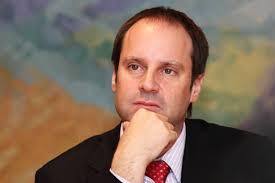
Alongside Sally Osberg (q.v.), Jeff and his Skoll Foundation for Social Entrepreneurship funded a key part of my evolving work at SustainAbility and Volans, helping to catalyse a new mindset and a new venture.
Paolo Soleri
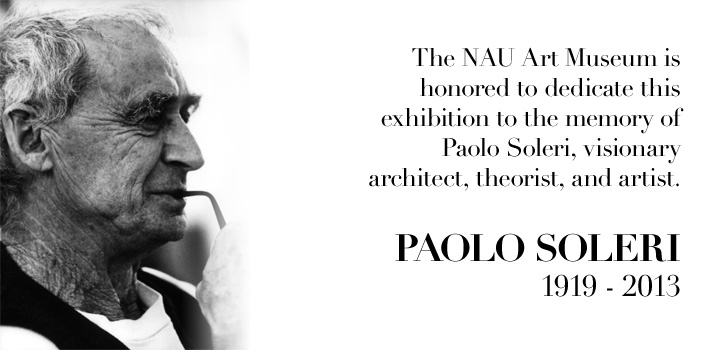
In 1973, Elaine and I visited Soleri’s Cosanti Foundation and Arcosanti project, which led to my first speech and article. Originally a pupil of Frank Lloyd Wright, who had dreamed of ‘Broadacre City’, with every family allocated a 1-acre lot, Soleri went for something more like human termitaries, super-dense cities built into massive dams or other giant structures. Arcosanti was fascinating, but a storey or two high at best. My 1974 AAQ article mused that it would make a great set of ruins.
Andrea Spencer-Cooke
A Muse, no question, both in developing my triple bottom line thinking and in establishing SustainAbility’s long-running ‘Engaging Stakeholders’ programme. Now lives outside Sydney and is part of Onestone Advisors. The name came from an early triple bottom line conference we organised in the Kensington Roof Gardens in the mid-1990s called ‘Three Birds, One Stone.’
James Gustave (‘Gus’) Speth
I met Gus at the 1984 World Industry Conference on Environmental Management (WICEM), in Versailles. Later, as president of the World Resources Institute (WRI), he commissioned a series of reports we did on the implications of biotechnology, information technology and advanced waste management technology.
Hollister T. Sprague
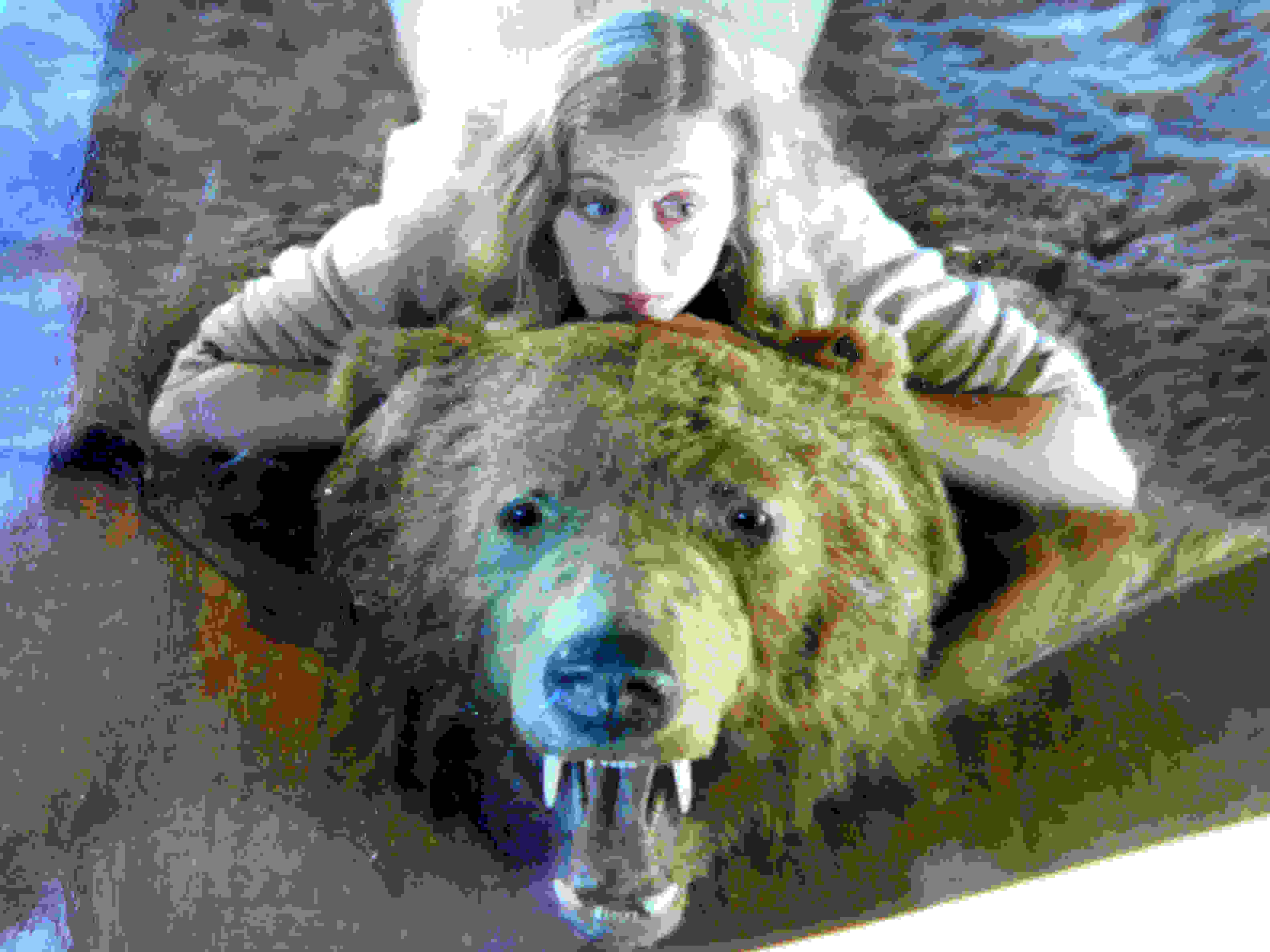
A WWI American fighter pilot, he later worked as Mr Boeing’s lawyer in Seattle. A first cousin of my grandmother Isabel, he looked after Elaine and I on our 1973 honeymoon, escorting us across the Cascades and up into the Olympic Peninsula.
His home, Forestledge, overlooking Puget Sound, became a regular holiday destination for us. This link I stumbled across gives some of the background on Forestledge – and I didn’t know that an Alice In Chains drummer had been one later resident … The photo is of Elaine on a bearskin there when we were on our honeymoon in 1973
Sir James Steel-Maitland
As my godfather, he sent me gifts I loved as a child – a silver christening mug made from part of a section of elephant’s tusk, hairbrushes made of ivory and whale bristle – gifts that I later learned to see with radically different eyes.
Ulrich Steger
A Professor at IMD when I first knew him through the European Commission’s Consultative Forum on Sustainable Development, of which we were both members, Ulrich had previously been a board member at Volkswagen and a state environment minister. He was also a founding member of the SustainAbility Council
Mother Superior
I don’t know what her name was; all I know was this was Limavady, Northern Ireland, in the mid-1950s. I was perhaps 6 or 7, and I clearly rattled her with an innocent question about whether animals went to heaven? Her response has unintended consequences. The image is part of a painting, I am fairly sure done by Greg Becker, that was done for one of a series of columns I did for The Guardian many moons ago.
Sophia Tickell
After a high-impact with Oxfam, Sophia took over my role as Chair of SustainAbility a few years before I moved on. She also left to found Meteos.
Jodie Thorpe
For several key years at SustainAbility, Jodie was my mainstay. She later moved to Oxfam.
John Todd
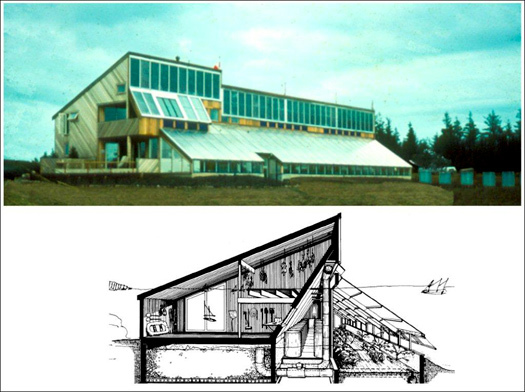
The photo and design are of the New Alchemy Institute’s Ark on Cape Cod, in the 1970s. For me at the time, it was distant Mecca, though I did work for a short while at the UK equivalent, BRAD (Biotechnic Research & Development), set up by Robin Clarke, formerly Editor of the Science Journal.
My shelves still contain several editions of The Journal of the New Alchemists. A pioneer in such areas as intentional communities and aquaculture, particularly tilapia farming.
Nigel Tuersley
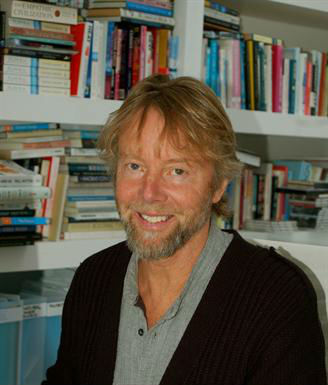
Founder of the Earthlife Foundation, Nigel was a consummate entrepreneur. Earthlife pioneered in areas that most other NGOs took years to get into. Although Earthlife eventually crashed, it was like a neutron star, spraying rare, life-promoting elements through the rest of its universe. One thing the experience taught me, however, was that rapid growth can be dangerous.
Clark and Charlotte Turner
Once the process of meeting cousins started in the Puget Sound area, it continued. Most notable were Charlotte and Clark Turner, whose house fronting directly onto Puget Sound on Vashon Island was a wonderful retreat – with Hania catching her first and only salmon from the foreshore. Among the things that stand out in memory are horse-riding in the hills around Yakima with Elon, sailing with Clark and Charlotte around Puget Sound, and being taken to our first and only drag race with (not entirely in character) the Bransons.
Wouter van Dieren
A colleague and friend over decades, Wouter had co-founded Friends of the Earth in Holland, then founded IMSA, a consultancy that I long saw as a sister organisation of SustainAbility’s.
Fran van Dijk
Both when at SustainAbility and after, Fran has been a wonderful colleague and friend, and introduced us to Rupert Bassett (q.v.). She is part of Onestone Advisors.
Steve Viederman
Previously president of the Jessie Smith Noyes Foundation in New York, Steve was a long-standing member of SustainAbility’s Faculty. He regularly reminded me that NGOs are not confined to brand names like Greenpeace or Amnesty; that there is a huge array of grassroots organisations that it is all too easy to overlook – and which do most of the grunt work.
Stanley and Margaret Waite
They weren’t at all sure of what to make of me at the outset. The fact that I had (very) long hair, beads and an antique Dior jewelled waistcoat probably didn’t get us off on quite the right foot, nor did the fact that all my grandparents had got divorced, and at least two had subsequently divorced again. But things soon improved – and I’m hugely grateful to them for helping us buy our Barnes home, even though they were horrified when they saw the ruinous state we were living in.
Ernst Ulrich von Weizsäcker
I first met Ernst in Tokyo in 1981 and later served alongside him on the European Commission’s Consultative Forum on Sustainable Development. Wouter I have seen as a competitive benchmark, Ernst – who later founded the Wuppertal Institute and served as a member of the German Bundestag – as a towering feature in our landscape, providing a powerful reference point.
Steve Warshal
A Director of Greenpeace UK for many years, Steve organised an early conference for Marketing Week on the green consumer, alongside his wonderful wife, Sandar. We became close friends and have taken each other to various concerts, including evenings with Bob Dylan and Roger McGuinn.
Henry Williamson
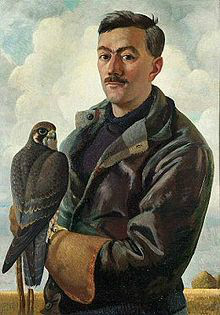
Stories like Tarka the Otter and Salar the Salmon had a profound influence on me as a child. Portrait by Charles Tunnicliffe.
Gavin Young
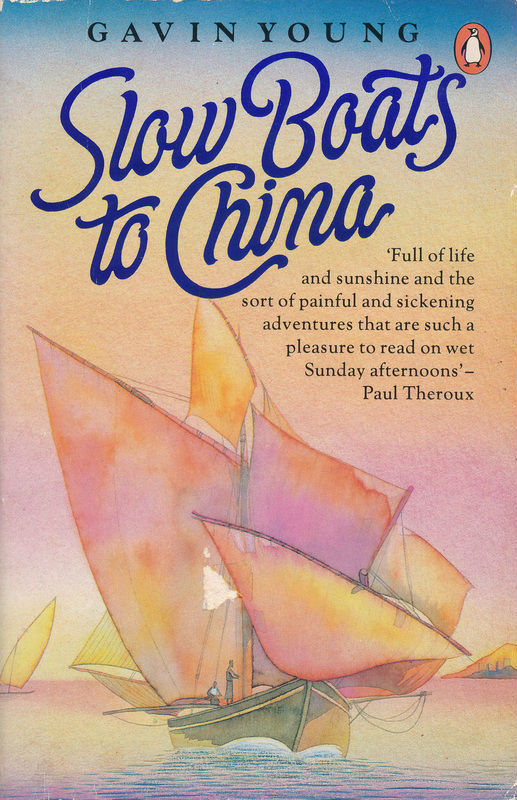
I was fascinated by Gavin‘s experience of living with the Marsh Arabs of Iraq (see his Return to the Marshes), to whom he was introduced by Wilfred Thesiger, and by his sense of Vietnam’s history, where he had spent a great deal of time. His mother Daphne was a good friend, via my grandmother Isabel. He and I spent a memorable weekend in Paris in 1973. He invited me to go on the trip that would turn into two books, Slow Boats to China and Slow Boats Home, but I chose to stay in London with Elaine. The roads not taken. He died in 2001.
Jochen Zeitz
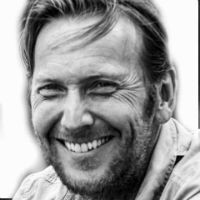
I first met Jochen at an event outside Geneva some years back, organised by Richard Branson’s Virgin Unite foundation. Not long afterwards, we agreed to write a book together. The Breakthrough Challenge is due to launch in September 2014. Jochen is now co-Chair of The B Teamwith Richard.
Peter Zollinger
Like Kavita Prakash-Mani (q.v.), Peter came to SustainAbility from the World Resources Institute (WRI). He was CEO of SustainAbility for a fair few years, before moving back to Zurich to co-founded a green bank, Globalance Bank. Some of the nicest evenings I have had were spent with Peter watching episodes of The West Wing.
[/acc_item] [/accordion] [/column]