
I have longed to visit Alexandria at least since my 1975 working visit to Egypt, but I suspect that the yearning tracks back to films like Ice Cold in Alex, made in 1958. In any event, meeting Ismail Serageldin when we both served on the Nestlé Creating Shared Value Advisory Council, many moons ago, whetted my appetite yet again.
He invited me to visit the Bibliotecha Alexandina, where he was founding director, but somehow I never could find the time or occasion. The project aimed to reanimate the fabled, ancient Library of Alexandria, an astonishing seat of learning for centuries.
Various Roman emperors seem to have had a hand in the Library’s destruction: Julius Caesar with a partial burning and then, variously, Aurelian and Diocletian during later attacks on the city.
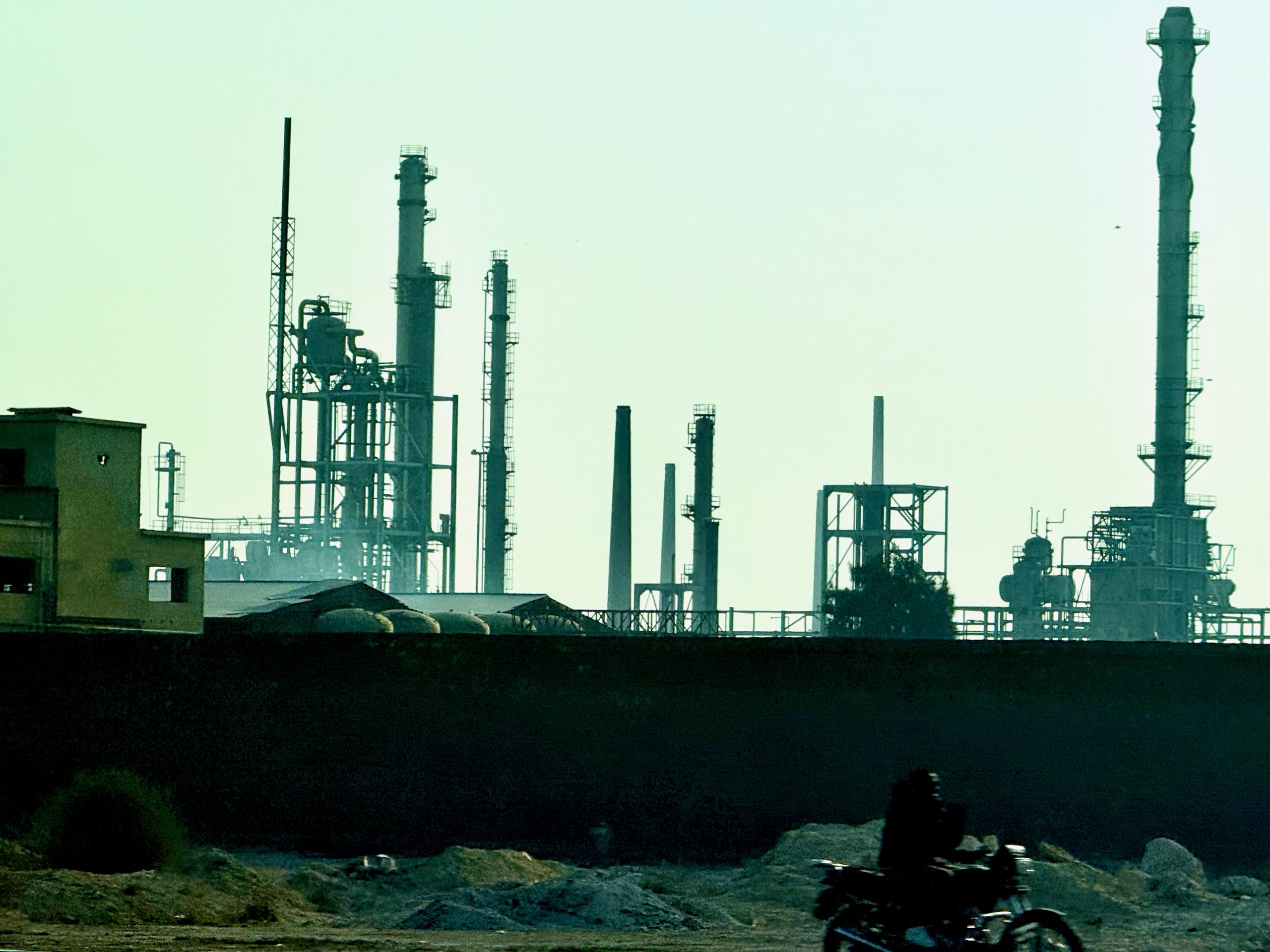
Whatever the internet may advise, the drive to Alexandria from Cairo is a long one. With a massive jam as we left Cairo, the trip took us – and our driver – around four-and-a-half hours. We arrived after sunset and were forcefully struck by the number of petrochemical plants in the area, their flares burning even brighter against the darkening sky.
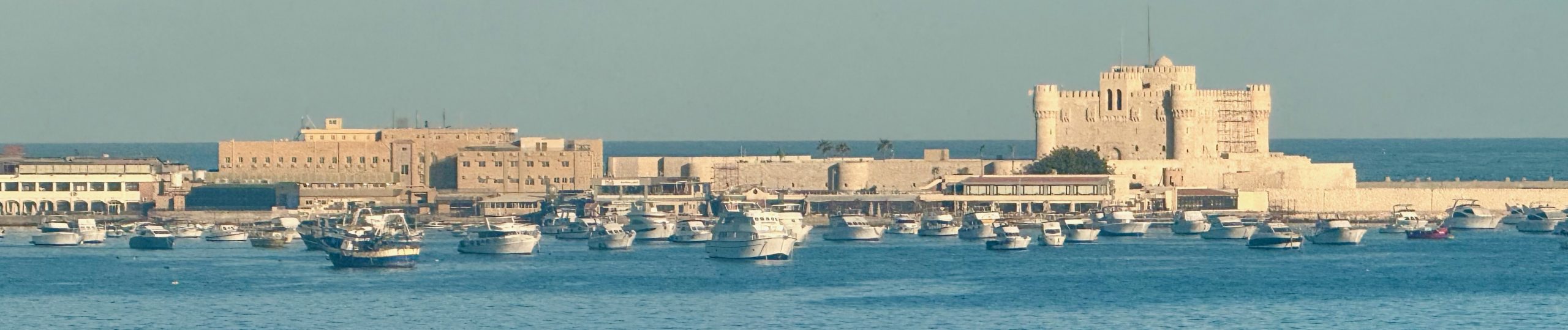
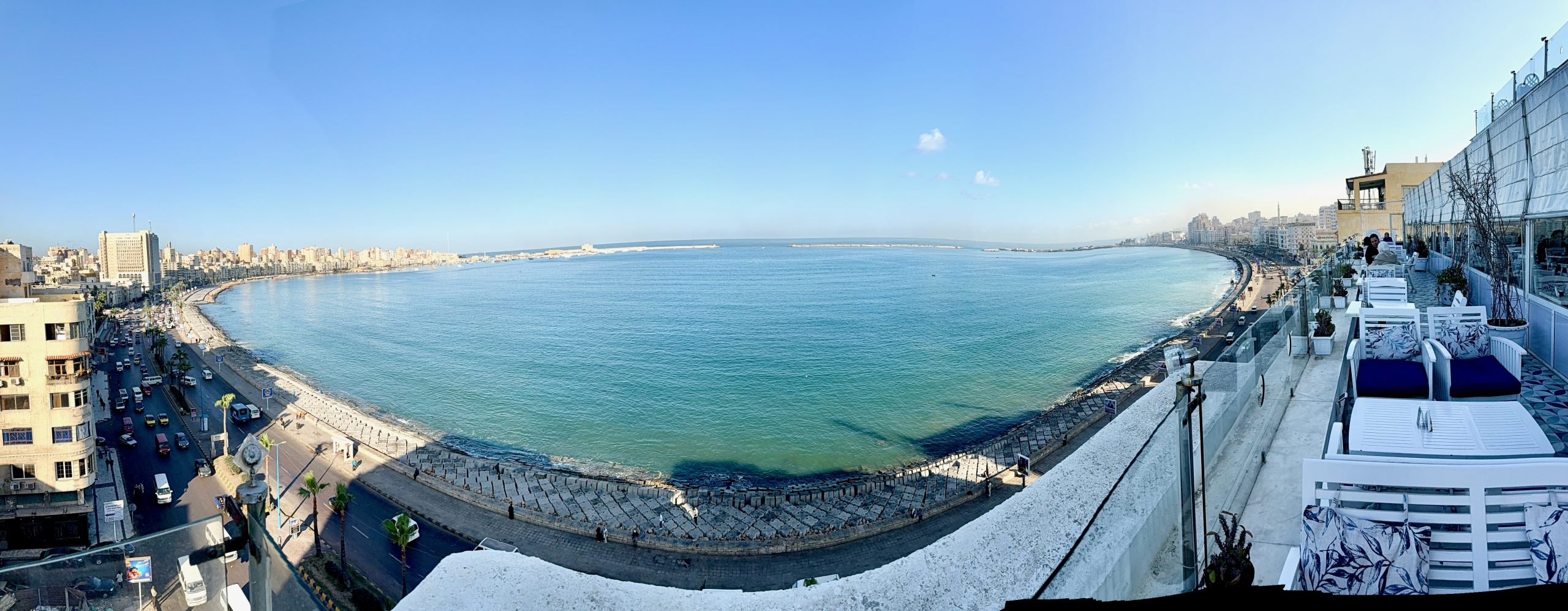
When we awoke the next morning at the rather generously named Windsor Palace Luxury Heritage Hotel, a time capsule from a much earlier era which had seen better days, we were happy to find that our balcony looked out onto the castle. It was built by Sultan Al-Ashraf Qaitbay between 1477 and 1479, apparently, to protect the Mediterranean coast from Ottoman invasions. Situated on Pharos Island, it was built atop the ruins of the famous Lighthouse of Alexandria.
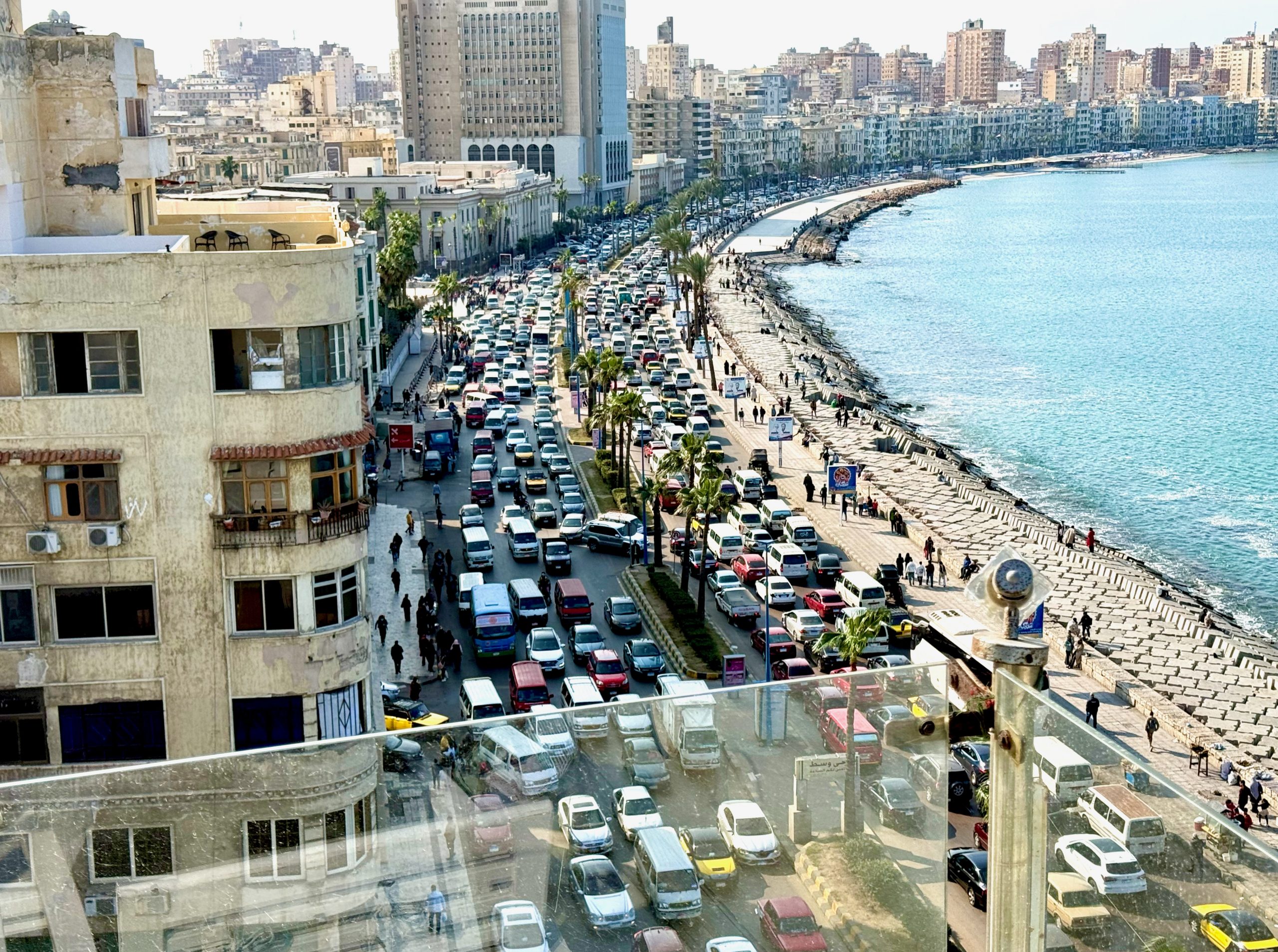
By then we had got used to the constant honking of the traffic outside, though the rafts of waste floating in the harbour were a bit of a shock. Still Britain, seemingly, can’t manage its coastal waters these days, either.
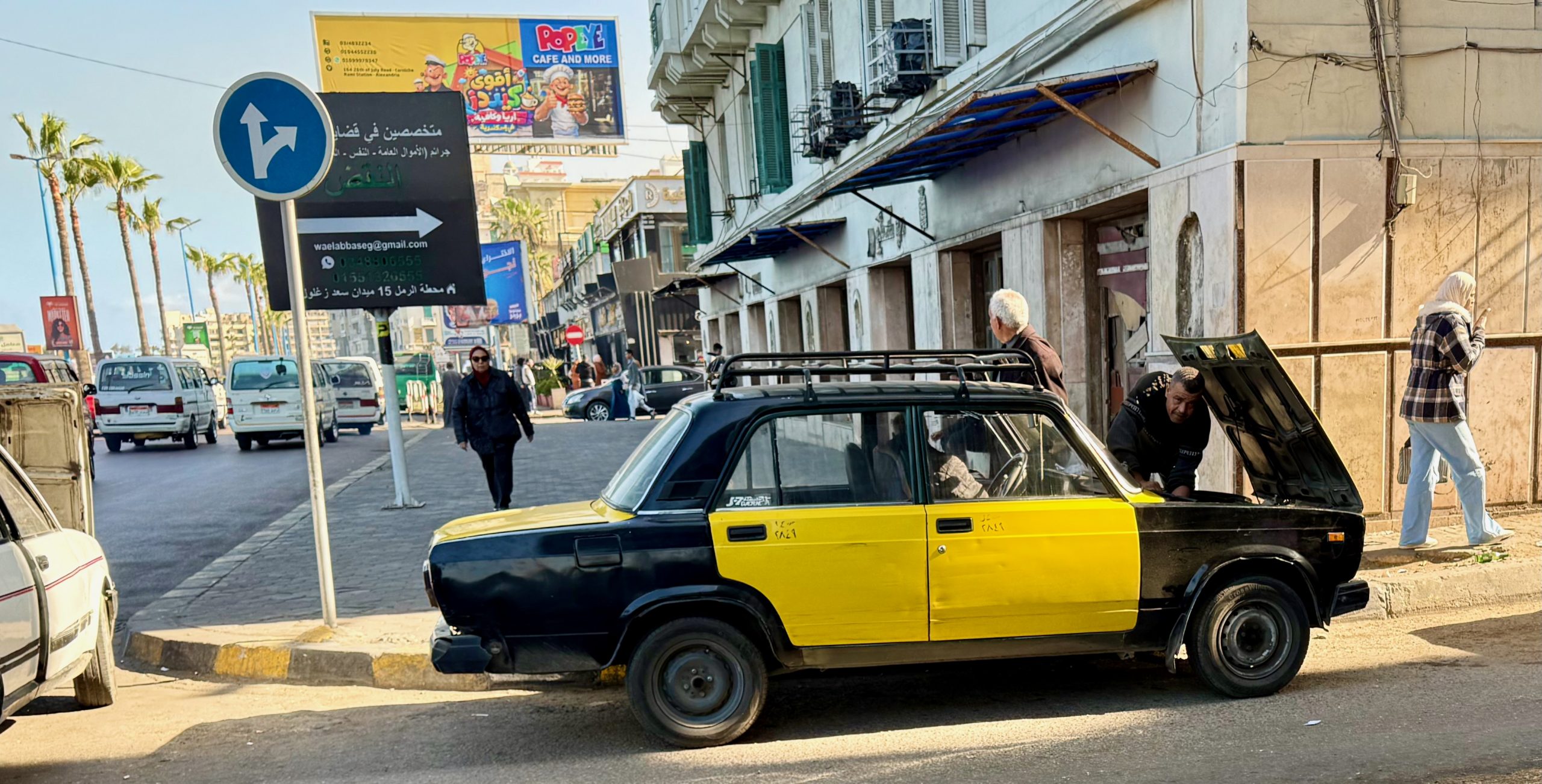
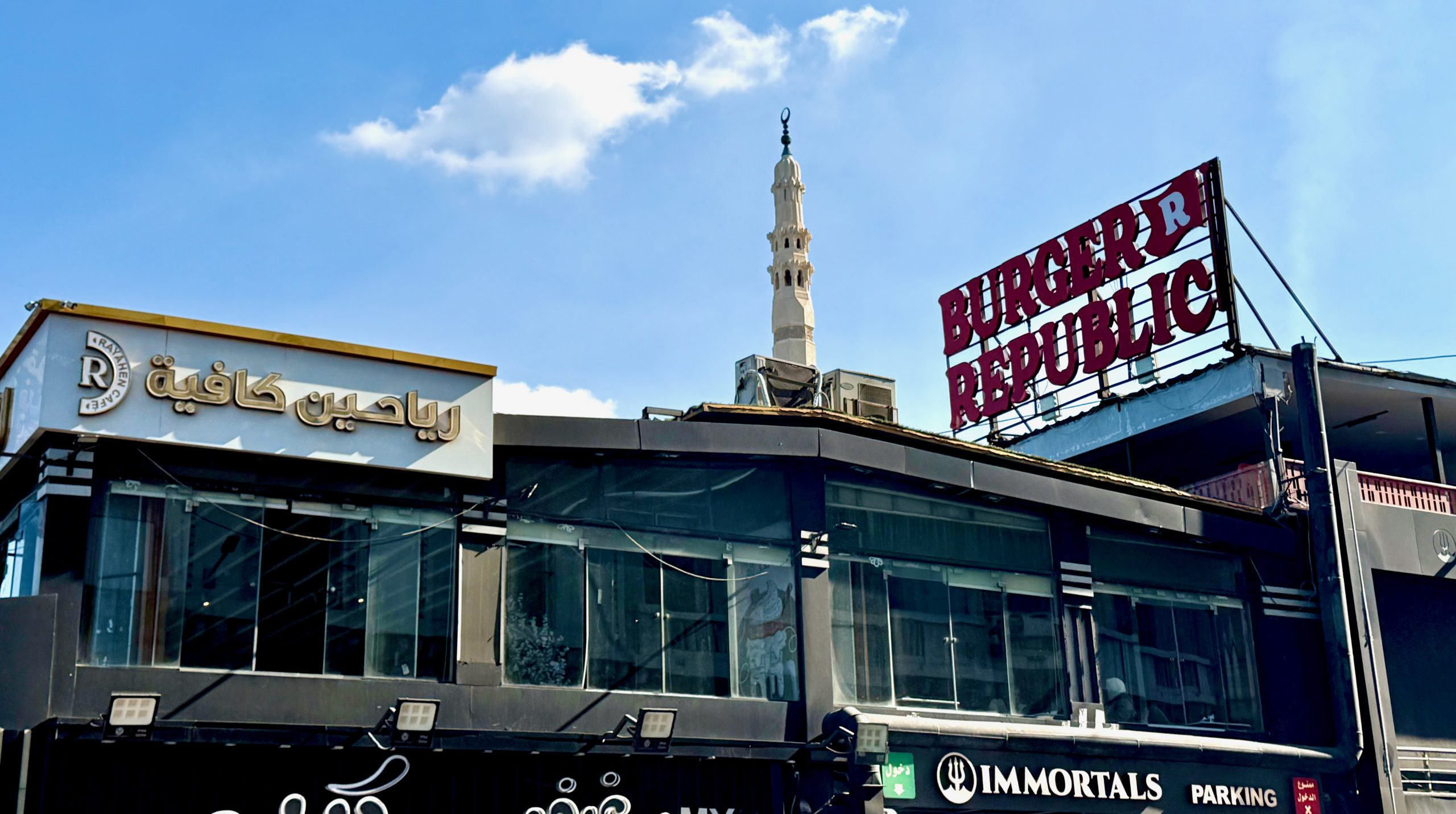
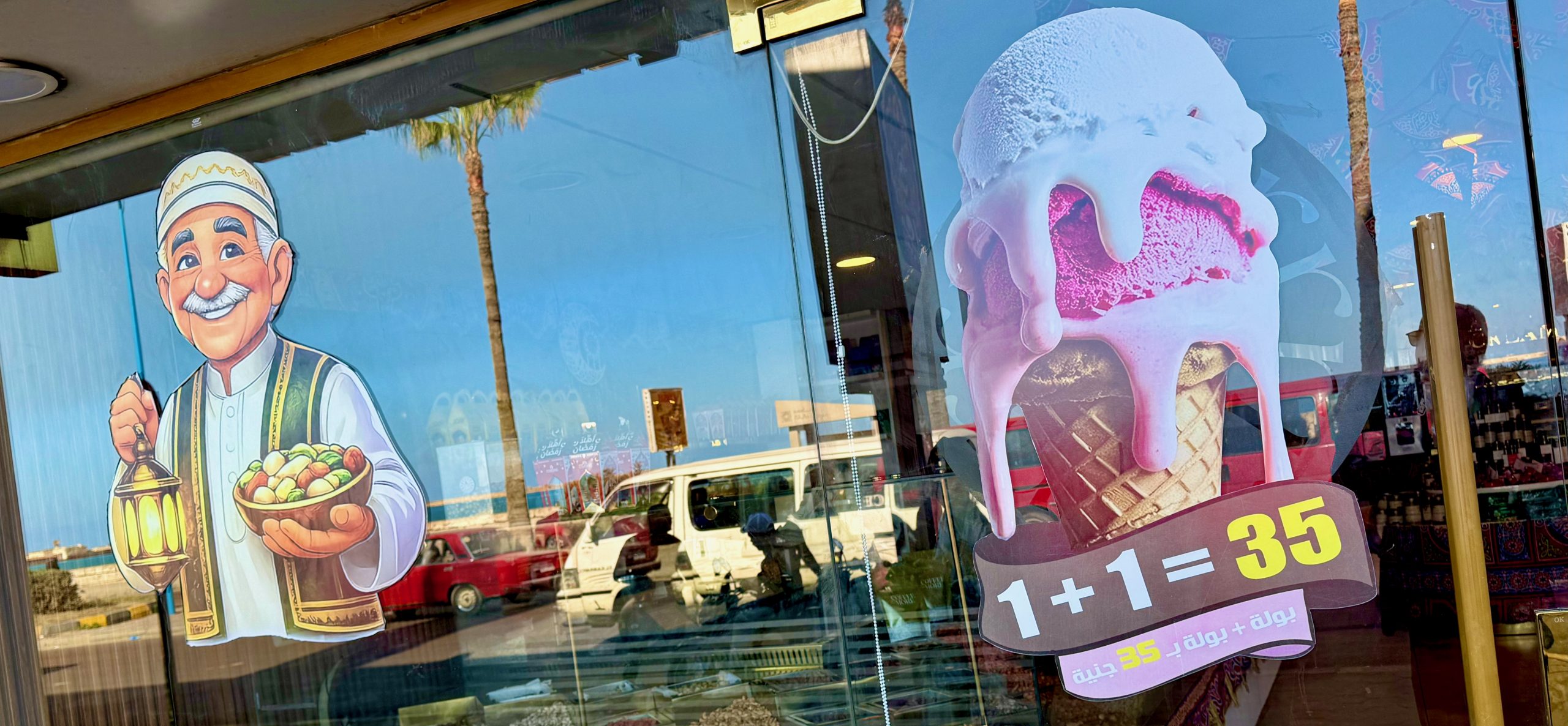
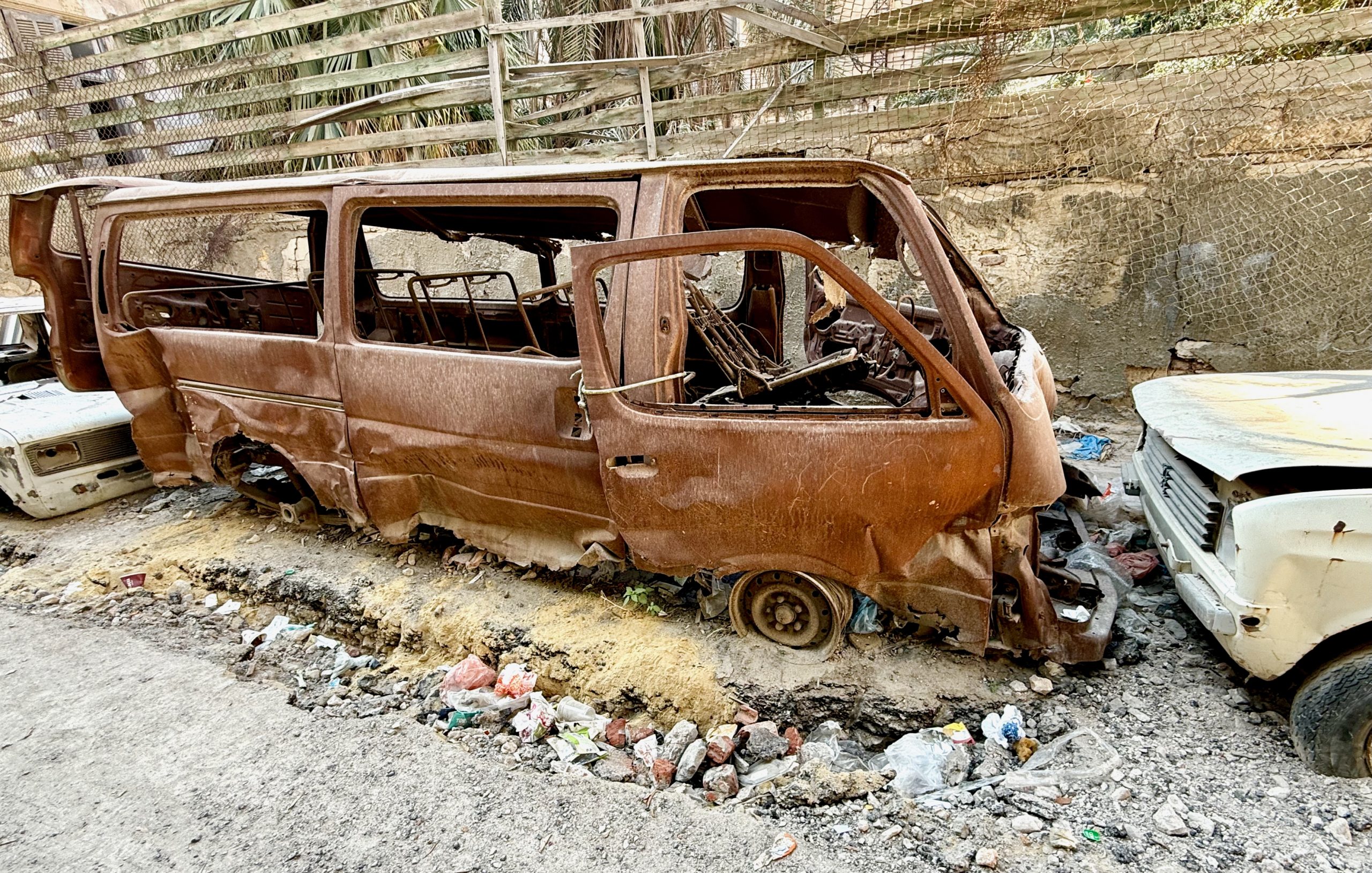
We walked from the hotel to the Bibliotecha Alexandria (BA), with Elaine struggling at times to reconcile her mental image of the city and the honking, potholed reality. Indeed, I freely confess, my photographs below give a rather generous sense of the city as she is today.
For example, when, after our BA visit, we walked (or in my case hobbled) across to the Alexandria National Museum, we cut through a park, which looked green enough from a distance. But once we managed to find a way in, we discovered that it was full of rubble, litter and at least one dead dog. The museum itself was a reminder of how far such places still have to go with the presentational aspects of their businesses.
In any event, spooling back a bit, we overshot the entrance to the BA, and were loosely redirected back the way we came. An entrance then presented itself, so we took it, only to find that it was part of a building site. Again, we were redirected in energetic Arabic, but climbing a cement dust and rubble covered stairway, I lost my footing and fell quite a distance – ending up with a severely sprained ankle. Hence the later hobbling. (It’s now strapped, in case you’re interested…)
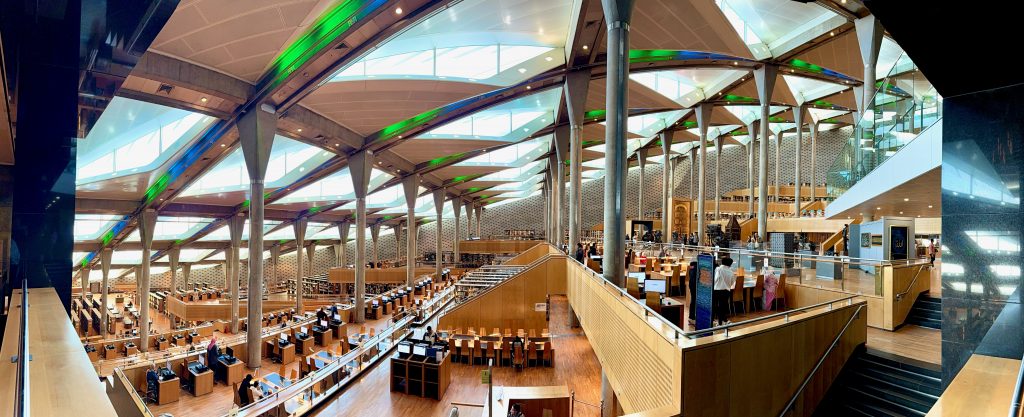
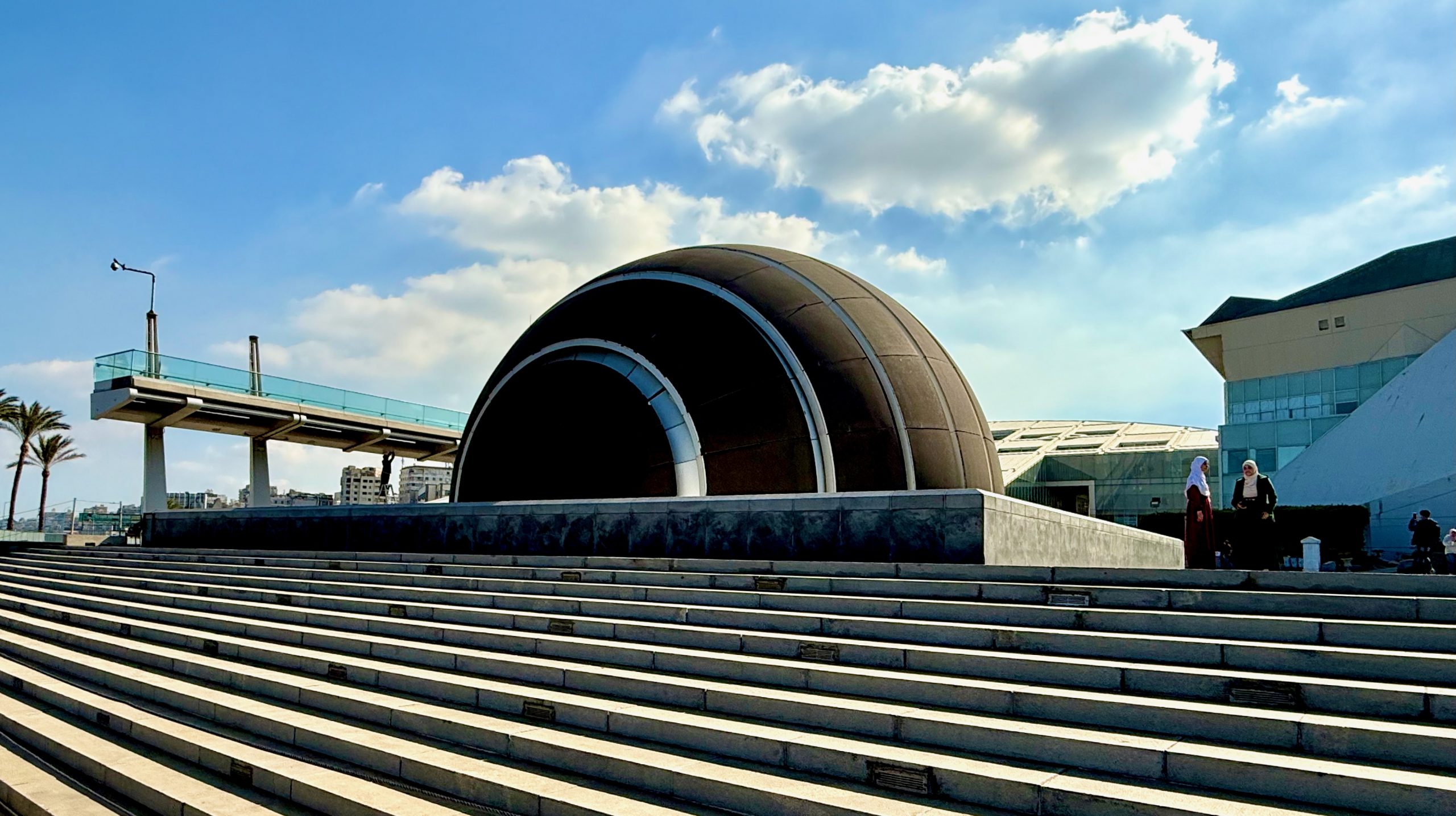
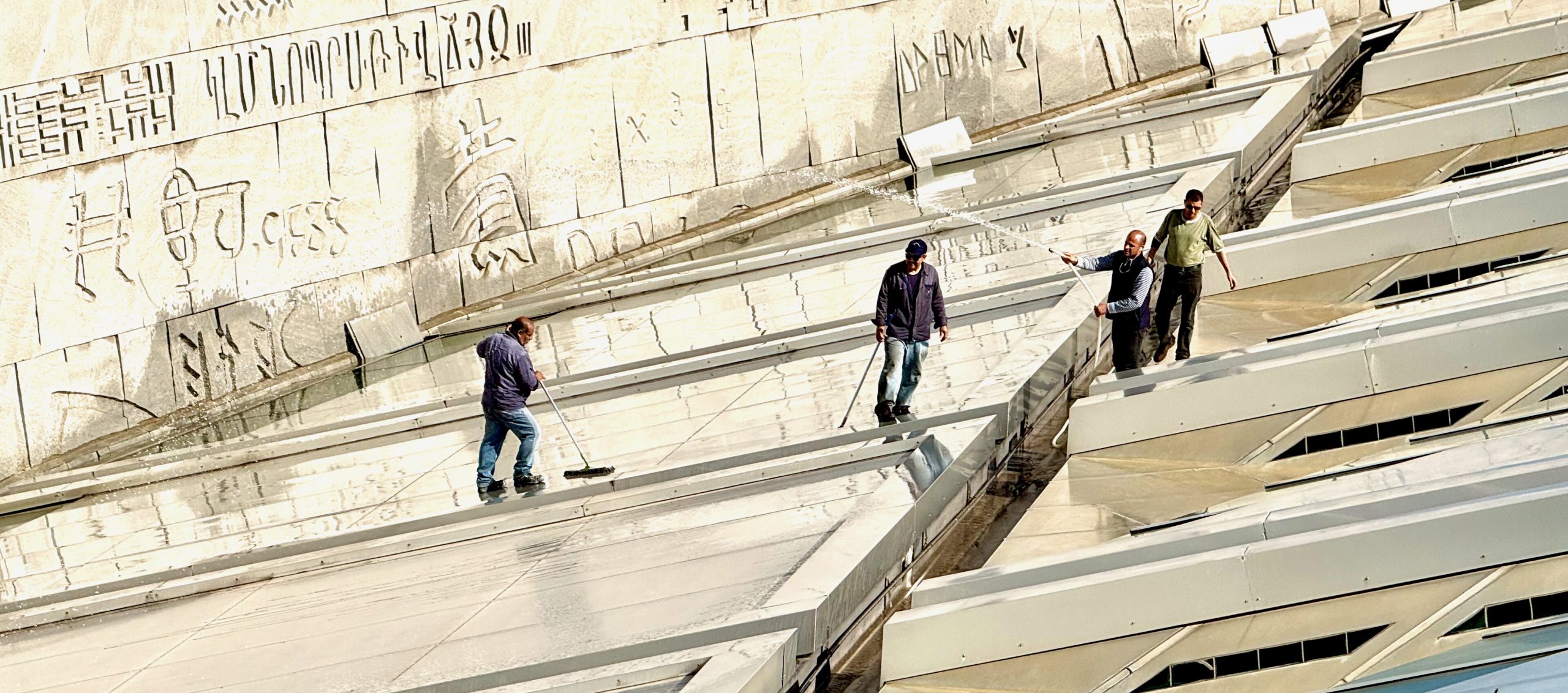
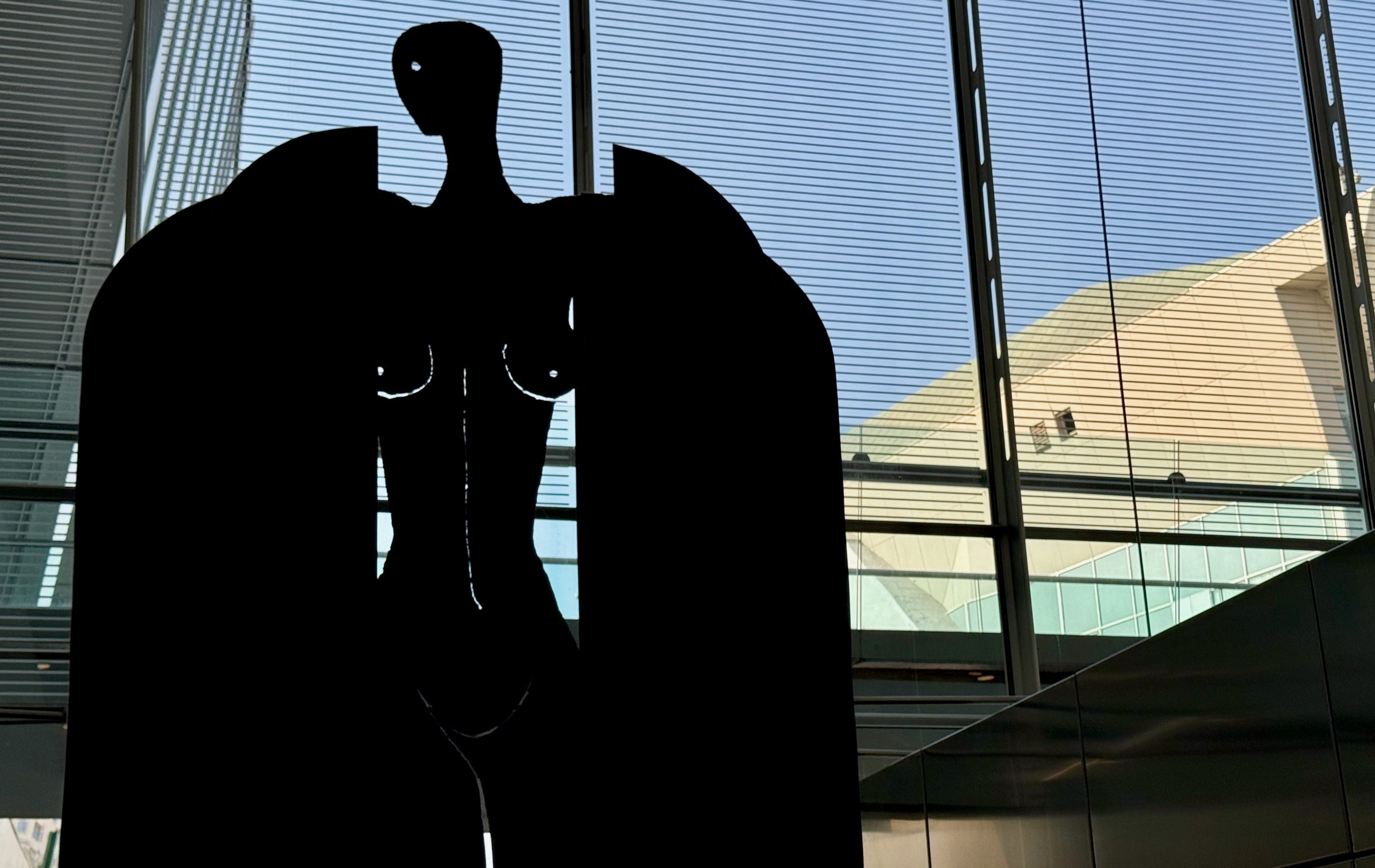
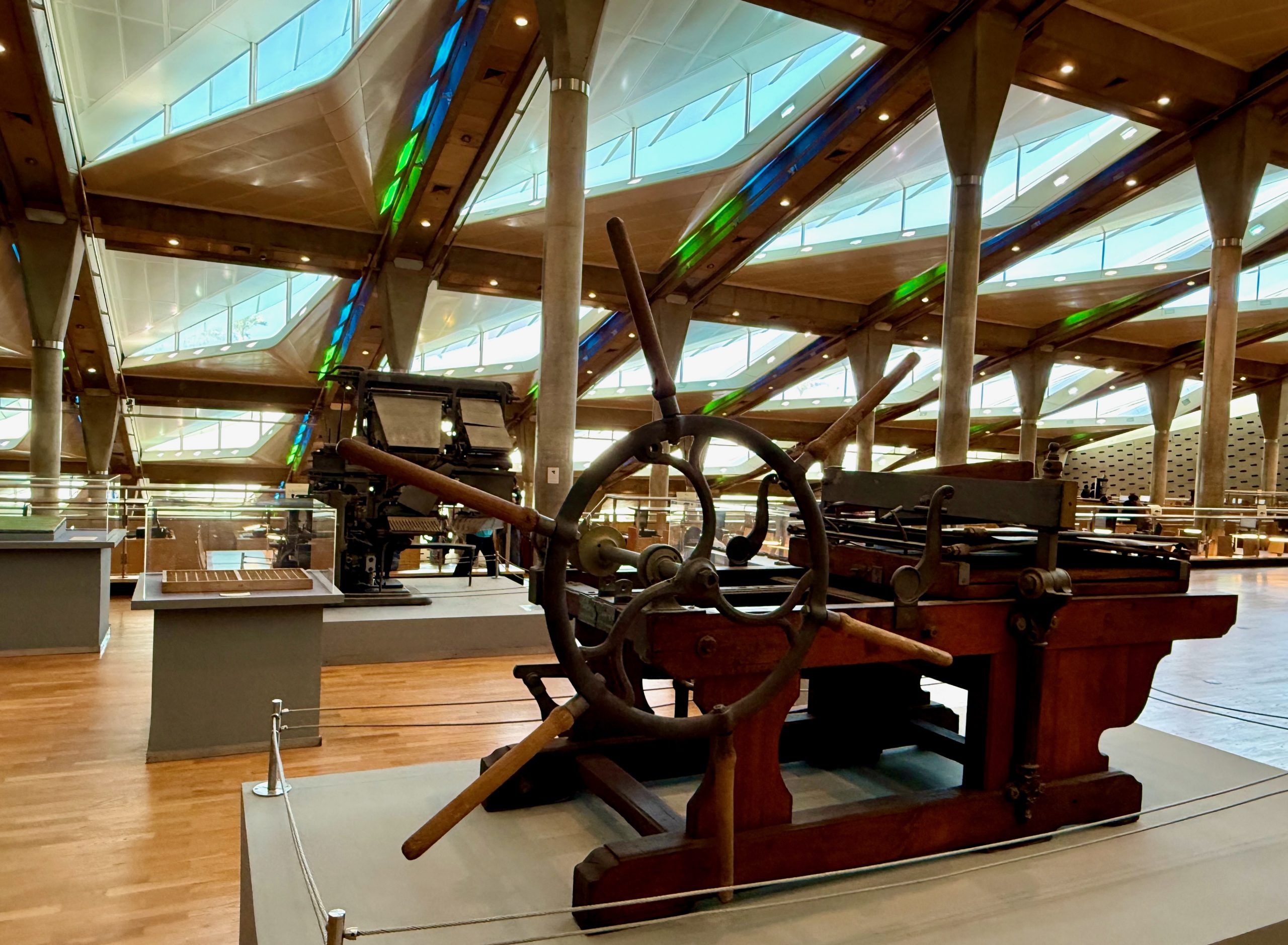
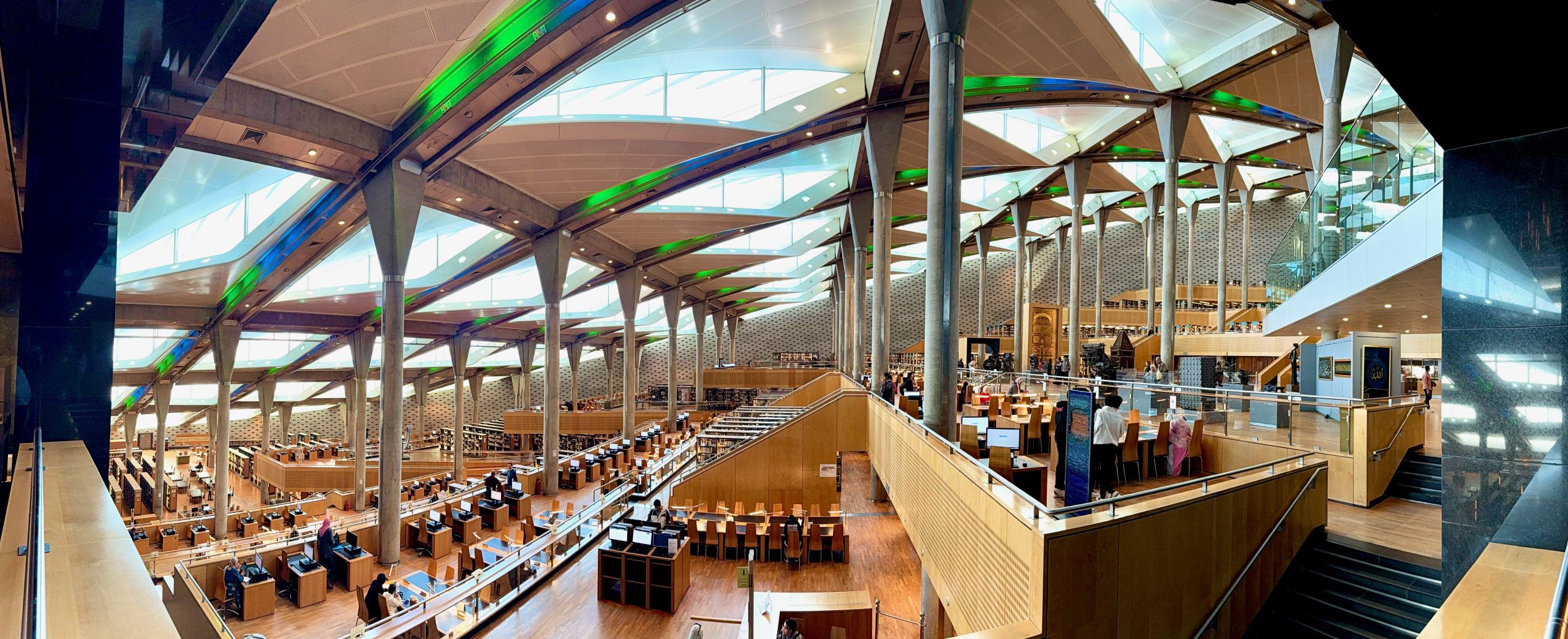
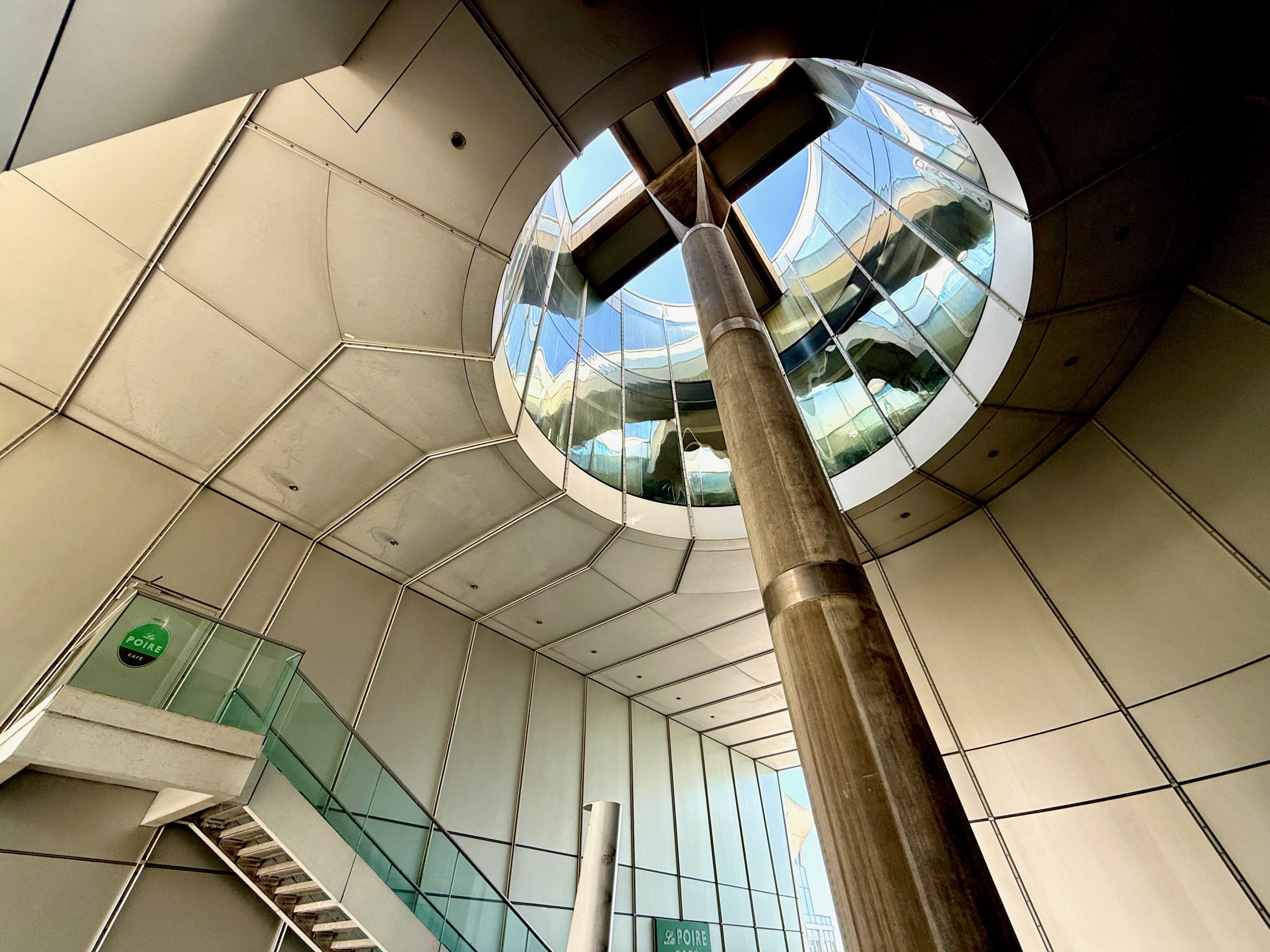
As I painfully persevered, we discovered one of the most extraordinary buildings either of us have ever visited. Some sense of it will be suggested by the images below, but just watching people sitting at desks and studying books was a true joy. As with the Grand Egyptian Museum a few days ago, full marks for the design, but there were areas where corners had clearly been cut in the construction.
Later, after less than a day in the city, we reversed our steps to Cairo and the Westin, ahead of our (in the event seriously delayed) Egyptair flight early on Thursday morning.
As we travelled to and fro, and sparked by a comment made by Dr Abla Abdel Latif a couple of days earlier, my brain was continuously working on what would eventually become the Domino Scenarios, which I will aim to cover in a later post here.
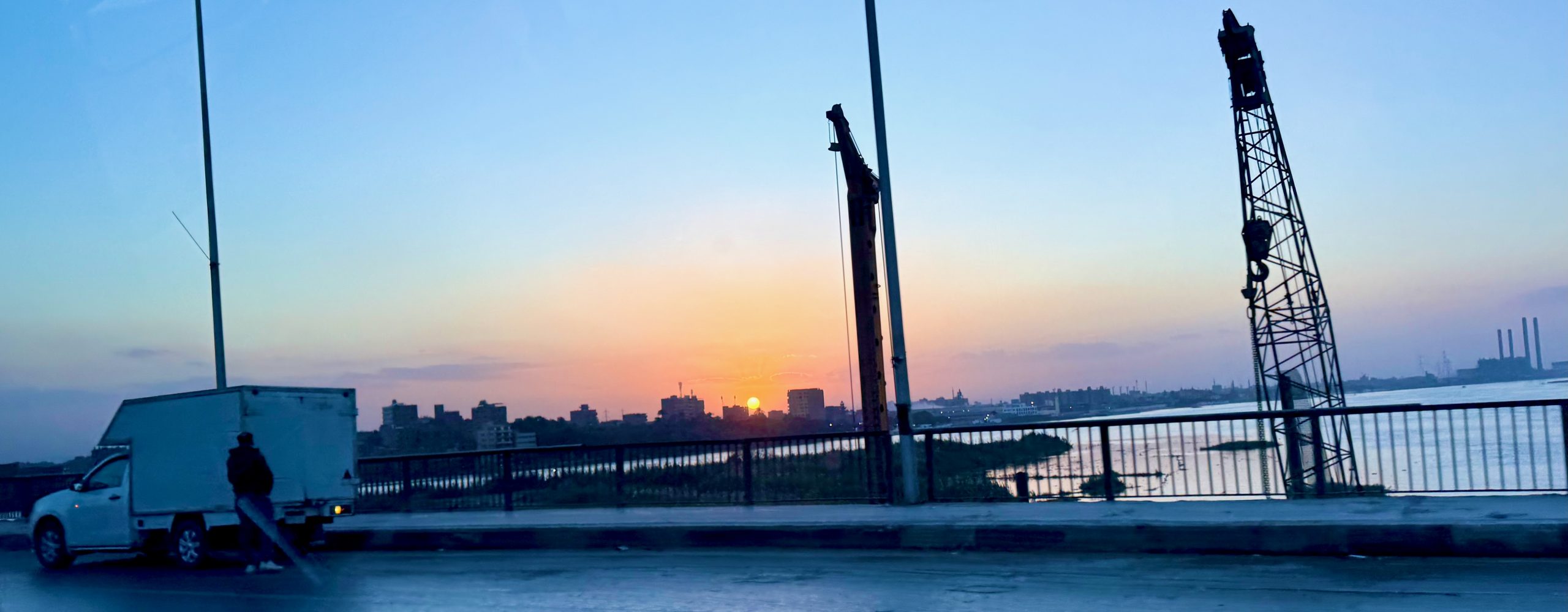
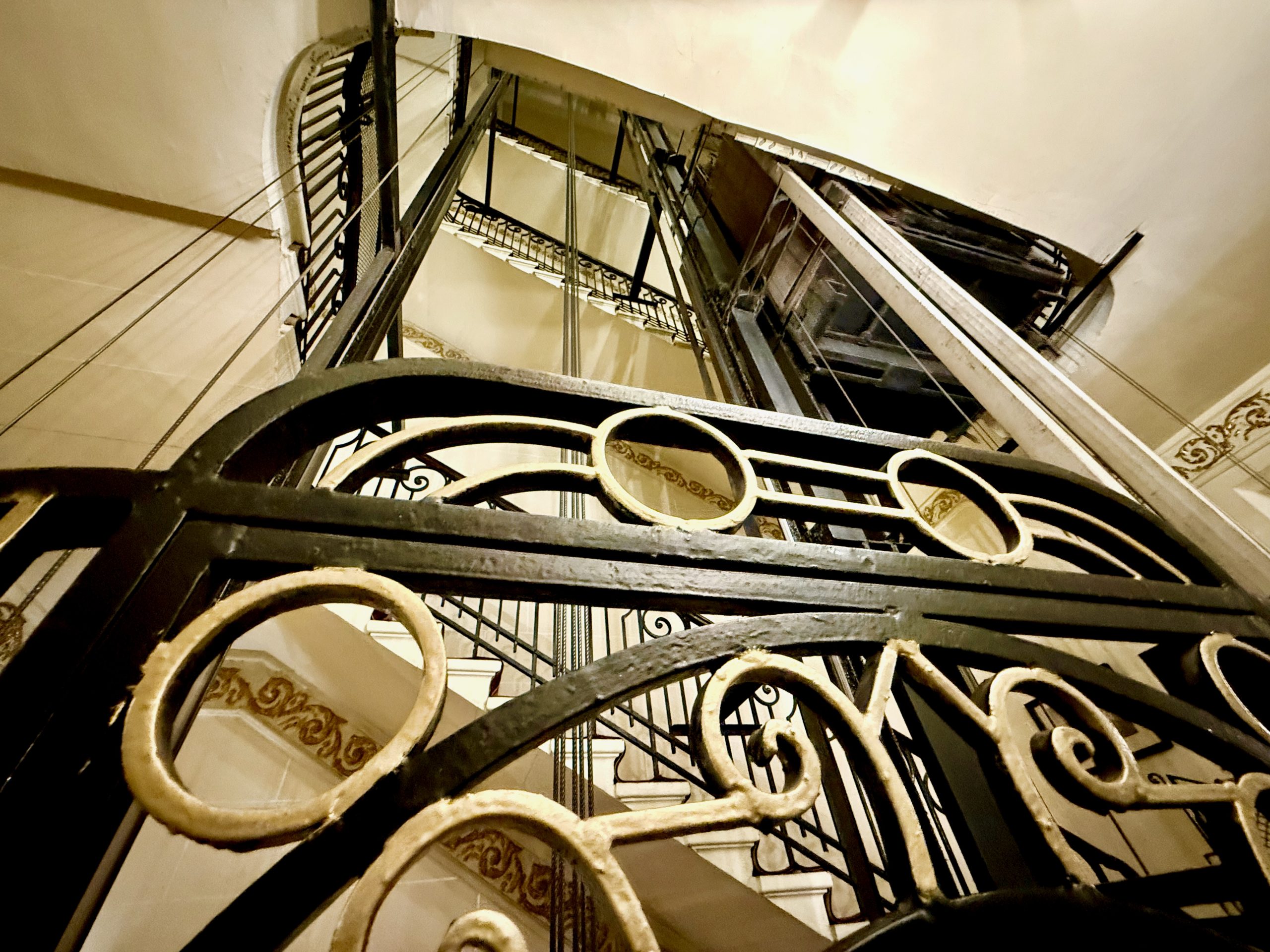
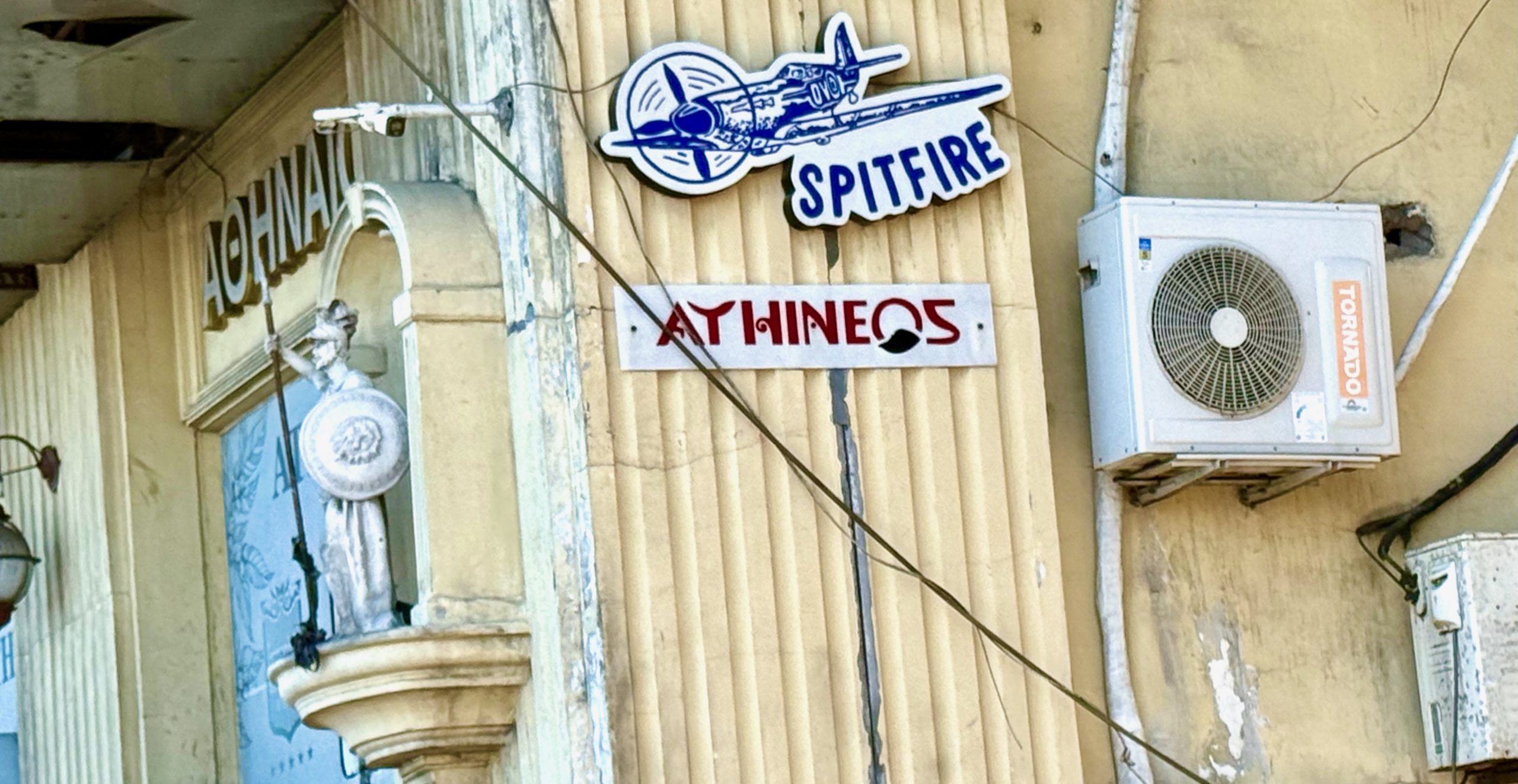
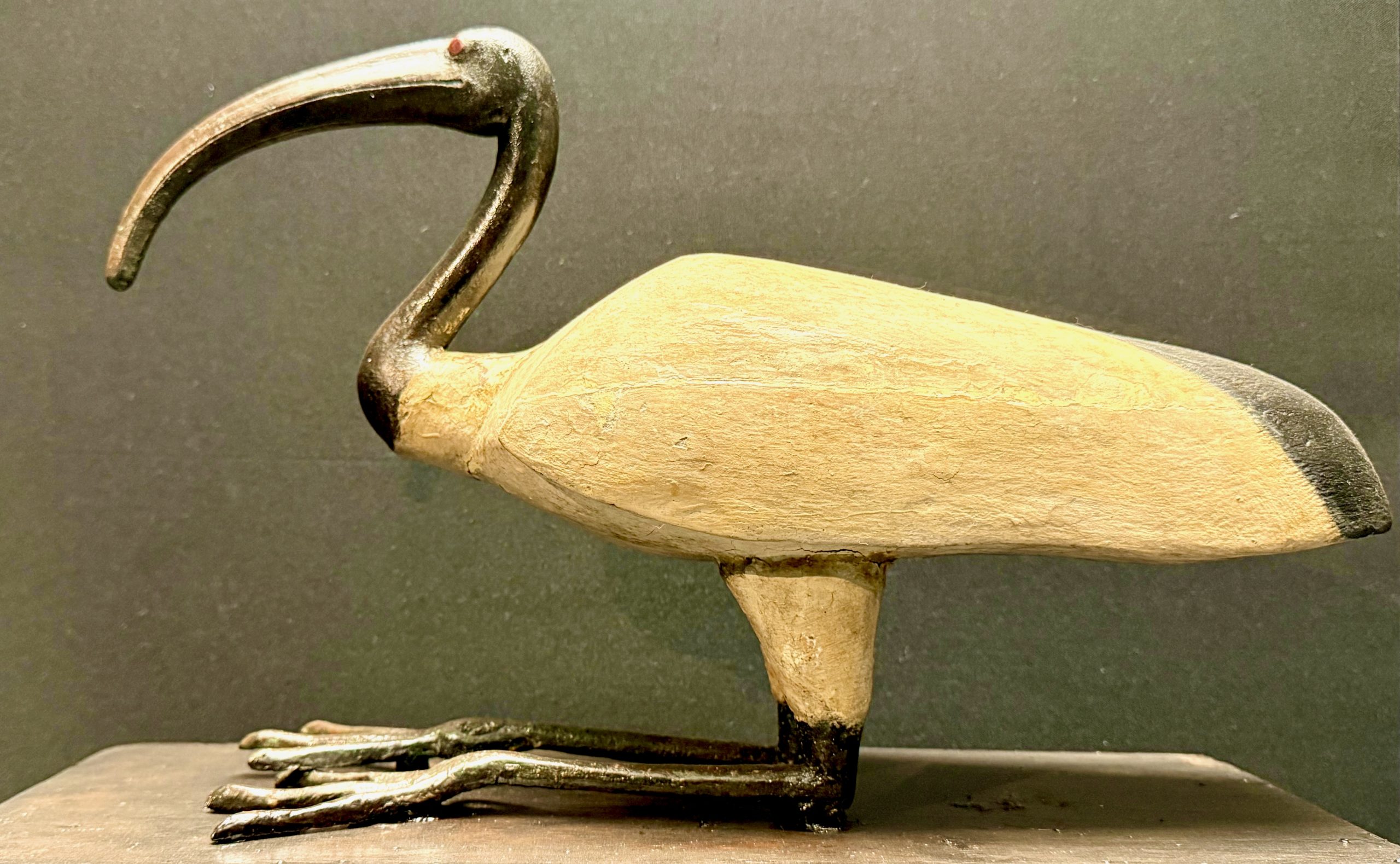
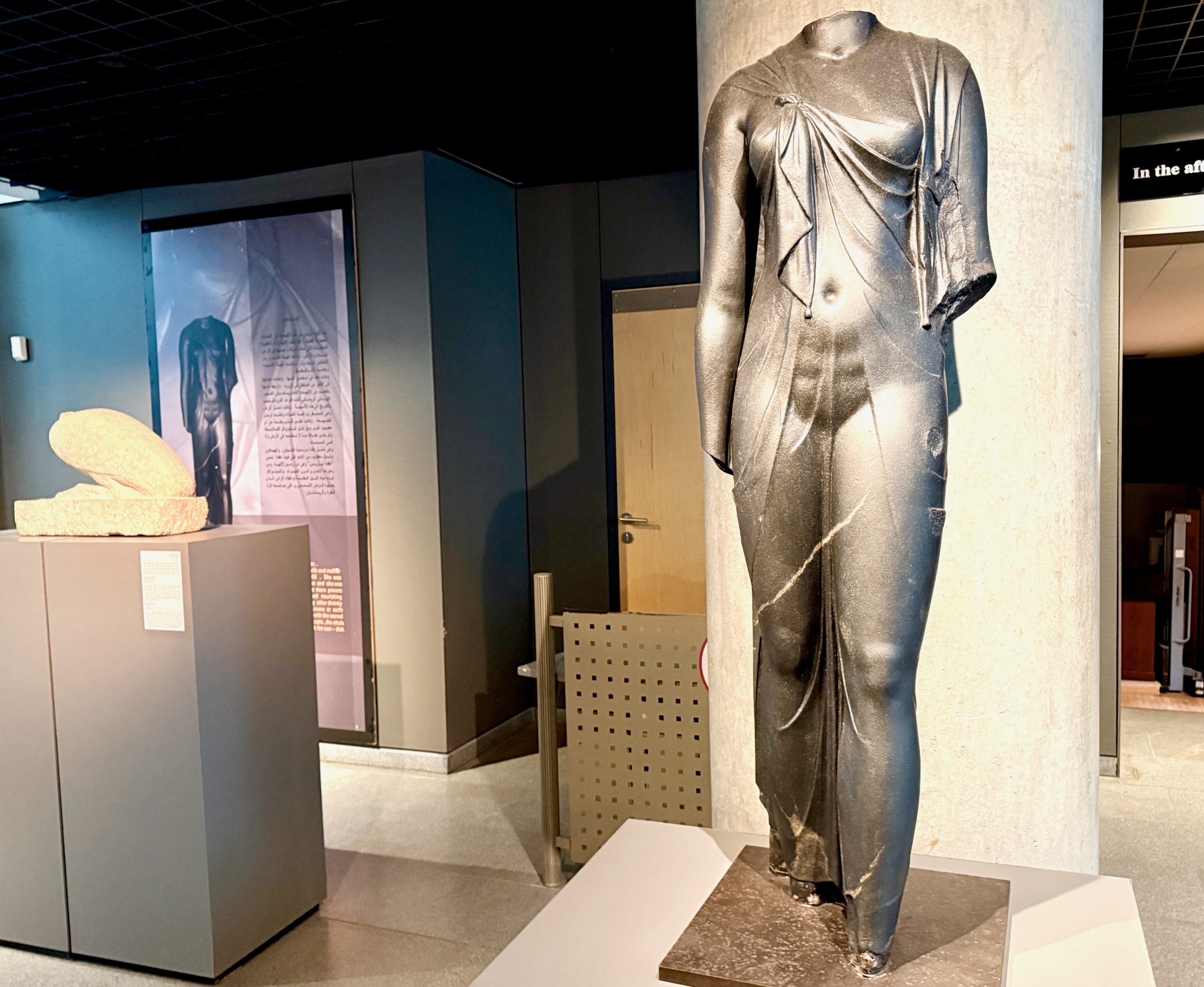
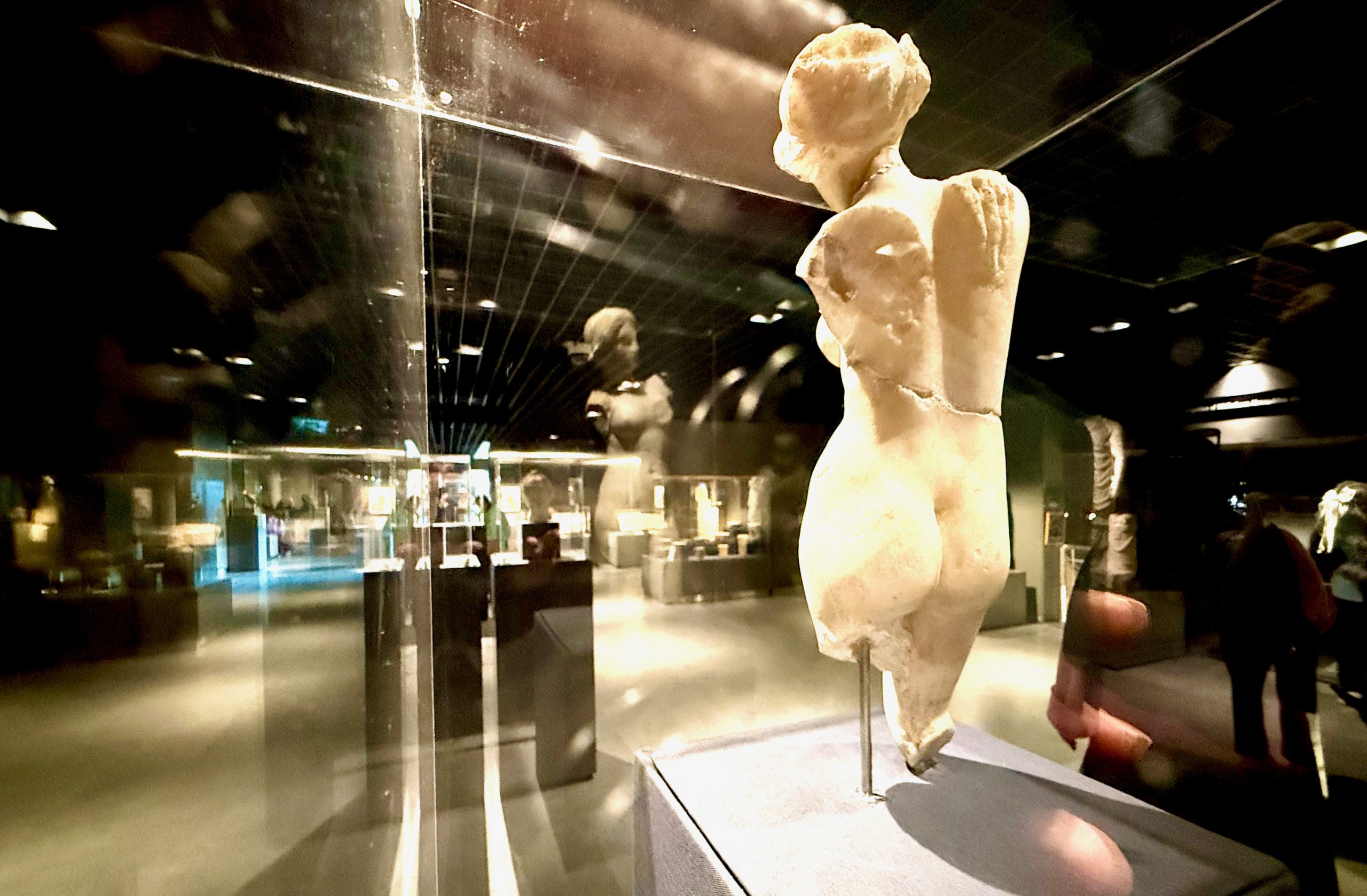
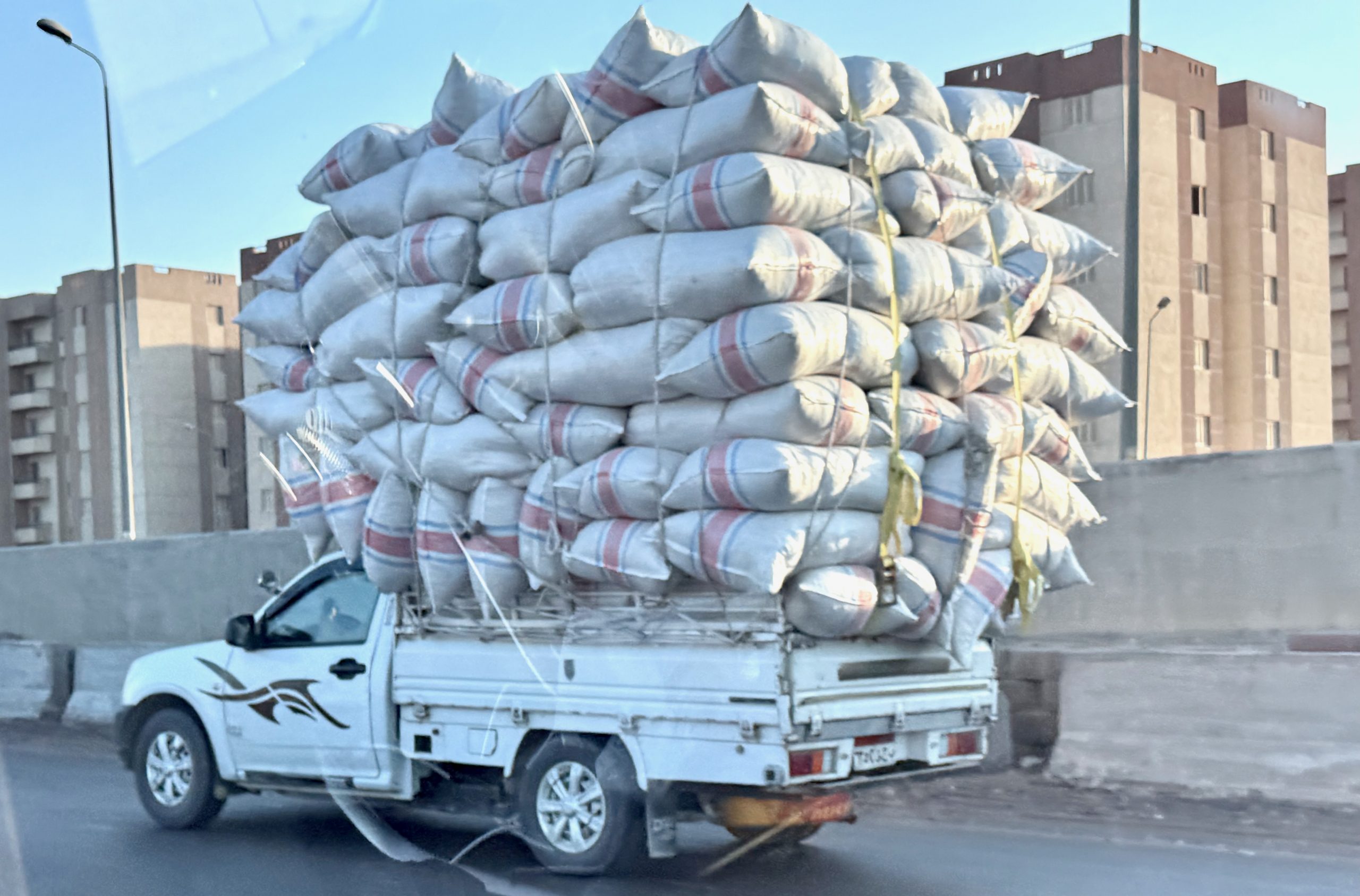
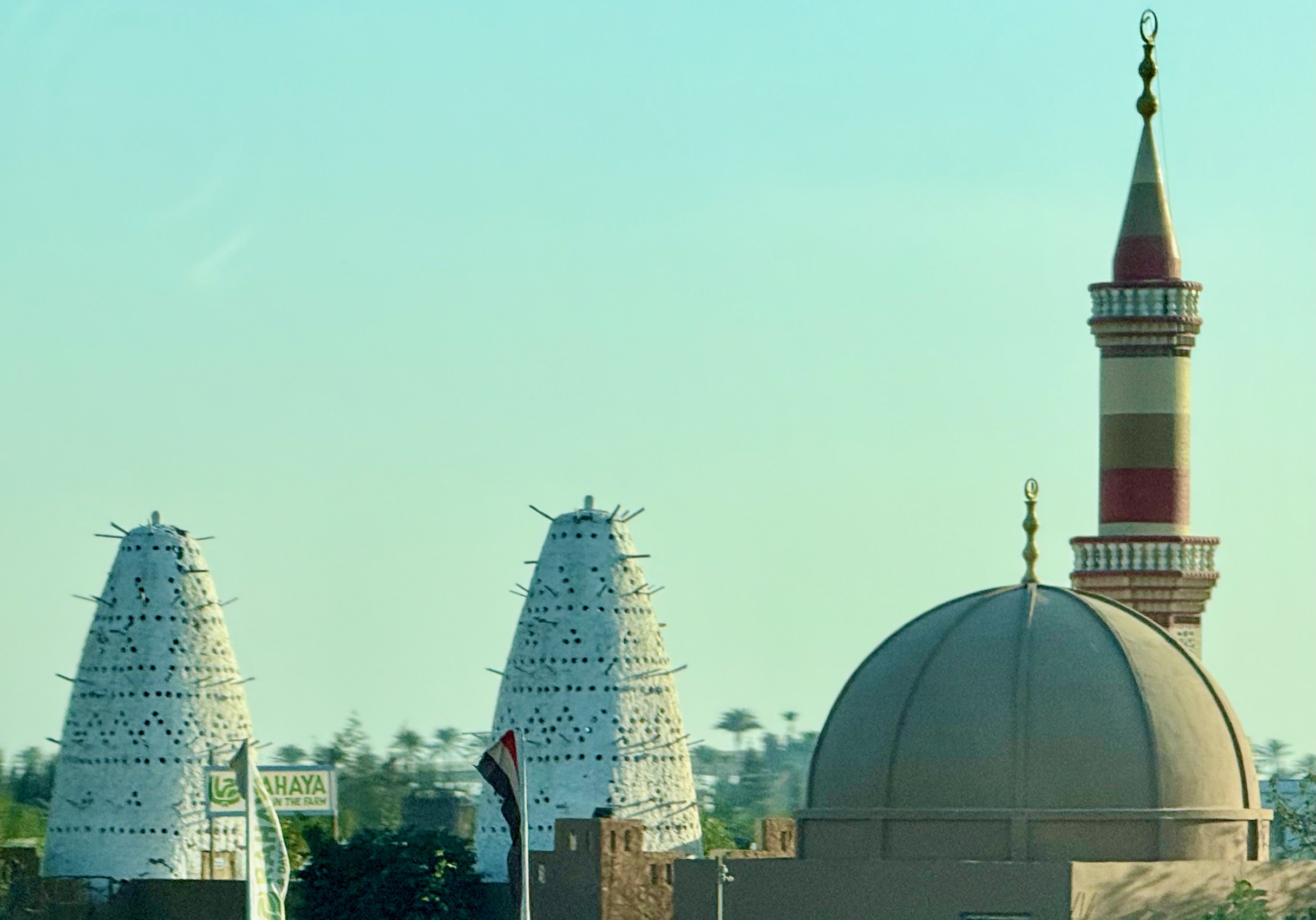
Meanwhile, here are some snaps from along the way:

Leave a Reply