Just a quick note to say that the focus of my blogging has shifted to Substack in recent times. I will aim to post occasionally here, too, but for updates on what I’m doing professionally take a peek at my Rewilding Markets channel.

Just a quick note to say that the focus of my blogging has shifted to Substack in recent times. I will aim to post occasionally here, too, but for updates on what I’m doing professionally take a peek at my Rewilding Markets channel.
A 100th birthday spotlights an international treasure – and the need for a seismic market response

I have somewhat neglected this blog in 2026, partly because of the pressure events and partly because I have covering aspects of my work on my Substack channel and my work-focused website, Countercurrent.earth.
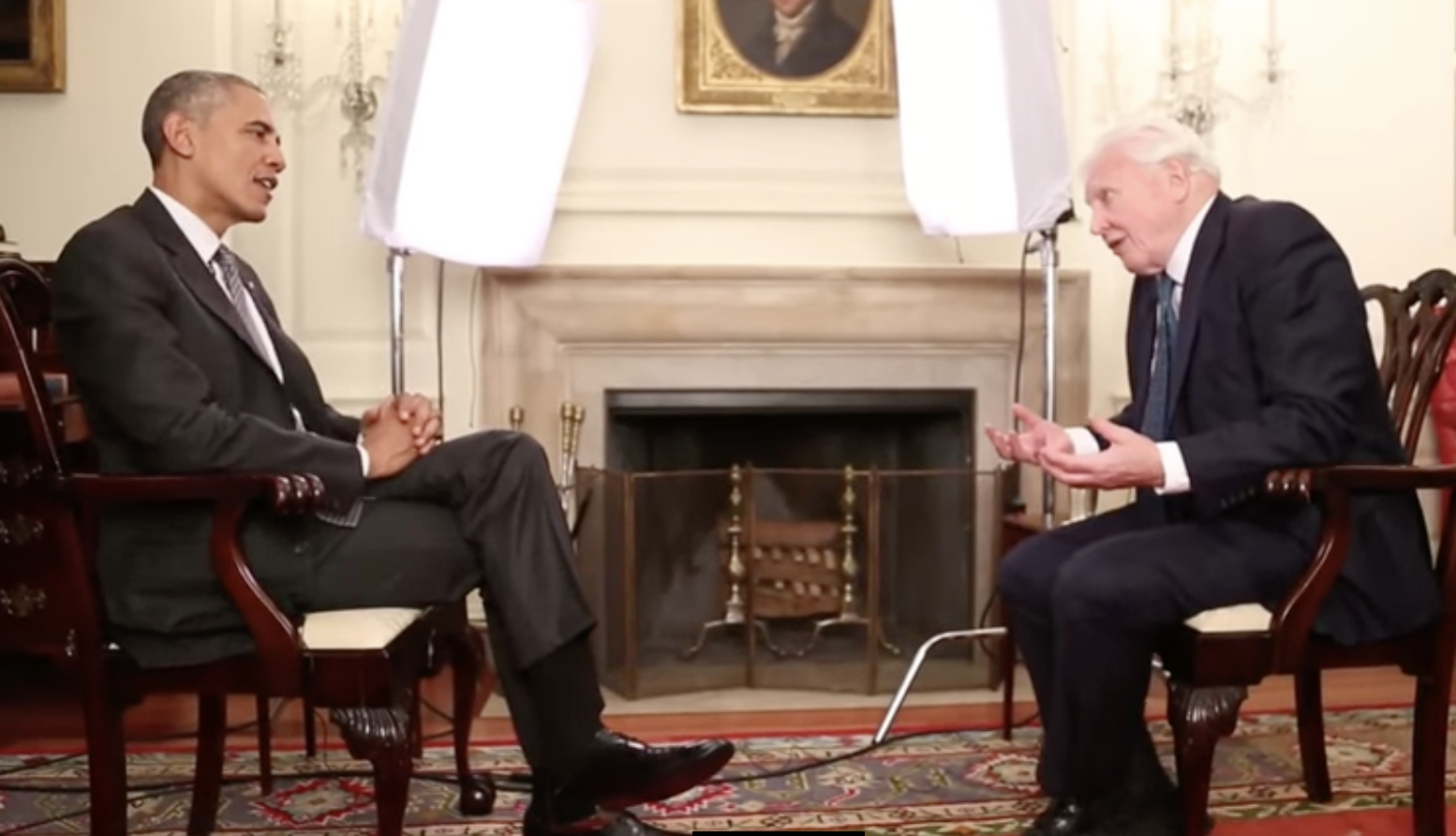
But here are some brief reflections triggered by Sir David Attenborough’s 100th birthday yesterday, posted yesterday on my Substack channel, Rewilding Markets. As the BBC’s astounding celebration last night illustrated, the man himself has been awash in birthday cards and best wishes—no doubt including a card from former President Obama, who famously interviewed Sir David back in 2015.
Foe me, he has always been there. Once my family had returned to England from Cyprus in 1959, I grew up watching Sir David’s’s Zooquest series, which ran from 1954 to 1963 on BBC TV. Since then, to my delight, our paths have grazed each another a number of times.
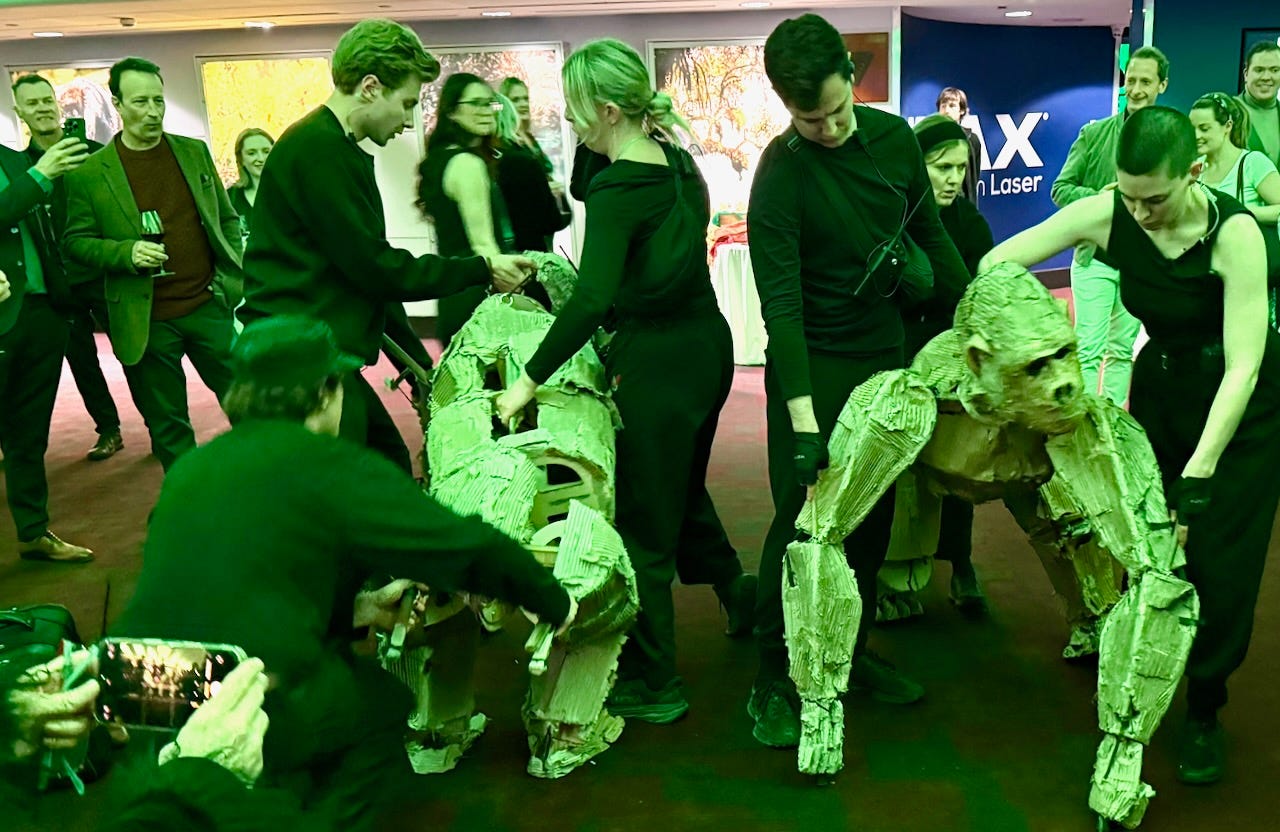
He has long been a member of the WWF UK Council of Ambassadors, for example, where I have also served for around 20 years. And it has been a huge inspiration to learn from his work over the decades. Most recently, on 21st April, after a Council of Ambassadors meeting in Somerset House, I attended the London premiere of his latest film, A Gorilla Story. Profoundly moving.

But my most vivid memory dates back to 1985, when he buried a time capsule in the floor of the still-in construction Princess of Wales greenhouse at Kew Gardens.
The time capsule idea was Elaine’s, surfacing during a dinner we hosted for Joss and David Pearson, founders of Gaia Books—and publishers of The Gaia Atlas of Planet Management, on which I had served as an editor.
Our daughters, Gaia (aged 8 at the time) and Hania (6) perched on Sir David’s knee, both of them wearing hard hats many sizes too big for their heads. Before he lowered the glass capsule into the hole prepared for it, he tapped on their helmets, inquiring if anyone was in.
He charmed us as thoroughly as he charmed mountain gorillas and audiences around the world.
But this watershed has had me thinking about how all of this has impacted the markets that, alongside money, make our world go around. When Sir David began his career in the early 1950s, the dominant market around wildlife was extractive — hunting, trapping, the ivory trade, exotic skins.
Indeed, a christening mug I received from a godfather—Sir James Steel-Maitland—who travelled the world collecting animals for Edinburgh and London zoos, was made of silver and elephant tusk.
That industry, once worth billions, is now criminalized (sometimes effectively) across much of the world. And what replaced it was something that it sometimes seemed that Sir David himself had helped conjure almost singlehandedly: a global appetite for experiencing nature at closer quarters.
The wildlife tourism market alone is now worth roughly $190 billion a year. The broader nature documentary and natural history publishing ecosystem — from Blue Planet to Braiding Sweetgrass — generates billions more, feeding a public hunger that shows no sign of abating.
But Sir David himself has long understood that wonder is not enough. In his later years he has insisted, repeatedly, that the question is no longer whether people love nature — they do — but whether the institutions that govern our lives will act as if they do. That is the challenge his centenary should have us all pondering.


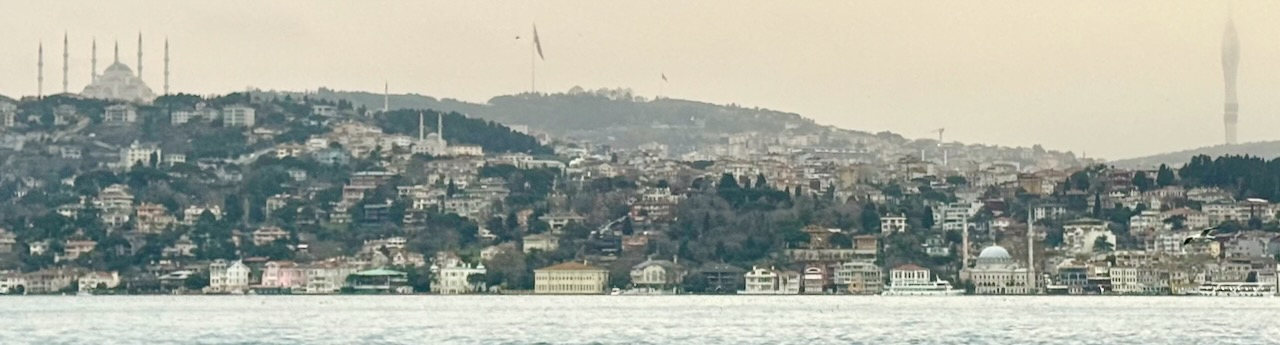
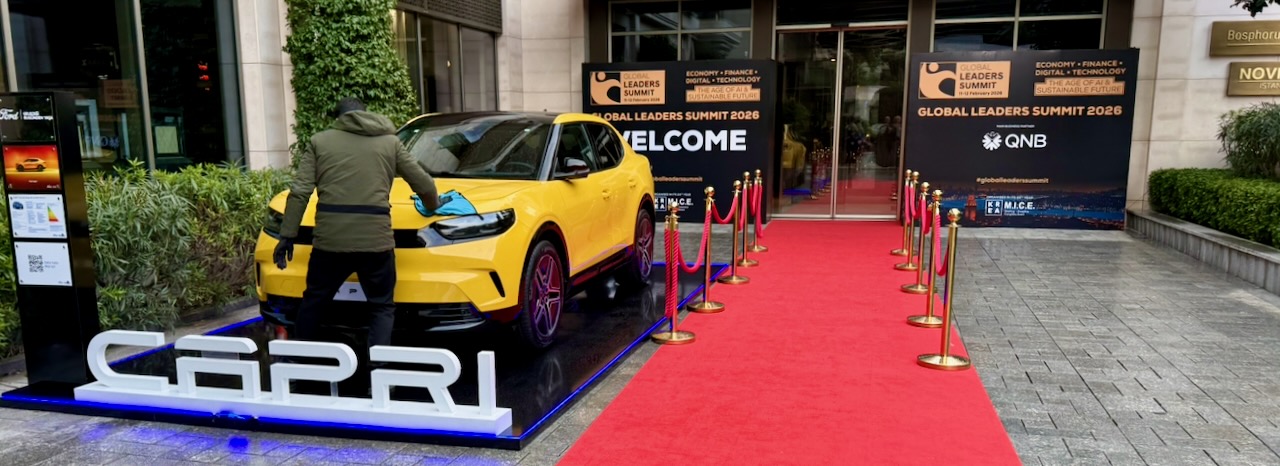
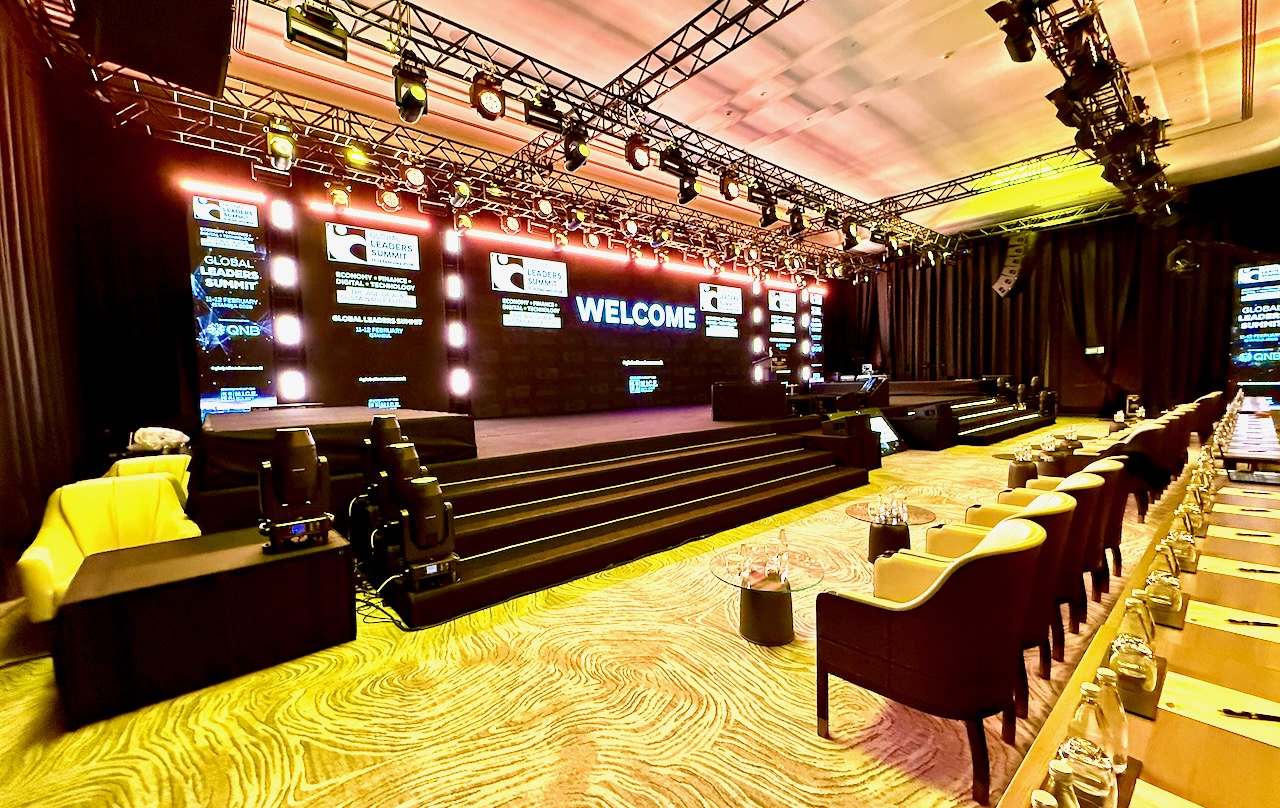
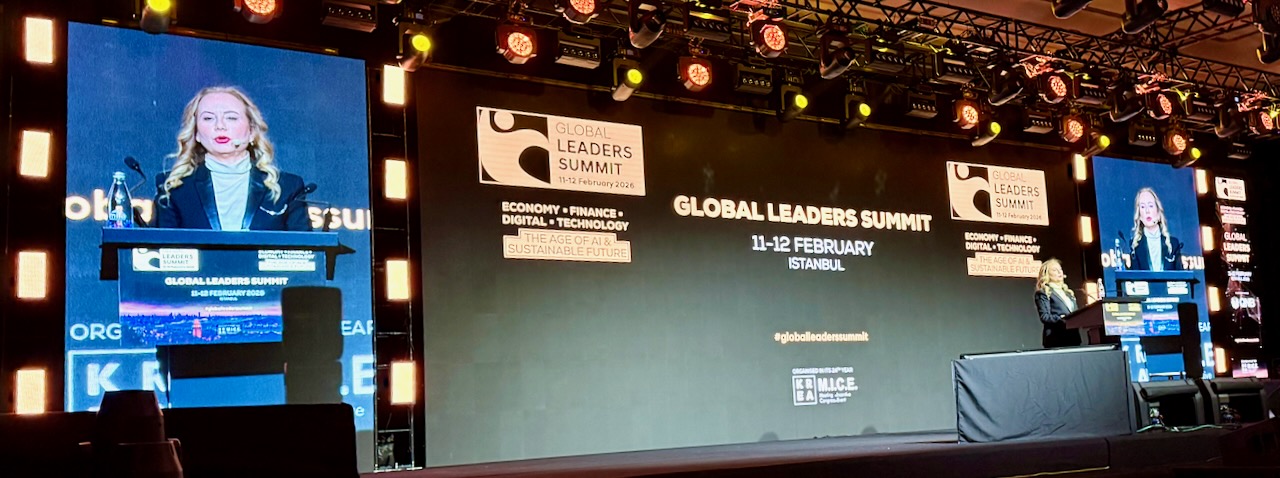
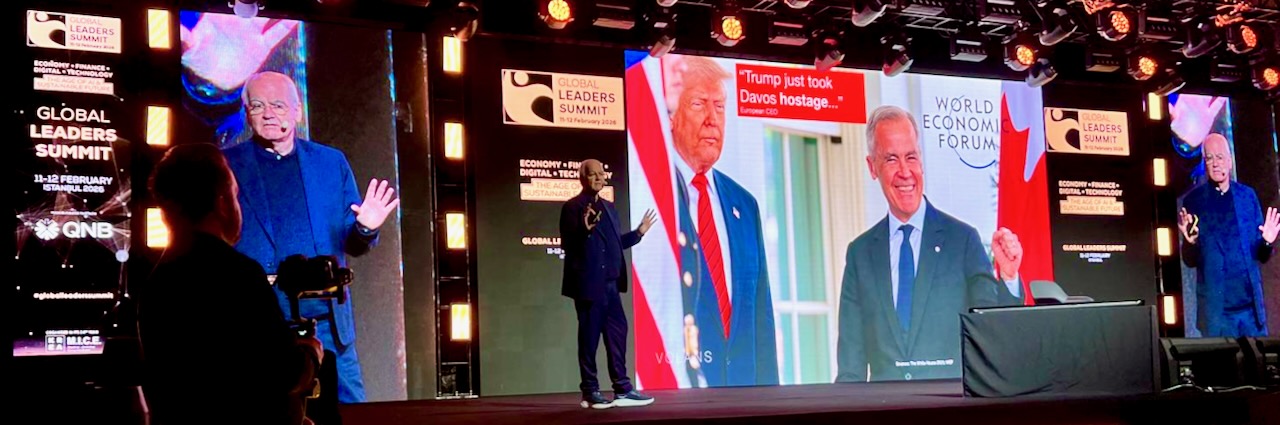
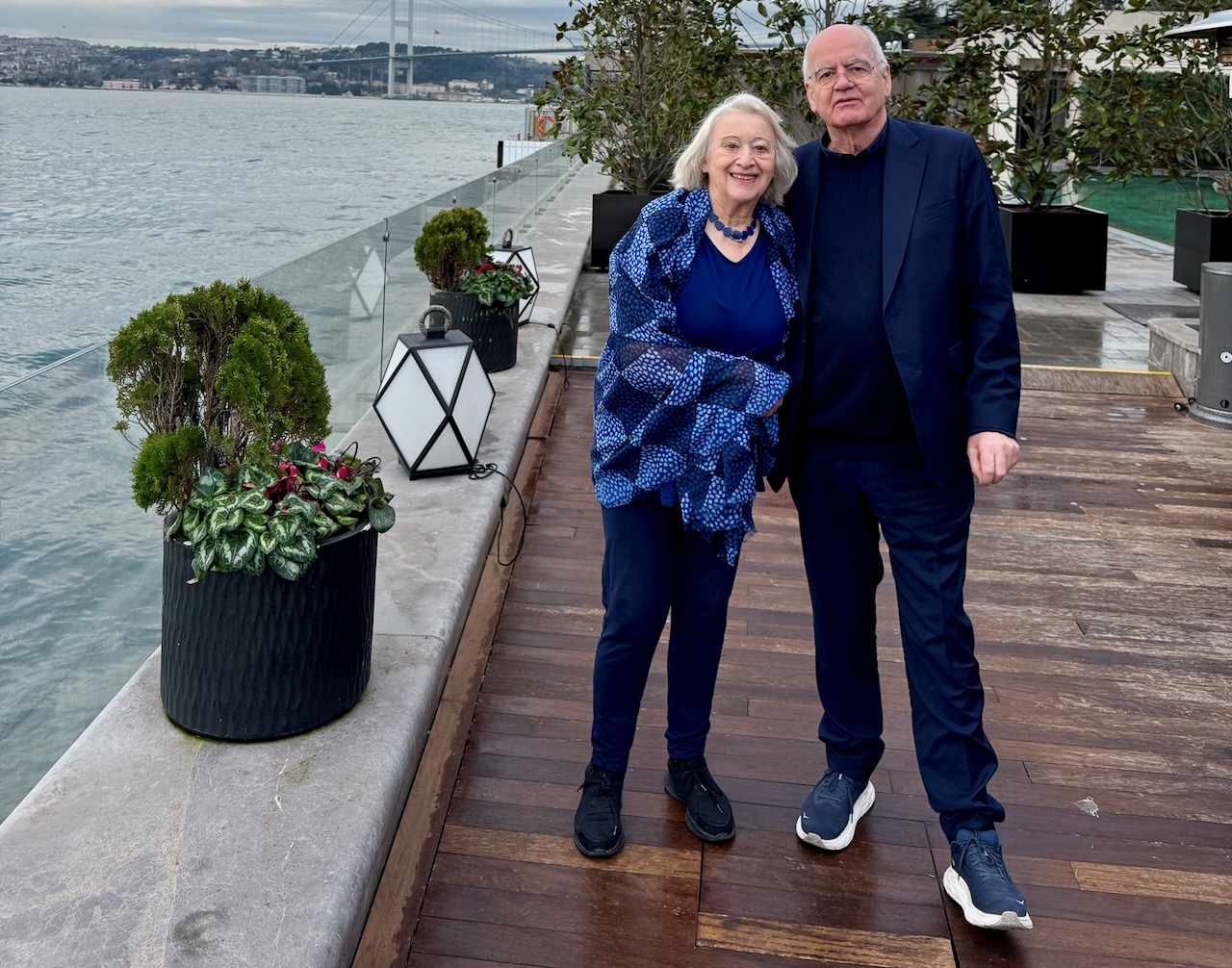
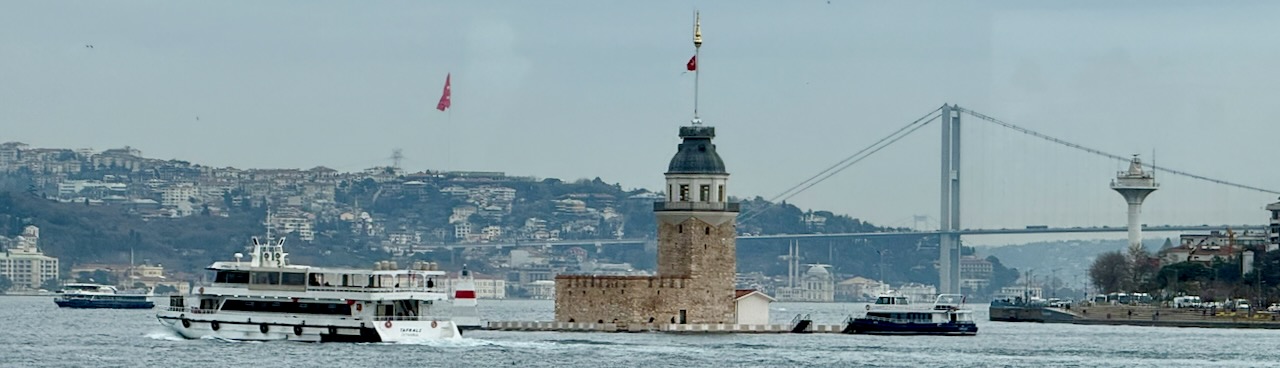
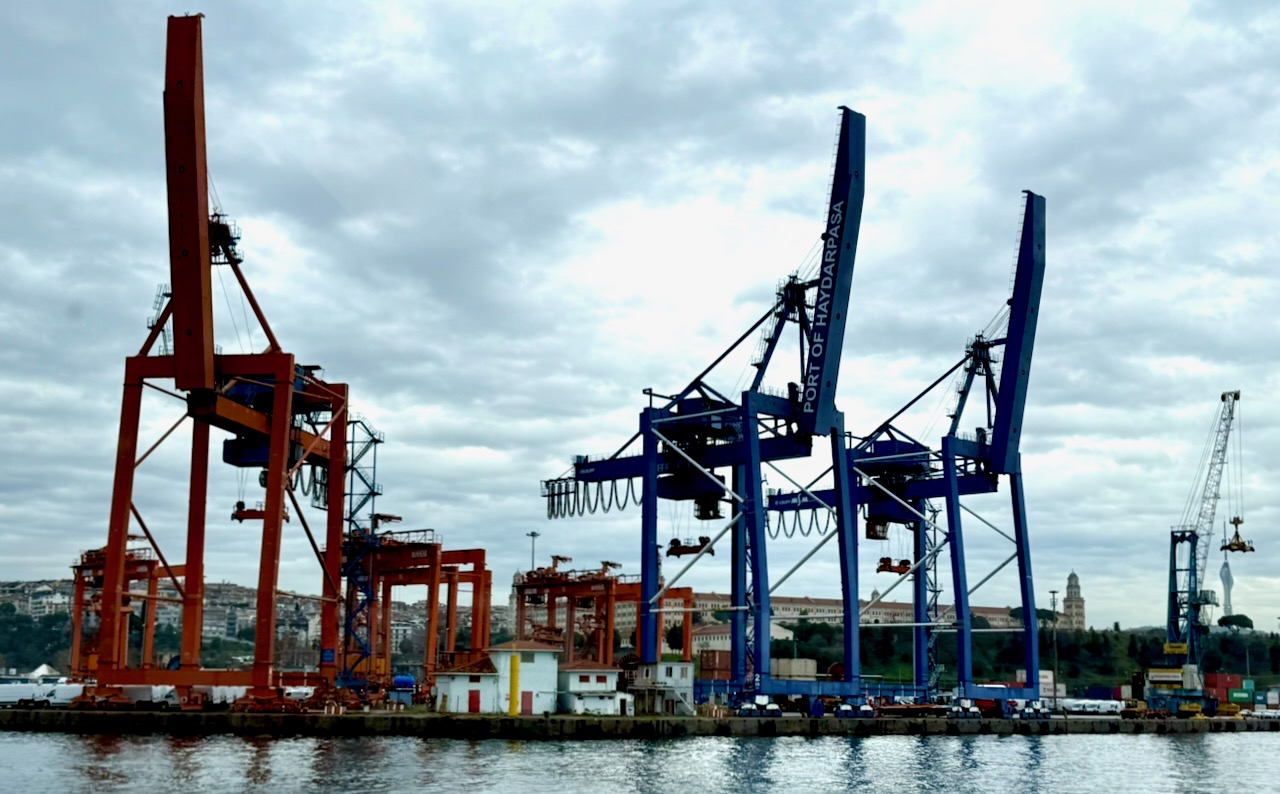
Elaine and I flew to Istanbul on Tuesday 10th February, where I was due to speak at the 2026 Global Leaders Summit, held at the Mandarin Oriental Hotel, alongside the Bosphorus.
Still hobbling a bit from the Alexandrian sprained ankle, but managed to stay upright during my keynote. But had to drop out of a CEO awards dinner to put my foot up. Wonderful support from our GLS friends Aycan Ferik and Nazif Sevim of the KREA event team.
Alongside the event, we met our friend Aysu Keçeci for dinner at a restaurant called Inari on the first night – and then were picked up on the Thursday afternoon by a second friend, Eylül Kiliç, a human rights lawyer who is legal & compliance manager at CNBC-e, CNBC’s operations in Türkiye and who we first met at the 2024 Global Leaders Summit.
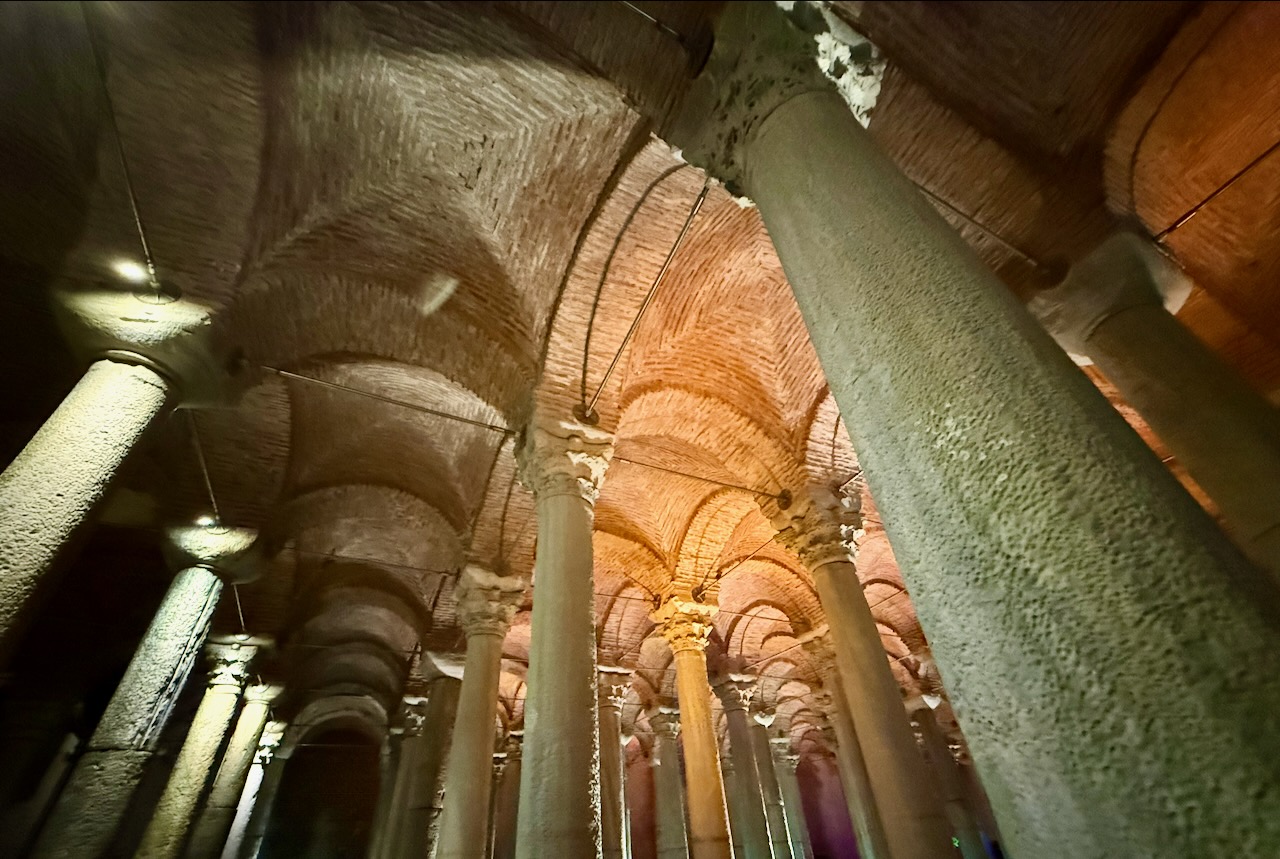
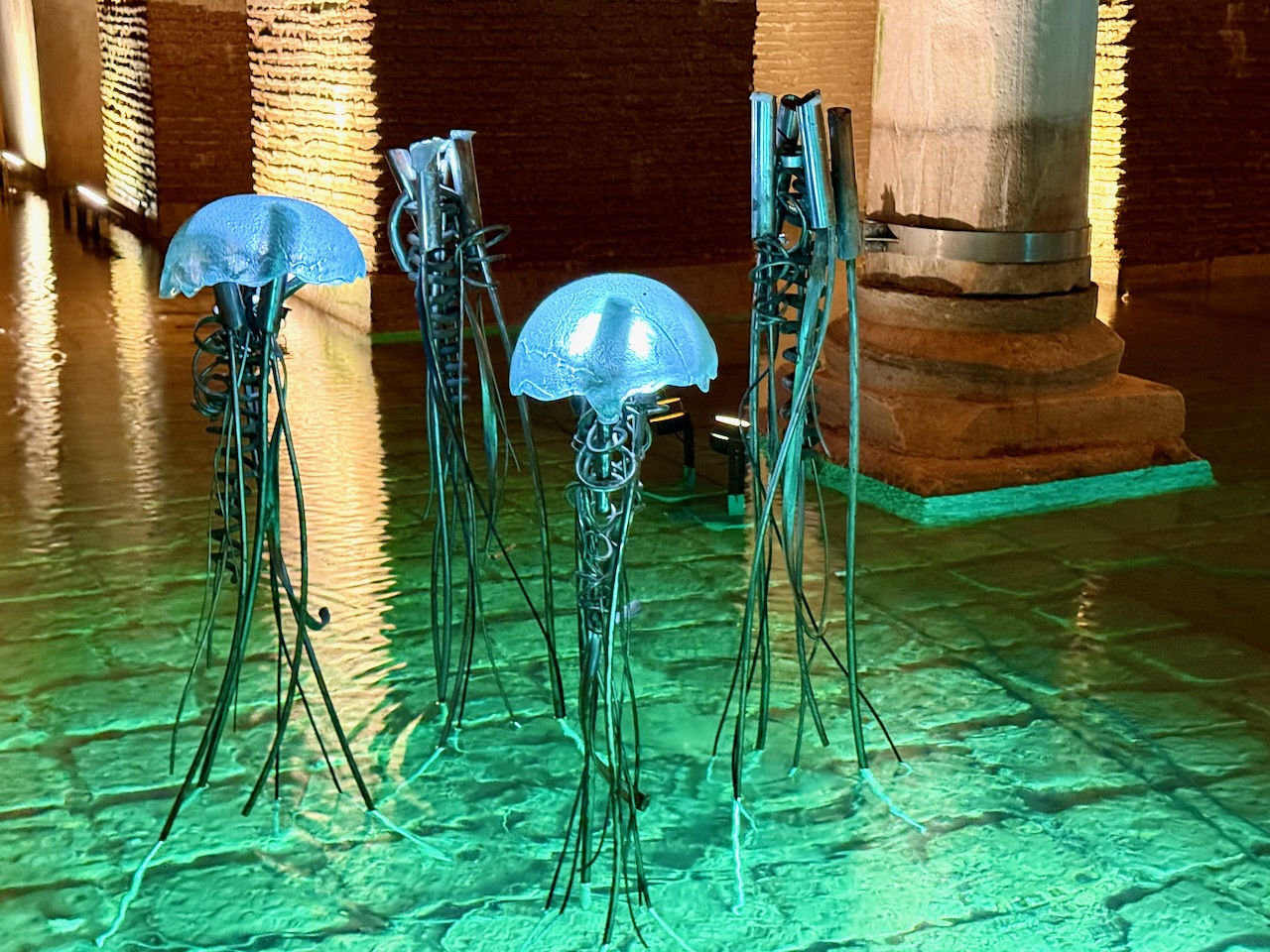
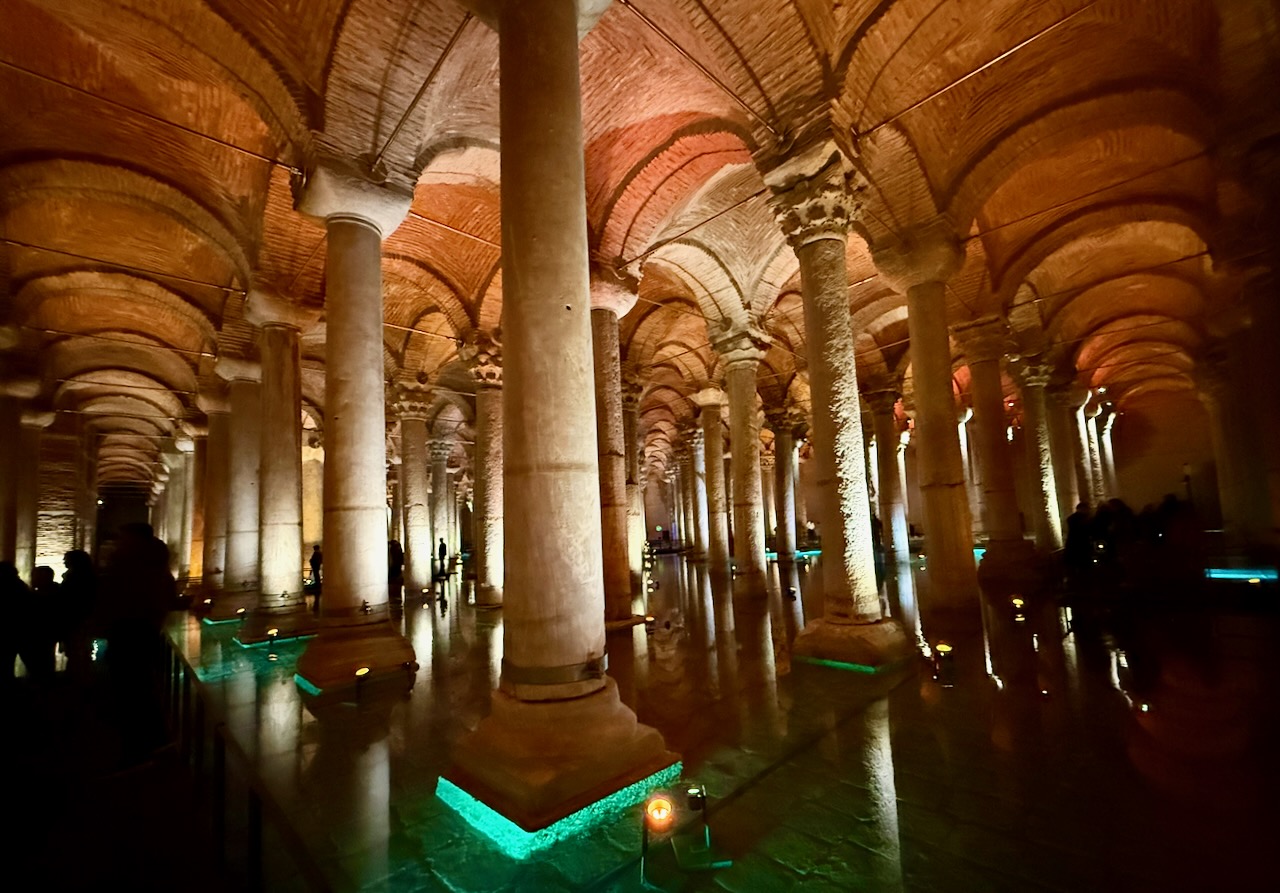
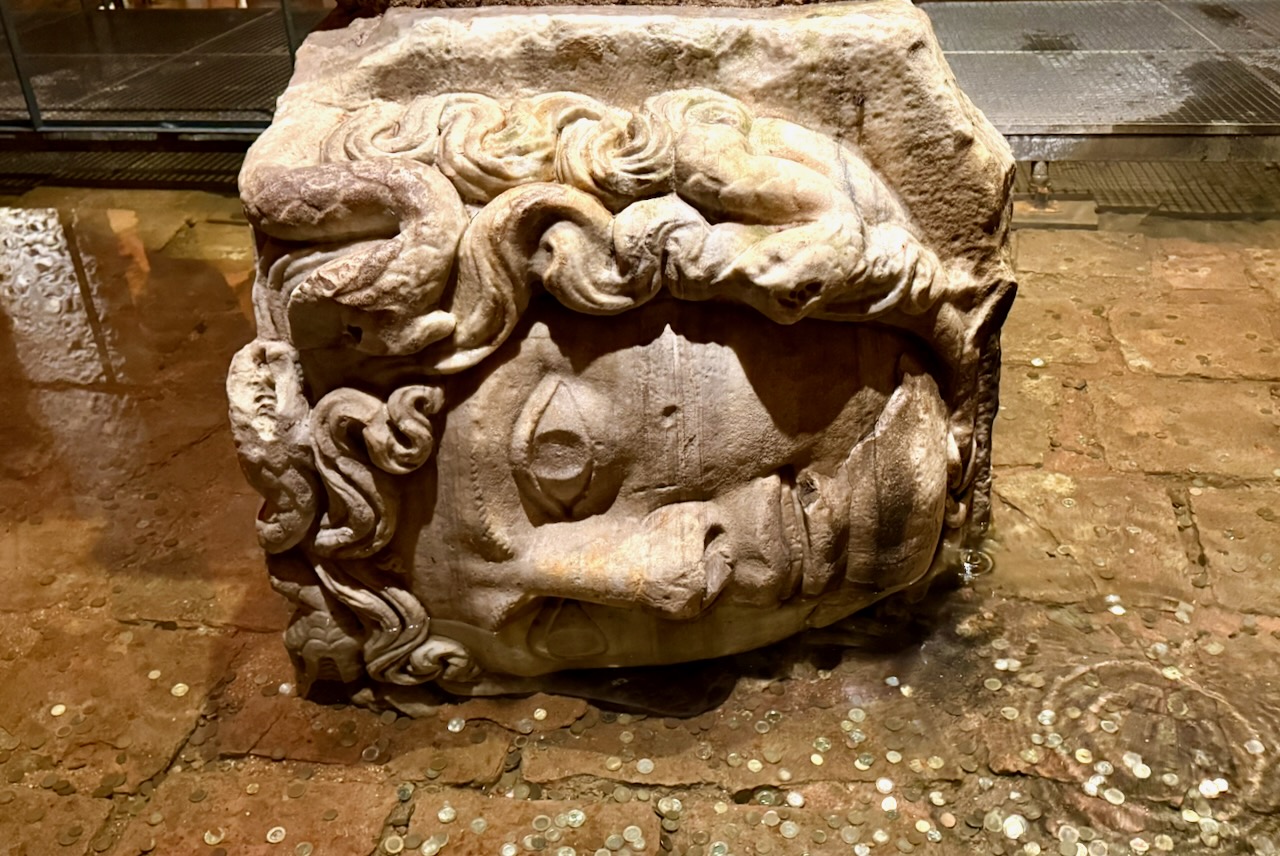
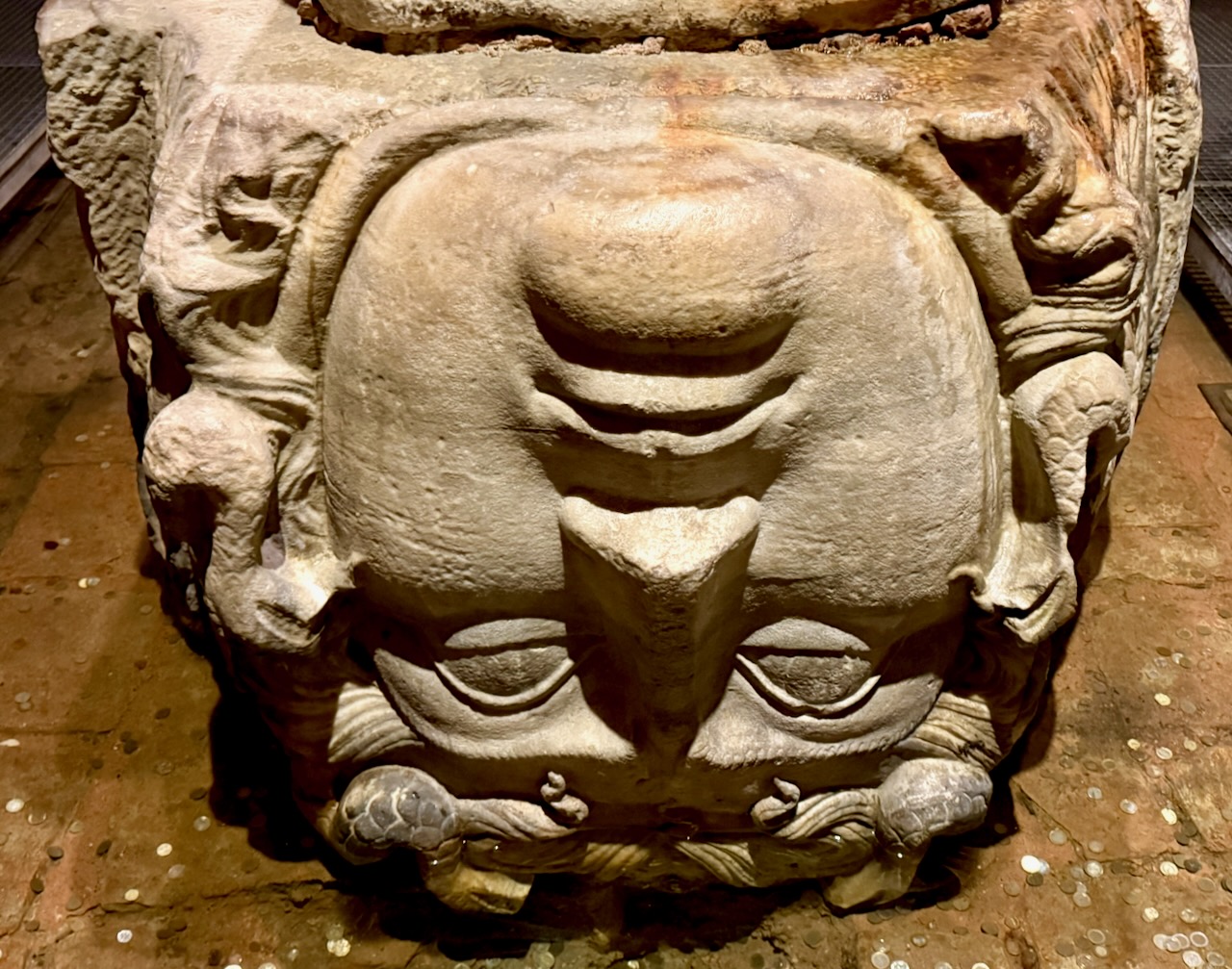
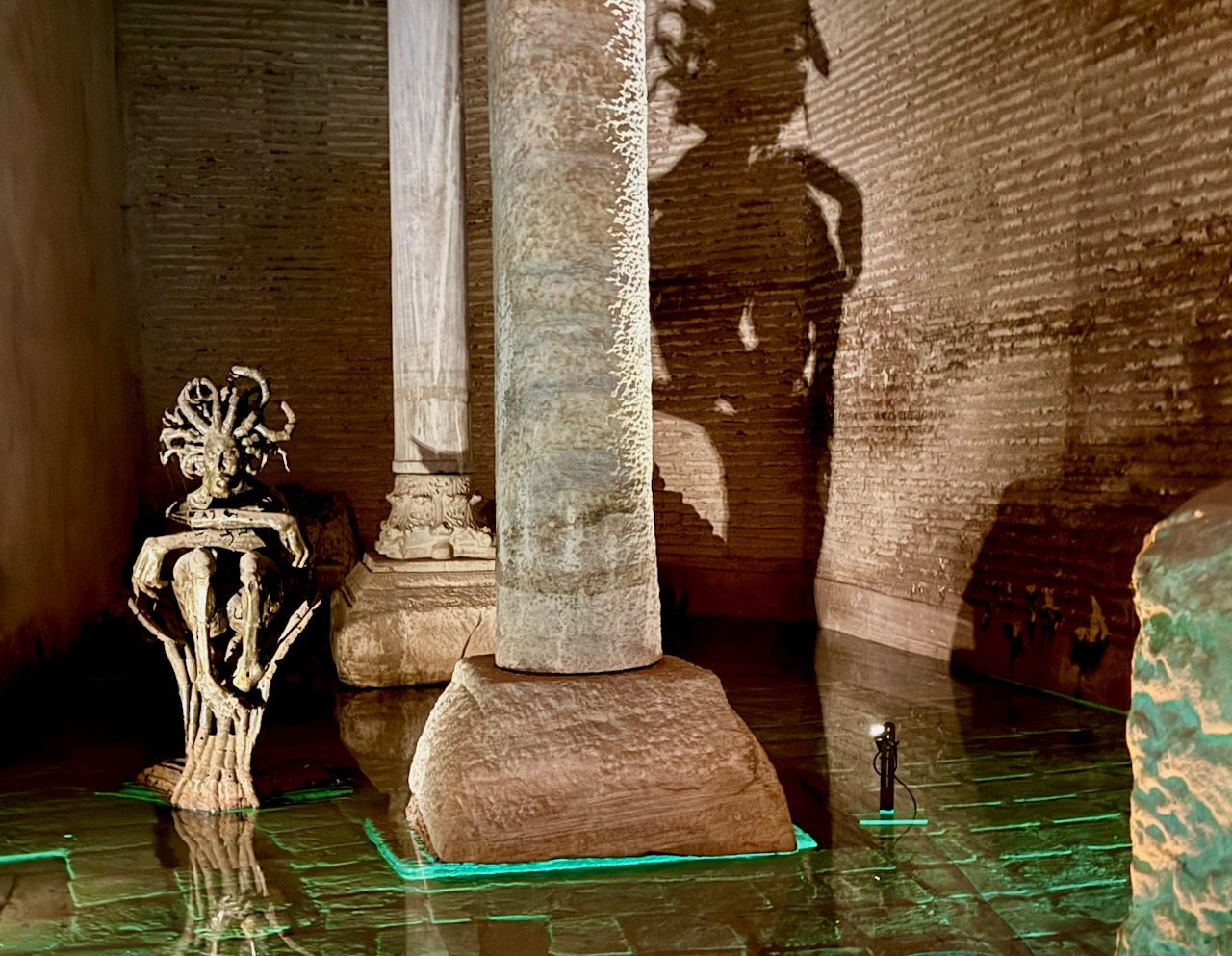
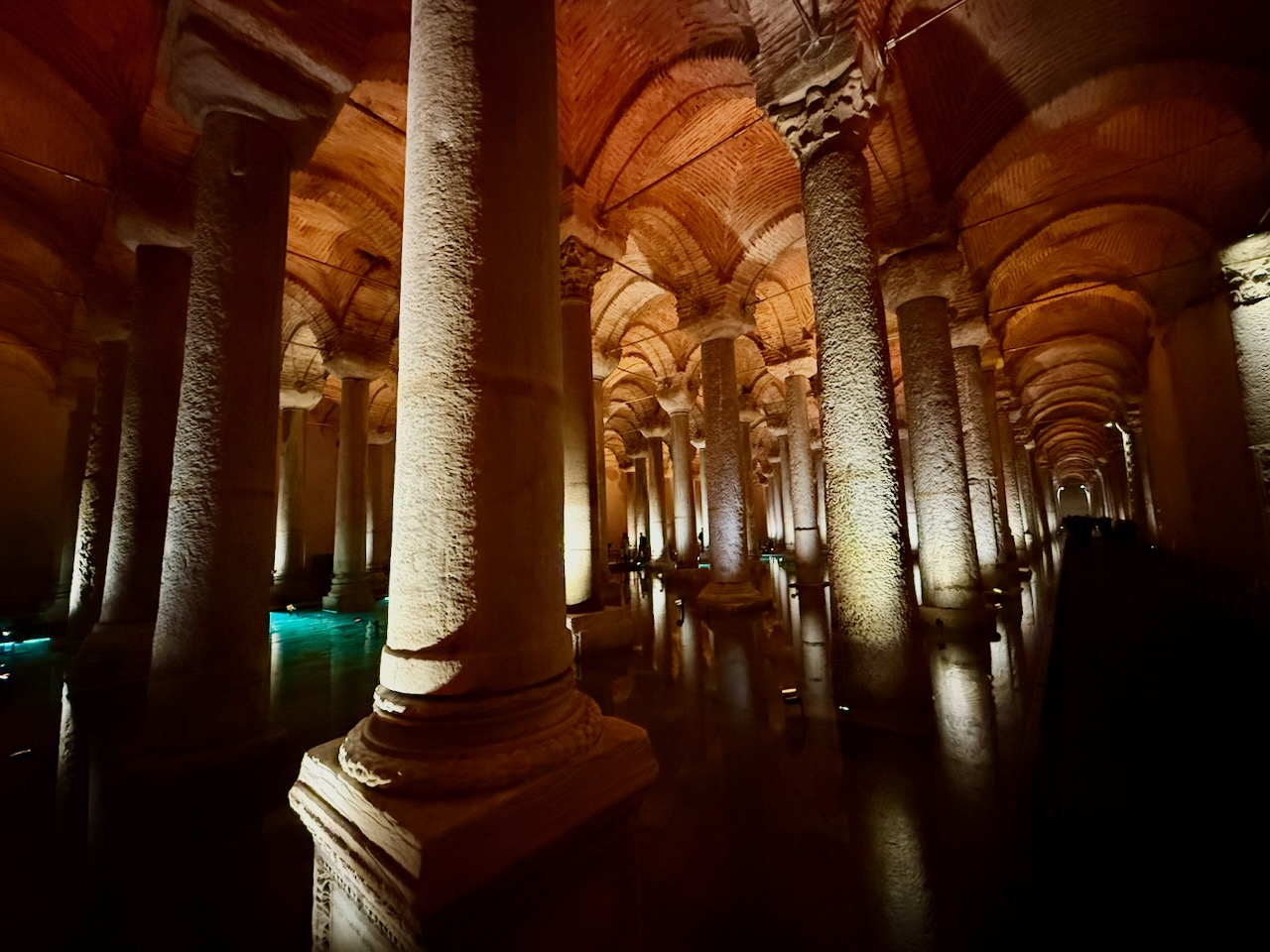
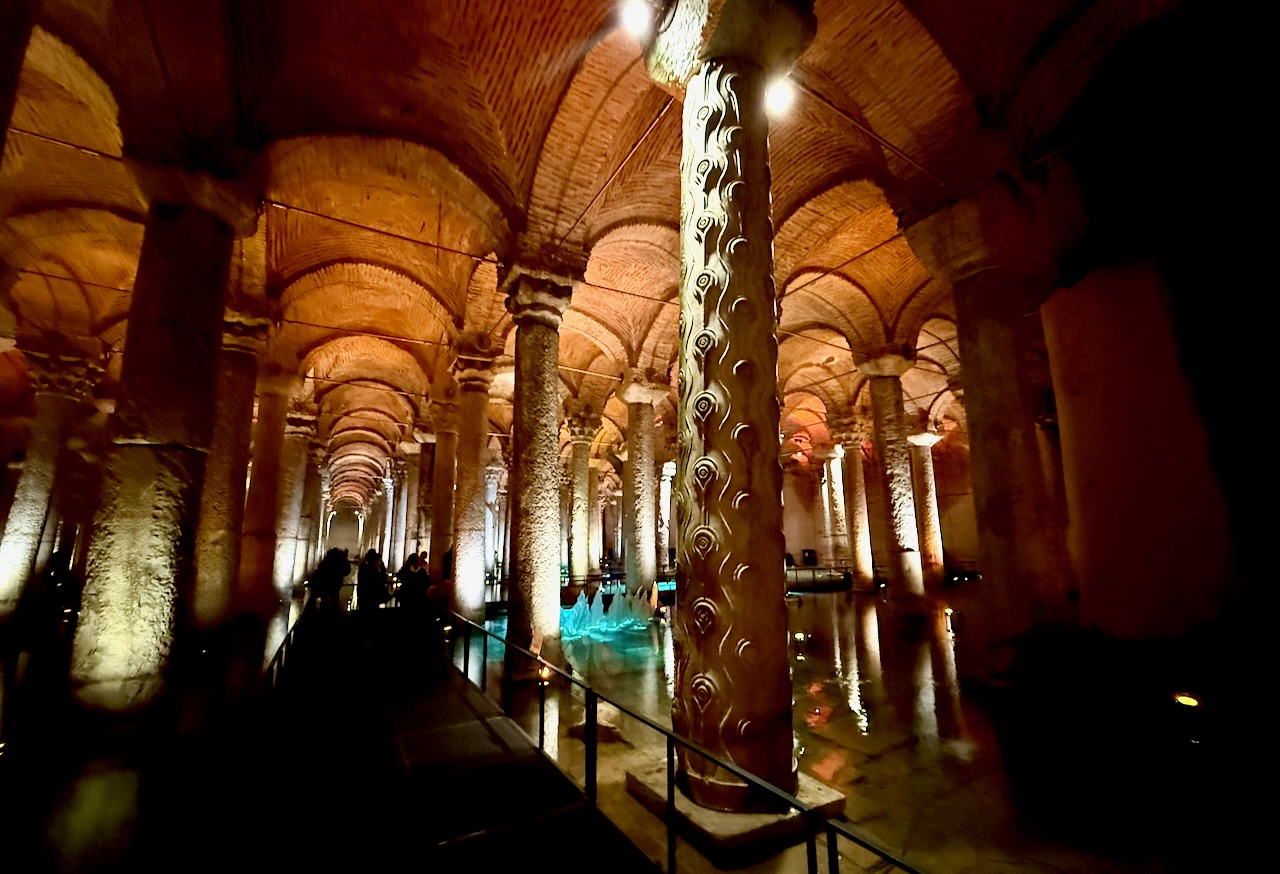
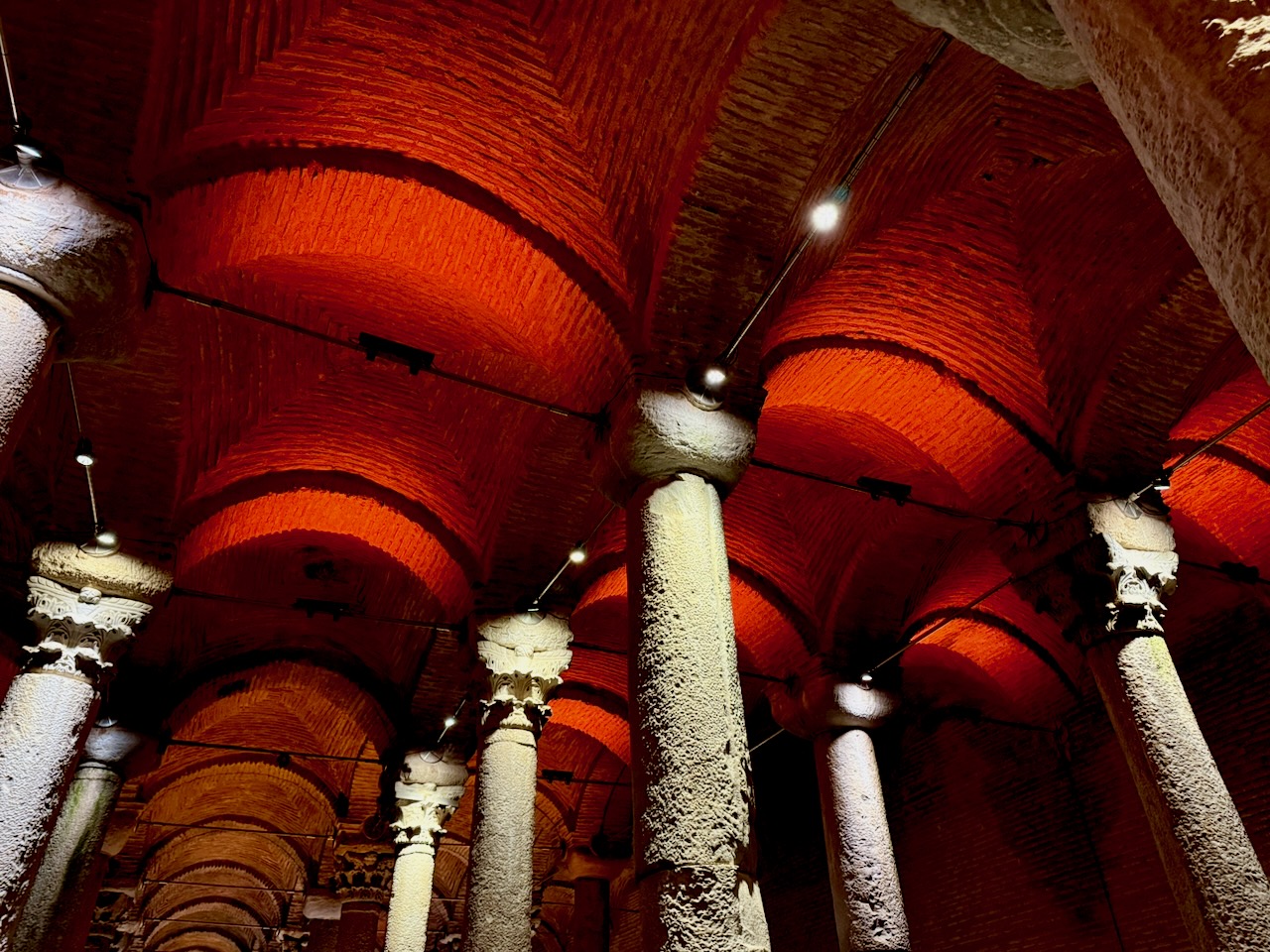
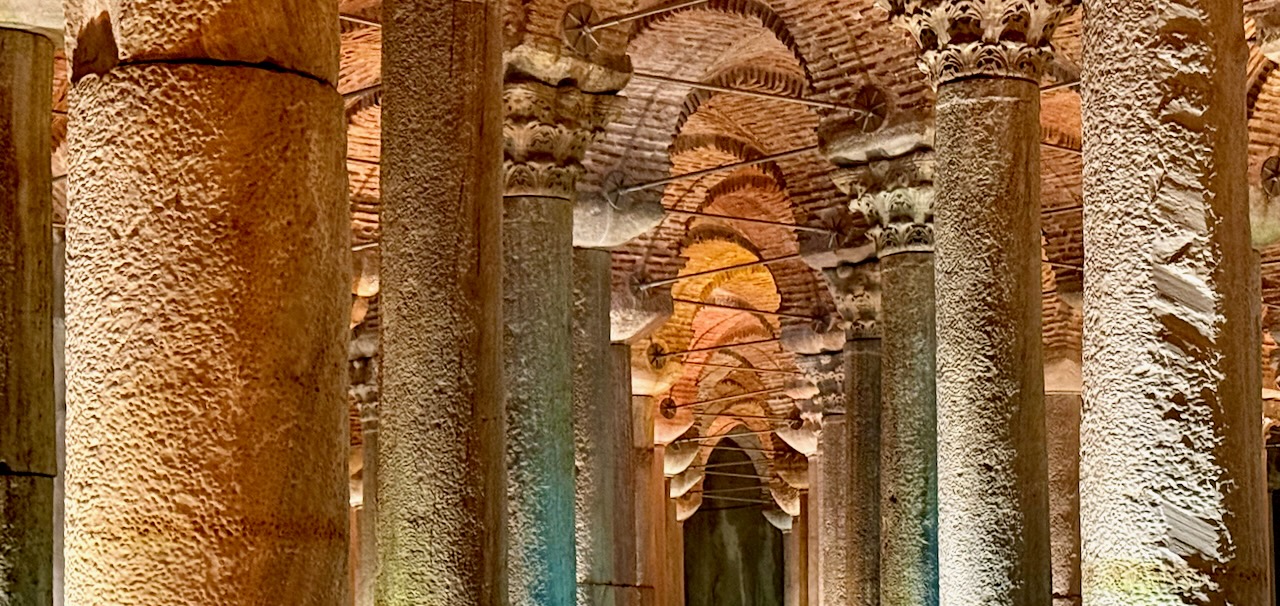
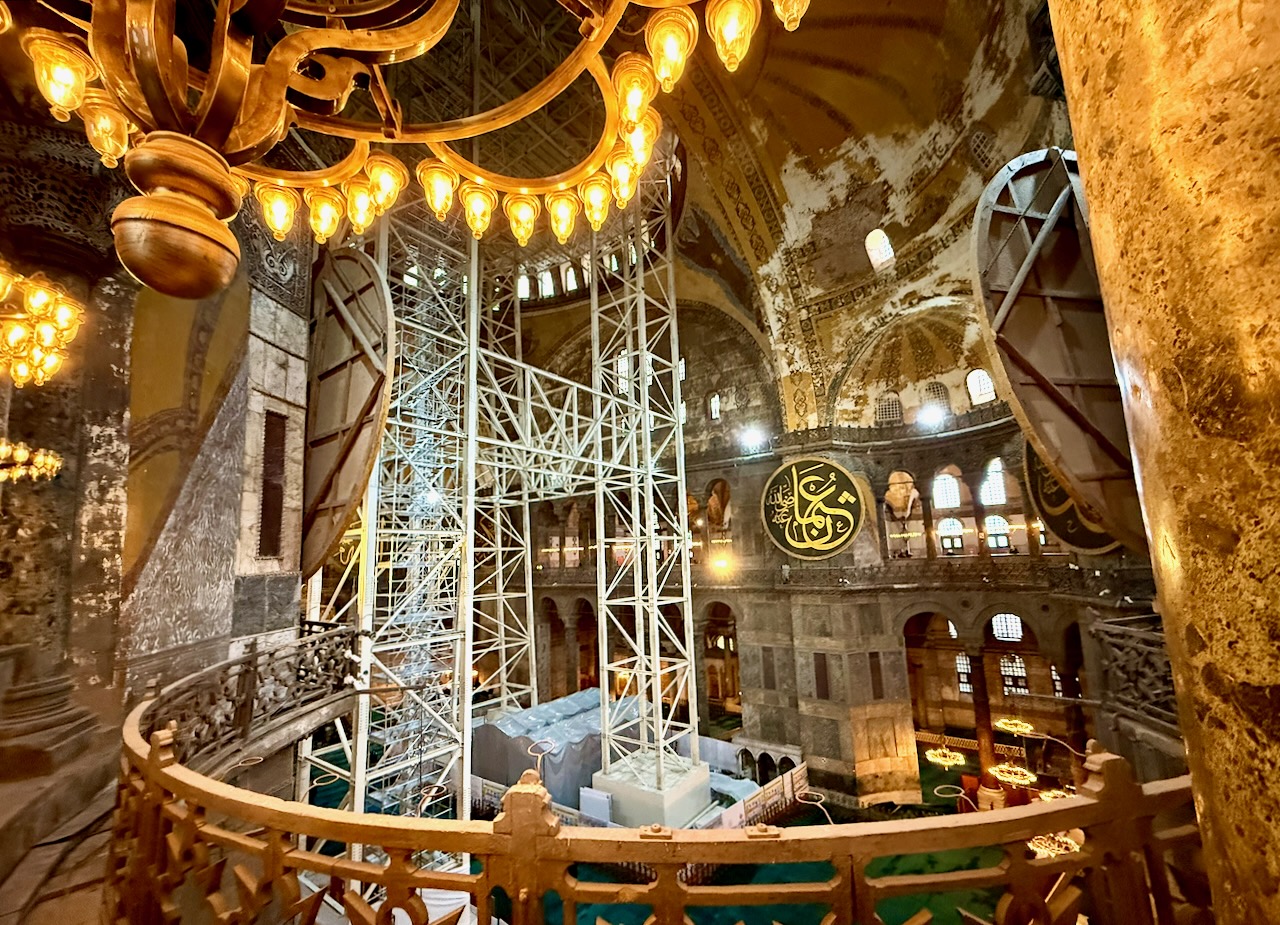
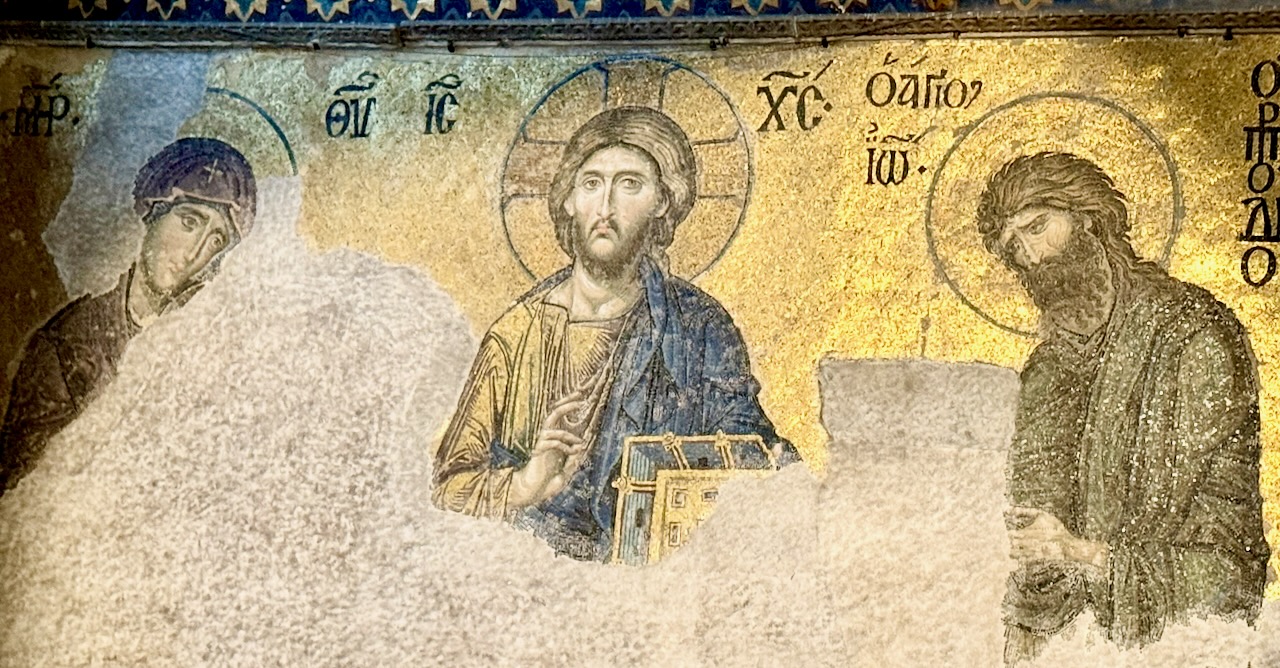
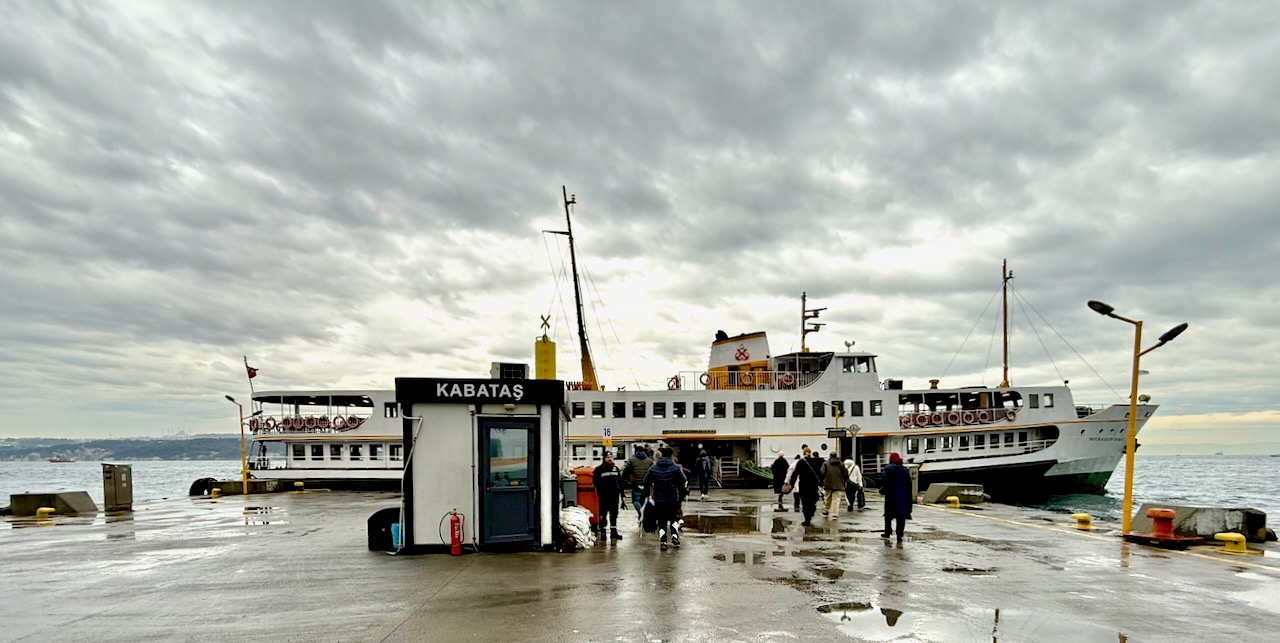
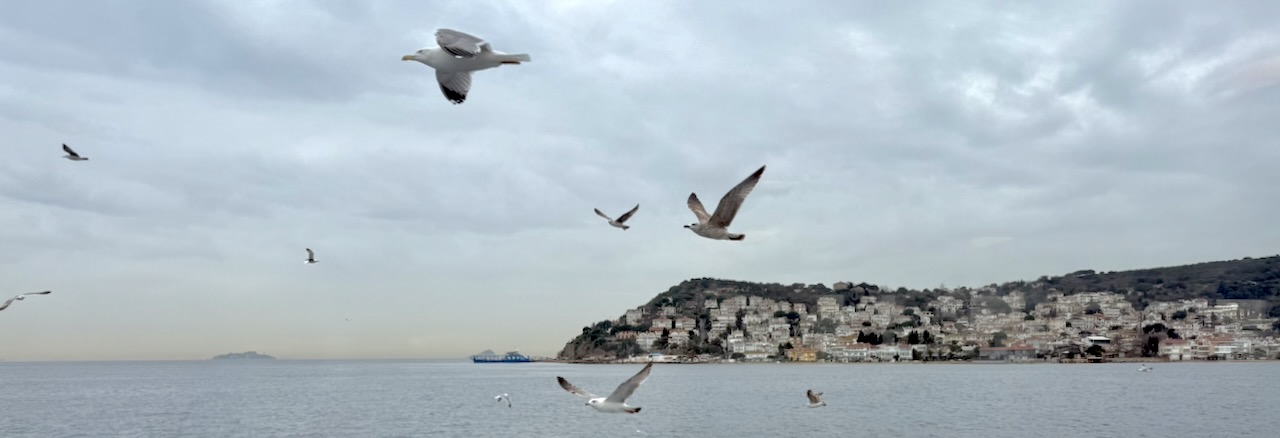
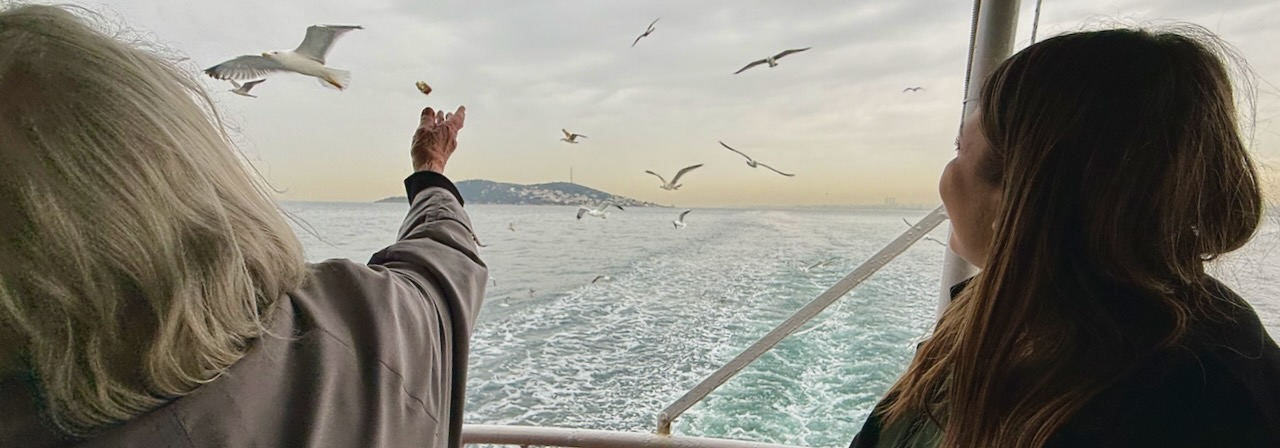
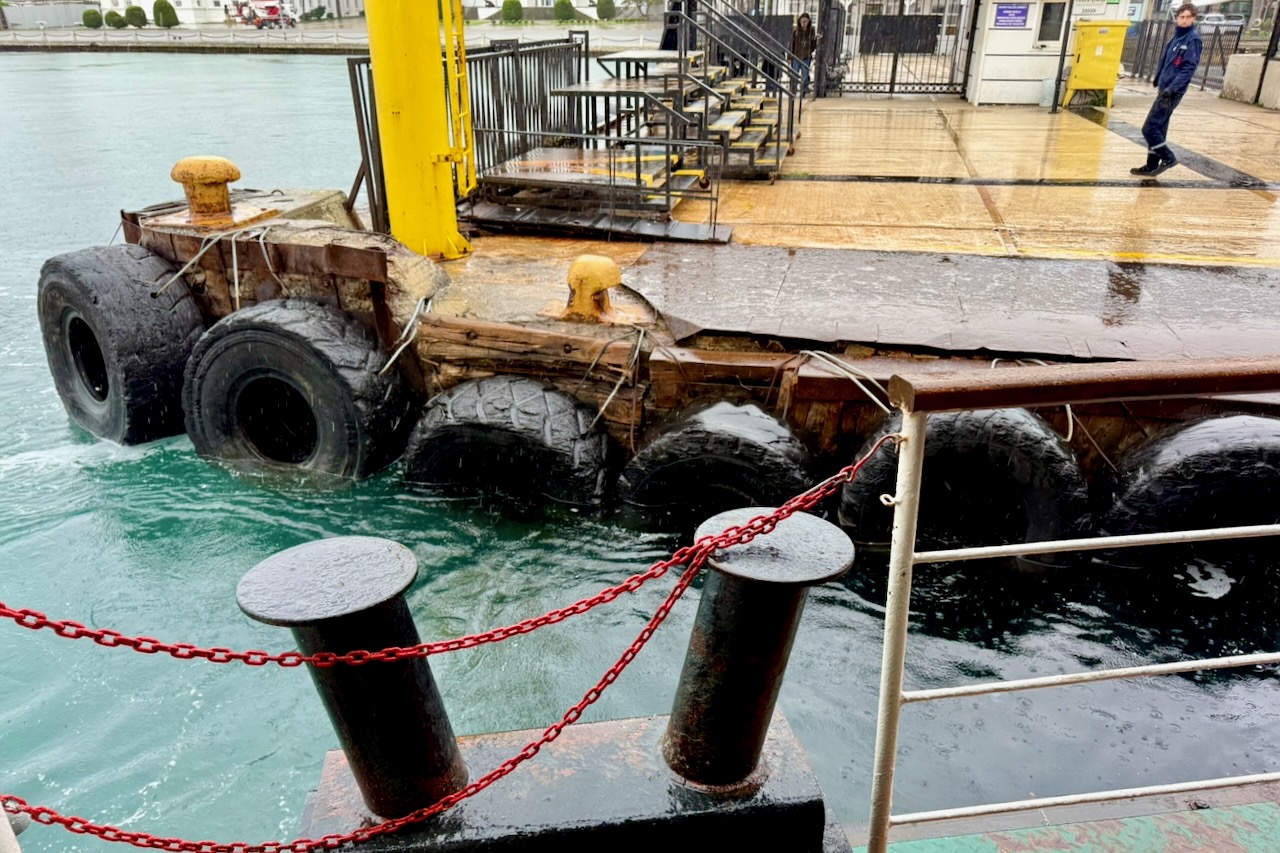
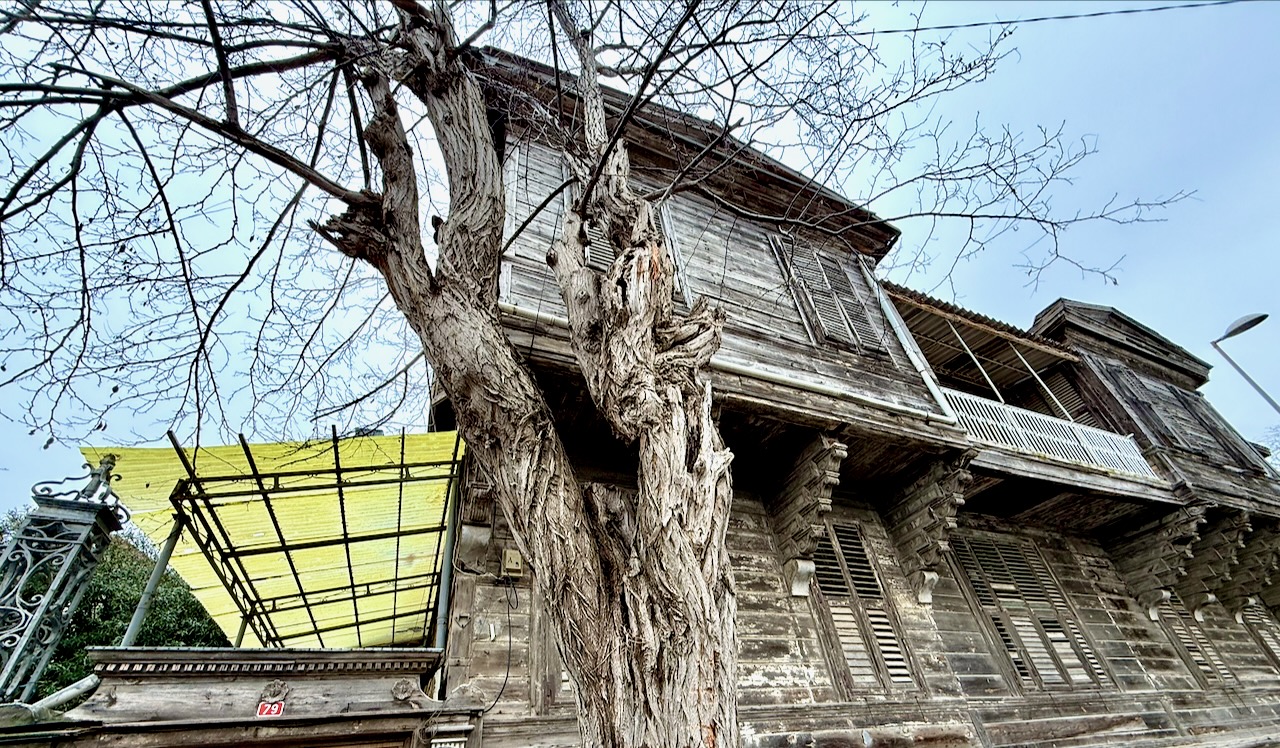
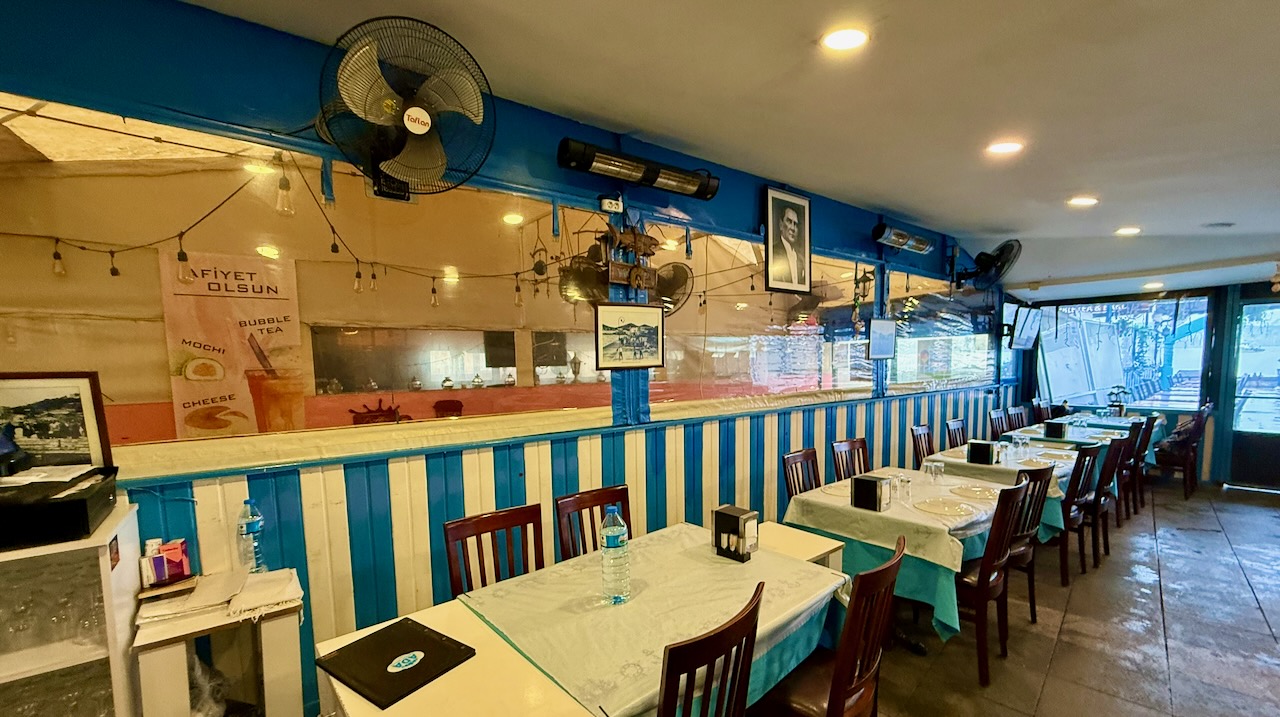
On the Thursday, Eylül took us to the Basilica Cistern, recently refurbished, and on the Friday we headed out to the Princes’ Islands by ferry. Arriving on the island of Heybeliada, we kept an eye out for the restaurant we had visited many, many moons ago with Peter Clark of ACE Cultural Tours. Then suddenly we saw it, the Ada Restaurant – and had a truly memorable lunch.


I have longed to visit Alexandria at least since my 1975 working visit to Egypt, but I suspect that the yearning tracks back to films like Ice Cold in Alex, made in 1958. In any event, meeting Ismail Serageldin when we both served on the Nestlé Creating Shared Value Advisory Council, many moons ago, whetted my appetite yet again.
He invited me to visit the Bibliotecha Alexandina, where he was founding director, but somehow I never could find the time or occasion. The project aimed to reanimate the fabled, ancient Library of Alexandria, an astonishing seat of learning for centuries.

Various Roman emperors seem to have had a hand in the Library’s destruction: Julius Caesar with a partial burning and then, variously, Aurelian and Diocletian during later attacks on the city.
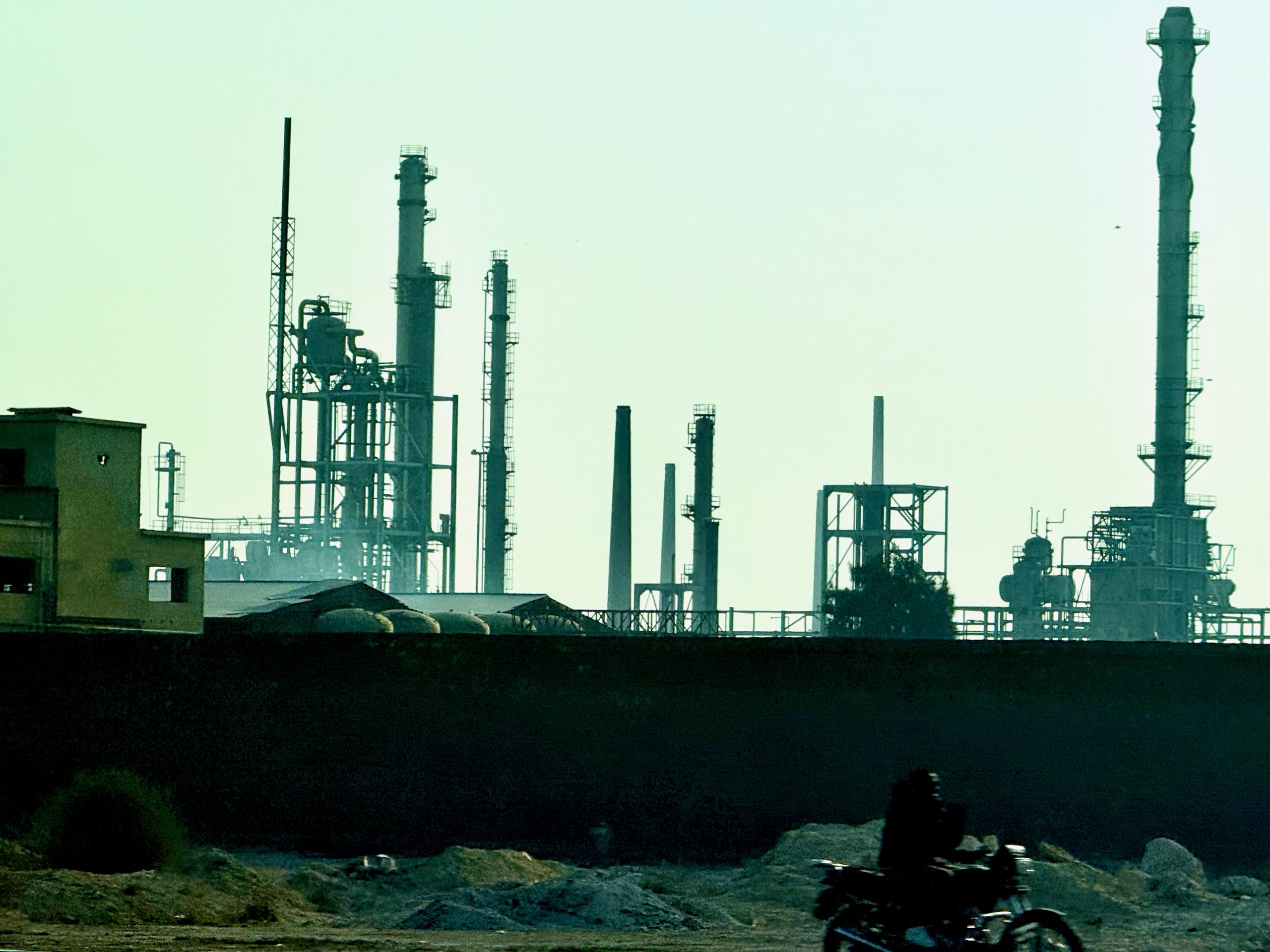
Whatever the internet may advise, the drive to Alexandria from Cairo is a long one. With a massive jam as we left Cairo, the trip took us – and our driver – around four-and-a-half hours. We arrived after sunset and were forcefully struck by the number of petrochemical plants in the area, their flares burning even brighter against the darkening sky.
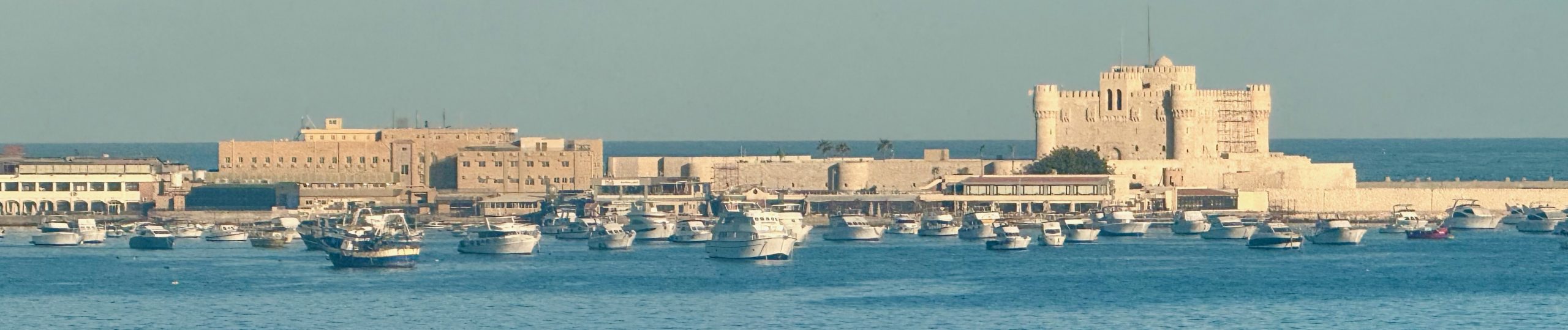
When we awoke the next morning at the rather generously named Windsor Palace Luxury Heritage Hotel, a time capsule from a much earlier era which had seen better days, we were happy to find that our balcony looked out onto the castle. It was built by Sultan Al-Ashraf Qaitbay between 1477 and 1479, apparently, to protect the Mediterranean coast from Ottoman invasions. Situated on Pharos Island, it was built atop the ruins of the famous Lighthouse of Alexandria.
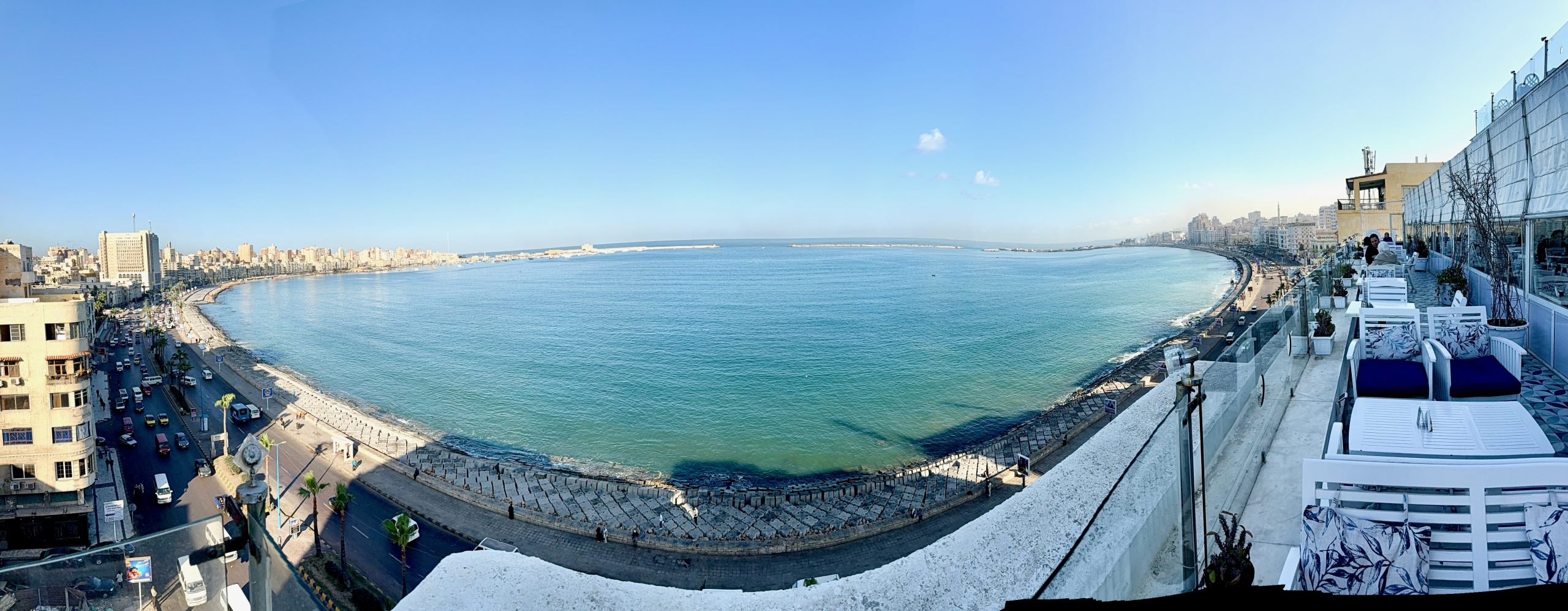
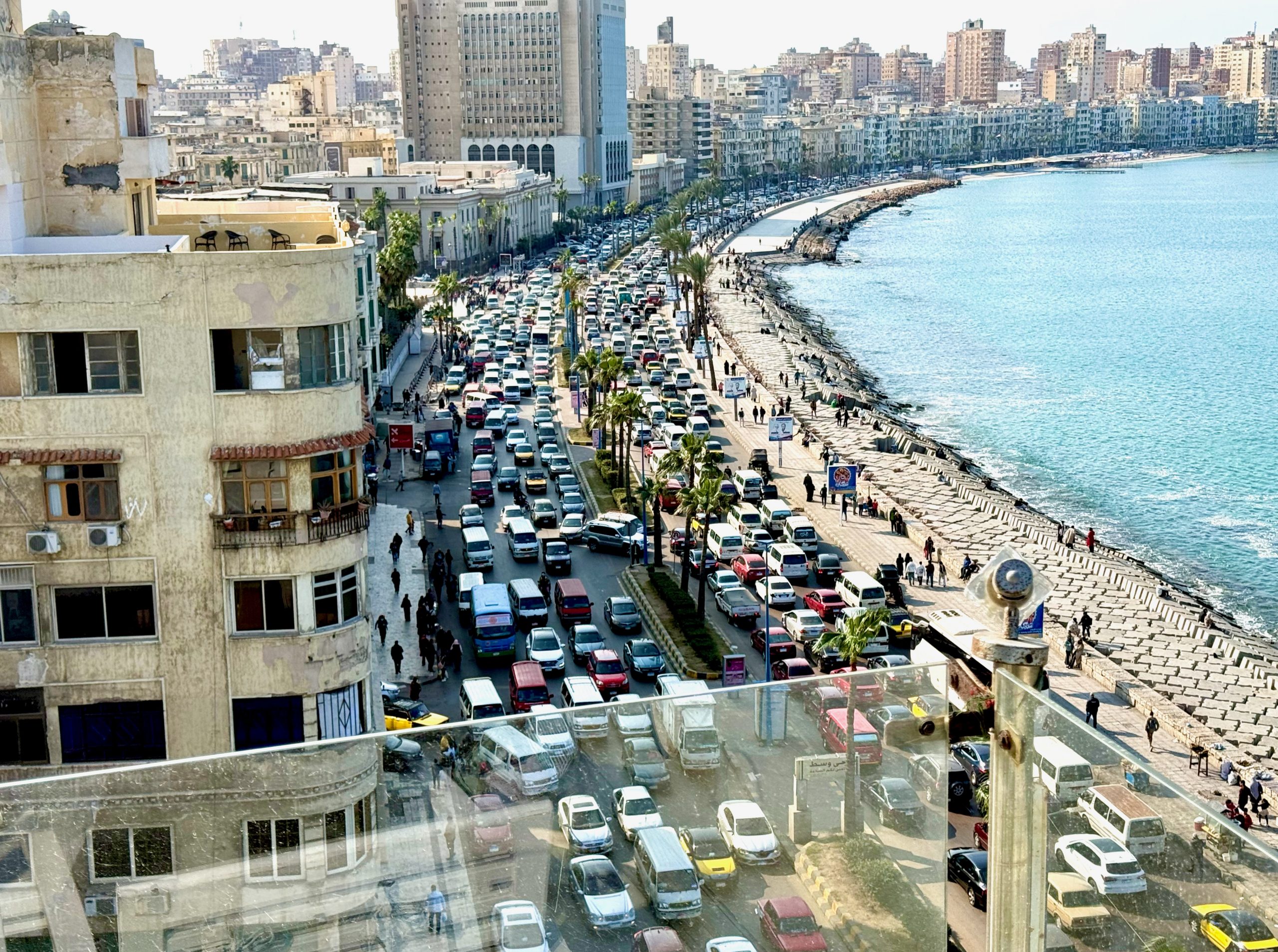
By then we had got used to the constant honking of the traffic outside, though the rafts of waste floating in the harbour were a bit of a shock. Still Britain, seemingly, can’t manage its coastal waters these days, either.
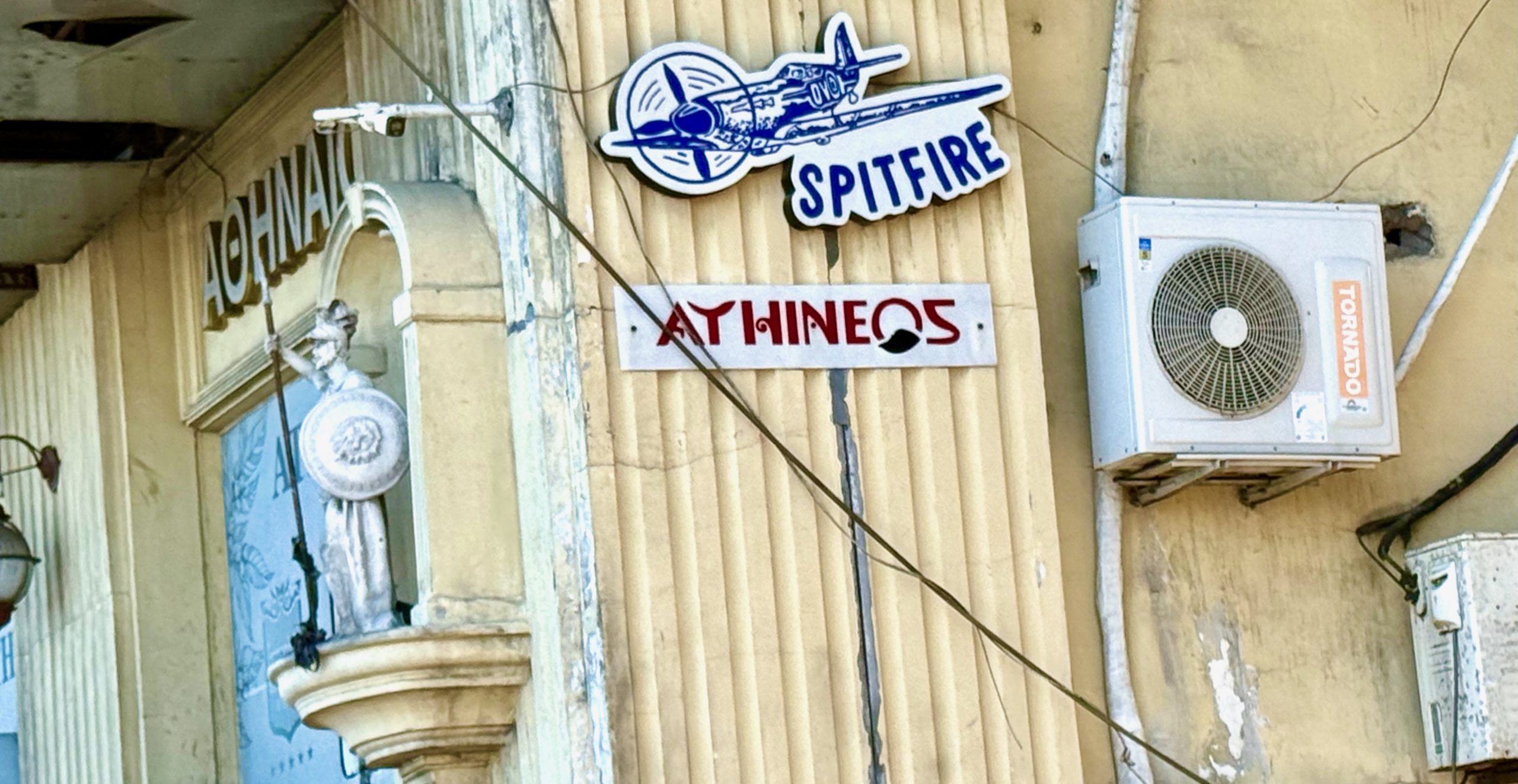
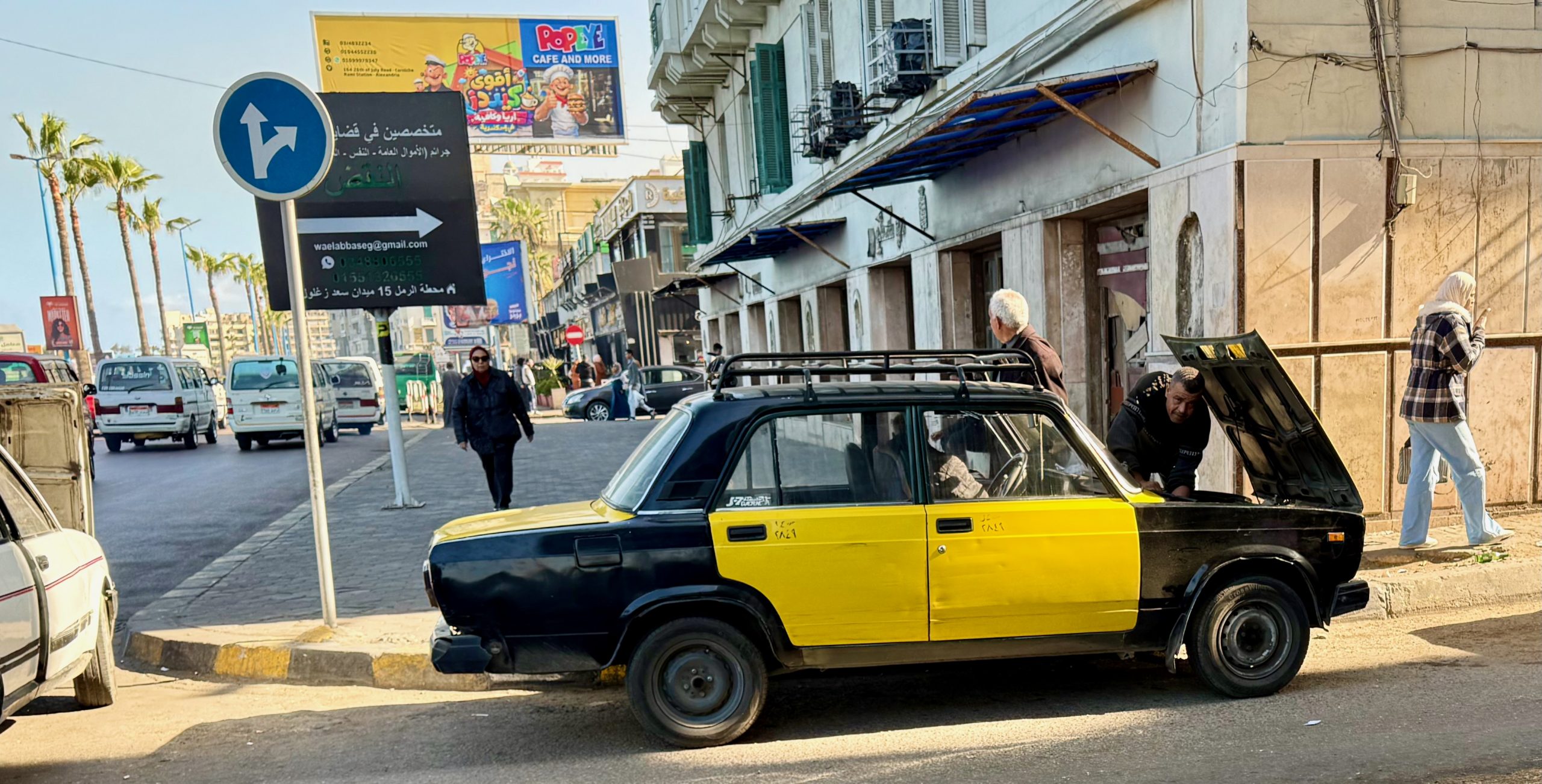
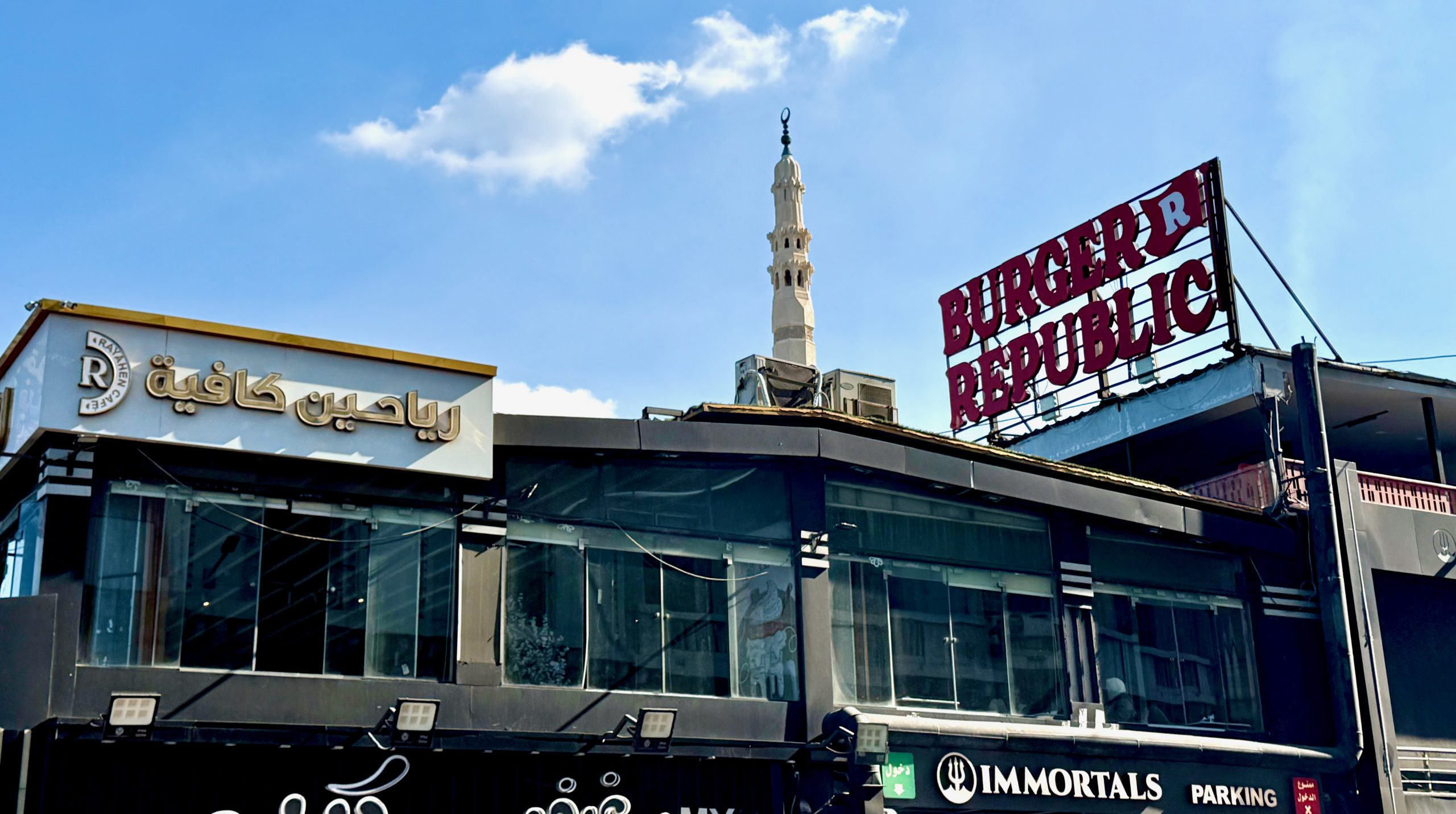
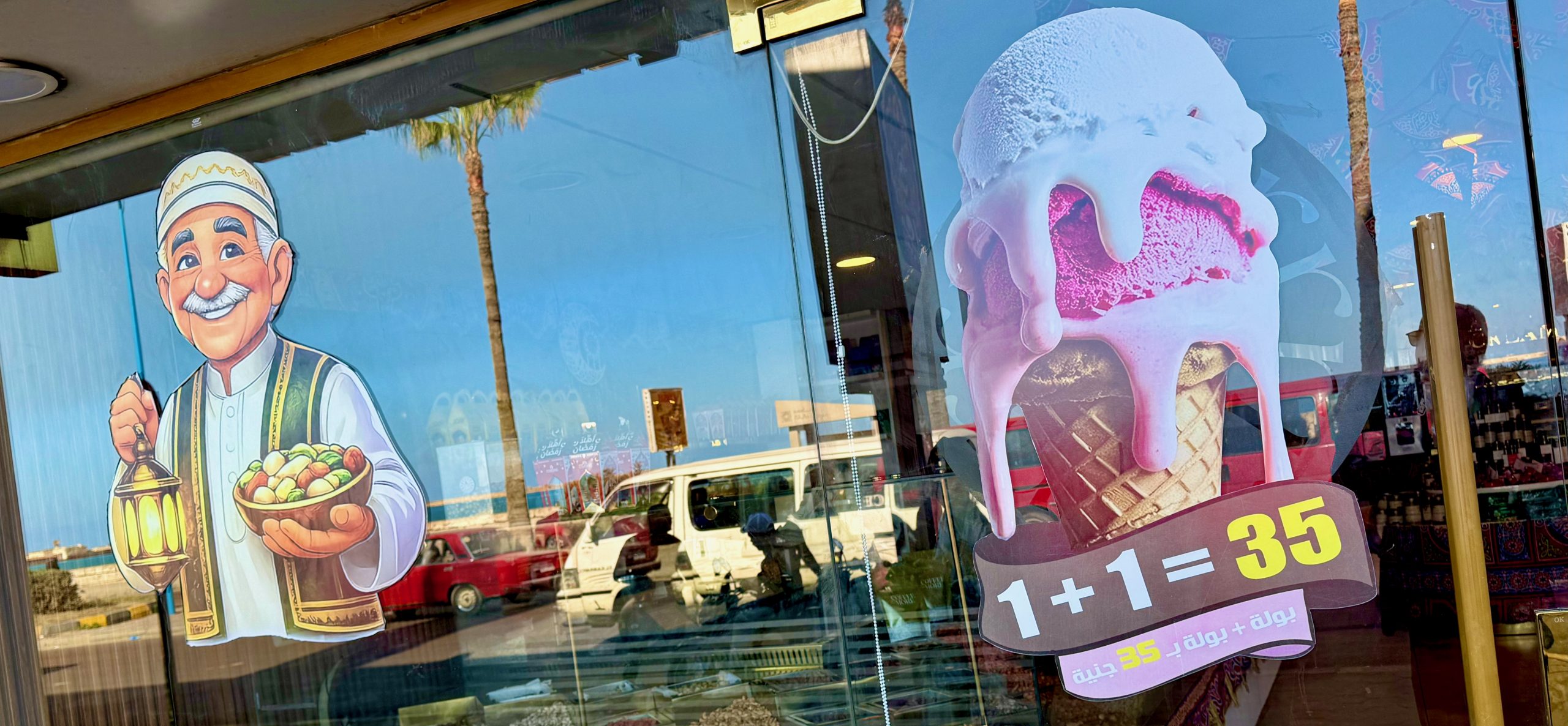
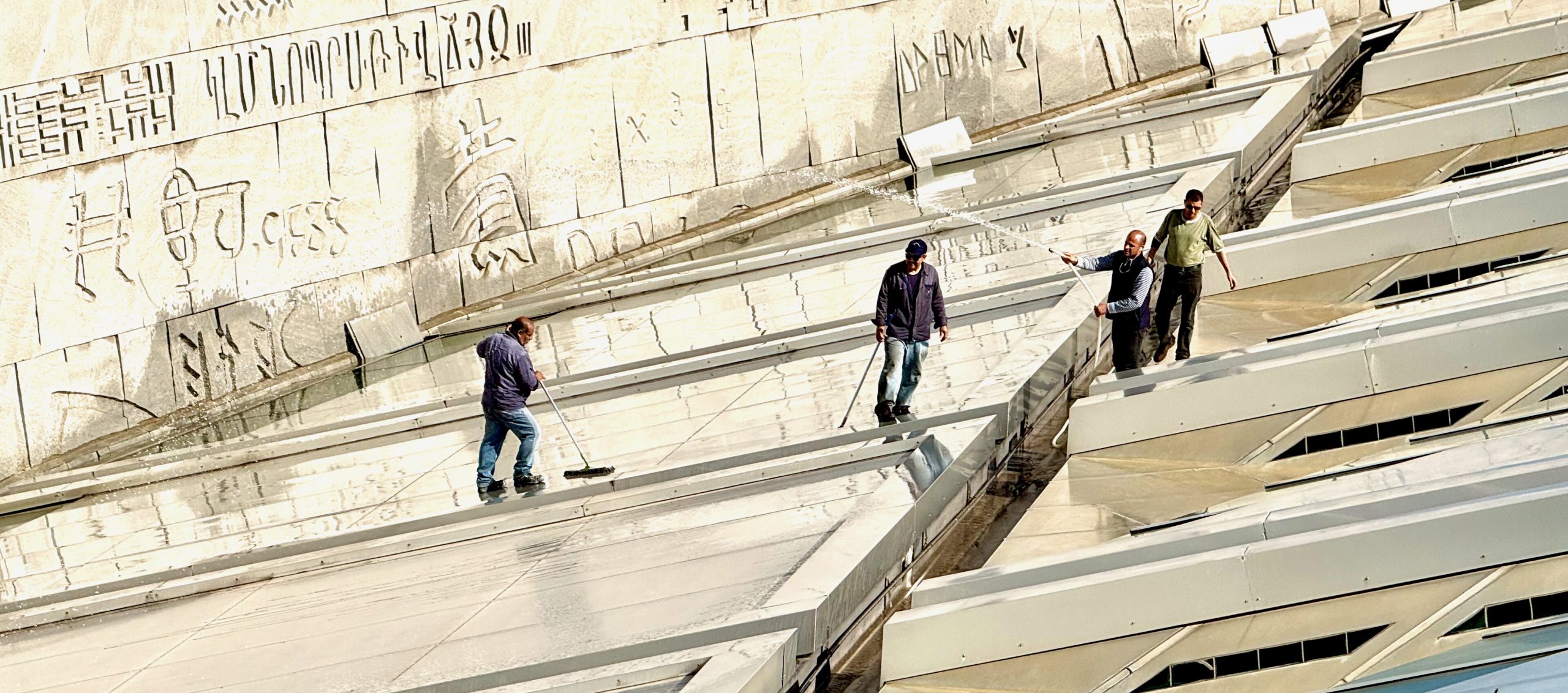
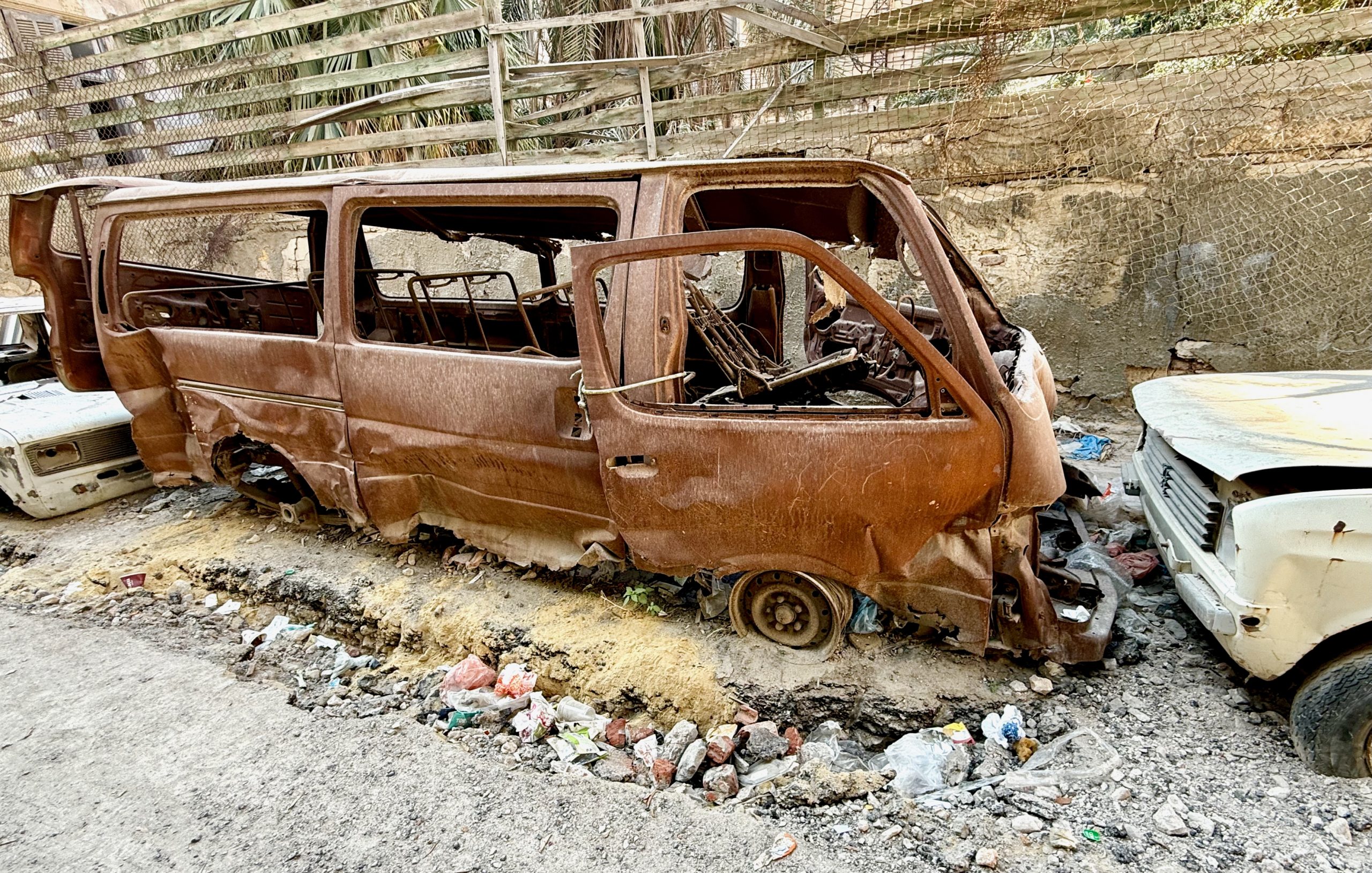
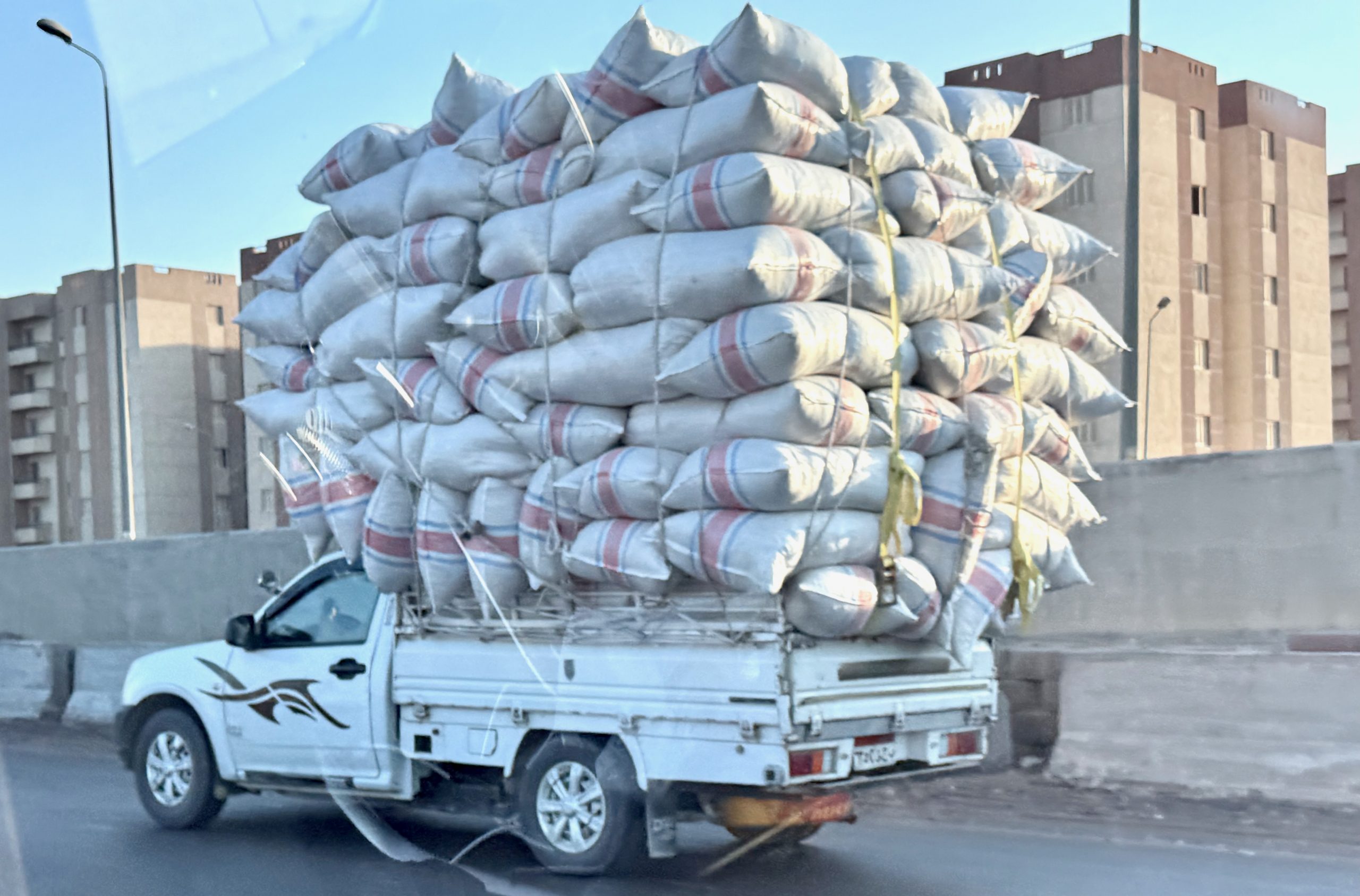
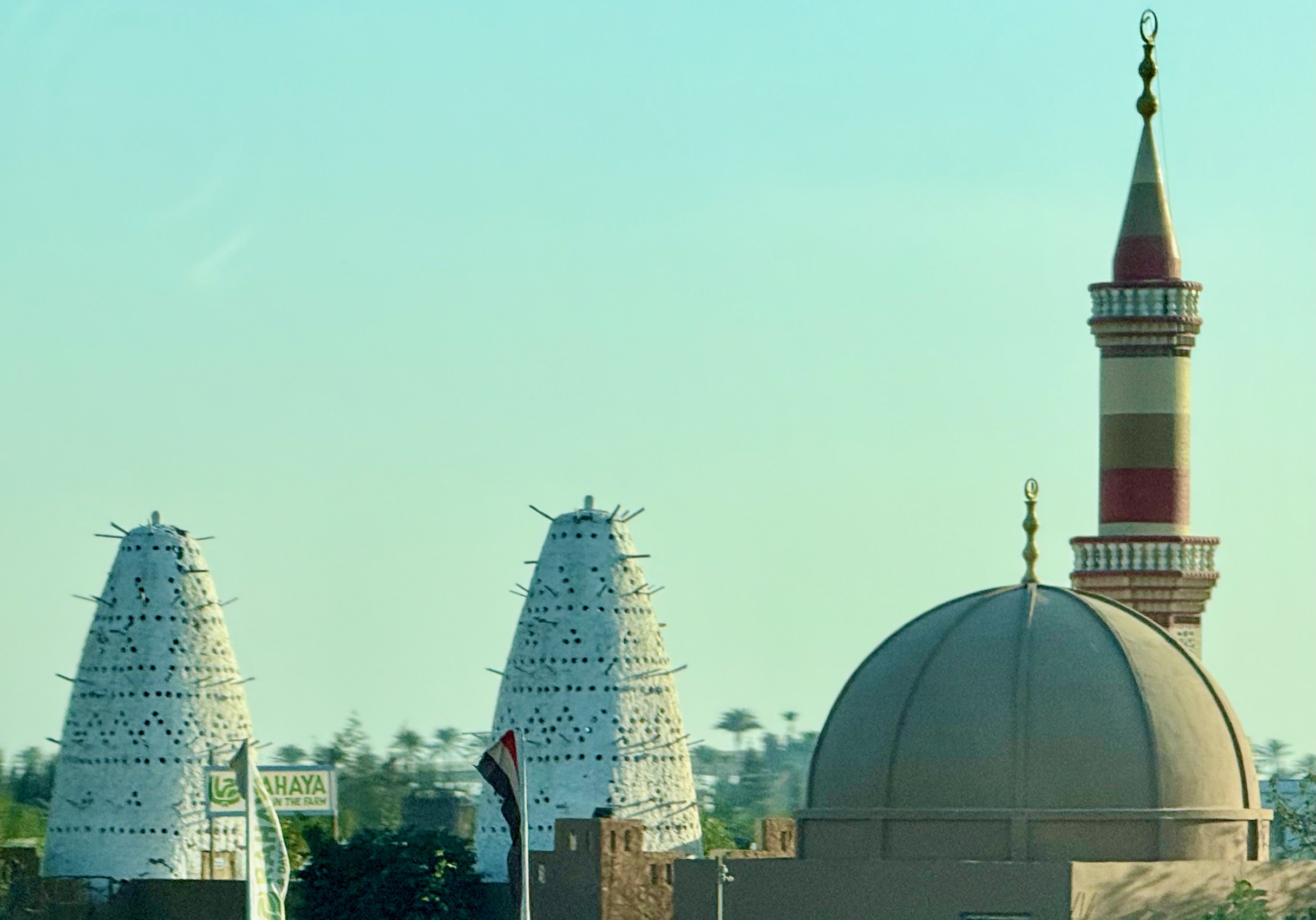
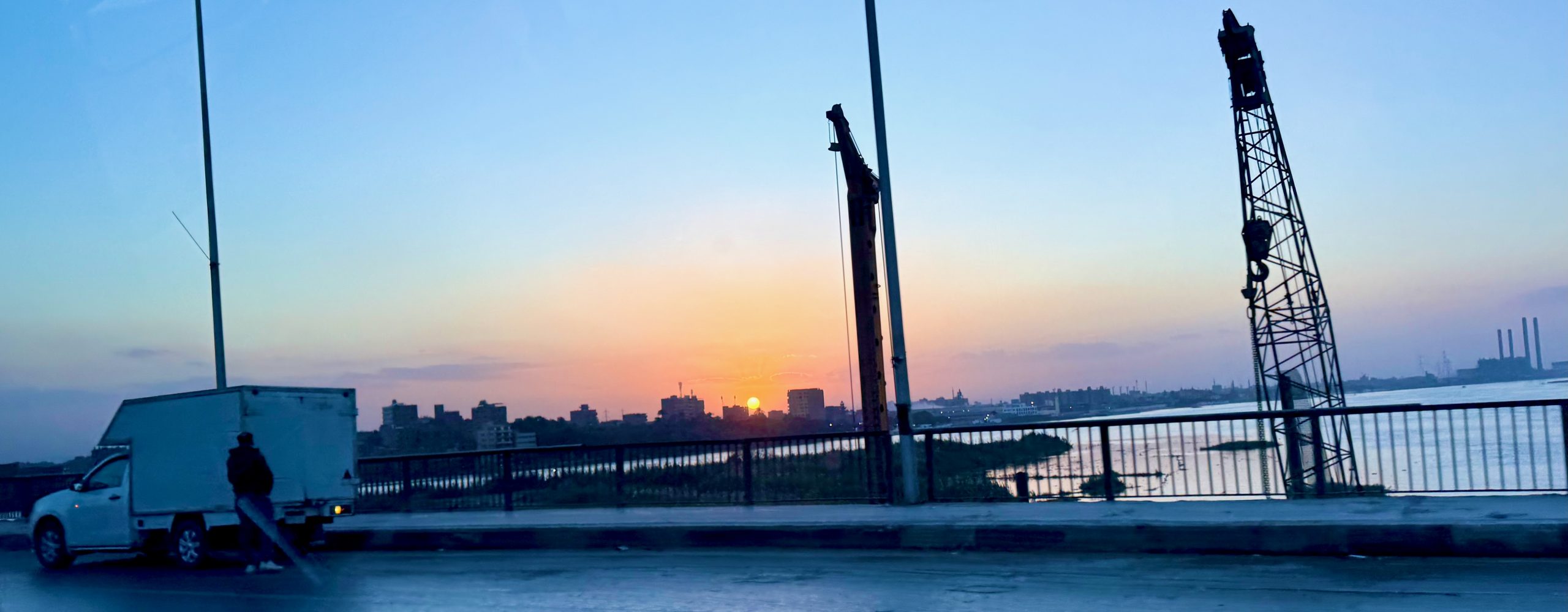
We walked from the hotel to the Bibliotecha Alexandria (BA), with Elaine struggling at times to reconcile her mental image of the city and the honking, potholed reality. Indeed, I freely confess, my photographs below give a rather generous sense of the city as she is today.
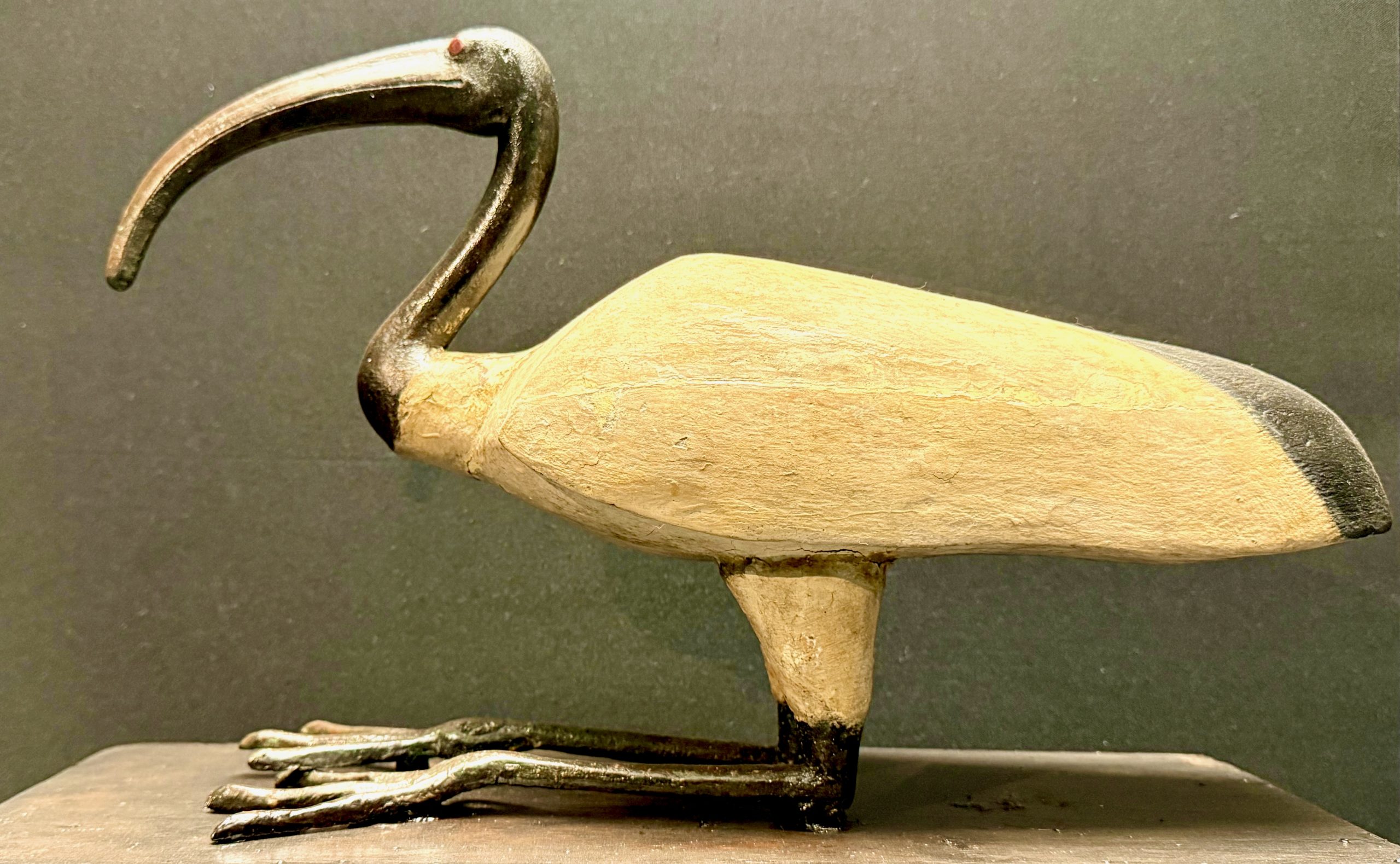
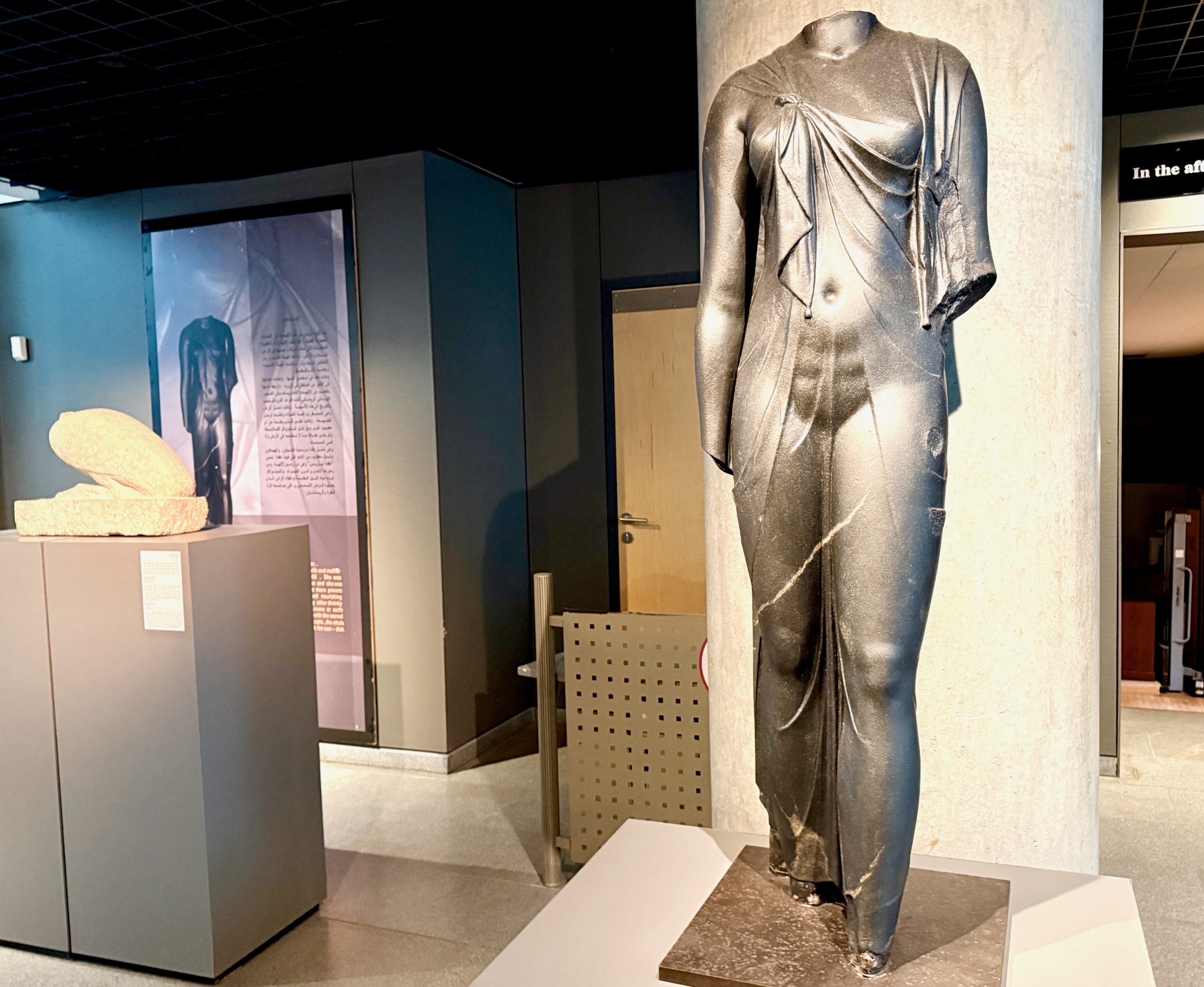
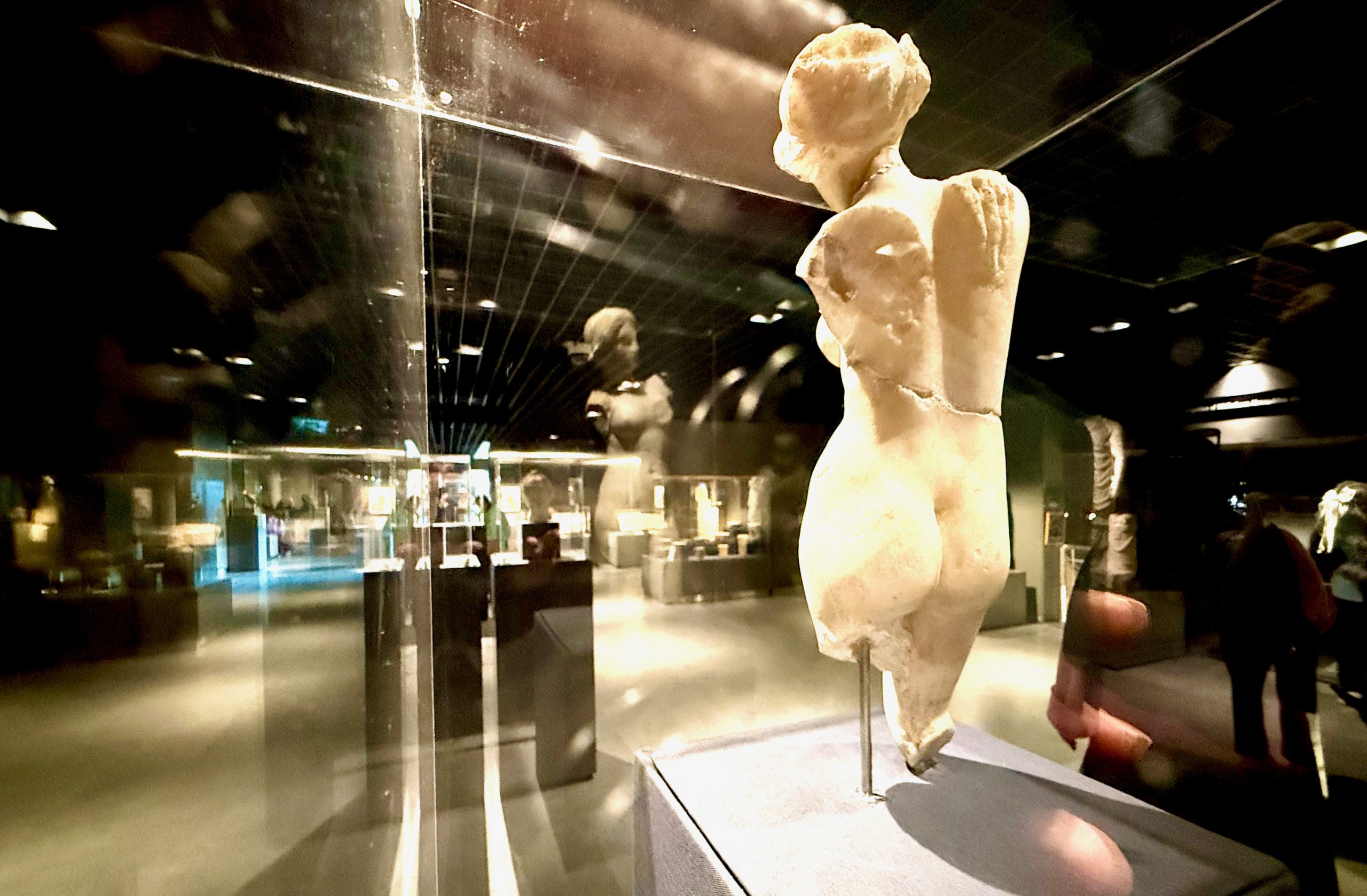
For example, when, after our BA visit, we walked (or in my case hobbled) across to the Alexandria National Museum, we cut through a park, which looked green enough from a distance. But once we managed to find a way in, we discovered that it was full of rubble, litter and at least one dead dog. The museum itself was a reminder of how far such places still have to go with the presentational aspects of their businesses.
In any event, spooling back a bit, we overshot the entrance to the BA, and were loosely redirected back the way we came. An entrance then presented itself, so we took it, only to find that it was part of a building site. Again, we were redirected in energetic Arabic, but climbing a cement dust and rubble covered stairway, I lost my footing and fell quite a distance – ending up with a severely sprained ankle. Hence the later hobbling. (It’s now strapped, in case you’re interested…)
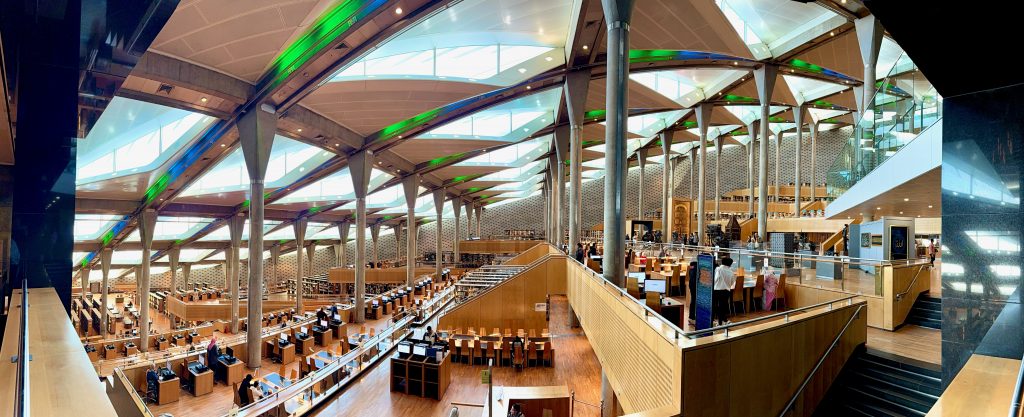
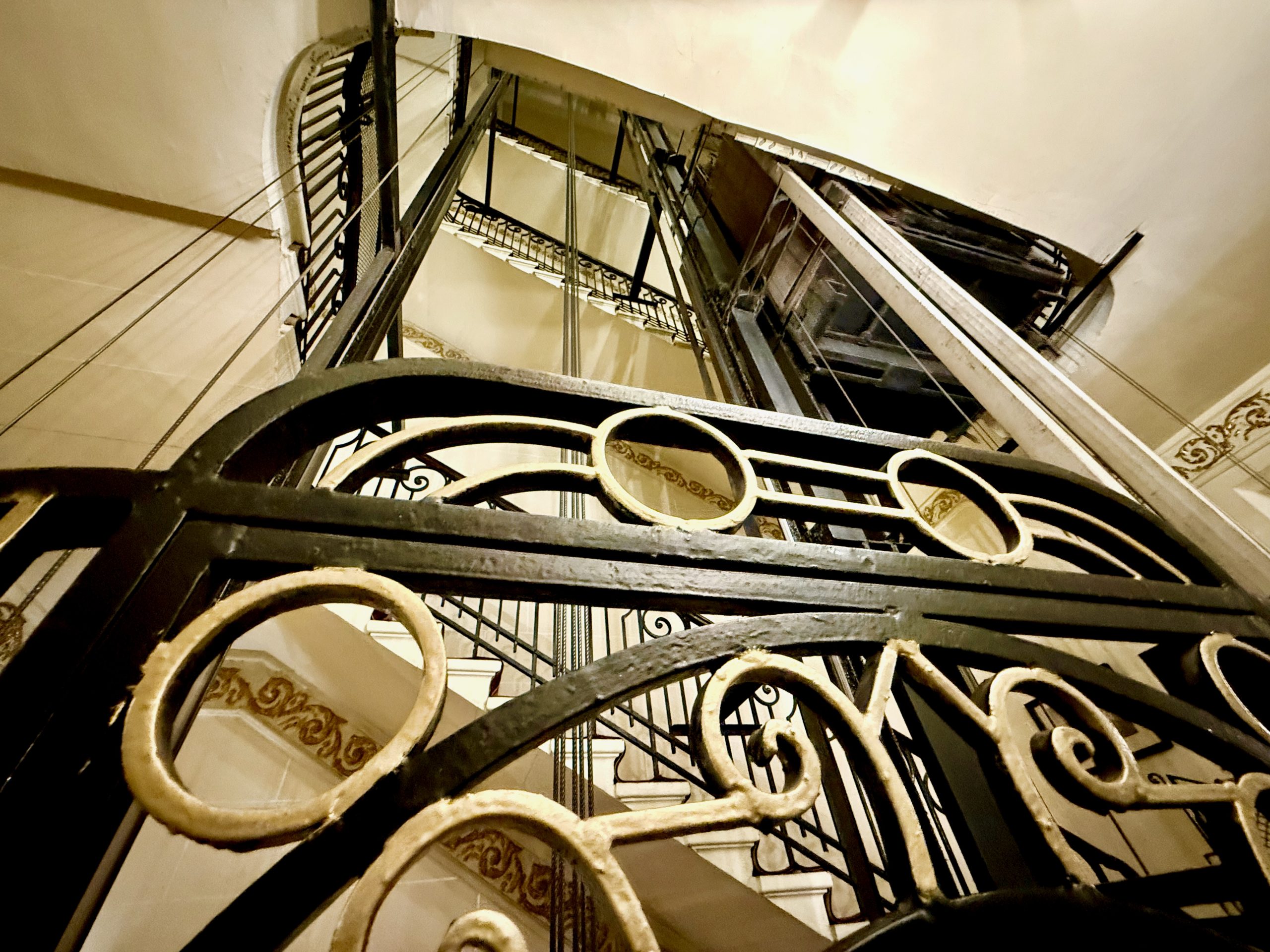
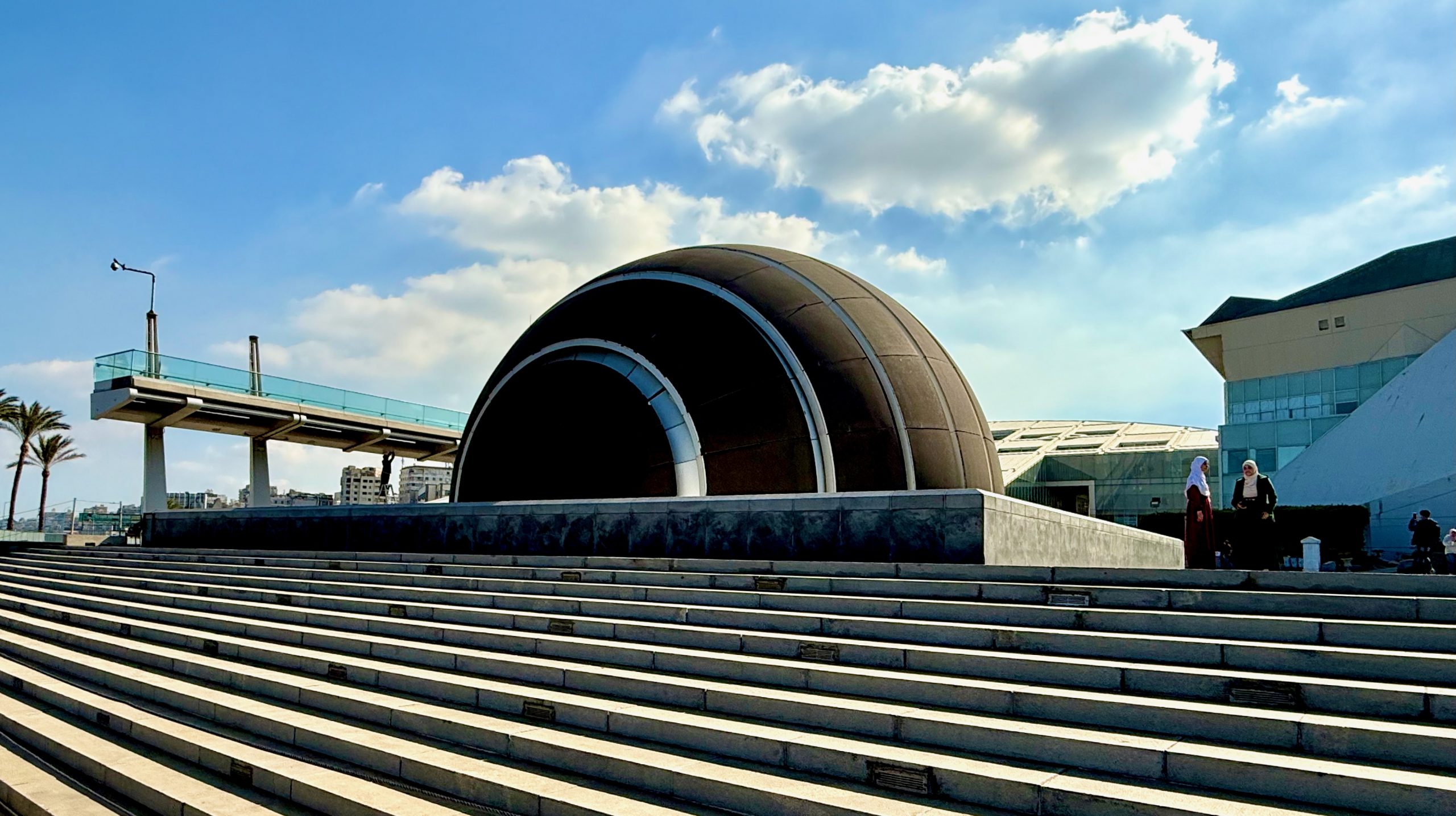
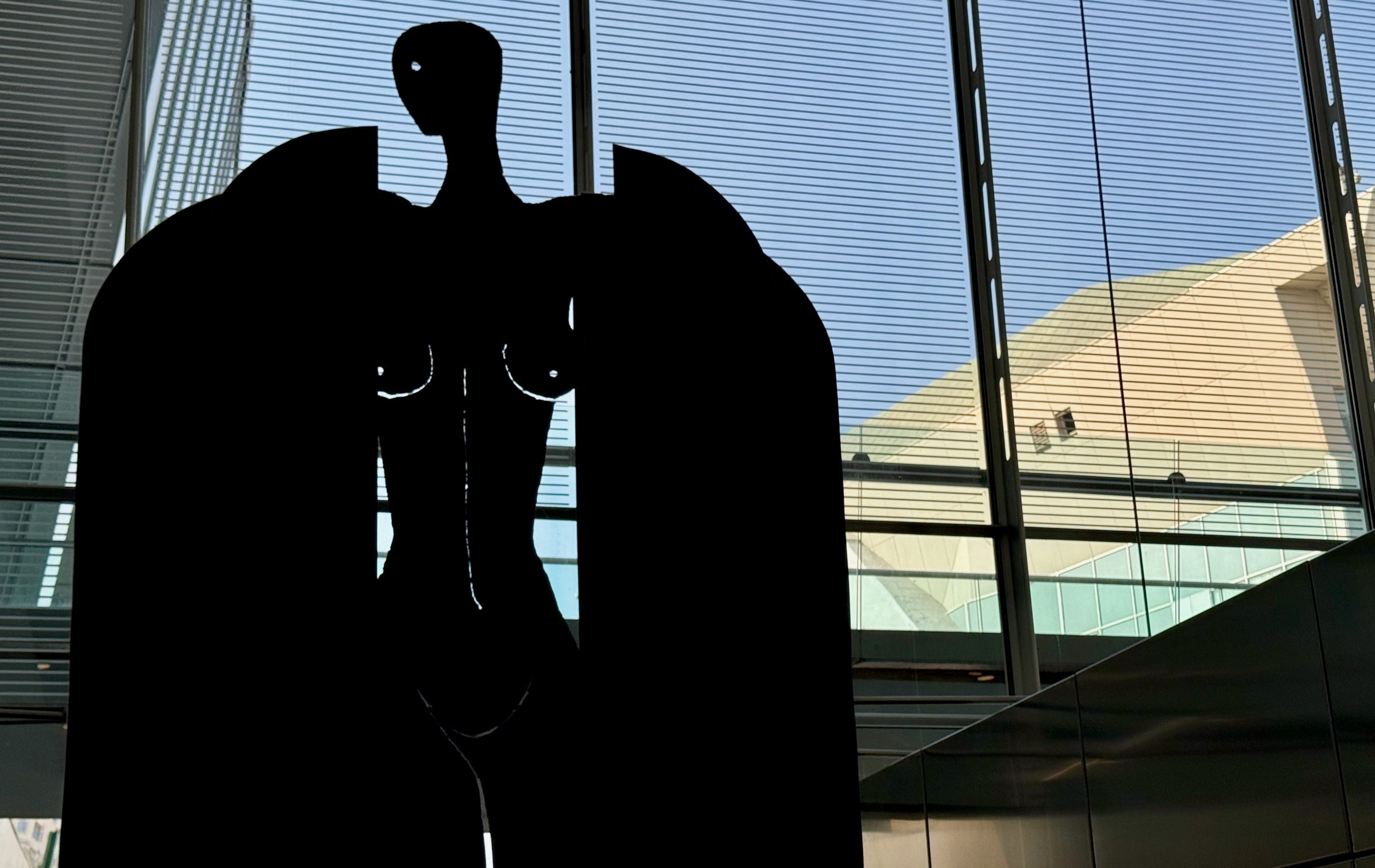
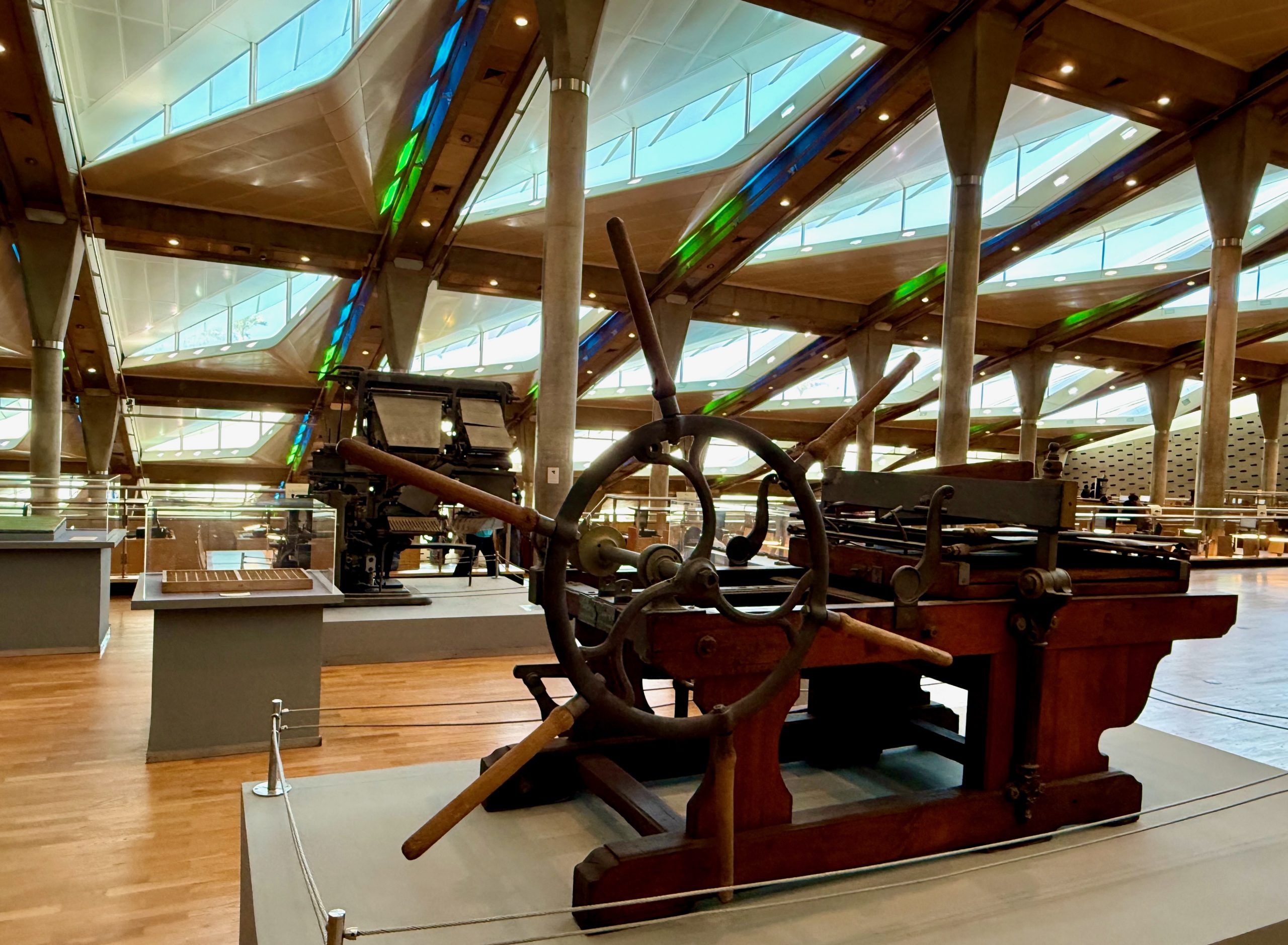
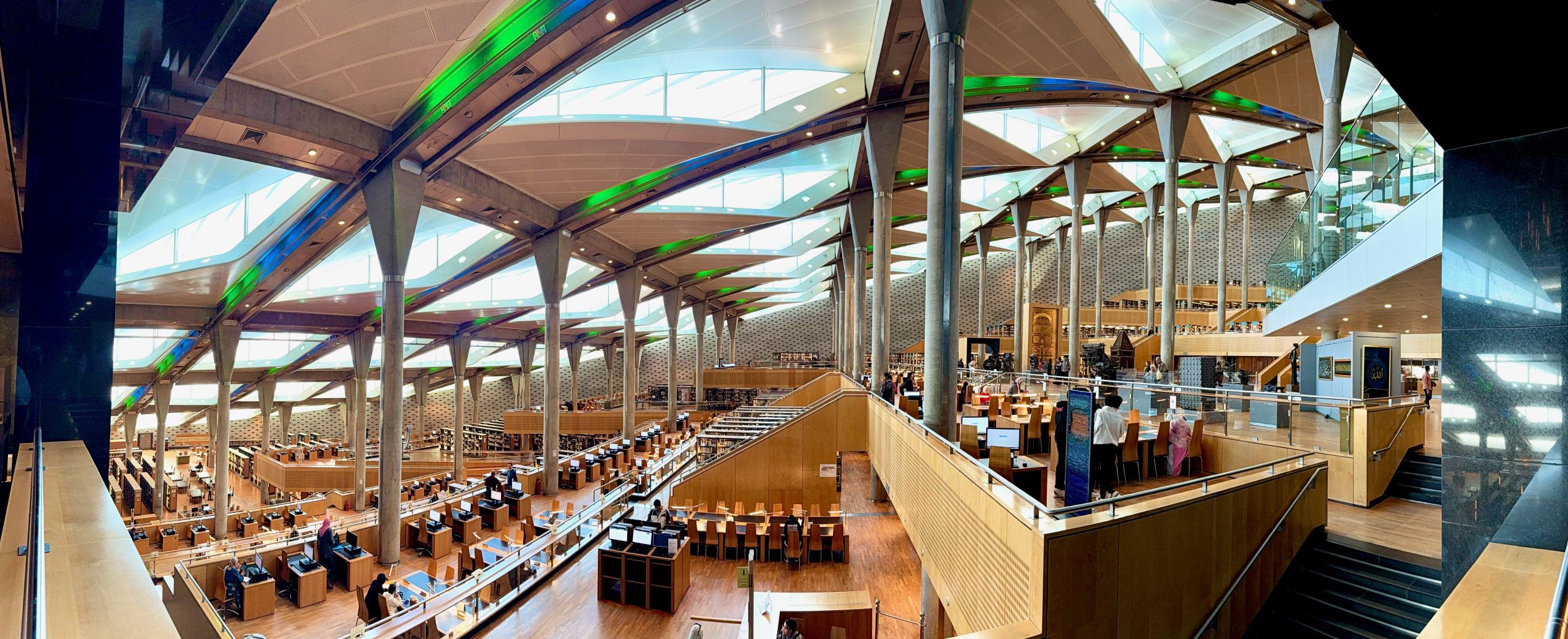
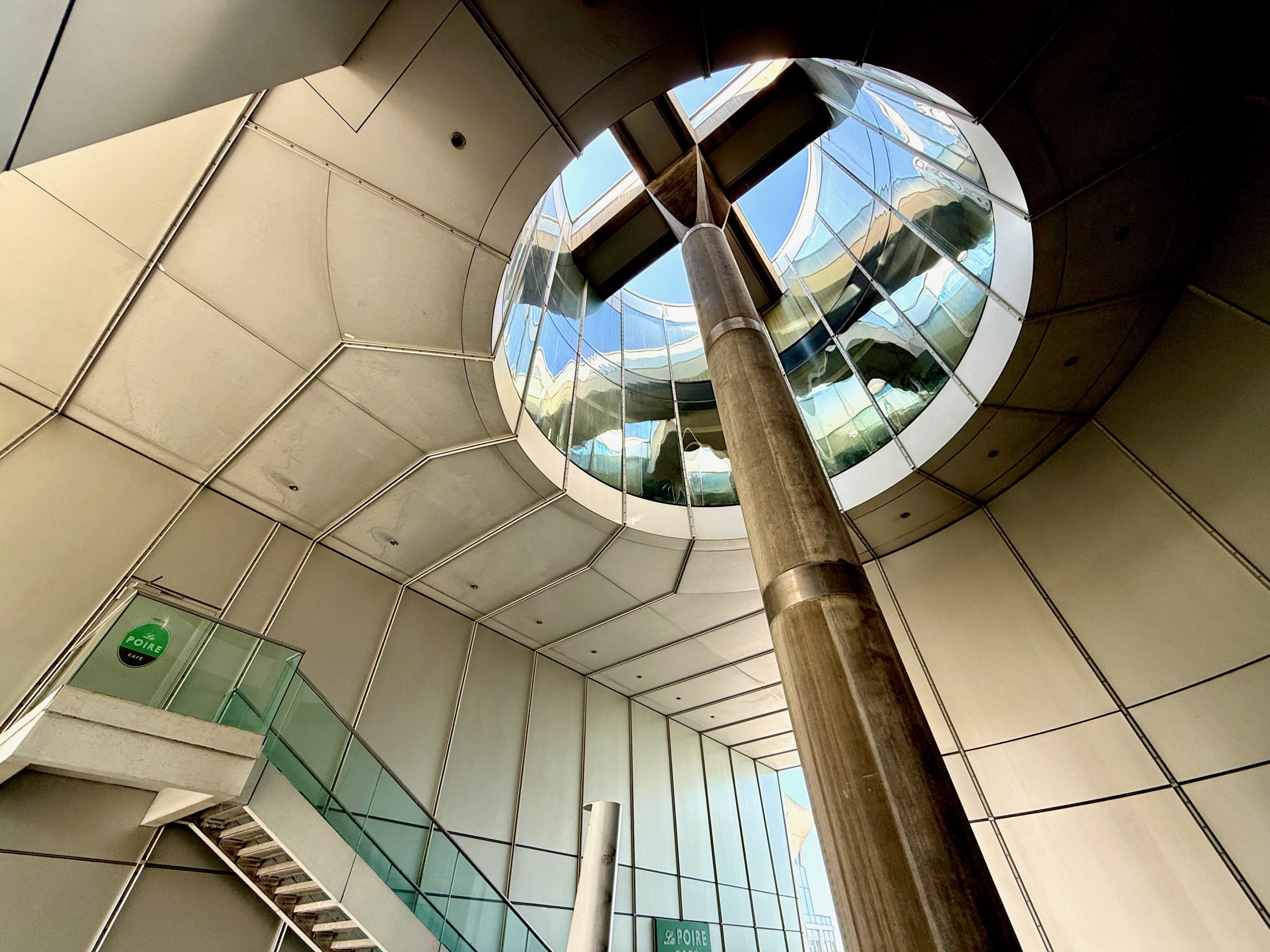
As I painfully persevered, we discovered one of the most extraordinary buildings either of us have ever visited. Some sense of it will be suggested by the images below, but just watching people sitting at desks and studying books was a true joy. As with the Grand Egyptian Museum a few days ago, full marks for the design, but there were areas where corners had clearly been cut in the construction.
Later, after less than a day in the city, we reversed our steps to Cairo and the Westin, ahead of our (in the event seriously delayed) Egyptair flight early on Thursday morning.
As we travelled to and fro, and sparked by a comment made by Dr Abla Abdel Latif a couple of days earlier, my brain was continuously working on what would eventually become the Domino Scenarios, which I will aim to cover in a later post here.
Meanwhile, here are some snaps from along the way:


Now, second, for a brief account of a couple of days we spent in and around Cairo. The main reason I was in Egypt was to do a talk at the American University in Cairo (AUC), organized by Professor Ali Awny of the John D. Gerhart Centre, part of the Onsi Sawiris School of Business. I have been privileged to serve on his advisory board for some years.
But, with AUC having ensured we got to visit the extraordinary new Grand Egyptian Museum on Saturday, 31st January, our second hosy – the Egyptian Center for Economic Studies (ECES) – kindly organized an early morning visit to the Pyramids and the Great Sphinx on Monday 2nd February.
And that visit produced this Substack post, built around a couple of images I had conjured in advance using Artiphoria. Here’s one of them, using the golden, C3PO-like robot I use as my avatar there – and, increasingly, in many slide presentations.

As I was creating it, I thought the robotic Sphinx was a bit of a stretch, heresy even, but then as we arrived near the rock-carved ceouching wonder (the nearby Great Pyramid of Giza is the only one of the original Seven Wonders of the World still extant), I spotted (and walked back to photograph) a sign advertising phaoronic virtual reality:

Since we are on an historical wavelength here, I should mention that one reason I had wanted Elaine to accompany me on this particular trip was that her father, Dr (George) Stanley Waite, born and raised in Barbados, served for six years in North Africa in WW2. Here he is at a medical station somewhere in Egypt, fifth from the left, front row. He was shipped out there shortly after marrying Elaine’s mother, Margaret, and then didn’t see her for six years.

I enjoyed the AUC and ECES sessions immensely. On one day, at AUC, I talked to a series of different groups through the days, with faculty members, students people from the business community, including a couple of chief sustainability officers. I was intrigued to hear the summary of the Center’s work by Kareman Shoair, senior research manager.
At the ECES event, moderated by ECED director Dr Abla Abdel Latif, whose corner office overlooking the Nile was itself a wonder, I spoke alongside two panellists, Dr Ahmed N. Tantawy, senior advisor to the Minister of ICT and founding director of the Applied Innovation Center at MCIT, and Tarek Osman, author and EBRD’s senior political counsellor for the Arab world, Tarek Osman. A YouTube record of the session can be found here.
Something that Dr Abla said to me after the session stuck in my mind – has subsequently provoked a big jump (I think) in my thinking. Over the weekend I have been working on a new quarter of scenarios, the Domino Scenarios, exploring what leadership will mean in a world where parallel realities are behaving like strings of domino tiles.
Where small changes in one part of the system can cause massive shifts in the system as a whole. I have now built the scenarios into my presentation for Istanbul, the Global Leaders Summit, this coming week, so more on that later.
On my second day at AUC, I spoke in a fairly large lecture theatre, hosted by the Gerhard Center and the Onsi Sawiris School of Business. The session was introduced by professor Ali and moderated by Kareman Shoair. Lively discussion afterwards with the audience, which I very much enjoyed, and met some fascinating people once the session closed.
Then we headed back to the Westin to collect our bags and head for Alexandria, the subject of the third and final post in this series.


John Elkington is a world authority on corporate responsibility and sustainable development. He is currently Founding Partner and Executive Chairman of Volans, a future-focused business working at the intersection of the sustainability, entrepreneurship and innovation movements.