• Skip to primary navigation
  • Skip to main content
  • Skip to primary sidebar
John Elkington

John Elkington

A world authority on corporate responsibility and sustainable development.

  • About
    • Ambassador from the future
  • Past lives
    • Professional
      • Volans
      • SustainAbility
      • CounterCurrent
      • Boards & Advisory Boards
      • Awards & Listings
    • Personal
      • Family
      • Other Influences
      • Education
      • Photography
      • Music
      • Cycling
    • Website
  • Speaking
    • Media
    • Exhibitions
  • Publications
    • Books
    • Reports
    • Articles & Blogs
    • Contributions
    • Tweets
    • Unpublished Writing
  • Journal
  • Contact
  • Show Search
Hide Search

John Elkington

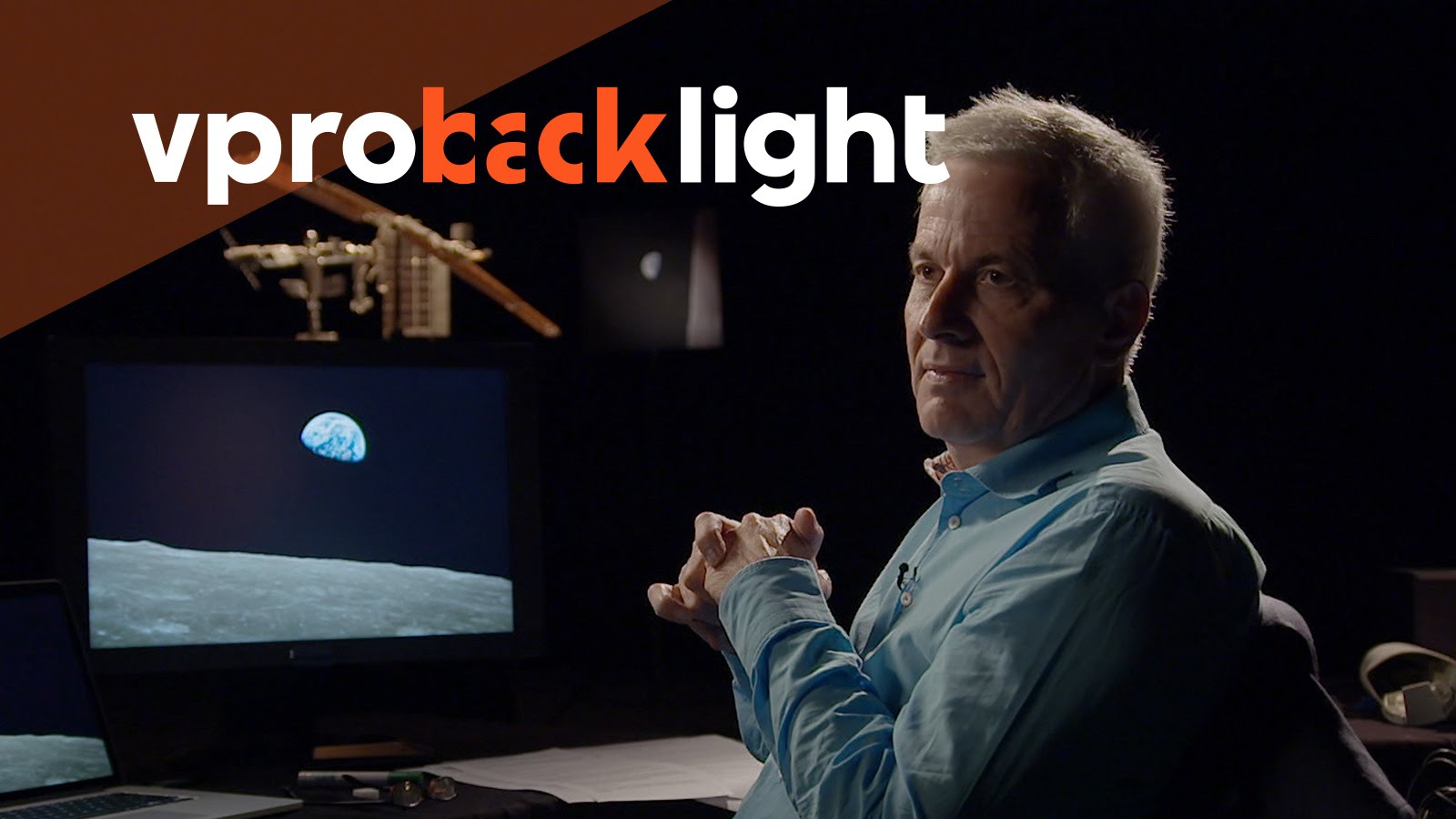
Thomas Rau: Market Revolutionary

John Elkington · 14 February 2016 · Leave a Comment

Thomas Rau
Thomas Rau

‘The End of Ownership’ is the theme, but first let me wind back the clock to just before Christmas.

On 11 December 2015, I flew to Amsterdam for a session at THNK with some 20 people co-evolving a new system change platform.

Arriving at Schiphol, I went outside to catch a taxi to THNK, to find that maybe half of the taxis were now Teslas.  The odds worked out, I didn’t get a Mercedes, and my driver was a tall, distinguished man with a bow tie. As we sped into the city, and with no clues from me as to my interests, apart from my compliments on his Tesla, he began to give me an enthusiastic run-down on the sustainability agenda.

In full flow, he mentioned that he had recently seen an astonishing TV documentary featuring the architect Thomas Rau. After the THNK session, I sent an email to Thomas’s wife, Sabine Oberhuber, saying that Thomas seemed to be ubiquitous – and complimenting him on his popular impact.

But I hadn’t yet seen the documentary

Then, yesterday, Sabine came to lunch in Barnes, and this morning, back in Holland, sent a link to the documentary, The End of Ownership.

We sat down this evening to watch it – and, with no exaggeration, I think it’s one of the most powerful pieces of film I have ever watched on our agenda and on how Homo sustainabilis can rise to the eternal challenges of life on Earth.

As part of our new program of work with the United Nations Global Compact, we plan to develop a portfolio of key resources for business leaders – and for tomorrow’s sustainability champions – and The End of Ownership will be in pride of place.

There are many reasons to watch the documentary, including the 100th birthday party for a light-bulb that still burns brightly.

But other key takeaways include how we need to apply the deep principles of the funfair to tomorrow’s economy, how companies like Phillips and Bosch have responded to the provocations of this extraordinary market revolutionary, and how future materials will not only have passports  but also their version of human rights.

And then there is the woman in the red dress, about 35 minutes in. That’s the sequence where the irreducibly human dimensions of the coming transformation literally well up as old realities give way to the new.

Peering Through The Sustainability Kaleidoscope

John Elkington · 8 February 2016 · Leave a Comment

My first blog touching on our new 2-year program with the United Nations Global Compact appears in ‘The Elkington Report’ on GreenBiz.

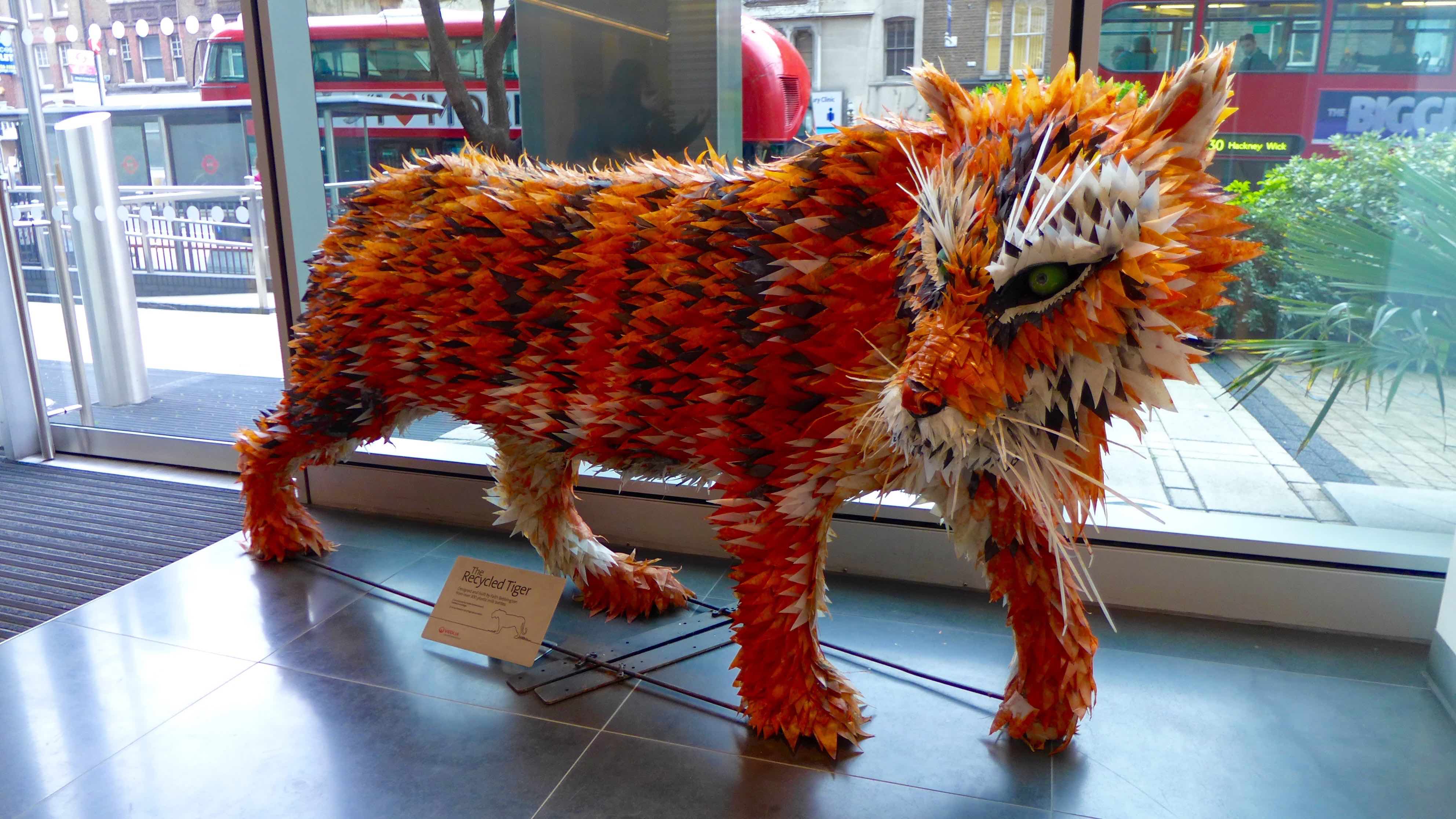
Rosetta Stone, Recycled Tiger, Lear & White Cliffs

John Elkington · 6 February 2016 · Leave a Comment

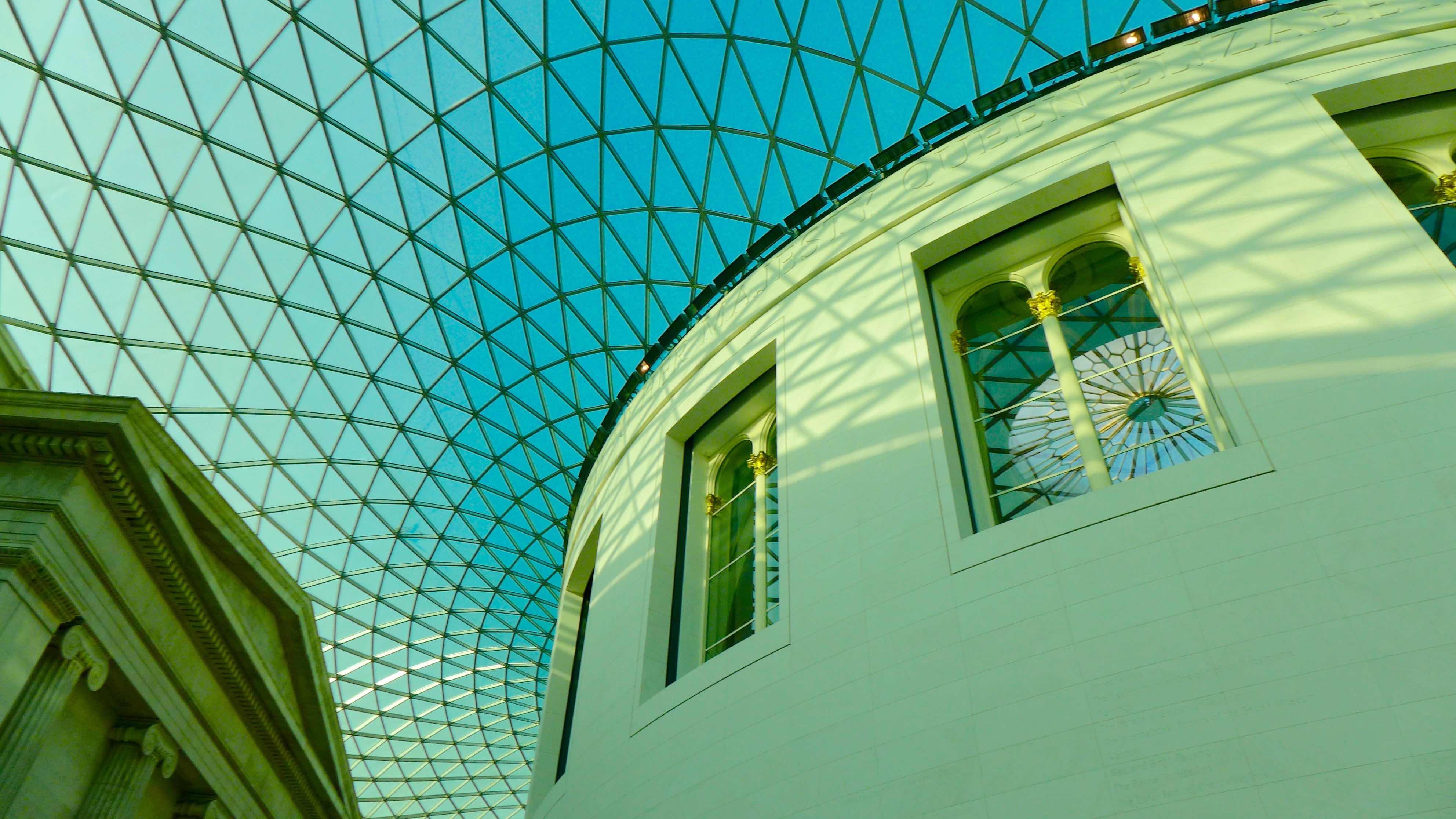
British Museum Great Court
British Museum’s Great Court
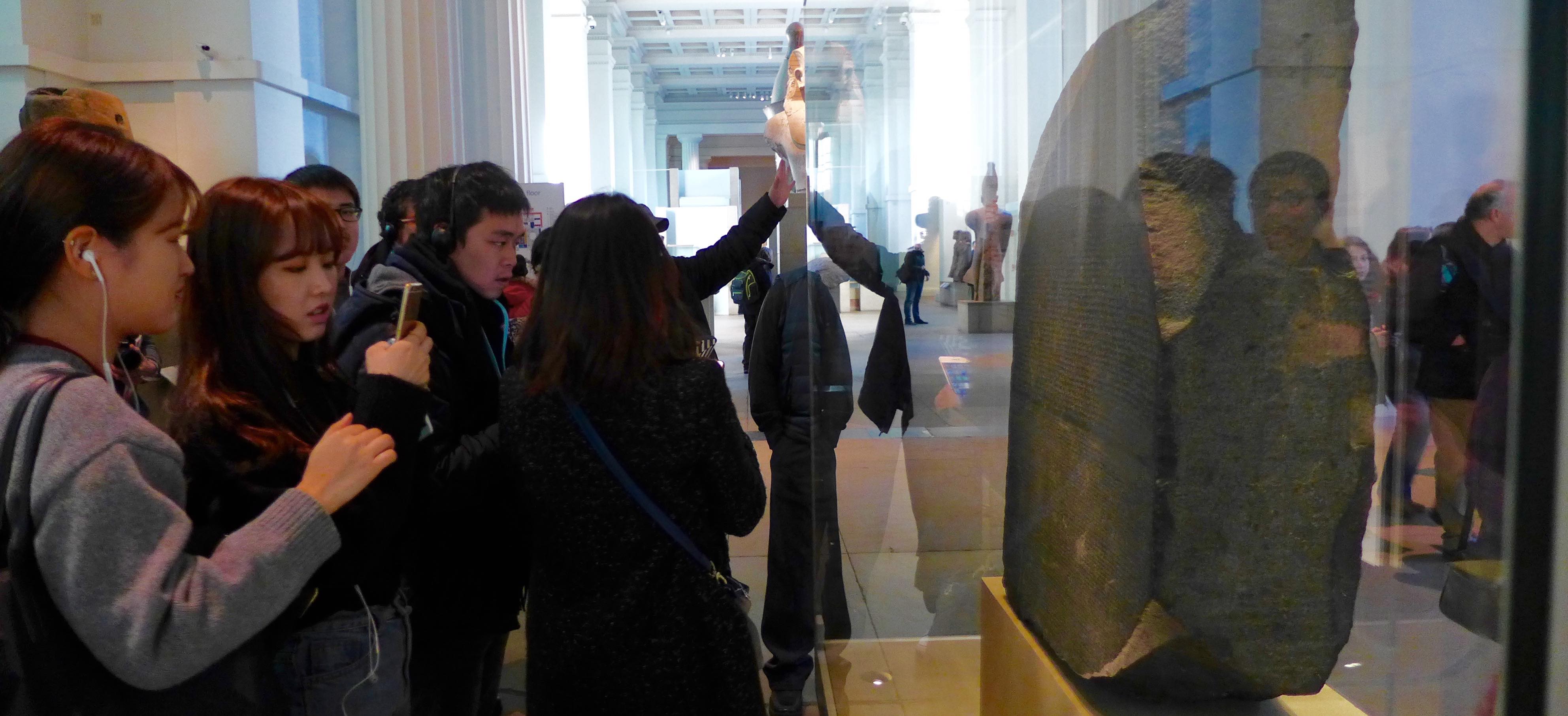
Japan's take on Rosetta Stone
Japan’s mobile take on Rosetta Stone
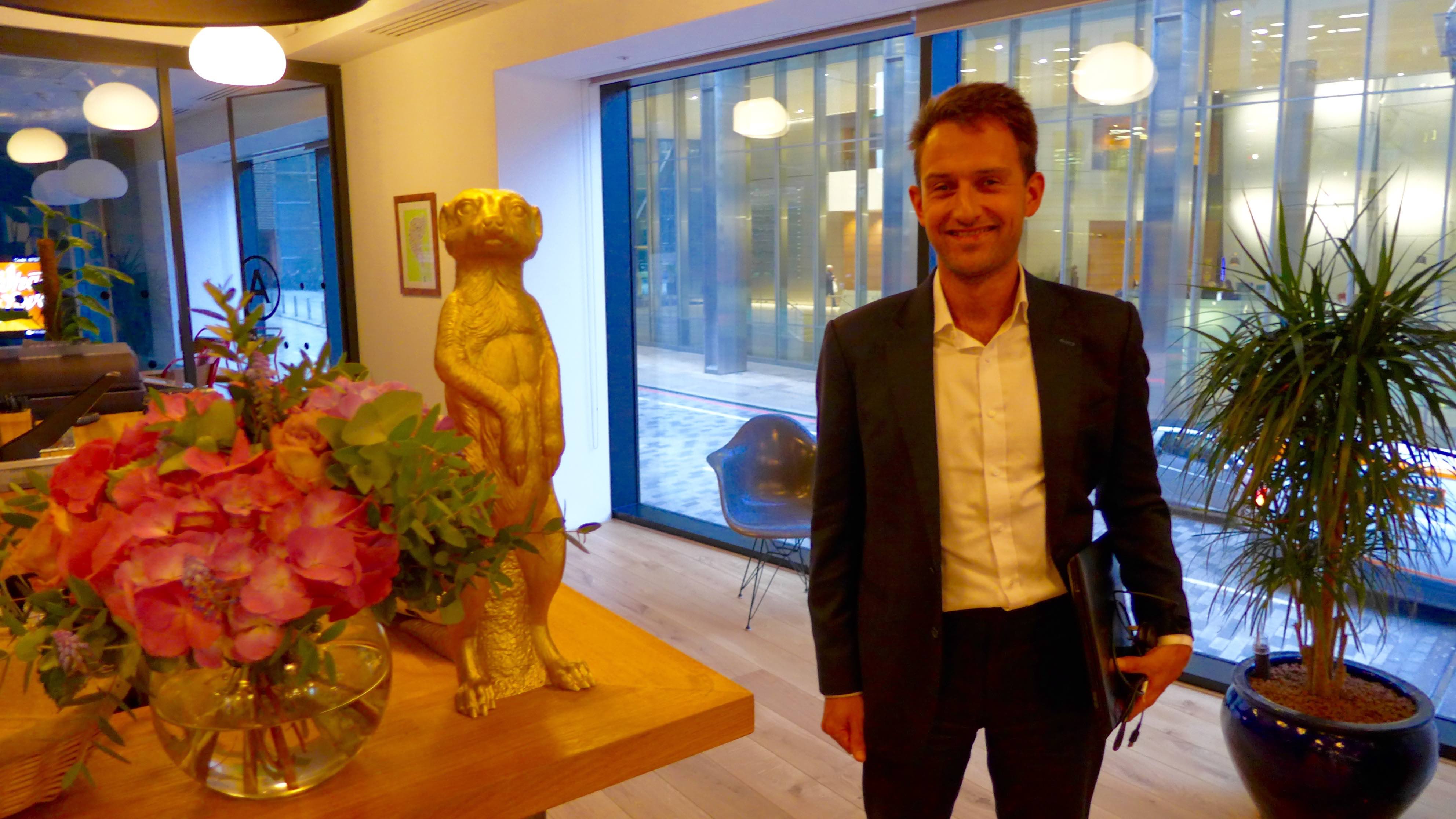
Meerkat Moment: Clement Huret of the Social Stock Exchange
‘Meerkat Moment’: Clement Huret of the Social Stock Exchange
Recycled tiger at Veolia HQ


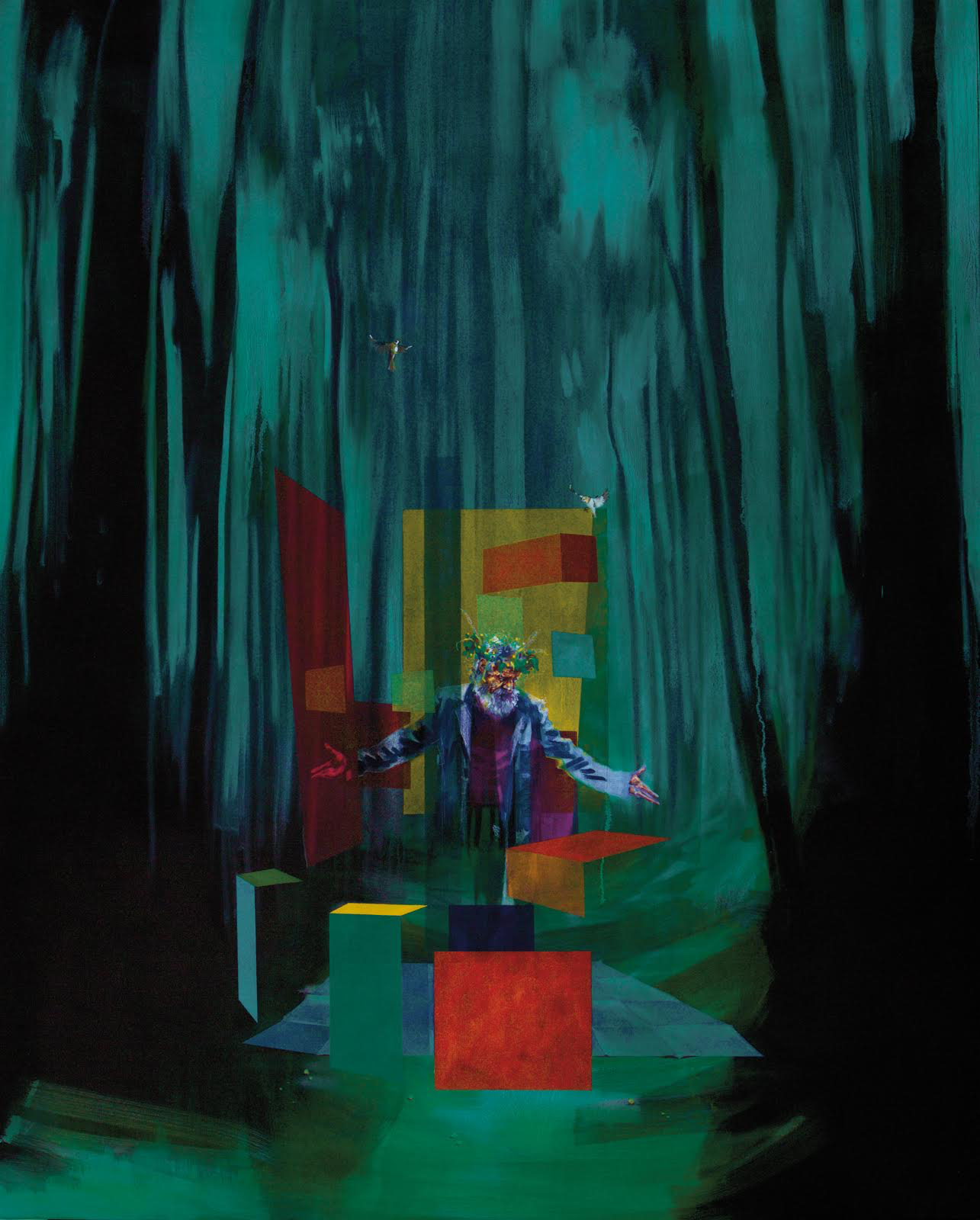
The Eldest Have Borne ost, by Bartholomew Beal
The Eldest Have Borne Most, by Bartholomew Beal
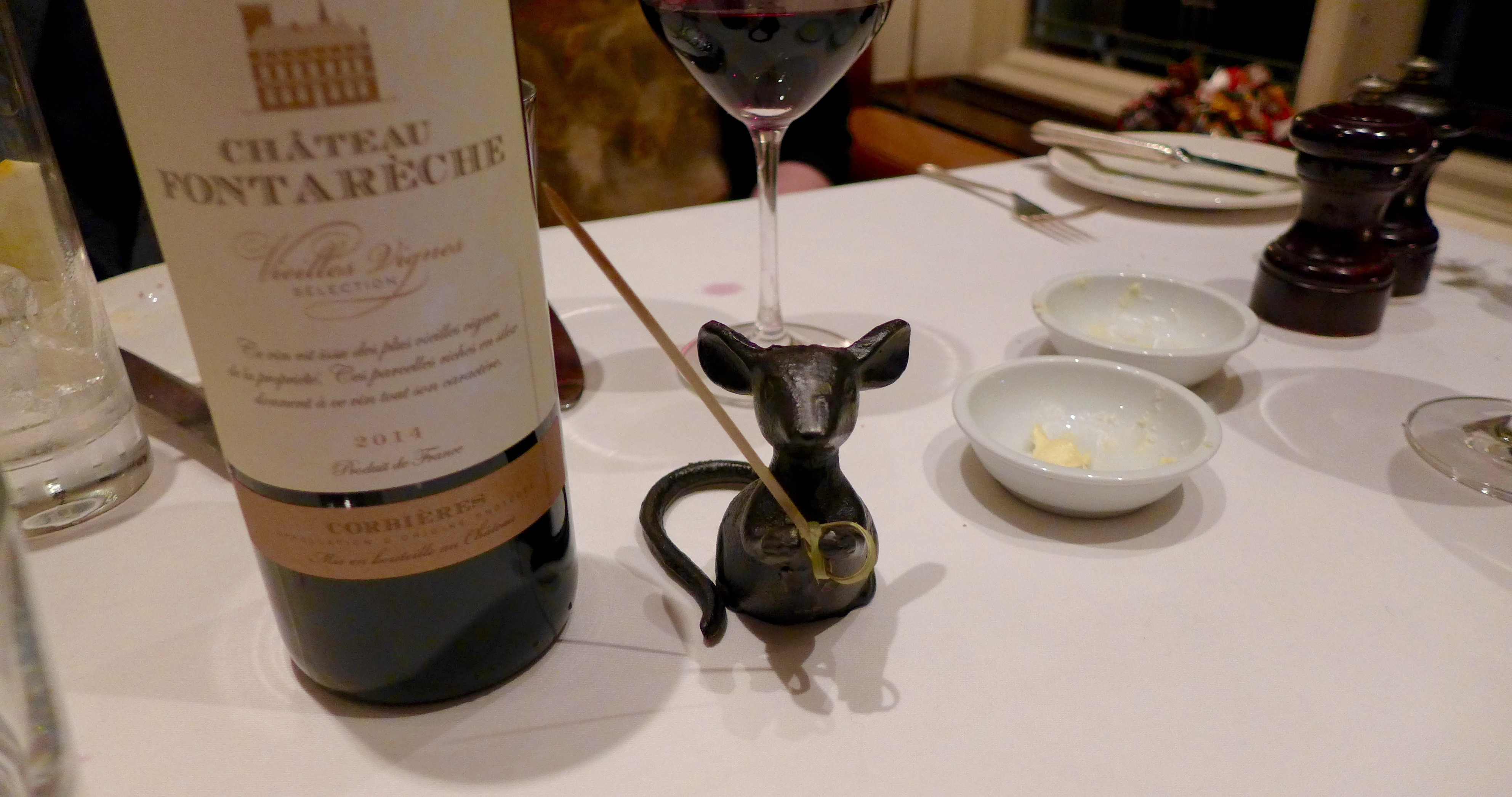
Quo Vadis and Mouse
Quo Vadis and Elaine’s new mouse
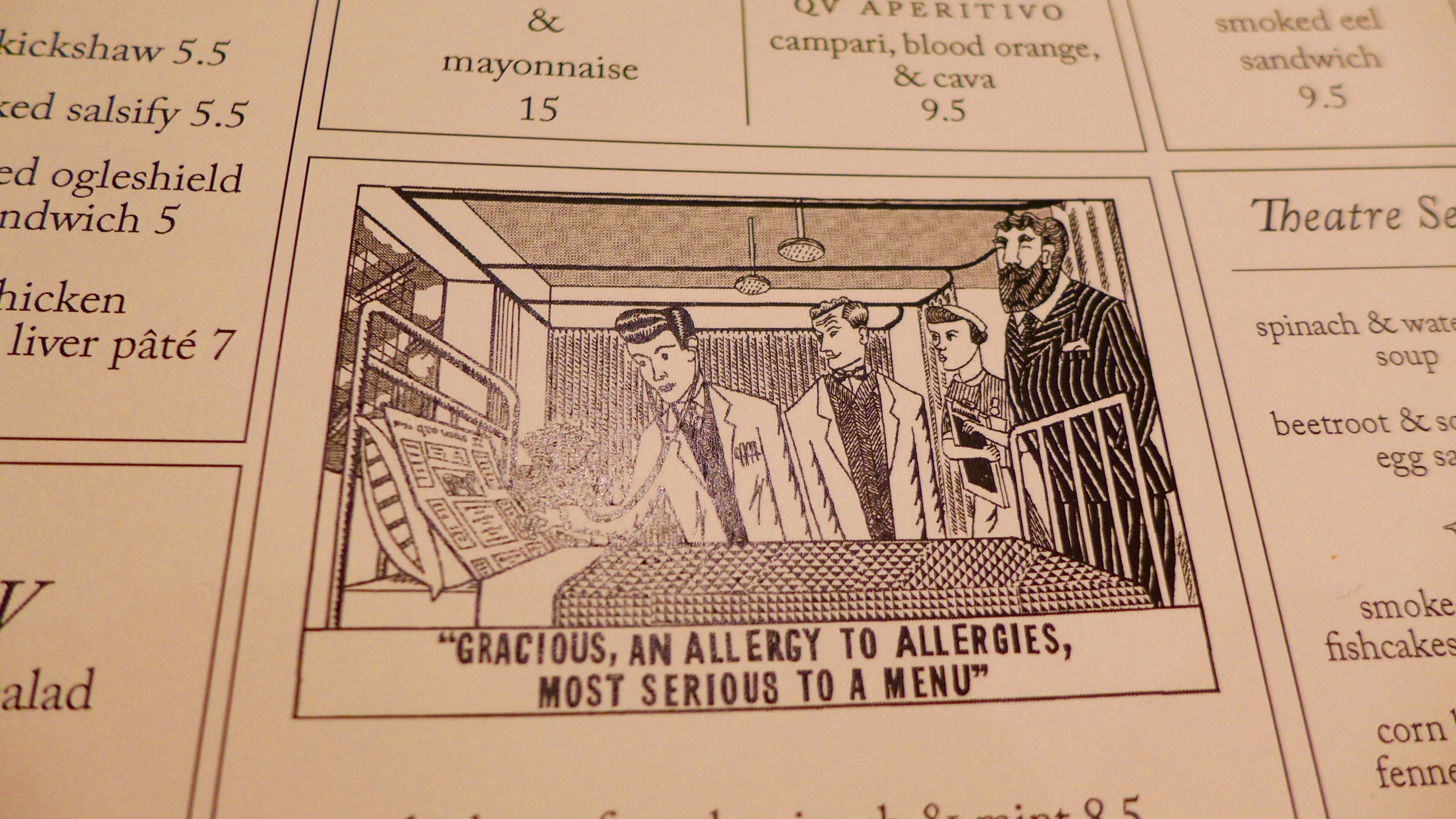
Quo Vadis menu
Quo Vadis menu
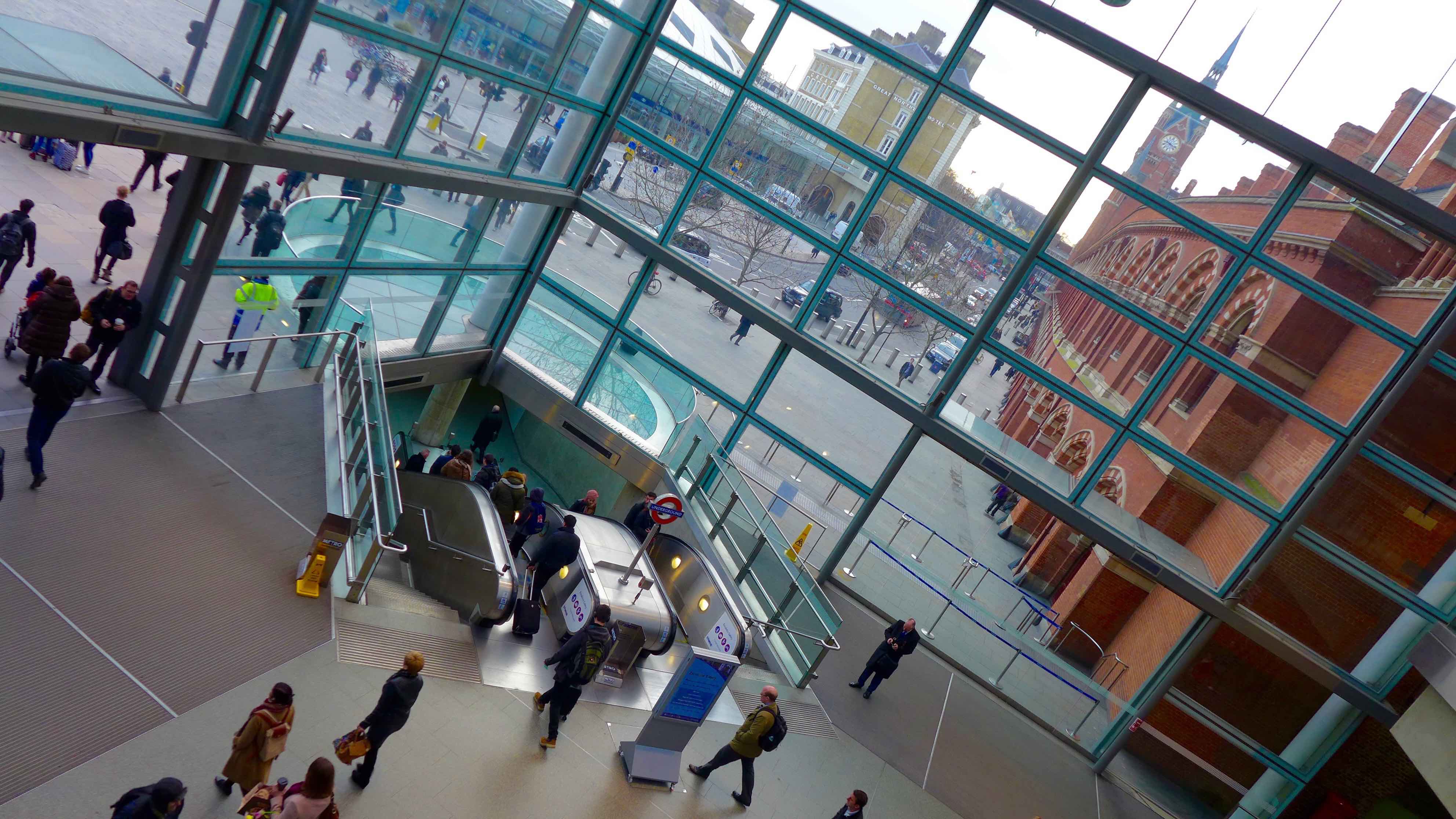
St Pancras, en route to Dover
St Pancras International, en route to Dover
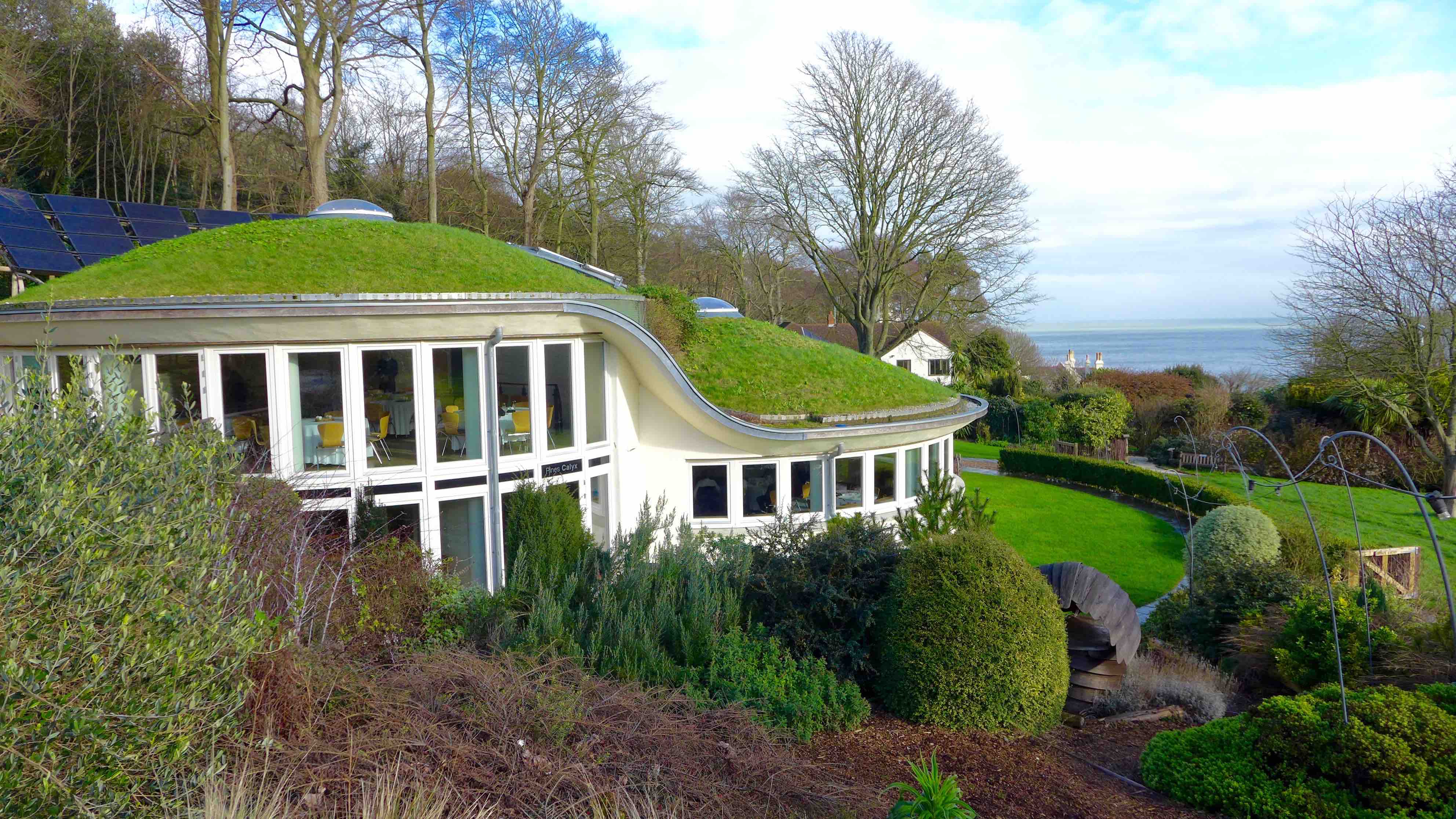
Pines Calyx conference centre
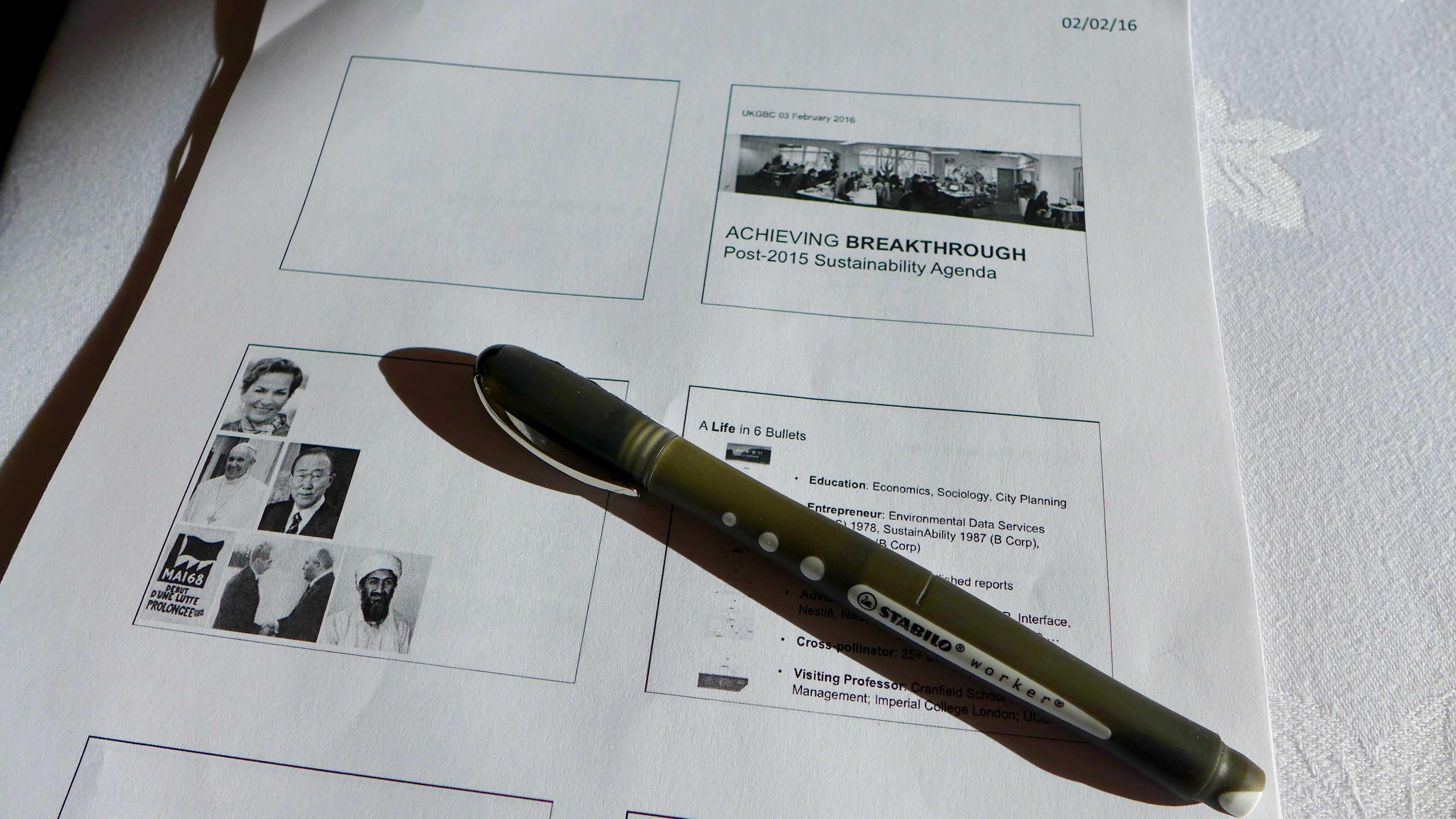
My speaking notes - unused
My speaking notes – not needed
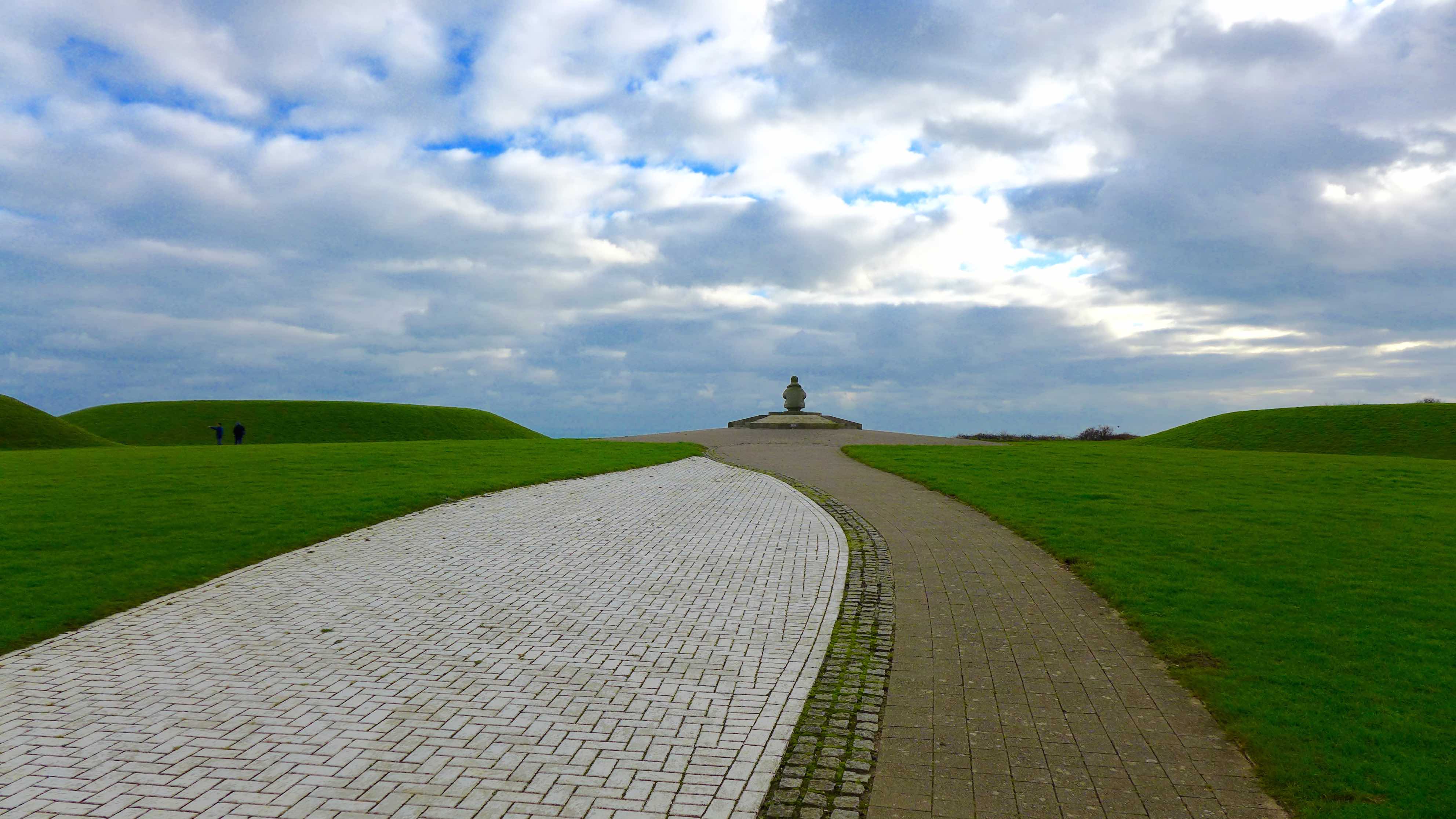
Battle of Britain Memorial 1
Battle of Britain memorial 2
Battle of Britain memorial 3 - No. 1 squadron emblem
Battle of Britain memorial 3 – No. 1 squadron badge
Tim's name on the scroll of honour
Tim’s name on the scroll of honour
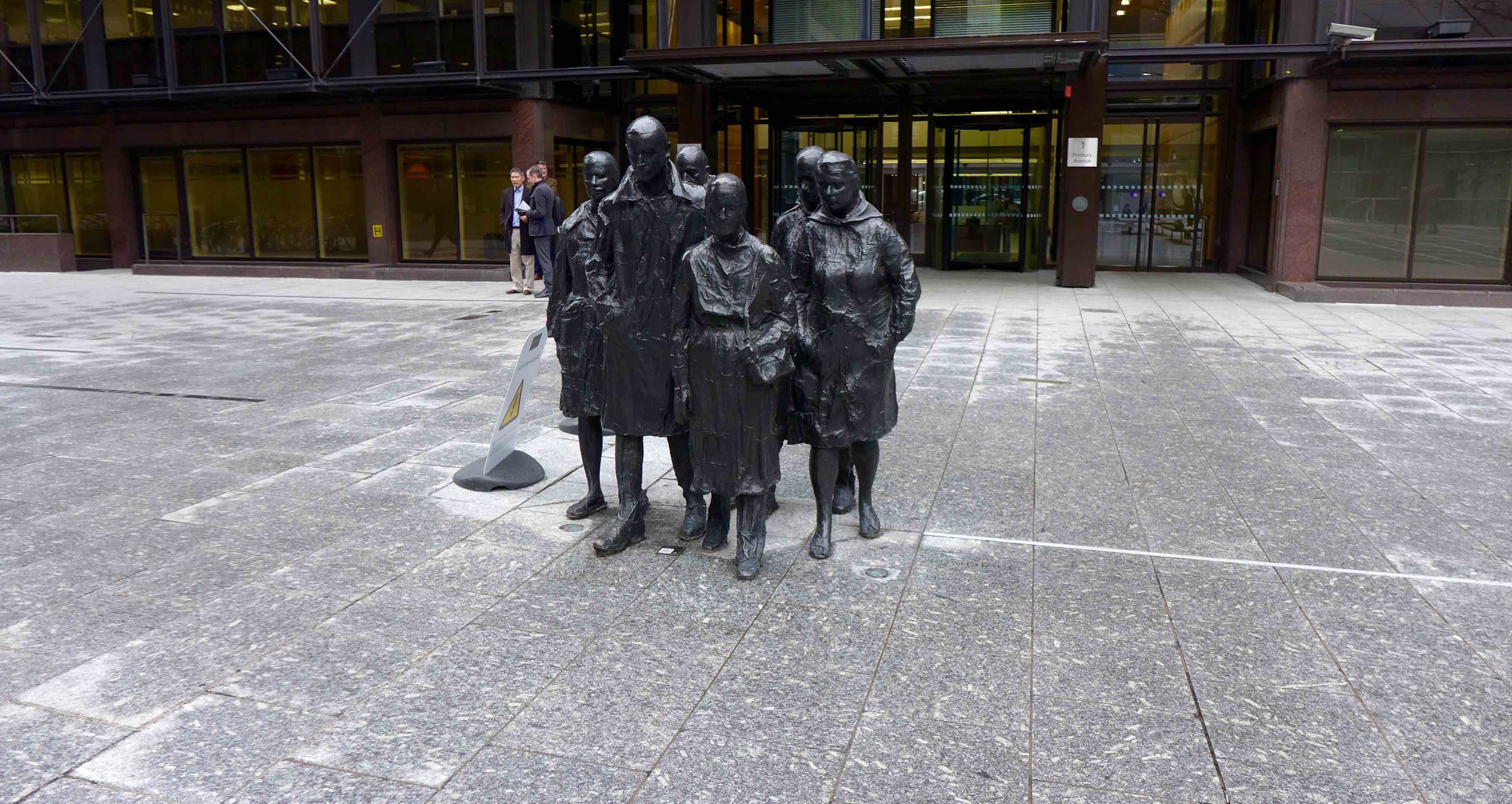
Statues outside UBS HQ
Rush Hour statues outside UBS HQ, by George Segal
Rush Hour, take 2
Rush Hour, take 2


I can’t even begin to describe the acceleration of events in 2016. Have described it to people coming through the office as a bit like being strapped to a rocket.

A key part of this has been our new 2-year program with the United Nations Global Compact (UNGC), but it has also coincided with a range of other projects, including the beginning of a relationship with the new Global Commission on Business and Sustainable Development (GCBSD).

Among  milestone moments in recent weeks was a visit with Elaine to the British Museum to see the Celts exhibition, subtitled Art and Identity. Stunning. On the way out, we wandered across to the Rosetta Stone, by far my favourite object in the BM.

With change in the air, we have been transforming bits of 1 Cambridge Road, creating a new study for Elaine in Gaia’s old bedroom. So we trekked across to John Lewis on the 26th to get a desk, chair and light. On the way there, or perhaps back, we passed the Fine Art Society in Bond Street, and on the spur of the moment ducked in to see an exhibition by Bartholomew Beal.

It was love at first sight, at least when it came to an enormous painting of his, The Eldest Have Borne the Most. Couldn’t help myself – bought it, though waited until Gaia and Hania had been to see it, too.

The image, part of a series of paintings based on King Lear, has endless elements that chime with aspects of my life: a eucalyptus-like forest background, very much like stained glass (a long-standing fetish of mine); a central figure very much like John St John, who Elaine worked with at Heinemann decades ago; the Green Man-like crown; the swirling elements being orchestrated (the story of my working life); the magic carpet; the sense of nature being ‘started’ by science and technology, symbolised by the two birds; and so on.

The next day, the 27th, kicked off with a breakfast meeting at Veolia’s HQ, where I chaired a debate for Outstanding (they work with the LGBT community and allies) featuring Unilever chairman Paul Polman. He really is a phenomenon, stunningly impressive. The invitation came via Ori Chandler, who worked with me at SustainAbility, back in the day.

On February 1st, Gaia, Hania, Jake, Pul and I helped celebrate Elaine’s 69th birthday at the Soho restaurant, Quo Vadis. A glorious evening. We were sitting right by the stained glass windows. And it was quiet enough that my tinnitus/hyperacusis problem wasn’t an issue.

Then, among a blizzard of other meetings with people like Cathy Runciman and Oriol Soler of the Atlas of the Future, Solitaire Townsend (to whom I owe the ‘Meerkat Moment’ phrase in a caption above, by which she meant we are at a juncture where a raft of opportunities seem to be coming our way) and Matt Sexton of Futerra, and Thomas Ermacora of Machines Room, it was time for me to take the train south to Folkestone, where Julie Hirigoyen of the UK Green Building Council and I were picked up by a car and driven through Dover to the amazing Pines Calyx conference centre. My session seemed to go very well.

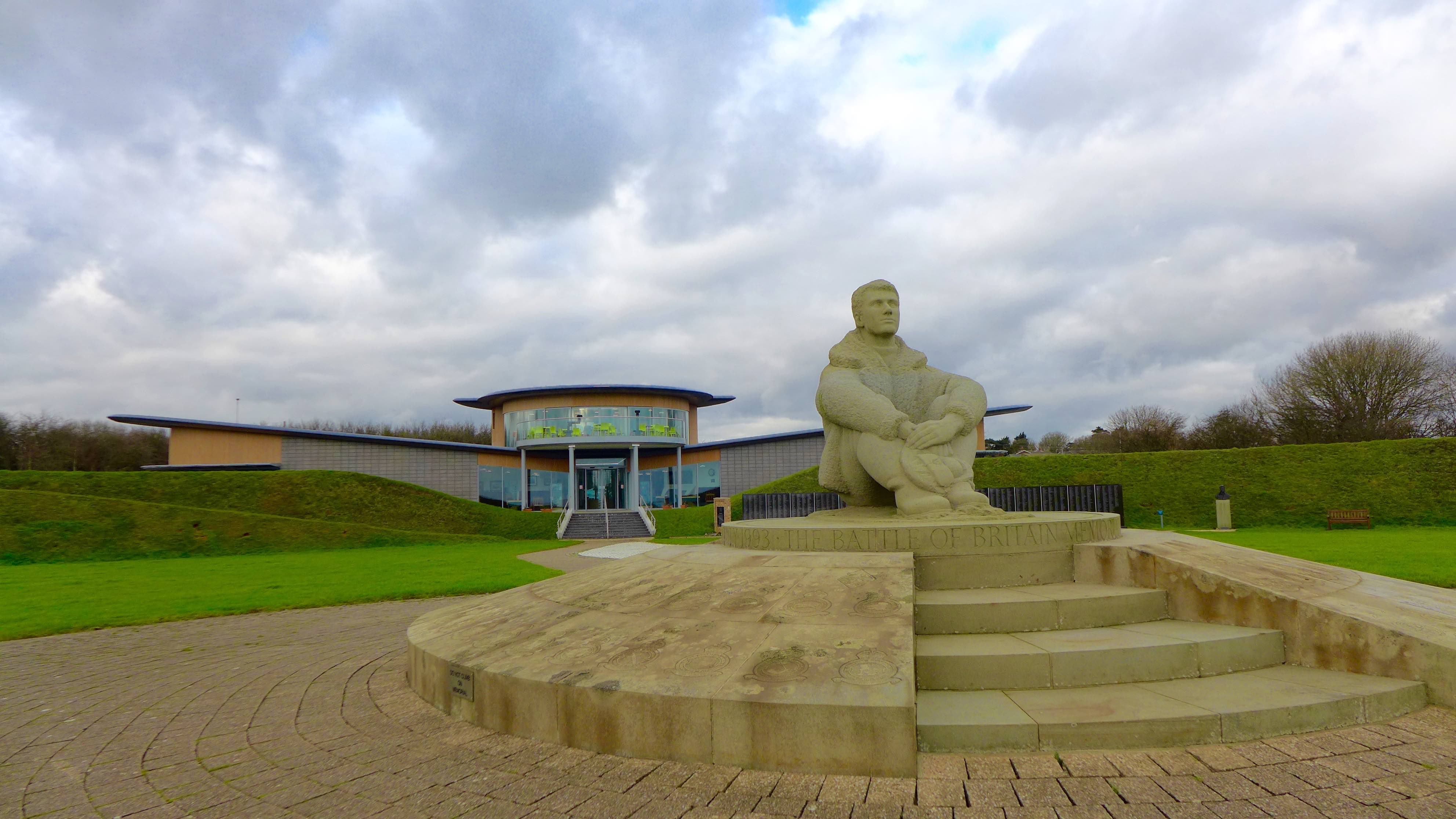
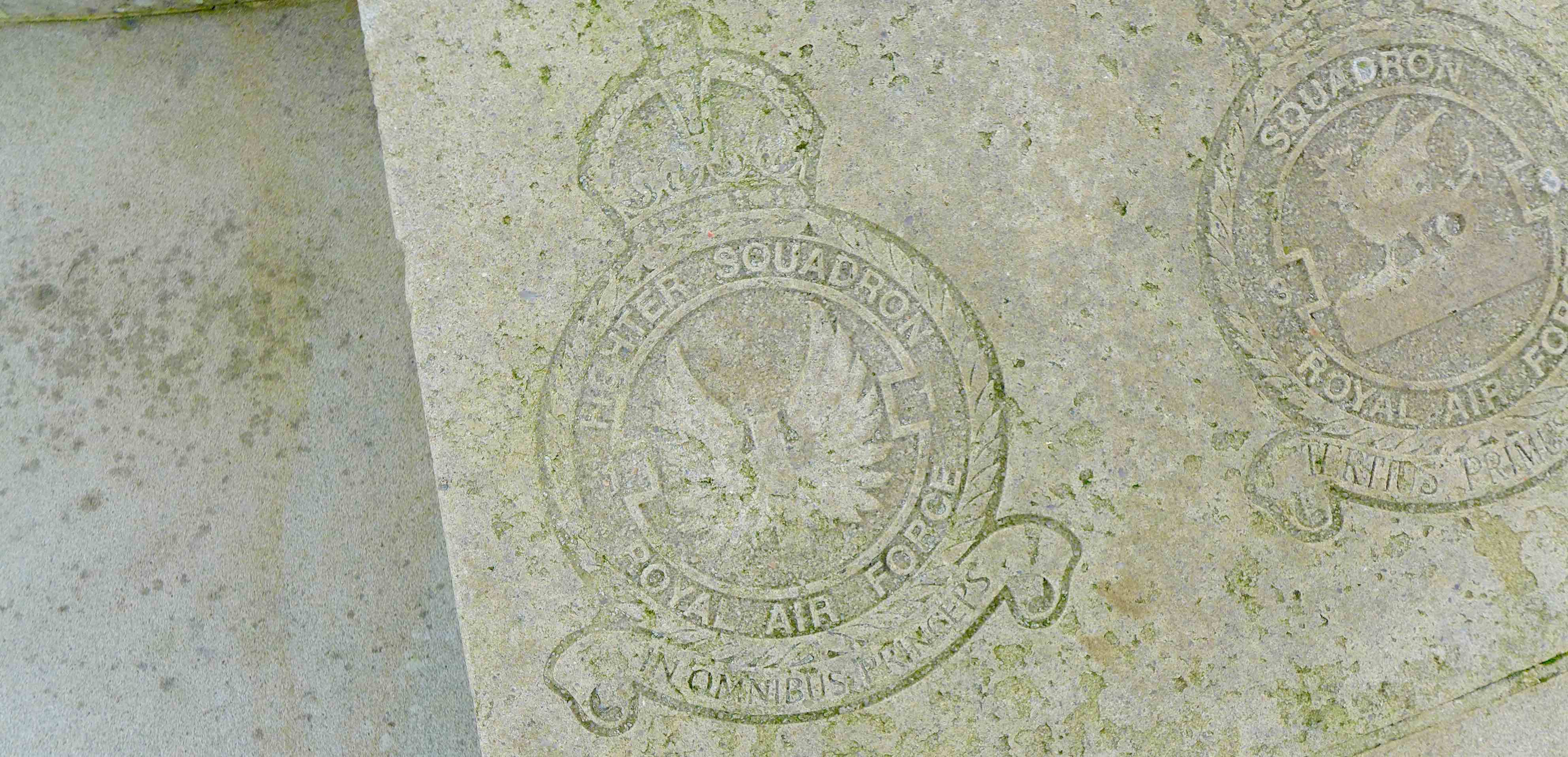
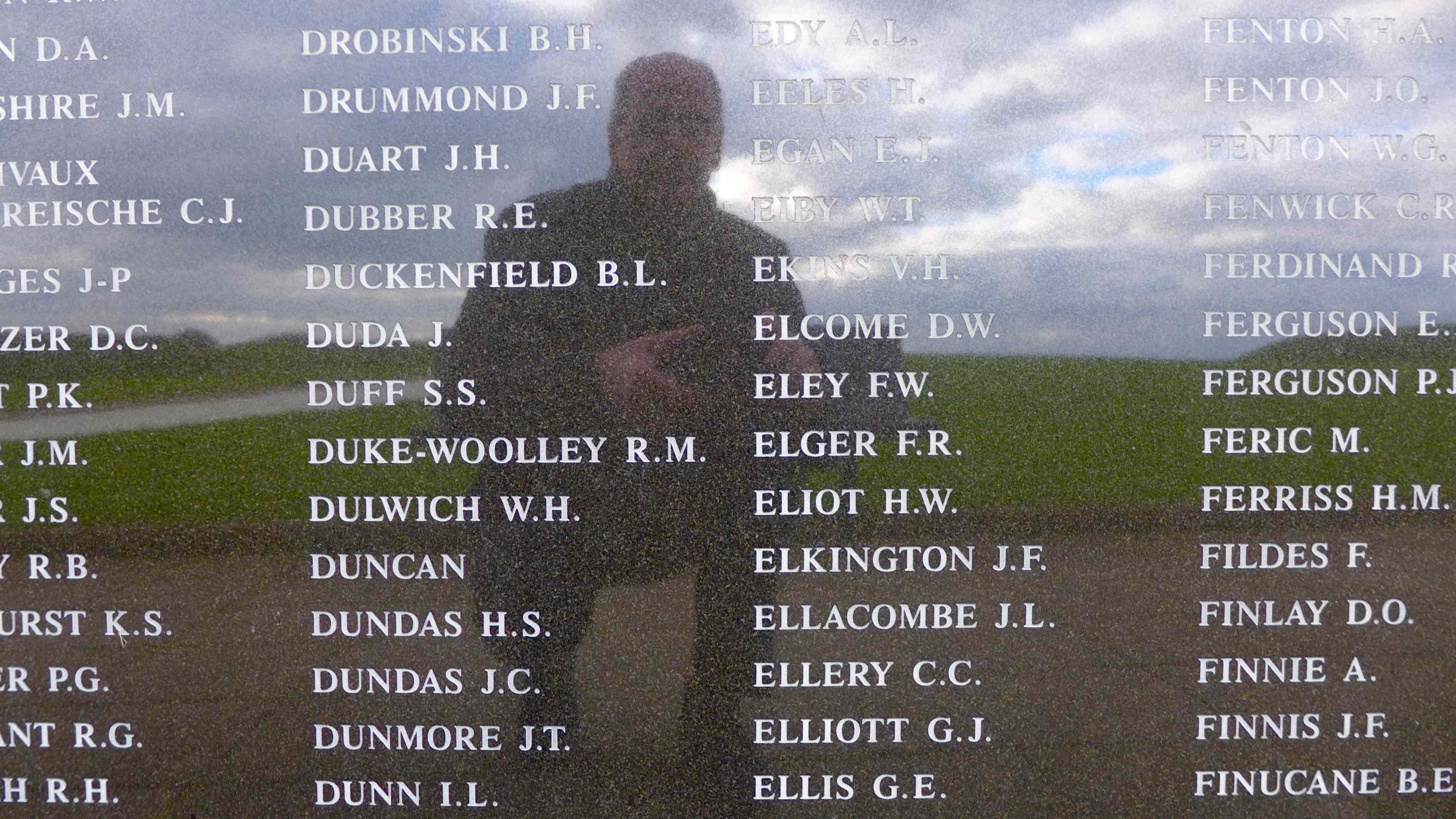
On the way back to the station, the taxi driver (Simon) took me to see the Battle of Britain memorial at Capel-le-Ferne, which I had wanted to see ever since it was opened. Walked around it more of less on my own, and was moved to see Tim’s name on the scroll of honour. Simon’s father, it soon turned out, was a former navigator in a Wellington bomber, so inevitably we talked about Barnes Wallis and geodesic design.

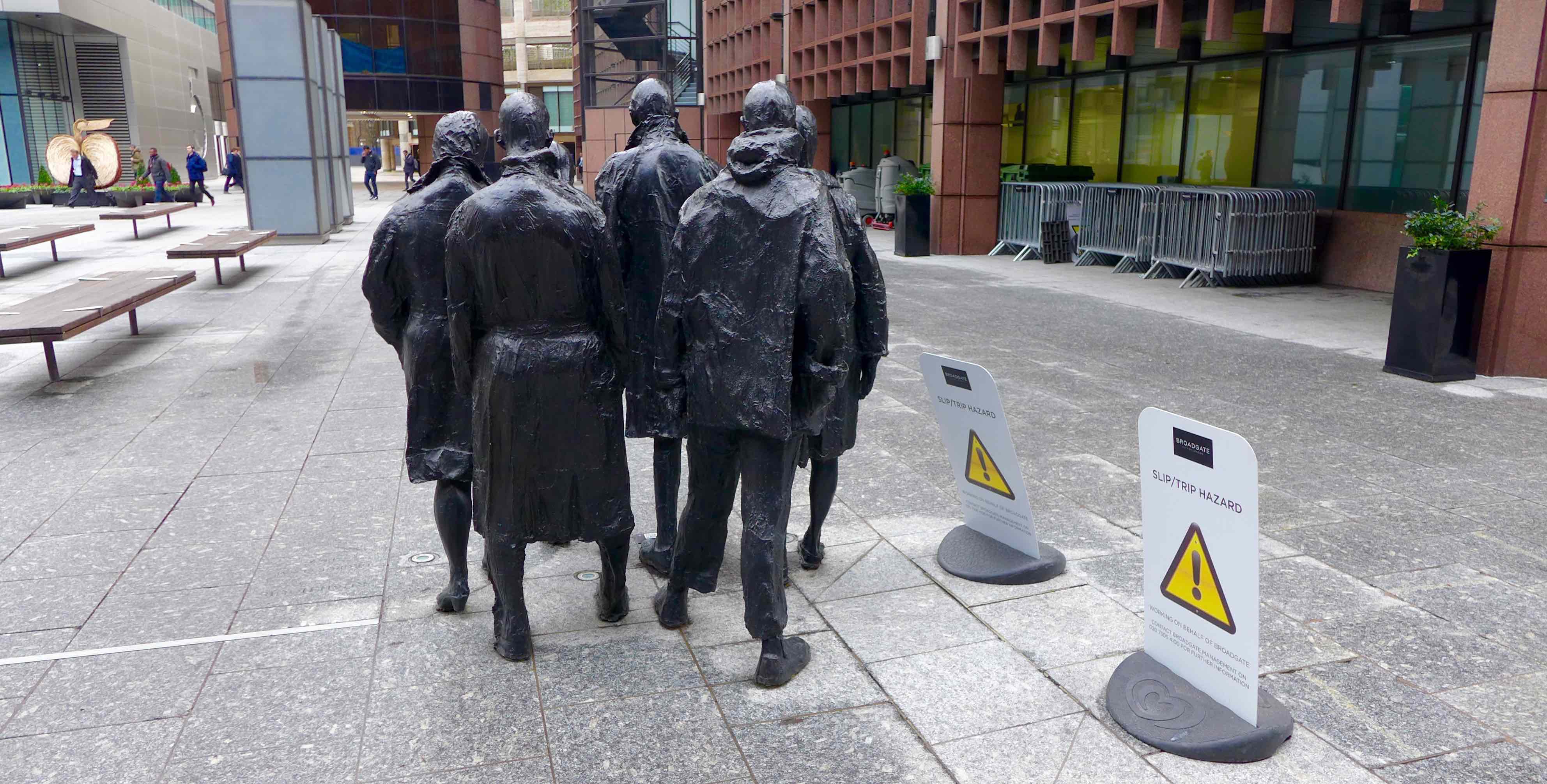
Out of the melée of events in recent days, another that stands out was a breakfast meeting (there seem to be a fair few of these, these days) with UBS’s wealth management people. This followed on from a session I did for them in St Moritz late last year. it looks as thought the conversation will continue.

Then, earlier this evening, and the proximate trigger for this blog, we watched a quite remarkable pair of TV programmes. The first was the second part of Iain Stewart’s How Earth Made Us on BBC4. The first episode had been on seismic fault lines and how civilisation often sprang up alongside them, sometimes with disastrous consequences, as with Thera and Crete.

Interesting to see why Cyprus was an island of copper, and of other mineral resources. This latest episode was on water. All of which put me in mind of learning about hydraulic civilisations while doing Sociology at the University of Essex, back in the 1960s.

The second programme this evening, on Channel 4, was by Tori Herridge – entitled Walking Through Time. Unbelievably interesting – on the science that shows that the White Cliffs of Dover were created by a mega-flood some 450,000 years ago, when a massive glacial lake breached a chalk land-bridge that once connected Britain to the continent.

Uncomfortably topical in the light of the impending vote on whether the UK should stay in the European Union  …

Tintin Concludes An Exponentials Week

John Elkington · 17 January 2016 · Leave a Comment

Graffito near the office
Pop-eyed graffito near the office
Hergé's first known drawing
Hergé’s first known drawing
Tintin at the wheel
Tintin at the wheel
Tintin at the window
Andean troublemaker
Andean troublemaker
At the window
At the (or at least a) window
Viva la paix
Hydra-headed demonstration
Courtauld Institute stairwell
Almost a flying fish in entry area of an old Lloyds Bank branch
Almost a flying fish in old Lloyds Bank branch
Twinings entry
Twinings entry
Richard, Sam and Hilary (Tam) at Futerra
Hilary and Sam
Hilary and Sam

Snow this morning, though it didn’t last. Yesterday we went to see Mr Foote’s Other Leg with Hania, Gaia, Paul and Christine. First act had me fidgeting a bit, but the second was profoundly moving. It’s astounding just how busy London can be on a Saturday.

Otherwise last week was something of a scramble. That said, I keep finding myself saying to people that I feel like Sisyphus on a good day. For several years, it seems, we have been pushing not just a rock uphill, but rubble. But now, suddenly, it feels as if the rubble is coming together into a rock, which appears to be cresting some sort of rise.

The week involved meetings with the likes of GlobeScan (Chris Coulter), Generation (Colin le Duc), Futerra (mainly Ed Gillespie and Soli Townsend) and The Crowd (with Jim Woods and 6-7 of his team coming to lunch). Great teleconferences with the UN Global Compact and, on related themes, with the Business for Peace Foundation in Oslo.

More anon, but we are in the process of building an ‘Exponential Sustainability’ consortium. So far the  responses have been extremely positive. Over the weekend, I have also been sending out the first wave of invitations to some fairly iconic people in the field, with requests that they join us in the endeavour. Some have already said yes.

On Friday, I went across to Somerset House and the Courtauld Institute with Elaine to see the Tintin exhibition, which was small (three rooms) but reminded me of just how much I loved Hergé’s books and design as a child. Then across to a nearby travel surgery to get a belated flu injection, ahead of what looks like a fairly travel-intensive year.

Holiday reading spree has continued, to a degree, including finishing off today both Tom Mitchell’s utterly delightful The Penguin Lessons and When the Professor Got Stuck in the Snow, by Dan Rhodes. At times, the latter was laugh-out-loud, though perhaps it’s no accident that Rhodes’ first entry in his Acknowledgements refers to Gilbert & Sullivan.

The Power Of The Tree-Hugger

John Elkington · 10 January 2016 · Leave a Comment

An eviction under way, Tot Hill, uploaded to Wikipedia by NickW
An eviction at Tot Hill in 1996, uploaded to Wikipedia by NickW

There are many things that have made me proud of our daughters over the years, but with Gaia one of them was her role in the anti-motorway protests of the 1990s. She was involved in the Newbury Bypass protests, then arrested and imprisoned in Scotland for protesting the opening of the M77.

I remember the day well. I had been chairing an Environment Foundation conference at St George’s House, inside the walls of Windsor Castle. Towards the end, one of the business delegates asked what would happen when every environmentalist was “inside the tent,” with no-one “throwing rocks from the outside?” (He felt that the external pressure was vital to ensure progress.)

My reply was that he shouldn’t fret: there would always be people willing to apply external pressure.

Later that same night, back at home, we were woken by a call from a gruff Glaswegian police officer – and asked if we had a daughter called Gaia? We then learned that six young people had chained themselves to the M77 central reservation just as it was opened by the Secretary of State for Scotland.

Gaia and her colleagues, we were told, were to be detained at her Majesty’s pleasure. The laws on detaining young people appear to different in Scotland.

Allowed just one phone call, Gaia phoned her director of studies at Edinburgh University to say she was going to miss her first year University exams, due to being in police custody for an act of civil disobedience. The charge: “wilful and reckless behaviour.” He promptly sent her a hand-drawn cartoon showing her in leg-irons – and rescheduled the exams.

The saga rattled on for around a year, but in the end (pursued by the government, but protected by the police) they got off scot-free.

Now the BBC is asking whether all that tree-hugging achieved anything? And the answer, the broadcaster suggest,s is that it most certainly did. The Newbury protestors may have lost the immediate battle, but they won the war. Very few major new roads were built for a generation.

In the same way, some people are quick to say that the Occupy movement failed, but I’m not so sure. First, it sent an immediate and unmistakable message to those in power, but, second, it also helped a new generation get a taste for activism. And the right sort of activism is as essential to a modern democracy as high quality education, sustainable transport and, yes, good policing.

  • « Go to Previous Page
  • Go to page 1
  • Interim pages omitted …
  • Go to page 130
  • Go to page 131
  • Go to page 132
  • Go to page 133
  • Go to page 134
  • Interim pages omitted …
  • Go to page 283
  • Go to Next Page »

Primary Sidebar

Introduction

I began this blog with an entry reporting on a visit to the Woods Hole Oceanographic Institution on Cape Cod, on 30 September 2003. The blog element of the website has gone through several iterations since, with much of the older material still available.

Like so many things in my life, blog entries blur the boundaries between the personal and the professional. As explained on this site’s Home Page, the website and the blog are part platform for ongoing projects, part autobiography, and part accountability mechanism.

In addition, my blogs have appeared on many sites such as: Chinadialogue, CSRWire, Fast Company, GreenBiz, Guardian Sustainable Business, and the Harvard Business Review.

Recent Comments

  • John Elkington on The Hill House Elkingtons
  • sally fitzharris. (Rycroft) on The Hill House Elkingtons
  • Thomas Forster on Reminder of Glencot Years

Journal Archive

About

John Elkington is a world authority on corporate responsibility and sustainable development. He is currently Founding Partner and Executive Chairman of Volans, a future-focused business working at the intersection of the sustainability, entrepreneurship and innovation movements.

Contact

john@johnelkington.com  |  +44 203 701 7550 | Twitter: @volansjohn

John Elkington

Copyright © 2026 John Elkington. All rights reserved. Log in