• Skip to primary navigation
  • Skip to main content
  • Skip to primary sidebar
John Elkington

John Elkington

A world authority on corporate responsibility and sustainable development.

  • About
    • Ambassador from the future
  • Past lives
    • Professional
      • Volans
      • SustainAbility
      • CounterCurrent
      • Boards & Advisory Boards
      • Awards & Listings
    • Personal
      • Family
      • Other Influences
      • Education
      • Photography
      • Music
      • Cycling
    • Website
  • Speaking
    • Media
    • Exhibitions
  • Publications
    • Books
    • Reports
    • Articles & Blogs
    • Contributions
    • Tweets
    • Unpublished Writing
  • Journal
  • Contact
  • Show Search
Hide Search
You are here: Home / Journal

Journal

Magnificent 5: Letoön, Xanthos, Patara, Pinara, Tlos

John Elkington · 26 September 2014 · Leave a Comment

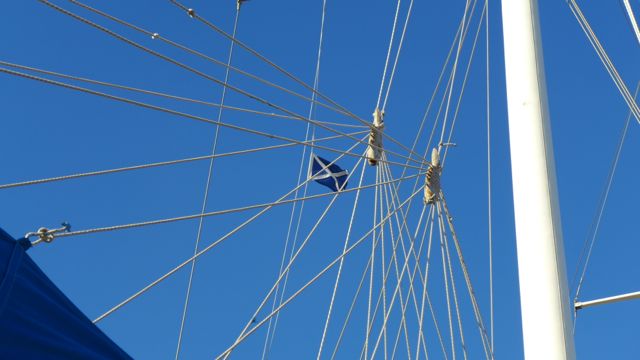
Saltire aloft
Saltire aloft
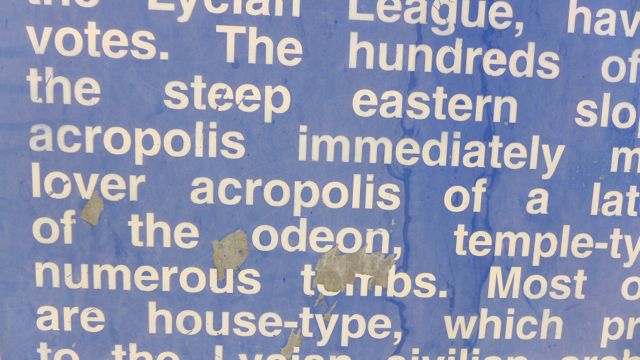
Script at Letoön
Script at Letoön
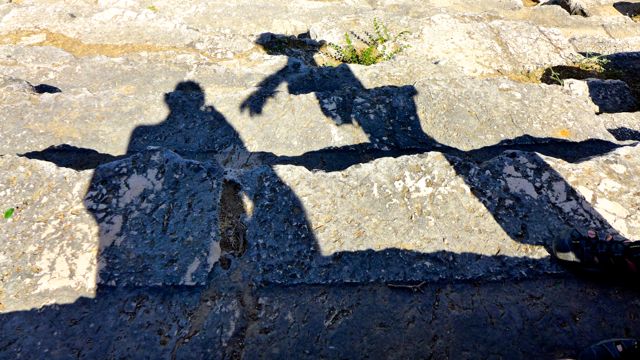
Ditto, with a touch of Picasso
Andrew’s shadow on theatre stone benching, with a touch of Picasso
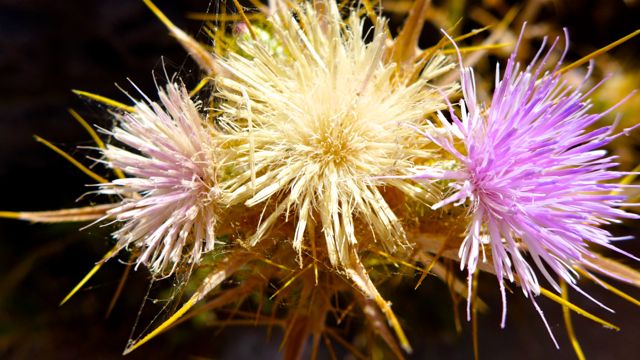
Possibly thistles
Possibly thistles
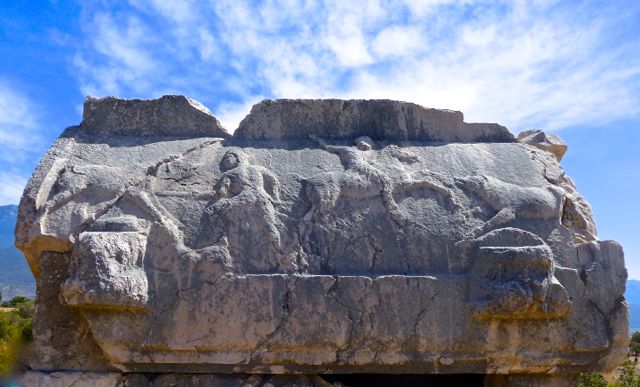
Tomb
Tomb, featuring general mayhem
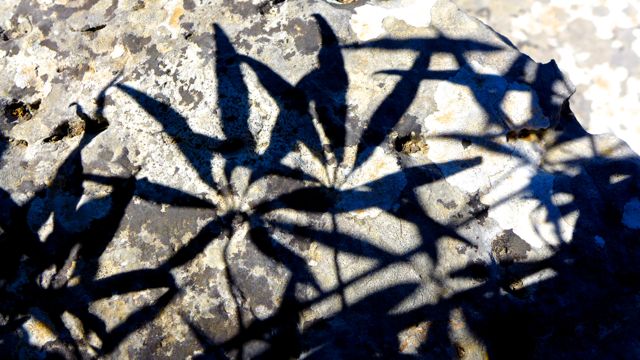
Leaf shadows
Shadows of leaves of a plant that smelled very much like marijuana
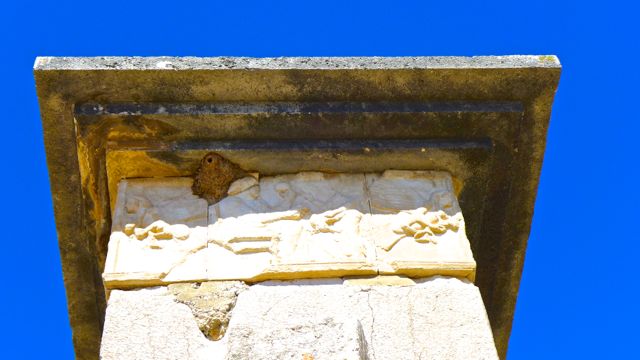
Nest under top of a Xanthos tomb
Nest nestling under top of a Xanthos tomb
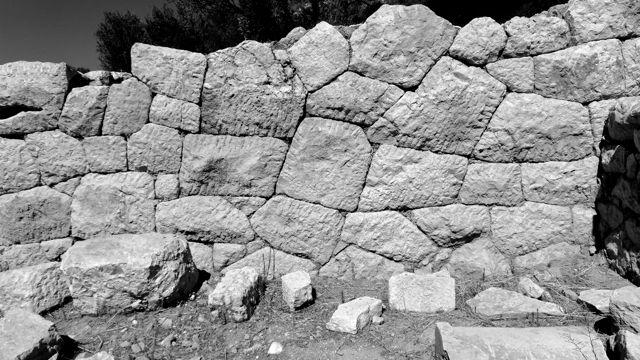
Seismic-resistant stone-work
Seismic-resistant stonework
Patara dragonfly
Patara dragonfly
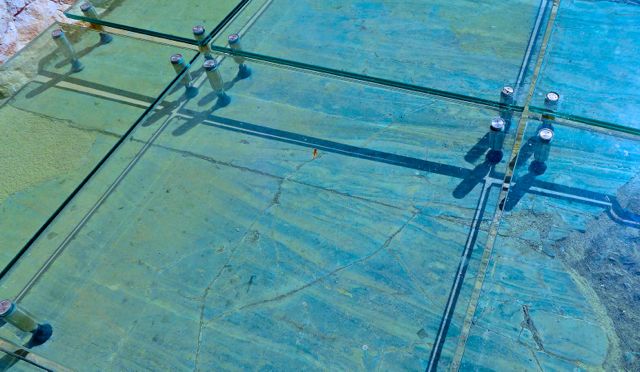
What the dragonflies took to be water
What the dragonflies took to be water (a dragonfly just visible at top, centre of largest square of glass)
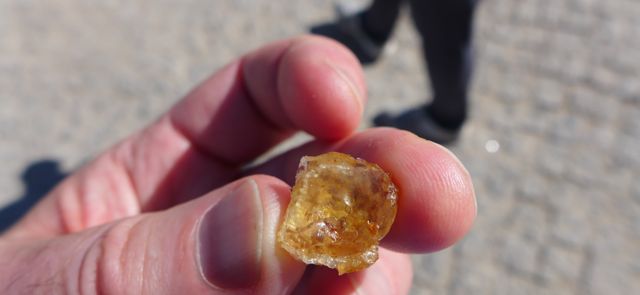
Mastic gum
Mastic gum
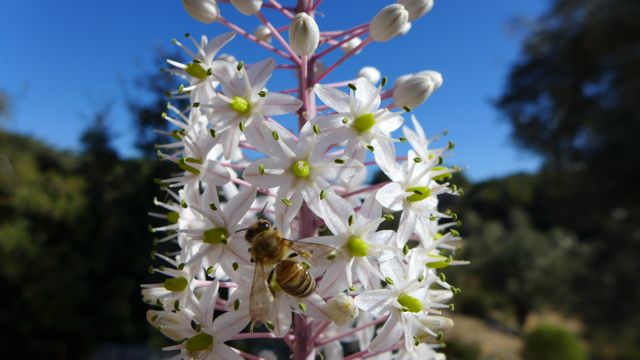
Bee on asphodel
Bee on Pinara asphodel
'Lover acropolis' at Penara
‘Lover acropolis’ at Pinara
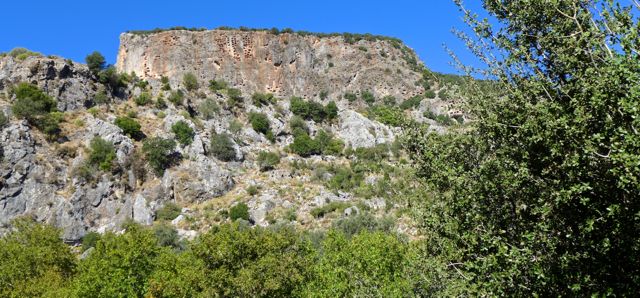
Grave-pocked cliff-face at Pinara
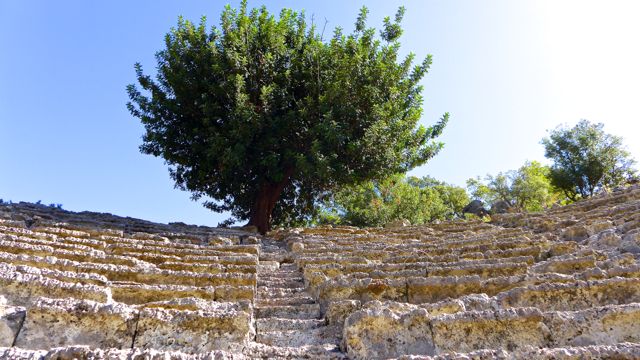
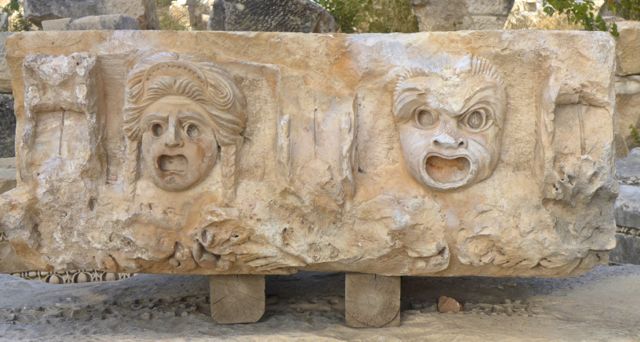
Theatre
Theatre, 1
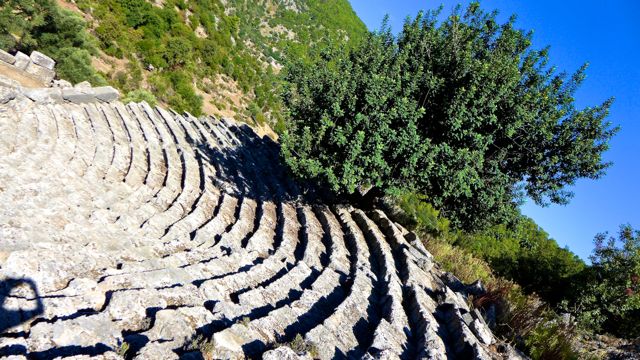
Theatre 2
Theatre, 2
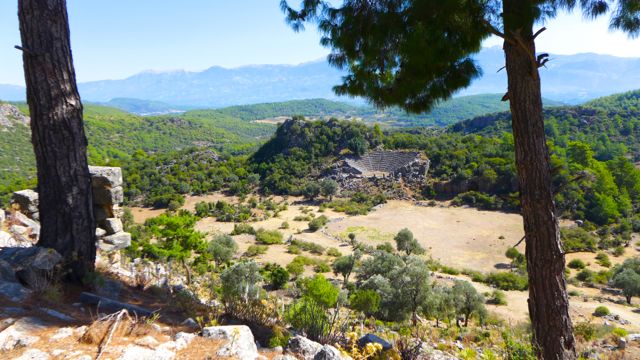
Theatre from above
Theatre from above
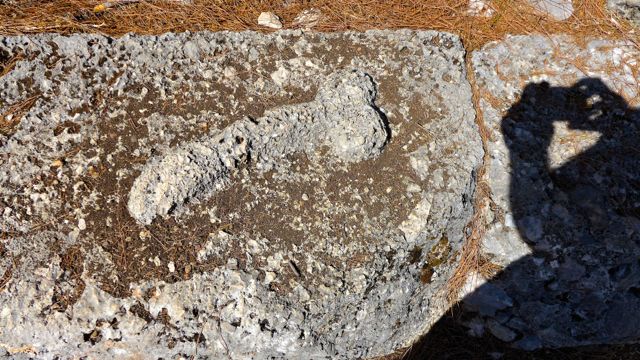
Phallic carving
Phallic carving
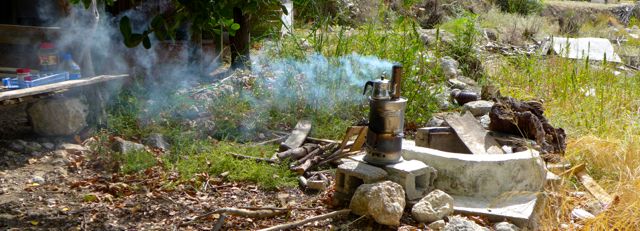
Smoke blowing from boiling pot
Smoke blowing from a rough-and-ready stove, Tlos
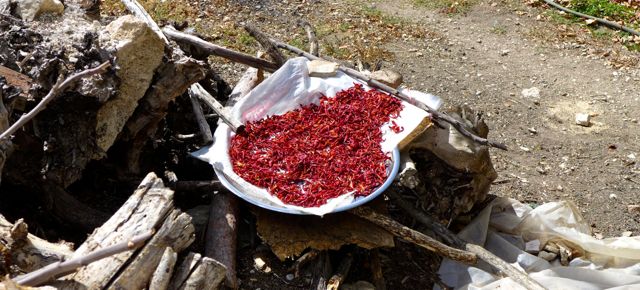
Chillis drying
Chillis drying, Tlos
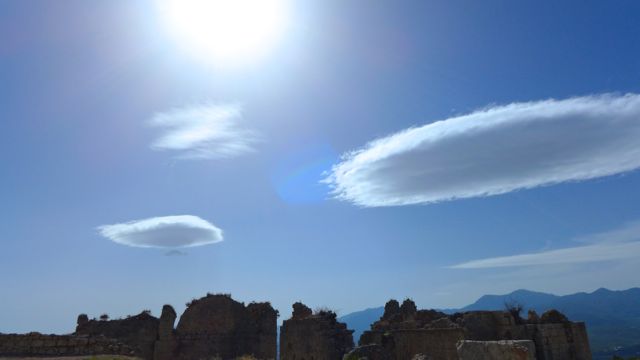
Lenticular clouds
Lenticular clouds

A wonderful couple of days climbing over the ruins of some of the heartland Lycian cities, among them Xanthos, Patara, Pinara and Tlos.

But we kicked off with Letoön, with its temples to Leto, Apollo and Artemis. Walking away from the group, I saw turtles, frogs and a water snake.
In the theatre, the group enacted a Greek play, as I shot pictures of some of the shadows moving back and forth on the stone benching.
Later, we moved on to Xanthos, where we visited the Roman theatre, a large Byzantine church, the Byzantine citadel and a number of  Lycian tombs. These once included the Nereid Monument, now in the British Museum, a couple of blocks from our London office

We also went to Patara, where the excavations and restoration work has moved on considerably since we were last there. One odd thing was watching red dragonflies quartering the glass floor in a restored odeon, apparently under the impression that the blue glass was water.

Outside there was a tree whose trunk was alternately covered with small white snail-shells and extrusions of amber-coloured gum. When I broke off and chewed some of the gum, it was like a mixture of hard toffee and mastic.

At one stage, I ran up the slope at the back of the complex to take a look over towards the ruined harbour and distant beaches. Easy to see how the estuary that was essential to trade eventually silted up, leaving malaria-infested swamps.

But the highlight for me, once again, was Pinara. (True to form, the Wikipedia entry seems to have confused Pinara with Partara, at least in part.)

The ruined city contains the most beautiful theatre I think I have ever seen, largely because of its setting. I moved on ahead of the group to climb up onto the acropolis, later coming down to meet them in the lower acropolis, with its shady oak tree and ruined odeon.

We also took in Tlos, with its massive citadel. As we walked around the ruins nearby, I discovered something like a praying mantis, perfectly camouflaged to look like dried grass, with a smaller one on its back. Didn’t hang around, in case there was cannibalism in store.

For lunch, before the Tlos visit, we went to the extraordinary Yakapark fish restaurant that we had also visited last time – and which is like a rather more commercial (but still very pleasant) version of Rivendell in the film of Lord of the Rings.

Water cascades through the site, even through hollow trees. One new feature is the tanks of fish that are reputed to nibble your feet to health. Not sure I much fancy that – and it was reassuring to think that, because of their size, these small fish would never end up on the table.

Myra, tsunami, blue boat, blue socks

John Elkington · 24 September 2014 · Leave a Comment

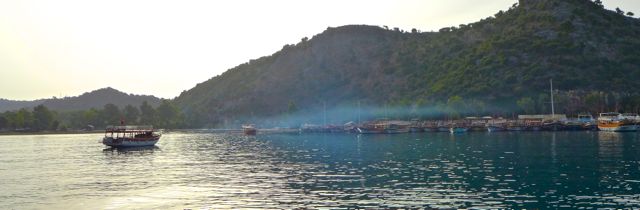
Morning smoke as we head into Myra
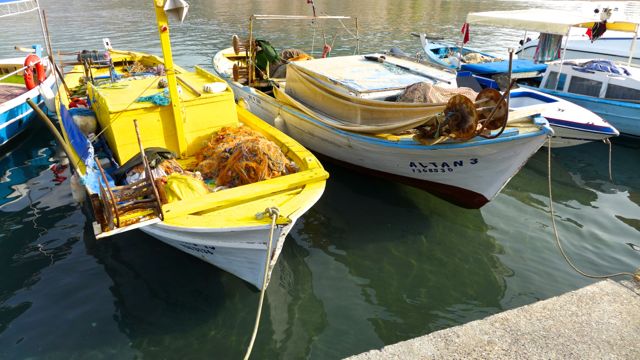
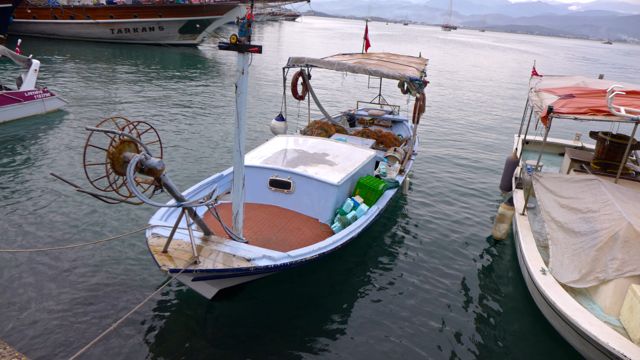
Boats
Boats, nets, pulleys
Aghast
Aghast
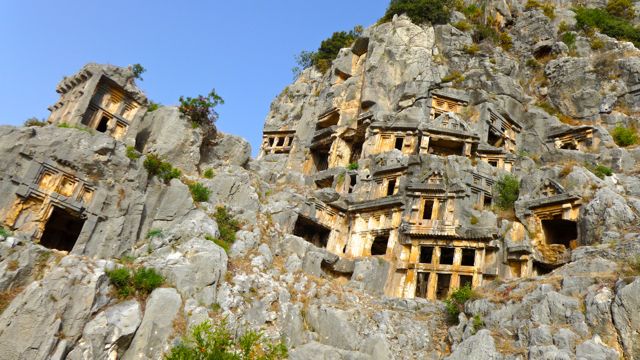
VIP tombs
VIP tombs
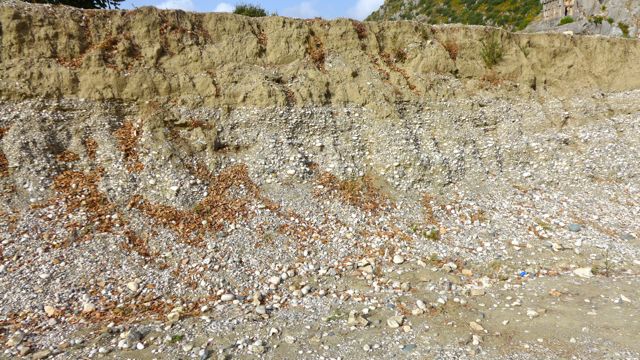
Debris from ancient tsunami
Semi-aghast
Semi-aghast
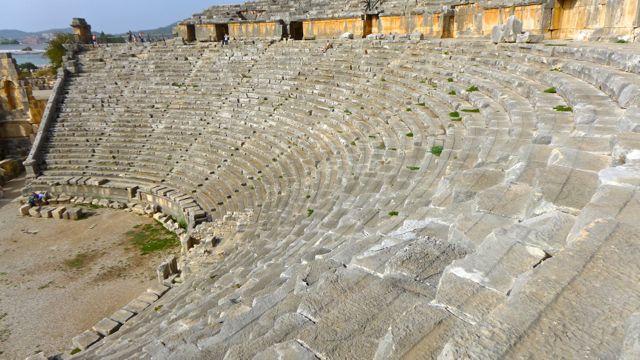
Choose your seat
Please take your seat
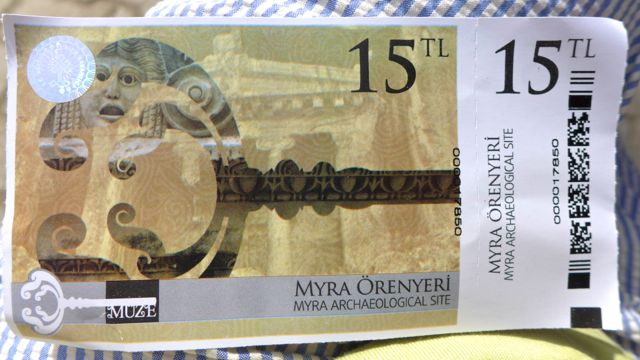
Ticket to Myra's wonders
Ticket to Myra’s wonders
Church of St Nicholas, detail 1
Church of St Nicholas, detail 2
Church of St Nicholas, detail 3
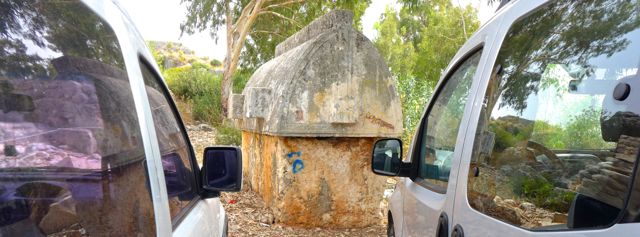
Tomb sandwiched between cars on way back to boat
Parked for eternity: tomb sandwiched between cars on way back to boat
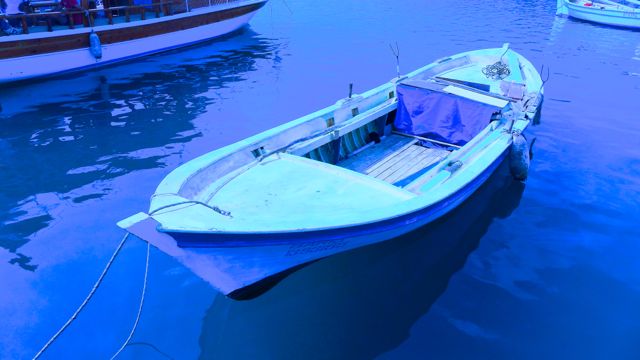
Blue boat
Blue boat
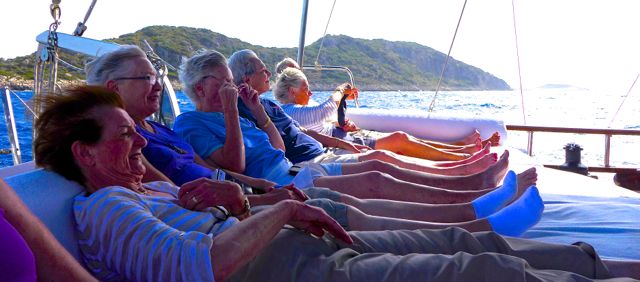
Blue sock
Priscilla sports blue socks

One way to get a sense of the vicissitudes that have rocked the Lycian Coast over the millennia is to take a look at the white pebbles and other debris in the exposed soil column near the restored theatre in Myra. They signal a massive tsunami – one of a number that have hit the region.

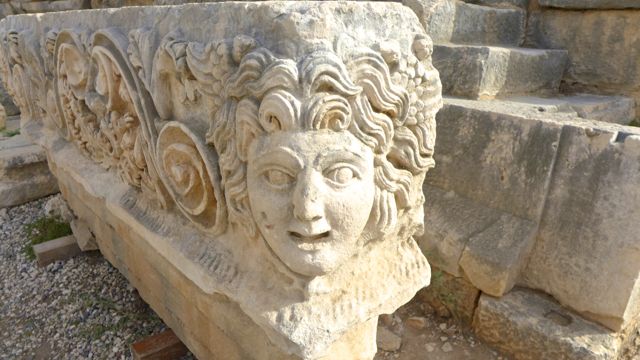
Thanks to Andrew, we got to the site well ahead of the crowds – and enjoyed a fairly leisurely prowl around the ruins and excavated objects.

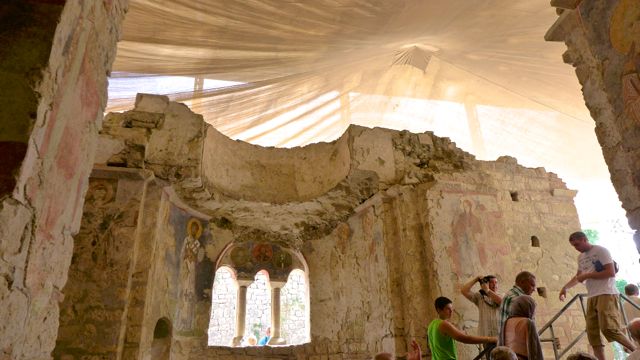
Then across to the Church of St Nicholas, which was heaving with folk from Russia and similar necks of the wood. One of them, several of us agreed, was the spitting image of Vladimir Putin – though, happily, he was wearing a shirt.

The group seems to have gelled well, somewhat better than in 2011 – when there were a few ‘stray cats’ among the group.

That said, and as I noted to someone today, it strikes me that I am something of an outsider on such adventures, either ahead of the group or lagging some way behind.

In the event that I had found myself in one of the armies that have swept back and forth across this landscape, I would have been either scouting in advance of the vanguard or watching over my shoulder in the rearguard – rather than marching in lockstep with the main body.

Wrecked at Uluburun, underwater at Kekova

John Elkington · 23 September 2014 · Leave a Comment

Site of Late Bronze Age of an extraordinary shipwreck
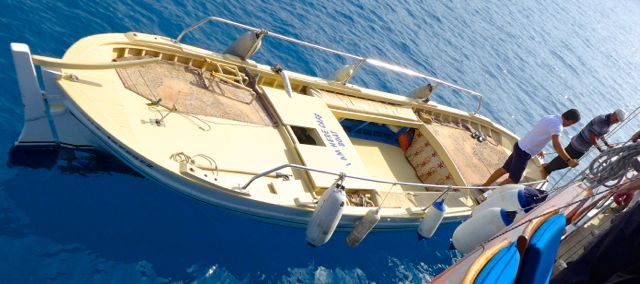
Boat, for trip to Kaleköy
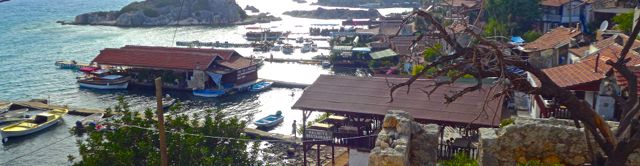
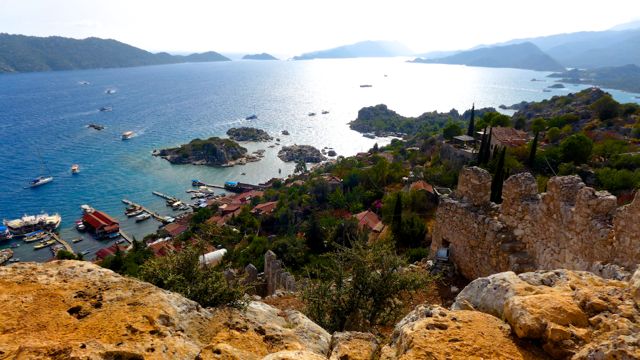
Panorama from the citadel at Kaleköy
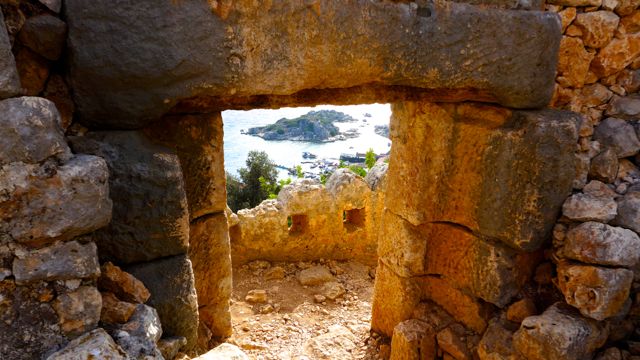
Gateway in the citadel
Tombs, 1
Tombs, 1
Tombs, 2
Tombs, 2
Fossils
Fossils
Sliced
Sliced
Ramparts
Ramparts
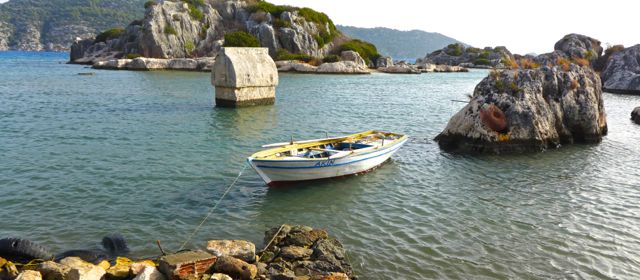
Floating tomb
Floating tomb
Shed
Shed
Sunset over Kaleköy
Sunset over Kaleköy

Sailing to Kekova, we passed the site of one of the world’s more extraordinary shipwrecks, in which a Late Bronze Age boat foundered – and in the process preserved an amazing cargo, including the unique gold scarab inscribed with the name of Nefertiti. We will see the finds in Bodrum at the end of the trip (see 3 October entry).

Among the other highlights of the day have been:

First, a visit to the island of Kekova, where you can see the often flooded ruins of old harbour installations. These date back to the second century AD, when a giant earthquake hit the region.

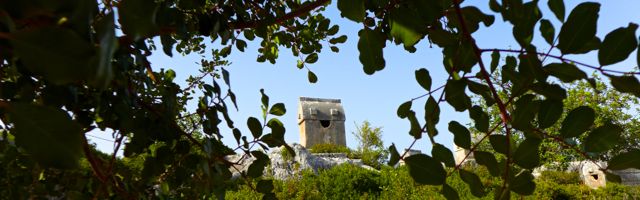
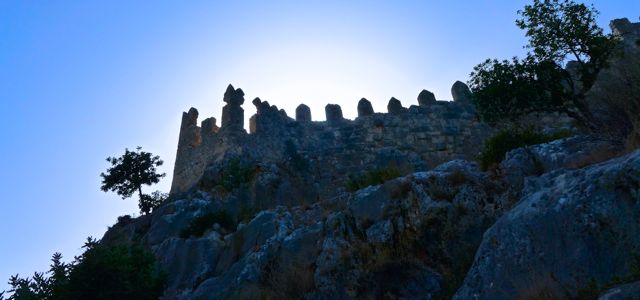
And, second, we took a smaller boat across to the small hamlet of Kaleköy, site of the classical town of Simena. There we made our way up to the top of the citadel, in a fair wind. The ruins show evidence of Roman, Byzantine and Ottoman occupation – it would be fascinating to have a time lapse film to view the panorama from the summit through the centuries and millennia.

Weirdly, as we walked around the citadel, a drone buzzed overhead – an extraordinary symbol of the way in which new types of technology are mutating all around us.

Where the craftsmen who created the gold scarab laboured to miniaturise script, we now labour to miniaturise electronic elements for the chips that help and power such aerial robots. and, talking of navigation, one of the other shipwrecked things I would love to see one day is the astounding Antikythera Mechanism.

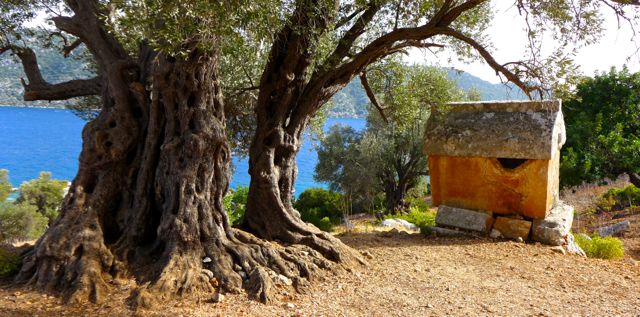
Later in the afternoon, we spun off to explore the nearby tombs of the Lycian necropolis alone, including a floating tomb to one side of the settlement. On our way back, we stopped in for a stunningly delicious pomegranate juice at a café recommend by Andrew.

Then the gulet sailed on to Gokkaya Liman, where we moored for the night. Glorious stars.

Stalking armchairs in Kaş, ancient Antiphellos

John Elkington · 22 September 2014 · Leave a Comment

Captain Taifun fishes en route to Kaş
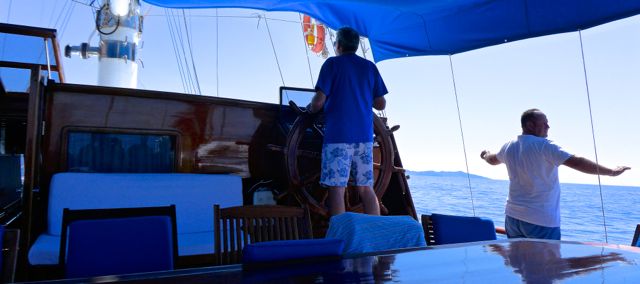
Captain Tayfun fishes en route to Kaş, Andrew at the helm

Wonderful morning, but a thoroughly grim start for Elaine, who had yet to get her sea-legs. I had tried to get her up on deck in time for the gulet weighing anchor at 06.00 and setting sail. Didn’t happen, so she was more or less trapped downstairs in a hot cabin and with smell of diesel coming through porthole – and was profoundly seasick and disoriented. Not much I could do, except drop now in and offer words of comfort.

On deck, all was considerably calmer, with Kati wrapped in her duvet on the cushions in the stern – and I watched the captain and other members of the crew trail a long line astern, adorned with various lures in the shape of fish and tentacled and tentacled organisms like squid. But they came up empty-handed.

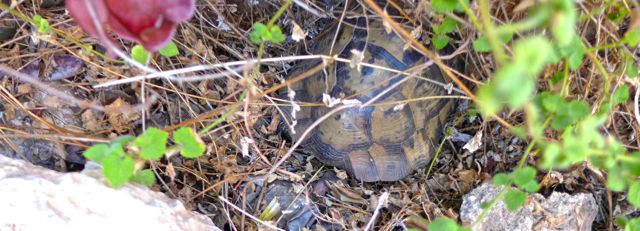
Things improved for her when we docked in Kaş – and went in pursuit of the ancient Greek theatre and a very special tomb. Last time we were there, the tomb was in a dreadful mess despite being supervised by an old woman who sat nearby. This time it was much cleaner – and Elaine found a tortoise in the vegetation behind it. Later we walked back through the town, before heading back to the boat for dinner. The food is wonderful, perfect for we pesky, piscatorial vegetarians – and we are also beginning to run up a modest bar bill, with Efes beer and Angora red wine.

Am beginning to work through the truckload of books I brought with me, including Martin Wolf’s brilliant new book, The Shifts and the Shocks. A bracing reminder, despite Francis Fukuyama’s earlier book The End of History and the Last Man, of just how the historical the times are that we are now living through. [NOTE on 11 October: I have just bought Fukuyama’s new book, Political Order and Political Decay, and am looking forward to seeing how his thinking has evolved.]

Graffiti at Kaş, 1
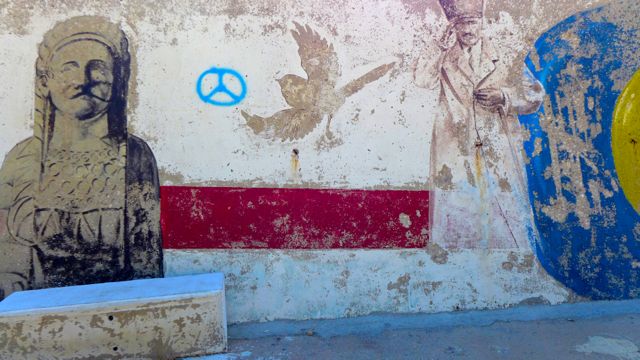
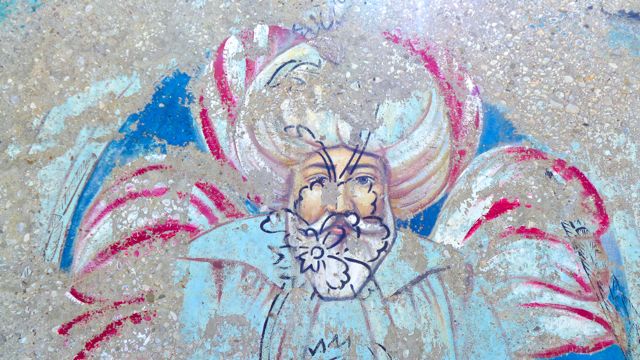
Graffiti at Kaş, 1
Graffiti in Kaş, 2
Graffiti at Kaş, 2
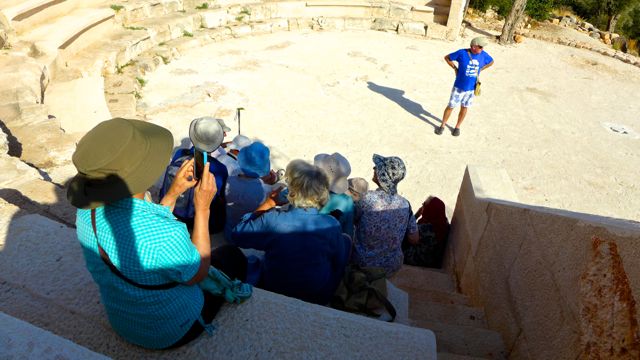
Andrew about to explain how ancient theatres evolved from threshing floors
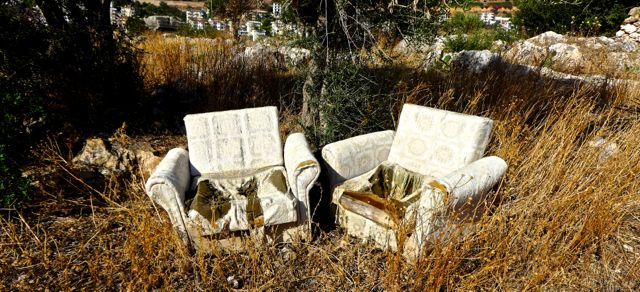
Two armchairs abandoned on the path to a major tomb
Elaine finds a tortoise behind the tomb
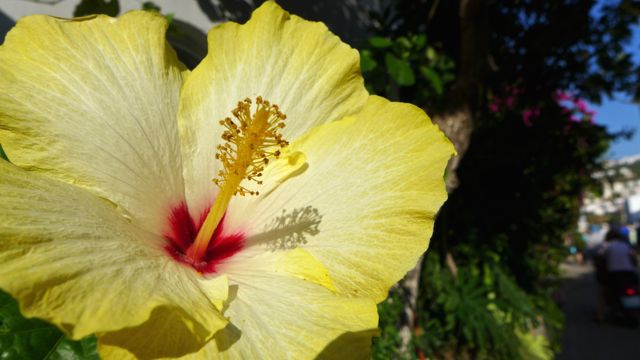
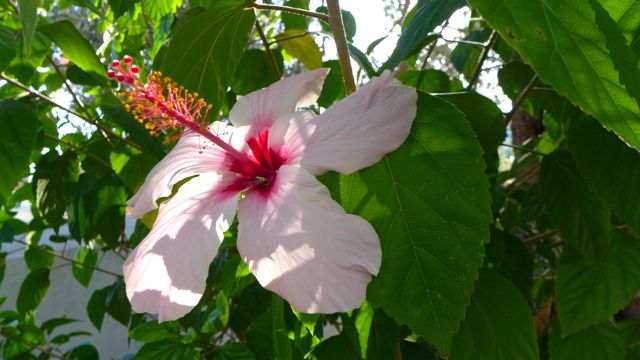
Glorious hibiscus
Glorious hibiscus
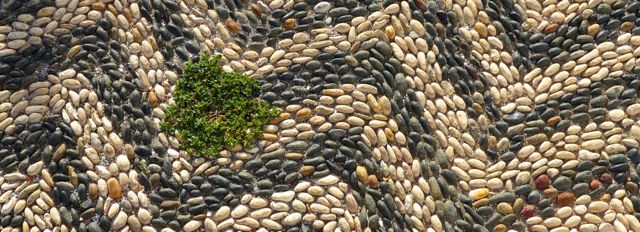
Detail of pebbling outside mosque
Glorious, 2
Glorious, 2
If only I had the brass
I'm beginning to relax
I’m beginning to relax
As we head back to the dock
Old man relaxes on the breakwater

And then, at some point, I had one of those moments of panic that have been such a regular feature of my life. When we got back to the docked boat I found that I had left my haversack somewhere, with binoculars and, critically, my passport.

A slightly tense evening as we tried to work out where I could have left the bag: in museums, taxis or restaurants. But I guessed that I might have tucked it under the seat in front on the minibus. It is black and probably faded into the shadows.

In Andrew’s shore-leave absence, dear Kati helped by getting the crew to call the minibus firm, but the driver was home for the night. Next morning, though, the minibus, its driver and the knapsack all returned, to pick up for the next leg of the journey.

In the wake of St Nicholas

John Elkington · 21 September 2014 · Leave a Comment

Göcek Harbour, Turkey
Looking over our stern in Göcek Harbour, Turk
At sea
All at sea
Bike and Zodiac under way
Elaine Zodiacs
Elaine Zodiacs with Ferhat
Someone else's anchor snagged
Someone else’s anchor snagged
Eyeless ruin on island of Gemiler
Trekking, Elaine in red scarf
Ruins of vaulted processional way
View back across moored gullets
View back across moored gulets
Shades of Egyptian tomb penetration scene in Raiders of the Lost Ark
Shadowed en route
Shadowed en route
Sunset through trees on way back to jetty

It begins.

We flew Turkish Airlines (TK2560) last night to Istanbul’s Ataturk airport, then caught – with our guide, Andrew Wilson – a plane on to Dalaman airport. Once there, we reclaimed our bags and clambered into a minibus with the others on this ACE tour and were driven some 40 minutes to Göcek, where the gulet M/S Sunworld 8 was moored.

Happily, the same vessel we went on the first time we sailed along the Lycian Coast, back in 2011, though with a different crew this time. We had debated whether to take the same trip again, but Elaine recalled that I had found the sailing so relaxing last time that it was now prescribed again to help me recharge after producing and launching g the new book, The Breakthrough Challenge.

Interestingly, of the 12 or so other people in the group, we turned out to have links to several. To begin with, I recognised one tall man with a stooped, aristocratic bearing, who turned out to be Christopher Parish, with whom I had worked years ago when I chaired The Environment Foundation – and we did regular consultations at St George’s House, Windsor Castle.

Elaine also recognised a couple whose daughter was in Gaia’s class at St Paul’s, and it transpired that yet another few-degrees-of-separation participant is Mary Wright, who – with her late husband, Chris – had been active in promoting sustainable living, via Action for Sustainable Living. She has brought along Kati Martin, who is involved in organic fashion for children as a Director of Boys & Girls.

Small world.

Then this morning we sailed south-east to the Island of Gemiler, a once thriving Byzantine – which may have been dedicated to St Nicholas, as patron saint of seafarers. In what follows, I will draw on the notes provided by Andrew, who also led the 2011 tour – and was a key reason why we came back.

Now in ruins, the island offers extensive evidence of religious activities, including churches, graves and an extraordinary processional way – through which people would process during baptismal rights somewhere between the fourth and seventh centuries AD.

Having welcomed wasps at breakfast this morning, which had turned up in not inconsiderable numbers to share our fruit, honey and other delectations, I was now reminded of just how irritating a wasp sting can be. As several of us waited for the Zodiac to ferry us back to the gulet, I mistakenly pressed a wasp against my forearm – and it did the inevitable.

Tonight, dinner on deck – then sweet dreams at anchor.

  • « Go to Previous Page
  • Go to page 1
  • Interim pages omitted …
  • Go to page 157
  • Go to page 158
  • Go to page 159
  • Go to page 160
  • Go to page 161
  • Interim pages omitted …
  • Go to page 283
  • Go to Next Page »

Primary Sidebar

Introduction

I began this blog with an entry reporting on a visit to the Woods Hole Oceanographic Institution on Cape Cod, on 30 September 2003. The blog element of the website has gone through several iterations since, with much of the older material still available.

Like so many things in my life, blog entries blur the boundaries between the personal and the professional. As explained on this site’s Home Page, the website and the blog are part platform for ongoing projects, part autobiography, and part accountability mechanism.

In addition, my blogs have appeared on many sites such as: Chinadialogue, CSRWire, Fast Company, GreenBiz, Guardian Sustainable Business, and the Harvard Business Review.

Recent Comments

  • John Elkington on The Hill House Elkingtons
  • sally fitzharris. (Rycroft) on The Hill House Elkingtons
  • Thomas Forster on Reminder of Glencot Years

Journal Archive

About

John Elkington is a world authority on corporate responsibility and sustainable development. He is currently Founding Partner and Executive Chairman of Volans, a future-focused business working at the intersection of the sustainability, entrepreneurship and innovation movements.

Contact

john@johnelkington.com  |  +44 203 701 7550 | Twitter: @volansjohn

John Elkington

Copyright © 2026 John Elkington. All rights reserved. Log in