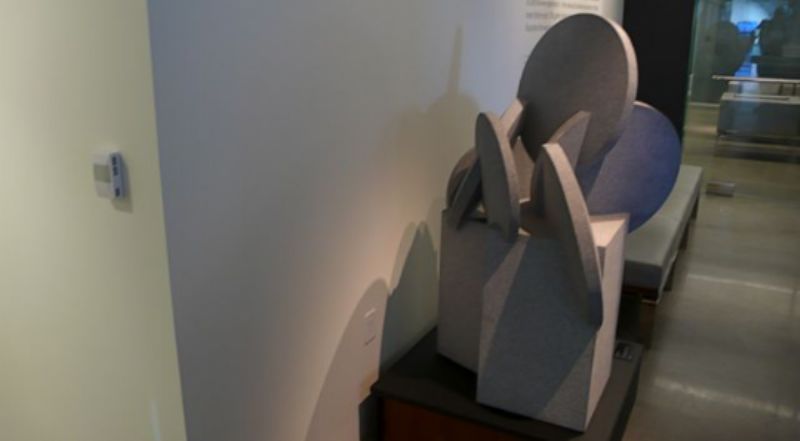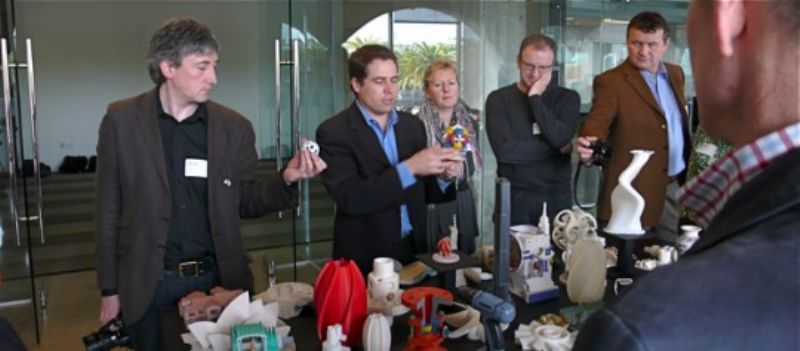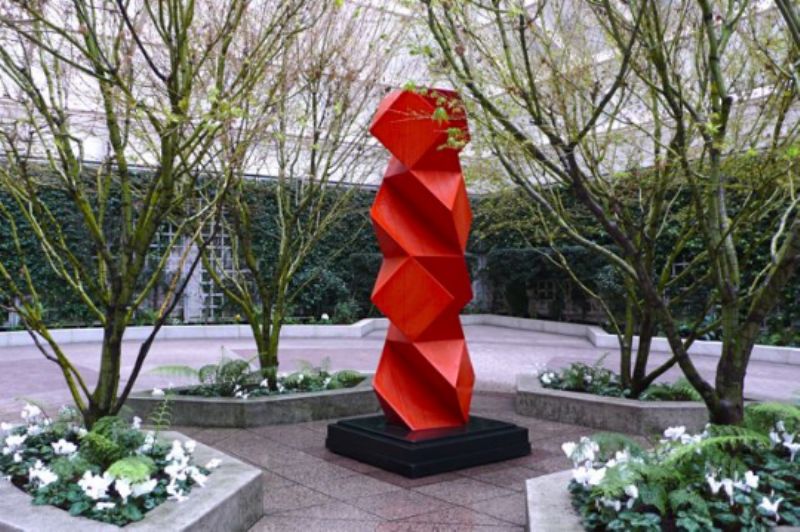
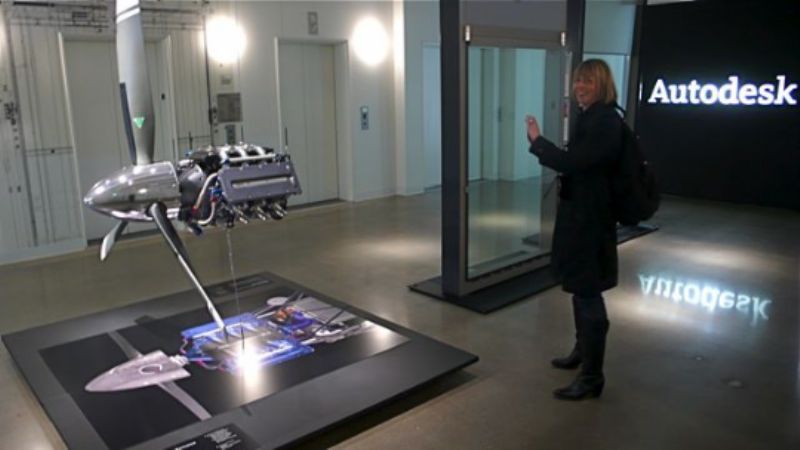
Sculpture in front of building where we brunched on the 39th floor
Coit Tower and Bank of America building, head in cloud
Bay Bridge, in rain
Bay Bridge 2
Picture in my room – and Bay Bridge reflected
Self-portrait, in Harbor Court Hotel room
Bay Bridge from my window
Lemons at Will Rosenzweig’s house
Morning sun
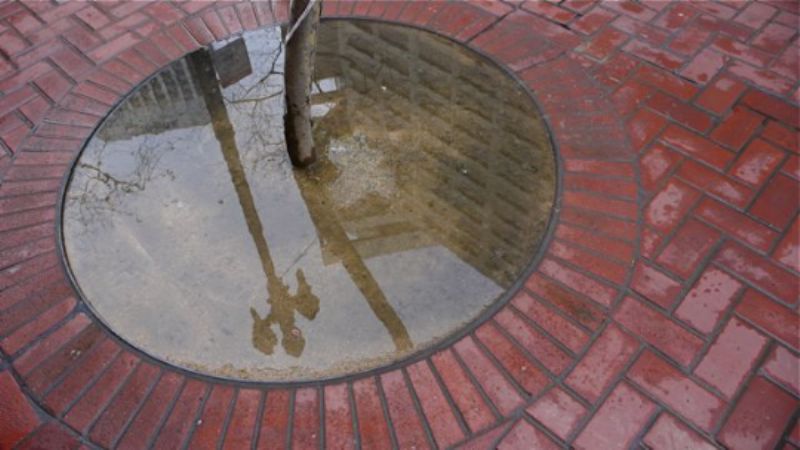
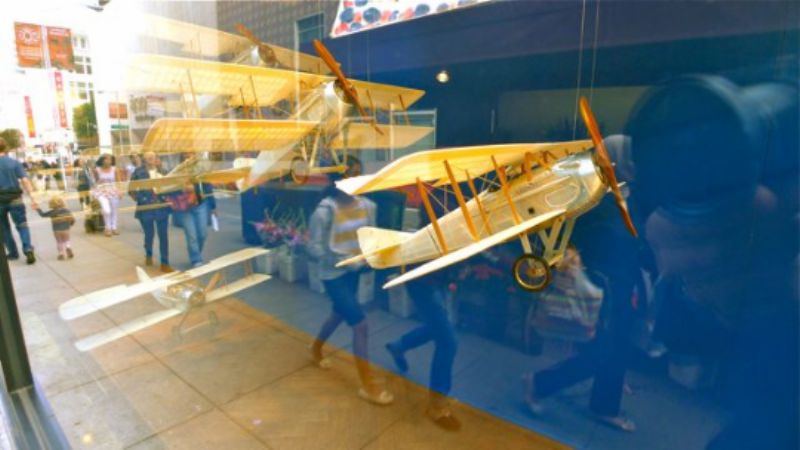
Reflection and artwork at Orrick
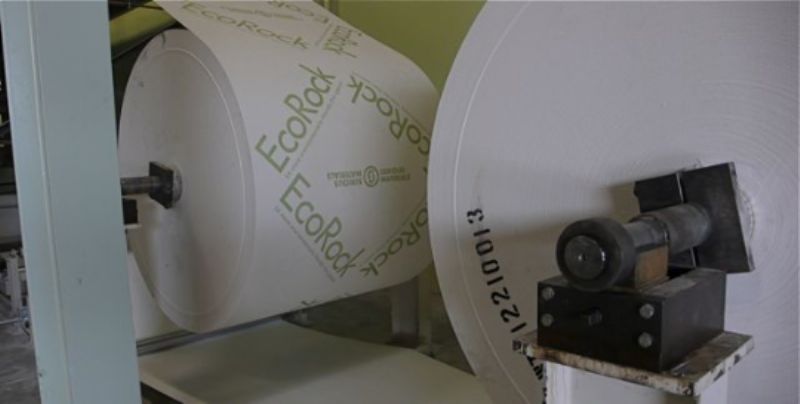
Serious Materials machinery on a roll
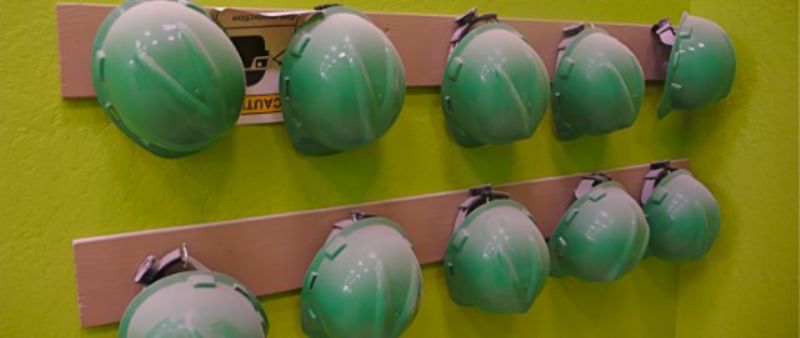
Serious Materials helmets
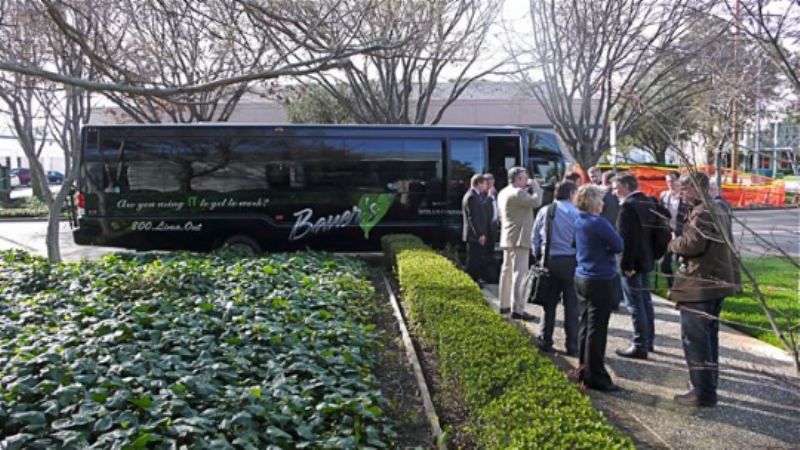
Waiting for the bus
Getting that last, perfect shot
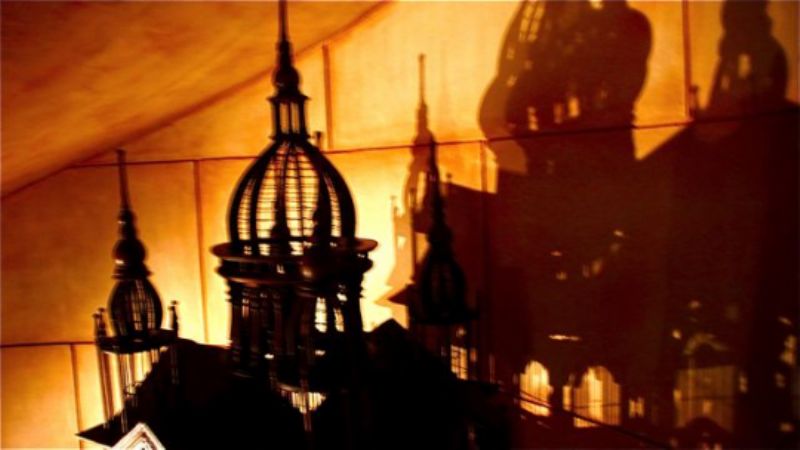
Bird cage, Outer Broadway/Gold Coast
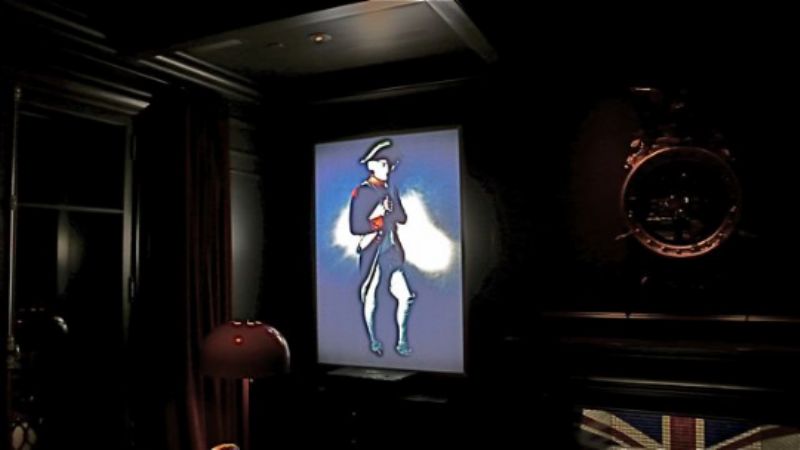
Artwork, Outer Broadway/Gold Coast
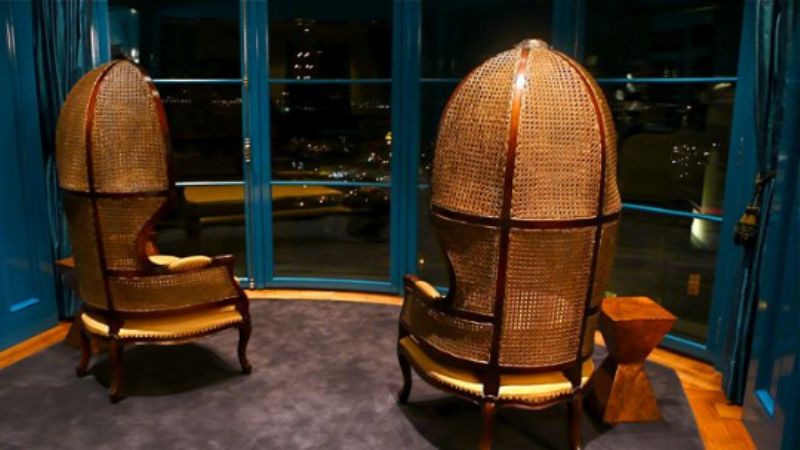
Vantage point, Outer Broadway/Gold Coast
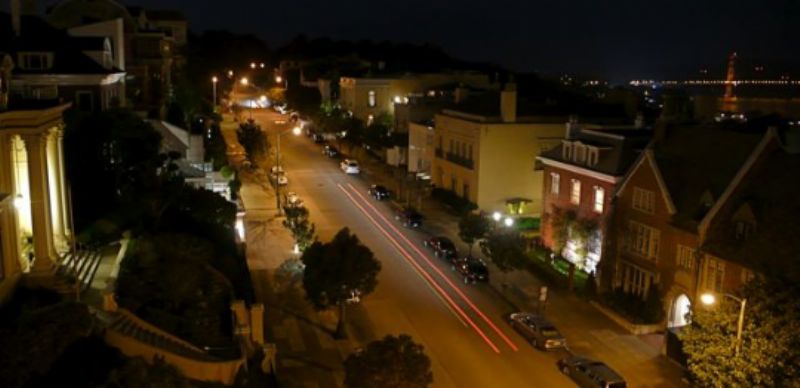
Golden Gate from Outer Broadway/Gold Coast verandah
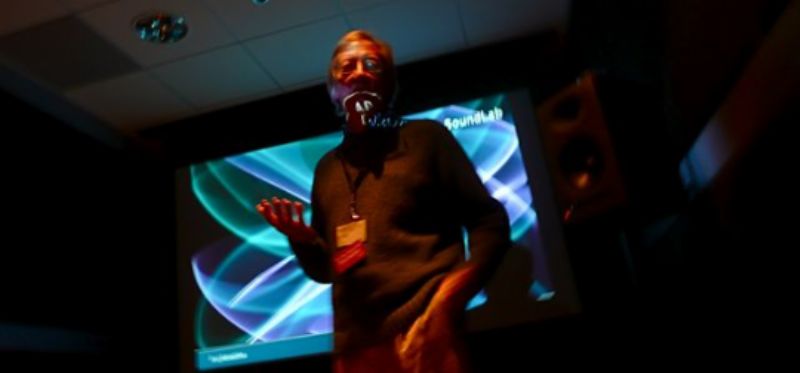
In Arup’s SoundLab
Journal
Green Cities Event in San Francisco
The Clean & Cool Mission to San Francisco is going very well, though I’m finding my frequent flights of recent days have hammered whatever it was that I got a week-and-a-half ago down into my lungs. Still, I managed not to collapse into paroxysms of coughing during the Green Cities event last night. Great to see Tim Brown of IDEO, one of the other panellists – and a member of the Volans Advisory Board.
Extraordinary event last night hosted in a humungous house on Outer Broadway/The Gold Coast by Bebo founders Michael and Xochi Birch. Had great conversations with the likes of Edie Lush, who had moderated the panel session, and with Chris(tina) Page, Director of Climate and Energy Strategy at Yahoo!, who I first encountered when she was with the Rocky Mountain Institute. Sara Olsen, a long-time friend, drove me back to the hotel.
Today, the city is cloaked in rain, but I ventured out to have lunch with Jennifer Biringer and Patrin Watanatada of SustainAbility’s San Francisco team at a nice vegetarian restaurant. This evening: an event at Arup – cities again, a theme that makes much sense, since that’s where the bulk of us now live, and that innovations tend to evolve not independently but in clusters. Jean Rogers took us through two key Arup projects: the sustainability aspects of the planning of the redevelopment of two old naval bases, Treasure Island and Hunters Point.
Flying – and Fluing – into Amsterdam
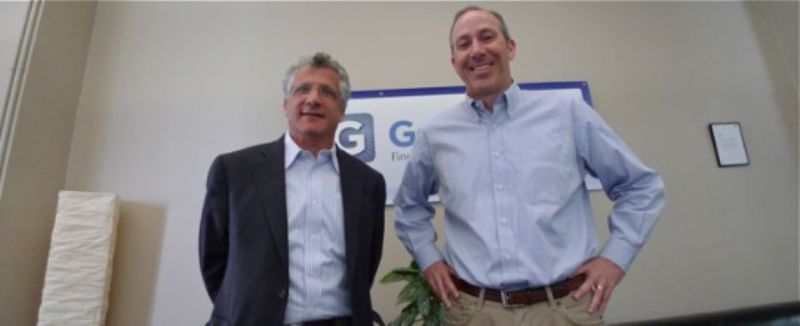
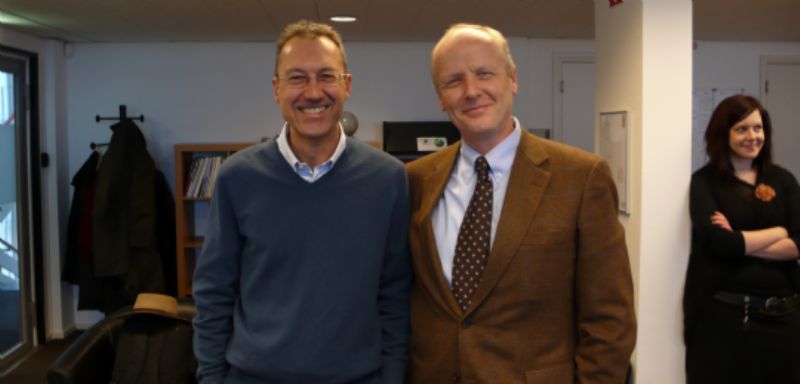
Ignasi and Ernst
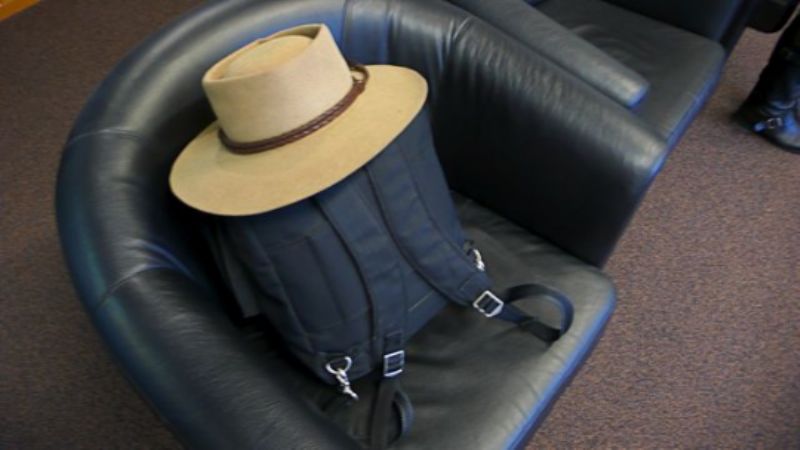
Simon Longstaff’s hat
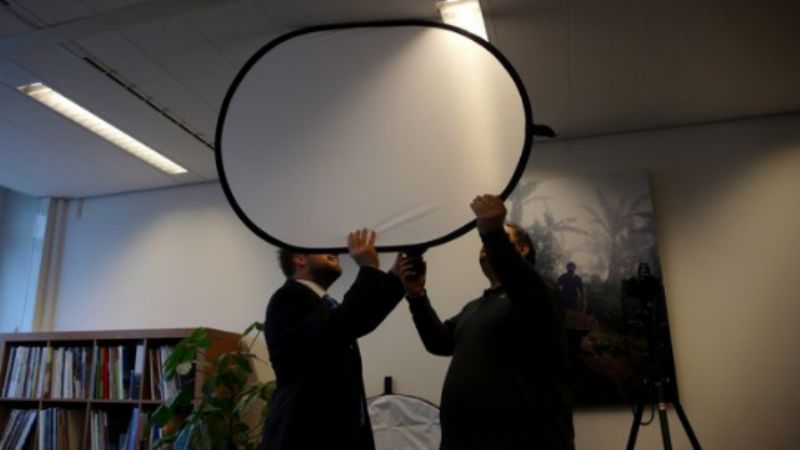
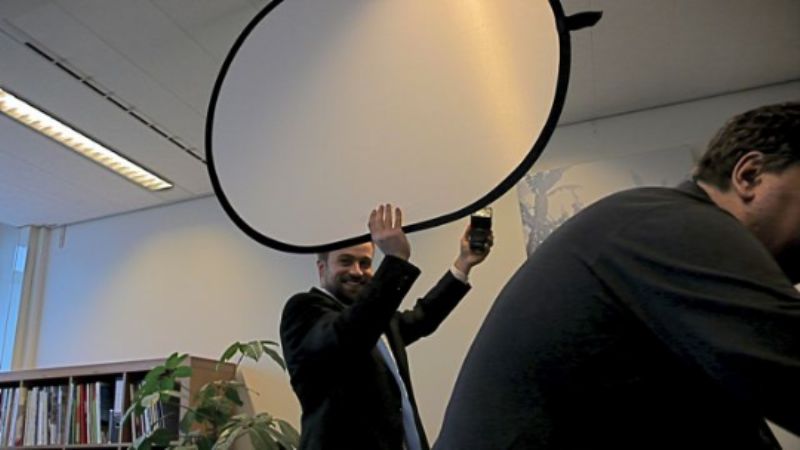
Preparing for shoot
Joris
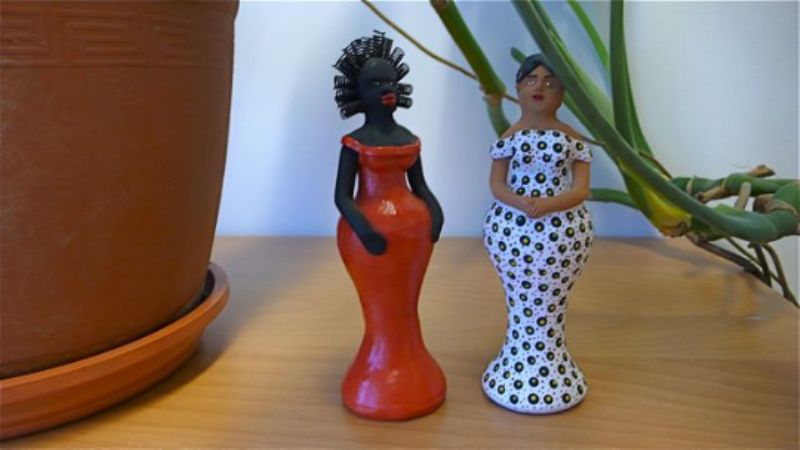
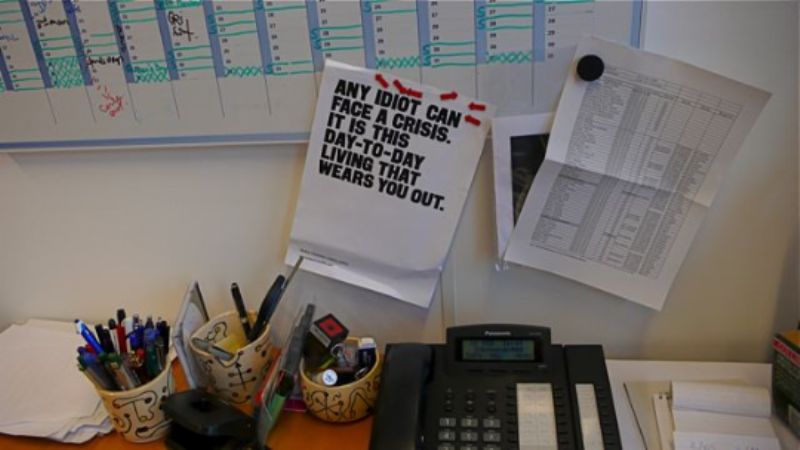
Nelmara’s office 1
Nelmara’s office 2
Am tapping away in the kitchen, with Monty Don on TV demonstrating a threshing machine which reminds me to some degree of thresher that was such a key feature of my younger days on a farm in Northern Ireland, and recalling the past two days in Amsterdam with the Board of the Global Reporting Initiative (GRI). Have been struggling with flu for much of the time, despite the flu jab I had late last year. Luckily, several other people had the same problem, and, better still, the meeting ended early, so instead of flying back after 21.00, I got on a BMI flight around 15.35–though we had to stand in line to check in for over an hour, which with my damaged back had me swearing never to fly BMI again. Getting ready to fly to San Francisco tomorrow.
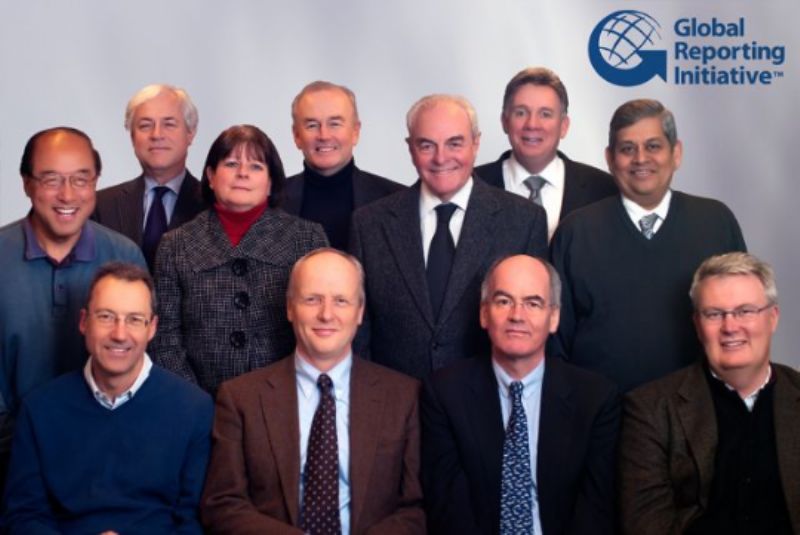
Photo of some GRI Board members
The Lancaster
One of the more dramatic mornings of my childhood in Northern Ireland was going some time in the mid-1950s to see the Shackleton that my father had crash-landed at RAF Ballykelly. My main memory is of the scorch marks underneath the fuselage and the propellers bent way back. What I didn’t know at the time, but know now after finishing Leo McKinstry’s book Lancaster: The Second World War’s Greatest Bomber today, is that the Shackleton, once described as “a thousand rivets flying in close formation”, was a direct descendant of the Lancaster.
Nor had I realised the sheer scale of the human and industrial effort that went into the Lancaster’s manufacture. Astoundingly, at the peak, it was estimated that 1.15 million people were involved in making the bombers. Each aircraft consisted of 55,000 different parts–leaving aside the nuts, bolts and rivets. To produce a single aircraft involved some 500,000 manufacturing operations, taking up to 70,000 man-hours – compared to 15,200 hours to build a Spitfire. “Nearly ten tons of light aluminium alloy were consumed in building each plane,” we are told, “the equivalent of 11 million saucepans.” That last figure, on page 317, strikes me as inconceivable, but there it is.
Given the at times almost insane courage of the men who flew these aircraft, it seems some sort of a crime that their efforts were recognised neither in Churchill’s final speech of the war nor in the sort of campaign medal that other arms of the services were awarded. No doubt much of that had to do with what is not recognised as overkill in the bombing of Dresden, but that was hardly the fault of the aircrew ordered out on such missions.
It took me a while to get through the book, and at times I persevered out of respect for the airmen, with no less than 44 percent of Bomber Command’s aircrew being killed during WWII. In the end, though, this is a magnificent tribute to a magnificent machine, and to to those who took it into battle. And one of the key lessons of this book, summed up in the challenges overcome by people like Lancaster designer Roy Chadwick and ‘bouncing bomb’ designer Barnes Wallis, was how critical perseverance was. Just as the early Spitfire was described as a bit of “dog’s dinner”, so the Lancaster evolved rapidly in the face of everything that nature, accident and its enemies threw at it.