• Skip to primary navigation
  • Skip to main content
  • Skip to primary sidebar
John Elkington

John Elkington

A world authority on corporate responsibility and sustainable development.

  • About
    • Ambassador from the future
  • Past lives
    • Professional
      • Volans
      • SustainAbility
      • CounterCurrent
      • Boards & Advisory Boards
      • Awards & Listings
    • Personal
      • Family
      • Other Influences
      • Education
      • Photography
      • Music
      • Cycling
    • Website
  • Speaking
    • Media
    • Exhibitions
  • Publications
    • Books
    • Reports
    • Articles & Blogs
    • Contributions
    • Tweets
    • Unpublished Writing
  • Journal
  • Contact
  • Show Search
Hide Search

Search Results for: Tim elkington

The Lancaster

John Elkington · 14 February 2010 · Leave a Comment


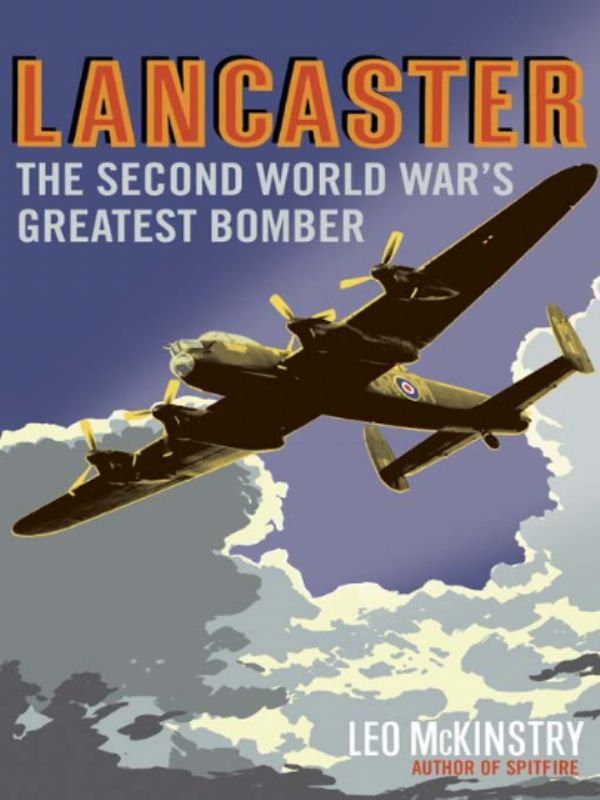
 One of the more dramatic mornings of my childhood in Northern Ireland was going some time in the mid-1950s to see the Shackleton that my father had crash-landed at RAF Ballykelly.  My main memory is of the scorch marks underneath the fuselage and the propellers bent way back. What I didn’t know at the time, but know now after finishing Leo McKinstry’s book Lancaster: The Second World War’s Greatest Bomber today, is that the Shackleton, once described as “a thousand rivets flying in close formation”, was a direct descendant of the Lancaster.

Nor had I realised the sheer scale of the human and industrial effort that went into the Lancaster’s manufacture. Astoundingly, at the peak, it was estimated that 1.15 million people were involved in making the bombers. Each aircraft consisted of 55,000 different parts–leaving aside the nuts, bolts and rivets. To produce a single aircraft involved some 500,000 manufacturing operations, taking up to 70,000 man-hours – compared to 15,200 hours to build a Spitfire. “Nearly ten tons of light aluminium alloy were consumed in building each plane,” we are told, “the equivalent of 11 million saucepans.” That last figure, on page 317, strikes me as inconceivable, but there it is.

Given the at times almost insane courage of the men who flew these aircraft, it seems some sort of a crime that their efforts were recognised neither in Churchill’s final speech of the war nor in the sort of campaign medal that other arms of the services were awarded. No doubt much of that had to do with what is not recognised as overkill in the bombing of Dresden, but that was hardly the fault of the aircrew ordered out on such missions.

It took me a while to get through the book, and at times I persevered out of respect for the airmen, with no less than 44 percent of Bomber Command’s aircrew being killed during WWII. In the end, though, this is a magnificent tribute to a magnificent machine, and to to those who took it into battle. And one of the key lessons of this book, summed up in the challenges overcome by people like Lancaster designer Roy Chadwick and ‘bouncing bomb’ designer Barnes Wallis, was how critical perseverance was. Just as the early Spitfire was described as a bit of “dog’s dinner”, so the Lancaster evolved rapidly in the face of everything that nature, accident and its enemies threw at it. 
Spitfires of the Sea

John Elkington · 11 February 2010 · Leave a Comment

Photo: PA Photo: PA

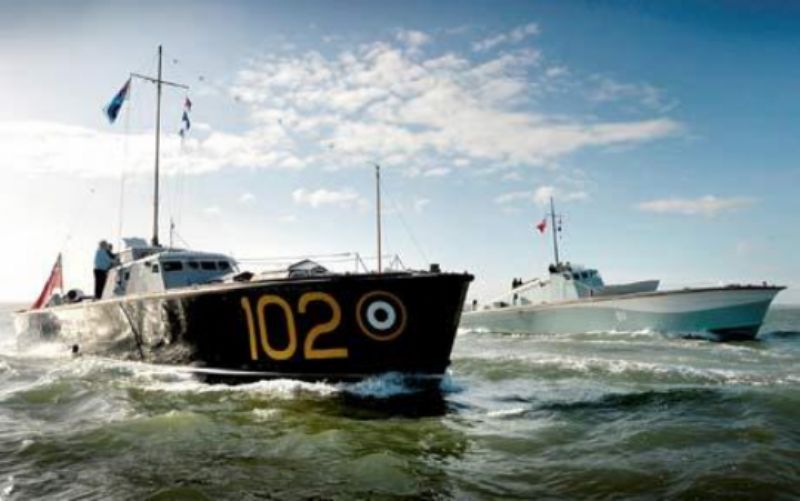
One of the more memorable afternoons of my young life was being rocketed out to sea from Plymouth in a sea rescue launch, powered by aircraft engines, when my father, Tim, was involved in air-sea rescue. I became more aware of the intense battle fought across the Channel by MTBs and E-boats thanks to the wartime involvement of Sir Peter Scott, who I first came across as a judge when I was going for a Winston Churchill Travelling Fellowship in 1981.

Two boats of the era – MGB 81 and High Speed Launch 102 – were in the news yesterday having been bought for the nation with £580,000 of taxpayers’ money. And a worthwhile investment, I think, aside from the sheer beauty of their lines.  These craft played saved a total of some 10,000 airmen of all nationalities. If Flt Sgt Berry hadn’t blown Tim (unconscious in his parachute) back over land with his slipstream in 1940, he might just have been one of them.

And then there was the courage of the young men who crewed what some called the “Spitfires of the sea” – riding on top of thousands of gallons of high octane fuel, which tended to vaporise the boats when hit by incoming fire. Hats off to their memory.

CAM Ships Remembered

John Elkington · 1 February 2010 · 2 Comments

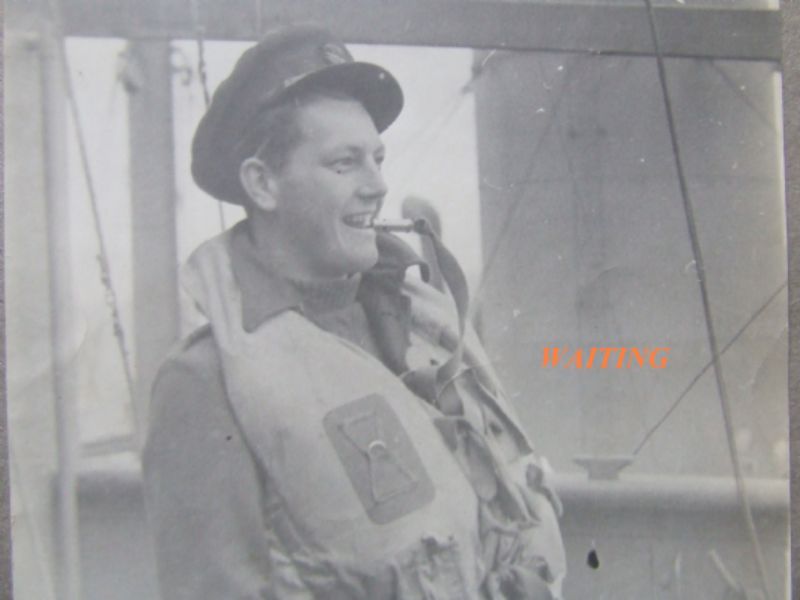
Tim on CAM ship, 1942 Tim on CAM ship, 1942 – with whistle

I intercepted the following email from Tim, my father, to a Polish WWII historian a couple of days ago – and was interested by the glimpse that it gave into one of the less-known aspects of the RAF’s history at the time, the CAM ships, or Catapult Aircraft Merchant ships.

“It was 1942. We had only recently returned from Vaenga in Northern Russia, where we left our Hurricane IIBs for the Russians, and were enjoying the conversion to Spitfire VBs in Northern Ireland. Then, to spoil the euphoria, I was posted to MSFU, the Merchant Ship Fighter Unit at RAF Speke, which provided the pilots for the CAM Ships. And so back to old Hurricane Is, modified to Sea Hurricanes by the addition of lugs for catapult connection.

“Someone must have misread my Service record, because the requirement for the task was ‘… it is of paramount importance that pilots in MSFU must be first class chaps in combat, because they operate on their own and on them, and them alone, may depend the safety of many hundreds of thousands of tons of merchant shipping and cargo, which form the life-line of this country. They must be reliable and keen, have tact and initiative, and be able to engage the enemy after long periods of inactivity.’

“I’m very glad that I failed to realise the enormity of this responsibility! Added was: ‘They must also be good sailors.’ I was never happy in a large, heaving vessel!

“The RAF pilots, and Royal Naval Fighter Direction Officers with whom we sailed and who were our operational controllers made up a truly vibrant, at times eccentric unit. For years afterwards, we received Christmas cards from one, John Robarts, who was by then Ontario’s PM!

“Looking back on the statistics, I see that of 35 (some say 36) CAM ships, 12 were sunk. A fairly high attrition rate. Furthermore, any launch would end in a ditching or bale-out and it was our hope that some unit of the escort force would be able to disengage for long enough to pull us out of the ocean. This they achieved with aplomb, the slowest rescue taking 7 minutes.

“Strangely, the full nature of a defensive launch, especially on the Arctic route, never dawned on me. Our training included 3 launches from a ground catapult, air to air firing, dinghy drills in the local pool, radio control by the FDO and range tests on our allotted aircraft. I found that I could get 400 miles out of mine. Necessary to know when considering a possible destination airfield, and obviating the need for off-loading by crane – as in Dartmouth (see photo). This was in deference to those who remembered the terrible explosion of a munition ship in earlier years.

“Looking back in my log, I note that my ground catapult launch speeds were only around 58 mph, but enough to allow a safe climb away. In later trials, a Spitfire reached 70 mph. In one second! We hoped, of course, that our ship’s speed would assist our launch.

“I was extremely fortunate in that I only completed one round trip to Canada – and that I was not called upon to launch other than on return to the UK to save unloading time in harbour. The main discomfort was boredom. Thankfully, our ship’s crew (MV Eastern City) were great company, although we found our Captain a bit dour in running a dry ship even when out of attack range.

“We filled in time playing darts, card games, whittling model aircraft, eating remarkably good food and talking by Aldis Lamp with the other CAM ship pilot. Our two ships kept a bit ahead of the outer columns so that we could quickly turn into wind for launching, and so had direct line of sight between us. I cannot understand how we have let the Morse Code fade out of our lives. It can be life-saving. An example: I believed that I saw a mine ahead of the escort cruiser. I flashed a warning and the ship swerved out of line, coming back with ‘TU’, or Thank You!

“As to food, the gourmet dish was a sandwich of the two ends of a freshly baked bread loaf, smothered in butter, eaten on duty on the bridge. In Canada, we were hugely well received, despite the over-enthusiastic behaviour of some of our predecessors. The local Council in Dartmouth, Nova Scotia, allowed us alcohol in the Club at a very favourable rate. But the greatest thrill was nights without the blackout that we had been subjected to for two years.

“Nothing to do with Sea Hurricanes, but the nicest gesture was from a member of Eaton’s store, who took me out BBQing on the beach – etc. Only as I left did I find out that she was using her boyfriend’s car! But I was able to thank him at a final get-together supper with their whole family.

“Soon after, I was very grateful for a posting back to my old squadron, No 1, on Typhoons, shortly before I was due to sail on the fateful PQ 17 convoy to Russia. A colourful history of the unit can be found in Hurricats by Ralph Barker and full details of ships, launches and successes can be found in Wikipedia.”

From Snow to a Miao Flying FIsh

John Elkington · 30 January 2010 · Leave a Comment

Repairs in progress Repairs in progress Jieying's banner Jieying’s banner Chinese boots Chinese boots View from 2BP View from 2BP

The week started with two days in Horgen, Switzerland, at the annual Sustainable Asset Management (SAM) conference. First day didn’t grab me, but second day was livelier – and I met some interesting new people. The snow fell pretty much throughout the proceedings.

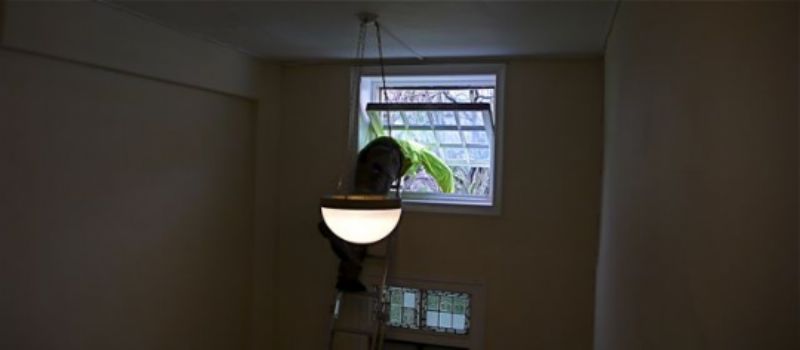
When I got back, the 2 Bloomsbury Place office was thinly populated, with Sam in Gujerat and our two Canadians – Charmian and Amy (Birchall) – leading a study tour of London and Oxford for nine Chinese foundations. Still, some very interesting visitors through the week, including Lily Lapenna of MyBnk, and the Chinese tour team yesterday – when we had some 15 people to lunch. Typically, the staircase was crowded in by a chap with a huge ladder trying to fix a leaking roof over our rather critical ‘Ladies’, just before the tour arrived, but happily the landing was clear by the time they came laughing up the stairs.

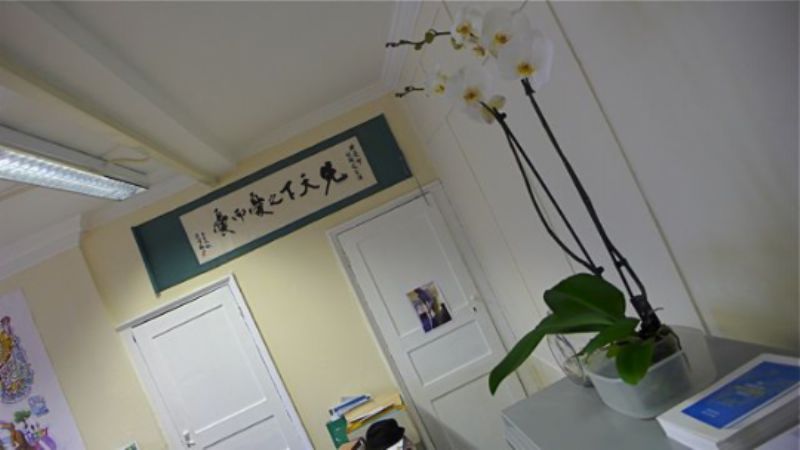
Elaine came in to help and I enormously enjoyed the conversations. Several of the visitors enthusiastically took photographs of the banner that Zheng Jieying had done for me after her internship – and which Alejandro and I had pinned up earlier in the day.

Weirdly, the British Council brought a gift to celebrate the tour, a leaping silver fish made by the Miao people of China. I asked whether they had chosen it because of the Volans association with the flying fish – and they said they had had no idea. Complete serendipty. It will join the flying fish painting Alejandro and Sarah gave me for my 60th birthday last year – and the print of the flying fish sequence from The Life of Pi, see my 29 February blog entry – on the wall of the 2BP ‘salon’.

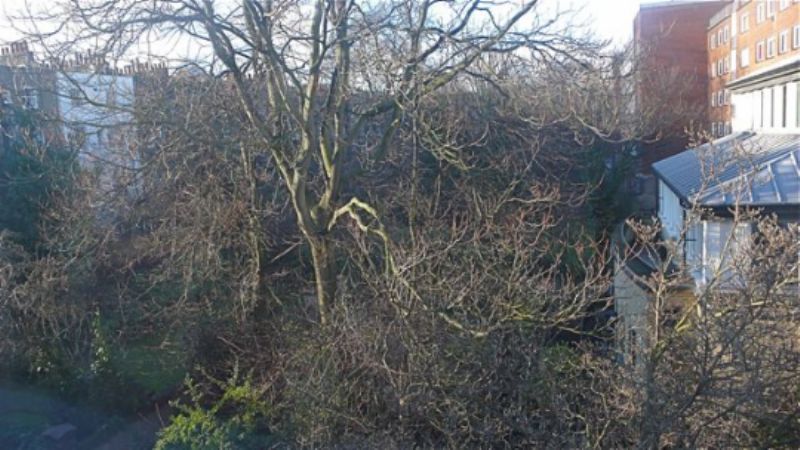
A box of chocolates that David Hertz of the Brazilian social enterprise Gastromotiva brought in for me a week or two back on his way back to Brazil from Vietnam. The Chinese gobbled them up. Once everyone had gone and we had finished the washing up and hoovering (the picture under the banner in the second photo down above, is of me hoovering ahead of the Volans/my 60th birthday party last June), I savoured the afternoon-sun-illuminated trees in the garden, and then we headed home – stopping off at Peter Jones to look at potential coffee machines for Volans.

Today I was out early, for a session with a physio under Barnes Bridge.  Lower back problems. Glorious, low sun and thick frost. The Moon was astounding last night, pretty much full – and literally flooding the house with its light. Must take the binoculars out this evening and see if I can see anything of Mars.

Surfing Sunday

John Elkington · 24 January 2010 · Leave a Comment


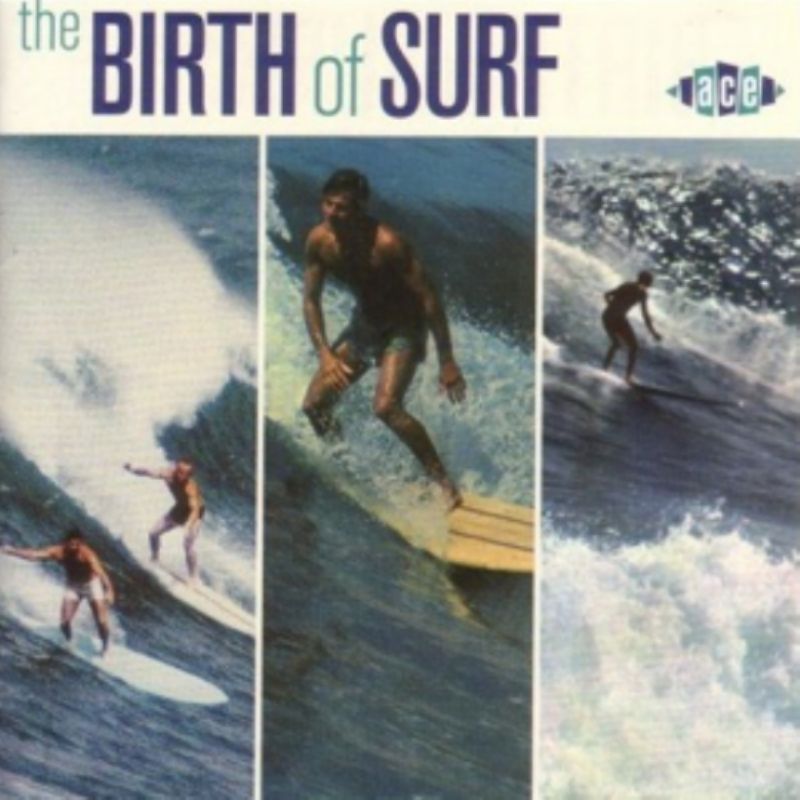
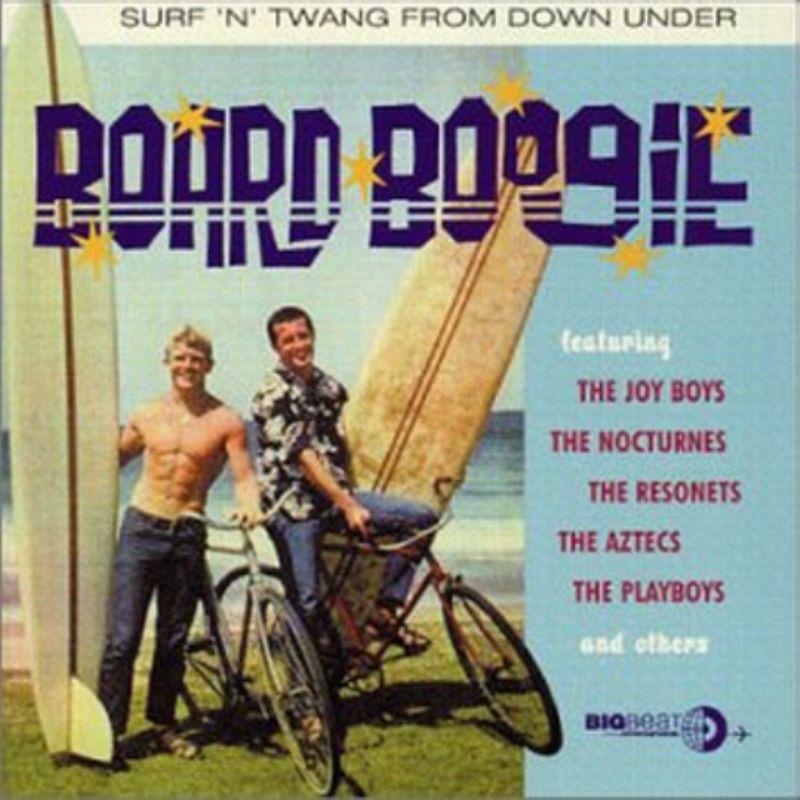
Have been working through the day on the proposal for the new book – and on the latest round of six columns, with three CDs mainly in the background. Rufus Wainwright’s Poses was one, which I bought this week after reading of the death of his mother, Kate McGarrigle. Sam has often played his music when we are working late and I like it tremendously. Even more invigorating, though, have been two other CDs I bought at the same time – The Birth of Surf, a collection of early US surf music, and Board Boogie, accurately billed as “Surf ‘N’ Twang from Down Under”.

Bands I had never heard of, among them The Aztecs, The Joy Boys, The Nocturnes, The Surf Riders, The Resonets, The Vibratones, The Sunsets, Laurie Wade’s Cavaliers, The Dee Jays and The Playboys.  Could scarcely be more different from Poses, but found myself enjoying quite as much as Dick Dale & The Del-Tones, Duane Eddy & The Rebels, Link Wray & His Raymen, The Ventures and The Surfaris. Those really were the days, before Beatlemania struck like a musical tsunami, wiping out many of the surf music bands.

Thank heavens for recording technology, in all its infinite variety. One of the books I bought recently is Greg Milner’s Perfecting Sound Forever, the story of recorded music. One of the things that has always fascinated me is the difference between music as experienced live and as recorded and reproduced. The band that, for me, showed the difference most dramatically in the 1960s was Fairport Convention.

And, just maybe, the extraordinary volume of their concerts could have contributed to the hearing loss and tinnitus that took me to see a specialist in Harley Street this week. On the list of technology I have so far refused I can now add a hearing aid to a pacemaker. Which puts me in mind on another Sixties band of Liverpudlians.

  • « Go to Previous Page
  • Go to page 1
  • Interim pages omitted …
  • Go to page 102
  • Go to page 103
  • Go to page 104
  • Go to page 105
  • Go to page 106
  • Interim pages omitted …
  • Go to page 134
  • Go to Next Page »

Primary Sidebar

Introduction

I began this blog with an entry reporting on a visit to the Woods Hole Oceanographic Institution on Cape Cod, on 30 September 2003. The blog element of the website has gone through several iterations since, with much of the older material still available.

Like so many things in my life, blog entries blur the boundaries between the personal and the professional. As explained on this site’s Home Page, the website and the blog are part platform for ongoing projects, part autobiography, and part accountability mechanism.

In addition, my blogs have appeared on many sites such as: Chinadialogue, CSRWire, Fast Company, GreenBiz, Guardian Sustainable Business, and the Harvard Business Review.

Recent Comments

  • John Elkington on The Hill House Elkingtons
  • sally fitzharris. (Rycroft) on The Hill House Elkingtons
  • Thomas Forster on Reminder of Glencot Years

Journal Archive

About

John Elkington is a world authority on corporate responsibility and sustainable development. He is currently Founding Partner and Executive Chairman of Volans, a future-focused business working at the intersection of the sustainability, entrepreneurship and innovation movements.

Contact

john@johnelkington.com  |  +44 203 701 7550 | Twitter: @volansjohn

John Elkington

Copyright © 2026 John Elkington. All rights reserved. Log in