• Skip to primary navigation
  • Skip to main content
  • Skip to primary sidebar
John Elkington

John Elkington

A world authority on corporate responsibility and sustainable development.

  • About
    • Ambassador from the future
  • Past lives
    • Professional
      • Volans
      • SustainAbility
      • CounterCurrent
      • Boards & Advisory Boards
      • Awards & Listings
    • Personal
      • Family
      • Other Influences
      • Education
      • Photography
      • Music
      • Cycling
    • Website
  • Speaking
    • Media
    • Exhibitions
  • Publications
    • Books
    • Reports
    • Articles & Blogs
    • Contributions
    • Tweets
    • Unpublished Writing
  • Journal
  • Contact
  • Show Search
Hide Search

Search Results for: Tim elkington

To Brasilia For My Last Nestlé CSV Council Meeting

John Elkington · 20 March 2018 · Leave a Comment

Dried fish on display as we ponder shortlist of candidates for the CSV Prize
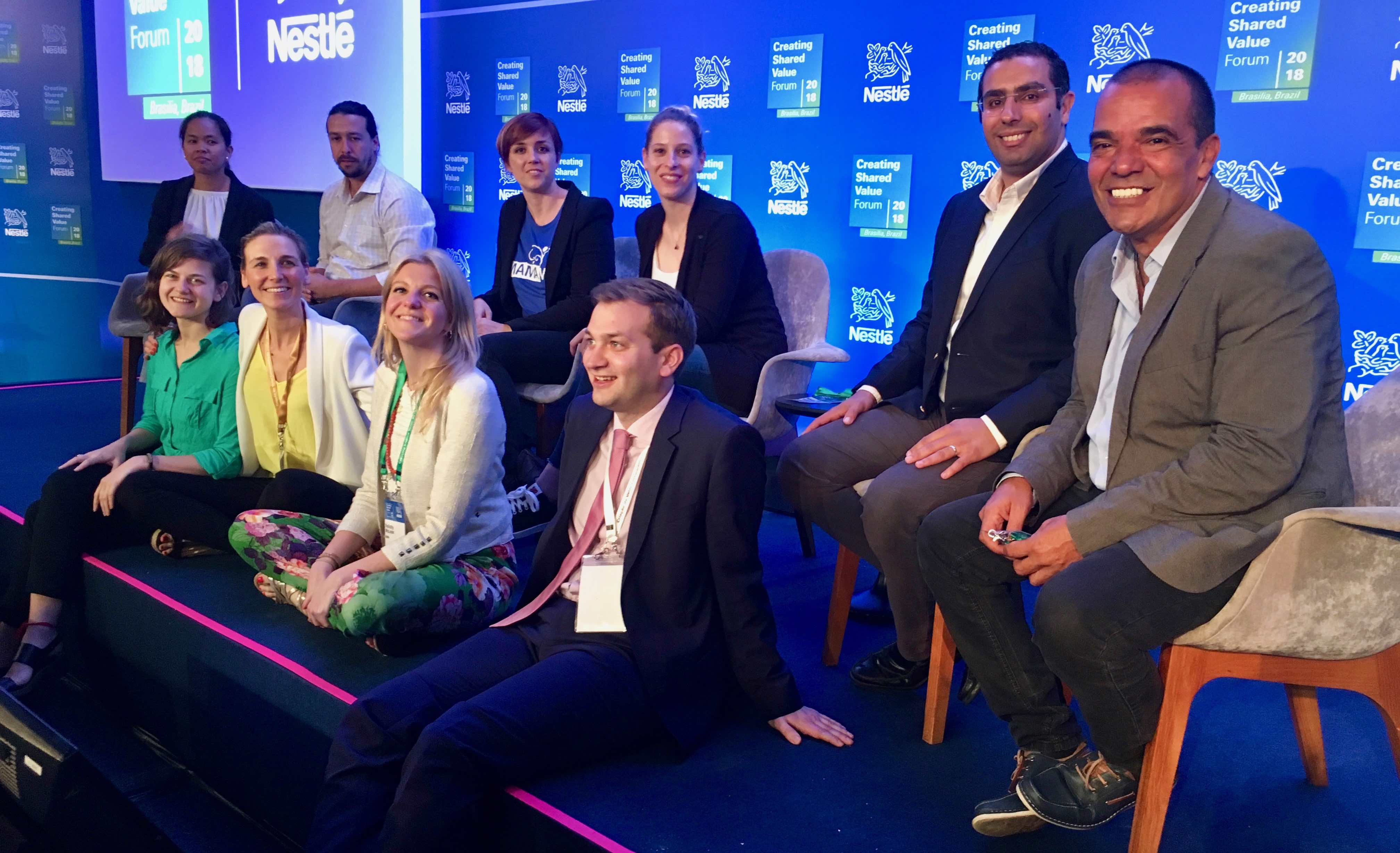
Shortlist candidates relaxing
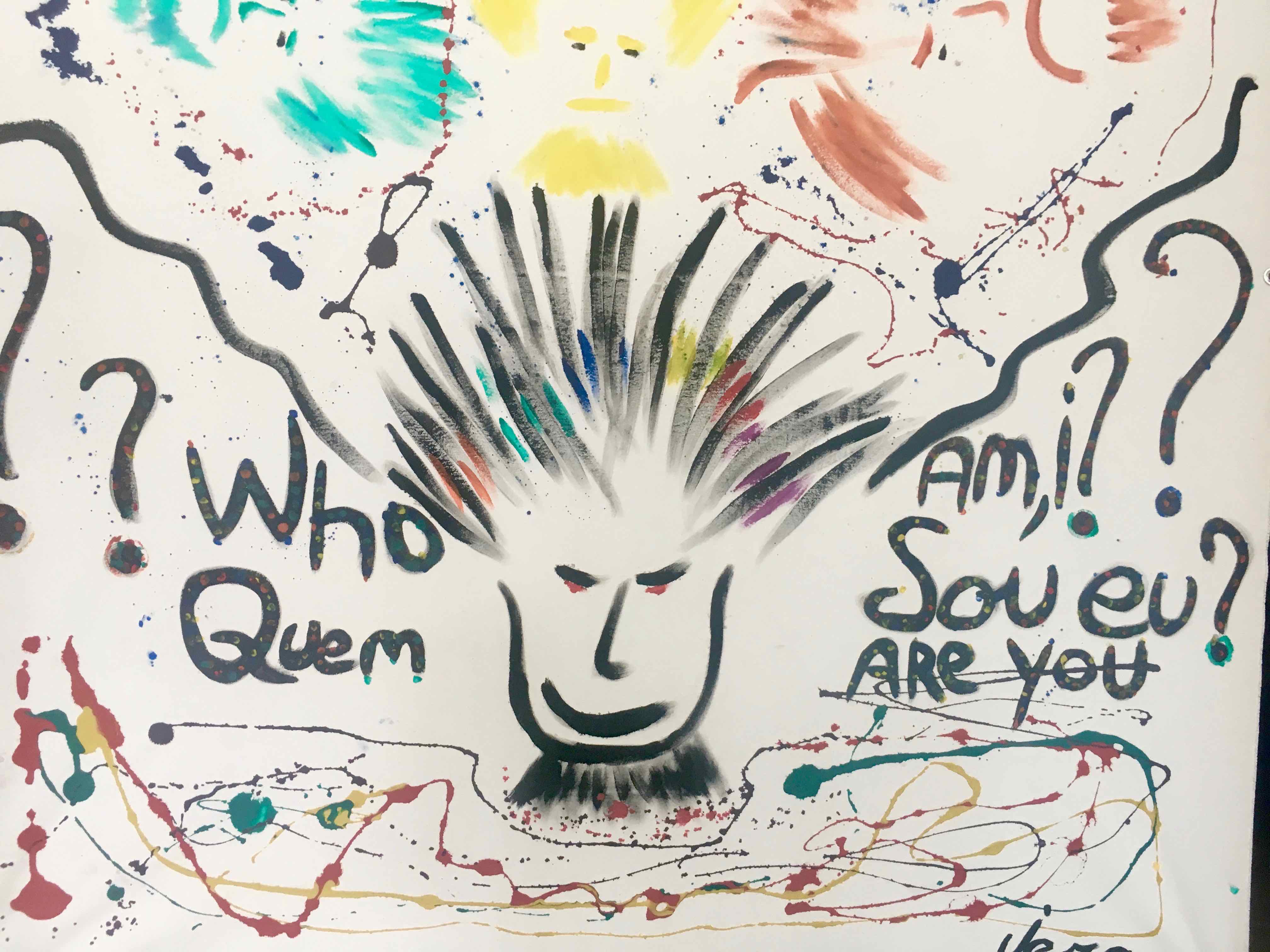
In the corridors outside – how my head feels

Flew to Brasilia for the latest Nestlé Creating Shared Value Forum, themed this time around water. My last meeting, alongside six others – including Michael Porter. Nine years. What a ride it has been. Some extraordinary people on the CSV Council, a number of whom I would now count as friends.

Mumm from Egypt and Fishers and Changemakers from the Philippines were the joint winners of the 2018 Creating Shared Value Prize. The two social entrepreneurs won CHF 150’000 each for their outstanding work in nutrition and rural development. More details here.

Then flew back to São Paulo for a fascinating meeting with the chairman of Fibria, José Luciano Penido. Maybe 15 years since I visited Aracruz eucalyptus plantations that later became part of Fibria. And now, a day before my visit this time, Fibria itself has been merged with its competitor Suzano, to the surprise of at least some of those I was meeting.

Spent the Sunday holed up in a hotel, working on the new book.
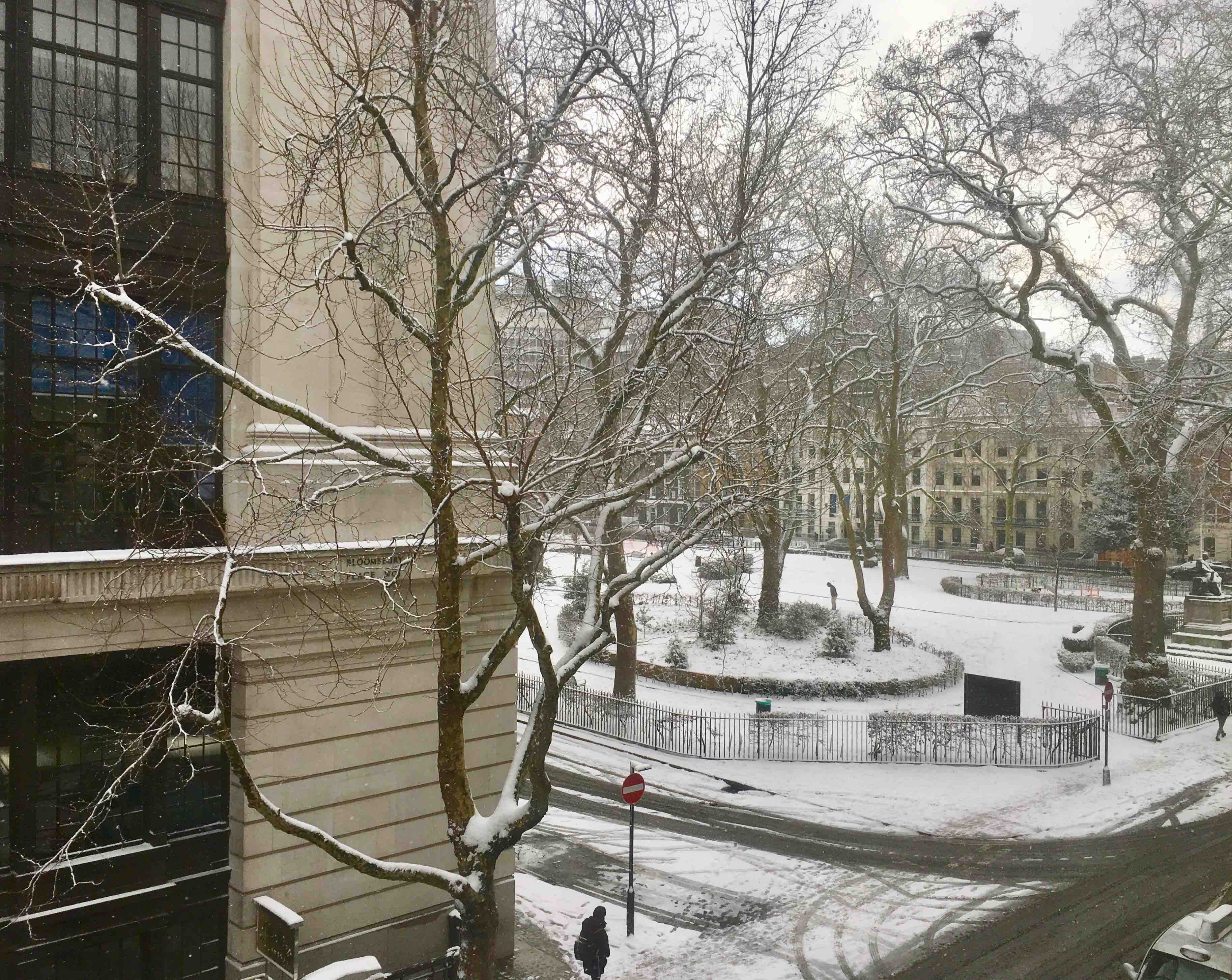
The Week That Was: Snow, Nightingales, Decarbonization, Sahara Forest, Stars, Poets

John Elkington · 10 March 2018 · Leave a Comment

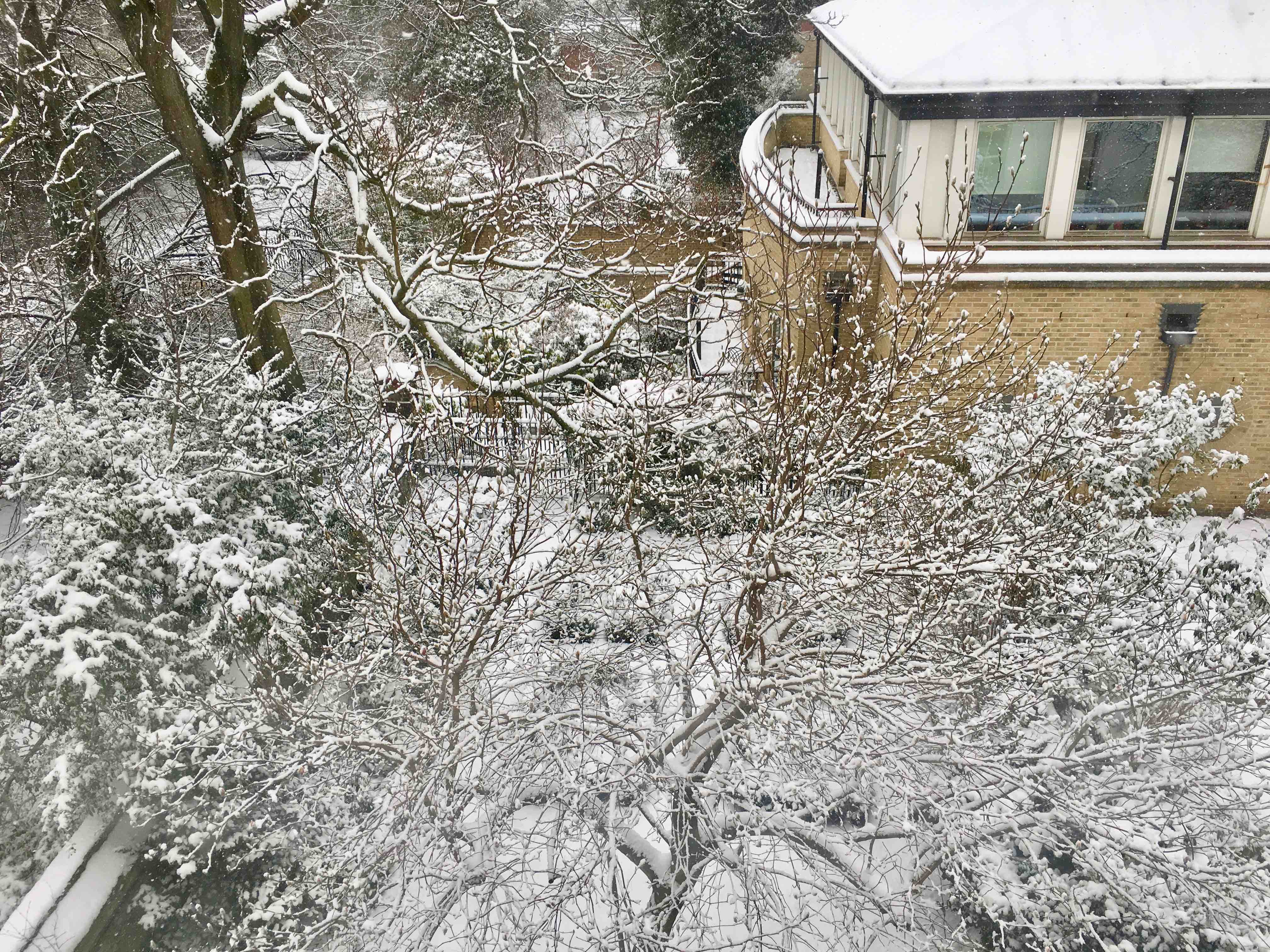
Snow in our office’s garden in Bloomsbury
Looking towards Bloomsbury Square
I spoke at EcoBuild event 
Getting ready for EcoBuild, as I hand my slide deck in
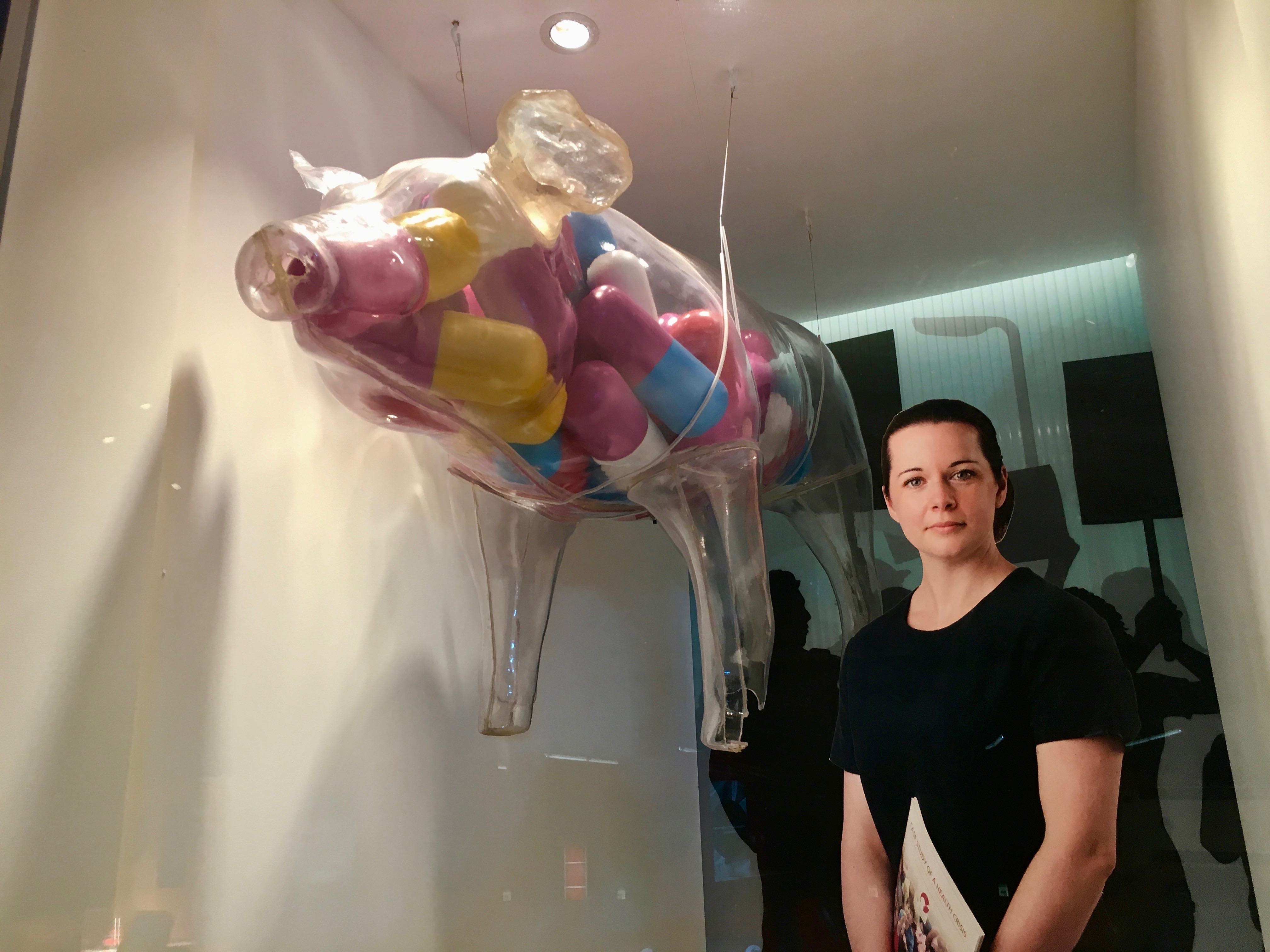
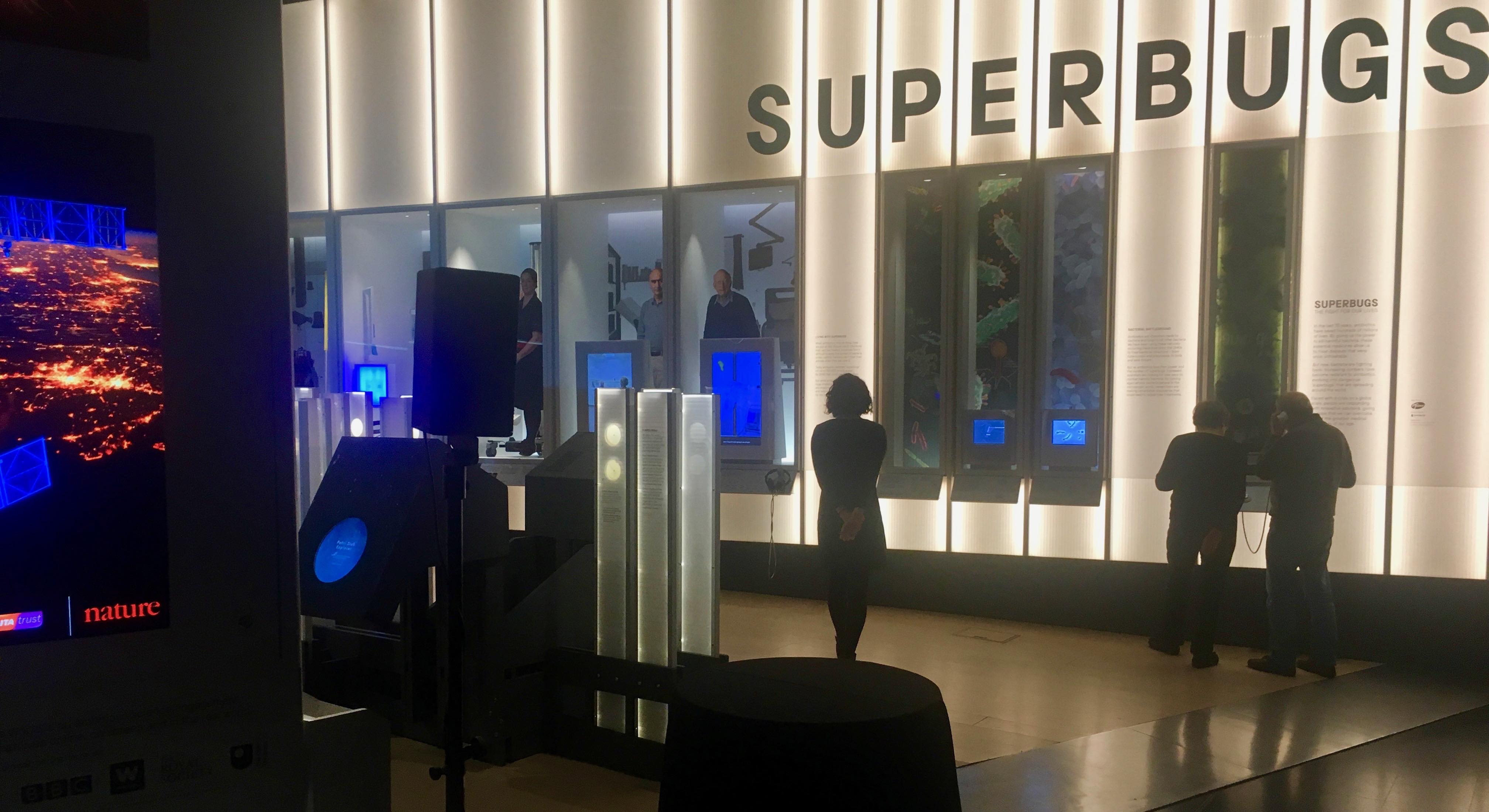
Superbugs exhibition at Science Museum
Not a robot
One of the curators outlined against part of the exhibition
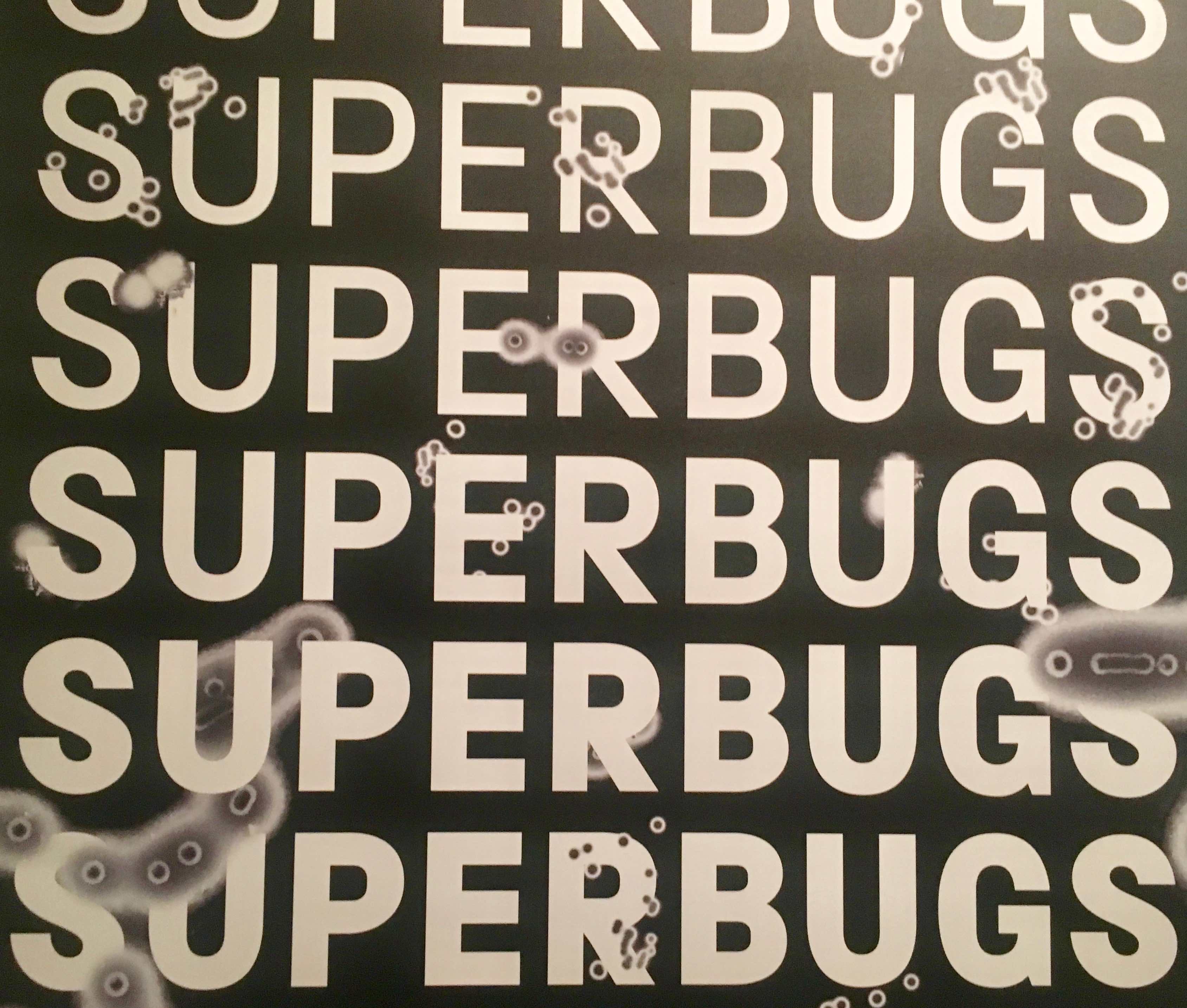
Poster
Jacqueline’s necklace
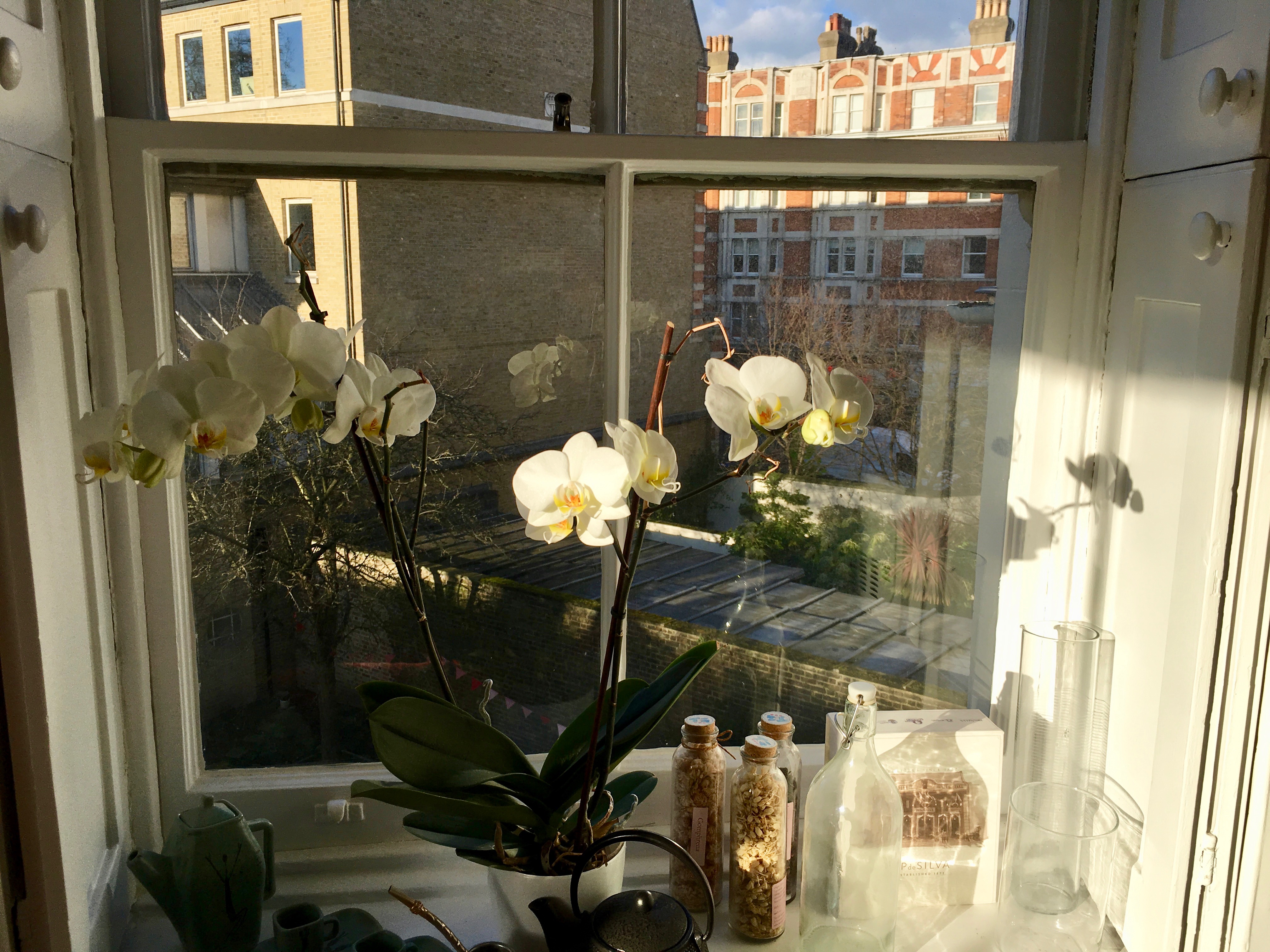
Orchids in the office
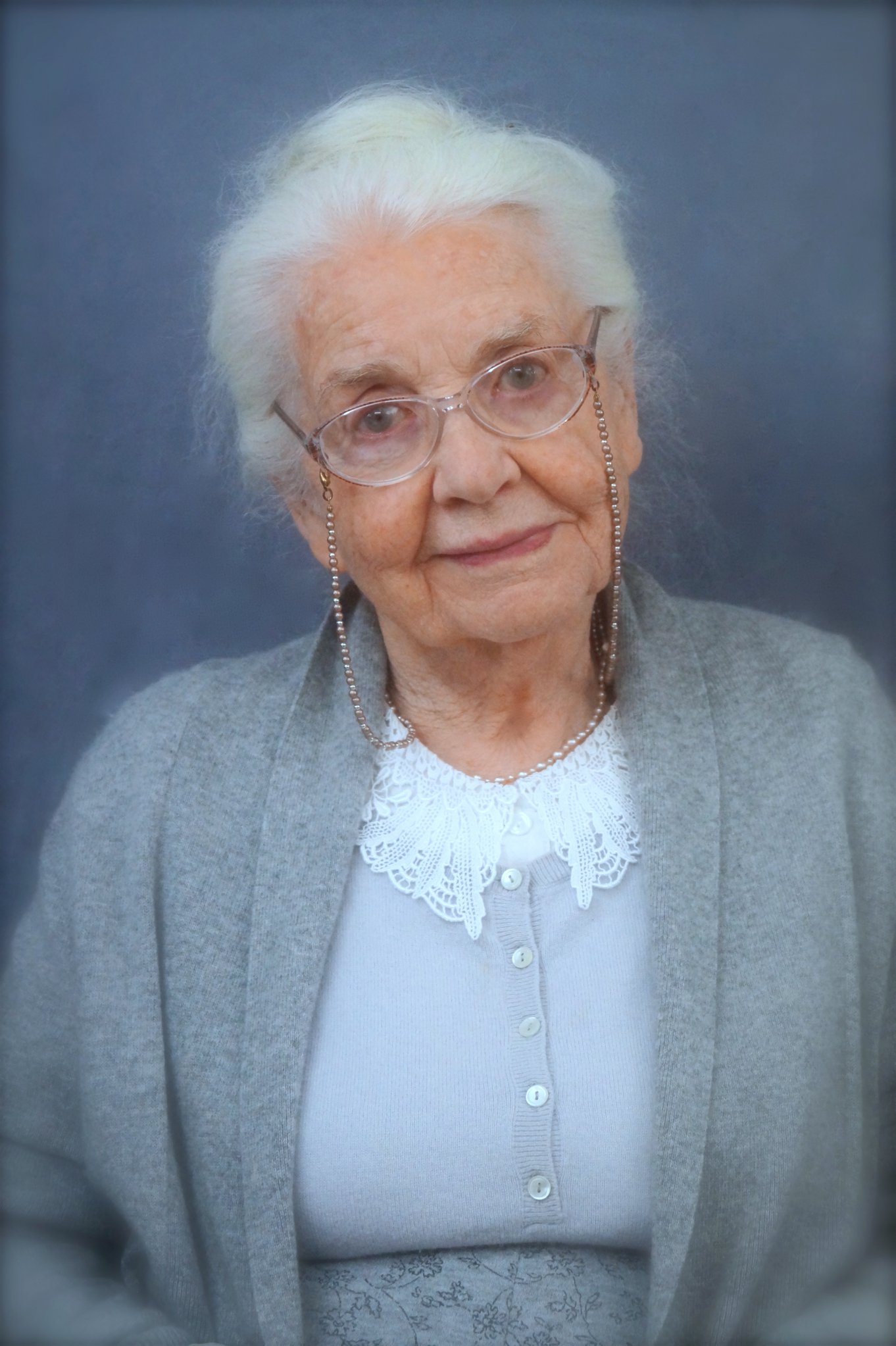
Mum/Pat
Peter Head of Resilience Brokers pitching at our Breakthrough Cities event in Savoy Place
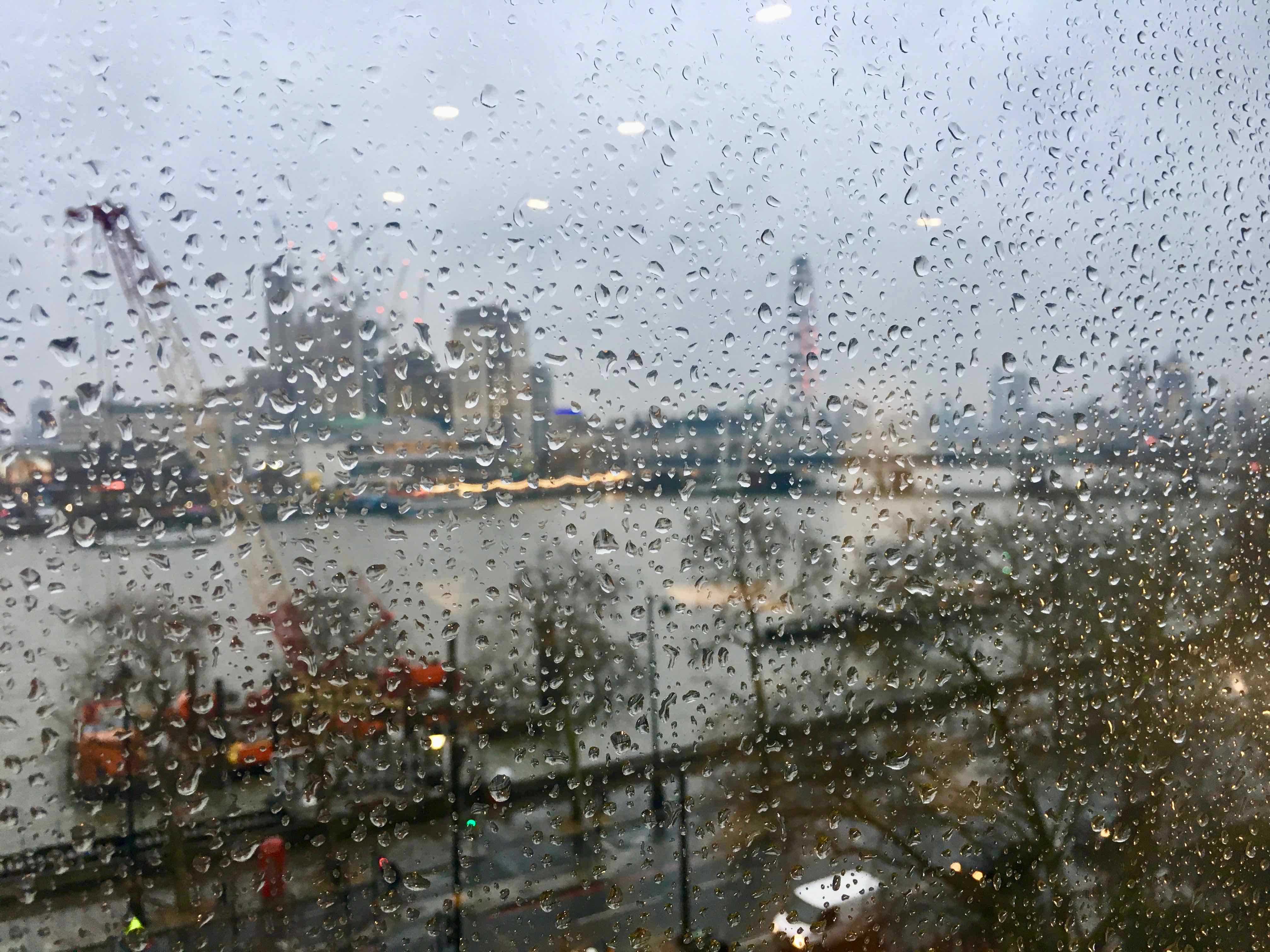
View from window over Thames as brilliant day closes

Quite the week.

Most dramatic, moving element was Thursday afternoon and evening spent driving to and from Little Rissington, to spend time with my mother (who is very ill) and family.

Pat drugged on morphine, but as I sat at her bedside she would periodically surface with humorous or insightful one-liners. Extraordinary state of being, but so grateful to my siblings for their continuous support for our nonagenarian parents.

Strangely, perhaps, a joy and a privilege to be there. Tess and I spoke across Pat’s reclining form, reviewing our lives, knowing that she could probably hear at least some elements of the conversation. And, again, Pat would periodically surface into the flow, like a mysterious fish, and then slip beneath the water again.

One thing she said to me when we were on our own was that she had heard nightingales. I assumed that these were acoustic hallucinations from her childhood, until I discovered when back in London that there are indeed nightingales in Gloucestershire.

Here’s what they sound like.

The snow is long since gone from London, but there were still pale streaks as I drove through the Cotswolds. As I left Hill House late on Thursday evening, and walked through the yard, I was stunned by the starry, starry night sky. Went back into the kitchen to turn the lights off and just stood watching.

Then in today’s (Saturday’s) Financial Times, I came across John Gapper’s ‘Lunch with the FT’ interview with author Michael Morpurgo. Apparently poet Ted Hughes counselled Morpurgo that, when he was feeling gloomy: “Remember, if there’s one child feeling this place, stomping through puddles and looking up at stars for the first time, he won’t know a wonderful thing is happening but it will soak into his life, one way or another.”

It did, it has.

As for the rest of the week, a fascinating session with The Crowd on Monday evening, featuring Novozymes CEO Peder Holk-Nielsen. I spoke at EcoBuild conference on Tuesday morning. Bit of a nightmare getting to the ExCel site, but great people on our panel from organisations like Bioregional and the World Resources Institute.

On Tuesday, I met Candice Reffe, Chief Impact & Innovation Officer at Eileen Fisher. Among other things, she is a poet – and among the people we talked about were Gary Snyder and Ted Hughes (see below). That same evening, Elaine and I went across to South Kensington for a riveting panel discussion on Superbugs: The Fight For Our Lives at the Science Museum.

Fabulous Volans Salon on Wednesday, featuring Judy Samuelson of the Aspen Institute, and with over 20 participants, on the issue of shareholder primacy. And then my annual 2-hour session with Mike Tennant‘s Imperial College MSc students on Thursday morning – invigorating.

Then the big one, and the reason I had to come back to London, we did the third in our 3-city series of events with Innovate UK, focusing on decarbonisation of the built environment. Wonderful top floor venue provided by the Institution of Engineering and Technology (IET) at Savoy Place, overlooking the Thames.

I chaired a panel session with Agamemnon Otero of Repowering London, Alastair Mant of the UK Green Building Council and Priya Prakash of Design for Social Change (D4SC) in the morning, and then did a after-lunch on-stage interview with biomimicry architect Michael Pawlyn. If you haven’t seen his 2010 TED talk, it is well worth a viewing.

And now off to see a great friend from California, Will Rosenzweig.

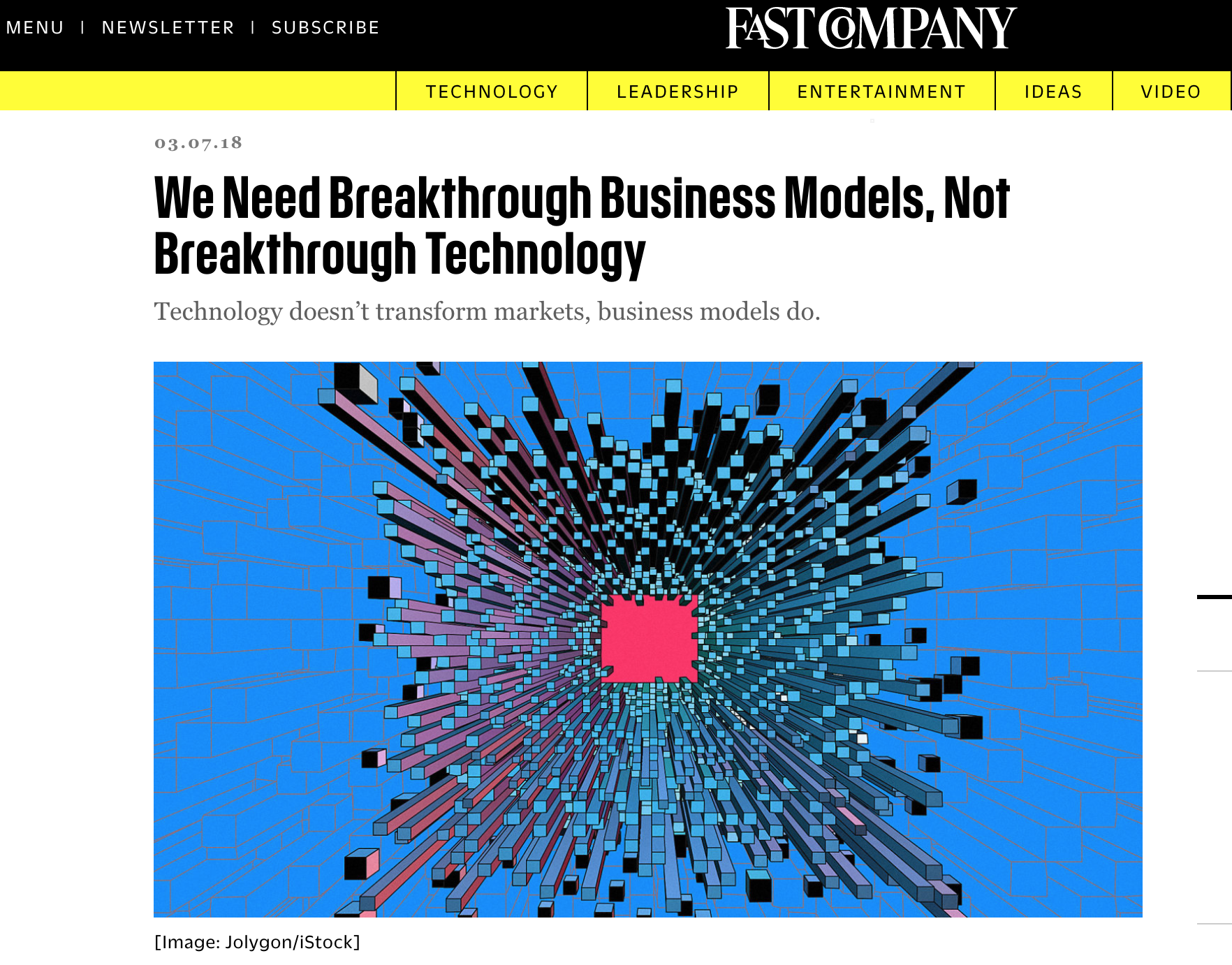
Our Fast Company Blog And Video On Business Models

John Elkington · 8 March 2018 · Leave a Comment

Here is a link to our latest blog for Fast Company, this time focusing on breakthrough business models – with an embedded video on the theme produced by our wonderful friends at Atlas for the Future. Co-authored with Richard Johnson, with another now in the pipeline.

What Is It Exactly That A Chief Pollinator Does?

John Elkington · 5 March 2018 · Leave a Comment

Shutterstock/hojikirano

Rather more personal theme in my latest blog in GreenBiz, published today. Spurred by a couple of conversations last week in which outsiders commented that Volans can be slightly mysterious at times. This is an initial attempt to lift the roof on our hive.

Lyrical Futures: John Perry Barlow, RIP

John Elkington · 9 February 2018 · 1 Comment

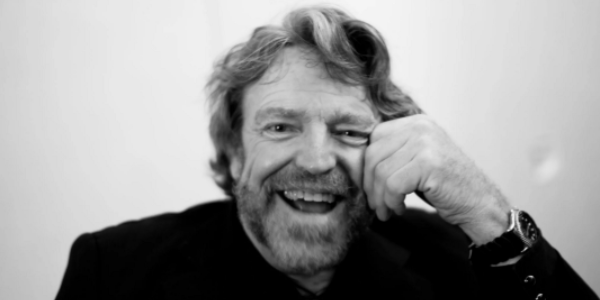
John Perry Barlow, from a great post by John Battelle of NewCo

One of the great privileges and pleasures of my life has been meeting extraordinary people, often in extraordinary places. I learned this morning of the death of Grateful Dead lyricist, who I met in the Bahamas in 2006.

Looking back, I think we were both something of a shock to a rather staid conference of American furniture-makers of German extraction. But we had some wonderful conversations, including one walking along the beach in the teeth of the trade winds. Sand in our teeth.

Here’s what I posted on my blog about those encounters:

Friday, February 10, 2006

JOHN PERRY BARLOW BARES HIS SOLE

Lunch today was on the beach, the tables and chairs sinking into the white sand, and with a fair old trade wind blowing. You had to hold your salad on your plate to stop it ending up in Cuba. Under heavy cloud, and with a man trying to take off on a parasail and bouncing across the stacked chairs and tables, [Elaine and I] found ourselves sitting opposite one of the two main speakers for the afternoon, John Perry Barlow.

Had known of him (http://homes.eff.org/~barlow/) for years, particularly as a lyricist for The Grateful Dead, as a long-time contributor to Wired magazine, which I used to adore, and as co-founder of the Electronic Frontier Foundation (http://www.eff.org/), which campaigns for free speech in cyberspace. But had never met him. Turned out we had a shared interest in comparative religion, among other arcane subjects, and things took off from there.

He was probably a bit of a shock for the audience, though he soon had my brain geysering. One of his early observations was that when he is living in the Chinatown area of New York, one of the bars nearby is home to a large mobster or enforcer type who has a “genius” son. So every time John turns up, the guy brings out his son, and the question the boy asked John about furniture was something along the lines of: “What would chairs look like if our legs bent the other way?”

Like the Indian industrialists I met there a few weeks back, Barlow hates government with a will – as do many folk from where he lives, Wyoming. And the feeling is mutual, as his blog (http://blog.barlowfriendz.net/) underscores, particularly his post-Burning Man experiences last year (http://barlow.typepad.com/barlowfriendz/2004/12/a_taste_of_the_.html).

But when it comes to multinational corporations, he’s a little more conflicted in terms of government’s role. Viewing them as a higher form of human life, but one with an enormous stake in the next two quarters, not in the future, he sees they need regulating and reining in.

One of the issues he talked about – and it had some of the audience shifting in their seats – was intellectual property, a term he described as an oxymoron.

He noted that The Grateful Dead had been early entrants into the open source and content-for-free world, deciding to allow their fans (Deadheads) to record their concerts, which generally produced better music than their recording sessions. The result was a a huge boost in their popularity, although he noted that while they could fill just about any stadium, one reason was that – so loyal were the Deadheads – that the band pretty much trucked a large part of the audience along with them.

Tomorrow’s economy, he predicted, will be more about relationships than property, with value turning out to have an increasingly powerful link back to familiarity – hence the the benefit of the underground market in Grateful Dead concert tapes. Fans then felt they wanted the ‘totemic’ CDs, even if the tapes were generally better.

Extraordinary man – and someone I mean to follow up, not least because if his efforts to ‘wire’ the South. He even got involved in a project to wire Timbuktu, on the basis that – to paraphrase – “if you can wire Timbuktu you can wire anywhere.”

One of his phrases that sticks in my mind – though it’s one I’d heard before – was that a key responsibility for us all is “to be a good ancestor.” That’s the very stuff of sustainability, done right. Later, as we chatted after his session, another delegate came up and the two of them compared their Japanese shoes. So I asked them both to bare their (Japanese) soles, which they did – though sadly I only caught John’s.

As to why we were both there, here’s some background:

Saturday, February 11, 2006

PIRATES, WRECKERS AND SPONGERS

Spent much of the morning ambling around Freeport, where we find ourselves at the ‘Our Lucaya Beach & Golf Resort’ – because that’s where the BIFMA International (www.bifma.org) conference was held and it was easier for me to stay over and write ahead of a trip to Toronto on Tuesday, rather than flying back to London. This afternoon I also spent much of the time reading, inside or in the sun on the beach. One of the books I read was Paul Albury’s The Story of the Bahamas (Macmillan Education 1975), which cast that ‘Our Lucaya’ tag in a very different light. The native Lucayans – who were, by all accounts, an attractive, healthy, welcoming people – were pretty much wiped out by the incoming Spaniards, who used them for slaves. Eventually the Spaniards turned to African slaves, arguing that they were worth 4 or 5 Lucayans, but by then an entire race was extinct.

When the Spaniards first arrived in Haiti, which is where the Lucayans are thought to have originated from, there were perhaps 300,000 Tainos. Sixteen years later, only 16,000 were still living. By 1550, there were thought to be less than 500. Today there are none. Believing that the Spaniards were from another world, many Lucayans were easily lured aboard the slaving ships with promises that they would see their relatives in heaven.

The book is also a rich mine of interesting stories about piracy, wrecking and the sponge industry. The best known pirate was probably the infamous Edward Teach, or ‘Blackbeard’, though the region was also home to women pirates who managed to grab their fair share of notoriety – among them Anne Bonney and Mary Read. Another period of the area’s history I remember reading about in the early 1960s was the blockade-running ventures of the US Civil War and the rum-running of the Prohibiton era. Indeed, as we flew in from Nassau, it was hard not to see many of our co-passengers as today’s equivalents of rum-runners. A sense of concealed menace, of dark undercurrents running beneath the brightly lit, cocooned world of the tourist.

Because Elaine’s father was raised in Barbados, we have long taken an interest in this part of the world. And sponges were another link, featuring heavily, soggily in the bathscapes of our early years. Like many other industries on these islands, the spongers had periods of fantastic profitability, but then overtaxed their natural resource – and, though they later learned to farm sponges to some degree, industrially made alternatives were soon ousting the natural products. I was always fascinated that the sponges we used as children were once living animals. Among the types of sponge traded from the Bahamas, apparently, were the wool, velvet, reef, hardhead, yellow and grass varieties. The names conjure up one of many worlds that once existed here – and which have been largely forgotten in the rush to quarry the latest resource, tourism.

As we walked around Freeport, we saw evidence of a more recent industry, big game – or deep sea – fishing. Many of the boats moored in the harbour were obviously designed to go after fish like the marlin, increasingly endangered, and it was hard not to see them as killing machines in the process of doing themselves – and their owners – out of a future. Their fishing chairs (photos below), from which the wealthy catch big fish with the aid of technology that would have been unimaginable for the likes of Ernest Hemingway, reminded me of electric chairs. But maybe that was just wishful thinking?

[Edited photos]


Elaine and local flora


Reflection of moorings


High tech sharks


Their precursors


Fishing chair 1


Fishing chair 2

  • « Go to Previous Page
  • Go to page 1
  • Interim pages omitted …
  • Go to page 46
  • Go to page 47
  • Go to page 48
  • Go to page 49
  • Go to page 50
  • Interim pages omitted …
  • Go to page 134
  • Go to Next Page »

Primary Sidebar

Introduction

I began this blog with an entry reporting on a visit to the Woods Hole Oceanographic Institution on Cape Cod, on 30 September 2003. The blog element of the website has gone through several iterations since, with much of the older material still available.

Like so many things in my life, blog entries blur the boundaries between the personal and the professional. As explained on this site’s Home Page, the website and the blog are part platform for ongoing projects, part autobiography, and part accountability mechanism.

In addition, my blogs have appeared on many sites such as: Chinadialogue, CSRWire, Fast Company, GreenBiz, Guardian Sustainable Business, and the Harvard Business Review.

Recent Comments

  • John Elkington on The Hill House Elkingtons
  • sally fitzharris. (Rycroft) on The Hill House Elkingtons
  • Thomas Forster on Reminder of Glencot Years

Journal Archive

About

John Elkington is a world authority on corporate responsibility and sustainable development. He is currently Founding Partner and Executive Chairman of Volans, a future-focused business working at the intersection of the sustainability, entrepreneurship and innovation movements.

Contact

john@johnelkington.com  |  +44 203 701 7550 | Twitter: @volansjohn

John Elkington

Copyright © 2026 John Elkington. All rights reserved. Log in