• Skip to primary navigation
  • Skip to main content
  • Skip to primary sidebar
John Elkington

John Elkington

A world authority on corporate responsibility and sustainable development.

  • About
    • Ambassador from the future
  • Past lives
    • Professional
      • Volans
      • SustainAbility
      • CounterCurrent
      • Boards & Advisory Boards
      • Awards & Listings
    • Personal
      • Family
      • Other Influences
      • Education
      • Photography
      • Music
      • Cycling
    • Website
  • Speaking
    • Media
    • Exhibitions
  • Publications
    • Books
    • Reports
    • Articles & Blogs
    • Contributions
    • Tweets
    • Unpublished Writing
  • Journal
  • Contact
  • Show Search
Hide Search

Search Results for: Tim elkington

Media


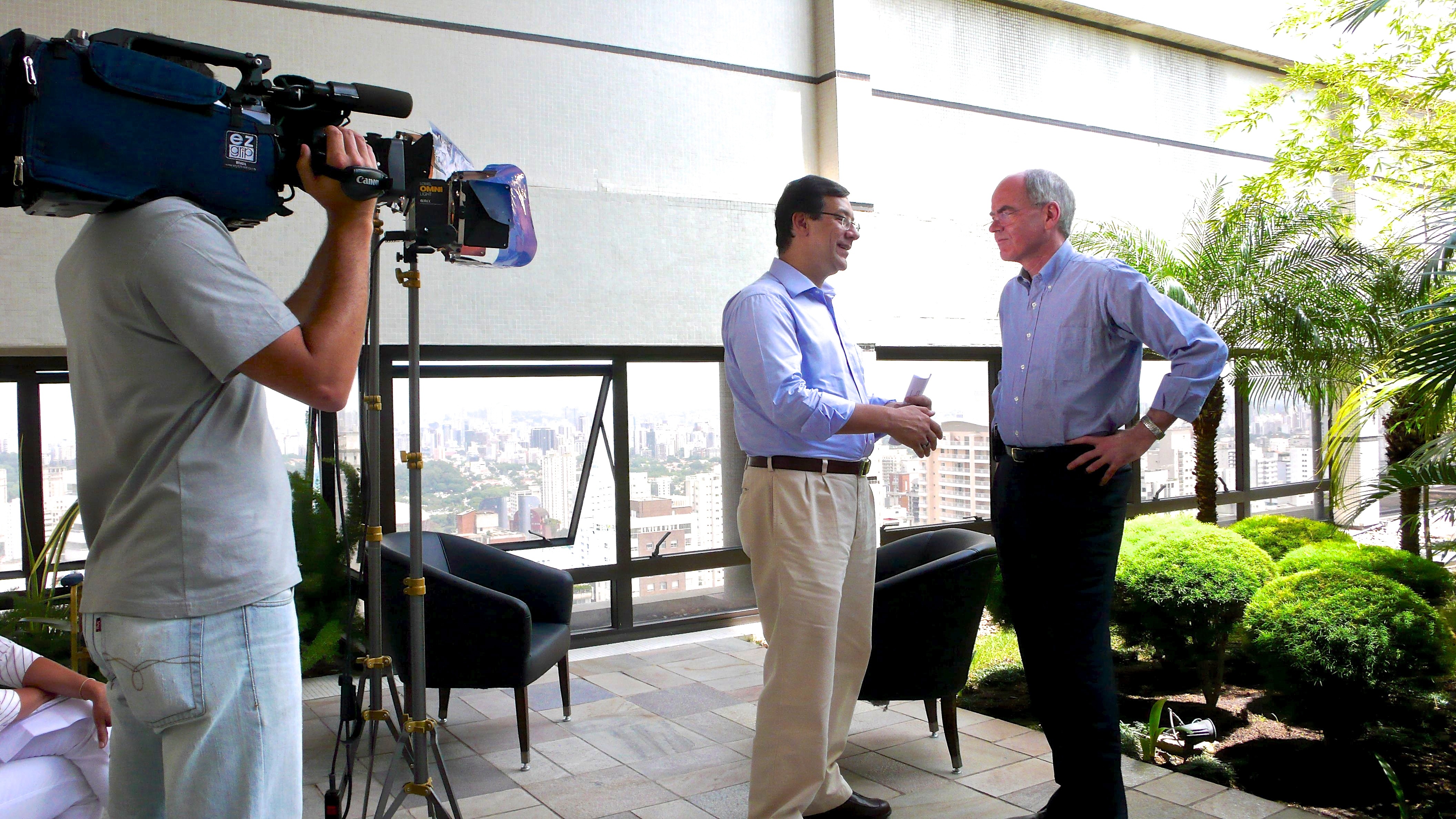
Filmed in Sao Paolo, 2009

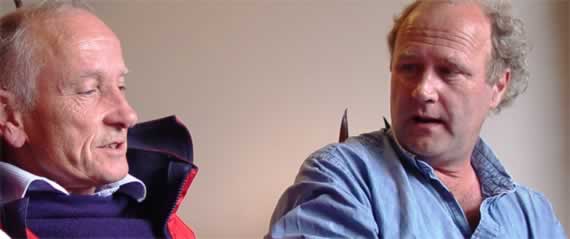
Globonews TV interview in São Paulo, 2009
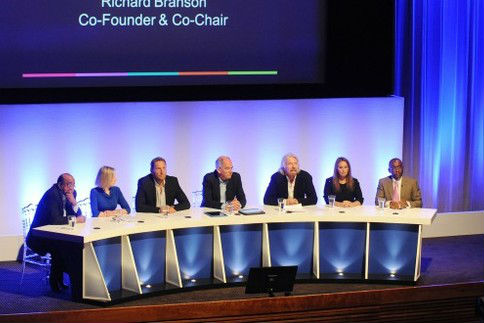
b_team_panel-18533-530x330_news_featured

Sandwiched between Jochen Zeitz and Richard Branson, I chair London online launch of The B Team, 2013

JohnElkington_arms crossedJune07_green 2

Photo for a Brazilian business magazine, taken in 2007 (photo: Paulo Varella, Photoart)

Media coverage of our work goes in waves. It also happens in different parts of the world at different times. We have been poor over the years at capturing the coverage as it happens, because of the sheer volume, though there are several boards in the Volans office where the latest media coverage is displayed. The striking thing is how many languages are featured. And a more up-to-date listing of the articles we do ourselves can be found on the Volans website, here.

Much of the media coverage of our thinking and work has been self-generated, as for example in my first blog for Huffington Post in 2014.

For a sense of the sort of wider media coverage we have had in recent years, here are some filmed interviews that surfaced in our first trawl for this website:

  • Livemint.com, Mumbai, India, 2014
  • India CSR, India, 2013
  • Verantwortung Zukunft, Munich, Germany, 2013
  • Bayer MaterialScience, London, UK, 2013
  • Sky Business News/Centre for Social impact, Australia, 2010
  • Wayne Visser interviews, Athens, Greece, 2010
  • Cambridge University Institute for Sustainability Leadership, interview by Wayne Visser on aspects of our evolving thought leadership:
  • The Economist, London, UK, 2009
  • Harvard Business Publishing, Watertown, MA, USA, 2008
  • Cranfield University School of Management, Doughty Centre for Corporate Responsibility, 2008
  • Valor Econômico, Brazil, 2008

In terms of online interviews and other forms of coverage, here is a small sample:

  • Skoll World Forum ‘Future-proofing Business’ session, Oxford, 2014
  • Interface ‘Cut the Fluff’, 2013
  • Guardian Sustainable Business Awards, tribute to Ray Anderson of Interface, 2012
  • Positive Luxury Q&A, 2012
  • Mother Jones, 2008

This is a section of the website that will be evolved in future.
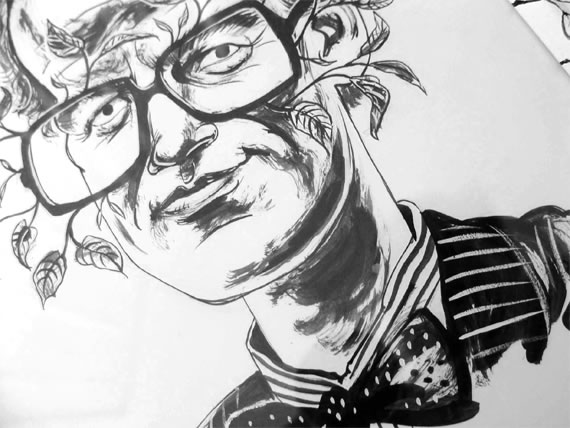
Sp(r)outing: A cartoon from a Marketing Week article in 1989
Sp(r)outing: A cartoon from a Marketing Week article in 1989
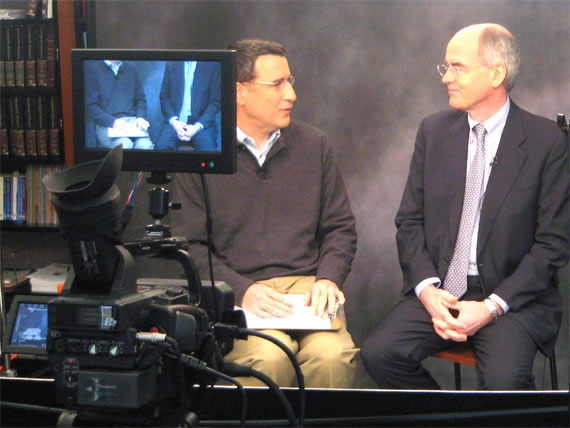
On Screen: Interviewed by Paul Michelman at Harvard Business School Press, 2007

On Screen: Interviewed by Paul Michelman at Harvard Business School Press, 2008
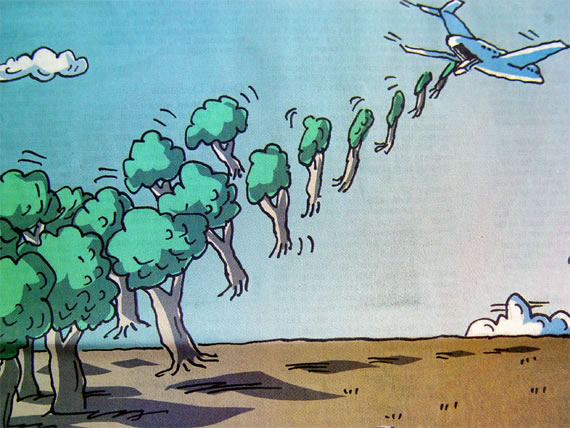
Treed: Section of a cartoon that appeared with a long (and not always favourable) profile of me in the Wall Street Journal Europe

Treed: Section of a cartoon that appeared in the 1990s with a long (and not always favourable) profile of me in the Wall Street Journal Europe, not then a great champion of the sustainability agenda
Cycling

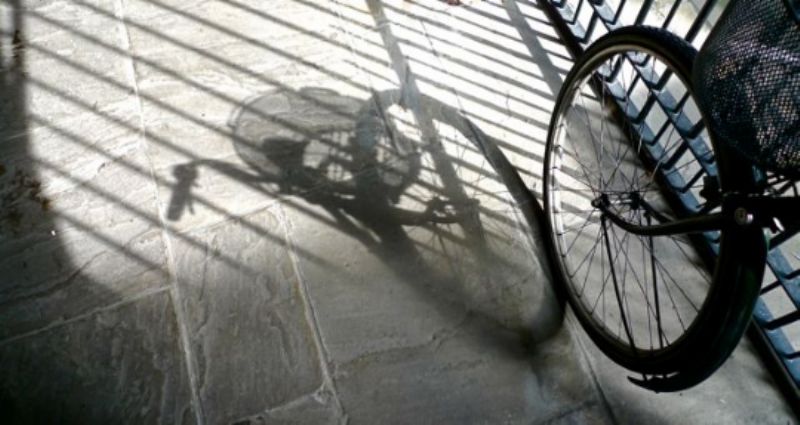
W1 A bike shadow around the corner from 2 Bloomsbury Place

I remember being given my first bicycle, in the 1950s, on the farm outside Limavady in Northern Ireland. I remember getting aboard and hurtling down the bumpy drive, across a (happily not then very much trafficked road) and into the hedge on the other side.

I learned about brakes later that day.

Over the years, cycling has given my huge joy, not least when Kensington Gardens and Hyde Park were opened up to cyclists. In the process, as with many migratory birds, my commute got steadily longer. In the early 1970s, it was from Covent Garden to the Belgrave Square area. When we moved to Barnes in 1975, it took me until the early 1990s to get back into longer haul cycling, initially to the Notting Hill area (when SustainAbility moved there), then Kensington High Street, then Knightsbridge, then Bedford Row in Holborn, and (when we founded Volans) Bloomsbury Square.

As noted below, for much of this time there was an undeclared war between drivers and cyclists, with the result that in around 40 years of cycling I have been left unconscious in the road no less than four times.

My trusty companion through the past 25-plus years has been a Dawes (appropriately named, as it turned out) ‘Mean Streets’ bike, which is pretty heavily built, but its crossbar still shows the scars of the second major accident. Strikingly, another cyclist slowed down alongside me as I pedalled north parallel to Park Lane a few years ago, and offered to buy the bike. I was pleased, of course, but couldn’t imagine parting with it.

Cycling 1: In over 30 years of cycling in London, I have been left three times unconscious, twice with three broken ribs. In 1975, an Indonesian man hit me in Covent Garden, in 2006 a Mongolian woman in Olympia—adding insult to injury by hitting me while I was in a cycle lane. But cycling remains one of my greatest joys …

Cycling 1: In over 40 years of cycling in London, I have been left unconscious four times, twice with three broken ribs. In 1975, an Indonesian man hit me in Covent Garden. In the 1990s a car without lights drove into me in Lonsdale Road in the midst of a downpour at night, and didn’t stop. In 2006 I was hit by a Mongolian woman in Olympia—adding insult to injury by driving into me while I was in a cycle lane. Then, in 2013, three young men in a car hit me from behind in Berwick Street, semi-deliberately, then fled the scene. A long queue of witnesses formed, the case went to trial and the driver paid the penalty. Even so, cycling remains one of my greatest joys.
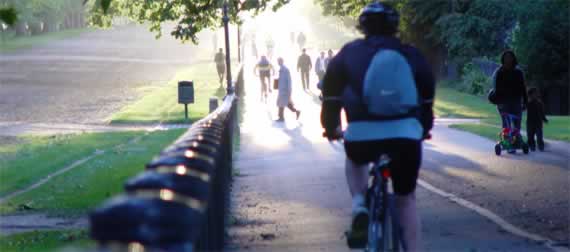
Cycling 2: … as this everything-is-illuminated moment in Hyde Park symbolises

Cycling 2: … as this everything-is-illuminated moment in Hyde Park symbolizes
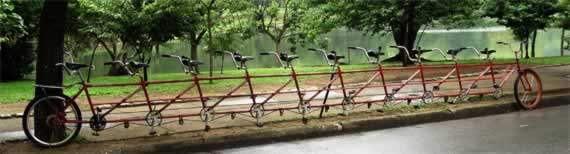
Cycling 3: And then there’s the camaraderie that comes from cycling on a bicycle made for 10—this one snapped in Brazil

Cycling 3: And this could be a symbol of my working life. A bicycle made for 10—snapped in Brazil

Website

In its 2020 version, this website embraces the Green Swan agenda
Looking back, I have been fairly early into areas like personal websites, blogging and tweeting, always interested to find new ways to learn and communicate. The origins of this website lay in a desire to capture what it was like in the relatively early days of the evolving environmental, social innovation and sustainability movements.
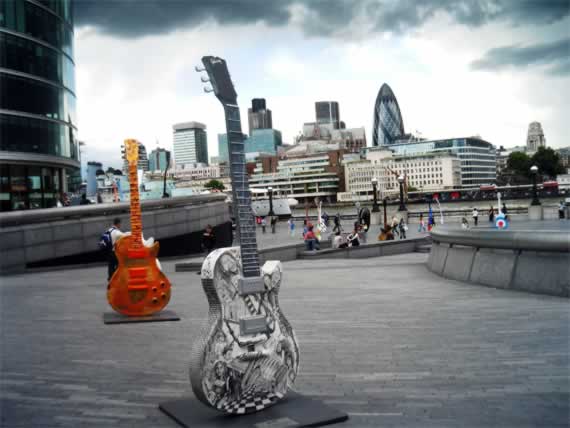
The idea was also to explain to the wider world what we were doing and what was working, and what wasn’t.

A decade in, however, our original webmaster absconded to New Zealand. Still, dark clouds, silver linings. I am still immensely grateful to Geoff Kendall, Sam Lakha and Chris Wash for wading in and rescuing the bulk of the old content.

Now the site is evolving for the next stage in my thinking, built around the idea of the Green Swan. More, as they say, anon.

And, by way of background, here is some archive text from the old site which explains some of the original reasoning behind the site:

Archive text from 2003, updated 2008

THE BABELFISH AND THE WEBSITE

I am often asked what exactly it is that I do. Difficult. When filling in the ‘Please state profession’ line on passports and other forms I have long been tempted to write ‘Babelfish’, which I’ll explain in a moment.

And the website? It’s a fairly natural outflow from work I have done under the guise of John Elkington Associates (JEA), founded by Elaine and I in 1983. Later, I changed the name to CounterCurrent.

In compiling the original version of the website, with the help of Rupert Bassett and Lynne Elvins, I was forced to plumb my core values, powerfully shaped by pressures and opportunities described elsewhere on the site.

Eight values that bubbled to the surface were:

– Evolution: Real change happens over generations

– Sustainability: Future generations as stakeholders today

– Diversity: Evolution feeds on difference

– Transparency: Sustainable economies are see-through

– Conversation: Wellspring of insight

– Memory: Capture lessons of experience

– Intuition: Facts only get you so far

– Serendipity: Learn from mistakes and accidents.

These values also eddy through the visual aspects of the site, including the logo. Click here for Rupert’s explanation below of how the original imagery evolved.

And the Babelfish? My work has often run counter-current, hence the imagery of fish swimming against the flow. At Volans and SustainAbility, too, we have aimed to drive the discussion of problems upstream – from symptoms to causes in pursuit of real cures.

But maybe the story runs deeper still. I was born in a mill-house cottage on an island in the Kennet, a tributary of the Thames. Later, as a child, I would find myself surrounded by elvers on a moonless night in Northern Ireland, or communing with wildlife along rivers in Gloucestershire, Somerset and Dorset.

And once we had decided to use fish for our new logo, the imagery proved surprisingly apt. Fish, it turns out, symbolise reproduction, life, freedom, the emotions, our unconscious, the quest for enlightenment, flashes of intuition, prophecy, fertility, plenty, prosperity, good luck, longevity and rebirth. Salmon, the ultimate homing fish and recently returned to the upper Thames, near our London home, symbolise wisdom – vital in a world flooded with data and information.

And that’s where the Babelfish fits in. Brainchild of the late, great sci-fi author Douglas Adams, it was billed as the universal translator. Slip the creature into your ear, we were told, and you could suddenly understand all the Galaxy’s languages. If any one organism symbolises my aspirations, and my work across the turbulent, blurring boundaries between business, financial markets, governments and civil society, this is it.

Finally, for the record, here is the text in which the original logo designer, Rupert Bassett, explained the origins of the fish logo:

fish

Part of the original CounterCurrent design for this website, by Rupert Bassett

Pre 2008 Design by Rupert Bassett

rupert.bassett@btinternet.com

John’s original design brief was to produce graphic imagery which would convey the idea of “swimming against the stream”, a strong metaphor for his campaigning lifestyle. In addition to this, as he communicates using many different forms of media, I was looking to create a flexible graphic system which could be applied quickly and consistently across multiple formats.

The Generic Form
After some study of streaming water and the mechanics of fish propulsion, I found an answer to the brief in the similarity of the forms involved in “swimming against the stream”. Wave patterns, scale textures, shoal paths and river flows all employ the same sweeping curves.

The solution was to create a single generic graphic form, from which all other graphic imagery required could be built by the simple process of repetition. The generic form was constructed using two dynamic sweeping curves, giving an apparently organic and naturalistic shape, without closely representing any specific identifiable aquatic lifeform.

Repetition
The most effective orientation for the generic form is moving “upstream”, emphasised by a background pattern generated by the repetition of the form which moves “downstream”. The background employs a diagonal repeat in the direction of the “head” of the form which emphasises the movement. More naturalistic patterns can be created by the deletion of a random number of shapes from the regular pattern. Colour transparency adds depth to the background.

The curves of the generic form were very carefully located within a grid structure of regular squares. This grid structure is an essential device to facilitate the regular repetition of the generic form in the creation of graphic imagery, and for the integration of other design elements. Any typographic or photographic forms can be sized and positioned according to the dimensions of the grid.

Links

JE Mexico city hotel view 2

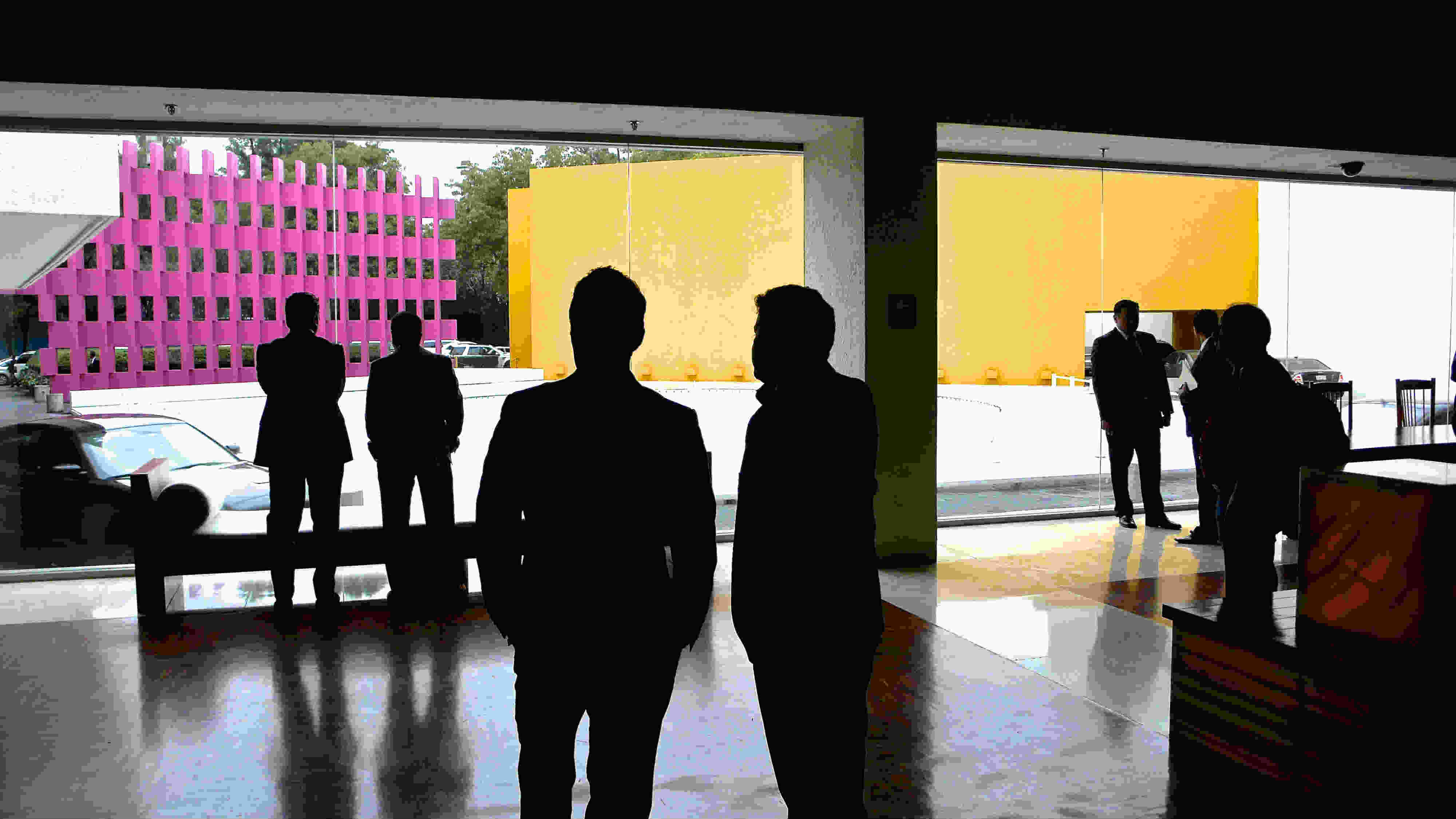
Scene in a Mexico City hotel, a reminder of the many serendipitous encounters on such trips

JE David Oakey & Janine Benyus 2

David Oakey and Janine Benyus in his studio in Georgia, during a Biomimicry 3.8 Institute board meeting

This section is an updating of an earlier listing of some of the organizations and initiatives that I recommend people get in touch with and, ideally, support. And, of course, pride of place in my heart is taken by Volans and by its sibling, SustainAbility. But, first, a few comments on what makes relationships with such people and organisations involved “sticky,” at least for me.

Clearly, they have to be doing important, effective work. But longer term the key, at least for me, is to build a portfolio of engagements that mean that you can both have a diversified impact and also, critically, have fun as you go along. In the early days of SustainAbility we had a 3-point mission: to make a difference, to make a profit (we were, after all, a business) and to have fun (and learn) in the process. I can remember things that come in threes.

Elements of this philosophy are indicated in the images immediately below, dating from a visit Elaine, Pamela and I made to The Eden Project and the Lost Gardens of Heligan some years back. Founder Tim Smit, also a member of the Volans Advisory Board, gave us the most wonderful guided tour. The fun element hopefully comes through.

links

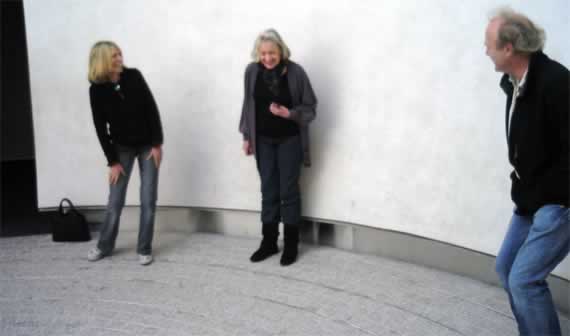
Eden 1: Pamela (Hartigan), Elaine and Tim (Smit) in space awaiting Peter Randall-Page’s giant seed

links2

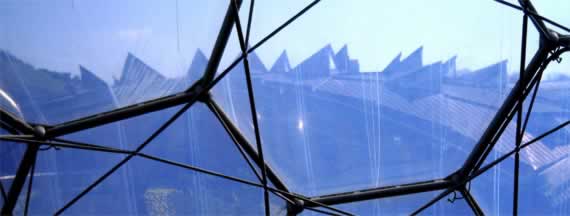
Eden 2: Saurian roofline

links3

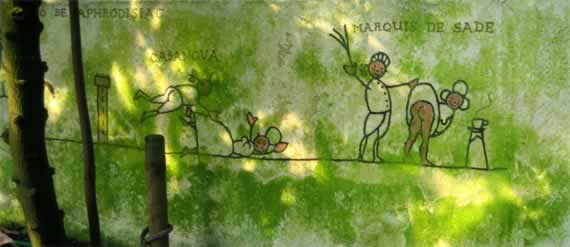
Eden 3: A cheeky mural on aphrodisiacs, a subject I once began a book on, in the Eden shrubbery. The only reference on this site to Casanova and the Marquis de Sade, I think

My earlier selection of proposed links stands, but I have updated several, dropping a couple that had closed, and added a number of new initiatives. So here’s my current A-to-Z:

Acumen Fund

A leading organization in the field of social entrepreneurship.

Amnesty International

Fighting for human rights.

Ashoka

Aims to make everyone a changemaker.

ASrIA

Spreading the word on socially responsible investment in Asia.

B Lab

Both Volans and SustainAbility are now certified B Corps.

Business & Human Rights Resource Centre

Spin-off from Amnesty. I was on the board of trustees until 2007—and am now a Senior Advisor.

Carbon Neutral Company

Aim to slow climate change and regenerate forests. Run by Jonathan Shopley, a long-time colleague and friend.

Carbon Tracker Initiative

If you don’t already know them and their work on stranded assets,  take a look.

Coalition for Environmentally Responsible Economies (CERES)

Originally founded as the Valdez Society in the wake of the 1989 Exxon Valdez disaster, CERES has been a partner in such areas as reporting and corporate governance.

Common Ground

One of the most delightful NGOs, blending the arts and environment, promoting everything from parish maps to apple days.

Doughty Centre for Corporate Responsibility, Cranfield University

Formed with funding from a private equity investor, the late Nigel Doughty, and with David Grayson as Professor. I am a Visiting Professor.

Earth Policy Institute

Lester Brown is, as they say, The Man. And he has been for many decades. A brilliant guiding star in the sustainability space.

Earthwatch

Our daughters, Gaia and Hania, have both done Earthwatch projects in Baja California – and found the process transformational.

The Eden Project

As they say, “if you believe there should be a place … that celebrates life and puts champagne in the veins … is all about education but doesn’t feel like school …to hold conversations that might just go somewhere … where research isn’t white coats in secret but shared exploration to help us all … that is a sanctuary for all who think the future too precious to leave to the few – because it belongs to us all. Then welcome.”

Endeavor

Another of my favourite organisations in the field of social entrepreneurship.

Environmental Law Foundation (ELF) 

They fund legal actions in defence of the environment. I was on ELF’s Council for years.

Environmental Data Services (ENDS) 

Britain’s leading environmental information source for business. I was part of the founding team in 1978.

Friends of the Earth

One of my favourite environmental NGOs.

Global Footprint Network

These people do great work on defining the methodologies for environmental footprinting, at all levels of the economy, but critically at the level of countries, where it can impact things like bond markets.

Greenpeace

Long may they rule the waves and waive the rules.

Julia Hailes

Since we met in 1986, nothing has been the same. We co-founded SustainAbility in 1987 and wrote 8 books together.

The Haller Foundation

The Foundation is committed to sustainable ecosystem thinking. Its primary objective is to raise money to support and promote the pioneering work and principles of Dr. René Haller, a Swiss naturalist, working in Kenya.

London Cycling Campaign

As a cyclist, traveling from Barnes to Hyde Park Corner, and more recently to Holborn and then Bloomsbury, I have found them hugely useful.

London Wildlife Trust

It’s a real pleasure to support them.

Médecins Sans Frontières (MSF) 

MSF is an international humanitarian aid organisation that provides emergency medical assistance to populations in danger in more than 80 countries. In countries where health structures are insufficient or even non-existent, MSF collaborates with authorities such as the Ministry of Health to provide assistance. MSF works in rehabilitation of hospitals and dispensaries, vaccination programmes and water and sanitation projects. MSF also works in remote health care centres, slum areas and provides training of local personnel.

New Economics Foundation

I co-founded The Other Economic Summit (TOES), from which NEF was a spin-out and was a Patron of NEF for many years.

Physic Ventures

A San Francisco-based venture capital fund where I sat on the Advisory Board. They focus on health, wellbeing and sustainable lifestyles.

The Schwab Foundation for Social Entrepreneurship

Founded by Klaus Schwab, who also founded the World Economic Forum (WEF), the Foundation identifies, celebrates, networks and supports leading social entrepreneurs.

Skoll Foundation for Social Entrepreneurship

Founded by Jeff Skoll of eBay and Participant Productions, the Foundation granted-aided SustainAbility and then Volans over a period of three years.

SustainAbility

Among many other things, co-founded by Julia Hailes and I in 1987. I like their recent work on sustainable business models.

Transparency International

Fighting corruption. Critically important.

UN Global 500 Roll of Honour

The Roll was opened in 1987. Julia and I were elected to the Global 500 Roll of Honour in 1989 for “outstanding environmental achievements.” Now dubbed ‘The Champions of the Earth’.

Volans Ventures

Helping the Future Take Flight. I am loving our work on Breakthrough Capitalism. And our next book, The Breakthrough Challenge, launched in September 2014.

World Economic Forum (WEF)

Convenes some of the most influential summit meetings. For seven years from 2002, I spoke at these events and facilitated sessions—in New York, Davos, Palo Alto and Dalian, China.

World Resources Institute (WRI) 

I worked with them during the 1980s and several SustainAbility people have come across from WRI.

World Wide Fund for Nature (WWF) 

I raised money for them in 1961, aged 11, and have worked with them many times over the years, among other things now being on the WWF UK Council of Ambassadors.

Zouk Capital

Where I serve on a Cleantech Industry Advisory Board.

Photography

CT19shark 2

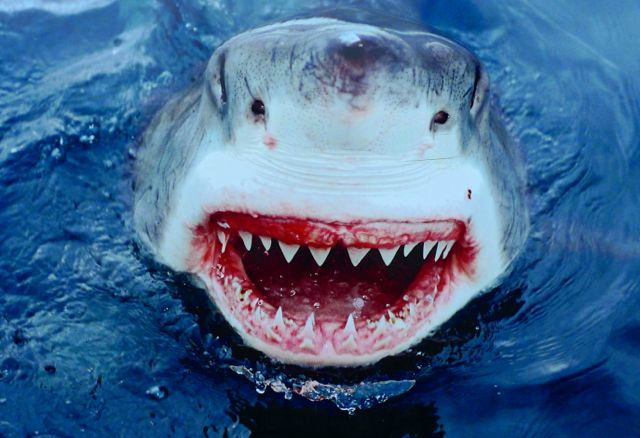
Great white shark: this was actually on a dockside poster I passed in Cape Town

JE 3 flying forms 2

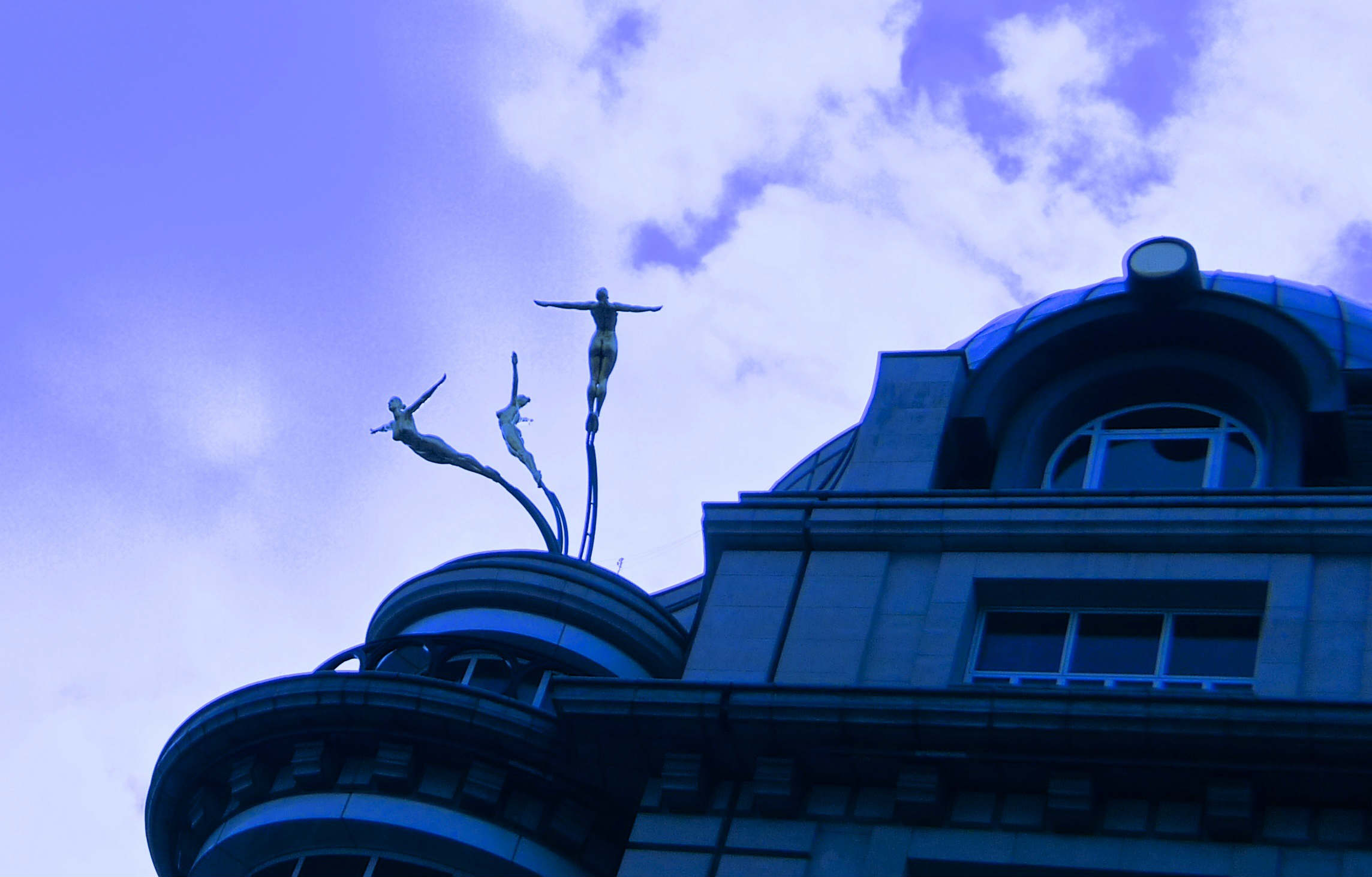
It always pays to look up, to see bats, shooting stars, or this statue at the top of Haymarket, London

Sometimes an image speaks way louder than words, a key reason why I have always used visuals in my presentations. This started with carting around carousels of 35mm slides, with slides made by external designers at considerable cost, through the present day, where it is very much DIY. There are few things I enjoy as much as photography, shading through into the task of creating engaging slide presentations.

I remember the architect Moshe Safdie saying decades ago that he threw his camera away because he ended up seeing everything in a frame—and wanted to see the world as it was. While I sympathise, it’s also the case that carrying a camera can encourage you to look at the world with much greater attention than you might otherwise, or at least that has been my experience.

My camera continues to be a key element of my toolkit—not the one in my BlackBerry (which I have almost never used), nor the one in my MacBook Air (though I sometimes use that for Skype sessions), but the third of the Leica D-Lux 4s I have owned, whose size and optics suit me very well. The results can be found in the blog/Journal section of this website.

JE SF Bay Bridge 2

The underbelly of San Francisco’s Bay Bridge

This habit is something else I got from my father, who carried a camera with him wherever he went, even in Russia during WWII. He also got me into the habit of keeping massive photograph albums, early ones in RAF albums, later ones from the wonderful—and sadly missed—business run by Tessa Fantoni.

That said, many of the images in the blog section of this website, at least up to July 2014, have degraded since we were forced to migrate the website to a new server.

JE SF MOMA 2

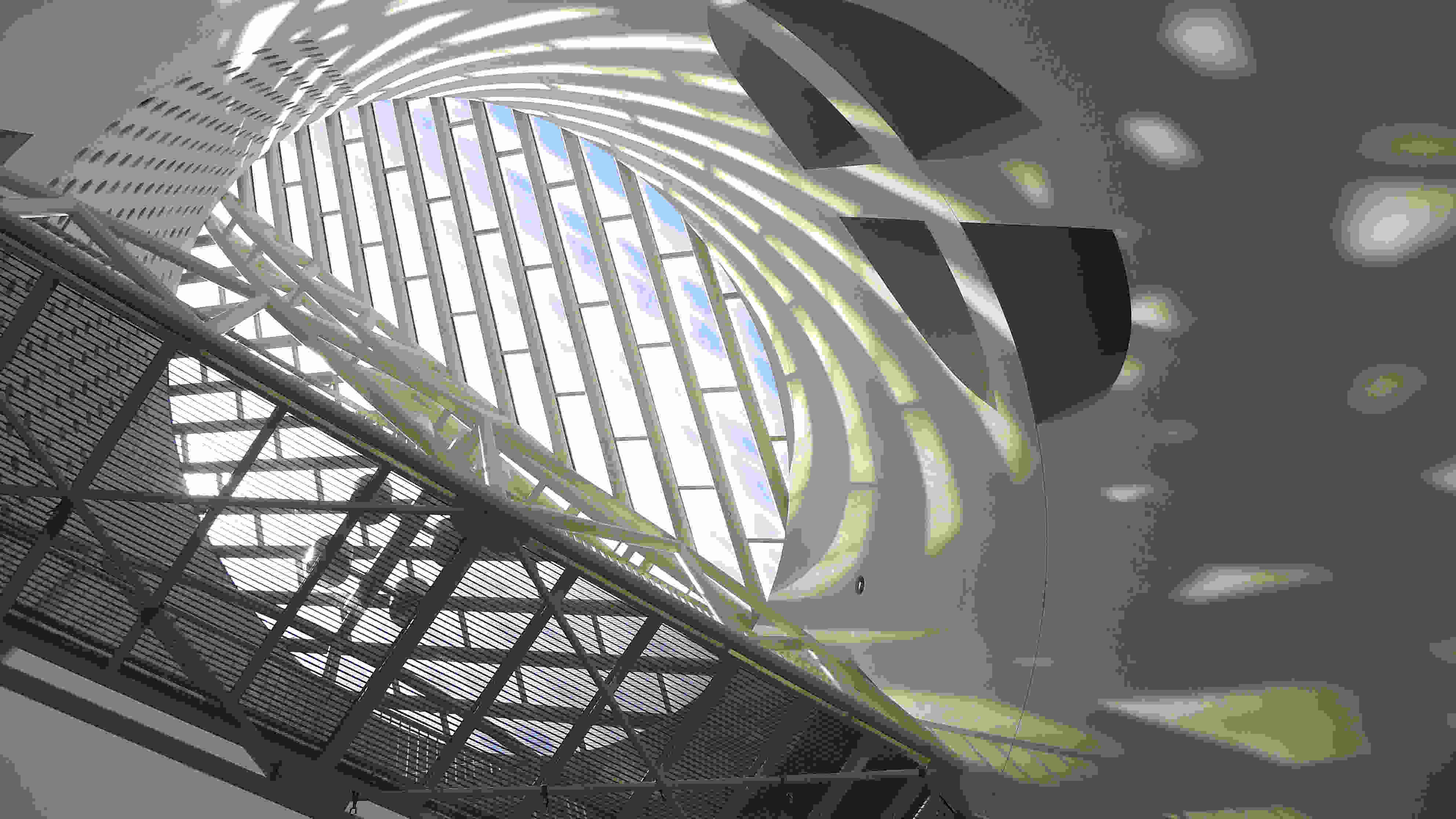
Part of what I love is ‘found structure,’ as shown in the photo above of part of San Francisco’s MOMA building

I have been delighted when my photographs have been used by others, though sometimes the circumstances are sad. Among the highlights of 2011, for example, was the use of a photograph I had taken many years ago of (Sir) Geoffrey Chandler, who sadly died during the year, in obituaries published in The Financial Times, The Guardian and The Times.

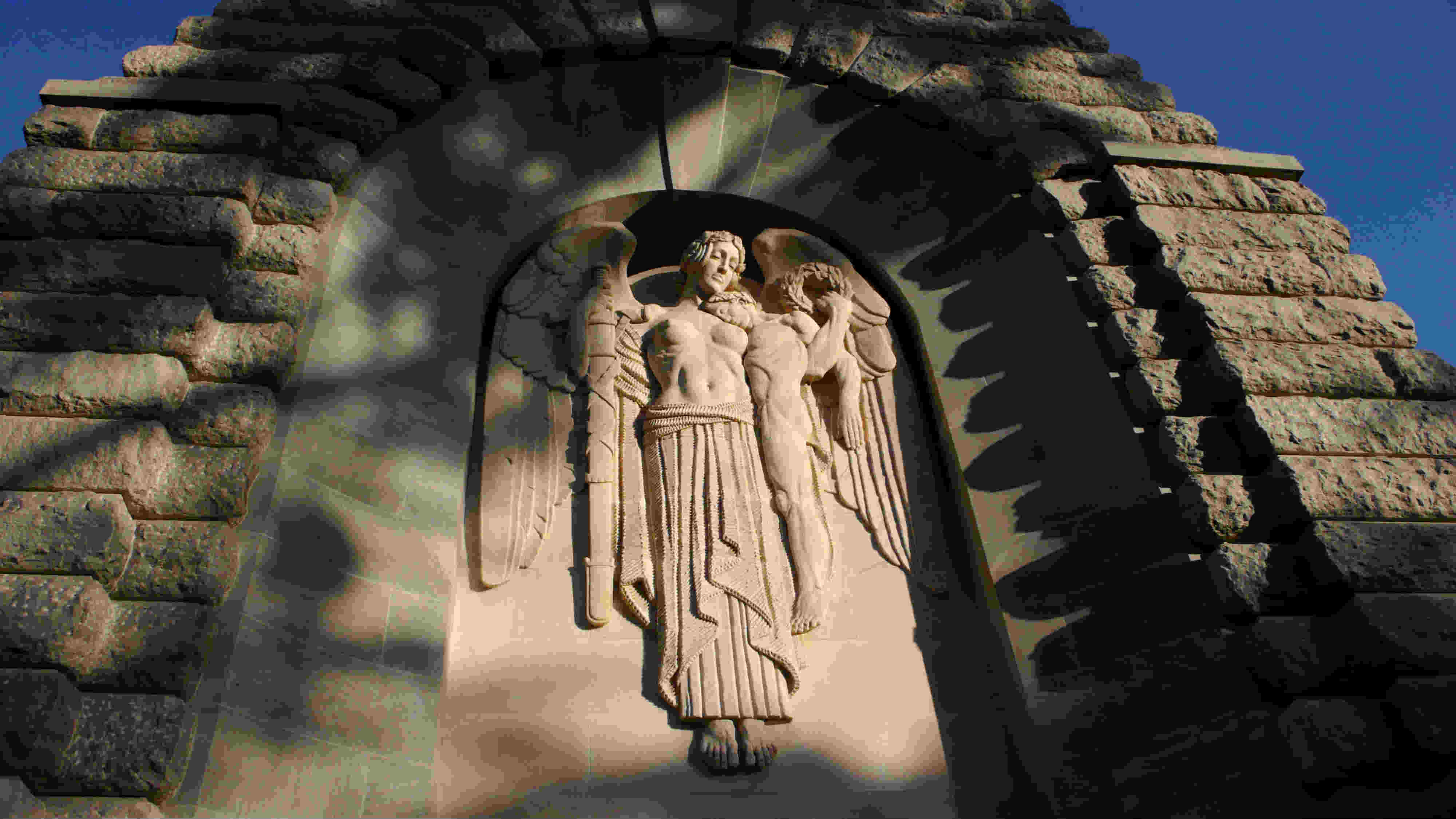
In what follows, I will run a short sequence of images on wings, one of my fetishes, and then a number that go way further back.

So, first, wings:

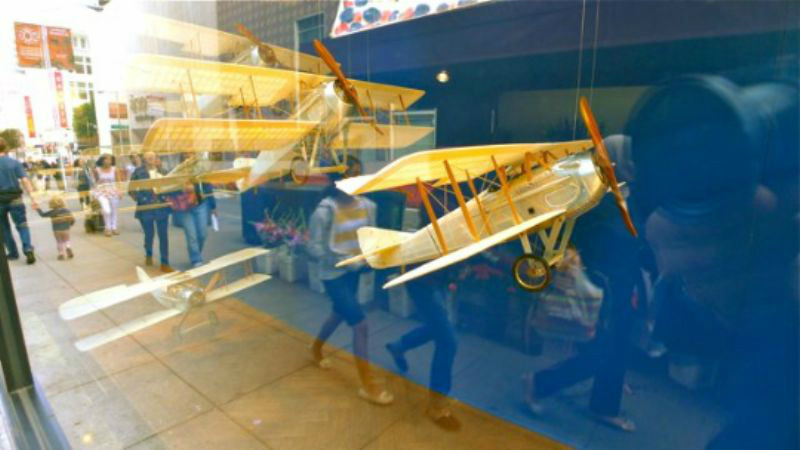
JE wings Bond St 2

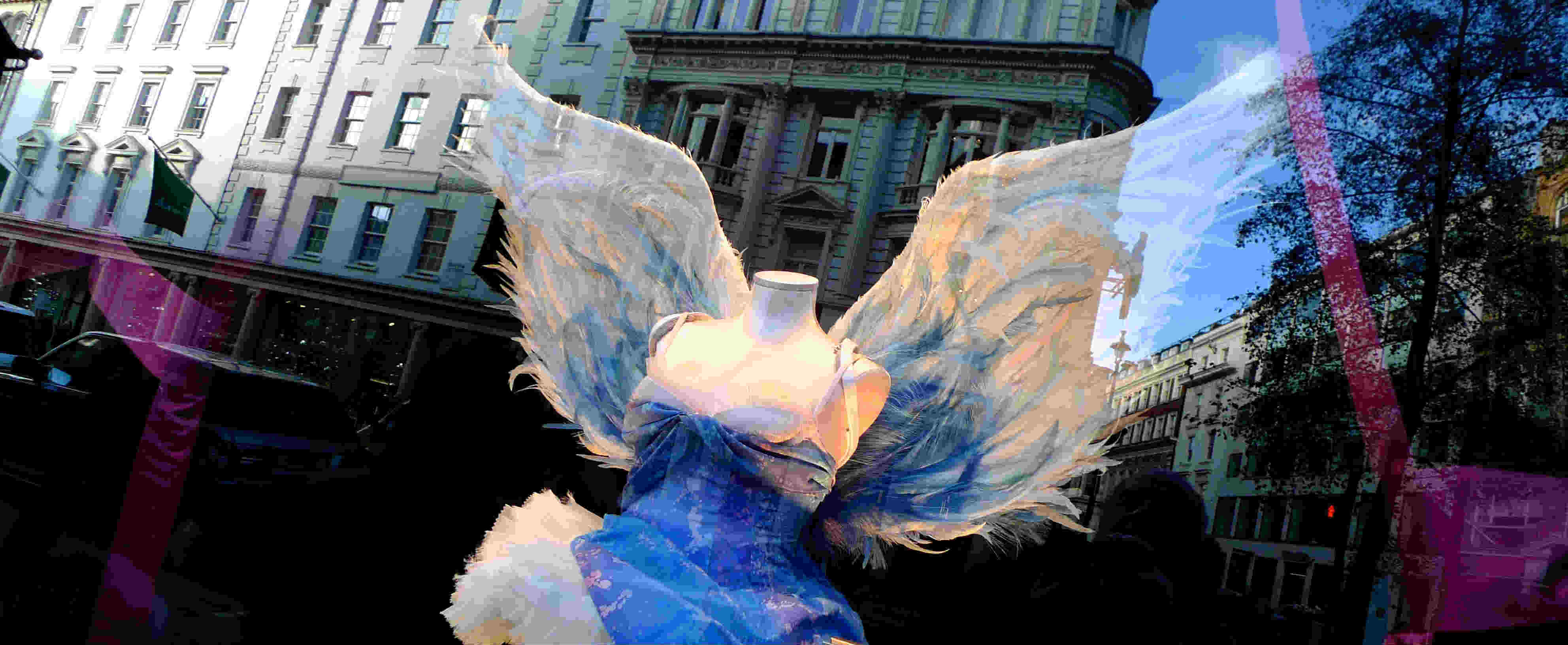
Shot in a Bond Street window

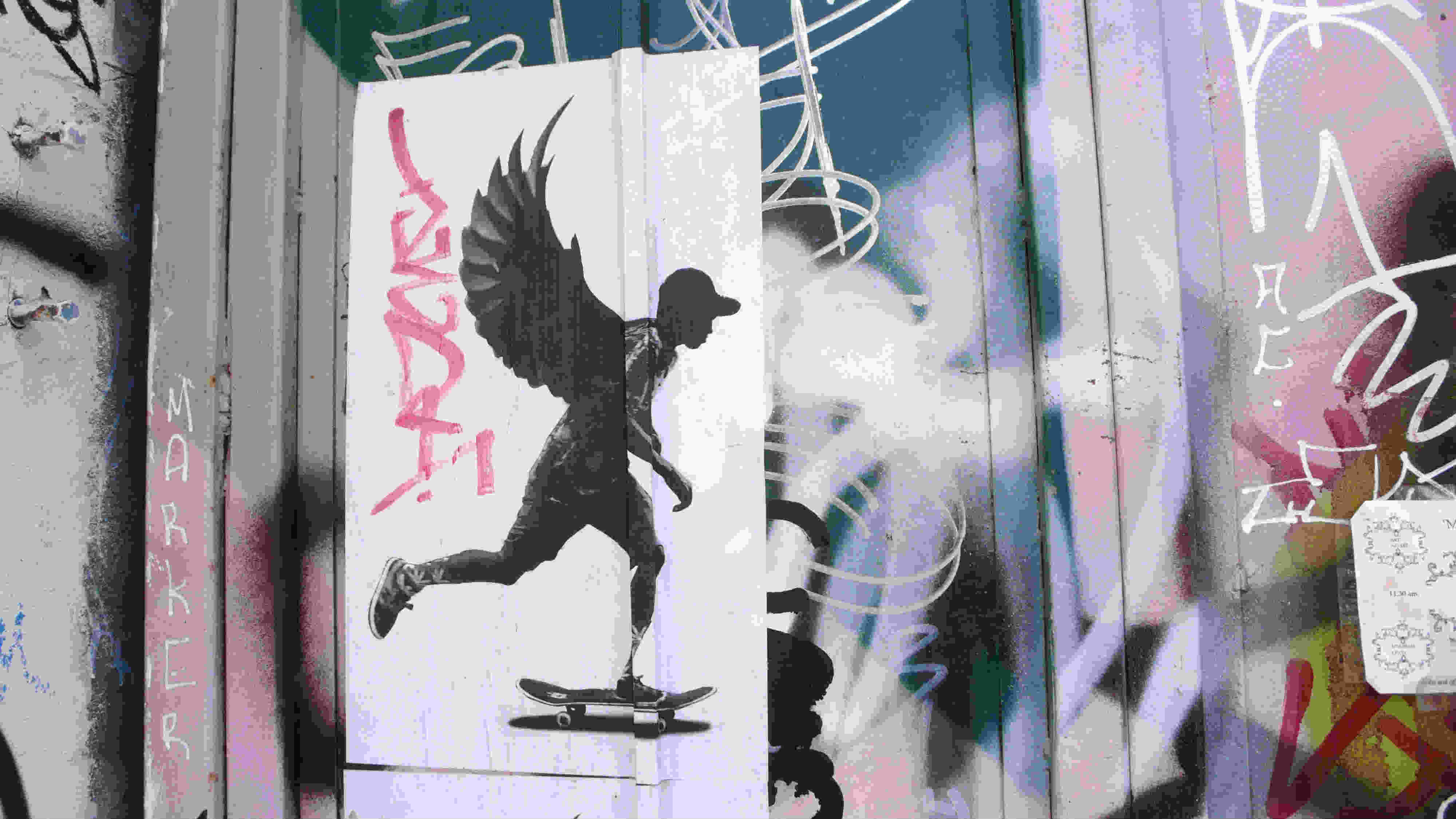
JE Kensington Toronto winged skateboarder 2

Winged skateboarder in Toronto’s extraordinary Kensington area

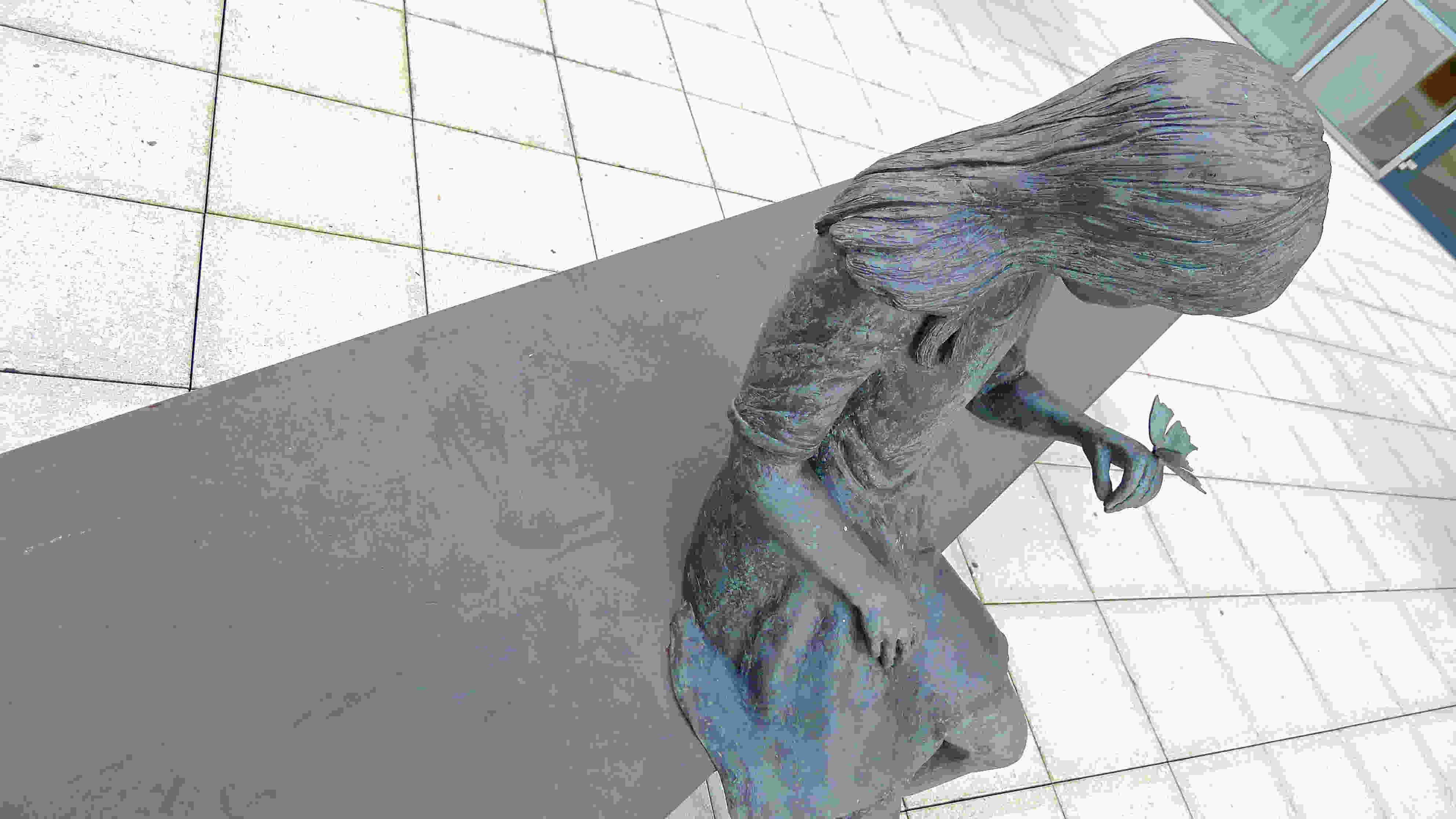
JE girls and butterfly 2

A moment of respite: photographed when I was in Holland to talk to the board of a major company

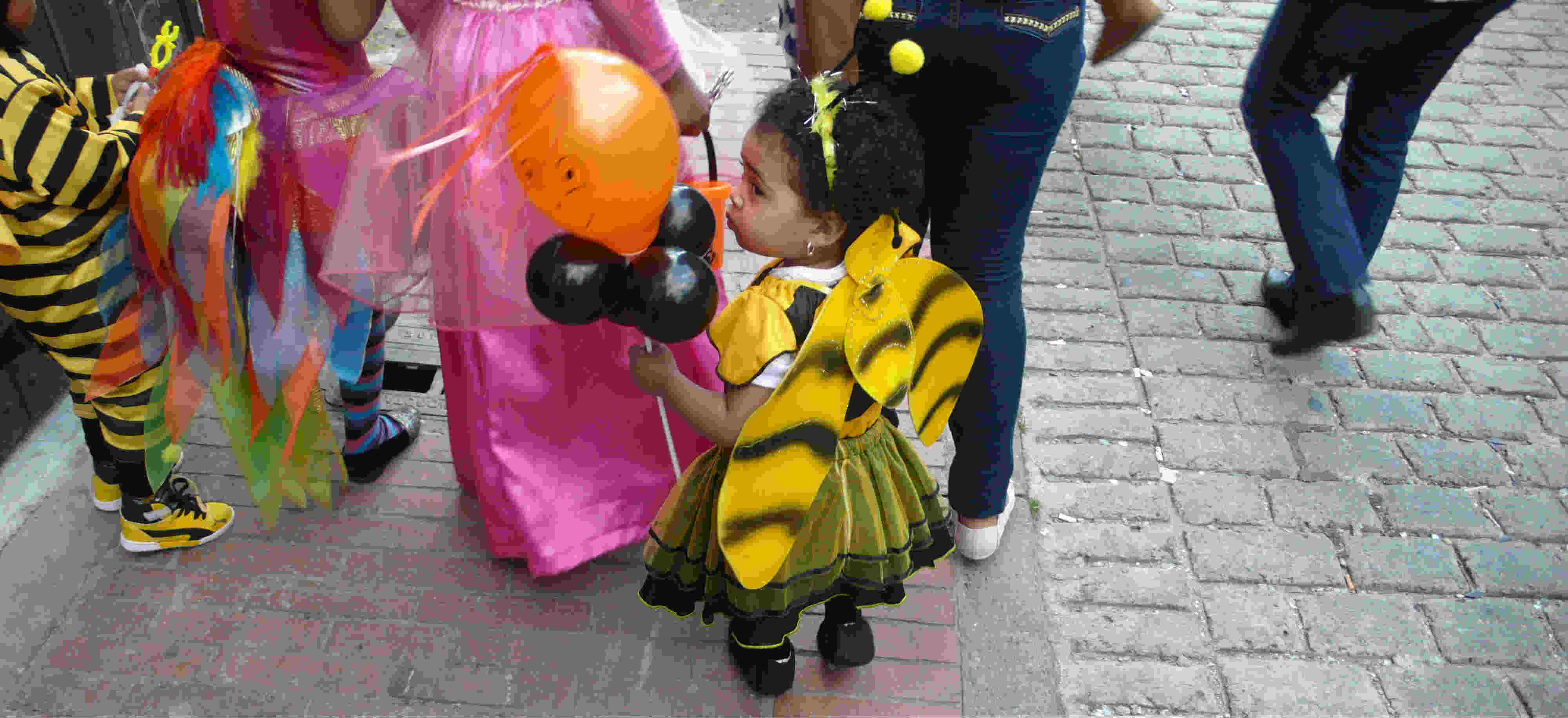
JE Bogota wings 2

Spied in the streets of Bogotá, Colombia

Adelaide wings 2

In the streets of Adelaide, Australia

Wings SF 2

Spotted in San Francisco airport

Over more than 40 years of photography, I have owned an extraordinary evolutionary sequence of cameras, starting off with a Box Brownie and then running through a Braun Super Paxette (which I borrowed from my father when six of us set off for Greece in 1970—and managed to mash up with a bag-full of prickly pears), a Leica M3 (which I bought from a German friend, Frank Stop, in the early 1970s and which Elaine sold at auction for significantly more than I paid for it some 20 years later), a Nikon (AF/F-801), a Sony (DSC-F717) and then a series of Canon IXUS cameras, including one I was given by a Canon Managing Director on a visit to the company in Japan. That gift sparked quite a debate back at the office about what gifts we should and should not accept. SustainAbility then developed Guidelines—Volans, too.

Most of the images on this site were taken digitally, though some—like the one of Gaia on Gigha in this section—were shot from print originals in photograph albums. Whatever the camera of the moment may have been, one of my great pleasures over the years has involved compiling huge, complex albums of the results, collaging the images together in ways that probably have their roots in my childhood—when I loved poring through my father’s many photograph albums and lined my room in collages cut from my father’s and his mother’s National Geographic magazines.

In the end, that way of storing photographs became too much, so that I was constantly at least 2-3 years behind. And then came the blog—and an alternative way of sharing images and the stories that go with them.

With photographs scattered throughout this website and blog, I don’t need to say much more on just how pervasive this vice has been in my life, but what I originally hoped to do in this section was to create a gallery for some the photos that wouldn’t otherwise have made it onto the site:

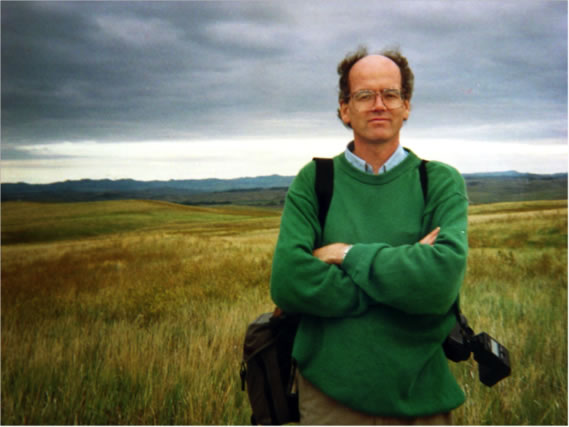
camerman1
Crazy Horse was here: A rare shot of (this) cameraman with camera (Nikon), here at the Little Big Horn.

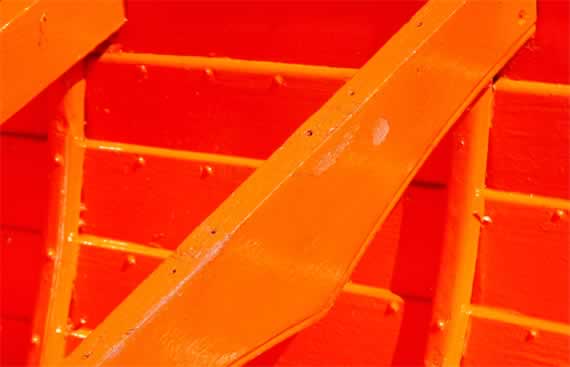
photo1

Colour: This seems to have been my Orange Period—inside of boat near Montreux

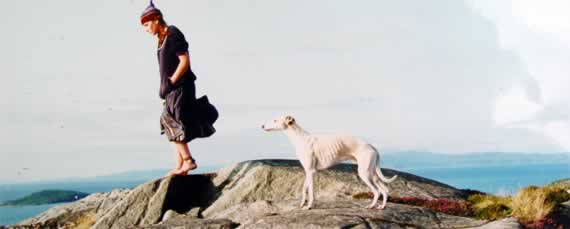
photo2

Serendipity 1: Gaia on Gigha

photo3

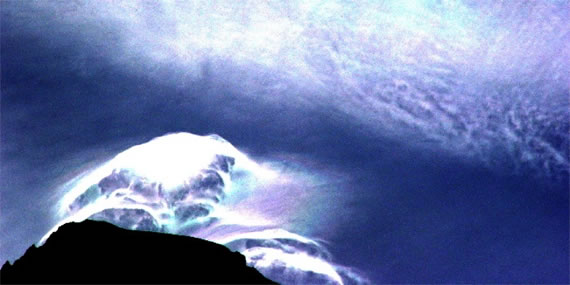
Serendipity 2: A cloudscape when we were walking in Switzerland

photo4

Framing 1: Many of the images I like best were snapped while walking or cycling

photo5

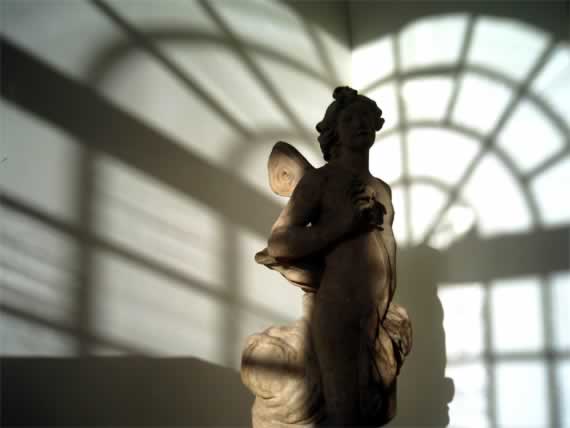
Framing 2: An angel in a break from a SustainAbility retreat at The Orangery, Kew Gardens

photo6

Self-portrait in yet another mirror, this time in Barnes

photo7

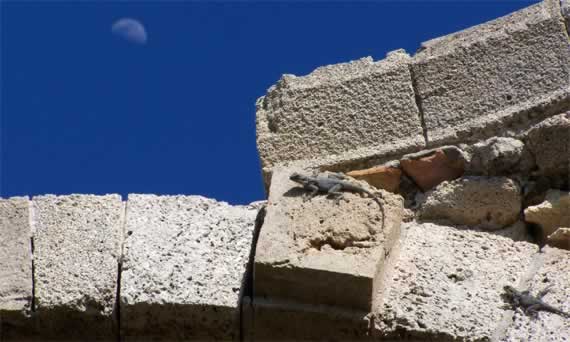
Concatenation: The lizards and Moon caught my eye during a trip back to Cyprus in 2005

photo8

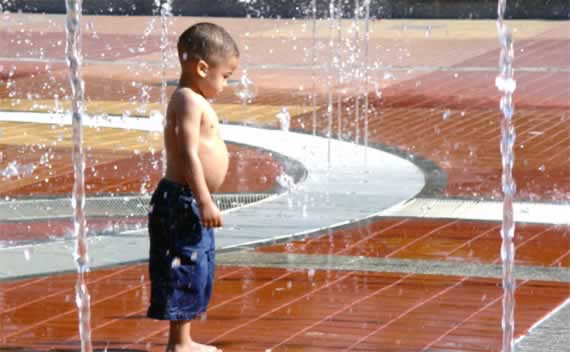
Invisible eye: While in Atlanta to speak at a major coffee industry conference, I whiled away the time trying to photograph children as they ran through jets of water, which shot up unpredictably. After 30 minutes of this, a cycle cop hove in view to say there had been reports of someone taking a worrying interest in the children. As soon as he heard my accent,though, the cyclecop said, “Ah! No, that’s OK. No problem.” Not quite sure what that all meant …

photo9

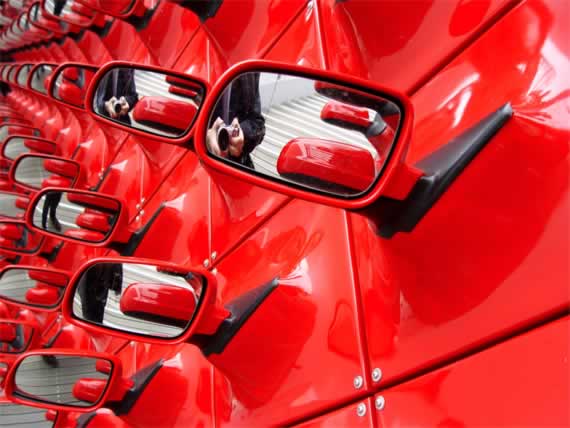
Looking glasses: I love mirroring. The reflections tell me I was using the Sony during this visit to a VW museum in Germany

photo10

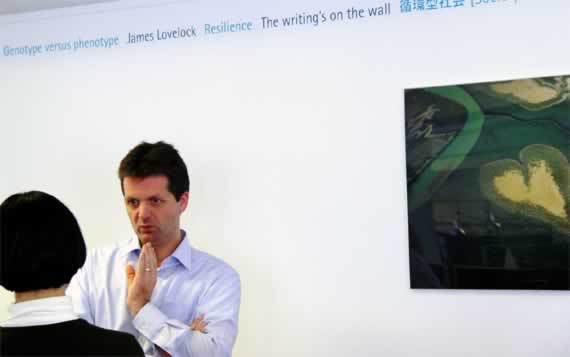
Context: Peter (Zollinger) talking to Jodie (Thorpe) at SustainAbility—though for me key parts of the image were the writing on the wall and the heart.

photo11

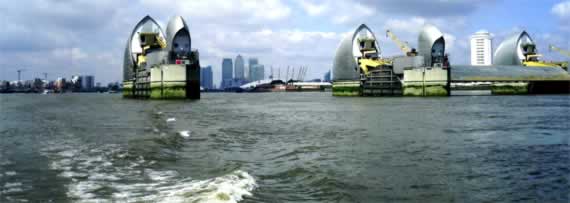
Symbolism: This image is full of complex symbols for me, from Canary Wharf (where I worked with ECGD) and the Millennium Dome (where I was on a Sustainability Panel during the Dome’s development) in the background to the Thames in the foreground, together with the Barrier, designed to hold back rising tides. It also reminds me of the wonderful trip we took by boat with members of the SustainAbility and IDEO teams, visiting the Barrier along the way—and raises questions about just how long the Barrier will continue to protect London? Someone we spoke to at the Barrier said it would probably work until around 2030.

photo13

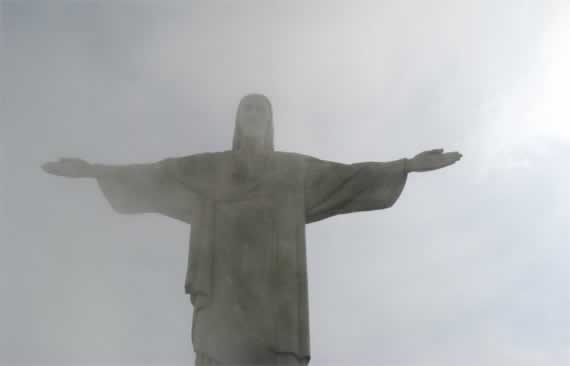
Moment of clarity: Here a cloud lifted briefly while Jodie Thorpe and I were walking around El Christo above Rio. Immediately before and after the, cloud came down to his ankles

photo14

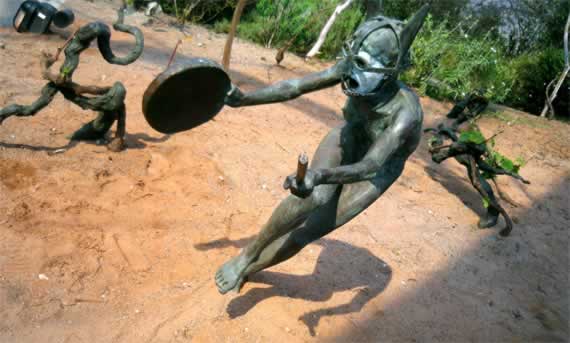
Shadowing: I like the accent provided by the shadow in this Dionysian moment at the Eden Project

photo15

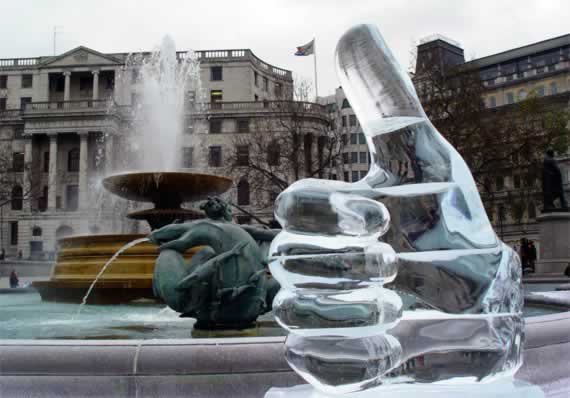
Incongruity: An ice sculpture in Trafalgar Square against a backdrop of water in various states

photo17

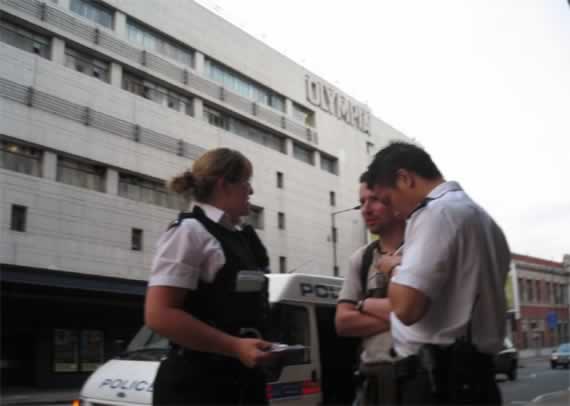
Reportage: Carrying a camera much of the time means you can be inclined to keep shooting even when you’ve been knocked off your bike and have three broken ribs. This was 2006. The man in the middle was my Good Samaritan, a designer who called in the ambulance and police—and insisting that the Mongolian woman who had hit me in a cycle lane at 30 mph, while wrestling with her daughter in the back seat of her car, didn’t leave the scene.

photo18

Intimacy: The late Richard Sandbrook and Tim Smit during one of Tim’s breakfasts in Cornwall

photo19

Spookiness: Taken near City Hall, London, on a stormy day in 2007

photo20

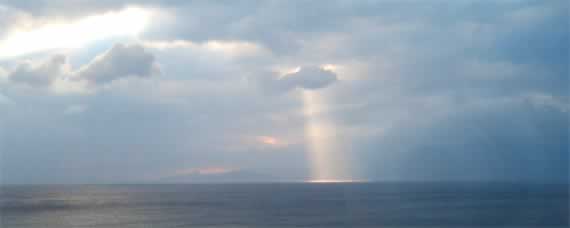
Hope: A shaft of sunshine taken from a hotel on the north coast of Crete

photo21

Momentum: Snap of TV screen and big wave surfing, a high-risk sport I have long loved from a safe distance

photo22

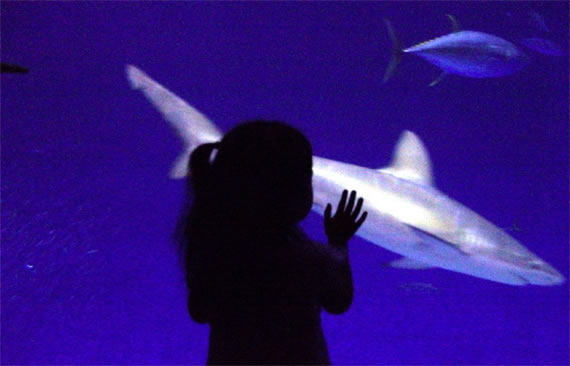
No flash: Snapped in the dark of the Monterey Bay Aquarium, I like the sub-text here of the growing need to care for Nature, however menacing it may sometimes be—or seem

  • « Go to Previous Page
  • Go to page 1
  • Interim pages omitted …
  • Go to page 82
  • Go to page 83
  • Go to page 84
  • Go to page 85
  • Go to page 86
  • Interim pages omitted …
  • Go to page 134
  • Go to Next Page »

Primary Sidebar

Introduction

I began this blog with an entry reporting on a visit to the Woods Hole Oceanographic Institution on Cape Cod, on 30 September 2003. The blog element of the website has gone through several iterations since, with much of the older material still available.

Like so many things in my life, blog entries blur the boundaries between the personal and the professional. As explained on this site’s Home Page, the website and the blog are part platform for ongoing projects, part autobiography, and part accountability mechanism.

In addition, my blogs have appeared on many sites such as: Chinadialogue, CSRWire, Fast Company, GreenBiz, Guardian Sustainable Business, and the Harvard Business Review.

Recent Comments

  • John Elkington on The Hill House Elkingtons
  • sally fitzharris. (Rycroft) on The Hill House Elkingtons
  • Thomas Forster on Reminder of Glencot Years

Journal Archive

About

John Elkington is a world authority on corporate responsibility and sustainable development. He is currently Founding Partner and Executive Chairman of Volans, a future-focused business working at the intersection of the sustainability, entrepreneurship and innovation movements.

Contact

john@johnelkington.com  |  +44 203 701 7550 | Twitter: @volansjohn

John Elkington

Copyright © 2026 John Elkington. All rights reserved. Log in