• Skip to primary navigation
  • Skip to main content
  • Skip to primary sidebar
John Elkington

John Elkington

A world authority on corporate responsibility and sustainable development.

  • About
    • Ambassador from the future
  • Past lives
    • Professional
      • Volans
      • SustainAbility
      • CounterCurrent
      • Boards & Advisory Boards
      • Awards & Listings
    • Personal
      • Family
      • Other Influences
      • Education
      • Photography
      • Music
      • Cycling
    • Website
  • Speaking
    • Media
    • Exhibitions
  • Publications
    • Books
    • Reports
    • Articles & Blogs
    • Contributions
    • Tweets
    • Unpublished Writing
  • Journal
  • Contact
  • Show Search
Hide Search

Search Results for: Tim elkington

FDSD Channels Future Generations

John Elkington · 3 September 2010 · Leave a Comment

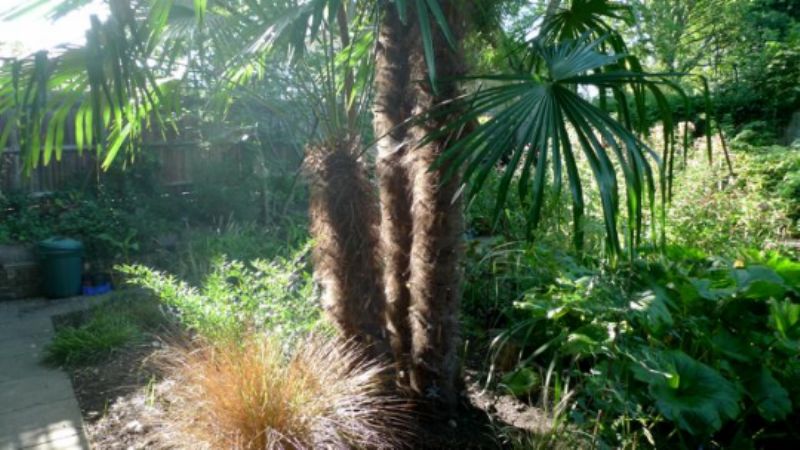
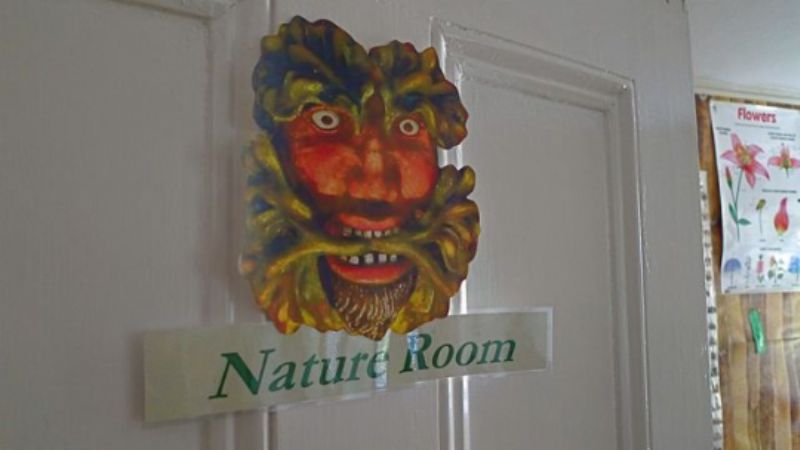
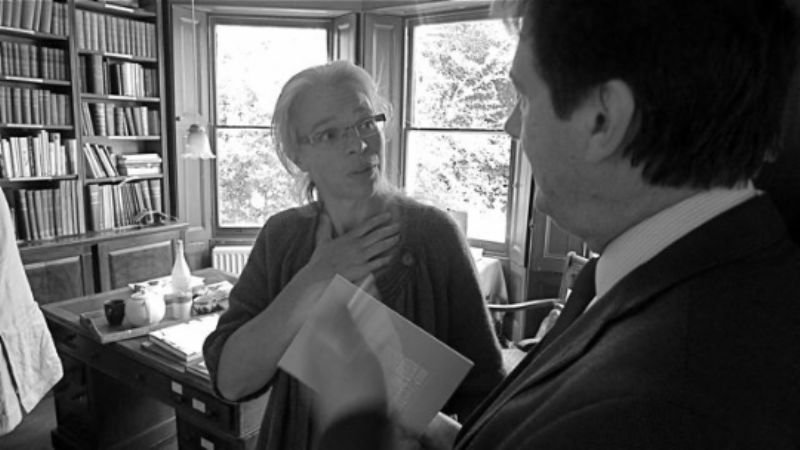
1 Inside the South London Botanical Institute 2 Garden 1 3 Garden 2 4 Nature Room 6 Halina and Ian
Took a minicab across to Tulse Hill this morning, with a driver who had been one of Vietnam’s Boat People. He was part of a group of people trying to leave the country in 1979, but they got into difficulties and split up at the quay, so he was the only one of his family group that got onto the boats. The rest of his family apparently ended up in re-education camps for two years. Like the Afghani driver who drove me across to Volans with a set of pictures a couple of weeks ago, a man who had fought alongside the Russians, my Vietnamese driver says he was very well treated by the British immigration authorities when he got here.

Finding the South East Botanical Institute proved a little mystifying, but the driver stuck with the task – and the morning was beautiful. I was on my way to chair a meeting of the Trustees of the Foundation for Democracy and Sustainable Development (FDSD), but had sadly missed the first half day yesterday, because of my last-moment trip to Vevey. Luckily, Ian Christie, as Deputy Chair, has stepped in.

As a result of my Vevey jaunt, I had missed two outbound Trustees, Tim O’Donovan (who had been with the Environment Foundation since the get-go) and Jane Nelson (who had joined alongside Sir Geoffrey Chandler when I took over as Chairman, deep in the mists of pre-history). Dr Malcolm Aickin (another Trustee who had been there from the beginning, indeed from before that) did make it today, though he has also stood down as a Trustee, in line with our rules on tenure.

One highlight of the day was that Professor Janos Zlinsky, Head of Strategy for Hungary’s Parliamentary Commissioner for Future Generations, joined us as the first of what we intend will be a new crop of (more international) Trustees – and, as a result, we spent quite a bit of the time debating the different ways in which governments have been trying to ensure that the voices of future generations are heard (or at least their potential needs considered) in today’s politics and decision-making.

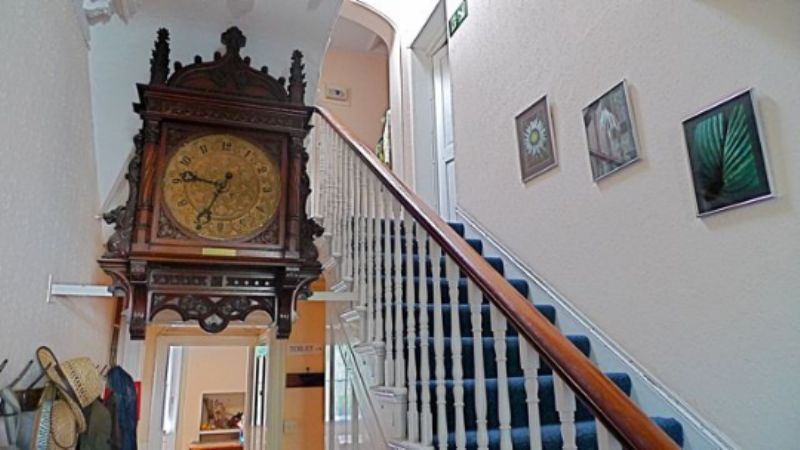
The Library at the Institute dates back to 1910 – and the smell of old books, the dark, heavy wooden furniture, the book-crowded walls and the pendulant frilly glass lights put me in mind of spiritualism sessions in the aftermath of WWI, enhanced by the fact that one or two of the Trustees greeted certain decisions by rapping on the table-top, in the continental style of applause.

Was fascinated to discover that the Institute was founded by Allan Octavian Hume, whose extraordinary story I hadn’t previously come across directly. But I had bought some time ago a book, The Great Hedge of India, that described Hume’s role in the creation of one of the most extraordinary features of the British Raj, the living customs line designed to enforce the invidious salt tax. How extraordinary, then, that Hume – who was eventually dismissed from the Civil Service because he was too independent and honest, became one of the founders of the Indian Congress Party, and was even featured on an Indian postal stamp.

Hume also turns out to have been a champion of using firewood plantations to allow manure to go back to the land, of women’s rights, of an end to infanticide and enforced widowhood, and – in the immediate aftermath of what some call the Indian Mutiny and others the Indian Rebellion or the first War of Independence – of the merciful treatment of Indians at a time when the British were struggling to get back into the saddle, and were generally looking for revenge.

In addition to Hume’s passion for plants, that crystallised out in the Institute, he was profoundly knowledgeable about birds. His first collection was apparently destroyed during the terrors of 1857, then a later collection of books and samples was destroyed when a servant sold it as waste paper. In a third round of destruction, a further 20,000 samples were destroyed before the remnant of his vast ornithological collection made its way to the British Museum, just along the road from where Volans now roosts.

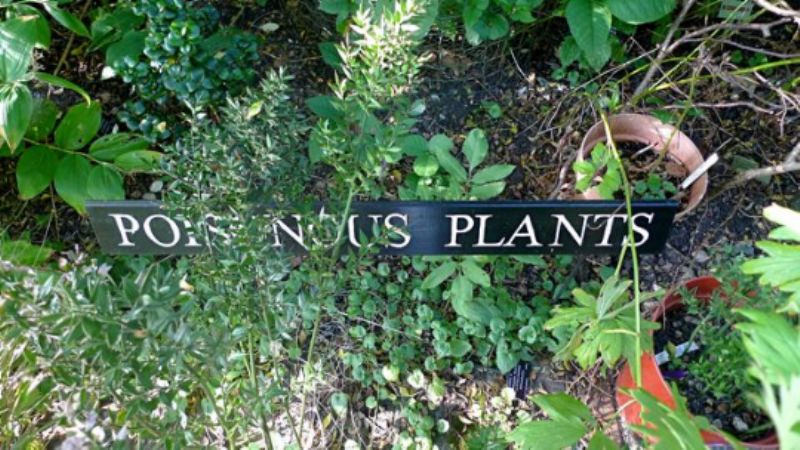
Given that groups of schoolchildren visit the Institute, there is a nice future generations line of sight back to the values and work of Hume. Also nice to see a Ginkgo biloba in the front garden, planted by a former Curator, William Sherrin (1871-1955)one of my favourite trees. One other highlight of the day was filming an interview by Ian of Janos, using the Flip camera the team gave me last year for my sixtieth birthday. The quality of the images is stunning – though the size of the resulting file is enormous, and I still have to work out how to transfer easily to Halina to post on the FDSD website.
Holy Island, Bamburgh and Stormy Environs

John Elkington · 29 August 2010 · Leave a Comment

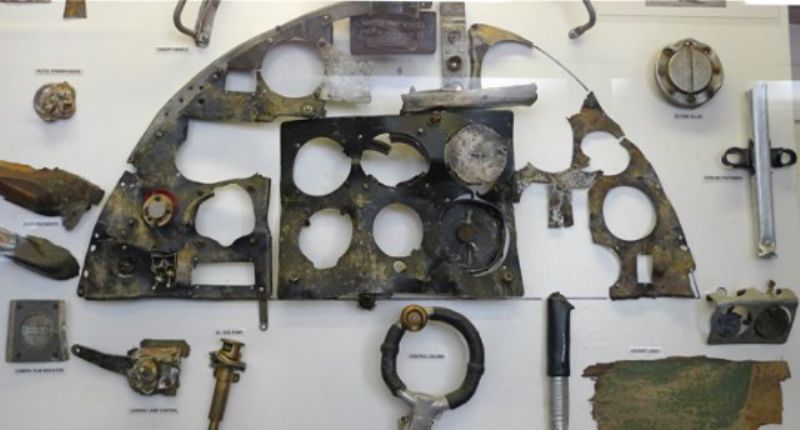
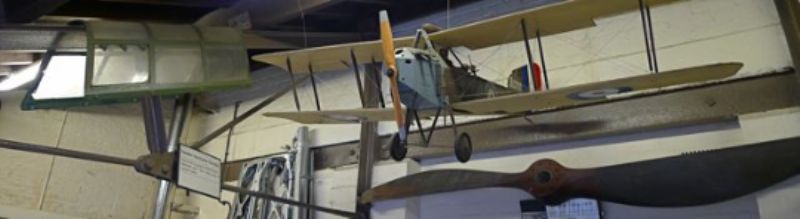
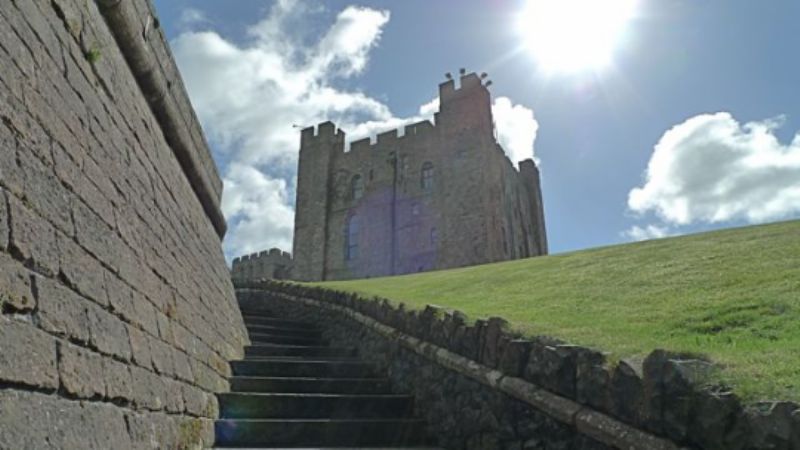
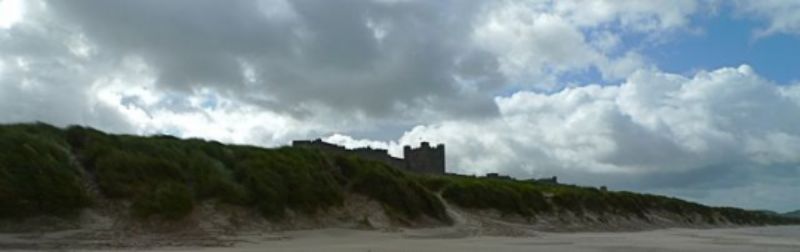
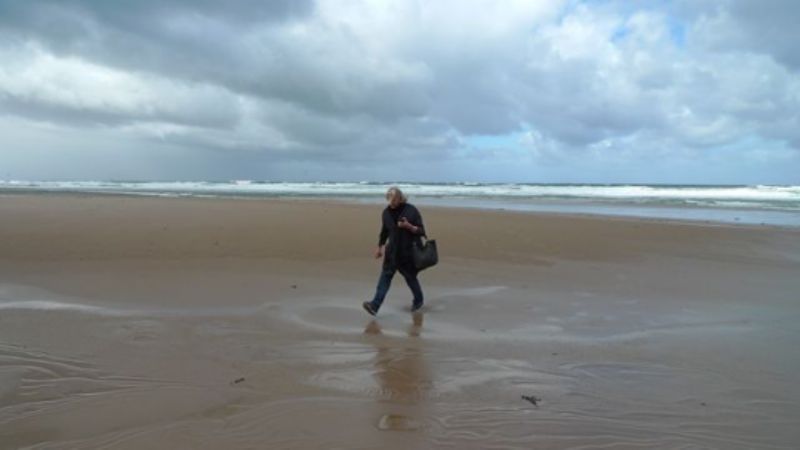
0 Endless, rusting vigil 3 Migration 8 (detail) 4 Hurricane control panel (altimeter top right in 6-hole middle frame) 5 Hurricane canopy (left) found in garden being used as cloche 6 Keep 7 Bamburgh shoreline 8 Elaine 1 9 Elaine 2 11 Elaine 3 12 Elaine 4

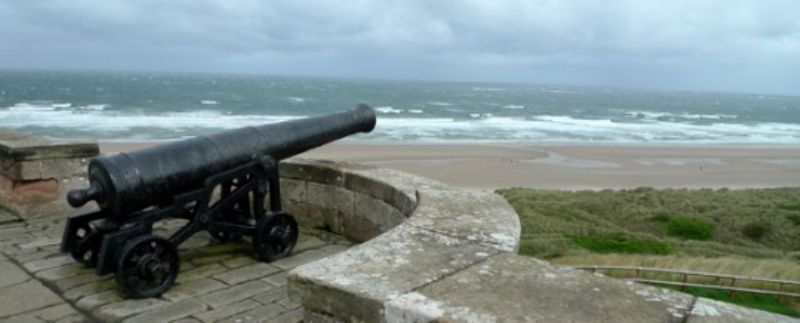
Drove across to Holy Island this morning, ploughing through a water-covered causeway, only to arrive in the midst of a downpour – and then decided that a walk in inadequate clothing would lead to death by exposure, deciding to head south to Bamburgh Castle. Somewhat disappointed by the museum element of the Castle, but delighted by being almost borne aloft – indeed almost to Kansas – by thumping winds. My glasses torn from my head.

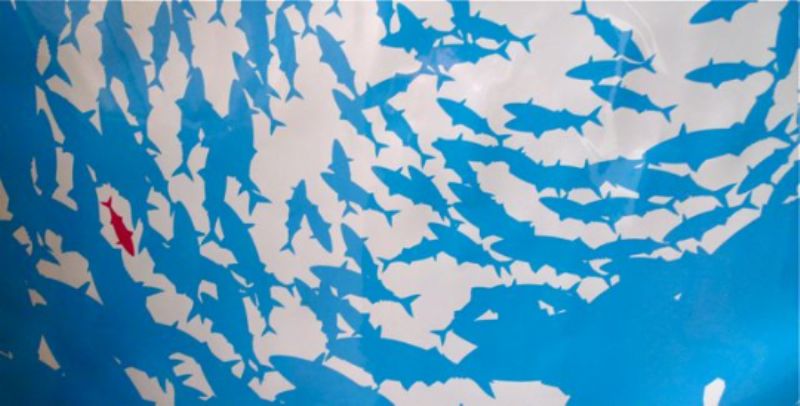
Stumbled across a print by local artist Peter Phillips that shows a red fish against a field of blue fish moving in the opposite direction. So reminded me of the ‘counter current’ theme of this website, that I bought a copy.

Then we went into the exhibition of bits of aircraft and other elements of sundry warmongery. Had heard that they had a Hurricane canopy, shown in one of the photographs above, but hadn’t realised that it had been found being used as a cloche in a local garden. Was fascinated to see remnants of a Hurricane control panel, still containing an altimeter – I have the equivalent from my father Tim’s Hurricane, shot down over West Wittering in 1940.

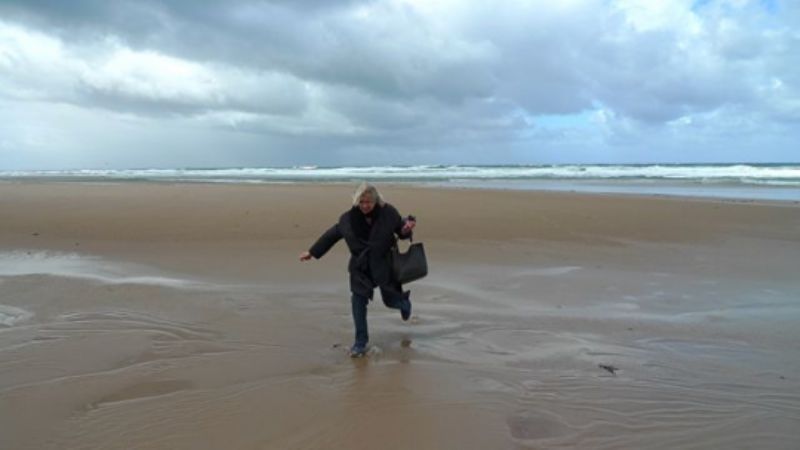
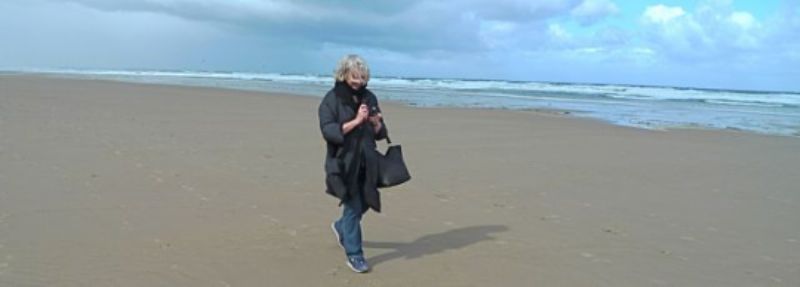
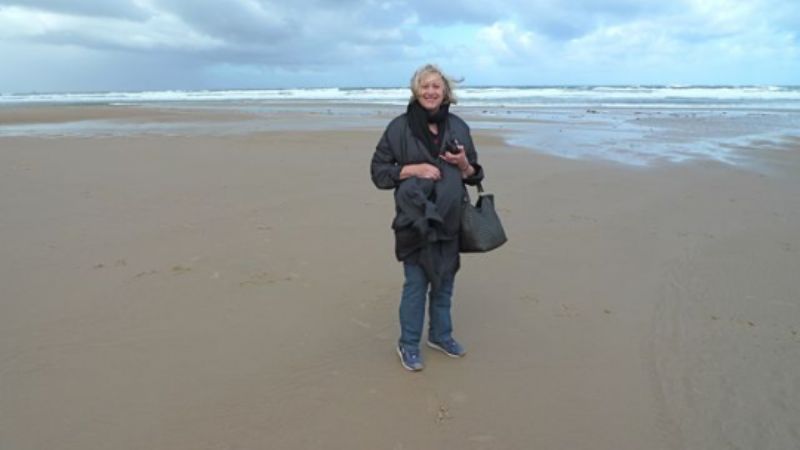
Then a wonderful walk along the seashore, with sand whipping off the dunes, into our mouths, eyes and ears. Great skeins of sand being blown across the beach. Distant Lindisfarne picked out by fitful sun – as were nearby lighthouses and other structures on the Farne Islands.

Battle of Britain Reunion over the White Cliffs

John Elkington · 28 August 2010 · Leave a Comment

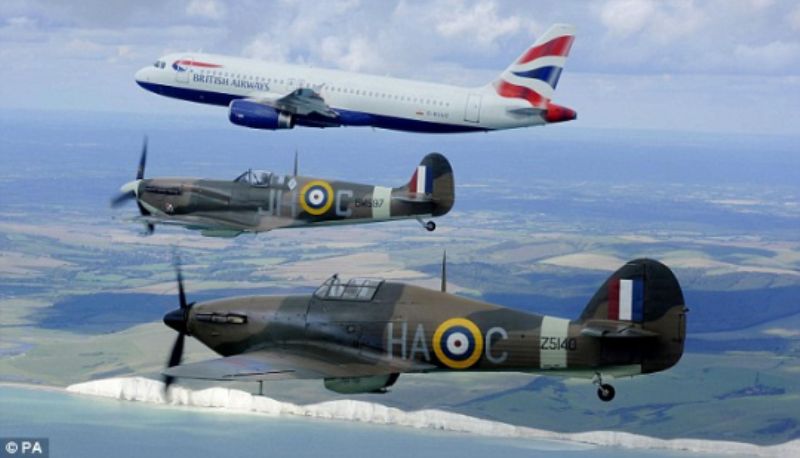
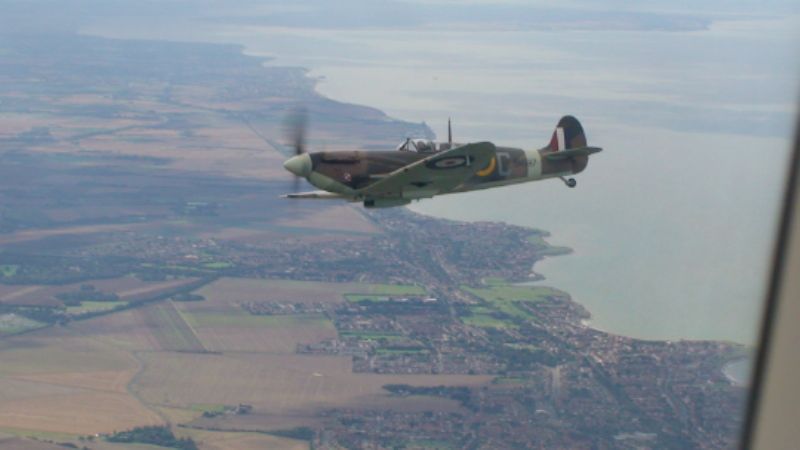
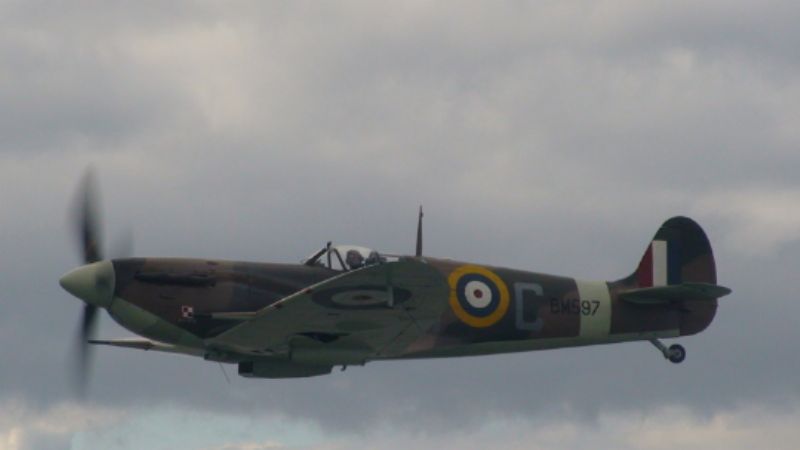
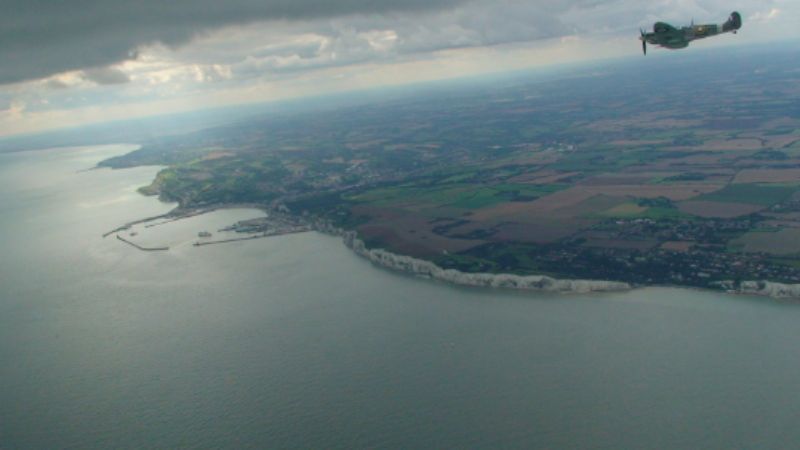
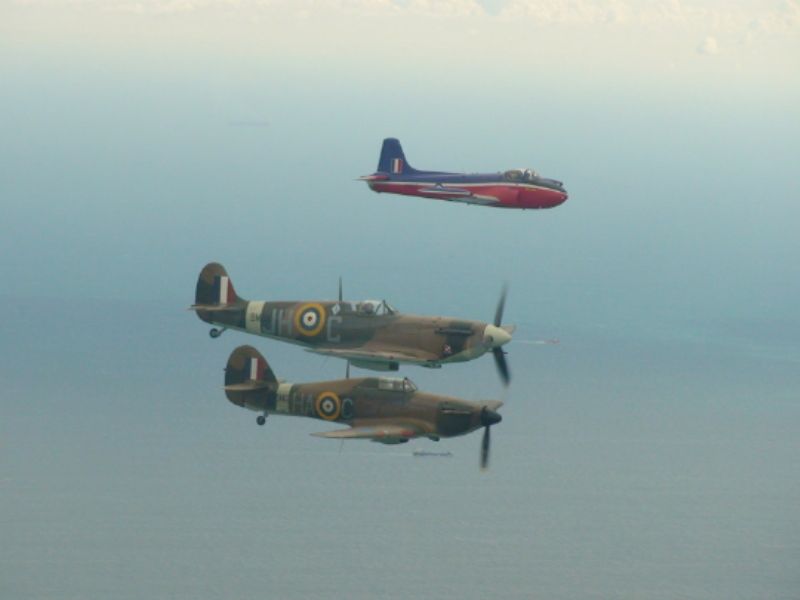
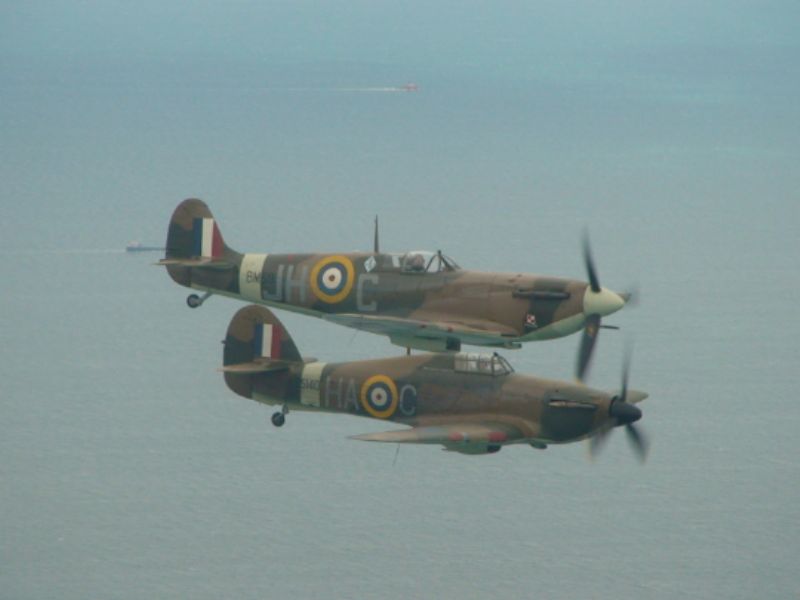
Airbus, Hurricane and Spitfire (PA) Airbus, Spitfire and Hurricane over White Cliffs (source: PA)

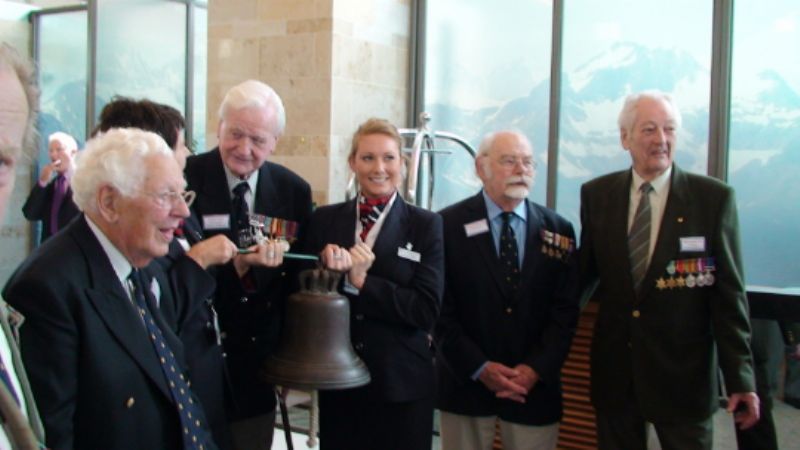
Today, my youngest sister, Tessa, accompanied my father, Tim, on a fly-past of the White Cliffs, with 13 Battle of Britain pilots (Tim included) borne aloft in an Airbus, accompanied for part of the journey by a Hurricane and a Spitfire.  

Apparently, getting through Heathrow was a bit of a nightmare for Tim, who now has a pacemaker. (I was also offered one a few years back, but thought I’d wait a bit.)  The security people wouldn’t take his word for it, so they sent him off for his own X-ray. Several other pilots had the same treatment, probably because of artificial hips or knees, or simply their body burdens of shrapnel!

The oldest Battle survivor was apparently 97, the youngest (Tim among them) 89. No doubt they all felt an array of emotions once airborne, but it was interesting to hear how a photographer set Tim up for a photograph that then appeared in the Daily Mail‘s online coverage. Various photographers were leaning across Tim to take pictures of the escorting aircraft, with sunlight pouring in through the window and an occasional flash going off. Then a photographer indicated that Tim should wipe his eye and he, trustingly assuming that there was something to be mopped up or dislodged, pulled out a handkerchief – and the photographer got his shot. Tim not at all amused.

Two Foxes were on board, the actor Edward Fox and Defence Secretary Liam Fox, who thanked the veterans, but the highlight for Tessa and Tim, at least, came when the Airbus was allowed to fly low during its flight back up the Thames over London, and they got a very close look at the city which helped save the RAF during the dangerous days of 1940 – when Goering made the mistake of bombing Britain’s capital in retaliation for an RAF raid on Berlin, thus allowing the RAF to catch its breath and rebuild its airfields.

For me, one of the great tragedies of the whole WWII aftermath is the way that the aircrew of Bomber Command have been overlooked in favour of the more romantic Fighter Command ‘Boys’. And yet the bravery of the bomber crew was at least as great as that of the fighter pilots – and, given the casualty rates, arguably greater.

Tessa’s Photographs of the White Cliffs Fly-Past

John Elkington · 28 August 2010 · Leave a Comment

1 Tim on the right 2 Spitfire 1 3 Spitfire 2 4 Spitfire 3 5 Bottom up: Hurricane, Spitfire and Provost 6 Bottom up: Hurricane and Spitfire

Lessudden House triggers …

John Elkington · 27 August 2010 · Leave a Comment

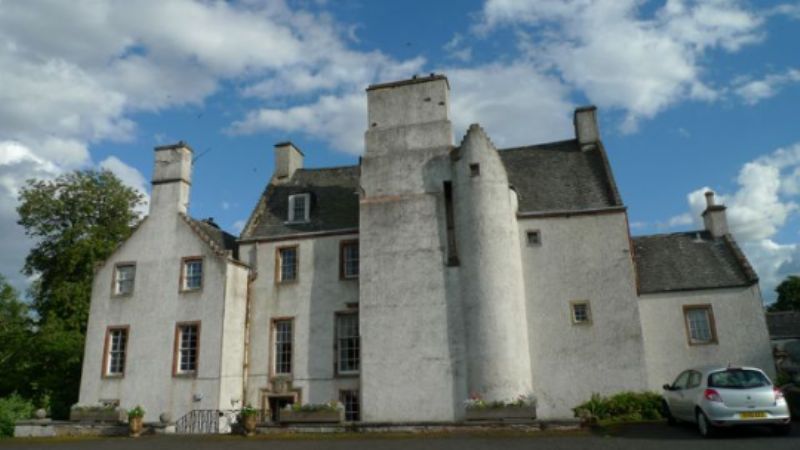
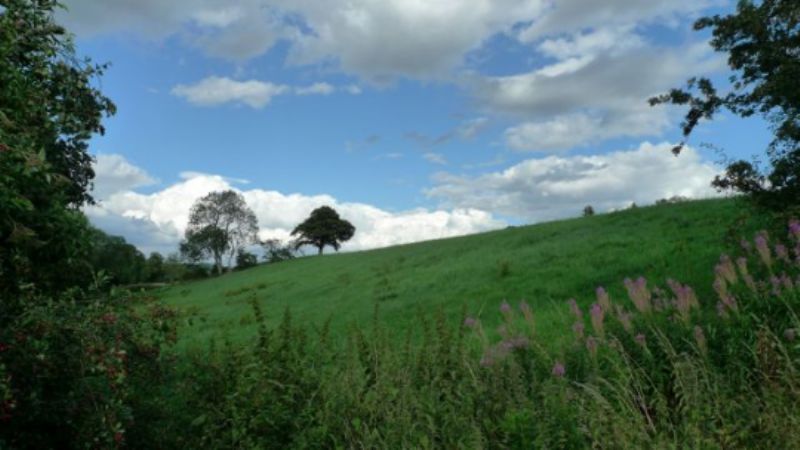
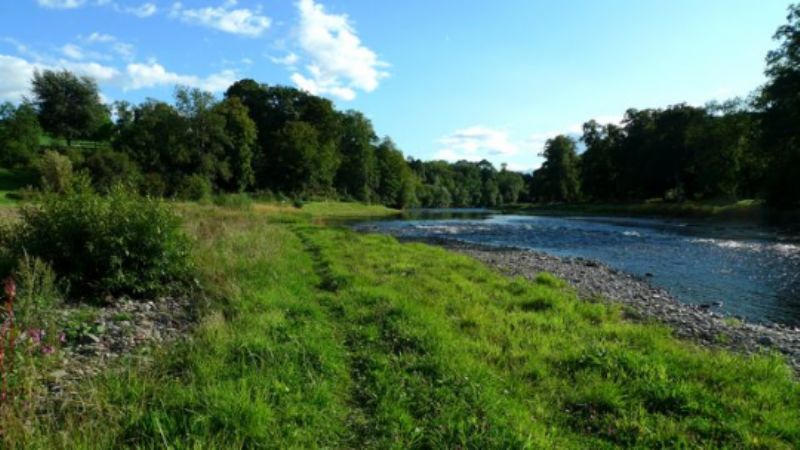
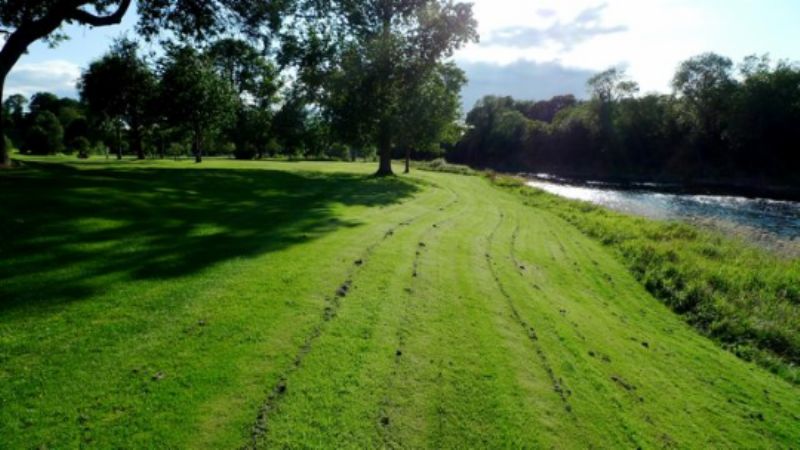
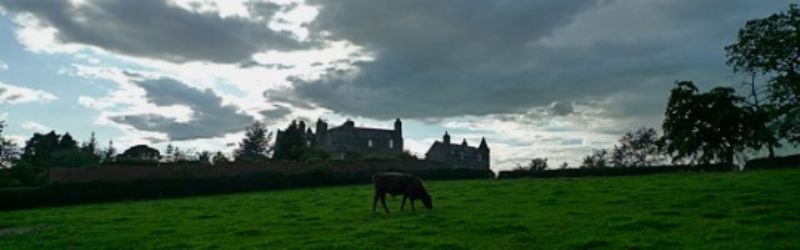
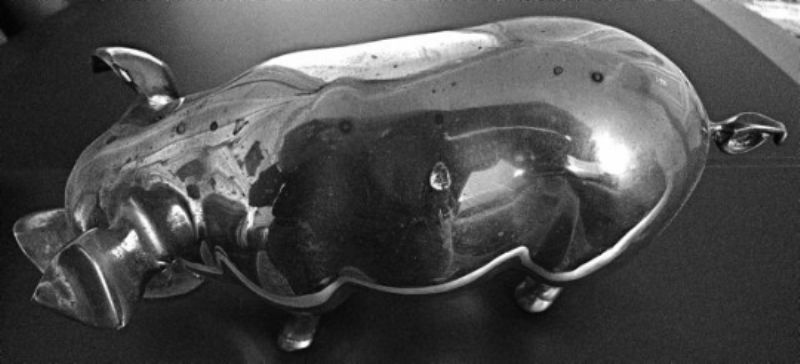
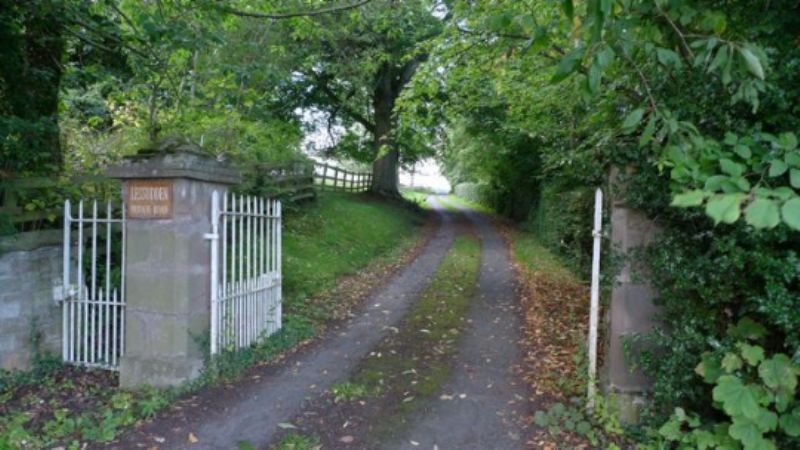
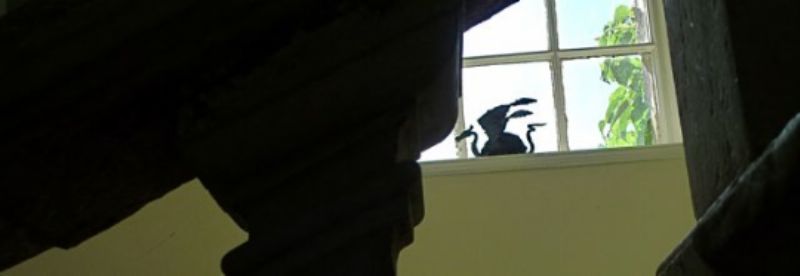
0A Lessudden 0B View 1 0C Tweed 1 0D Tweed 2 0E View 2 0F Mirrored 2 1 Gloaming 2 Pig 3 Entrance 5 Dragon

Arrived at Lessudden House, on the outskirts of St Boswell, this afternoon. Lessudden was badly damaged in 1544 by the invading armies of Henry VIII, in what was called the “rough wooing”, when he tried – unsuccessfully – to force the Scots to allow their Queen Mary to marry the then Price of Wales. Elaine had stumbled upon Lessudden through the good offices of Alastair Sawday. Our hosts, Alasdair and Angela Douglas-Hamilton, made us feel very much at home – and her cooking is exquisite. 

Lessudden, at least for Elaine and I, was spookily reminiscent of Gogar Castle, on the outskirts of Edinburgh, which used to be owned by my godfather, Sir James Steel-Maitland. He shared it with  my two maternal great-aunts, Brenda and Dorothy, with whom he had a somewhat complicated, alternating history. Gogar is where my mother, who was living there at the time, first met my father, who then commanded RAF Turnhouse, now part of Edinburgh Airport.

Uncle Jimmy is one of the people I wish I could resurrect. Although his gifts to me as a child – an elephant-tusk-and-silver christening mug and twin hairbrushes made from ivory and whalebone bristle – would scarcely have stood muster in the 1960s, let alone today, I see his thinking on nature and building conservation as precursors of mine. Among other things, he collected animals for Edinburgh and London Zoos.

On arrival, Elaine and I walked down through the woods – where the horse chestnuts mercifully still show no signs of the devastating blight that is hitting their southern counterparts – and moseyed along the River Tweed, which runs alongside a golf course. The sun was setting, the fish were rising and all was well with the world.

  • « Go to Previous Page
  • Go to page 1
  • Interim pages omitted …
  • Go to page 93
  • Go to page 94
  • Go to page 95
  • Go to page 96
  • Go to page 97
  • Interim pages omitted …
  • Go to page 134
  • Go to Next Page »

Primary Sidebar

Introduction

I began this blog with an entry reporting on a visit to the Woods Hole Oceanographic Institution on Cape Cod, on 30 September 2003. The blog element of the website has gone through several iterations since, with much of the older material still available.

Like so many things in my life, blog entries blur the boundaries between the personal and the professional. As explained on this site’s Home Page, the website and the blog are part platform for ongoing projects, part autobiography, and part accountability mechanism.

In addition, my blogs have appeared on many sites such as: Chinadialogue, CSRWire, Fast Company, GreenBiz, Guardian Sustainable Business, and the Harvard Business Review.

Recent Comments

  • John Elkington on The Hill House Elkingtons
  • sally fitzharris. (Rycroft) on The Hill House Elkingtons
  • Thomas Forster on Reminder of Glencot Years

Journal Archive

About

John Elkington is a world authority on corporate responsibility and sustainable development. He is currently Founding Partner and Executive Chairman of Volans, a future-focused business working at the intersection of the sustainability, entrepreneurship and innovation movements.

Contact

john@johnelkington.com  |  +44 203 701 7550 | Twitter: @volansjohn

John Elkington

Copyright © 2026 John Elkington. All rights reserved. Log in