
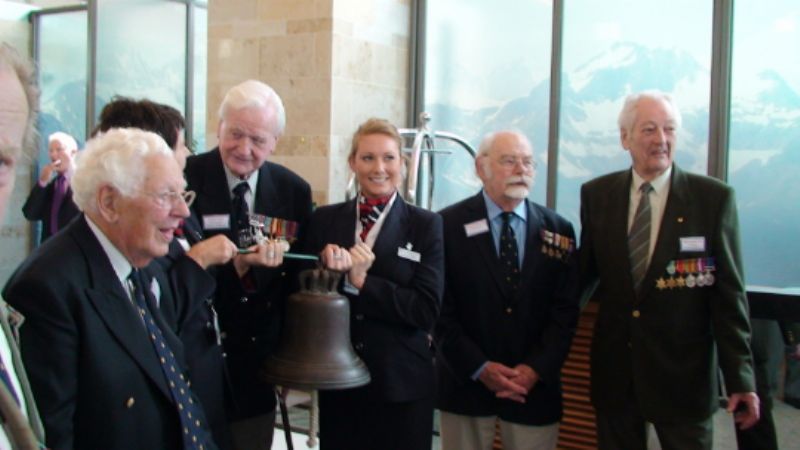
 Tim on the right
 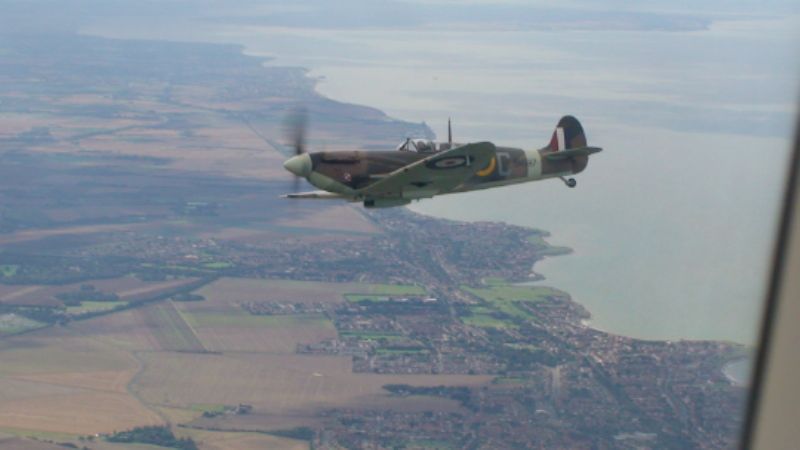 Spitfire 1
 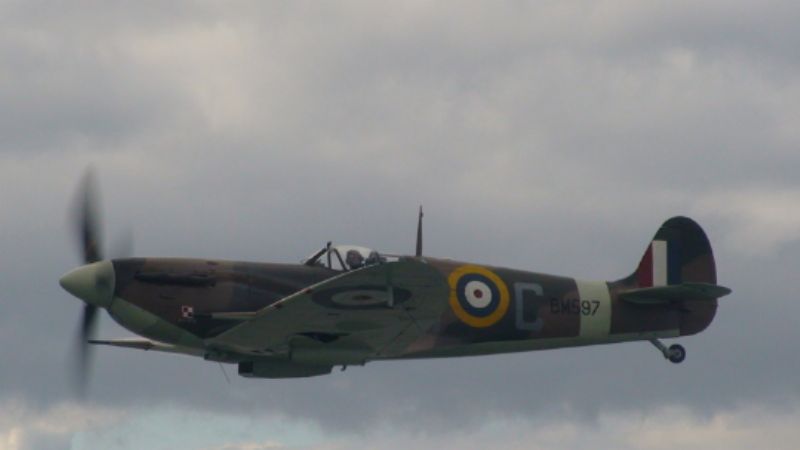 Spitfire 2
 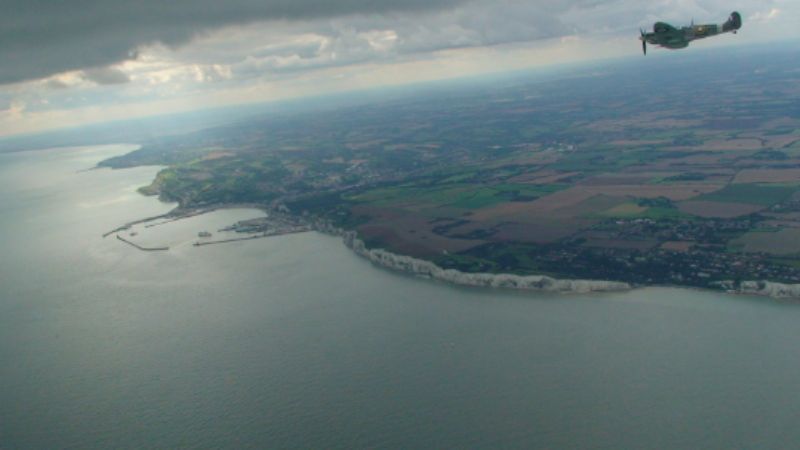 Spitfire 3
 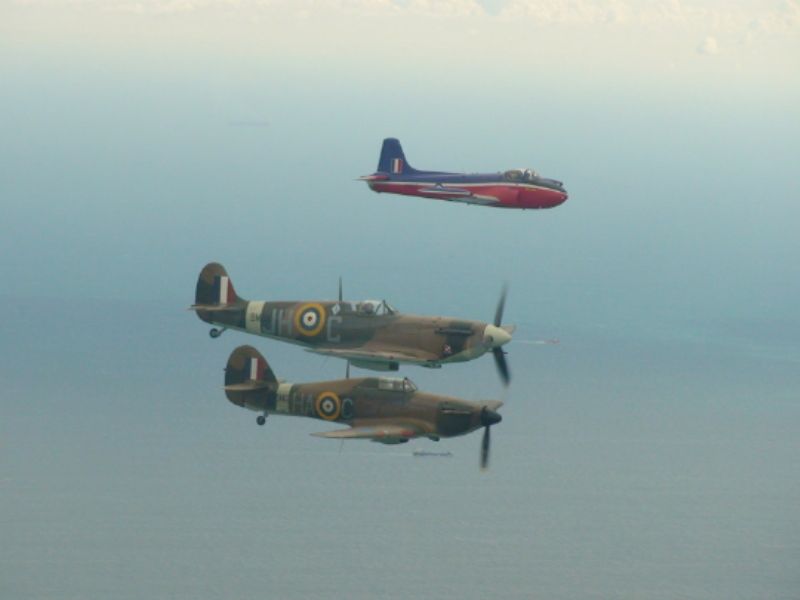 Bottom up: Hurricane, Spitfire and Provost
 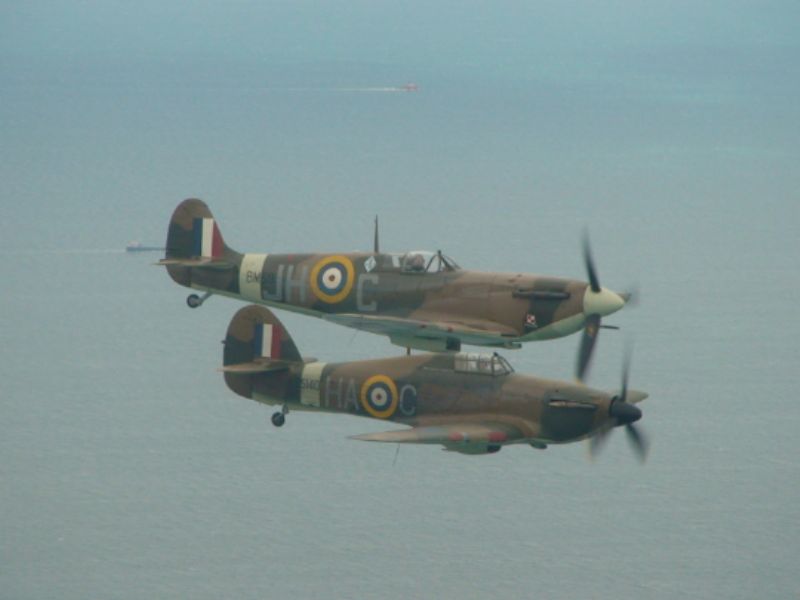 Bottom up: Hurricane and Spitfire
Search Results for: Tim elkington
Lessudden House triggers …
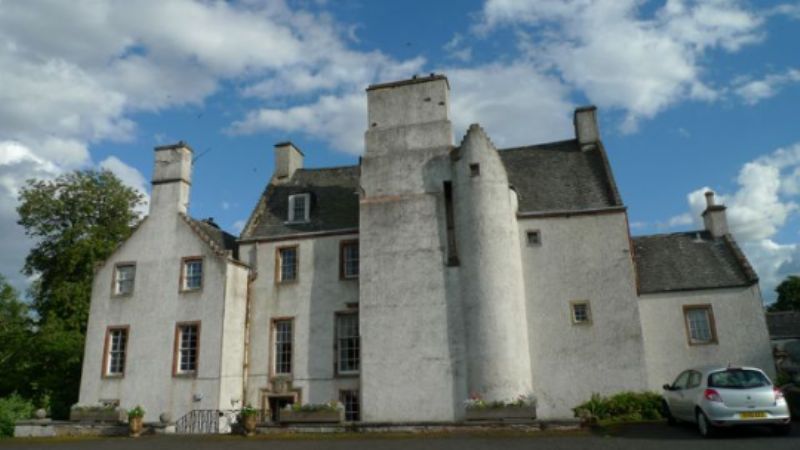 Lessudden
 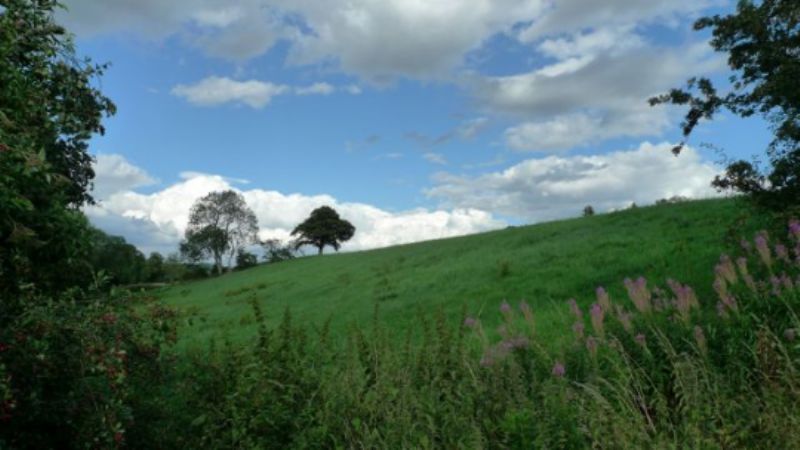 View 1
 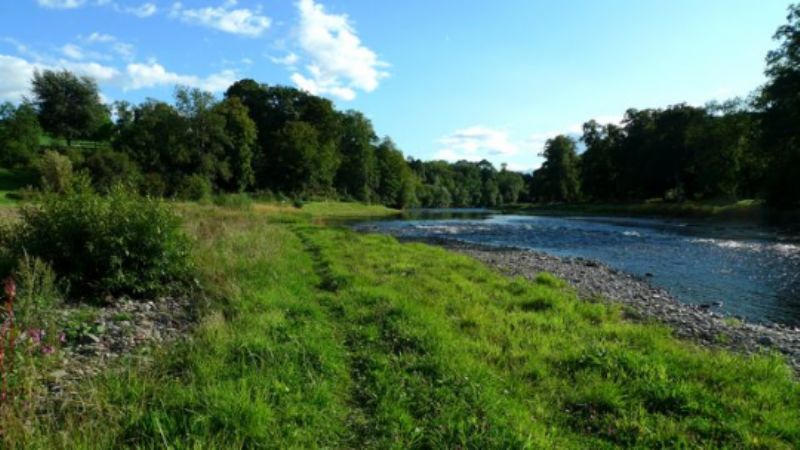 Tweed 1
 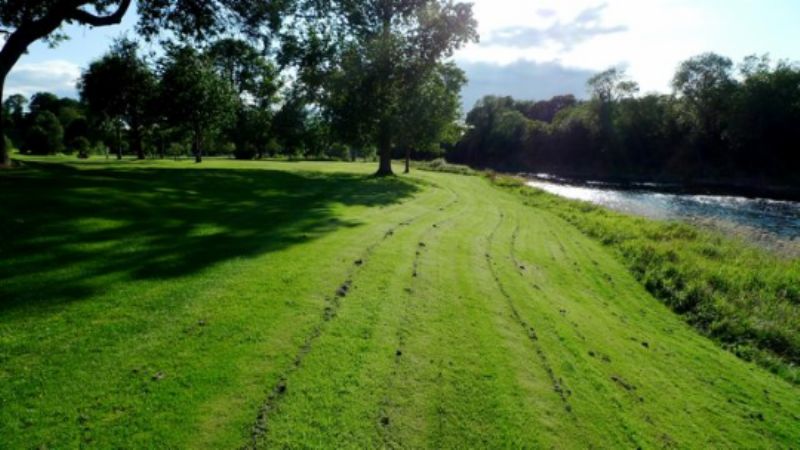 Tweed 2
 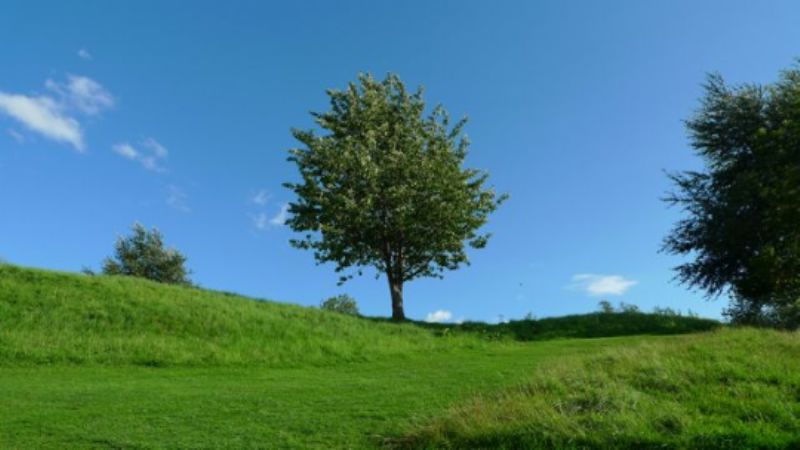 View 2
 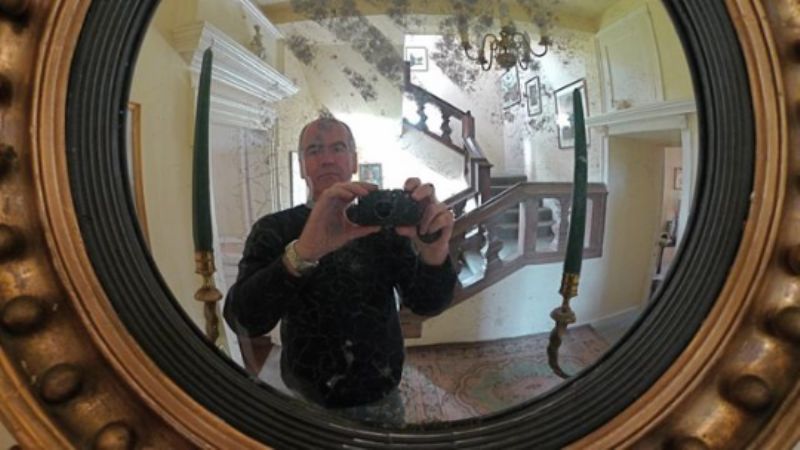 Mirrored 2
 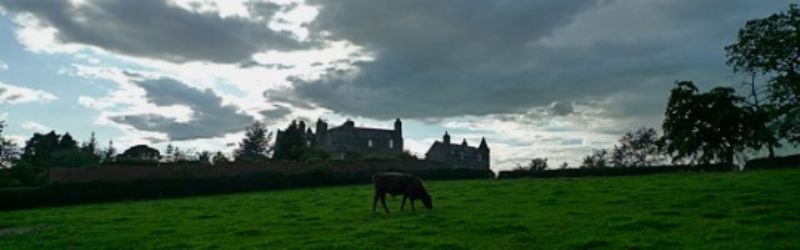 Gloaming
 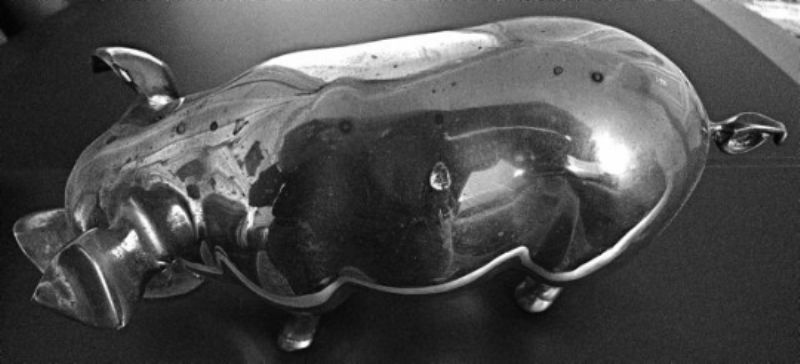 Pig
Pig 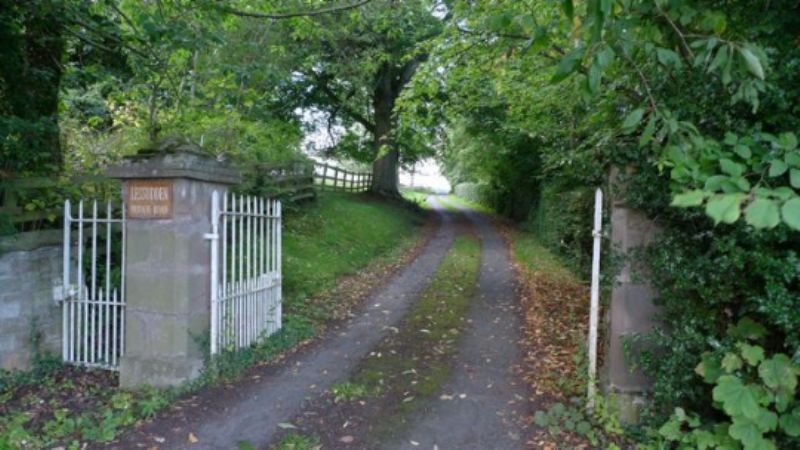 Entrance
  Dragon
Arrived at Lessudden House, on the outskirts of St Boswell, this afternoon. Lessudden was badly damaged in 1544 by the invading armies of Henry VIII, in what was called the “rough wooing”, when he tried – unsuccessfully – to force the Scots to allow their Queen Mary to marry the then Price of Wales. Elaine had stumbled upon Lessudden through the good offices of Alastair Sawday. Our hosts, Alasdair and Angela Douglas-Hamilton, made us feel very much at home – and her cooking is exquisite.
Lessudden, at least for Elaine and I, was spookily reminiscent of Gogar Castle, on the outskirts of Edinburgh, which used to be owned by my godfather, Sir James Steel-Maitland. He shared it with my two maternal great-aunts, Brenda and Dorothy, with whom he had a somewhat complicated, alternating history. Gogar is where my mother, who was living there at the time, first met my father, who then commanded RAF Turnhouse, now part of Edinburgh Airport.
Uncle Jimmy is one of the people I wish I could resurrect. Although his gifts to me as a child – an elephant-tusk-and-silver christening mug and twin hairbrushes made from ivory and whalebone bristle – would scarcely have stood muster in the 1960s, let alone today, I see his thinking on nature and building conservation as precursors of mine. Among other things, he collected animals for Edinburgh and London Zoos.
On arrival, Elaine and I walked down through the woods – where the horse chestnuts mercifully still show no signs of the devastating blight that is hitting their southern counterparts – and moseyed along the River Tweed, which runs alongside a golf course. The sun was setting, the fish were rising and all was well with the world.
If The Dead Rise Not
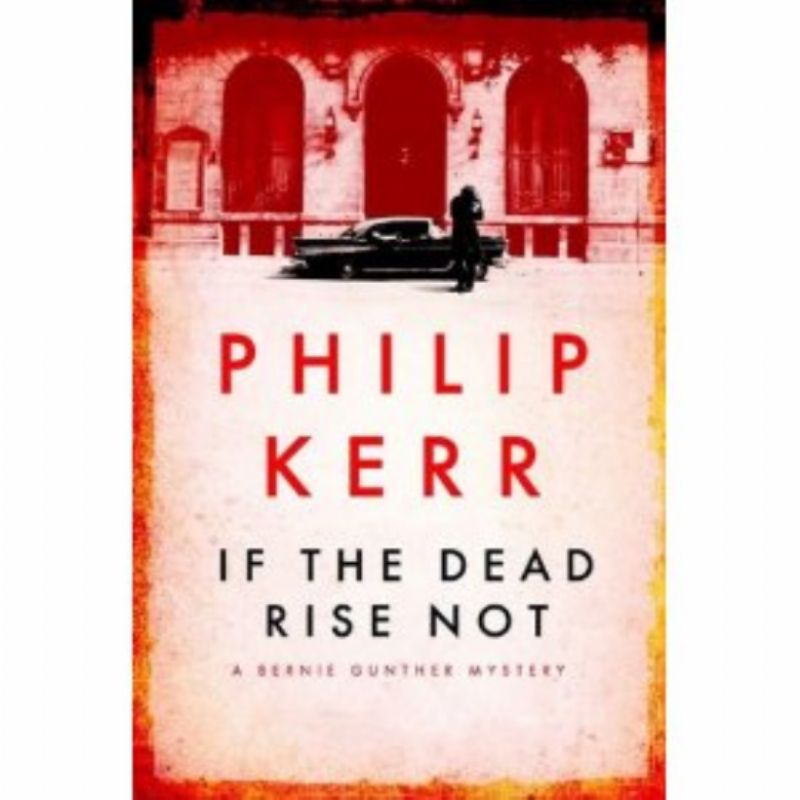
Although what was meant to be a week of holiday has been gobbled up by a project for WWF International, I have managed to sneak in some other reading around the edges – and yesterday finished Philip Kerr‘s wonderful Bernie Gunther novel, If the Dead Rise Not. First time I can recollect reading a book that was both a prequel to earlier novels in a series – and that then goes on to extend the story. Have read all the Gunthers to date – and love the style and atmospheres conjured, be it in Germany, Argentina or Cuba. Saw this morning that he’s speaking at the Edinburgh Festival – wish I was going to be there.
Drought, Fire and Flood
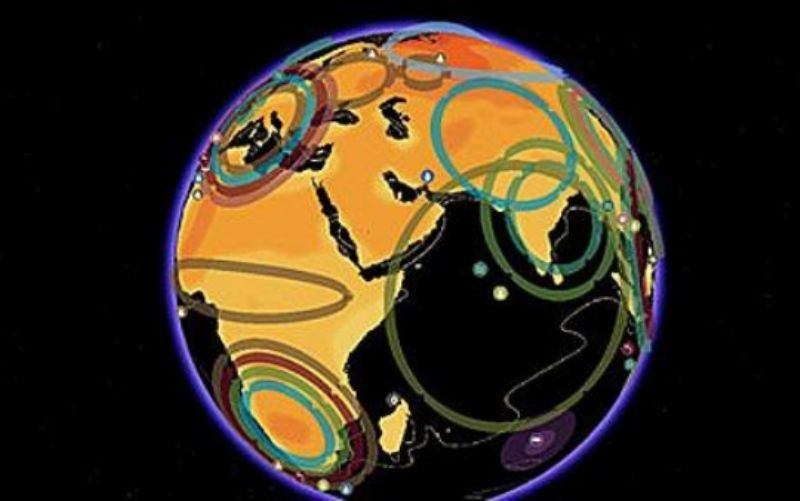 Source: Met Office
Often, the future asks the past why it couldn’t see what was in front of its nose? After a rather frantic time week, I have been working at home today, focusing on a challenge we face in Singapore and on the follow-up to our Biosphere Economy project. In the process, it kept being borne in on me that apparently disconnected events in today’s world would look very different through tomorrow’s lenses.
Take the devastating drought and fires currently impacting Russia. Many people will think that this is something solely for the Russians, while others may feel that there is a measure of poetic justice for a country that has been pretty recalcitrant on climate change – believing that it will be advantaged as the warming trend opens up northern areas to farming and minerals extraction.
But the evidence is that what is happening in Russia is going to have a pretty immediate impact on the lives of millions of people living elsewhere, not least through food prices. As the Financial Times reports today on its front page, wheat prices have risen faster than at any time since 1973 as the implications of the lost grain production in Russia are factored into markets.
And then there is what is happening in Pakistan, with devastating floods – all of which may look disconnected from what is happening in Russia and from what will happen in the future. The BBC reports that 2.5 million people have already been affected in Pakistan. While all of this may seem a long way off for those of us on the other side of the world, the implications for our security and for future would look a great deal clearer from the perspective of someone looking back from, say, 2030.
I don’t know whether the sort of mapping that Google Earth is now offering – or the mapping developed by agencies like the UK Met Office – will help people see what is increasingly before their eyes, but somehow I doubt it. Too much else is before our eyes in the same moment – and the sorts of trajectories our climate may now be on are totally outside our experience.
Someone asked me yesterday whether I was an optimist – and, truth be told, I am, but in the context of the sort of analysis offered by Jared Diamond in his book Collapse. Whereas Adolf Hitler thought that the Third Reich would last 1,000 years, and the architects of the British Empire probably dreamed of something for similar for the pink-painted areas of the globe, my sense is that we will get increasingly used to seeing images of the globe with swelling yellow, orange and red zones showing the areas where global warming – or heating, as some suggest it should not be called – is steadily bringing our planet to the boil.
I shared a platform earlier late last week with Lord Giddens, at an event held in the National Liberal Club, and his odyssey into climate science in recent years (as an open-minded non-scientist) made me wish every business and political leader could spend a day with him. There were still one or two climate skeptics in the room, which made me wonder whether in a decade or two such people will have converted or gone underground, for fear of meeting with rough justice? One question that has been in my mind for some time is whether there could be some form of retrospective justice, perhaps an Ecological Crimes Tribunal, with the criminalisation – even demonisation – of today’s climate-deniers?
Art through the millennia
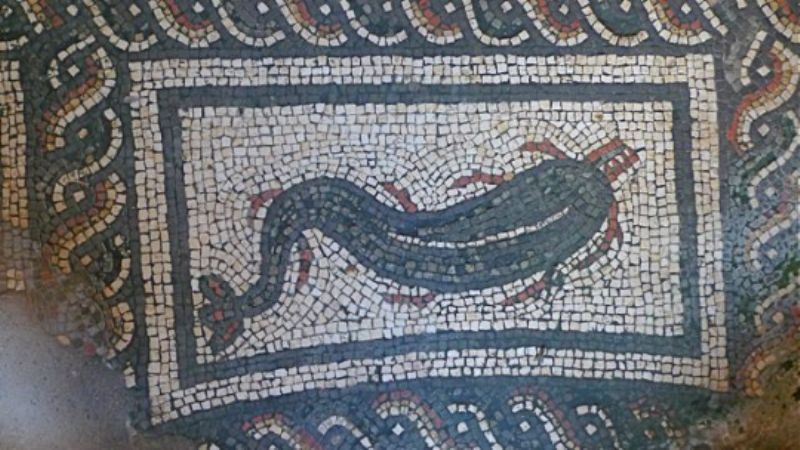 Dolphin mosaic, Bignor
 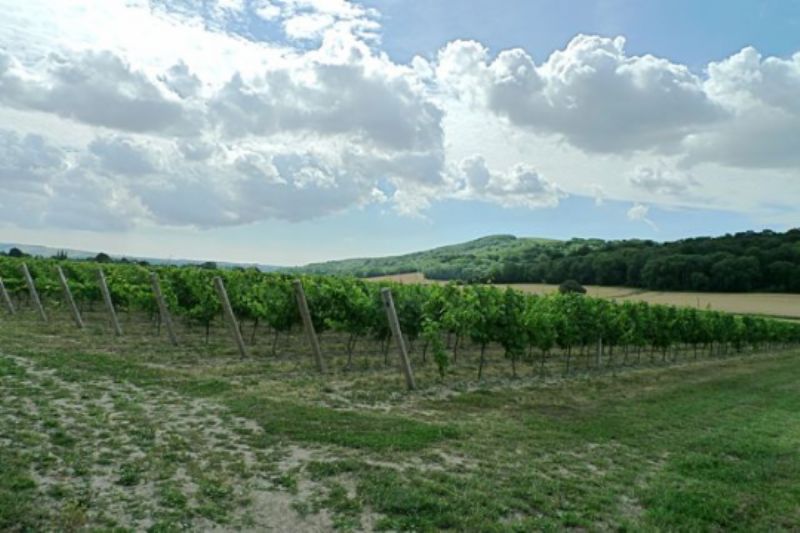 Vineyard, Bignor
 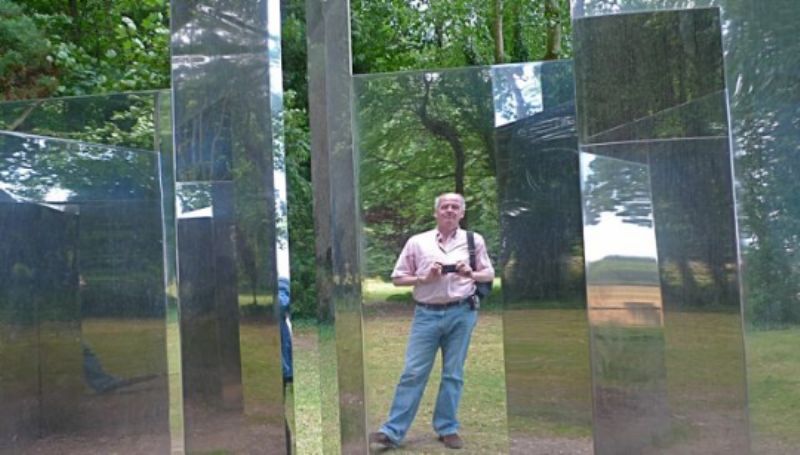 Self-portrait, Goodwood Sculpture Park
 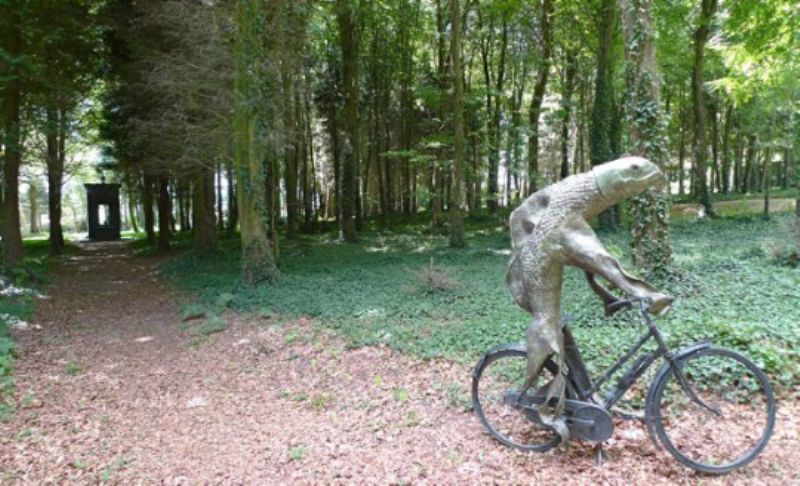 Steven Gregory’s ‘Fish on a Bicycle’
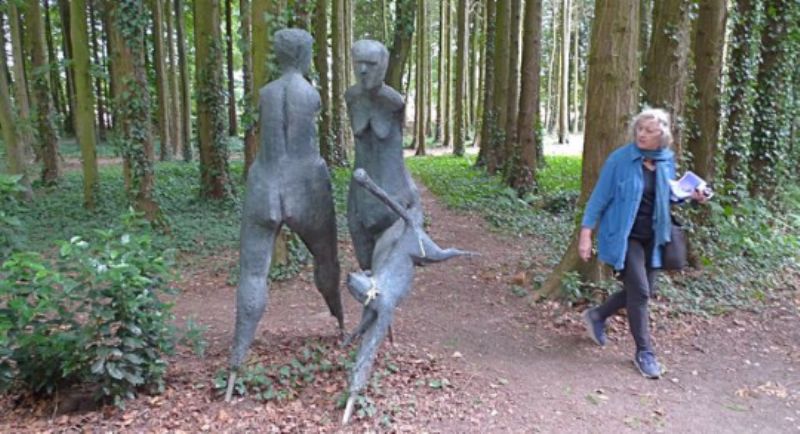 3 ladies and a cat
 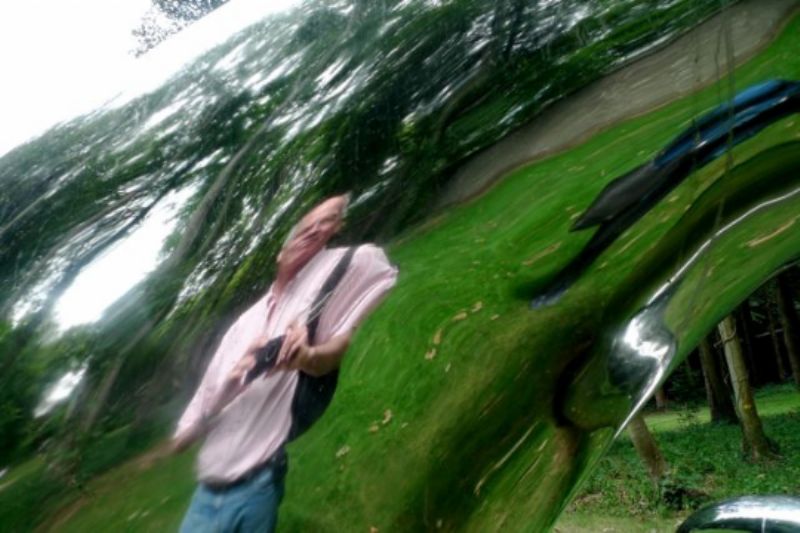 Distortion
 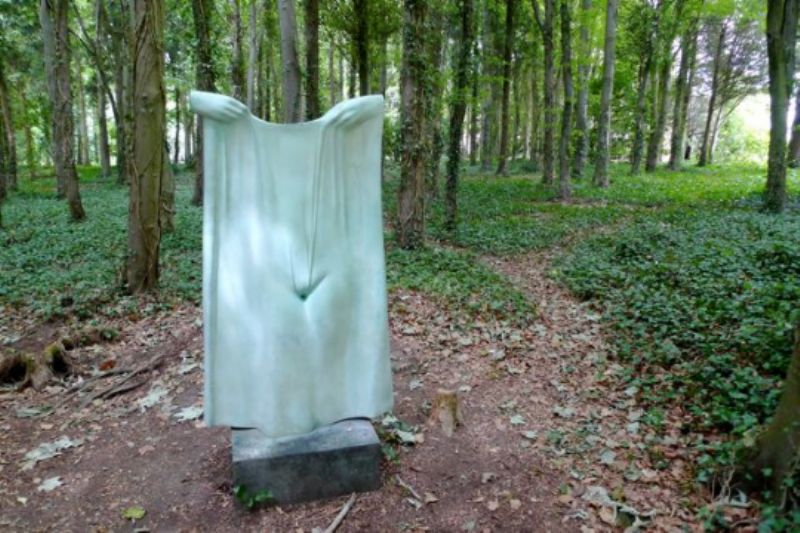 Ralph Brown’s ‘La Sposa’
 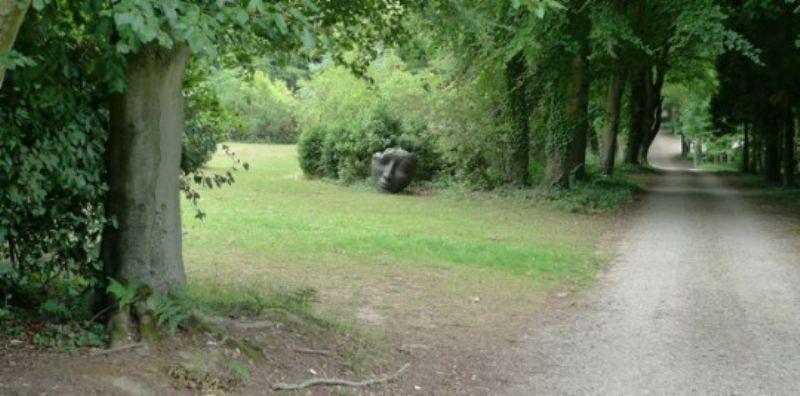 Jilly Sutton’s ‘Fallen Deodar’
 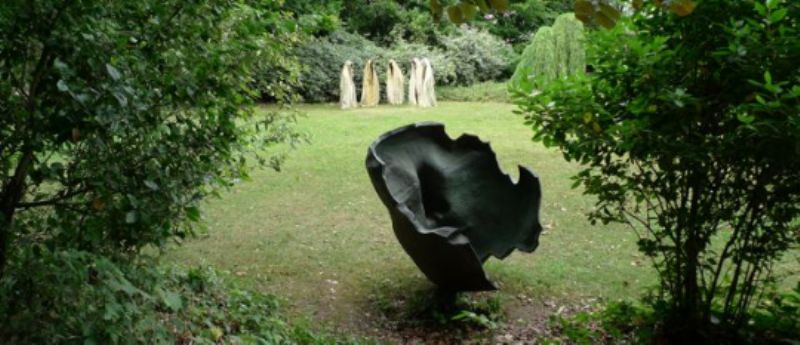 Over ‘Fallen Deodar’ to Manfred Kielnhofer’s ‘Timeguards’
 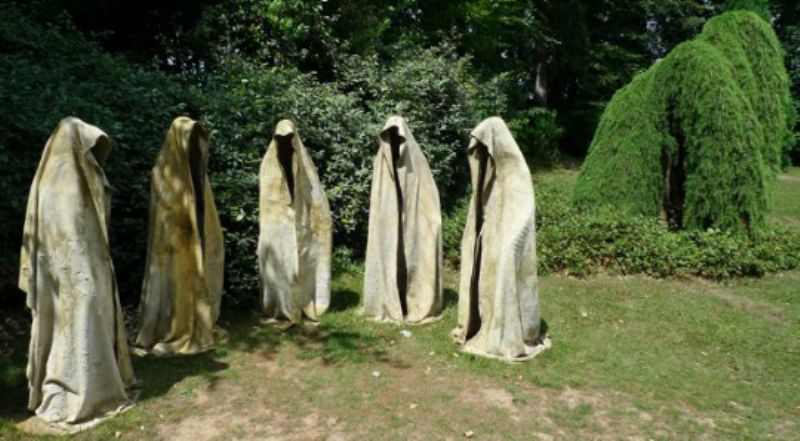 ‘Timeguards’, with vegetal echos
 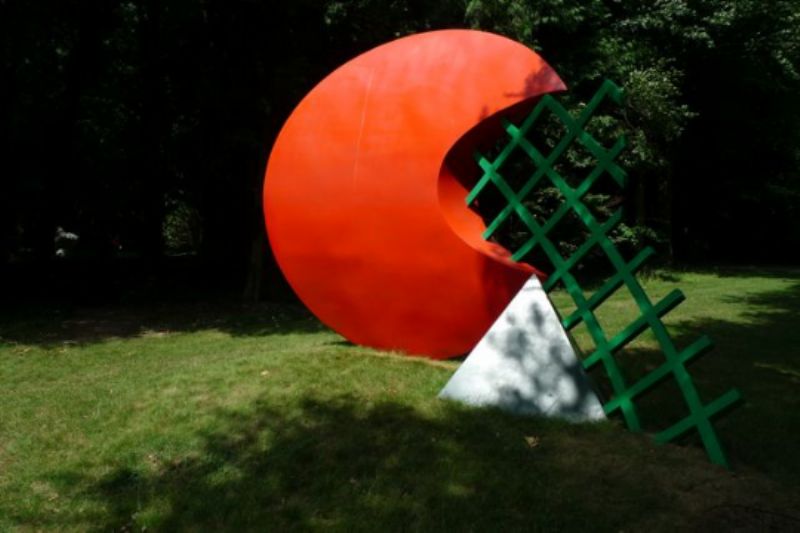 Phillip King’s ‘Sun’s Roots II’
 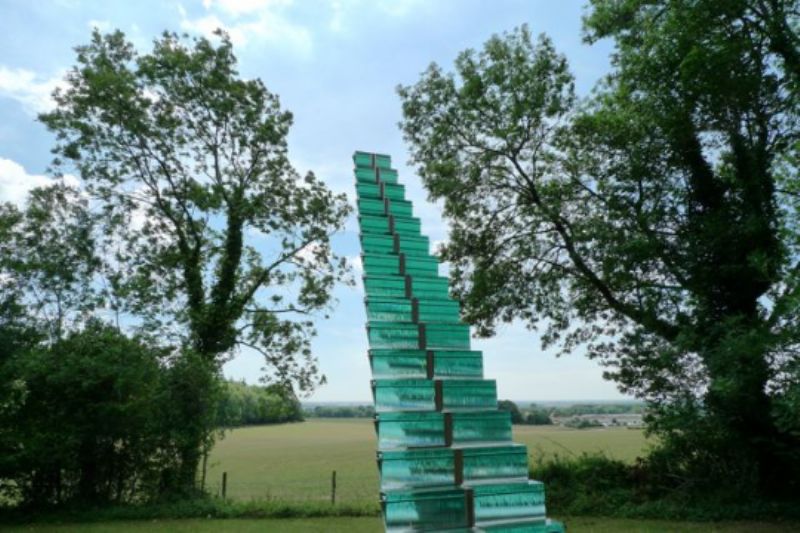 Danny Lane’s ‘Stairway’
Started off the day at the Bignor Roman Villa, which has some interesting mosaics, and a couple of poignant children’s skeletons, and then decided on the spur of the moment to go to the Goodwood Sculpture Park again – although, once again, it proved very hard to find. Well worth the effort, though. Lovely weather as we walked around – and very few people indeed. Seems something of a well kept secret, this place.