
A 100th birthday spotlights an international treasure – and the need for a seismic market response
I have somewhat neglected this blog in 2026, partly because of the pressure events and partly because I have covering aspects of my work on my Substack channel and my work-focused website, Countercurrent.earth.
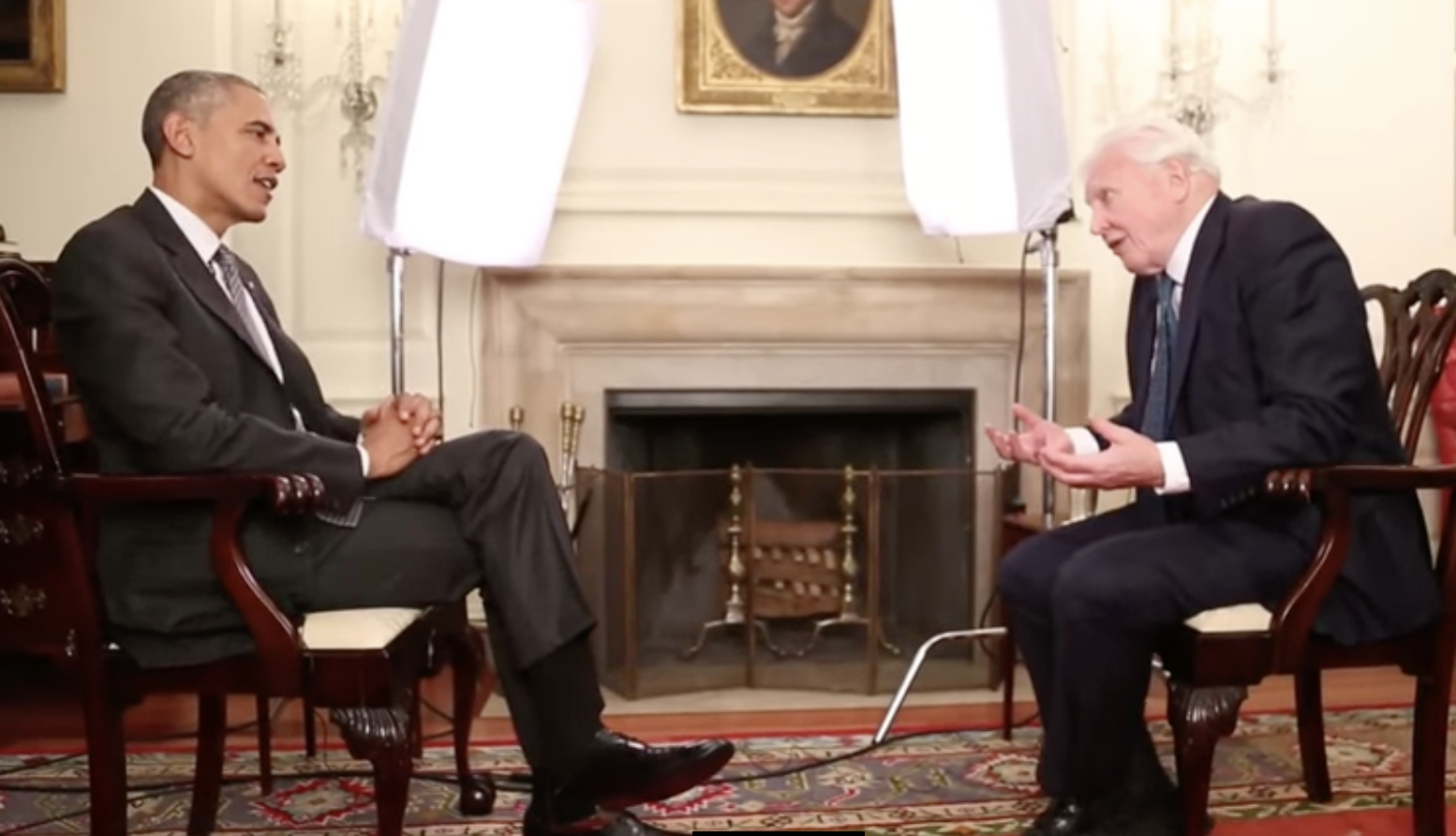
But here are some brief reflections triggered by Sir David Attenborough’s 100th birthday yesterday, posted yesterday on my Substack channel, Rewilding Markets. As the BBC’s astounding celebration last night illustrated, the man himself has been awash in birthday cards and best wishes—no doubt including a card from former President Obama, who famously interviewed Sir David back in 2015.
Foe me, he has always been there. Once my family had returned to England from Cyprus in 1959, I grew up watching Sir David’s’s Zooquest series, which ran from 1954 to 1963 on BBC TV. Since then, to my delight, our paths have grazed each another a number of times.
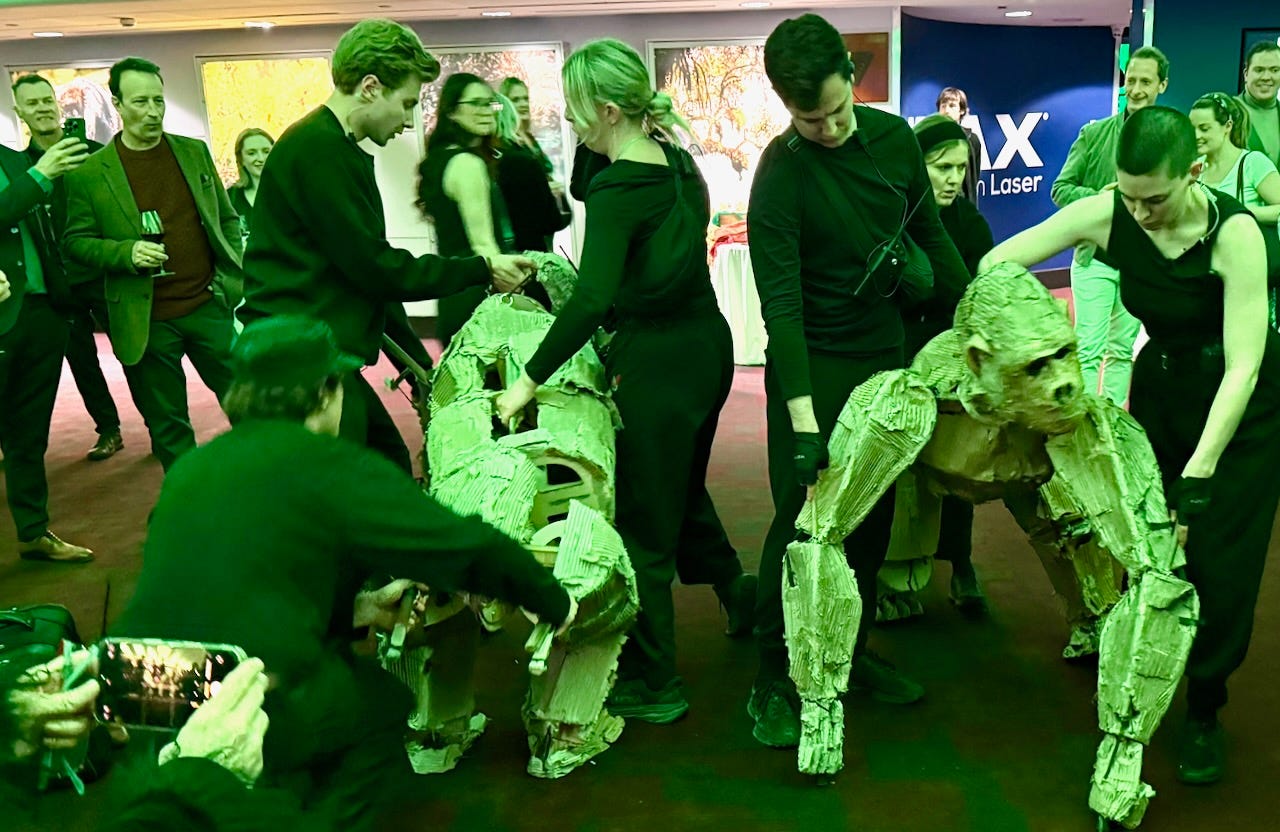
He has long been a member of the WWF UK Council of Ambassadors, for example, where I have also served for around 20 years. And it has been a huge inspiration to learn from his work over the decades. Most recently, on 21st April, after a Council of Ambassadors meeting in Somerset House, I attended the London premiere of his latest film, A Gorilla Story. Profoundly moving.
But my most vivid memory dates back to 1985, when he buried a time capsule in the floor of the still-in construction Princess of Wales greenhouse at Kew Gardens.
The time capsule idea was Elaine’s, surfacing during a dinner we hosted for Joss and David Pearson, founders of Gaia Books—and publishers of The Gaia Atlas of Planet Management, on which I had served as an editor.
Our daughters, Gaia (aged 8 at the time) and Hania (6) perched on Sir David’s knee, both of them wearing hard hats many sizes too big for their heads. Before he lowered the glass capsule into the hole prepared for it, he tapped on their helmets, inquiring if anyone was in.
He charmed us as thoroughly as he charmed mountain gorillas and audiences around the world.
But this watershed has had me thinking about how all of this has impacted the markets that, alongside money, make our world go around. When Sir David began his career in the early 1950s, the dominant market around wildlife was extractive — hunting, trapping, the ivory trade, exotic skins.
Indeed, a christening mug I received from a godfather—Sir James Steel-Maitland—who travelled the world collecting animals for Edinburgh and London zoos, was made of silver and elephant tusk.
That industry, once worth billions, is now criminalized (sometimes effectively) across much of the world. And what replaced it was something that it sometimes seemed that Sir David himself had helped conjure almost singlehandedly: a global appetite for experiencing nature at closer quarters.
The wildlife tourism market alone is now worth roughly $190 billion a year. The broader nature documentary and natural history publishing ecosystem — from Blue Planet to Braiding Sweetgrass — generates billions more, feeding a public hunger that shows no sign of abating.
But Sir David himself has long understood that wonder is not enough. In his later years he has insisted, repeatedly, that the question is no longer whether people love nature — they do — but whether the institutions that govern our lives will act as if they do. That is the challenge his centenary should have us all pondering.
Leave a Reply