
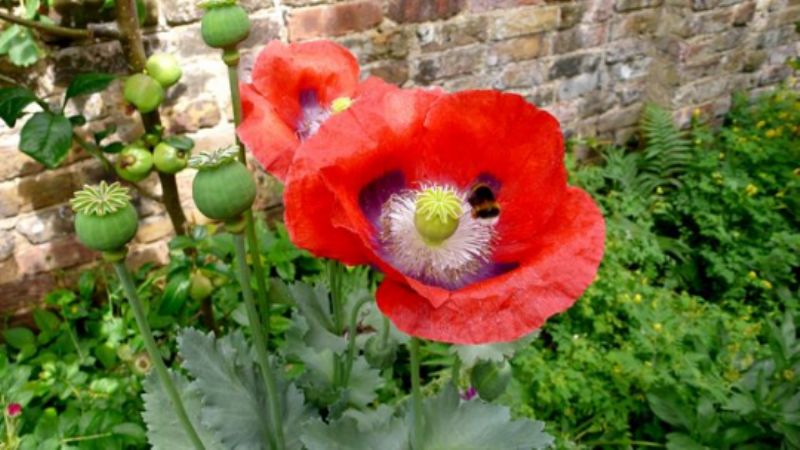
 Rose and clematis in our garden
 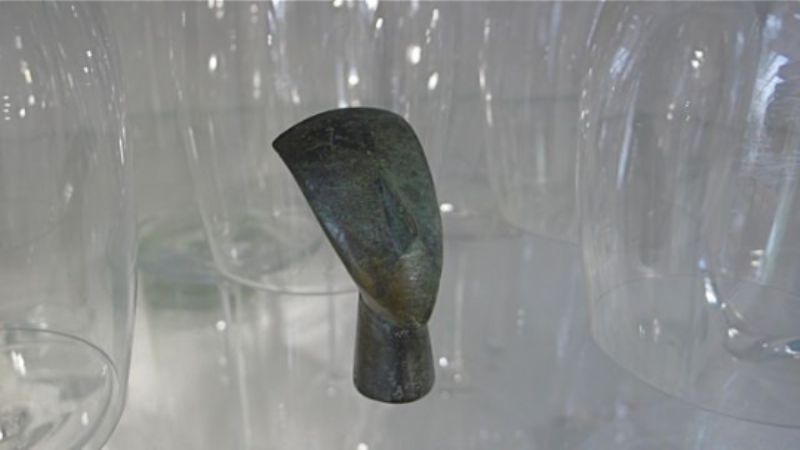 Cycladic head
  Front door, detail
 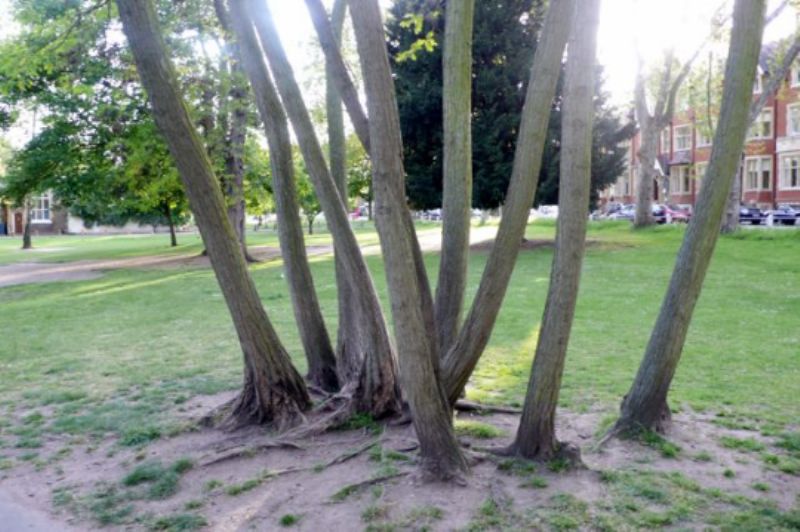 Tree on Common
Blog
Heaven & Earth
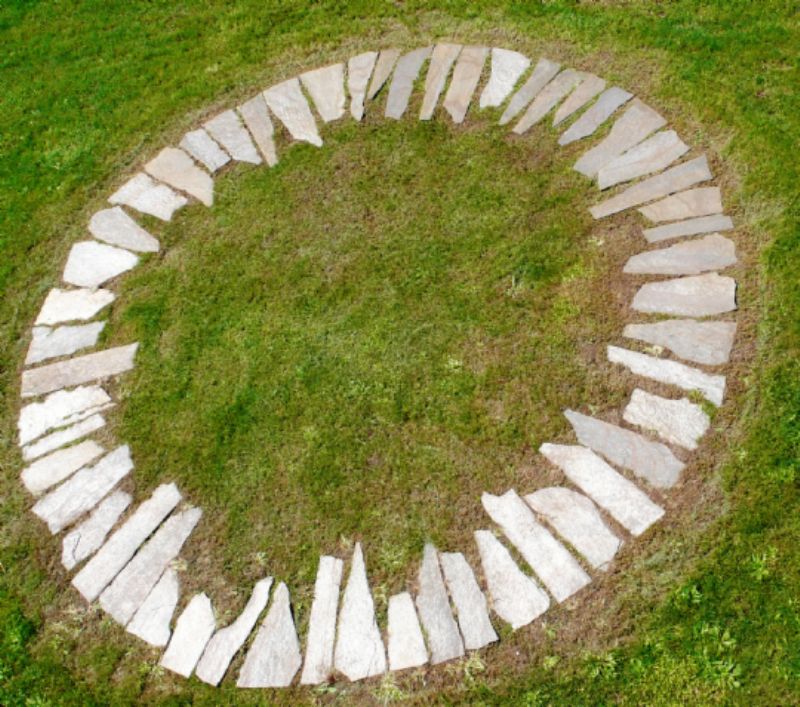 Idaho Quartz Circle, 1992
A week or two back, Tell Muenzing sent me this photograph of a Richard Long sculpture at the offices of Value Partners in Milano – entitled ‘Idaho Quartz Circle’, dated 1992 and using 54 stone slabs.
Astonishingly similar to the device on the front cover of our just-launched report, The Phoenix Economy.
Was particularly interested to read the profile of Long in today’s Observer Magazine. Particularly liked the spirit of the quotation at the end of the piece, that begins: “I guess I’m an opportunist, really. I go out into the world with an open mind, and I rely to a degree on intuition and chance.” Pretty much exactly my approach.
And that’s what we’re planning with the next round of our Phoenix work, this time working much more closely with the United Nations Environment Programme (UNEP). The fact that there are 54 elements in Long’s CIrcle suggests the next steps for us: building out our Phoenix 50 to a series of longer lists of innovators and entrepreneurs. More anon.
Seen and Hurd
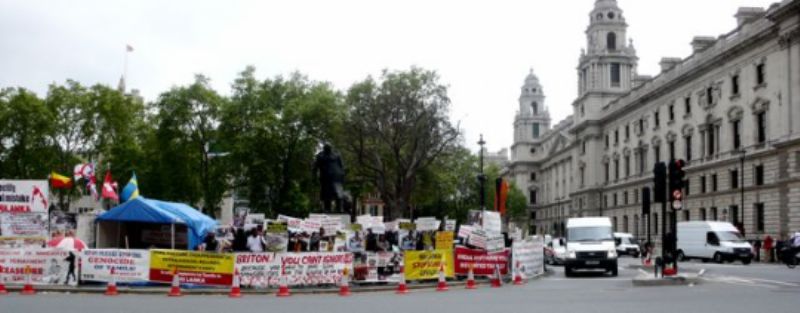 Dissent–and a typo, I suspect
Went across to the House of Commons early today to see Nick Hurd, who is responsible for pulling together thinking on social enterprise matters in the Conservative Party, among other things. Good to see protests going on across the way, a signal that the Government hasn’t quite managed to squeeze out all dissent with its restrictive controls. Parliament besieged in so many ways these days.
Social Business Conference
Back today by Eurostar from Paris and HEC Paris, the business school, where I did the final plenary session at this year’s Social Business Conference, co-organised with Net Impact. The conference provided a useful opportunity to explore critical issues like poverty reduction, natural resource efficiency, public-private partnerships and the evolution of social business models in the company of MBA students from around the world.
EDF on environmental innovation
Each year, one of my favourite NGOs, Environmental Defense Fund (EDF), surveys the landscape of environmental innovation in business. The aim is to find the “most compelling, and implementable, new practices and technologies—those that drive operational efficiency, create new business opportunities and carve out competitive advantages.” The conclusions this year came as no surprise: ‘That especially in these lean economic times, sustainability is business positive. From the Fortune 100 to the smallest start-up, U.S. companies are competing to be the most green.’ EDF hopes that the Innovations Review offers actionable models, inspires further innovation and continually redefines what is “business as usual.” The second year I have served on the Advisory Committee.