
Am in Amsterdam for the 5th GRI annual summit, speaking at a GRI Technology Consortium event yesterday, then at at a dinner last night, and again this afternoon at the third plenary session. During the proceedings, I got online wind of the posting of Joel Makower’s interview he did with me a week or so ago, about our recent California trip.
Uncategorized
Unilever Event On Zero Carbon, Zero Poverty
Chaired a roundtable session on new business models at Unilever’s event today on ‘Mobilising Collective Action’ – part of their Sustainable Living Plan initiative.
Then, in the evening, attended the dinner for the 3rd Unilever SLP Young Entrepreneurs Award. Fascinating discussions at the table – and afterwards we were encouraged to take away the pots of plants that formed the table’s centrepiece. I took a capsicum plant and a small, transparent container of cacti and succulents. Wondered for days where the seashells and peat in my backpack had come from …
Sometimes Crowd Is Funny, But Inane: Great To Hear We’re Going With RRS Sir David Attenborough
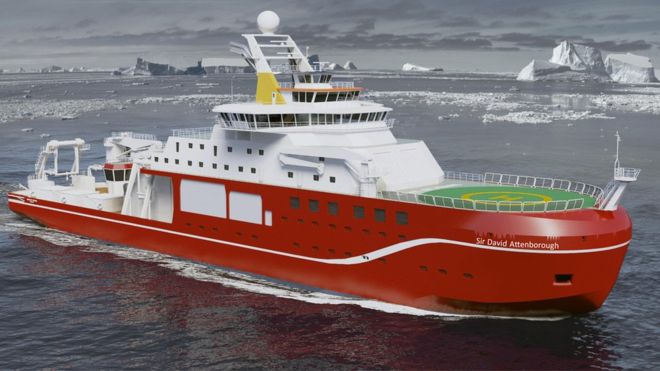
Boaty McBoatface was funny, momentarily, but thrilled to hear that Britain’s new Antarctic vessel will be called the RRS Sir David Attenborough. Last time I came across his spoor was several weeks ago, at a WWF Council of Ambassadors meeting in the Bishop of London’s home. The next seat to mine was marked out for Sir David, but he failed to materialise. Now he has, in rather magnificent reds, whites and green, with splashes of yellow – and with a helicopter pad on his nose.
Oslo For Business For Peace Foundation
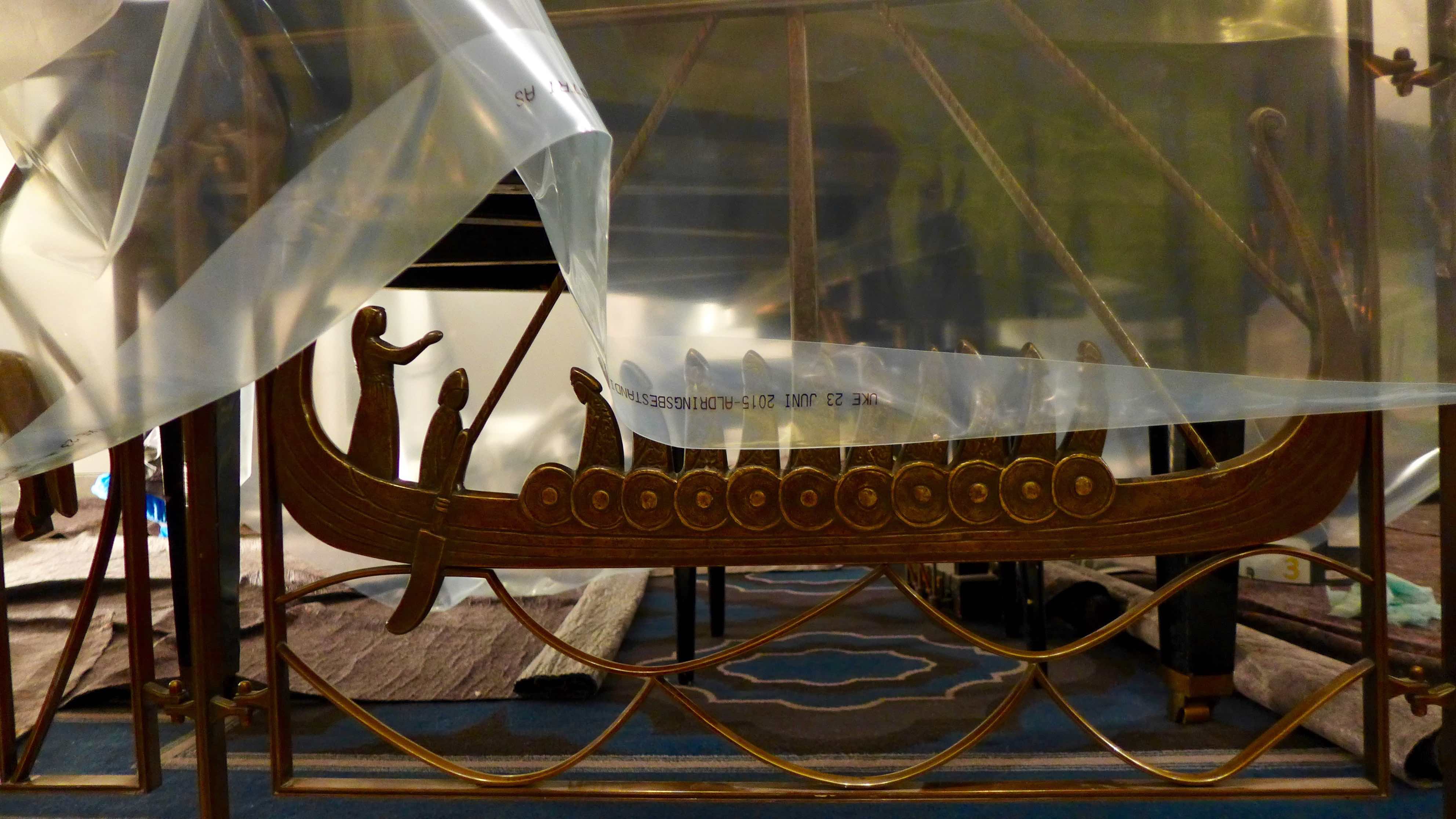
Across to Oslo a couple of days ago to speak at a conference hosted by the Business for Peace Foundation. Love the city: maybe it’s genetic – when I had my genes tested by 23andMe, the Scandinavian signal was very pronounced, via the Vikings and Normans. My bother Gray tracked the family vine back to Rollo the Ganger, after of William the Conqueror – who I had always seen as the arch enemy.
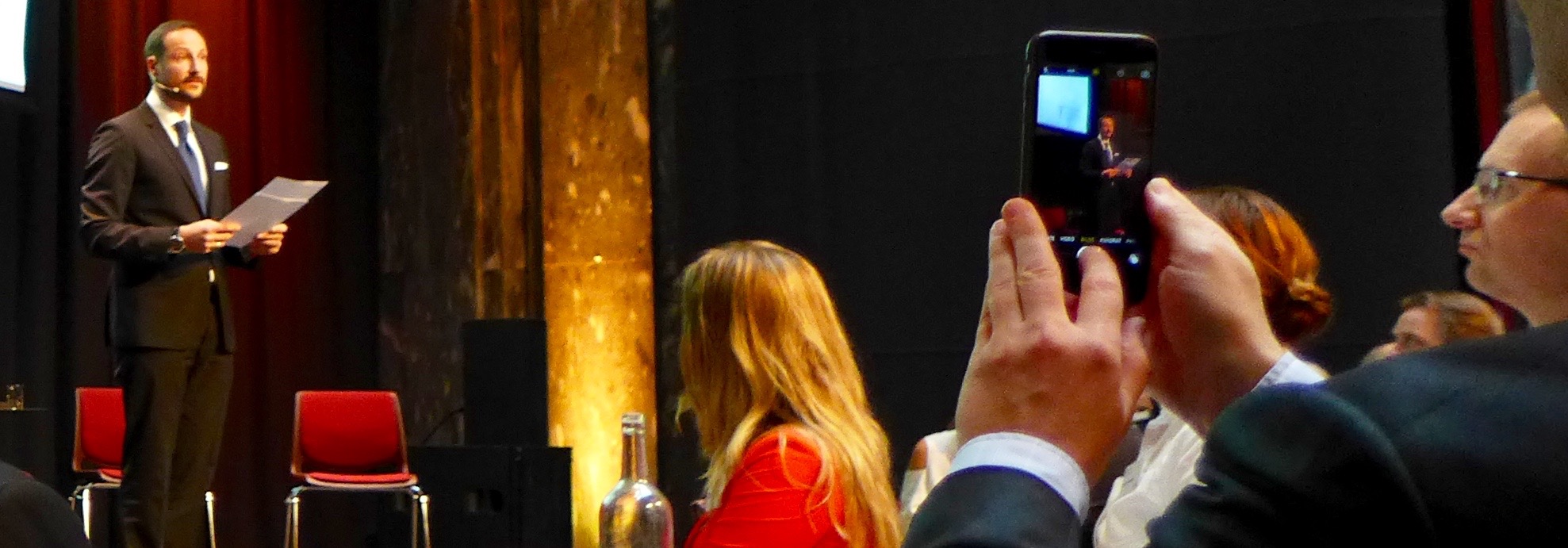
A bunch of people I knew at the conference, among them Jane Nelson and Paul Polman of Unilever, but also a whole range of people who were new to me. Included a lovely dinner with the Crown Prince Haakon and his wife – delightful couple – at his home outside the city. During the visit, I went across to a Nexus event to speak alongside Jan-Olaf Willums. Wish I could see how the two of us looked through their eyes …





Alex Steffen On Predatory Delay
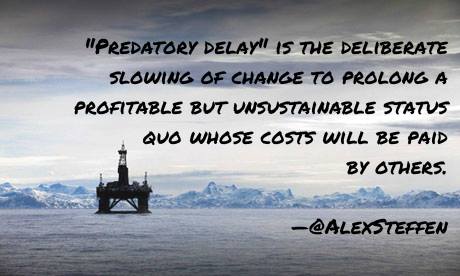
Alex Steffen was high on our list of people to meet on our recent San Francisco trip, but missed him this time round. I regret it even more after reading a blog he sent out yesterday on what he calls predatory delay. For more on what he is doing at The Heroic Futures, see here.
Meanwhile, as I limber up for an Oslo trip on Monday, where I will be speaking at three events, I’m finding the predatory delay concept helps crystallise a number of concerns I have had for some years about the whole sustainability industry.
Alex notes that: “Some people seem to have a hard time even understanding the concept of the rights of future generations. The idea that people who do not yet exist have the right to assert their needs in our lives is one that seems to be hard to fully grasp.
“Think of this example: If someone sets a bomb to go off in a public square a year from now, is he committing a crime? Should he be stopped? Almost everyone would say yes. Should he be tried before a court of law and prevented from doing further harm? Most of us would agree that he should. What about ten years? What about 100? When does our obligation to avoid serious, predictable harm to others end?
“Now, here’s the tricky part: climate emissions (and huge array of other unsustainable practices) are the bomb, and your grandkids and great-grandkids are the victims.”
He goes on to say:
“As long as we don’t use more of the planet’s bounty than can be sustainably provided in perpetuity, we have the ethical right to enjoy the best lives we can create. But the minute we stray into unsustainable levels of consumption, we’re not in fact spending our own riches, but those of future people, by setting in motion disasters that will greatly diminish their possibilities. Unfortunately, nearly everyone living a middle class or wealthier lifestyle now enriches their lives at the cost of future generations. As Paul Hawken says, ‘We have an economy where we steal the future, sell it in the present, and call it G.D.P.’
“Now, obviously, most of us did not intend to find ourselves in this situation, and so for a couple decades we had a legitimate argument that we needed a reasonable amount of time to change our ecological impact. It’s become clear that many of our leaders’ definition of a reasonable amount of time, though, is for things to change sometime after they’re dead.
“This is what I mean when I say that we have a politics of ‘predatory delay.’ Many wealthy people understand that their profits are extracted through destructively unsustainable practices, and they’ve known it for decades. By and large, they no longer deny the need for change, they simply argue for delay, on the basis that to change too quickly would be unfair to them.
“This allows them to been seen as responsible and caring. They want change, they claim; they just think we need prudent, appropriately paced change, mindful of economic trade-offs and judiciously studied — by which they mean cosmetic change for the foreseeable future. In the meantime, they fight like hell to delay change of any real magnitude, attacking not only the prospects of our kids and kin in the future, but increasingly of our society in the present. Their delay has real, serious human consequences, across generations. They’re taking, not creating; the harm they cause is measurable.”
For more of Alex’s thinking, sign up for his newsletter.