
Bubbly Afternoon

John Elkington
A world authority on corporate responsibility and sustainable development.
Miserable weather for a Coronation, but Elaine and I went across to Richmond this morning: partly to have our ears looked into, partly to escape a local street party featuring karaoke (which was then postponed anyway); partly to get away from the constant hammering as our roof is stripped and renewed; partly to visit bookshops (with Elaine buying Michael Frayn’s new book in The Open Book store just as he walked into the shop); and partly to have lunch by the river at Tapas Brindisa.
As we walked out of the restaurant and down to the Thames, a bearskinned band struck up for the first time – and the second tune they played was Monty Python’s Always Look on the Bright Side of Life. Said thank you to the bandsmen as they walked off sodden to their next gig – and would like to say thank you to Eric Idle for writing such a quintessentially English song.
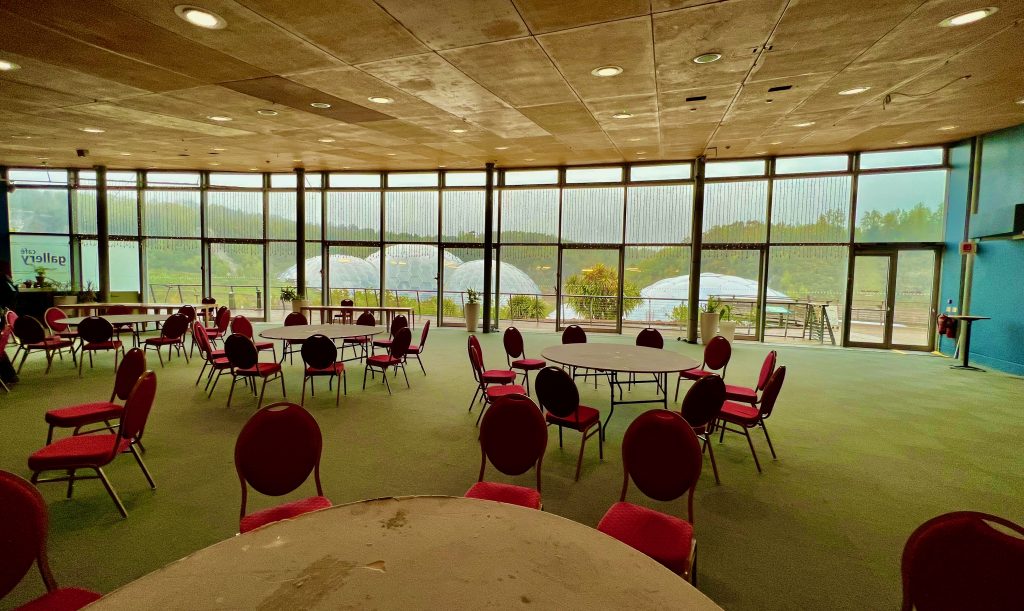
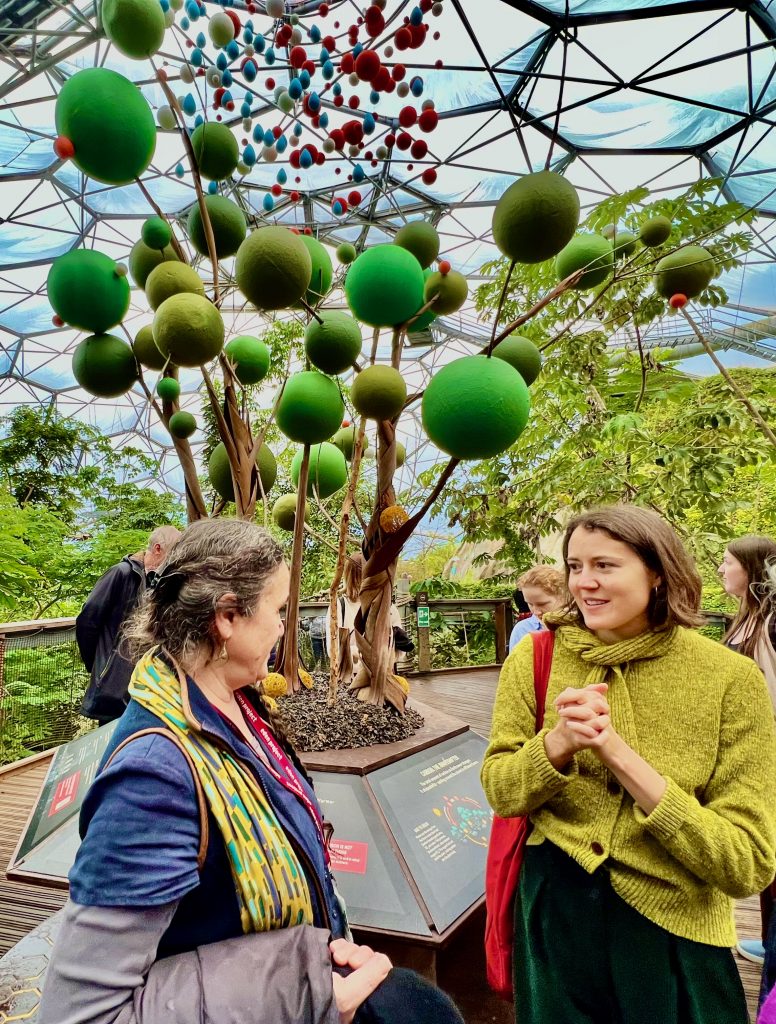
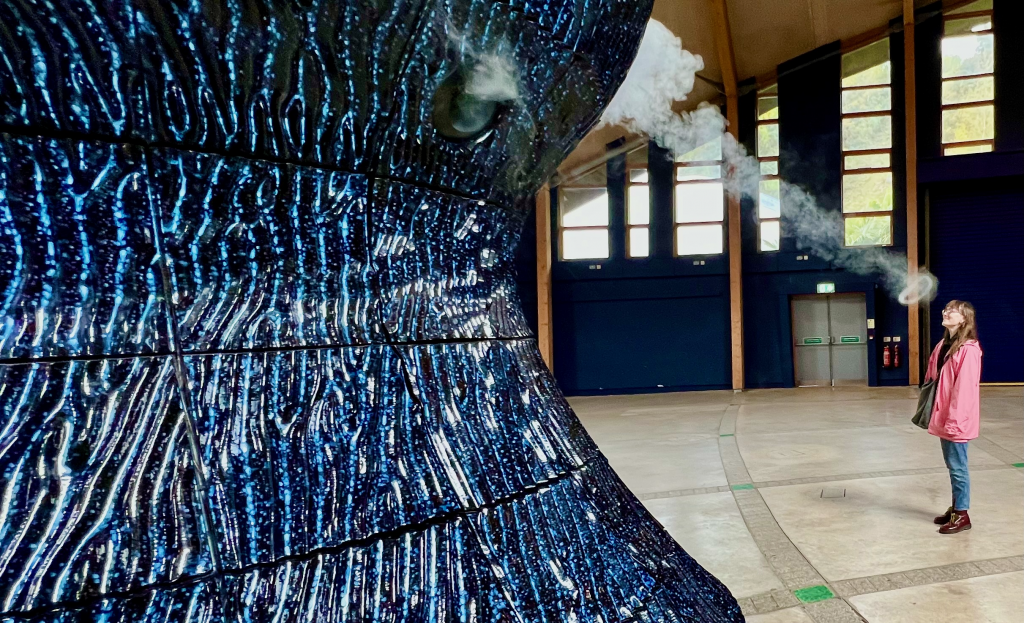
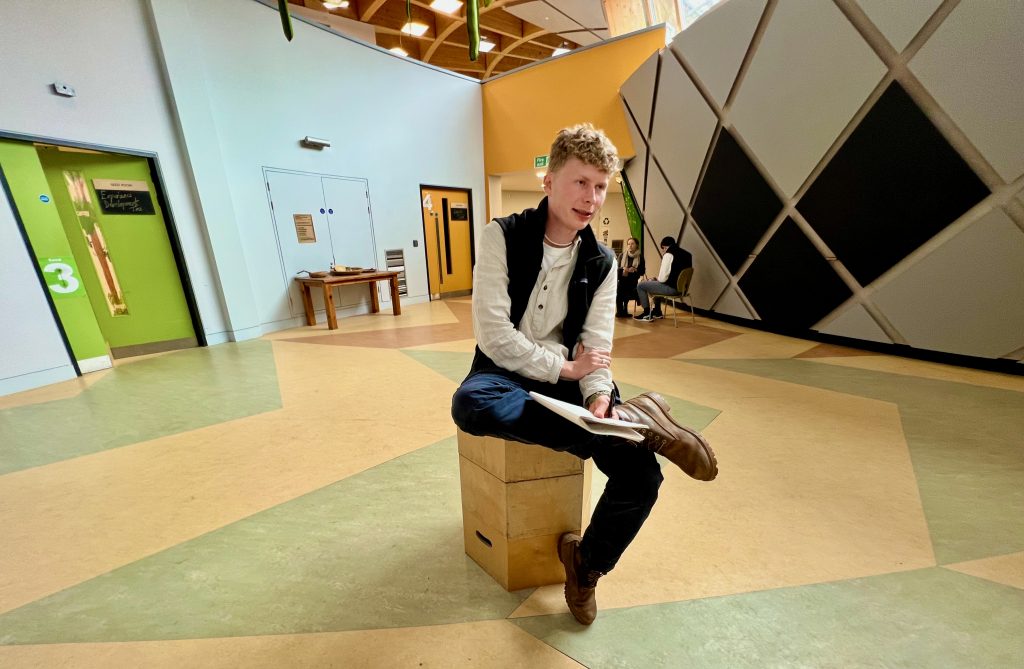
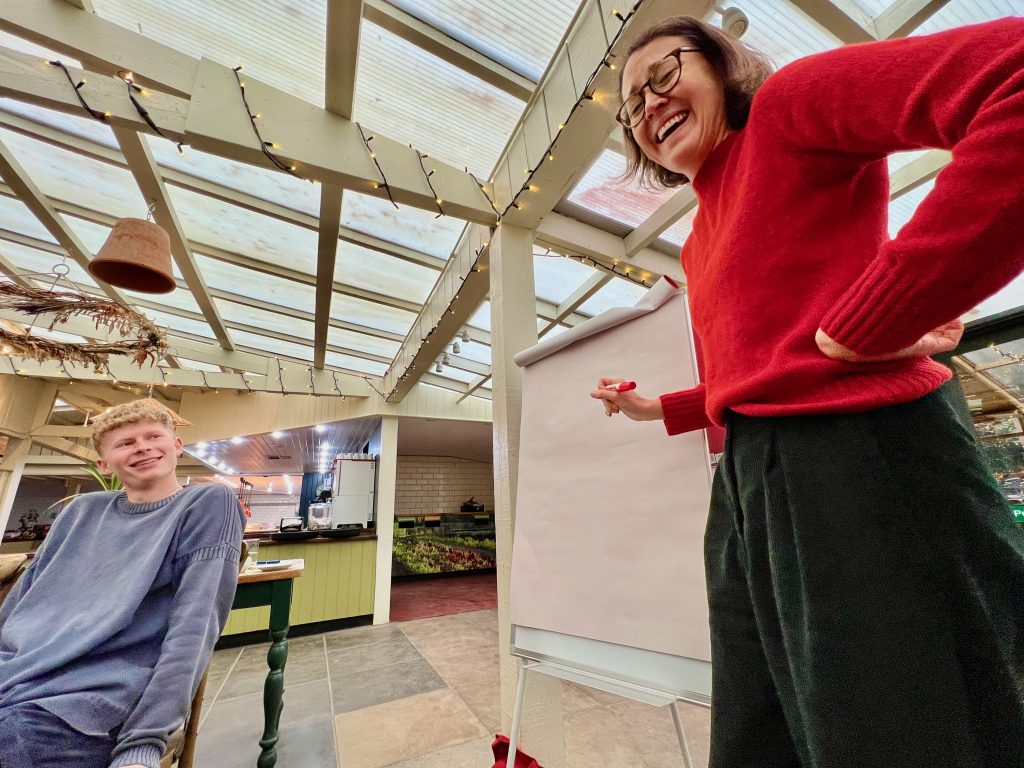
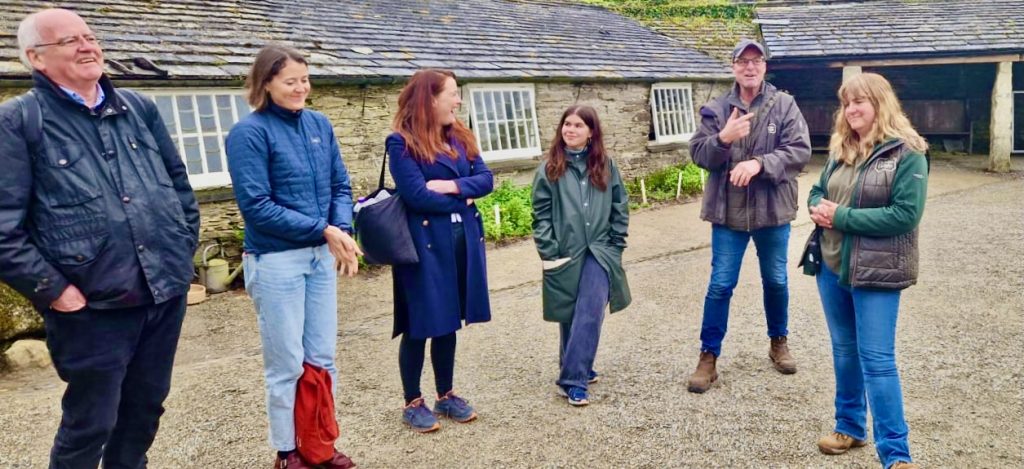
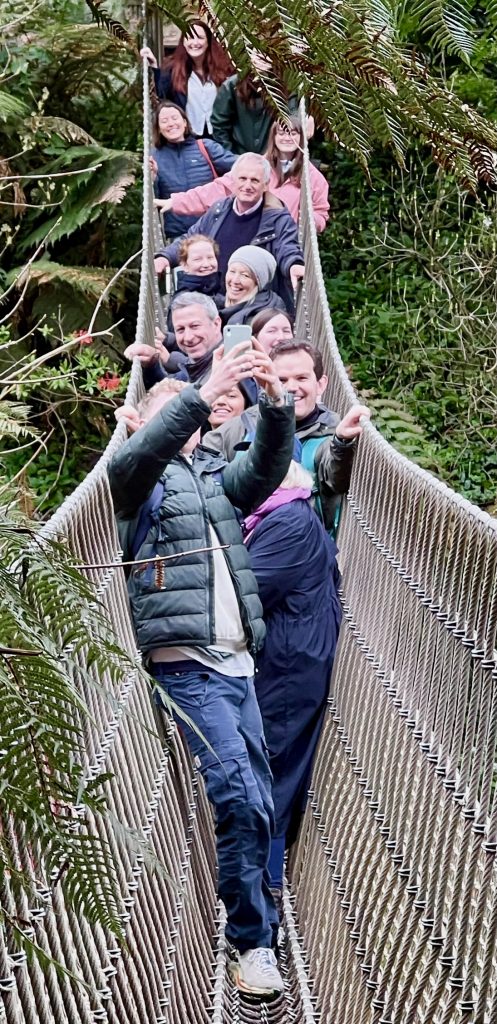
The Volans team clambered aboard two of (Sir) Tim Smit’s time machines this week: The Lost Gardens of Heligan beamed us back into a sustainable version of the past, while The Eden Project transported us into a version of a sustainable future.
Along the way, I found myself pondering what the plural of Tardis might be – linking out to the time machine in the long-running Dr Who TV series. Tardises? Tardes? Tardis? Whatever it may be, these extraordinary places helped put us all in a more elastic timeframe, and reminded us how some people can turn the apparently impossible into the possible and then the inevitable.
And, like Tardis, which is unimaginably bigger on the inside than seems physically possible when the converted police callbox is viewed from the outside, both Eden and Heligan serve as portals to much wider worlds of possibility than you would suspect when viewing their mapped areas.
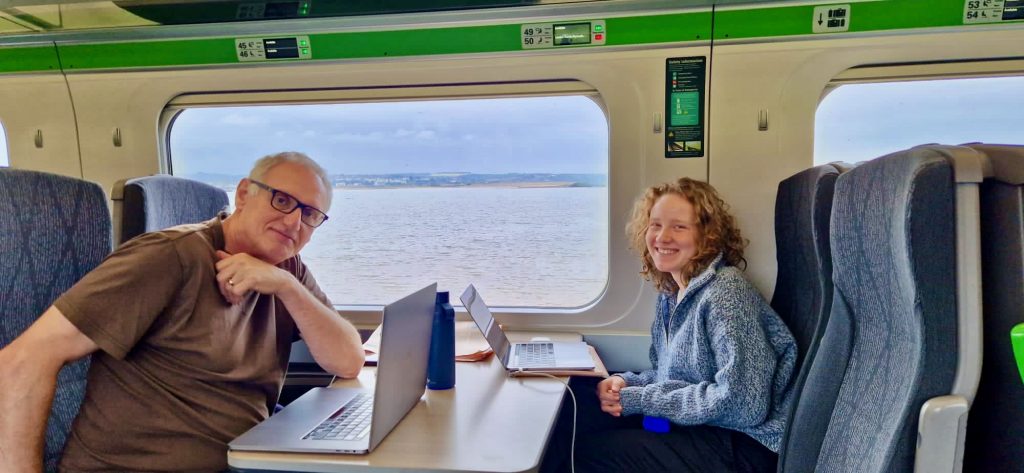
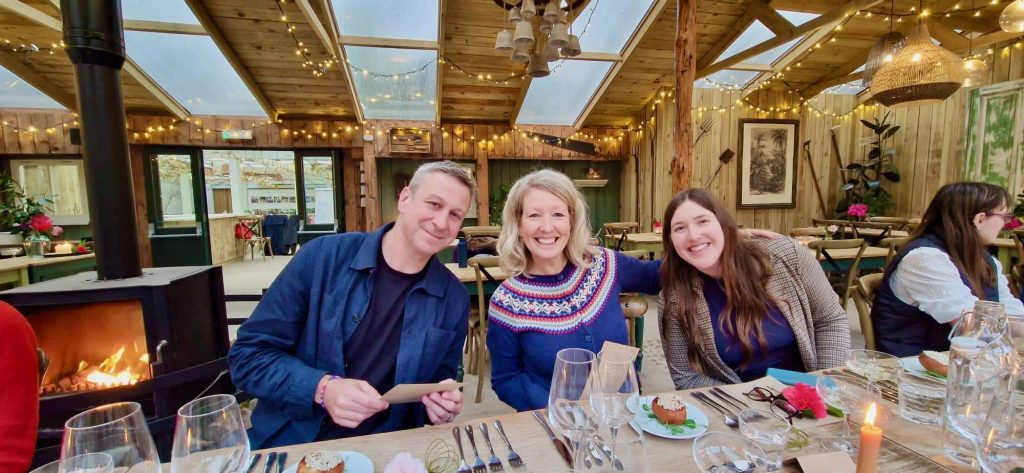
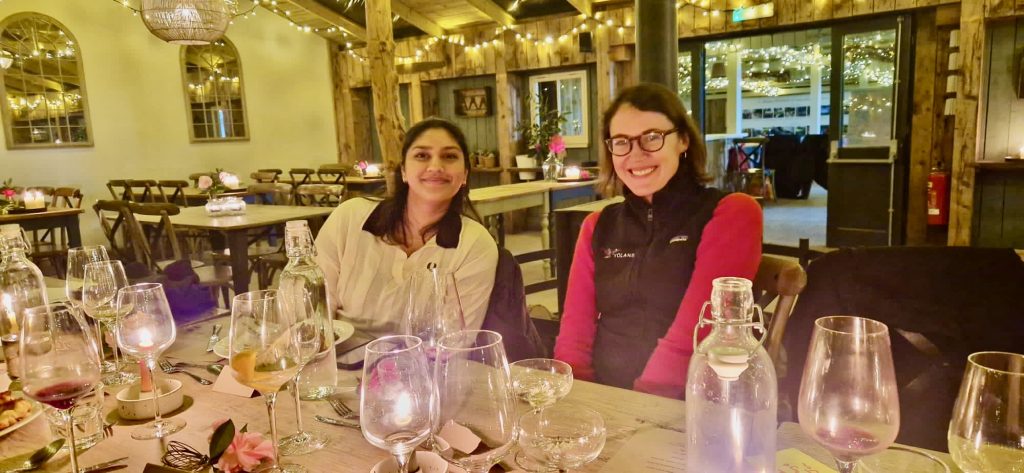
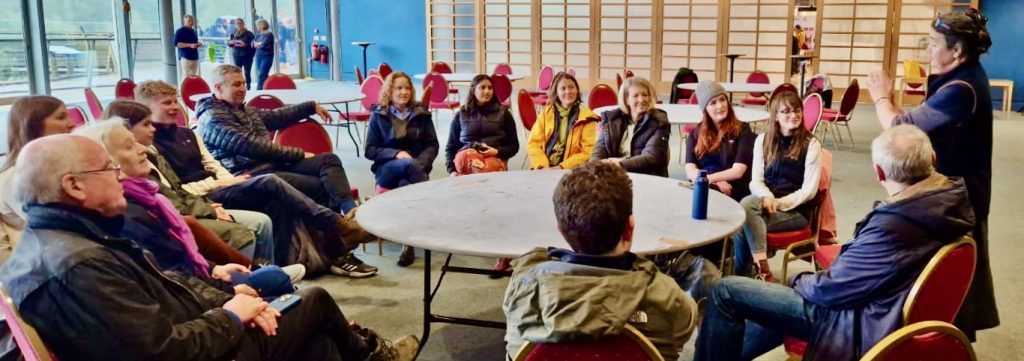
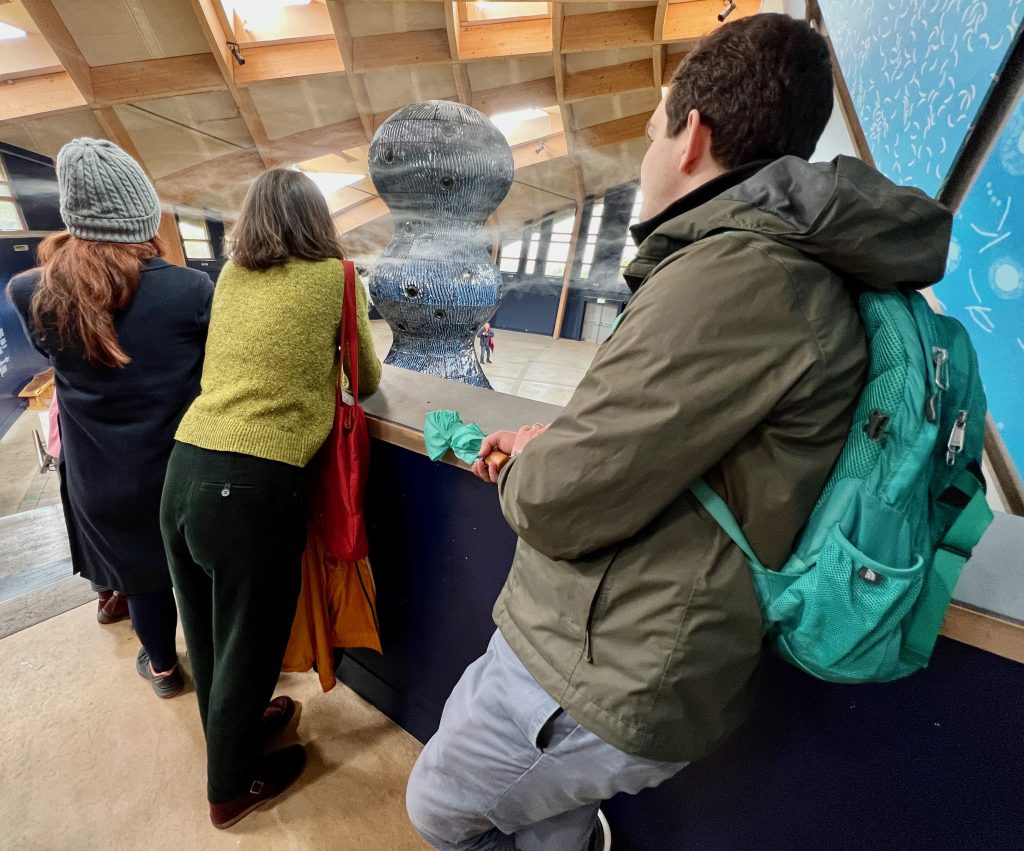
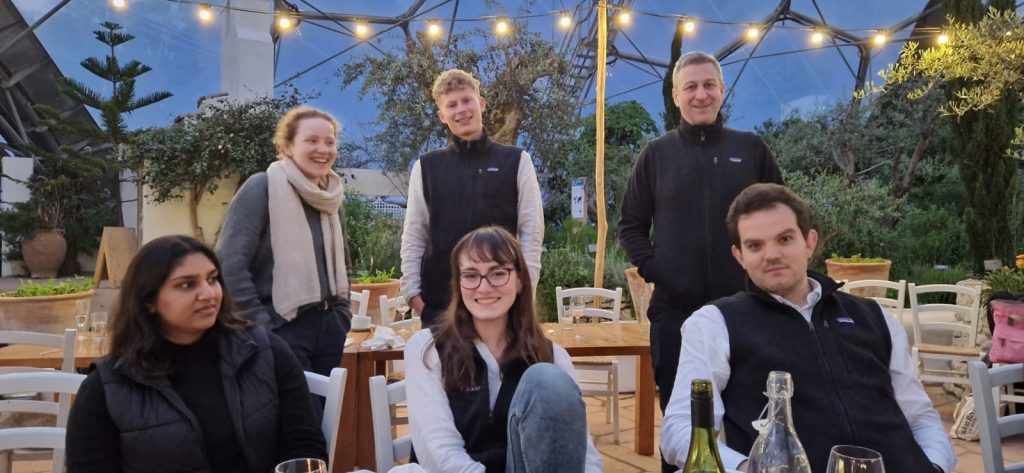
Ever since Louise, our CEO, took over the reins at Volans, we have put more effort into team-building, in all its forms. Or perhaps I should say she has. This week, the team (including Elaine) spent three days in Cornwall, being taken behind the looking glass at two wonderlands created by our friend (Sir) Tim Smit: Eden and Heligan.
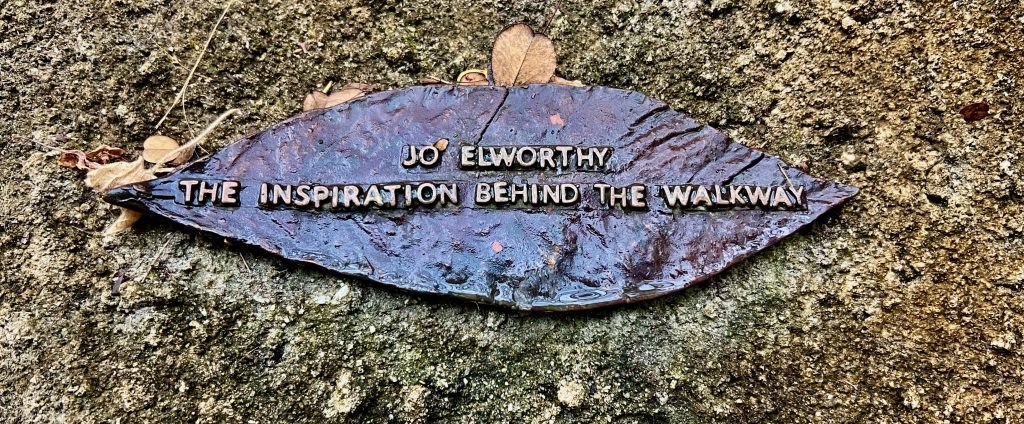
In addition to Tim, we were taken behind the scenes by the likes of Rob Chatwin (Eden’s CEO), Alexandra Dixon (Director of Special Projects, and now driving Eden’s Costa Rican expansion), Jo Elworthy (Director of Integration), Blair Parkin (leading the Pollination program that is co-evolving new Eden ventures in the UK and overseas), Charles Sainsbury (the man charged with ensuring that Eden walks the sustainability talk), and Ramón van der Verde (Heligan’s Managing Director).
We’ll see where all this takes us, but the adventure made me feel even keener to find innovative ways to converge our different worlds.
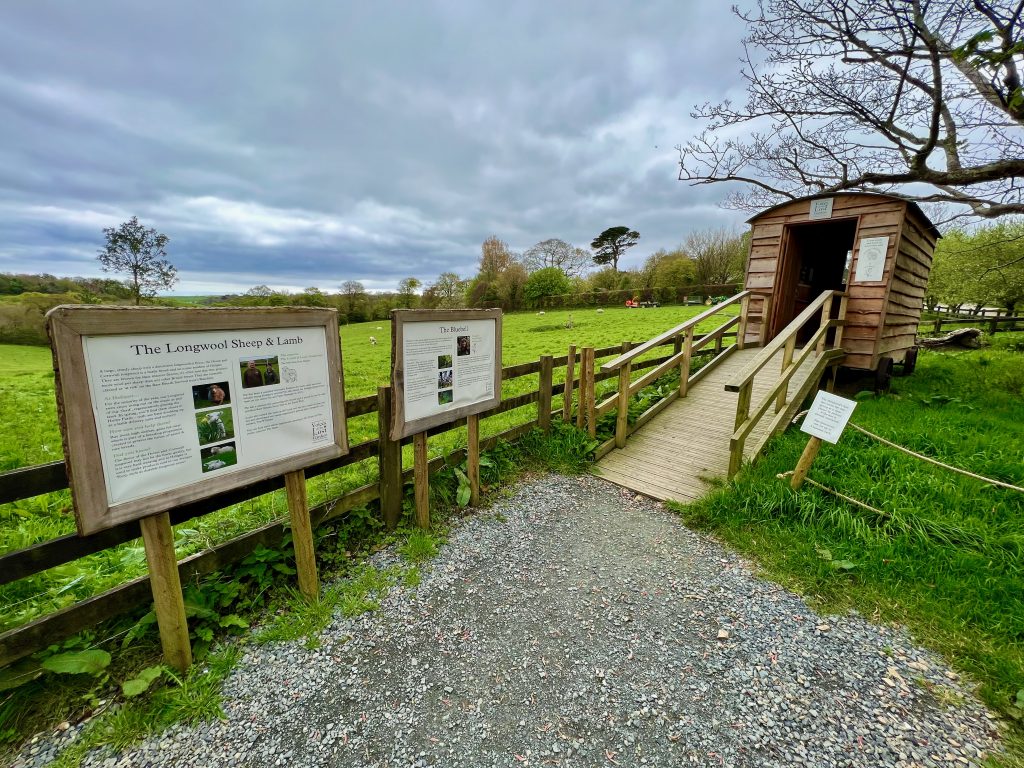
As a Chief Pollinator, I was also delighted to encounter evidence around Heligan of a couple of small ways I had nudged things along – via introducing Tim to Peter Byck, of Carbon Cowboys fame, and to Annabel Ross, who went on to co-create the Voices of the Lost Gardens exhibits, with wheeled shepherds’ huts used to immerse visitors in the life stories of a range of wild and farmed animals.





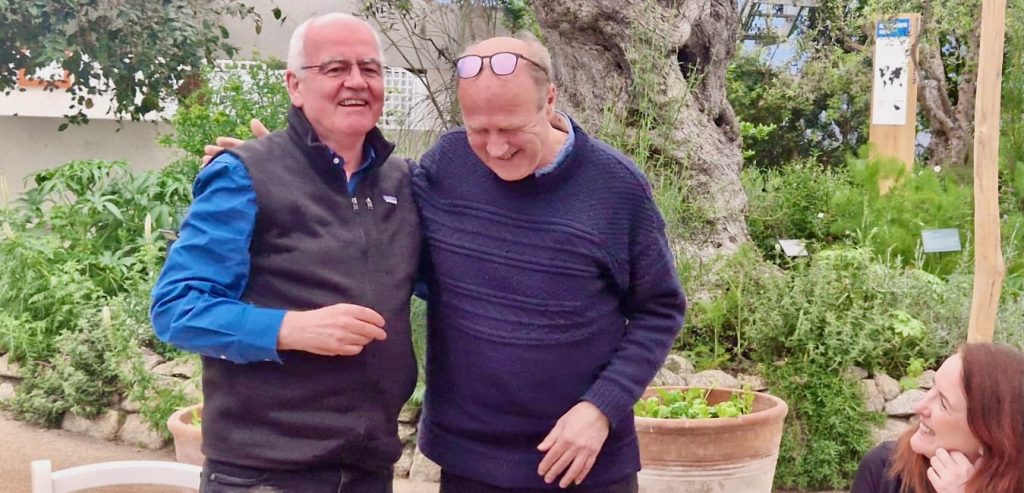
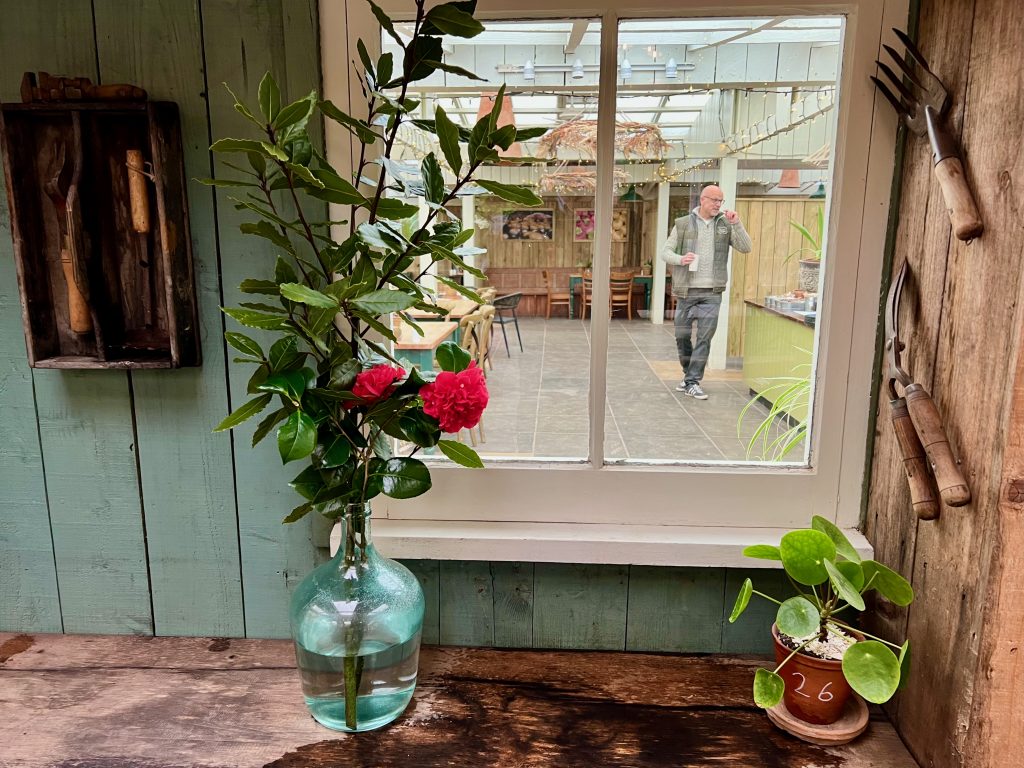
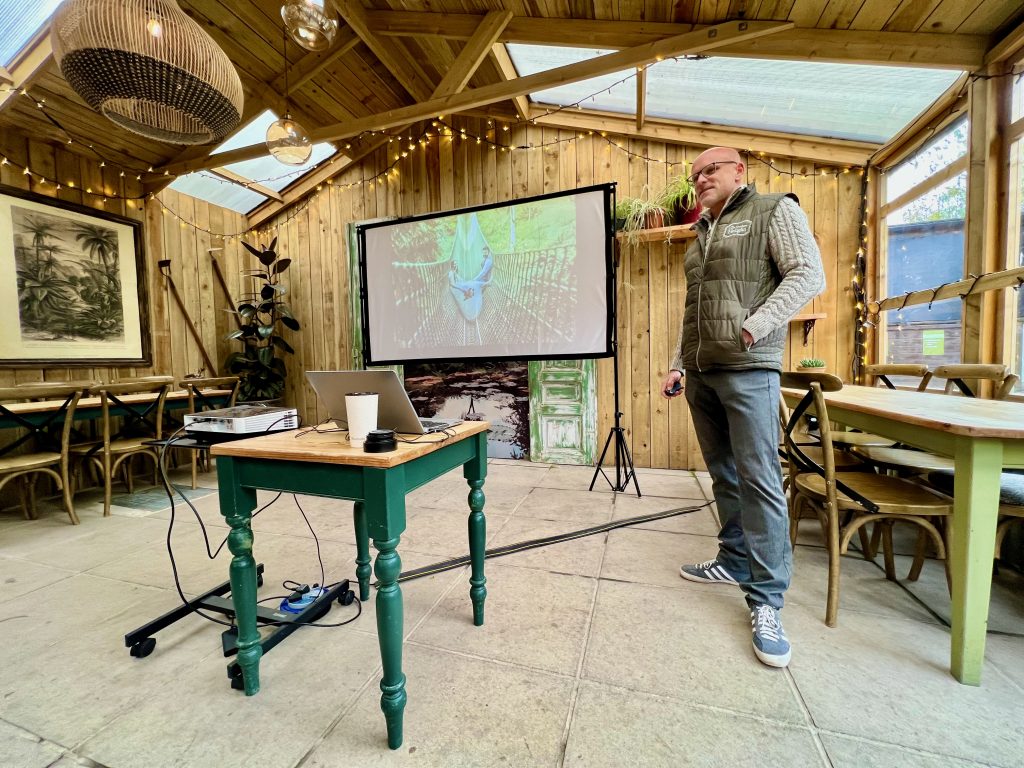


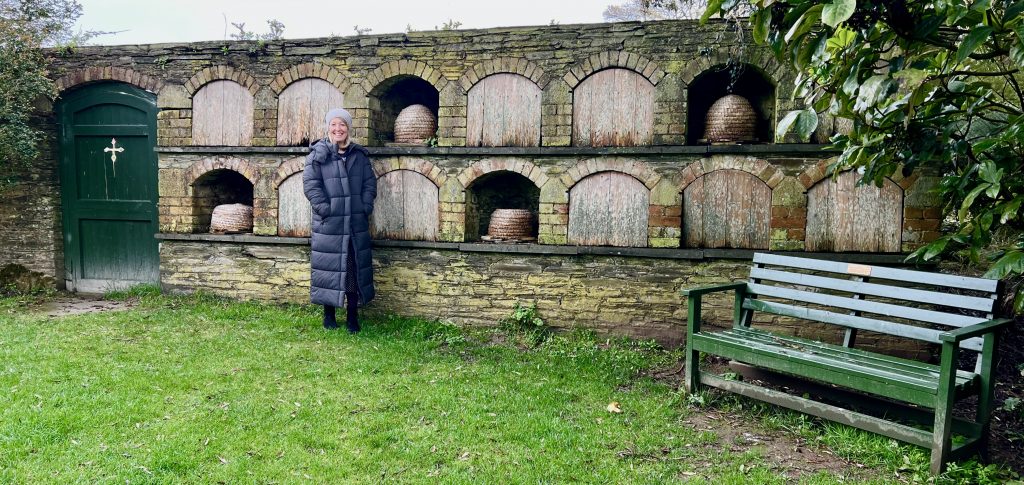





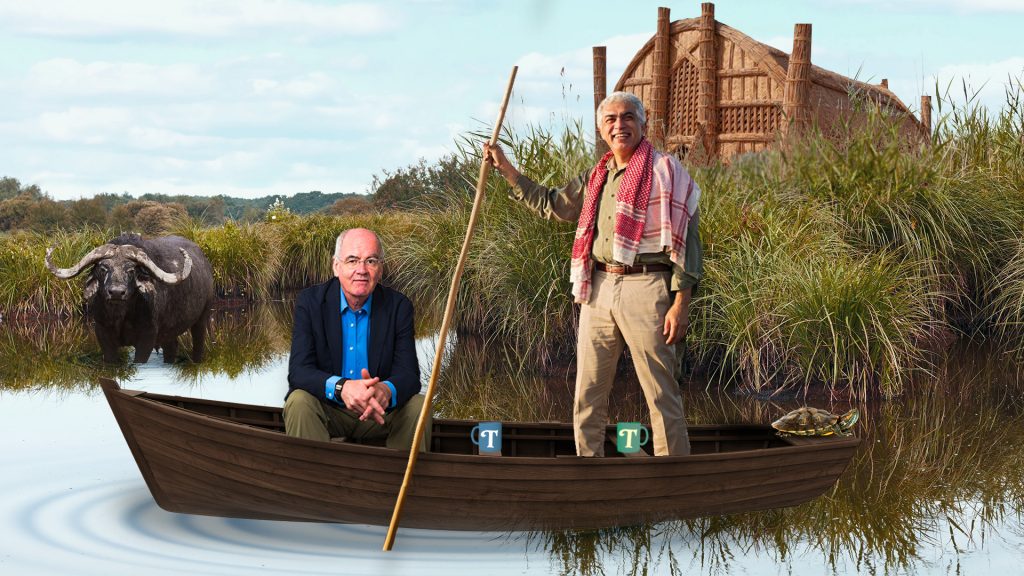
Delighted to see my interview with Dr Azzam Alwash of Nature Iraq appearing in @worldofTOPIA today: https://worldoftopia.com/john-elkington-nature-iraq-azzam-alwash-conversation/…. Stems from our Green Swans Observatory fact-finding process.
Another excision from Tickling Sharks is this sequence on my criminal career, and that of an uncle:
When we came back from Greece, I moved to London to be with Elaine, while she began to work with Oxford University Press, in Dover Street, in the former town house of the bishops of Ely.[i] Mention of the good bishops, gatekeepers to heaven and hell, reminds me that my life sometimes ran perilously close to the guard-rails of legality, and occasionally beyond.
When Elaine and I were hitchhiking back from seeing a former Swedish boyfriend of hers in Stockholm in 1969,[ii]we accidentally ended up in the Reeperbahn, the red-light area of Hamburg. Here we bumped into a short, owlish German, Peter Siemer, who became a friend. He turned out to be a dealer in ancient gold coins but had become too well known in the London auction houses. Whenever he arrived, the prices went up. So, I ended up bidding for specified lots for him, then travelling across to Hamburg with the coins, on ferries sailing to and from Harwich. No tax was paid, as far as I know, so already we were crossing the line.
Then I met a friend of Peter’s, Frank Stop, a towering student with long blond locks and a stubbly beard. A German Viking. At his suggestion, Frank and I began buying left-hand drive Volkswagens in Germany, after which I would ship them back to London and sell them through The Evening Standard, for around twice what we had paid. Most were bought by American students wanting wheels for road trips across Europe.
I recall one German count, from a well-known family, arriving and paying for a car for his son, in cash—and Elaine insisting we sleep on the loot until the banks opened in the morning.
On the subject of lawbreaking, maybe there are genes for smuggling? I learned from my mother, and her youngest brother Paul, that their brother Peter had been a ringleader in a smuggling racket after WW2. That said, Uncle Peter’s prior service in the Fleet Air Arm had not been without incident. On one occasion, he had steered a Harvard training aircraft into the station commander’s married quarters—and promptly been asked whose side he was on?
When the European war ended in 1945, Peter was back in the UK again, a qualified naval fighter pilot, still training for the final push in the Pacific. When the atomic bombs in Japan brought WW2 to an end, the founders of the gang—‘Pete’, ‘Gus’ (Adam Thomson, later founder of British Caledonian Airways), and ‘Hank’ (MacArthur)—were still together as chief petty officer pilots, kicking their heels until they were demobbed.
Wanting to earn more money, they set up their own air transport company, using old Walrus seaplanes, previously used in whaling operations. They smuggled in freely available and relatively cheap contraband from France: cognac, nylon stockings, perfume, branded cigarettes etc.—all scarce to the point of non-existence in post-war, poverty-stricken Britain. One flight ended close to total disaster when flying back from Caen they made their UK landfall in thick fog on the last few drops of fuel sputtering in the Auster’s single engine. (See High Risk by Sir Adam Thomson, Sedgwick & Jackson, 1990.)
Eventually the trio were forced to throw in the towel, selling the Walruses for their scrap value. Compared to such entrepreneurial exploits, ours were modest affairs. But I have often wondered about any genetic links between the appetite for entrepreneurial risk-taking and for pushing the law to—and sometimes beyond—the limits.
In the same spirit, something that I am not remotely proud of is that, like some other students at the time, I periodically stole books from bookshops. There was even a book at the time by counter-culture activist Abbie Hoffman called Steal This Book.[iii] But, really, there was no excuse. Inevitably, I was caught red-handed at a large London bookshop, charged, and fined £10 at the local magistrates’ court. Asked why I had done it, I replied that I had never done it before (not true), didn’t know why I had done it (though I did, and in retrospect books had become—and remain—something of a mania) and would never do it again (at least I didn’t lie there).
Meanwhile, by her own account, Elaine ‘cooked and cleaned and bottle washed at our flat in Ebury Street for John, his brother Gray and a huge number of visitors who often stayed, some for extended periods.’* One of the latter was someone we had grown up alongside in the Cotswolds, who came to stay after being released from prison in Austria.
He had been in Iran for some time, eventually driving homeward in a car packed with cannabis. He had been arrested after he ran out of money to pay for petrol and tried to sell drugs to a plain-clothes policeman at Vienna’s central railway station. Sentenced to twelve years in prison, he had spent much of his time playing chess with the governor, only getting out because his father, an international judge, had pulled strings—though he cut off his son from that day forward.
Among his guests when he stayed with us was a mother and sometimes also her daughter. He had been sleeping with both, though I’m not sure either knew that. I had just returned from Germany and had brought back a bottle of whisky from duty free, something we usually never had in the flat. The mother arrived and polished off the whole bottle in a single sitting. Anaesthetic, perhaps?
* Crucial to that period were John Bennett and Charles Logan, more than twice our age and living around the corner in Eaton Square. Our ground flat at 91 Ebury Street flat was theirs. Gloriously gay, in Noel Coward fashion, they had picked up Gray when he was hitchhiking to Oxford—and, in hindsight offered us the flat in the hope that he would play the piano with John in the basement flat at Ebury Street. He did—and we reaped the rewards, until the 99-year lease ran out. The flat came with a wonderful little garden.
[i] The story of Elaine’s working life from 1968 to 1977 can be found here, https://elaineelkington.com/biography
[ii] I’m not sure I had thought very much about Scandinavia before that, except via the Vikings and the adventures and writing of Thor Heyerdahl, a huge inspiration—who I later heard speak at London’s Royal Geographic Society.
[iii] https://en.wikipedia.org/wiki/Steal_This_Book