My take on the challenges of being a green thought leader can be found here, thanks to GreenBiz. This latest Elkington Report column explains why I have found the work of Chicago economist David Galenson so reassuring over the years.
Journal
The Dope On Amsterdam


Flew to Amsterdam on 1 September with Elaine, and took our neighbour Faye Hahlo out to supper at De Bolhoed. After a beer at an open air bar by the canal. She is just starting her second year at the University of Amsterdam.
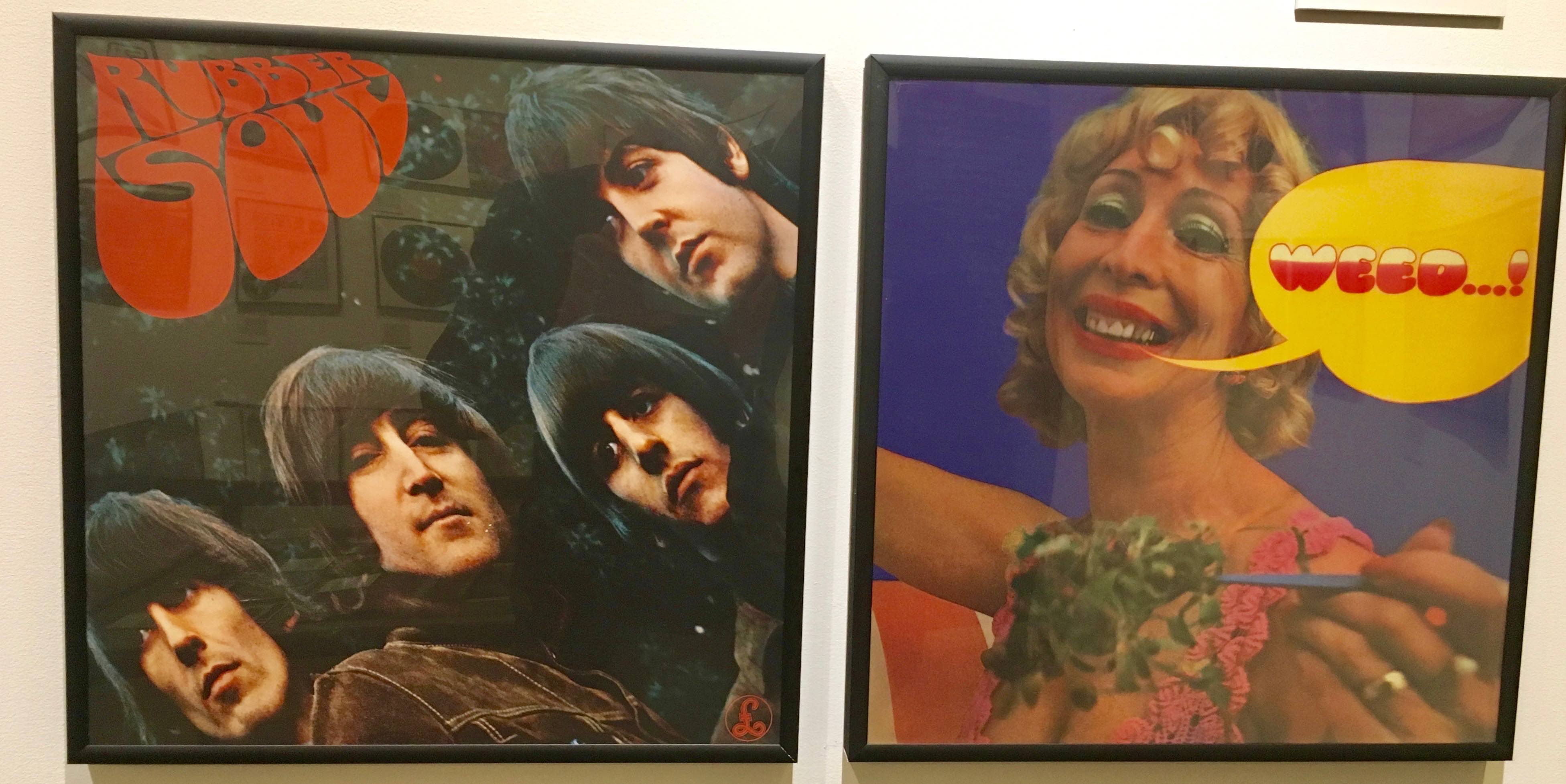
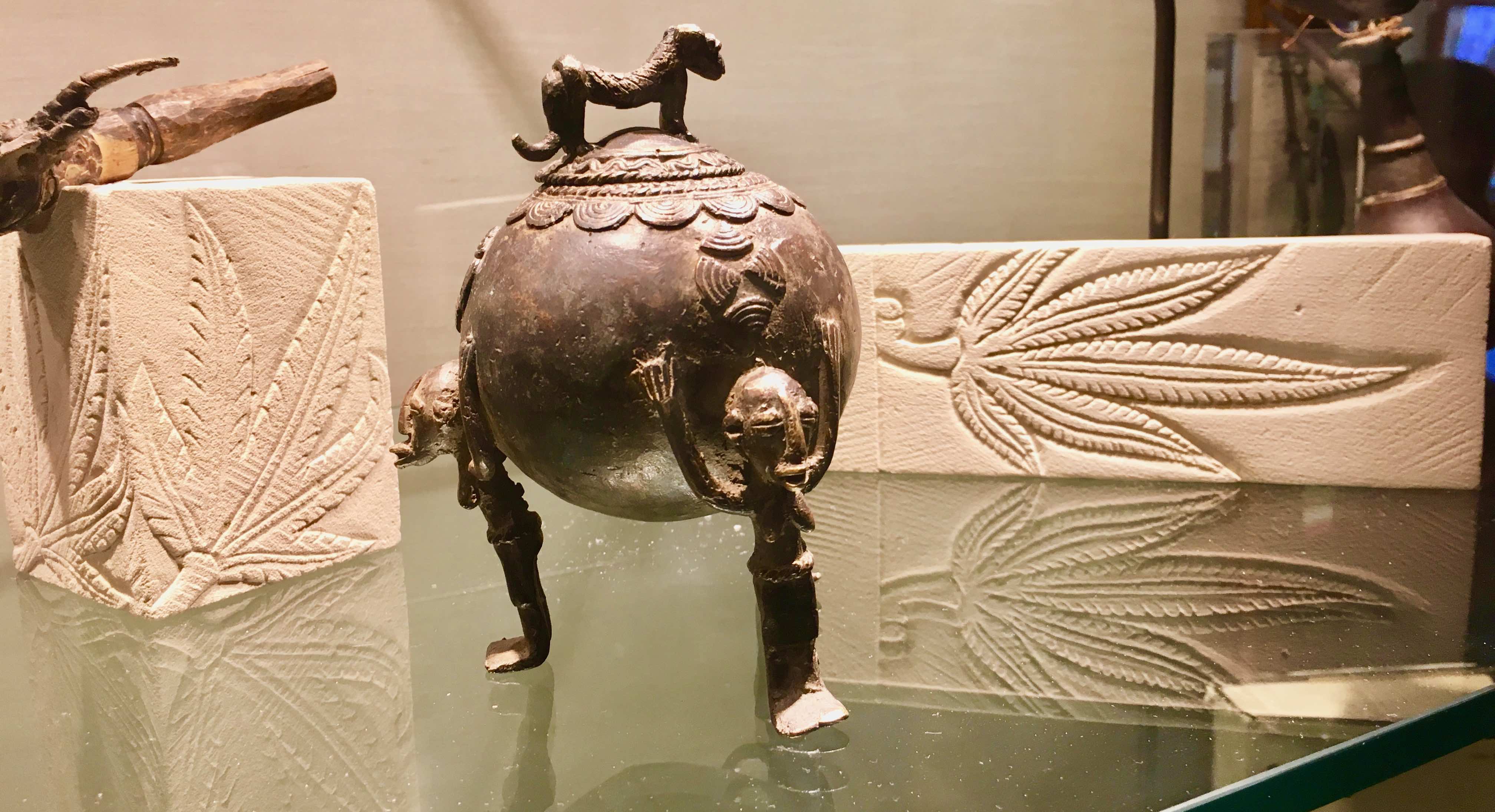
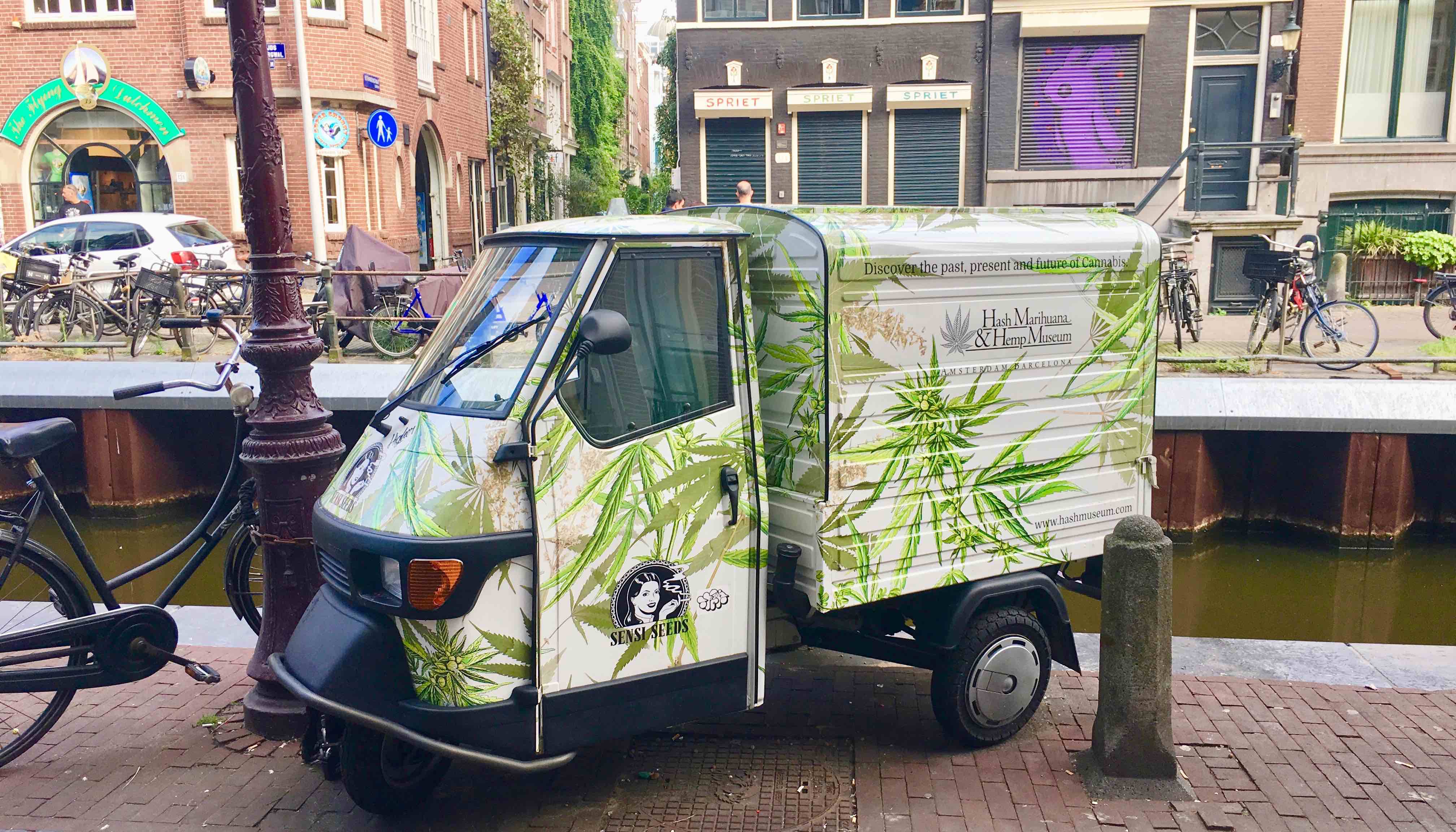
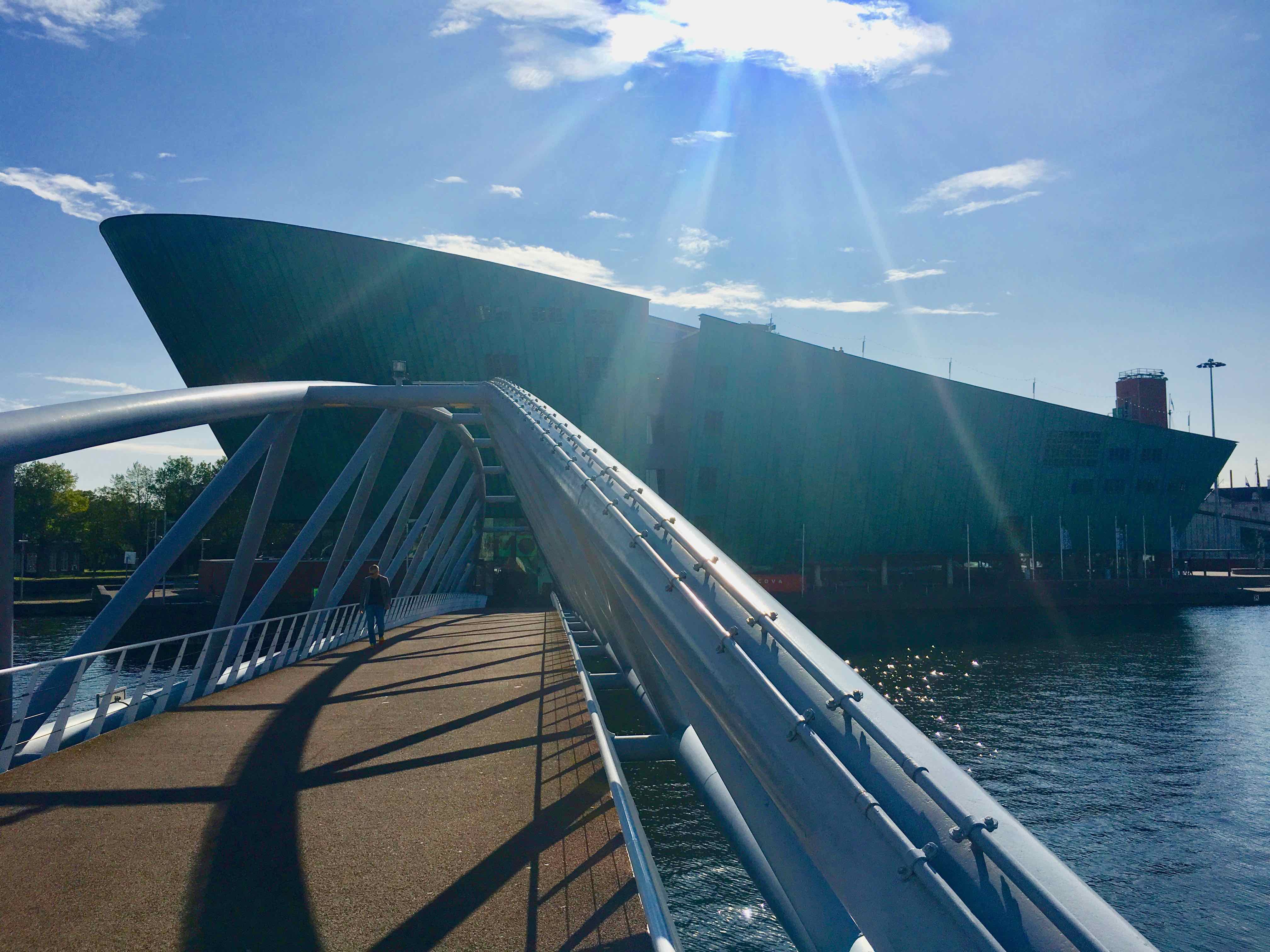
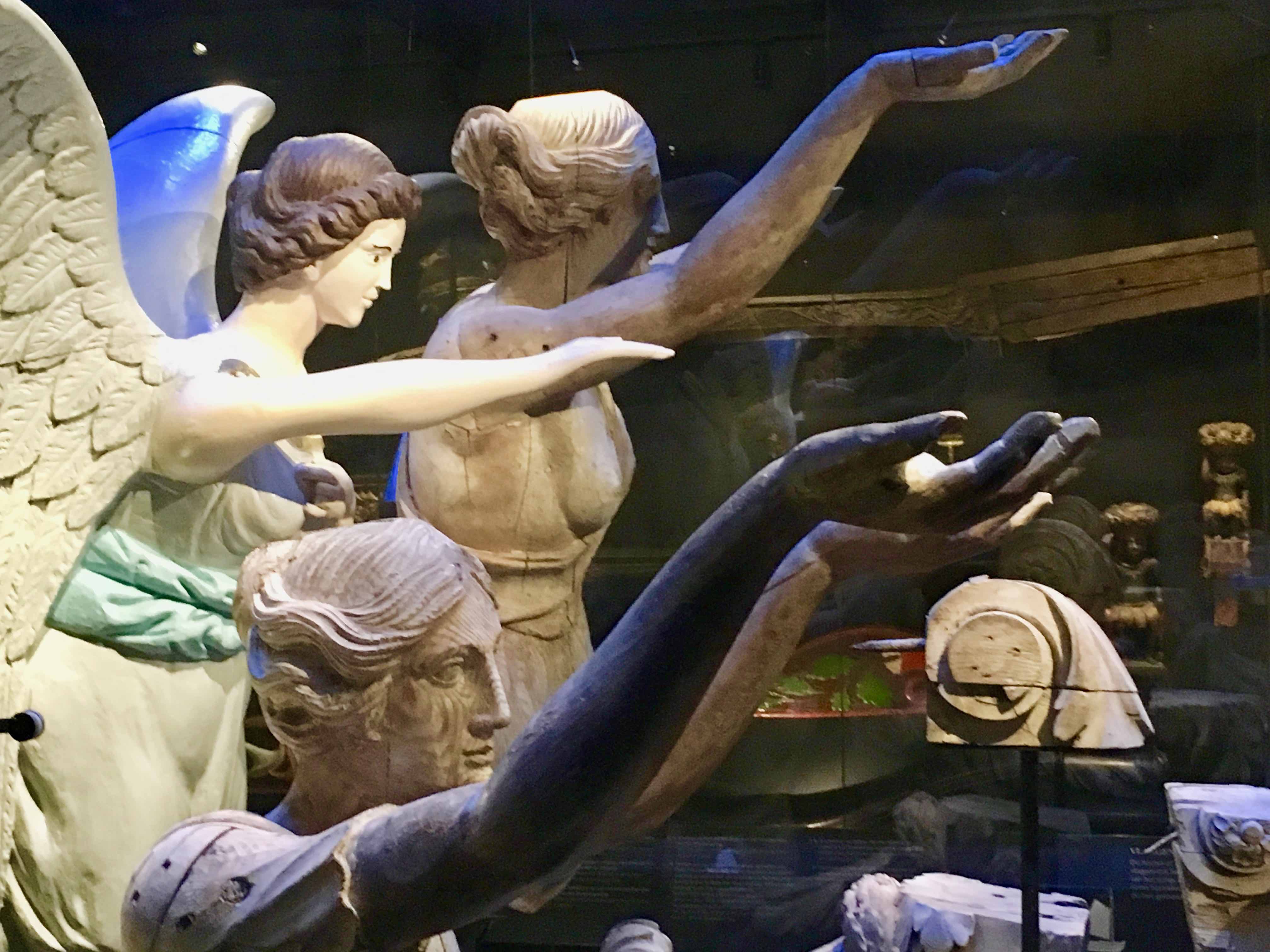
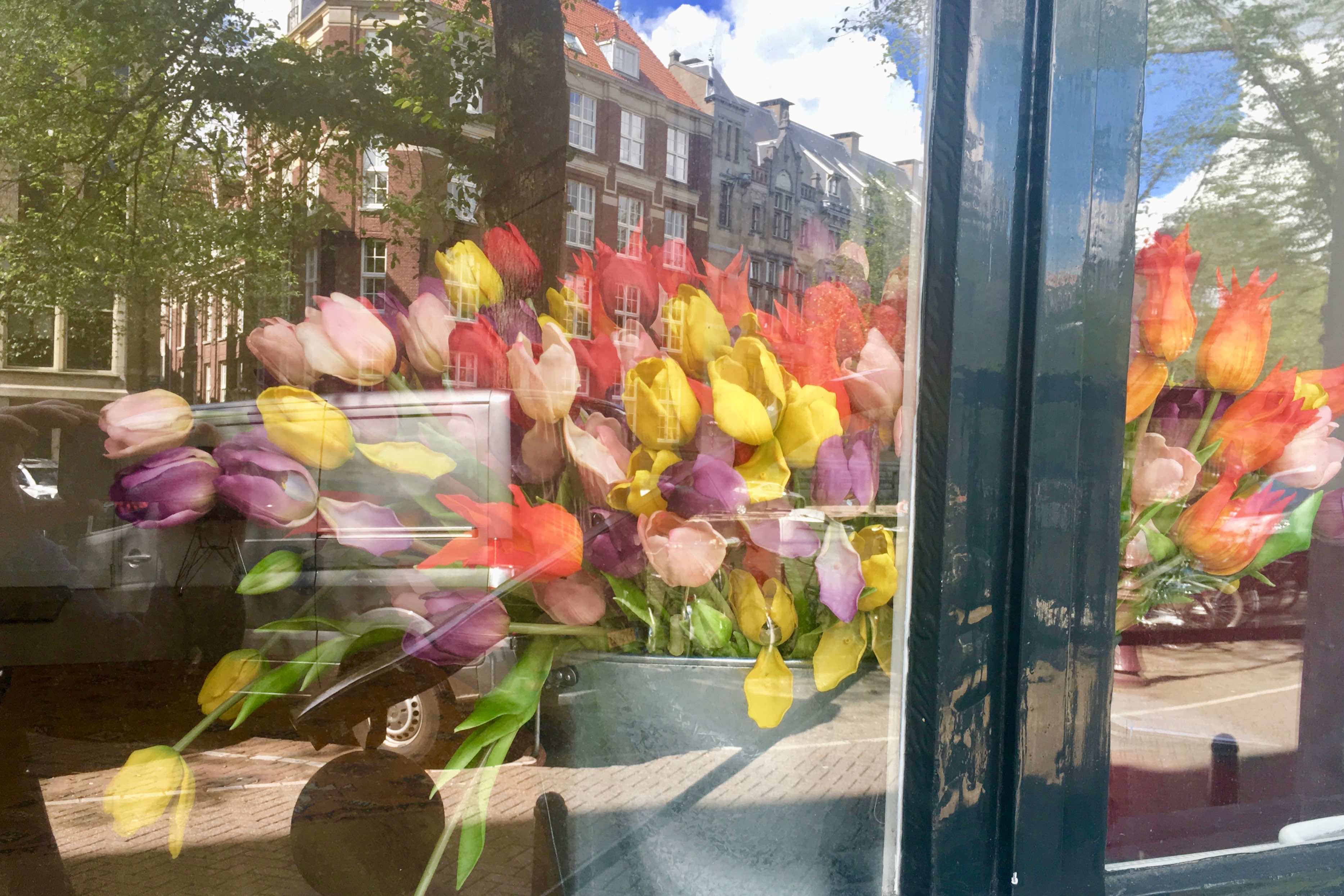
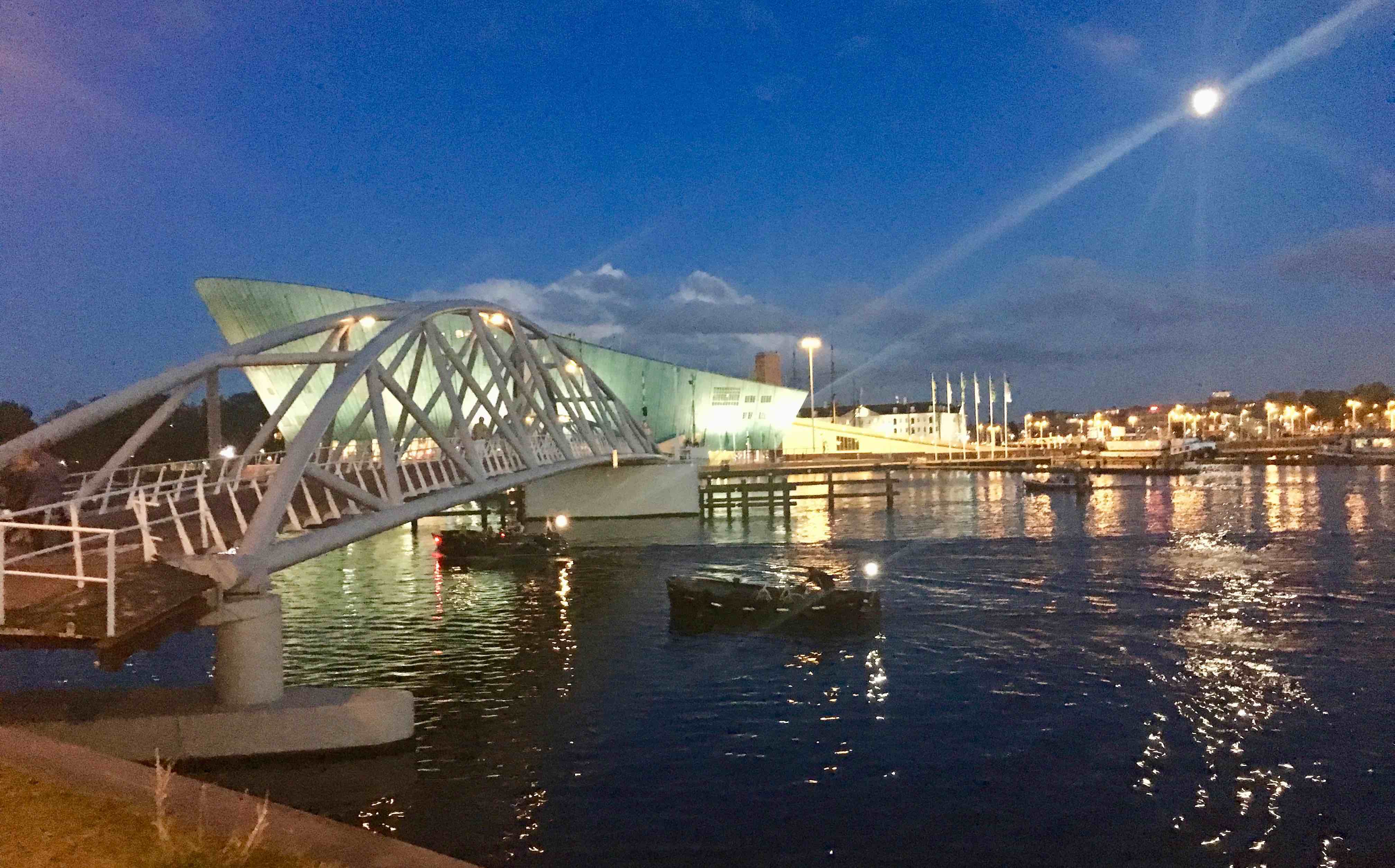
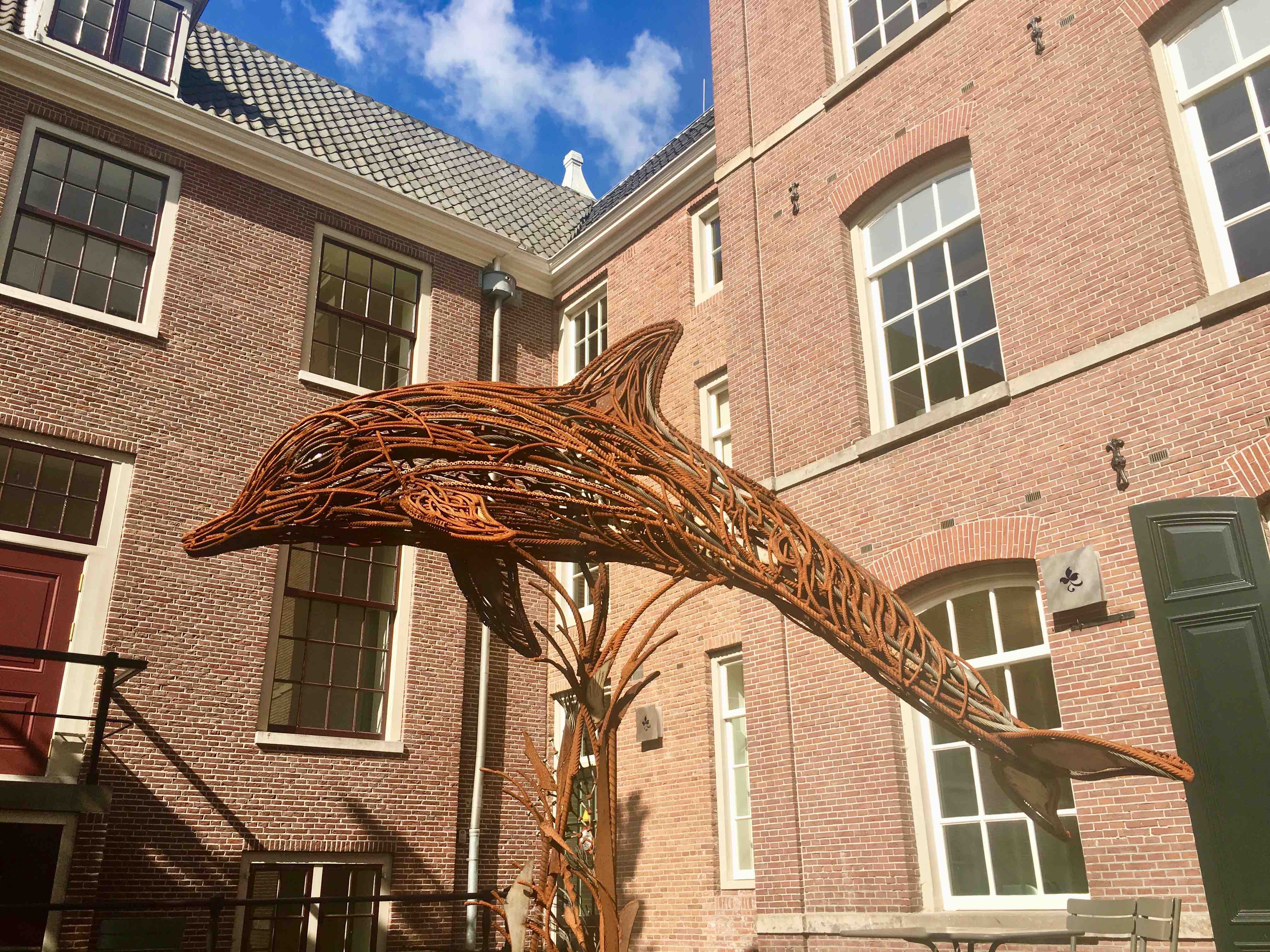
Over the following days, we visited a slew of museums, including NEMO, where we went up to the roof bar one evening to watch the sun set; the Hash, Marijuana & Hemp Museum (where I spotted a model of a hemp-canvas-covered Conestoga wagon, of the type that part of our family took the “Great American Desert” in the middle of the 19th century); the Tulip Museum; and The Hermitage, where we bought a crystal ball, to help me connect tomorrow’s dots.
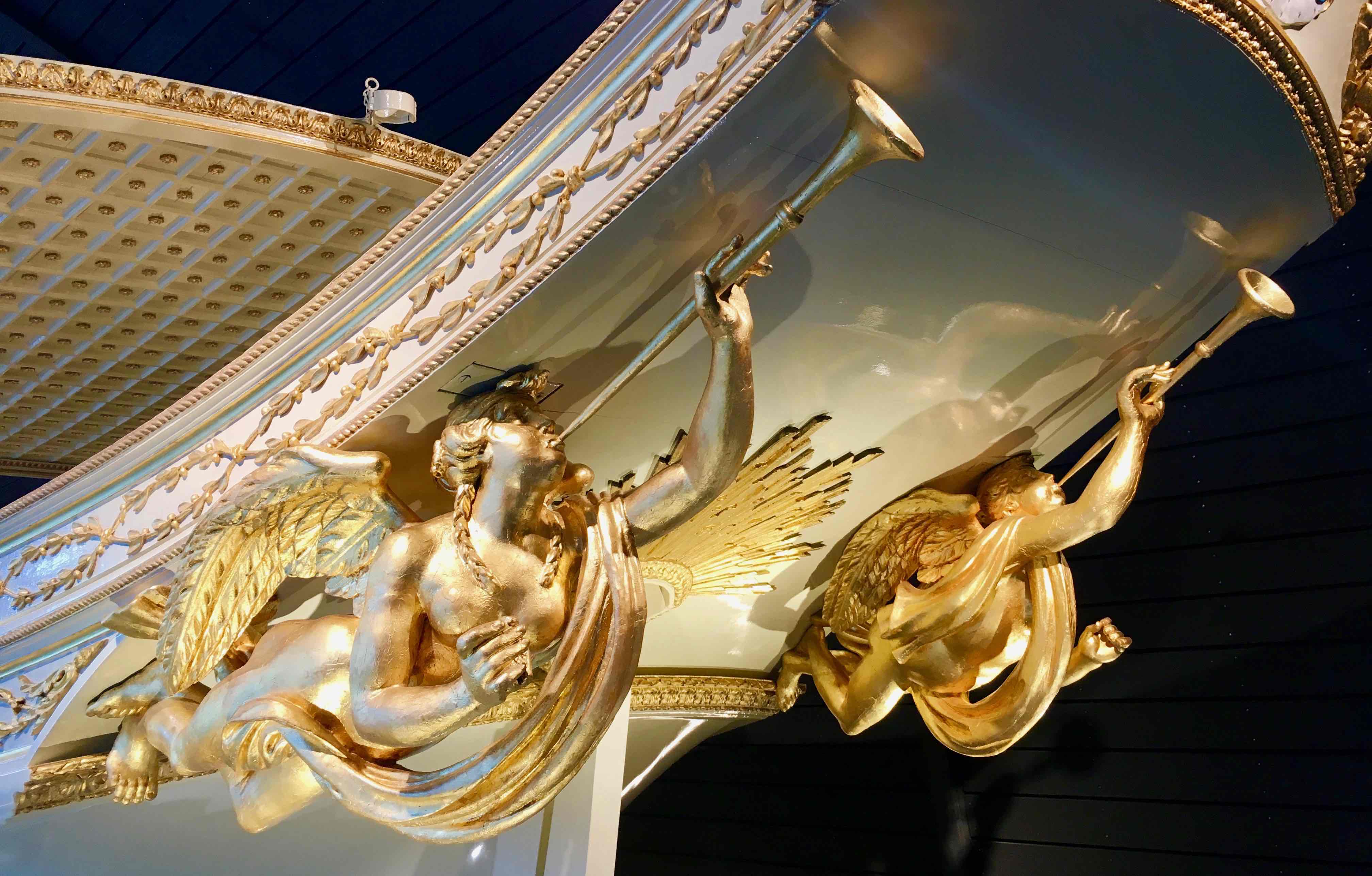
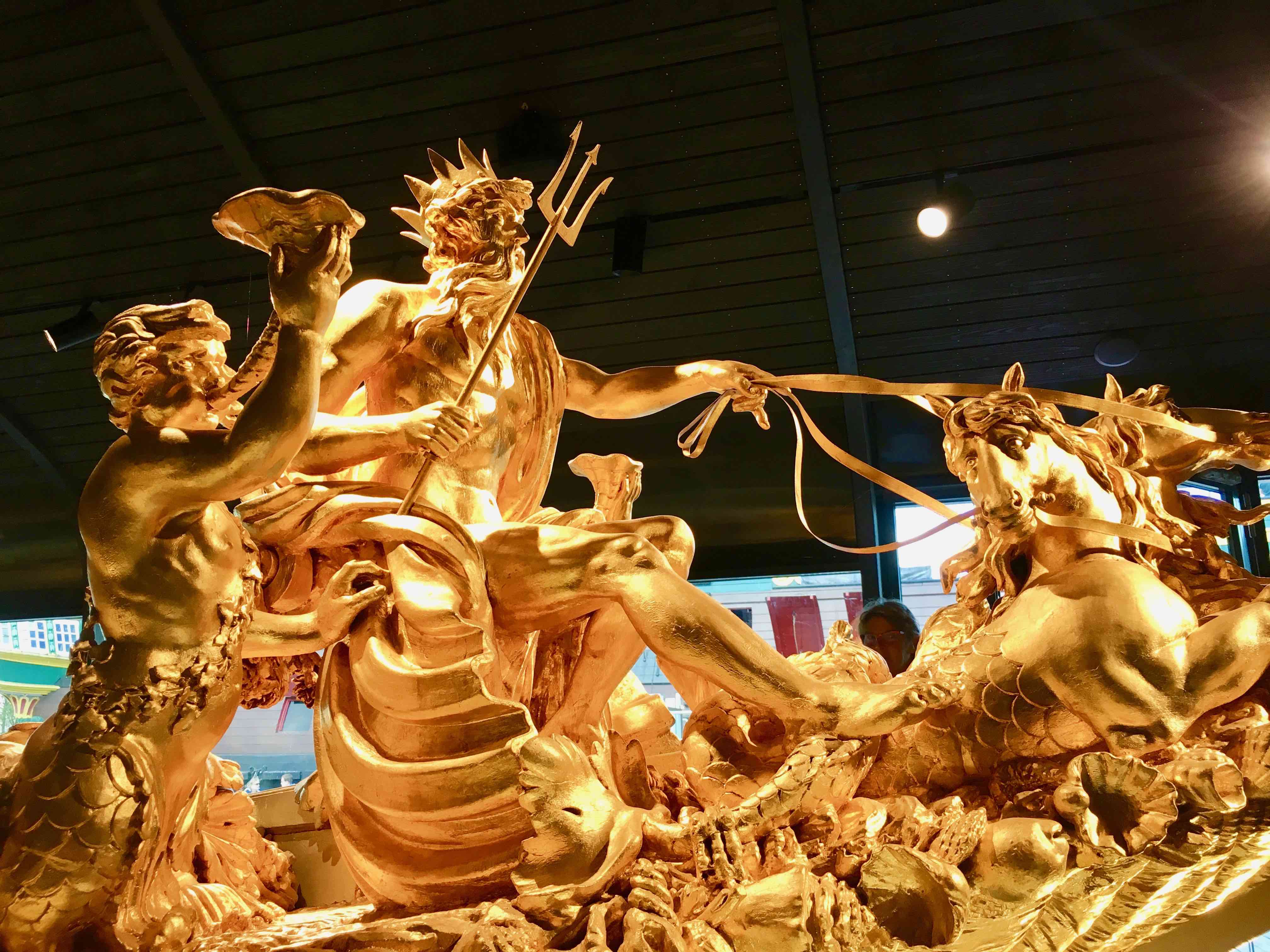
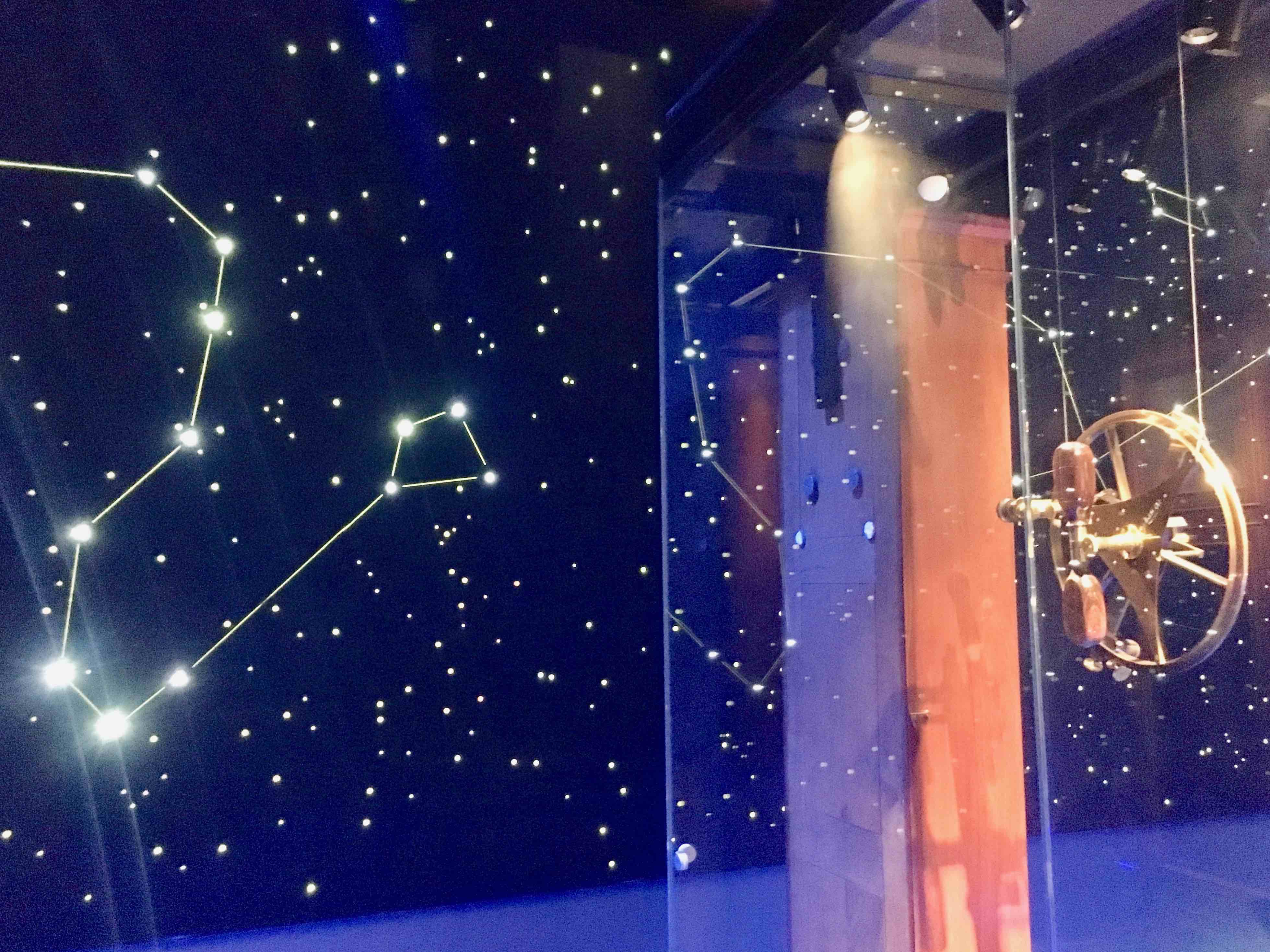
But probably the highlight was the National Maritime Museum, with its replica of the East Indiaman Amsterdam and a stunning exhibition of navigational instruments and technology.
Spent a wonderful afternoon and evening with Thomas Rau, Sabine Oberhuber and their family, which began with my swarming up into their children’s tree house. And included dinner within the extraordinary fortifications of Naarden.
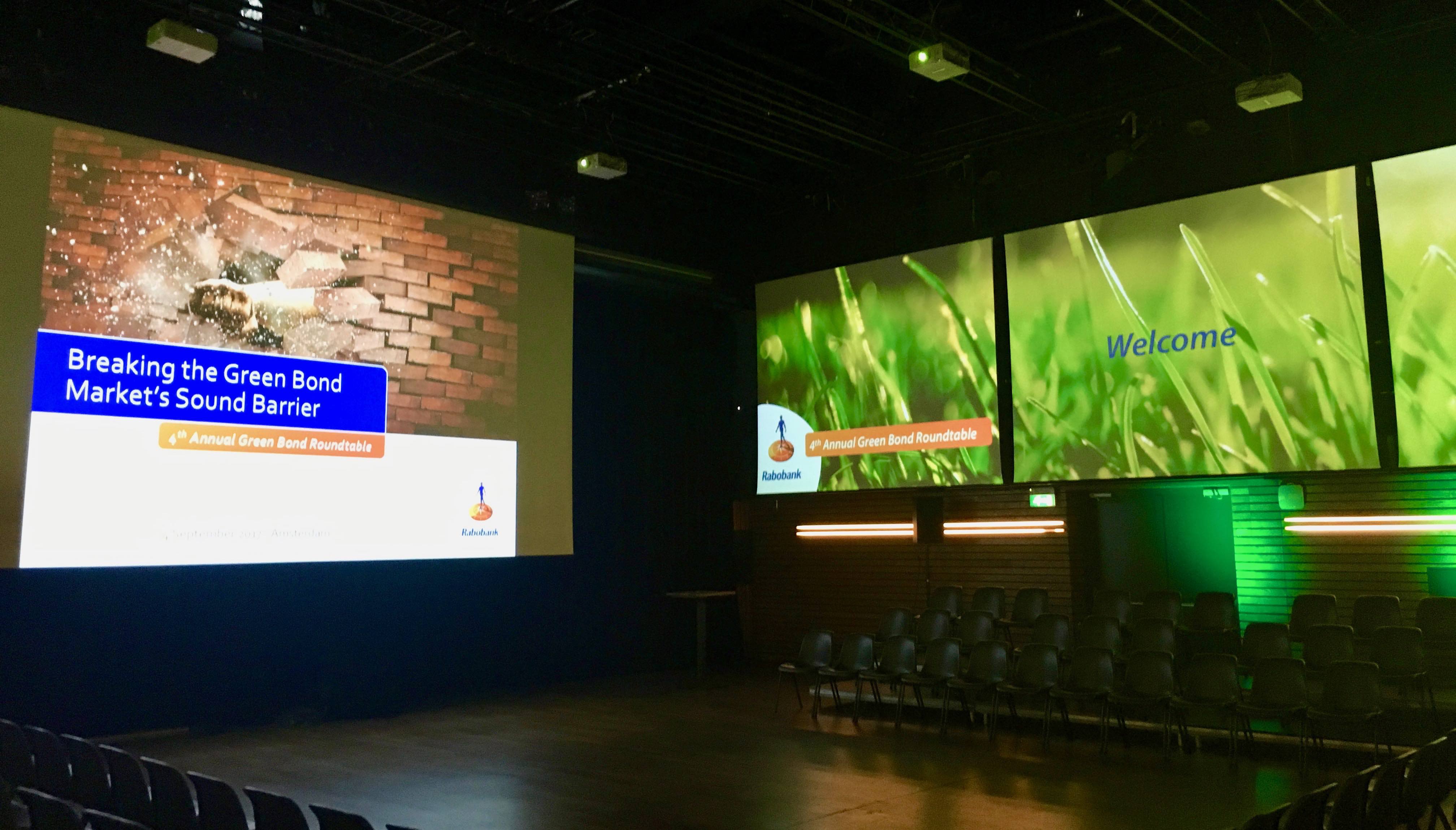
Then the work side switched in, with a keynote to the Fourth Annual Green Bond Roundtable, hosted by Rabobank. As I was preparing for this, I remembered going with Gaia to Amsterdam back in 1998 to speak at Rabobank’s centennial conference. The roundtable worked out very well, with extremely positive feedback afterwards.
Then, on Tuesday, Richard (Roberts) and I took the train across to Eindhoven to see Harry Verhaar of Philips Lighting. Thomas and Sabine had played a significant role in the company’s evolution of their ‘lighting as a service‘ business model.
Sardine-like packing of train for part of trip back, but then we got a seat. And there were moments, as when the customs people insisted in unpacking and investigating the crystal ball, when I wished we had left it back at The Hermitage, but maybe it will crystallise a new era in our thinking about the future?
The Green Capitalists In (Probably) The World’s Loveliest Top Shelf

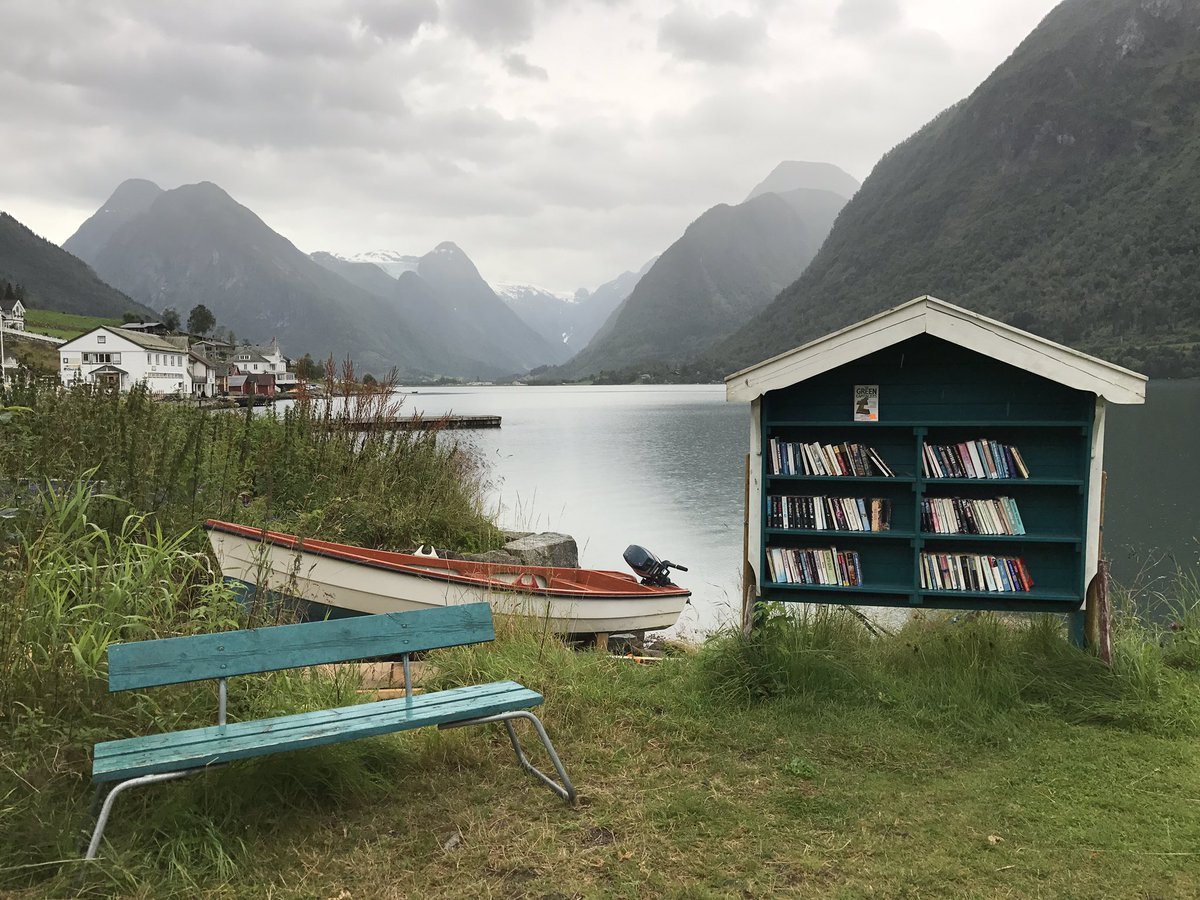
A fascinating tweet today from Andy Wales, former Global Head of Sustainability at SABMiller, which read: “Hey @volansjohn – on hols in Fjaerland Norway. Look what I found on the world’s most idyllic top shelf!” If you zero in on the top shelf, there is a copy of the paperback version of my 1987 book The Green Capitalists.
Is Human Sperm Headed Towards Extinction?
One of the questions I have often asked myself is whether I want to be right – or to be effective in driving change? Too often, things that I was talking about as risks decades back now prove to be emergent realities – like the story covered today in The Observer.
“it’s official: men’s sperm count is falling rapidly. Now scientists must tell us why.” That’s how the paper headlines Robin McKie’s article. And, sadly, this is an area I covered extensively way back in 1985 in my book for Viking/Penguin/Pelican, The Poisoned Womb: Human Reproduction in a Polluted World.
That was the book that poet Ted Hughes sent to Margaret Thatcher when she was Prime Minister – and then wrote a poem about in his role as Poet Laureate. I could call that impact, but here we are with evidence that sperm counts in men in the West have more than halved in the past 40 years – and are continuing to fall at around 1.5% a year.
Orri Vigfússon: Green Capitalist

Orri Vigfússon said that he was “a new kind of environmentalist. I don’t take the moral high road.” Instead, as his obituary in The Times on 29 July noted, he described himself as a “green capitalist”.
When I wrote The Green Capitalists, published 30 years ago in 1987, I had to cast around for people who truly fitted the label. Vigfússon, who I sadly never met, did – and in a number of dimensions. A key element of his work was to buy up fishing rights from trawler owners and others whose activities were leading to the possible extinction of the Atlantic salmon, the “King of Fish.”
Useful background on his career can be found here – while reactions to the news of his death can be found here.