
 Thais and I
  Char’s bump
 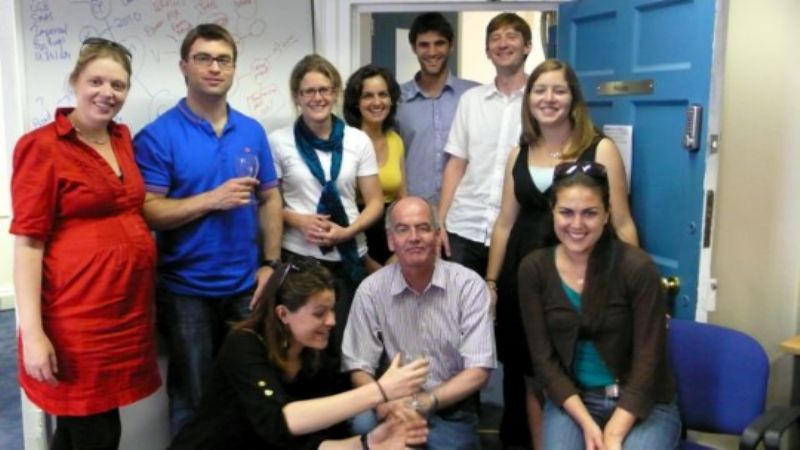 Group 1: Char, Sam, Alex, Amy, Thais, me, Rafael, Tim, Amanda, Erica
 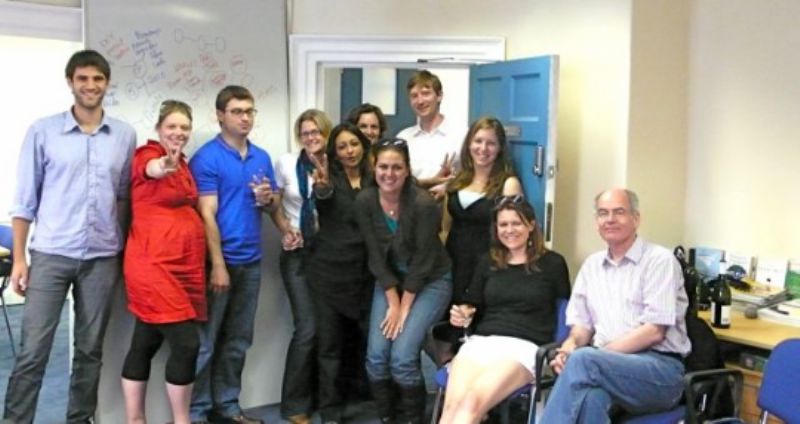 Group 2: Rafael, Char, Sam, Amy, Sam, Thais, Erica, Tim, Amanda, Alex, me
  Amanda, Sam, Erica, Char
  Tim, Amanda, Thais
  A bit of a blur
 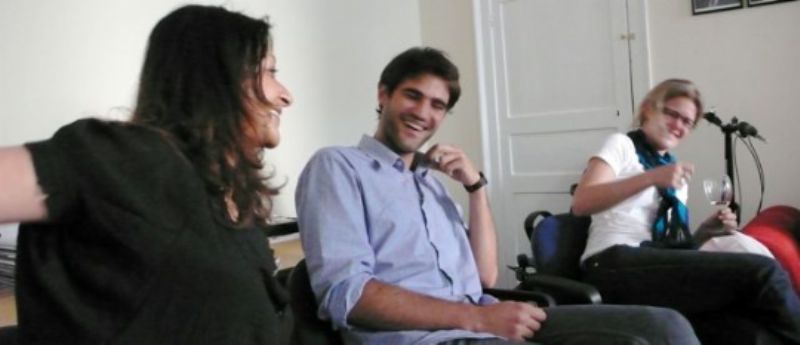 Sam, Rafael, Amy
 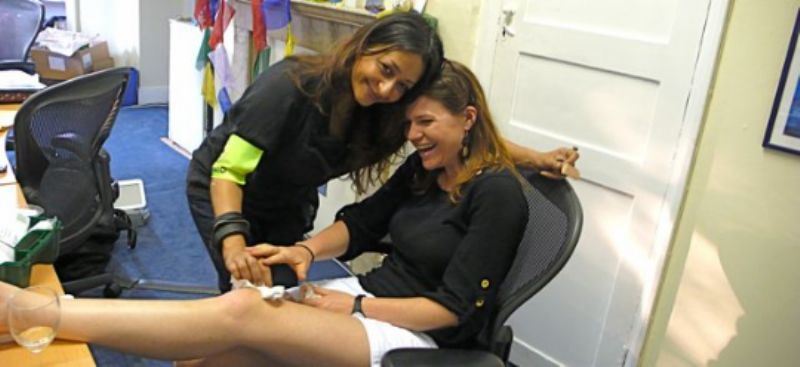 Sam nurses Alex’s cycling accident wounds
  Amanda says goodbye – for the moment
  Farewell
 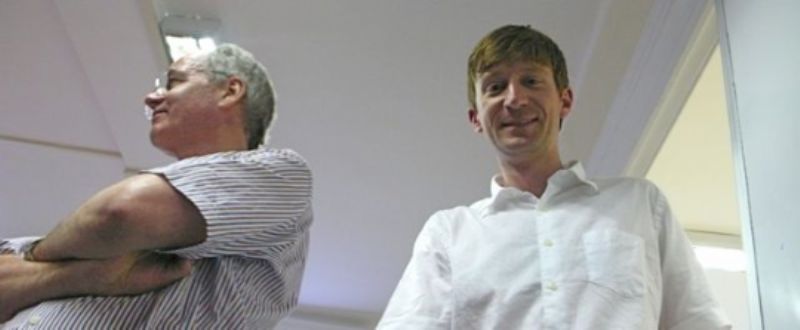 Tim and I Lovely evening, extending into dinner for some, at 2 Bloomsbury Place – celebrating the work of our interns, represented today by Amanda (Feldman, LSE), Erica (Barbosa, LSE), Rafael (Morais Chiaravalloti, Escola Superior de Conservacao Ambiental e Sustenabilidade, ESCAS) and Tim (Barrow-Williams, Imperial College). Rafael’s last working day, so spotlight on him. The sound-track was the playlist I put together for my sixtieth birthday party last June, so at least I was happy. What a privilege it is to work with such motivated, talented and generously spirited young people.
 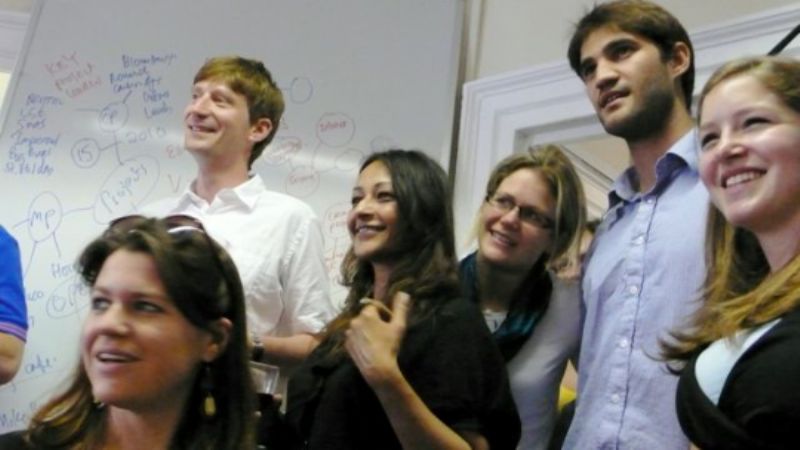 Group 3: Alex, Tim, Sam, Amy, Rafael, Amanda
 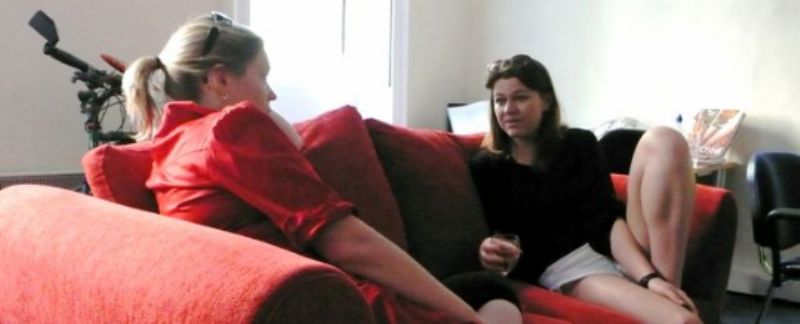 Char and Alex
 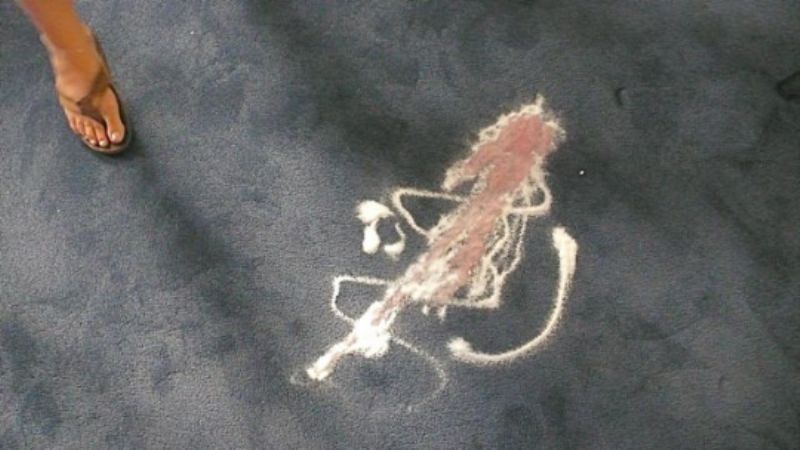 Accidental still-life, with salt
Journal
Mea Culpa?
John Manoochehri reminded me today of the piece I wrote in Time magazine about John Browne in his heyday at BP. Mea culpa.
Walking with Rafael
 Richmond Park 1
  Richmond Park 2
 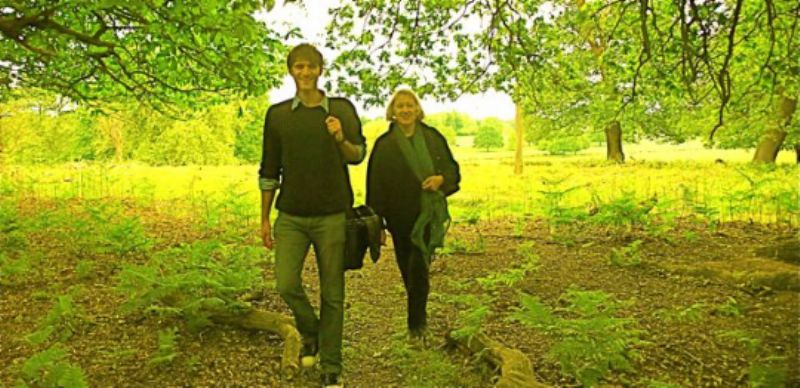 Rafael and Elaine
We went for a two-hour walk in Richmond Park this afternoon with Rafael (Morais Chiavalloti), who sadly is coming to the end of his internship with Volans – and returns to Brazil next weekend. These days the parakeets seem to outnumber the deer at times, adding a suitably tropical note to our trek, but overwhelming native birds.
Junk Shots
Just finished reading Dave Eggers’ novel Zeitoun, which follows the story of a real family – the husband of Syrian extraction – through the Hurricane Katrina disaster in New Orleans. What a horrible indictment of what can happen to a modern democracy under the stress of a viciously narrow-minded regime which finds itself under assault, as was the case with the Bush-Cheney Administration.
Then read the June 7 issue of Time, and was struck by the ‘Junk Shot’ column by Joe Klein, who argues that instead of the Deepwater Horizon oil disaster being Obama’s Katrina, it is, in fact, “actually George W. Bush’s second Katrina”. Klein notes that former Vice President Dick Cheney came to office hot-foot from Halliburton, also now complicit in Deepwater. More to the point, Cheney then “presided over the weakening of drilling regulations, including the exclusion of remote-shut-off switches (commonly used in the North Sea fields), which might have prevented the disaster.”
Read Klein’s article here.
Comments on ‘Has BP Ended the CSR Era?’ Post
With Craig Ray – who has kept this site running – in New Zealand currently, we are experiencing a few glitches, for which apologies. The ‘Comment’ function failed various people who tried to respond to my earlier post titled, ‘Has BP Ended the CSR Era?’
Jem Bendell replied: “The Western HQ’d International Oil Companies have declining access to future oil fields if compared to national oil companies from countries now able to dictate terms more than before. Therefore the IoC’s either become more adept at high tech oil extraction, in deeper water, artic, and from sources like tar sands, and/or they seek to reinvent themselves as energy companies. The PR says the latter, the core investment decisions reveal the former. And the former = more risk to the environment and the staff on the rigs. For years, good smart people have told the IoC’s to invest in the transition to low carbon fuels and in creating better global governance mechanisms so the national oil companies dont undercut by externalising costs onto the environment, and labour rights. Apart from a few people in each IoC working on such an agenda, it seems their super tanker bureaucracies plough on towards the reef… If that’s so, then good riddance, but then we have the challenge of the rest of the world’s oil industry; how to influence their strategies and practices becomes the key question, no?”
John Morrison, Executive Director, Institute for Human Rights, replied: “John – can’t help agreeing with you on this. The ‘CSR’ era is ending for a number of reasons – as Geoffrey Chandler predicted it would 10 years ago – fundamentally because the environmental and human rights challenges business face are about their core business, governance and accountability. The post-Browne correction at BP seems to have gone too far – leaving the company with a lack of capacity to maintain the social licence to operate.”
Daianne Rincones of the Kellogg School, Northwestern University, replied: “John, I share your disappointment. I too found myself in BP’s HQ several times over the years under the pretext of sustainability. I had my first misgivings a few years ago, when a group of us gathered there to learn more about the latest ‘beyond petroleum’ campaign were told by a BP exec that they were unashamedly an oil company. About a year ago, I had another conversation with a BP employee who revealed that Tony Hayward’s sustainability strategy was to ‘postpone the future’. It was just after that phone call that I predicted to those around me the demise of BP within my lifetime. At the time, it sounded almost silly. Then, last week, I was chatting with a former BP exec who told me the reason they left was because it was clear the people who controlled over 90% of the business would never buy into ‘beyond petroleum’.”