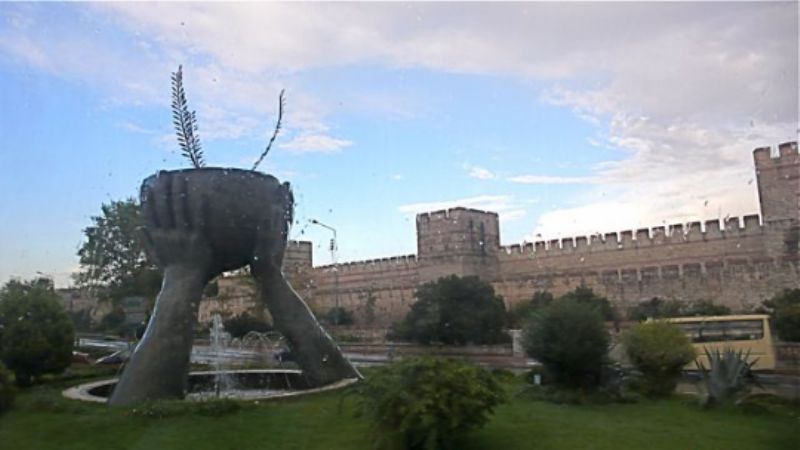
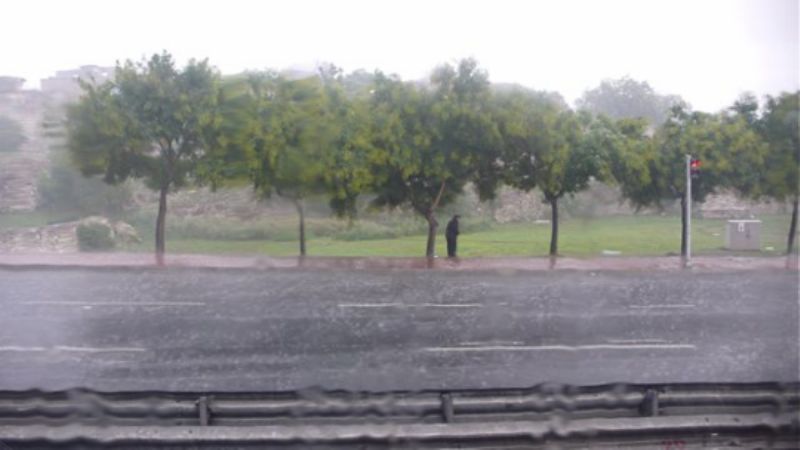
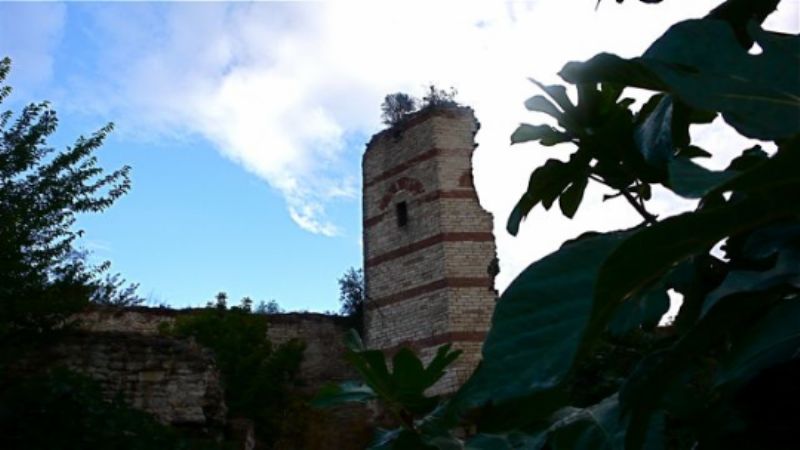
Carcassonne, I said to Elaine when I first saw the extraordinary land walls of Byzantine Constantinople – and then Peter said that the French stronghold’s walls had been modelled on Constantinople’s. Rain was sluicing from the heavens as we picked our way around the walls, built between AD412 and 422, during the reign of Theodosius II. Not long after, in 447, an earthquake destroyed no less than 54 of the towers, but they were promptly rebuilt – because Attila the Hun was on the warpath. It wasn’t until May 1453 that Mehmet the Conqueror breached the walls, although Eyewitness Travel’s Istanbul notes that successive kept them in good condition until the end of the 17th century.
Journal
Constantinople
Haghia Sophia 1
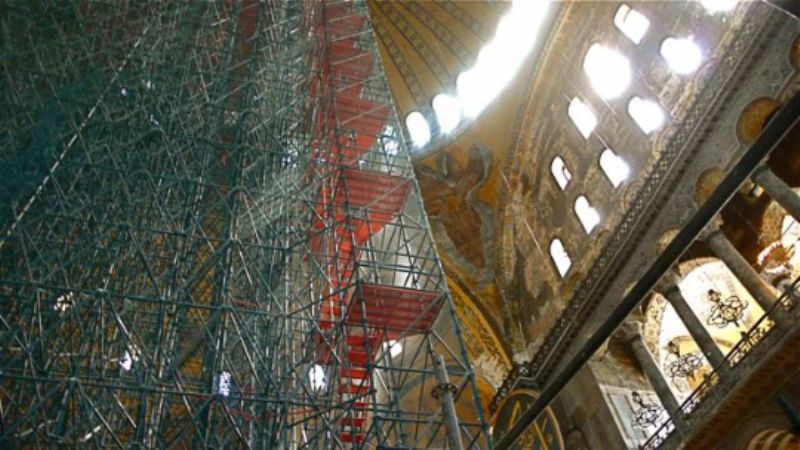
Haghia Sophia: stairway to heaven
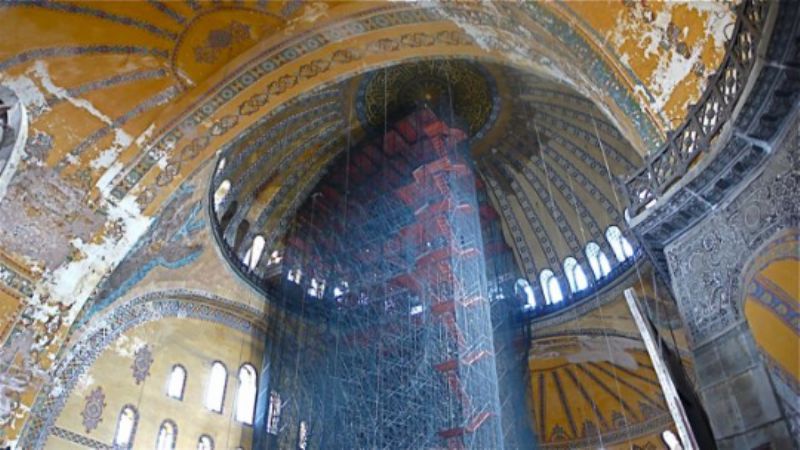
Haghia Sophia: stairway 2
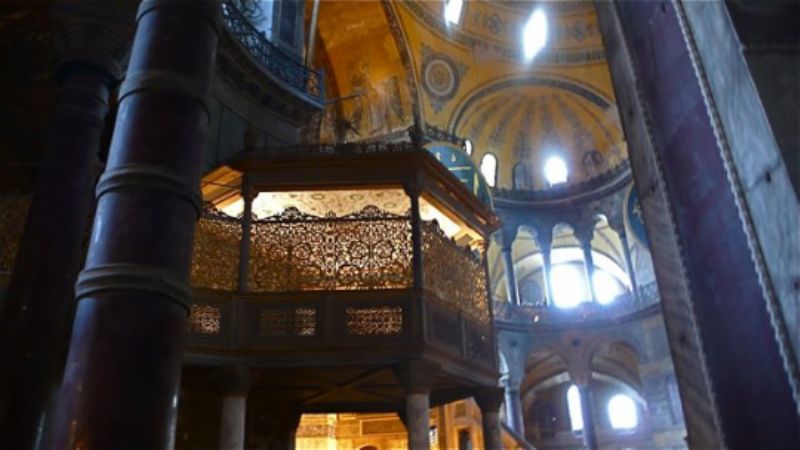
Haghia Sophia: Sultan’s Loge
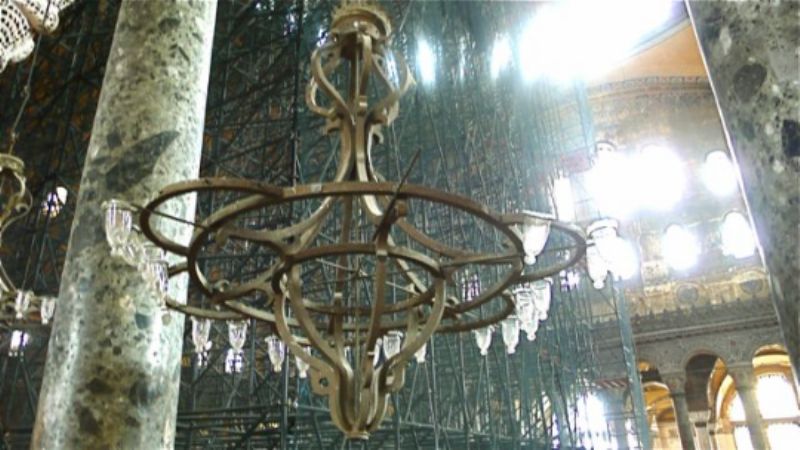
Haghia Sophia: chandelier
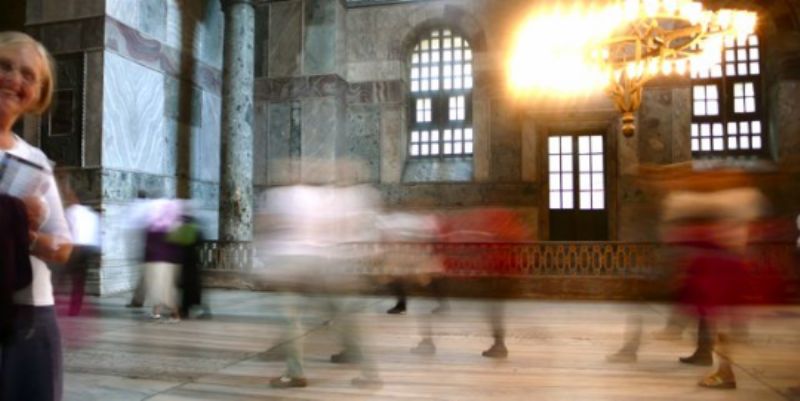
Haghia Sophia: a blur of tourists
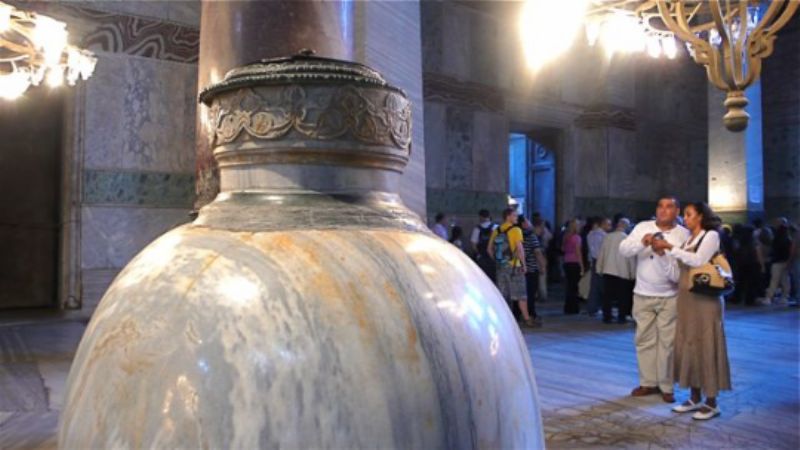
Haghia Sophia: Jar and couple
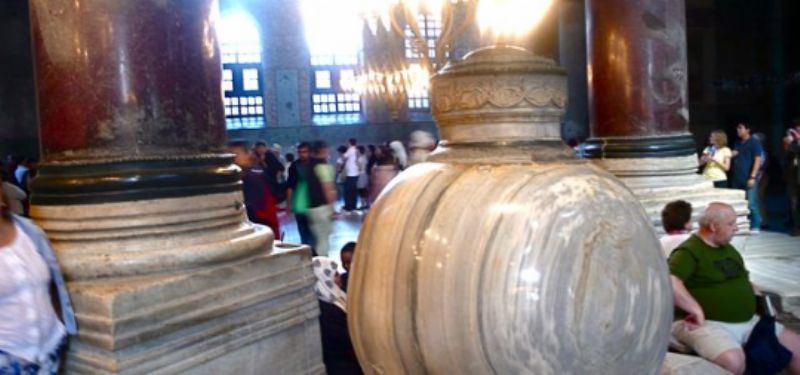
Haghia Sophia: Jar and pot-belly
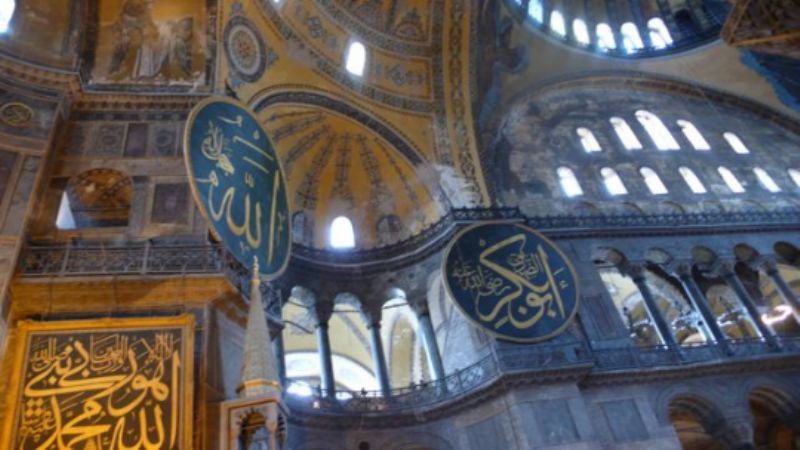
Elaine and I flew into Turkey on Saturday, for a study tour on the Ottoman Empire, based in Istanbul. Today, we visited places like the Hippodrome, the Blue Mosque and the church of St Saviour in Chora. But the place that I had wanted to visit since I was a child, and which we visited during the afternoon, was Haghia Sophia. I would put it on a par with Krak des Chevaliers, Syria, in terms of places that have moved me profoundly. The scaffolding in the interior, ahead of Istanbul’s becoming City of Culture in 2010, probably annoys many, but I found the ‘stairway to heaven’ effect rather appropriate.
Then He Kissed Me
While we were in Oslo, I didn’t see the papers – and therefore didn’t see the obituaries, long one of my great interests, indeed pleasures. Last night, Elaine’s sister Christine brought over the half dozen missing copies of The Times and I tore through them this morning, literally. First came Ellie Greenwich, who wrote songs like Be My Baby, Da Doo Ron Ron, River Deep Mountain High and Then He Kissed Me, all long-standing favourites, including more recently on a couple of iPods; Barry Flanagan, whose hare statues Elaine and I have long adored; and then, today, Mary Travers of Peter, Paul and Mary, whose version of John Denver’s Leaving on a Jet Plane has sometimes seemed to me a suitable anthem for my working life.
Re-enter the Triple Bottom Line
As the triple bottom line takes on a new lease of life, illustrated by coverage in recent days by The Economist and Time, the number of requests from MBA and PhD students for background and comment is growing. As I pass on references, it strikes me that it is 15 years since I coined the phrase – 13 years since we published Engaging Stakeholders, the 2-volume report in which we benchmarked early corporate attempts at sustainability reporting, and 12 years since Cannibals with Forks (the book in which I spelled out the TBL agenda) was first published.
International Democracy Day, Yesterday
One of our Trailblazer organisations, The Environment Foundation, has just become The Foundation for Democracy & Sustainable Development – and, as Chairman of the Foundation, I co-wrote (with Foundation Director Halina Ward) an article on the theme for openDemocracy, which published it yesterday to celebrate the second annual International Democracy of Day.
Missed posting this link because I was in Plymouth, having been delayed for some while as we travelled westward when our train hit someone who had decided to commit suicide. The central question in our article, not meaning to be offensive, was whether the world’s democracies will respond in good time to this century’s great challenges, climate change in particular, or whether they will unintentionally commit collective suicide as problems outpace solutions – and darker political options are embraced.