• Skip to primary navigation
  • Skip to main content
  • Skip to primary sidebar
John Elkington

John Elkington

A world authority on corporate responsibility and sustainable development.

  • About
    • Ambassador from the future
  • Past lives
    • Professional
      • Volans
      • SustainAbility
      • CounterCurrent
      • Boards & Advisory Boards
      • Awards & Listings
    • Personal
      • Family
      • Other Influences
      • Education
      • Photography
      • Music
      • Cycling
    • Website
  • Speaking
    • Media
    • Exhibitions
  • Publications
    • Books
    • Reports
    • Articles & Blogs
    • Contributions
    • Tweets
    • Unpublished Writing
  • Journal
  • Contact
  • Show Search
Hide Search

Search Results for: Tim elkington

David Layton

John Elkington · 29 September 2009 · Leave a Comment

An obituary of David Layton, with whom Max Nicholson and I founded Environmental Data Services (ENDS) in 1978, can be found here.  

Later addition: ENDS Report 219  (October, page 7) gives more of the background, as follows:

“ENDS was the result of a chance meeting [David Layton] had with the conservationist Max Nicholson, a co-founder of the World Wildlife Fund. They agreed that business was sorely ignorant of environmental issues and decided to provide solution.

“Max brought a passion for the environment. Through IDS [Incomes Data Services] David supplied the investment, and also clear views of how ENDS should be run as a business.

“They secured the services of John Elkington as the first editor of the new company’s only product, the fortnightly ENDS Report.  Max took the role of managing editor. The first edition appeared in May 1978 …”

In the longer term, two people played a crucial role in ensuring the survival and evolution of ENDS: Georgina McAughtry, who arrived at ENDS a few days before I did, and the late Marek Mayer, who Elaine found via Wildwood House, where she worked and had met Marek’s partner, author Sue Gee.

Looking back, David – alongside Max – had a huge impact on the development of my career. I had previously written extensively for magazines like New Scientist, which is where Max had first come across me, but ENDS was trying to open up what Max called the “last dark continent’ for environment, business.  

Despite the backing of IDS, which had wide access to business, it took us nine months to get through the door of the first company willing to open itself up to our scrutiny, which happened to be Albright & Wilson. In this, we were following in the footprints of Social Audit, where I hugely admired the work of people like Charles Medawar and Maurice Frankel.

The ENDS work led to my first proper book, The Ecology of Tomorrow’s World, published by Associated Business Publishers in 1980.  David’s tuition on how to write for business had proven to be a huge inspiration – and both his and Max’s thinking influenced the book. In later years, as I began to co-evolve SustainAbility and cranked out books like The Green Consumer Guide and Cannibals with Forks, on the rare occasions when I met David I made a point of thanking him for the platform he had provided for our small team.

Apart from David and Max, the only other work-related mentor (though we would not have used that term then) that I would place alongside them was John Roberts, whose TEST I joined in 1974.  At the time, TEST was based in King Street, Covent Garden, though we shortly thereafter moved to the other side of the block and Floral Street.

And it was there that I worked with TEST on the top floor while Elaine later arrived to work with Wildwood House on the floor below – and a sequence of events began that would prove to have a significant impact on the longer term survival of a company, ENDS, whose survival and impact I look back on with quiet pride.

Later addition, on 18 November: On my way to 1 Victoria Street for a meeting with BIS this morning, I walked by Orchard House, at the corner of Abbey Orchard Street and Great Smith Street, where ENDS had its first proper offices. Later, we moved it across to Bowling Green Lane, where a friend – Mike Franks – had converted an old light industrial warehouse, where craftsmen had made everything from looms to parts for Concorde, into offices. (This was just around the corner from the offices of The Guardian, to which I also contributed regularly over some 20 years.) I recently found myself back in the same building, when visiting the Carbon Disclosure Project. 
Roost of Florence Nightingale …

John Elkington · 25 September 2009 · Leave a Comment

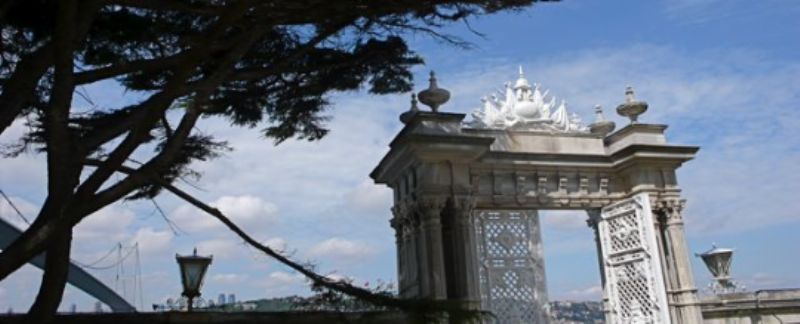
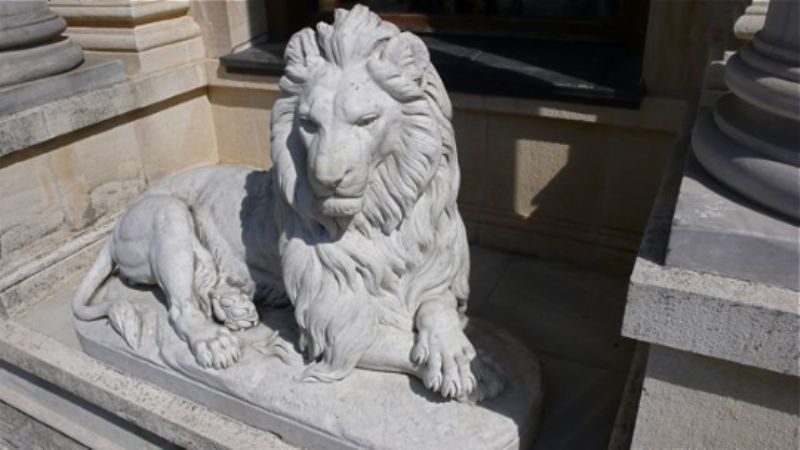
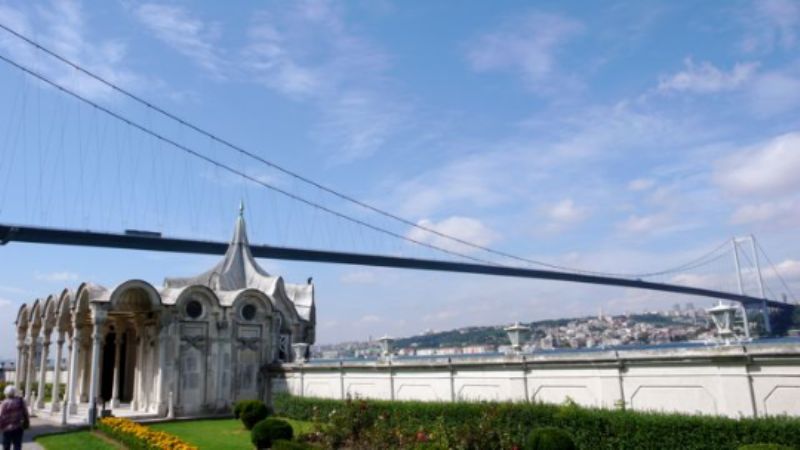
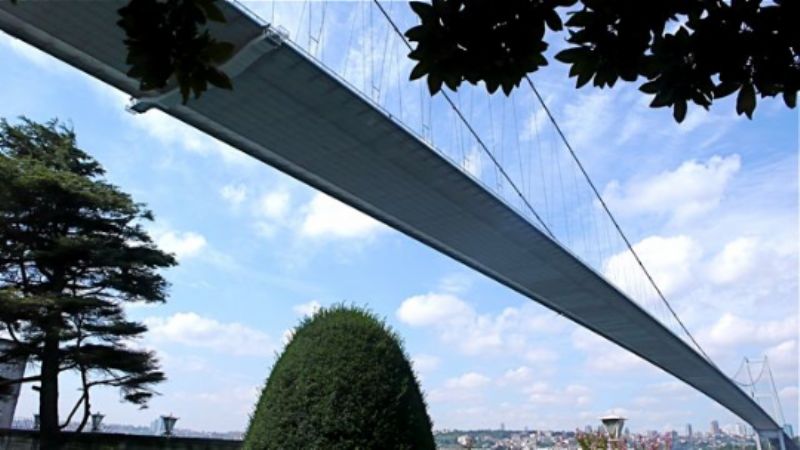
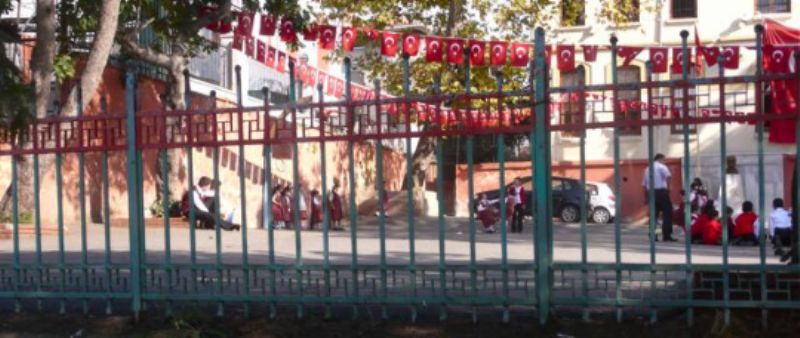
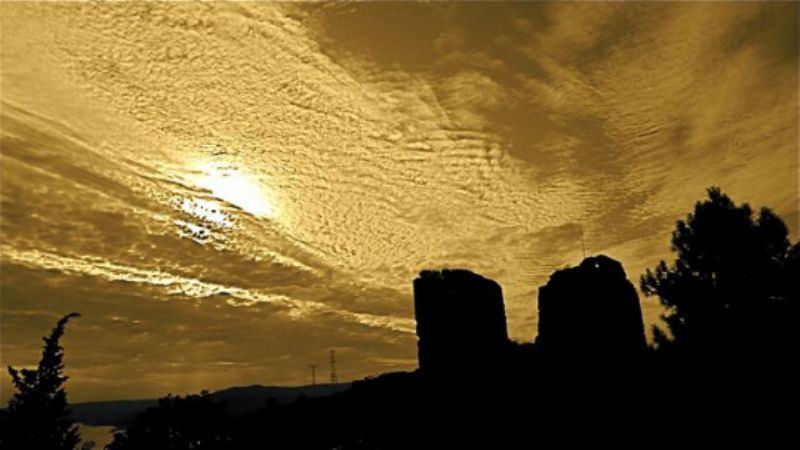
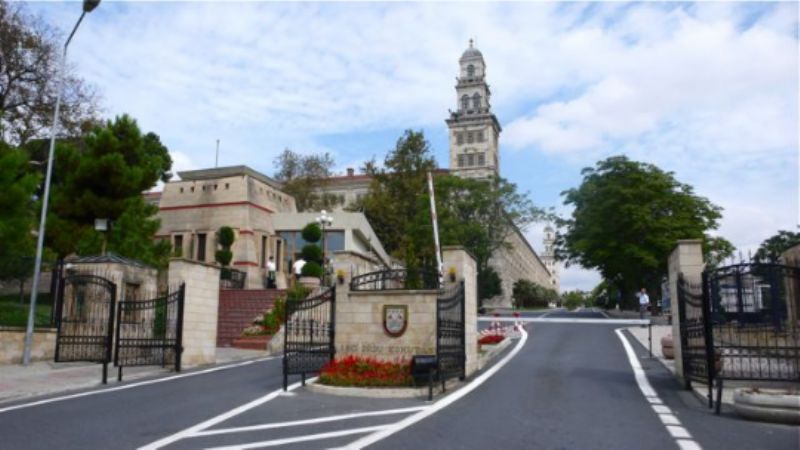
Entrance to Selimiye Barracks Entrance to Selimiye Barracks Kucukso Palace: arch by the Bosphorus Kucukso Palace: arch by the Bosphorus Kucuksu lion Kucuksu lion Kucuksu pavilion and bridge Kucuksu pavilion and bridge ... and the bridge … and the bridge Shadows during lunch Shadows during lunch Children in playground Children in playground Yorus Castle Yorus Castle

There were two high points  of my day. The first was a visit to Seilmye Barracks, originally built by Selim III in 1799 to house his New Army, in what proved to be a forlorn attempt to push aside the powerful Janissaries. He was deposed and killed in a Janissary insurrection in 1807-8 and the barracks subsequently burned down. The present, massively imposing building dates from the period after Mahmut II had massacred many of the Janissaries – and disbanded the rest.

The barracks were used as a hospital during the Crimean War (1853-6), when they became associated with the work of Florence Nightingale. I recognised one of the corridors from contemporary engravings as soon as I saw it. She worked from the northeast tower, which we climbed to the top of via a seemingly unending spiral staircase. As I was sitting on the top floor, a spectacular black-and-white moth came and alighted on my bag. After a moment of reflection, I put aside my sense of vertigo, opened the window and released it into the blue.

I researched Florence Nightingale’s story for the section on her work in The Power of Unreasonable People, the book I published early last year with Pamela Hartigan. But nothing prepared me for the extraordinary intelligence that shone through in a long letter she had written in 1881 on nursing – quite remarkable. A facsimile was displayed on the wall of the Florence Nightingale Museum at Selimiye. If you get a chance, go there.

Our cameras and cell phones are all taken from us as we arrive at the Barracks and we are trucked around the site in an olive drab military bus. But we get somewhat special treatment because our second guide, Cemil, mentions that his grandfather was a very senior figure in the Republican military – indeed his picture is at the top of the display of iconic figures in the Barracks. 

The second high point, in several senses, was seeing the confluence of the Bosphorus with the Black Sea from the lofty heights of Yoros Castle, above the village of Anadolu Kavak. No much left of the structure, but the views are truly spectacular – and give an amazing sense of the huge traffic in shipping through this region. I also watched as a large fishing boat executed a series of figure-of-eight manoeuvres, presumably to herd shoals of fish into its nets.

During the rest of the day we criss-crossed Bosphorus bridges, visited Beyelerbeyi palace, built by Sultan Abulaziz in the 1860s, and the much smaller Kucoksu palace of the same period.

The absolute low point of the day was hearing that Tim, my father, had lapsed into unconsciousness while standing in the kitchen, falling flat and hard to the floor, breaking his nose, several ribs and several teeth. He is now in the same hospital in Cheltenham that Pat, my mother, has just escaped from  few days back.

With my sisters, Caroline and Tessa, taking command back at Little Rissington, Elaine and I decide to stay with Istanbul for the moment. But it feels very strange to be enjoying raki and deep-fried mussels and calamari by the Bosphorus, with horse mackerel boiling up in feeding frenzies alongside, knowing that all of this going on back home.

Topkapi

John Elkington · 21 September 2009 · Leave a Comment

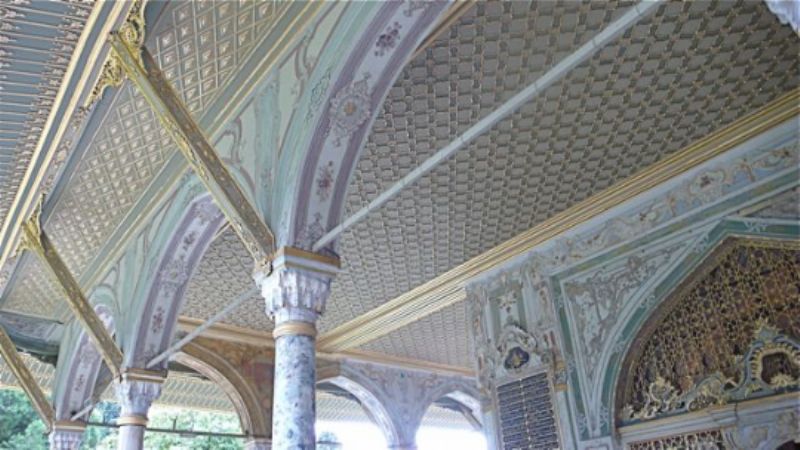
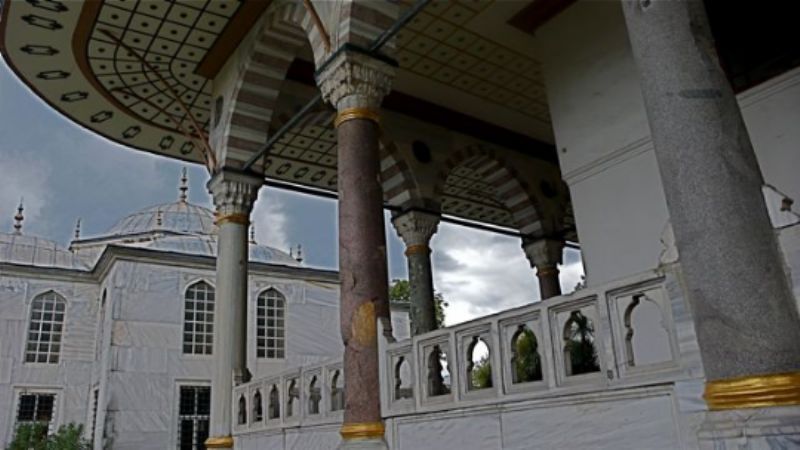
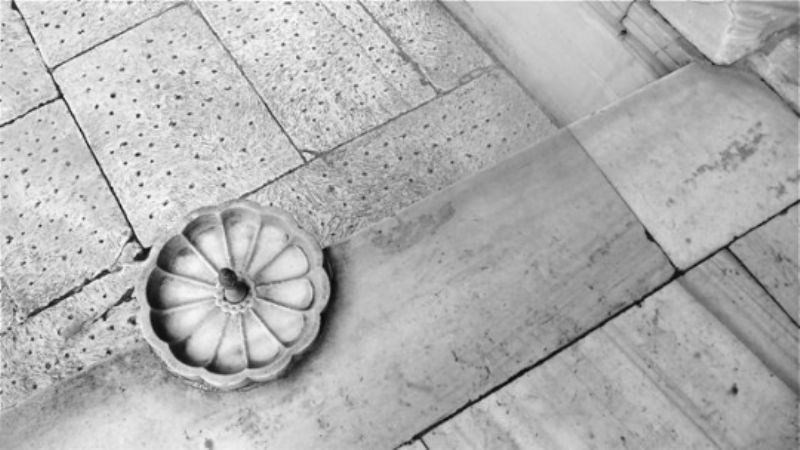
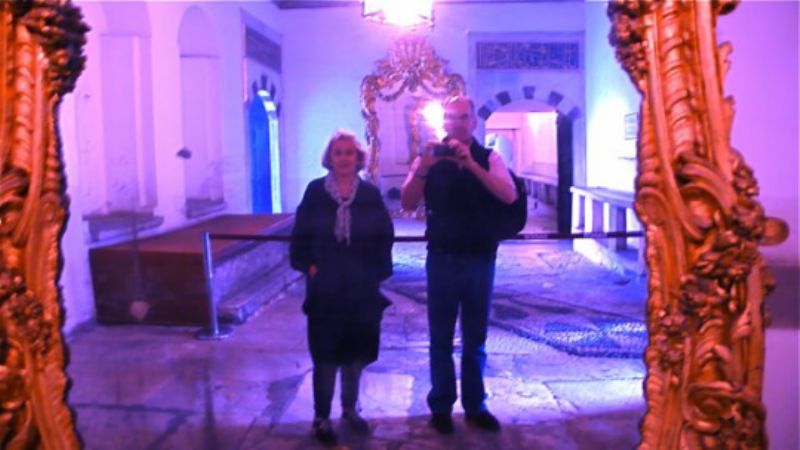
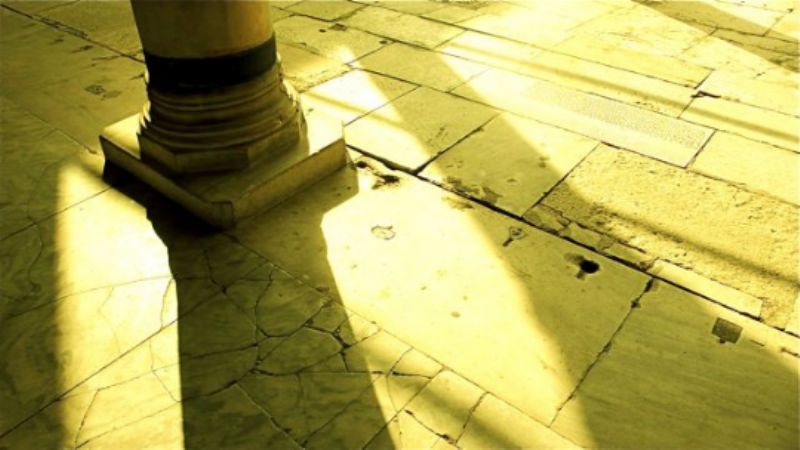
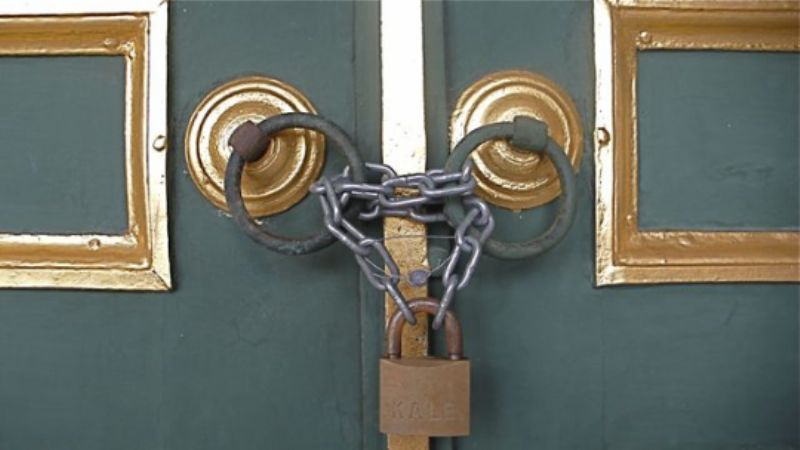
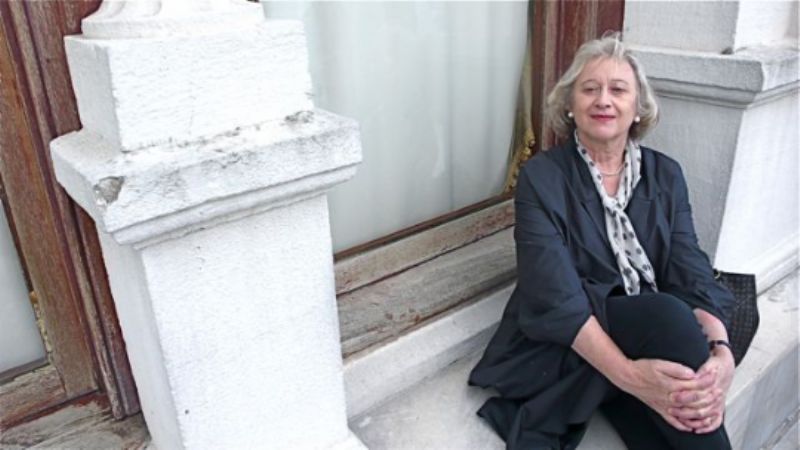
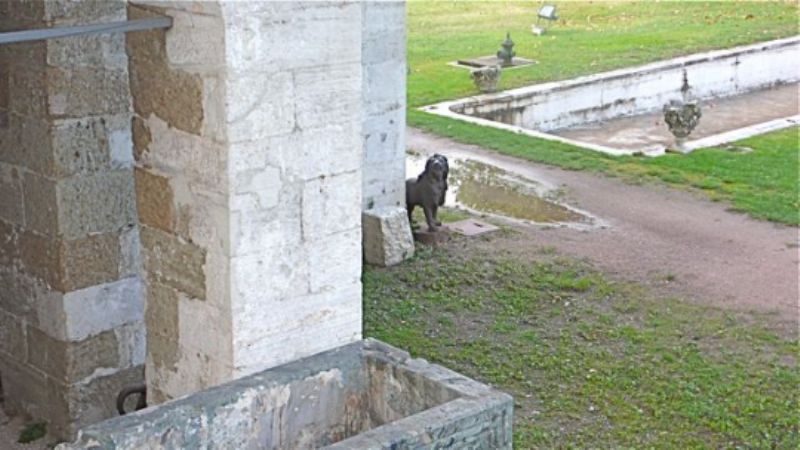
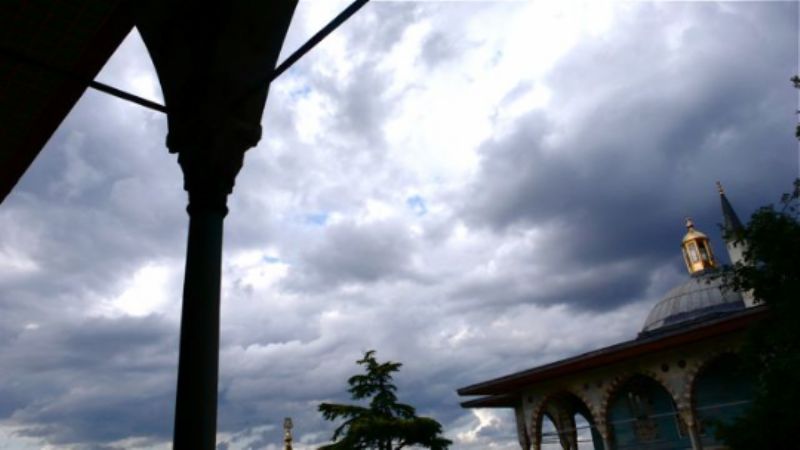
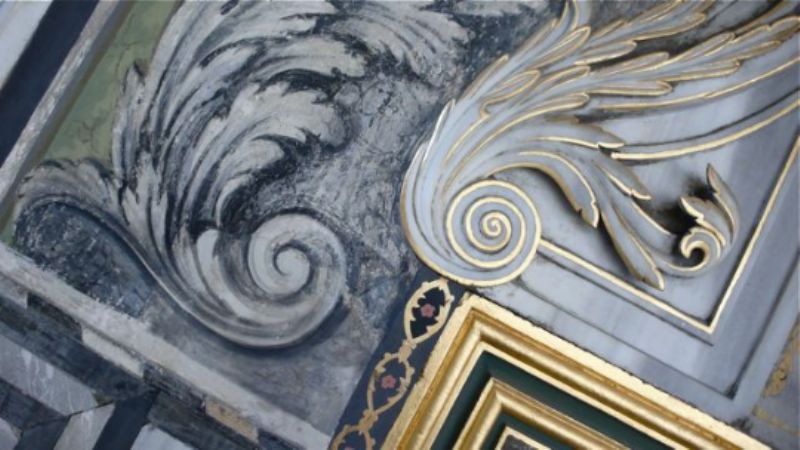
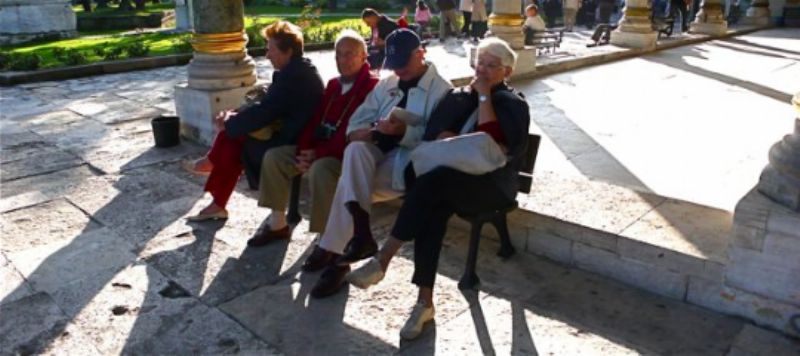
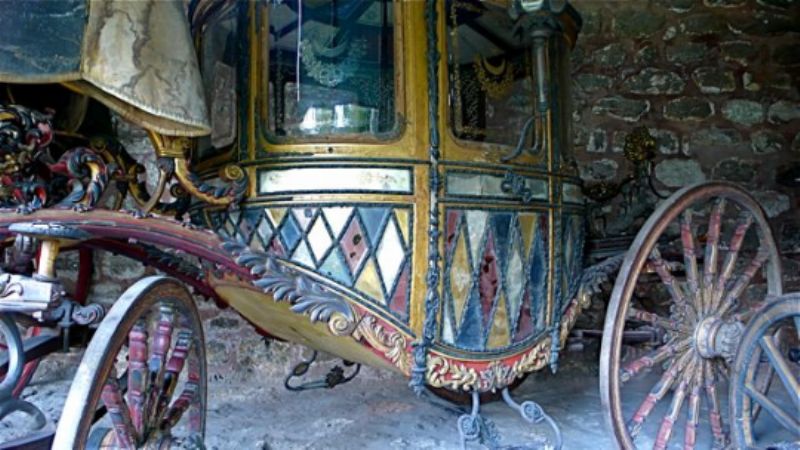
Part of the Divan, where the imperial council met, sometimes covertly watched by the sultan Part of the Divan, where the imperial council met, sometimes covertly watched by the sultan This may be part of the Throne Room This may be part of the Throne Room Detail of fountain Detail of fountain Reflected Reflected Column Column Locked Locked Elaine Elaine Lion Lion Gilded lookout Gilded lookout Spirals Spirals Computer screen provides hint of modernity Computer screen provides hint of modernity A bench of Americans, I think resting A bench of Americans, I think resting Carriage Carriage

Didn’t see the Executioner’s Fountain, but there were many places in Topkapi Palace this afternoon and evening where you got a profoundly uneasy sense of stress, politicking and human tragedies that played out during the 470-year rule of the Ottoman sultans. I found the Harem particularly suffocating in that sense, but the treasures – architectural or in the form of manuscripts, ceramics and stained glass, tiling, fountains, inlays, jewels, weapons and clocks – were sometimes quite literally breath-taking. It being a public holiday, the place was buzzing, but Elaine and I found we could escape the worst of the press by walking around counter-clockwise.

Re-enter the Triple Bottom Line

John Elkington · 16 September 2009 · Leave a Comment

Illustration from Time Illustration from Time

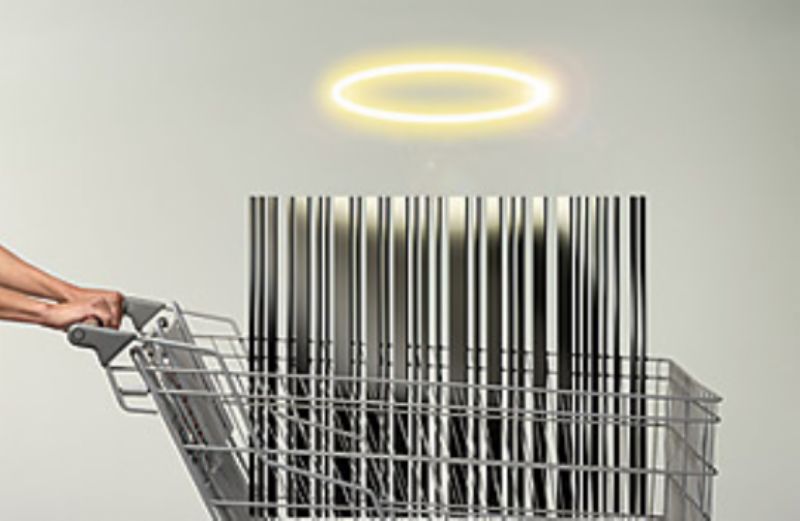
As the triple bottom line takes on a new lease of life, illustrated by coverage in recent days by The Economist and Time, the number of requests from MBA and PhD students for background and comment is growing. As I pass on references, it strikes me that it is 15 years since I coined the phrase – 13 years since we published Engaging Stakeholders, the 2-volume report in which we benchmarked early corporate attempts at sustainability reporting, and 12 years since Cannibals with Forks (the book in which I spelled out the TBL agenda) was first published.

Machina Volante

John Elkington · 12 September 2009 · 1 Comment

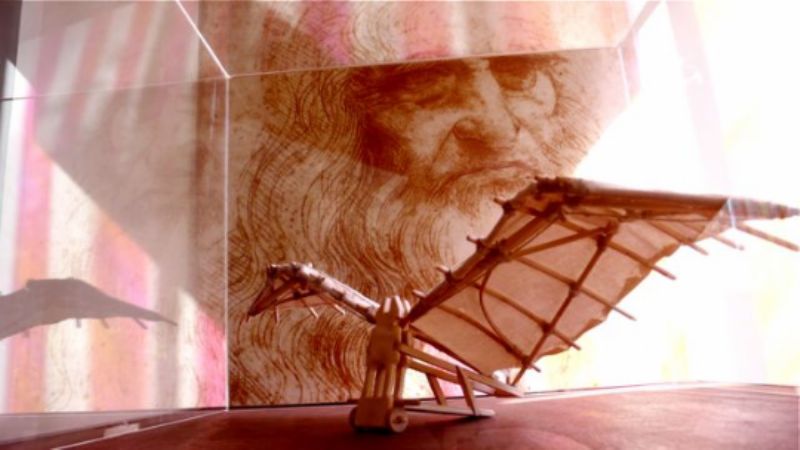
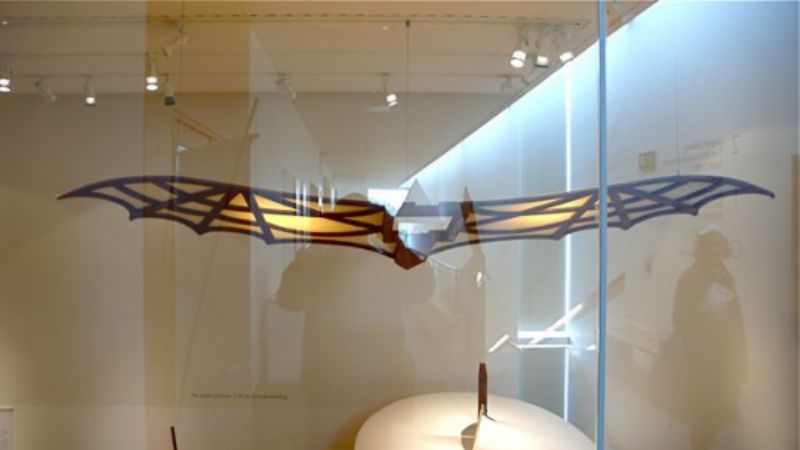
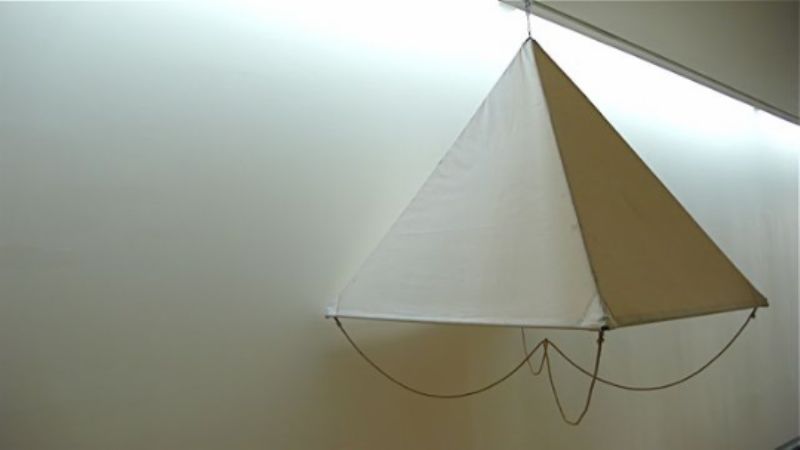
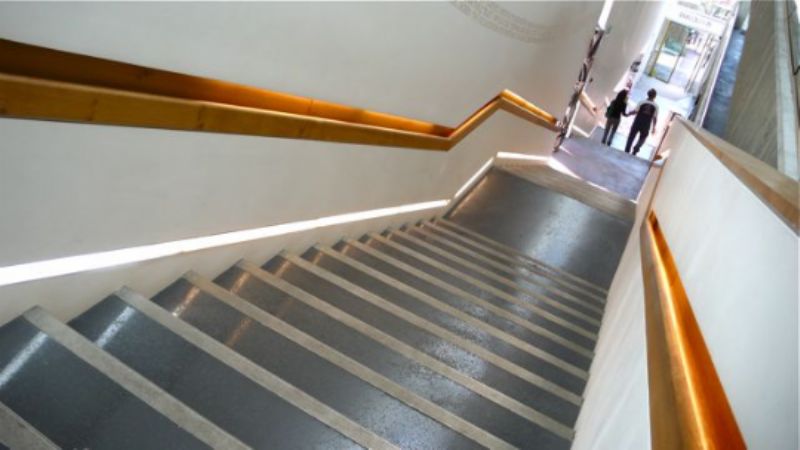
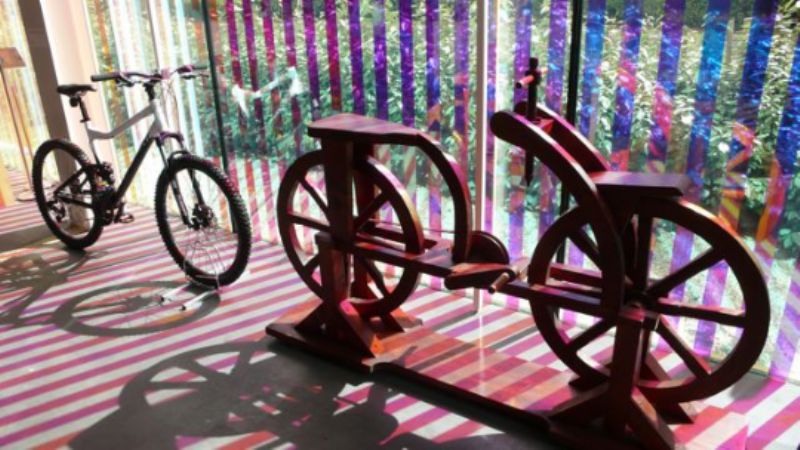
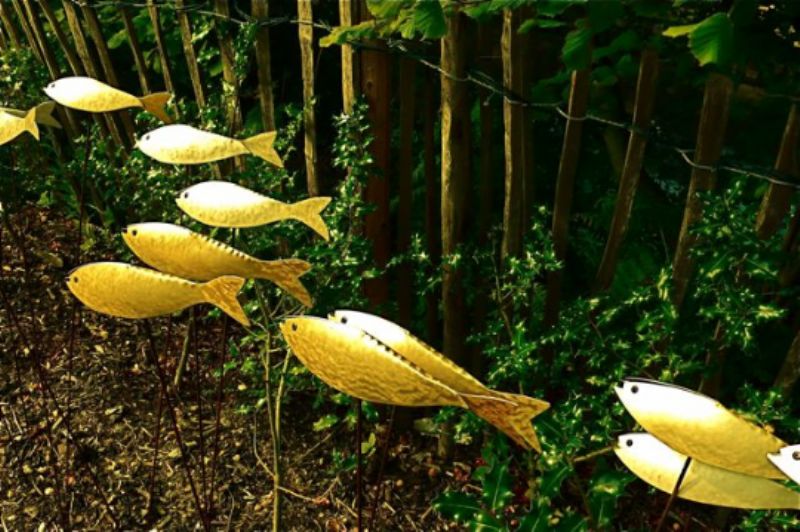
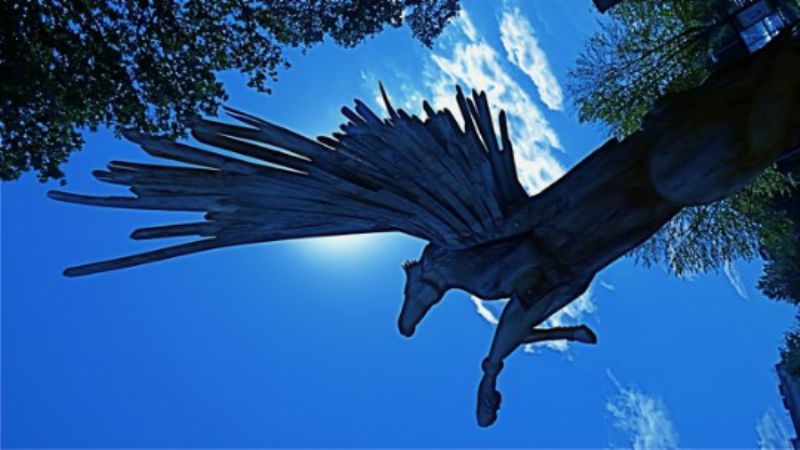
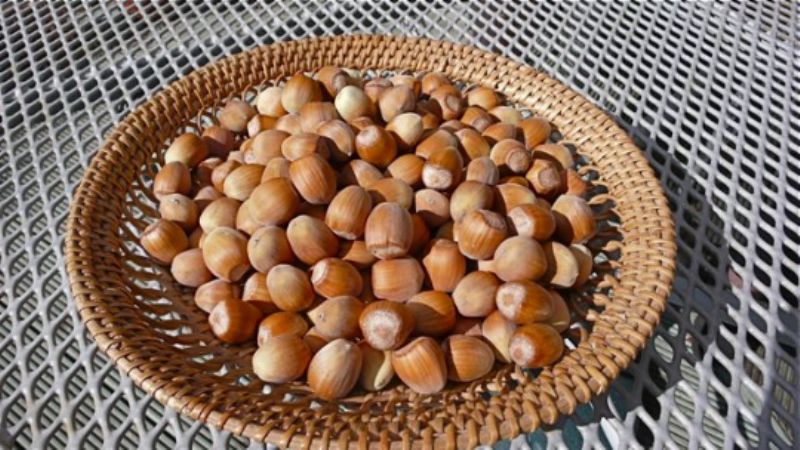
Machina Volante Machina Volante Leonardo wings Leonardo wings Leonardo parachute Leonardo parachute Downstairs at the Lightbox Downstairs at the Lightbox Right-hand bike once thought to be by Leonardo Right-hand bike once thought to be by Leonardo Outside, fish Outside, fish Pegasus or Phoenix, nice wings Pegasus or Phoenix, nice wings Hazelnuts from Jane's garden Hazelnuts from Jane’s garden

Delightful chat with my mother, Pat, this morning, on the occasion of her 87th birthday. She recalled Herman Goering’s attempt to kill her, when she was sitting in a park south of London, wearing uniform and close by to an anti-aircraft battery.  In the distance, three planes could be seen from as far as 20 miles away as they sped north – directly towards her. She reflected on how wonderful the RAF were, only to have them machine-gun her. Luckily for her – and me – they missed.

Shortly afterwards, despite my still suffering from bronchitis, Elaine and I headed south to see a friend, Jane Davenport, who pre-dates even Elaine, and to take a look at a Leonardo da Vinci exhibition at The Lightbox in Woking, where Jane volunteers.  

Extraordinary to see one of Leonardo’s sketchbooks – and some of the working demonstrated the dazzling range of the man’s imagination, from diving helmets and machine guns (he’d have been interested to take a look inside those Luftwaffe aircraft) to self-propelling cars and parachutes. Across the road, as we went to collect the car, there was a Pegasus, or similar, carved from a single oak tree, which extended the afternoon’s winged theme.  Then home to Jane’s for a leisurely series of coffees and teas in the sun, with hazelnuts cannoning down on the roof of the nearby summerhouse. One of the Leonardo aphorisms in the museum had reflected on how sometimes when you’re buried in work, it helps to put a little distance between you and it. And it works.

  • « Go to Previous Page
  • Go to page 1
  • Interim pages omitted …
  • Go to page 106
  • Go to page 107
  • Go to page 108
  • Go to page 109
  • Go to page 110
  • Interim pages omitted …
  • Go to page 134
  • Go to Next Page »

Primary Sidebar

Introduction

I began this blog with an entry reporting on a visit to the Woods Hole Oceanographic Institution on Cape Cod, on 30 September 2003. The blog element of the website has gone through several iterations since, with much of the older material still available.

Like so many things in my life, blog entries blur the boundaries between the personal and the professional. As explained on this site’s Home Page, the website and the blog are part platform for ongoing projects, part autobiography, and part accountability mechanism.

In addition, my blogs have appeared on many sites such as: Chinadialogue, CSRWire, Fast Company, GreenBiz, Guardian Sustainable Business, and the Harvard Business Review.

Recent Comments

  • John Elkington on The Hill House Elkingtons
  • sally fitzharris. (Rycroft) on The Hill House Elkingtons
  • Thomas Forster on Reminder of Glencot Years

Journal Archive

About

John Elkington is a world authority on corporate responsibility and sustainable development. He is currently Founding Partner and Executive Chairman of Volans, a future-focused business working at the intersection of the sustainability, entrepreneurship and innovation movements.

Contact

john@johnelkington.com  |  +44 203 701 7550 | Twitter: @volansjohn

John Elkington

Copyright © 2026 John Elkington. All rights reserved. Log in