• Skip to primary navigation
  • Skip to main content
  • Skip to primary sidebar
John Elkington

John Elkington

A world authority on corporate responsibility and sustainable development.

  • About
    • Ambassador from the future
  • Past lives
    • Professional
      • Volans
      • SustainAbility
      • CounterCurrent
      • Boards & Advisory Boards
      • Awards & Listings
    • Personal
      • Family
      • Other Influences
      • Education
      • Photography
      • Music
      • Cycling
    • Website
  • Speaking
    • Media
    • Exhibitions
  • Publications
    • Books
    • Reports
    • Articles & Blogs
    • Contributions
    • Tweets
    • Unpublished Writing
  • Journal
  • Contact
  • Show Search
Hide Search

Search Results for: Tim elkington

Two different senses of battered in Knidos

John Elkington · 1 October 2014 · Leave a Comment

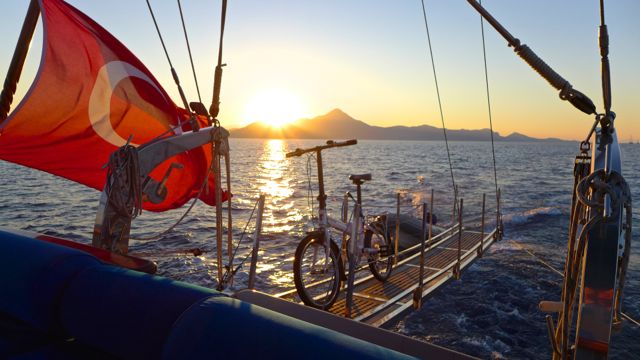
Sunrise
Sunrise
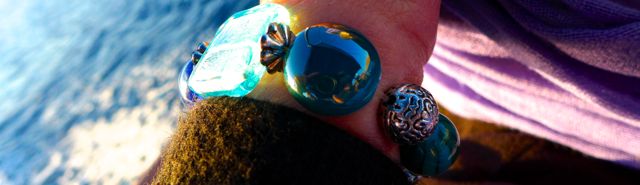
Bracelet
Adornment
The Greek courtesy flag goes up the mast
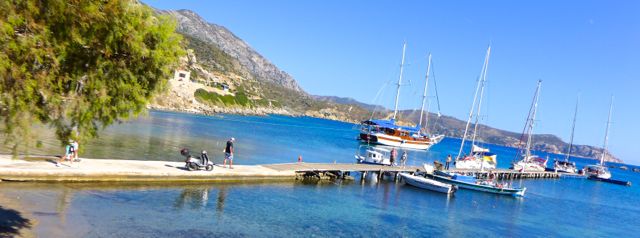
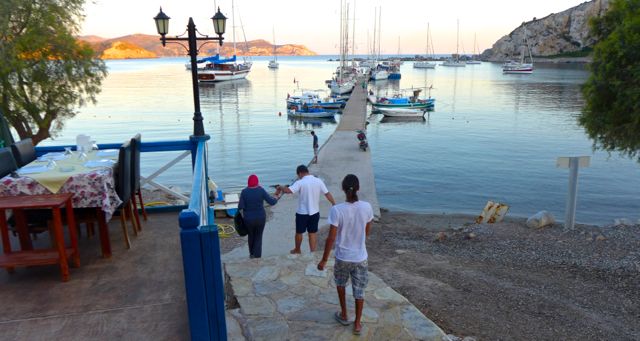
The jetty at Knidos
The jetty at Knidos
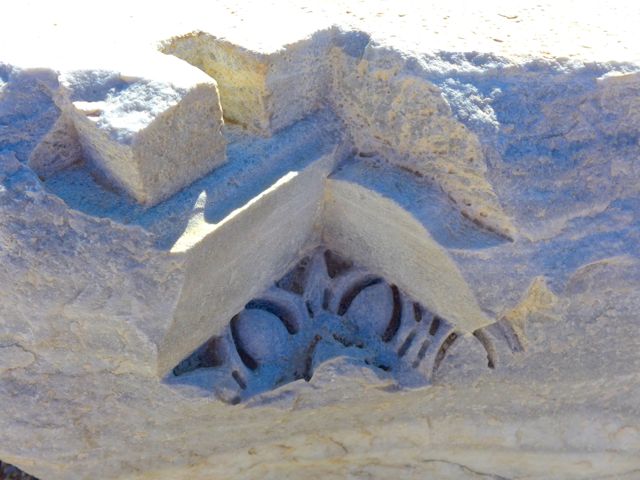
Carved stone
Carved stone
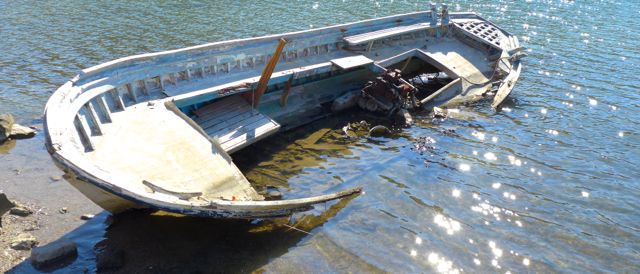
That sunken feeling, 1
That sunken feeling, 2
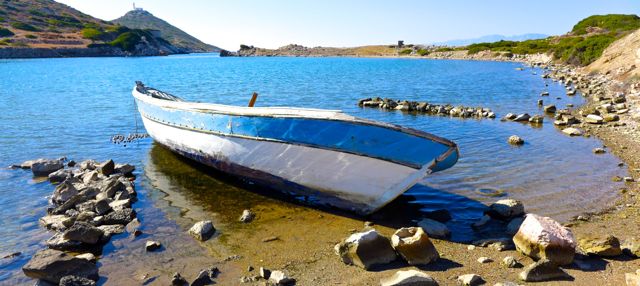
Still afloat
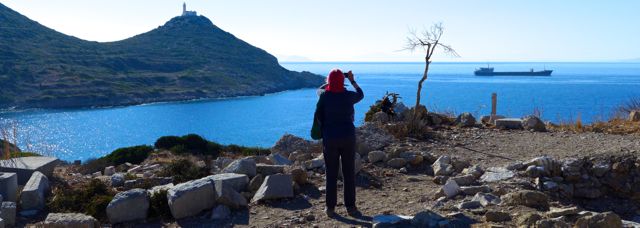
Still afloat: ship and lighthouse
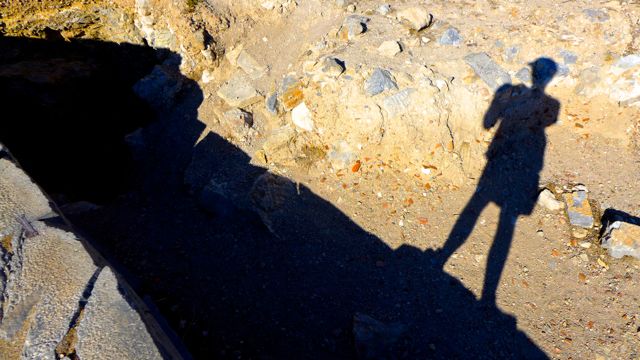
My echo, my shadow and I
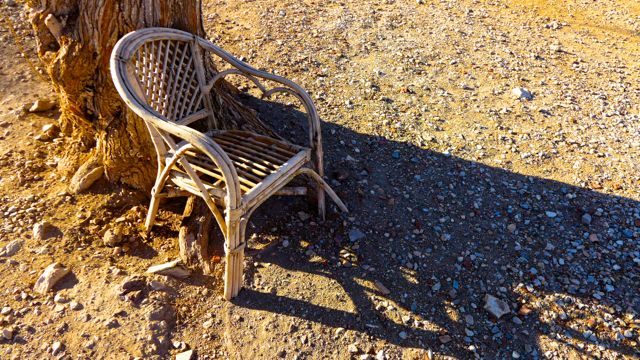
Chair takes it easy
Chair takes it easy
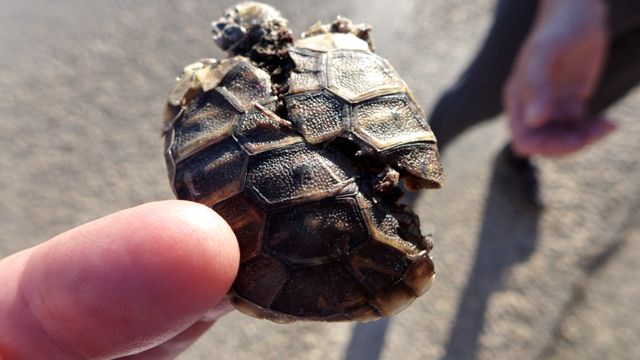
Baby turtle I found on the road
Elaine, hand-in-hand with Ofük
Elaine, hand-in-hand with Ufük
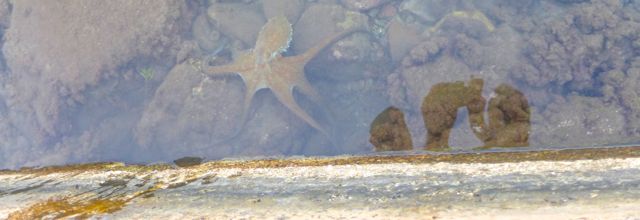
Octopus, in dangerous waters

One of the loveliest sites I have come across, Knidos straddles a twin harbour. British archaeologist Charles Newton noted in his diary in 1858, when he was excavating at Knidos:

“If Halicarnassus could boast of its Mausoleum, and Rhodes of its bronze Colossus, the little state of Cnidus could point with just pride to its statue of Aphrodite, the masterpiece of Praxiteles, in exchange for which Nicomedes, king of Bithynia (north of the Aegean Region), offered to redeem the whole public debt of the city…” 

The story of the extraordinary statue of Aphrodite and how it came to be made by Praxiteles is well worth digging into. Would love to have seen it in its heyday. Considered profoundly shocking at the time, the revolutionary nude statue has occasioned much subsequent comment.

A fascinating site to walk around. As we walked east to see a further set of ruins, though still within the old city walls, I came across the desiccated body of a baby sea turtle. I imagine it must have been dropped there by a predator like a gull. In any event, I didn’t feel comfortable until I had taken it back to the sea shore and ‘released’ it into the water.

Later, as we were walking back along the jetty, having drunk a modicum of Ifes beer and raki, and also having eaten some delicious battered calamari, we were reminded of the out-of-sight, out-of-mind sources of what we eat.

I knelt down to show Elaine a strange sea caterpillar, perhaps seven inches long, crawling over rocks in the water by the jetty. Then a bearded fisherman hove in view – and spotted the octopus I was also tracking. He promptly snagged it with a fishing hook and line, battering (in a different sense) it to death on the concrete surface of the jetty. Amazing what a will to live such creatures have.

Back, once again, to dinner on the deck – and then to sleep, moored in the harbour.
Green-faced in Caunos

John Elkington · 29 September 2014 · Leave a Comment


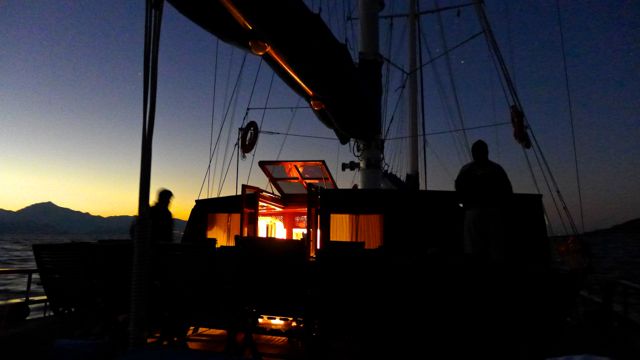
Before dawn
Before dawn
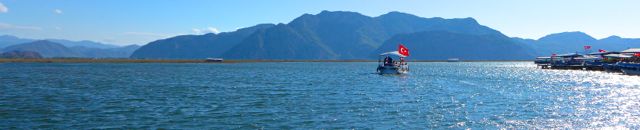
Heading in towards Caunos
Shades of the African Queen ahead
Moored
Moored
Ruins
Illuminated ruins
One of the foundations of the wealth that built Caunos
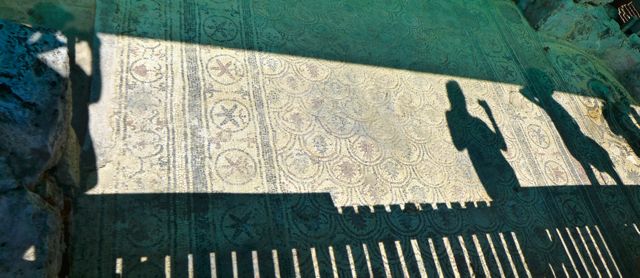
Mosaic, with shades of Egyptian dancers
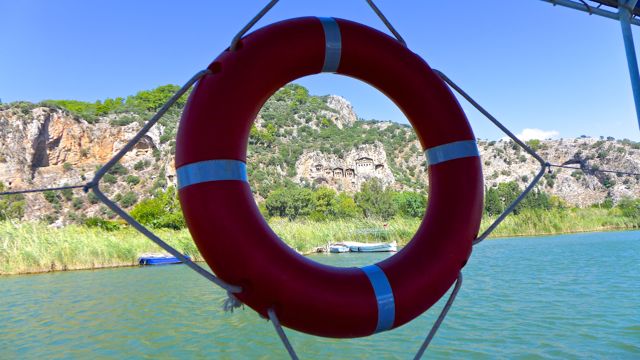
Graves through a life saver
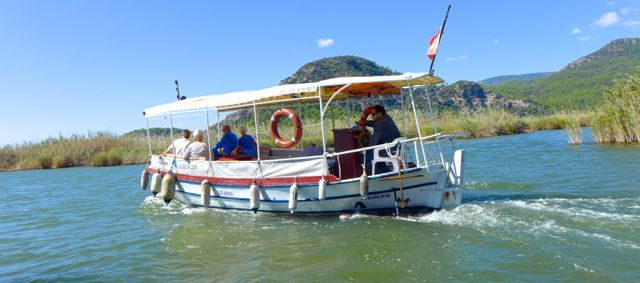
Overtaking, though speeds should be regulated for sake of the marshlands

A delightful cruise along the coast towards Caunos (or Kaunos), watching the sun rise – and managing to fall back to sleep on my glasses, an accentuated form of metal fatigue. Will have to replace them when I get home – and, in the meantime, will have to do without sunshades.

Kept an eye out for turtles, given that this is a breeding epicentre for them – but we did see them earlier in the journey, happily.

Snorkelling, I have also seen significantly more aquatic life this time than last, including a curtains of different types of fish, a ray, pipefish and an amazing scene involving an octopus that seemed to turned itself into something like a mobile blancmange, its colour whey-white and all its tentacles formed into something like a saucer.
Three fish in dramatic green and black colours had been dancing together above something like a small threshing floor on the seabed. Two on the outside fanned their fins, while the one in the middle simply hung motionless in the water, all three aligned and pointing in the same direction. As the octopus insinuated itself towards them, another fish, of a different species, darted in and out towards the octopus, as if accenting its presence. Sadly, had to leave before the drama fully played itself out.
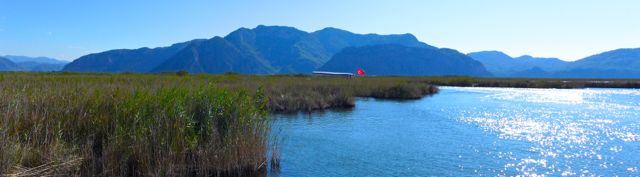
Now back to Caunos. Switching to a smaller boat, we headed into the estuary, through the marshlands that once helped give local residents their unusual hue. Mosquitoes here carried malaria and those who lived in Caunos were well known for their green coloration, apparently.

By contrast, we loved this place – and I would have loved to have had time to climb up to the citadel. The view from up there must be utterly spectacular.


Would you like jawbones with your sage tea?

John Elkington · 28 September 2014 · Leave a Comment

Flag often drapes itself around my neck at stern
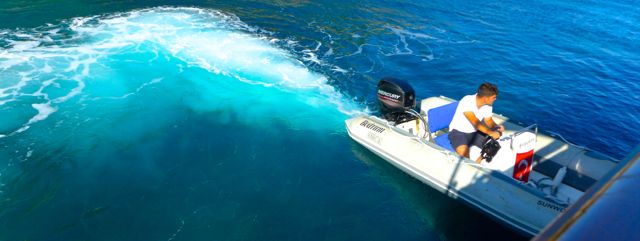
Zodiac zooms back from mooring
And nudges gulet around
Sunworld 8 from above
Lost in blaze of light on threshold of cistern
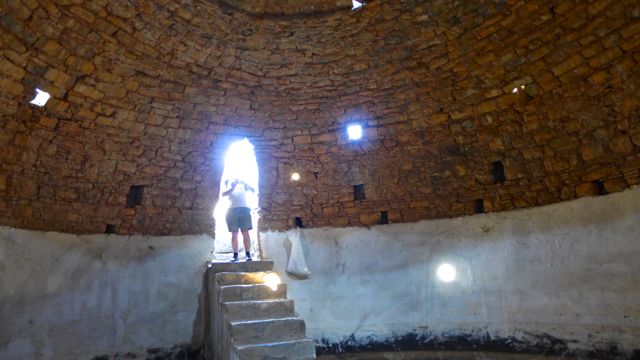
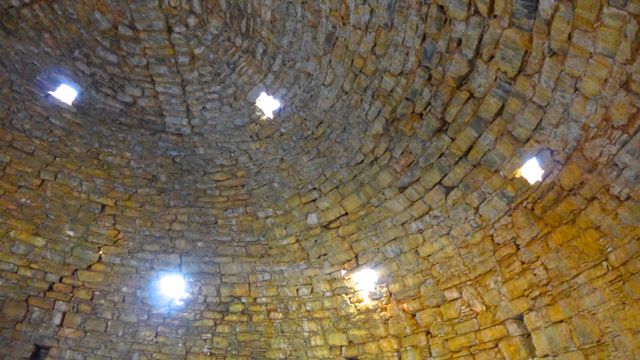
Inside the cistern, looking  up at the heavens
Inside the cistern, looking up at the heavens
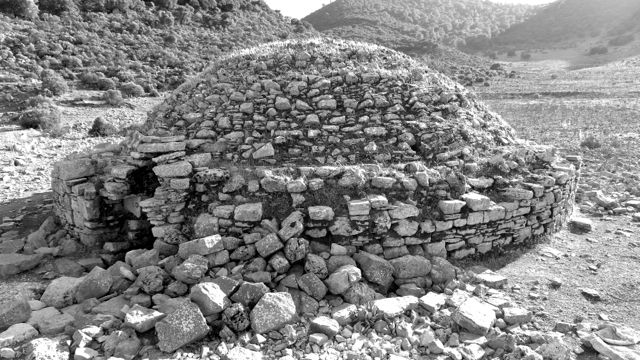
The outside view
The outside view
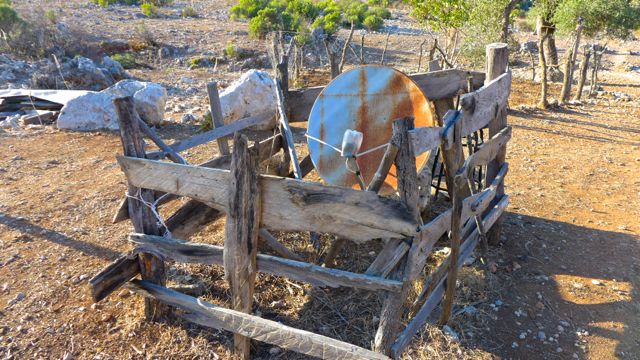
Fenced-in satellite dish
Cockerel, doing what they do
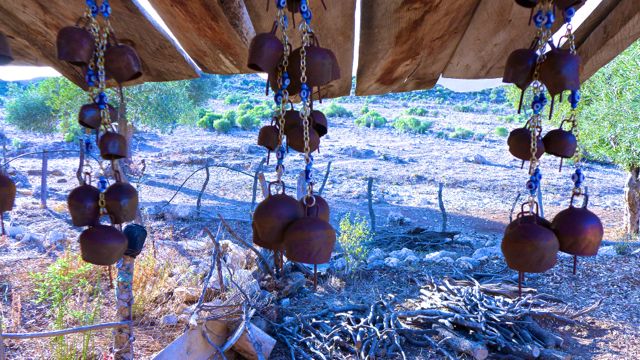
Bells
Bells
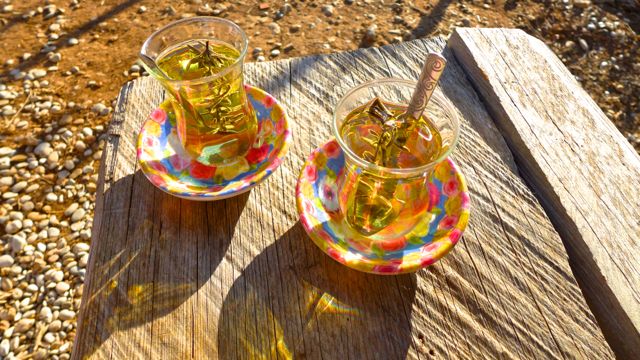
Sage tea
Sage tea
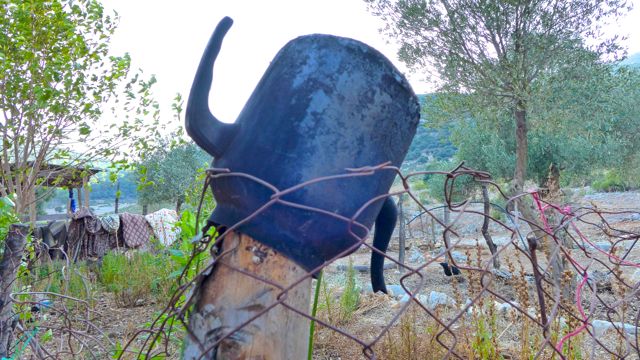
I may have been a teapot
Paws
Paws
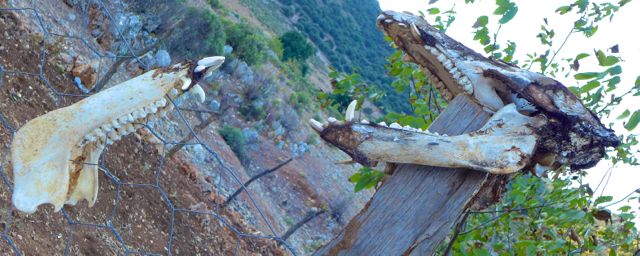
Jaws
Jaws
Ofük pushes off, 1
Ufük pushes off, 1
And camps it up
And camps it up, a little

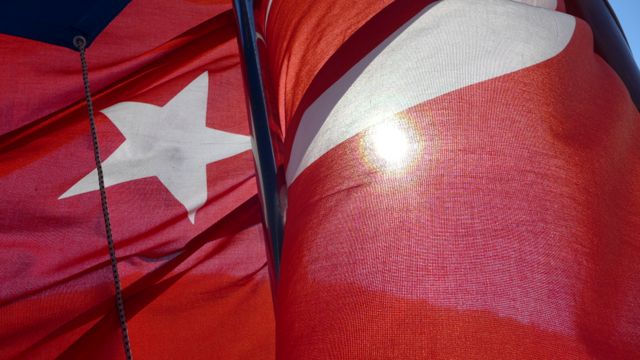
Morning  sail to Agalimani, one of my favourite places on the journey. En route, the Turkish flag at the stern gently embraces my neck as I ponder the passing wavescape and as the wind changes back and forth.

(But makes me think of the garrotting once practised in the palaces and prisons of  Turkish palaces and prisons alike, with silken cords sometimes used for those of royal blood.)

We walk up through pine forest, with me herding and supporting one or two older members of the group, encouraging them to persevere – because of what waits at the end. The ruins of the ancient settlement of Lydae.

I love cisterns and, though not wildly sophisticated, the one shown here is one of my favourites of all time.

The sage tea, too, was delicious – and the puppy, like pretty much like most animals we had come across, made a bee-line for Mary.

Though we bought some honey from the couple who run the end-of-the-world homestead that was our ultimate destination, I didn’t see the beehives this time, nor the baited dishes full of dead hornets – a predator on honeybees.

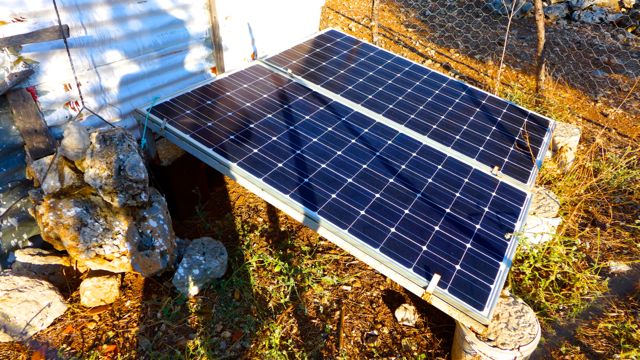
An odd combination of the primeval and the bang up-to-date, with modernity signalled by things including a rusty satellite dish corralled within a wooden fence and a photovoltaic array tucked away behind the farmhouse.

The bright side of our new century


Magnificent 5: Letoön, Xanthos, Patara, Pinara, Tlos

John Elkington · 26 September 2014 · Leave a Comment

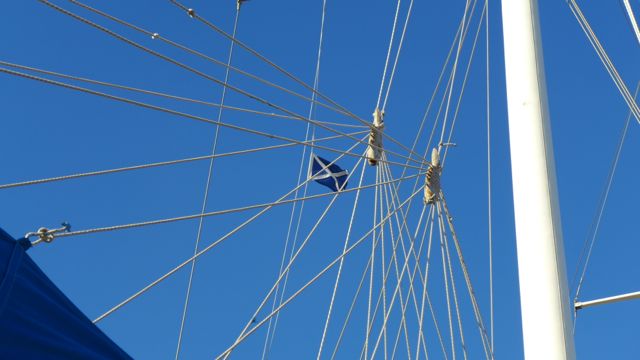
Saltire aloft
Saltire aloft
Script at Letoön
Script at Letoön
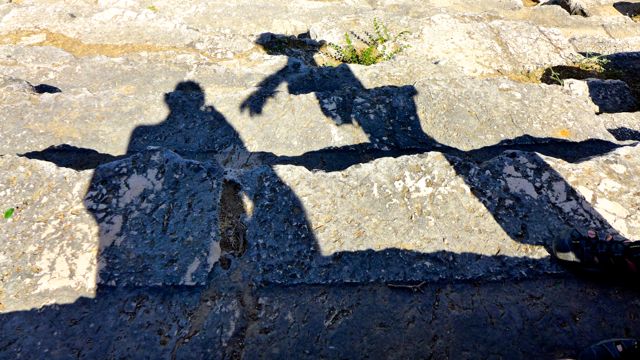
Ditto, with a touch of Picasso
Andrew’s shadow on theatre stone benching, with a touch of Picasso
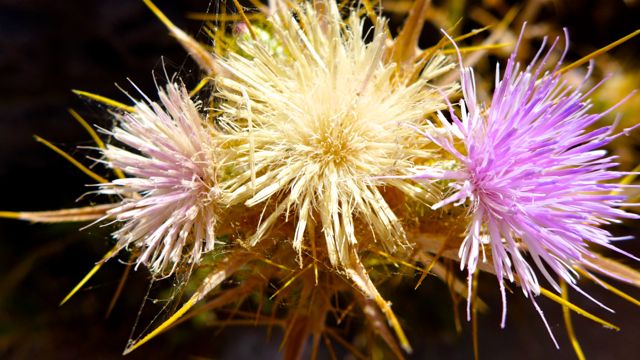
Possibly thistles
Possibly thistles
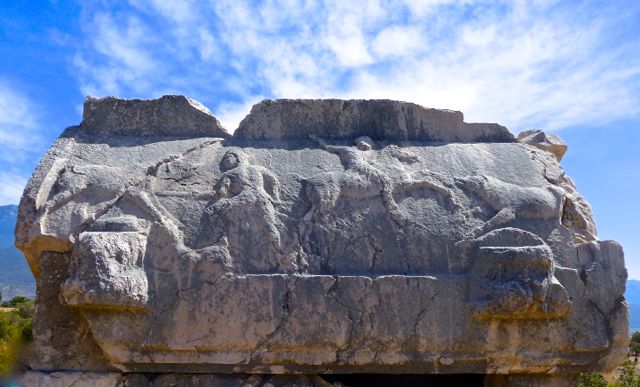
Tomb
Tomb, featuring general mayhem
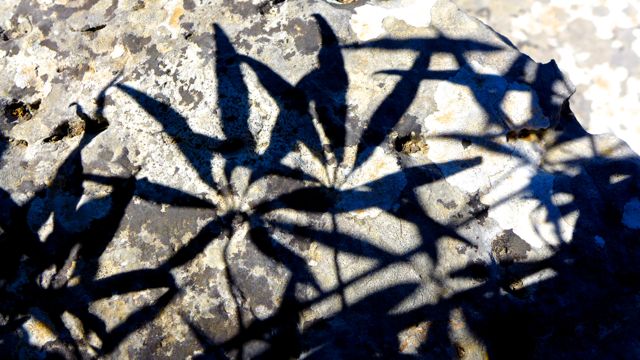
Leaf shadows
Shadows of leaves of a plant that smelled very much like marijuana
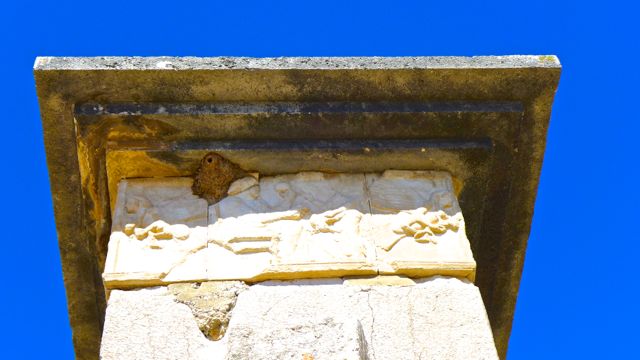
Nest under top of a Xanthos tomb
Nest nestling under top of a Xanthos tomb
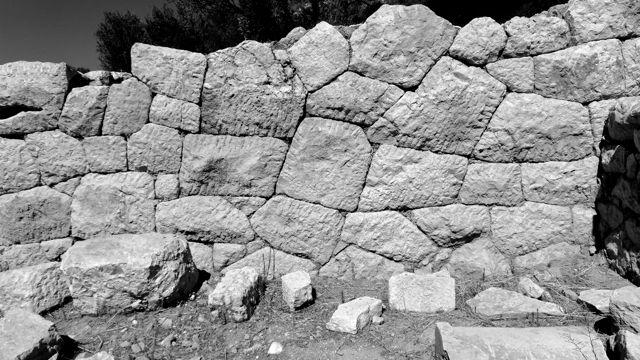
Seismic-resistant stone-work
Seismic-resistant stonework
Patara dragonfly
Patara dragonfly
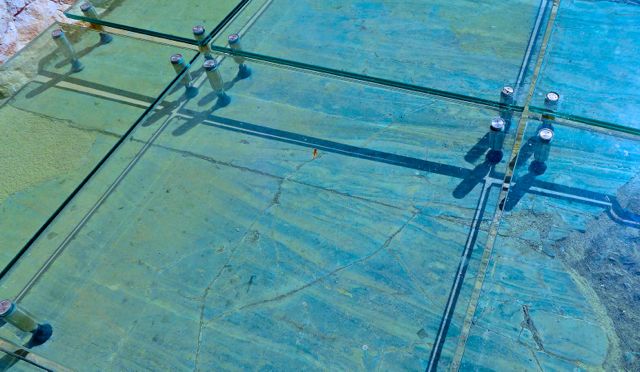
What the dragonflies took to be water
What the dragonflies took to be water (a dragonfly just visible at top, centre of largest square of glass)
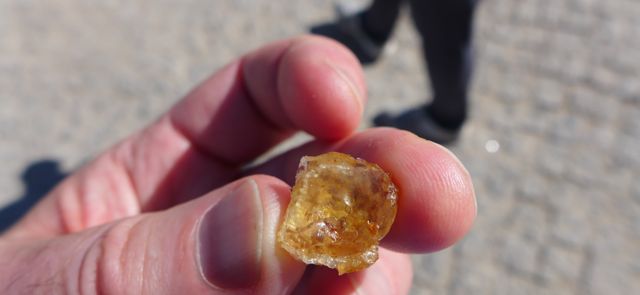
Mastic gum
Mastic gum
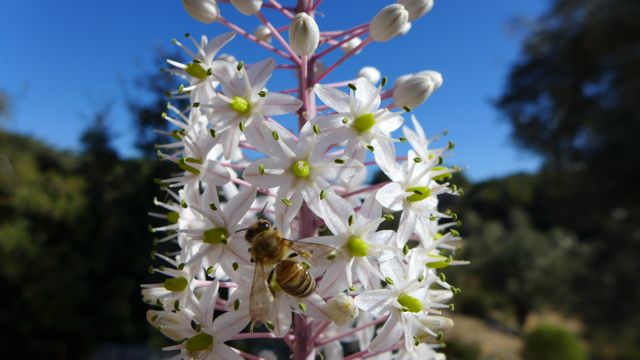
Bee on asphodel
Bee on Pinara asphodel
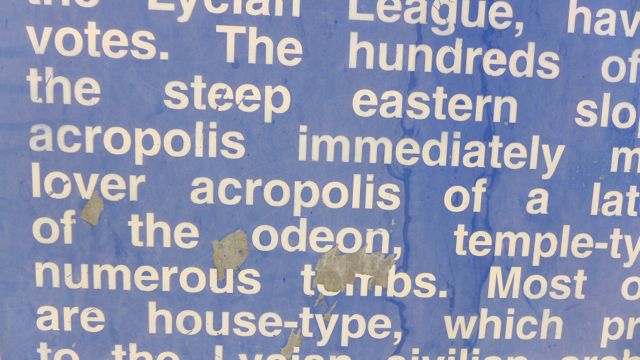
'Lover acropolis' at Penara
‘Lover acropolis’ at Pinara
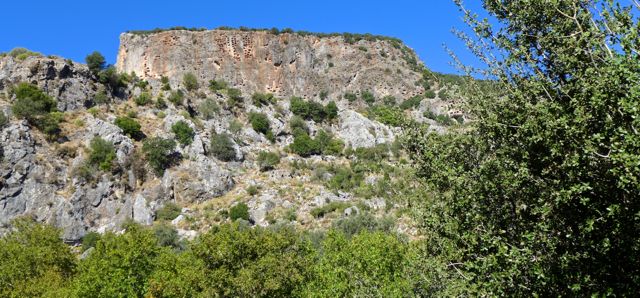
Grave-pocked cliff-face at Pinara
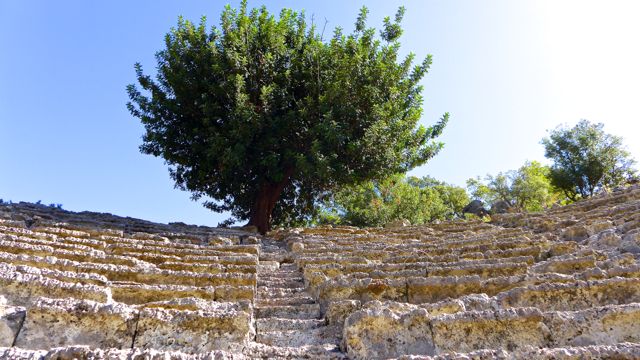
Theatre
Theatre, 1
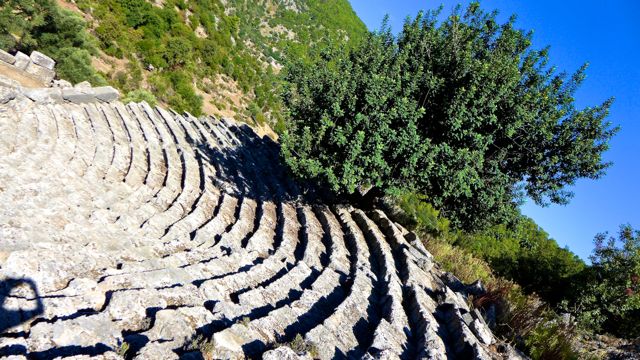
Theatre 2
Theatre, 2
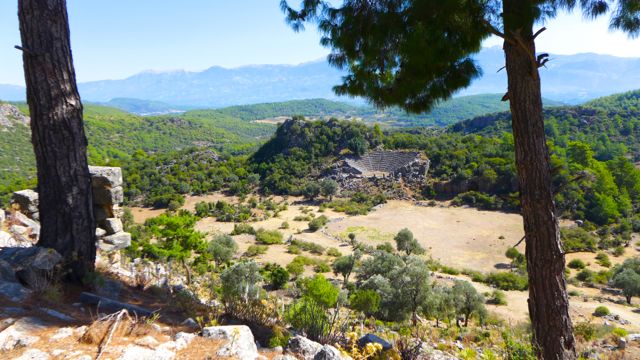
Theatre from above
Theatre from above
Phallic carving
Phallic carving
Smoke blowing from boiling pot
Smoke blowing from a rough-and-ready stove, Tlos
Chillis drying
Chillis drying, Tlos
Lenticular clouds
Lenticular clouds

A wonderful couple of days climbing over the ruins of some of the heartland Lycian cities, among them Xanthos, Patara, Pinara and Tlos.

But we kicked off with Letoön, with its temples to Leto, Apollo and Artemis. Walking away from the group, I saw turtles, frogs and a water snake.

In the theatre, the group enacted a Greek play, as I shot pictures of some of the shadows moving back and forth on the stone benching.

Later, we moved on to Xanthos, where we visited the Roman theatre, a large Byzantine church, the Byzantine citadel and a number of  Lycian tombs. These once included the Nereid Monument, now in the British Museum, a couple of blocks from our London office

We also went to Patara, where the excavations and restoration work has moved on considerably since we were last there. One odd thing was watching red dragonflies quartering the glass floor in a restored odeon, apparently under the impression that the blue glass was water.

Outside there was a tree whose trunk was alternately covered with small white snail-shells and extrusions of amber-coloured gum. When I broke off and chewed some of the gum, it was like a mixture of hard toffee and mastic.

At one stage, I ran up the slope at the back of the complex to take a look over towards the ruined harbour and distant beaches. Easy to see how the estuary that was essential to trade eventually silted up, leaving malaria-infested swamps.

But the highlight for me, once again, was Pinara. (True to form, the Wikipedia entry seems to have confused Pinara with Partara, at least in part.)

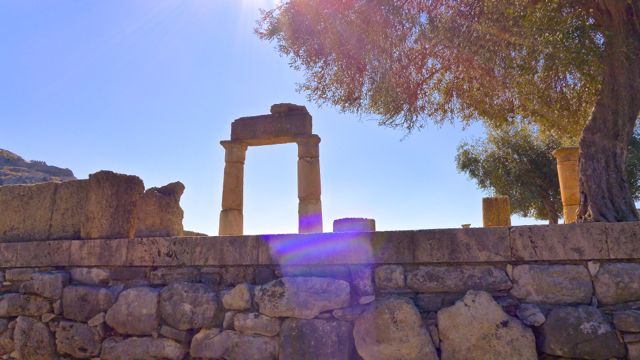
The ruined city contains the most beautiful theatre I think I have ever seen, largely because of its setting. I moved on ahead of the group to climb up onto the acropolis, later coming down to meet them in the lower acropolis, with its shady oak tree and ruined odeon.

We also took in Tlos, with its massive citadel. As we walked around the ruins nearby, I discovered something like a praying mantis, perfectly camouflaged to look like dried grass, with a smaller one on its back. Didn’t hang around, in case there was cannibalism in store.

For lunch, before the Tlos visit, we went to the extraordinary Yakapark fish restaurant that we had also visited last time – and which is like a rather more commercial (but still very pleasant) version of Rivendell in the film of Lord of the Rings.

Water cascades through the site, even through hollow trees. One new feature is the tanks of fish that are reputed to nibble your feet to health. Not sure I much fancy that – and it was reassuring to think that, because of their size, these small fish would never end up on the table.

Letoön, Xanthos, Patara, Pinara, Tlos

Saltire aloft
Saltire aloft
Script at Letoön
Script at Letoön
Ditto, with a touch of Picasso
Andrew’s shadow on theatre stone benching, with a touch of Picasso
Possibly thistles
Possibly thistles
Tomb
Tomb, featuring general mayhem
Leaf shadows
Shadows of leaves of a plant that smelled very much like marijuana
Nest under top of a Xanthos tomb
Nest nestling under top of a Xanthos tomb
Seismic-resistant stone-work
Seismic-resistant stonework
Patara dragonfly
Patara dragonfly
What the dragonflies took to be water
What the dragonflies took to be water (a dragonfly just visible at top, centre of largest square of glass)
Mastic gum
Mastic gum
Bee on asphodel
Bee on asphodel
'Lover acropolis' at Penara
‘Lover acropolis’ at Penara
Grave-pocked cliff-face at Pinara
Theatre
Theatre
Theatre 2
Theatre 2
Theatre from above
Theatre from above
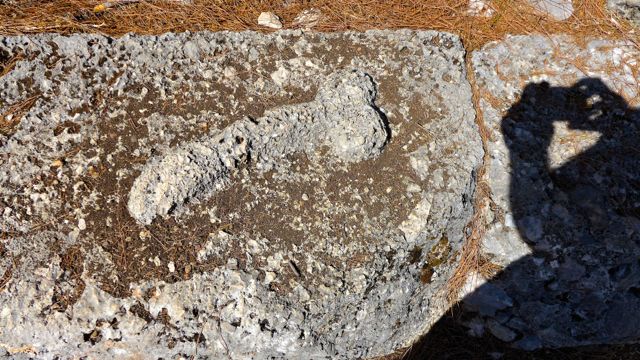
Phallic carving
Phallic carving
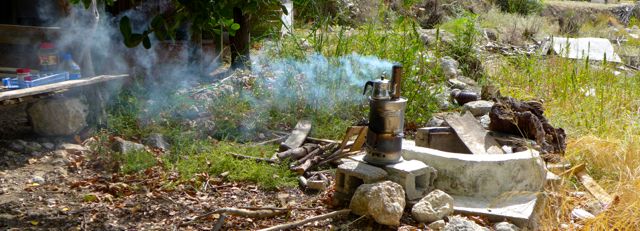
Smoke blowing from boiling pot
Smoke blowing from a rough-and-ready stove
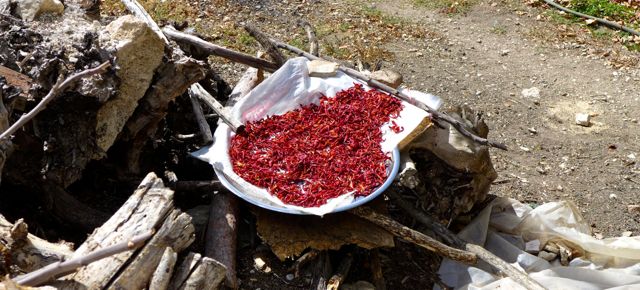
Chillis drying
Chillis drying
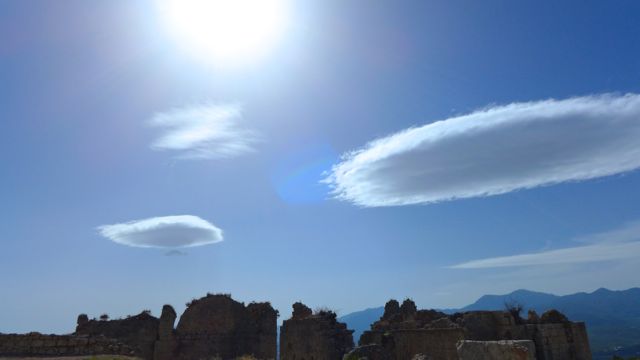
Lenticular clouds
Lenticular clouds

A wonderful couple of days climbing over the ruins of some of the heartland Lycian cities, among them Xanthos, Patara, Pinara and Tlos.

But we kicked off with Letoön, with its temples to Leto, Apollo and Artemis. Walking away from the group, I saw turtles, frogs and a water snake.

In the theatre, the group enacted a Greek play, as I shot pictures of some of the shadows moving back and forth on the stone benching.

Later, we moved on to Xanthos, where we visited the Roman theatre, a large Byzantine church, the Byzantine citadel and a number of  Lycian tombs. These once included the Nereid Monument, now in the British Museum, a couple of blocks from our London office

We also went to Patara, where the excavations and restoration work has moved on considerably since we were last there. One odd thing was watching red dragonflies quartering the glass floor in a restored odeon, apparently under the impression that the blue glass was water.

Outside there was a tree whose trunk was alternately covered with small white snail-shells and extrusions of amber-coloured gum. When I broke off and chewed some of the gum, it was like a mixture of hard toffee and mastic.

At one stage, I ran up the slope at the back of the complex to take a look over towards the ruined harbour and distant beaches. Easy to see how the estuary that was essential to trade eventually silted up, leaving malaria-infested swamps.

But the highlight for me, once again, was Pinara. (True to form, the Wikipedia entry seems to have confused Pinara with Partara, at least in part.)

The ruined city contains the most beautiful theatre I think I have ever seen, largely because of its setting. I moved on ahead of the group to climb up onto the acropolis, later coming down to meet them in the lower acropolis, with its shady oak tree and ruined odeon.

We also took in Tlos, with its massive citadel. As we walked around the ruins nearby, I discovered something like a praying mantis, perfectly camouflaged to look like dried grass, with a smaller one on its back. Didn’t hang around, in case there was cannibalism in store.

For lunch, before the Tlos visit, we went to the extraordinary Yakapark fish restaurant that we had also visited last time – and which is like a rather more commercial (but still very pleasant) version of Rivendell in the film of Lord of the Rings.

Water cascades through the site, even through hollow trees. One new feature is the tanks of fish that are reputed to nibble your feet to health. Not sure I much fancy that – and it was reassuring to think that, because of their size, these small fish would never end up on the table.

  • « Go to Previous Page
  • Go to page 1
  • Interim pages omitted …
  • Go to page 74
  • Go to page 75
  • Go to page 76
  • Go to page 77
  • Go to page 78
  • Interim pages omitted …
  • Go to page 134
  • Go to Next Page »

Primary Sidebar

Introduction

I began this blog with an entry reporting on a visit to the Woods Hole Oceanographic Institution on Cape Cod, on 30 September 2003. The blog element of the website has gone through several iterations since, with much of the older material still available.

Like so many things in my life, blog entries blur the boundaries between the personal and the professional. As explained on this site’s Home Page, the website and the blog are part platform for ongoing projects, part autobiography, and part accountability mechanism.

In addition, my blogs have appeared on many sites such as: Chinadialogue, CSRWire, Fast Company, GreenBiz, Guardian Sustainable Business, and the Harvard Business Review.

Recent Comments

  • John Elkington on The Hill House Elkingtons
  • sally fitzharris. (Rycroft) on The Hill House Elkingtons
  • Thomas Forster on Reminder of Glencot Years

Journal Archive

About

John Elkington is a world authority on corporate responsibility and sustainable development. He is currently Founding Partner and Executive Chairman of Volans, a future-focused business working at the intersection of the sustainability, entrepreneurship and innovation movements.

Contact

john@johnelkington.com  |  +44 203 701 7550 | Twitter: @volansjohn

John Elkington

Copyright © 2026 John Elkington. All rights reserved. Log in