
• Skip to primary navigation
  • Skip to main content
  • Skip to primary sidebar
John Elkington

John Elkington

A world authority on corporate responsibility and sustainable development.

  • About
    • Ambassador from the future
  • Past lives
    • Professional
      • Volans
      • SustainAbility
      • CounterCurrent
      • Boards & Advisory Boards
      • Awards & Listings
    • Personal
      • Family
      • Other Influences
      • Education
      • Photography
      • Music
      • Cycling
    • Website
  • Speaking
    • Media
    • Exhibitions
  • Publications
    • Books
    • Reports
    • Articles & Blogs
    • Contributions
    • Tweets
    • Unpublished Writing
  • Journal
  • Contact
  • Show Search
Hide Search

Search Results for: Tim elkington

Would you like jawbones with your sage tea?

John Elkington · 28 September 2014 · Leave a Comment

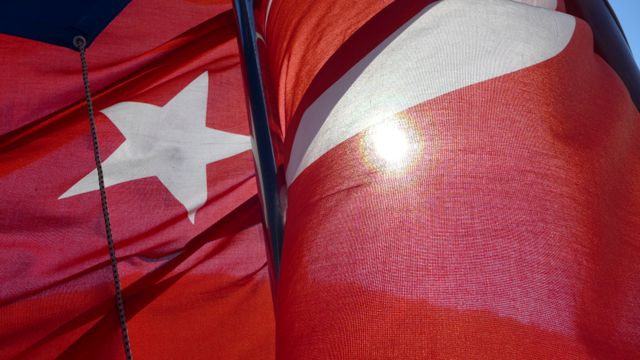
Flag often drapes itself around my neck at stern
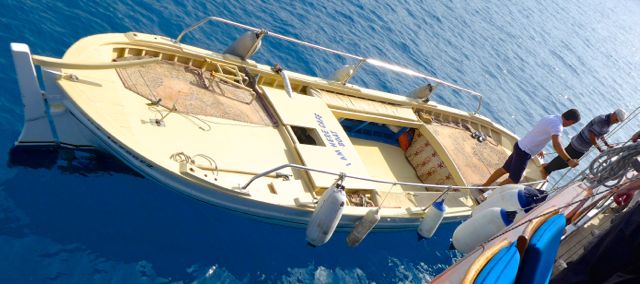
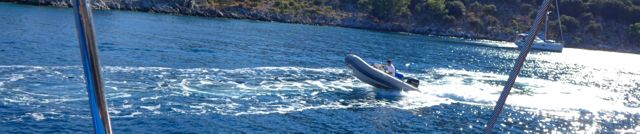
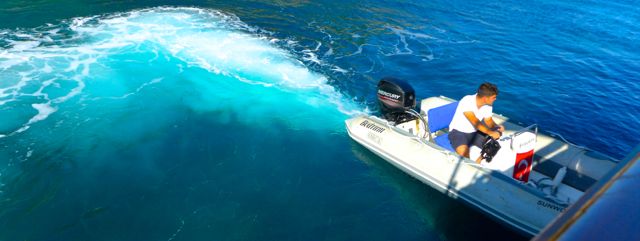
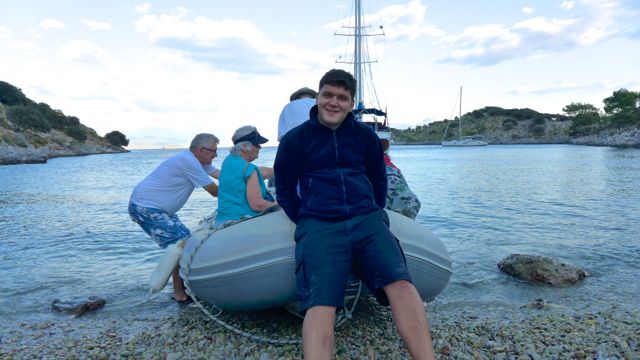
Zodiac zooms back from mooring
And nudges gulet around
Sunworld 8 from above
Lost in blaze of light on threshold of cistern
Inside the cistern, looking  up at the heavens
Inside the cistern, looking up at the heavens
The outside view
The outside view
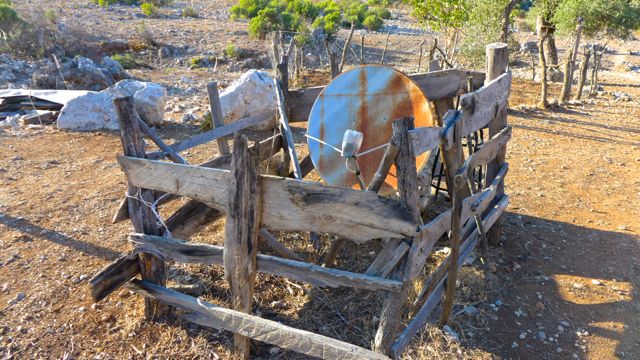
Fenced-in satellite dish
Cockerel, doing what they do
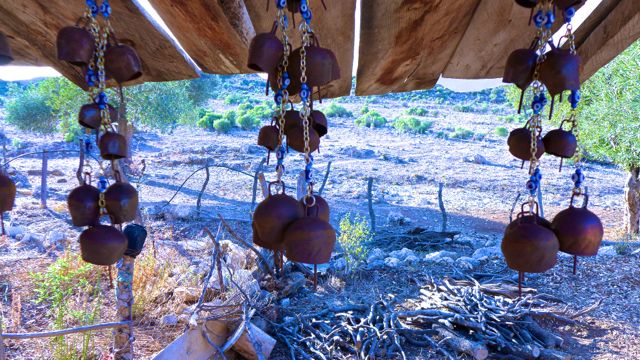
Bells
Bells
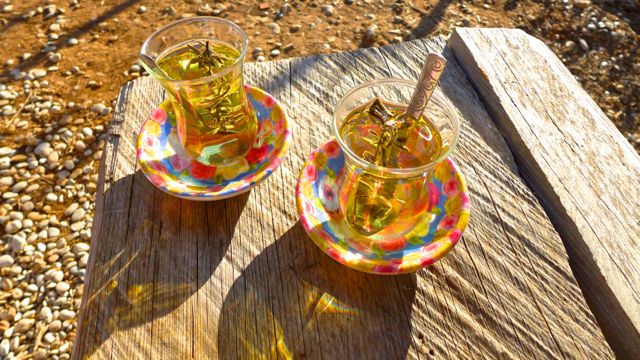
Sage tea
Sage tea
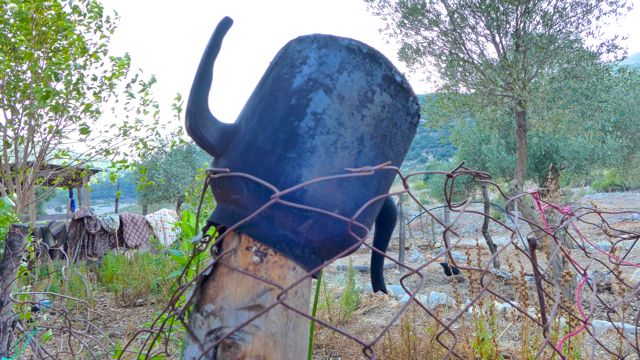
I may have been a teapot
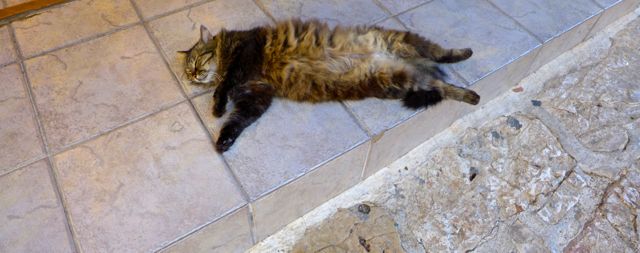
Paws
Paws
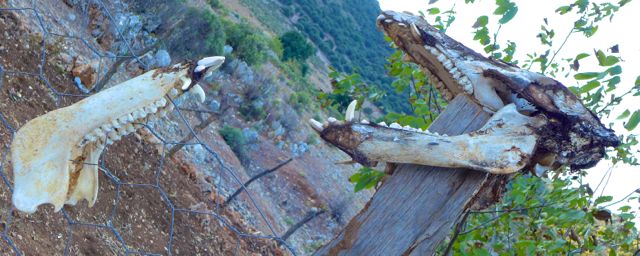
Jaws
Jaws
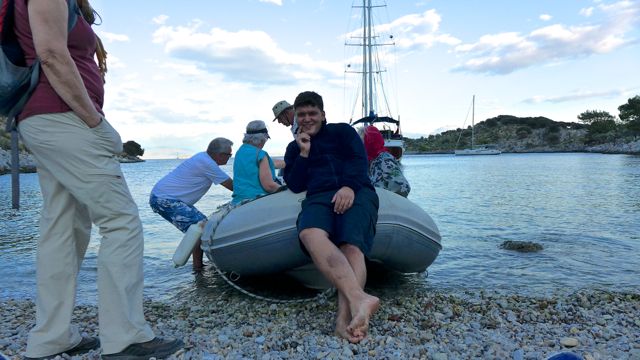
Ofük pushes off, 1
Ufük pushes off, 1
And camps it up
And camps it up, a little

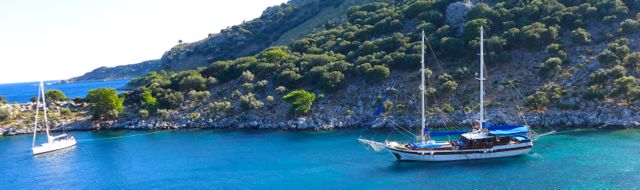
Morning  sail to Agalimani, one of my favourite places on the journey. En route, the Turkish flag at the stern gently embraces my neck as I ponder the passing wavescape and as the wind changes back and forth.

(But makes me think of the garrotting once practised in the palaces and prisons of  Turkish palaces and prisons alike, with silken cords sometimes used for those of royal blood.)

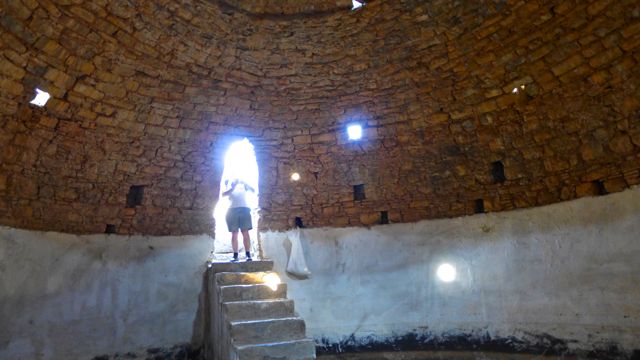
We walk up through pine forest, with me herding and supporting one or two older members of the group, encouraging them to persevere – because of what waits at the end. The ruins of the ancient settlement of Lydae.

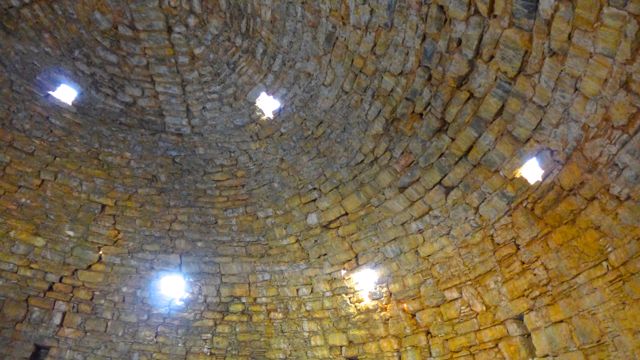
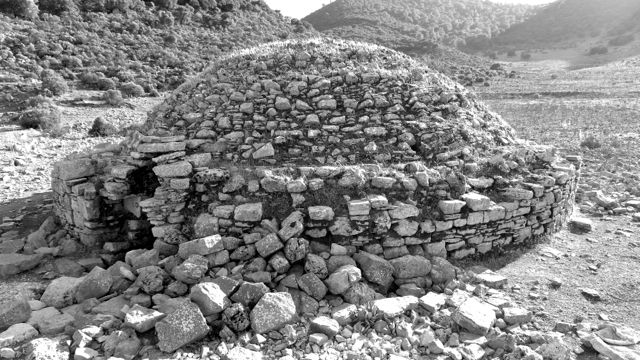
I love cisterns and, though not wildly sophisticated, the one shown here is one of my favourites of all time.

The sage tea, too, was delicious – and the puppy, like pretty much like most animals we had come across, made a bee-line for Mary.

Though we bought some honey from the couple who run the end-of-the-world homestead that was our ultimate destination, I didn’t see the beehives this time, nor the baited dishes full of dead hornets – a predator on honeybees.

An odd combination of the primeval and the bang up-to-date, with modernity signalled by things including a rusty satellite dish corralled within a wooden fence and a photovoltaic array tucked away behind the farmhouse.
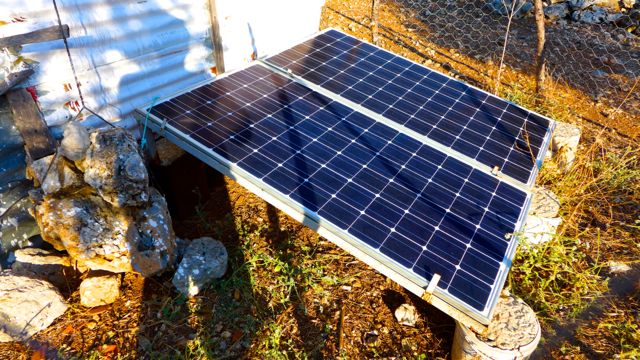
The bright side of our new century


Magnificent 5: Letoön, Xanthos, Patara, Pinara, Tlos

John Elkington · 26 September 2014 · Leave a Comment

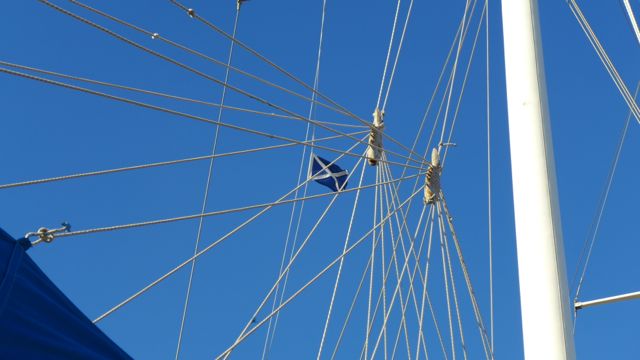
Saltire aloft
Saltire aloft
Script at Letoön
Script at Letoön
Ditto, with a touch of Picasso
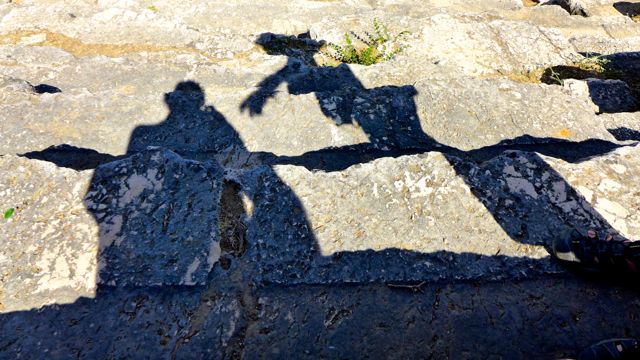
Andrew’s shadow on theatre stone benching, with a touch of Picasso
Possibly thistles
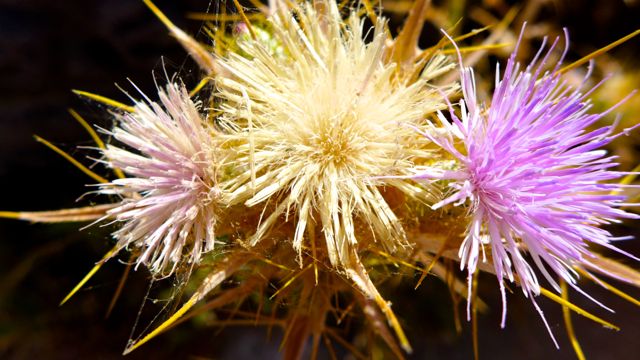
Possibly thistles
Tomb
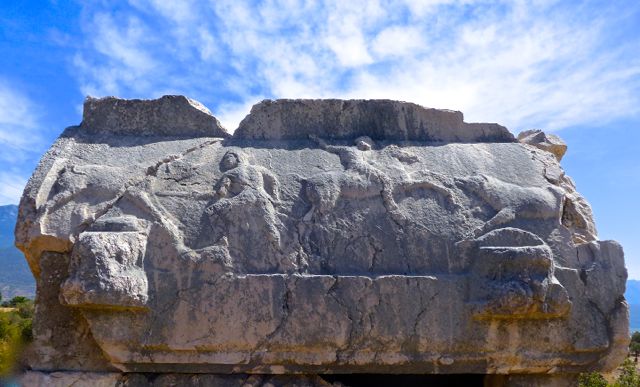
Tomb, featuring general mayhem
Leaf shadows
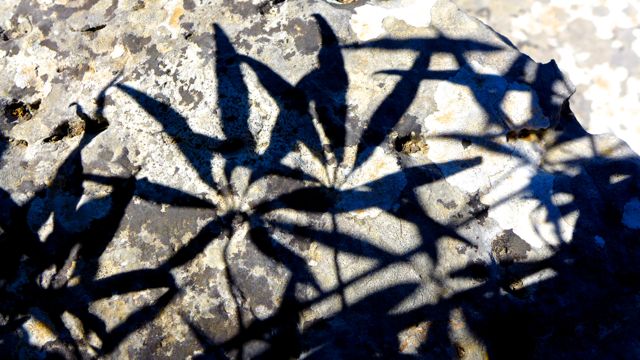
Shadows of leaves of a plant that smelled very much like marijuana
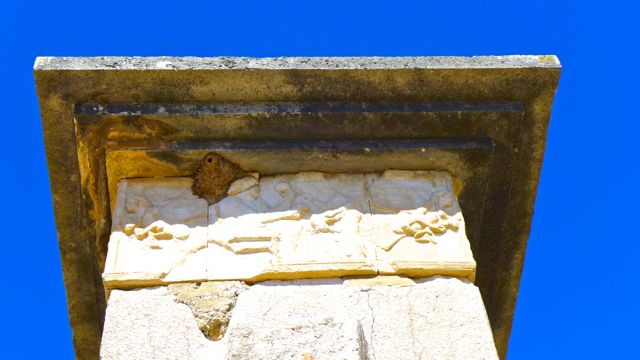
Nest under top of a Xanthos tomb
Nest nestling under top of a Xanthos tomb
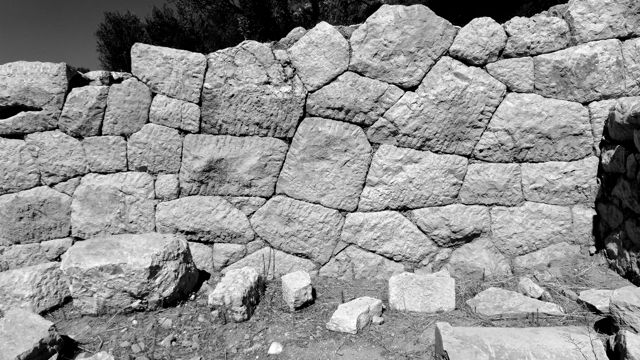
Seismic-resistant stone-work
Seismic-resistant stonework
Patara dragonfly
Patara dragonfly
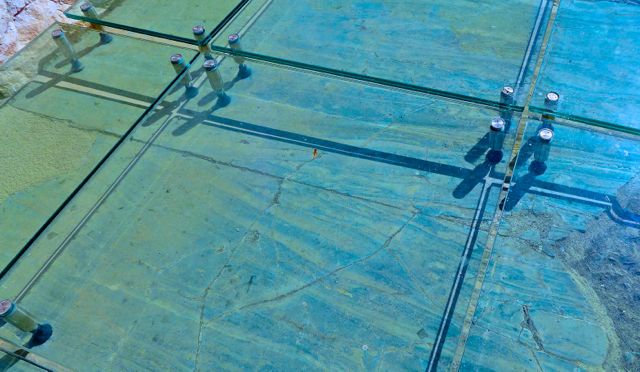
What the dragonflies took to be water
What the dragonflies took to be water (a dragonfly just visible at top, centre of largest square of glass)
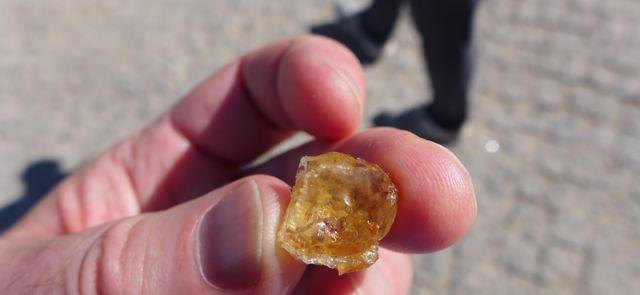
Mastic gum
Mastic gum
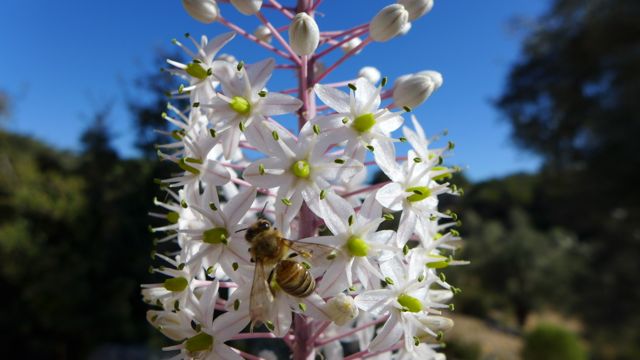
Bee on asphodel
Bee on Pinara asphodel
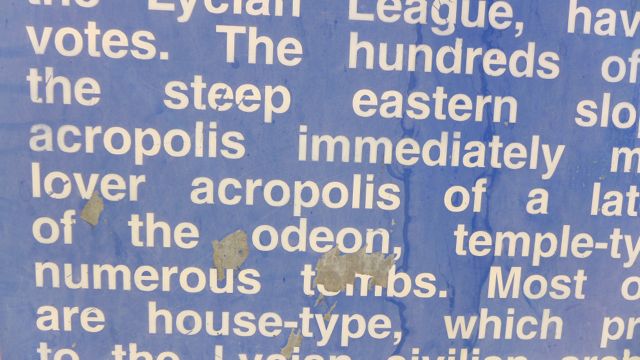
'Lover acropolis' at Penara
‘Lover acropolis’ at Pinara
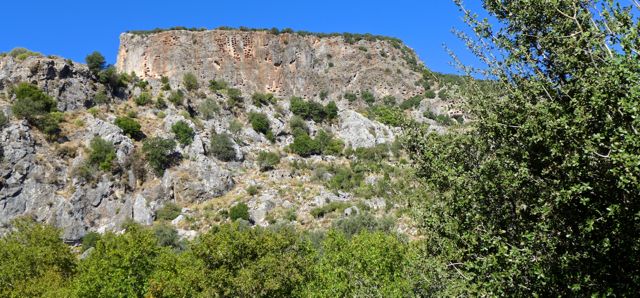
Grave-pocked cliff-face at Pinara
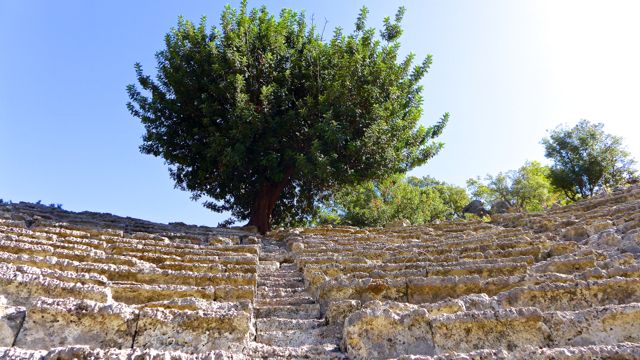
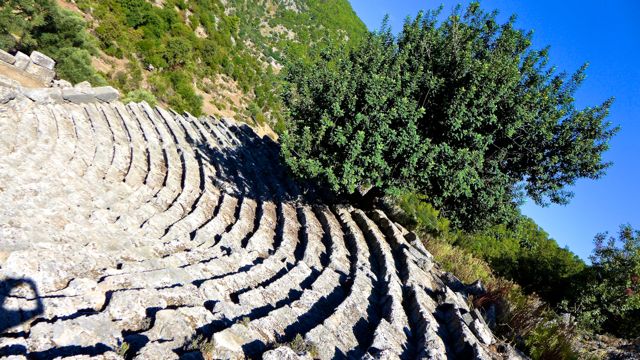
Theatre
Theatre, 1
Theatre 2
Theatre, 2
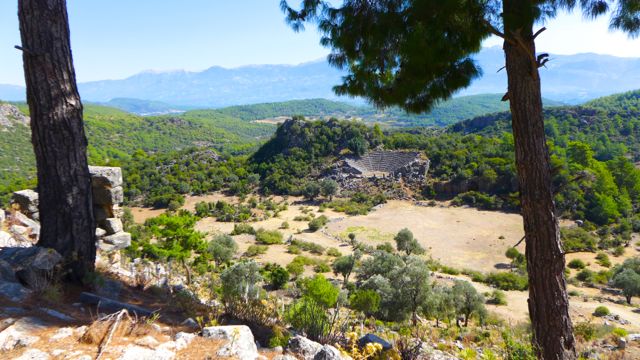
Theatre from above
Theatre from above
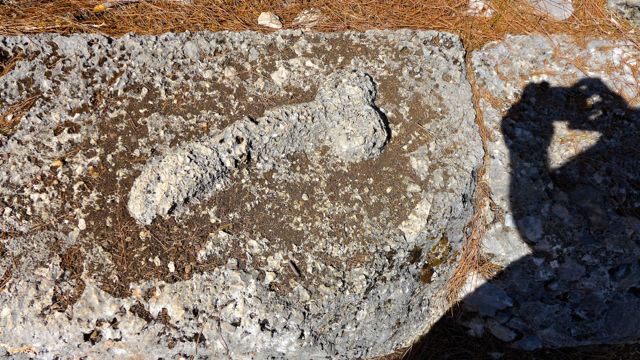
Phallic carving
Phallic carving
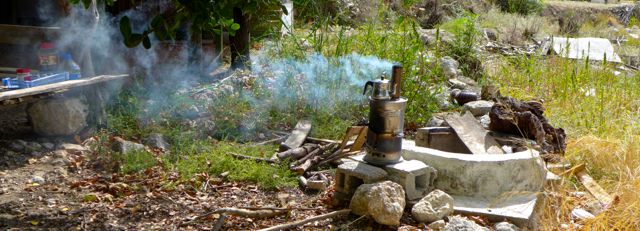
Smoke blowing from boiling pot
Smoke blowing from a rough-and-ready stove, Tlos
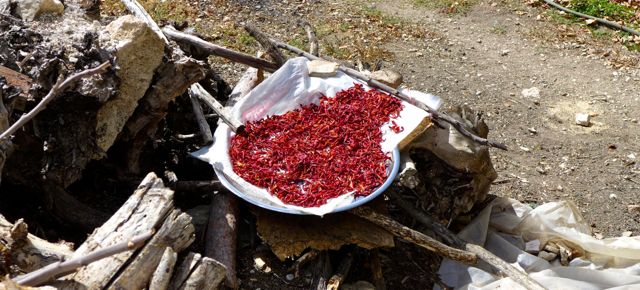
Chillis drying
Chillis drying, Tlos
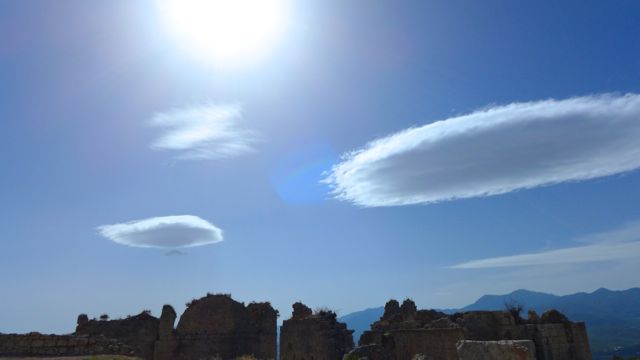
Lenticular clouds
Lenticular clouds

A wonderful couple of days climbing over the ruins of some of the heartland Lycian cities, among them Xanthos, Patara, Pinara and Tlos.

But we kicked off with Letoön, with its temples to Leto, Apollo and Artemis. Walking away from the group, I saw turtles, frogs and a water snake.
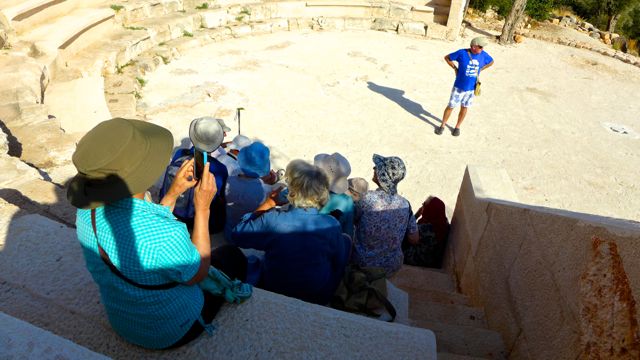
In the theatre, the group enacted a Greek play, as I shot pictures of some of the shadows moving back and forth on the stone benching.
Later, we moved on to Xanthos, where we visited the Roman theatre, a large Byzantine church, the Byzantine citadel and a number of  Lycian tombs. These once included the Nereid Monument, now in the British Museum, a couple of blocks from our London office

We also went to Patara, where the excavations and restoration work has moved on considerably since we were last there. One odd thing was watching red dragonflies quartering the glass floor in a restored odeon, apparently under the impression that the blue glass was water.

Outside there was a tree whose trunk was alternately covered with small white snail-shells and extrusions of amber-coloured gum. When I broke off and chewed some of the gum, it was like a mixture of hard toffee and mastic.

At one stage, I ran up the slope at the back of the complex to take a look over towards the ruined harbour and distant beaches. Easy to see how the estuary that was essential to trade eventually silted up, leaving malaria-infested swamps.

But the highlight for me, once again, was Pinara. (True to form, the Wikipedia entry seems to have confused Pinara with Partara, at least in part.)

The ruined city contains the most beautiful theatre I think I have ever seen, largely because of its setting. I moved on ahead of the group to climb up onto the acropolis, later coming down to meet them in the lower acropolis, with its shady oak tree and ruined odeon.

We also took in Tlos, with its massive citadel. As we walked around the ruins nearby, I discovered something like a praying mantis, perfectly camouflaged to look like dried grass, with a smaller one on its back. Didn’t hang around, in case there was cannibalism in store.

For lunch, before the Tlos visit, we went to the extraordinary Yakapark fish restaurant that we had also visited last time – and which is like a rather more commercial (but still very pleasant) version of Rivendell in the film of Lord of the Rings.

Water cascades through the site, even through hollow trees. One new feature is the tanks of fish that are reputed to nibble your feet to health. Not sure I much fancy that – and it was reassuring to think that, because of their size, these small fish would never end up on the table.

Letoön, Xanthos, Patara, Pinara, Tlos

Saltire aloft
Saltire aloft
Script at Letoön
Script at Letoön
Ditto, with a touch of Picasso
Andrew’s shadow on theatre stone benching, with a touch of Picasso
Possibly thistles
Possibly thistles
Tomb
Tomb, featuring general mayhem
Leaf shadows
Shadows of leaves of a plant that smelled very much like marijuana
Nest under top of a Xanthos tomb
Nest nestling under top of a Xanthos tomb
Seismic-resistant stone-work
Seismic-resistant stonework
Patara dragonfly
Patara dragonfly
What the dragonflies took to be water
What the dragonflies took to be water (a dragonfly just visible at top, centre of largest square of glass)
Mastic gum
Mastic gum
Bee on asphodel
Bee on asphodel
'Lover acropolis' at Penara
‘Lover acropolis’ at Penara
Grave-pocked cliff-face at Pinara
Theatre
Theatre
Theatre 2
Theatre 2
Theatre from above
Theatre from above
Phallic carving
Phallic carving
Smoke blowing from boiling pot
Smoke blowing from a rough-and-ready stove
Chillis drying
Chillis drying
Lenticular clouds
Lenticular clouds

A wonderful couple of days climbing over the ruins of some of the heartland Lycian cities, among them Xanthos, Patara, Pinara and Tlos.

But we kicked off with Letoön, with its temples to Leto, Apollo and Artemis. Walking away from the group, I saw turtles, frogs and a water snake.

In the theatre, the group enacted a Greek play, as I shot pictures of some of the shadows moving back and forth on the stone benching.

Later, we moved on to Xanthos, where we visited the Roman theatre, a large Byzantine church, the Byzantine citadel and a number of  Lycian tombs. These once included the Nereid Monument, now in the British Museum, a couple of blocks from our London office

We also went to Patara, where the excavations and restoration work has moved on considerably since we were last there. One odd thing was watching red dragonflies quartering the glass floor in a restored odeon, apparently under the impression that the blue glass was water.

Outside there was a tree whose trunk was alternately covered with small white snail-shells and extrusions of amber-coloured gum. When I broke off and chewed some of the gum, it was like a mixture of hard toffee and mastic.

At one stage, I ran up the slope at the back of the complex to take a look over towards the ruined harbour and distant beaches. Easy to see how the estuary that was essential to trade eventually silted up, leaving malaria-infested swamps.

But the highlight for me, once again, was Pinara. (True to form, the Wikipedia entry seems to have confused Pinara with Partara, at least in part.)

The ruined city contains the most beautiful theatre I think I have ever seen, largely because of its setting. I moved on ahead of the group to climb up onto the acropolis, later coming down to meet them in the lower acropolis, with its shady oak tree and ruined odeon.

We also took in Tlos, with its massive citadel. As we walked around the ruins nearby, I discovered something like a praying mantis, perfectly camouflaged to look like dried grass, with a smaller one on its back. Didn’t hang around, in case there was cannibalism in store.

For lunch, before the Tlos visit, we went to the extraordinary Yakapark fish restaurant that we had also visited last time – and which is like a rather more commercial (but still very pleasant) version of Rivendell in the film of Lord of the Rings.

Water cascades through the site, even through hollow trees. One new feature is the tanks of fish that are reputed to nibble your feet to health. Not sure I much fancy that – and it was reassuring to think that, because of their size, these small fish would never end up on the table.

Wrecked at Uluburun, underwater at Kekova

John Elkington · 23 September 2014 · Leave a Comment

Site of Late Bronze Age of an extraordinary shipwreck
Boat, for trip to Kaleköy
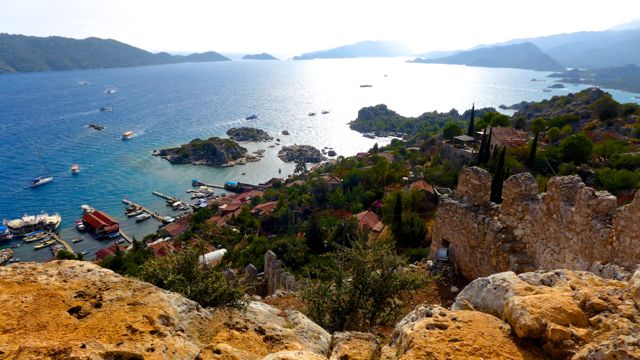
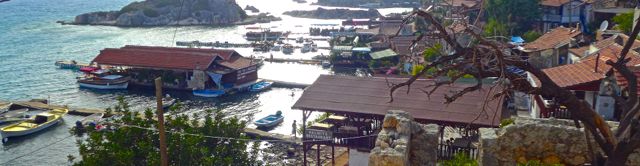
Panorama from the citadel at Kaleköy
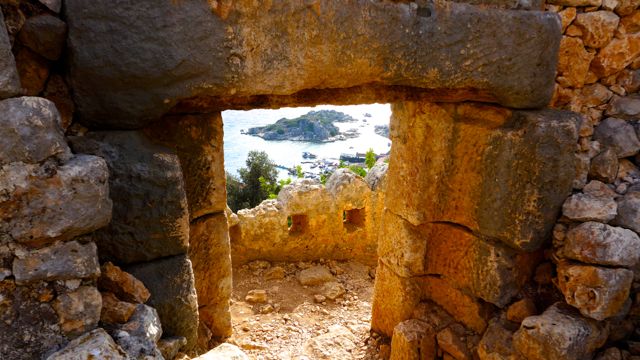
Gateway in the citadel
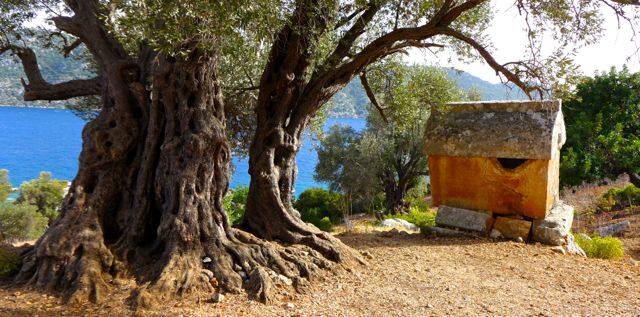
Tombs, 1
Tombs, 1
Tombs, 2
Tombs, 2
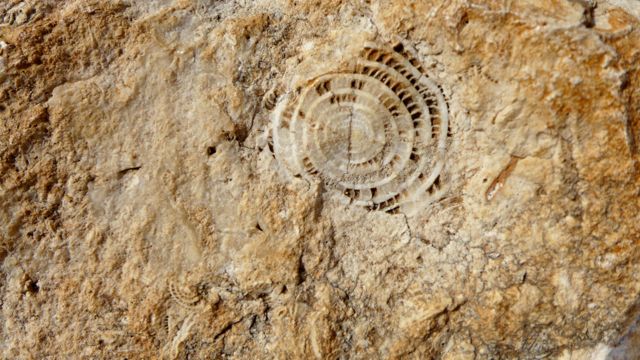
Fossils
Fossils
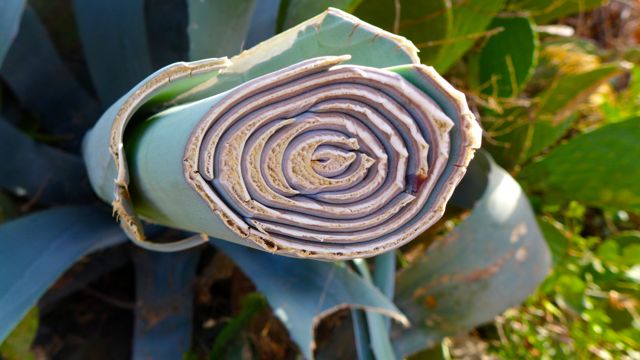
Sliced
Sliced
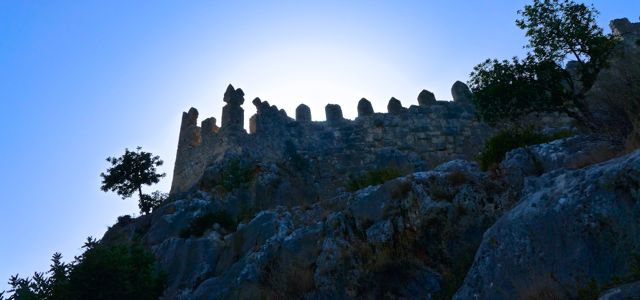
Ramparts
Ramparts
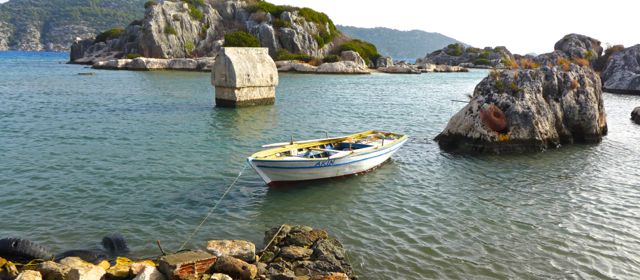
Floating tomb
Floating tomb
Shed
Shed
Sunset over Kaleköy
Sunset over Kaleköy

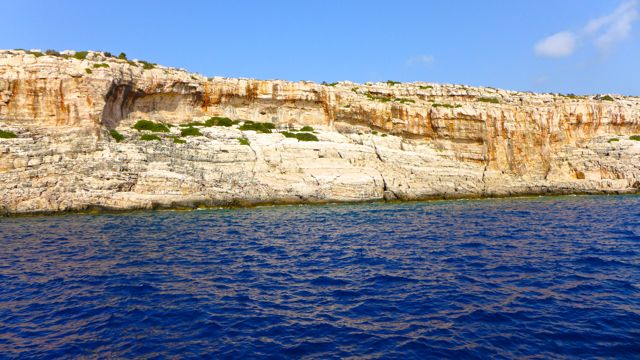
Sailing to Kekova, we passed the site of one of the world’s more extraordinary shipwrecks, in which a Late Bronze Age boat foundered – and in the process preserved an amazing cargo, including the unique gold scarab inscribed with the name of Nefertiti. We will see the finds in Bodrum at the end of the trip (see 3 October entry).

Among the other highlights of the day have been:

First, a visit to the island of Kekova, where you can see the often flooded ruins of old harbour installations. These date back to the second century AD, when a giant earthquake hit the region.

And, second, we took a smaller boat across to the small hamlet of Kaleköy, site of the classical town of Simena. There we made our way up to the top of the citadel, in a fair wind. The ruins show evidence of Roman, Byzantine and Ottoman occupation – it would be fascinating to have a time lapse film to view the panorama from the summit through the centuries and millennia.

Weirdly, as we walked around the citadel, a drone buzzed overhead – an extraordinary symbol of the way in which new types of technology are mutating all around us.

Where the craftsmen who created the gold scarab laboured to miniaturise script, we now labour to miniaturise electronic elements for the chips that help and power such aerial robots. and, talking of navigation, one of the other shipwrecked things I would love to see one day is the astounding Antikythera Mechanism.

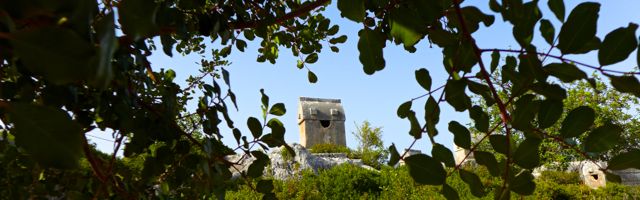
Later in the afternoon, we spun off to explore the nearby tombs of the Lycian necropolis alone, including a floating tomb to one side of the settlement. On our way back, we stopped in for a stunningly delicious pomegranate juice at a café recommend by Andrew.

Then the gulet sailed on to Gokkaya Liman, where we moored for the night. Glorious stars.

Stalking armchairs in Kaş, ancient Antiphellos

John Elkington · 22 September 2014 · Leave a Comment

Captain Taifun fishes en route to Kaş
Captain Tayfun fishes en route to Kaş, Andrew at the helm

Wonderful morning, but a thoroughly grim start for Elaine, who had yet to get her sea-legs. I had tried to get her up on deck in time for the gulet weighing anchor at 06.00 and setting sail. Didn’t happen, so she was more or less trapped downstairs in a hot cabin and with smell of diesel coming through porthole – and was profoundly seasick and disoriented. Not much I could do, except drop now in and offer words of comfort.

On deck, all was considerably calmer, with Kati wrapped in her duvet on the cushions in the stern – and I watched the captain and other members of the crew trail a long line astern, adorned with various lures in the shape of fish and tentacled and tentacled organisms like squid. But they came up empty-handed.

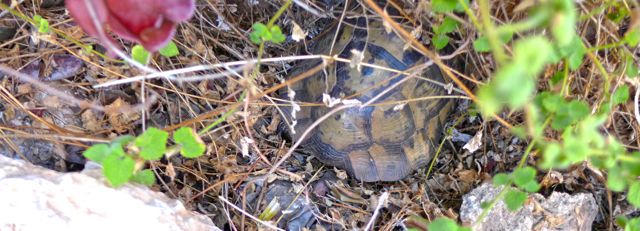
Things improved for her when we docked in Kaş – and went in pursuit of the ancient Greek theatre and a very special tomb. Last time we were there, the tomb was in a dreadful mess despite being supervised by an old woman who sat nearby. This time it was much cleaner – and Elaine found a tortoise in the vegetation behind it. Later we walked back through the town, before heading back to the boat for dinner. The food is wonderful, perfect for we pesky, piscatorial vegetarians – and we are also beginning to run up a modest bar bill, with Efes beer and Angora red wine.

Am beginning to work through the truckload of books I brought with me, including Martin Wolf’s brilliant new book, The Shifts and the Shocks. A bracing reminder, despite Francis Fukuyama’s earlier book The End of History and the Last Man, of just how the historical the times are that we are now living through. [NOTE on 11 October: I have just bought Fukuyama’s new book, Political Order and Political Decay, and am looking forward to seeing how his thinking has evolved.]

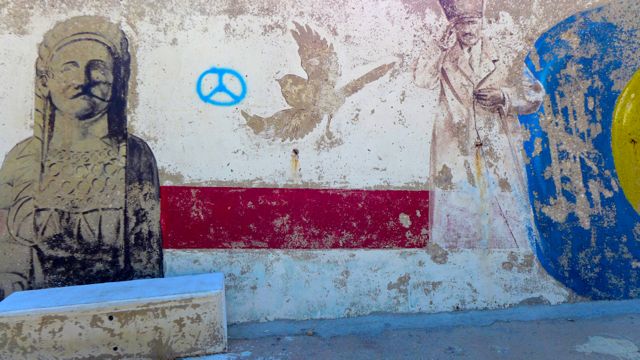
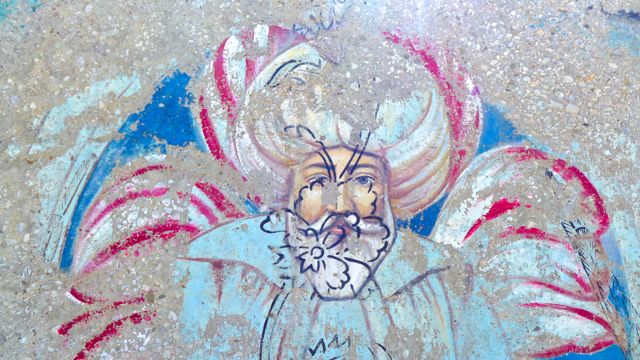
Graffiti at Kaş, 1
Graffiti at Kaş, 1
Graffiti in Kaş, 2
Graffiti at Kaş, 2
Andrew about to explain how ancient theatres evolved from threshing floors
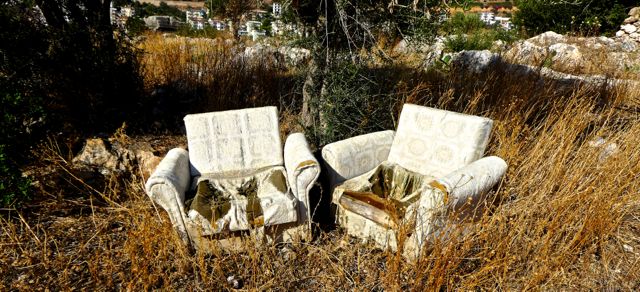
Two armchairs abandoned on the path to a major tomb
Elaine finds a tortoise behind the tomb
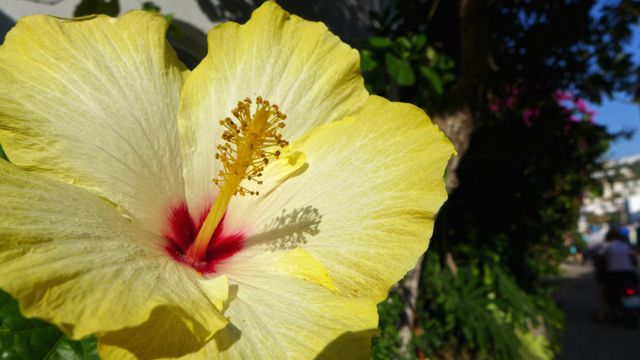
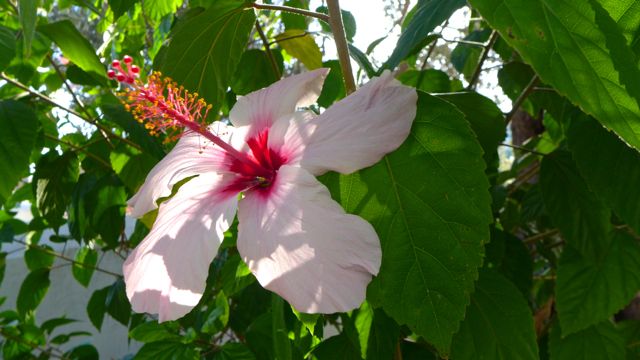
Glorious hibiscus
Glorious hibiscus
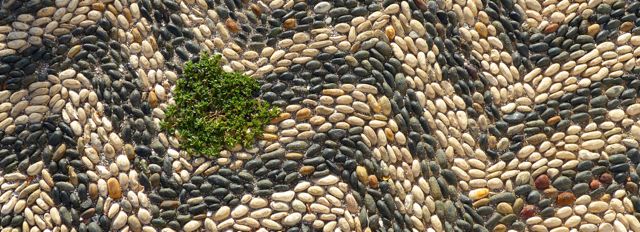
Detail of pebbling outside mosque
Glorious, 2
Glorious, 2
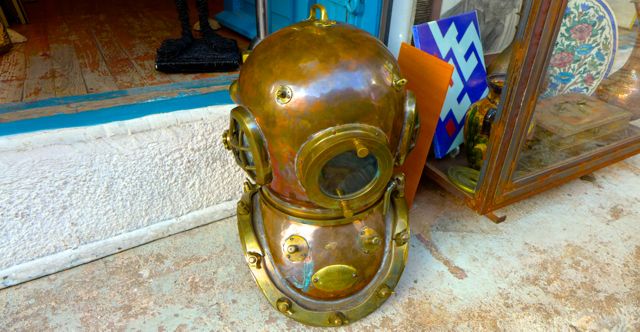
If only I had the brass
I'm beginning to relax
I’m beginning to relax
As we head back to the dock
Old man relaxes on the breakwater

And then, at some point, I had one of those moments of panic that have been such a regular feature of my life. When we got back to the docked boat I found that I had left my haversack somewhere, with binoculars and, critically, my passport.

A slightly tense evening as we tried to work out where I could have left the bag: in museums, taxis or restaurants. But I guessed that I might have tucked it under the seat in front on the minibus. It is black and probably faded into the shadows.

In Andrew’s shore-leave absence, dear Kati helped by getting the crew to call the minibus firm, but the driver was home for the night. Next morning, though, the minibus, its driver and the knapsack all returned, to pick up for the next leg of the journey.

  • « Go to Previous Page
  • Go to page 1
  • Interim pages omitted …
  • Go to page 75
  • Go to page 76
  • Go to page 77
  • Go to page 78
  • Go to page 79
  • Interim pages omitted …
  • Go to page 134
  • Go to Next Page »

Primary Sidebar

Introduction

I began this blog with an entry reporting on a visit to the Woods Hole Oceanographic Institution on Cape Cod, on 30 September 2003. The blog element of the website has gone through several iterations since, with much of the older material still available.

Like so many things in my life, blog entries blur the boundaries between the personal and the professional. As explained on this site’s Home Page, the website and the blog are part platform for ongoing projects, part autobiography, and part accountability mechanism.

In addition, my blogs have appeared on many sites such as: Chinadialogue, CSRWire, Fast Company, GreenBiz, Guardian Sustainable Business, and the Harvard Business Review.

Recent Comments

  • John Elkington on The Hill House Elkingtons
  • sally fitzharris. (Rycroft) on The Hill House Elkingtons
  • Thomas Forster on Reminder of Glencot Years

Journal Archive

About

John Elkington is a world authority on corporate responsibility and sustainable development. He is currently Founding Partner and Executive Chairman of Volans, a future-focused business working at the intersection of the sustainability, entrepreneurship and innovation movements.

Contact

john@johnelkington.com  |  +44 203 701 7550 | Twitter: @volansjohn

John Elkington

Copyright © 2026 John Elkington. All rights reserved. Log in