• Skip to primary navigation
  • Skip to main content
  • Skip to primary sidebar
John Elkington

John Elkington

A world authority on corporate responsibility and sustainable development.

  • About
    • Ambassador from the future
  • Past lives
    • Professional
      • Volans
      • SustainAbility
      • CounterCurrent
      • Boards & Advisory Boards
      • Awards & Listings
    • Personal
      • Family
      • Other Influences
      • Education
      • Photography
      • Music
      • Cycling
    • Website
  • Speaking
    • Media
    • Exhibitions
  • Publications
    • Books
    • Reports
    • Articles & Blogs
    • Contributions
    • Tweets
    • Unpublished Writing
  • Journal
  • Contact
  • Show Search
Hide Search

John Elkington

Anthropocene Motherships: Buck’s & City Lights

John Elkington · 9 April 2016 · Leave a Comment

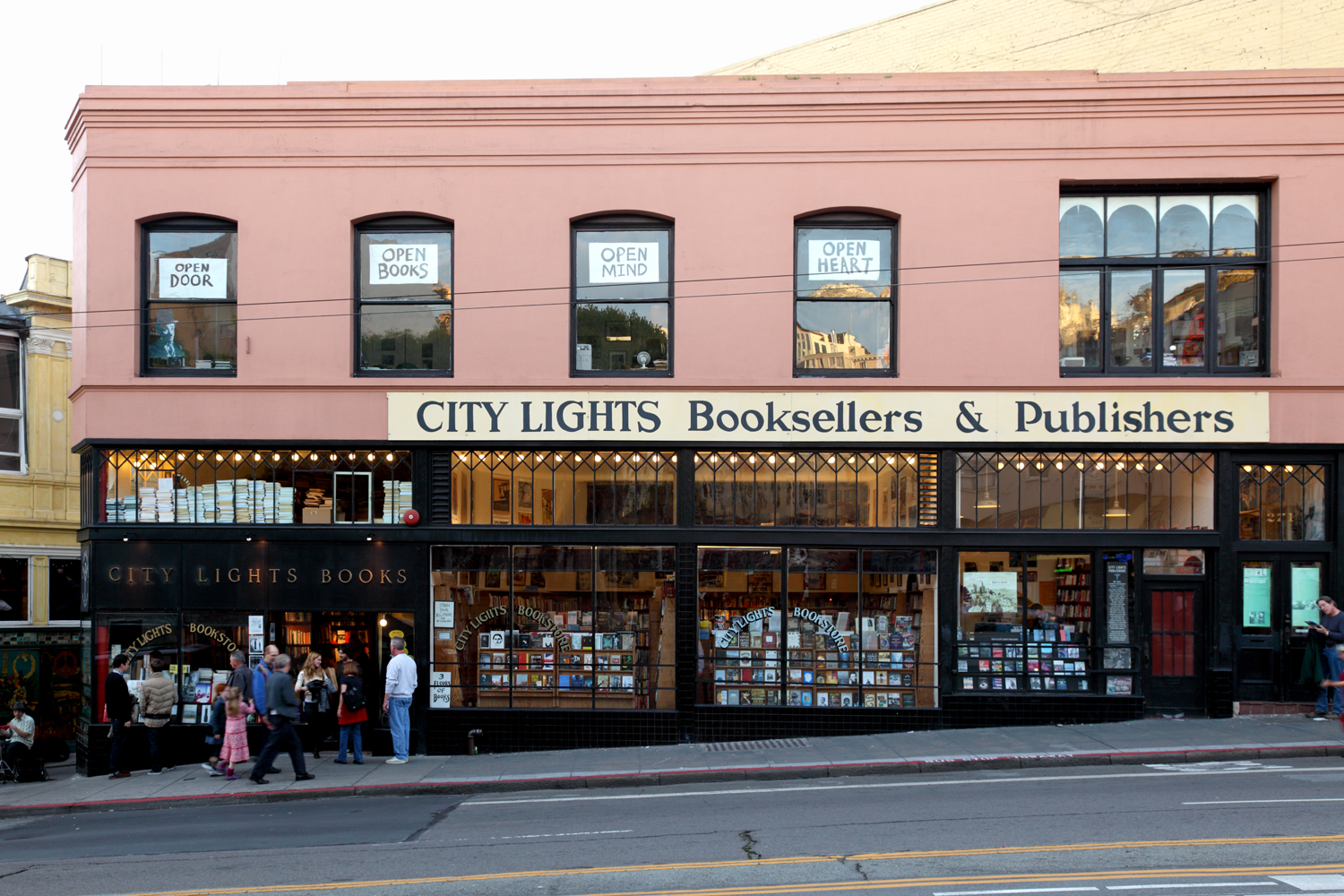
City Lights Bookstore, 2010 (photo credit: Caroline Culler)
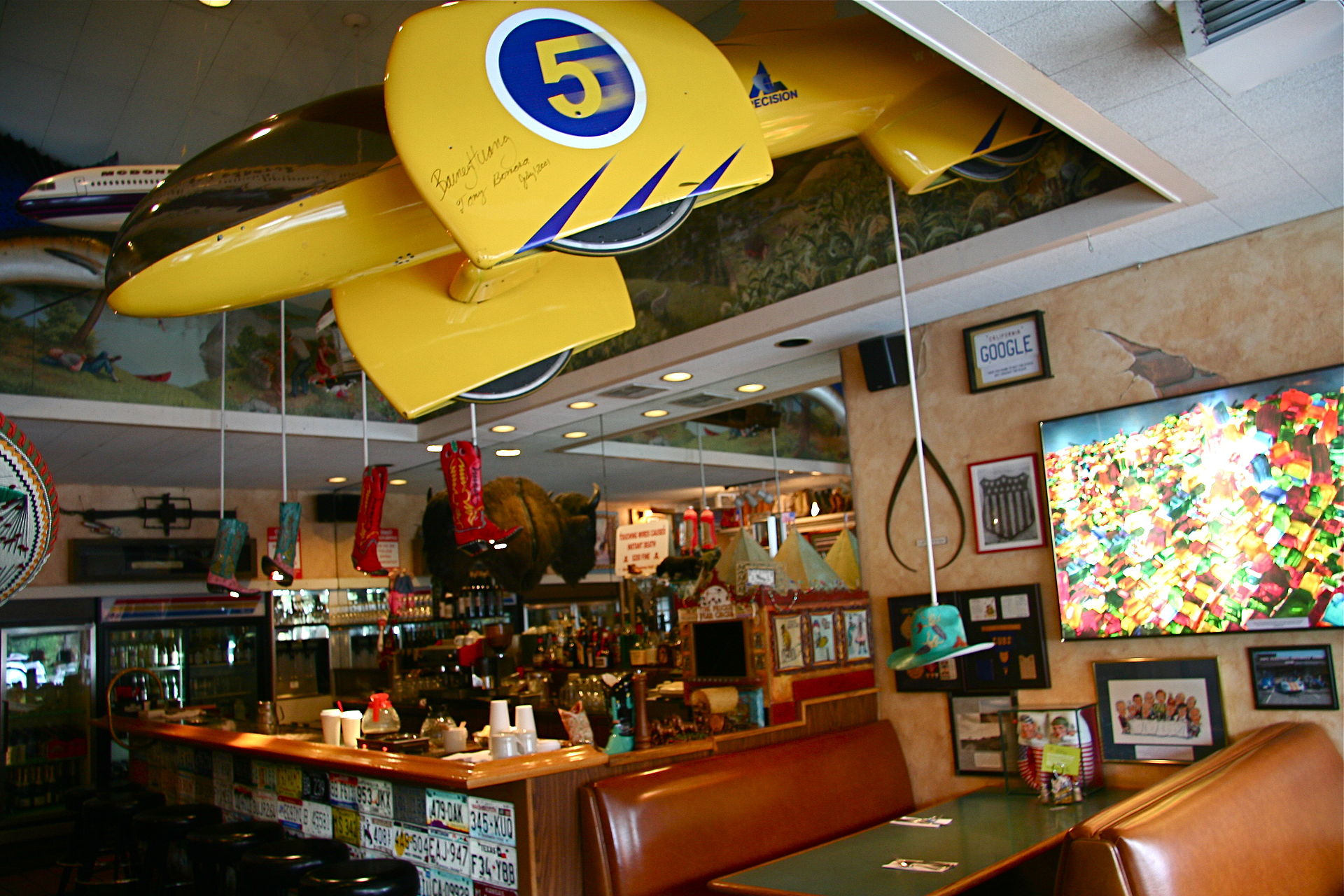
Image of our table at Buck's, some years back (image credit: Wikipedia)
Image of our table at Buck’s, some years back (image credit: Wikipedia)

Struck me today that if any one city could claim to be my alma mater, it’s got to be San Francisco.

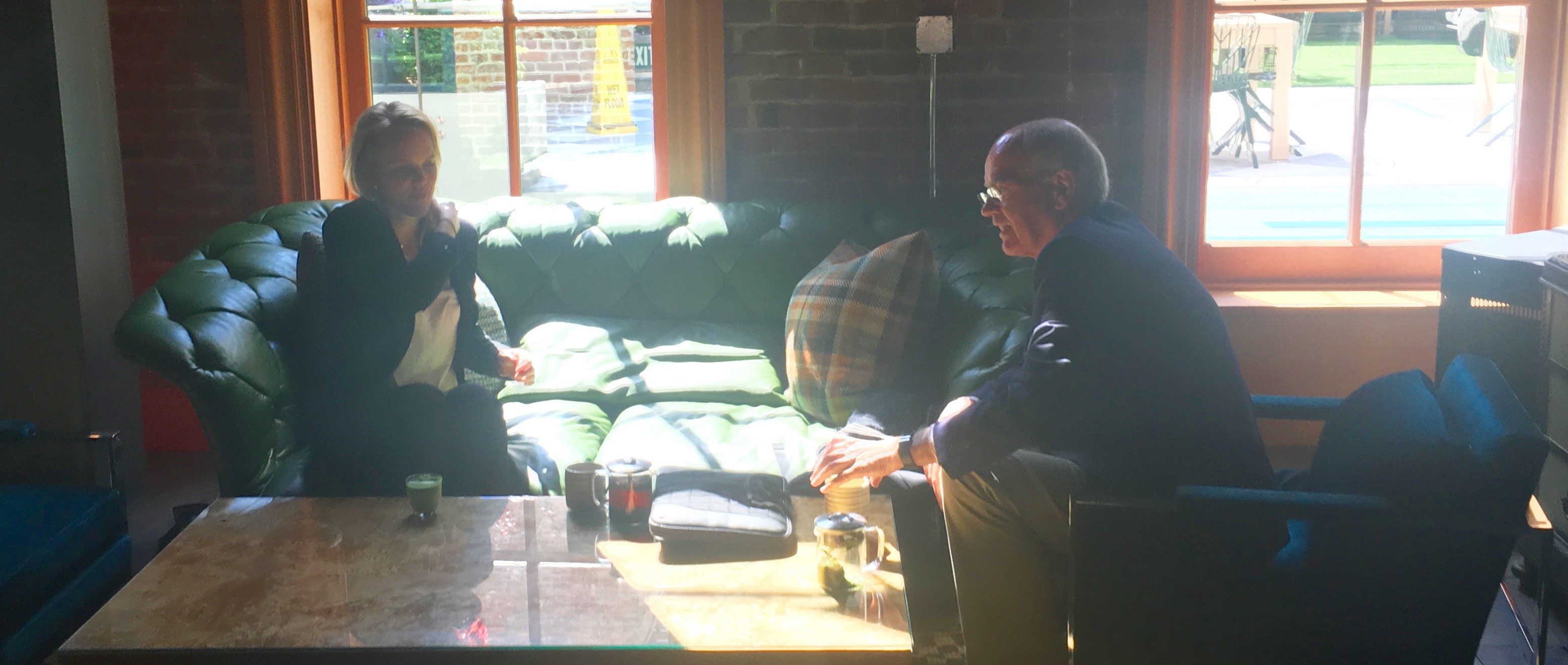
After an Uber ride south to Woodside, through teeming rain and brilliant green landscape with streaks of cloud snagged in the tree tops, we had breakfast (with Carl Page of the Anthropocene Institute) in the legendary Buck’s of Woodside this morning.

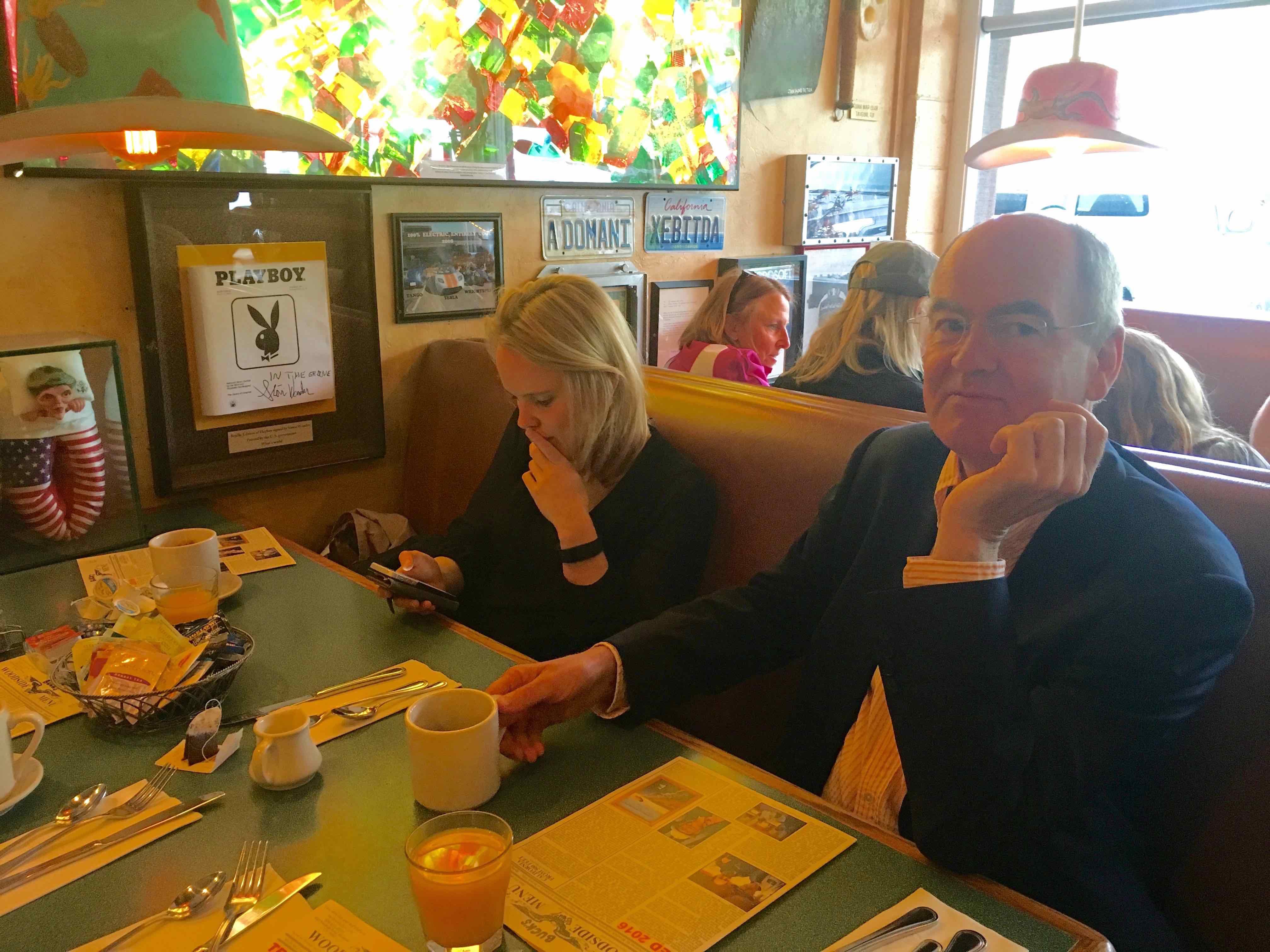
Our table is the one shown in the Wikipedia image above, a table which, among other things, boasts a Braille edition of Playboy signed by Stevie Wonder.

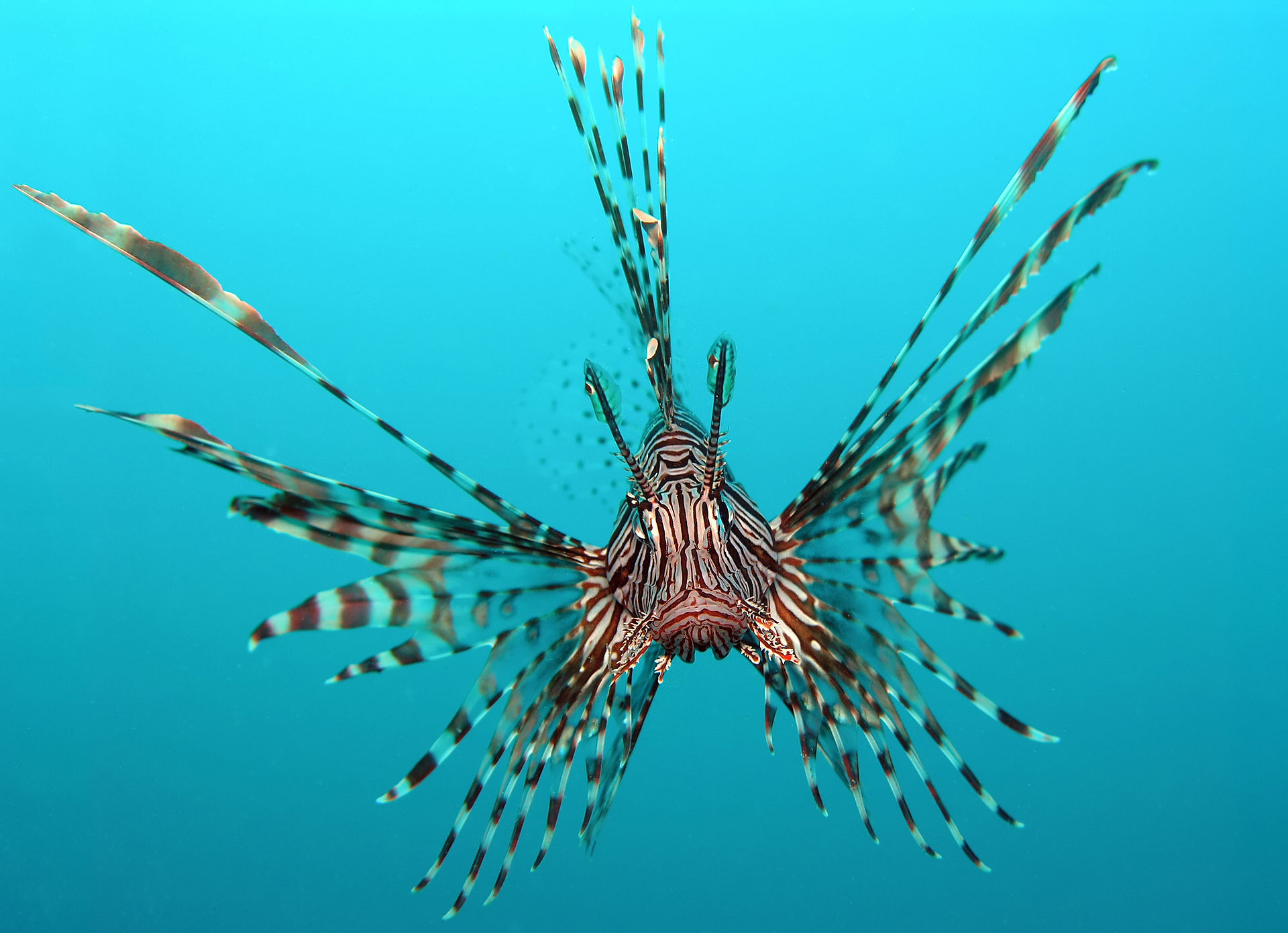
One intriguing project at AI involves exploring the use of robots to kill the lion fish that are having such a devastating impact on key fisheries. An odd eddy of the push towards an autonomous future. But Carl’s analysis of where the world ocean is headed made grim listening.

Lionfish/Pterois volitans (image credit: Jens Petersen, 2006, via Wikipedia)

In the afternoon, back in San Francisco, and still in heavy rain, headed across to the City Lights bookstore, which I love. There I bought seven books:

  • Jeremy Caradonna’s Sustainability: A History, 2014. Slightly odd to see myself mentioned in the history books, already.
  • Edward O. Wilson’s Half-Earth: Our Planet’s Fight for Life, Liveright Publishing 2016. Talk about bold: Wilson suggests setting side half the planet for Nature.
  • Roy Scranton’s Learning to Die in the Anthropocene: Reflections on the End of a Civilisation, City Lights Books, 2015. Billed as a Ginsberg-like Howl on what we’re doing to the world, it reads brilliantly well. And Scranton promptly retweeted my tweet to that effect.
  • The Shock of the Anthropocene: The Earth, History and Us, by Christophe Bonneuil and Jean-Baptiste Fressoz, Verso 2016. “Anthropo-what?” they ask at the outset, before giving a pretty comprehensive answer.
  • Ursula Le Guin’s The Lathe of Heaven, Scribner 1971/2008. I read this back in the 1970s, but adore her writing – and her theme here of “a future world racked by violence and environmental catastrophes” chimes with so much else that I have been absorbing as part of my background reading for our Exponential Futures mission to SF and LA.
  • Hans Ulrich Obrist’s Ways of Curating, Farrar, Straus and Giroux, 2014. Obrist is billed as the most influential curator of our age, having staged more than 250 art shows internationally. A useful guide, I’m hoping, to the best ways to promote generative conversations across cultures and across time.
  • And then how could I go to City Lights and not come away with poetry? Stumbled across a newish book (albeit prominently displayed) by probably my favourite poet, Gary Snyder. This Present Moment is published by Counterpoint, 2015.  And, despite his warning to the reader not to read the poem, I started at the end with Go Now. Probably the grisliest and most beautiful love poem I have yet read.

A nice Newsweek piece of Snyder as the “Poet Laureate of Our Continent,” can be found here. Intrigued to see him recall his epiphany around age 7, when told his heifer couldn’t go to Heaven with him. So, he said, he didn’t want to go to Heaven. Exactly my reaction, in relation to nature more generally, and at pretty much exactly the same age, back in Northern Ireland in the 1950s.

Sad to think this could be his last book, but better to have loved Gary Snyder and lost, than …

Brothers Page At Opposite Extremes Of Impact

John Elkington · 9 April 2016 · Leave a Comment

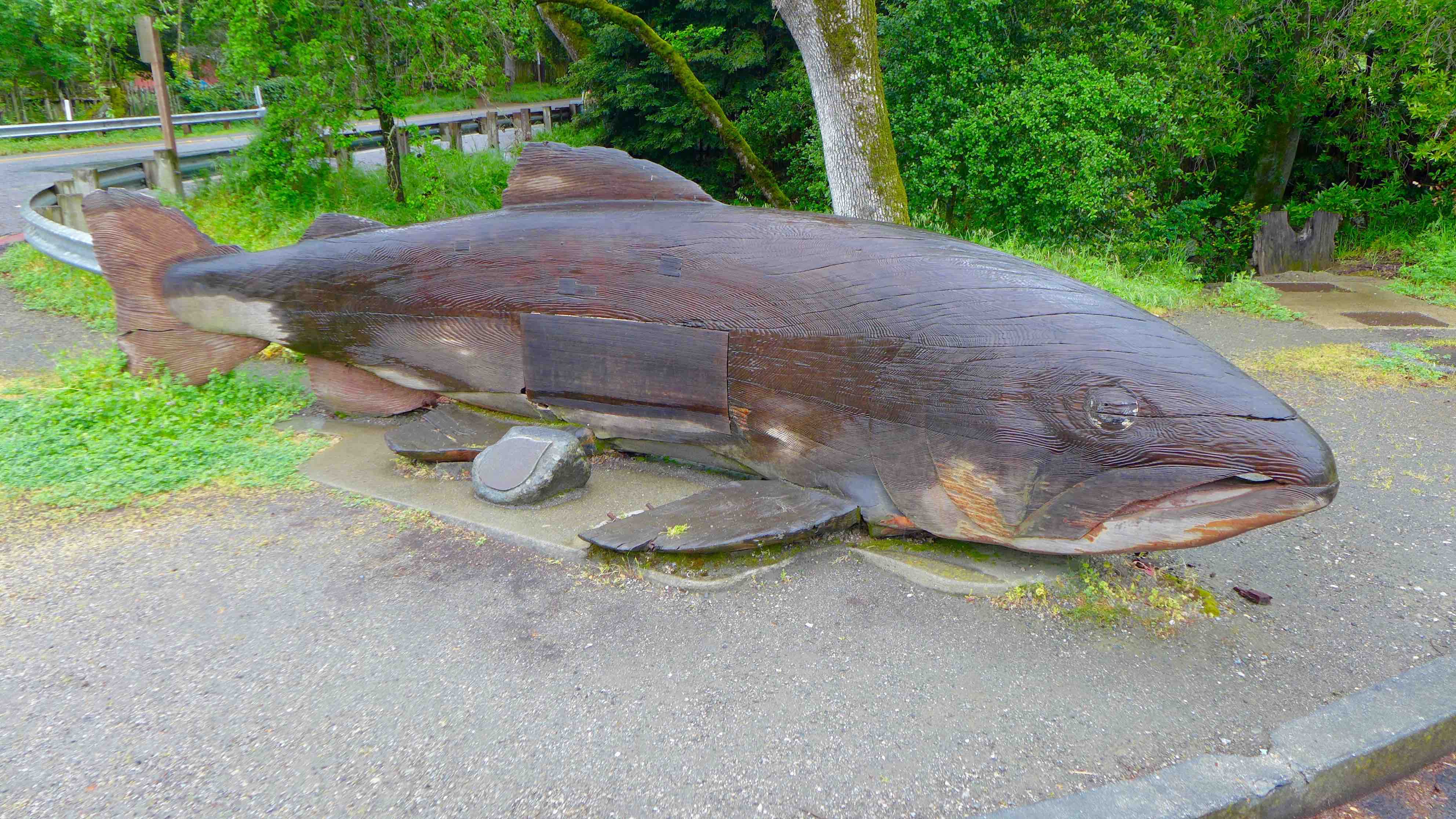
Carved salmon outside Buck's
Carved salmon outside Buck’s, in the rain
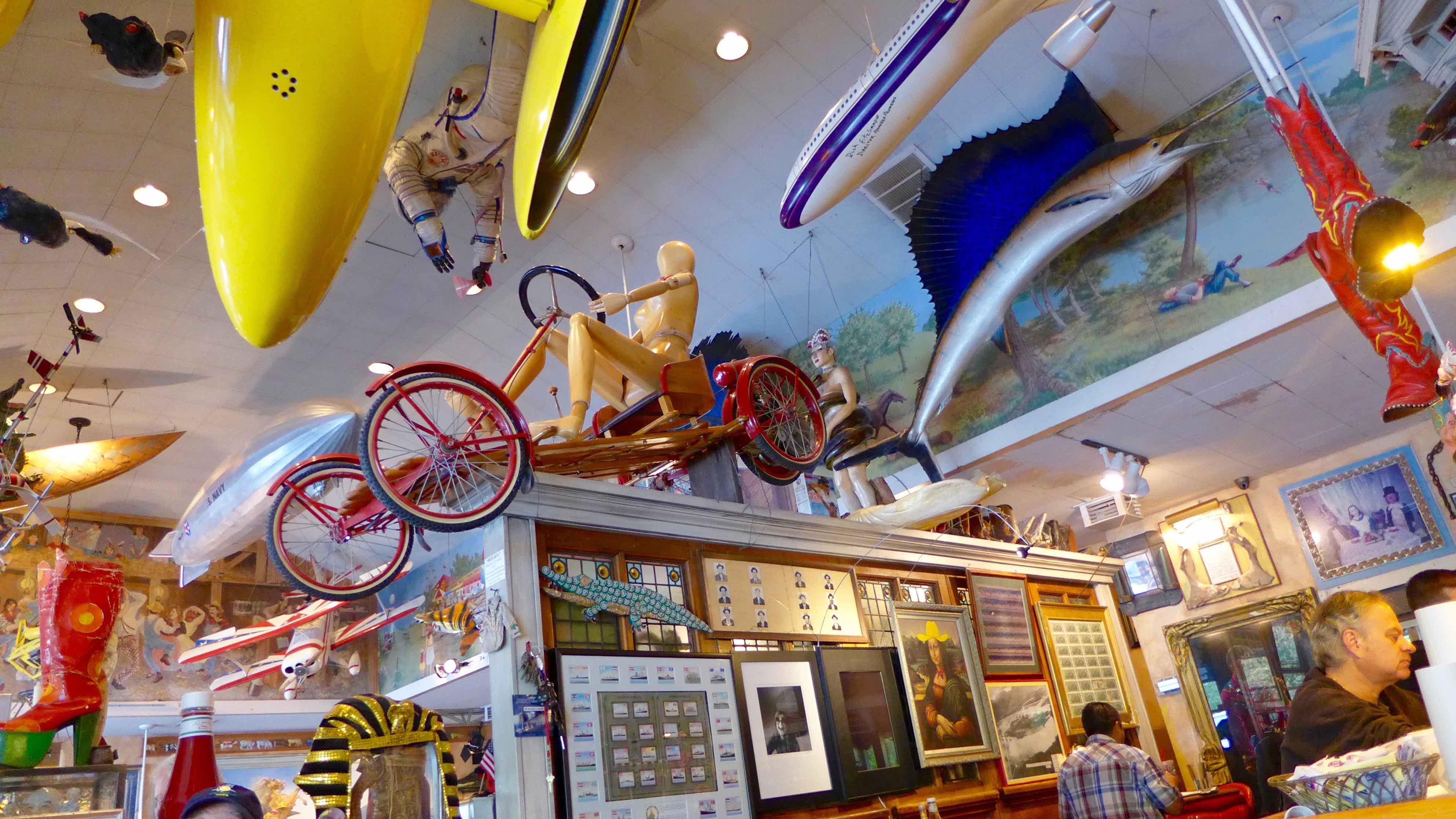
Overhead in Buck's
Overhead in Buck’s
Ingvild and I
Ingvild and I
The Reagans in bed - and Stevie Wonder-signed Braile version of Playboy
The Reagans in bed – and Stevie Wonder-signed Braile version of Playboy
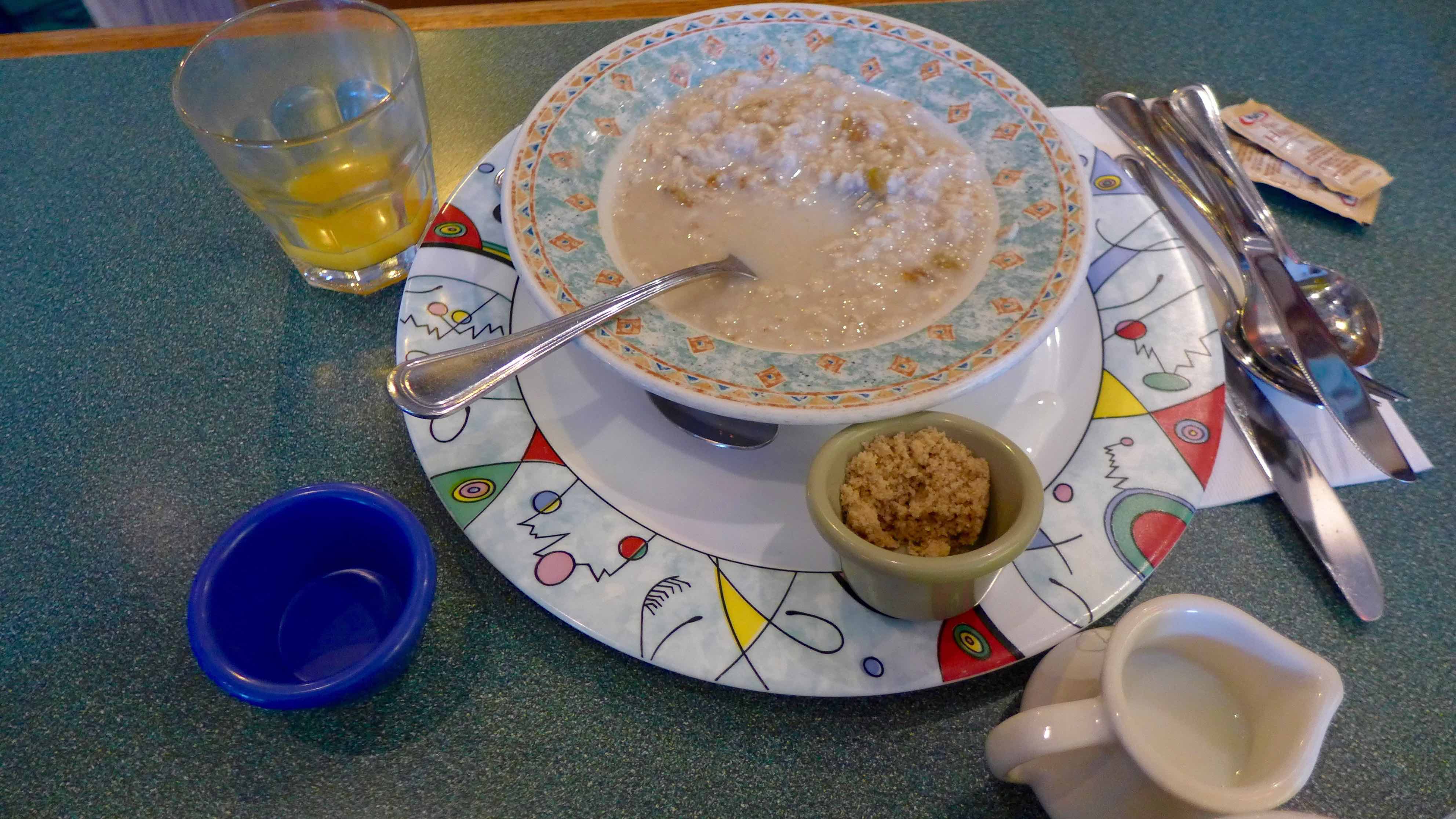
Carl's breakfast - after he had gone
Carl’s breakfast – after he had gone
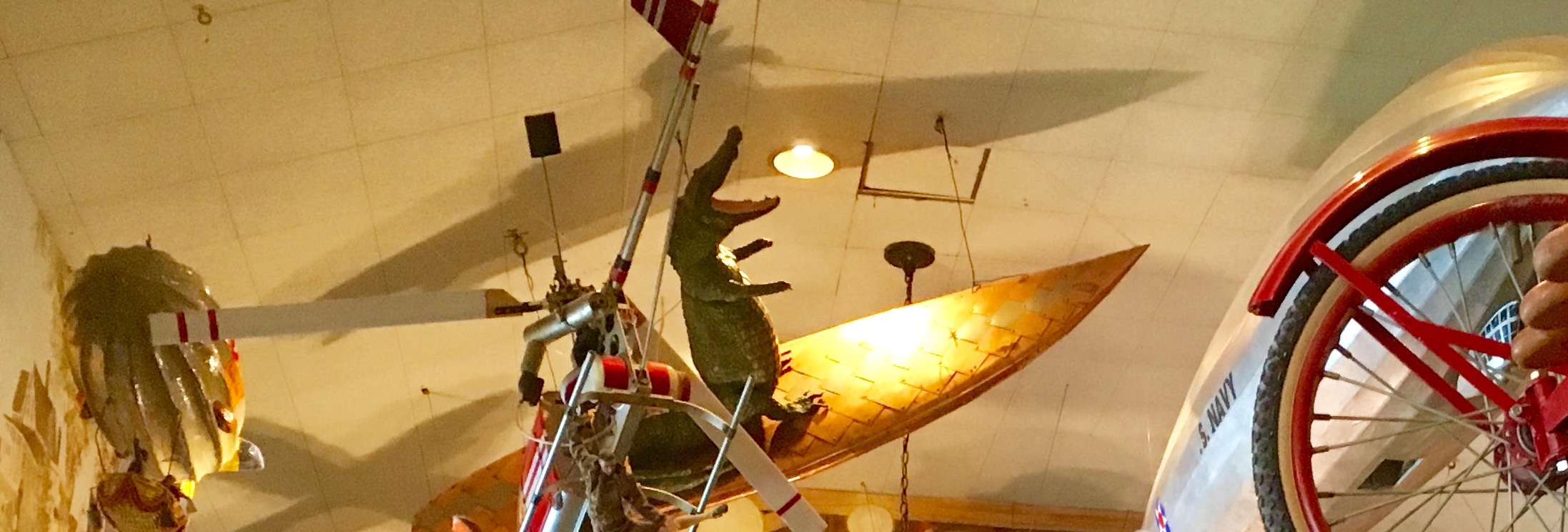
Surfing crocodile
Surfing crocodile

The landscape, which I’m used to seeing golden, was gloriously green as we Ubered south to Woodside, among the wealthiest communities in the country, clouds snagged in tree tops like cotton wool. We were meeting up with Carl Page, among other things of the Anthropocene Institute and LENR (Low Energy Nuclear Reactions). The Anthropocene makes sense to me, whereas am not sure what to make of LNER, recalling the Fleischmann and Pons days.

Carl spoke at a close to a million miles an hour, and comes at all this from a very different angle. But I was fascinated to wake up to the fact that his focus on trends that could kill a billion people exactly mirrors his brother Larry’s interest in trends that could benefit a billion people.

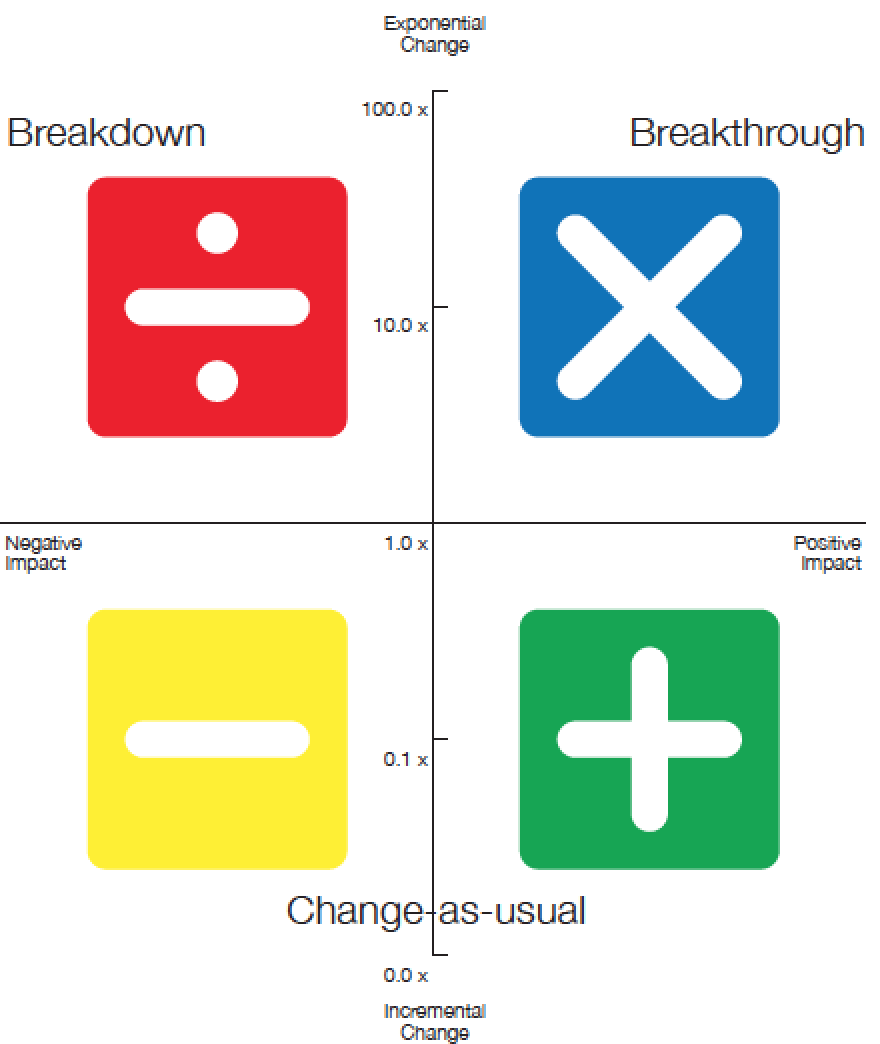
So the Page brothers helpfully define the outer limits of the impact line (negative impact to positive impact) in our Breakthrough Mapper.

Breakthrough MapperOur
Breakthrough Mapper

Arup: Young Coming Into World That Is “A Bit Bonkers”

John Elkington · 8 April 2016 · Leave a Comment

Part of a sculpture across the road from Arup

We had a great session this evening with Chris Luebkeman at up, who I hadn’t seen for many years. We ranged from the future of cities through to the growing need for “reverse mentoring,” where older employees are schooled in the new mindsets, technologies and business models by younger employees. Older people need to “stop stopping” younger people from trying new things.

Young people today, he says, are “coming into a world which is a bit bonkers – in fact, it’s terrifying!” We are “up a creek without a paddle and without a boat – and the water is full of crocs and plastic debris.” Interestingly, while the focus is increasingly on the world’s mega-cities, his sense is that the real progress will come (and needs to come) in mid-tier cities, many of which are “struggling”.

We walked away with armloads of books and reports to read – and can’t wait to do so.

Making The Impossible Inevitable

John Elkington · 8 April 2016 · Leave a Comment

Entrance to IndieBio
Mural inside
Mural inside
Across the street
Across the street
This shark is trigger-happy

Later in the day, went across to IndieBio, described as the world’s first incubator for synthetic biology-based start-ups. We talked to Ryan Bethencourt, previously life sciences head at The X Prize Foundation, who noted that biology is “really exponential,” and to the founders of two start-ups: New Wave Foods and MycoWorks.

Here’s how IndieBio bill themselves:

“At Indie.bio, we’re committed to building a future where biology is not only a field of study, but a technology that will help solve our culture’s most challenging problems. From feeding a growing population, to providing energy and rare inputs for our increasingly connected economies, to treating or curing the maladies that limit or kill us, Synthetic Biology promises us solutions we’ve only dreamed of in the past.” And: “Independent biologists are now building tomorrow’s breakthrough biotech companies.”

Loved the spirit of New Wave Foods (“We disrupt food, not the oceans”) and MycoWorks. We heard from Dominique Barnes how New Wave started out focusing on mimicking shark-fin products, but switched to shrimp when they frenzied that the market was going to be constrained by the fact that such products are illegal in the US – limiting the potential for substitution. Shrimp, on the other hand, are mainstream and ecologically problematic.

Intriguingly, she was once a diver in a shark tank at the Golden Nugget in Las Vegas, a micro-ocean in the middle of a desert.

Fascinating to hear about the expanding MycoWork product range, based on fungi. Co-founder Philip Ross told us that the average car has 200 pounds of polyurethane in it – materials which could be replaced by materials produced by fungi from agricultural waste. He also noted that some of their products can substitute leather, with fungi producing materials in 2-3 weeks, while a cow might take 2-3 years.

Walking back to the hotel, we passed a gallery in Geary Street where they are displaying a large metallic shark sculpture, combined with the firing mechanisms of a machine gun. Googling suggests that it is designed by Christopher Schultz.

IndieBio's logo
IndieBio’s logo


VERGE And IDEO: The Scouts Deploy

John Elkington · 8 April 2016 · Leave a Comment

Wright Brothers crash in IDEO reception area
Oh I do, I do
Oh I do, I do
Discussing 3D printing
Bay Bridge, moody
Bay Bridge, moody
Underbellies
Underbellies
En route to next appointment - or lunch
En route to next appointment – or lunch

Our joint Volans-UN Global Compact team has begun its scouting mission, delving into San Francisco (and later LA) versions of the future. We kicked off last night with a fascinating dinner with Joel Makower of GreenBiz on 7 April, to which I contribute a monthly column. Among other things we talked about the evolution of his VERGE platform. Wish I’d thought of it!

Then this morning across to IDEO’s amazing studio under the Bay Bridge, where we met Iain Roberts, via an introduction from our advisory board member Tim Brown, IDEO’s CEO. Fantastic discussion of the role of design in system change – and our shared ambition to have a disproportionate impact in the world. And of the sorts of things that are ‘core’ and ‘edge’ at IDEO. And of the need for organisations to be increasingly “permeable”.

Interesting resonances with Carlota Perez‘s thinking around K-waves. (I had talked to her a few weeks earlier.) My thinking has centred around waves and cycles ever since I gave up Economics in 1968, but emerged with a deep interest in the work of two singularly unfashionable (at least at the time) economists, Nikolai Kondratiev and Joseph Schumpeter. Some of that thinking is now surfacing again in our work for the Global Compact and for there Business & Sustainable Development Commission.

Iain spoke of waves of technology crashing onto the beach – and San Francisco, and environs, is where much of that has happened since WWII. I have been back and forth here since the 1970s, in search of the latest in renewable energy, biotechnology and information technology, among other things.


  • « Go to Previous Page
  • Go to page 1
  • Interim pages omitted …
  • Go to page 127
  • Go to page 128
  • Go to page 129
  • Go to page 130
  • Go to page 131
  • Interim pages omitted …
  • Go to page 283
  • Go to Next Page »

Primary Sidebar

Introduction

I began this blog with an entry reporting on a visit to the Woods Hole Oceanographic Institution on Cape Cod, on 30 September 2003. The blog element of the website has gone through several iterations since, with much of the older material still available.

Like so many things in my life, blog entries blur the boundaries between the personal and the professional. As explained on this site’s Home Page, the website and the blog are part platform for ongoing projects, part autobiography, and part accountability mechanism.

In addition, my blogs have appeared on many sites such as: Chinadialogue, CSRWire, Fast Company, GreenBiz, Guardian Sustainable Business, and the Harvard Business Review.

Recent Comments

  • John Elkington on The Hill House Elkingtons
  • sally fitzharris. (Rycroft) on The Hill House Elkingtons
  • Thomas Forster on Reminder of Glencot Years

Journal Archive

About

John Elkington is a world authority on corporate responsibility and sustainable development. He is currently Founding Partner and Executive Chairman of Volans, a future-focused business working at the intersection of the sustainability, entrepreneurship and innovation movements.

Contact

john@johnelkington.com  |  +44 203 701 7550 | Twitter: @volansjohn

John Elkington

Copyright © 2026 John Elkington. All rights reserved. Log in