• Skip to primary navigation
  • Skip to main content
  • Skip to primary sidebar
John Elkington

John Elkington

A world authority on corporate responsibility and sustainable development.

  • About
    • Ambassador from the future
  • Past lives
    • Professional
      • Volans
      • SustainAbility
      • CounterCurrent
      • Boards & Advisory Boards
      • Awards & Listings
    • Personal
      • Family
      • Other Influences
      • Education
      • Photography
      • Music
      • Cycling
    • Website
  • Speaking
    • Media
    • Exhibitions
  • Publications
    • Books
    • Reports
    • Articles & Blogs
    • Contributions
    • Tweets
    • Unpublished Writing
  • Journal
  • Contact
  • Show Search
Hide Search

Uncategorized

Istanbul For 2026 Global Leaders Summit

John Elkington · 15 February 2026 · Leave a Comment

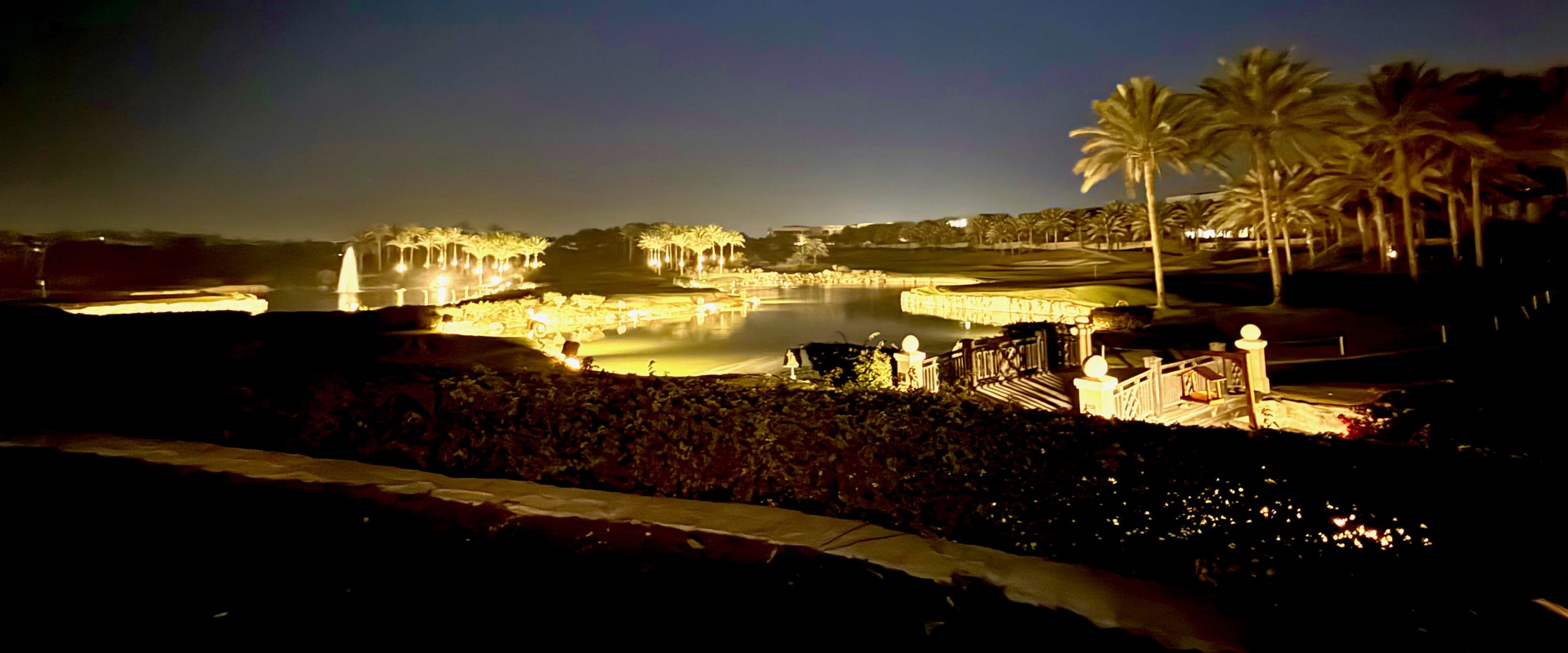
A little hazy
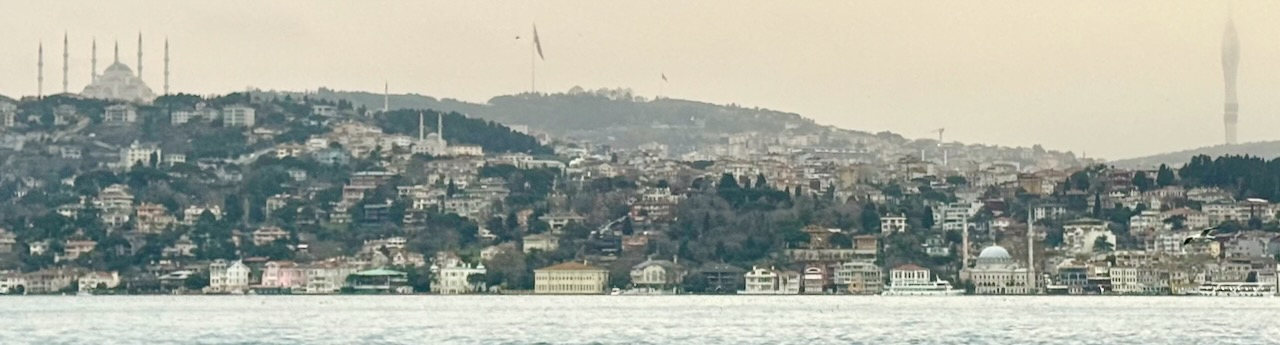
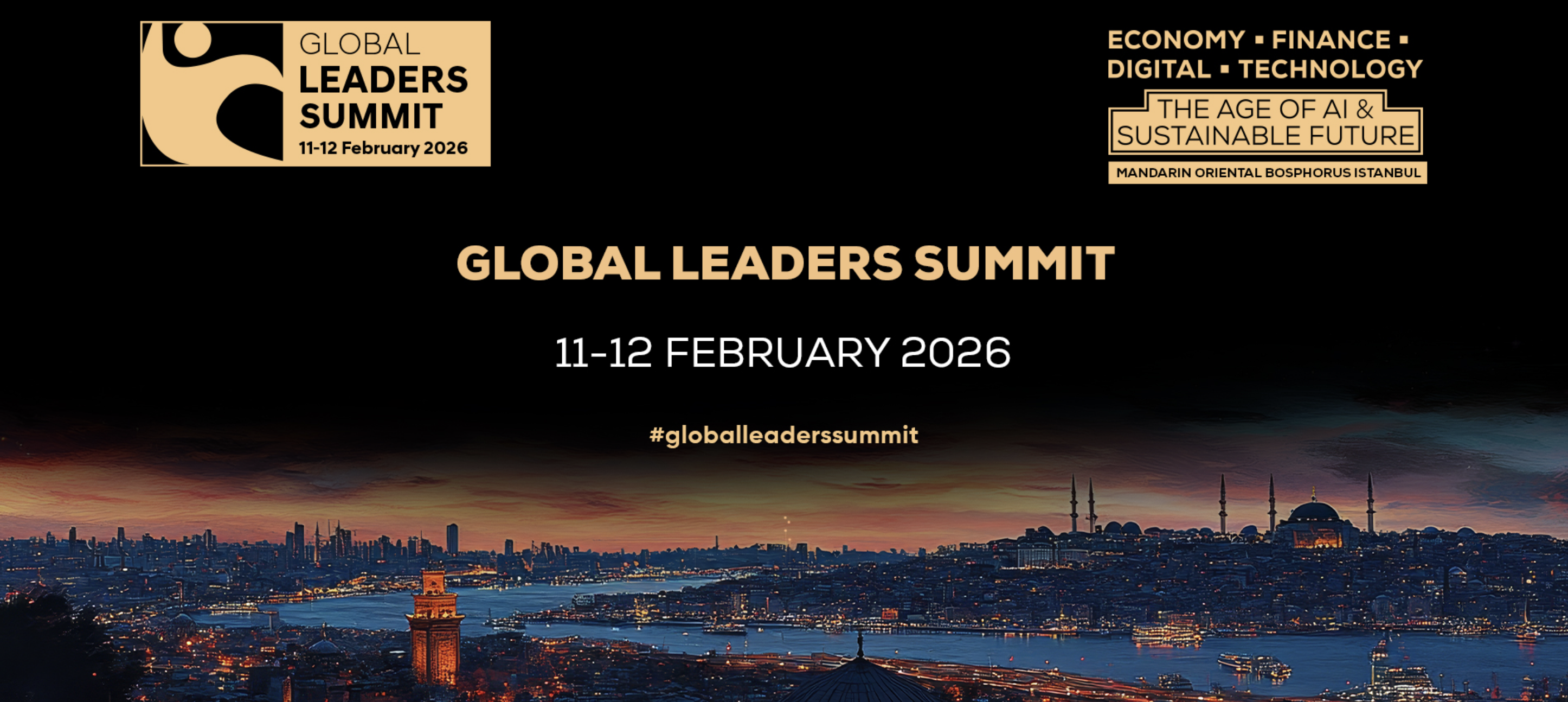
A hazy shot from the hotel on our first evening – and the GLS banner

Elaine and I flew to Istanbul on Tuesday 10th February, where I was due to speak at the 2026 Global Leaders Summit, held at the Mandarin Oriental Hotel, alongside the Bosphorus.

Still hobbling a bit from the Alexandrian sprained ankle, but managed to stay upright during my keynote. But had to drop out of a CEO awards dinner to put my foot up. Wonderful support from our GLS friends Aycan Ferik and Nazif Sevim of the KREA event team.

Alongside the event, we met our friend Aysu Keçeci for dinner on the first night – and then were picked up on the Thursday afternoon by a second friend, Eylül Kiliç, a human rights lawyer who is legal & compliance manager at CNBC-e, CNBC’s operations in Türkiye and who we first met at the 2024 Global Leaders Summit.
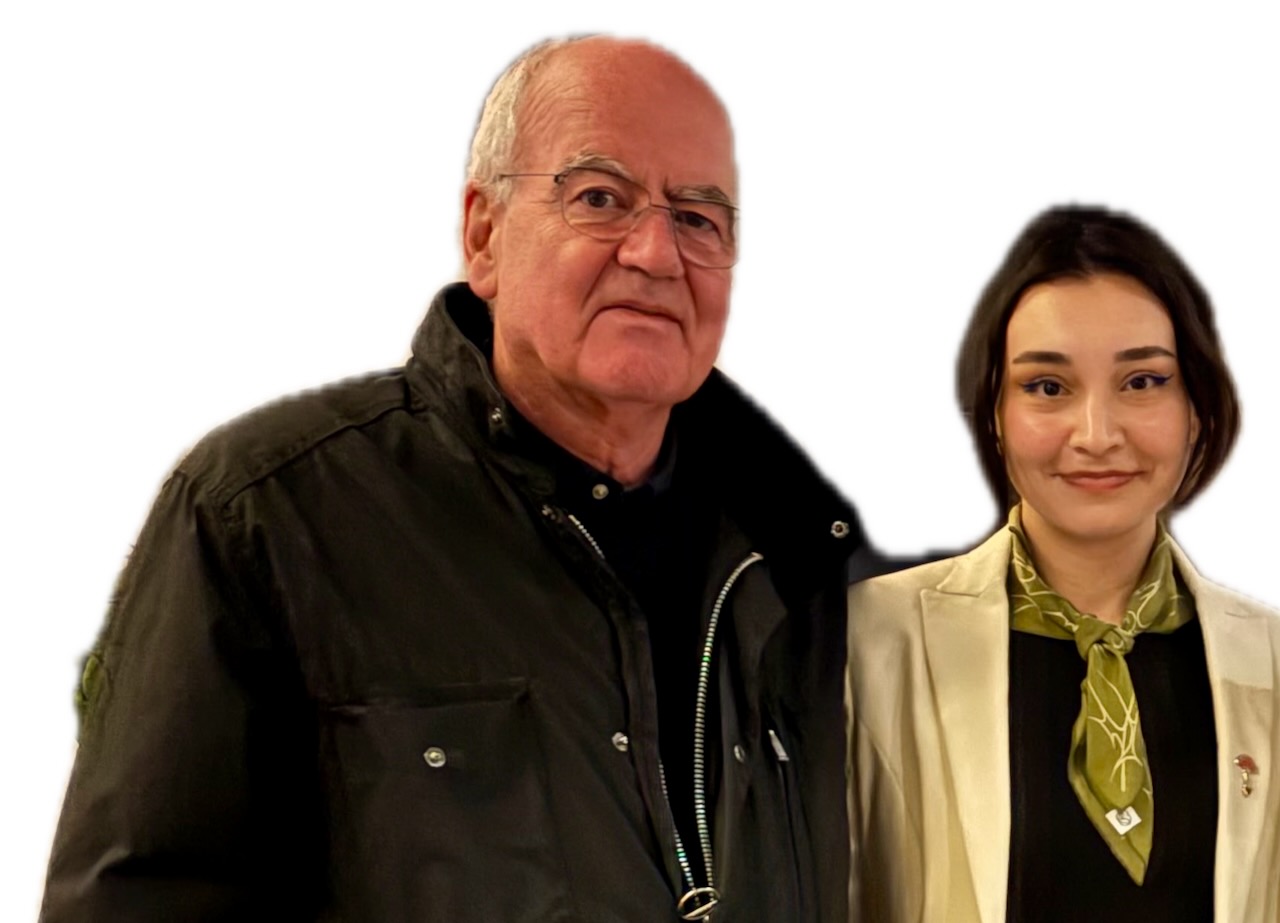
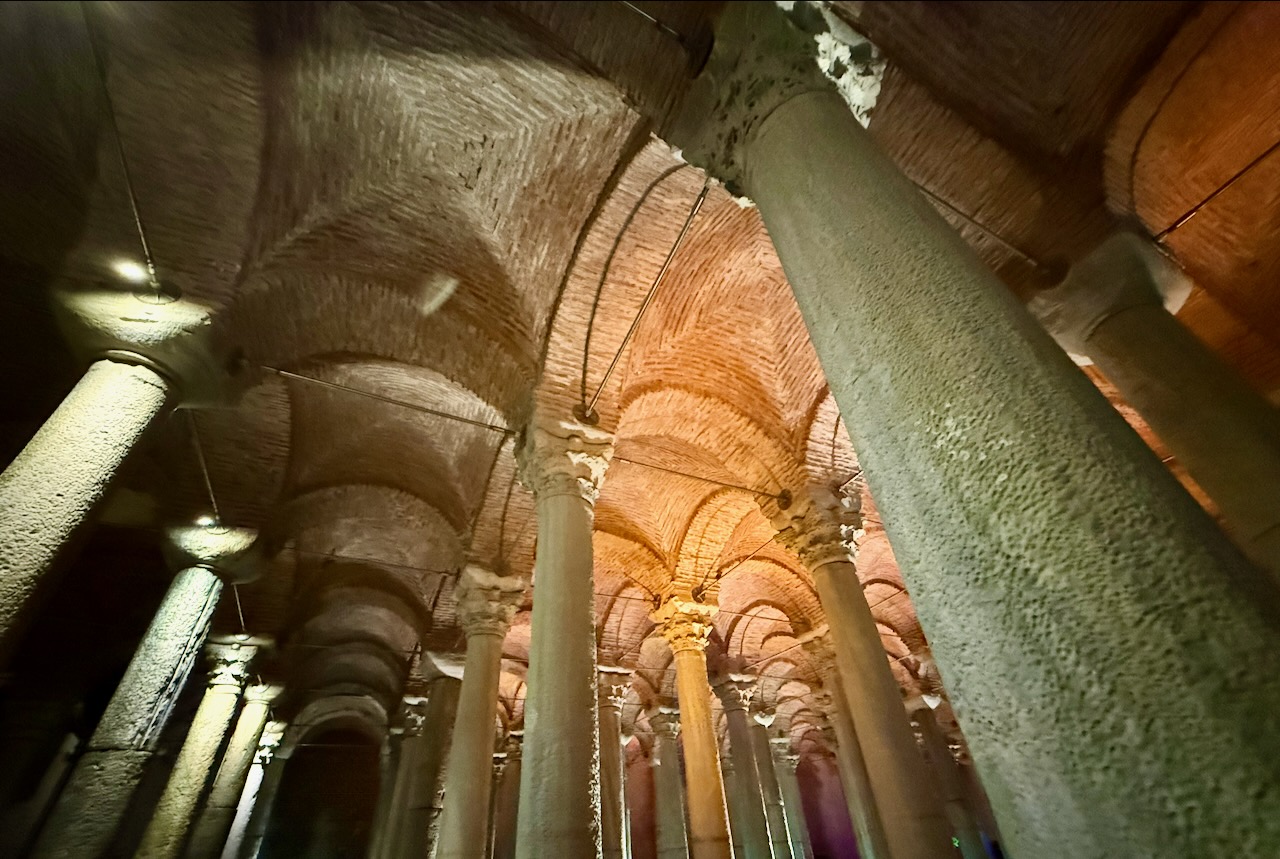
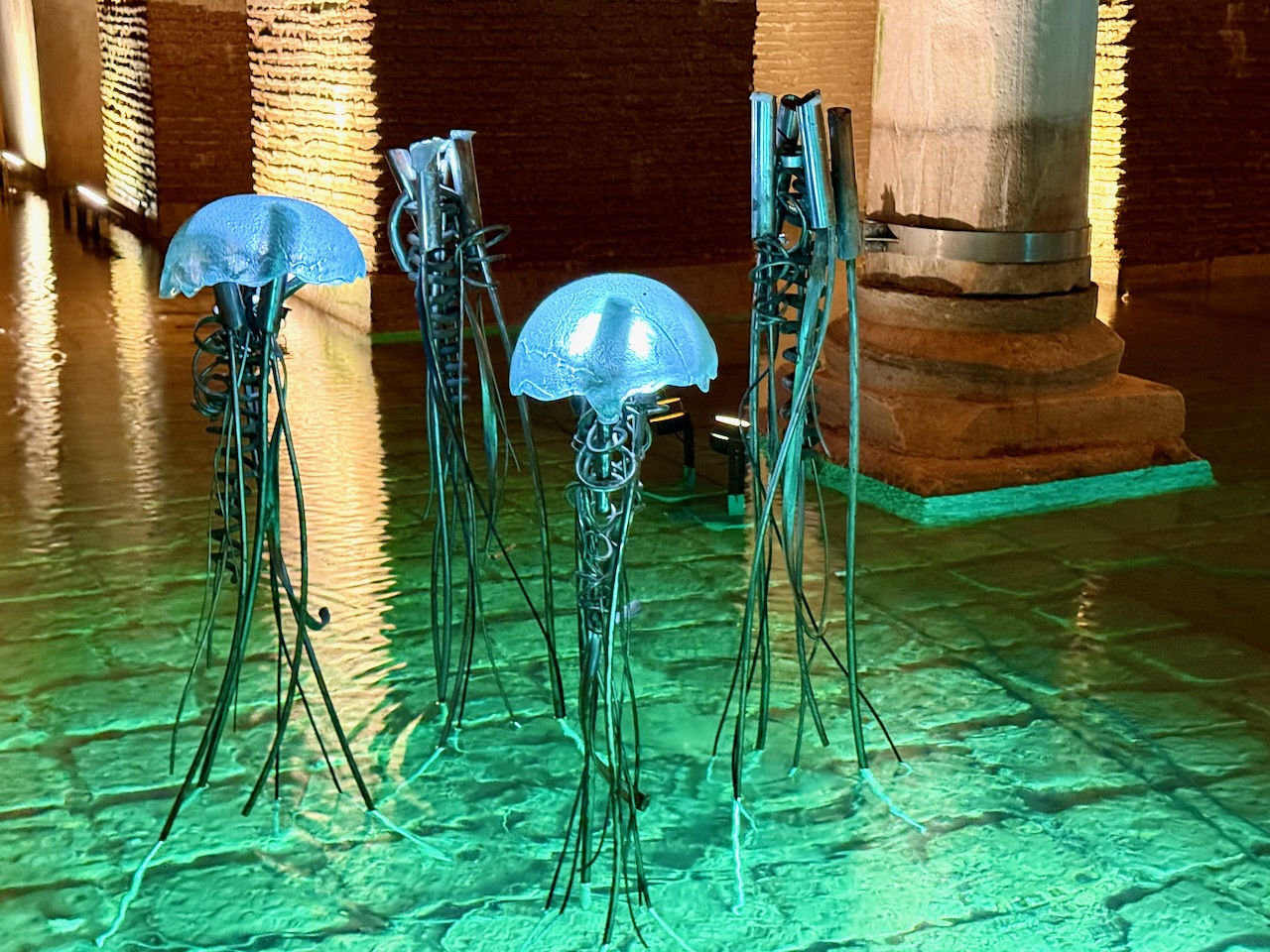
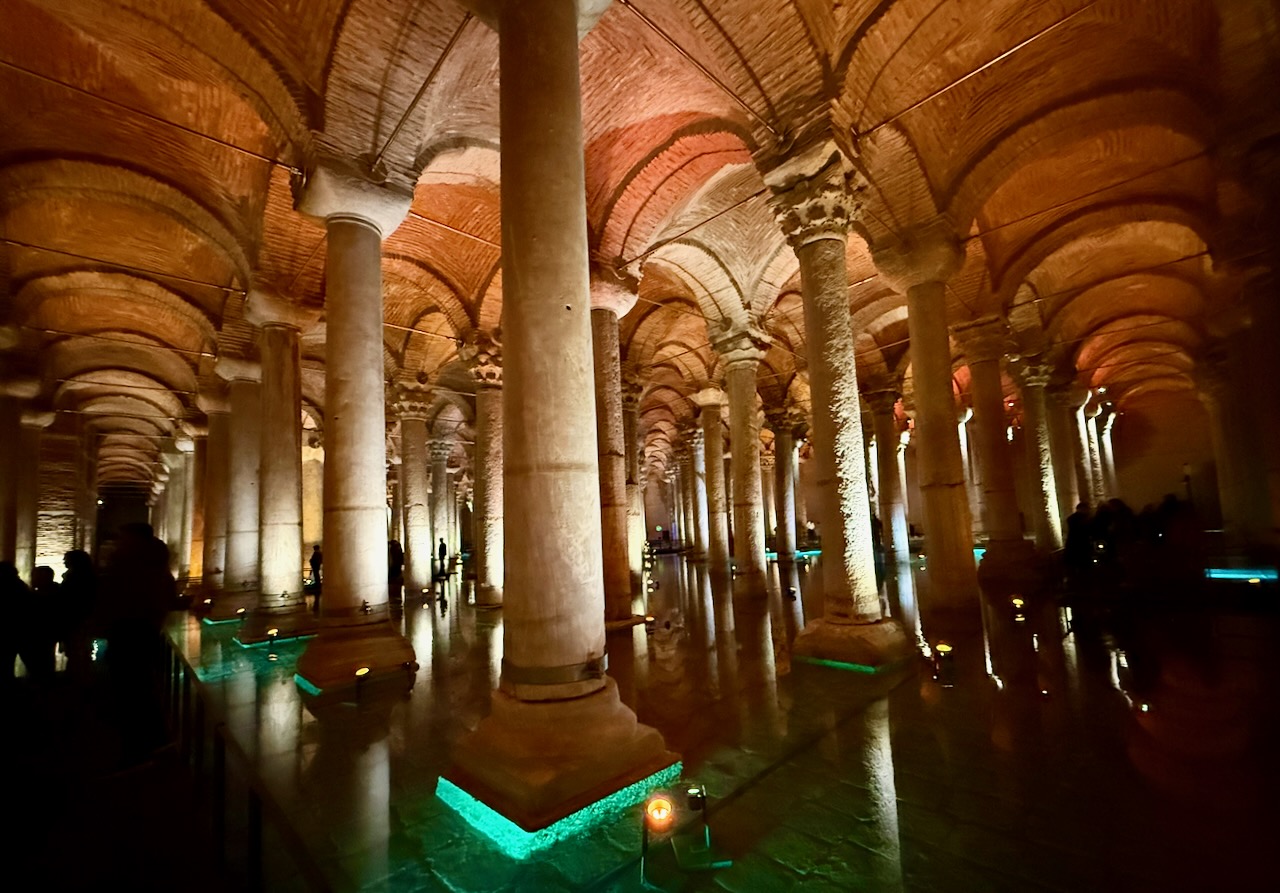
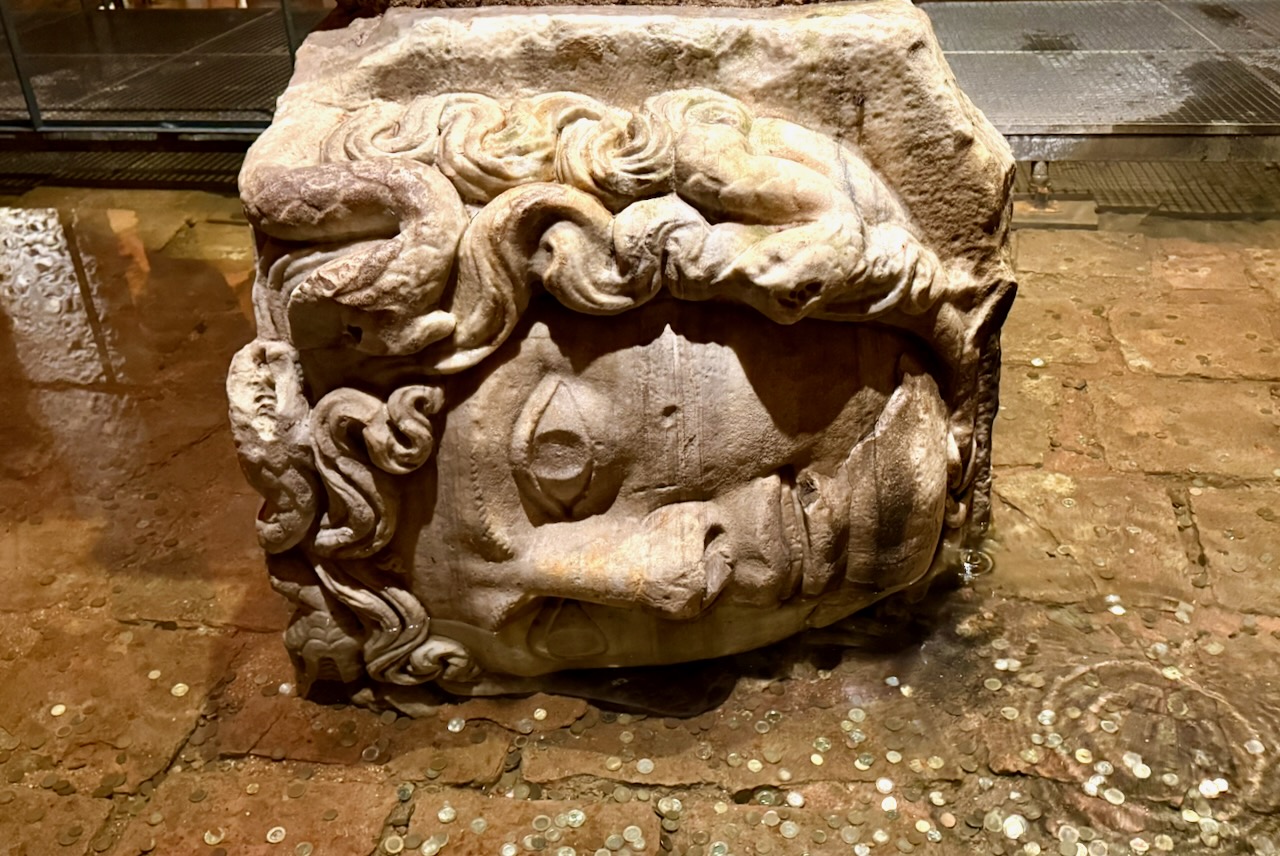
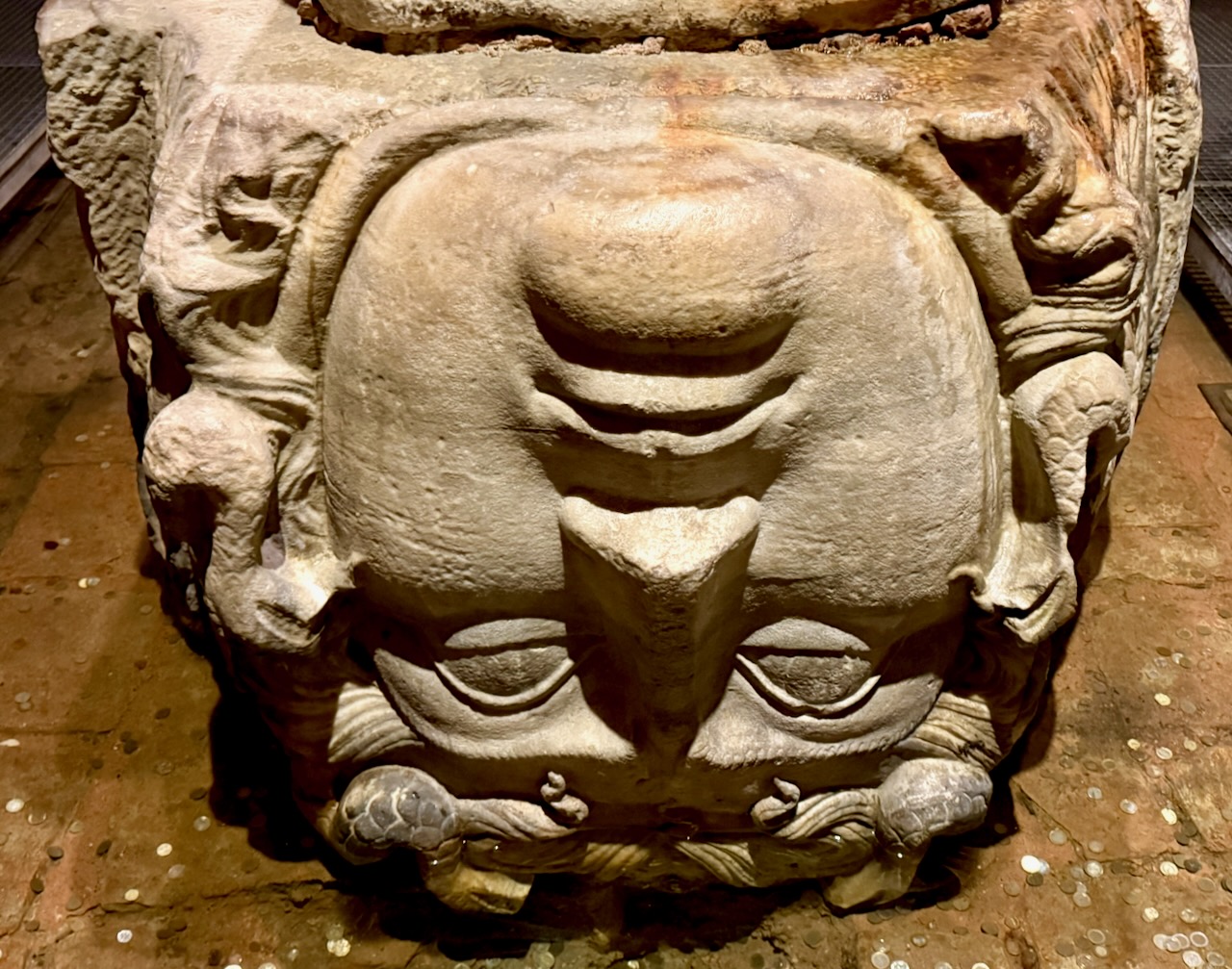
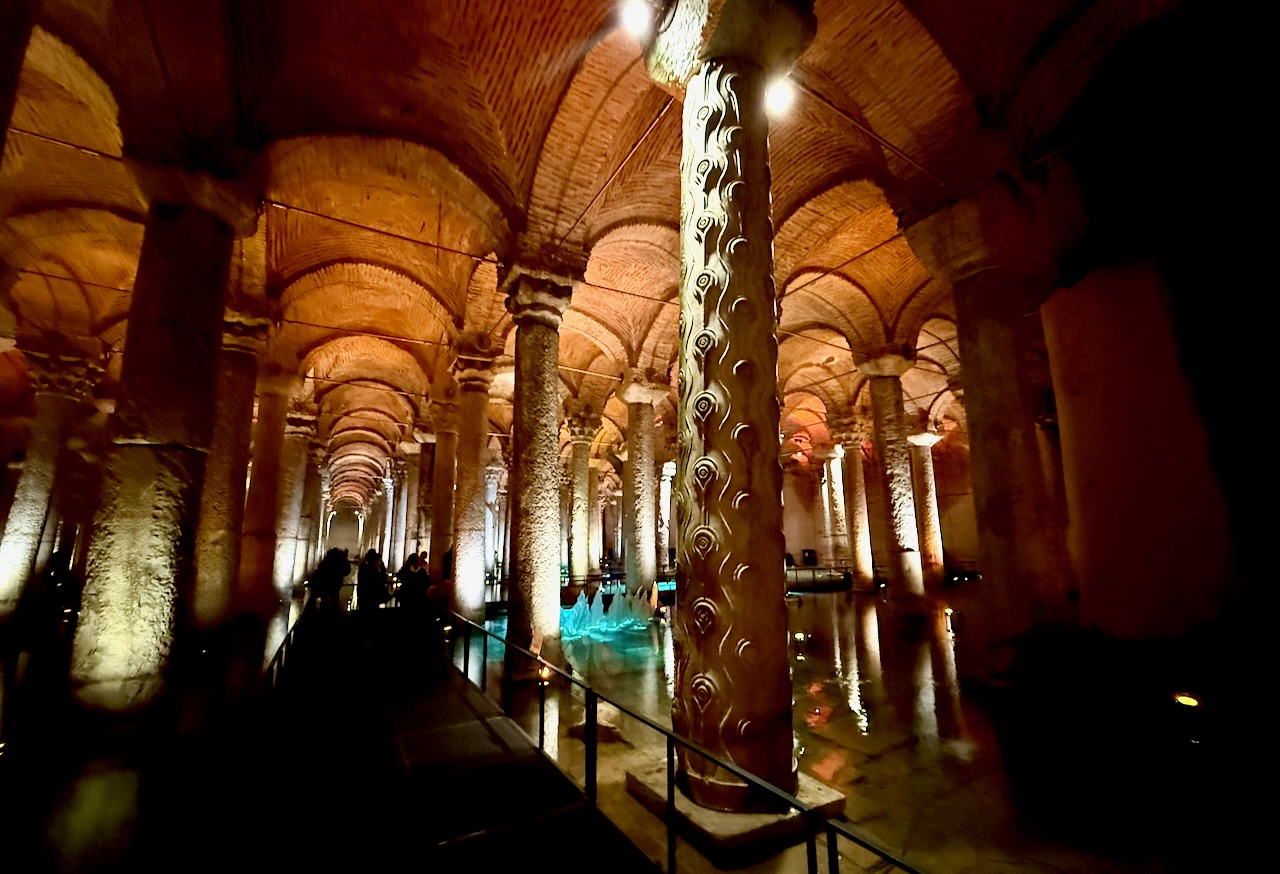
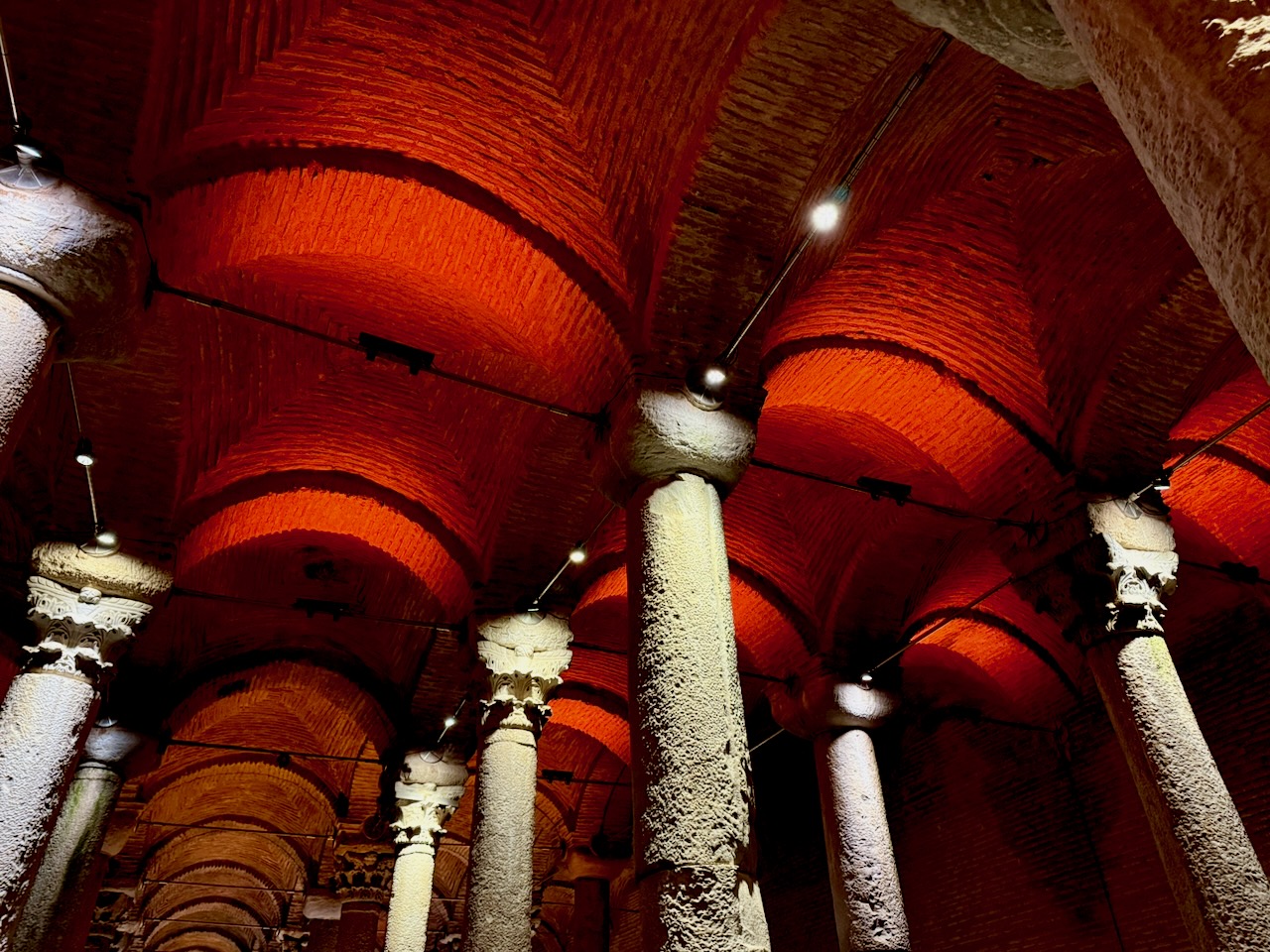
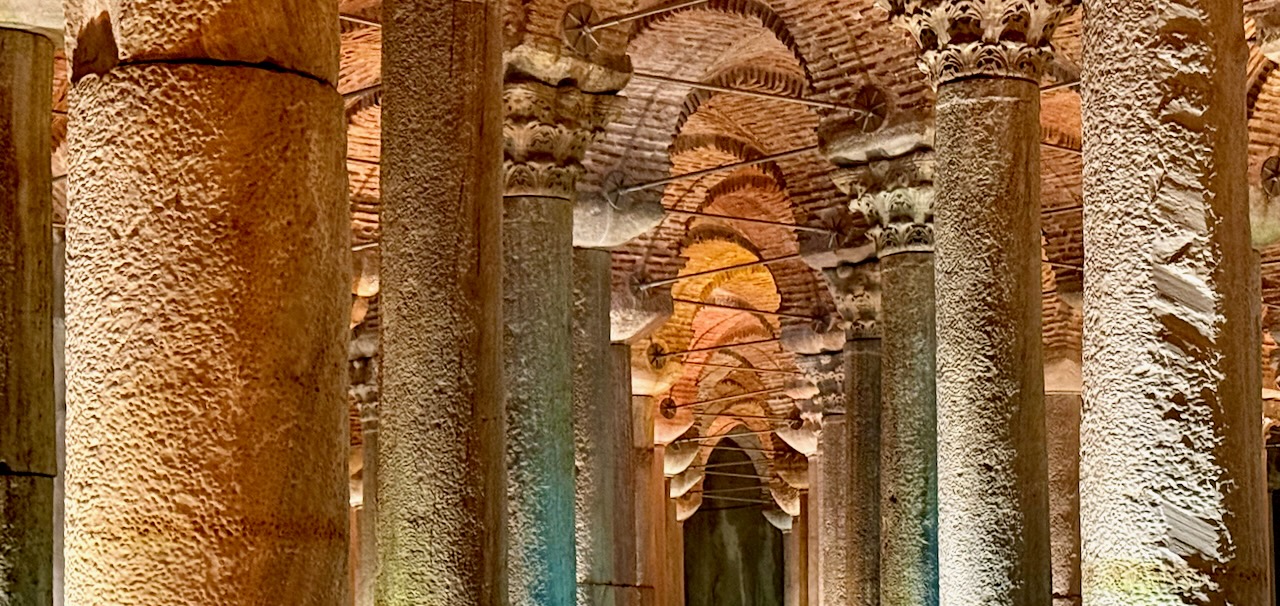
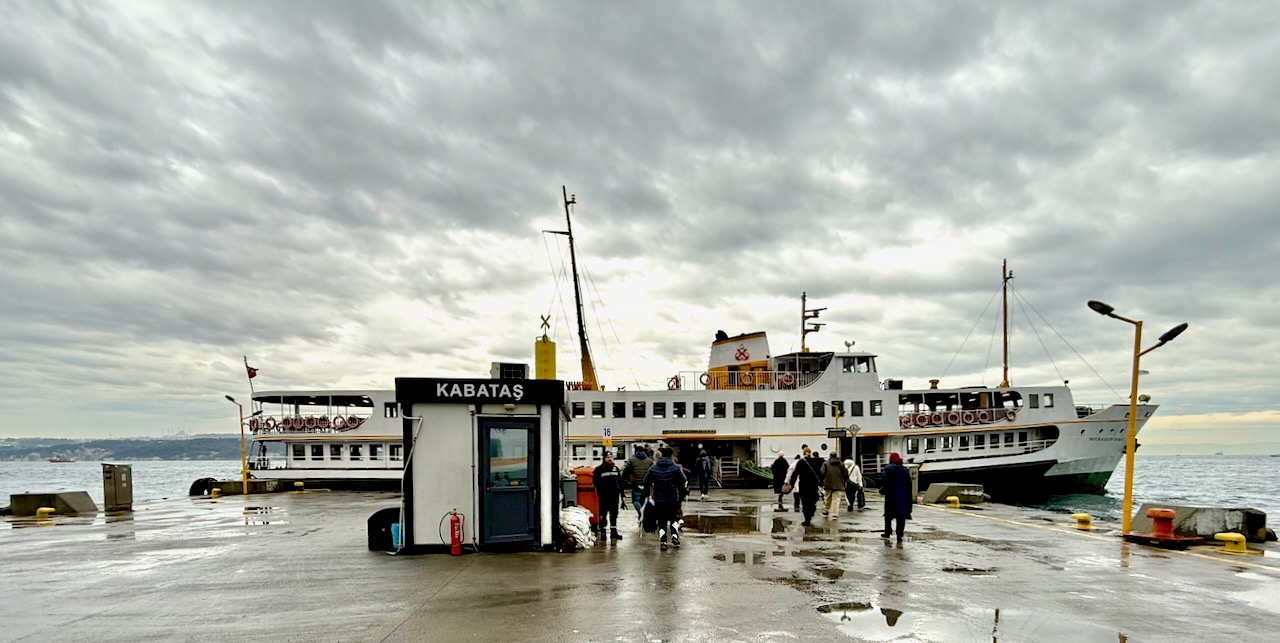
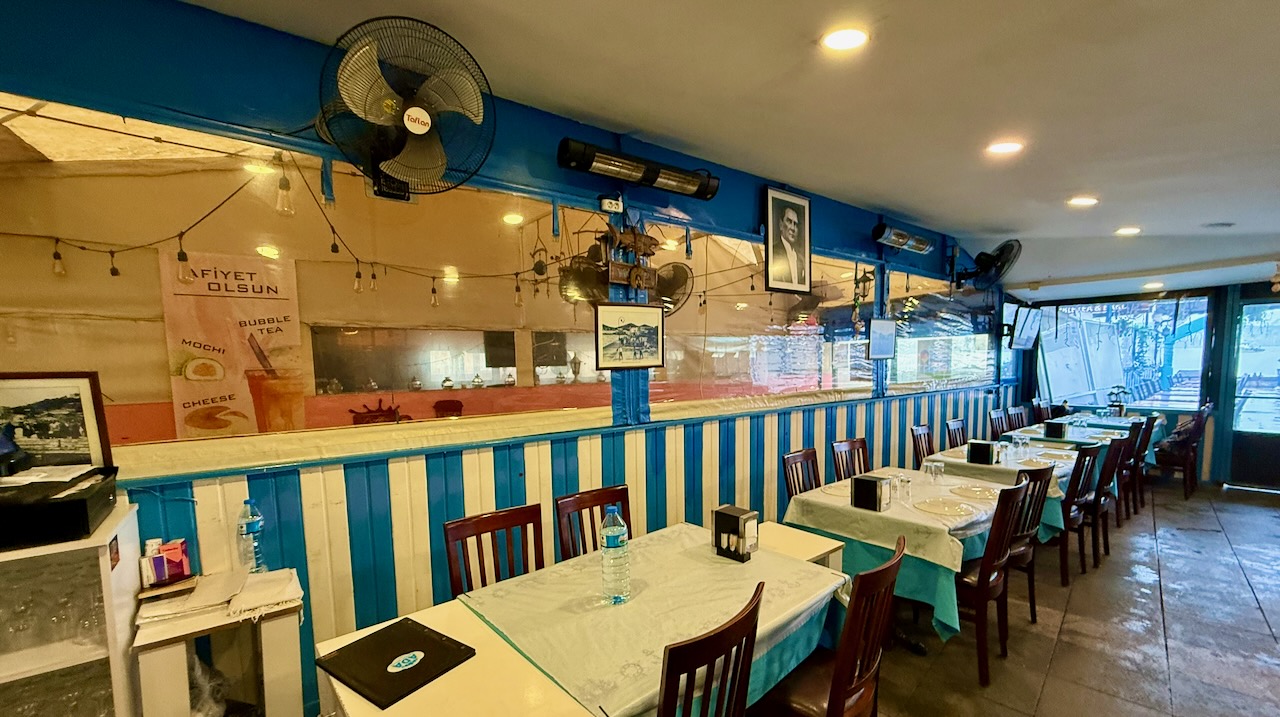
On the Thursday, Eylül took us to the Basilica Cistern, recently refurbished, and on the Friday we headed out to the Princes’ Islands by ferry. Arriving on the island of Heybeliada, we kept an eye out for the restaurant we had visited many, many moons ago with Peter Clark of ACE Cultural Tours. Then suddenly we saw it, the Ada Restaurant – and had a truly memorable lunch.
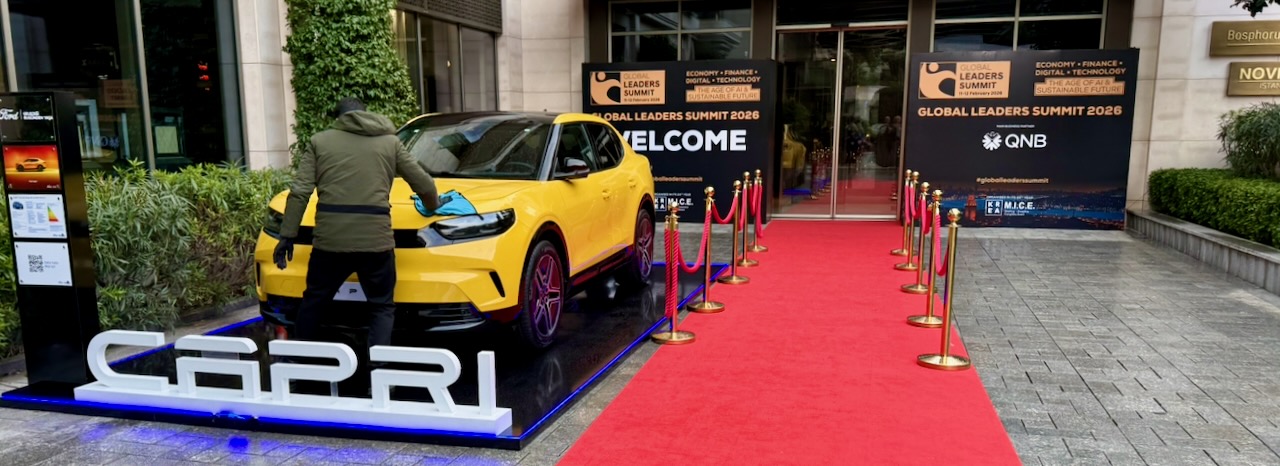
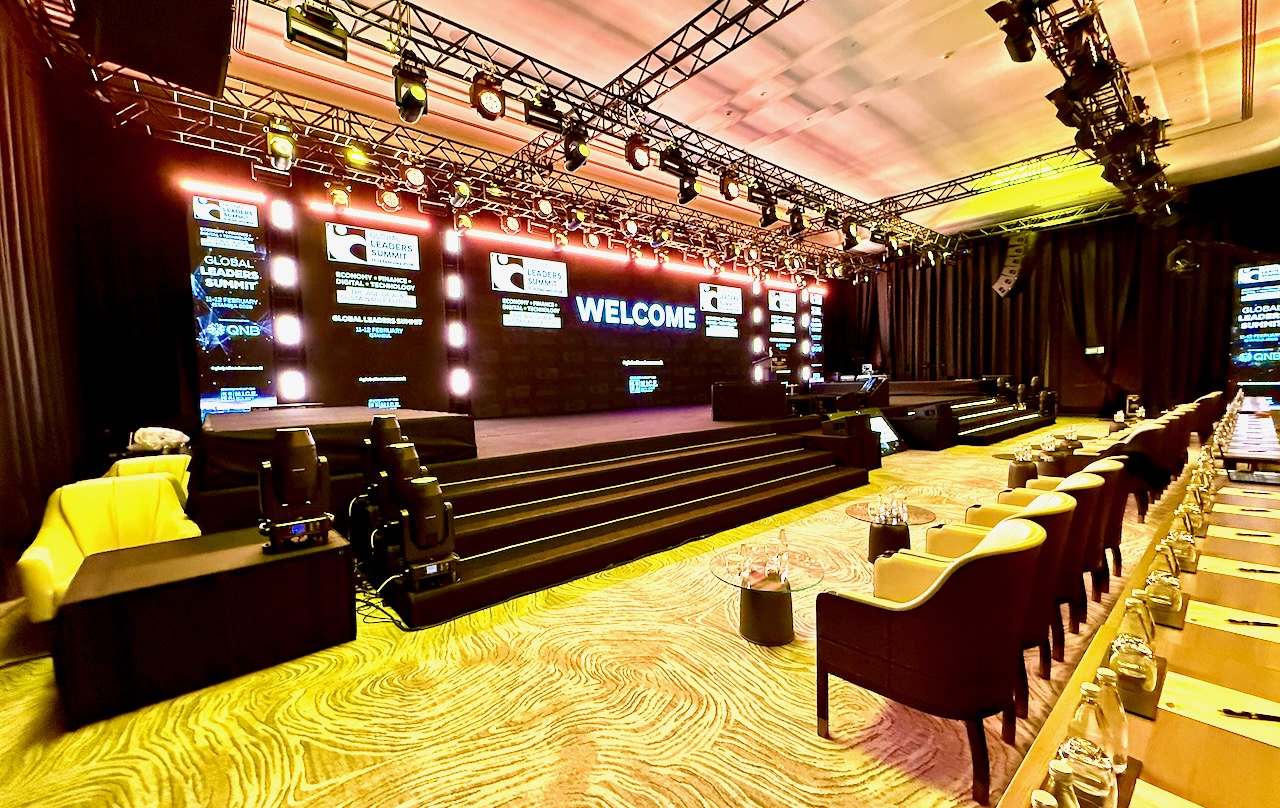
Welcome mat
Ready to go
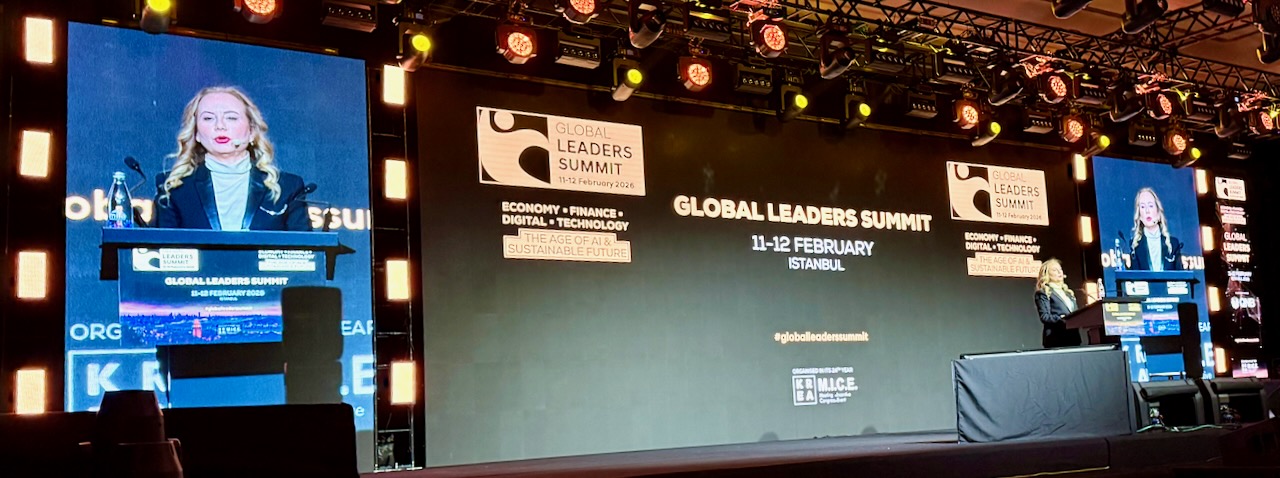
GLS organizer Seda Mızraklı Ferik of KREA opens the event
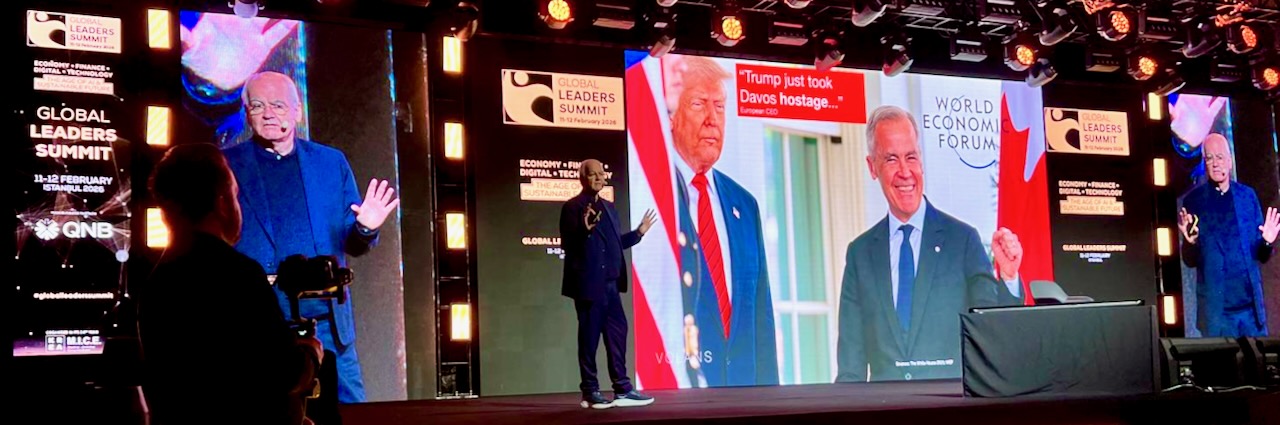
Me in full flow
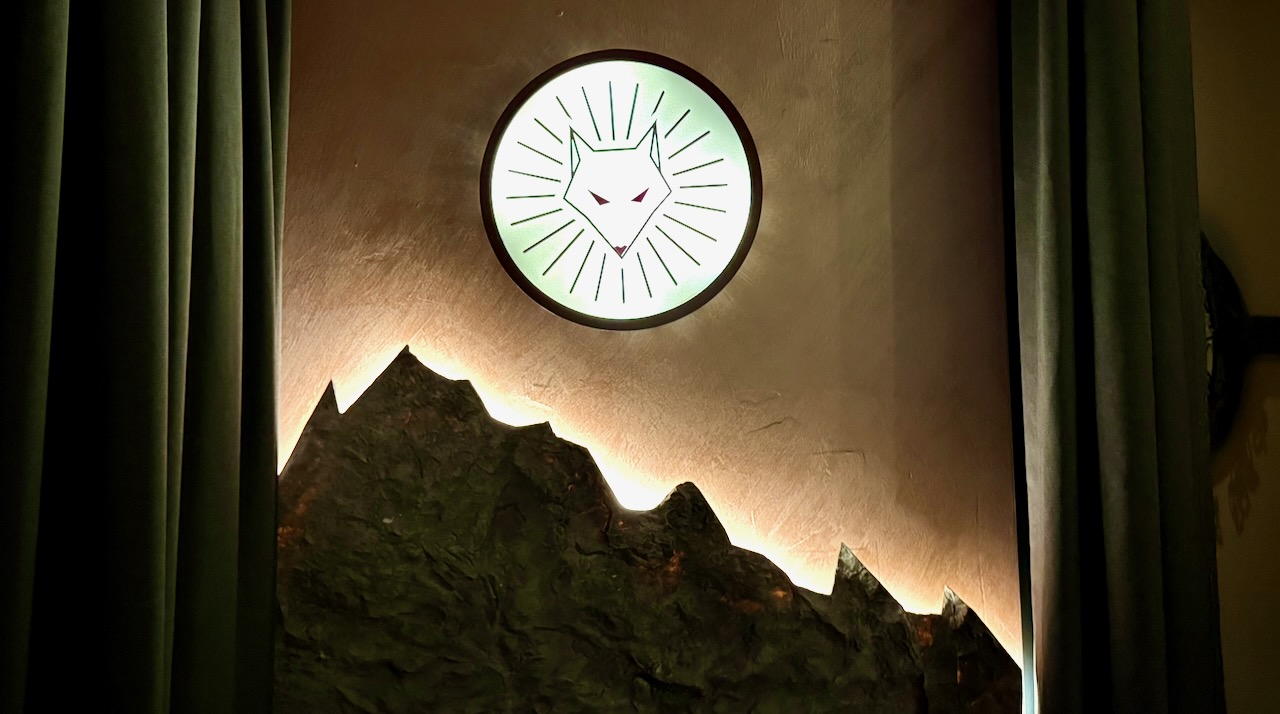
The logo for the restaurant where we met Aysu on our first evening
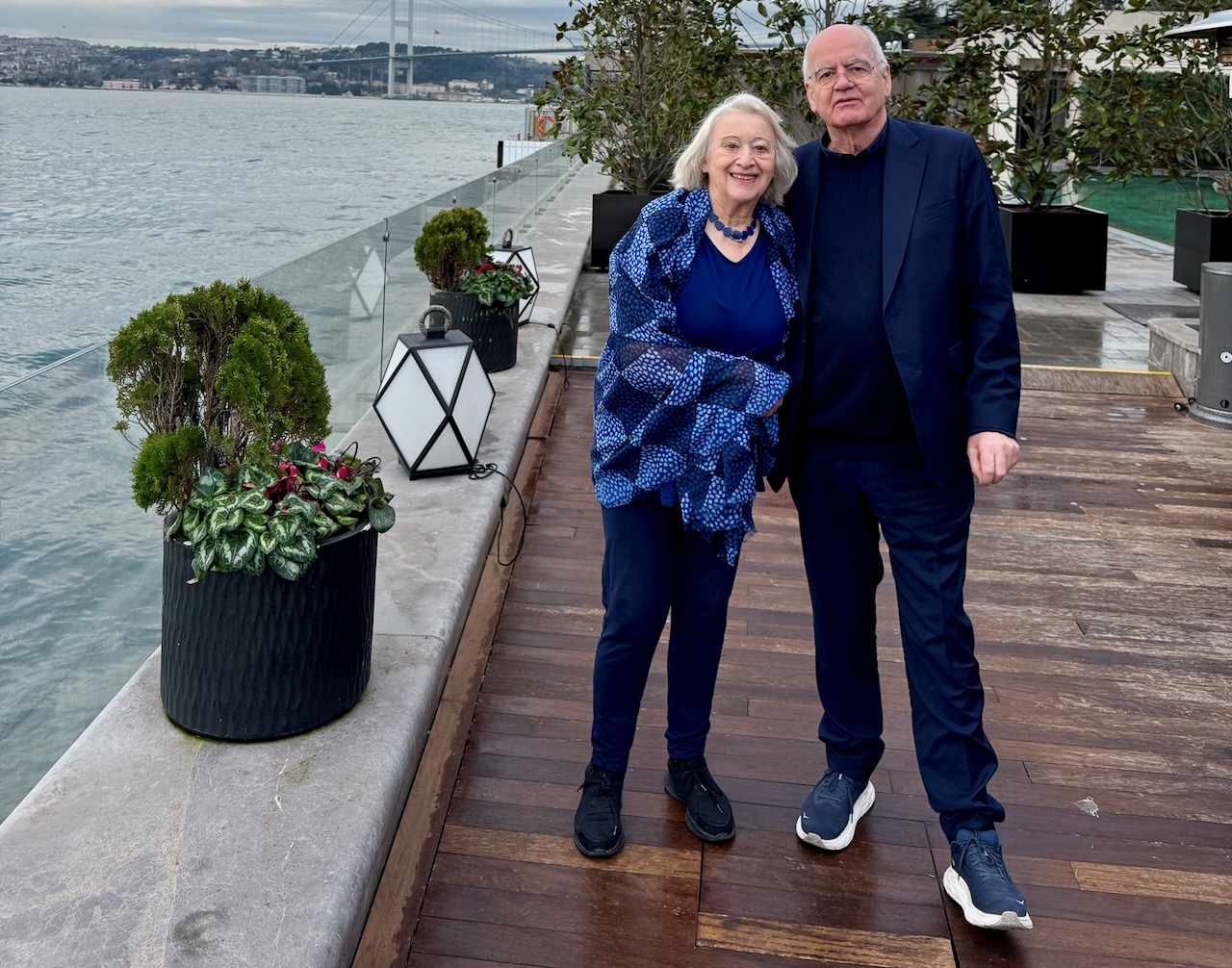
By the Bosphorus the next morning
As we left with Eylül for the Basilica Cistern visit
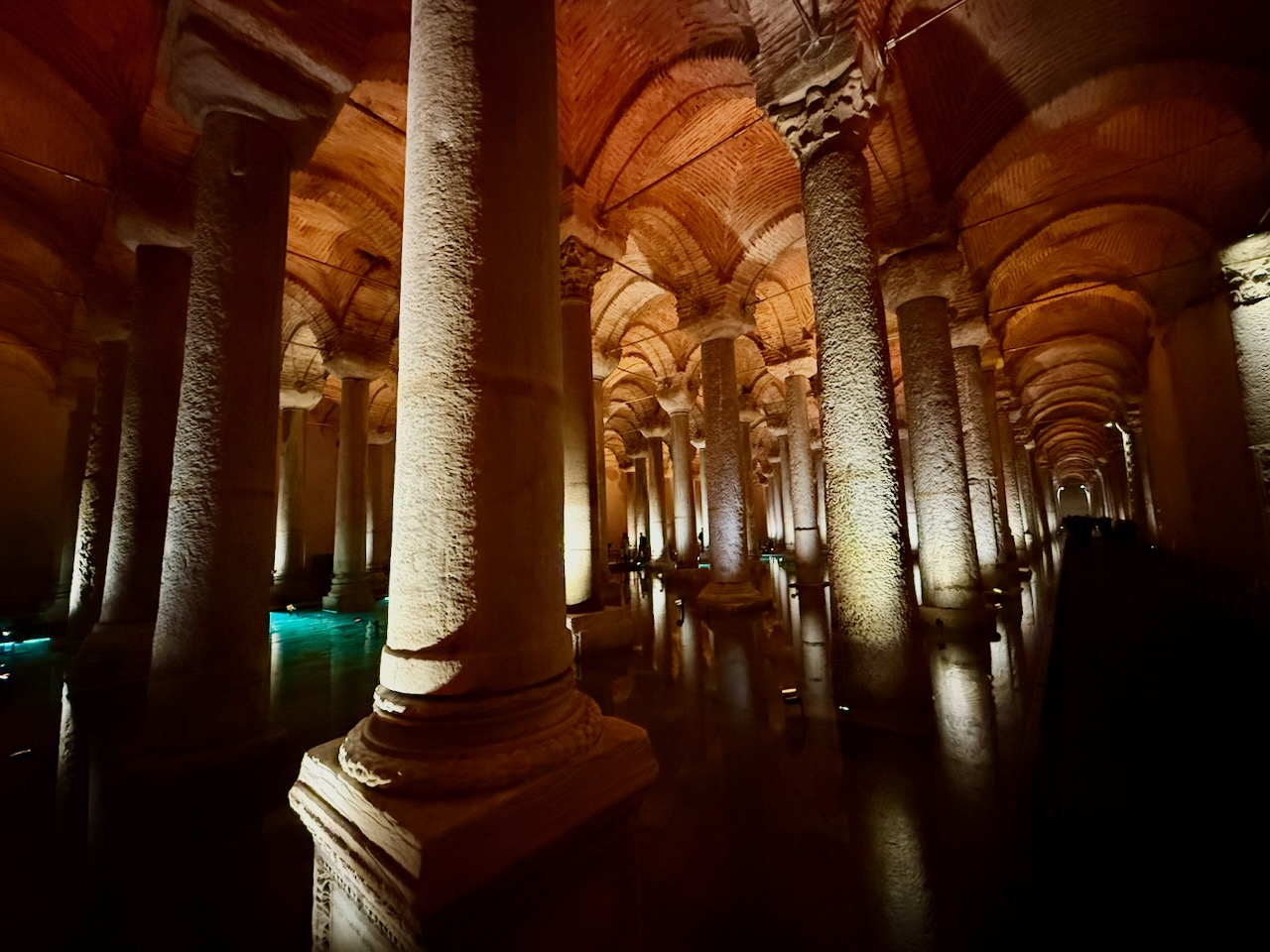
Inside the Cistern, which has undergone an astonishing refurbishment
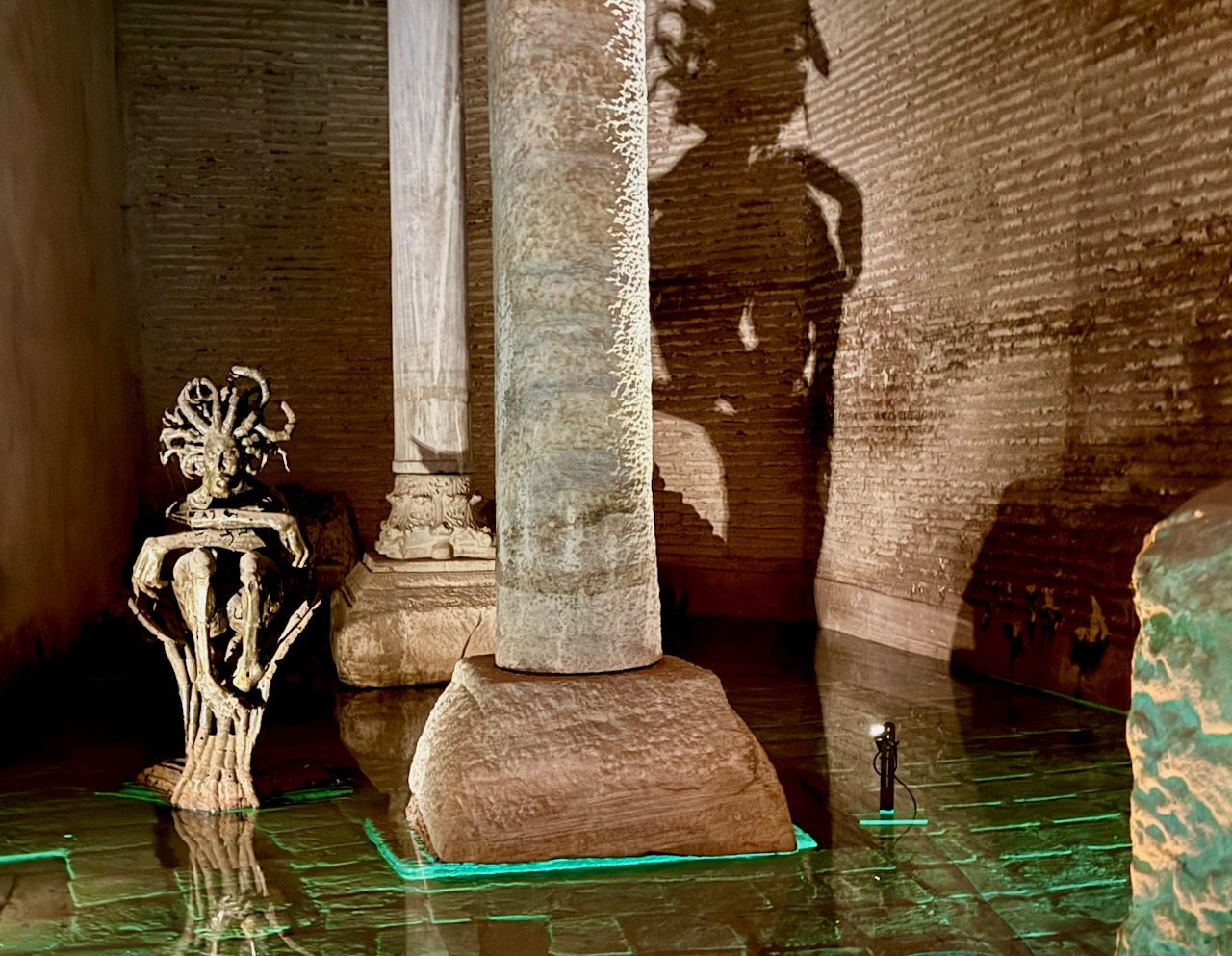
We loved the modern art interspersed throughout
The sense of space is awe-inspiring
I had been keeping an eye out for the Medusa stone
Upside down for what must feel like an eternity
Shadowed
The sense of space is awe-inspiring
My favourite column
A warmer hue
Vanishing point
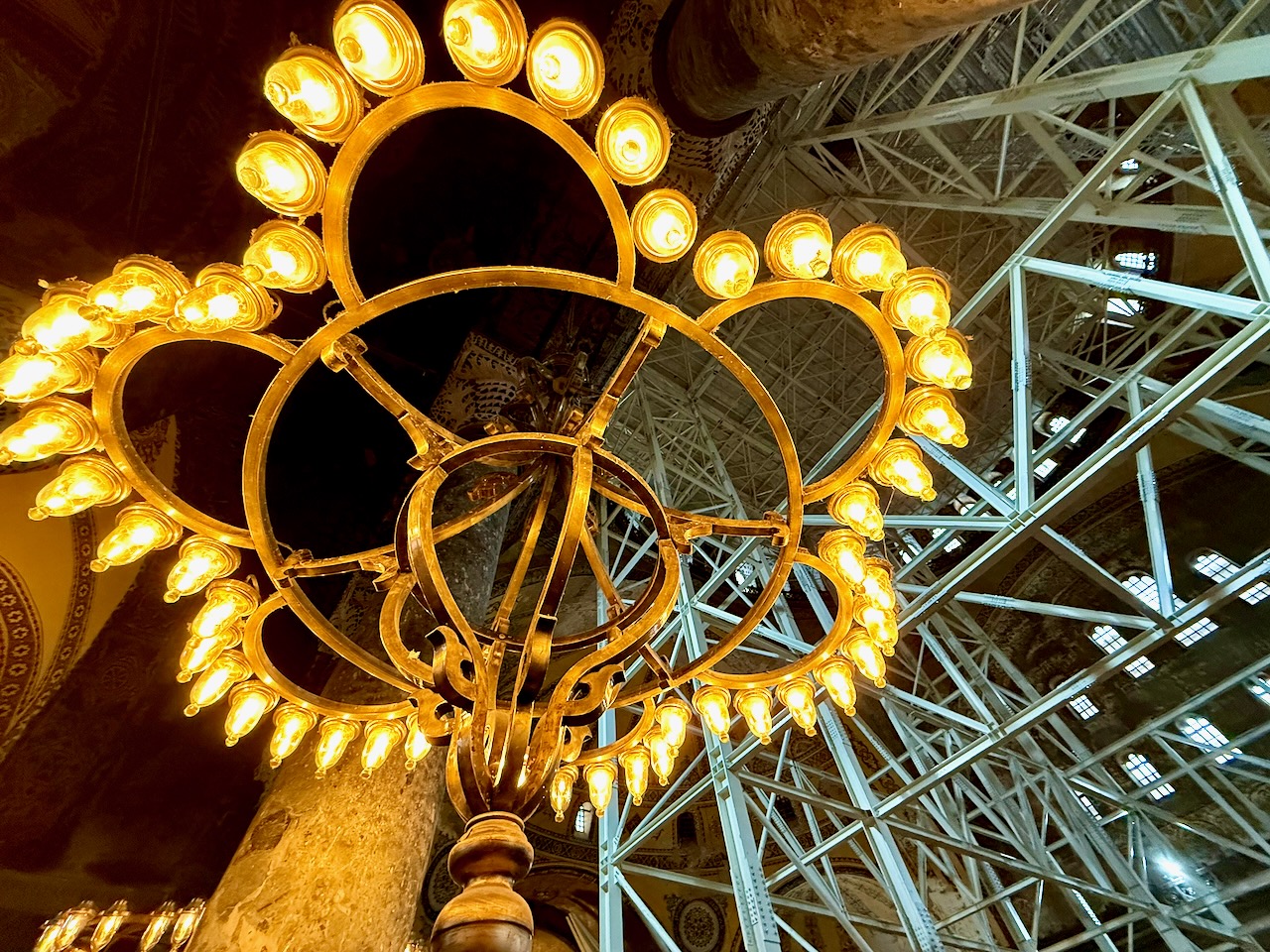
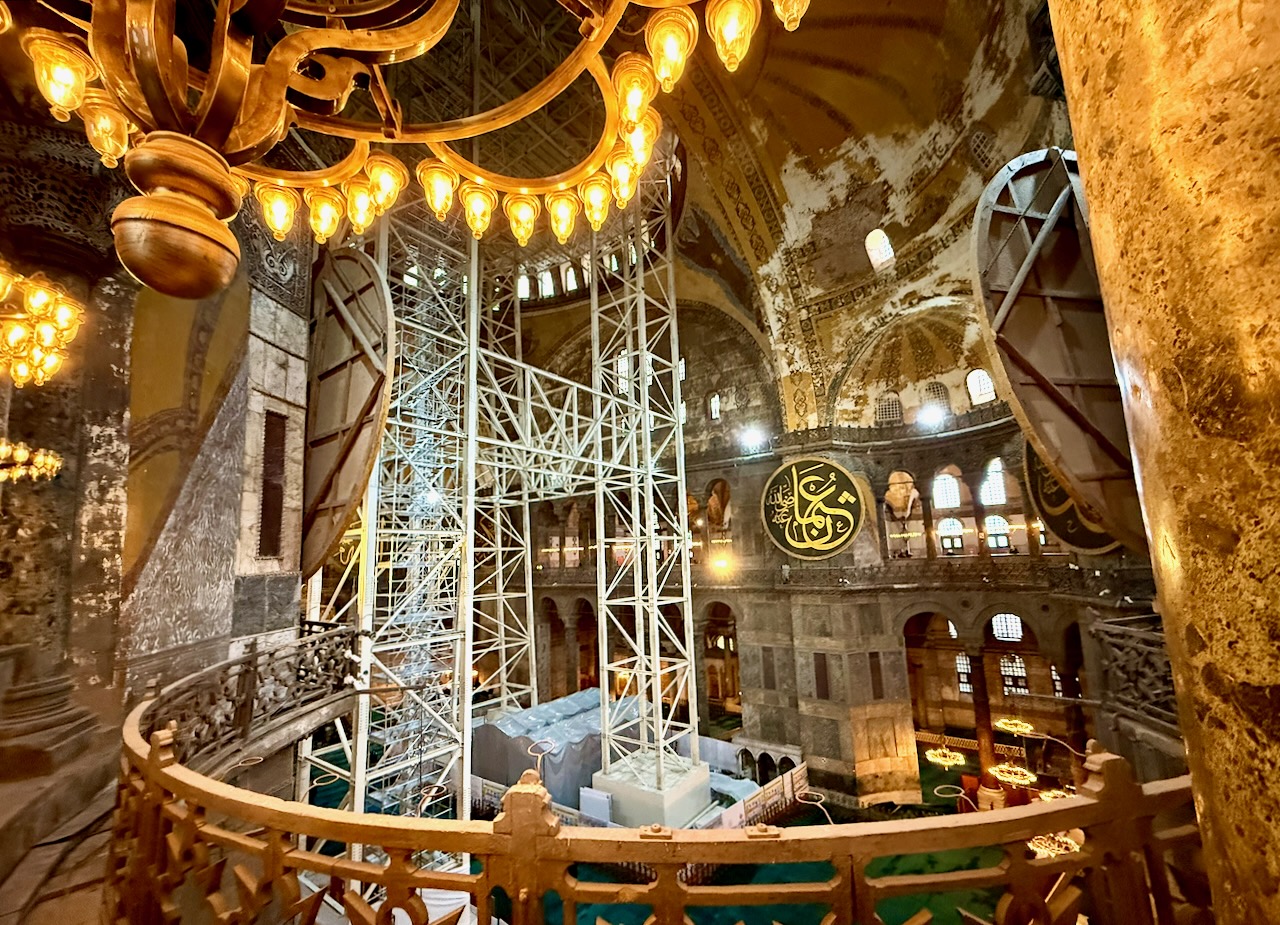
Hagia Sophia, undergoing refurbishment
Ditto
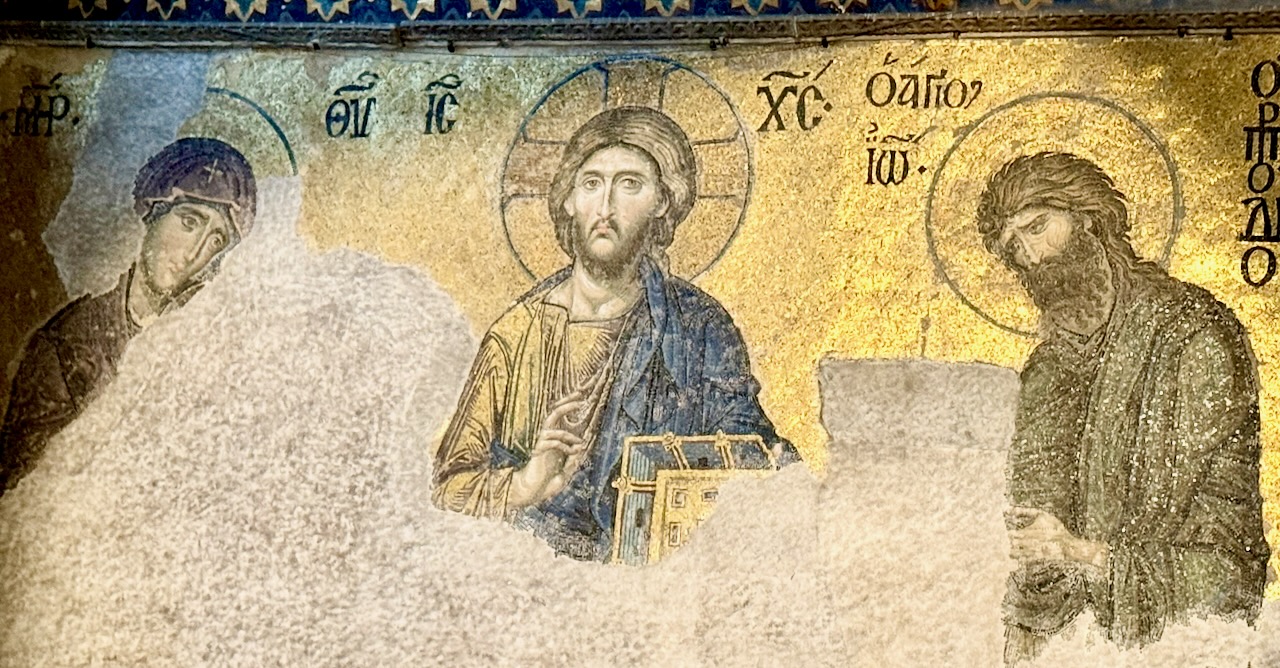
Holy ghosts
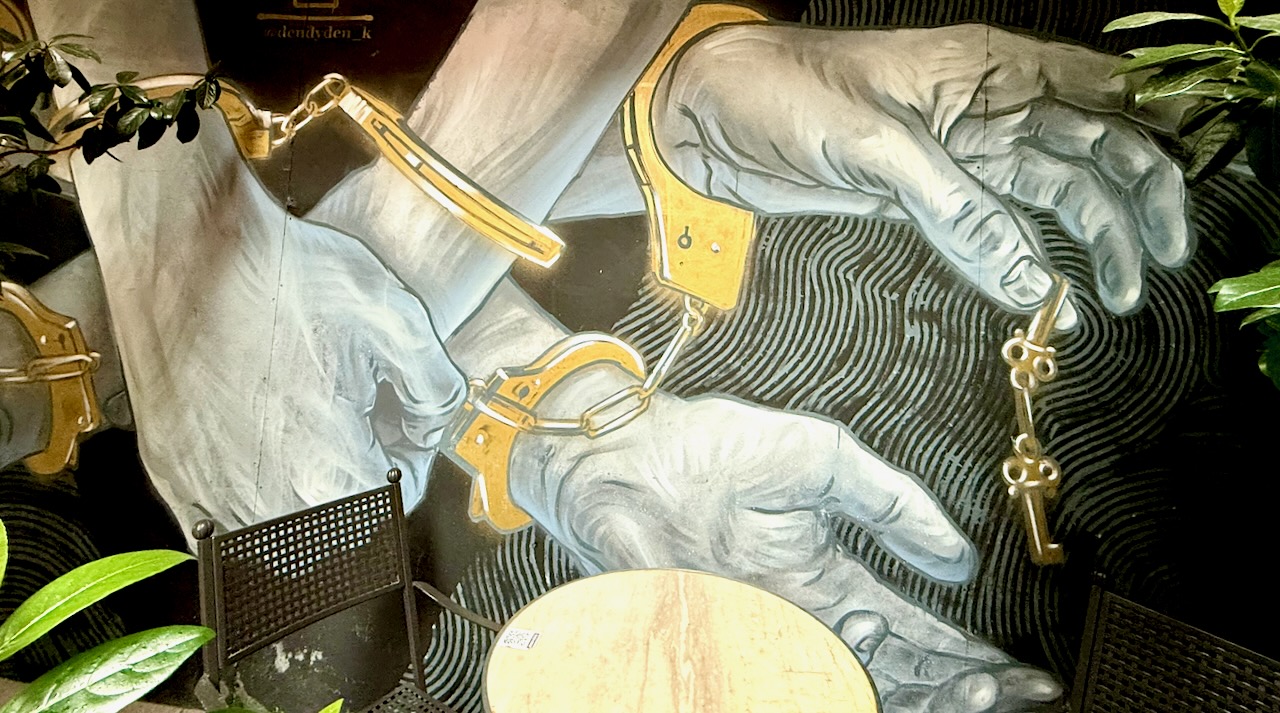
Outside, as we chase baclava, street art – showing golden handcuffs
We set of with Eylül for the Princes’ Islands
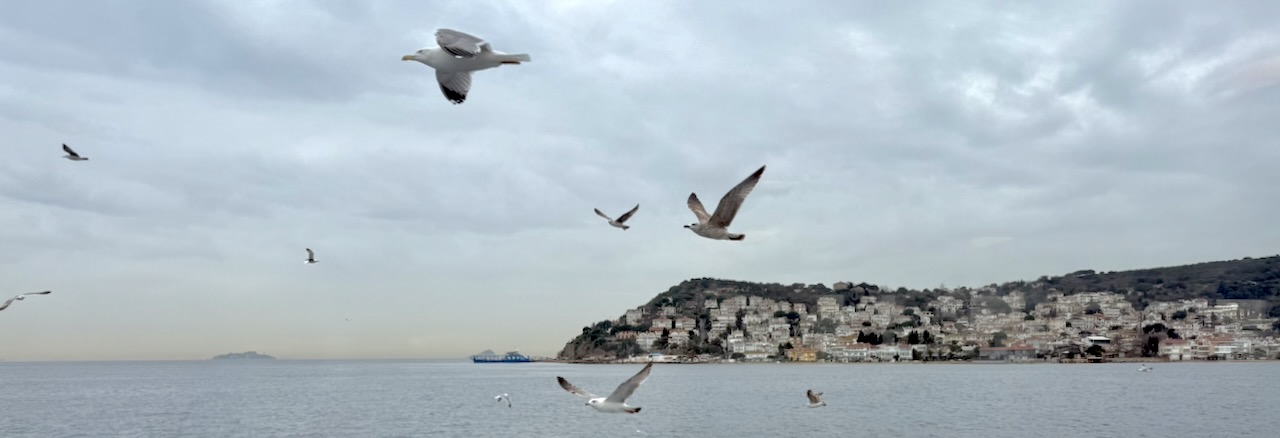
We are being eyed
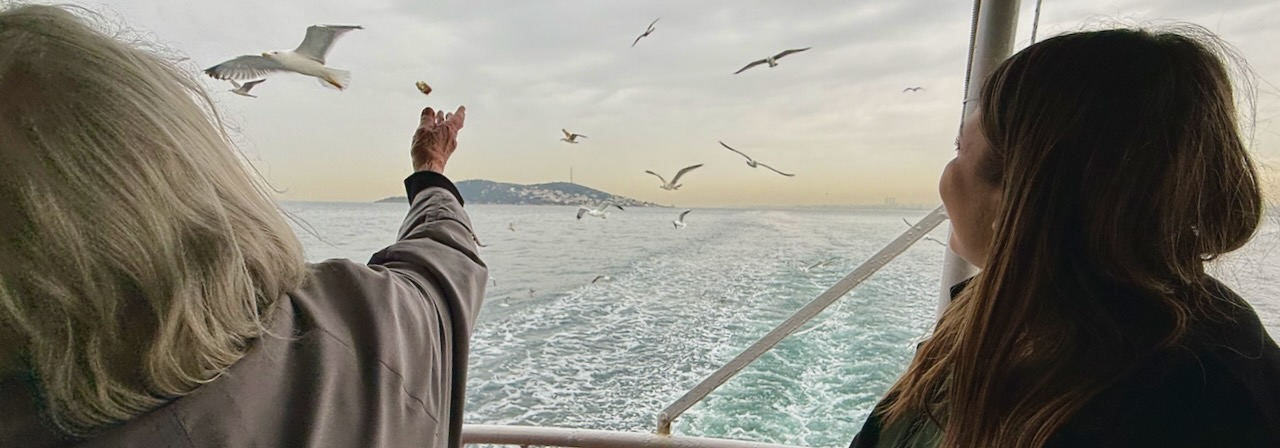
Elaine feeds the neighbours
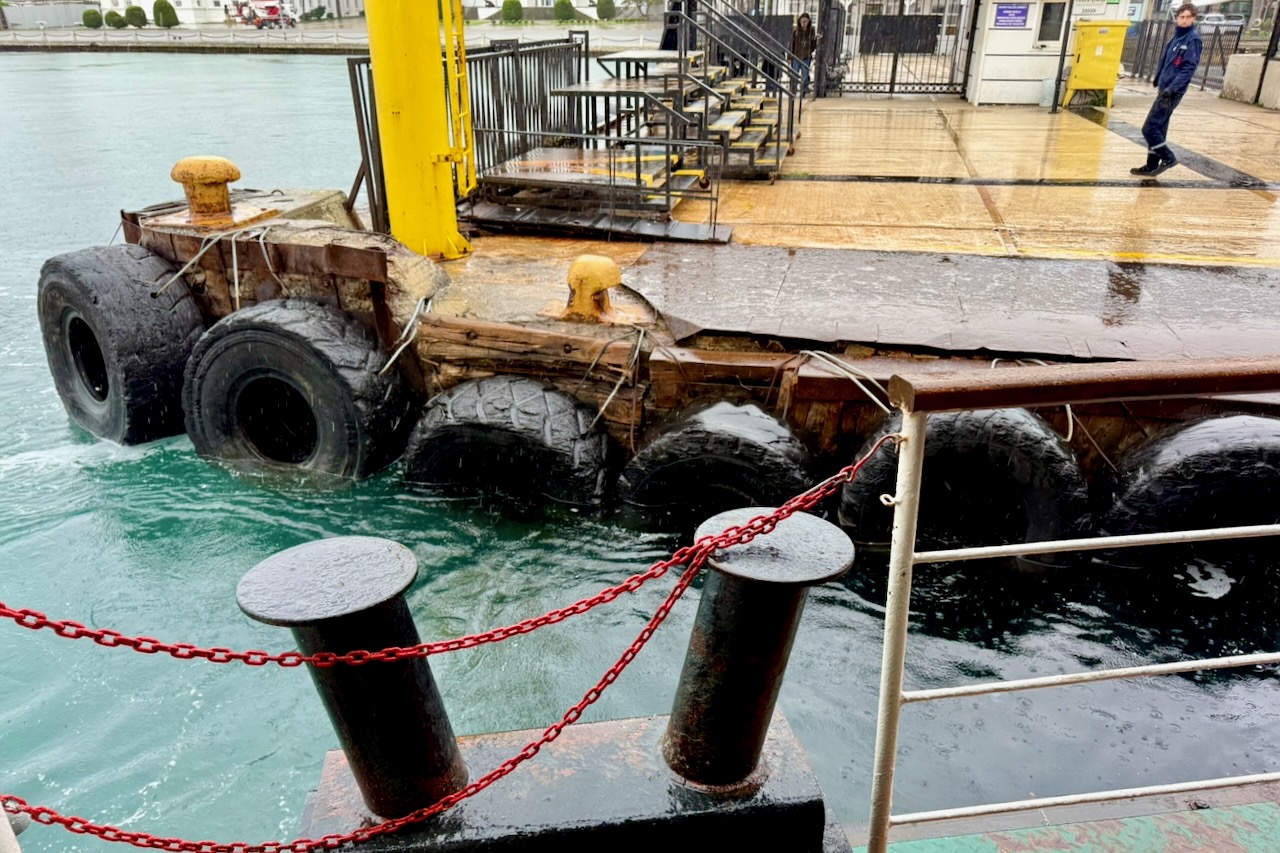
Quayside, with rubber nanoparticles an invisible risk
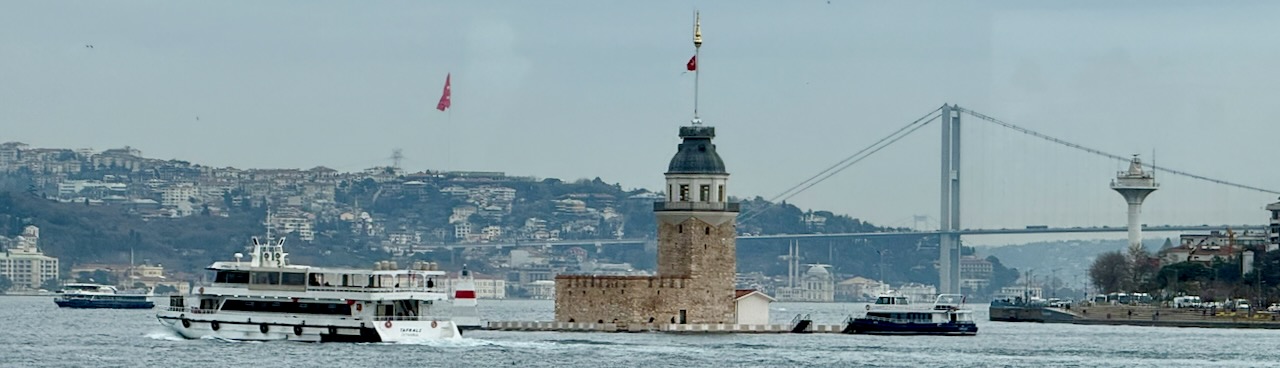
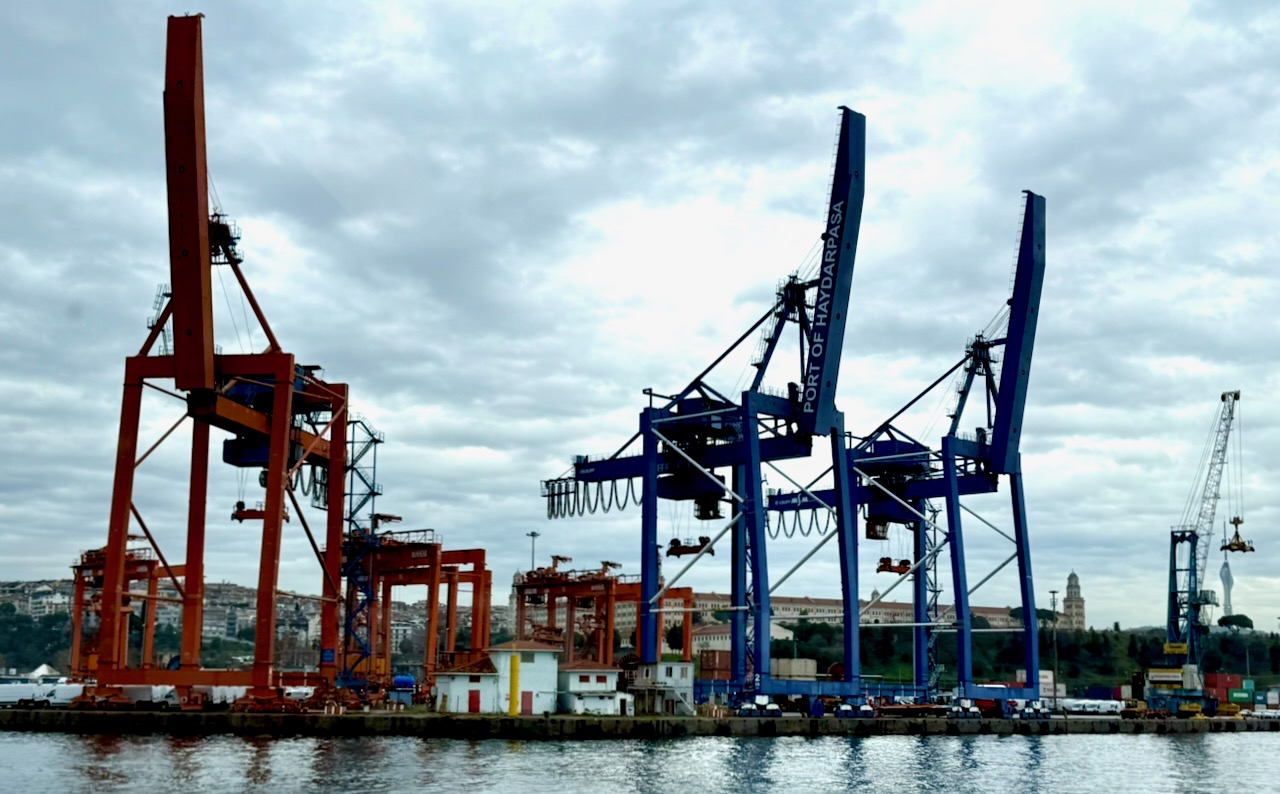
En route – passing several icons, including the Maiden’s Tower
Reminiscent of dinosaurs
Wide horizons
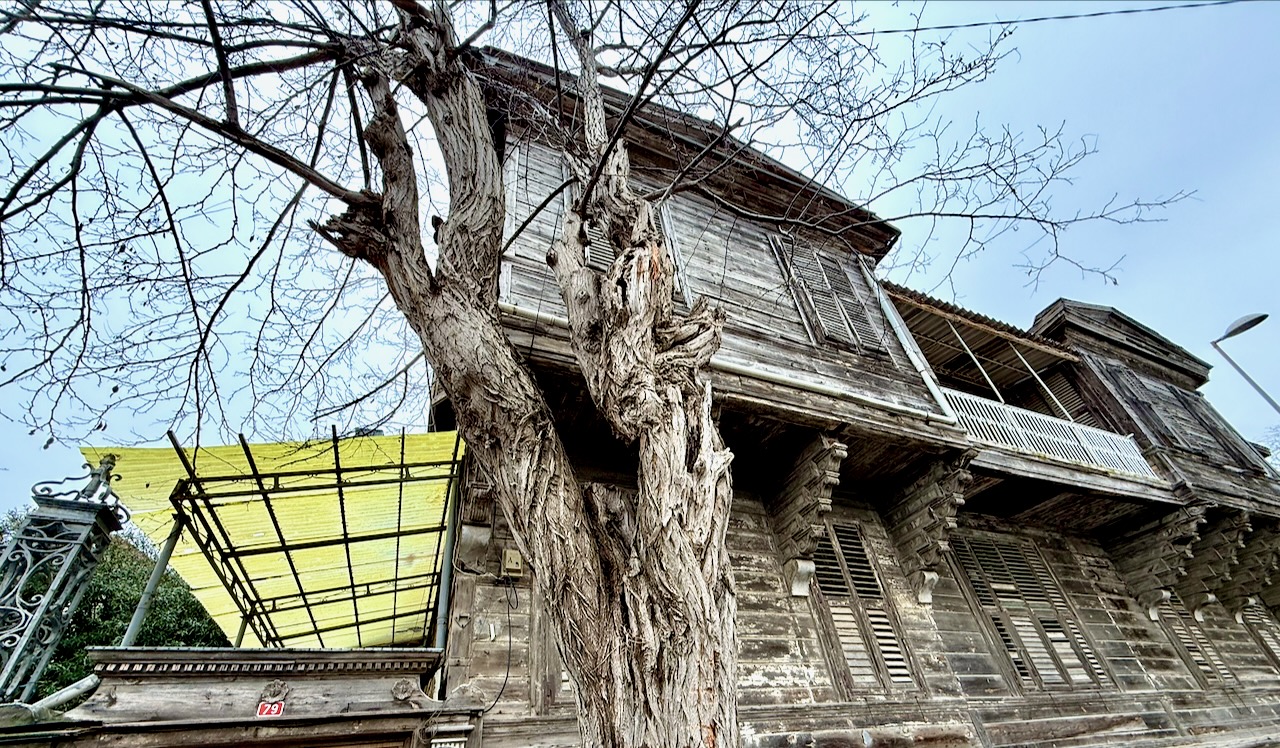
Traditional style wooden building
Ada restaurant as we arrive for a memorable lunch

Bibliotecha Alexandrina Sprains Ankle

John Elkington · 8 February 2026 · Leave a Comment

I have longed to visit Alexandria at least since my 1975 working visit to Egypt, but I suspect that the yearning tracks back to films like Ice Cold in Alex, made in 1958. In any event, meeting Ismail Serageldin when we both served on the Nestlé Creating Shared Value Advisory Council, many moons ago, whetted my appetite yet again.
He invited me to visit the Bibliotecha Alexandina, where he was founding director, but somehow I never could find the time or occasion. The project aimed to reanimate the fabled, ancient Library of Alexandria, an astonishing seat of learning for centuries.

This image has an empty alt attribute; its file name is A15-1024x417.jpeg
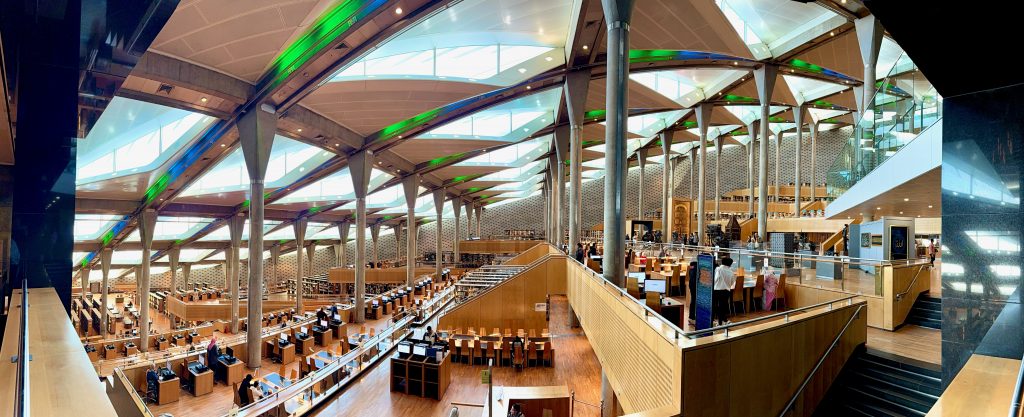
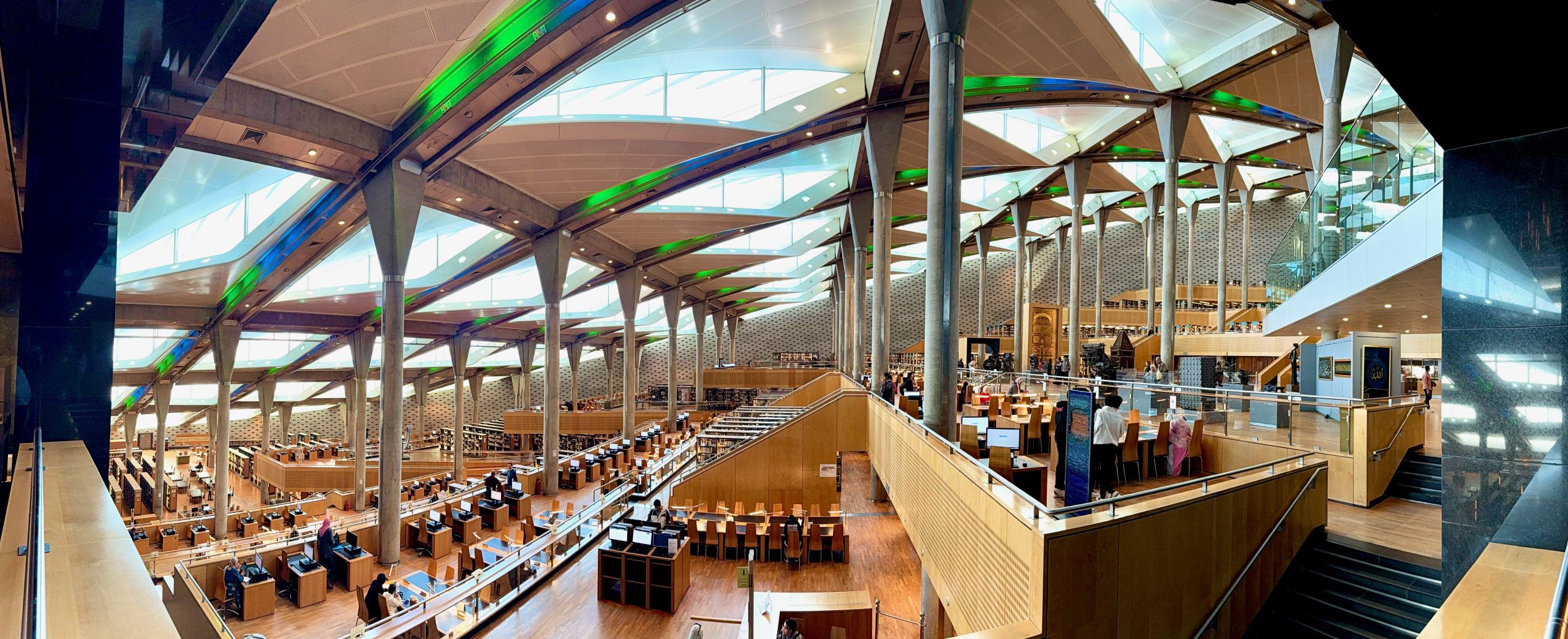
An interior within the Bibliotecha Alexandrina: panorama distorts structure, but gives a sense of space

Various Roman emperors seem to have had a hand in the Library’s destruction: Julius Caesar with a partial burning and then, variously, Aurelian and Diocletian during later attacks on the city.

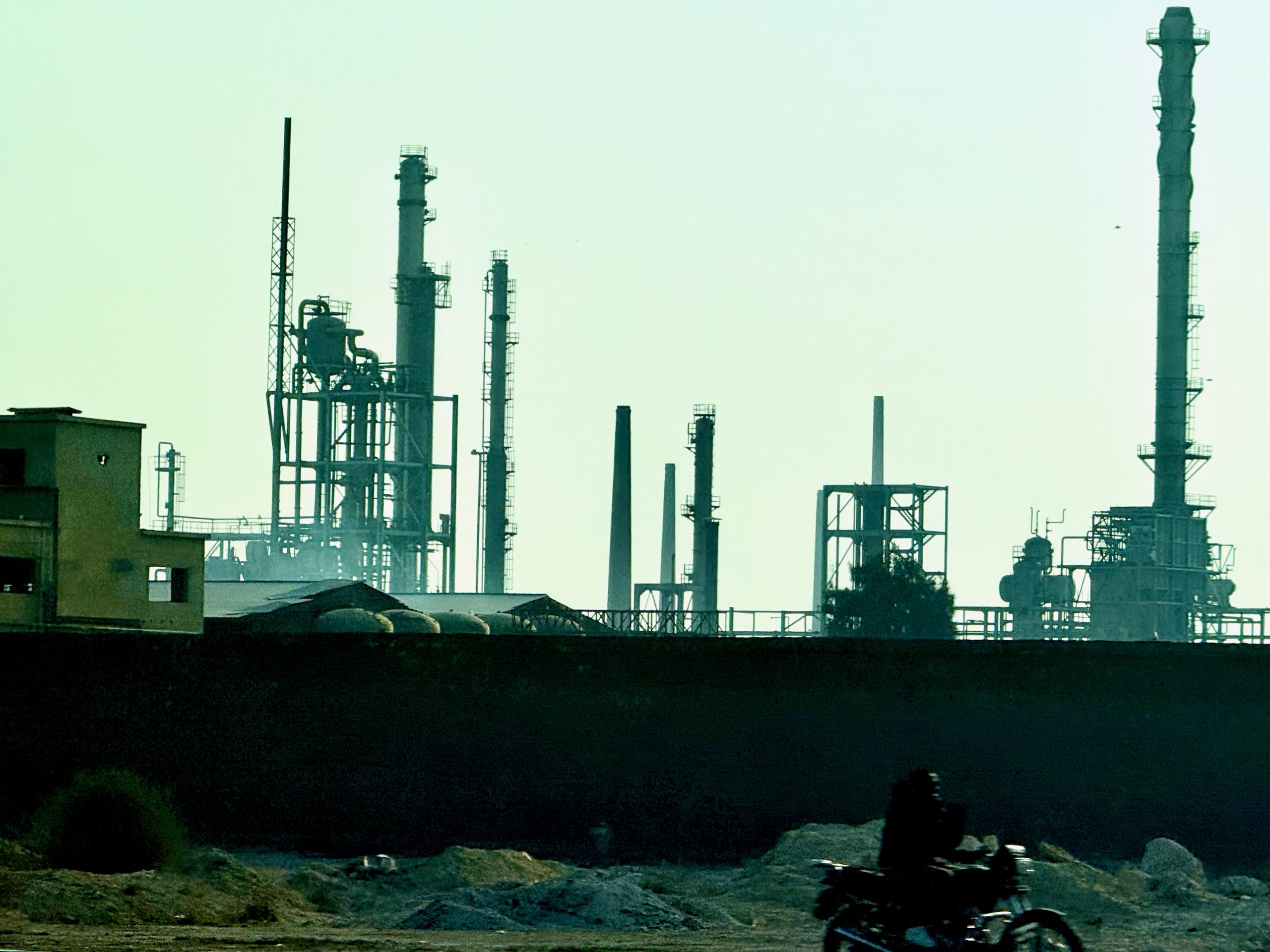
Whatever the internet may advise, the drive to Alexandria from Cairo is a long one. With a massive jam as we left Cairo, the trip took us – and our driver – around four-and-a-half hours. We arrived after sunset and were forcefully struck by the number of petrochemical plants in the area, their flares burning even brighter against the darkening sky.

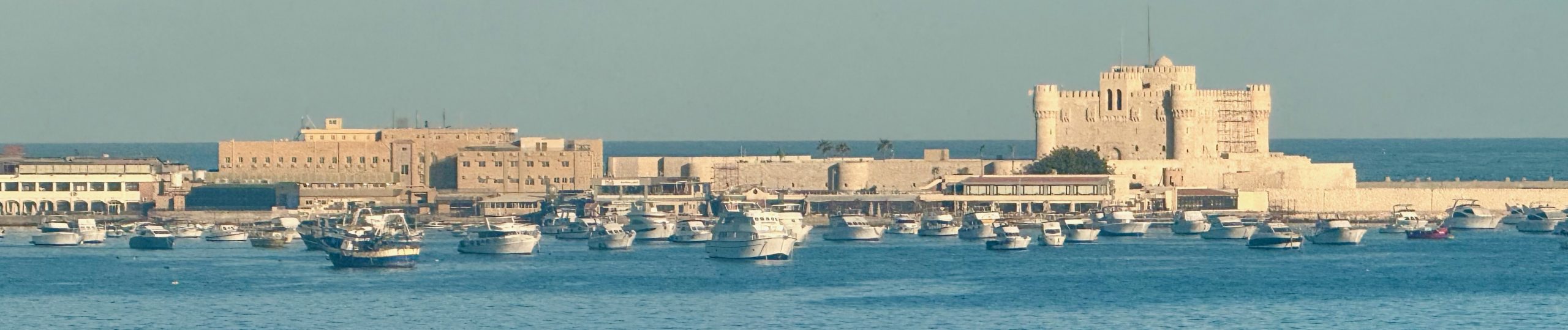
When we awoke the next morning at the rather generously named Windsor Palace Luxury Heritage Hotel, a time capsule from a much earlier era which had seen better days, we were happy to find that our balcony looked out onto the castle. It was built by Sultan Al-Ashraf Qaitbay between 1477 and 1479, apparently, to protect the Mediterranean coast from Ottoman invasions. Situated on Pharos Island, it was built atop the ruins of the famous Lighthouse of Alexandria.

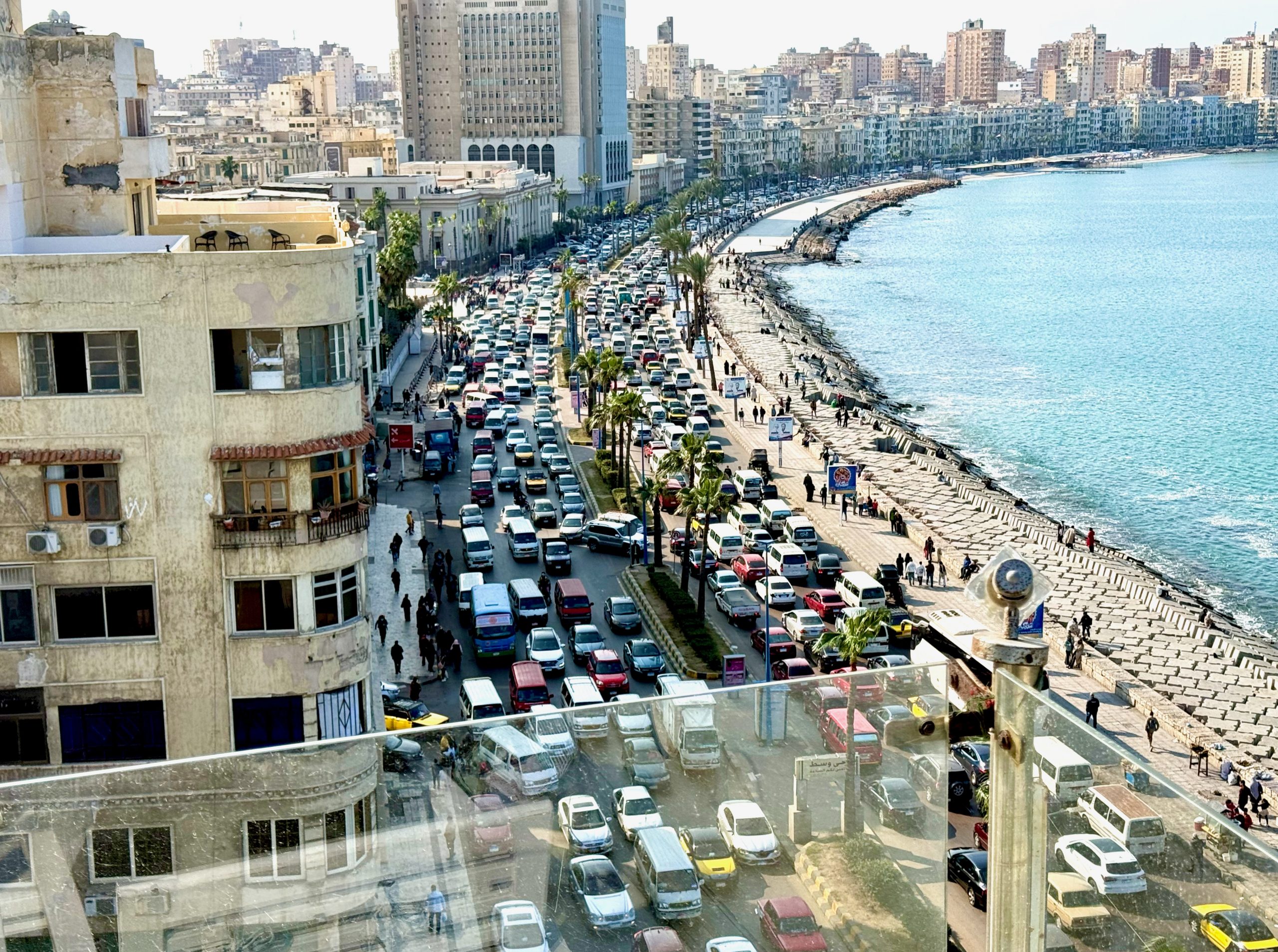
By then we had got used to the constant honking of the traffic outside, though the rafts of waste floating in the harbour were a bit of a shock. Still Britain, seemingly, can’t manage its coastal waters these days, either.

We walked from the hotel to the Bibliotecha Alexandria (BA), with Elaine struggling at times to reconcile her mental image of the city and the honking, potholed reality. Indeed, I freely confess, my photographs below give a rather generous sense of the city as she is today.

For example, when, after our BA visit, we walked (or in my case hobbled) across to the Alexandria National Museum, we cut through a park, which looked green enough from a distance. But once we managed to find a way in, we discovered that it was full of rubble, litter and at least one dead dog. The museum itself was a reminder of how far such places still have to go with the presentational aspects of their businesses.

In any event, spooling back a bit, we overshot the entrance to the BA, and were loosely redirected back the way we came. An entrance then presented itself, so we took it, only to find that it was part of a building site. Again, we were redirected in energetic Arabic, but climbing a cement dust and rubble covered stairway, I lost my footing and fell quite a distance – ending up with a severely sprained ankle. Hence the later hobbling. (It’s now strapped, in case you’re interested…)

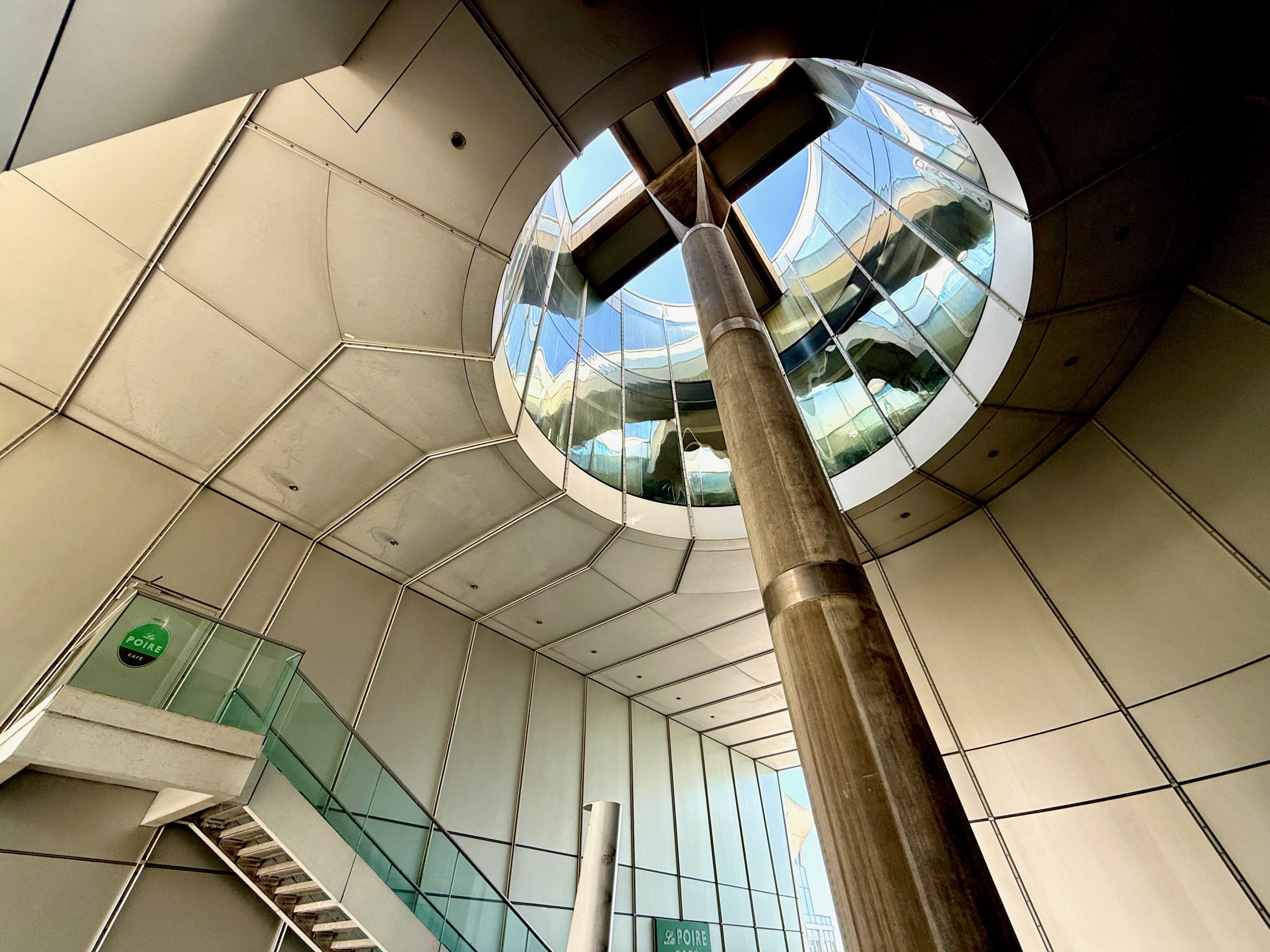
As I painfully persevered, we discovered one of the most extraordinary buildings either of us have ever visited. Some sense of it will be suggested by the images below, but just watching people sitting at desks and studying books was a true joy. As with the Grand Egyptian Museum a few days ago, full marks for the design, but there were areas where corners had clearly been cut in the construction.

Later, after less than a day in the city, we reversed our steps to Cairo and the Westin, ahead of our (in the event seriously delayed) Egyptair flight early on Thursday morning.

As we travelled to and fro, and sparked by a comment made by Dr Abla Abdel Latif a couple of days earlier, my brain was continuously working on what would eventually become the Domino Scenarios, which I will aim to cover in a later post here.

Meanwhile, here are some snaps from along the way:

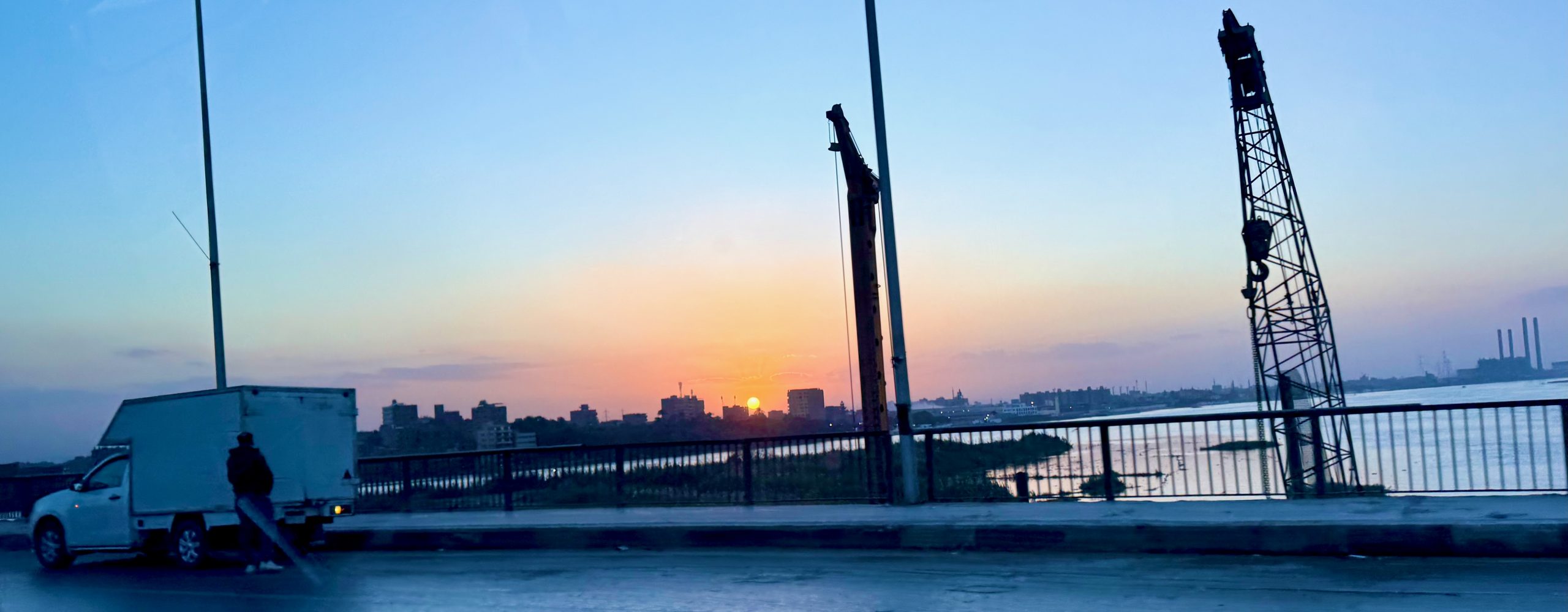
Crossing the Nile
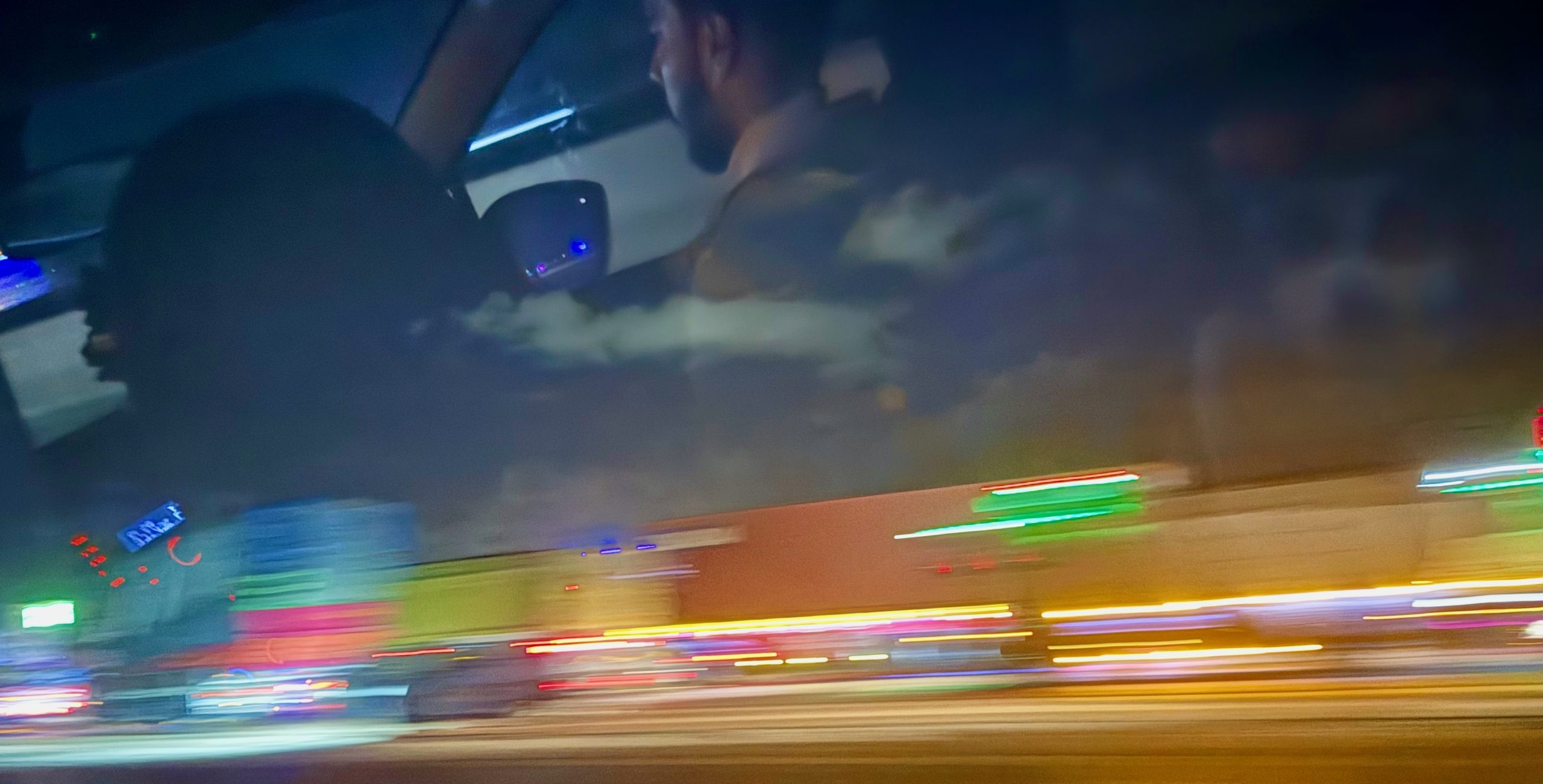
Much of the trip, once free of jams, was a blur of illuminated trucks
Further away than it seems here, but this was part of our view in the morning
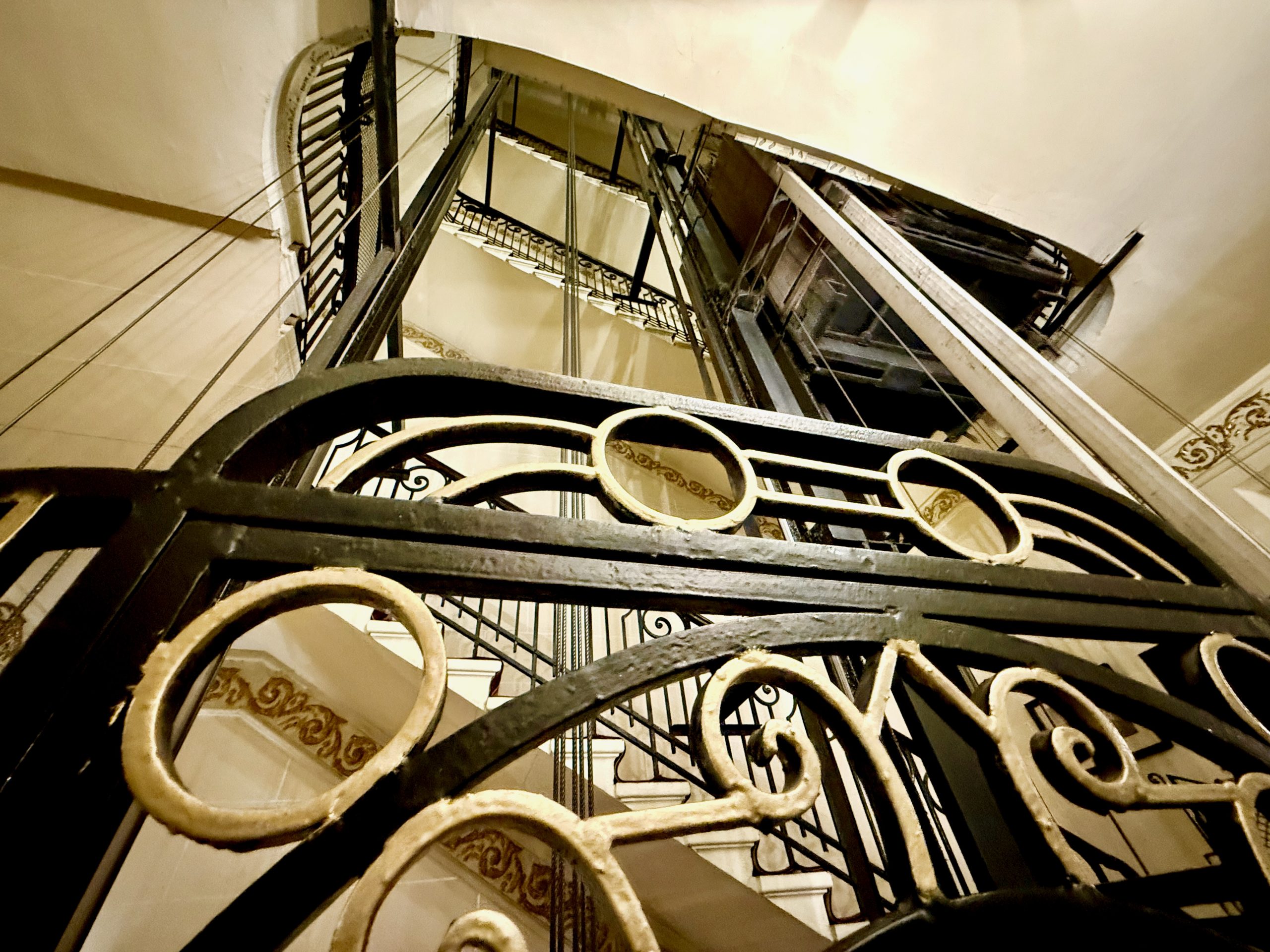
Relic of former times: one of the lifts in the Windsor Hotel
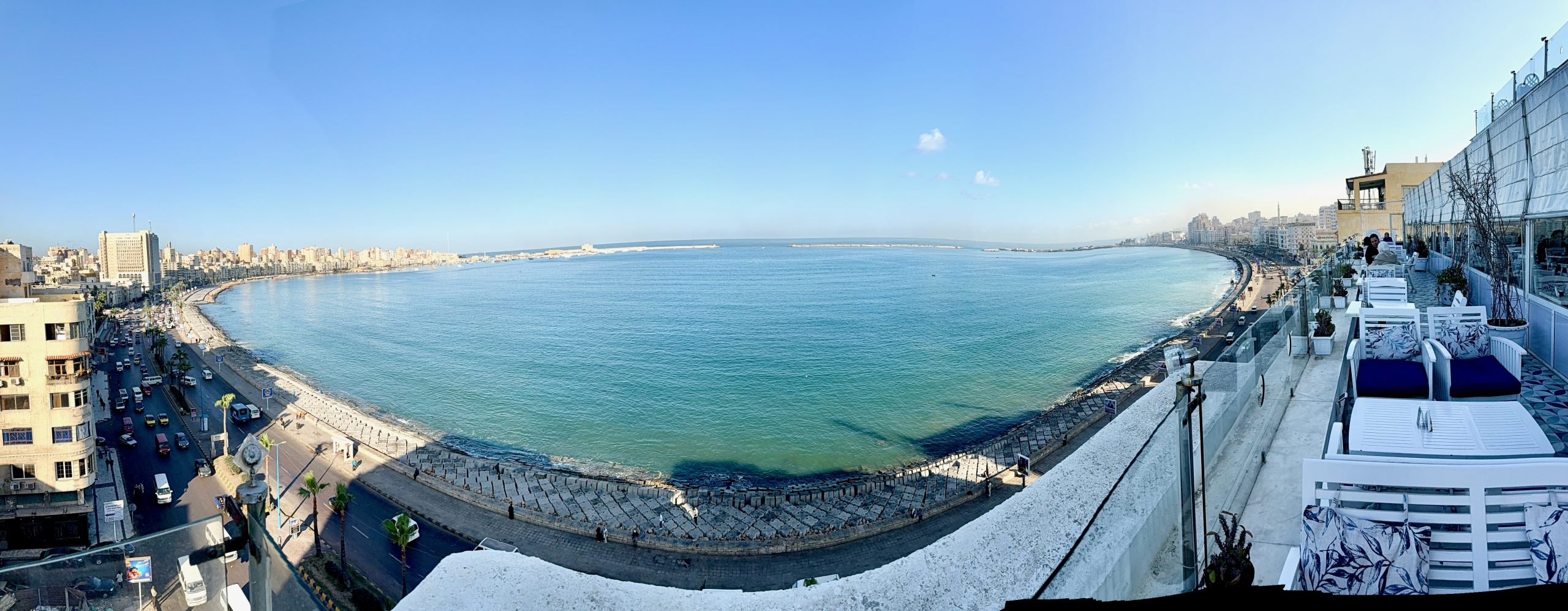
Panorama from the roof of the hotel
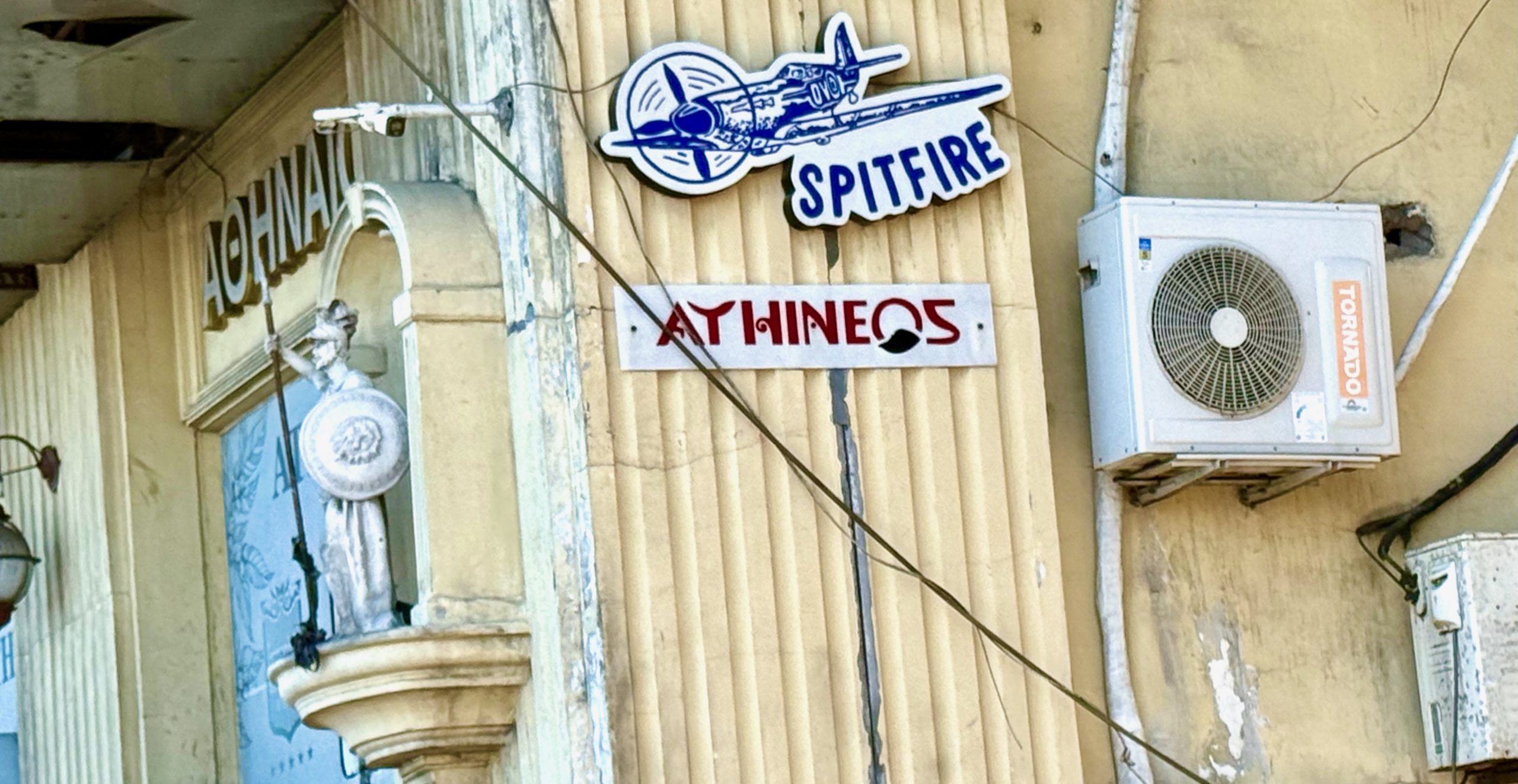
Icons, ancient and modern
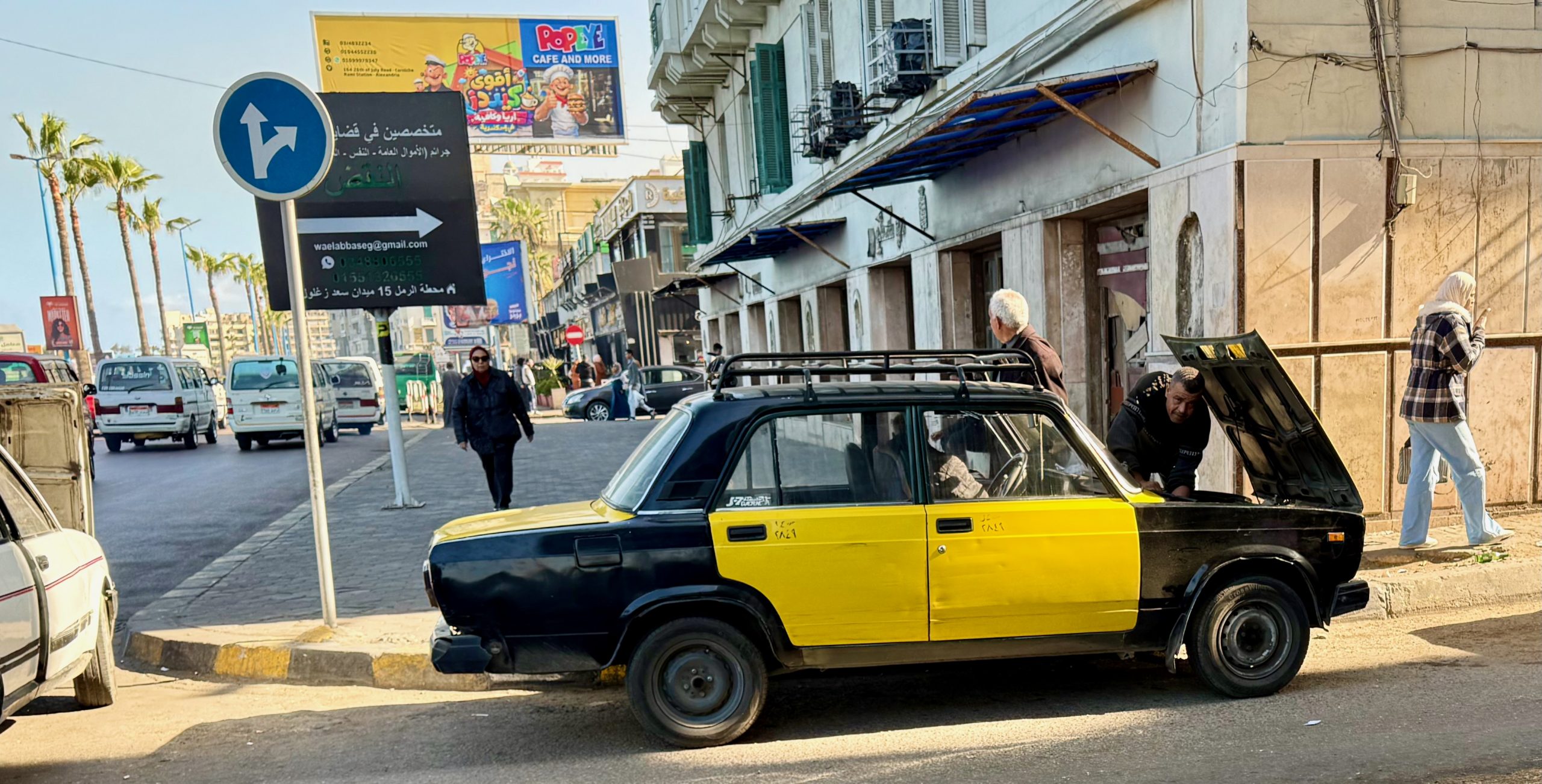
The wasp-like taxis left a certain amount to be desired, so we later opted for an Uber
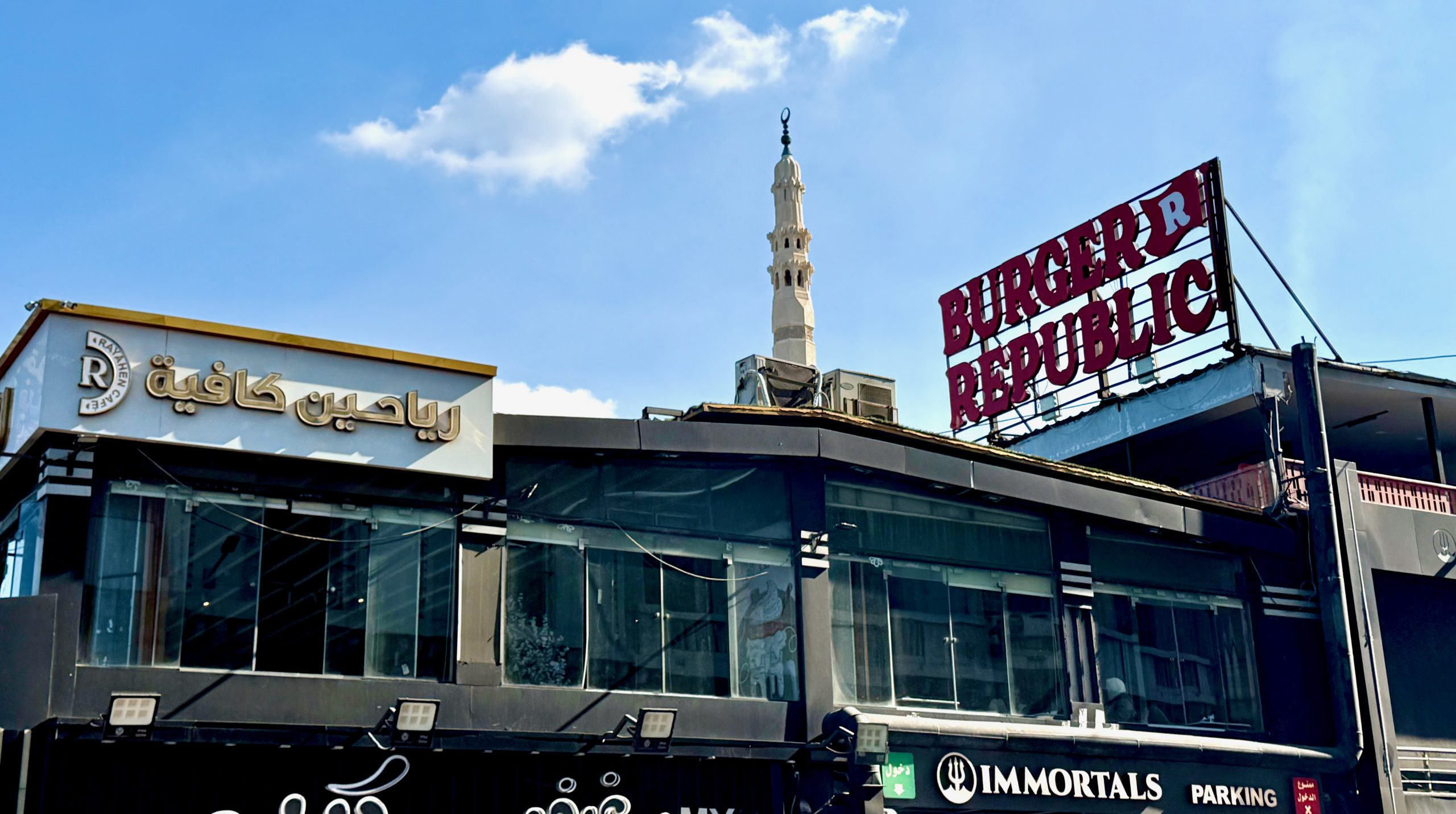
A concatenation of cultures – with parking for Immortals
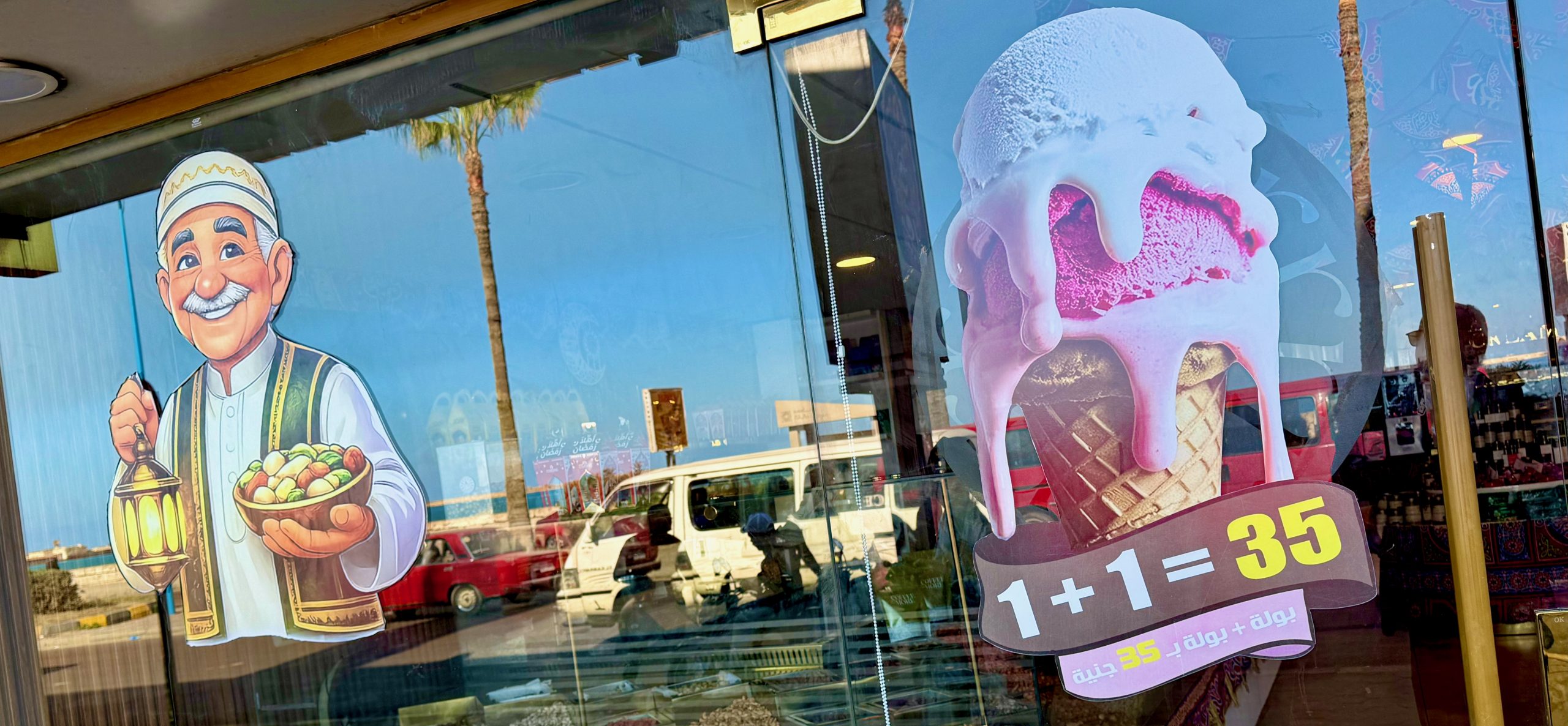
Maths clearly not a strong point
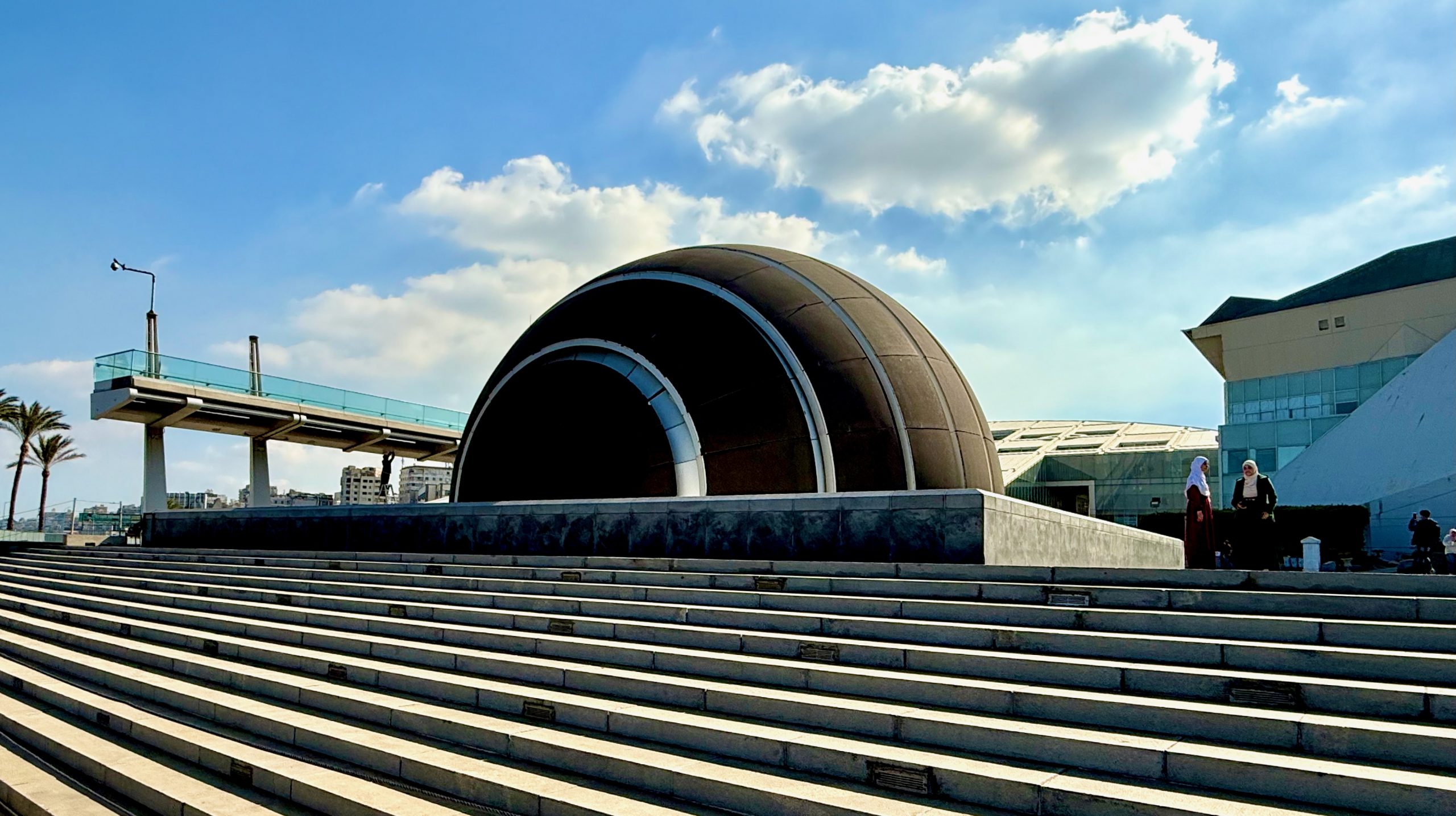
Our first sight of the BA
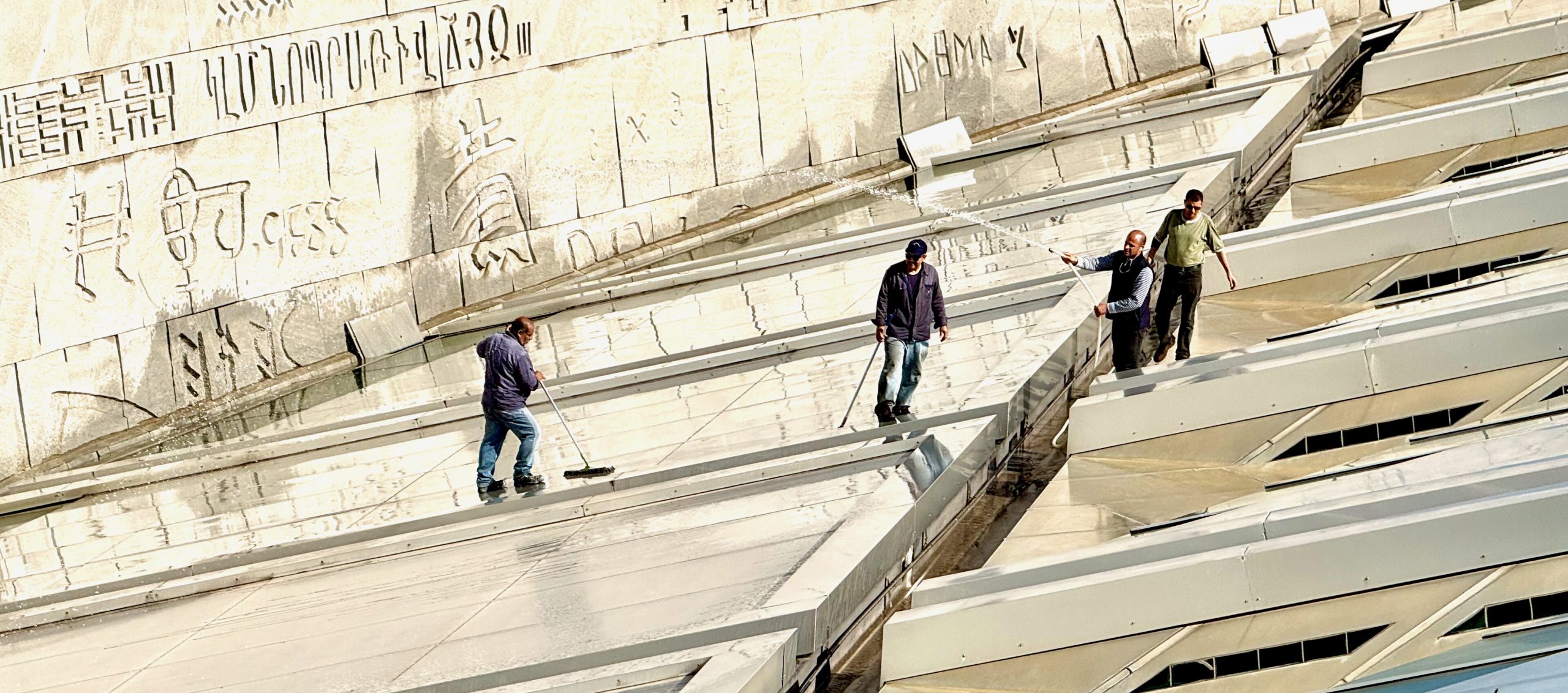
To distract myself from my sprained ankle, I watched the window-washers
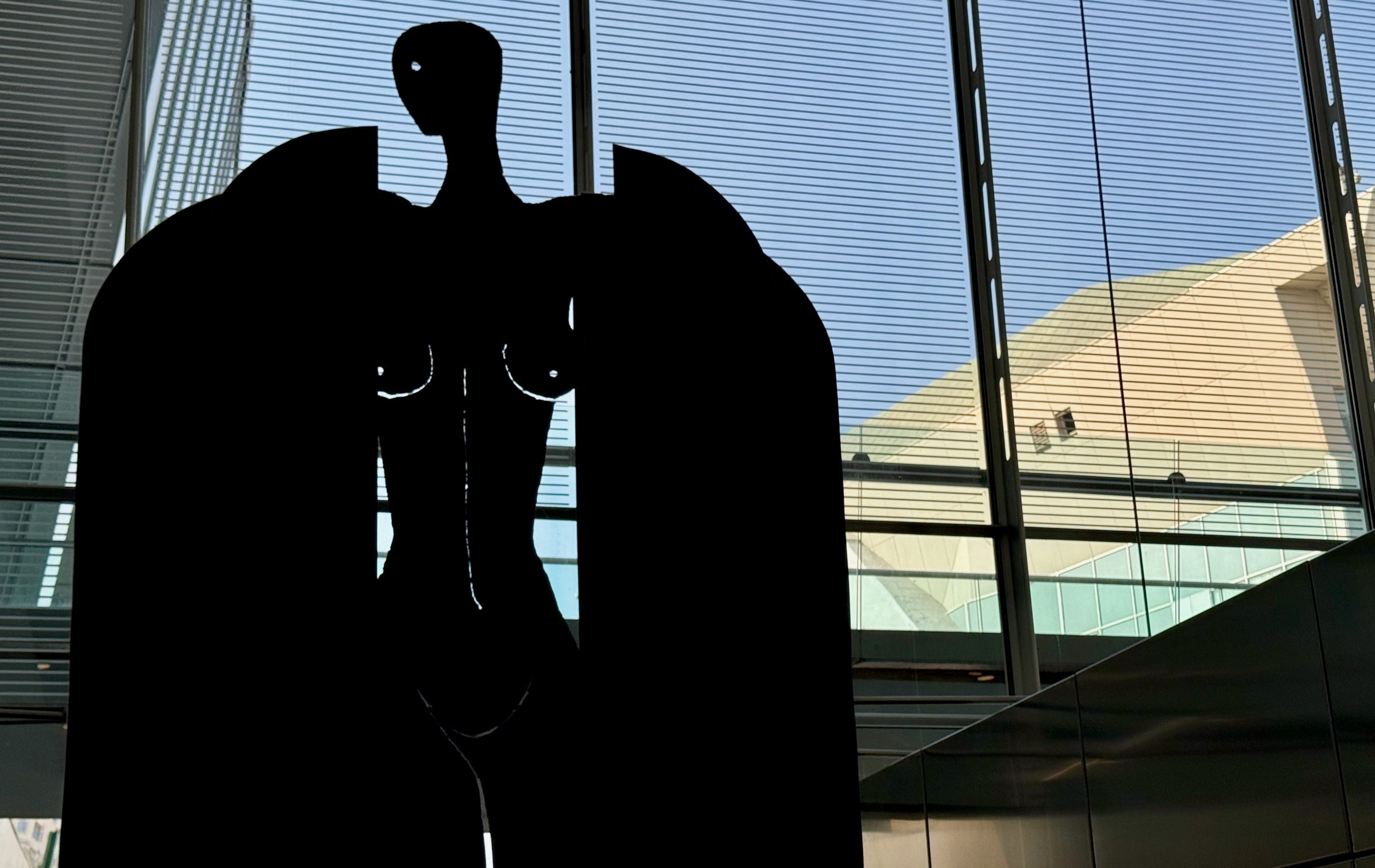
The BA sports some striking artworks
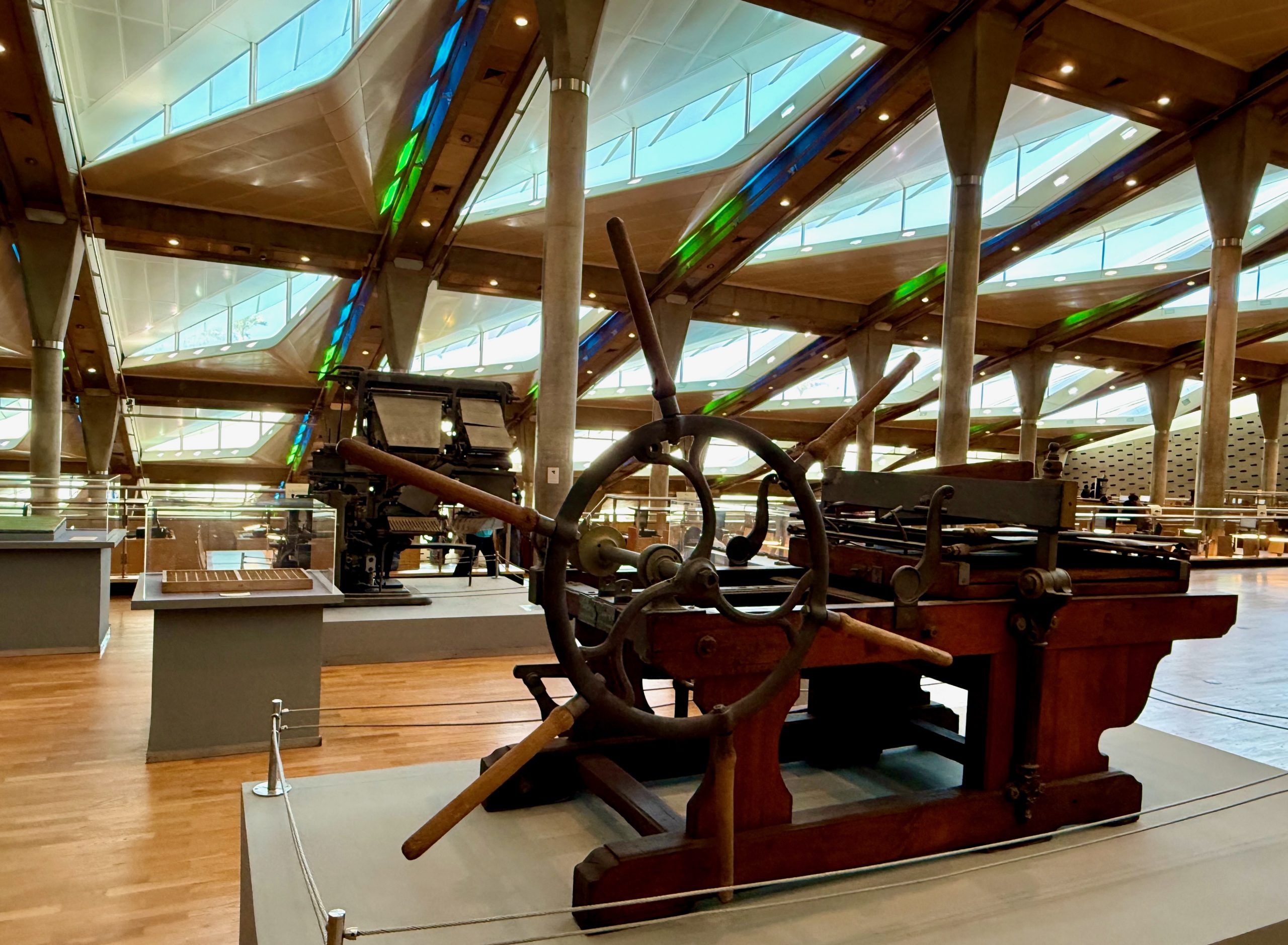
Lovely idea: a series of printing presses featured
Some of the working areas
On our way to a café
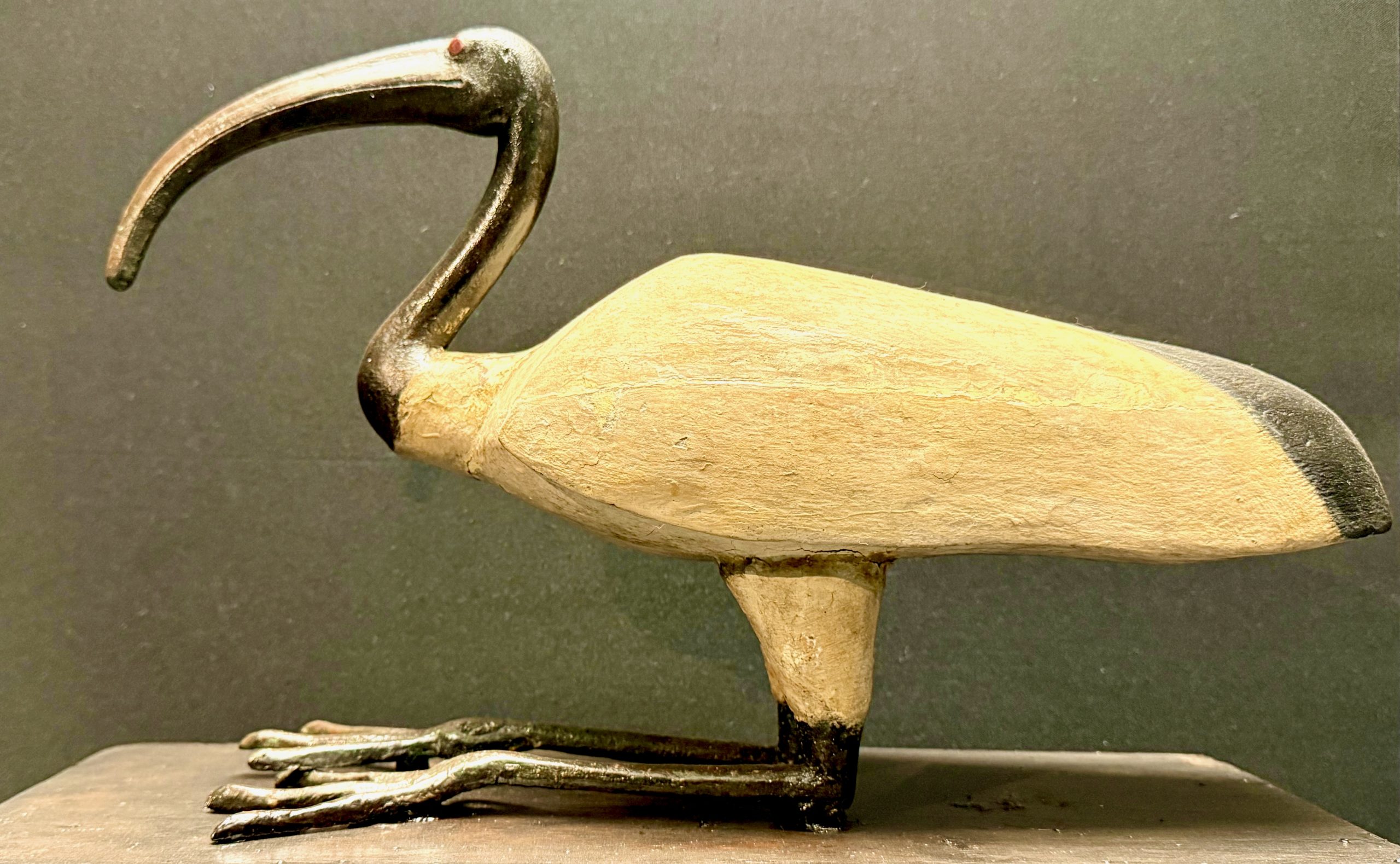
Reminiscent of the golden ibis we have at home
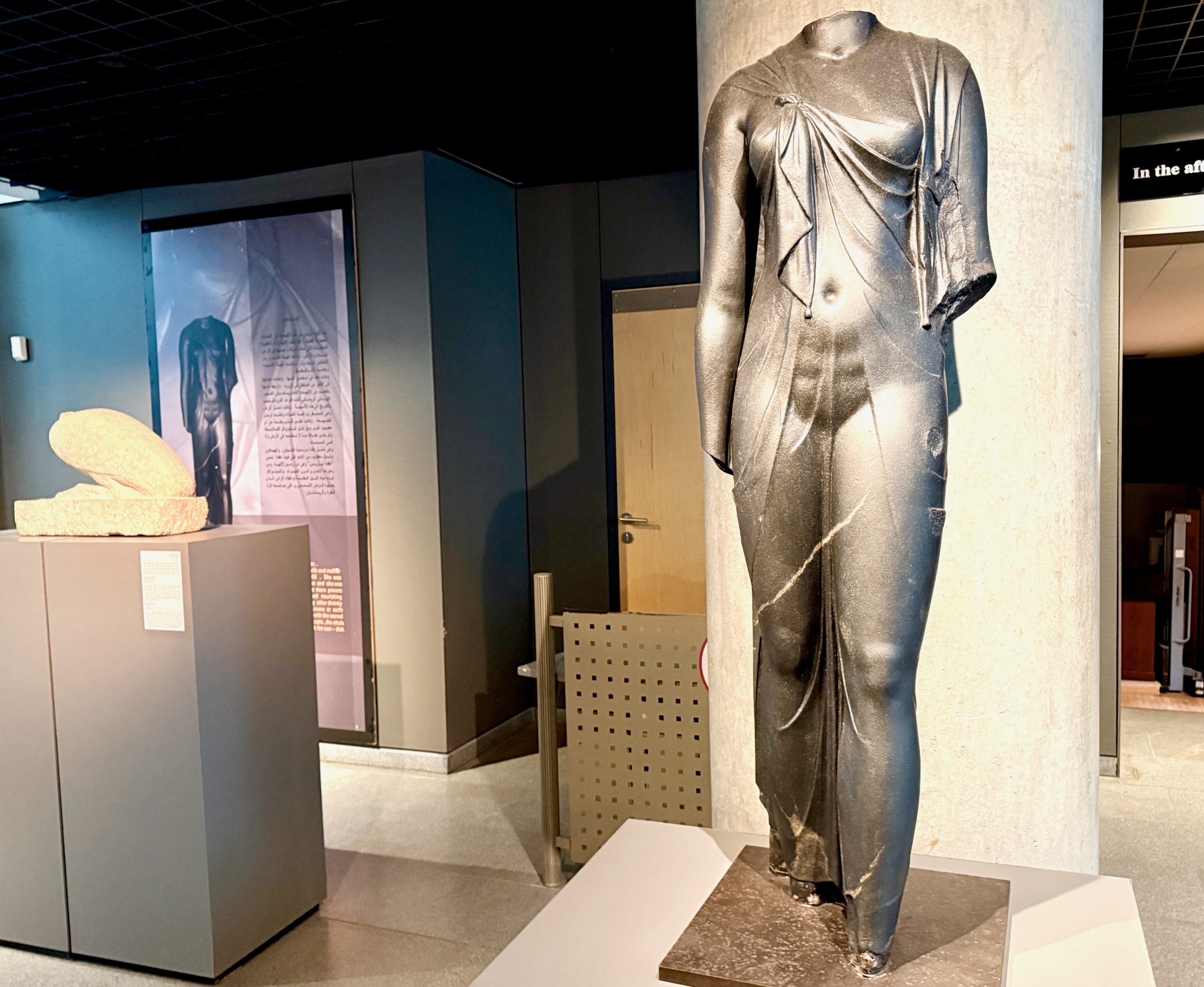
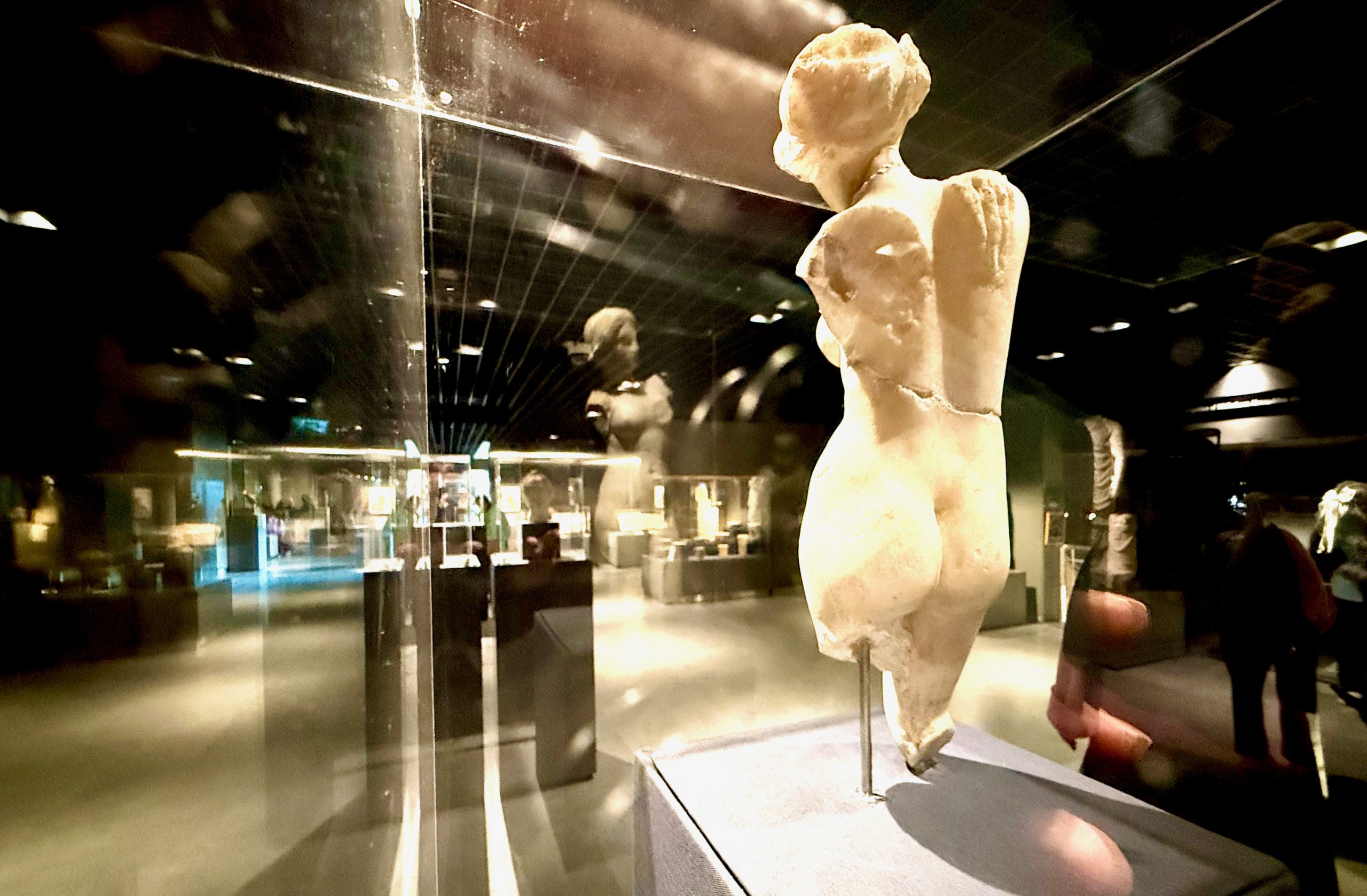
A widely publicized statue
This extended snake caught me eye in a papyrus scroll, being led on a tether by 6-8 people
In the end, with many objects encased, you have to play with the reflections
A security guard told me not to take this as we walked to the National Museum
Solid state traffic, with constant honking, as we prepared to head back for Cairo
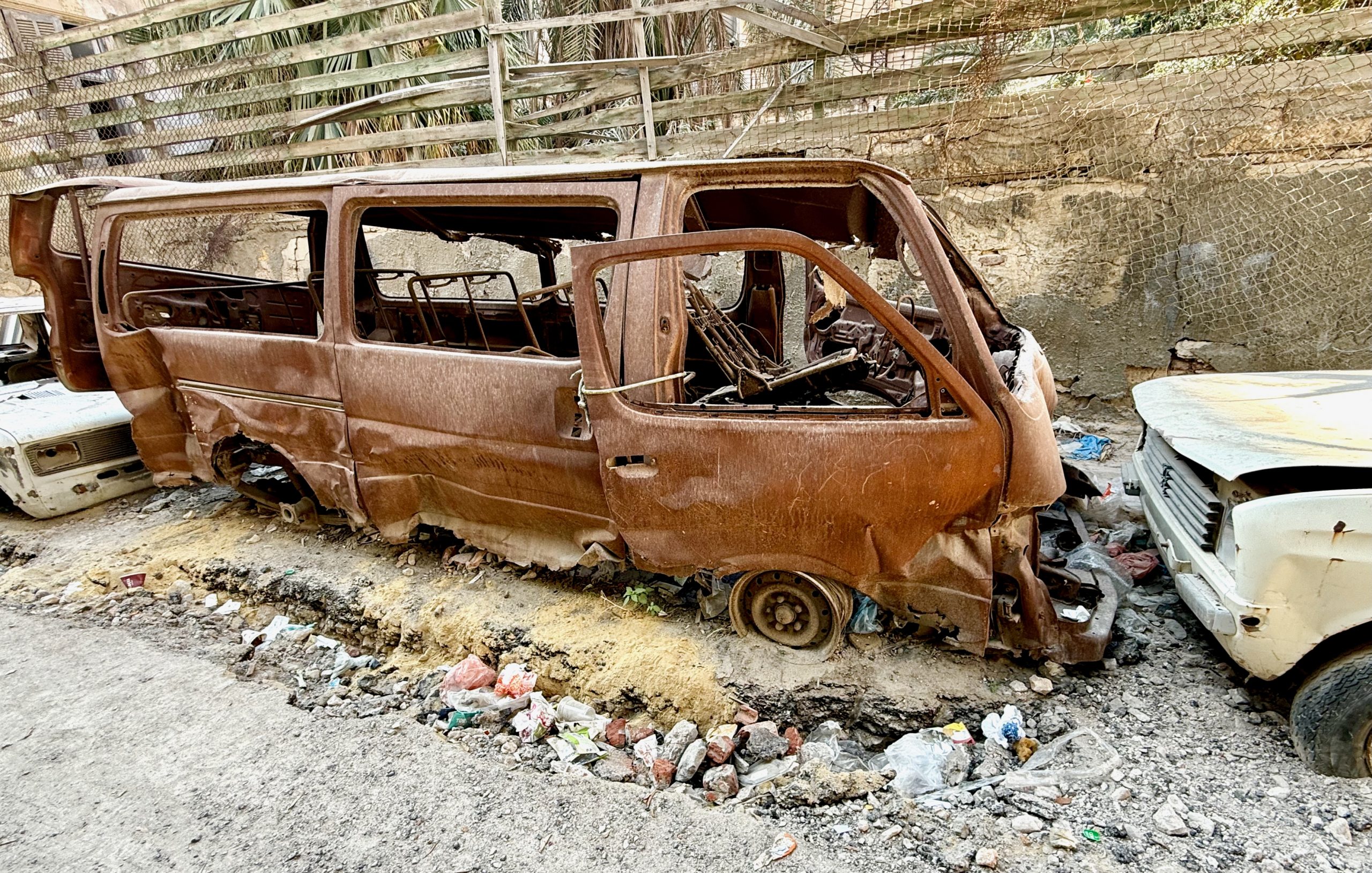
Faded glories of industries past
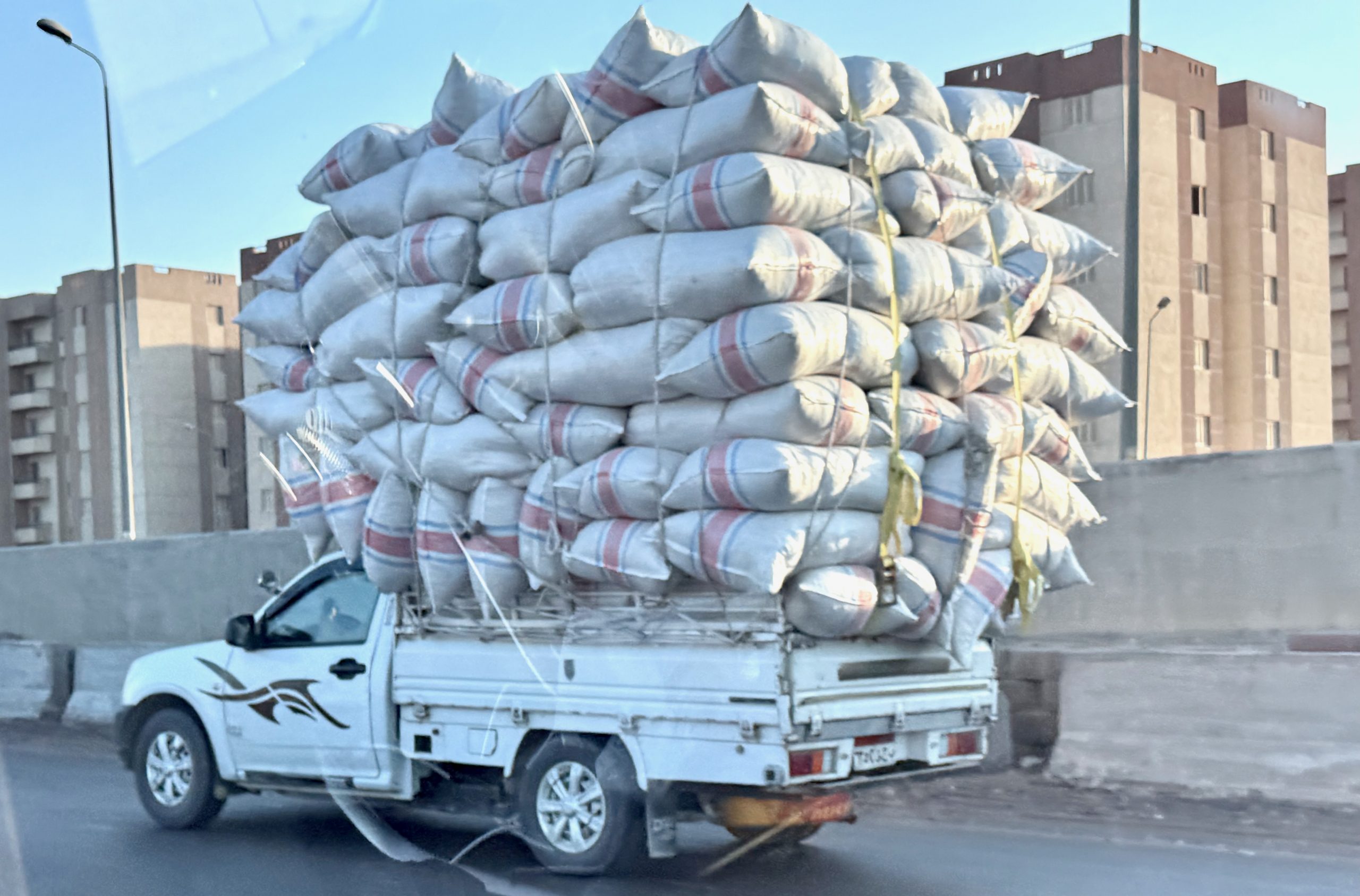
A typically ambitious load
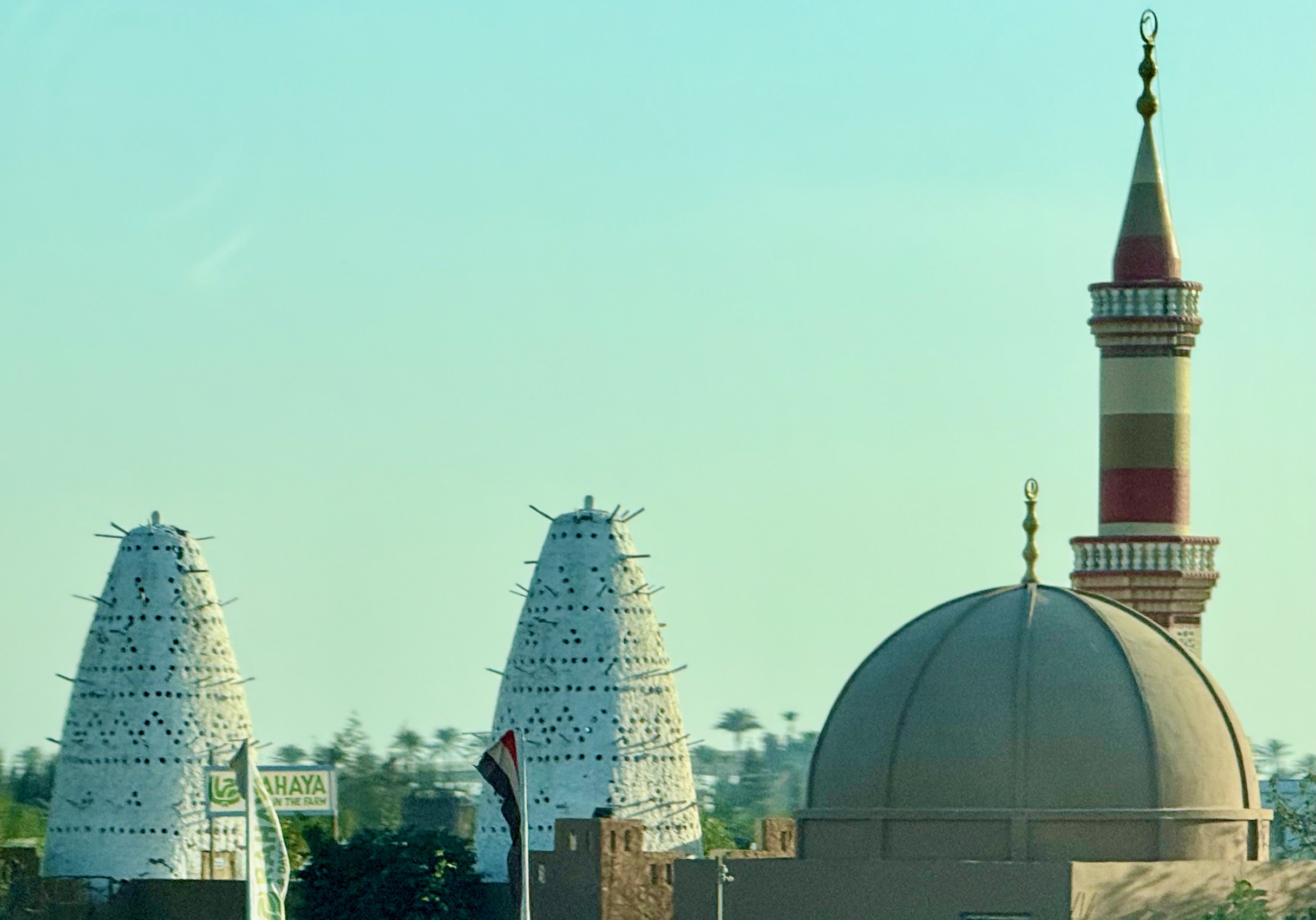
We saw a profusion of old (or renovated) dovecots, like terracotta Daleks, on our way back to Cairo

Cairo Kaleidoscope: AUC, ECES, Sphinx

John Elkington · 8 February 2026 · Leave a Comment

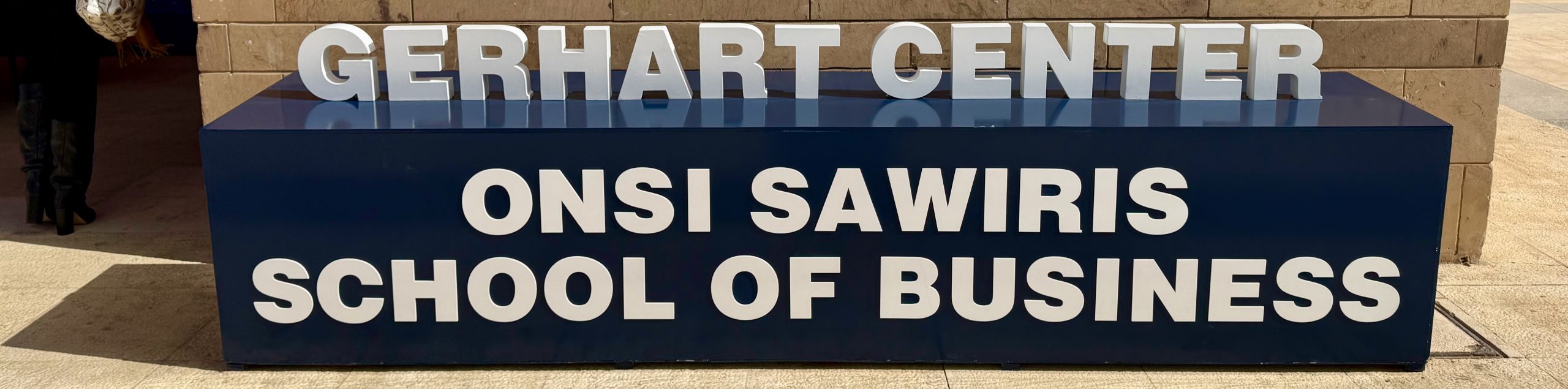
Now, second, for a brief account of a couple of days we spent in and around Cairo. The main reason I was in Egypt was to do a talk at the American University in Cairo (AUC), organized by Professor Ali Awny of the John D. Gerhart Centre, part of the Onsi Sawiris School of Business. I have been privileged to serve on his advisory board for some years.

But, with AUC having ensured we got to visit the extraordinary new Grand Egyptian Museum on Saturday, 31st January, our second hosy – the Egyptian Center for Economic Studies (ECES) – kindly organized an early morning visit to the Pyramids and the Great Sphinx on Monday 2nd February.

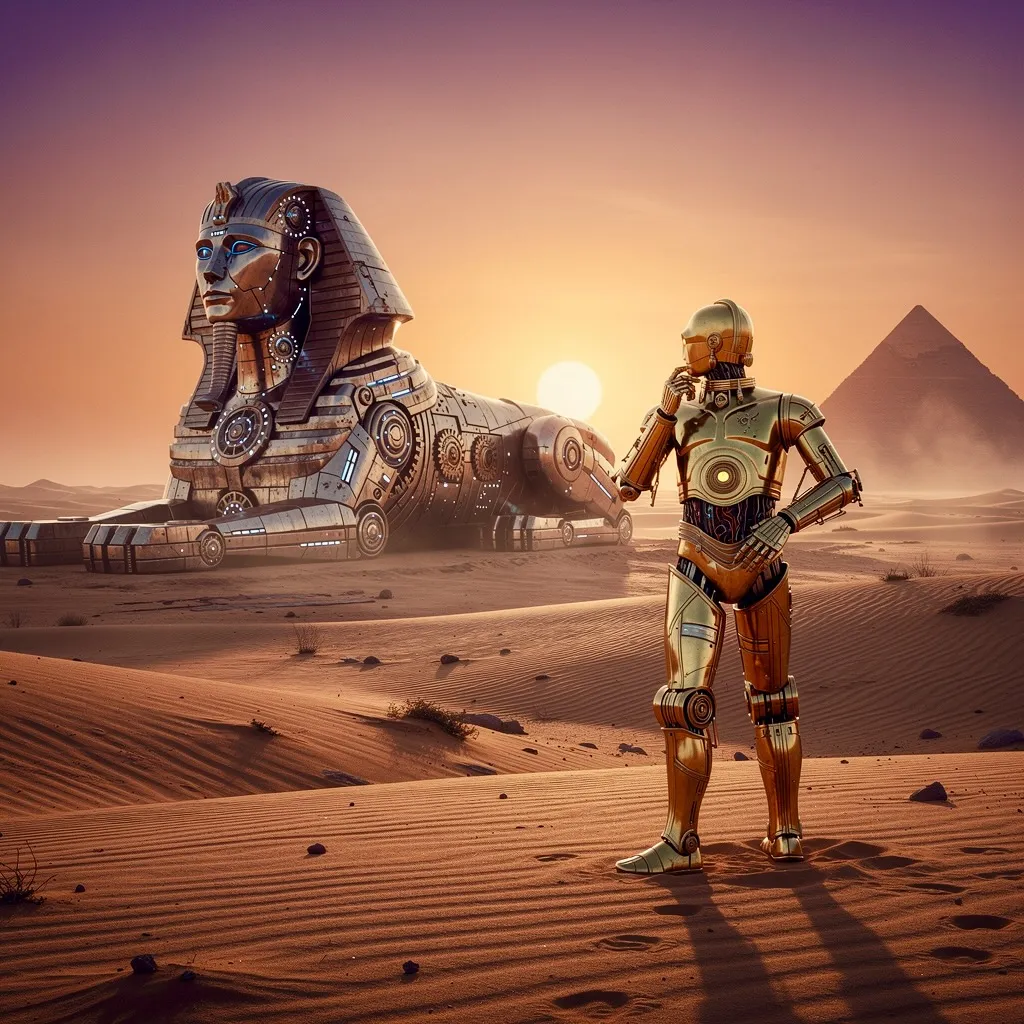
And that visit produced this Substack post, built around a couple of images I had conjured in advance using Artiphoria. Here’s one of them, using the golden, C3PO-like robot I use as my avatar there – and, increasingly, in many slide presentations.

JE via Artiphoria, 2026

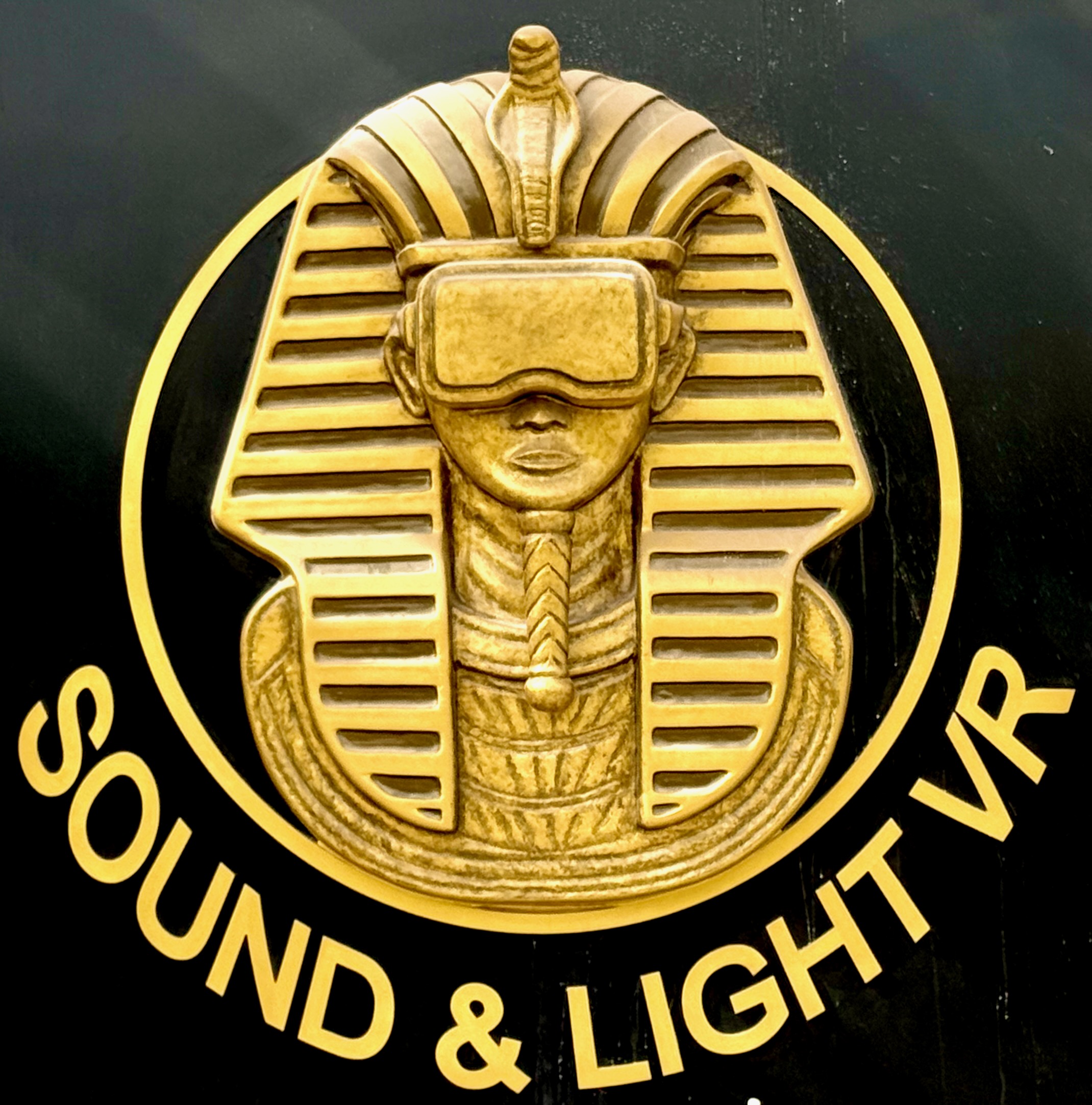
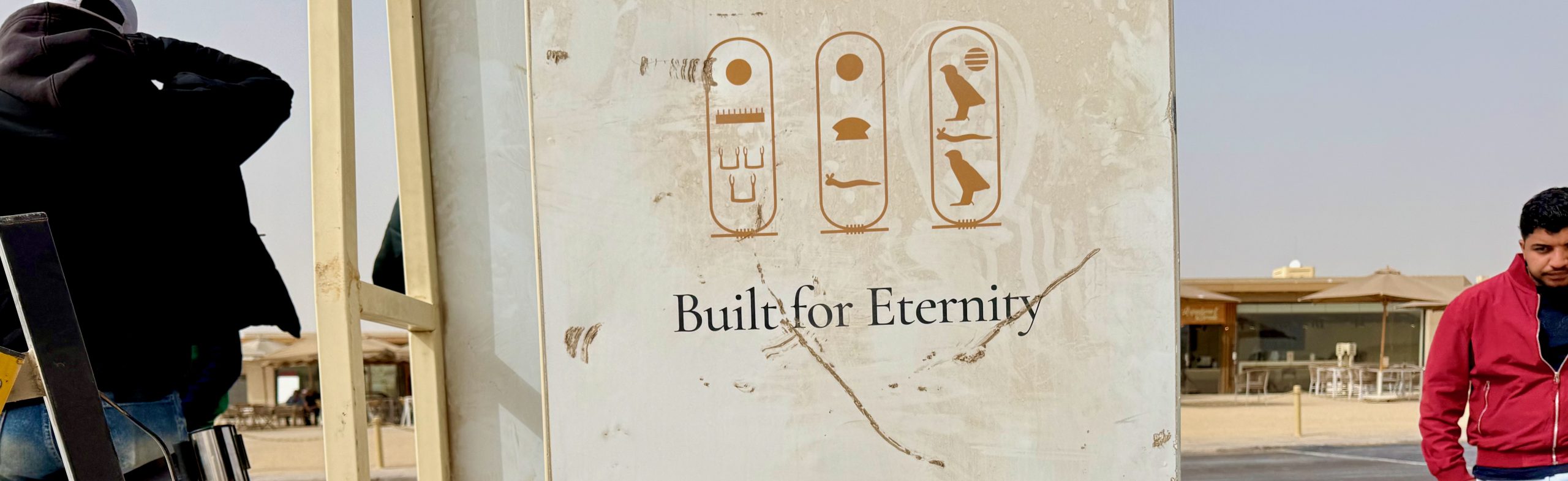
As I was creating it, I thought the robotic Sphinx was a bit of a stretch, heresy even, but then as we arrived near the rock-carved ceouching wonder (the nearby Great Pyramid of Giza is the only one of the original Seven Wonders of the World still extant), I spotted (and walked back to photograph) a sign advertising phaoronic virtual reality:

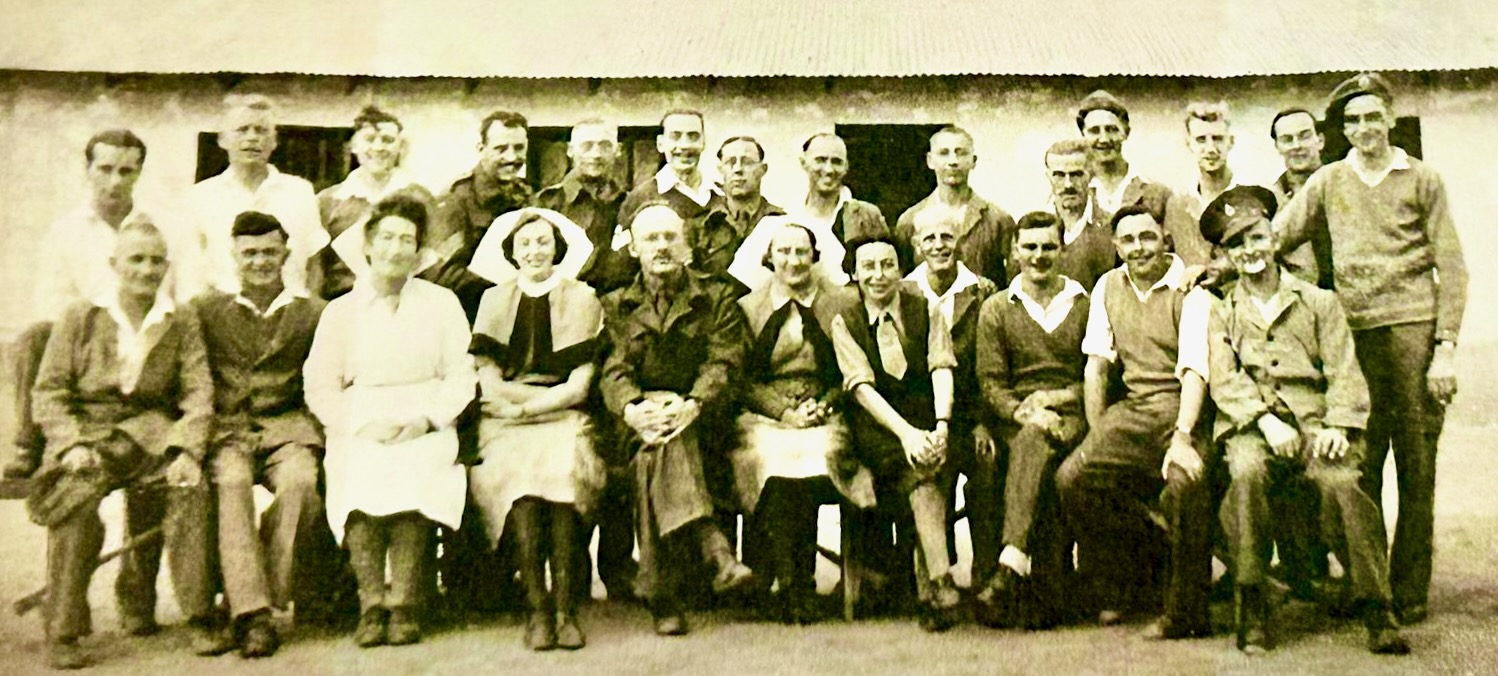
Since we are on an historical wavelength here, I should mention that one reason I had wanted Elaine to accompany me on this particular trip was that her father, Dr (George) Stanley Waite, born and raised in Barbados, served for six years in North Africa in WW2. Here he is at a medical station somewhere in Egypt, fifth from the left, front row. He was shipped out there shortly after marrying Elaine’s mother, Margaret, and then didn’t see her for six years.

Elaine’s father in Egypt in WW2, fifth from left, front row

I enjoyed the AUC and ECES sessions immensely. On one day, at AUC, I talked to a series of different groups through the days, with faculty members, students people from the business community, including a couple of chief sustainability officers. I was intrigued to hear the summary of the Center’s work by Kareman Shoair, senior research manager.

At the ECES event, moderated by ECED director Dr Abla Abdel Latif, whose corner office overlooking the Nile was itself a wonder, I spoke alongside two panellists, Dr Ahmed N. Tantawy, senior advisor to the Minister of ICT and founding director of the Applied Innovation Center at MCIT, and Tarek Osman, author and EBRD’s senior political counsellor for the Arab world, Tarek Osman. A YouTube record of the session can be found here.

Something that Dr Abla said to me after the session stuck in my mind – has subsequently provoked a big jump (I think) in my thinking. Over the weekend I have been working on a new quarter of scenarios, the Domino Scenarios, exploring what leadership will mean in a world where parallel realities are behaving like strings of domino tiles.

Where small changes in one part of the system can cause massive shifts in the system as a whole. I have now built the scenarios into my presentation for Istanbul, the Global Leaders Summit, this coming week, so more on that later.

On my second day at AUC, I spoke in a fairly large lecture theatre, hosted by the Gerhard Center and the Onsi Sawiris School of Business. The session was introduced by professor Ali and moderated by Kareman Shoair. Lively discussion afterwards with the audience, which I very much enjoyed, and met some fascinating people once the session closed.

Then we headed back to the Westin to collect our bags and head for Alexandria, the subject of the third and final post in this series.

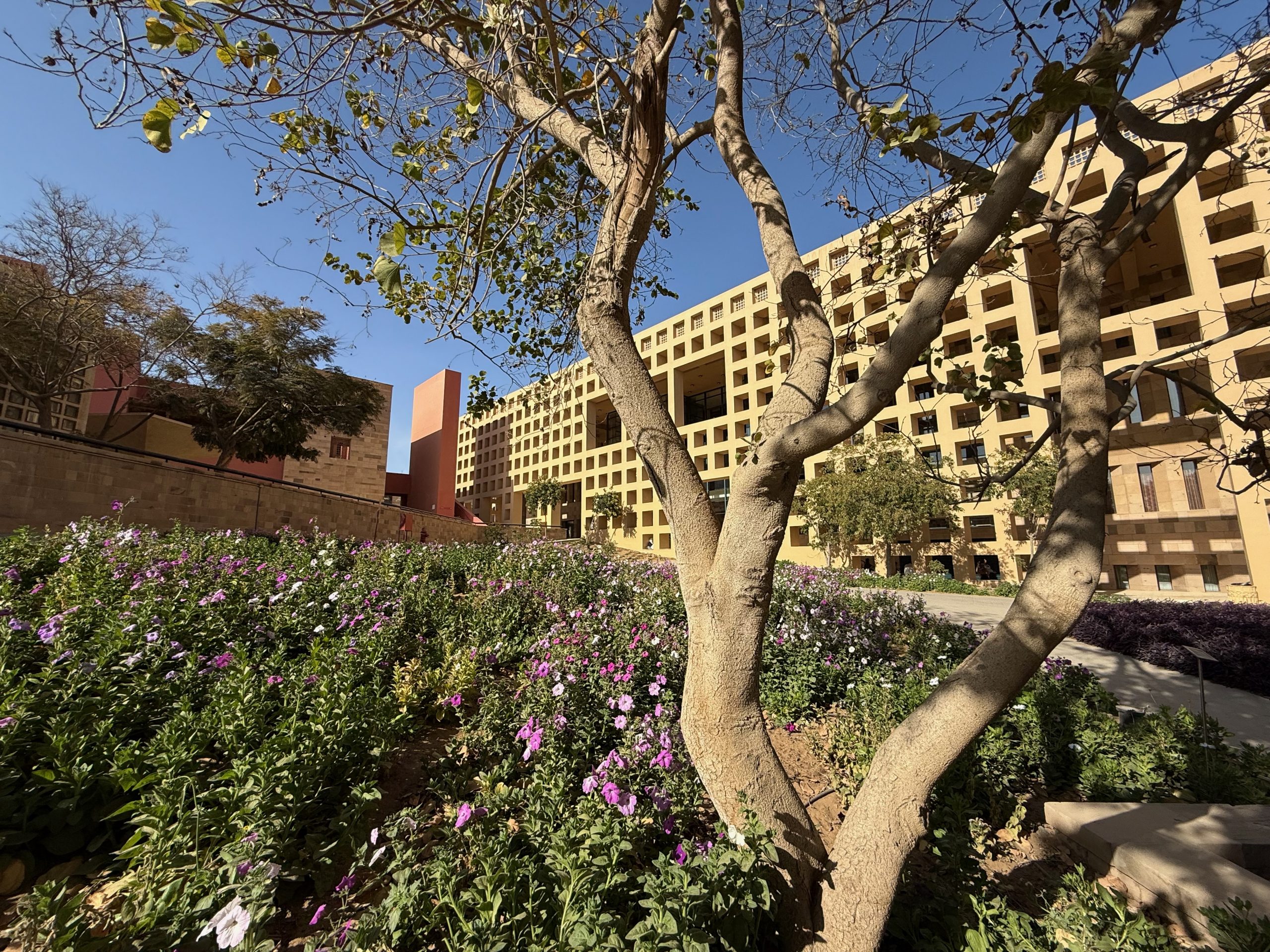
Part of the AUC campus
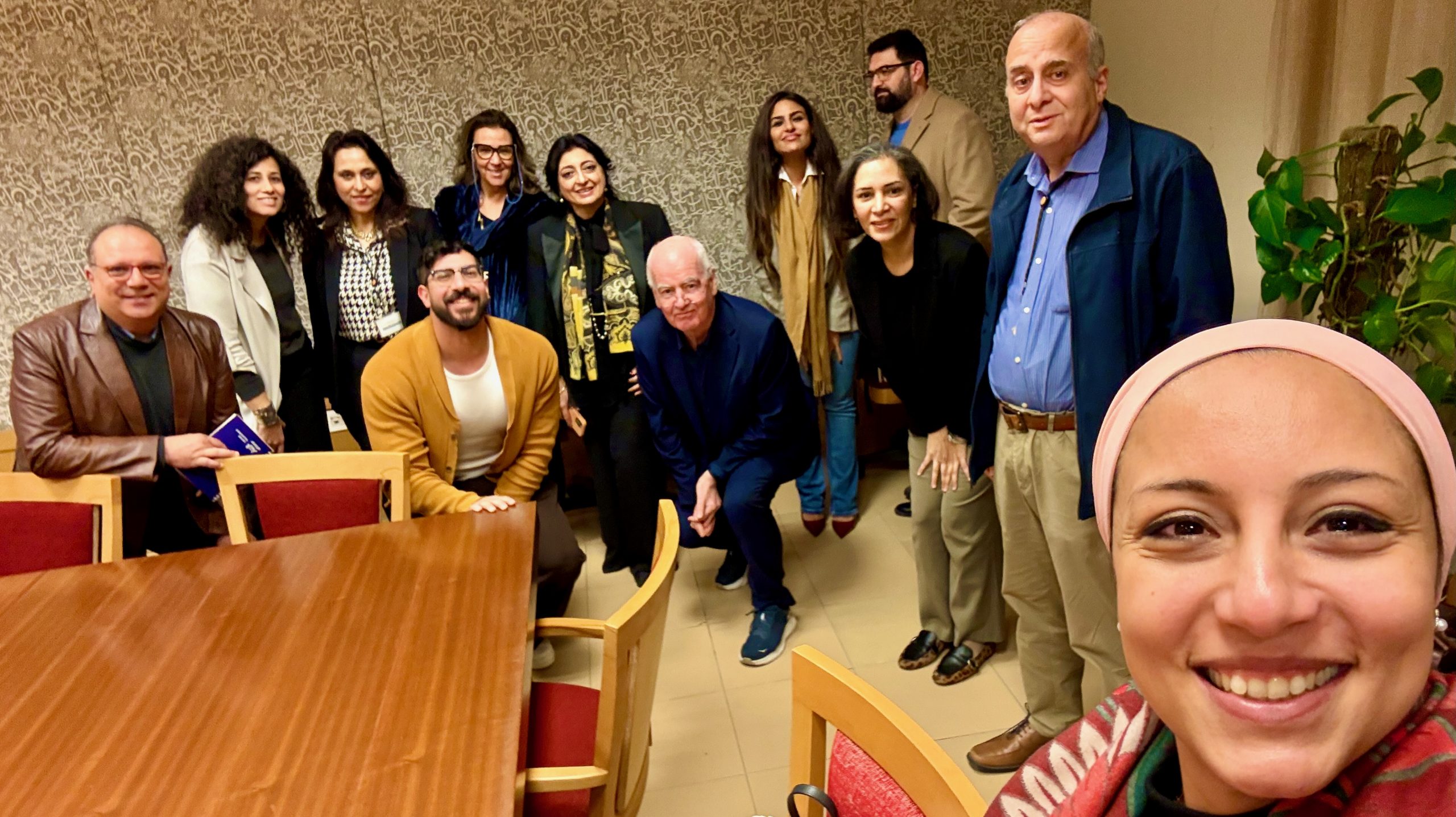
One of the groups I spoke to during my first day at AUC
Self-service at its best
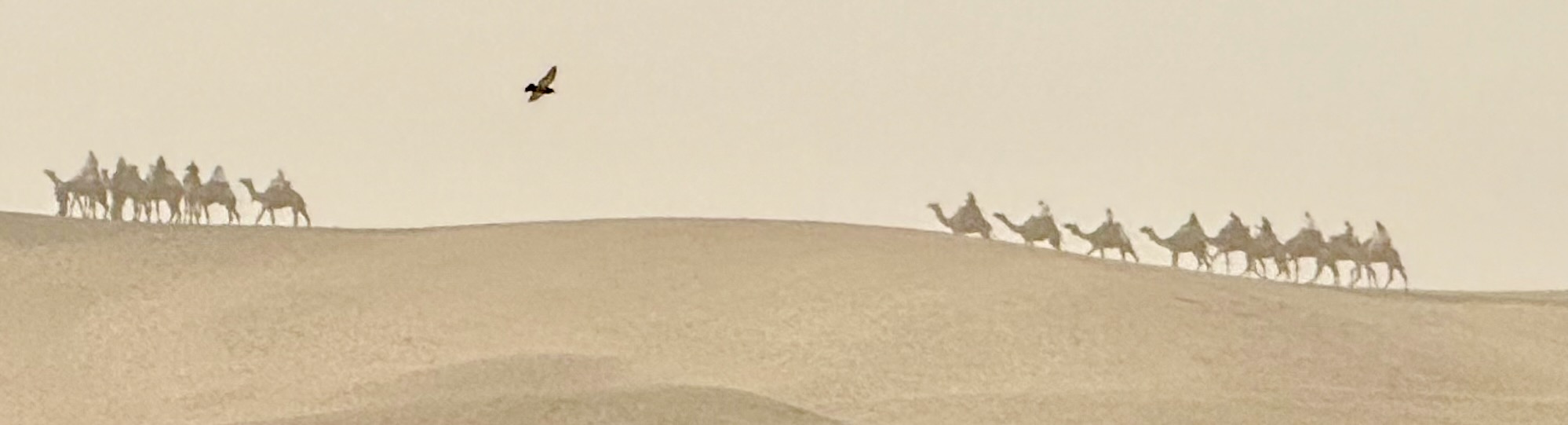
Looks more. exotic than it was – tourists being taken for a (camel) ride
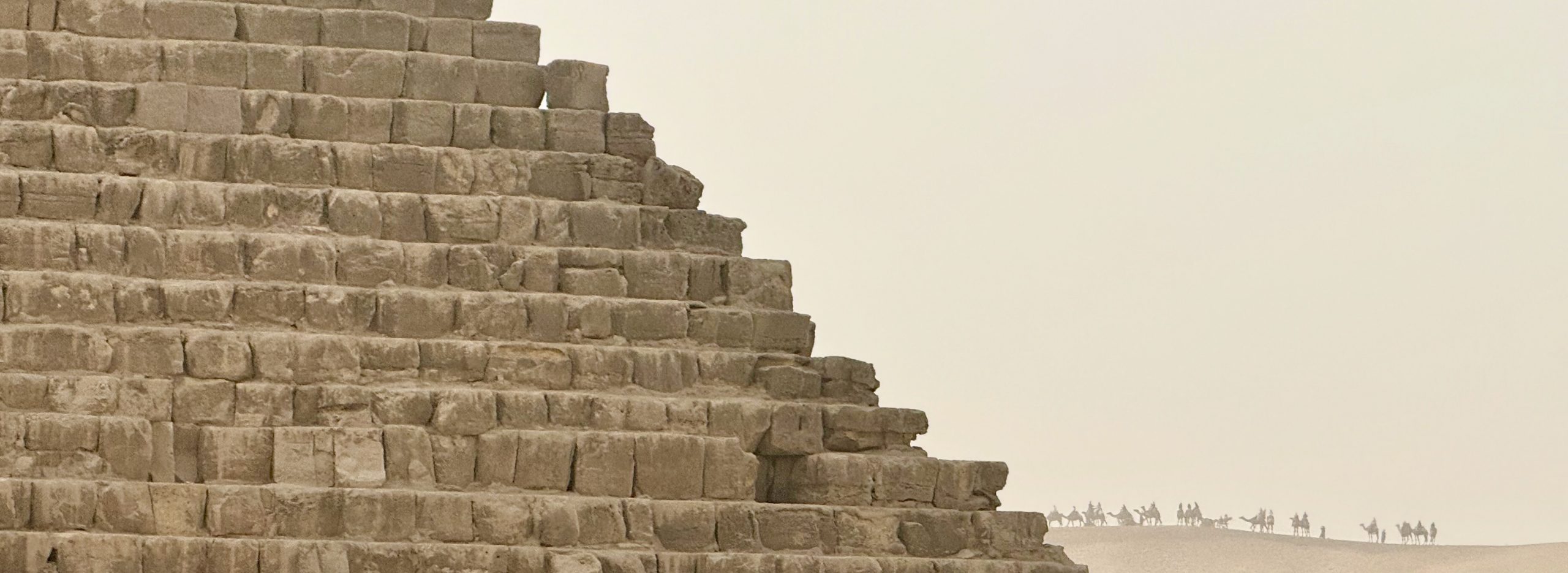
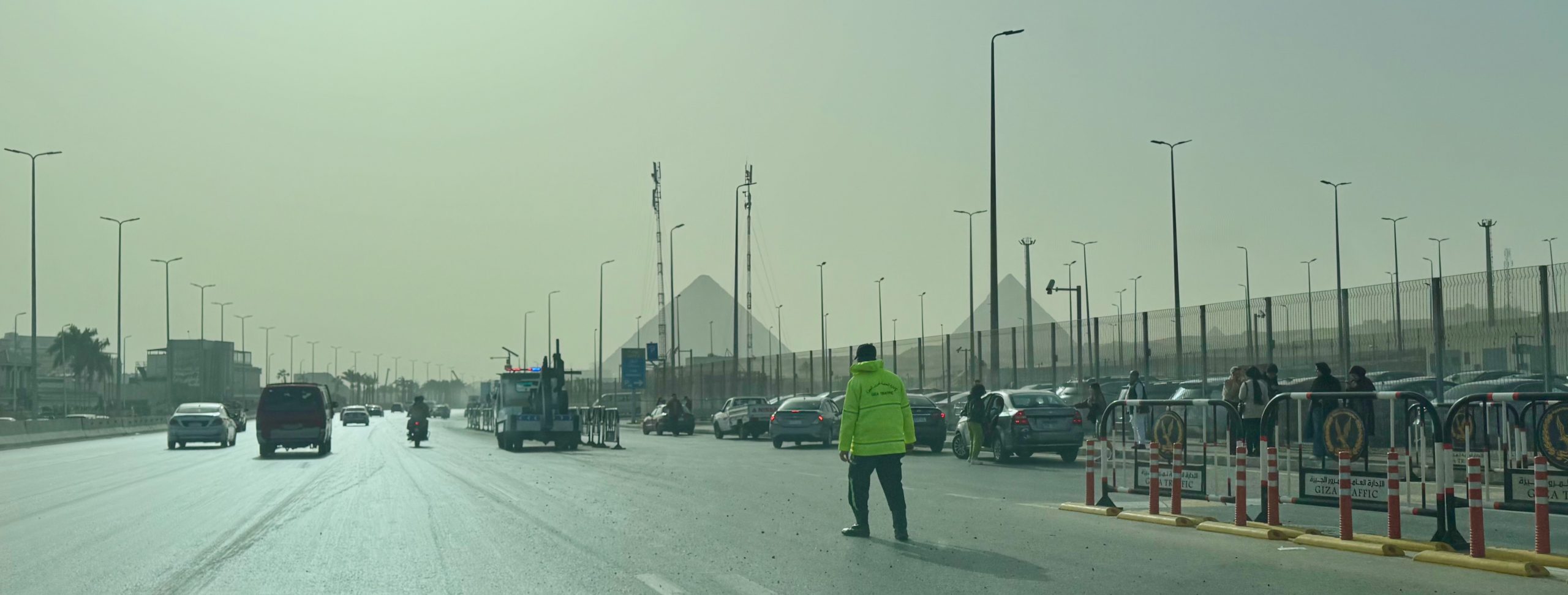
An indication of how close this was to the Pyramids
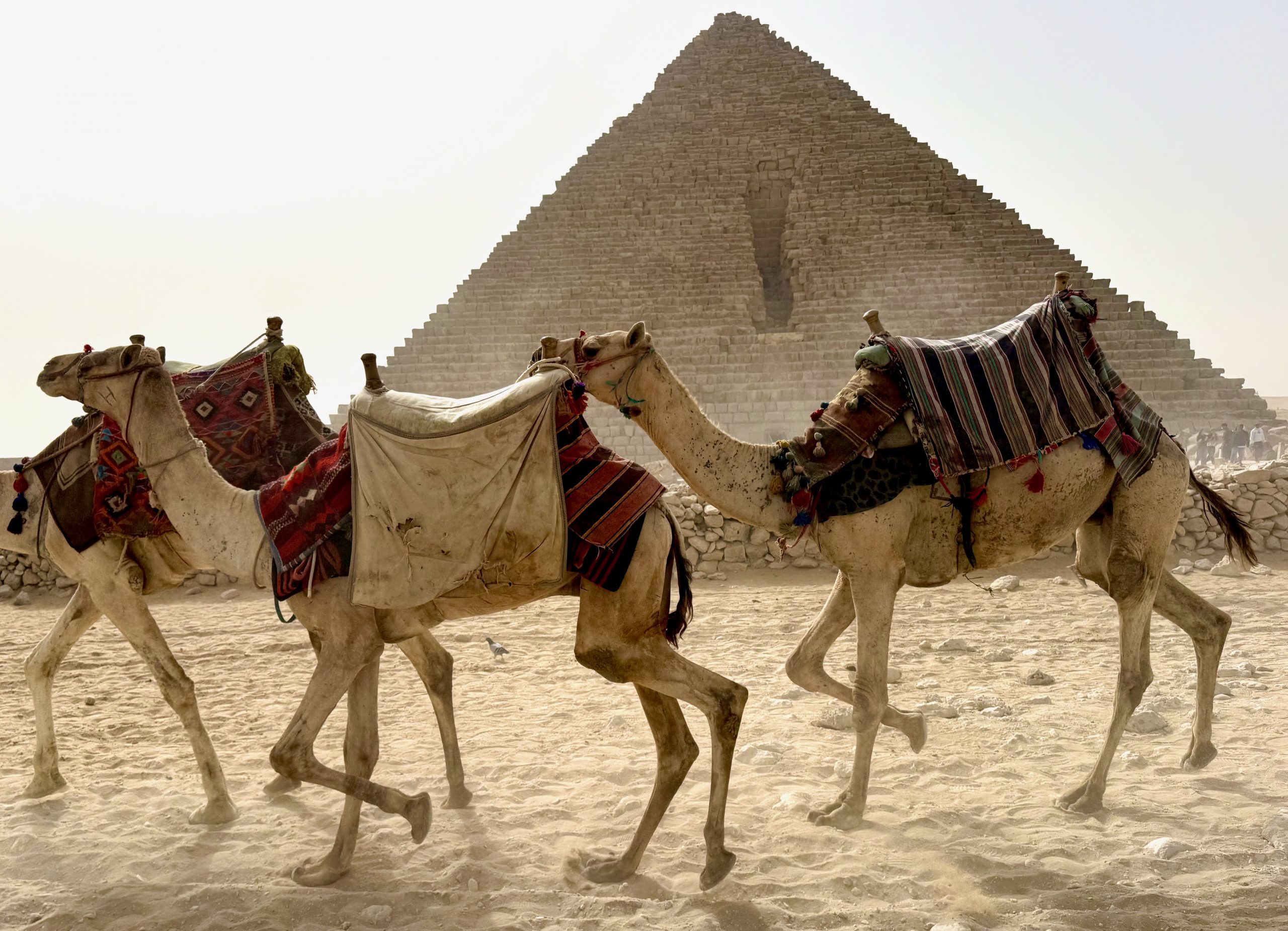
Have always found camels beautiful
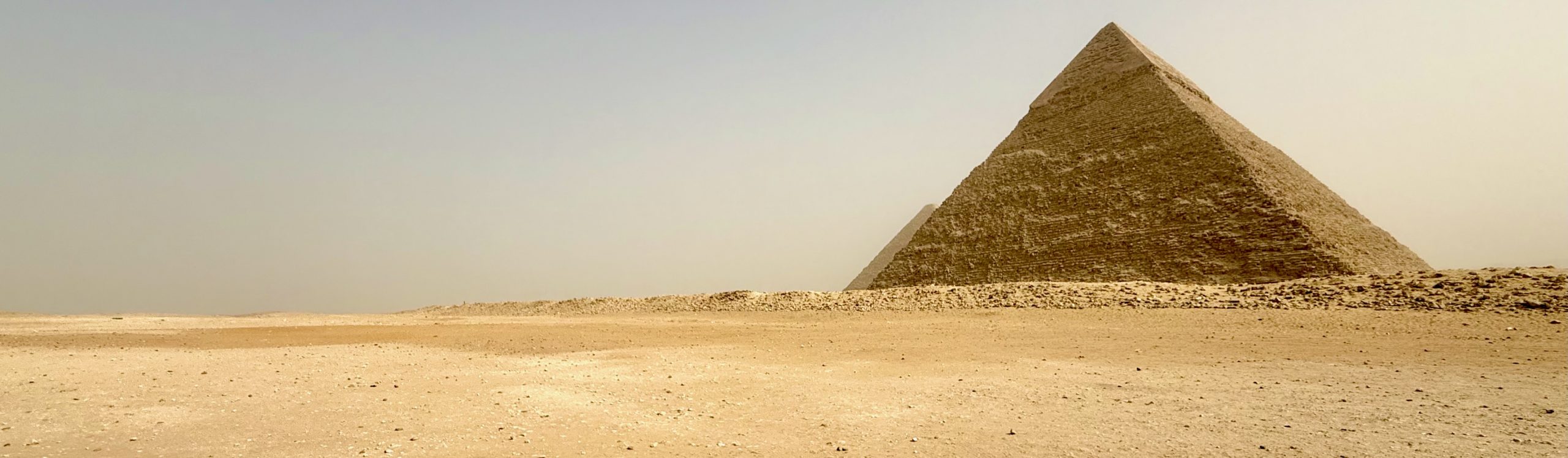
A rare moment with no people, achieved with some effort
What it says on the can, though the sign was worse for wear
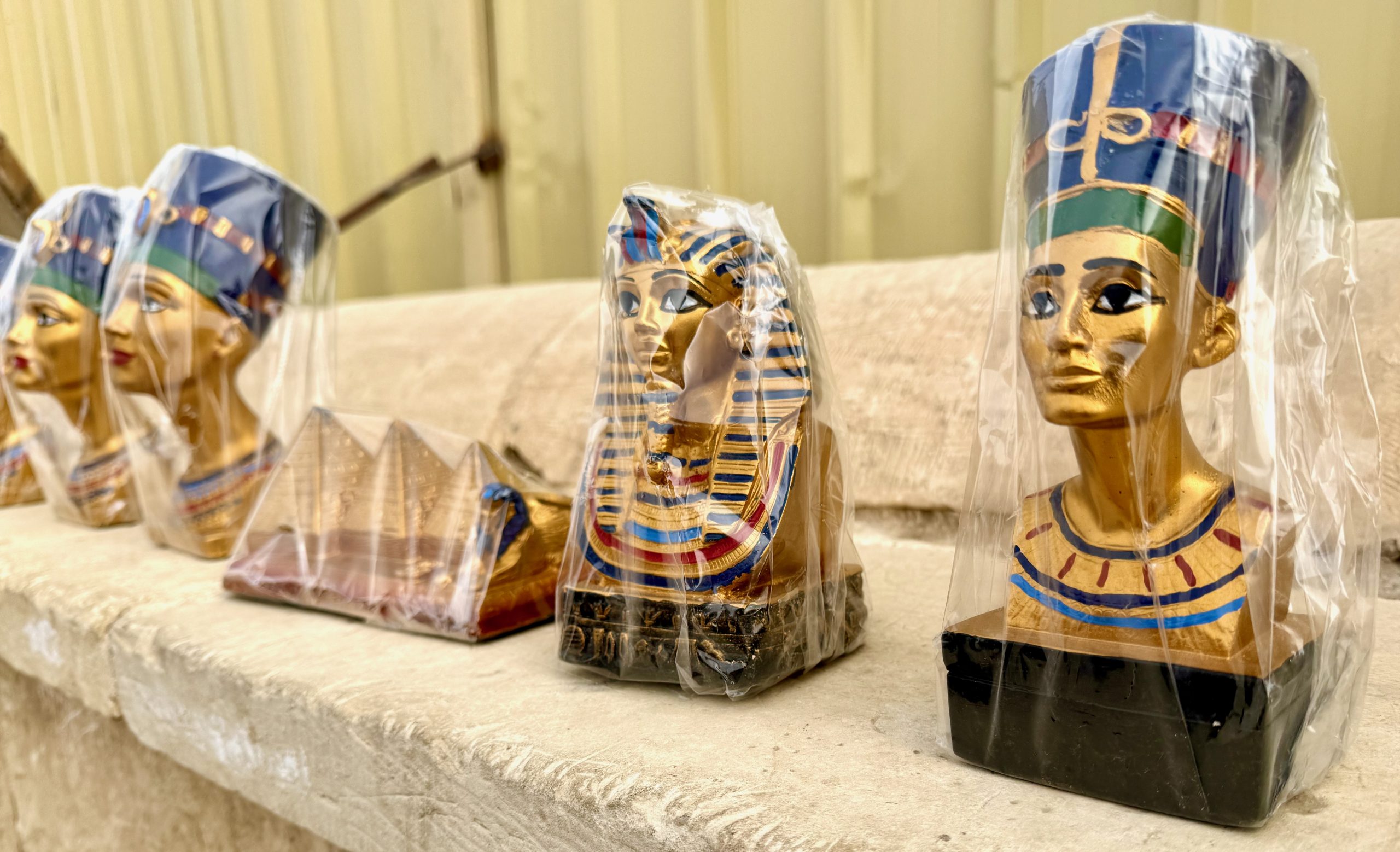
Packaging Nefertiti
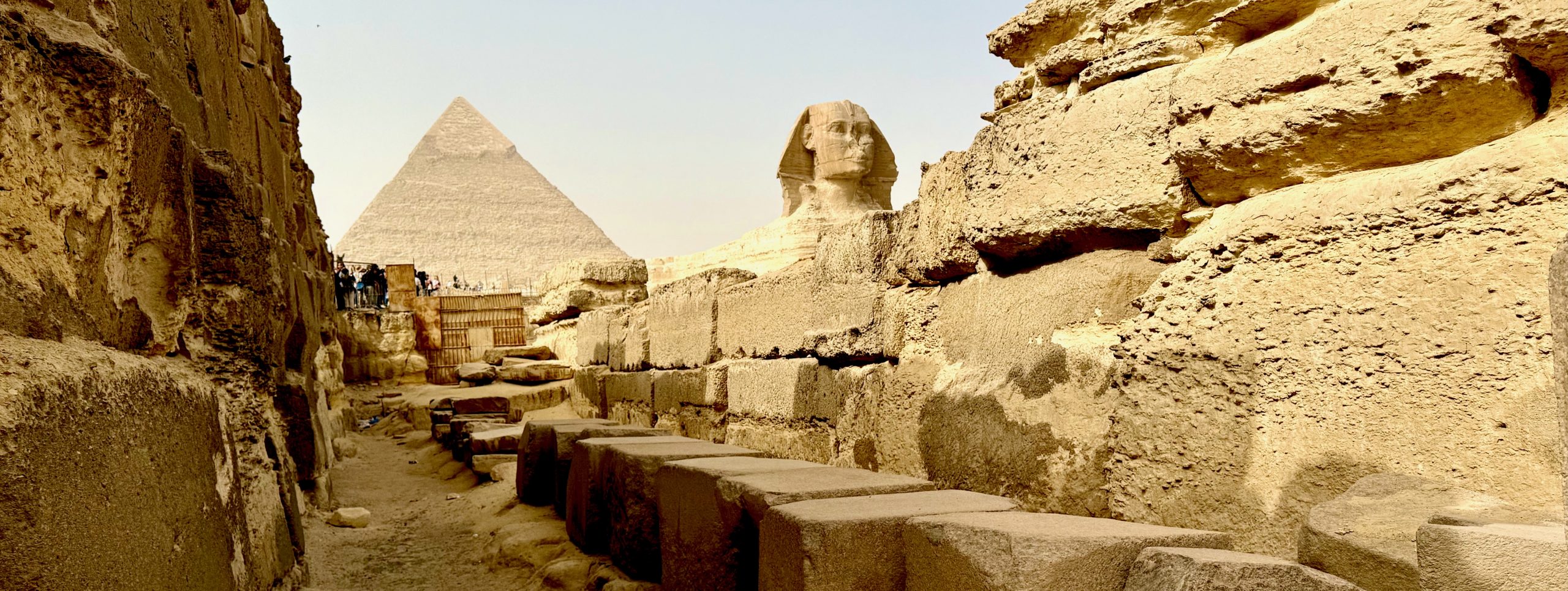
Great Sphinx, glimpsed
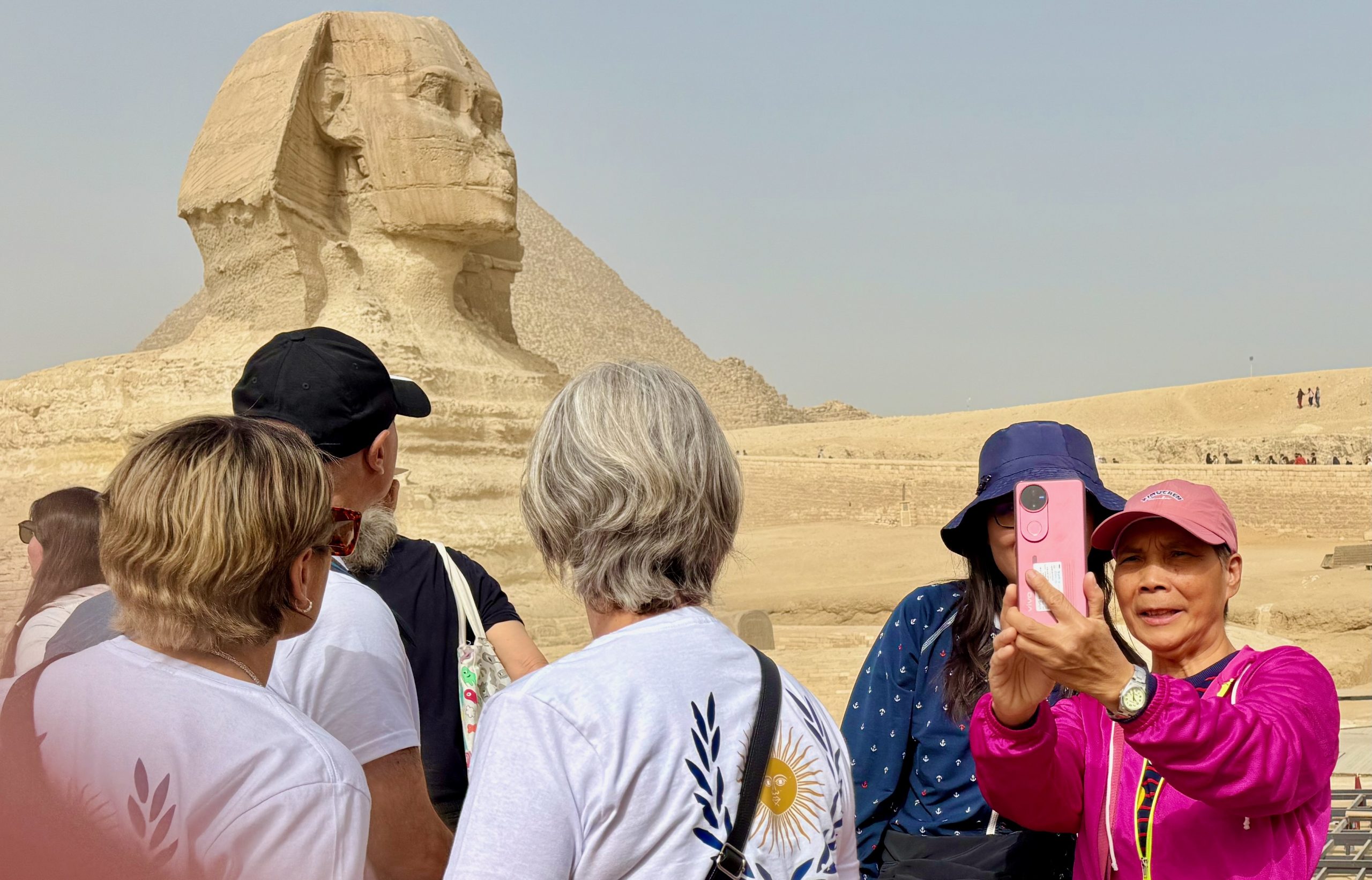
An unending source of wonder
En route back to Cairo and ECES
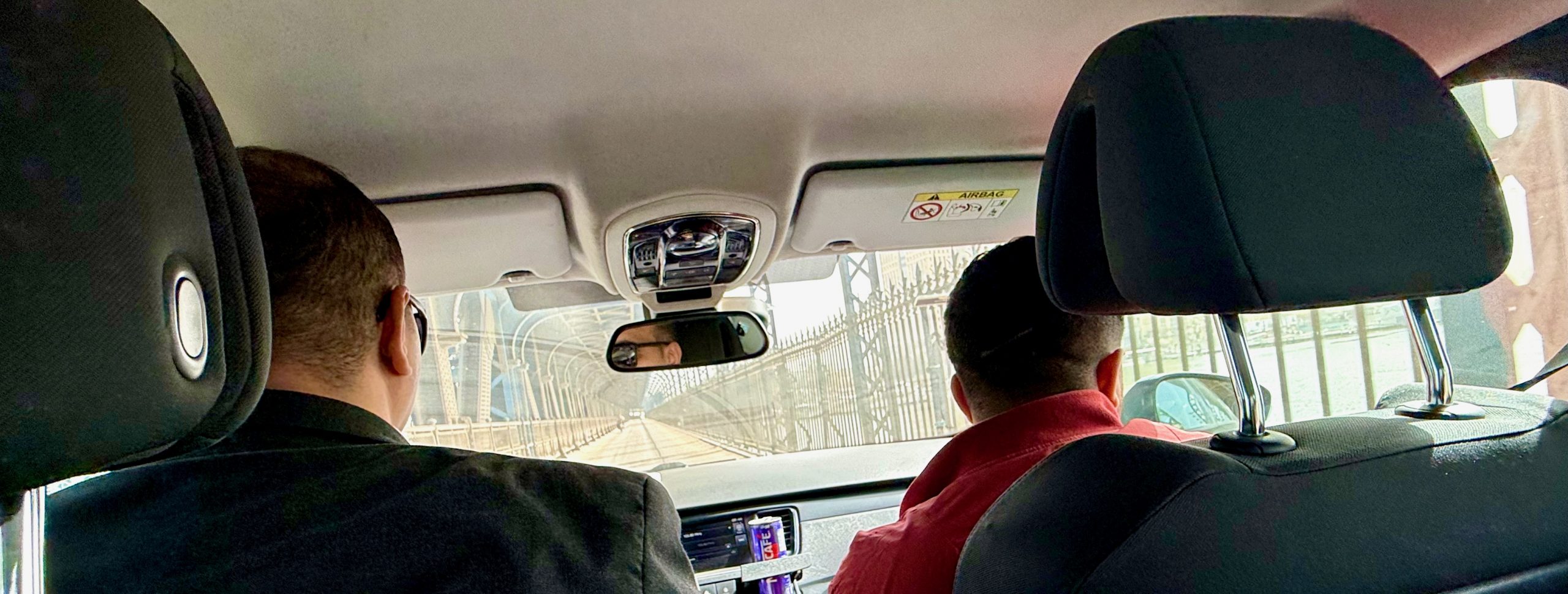
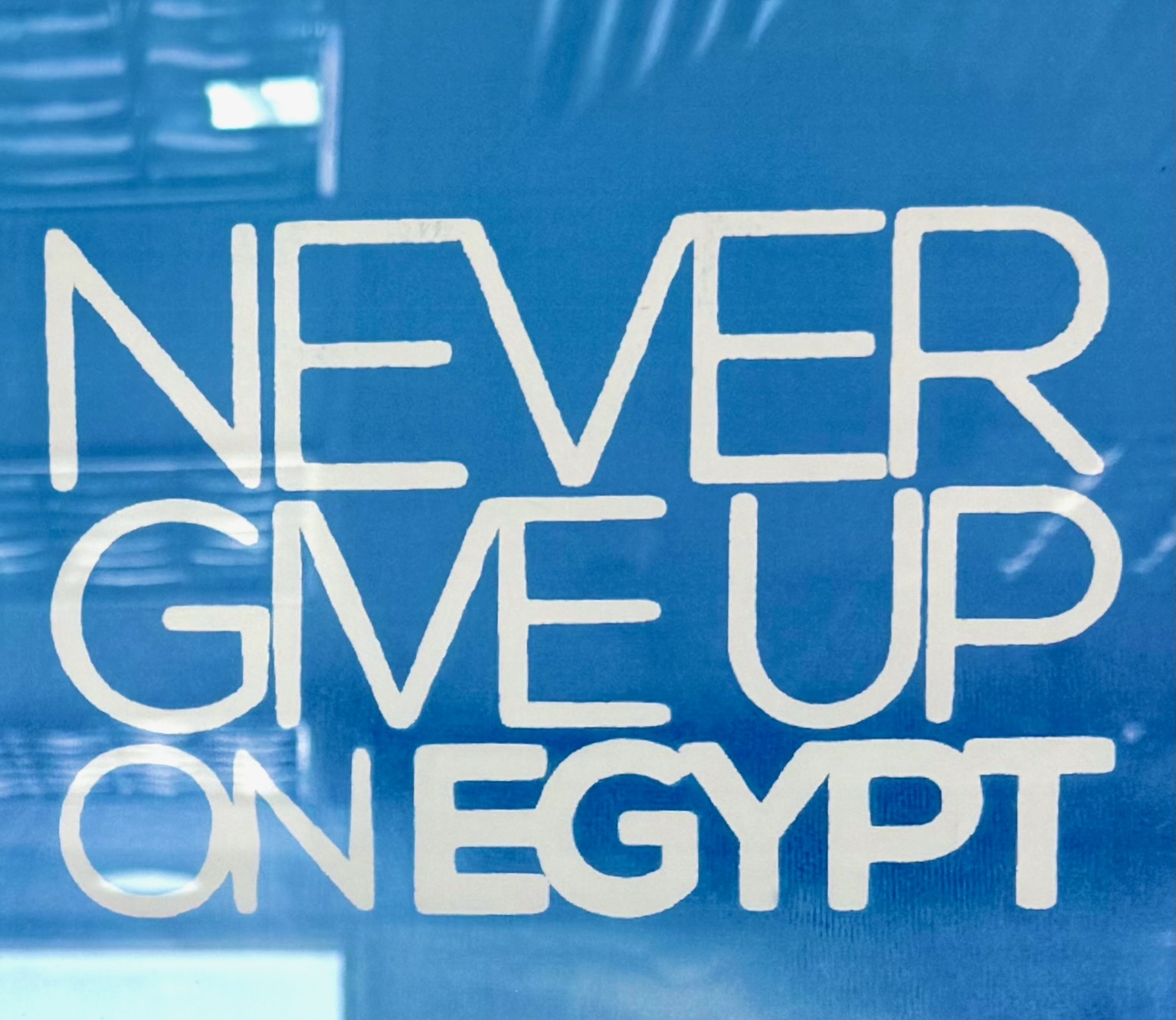
Seen on Dr Abla’s wall, and I very much understood and appreciated the sentiment
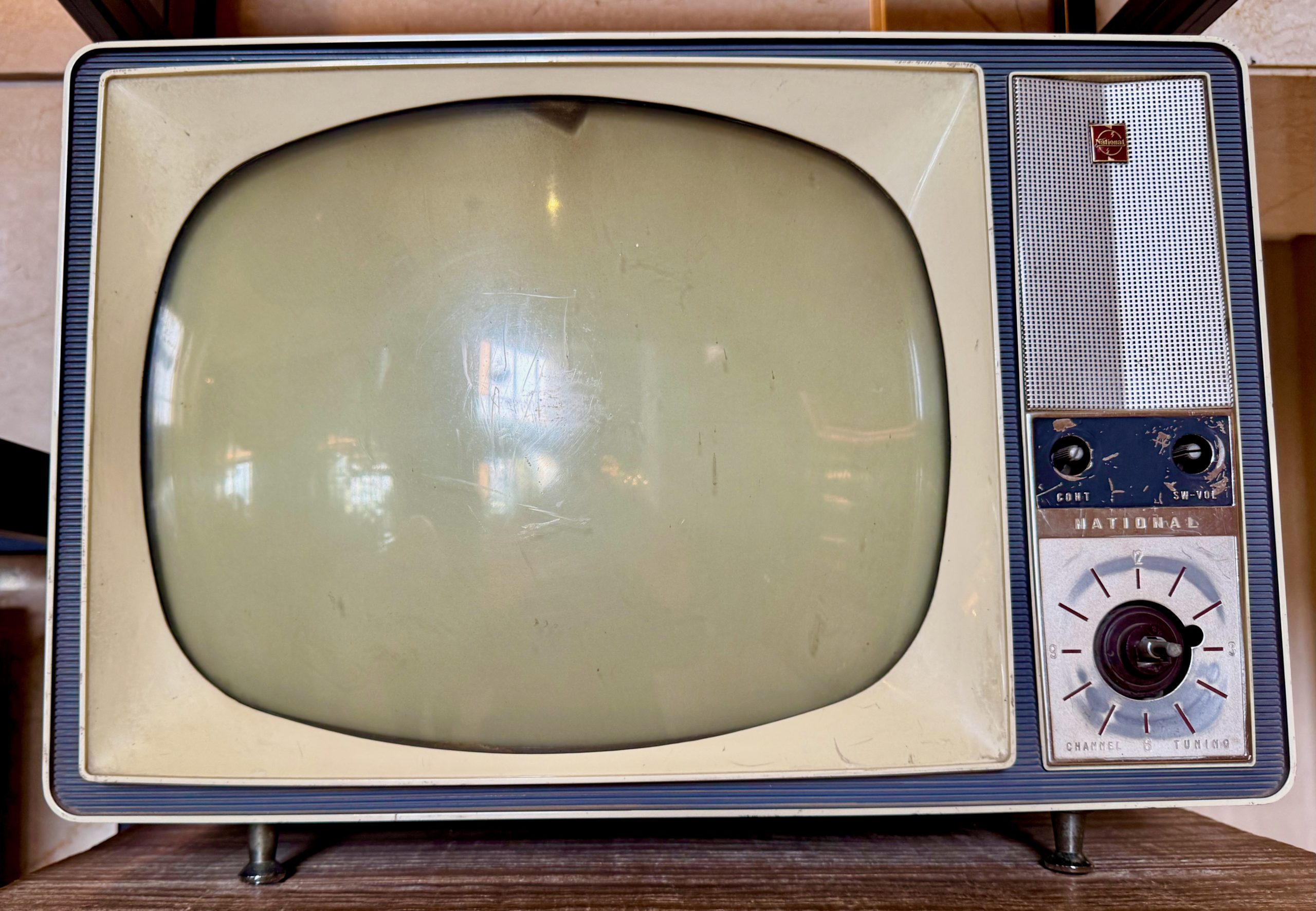
Lunch was hosted by Dr Abla of ECES, in a restaurant adorned by old TVs and radios
The Moon keeps an eye on us as we return to the Westin
Then back the next day, Tuesday, to speak at AUC
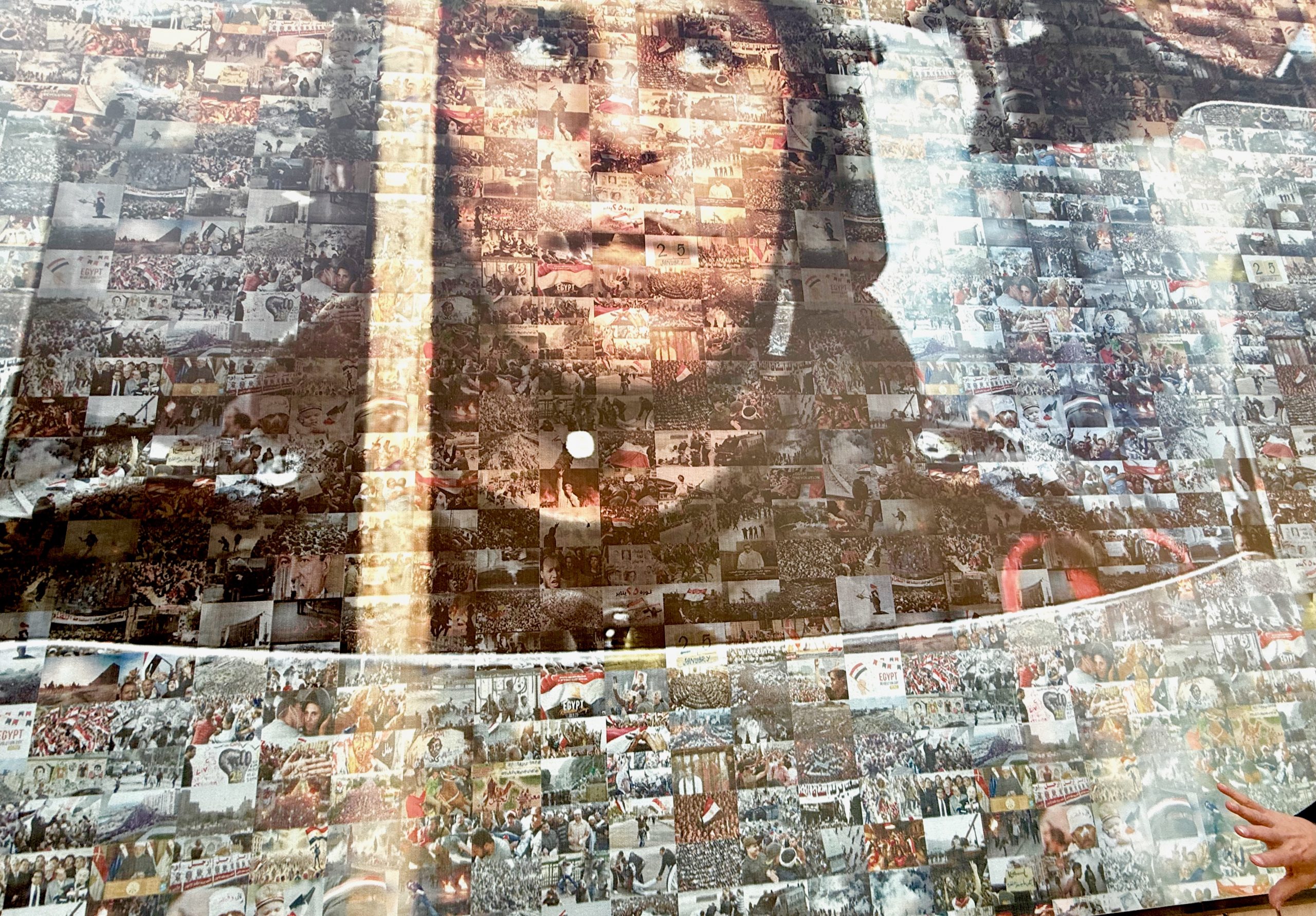
Part of an AUC mural showing confused policemen trying to control protestors during the 2011 revolution

A Gem: The Grand Egyptian Museum

John Elkington · 7 February 2026 · Leave a Comment

We celebrated Elaine’s 79th birthday while in Egypt, where I was speaking at a couple of events – half a century after I worked in Cairo and Ismailia back in 1975.

In many ways, that long-ago trip was the start of my career proper, what with my ignoring a non-disclosure agreement signed on our behalf by John Roberts of TEST and writing a piece on the Lake Manzala aspects of our work for New Scientist.

Not surprisingly, Egypt has changed hugely since I was last there – and yet, at the same, some things seemed eternal.

I will tell the story of this latest trip in captions to the photos in three posts, one on a visit to the much-heralded Grand Egyptian Museum (GEM), the second on things like speaking at the American University in Cairo (AUC) and the Egyptian Centre for Economic Studies (ECES), and the third on our visit to Alexandria – to see the extraordinary Bibliotecha Alexandrina.

But now to the first set of images:

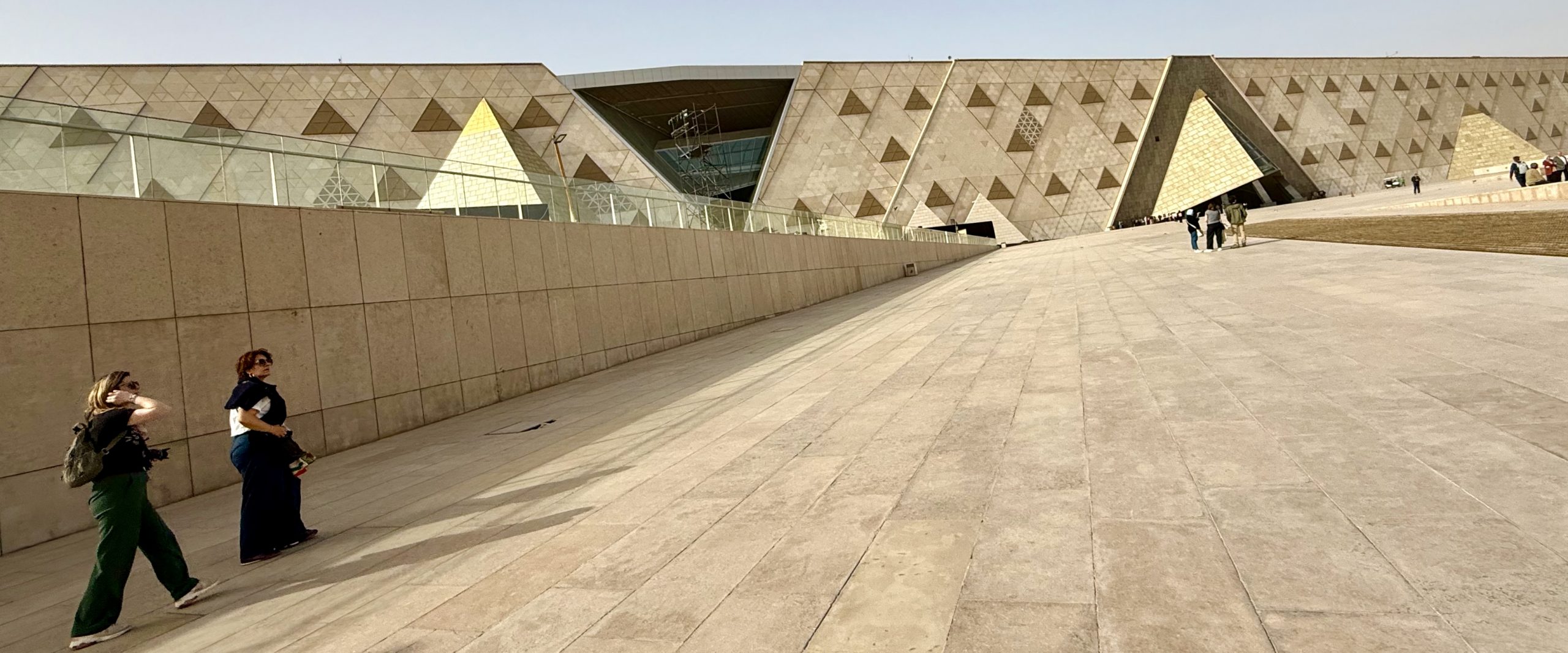
Arriving at the Grand Museum
Walking in – and striking how many of the marble facing slabs were cracked already
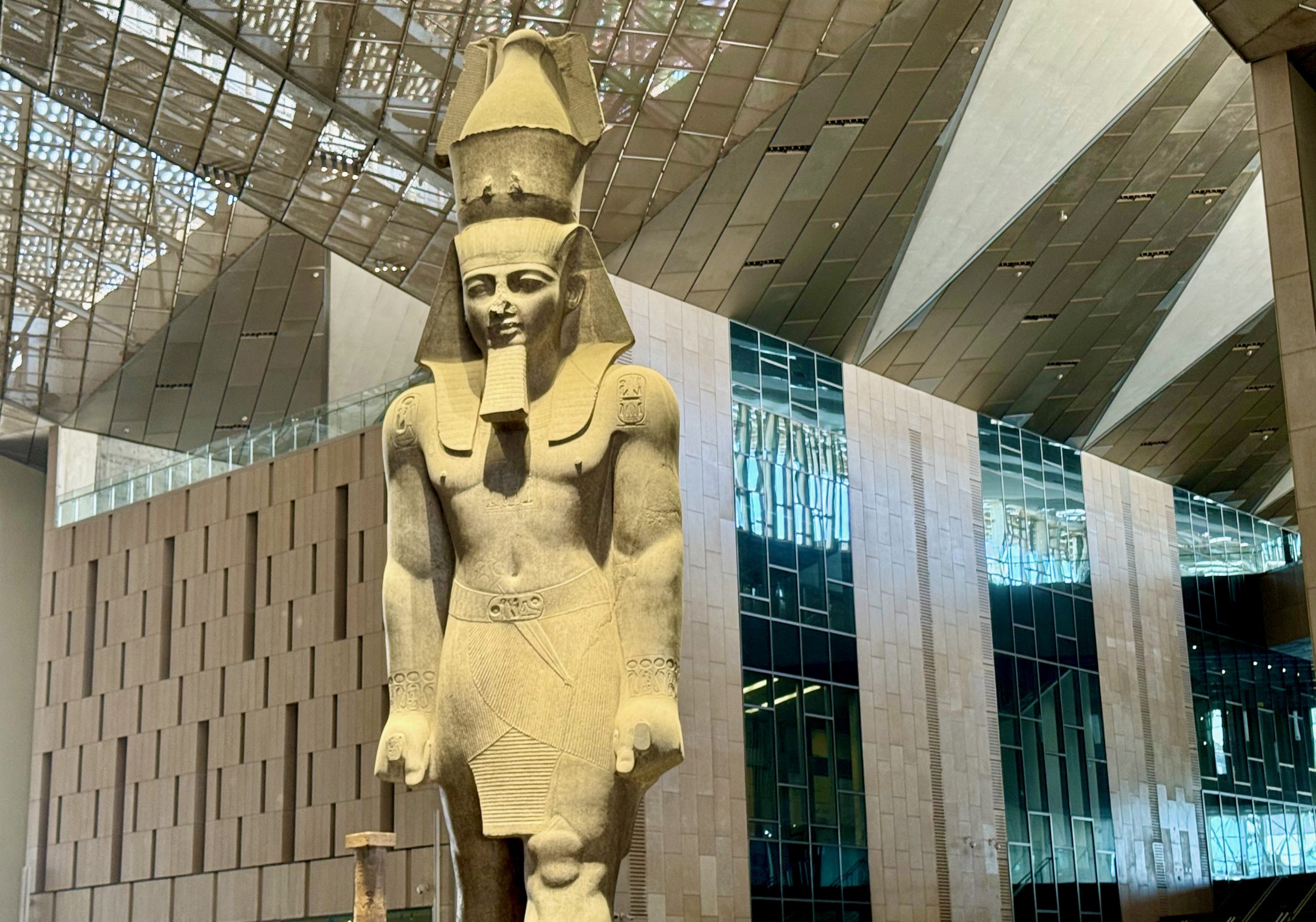
Apparently Ramses II’s headdress and beard helped anchor his head
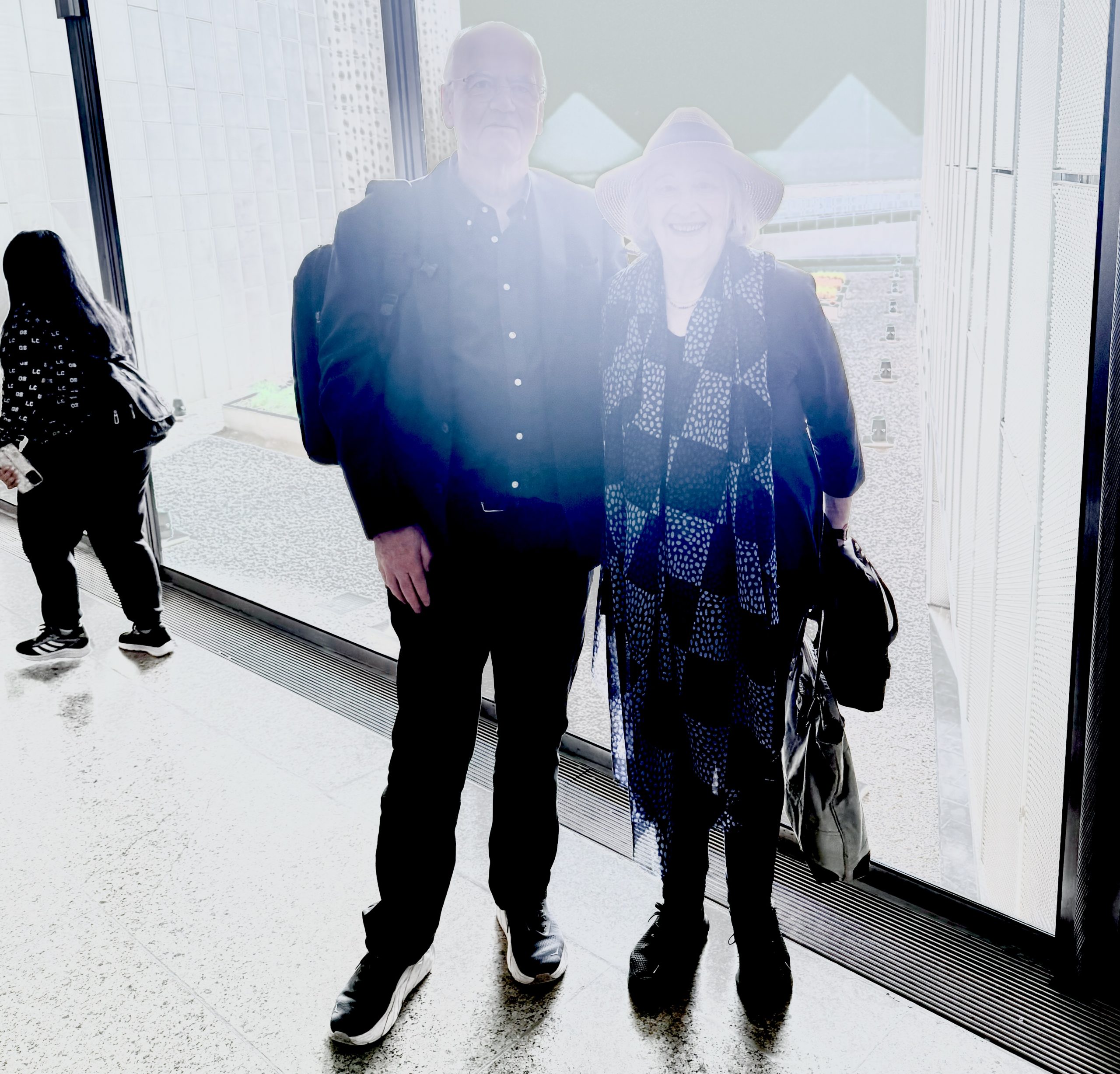
There’s something between us – taken by our guide, Bassem
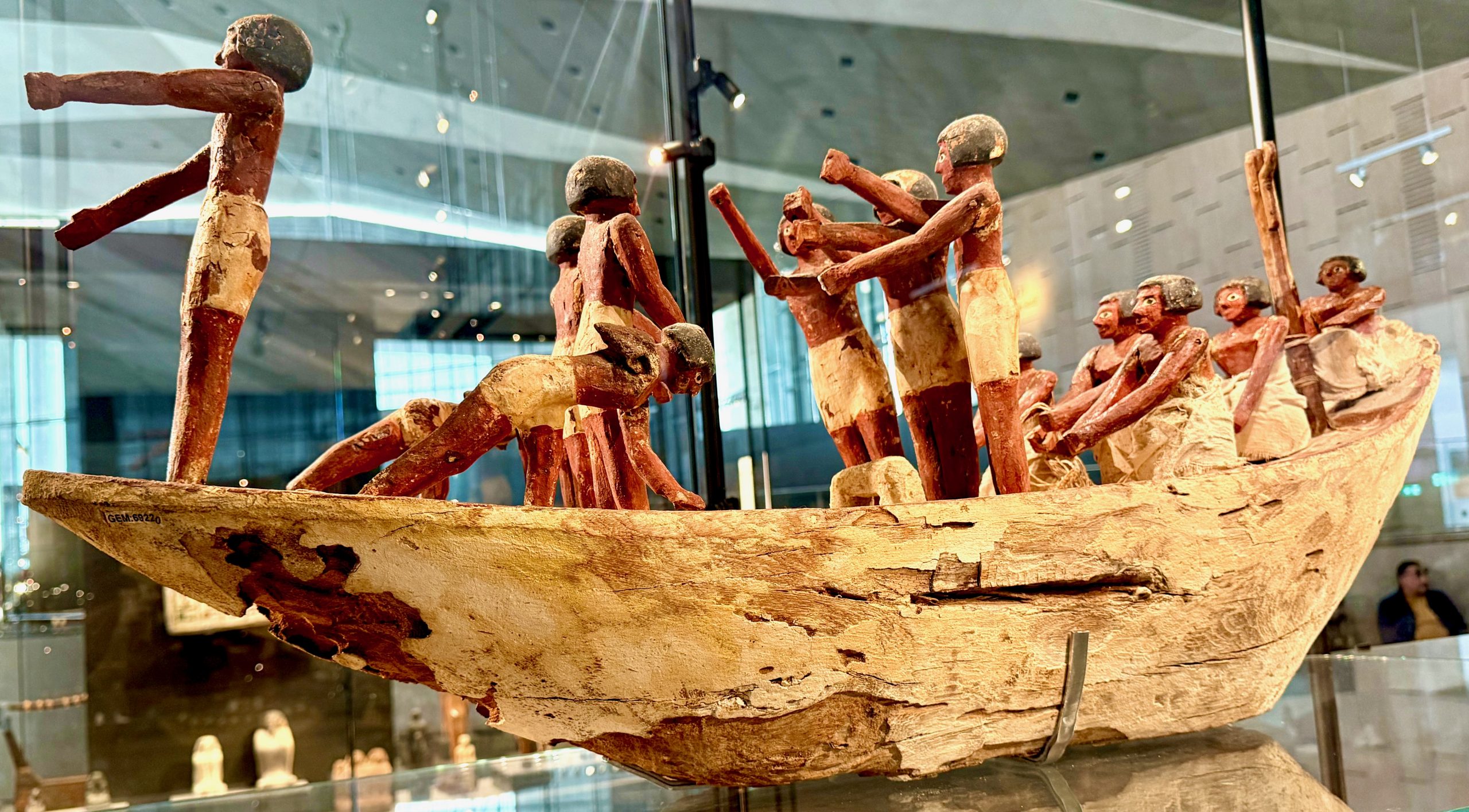
Some things, among them oars, seem to have gone adrift along the way
We have our hieroglyphics, too
Striking images at every turn
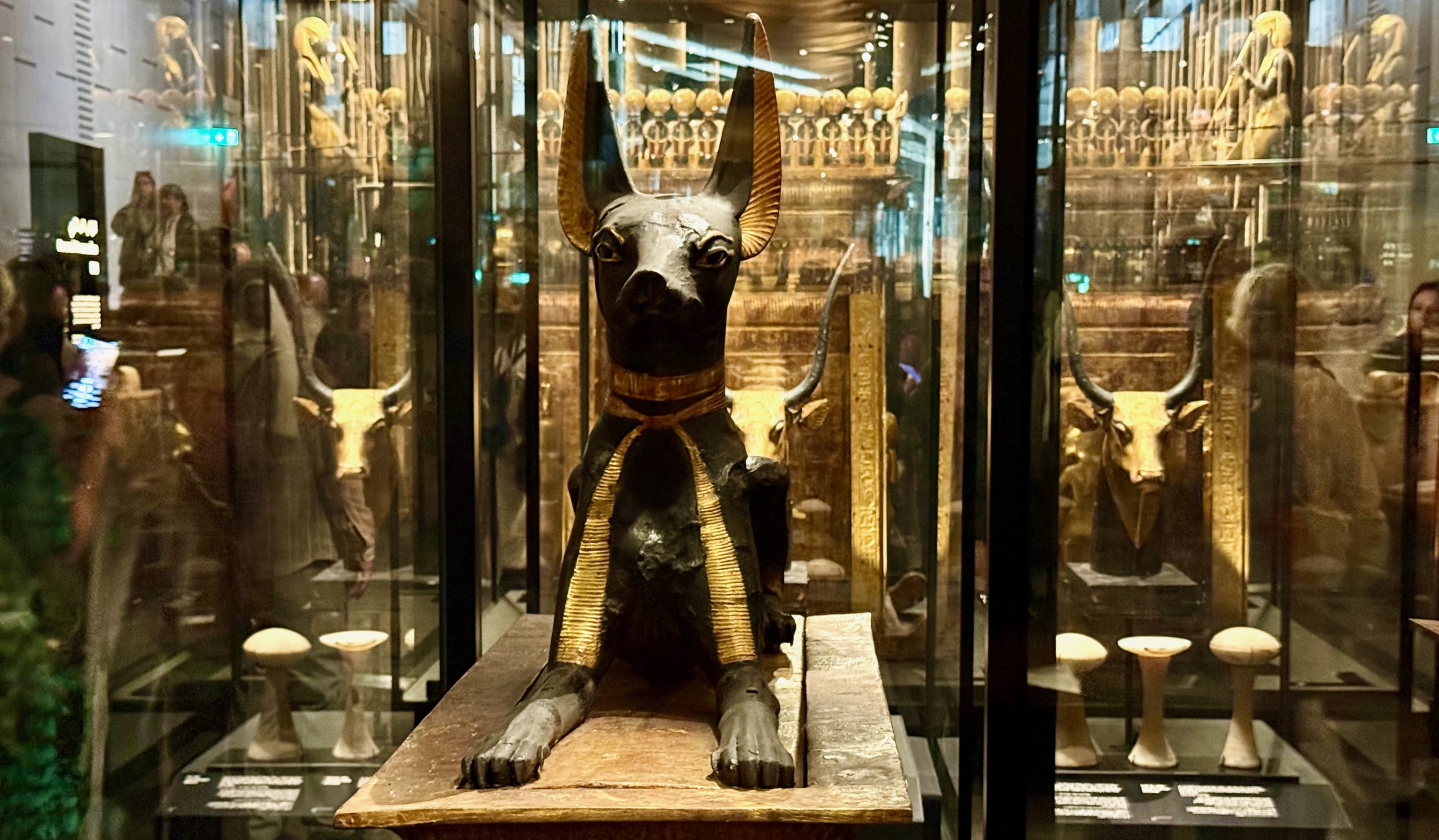
Anubis and friends
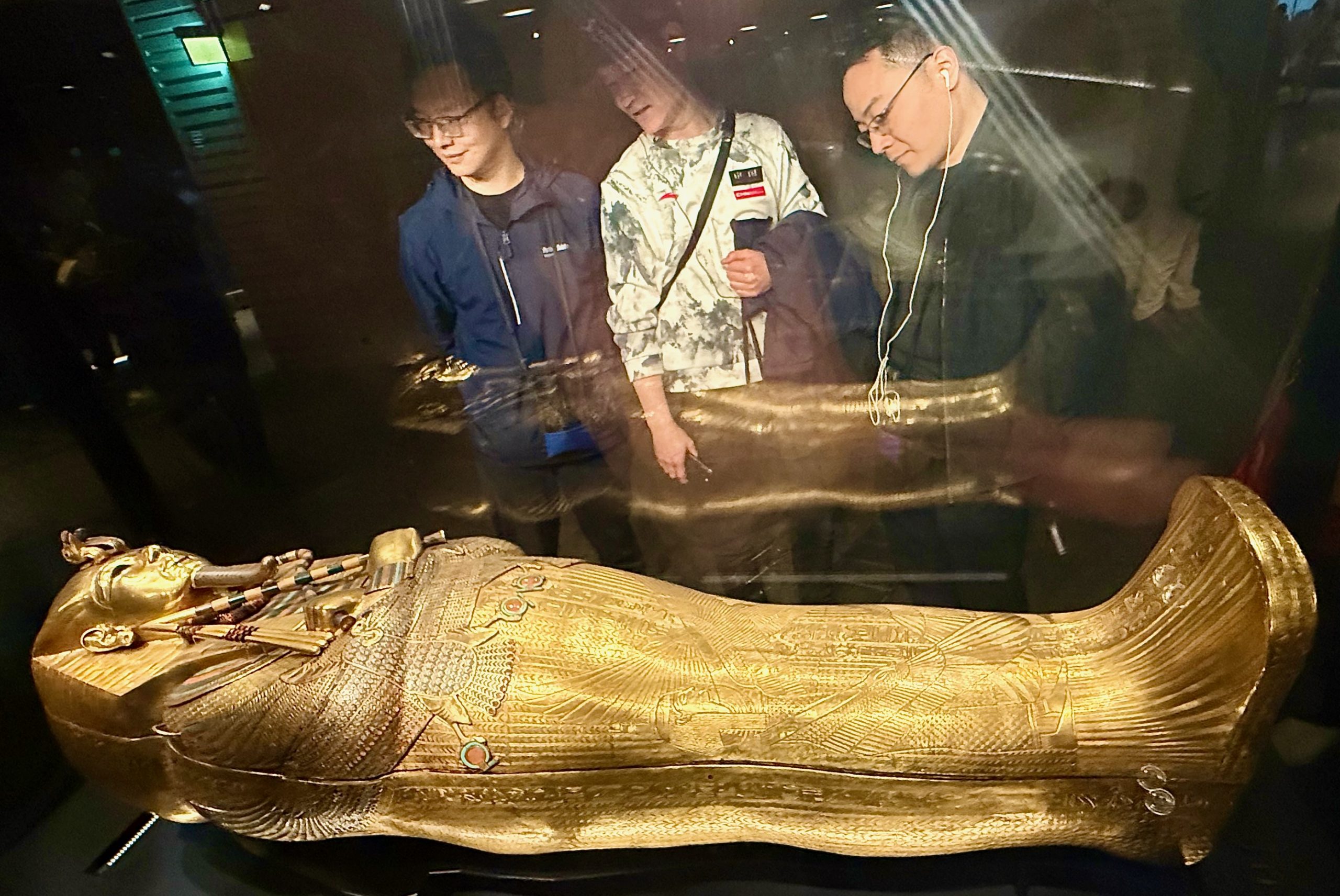
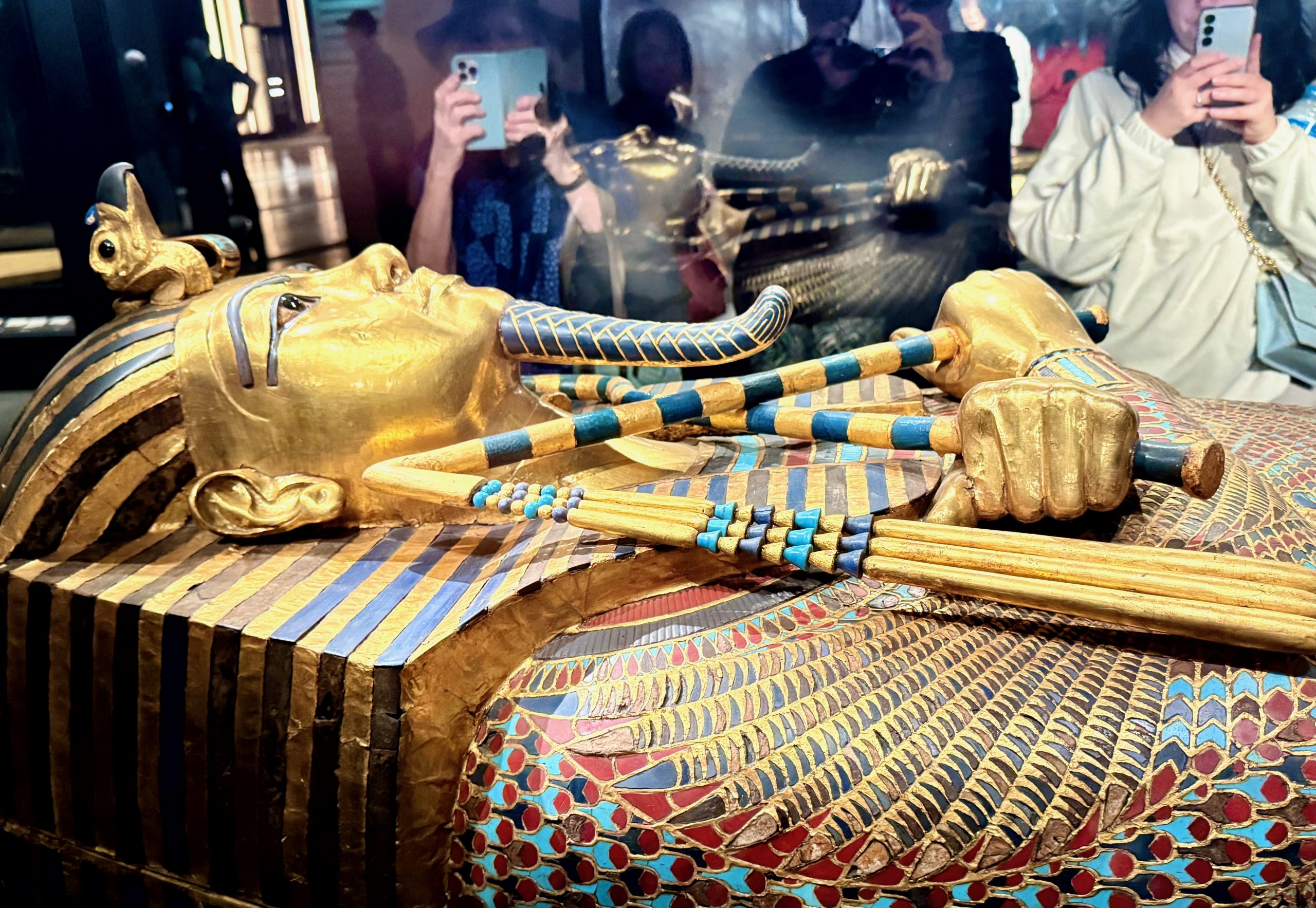
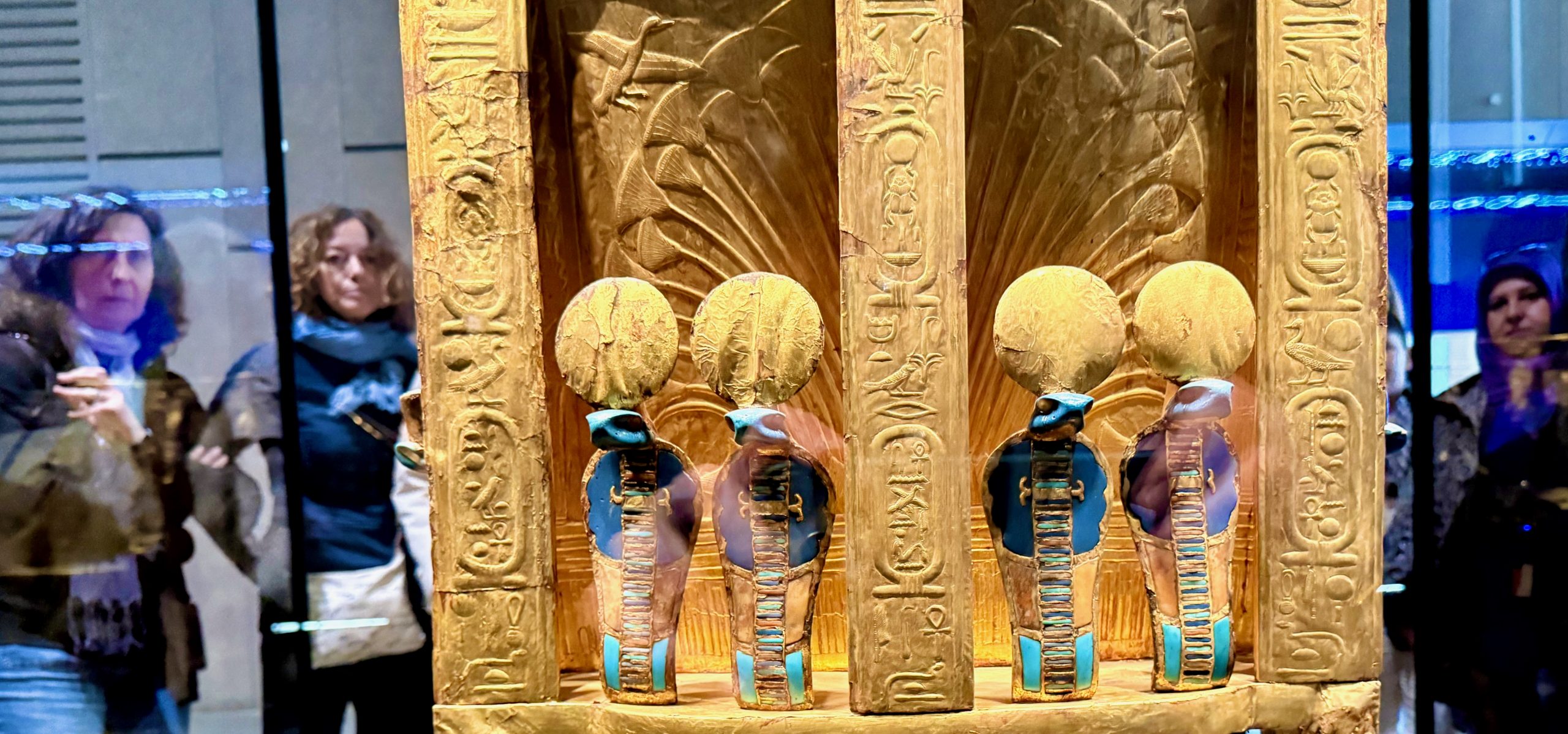
King Tutankhamun‘s casket and admirers
Elaine with the blue phone
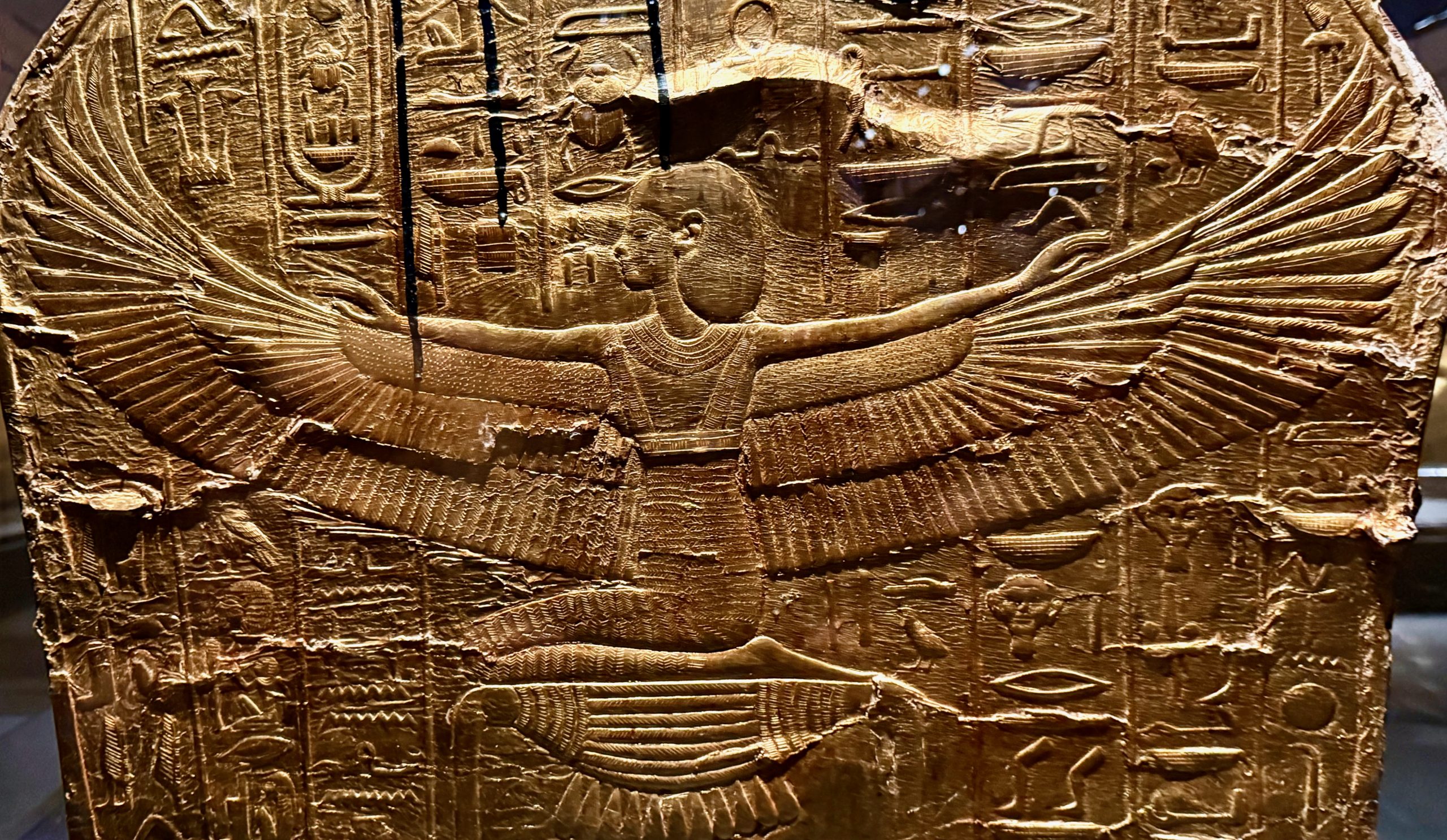
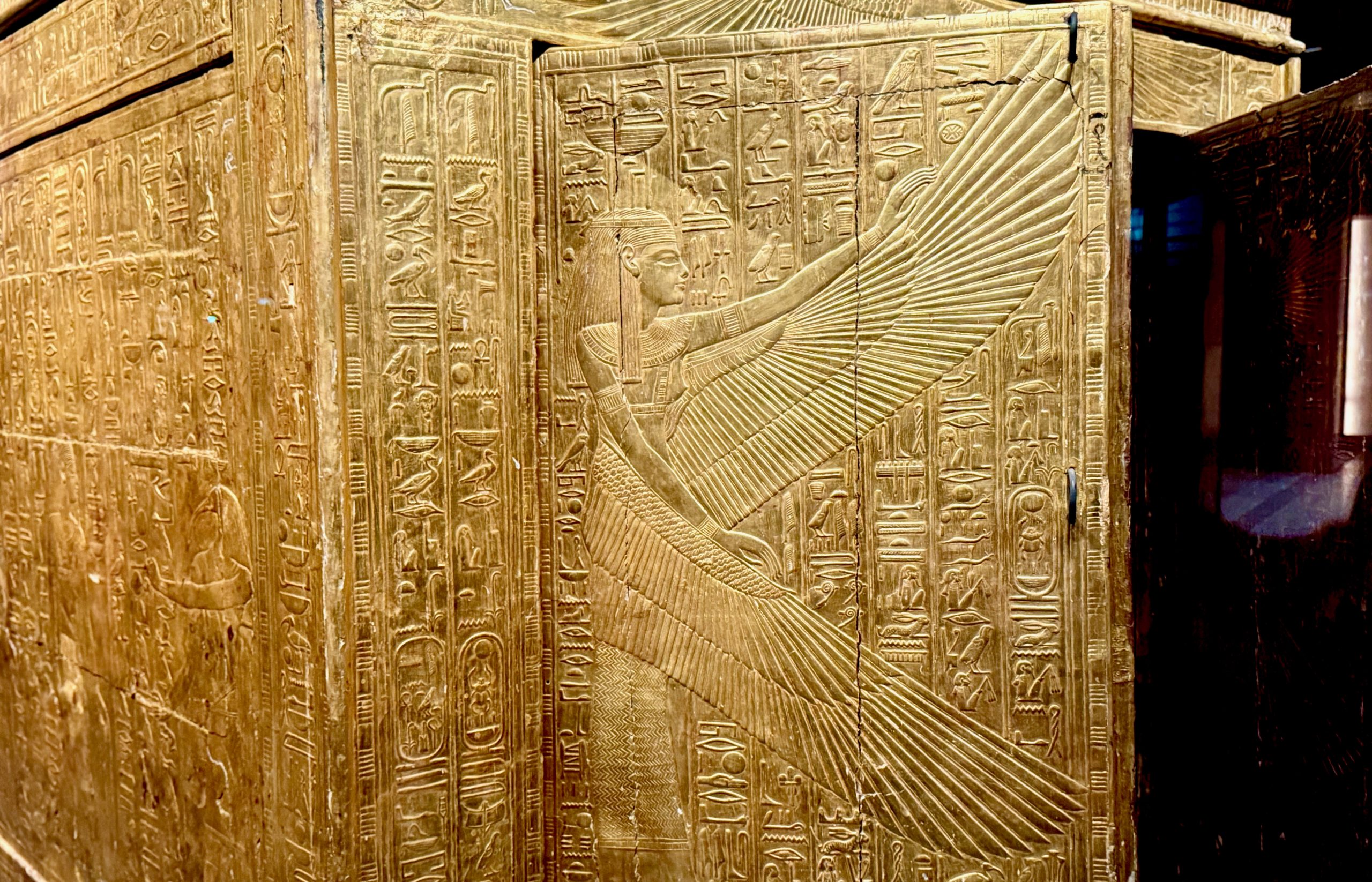
I do love wings
And again – one of the golden shrines or containers that fitted together like a Russian doll
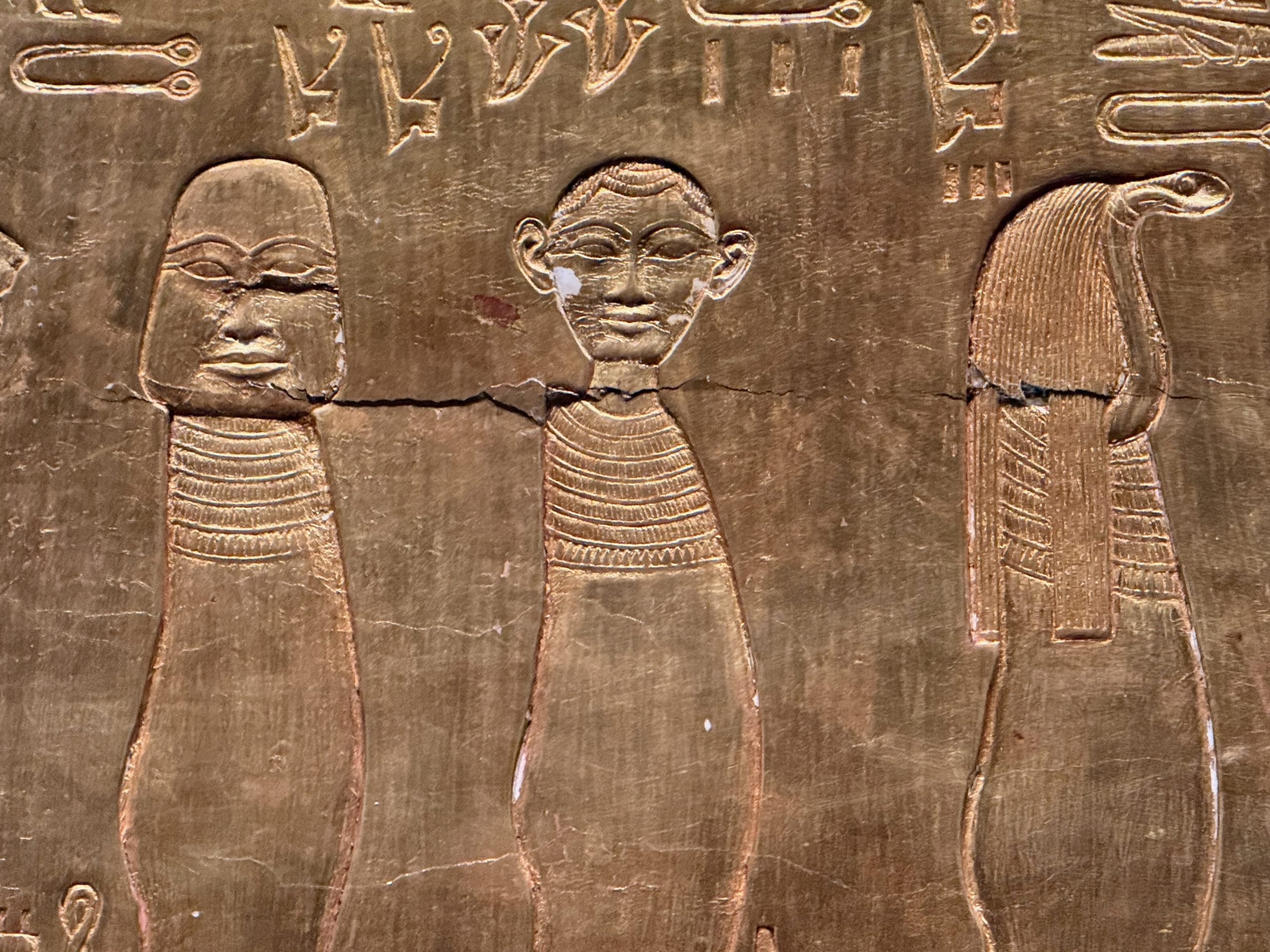
This face really cuts through the centuries
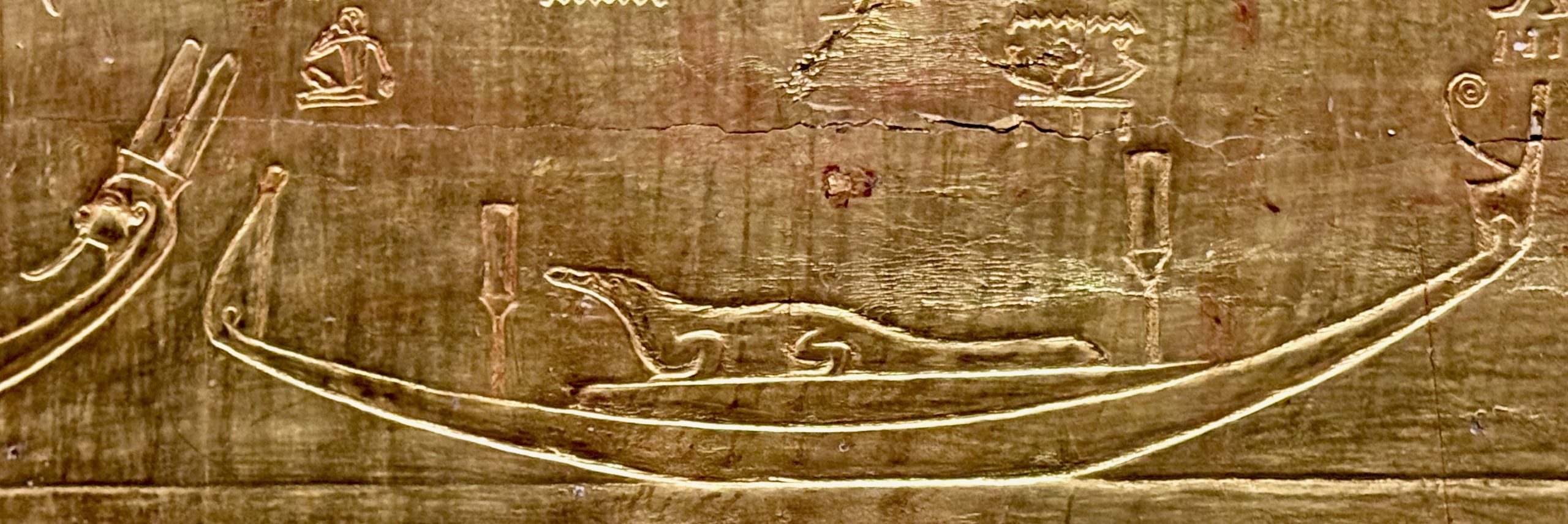
A crocodile en route – or maybe being passed on the bank
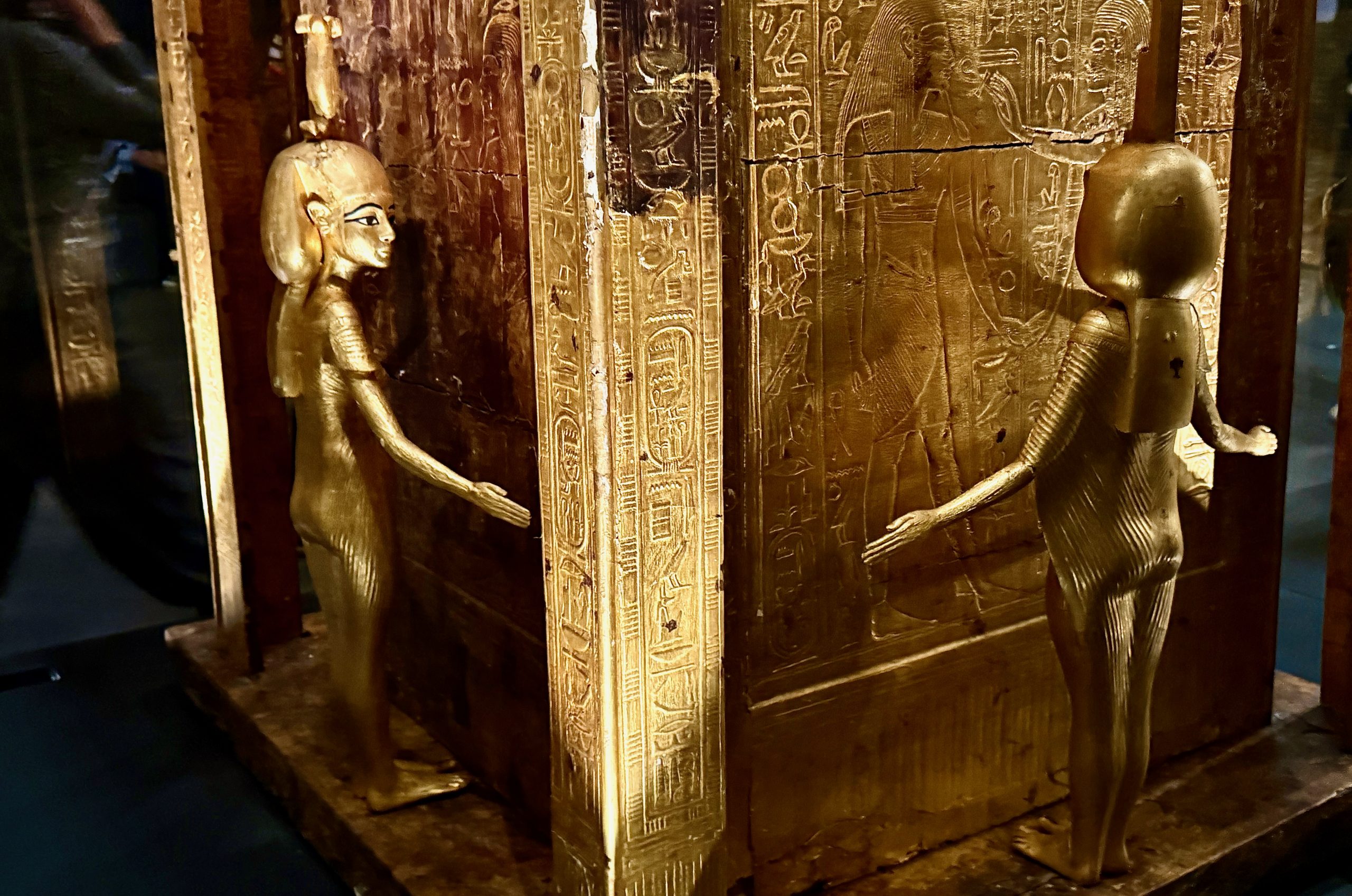
Loved these four figures, around a canopic shrine, two hidden from view here
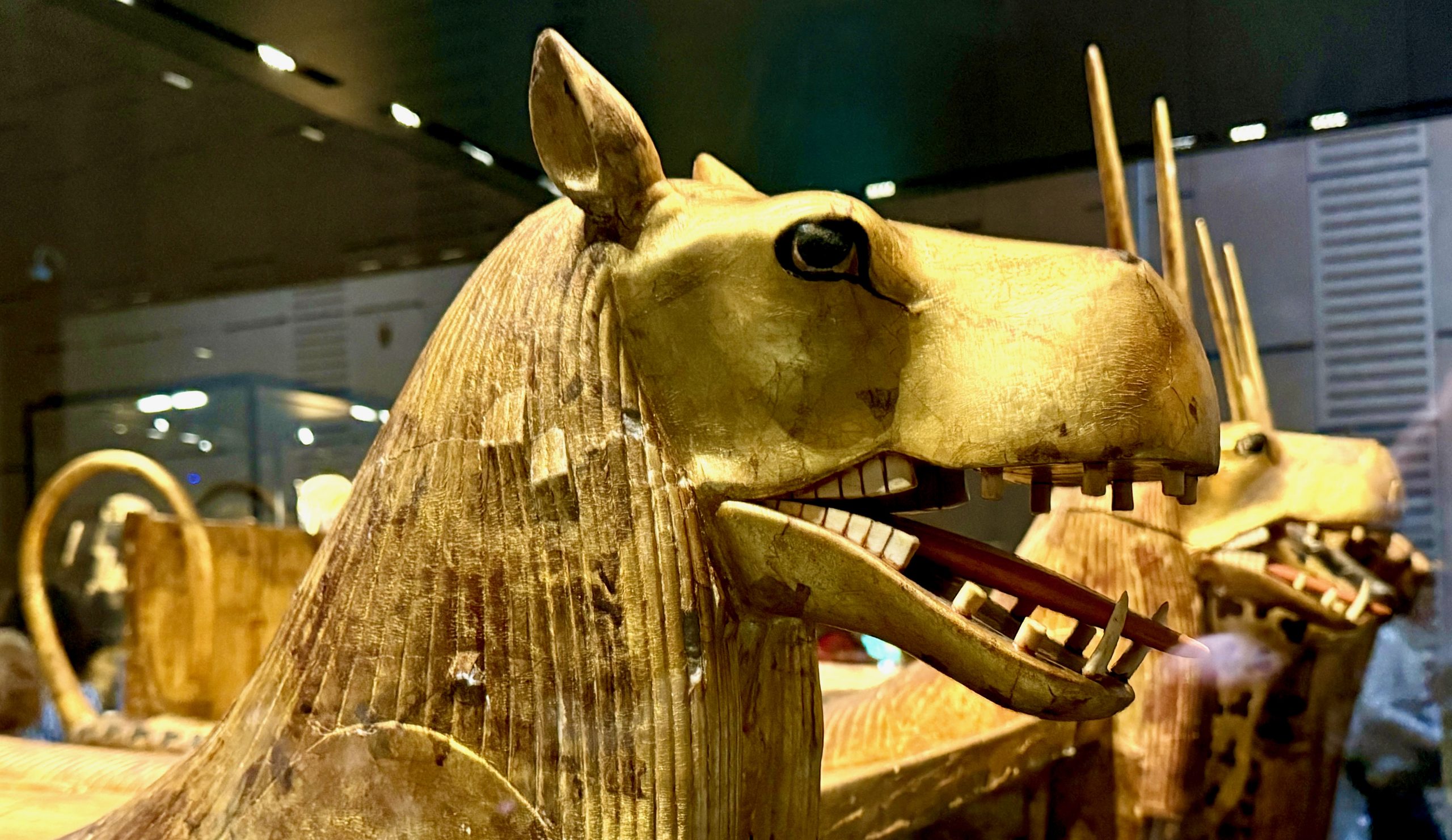
Golden, if broken toothed
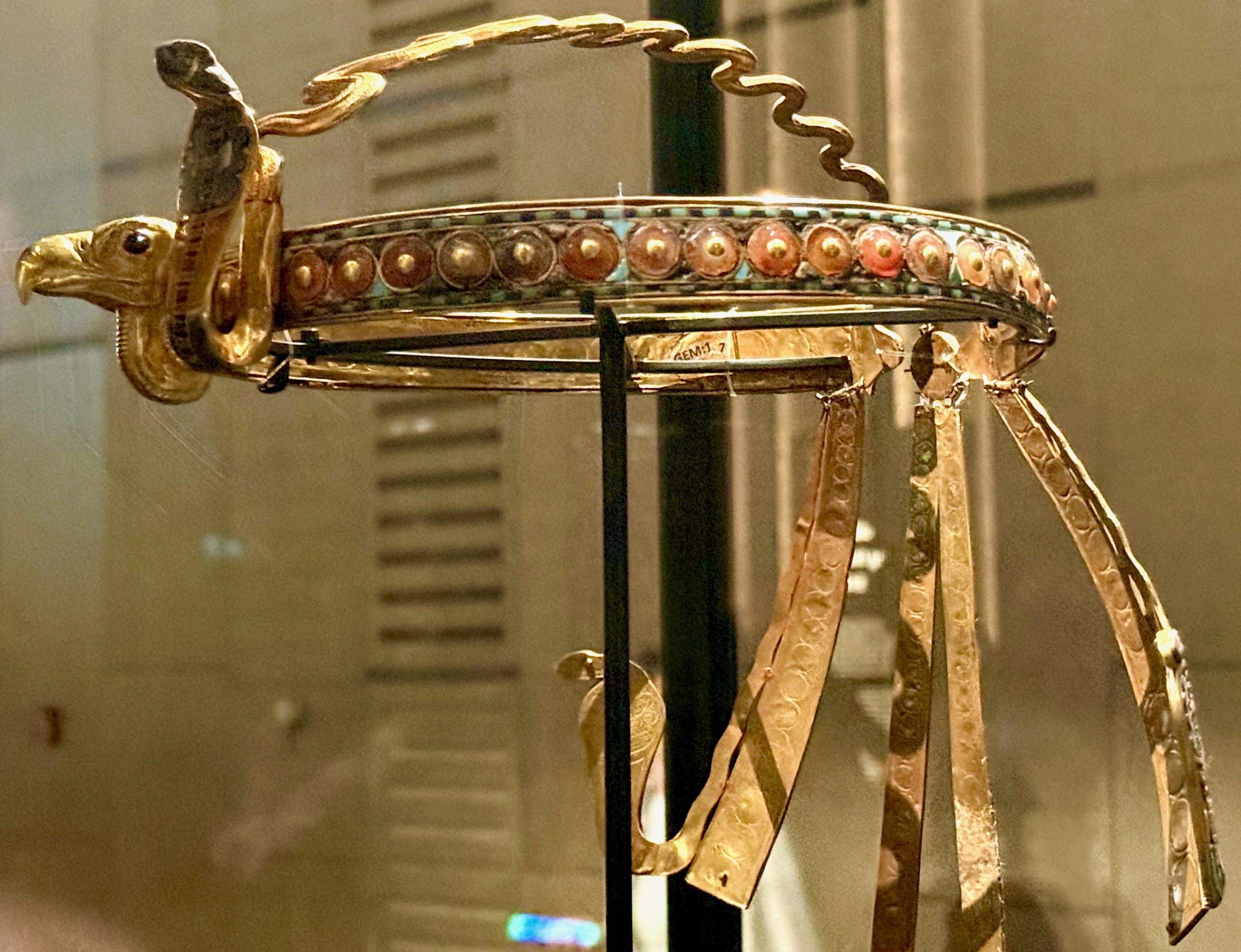
There’s a vulture in there somewhere
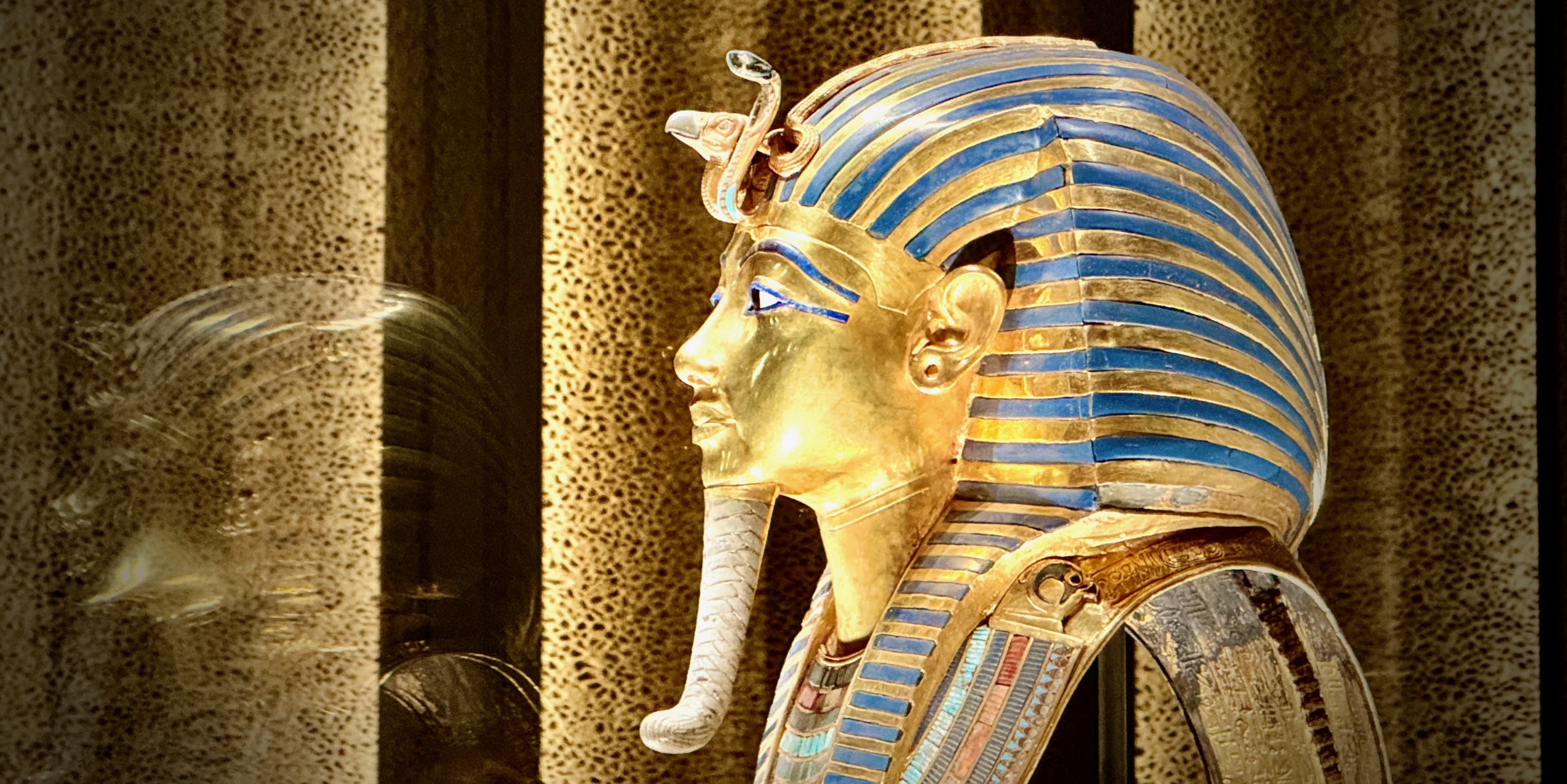
One of the world’s best-known portraits
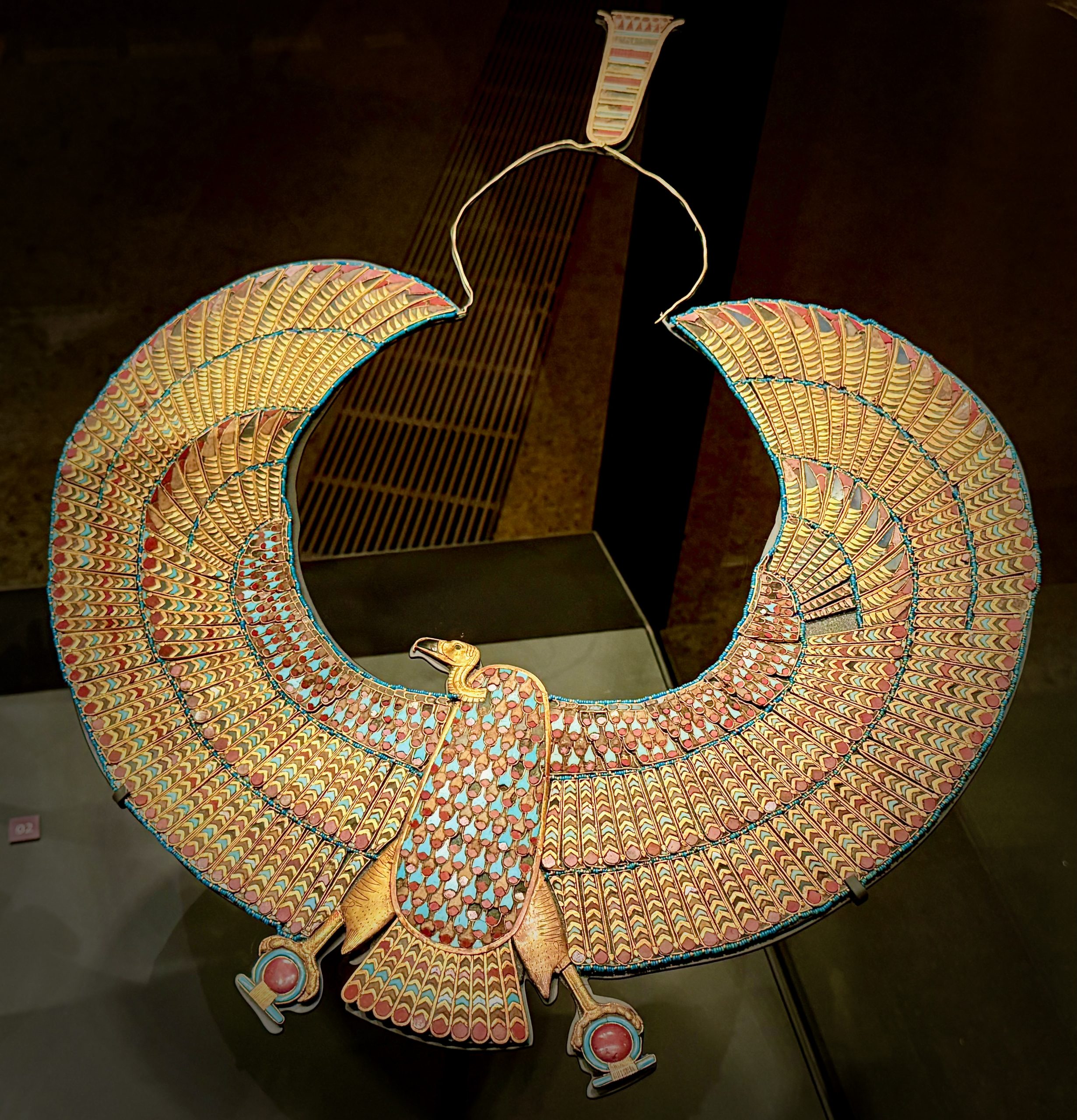
A vulture pectoral
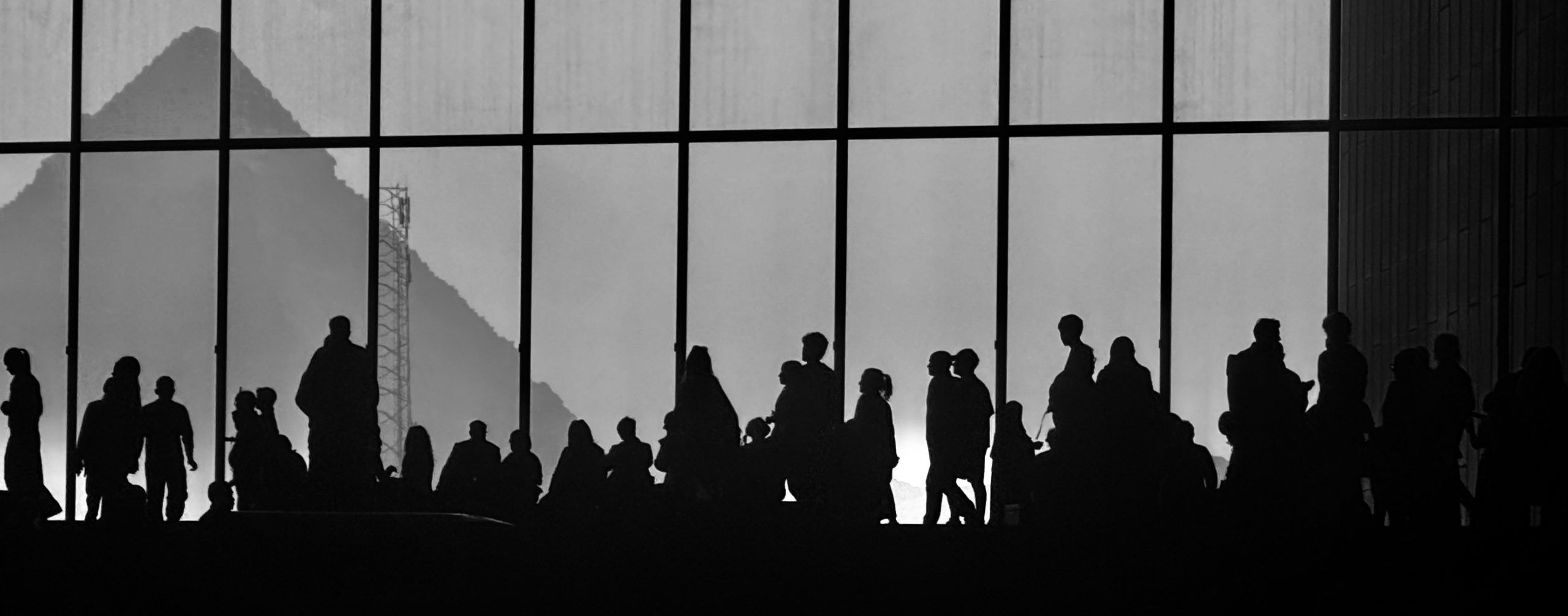
Ancient and modern
Well intentioned, but perhaps a claim too far?
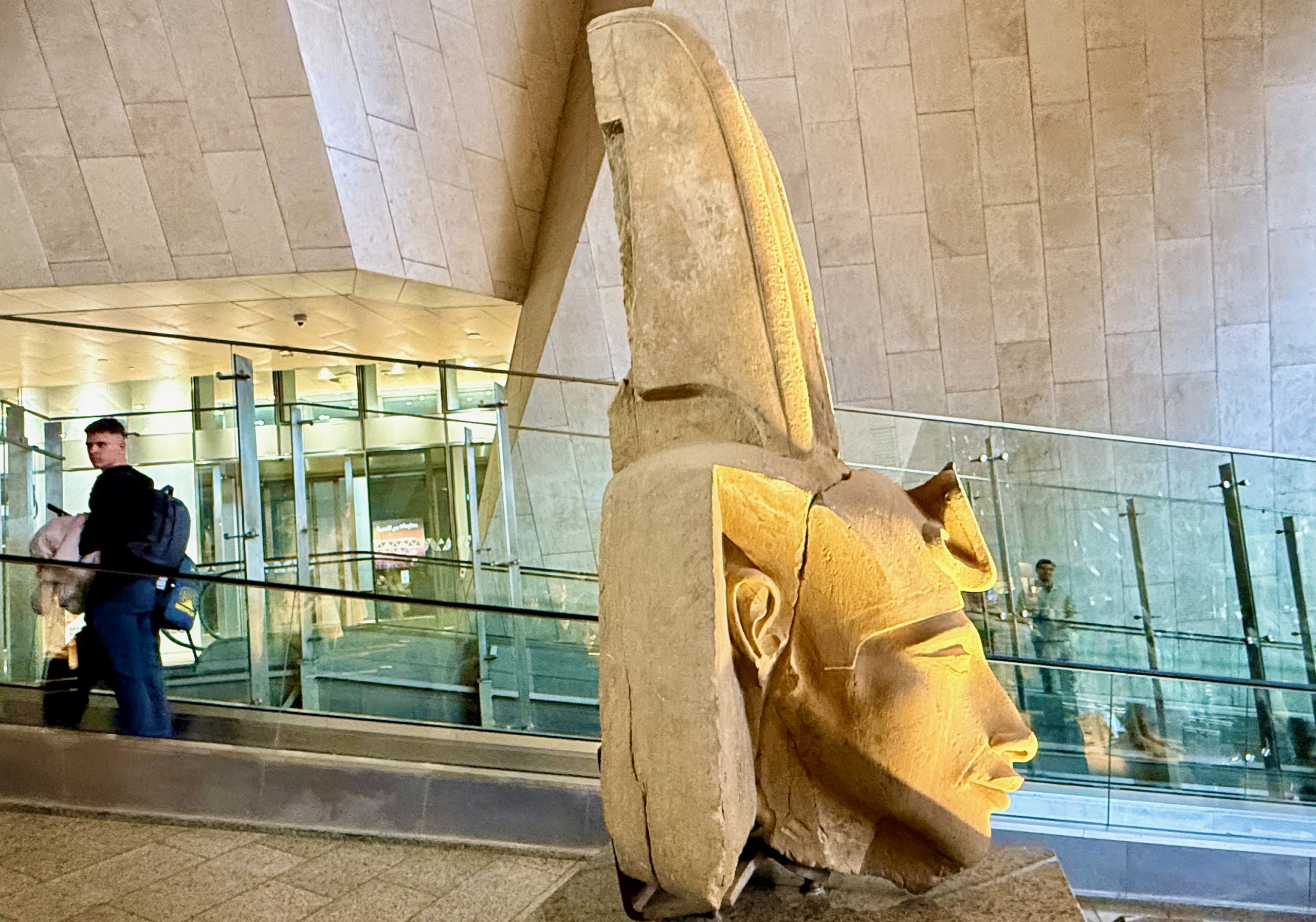
Akhenaten, right
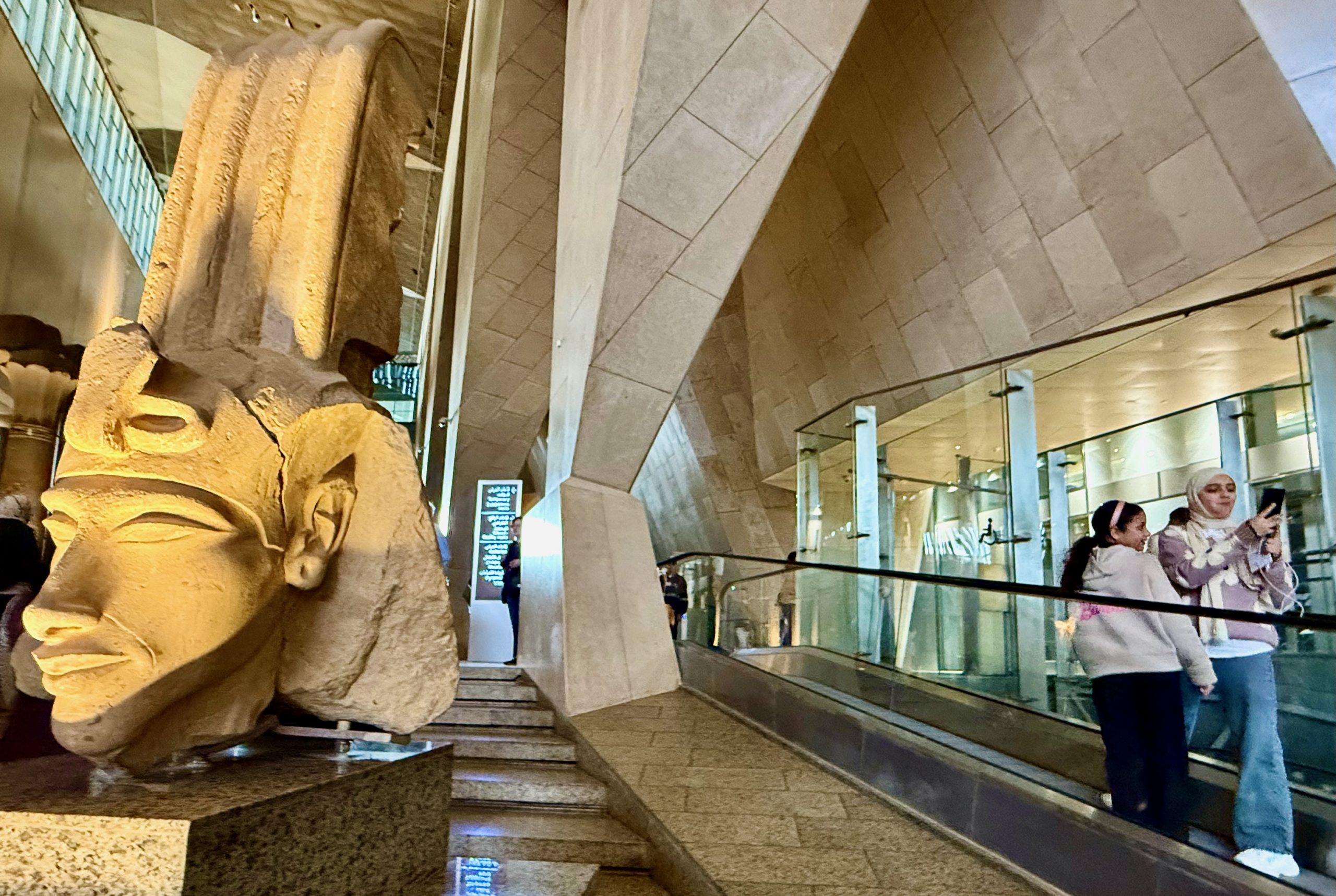
Akhenaten, left
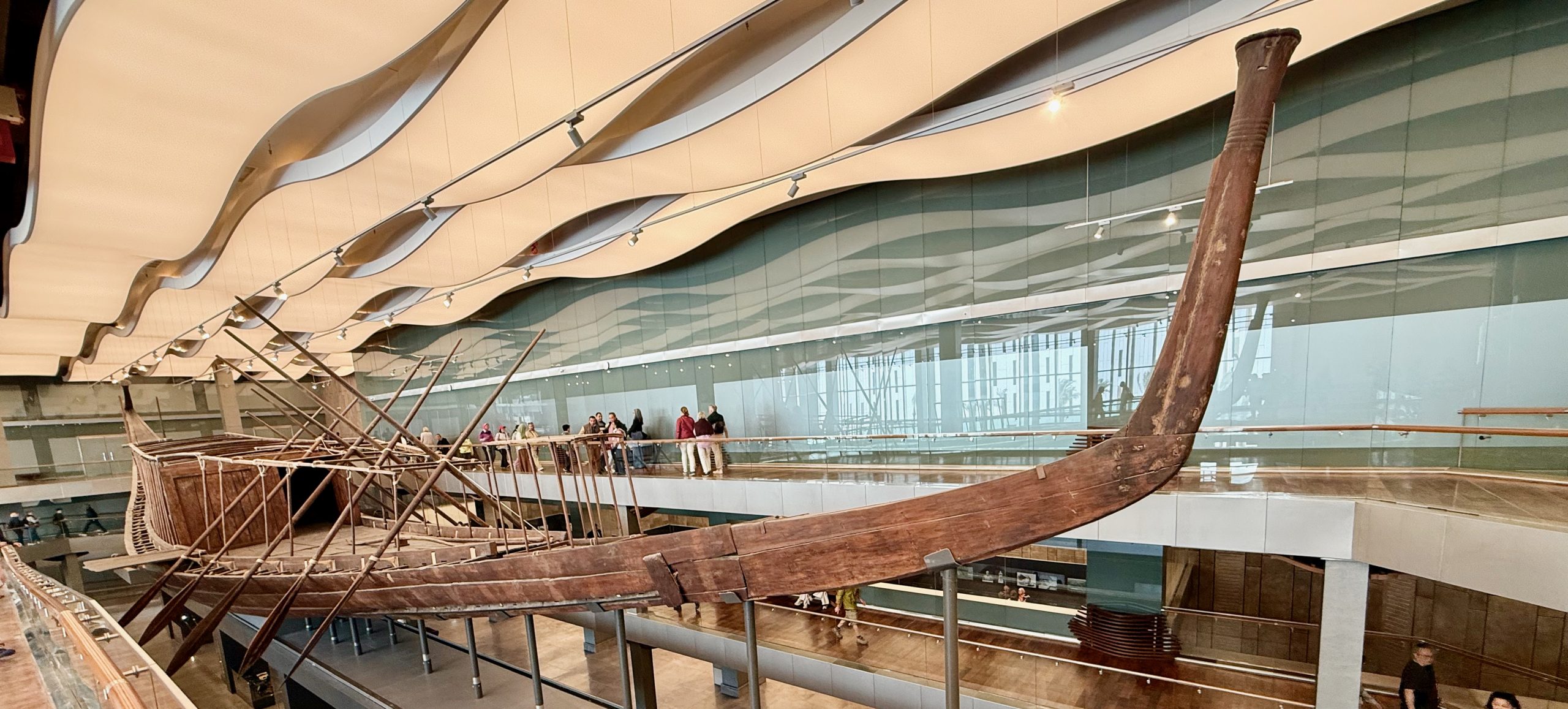
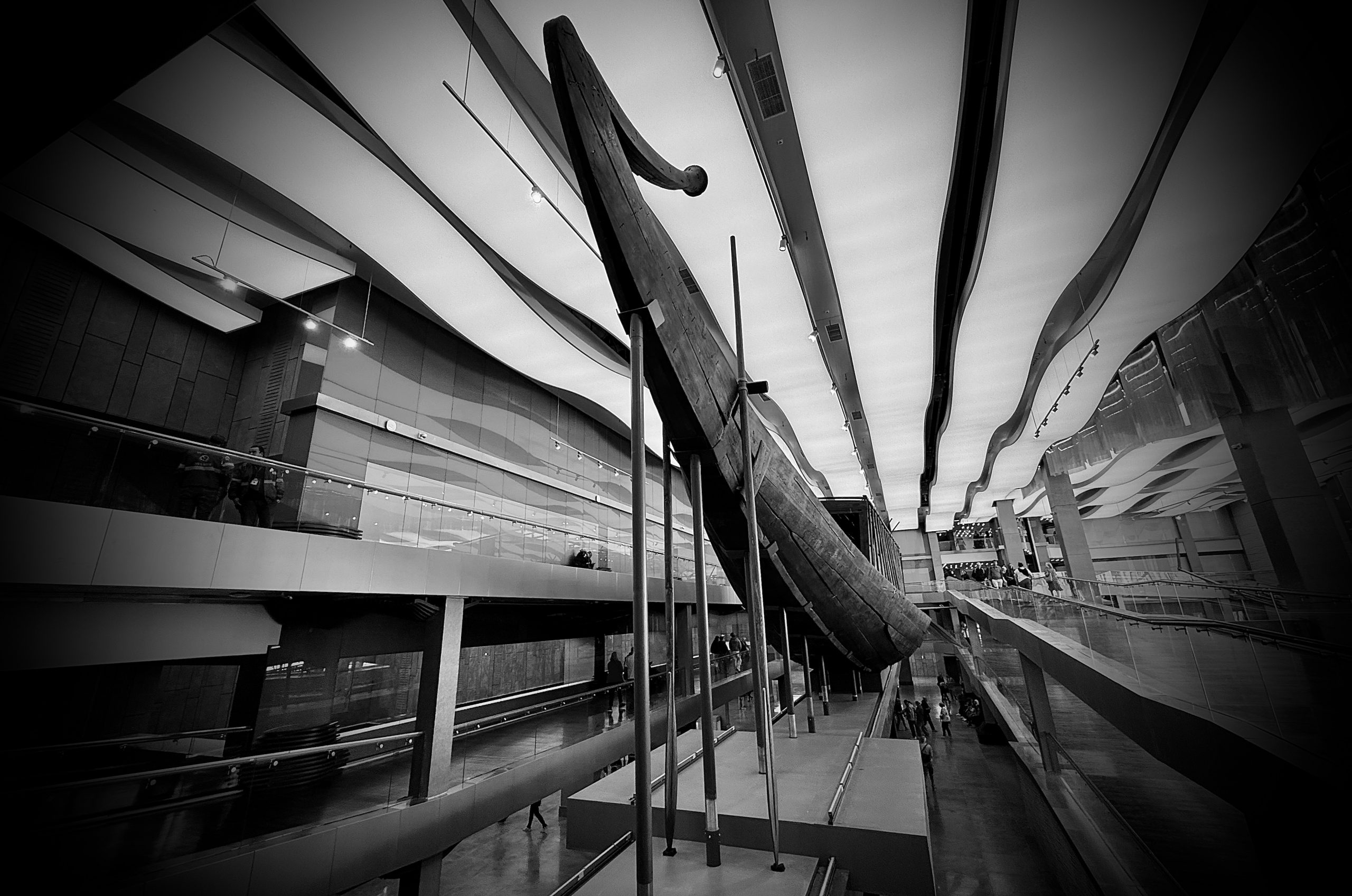
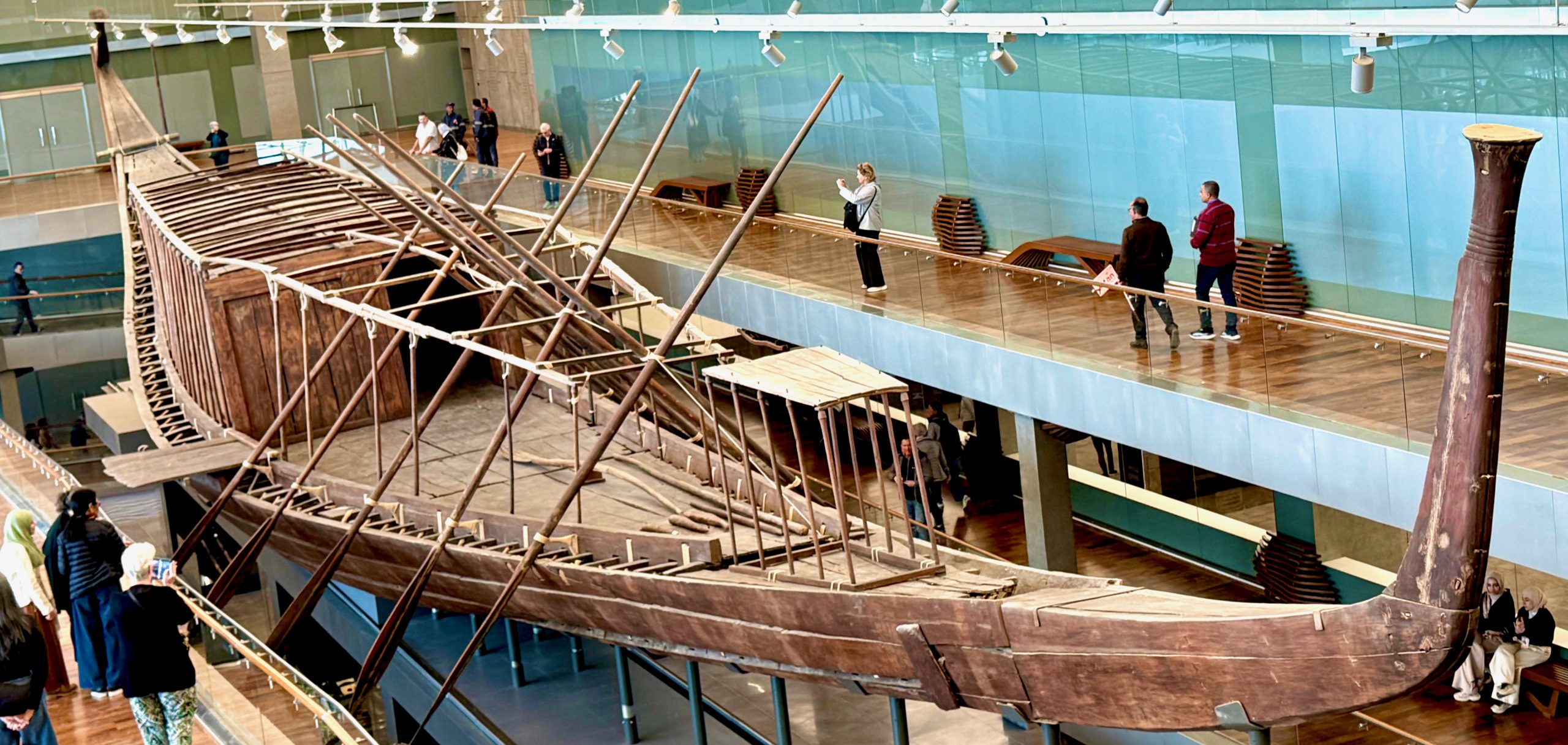
Exquisite: Khufu’s solar barque
4,600 years old, the world’s oldest intact ship
Solar or not, the energy of the design is breath-taking
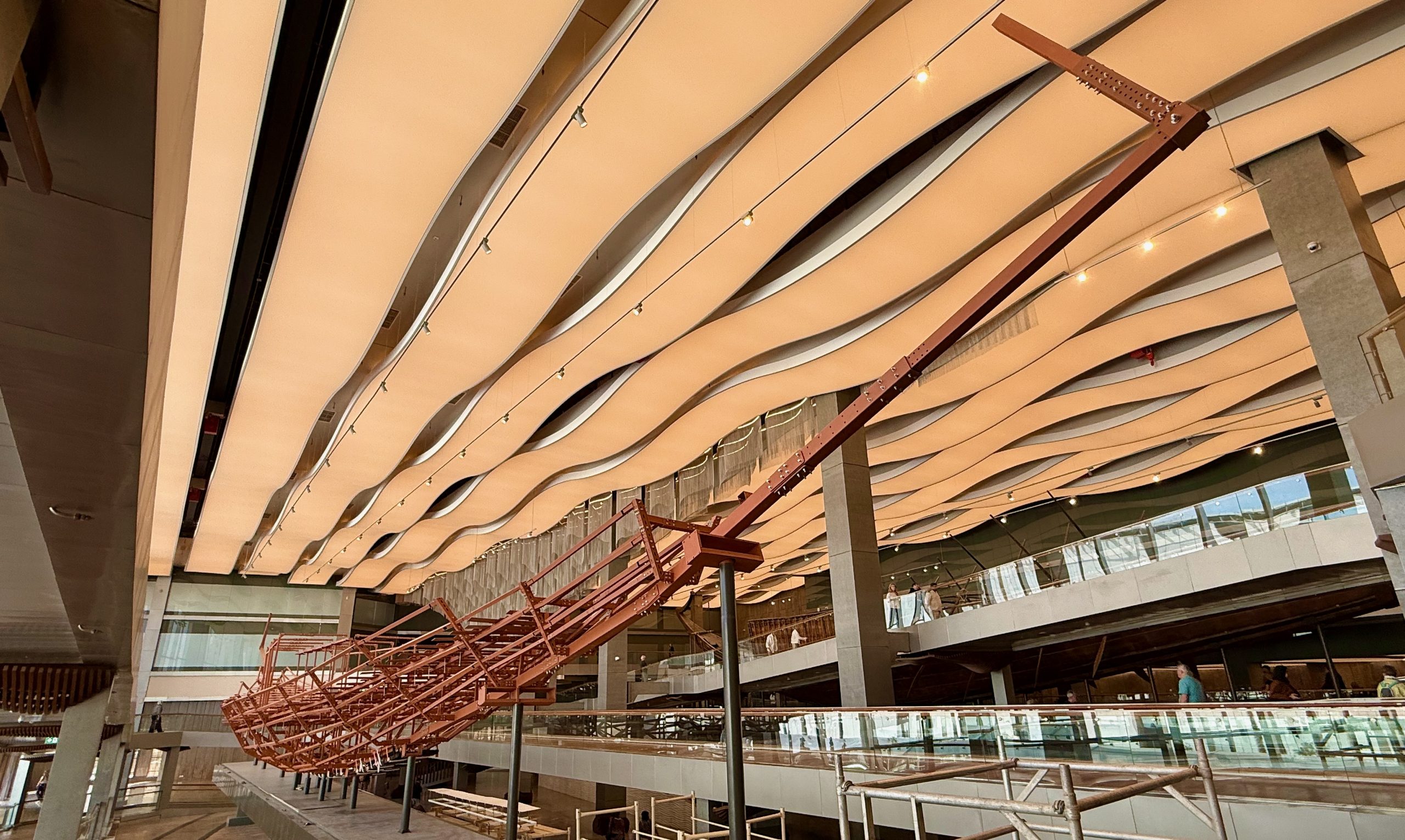
A metal replica, still under construction
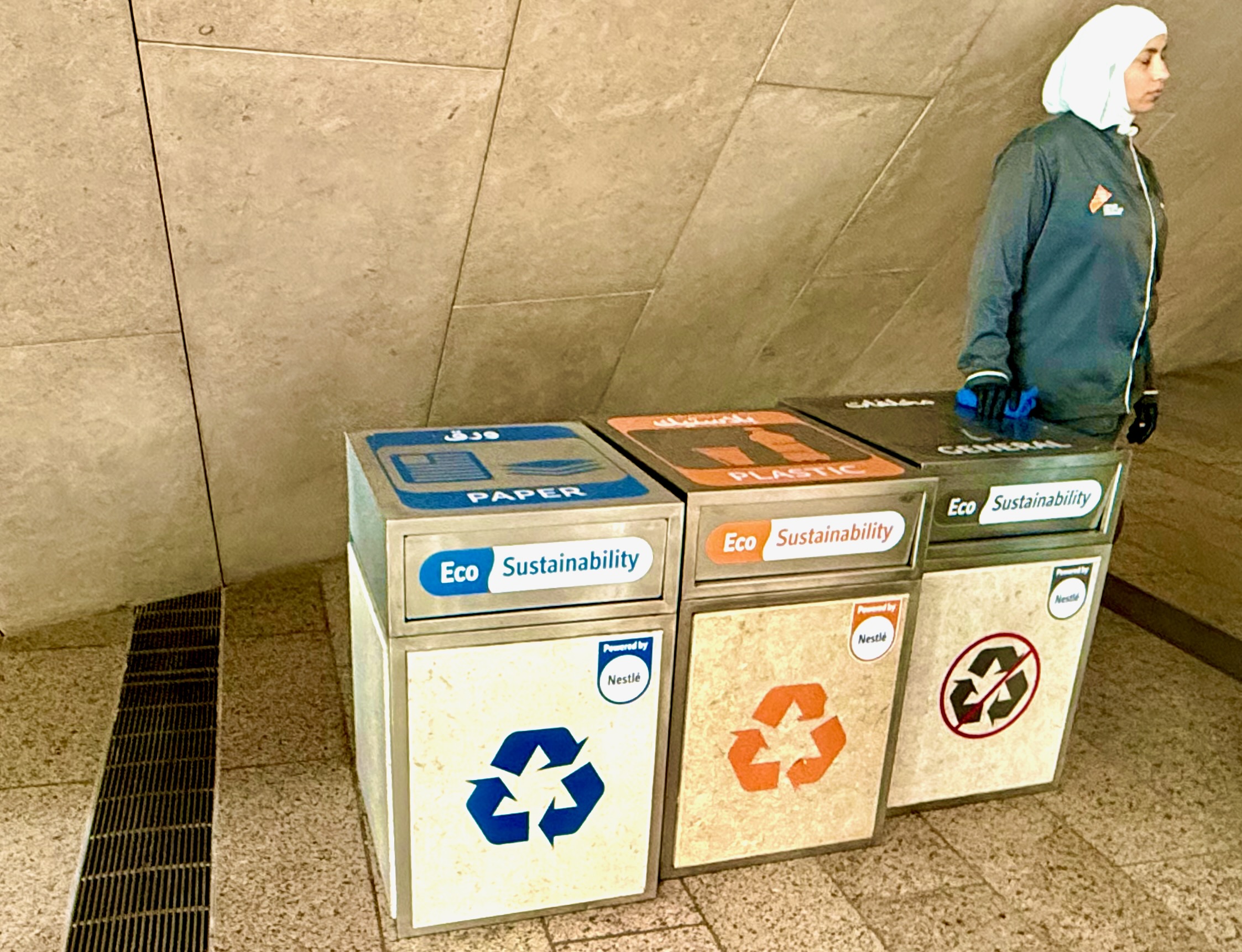
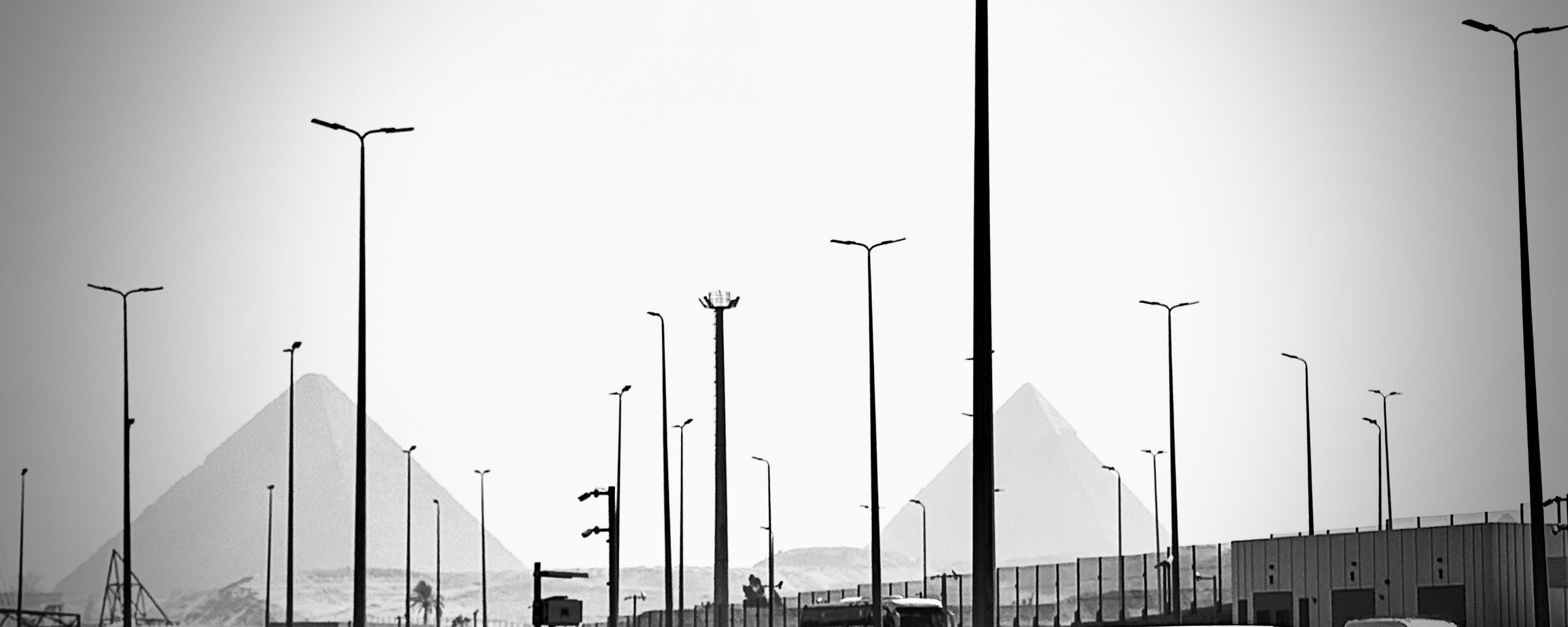
On our way out, ancient and modern
Back to the Westin, where the hubbub of the city is barely detectable

Fighting My Way Back Into 2026

John Elkington · 15 January 2026 · Leave a Comment

Having been locked out of this site for several months, I thank Chris Wolf and Carlo Schifano for handing me back the keys.

With Gaia and family were in Canada, Hania and family in Tenerife, Christmas and the New Year were fairly quiet, though we saw various friends at different points. I found the long break liberating, plowing my way through several stacks of books, but also working on the new book I am developing with Charmian Love.

And, by way of a catch-up, here are some of the Substack articles I have posted in the meantime:

1. A kaleidoscopic survey of some of the things I was doing as 2025 wound down, including a trip to Florianópolis in Brazil and another session with AIRMIC and insurers and reinsurers.

2. A well-received piece on where to channel our energy in 2026.

3. An even more warmly received post welcoming the New Year and discussing Trump’s entirely unintended gift to the sustainability world.

4. A piece inspired by the World Future Energy Summit in Abu Dhabi.

5. An exploration of some of the ways in which copper has underpinned our civilisations – and why it is now critical to the transition to greener economies.

  • Go to page 1
  • Go to page 2
  • Go to page 3
  • Interim pages omitted …
  • Go to page 168
  • Go to Next Page »

Primary Sidebar

Introduction

I began this blog with an entry reporting on a visit to the Woods Hole Oceanographic Institution on Cape Cod, on 30 September 2003. The blog element of the website has gone through several iterations since, with much of the older material still available.

Like so many things in my life, blog entries blur the boundaries between the personal and the professional. As explained on this site’s Home Page, the website and the blog are part platform for ongoing projects, part autobiography, and part accountability mechanism.

In addition, my blogs have appeared on many sites such as: Chinadialogue, CSRWire, Fast Company, GreenBiz, Guardian Sustainable Business, and the Harvard Business Review.

Recent Comments

  • John Elkington on The Hill House Elkingtons
  • sally fitzharris. (Rycroft) on The Hill House Elkingtons
  • Thomas Forster on Reminder of Glencot Years

Journal Archive

About

John Elkington is a world authority on corporate responsibility and sustainable development. He is currently Founding Partner and Executive Chairman of Volans, a future-focused business working at the intersection of the sustainability, entrepreneurship and innovation movements.

Contact

john@johnelkington.com  |  +44 203 701 7550 | Twitter: @volansjohn

John Elkington

Copyright © 2026 John Elkington. All rights reserved. Log in