• Skip to primary navigation
  • Skip to main content
  • Skip to primary sidebar
John Elkington

John Elkington

A world authority on corporate responsibility and sustainable development.

  • About
    • Ambassador from the future
  • Past lives
    • Professional
      • Volans
      • SustainAbility
      • CounterCurrent
      • Boards & Advisory Boards
      • Awards & Listings
    • Personal
      • Family
      • Other Influences
      • Education
      • Photography
      • Music
      • Cycling
    • Website
  • Speaking
    • Media
    • Exhibitions
  • Publications
    • Books
    • Reports
    • Articles & Blogs
    • Contributions
    • Tweets
    • Unpublished Writing
  • Journal
  • Contact
  • Show Search
Hide Search

Uncategorized

Cairo Kaleidoscope: AUC, ECES, Sphinx

John Elkington · 8 February 2026 · Leave a Comment

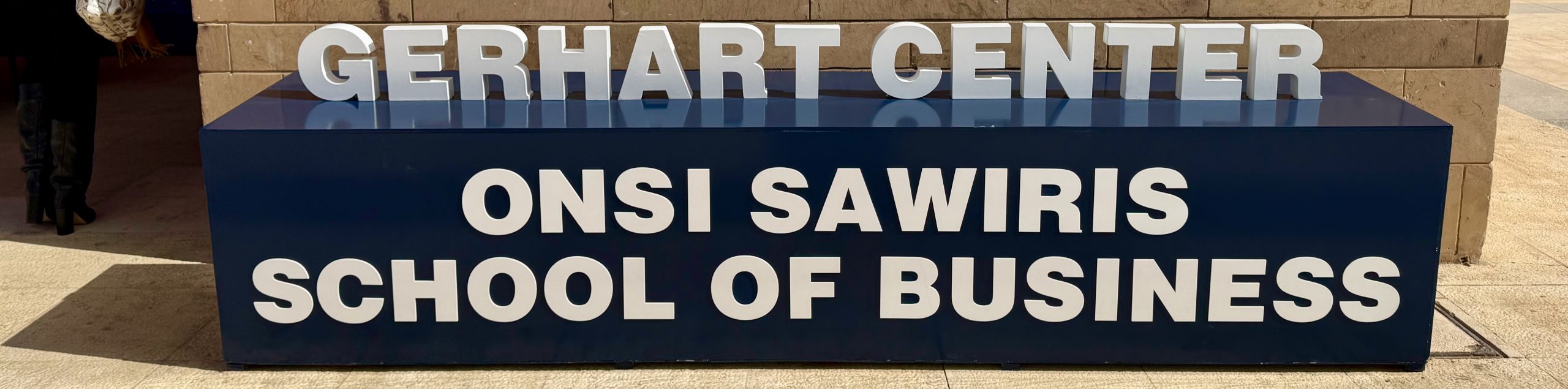
Now, second, for a brief account of a couple of days we spent in and around Cairo. The main reason I was in Egypt was to do a talk at the American University in Cairo (AUC), organized by Professor Ali Awny of the John D. Gerhart Centre, part of the Onsi Sawiris School of Business. I have been privileged to serve on his advisory board for some years.

But, with AUC having ensured we got to visit the extraordinary new Grand Egyptian Museum on Saturday, 31st January, our second hosy – the Egyptian Center for Economic Studies (ECES) – kindly organized an early morning visit to the Pyramids and the Great Sphinx on Monday 2nd February.

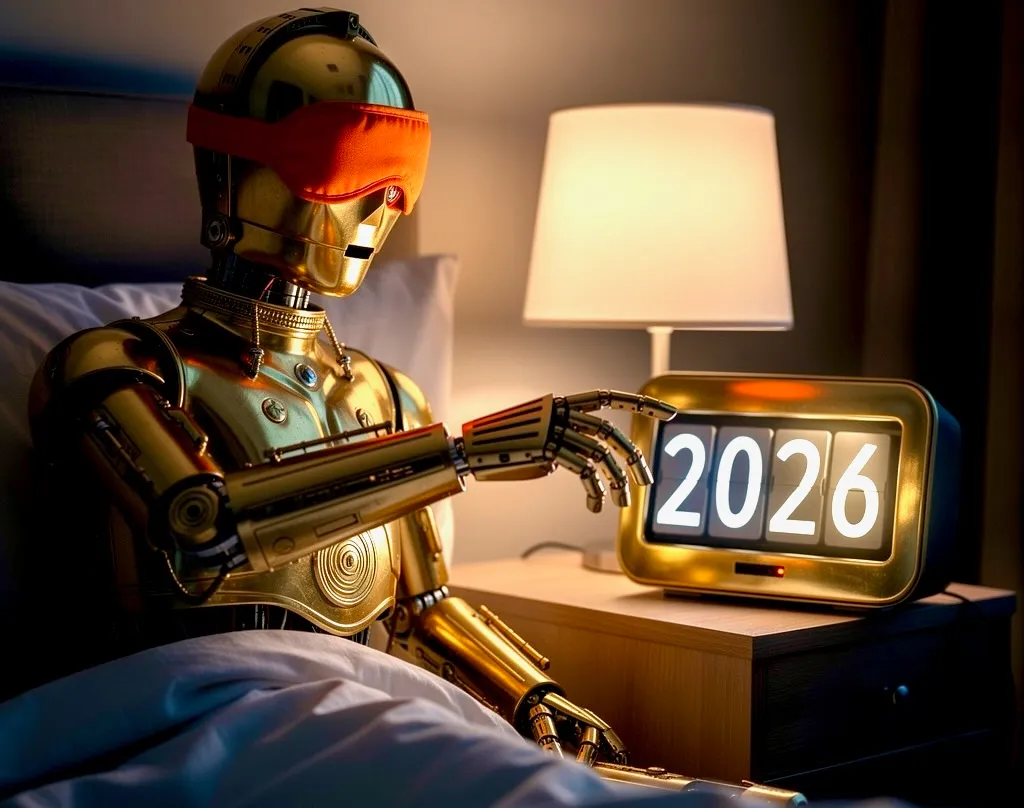
And that visit produced this Substack post, built around a couple of images I had conjured in advance using Artiphoria. Here’s one of them, using the golden, C3PO-like robot I use as my avatar there – and, increasingly, in many slide presentations.
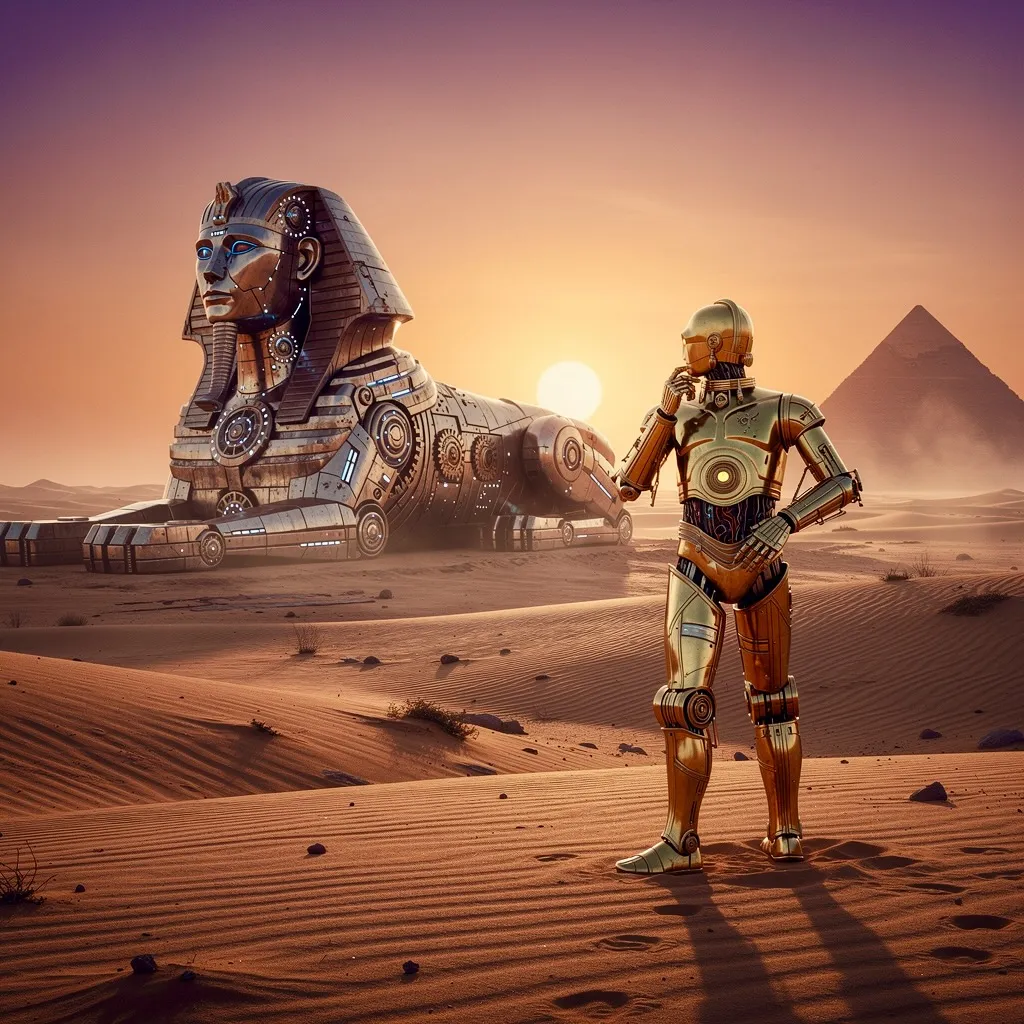
JE via Artiphoria, 2026

As I was creating it, I thought the robotic Sphinx was a bit of a stretch, heresy even, but then as we arrived near the rock-carved ceouching wonder (the nearby Great Pyramid of Giza is the only one of the original Seven Wonders of the World still extant), I spotted (and walked back to photograph) a sign advertising phaoronic virtual reality:
Since we are on an historical wavelength here, I should mention that one reason I had wanted Elaine to accompany me on this particular trip was that her father, Dr (George) Stanley Waite, born and raised in Barbados, served for six years in North Africa in WW2. Here he is at a medical station somewhere in Egypt, fifth from the left, front row. He was shipped out there shortly after marrying Elaine’s mother, Margaret, and then didn’t see her for six years.
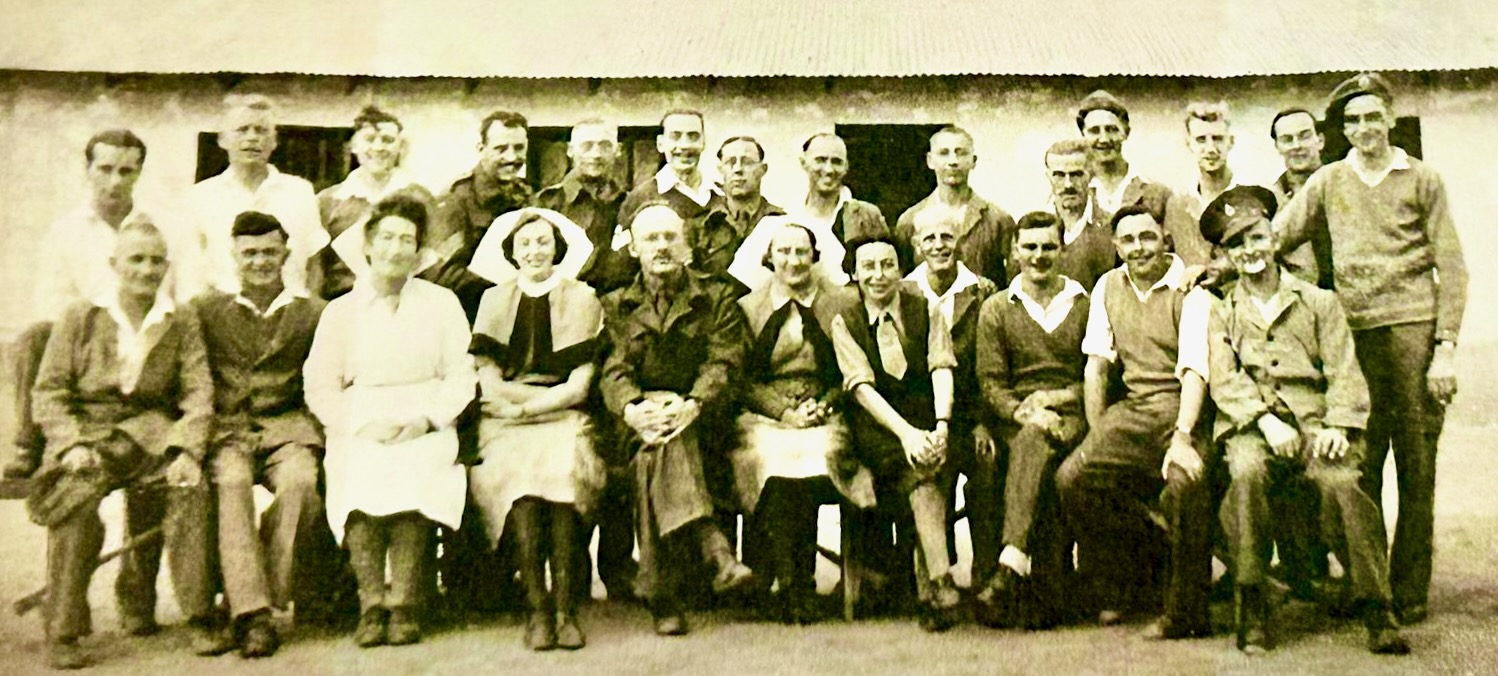
Elaine’s father in Egypt in WW2, fifth from left, front row

I enjoyed the AUC and ECES sessions immensely. On one day, at AUC, I talked to a series of different groups through the days, with faculty members, students people from the business community, including a couple of chief sustainability officers. I was intrigued to hear the summary of the Center’s work by Kareman Shoair, senior research manager.

At the ECES event, moderated by ECED director Dr Abla Abdel Latif, whose corner office overlooking the Nile was itself a wonder, I spoke alongside two panellists, Dr Ahmed N. Tantawy, senior advisor to the Minister of ICT and founding director of the Applied Innovation Center at MCIT, and Tarek Osman, author and EBRD’s senior political counsellor for the Arab world, Tarek Osman. A YouTube record of the session can be found here.

Something that Dr Abla said to me after the session stuck in my mind – has subsequently provoked a big jump (I think) in my thinking. Over the weekend I have been working on a new quarter of scenarios, the Domino Scenarios, exploring what leadership will mean in a world where parallel realities are behaving like strings of domino tiles.

Where small changes in one part of the system can cause massive shifts in the system as a whole. I have now built the scenarios into my presentation for Istanbul, the Global Leaders Summit, this coming week, so more on that later.

On my second day at AUC, I spoke in a fairly large lecture theatre, hosted by the Gerhard Center and the Onsi Sawiris School of Business. The session was introduced by professor Ali and moderated by Kareman Shoair. Lively discussion afterwards with the audience, which I very much enjoyed, and met some fascinating people once the session closed.

Then we headed back to the Westin to collect our bags and head for Alexandria, the subject of the third and final post in this series.
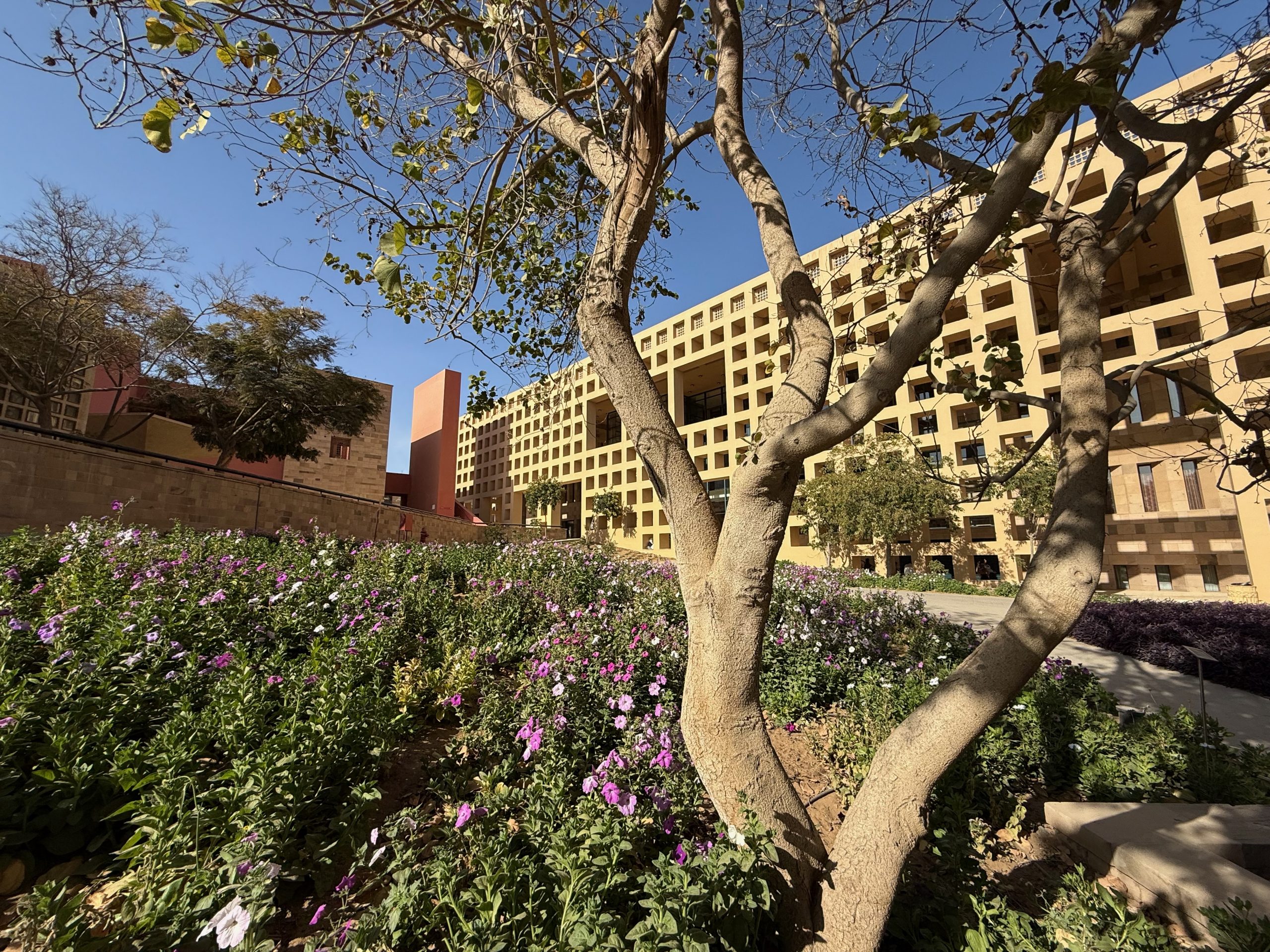
Part of the AUC campus
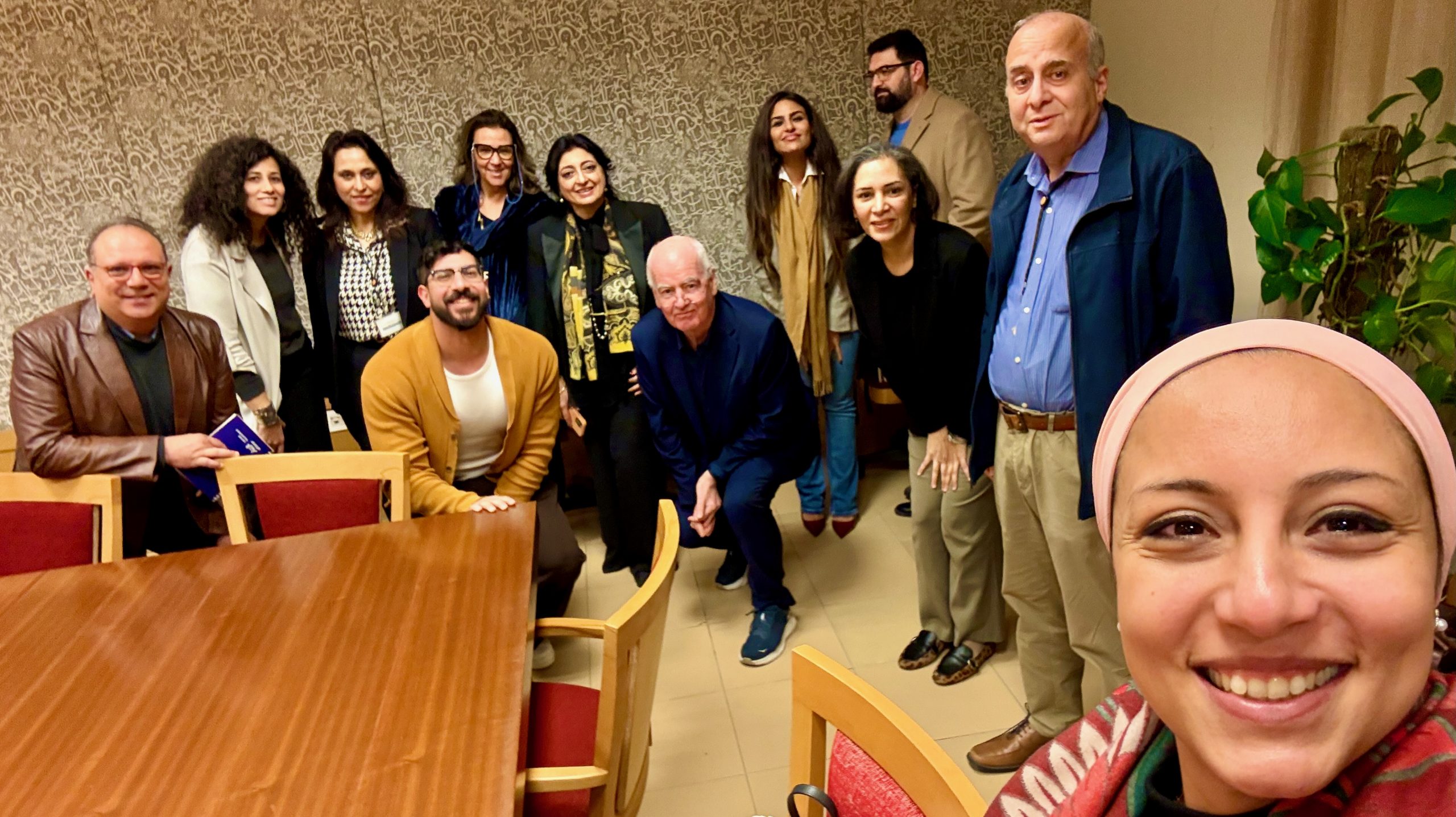
One of the groups I spoke to during my first day at AUC
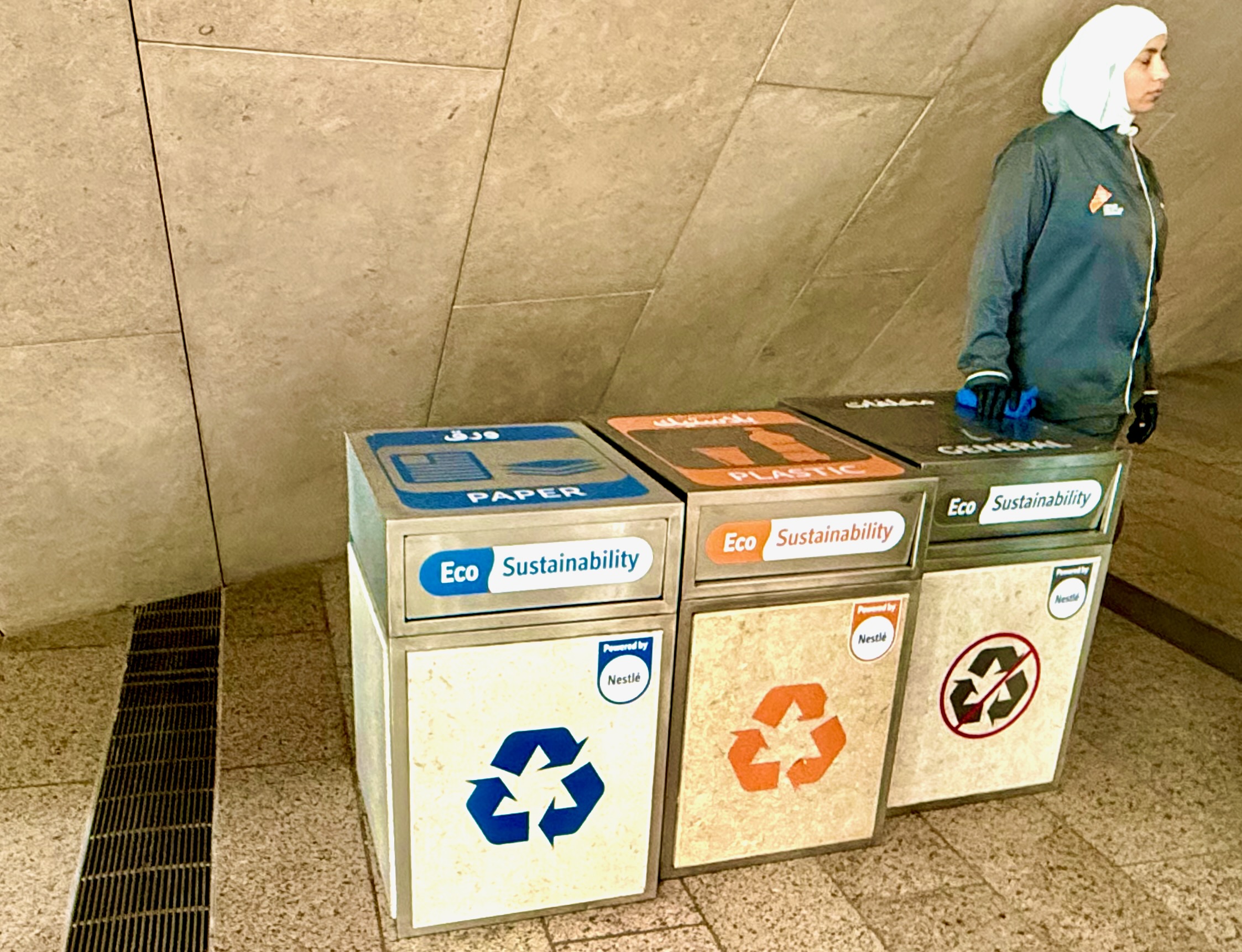
Self-service at its best
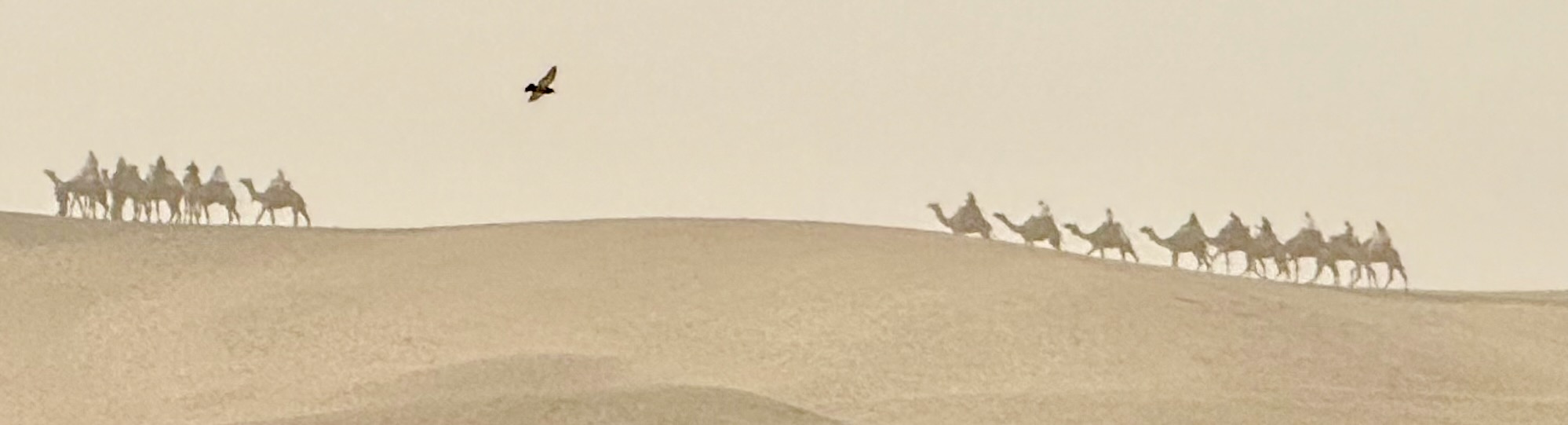
Looks more. exotic than it was – tourists being taken for a (camel) ride
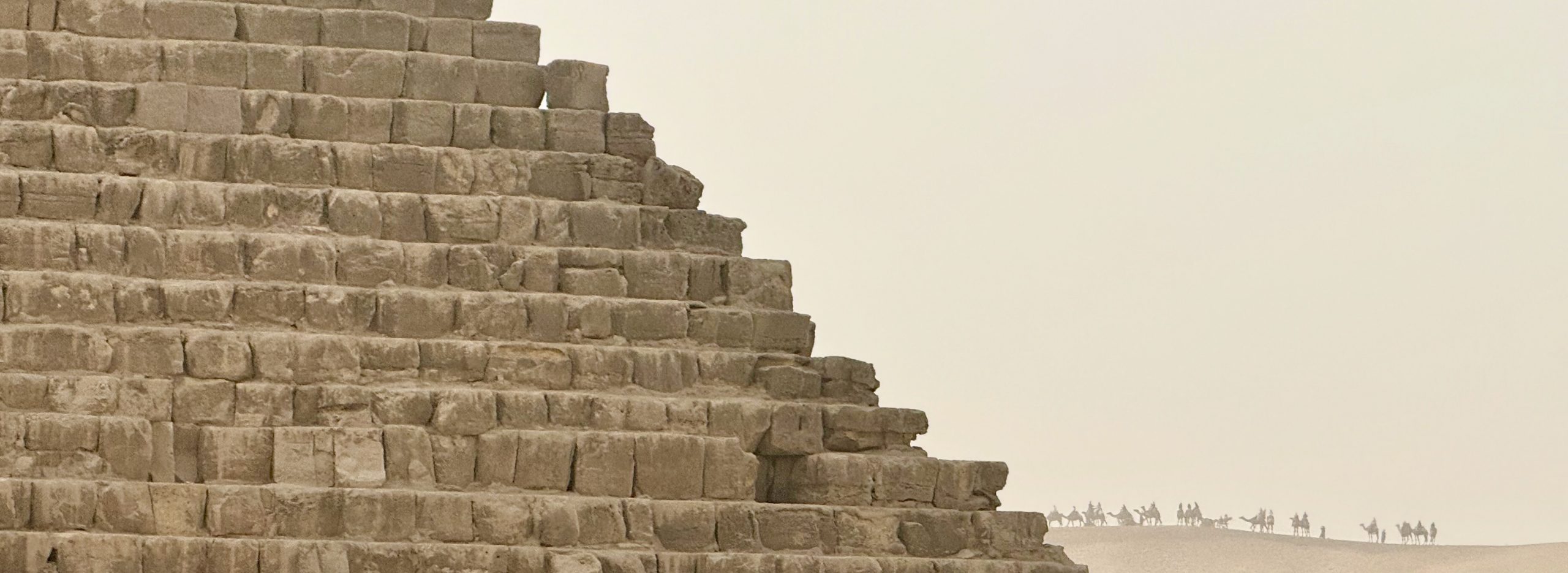
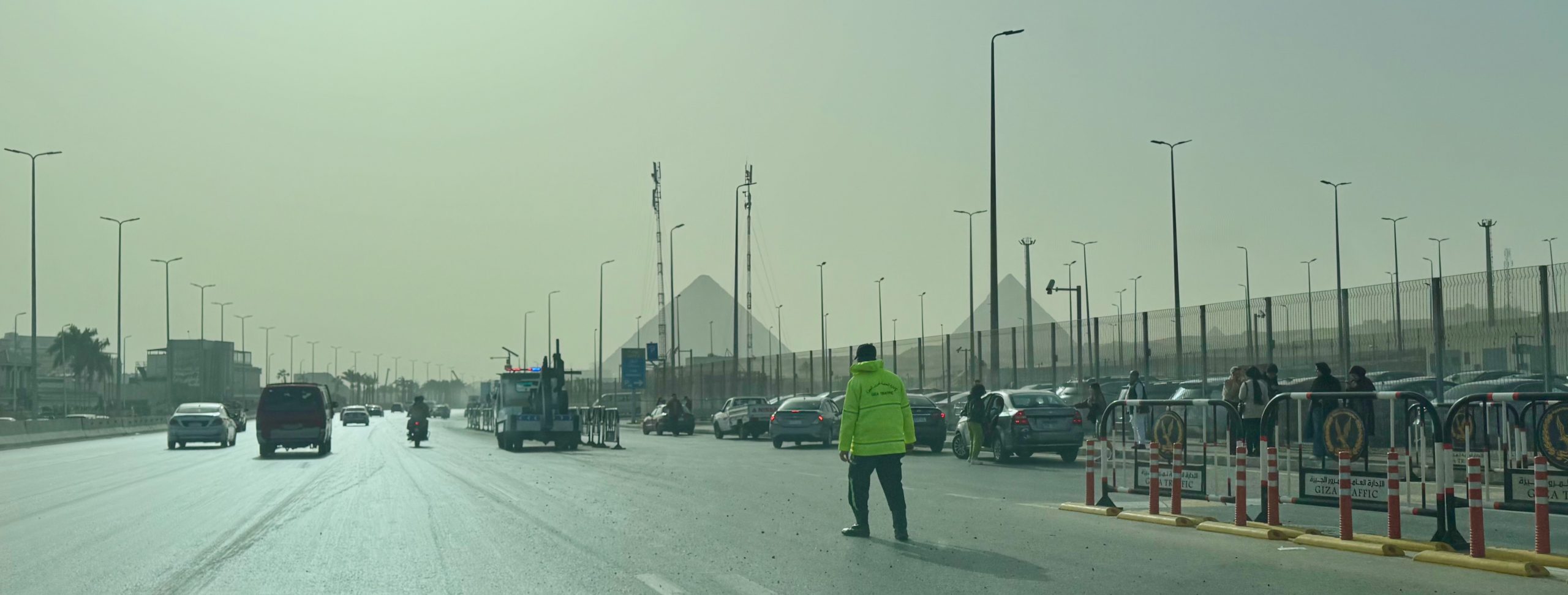
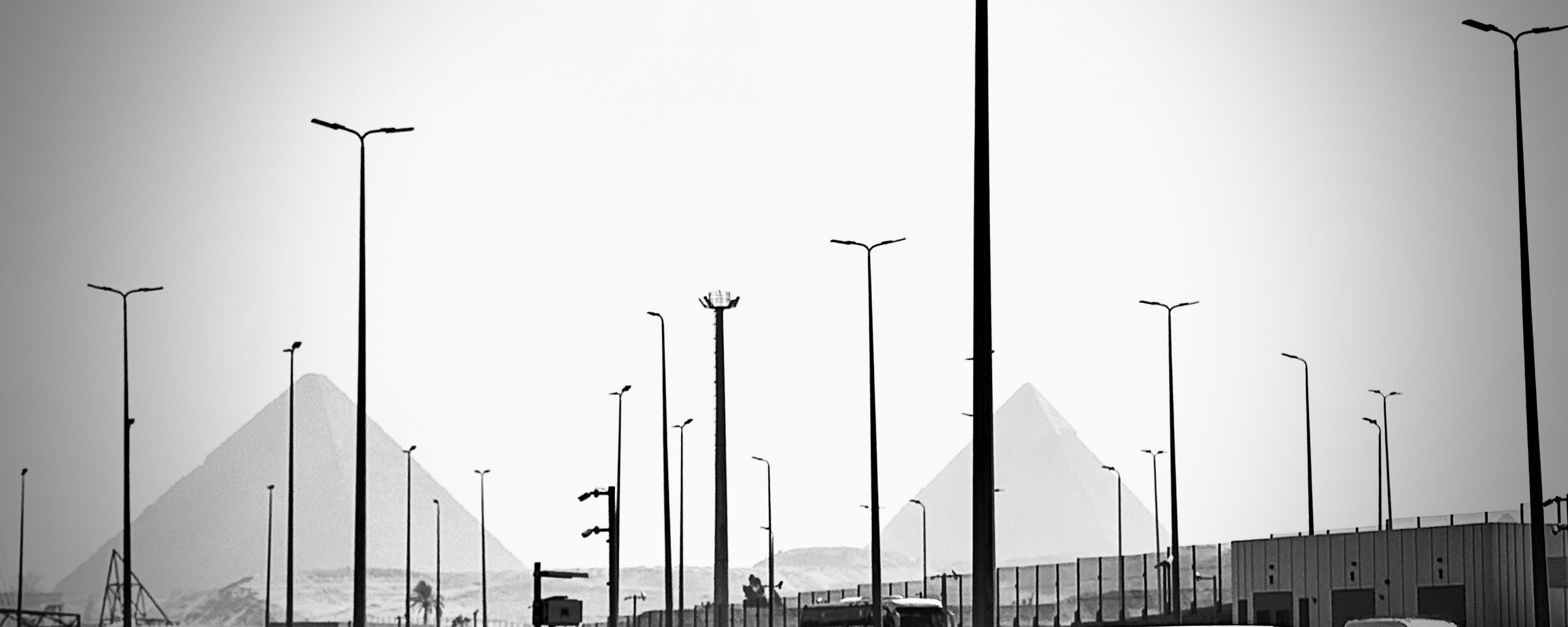
An indication of how close this was to the Pyramids
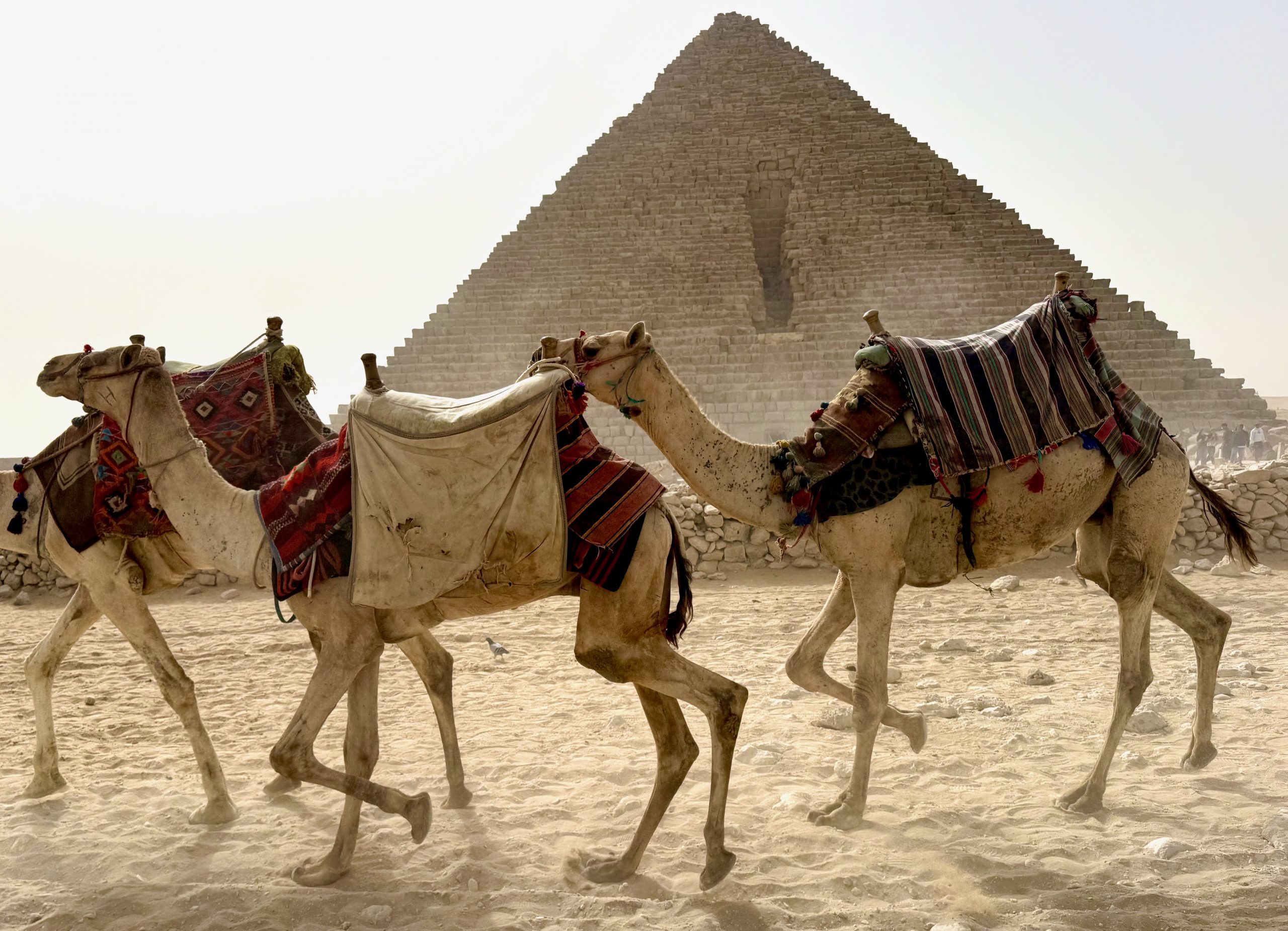
Have always found camels beautiful
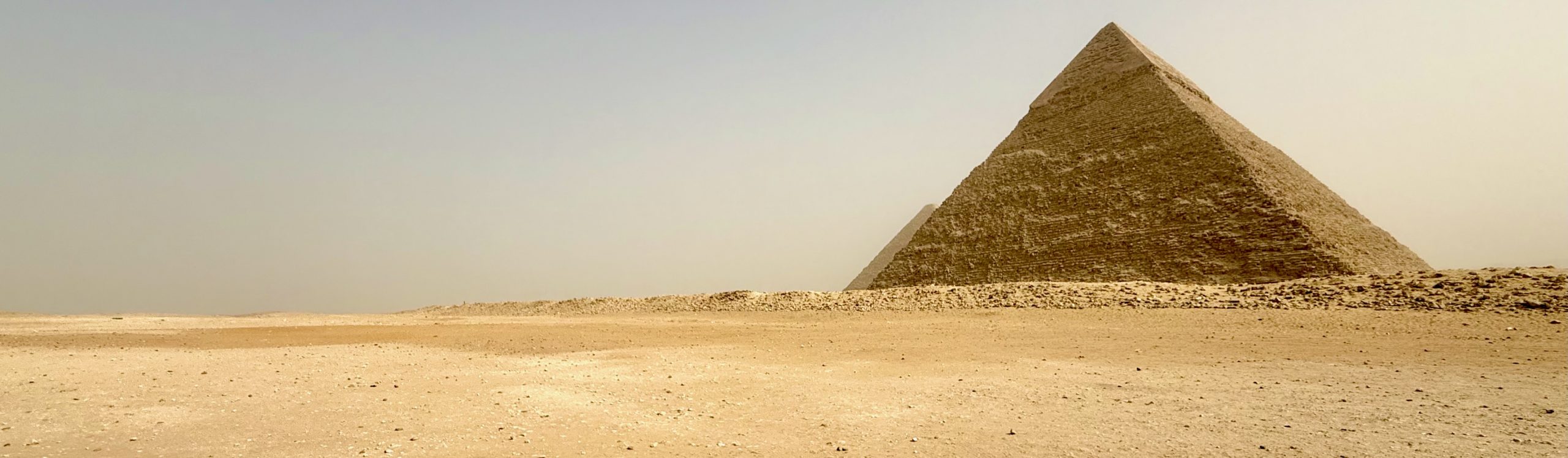
A rare moment with no people, achieved with some effort
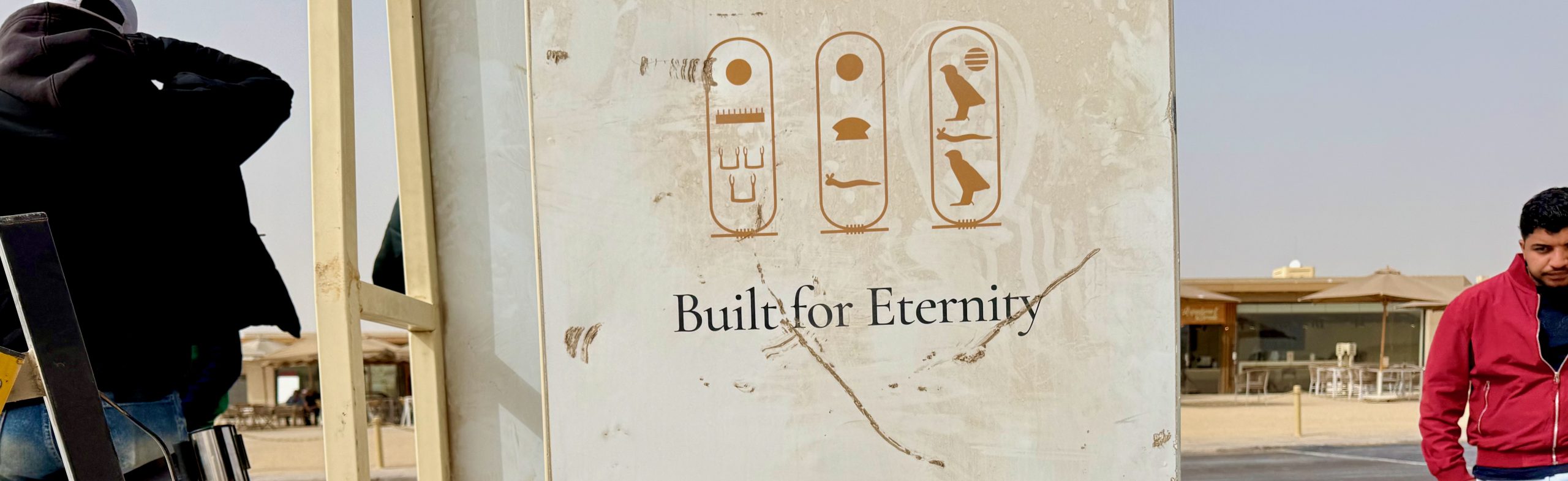
What it says on the can, though the sign was worse for wear
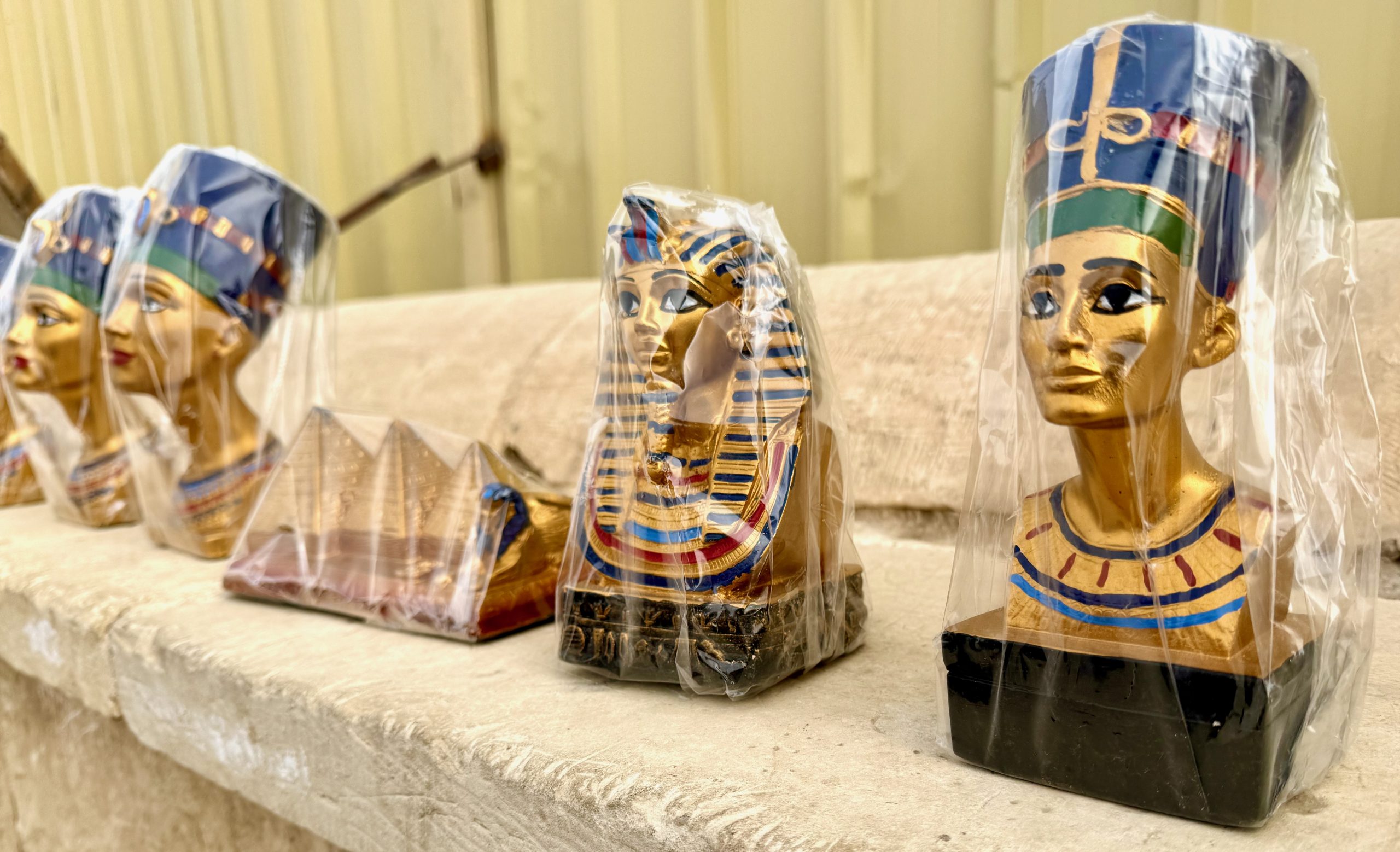
Packaging Nefertiti
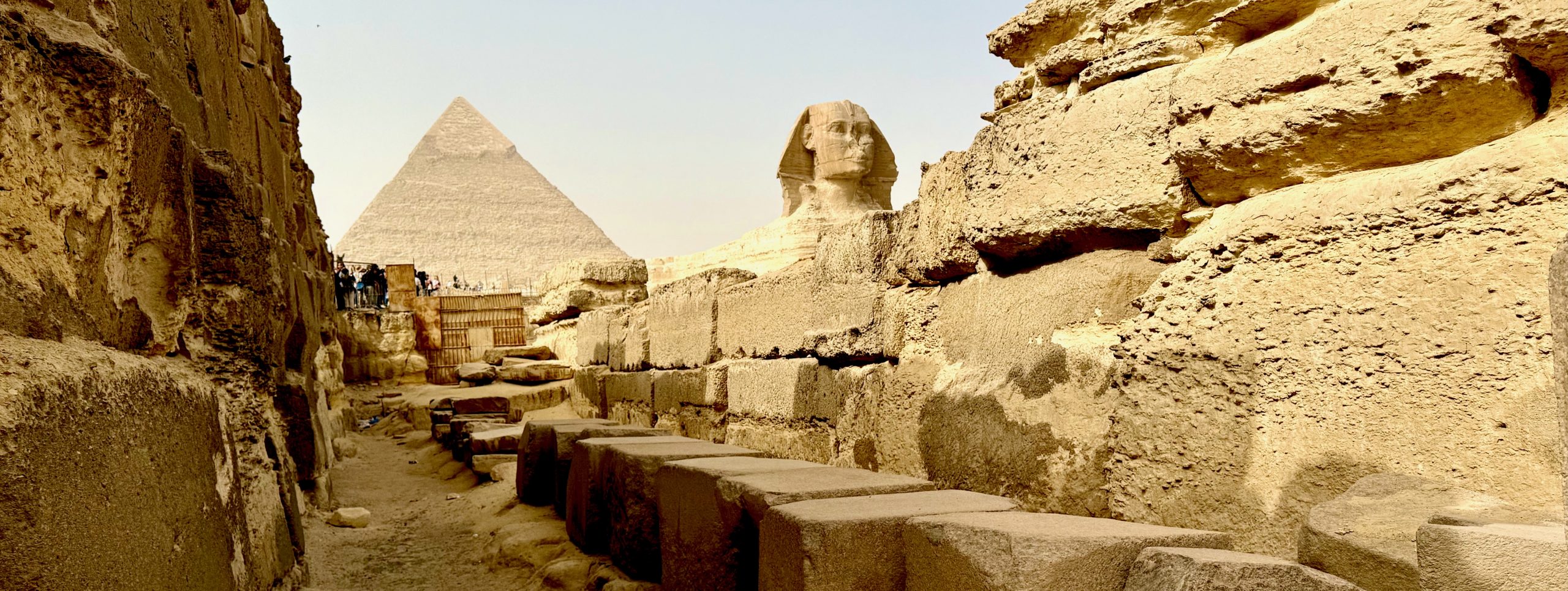
Great Sphinx, glimpsed
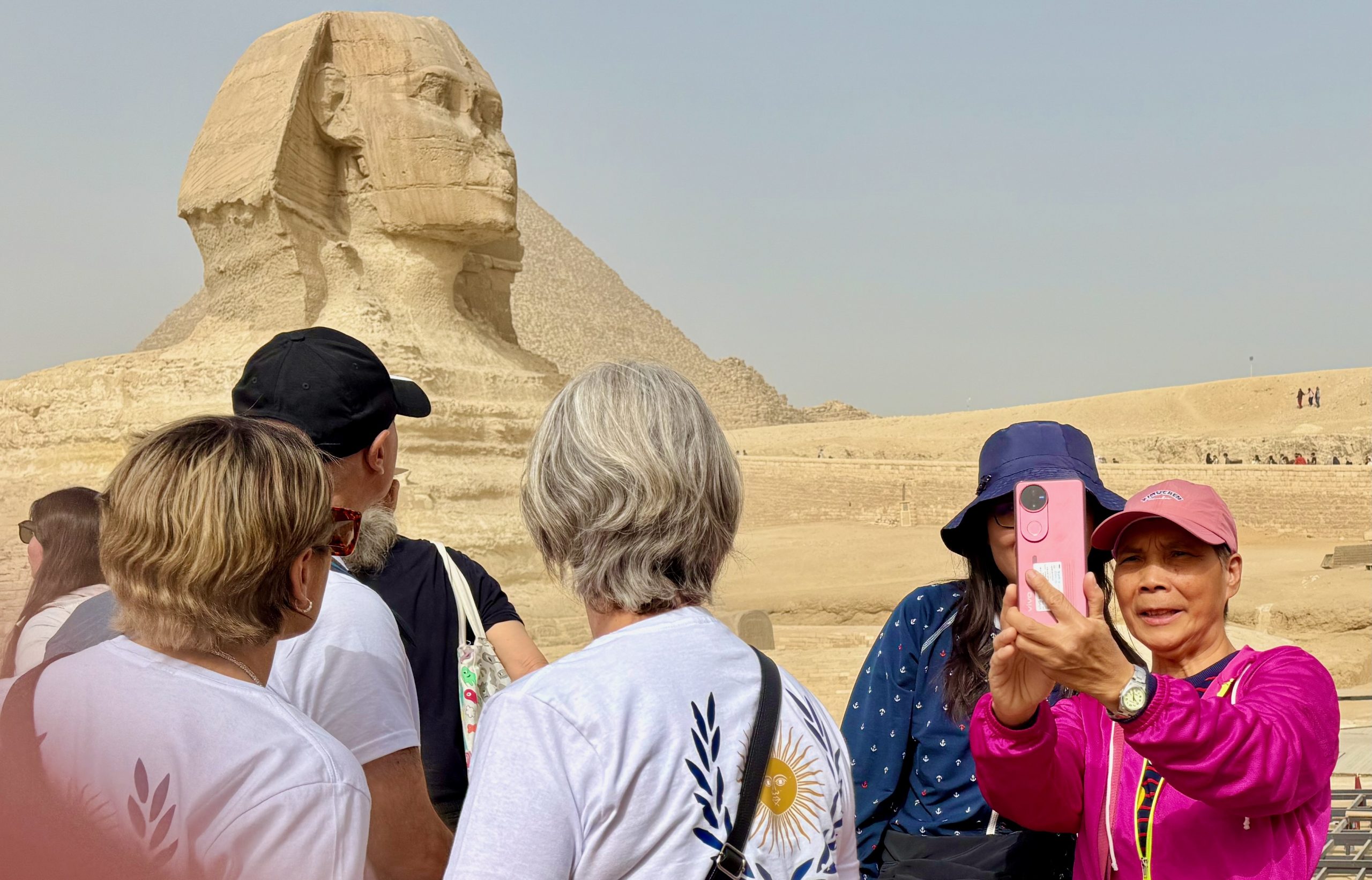
An unending source of wonder
En route back to Cairo and ECES
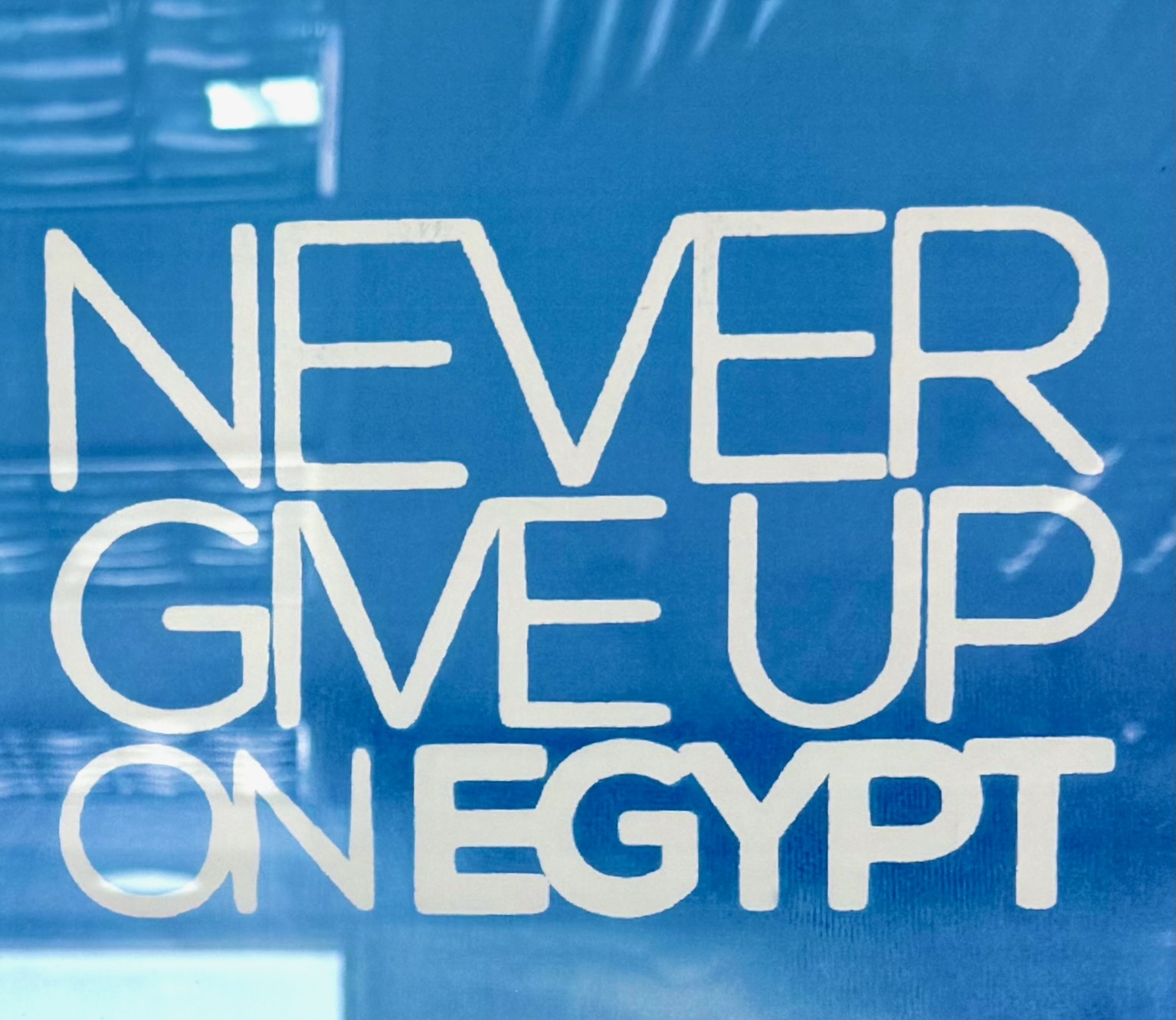
Seen on Dr Abla’s wall, and I very much understood and appreciated the sentiment
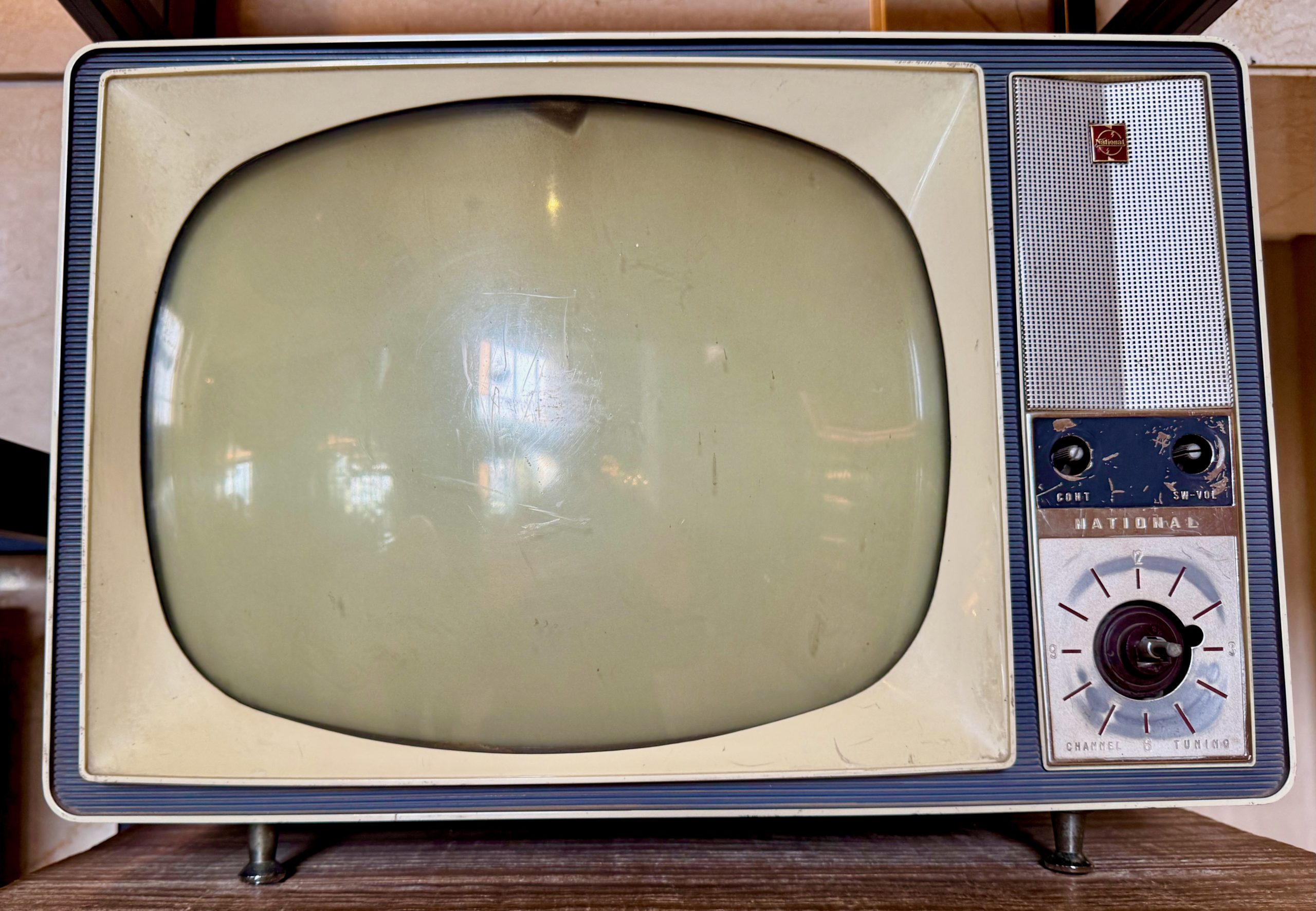
Lunch was hosted by Dr Abla of ECES, in a restaurant adorned by old TVs and radios
The Moon keeps an eye on us as we return to the Westin
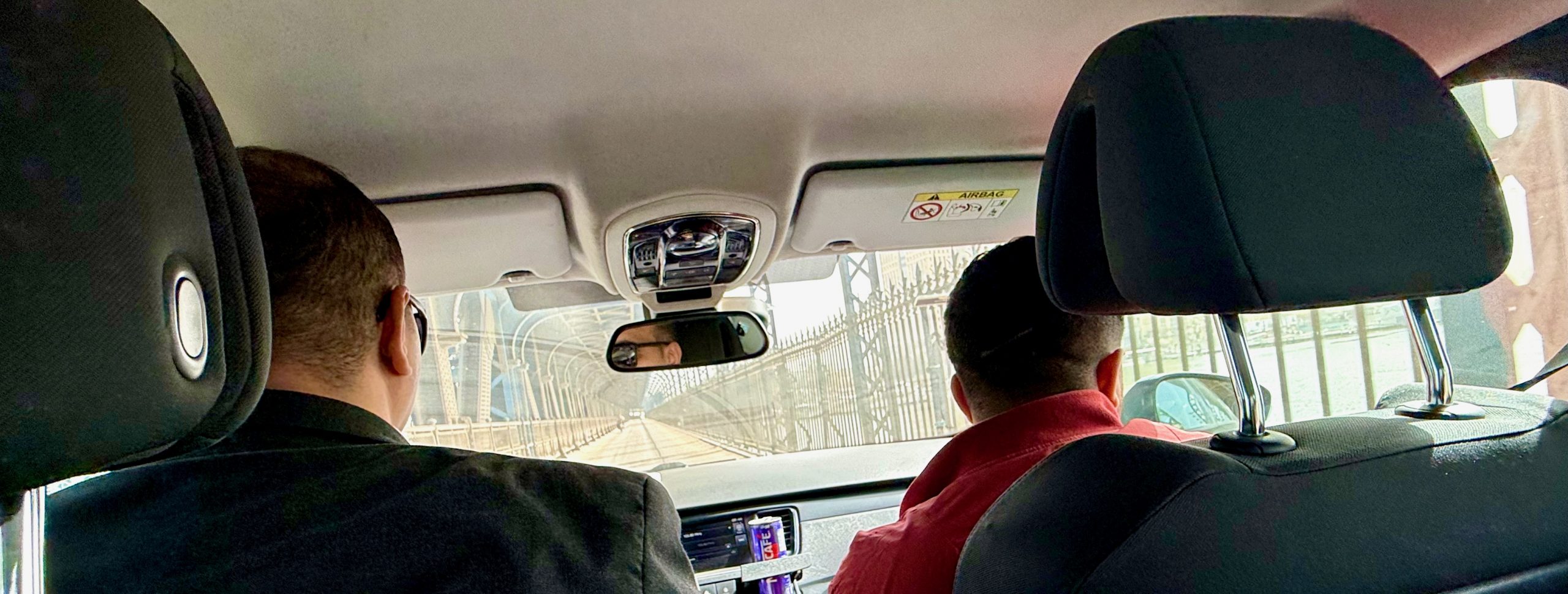
Then back the next day, Tuesday, to speak at AUC
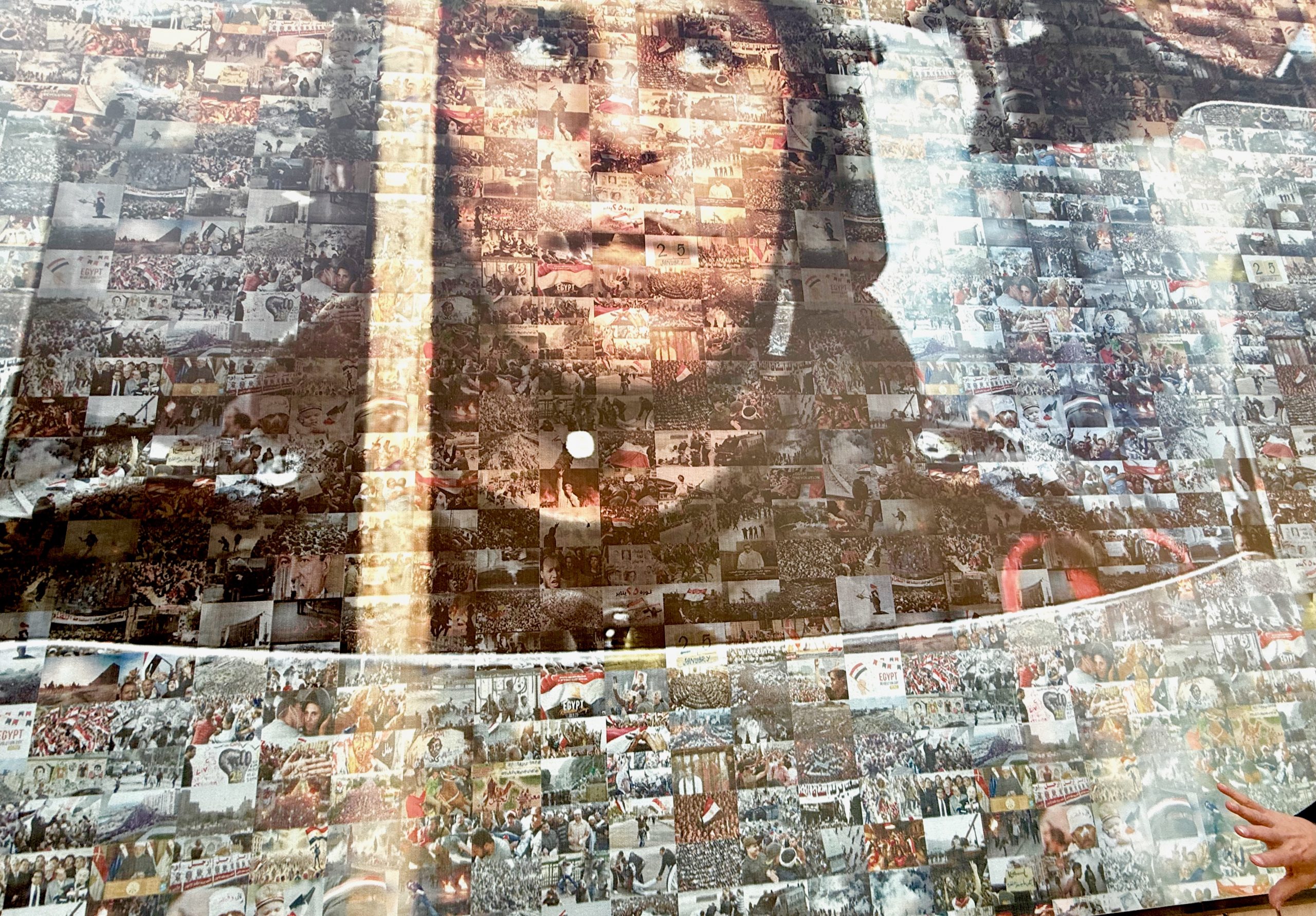
Part of an AUC mural showing confused policemen trying to control protestors during the 2011 revolution

A Gem: The Grand Egyptian Museum

John Elkington · 7 February 2026 · Leave a Comment

We celebrated Elaine’s 79th birthday while in Egypt, where I was speaking at a couple of events – half a century after I worked in Cairo and Ismailia back in 1975.

In many ways, that long-ago trip was the start of my career proper, what with my ignoring a non-disclosure agreement signed on our behalf by John Roberts of TEST and writing a piece on the Lake Manzala aspects of our work for New Scientist.

Not surprisingly, Egypt has changed hugely since I was last there – and yet, at the same, some things seemed eternal.

I will tell the story of this latest trip in captions to the photos in three posts, one on a visit to the much-heralded Grand Egyptian Museum (GEM), the second on things like speaking at the American University in Cairo (AUC) and the Egyptian Centre for Economic Studies (ECES), and the third on our visit to Alexandria – to see the extraordinary Bibliotecha Alexandrina.

But now to the first set of images:

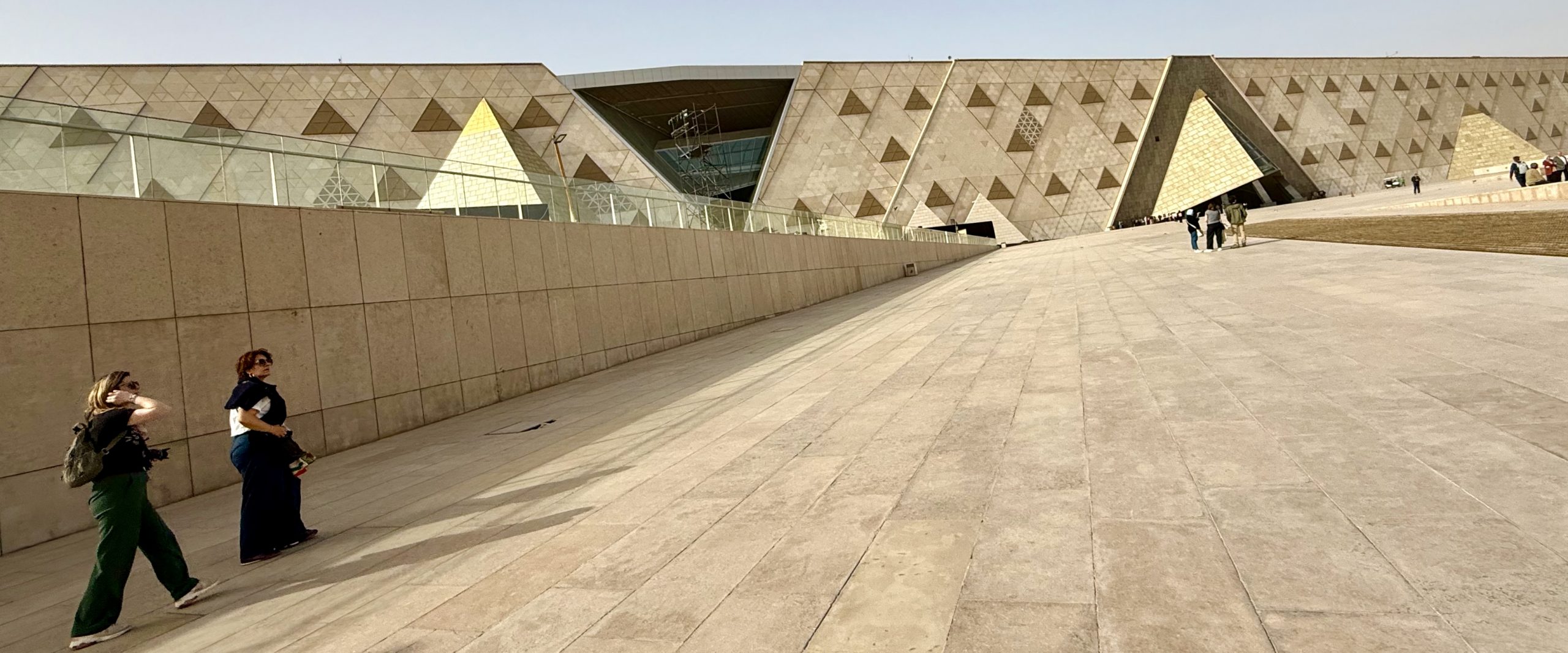
Arriving at the Grand Museum
Walking in – and striking how many of the marble facing slabs were cracked already
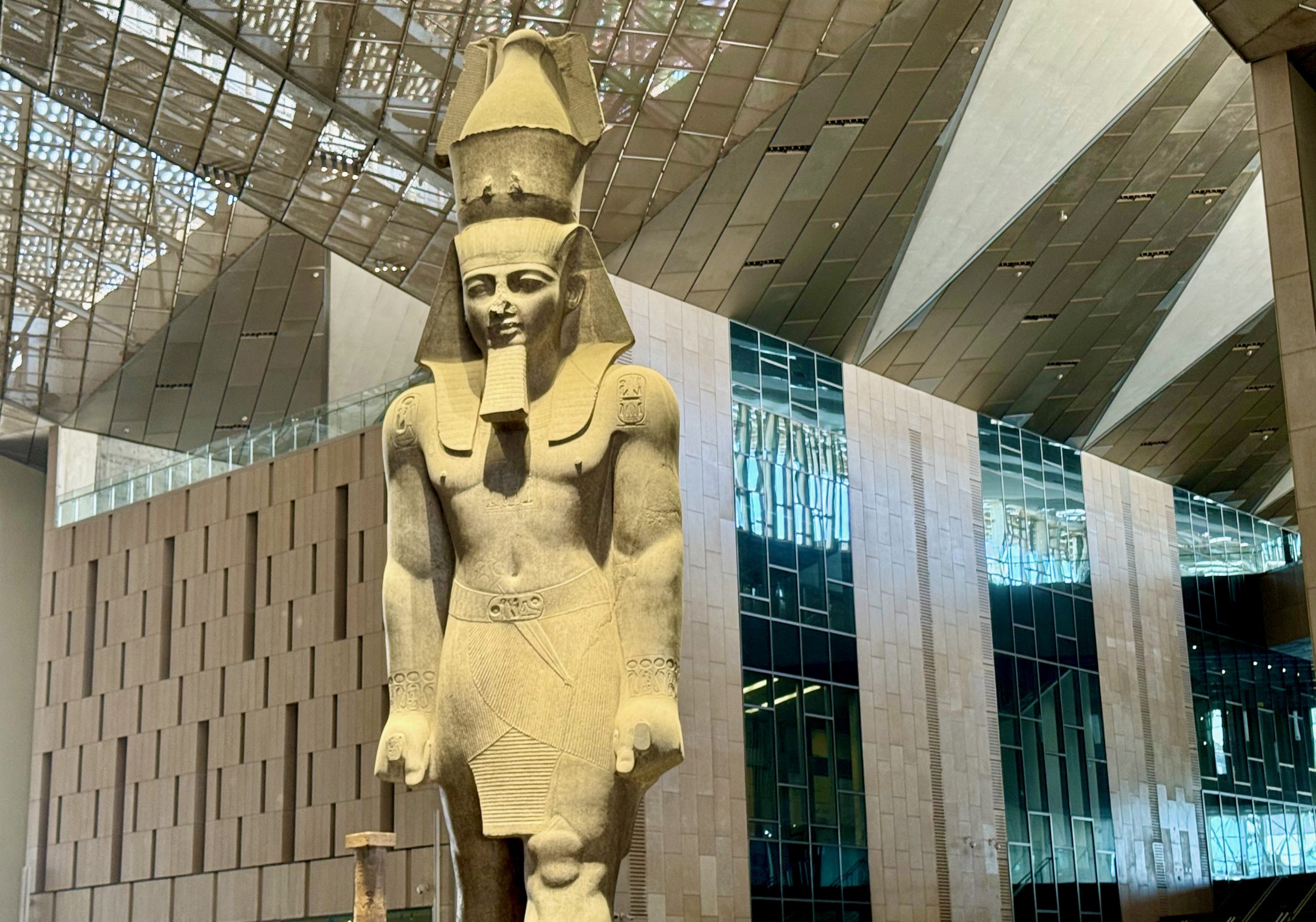
Apparently Ramses II’s headdress and beard helped anchor his head
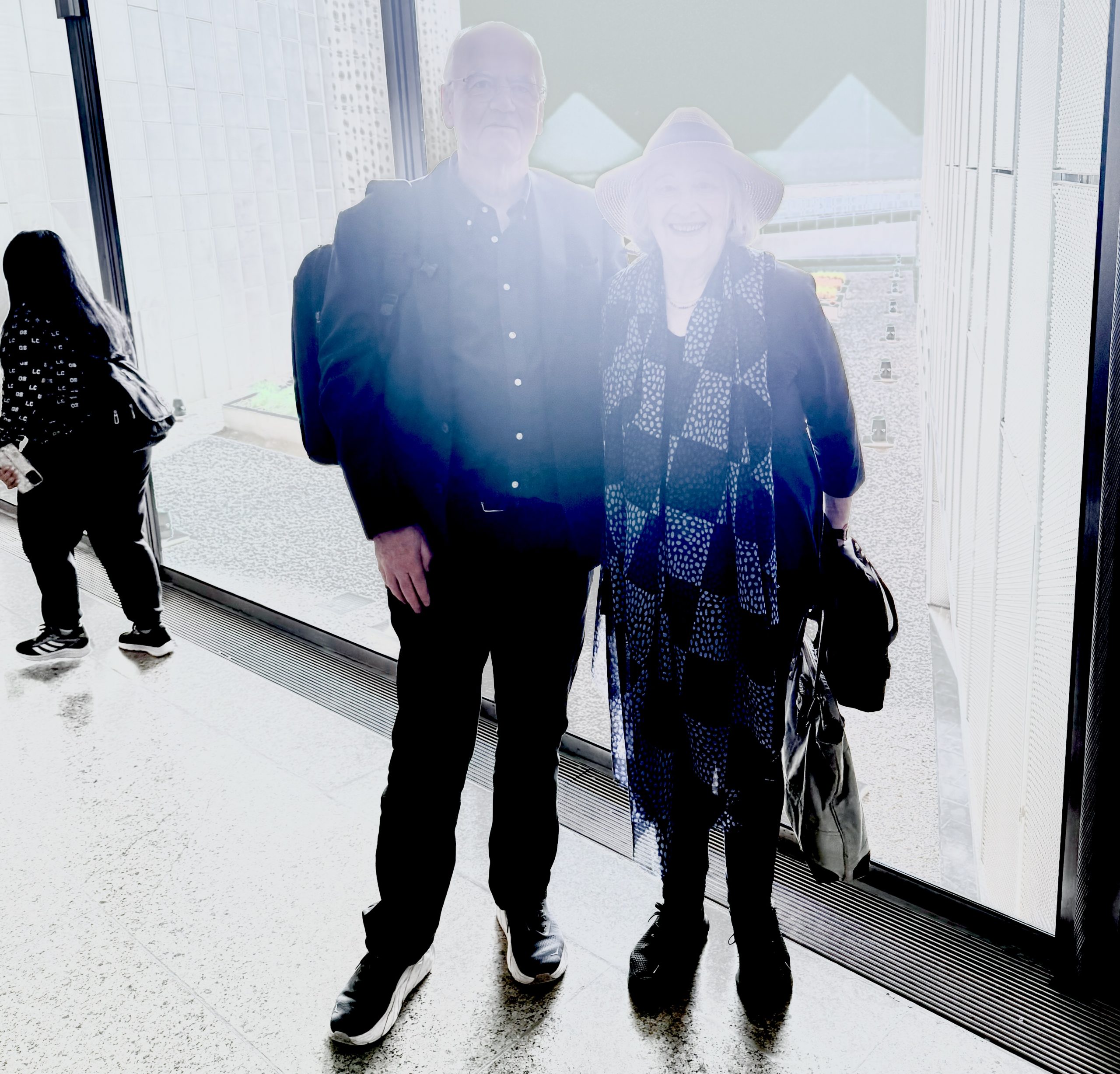
There’s something between us – taken by our guide, Bassem
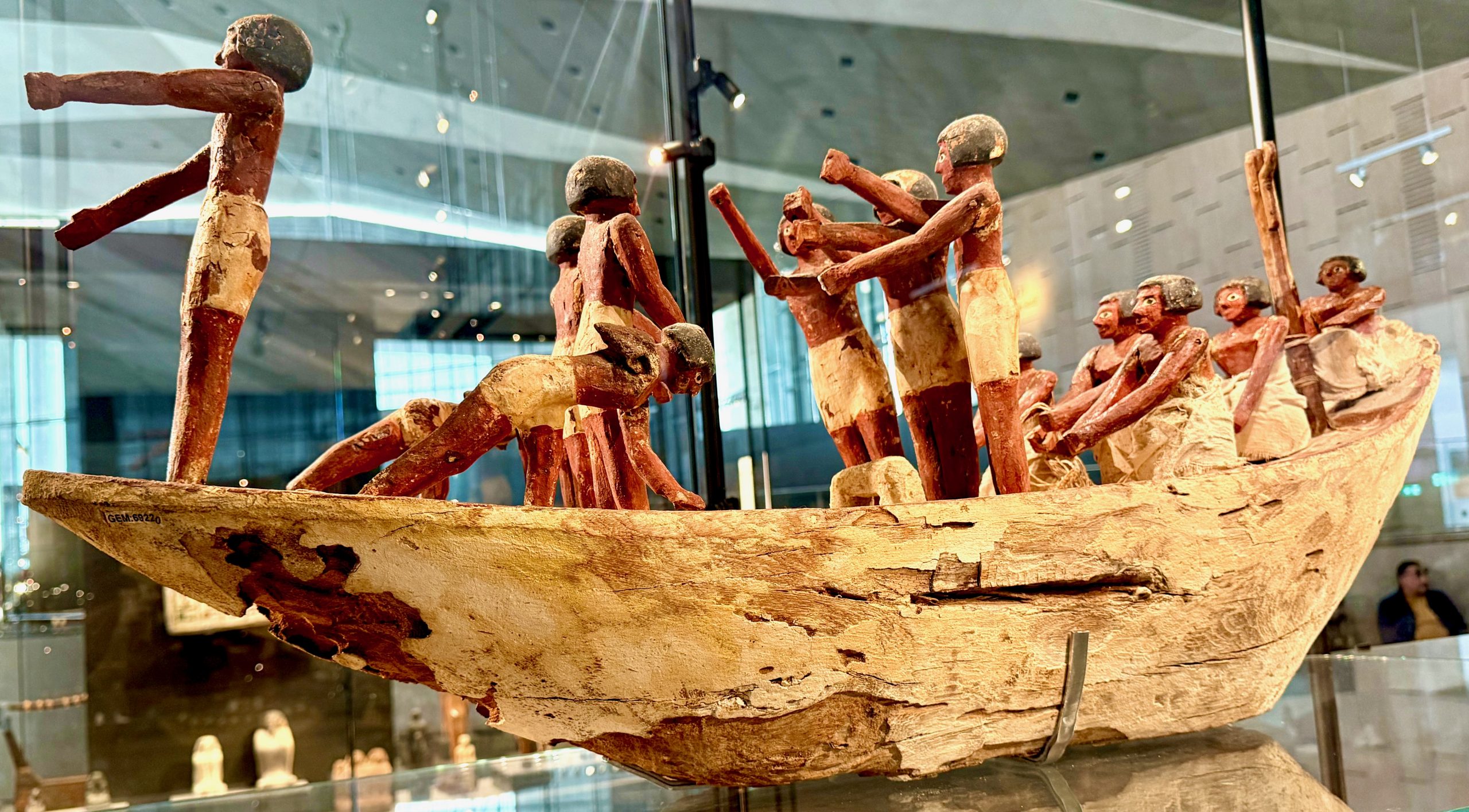
Some things, among them oars, seem to have gone adrift along the way
We have our hieroglyphics, too
Striking images at every turn
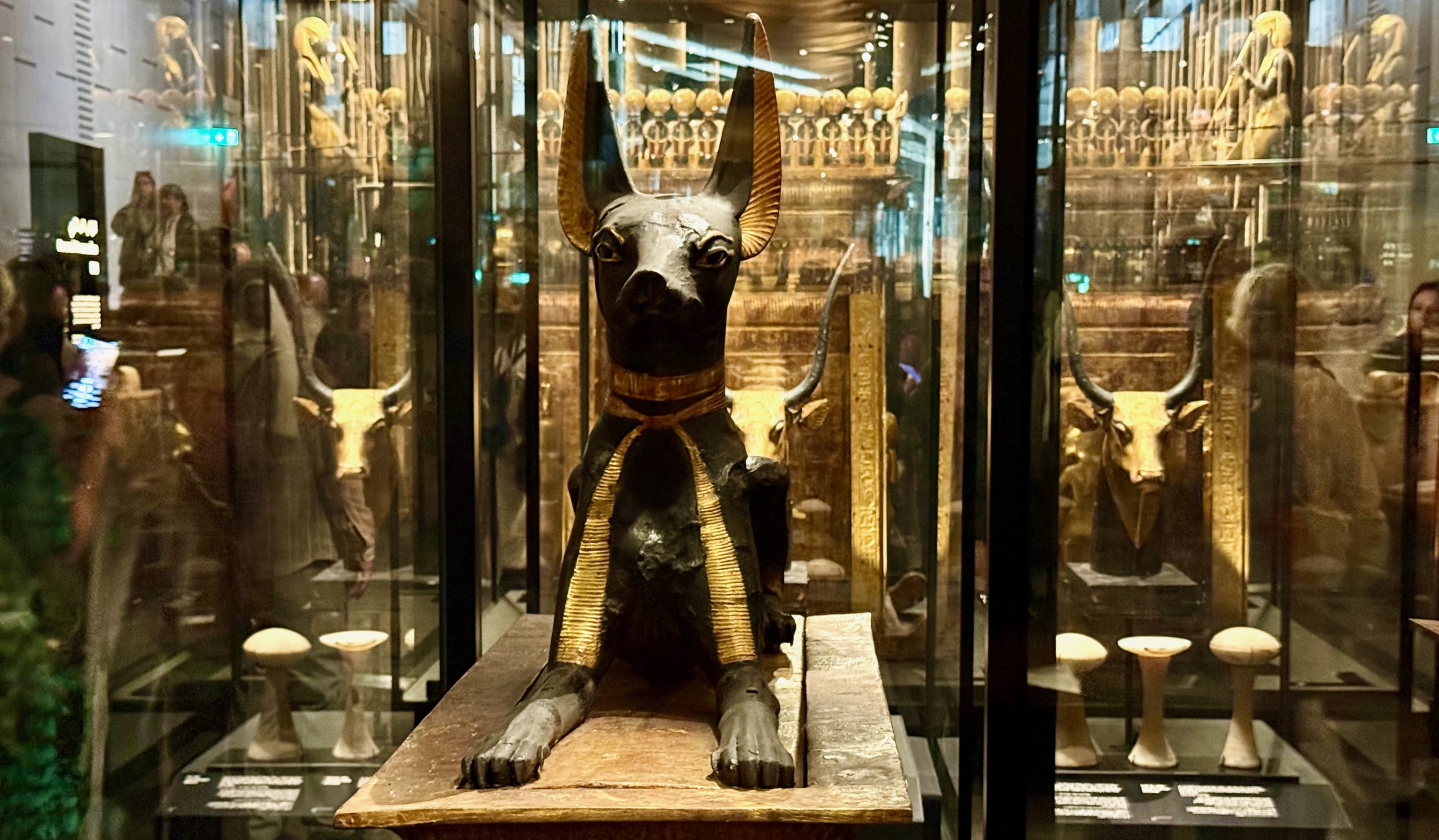
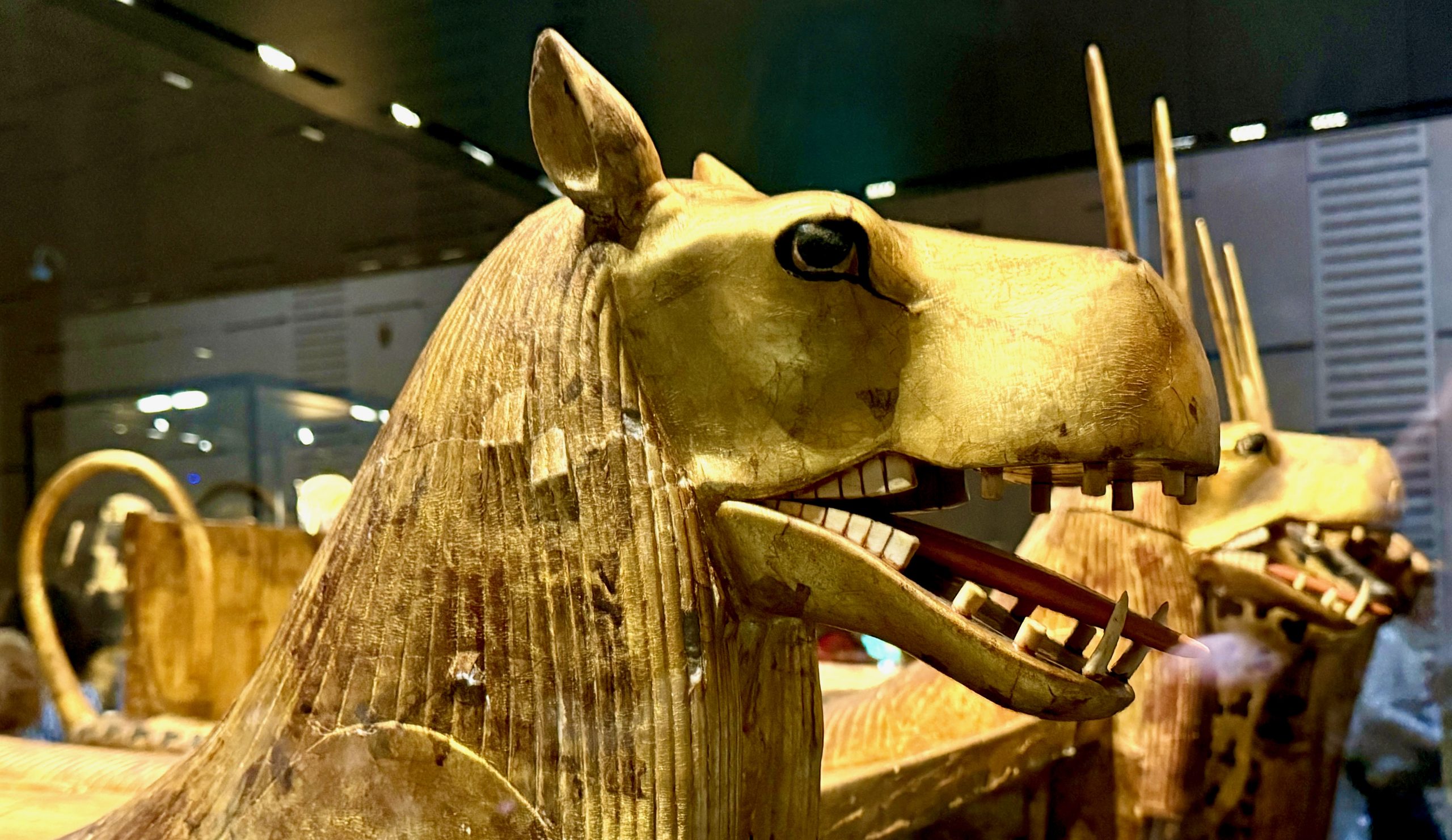
Anubis and friends
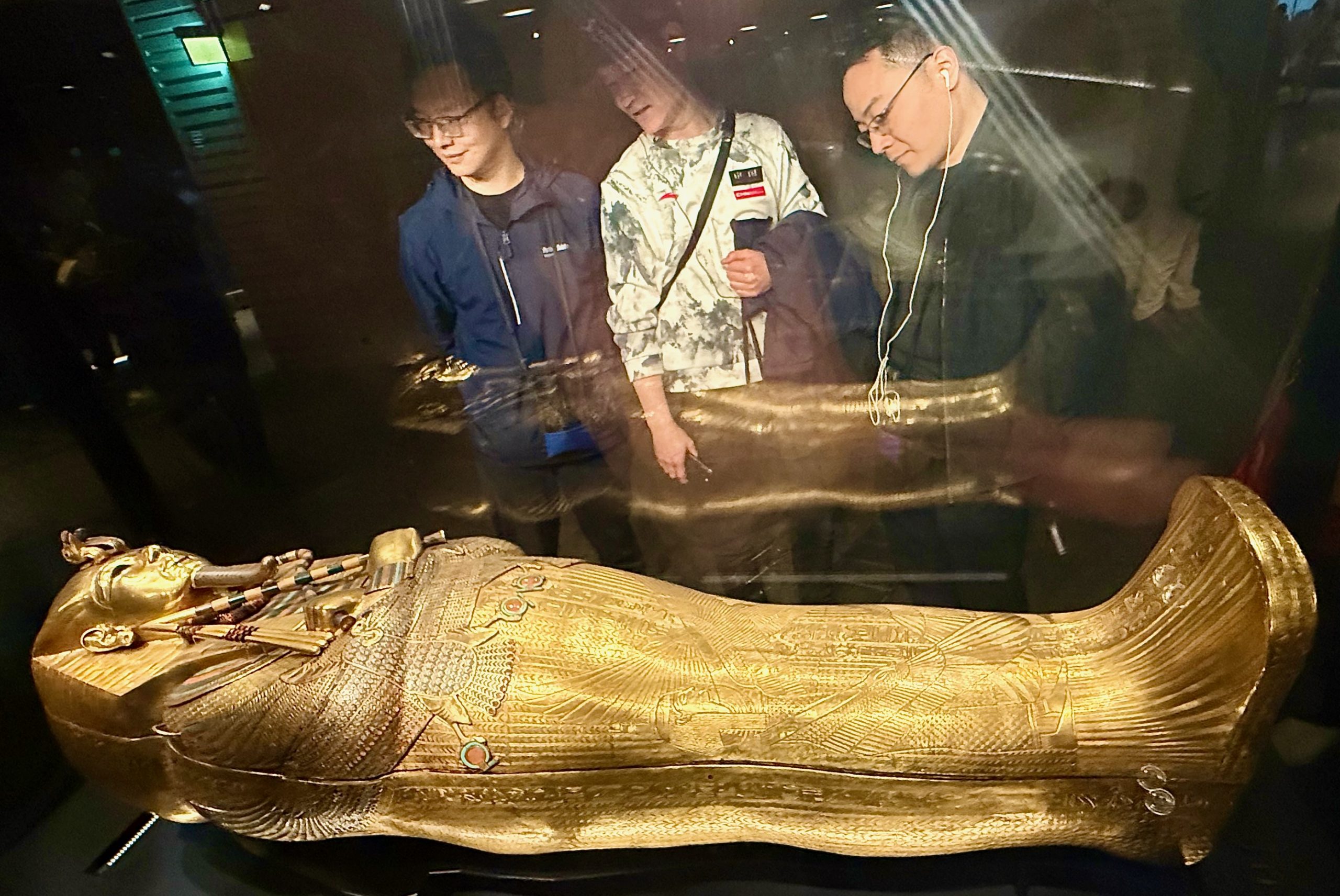
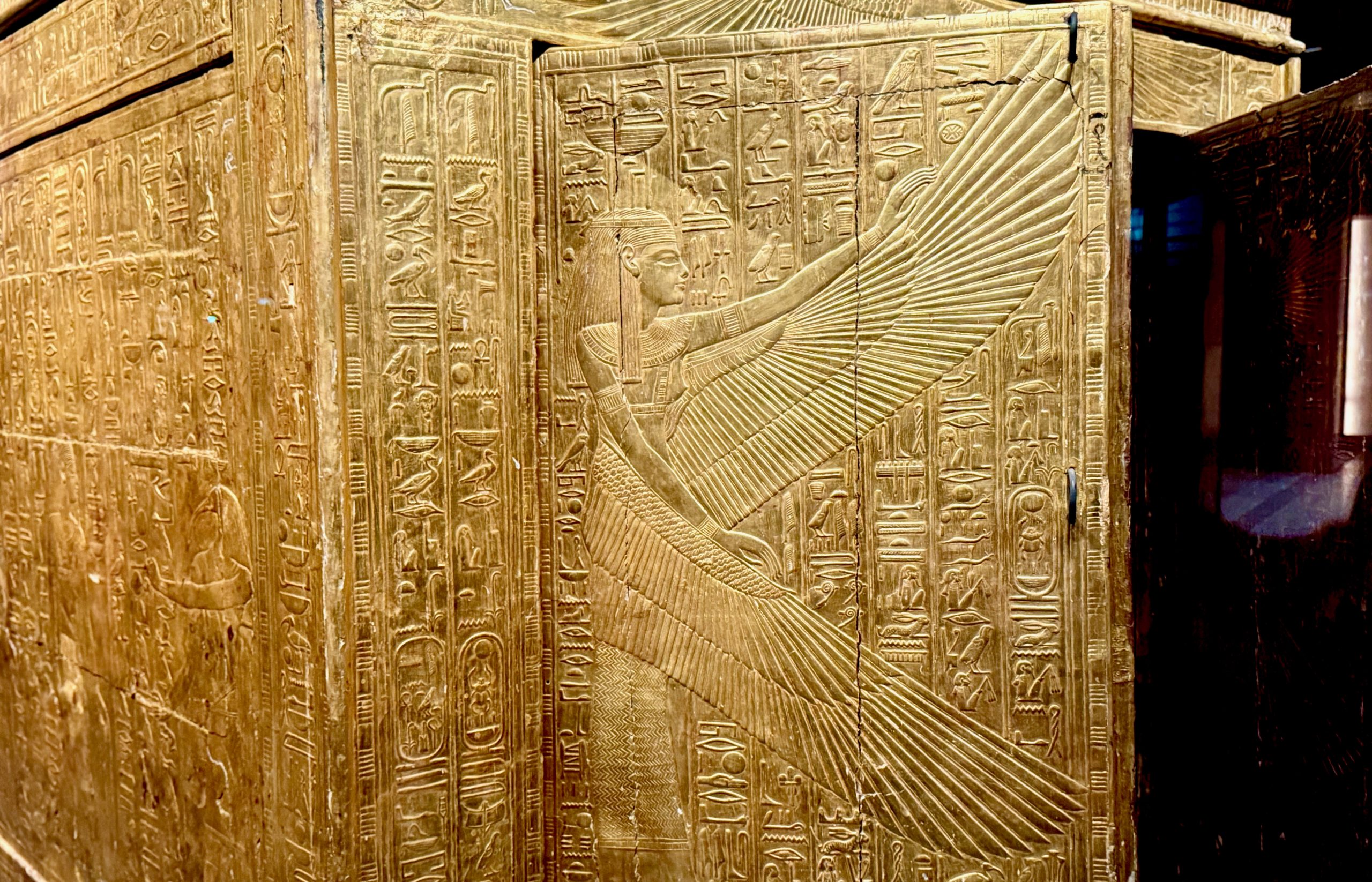
King Tutankhamun‘s casket and admirers
Elaine with the blue phone
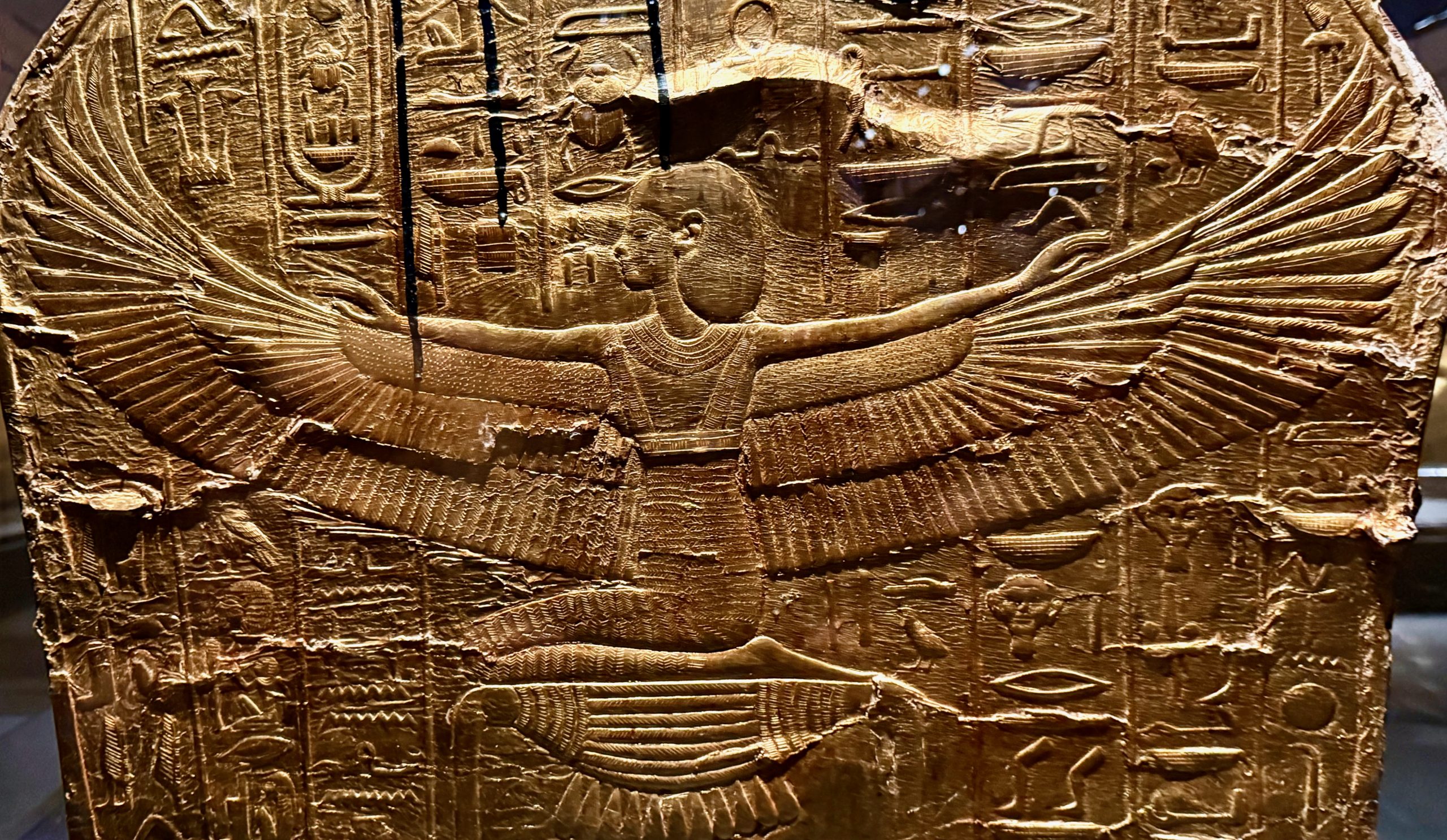
I do love wings
And again – one of the golden shrines or containers that fitted together like a Russian doll
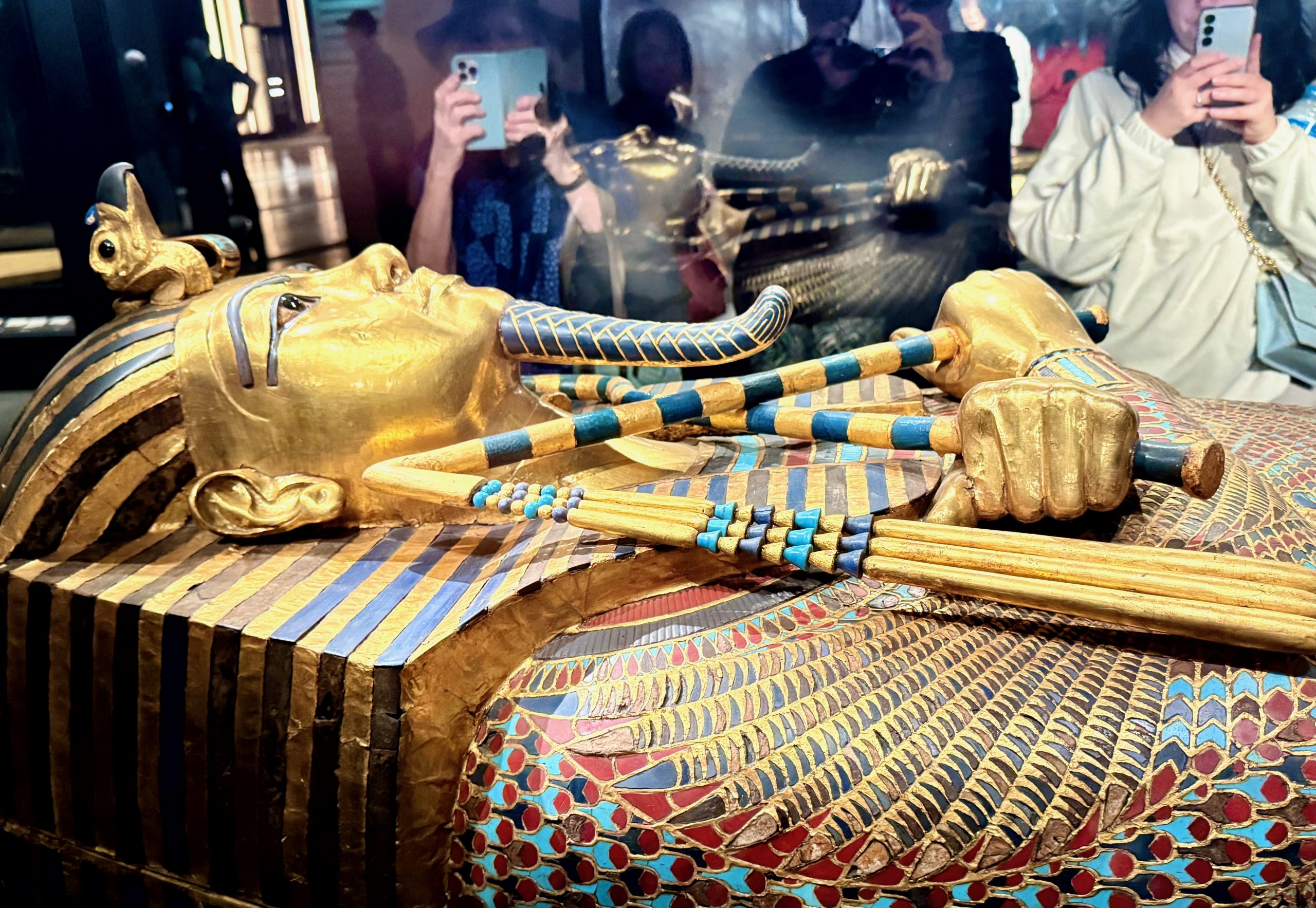
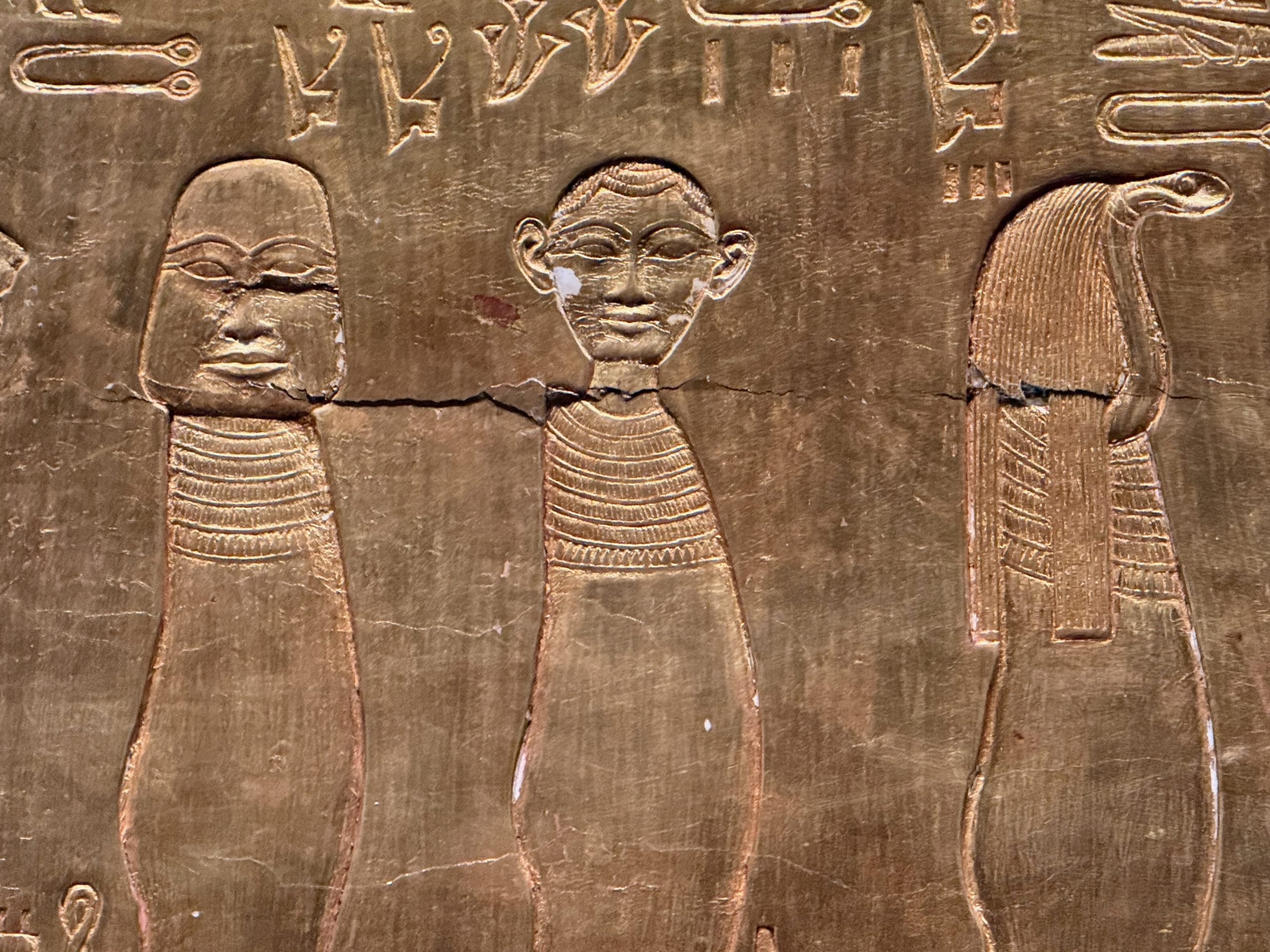
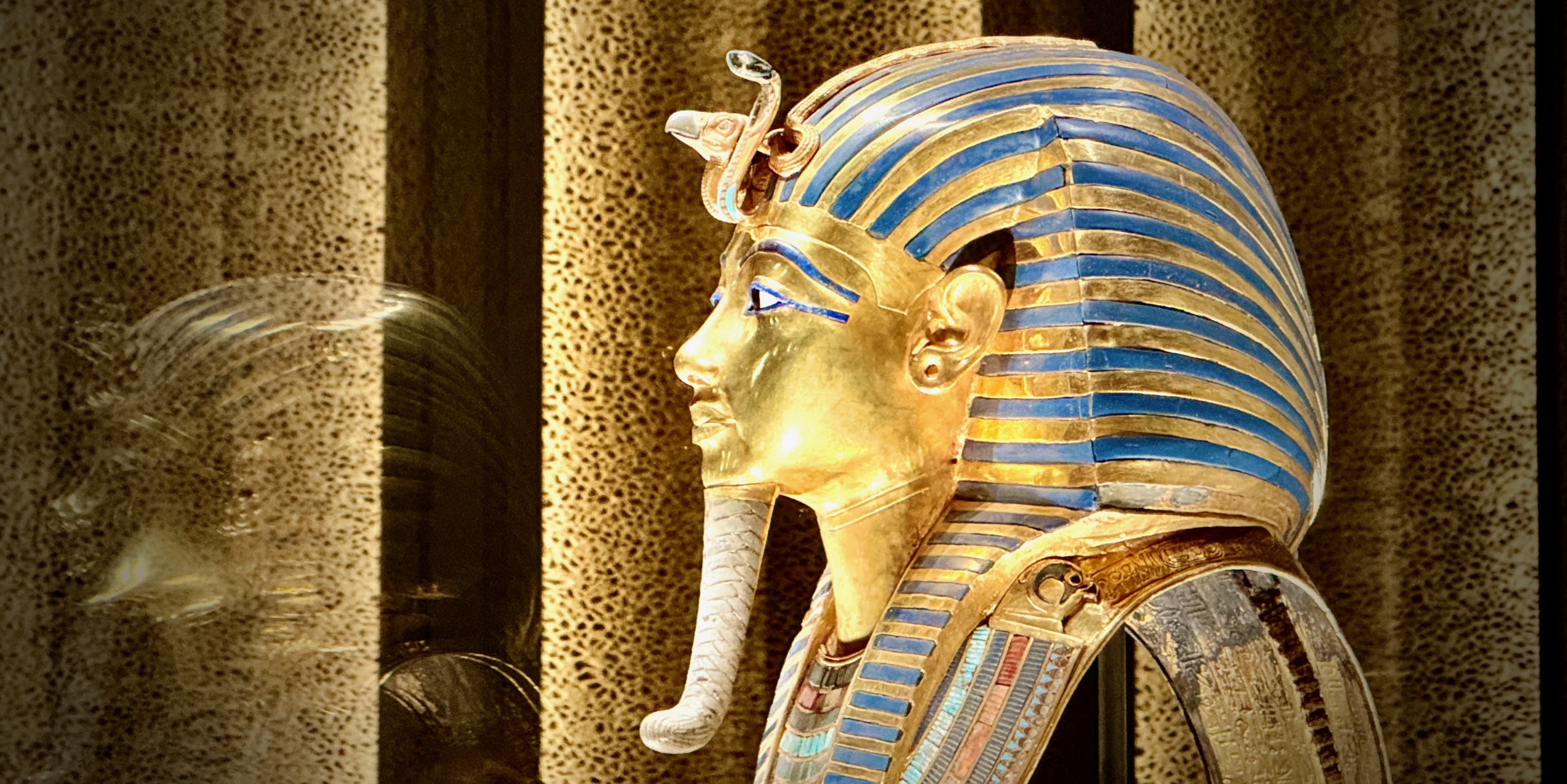
This face really cuts through the centuries
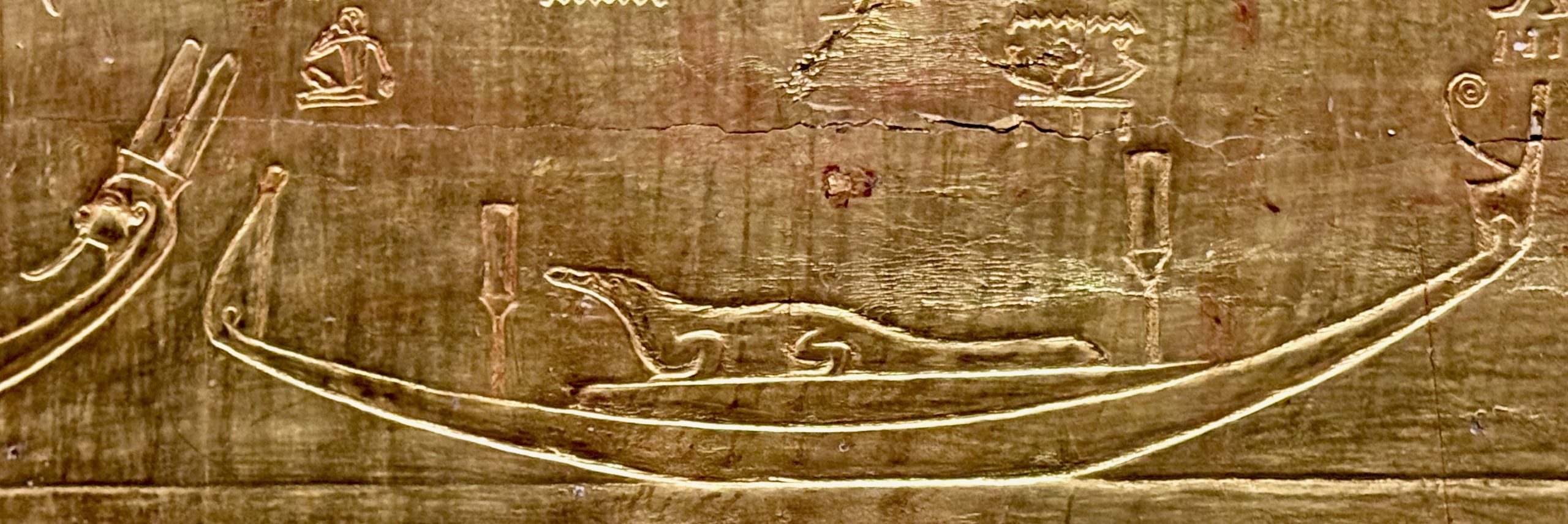
A crocodile en route – or maybe being passed on the bank
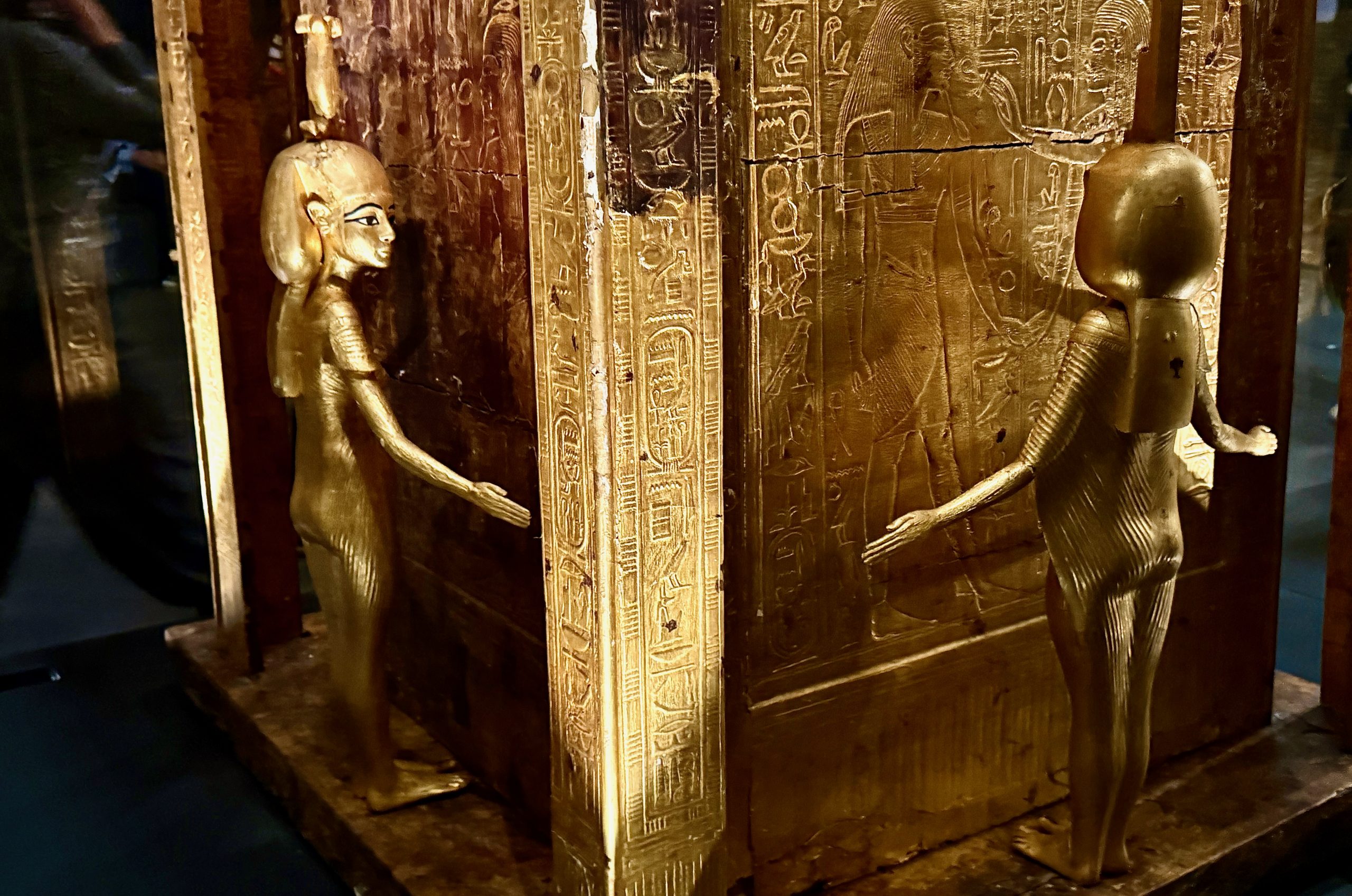
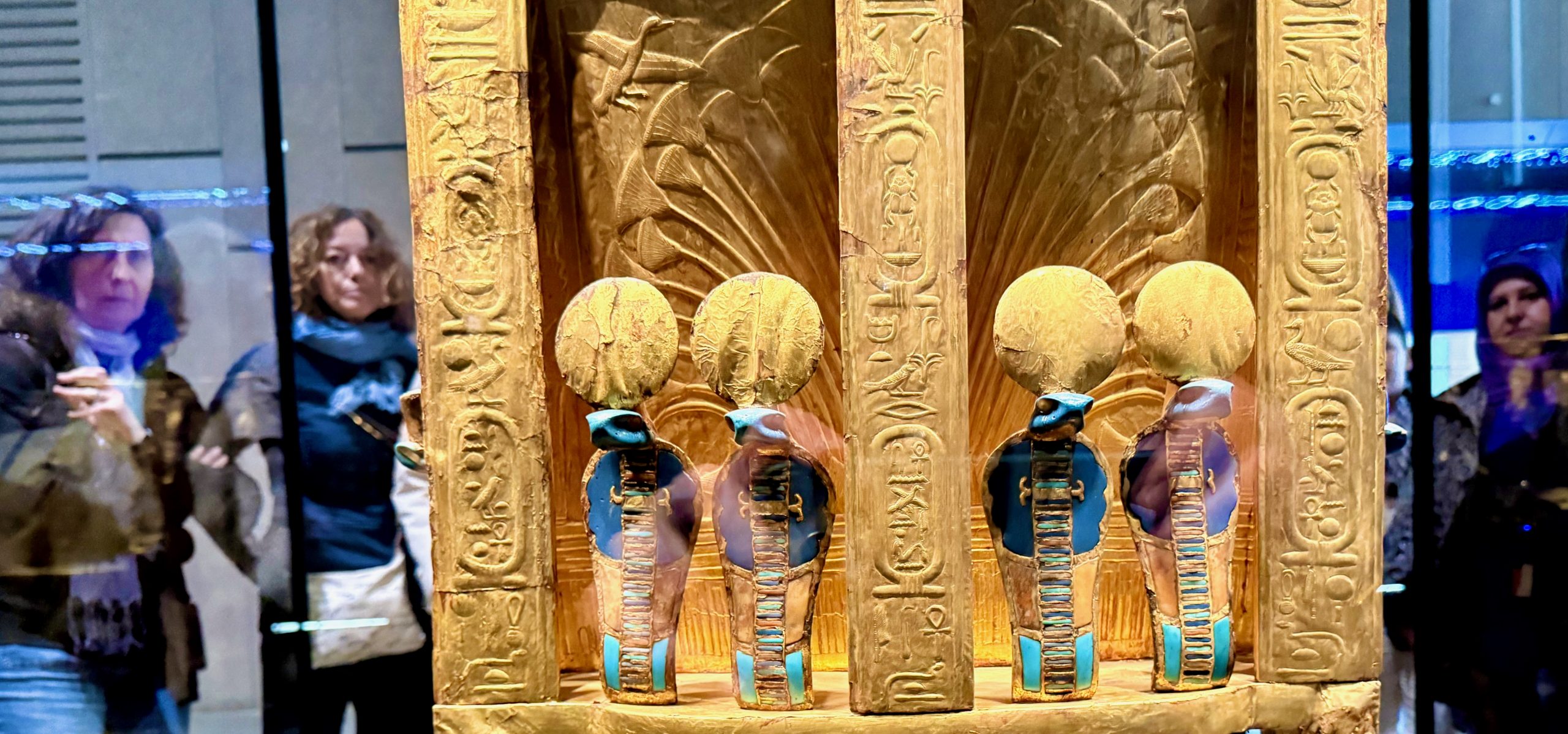
Loved these four figures, around a canopic shrine, two hidden from view here
Golden, if broken toothed
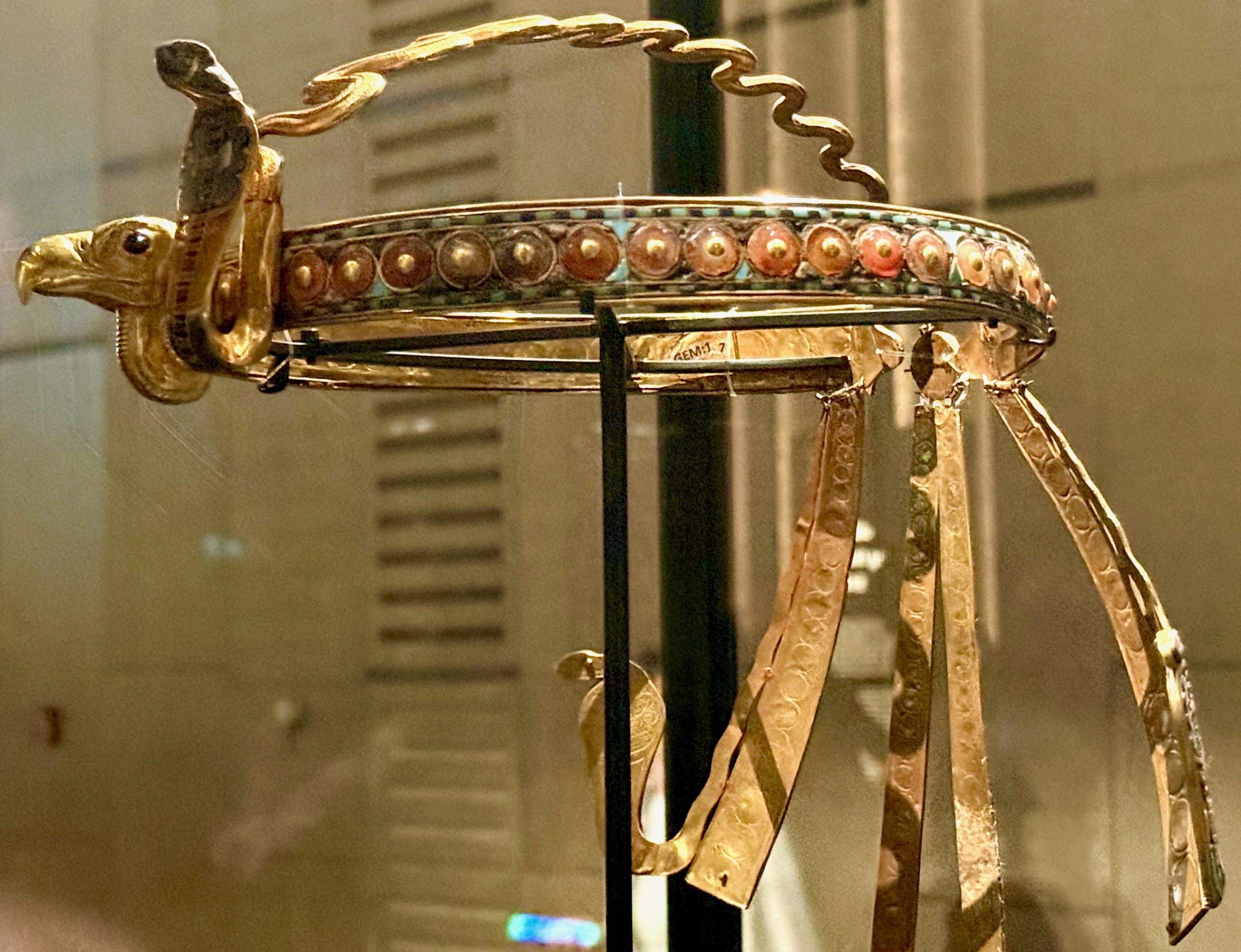
There’s a vulture in there somewhere
One of the world’s best-known portraits
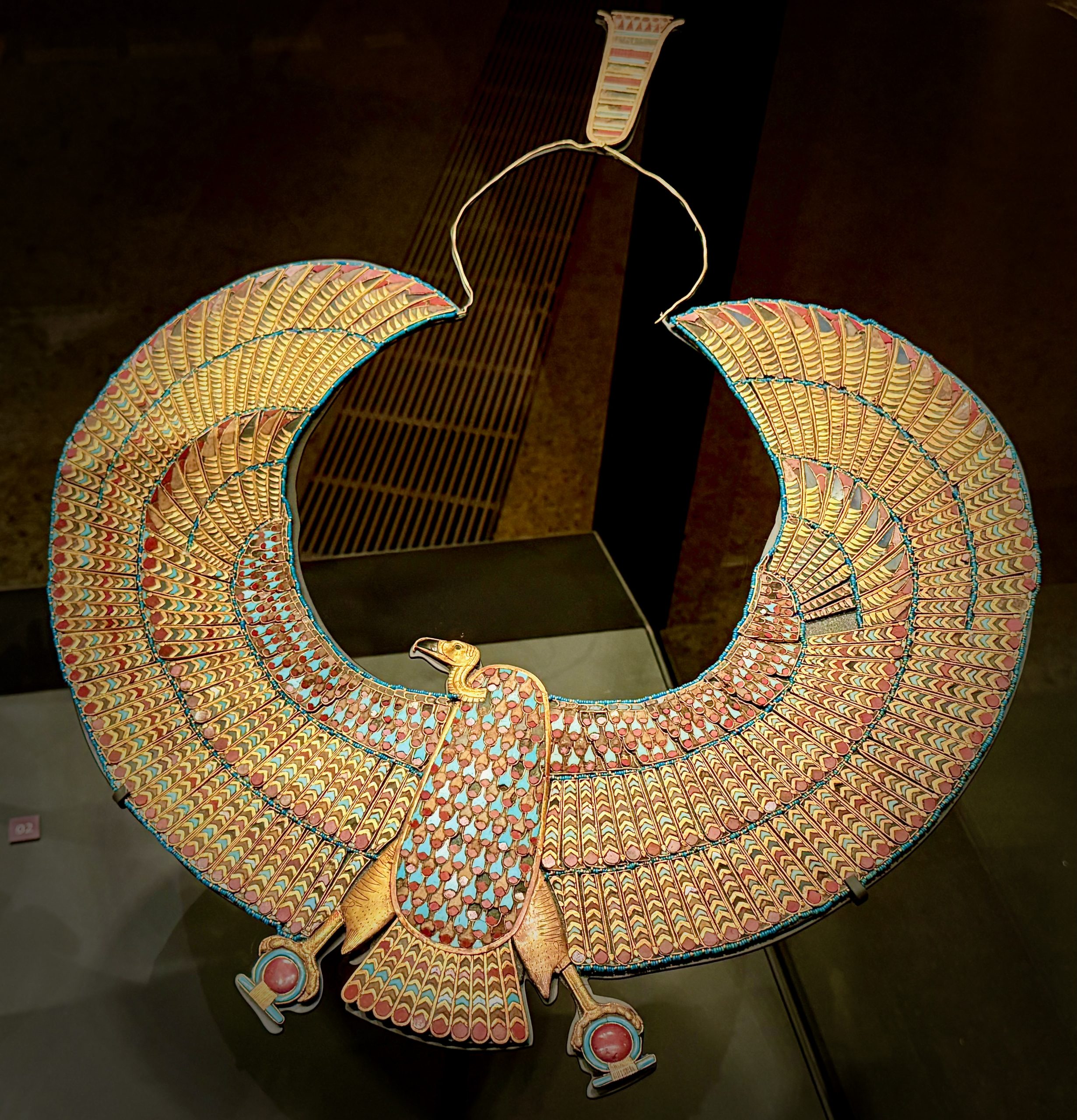
A vulture pectoral
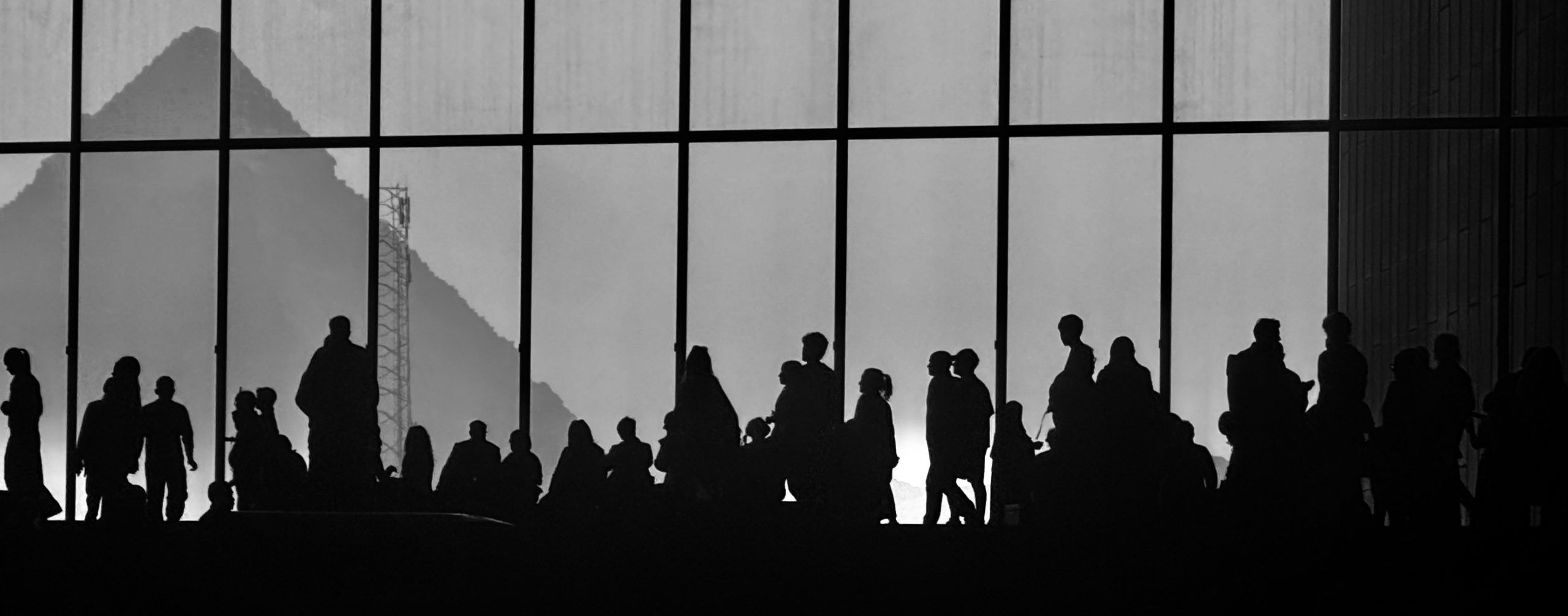
Ancient and modern
Well intentioned, but perhaps a claim too far?
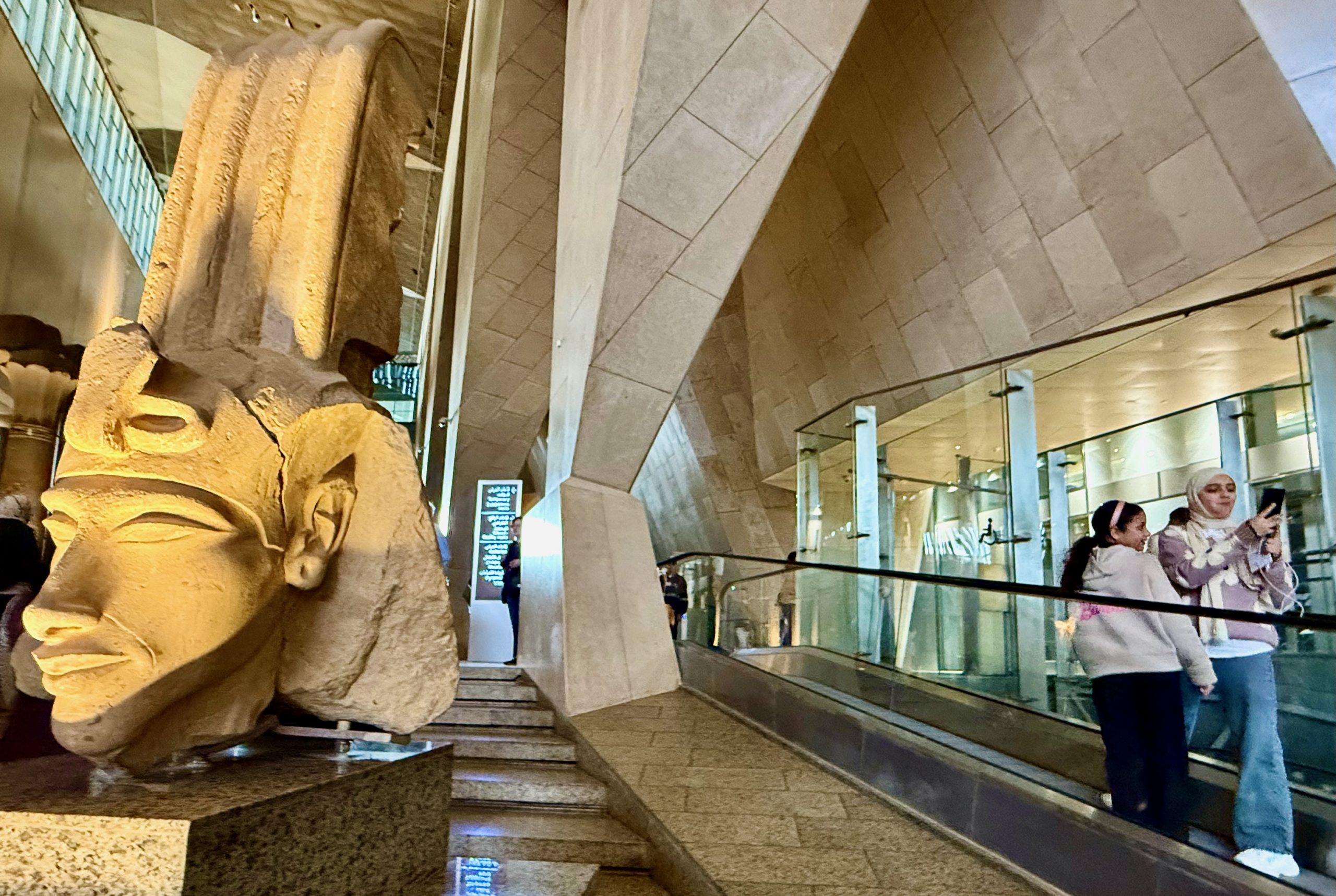
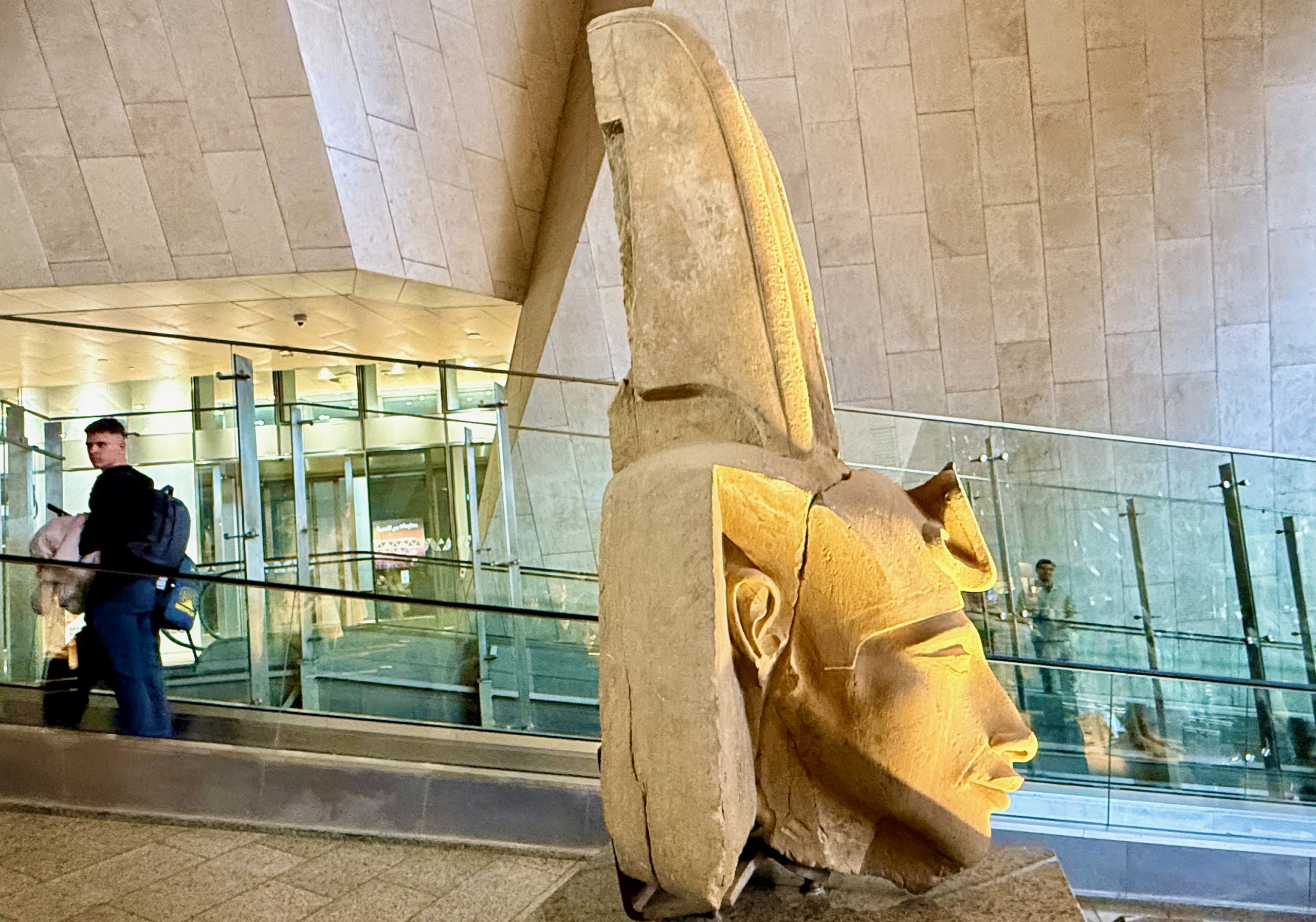
Akhenaten, right
Akhenaten, left
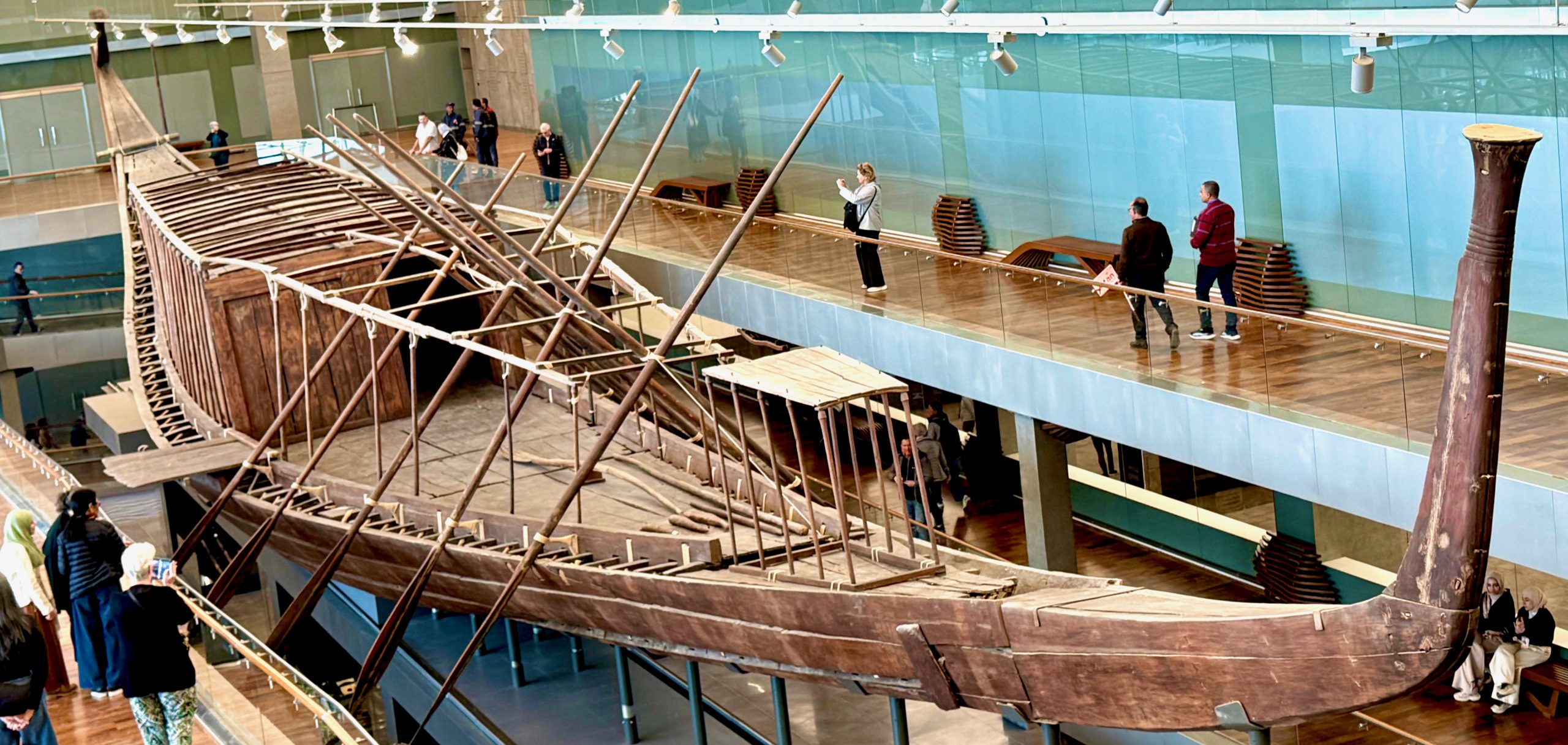
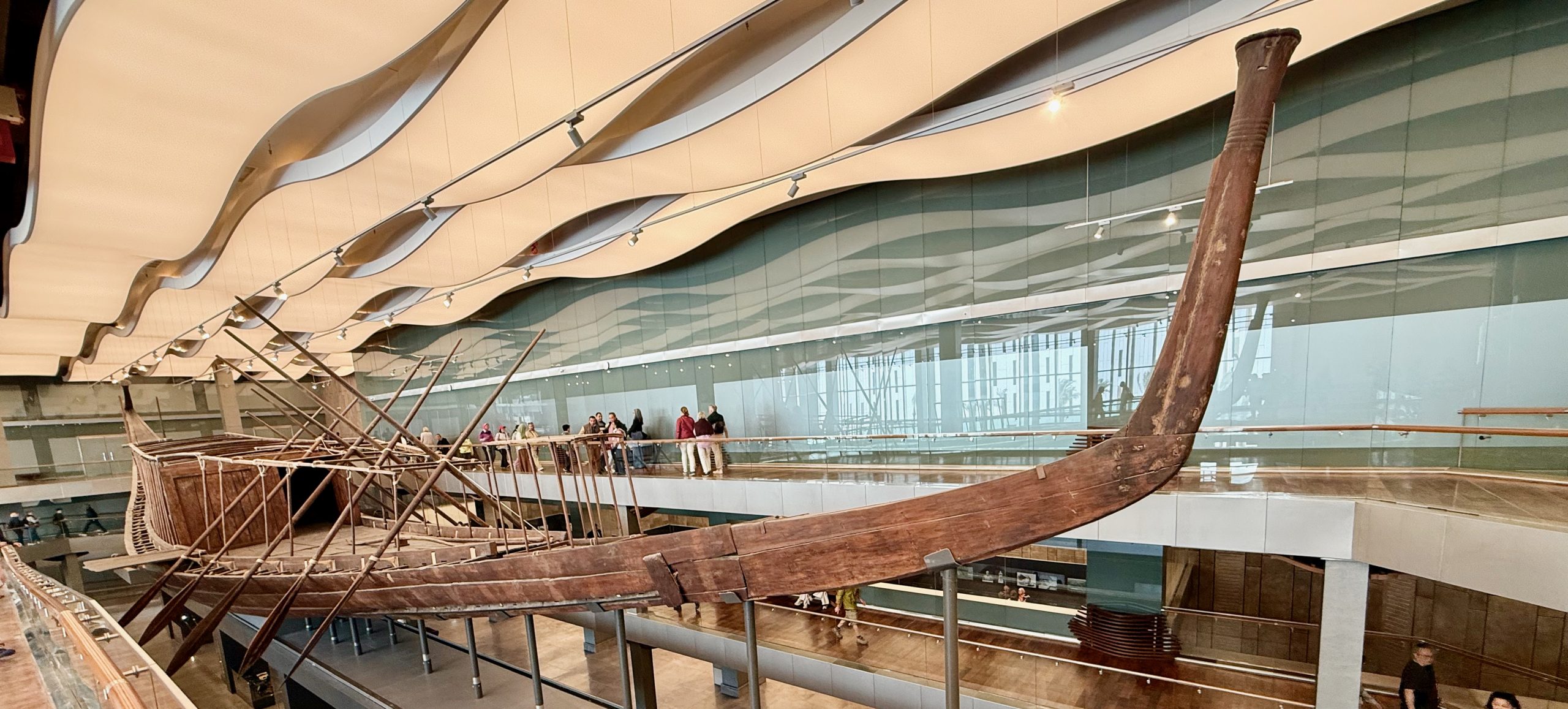
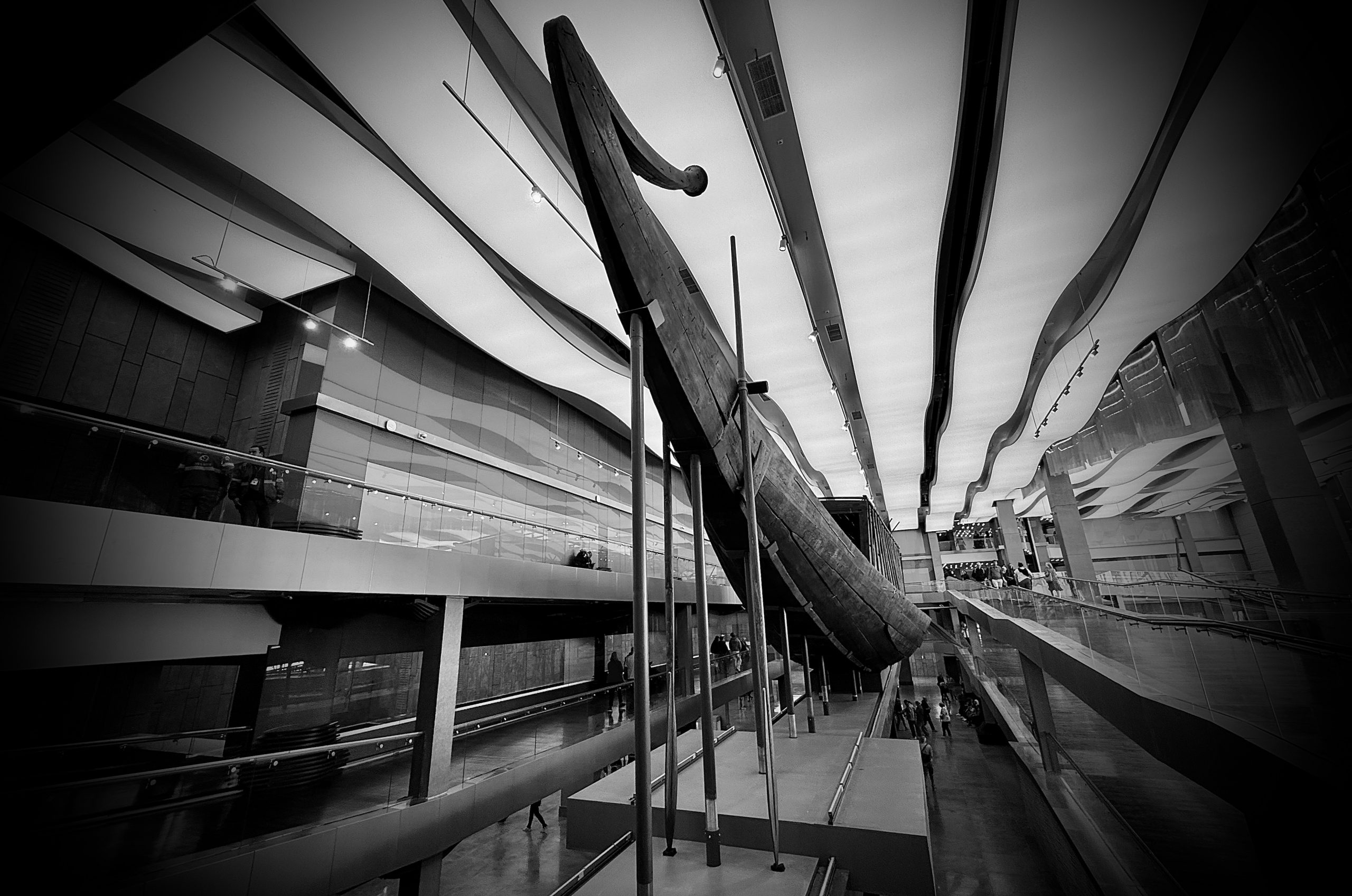
Exquisite: Khufu’s solar barque
4,600 years old, the world’s oldest intact ship
Solar or not, the energy of the design is breath-taking
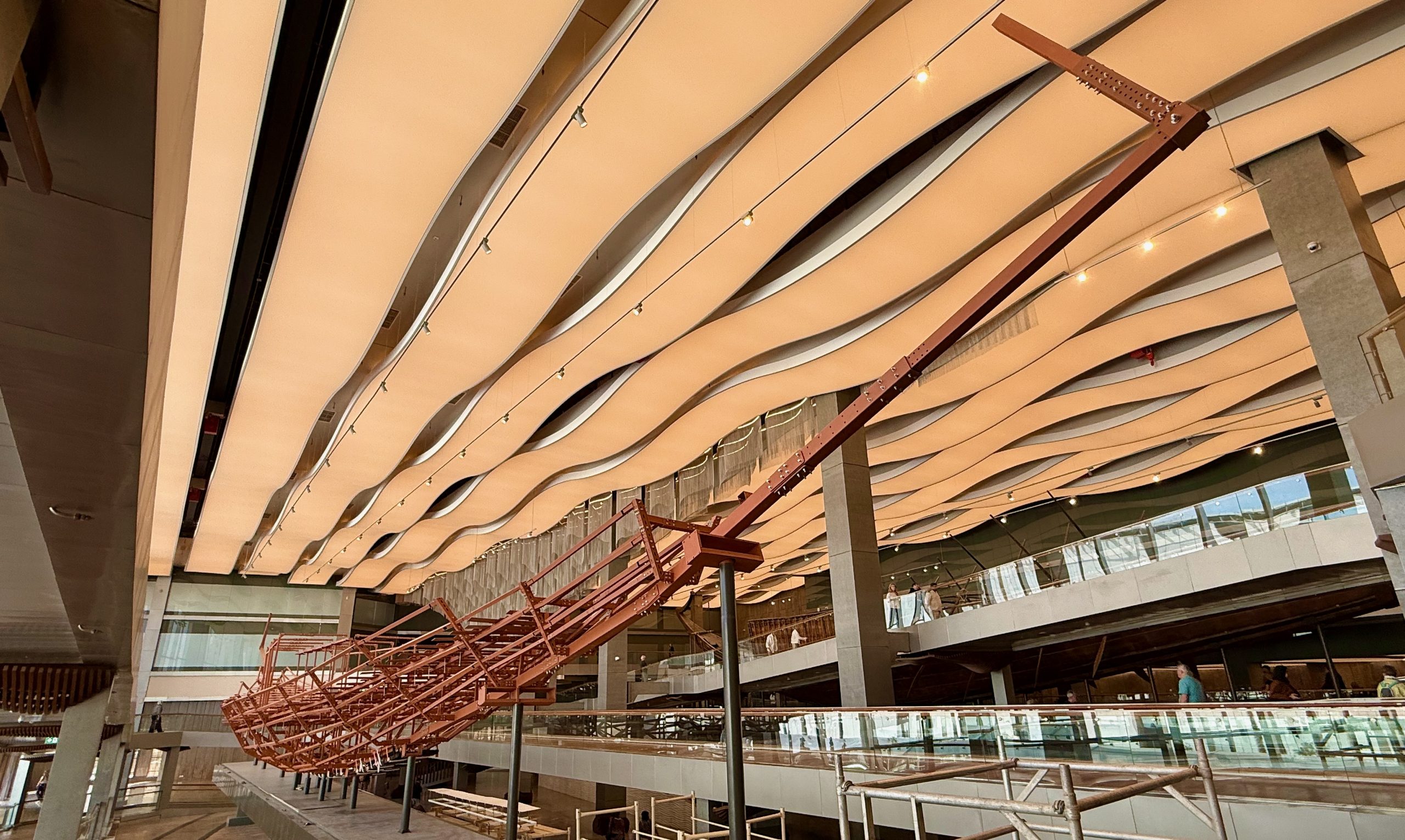
A metal replica, still under construction
On our way out, ancient and modern
Back to the Westin, where the hubbub of the city is barely detectable

Fighting My Way Back Into 2026

John Elkington · 15 January 2026 · Leave a Comment

Having been locked out of this site for several months, I thank Chris Wolf and Carlo Schifano for handing me back the keys.

With Gaia and family were in Canada, Hania and family in Tenerife, Christmas and the New Year were fairly quiet, though we saw various friends at different points. I found the long break liberating, plowing my way through several stacks of books, but also working on the new book I am developing with Charmian Love.

And, by way of a catch-up, here are some of the Substack articles I have posted in the meantime:

1. A kaleidoscopic survey of some of the things I was doing as 2025 wound down, including a trip to Florianópolis in Brazil and another session with AIRMIC and insurers and reinsurers.

2. A well-received piece on where to channel our energy in 2026.

3. An even more warmly received post welcoming the New Year and discussing Trump’s entirely unintended gift to the sustainability world.

4. A piece inspired by the World Future Energy Summit in Abu Dhabi.

5. An exploration of some of the ways in which copper has underpinned our civilisations – and why it is now critical to the transition to greener economies.
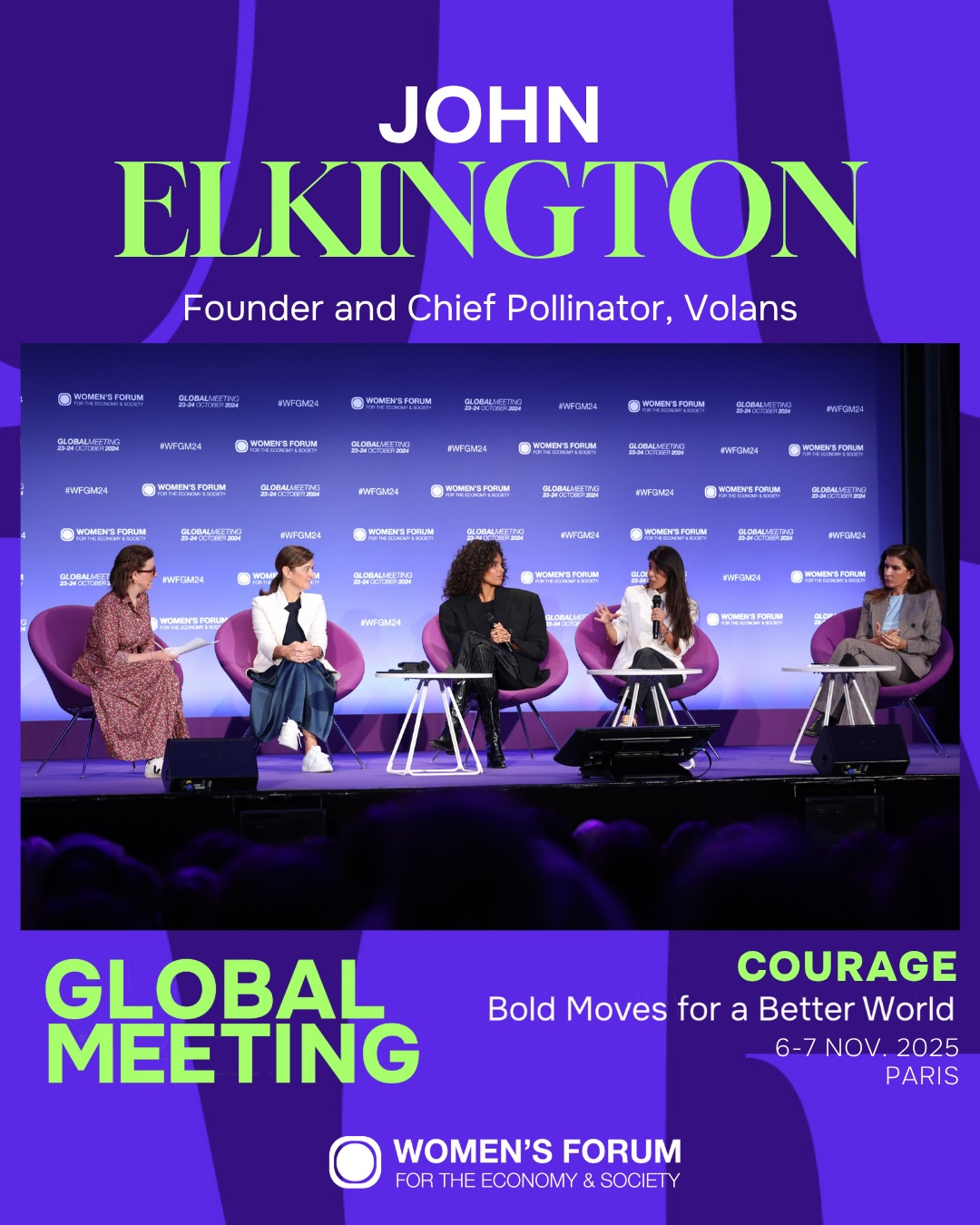
Women’s Forum, Paris

John Elkington · 29 October 2025 · Leave a Comment

Genuinely thrilled to be speaking at the 20th edition of the Women’s Forum for the Economy & Society in Paris, which runs 6-7 November, https://www.womens-forum.com/. And particularly delighted to share the stage with Rebecca Henderson.

Samarkand And The Legacy Of Ulugh Beg

John Elkington · 27 October 2025 · Leave a Comment

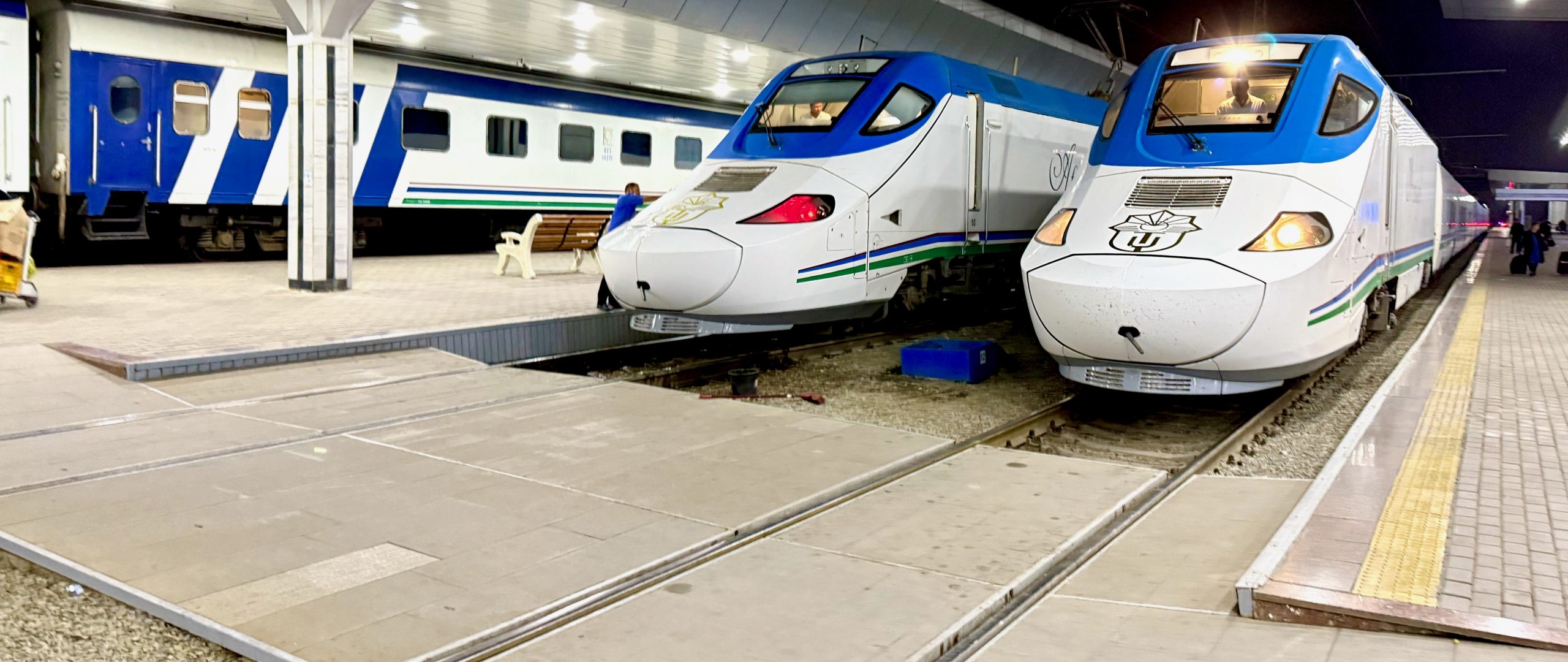
The train that took us to Samarkand
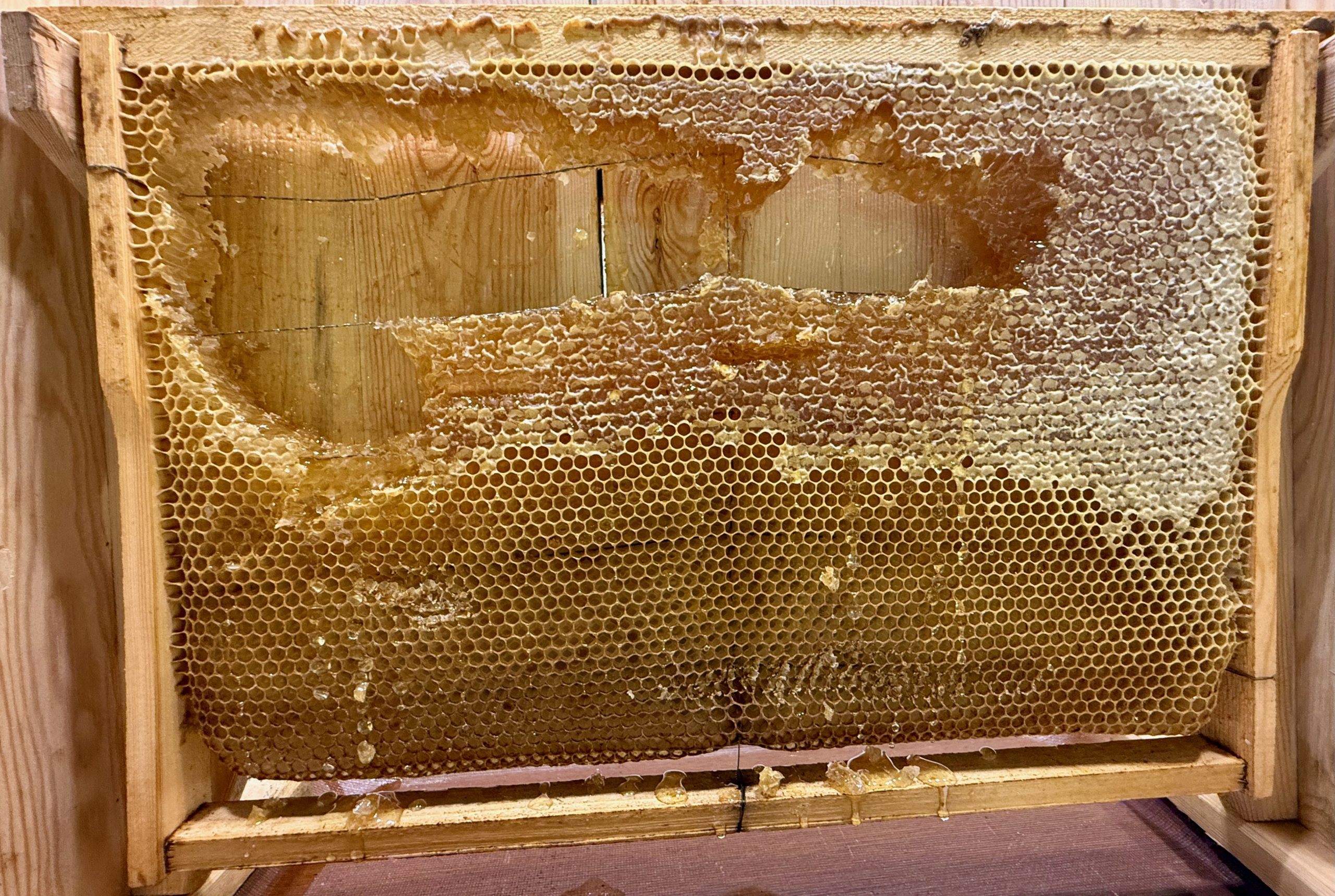
Honeycomb for breakfast
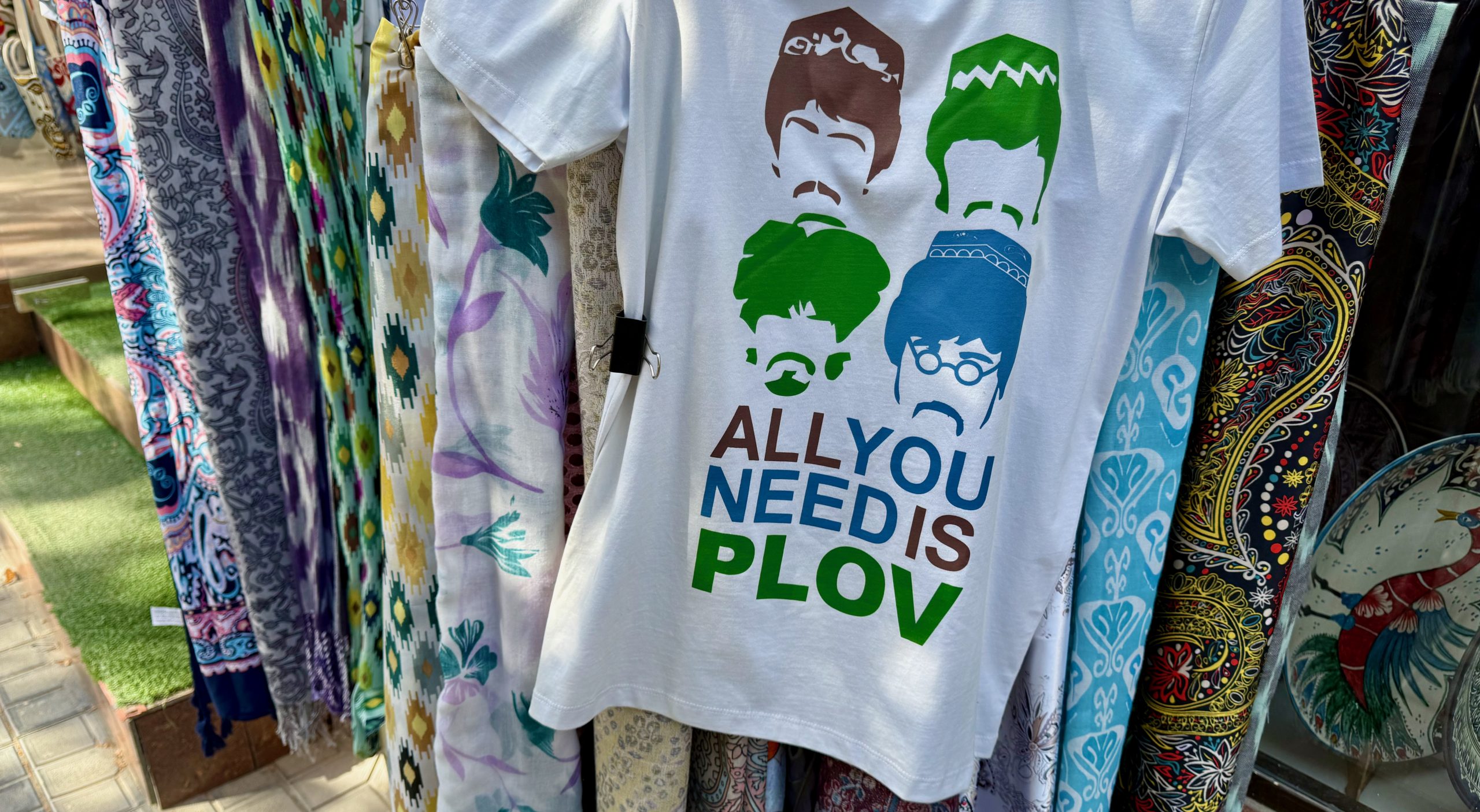
Now there’s a cultural reference I recognise (plot being a local dish, aka pilar or pilau)
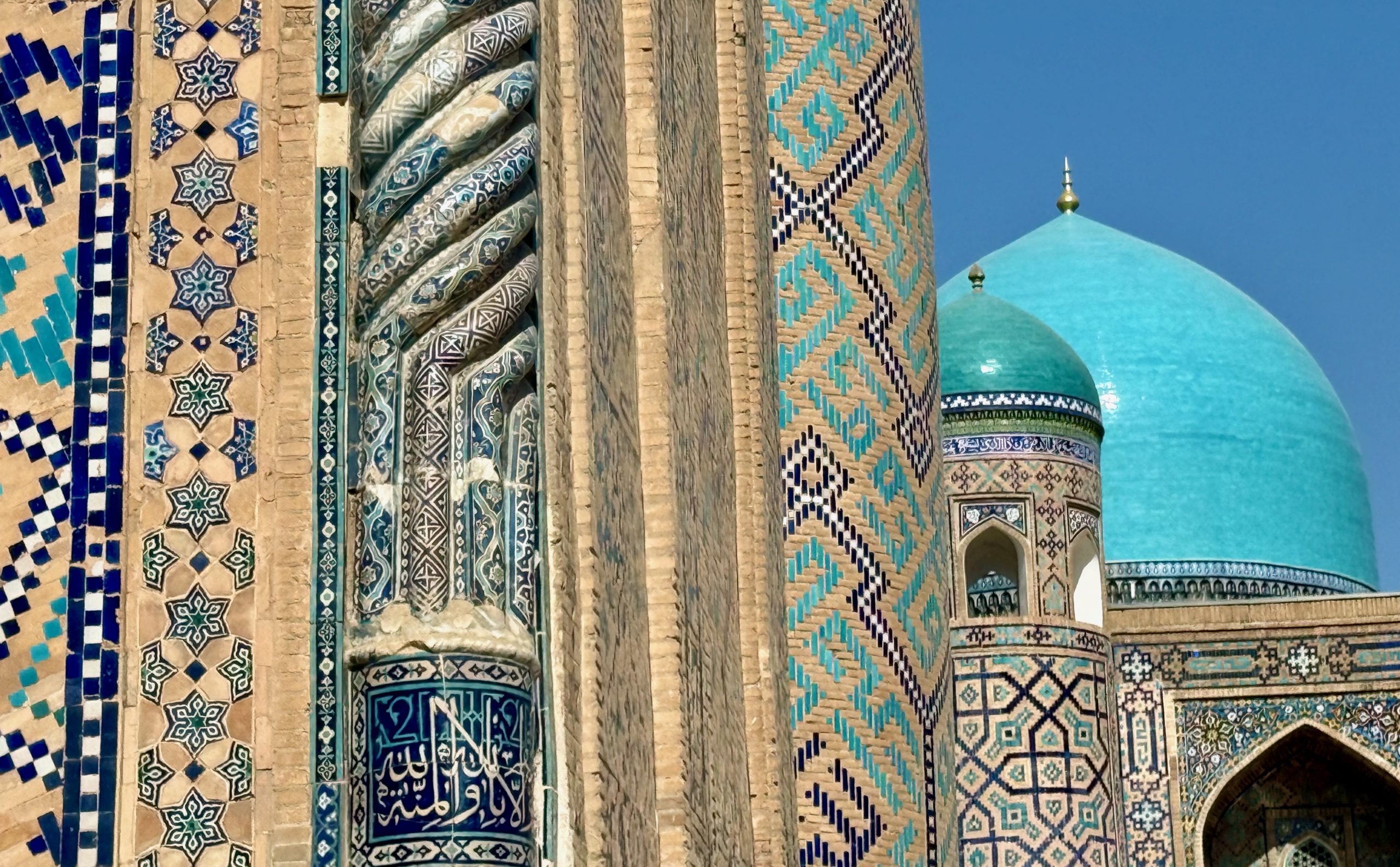
The blues entrance
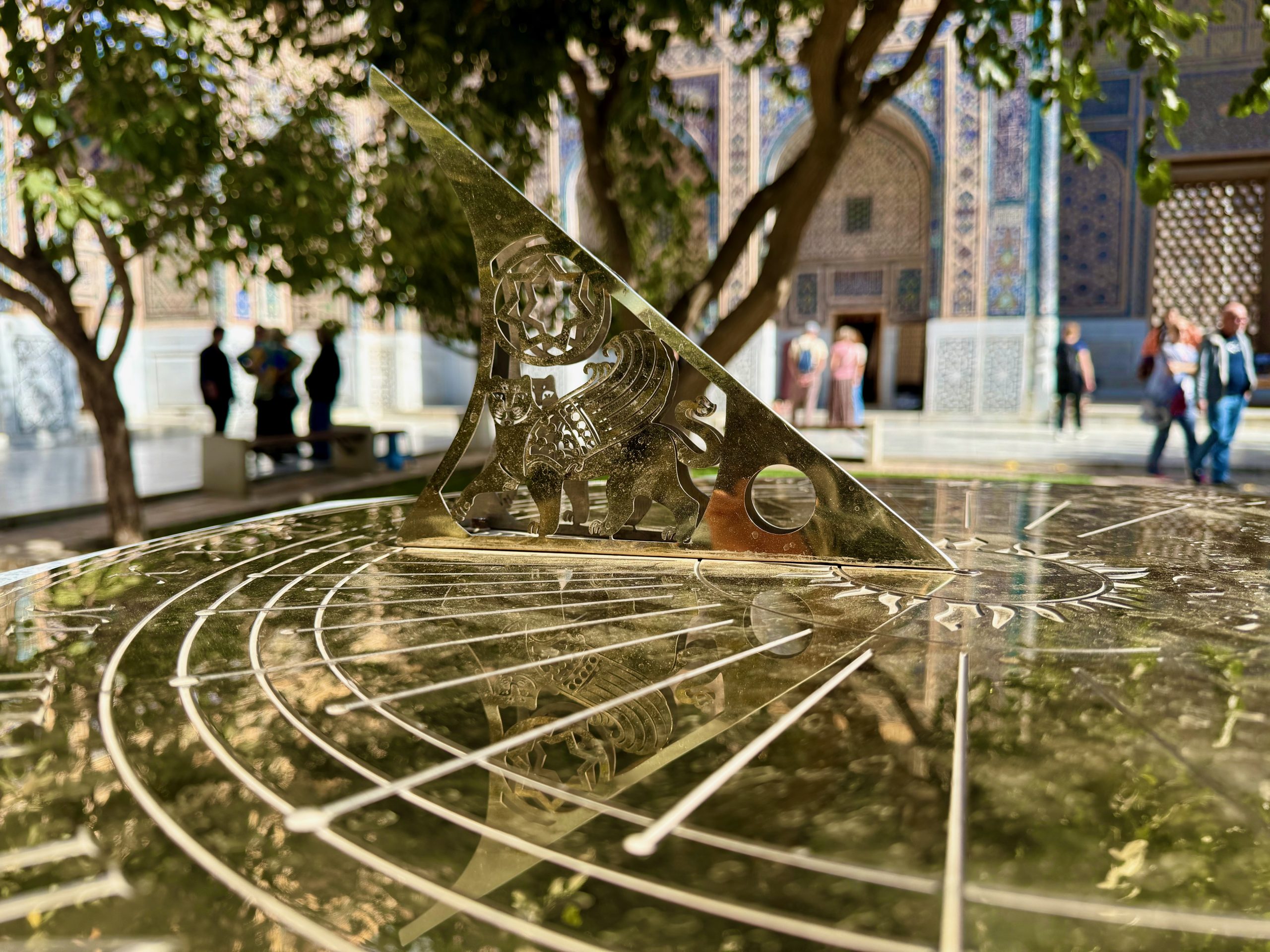
A (modern) golden compass
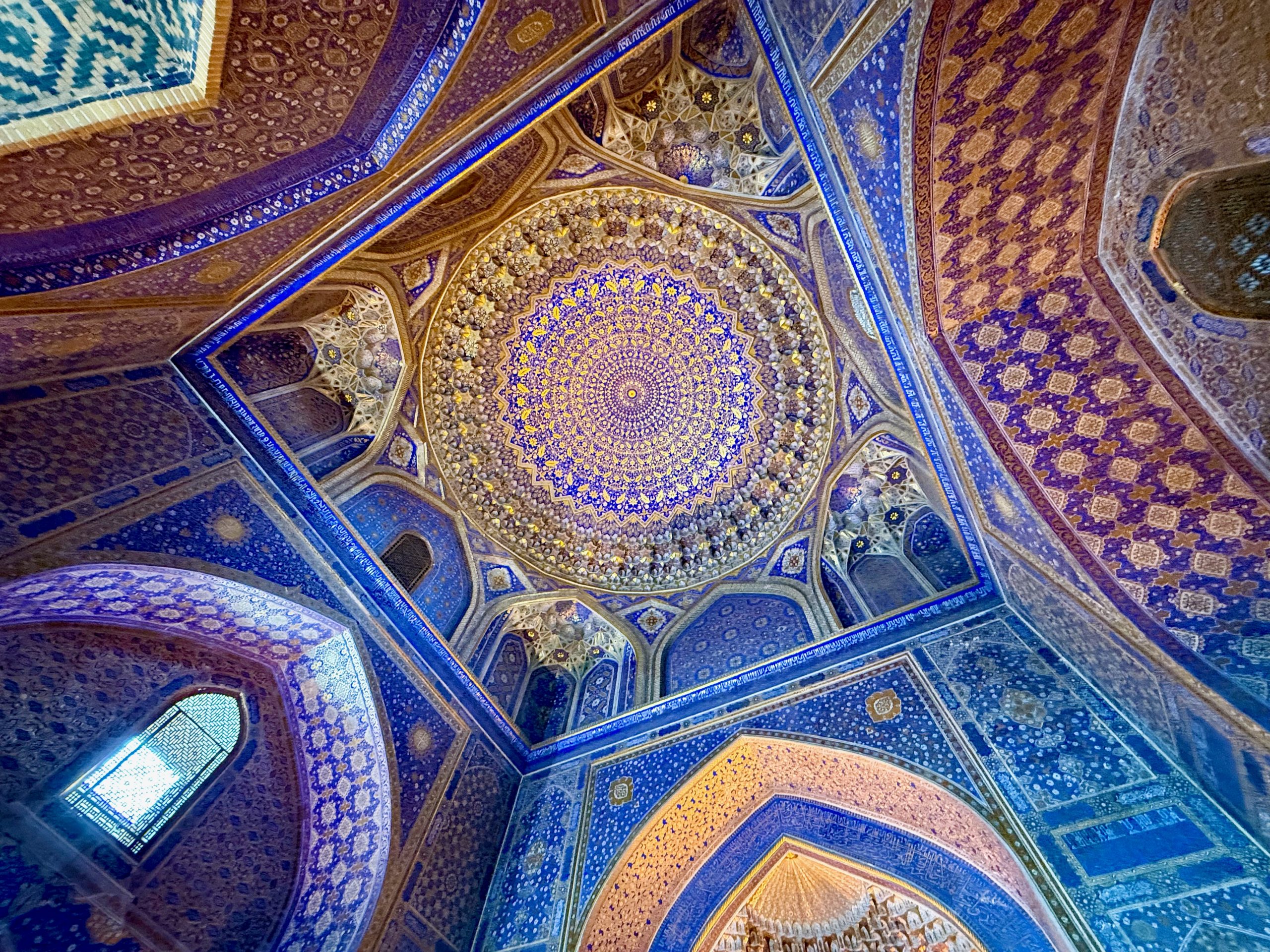
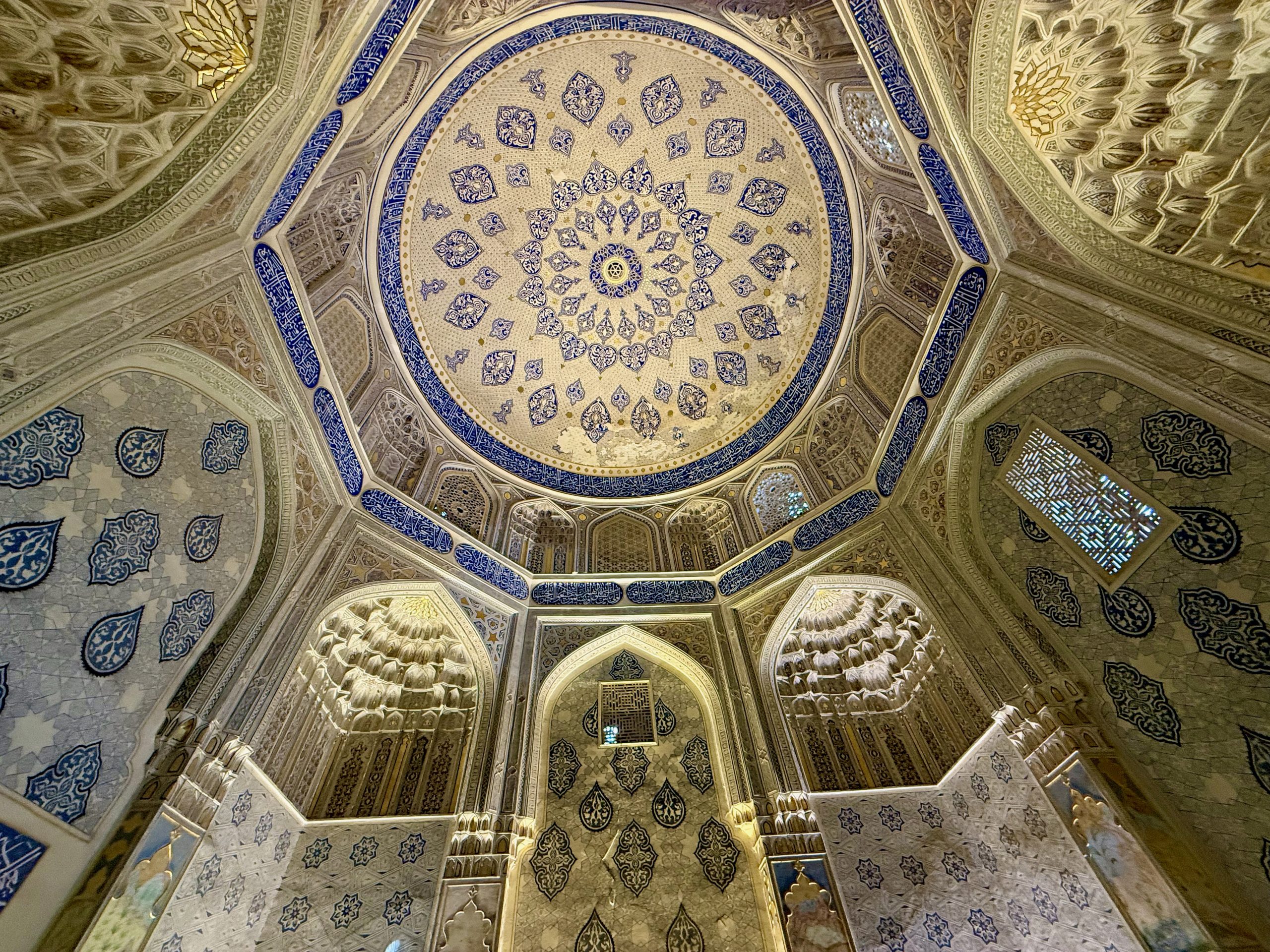
Overhead 1
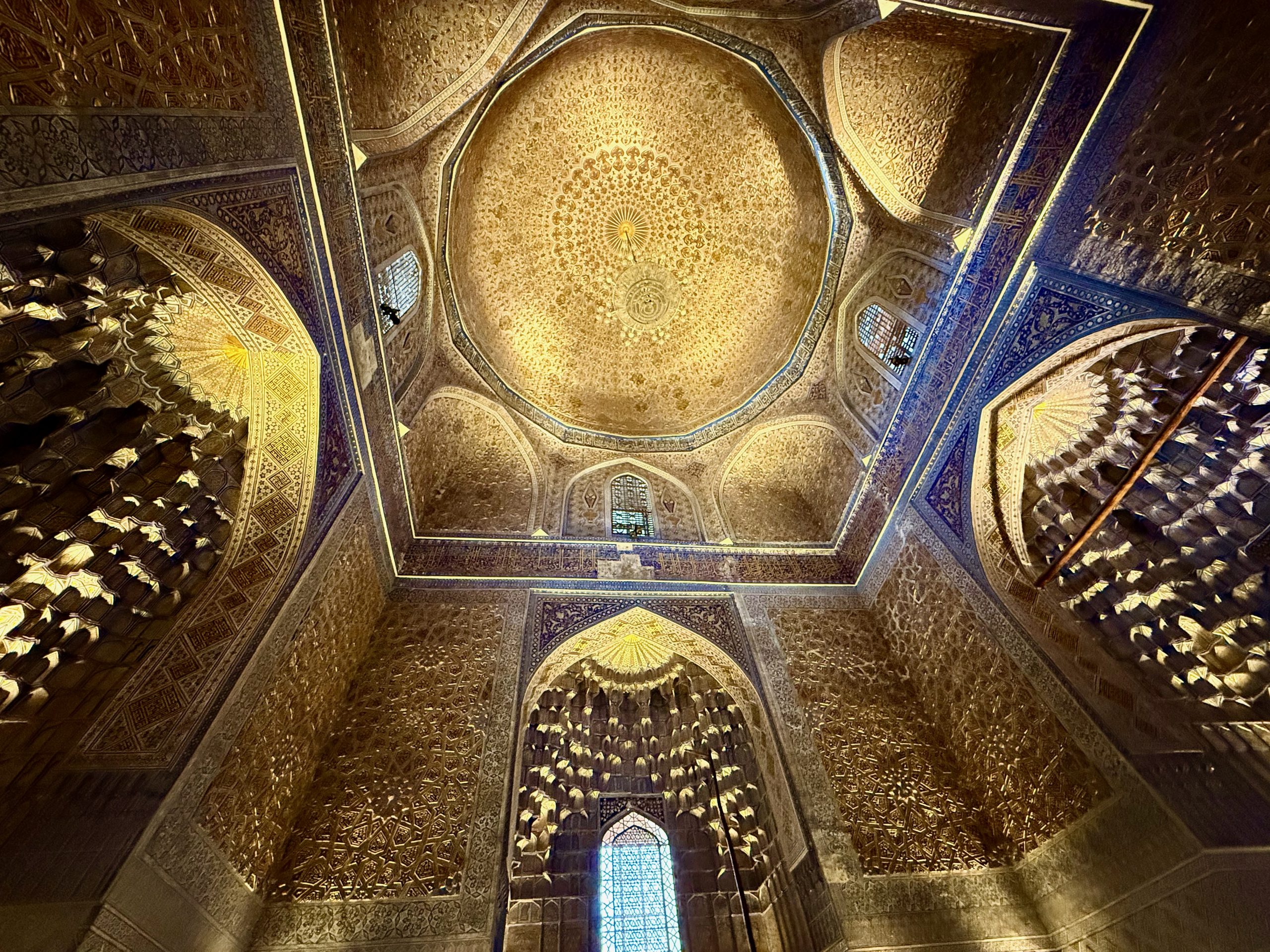
Overhead 2
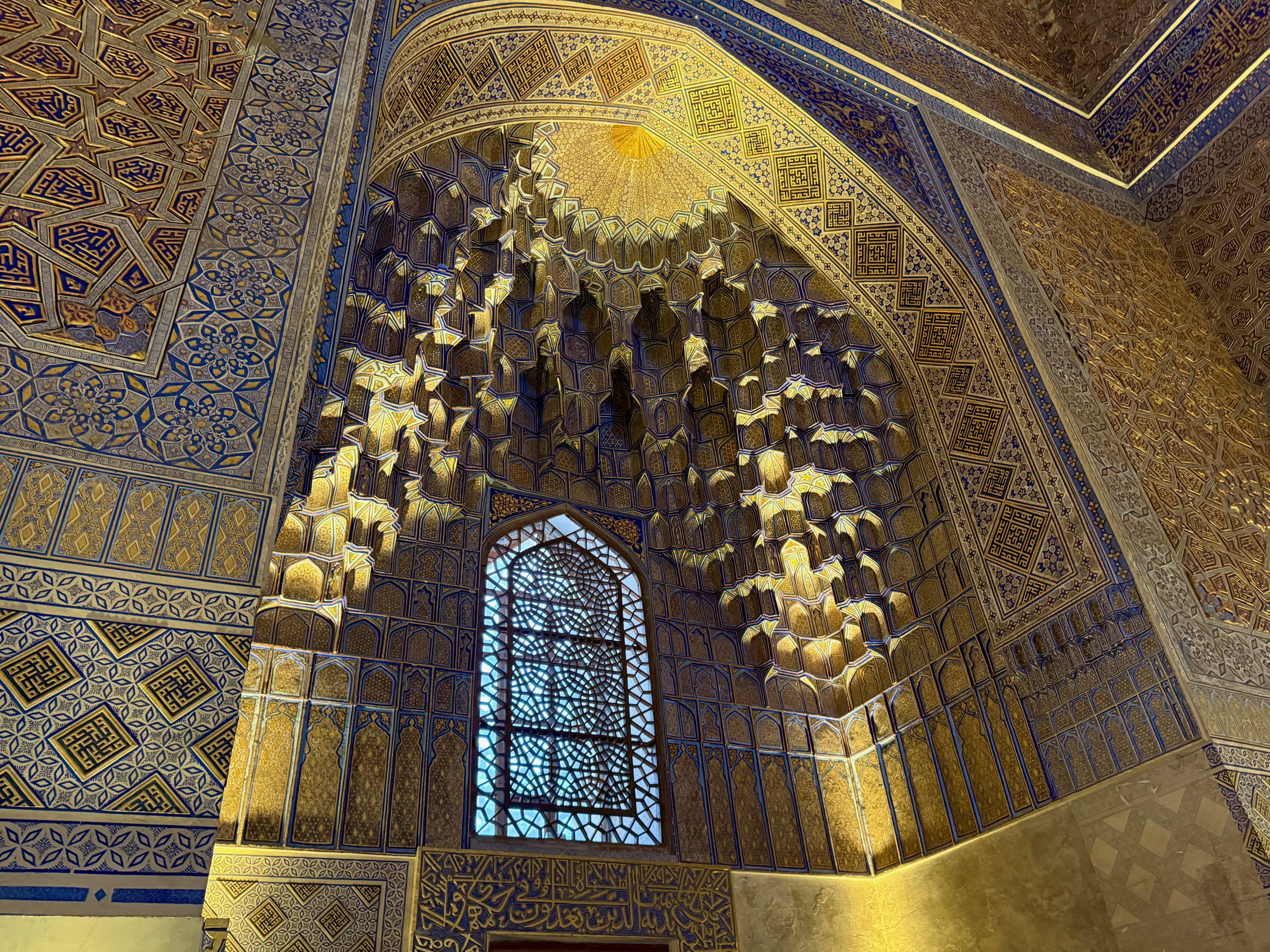
Overhead 3
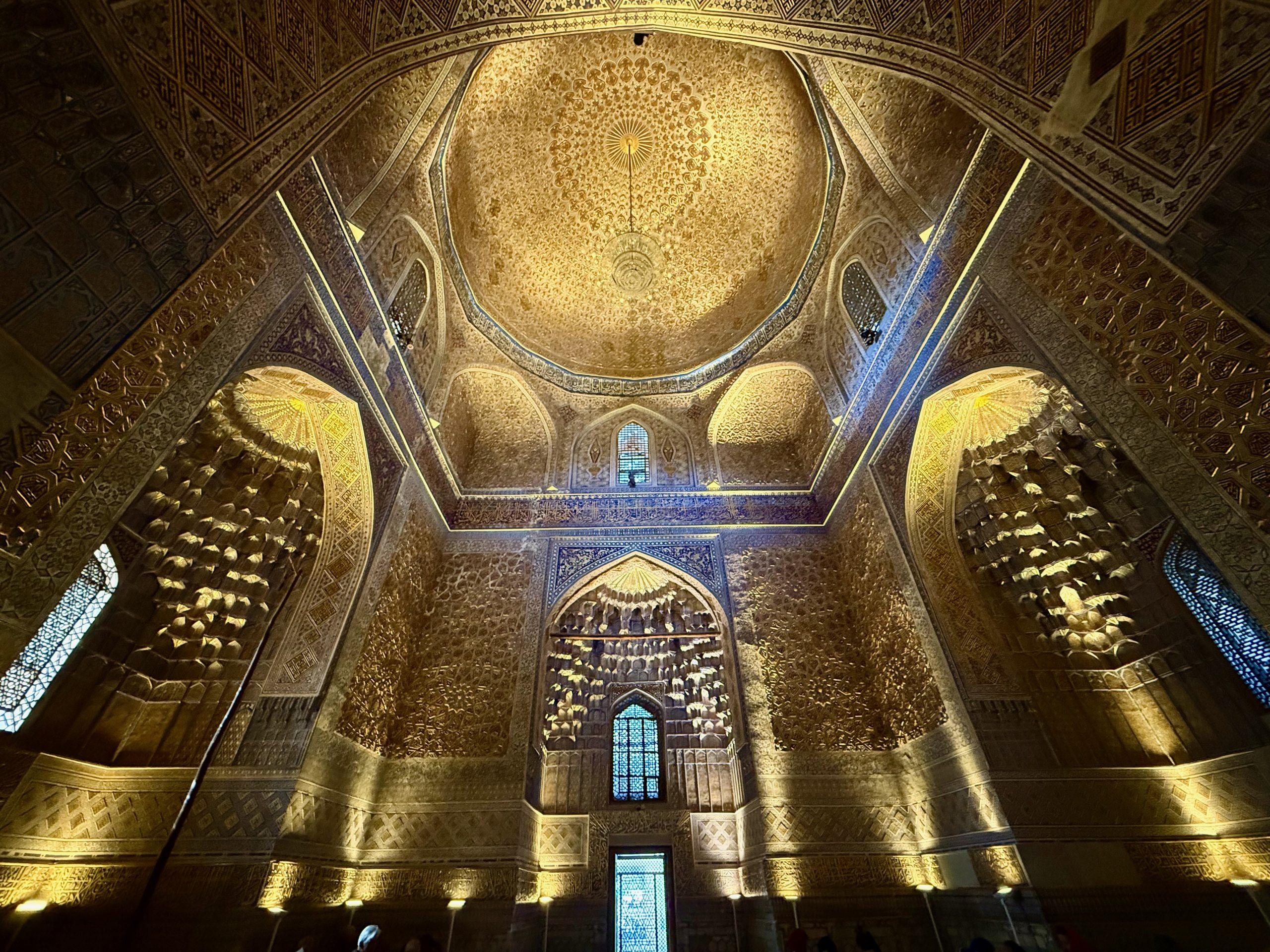
Overhead 4
Overhead 5
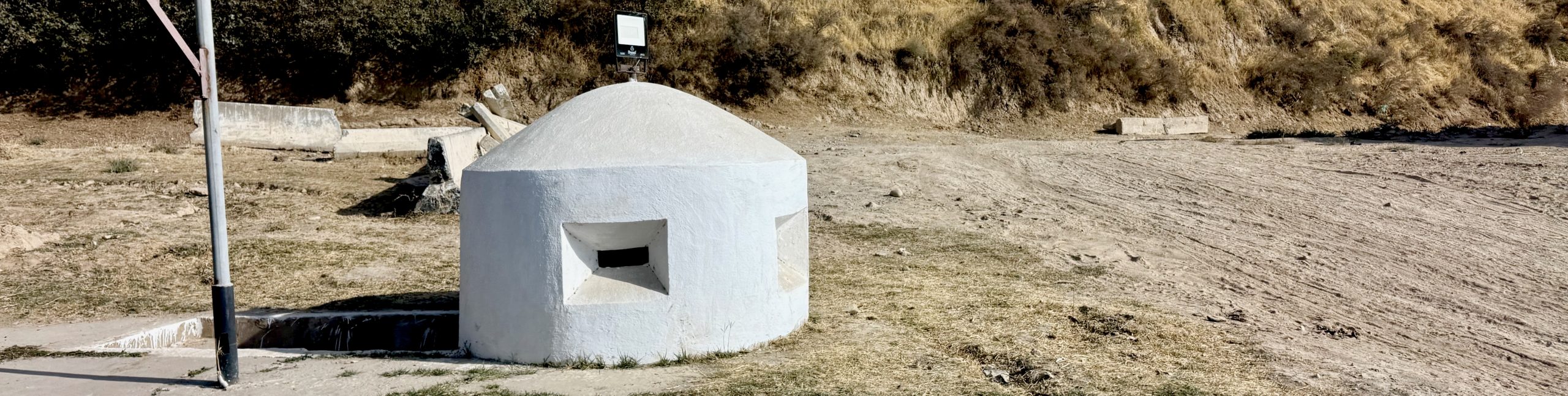
An old pillbox as we head into the mountains
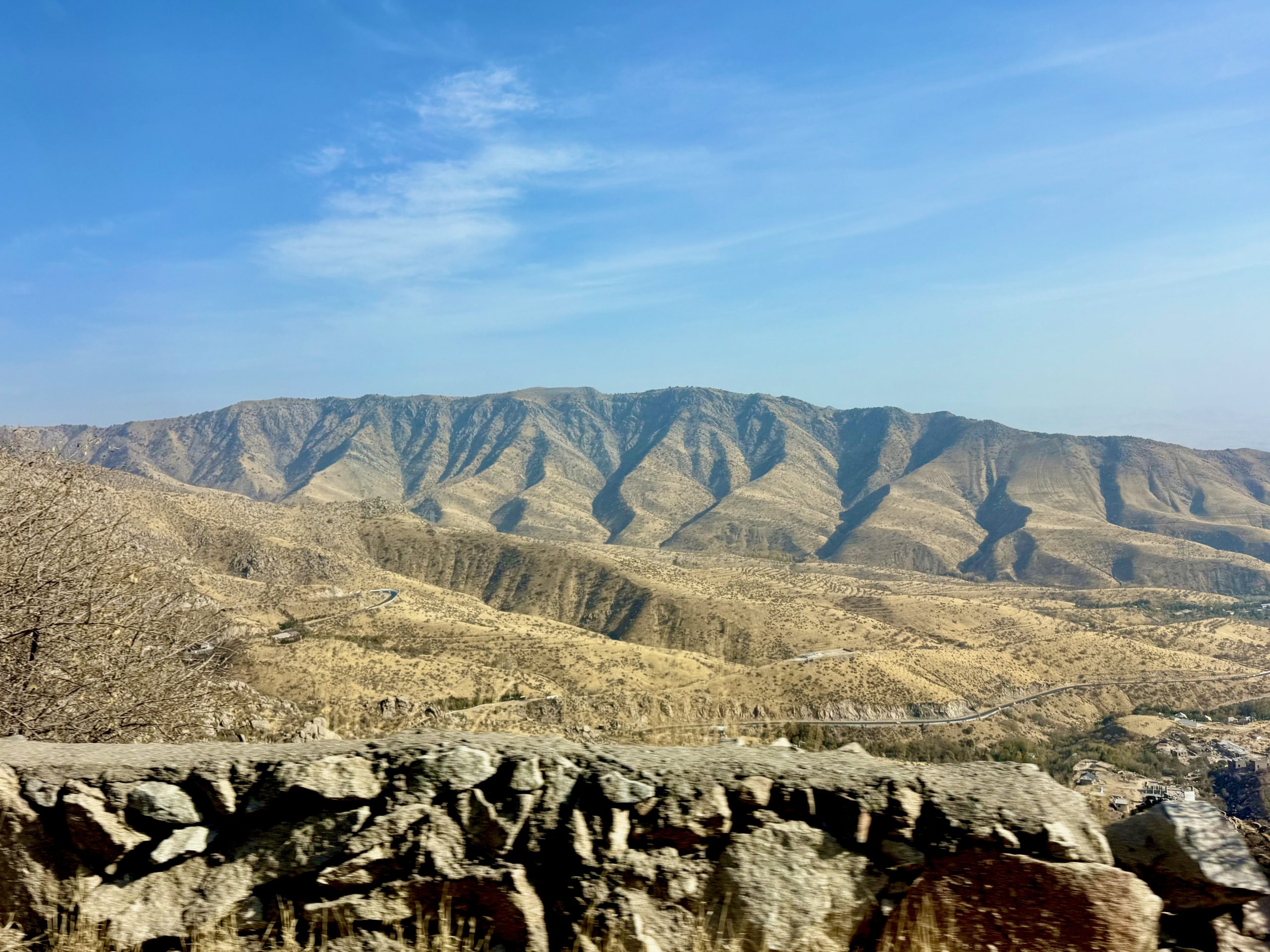
Mountainous view
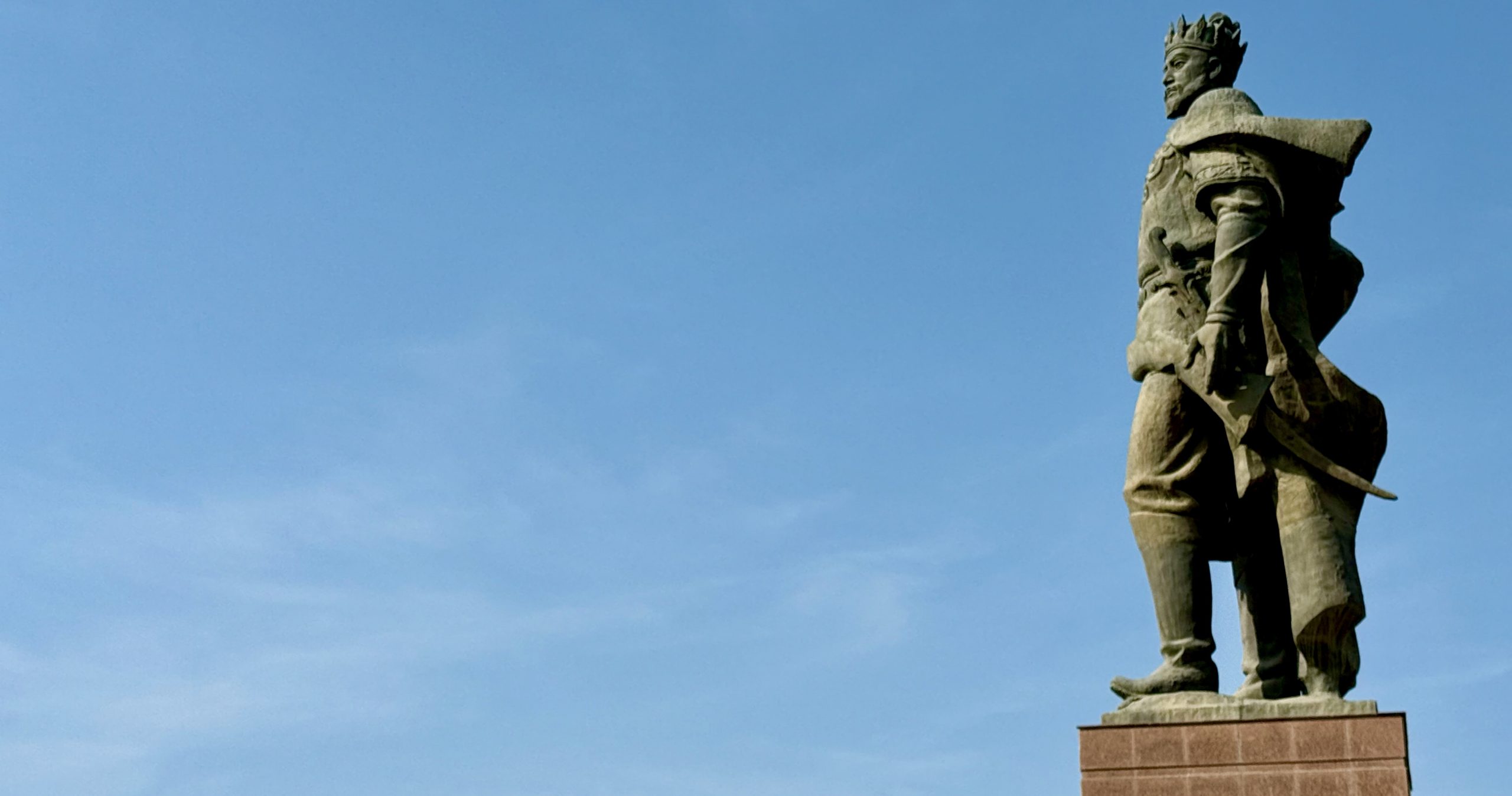
Timur
Can’t remember where this was, the necropolis perhaps, but caught me eye
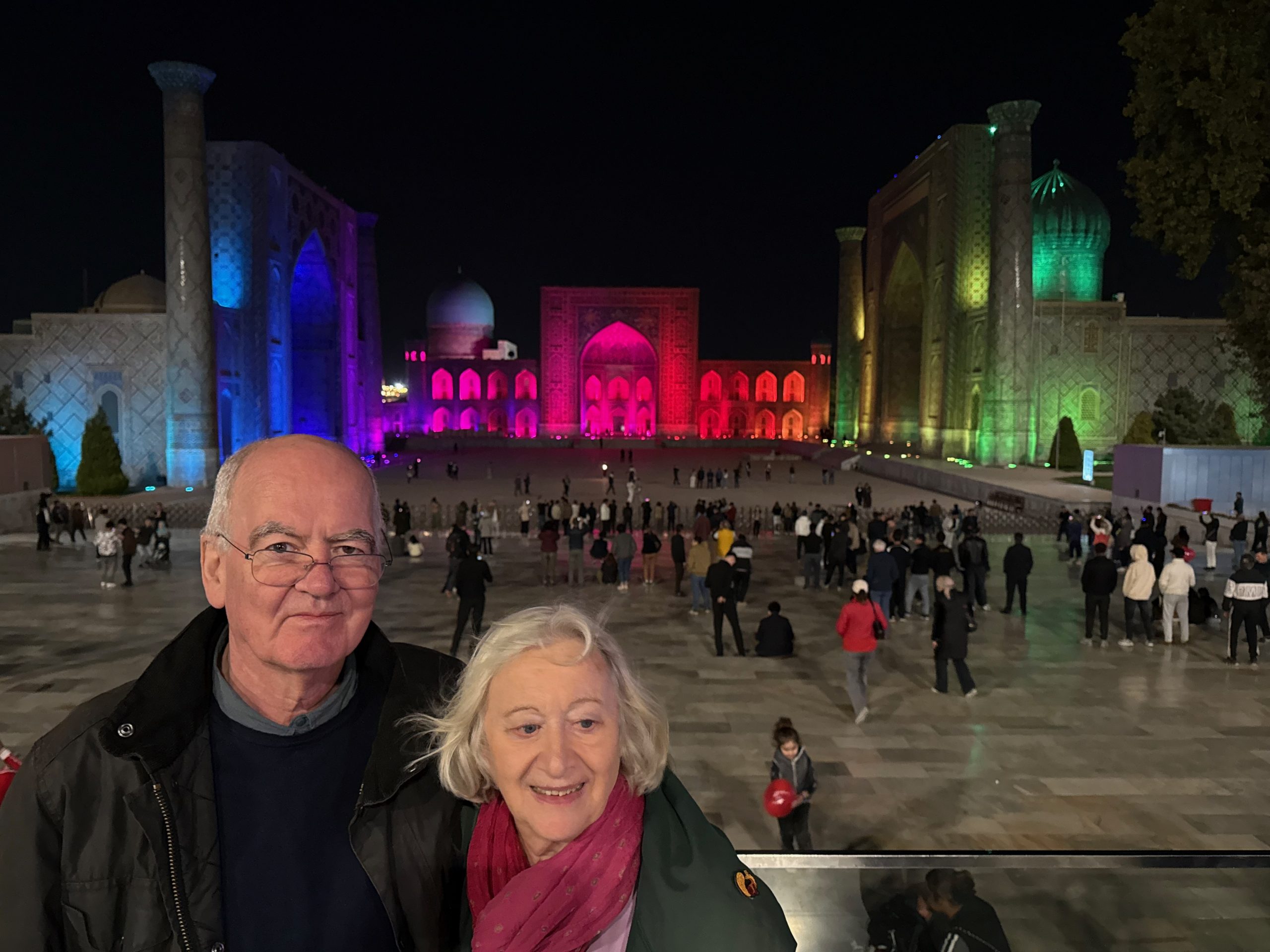
Elaine and I in the Registan Square, seemingly disco-lighted
Ancient, old and modern
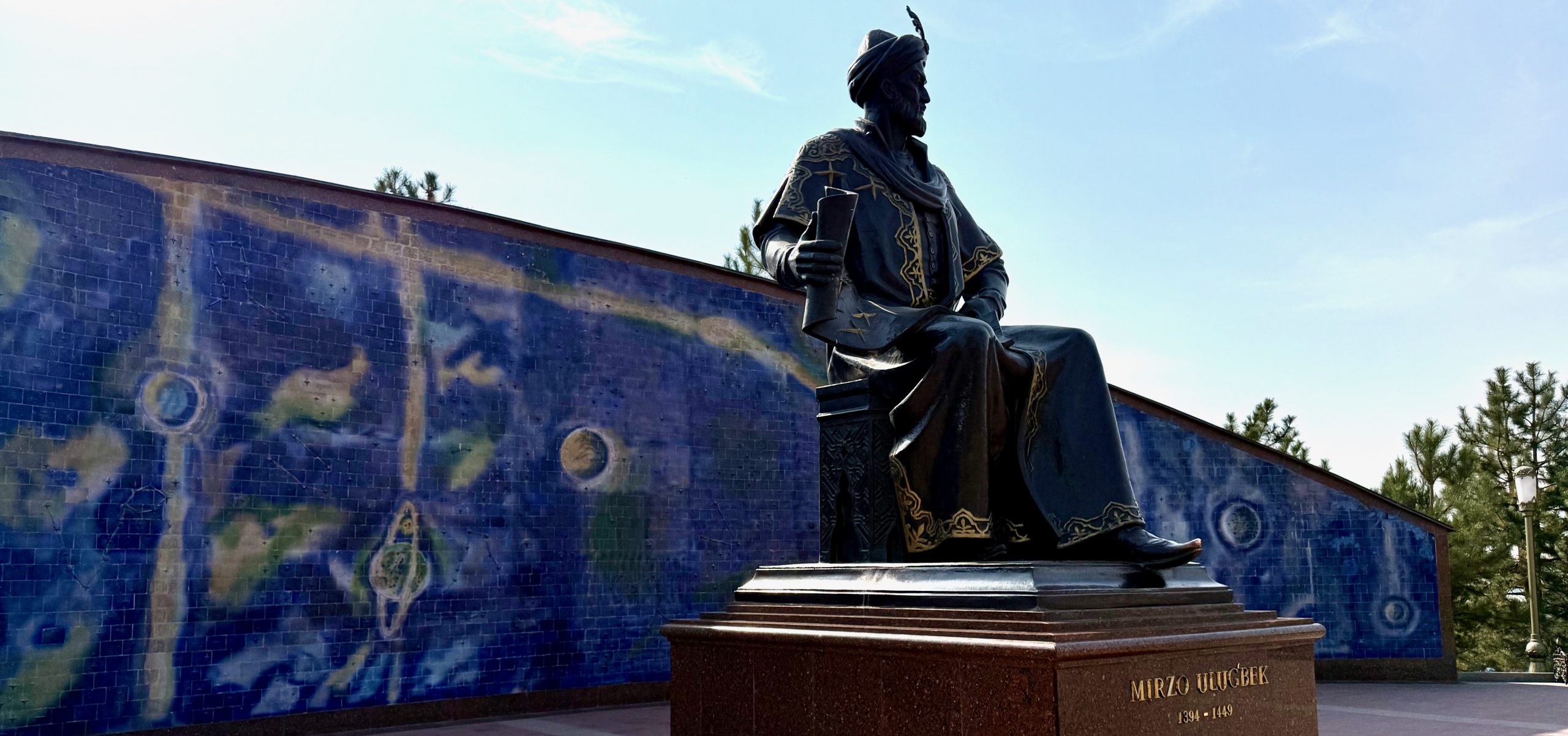
Ulugh Beg, king-astronomer
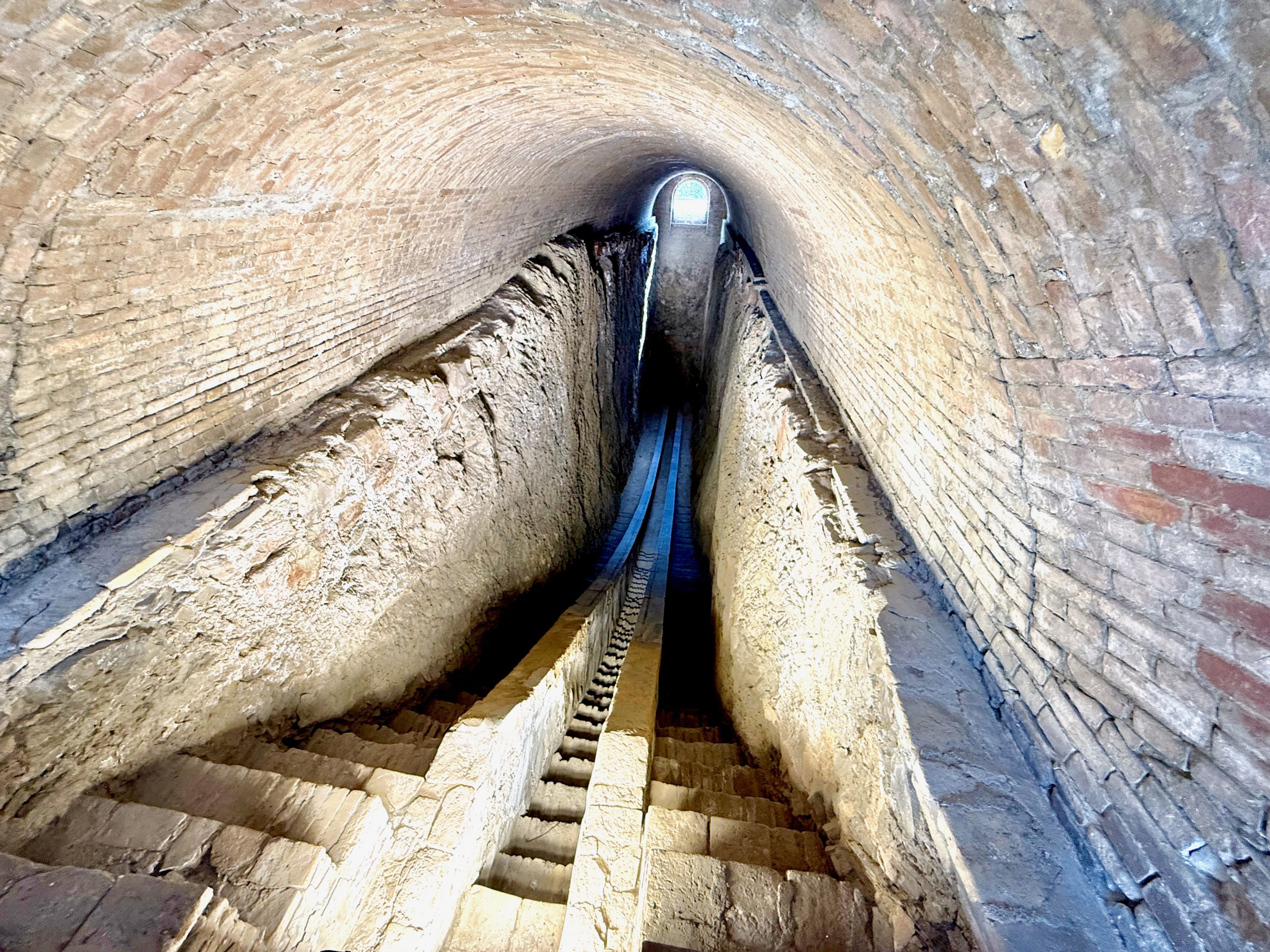
His giant (and largely) underground sextant
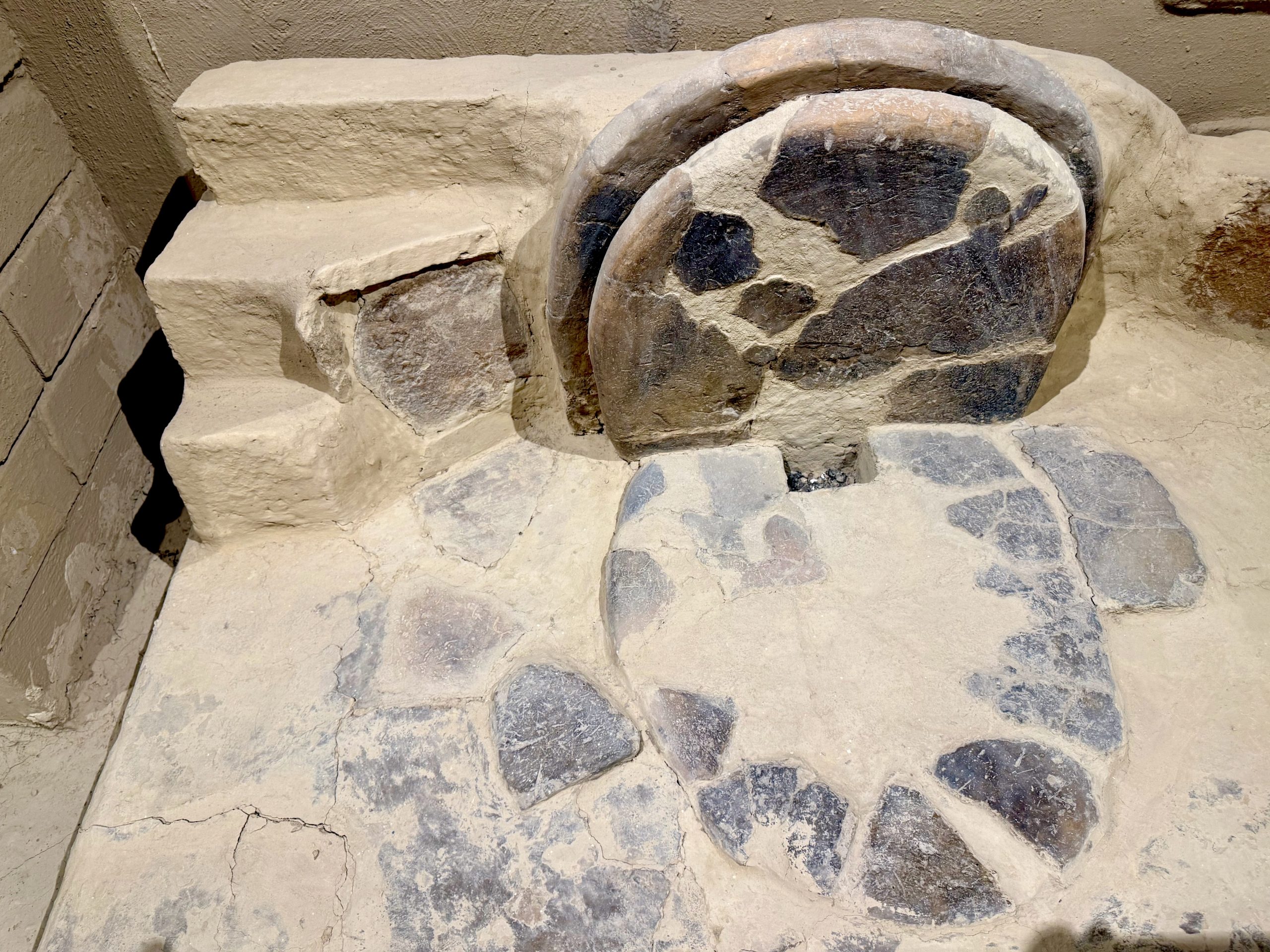
A Zoroastrian fireplace, apparently, though reminiscent of a modern WC
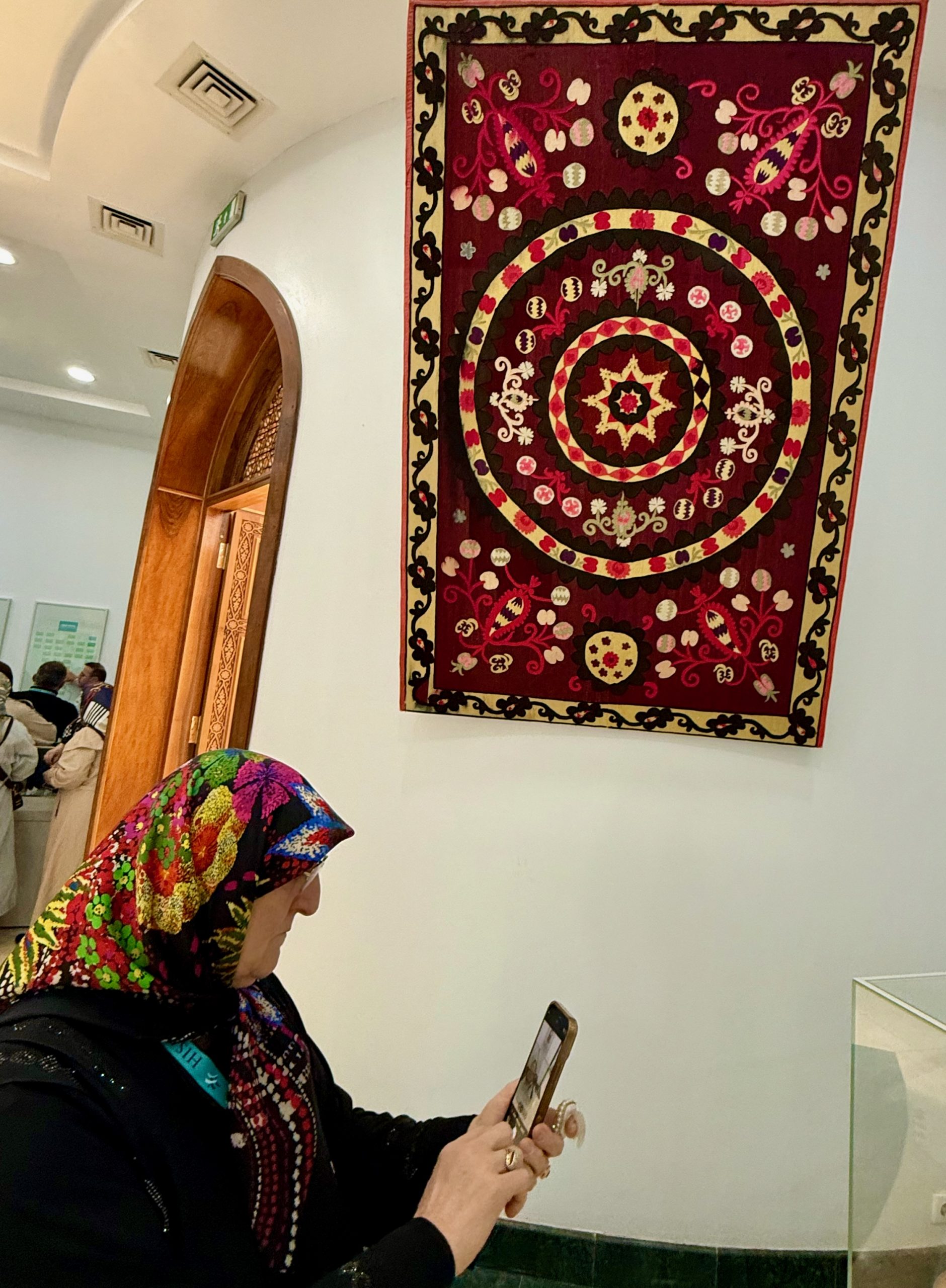
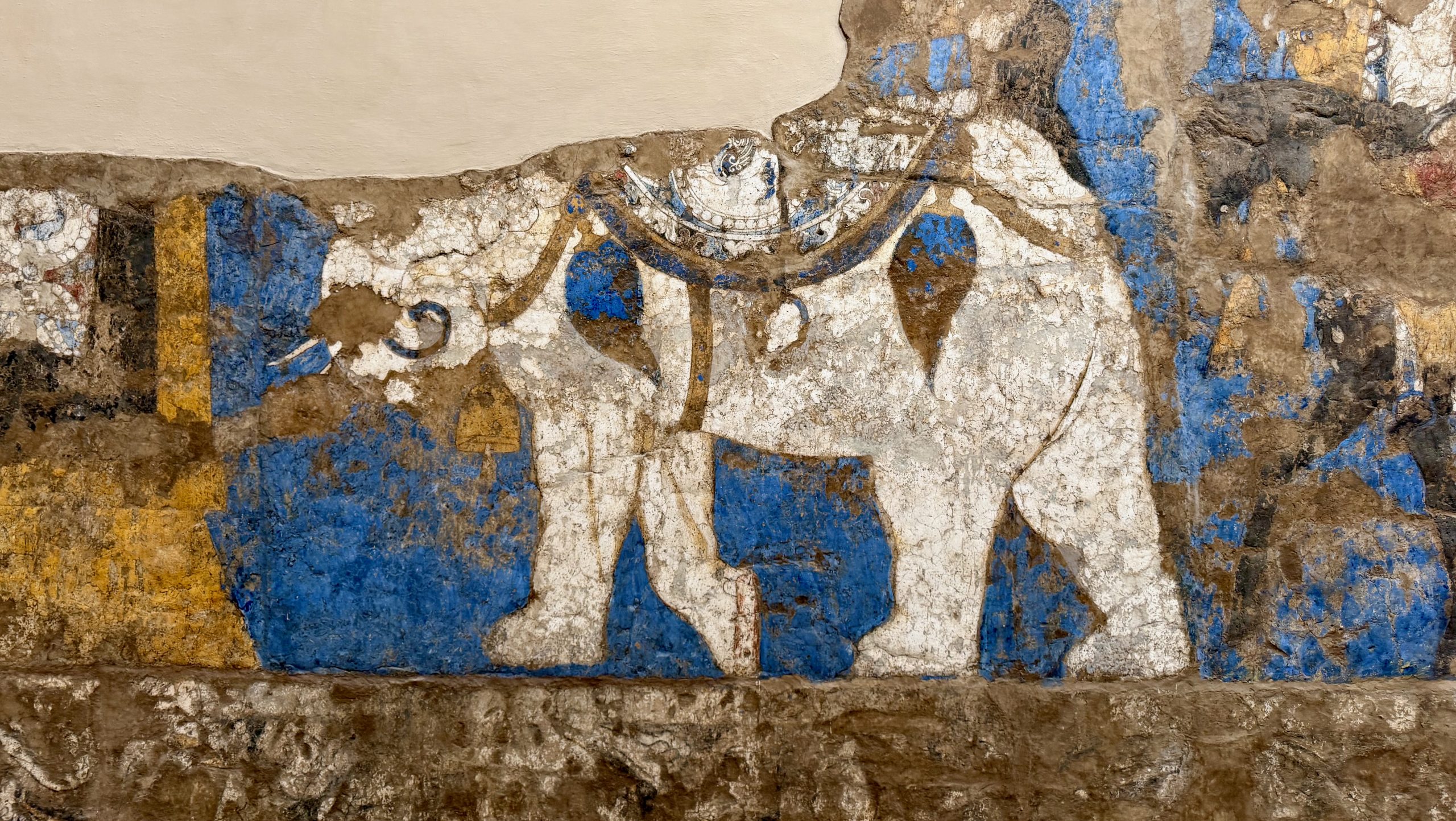
Part of a mural
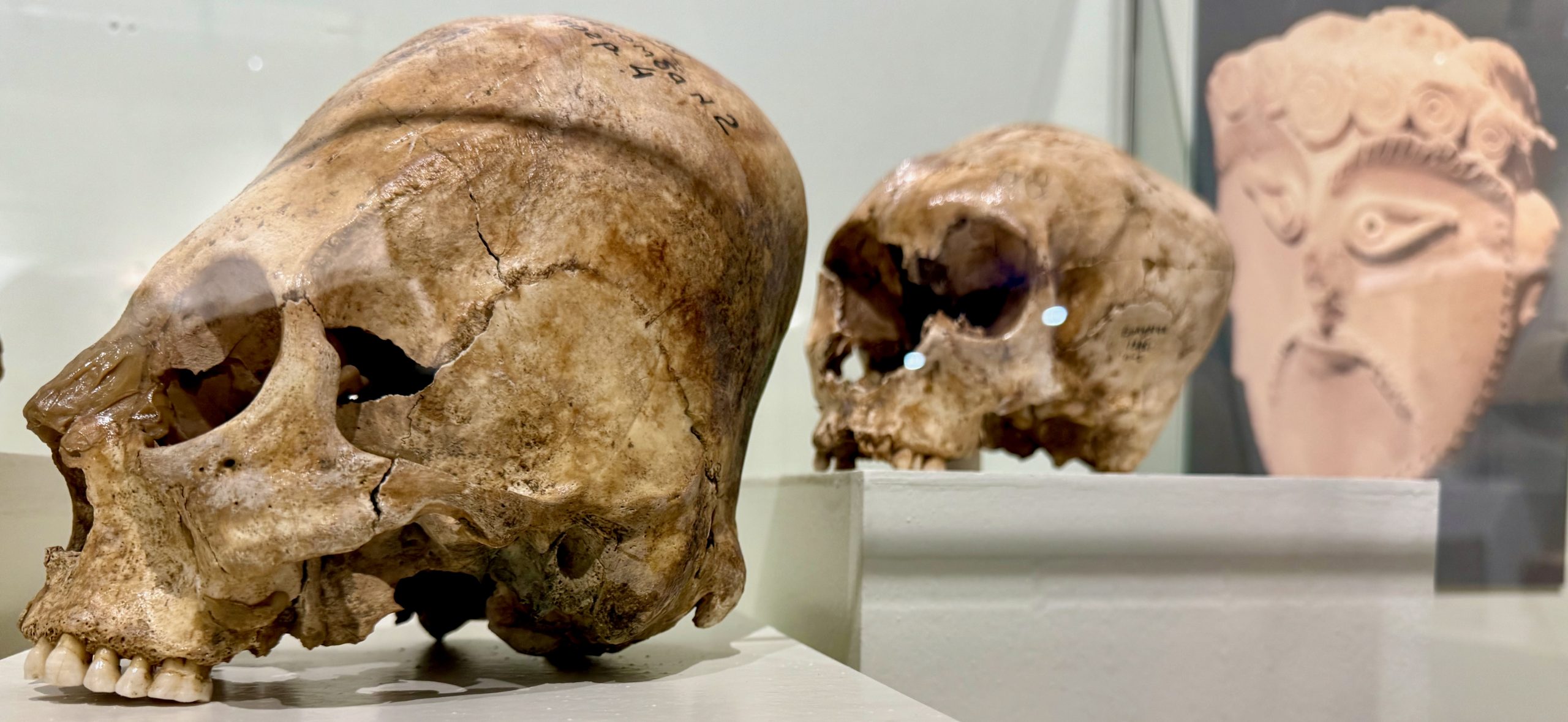
The lengths to which humans will go: a skull distorted to display social position
Today’s version of the magic carpet as we head back to Tashkent

One of the most memorable things I saw in Samarkand was a skull showing intentional distortion, presumably as a display of status, dating from the 7th–8th century. It was on display at the Afrasiab Museum – and was found at the ancient settlement of Afrasiab, once the location of ancient Samarkand. I confess, Indiana Jones and The Kingdom of the Crystal Skull sprang to mind.

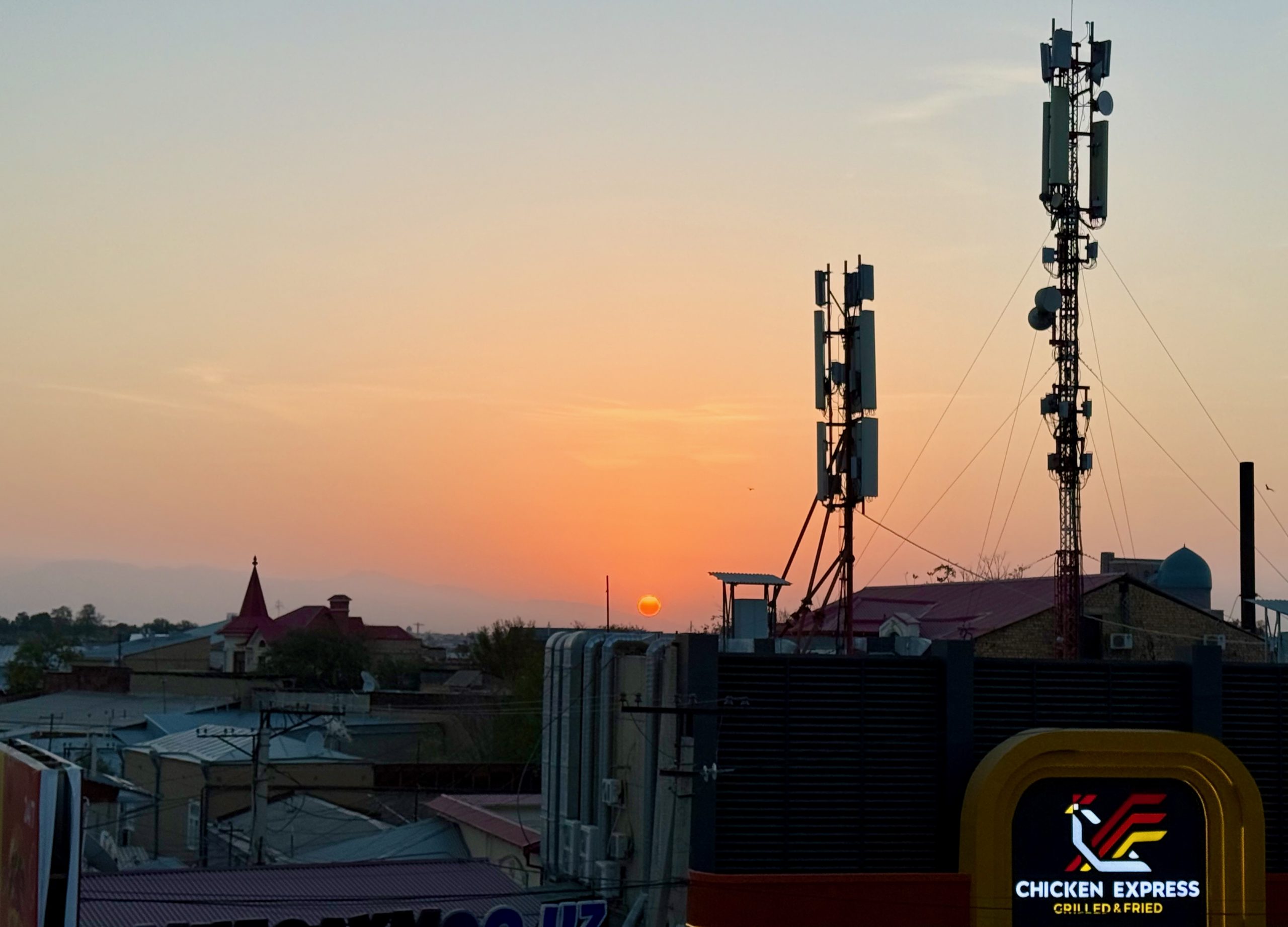
The magic of Samarkand was only slightly dented by the fact that our hotel bedroom looked onto radio antennae and a Chicken Express restaurant’s neon sign. The Hotel Emirkan was a gilder’s delight, with gold, or at least gilt, everywhere. But it also gave us our first taste of power cuts and water outages.
We got a chance to see something of the mountains when we went out to visit Timur’s intended tomb in Shakhribaz, his birthplace, though his body never arrived. Once again, life was a fascinating blur of mosques, madrasa, palaces, mausoleums and necropolises. Though, to Elaine’s displeasure, the Siyob bazaar remained stubbornly closed for repairs.
Still, the absolute highlight of the entire Samarkand visit, at least for me, was the one to the observatory founded by Ulugh Beg (1394–1449). He was a truly remarkable figure – a prince, astronomer, and mathematician who ruled over Samarkand in Central Asia. His story is a blend of science, power, and tragedy, the tale of a ruler more interested in the stars than in conquest.

He was a grandson of the legendary conqueror Timur, or Tamerlane, who established the vast Timurid Empire. After Timur’s death, Ulugh Beg’s father, Shāhrukh, ruled from Herat, while Ulugh Beg governed Samarkand, one of the empire’s most important cities.

Unlike his warlike ancestors, though, Ulugh Beg was passionate about learning and knowledge, especially astronomy, mathematics and philosophy. Under his rule, Samarkand became on the great intellectual centres of the Islamic world.

He founded the Ulugh Beg Madrasa (1417–1420), or university, in Samarkand’s Registan Square, where mathematics and astronomy were central to education – a rarity at the time.

And then, around 1420–1424, he also built a massive observatory, the Gurkhani Zij (aka Ulugh Beg Observatory) – one of the most advanced in the world before the invention of the telescope. (I will cover more of his story in my third Substack post, published on Friday.)

Sadly, Ulugh Beg’s devotion to science made him a poor politician and warlord. After his father’s death, rival princes and religious conservatives turned against him. His own son, ʿAbd al-Laṭīf, rebelled – likely under the malign influence of clerics who viewed Ulugh Beg’s secular and scientific interests as impious, akin to black magic.

In 1449, he was captured and executed on his son’s orders while on pilgrimage to Mecca. No wonder so many of the emirs and khans whose images we saw as we travelled the old Silk Road cities looked so haggard and haunted. But his legacy liveds on. Even if his observatory was destroyed soon after his death, his star catalog spread through Persia, India, and eventually Europe.

I returned to London feeling as though I had been on a pilgrimage, something that I will explore in my fourth Substack piece, to be posted on Saturday, 1st November. Will drop the link in here when the post is live. But this trip sparked a line of thinking that has also given a radically new slant to the book I have been working on this past year. More on that, I hope, anon.

  • « Go to Previous Page
  • Go to page 1
  • Go to page 2
  • Go to page 3
  • Go to page 4
  • Interim pages omitted …
  • Go to page 168
  • Go to Next Page »

Primary Sidebar

Introduction

I began this blog with an entry reporting on a visit to the Woods Hole Oceanographic Institution on Cape Cod, on 30 September 2003. The blog element of the website has gone through several iterations since, with much of the older material still available.

Like so many things in my life, blog entries blur the boundaries between the personal and the professional. As explained on this site’s Home Page, the website and the blog are part platform for ongoing projects, part autobiography, and part accountability mechanism.

In addition, my blogs have appeared on many sites such as: Chinadialogue, CSRWire, Fast Company, GreenBiz, Guardian Sustainable Business, and the Harvard Business Review.

Recent Comments

  • John Elkington on The Hill House Elkingtons
  • sally fitzharris. (Rycroft) on The Hill House Elkingtons
  • Thomas Forster on Reminder of Glencot Years

Journal Archive

About

John Elkington is a world authority on corporate responsibility and sustainable development. He is currently Founding Partner and Executive Chairman of Volans, a future-focused business working at the intersection of the sustainability, entrepreneurship and innovation movements.

Contact

john@johnelkington.com  |  +44 203 701 7550 | Twitter: @volansjohn

John Elkington

Copyright © 2026 John Elkington. All rights reserved. Log in