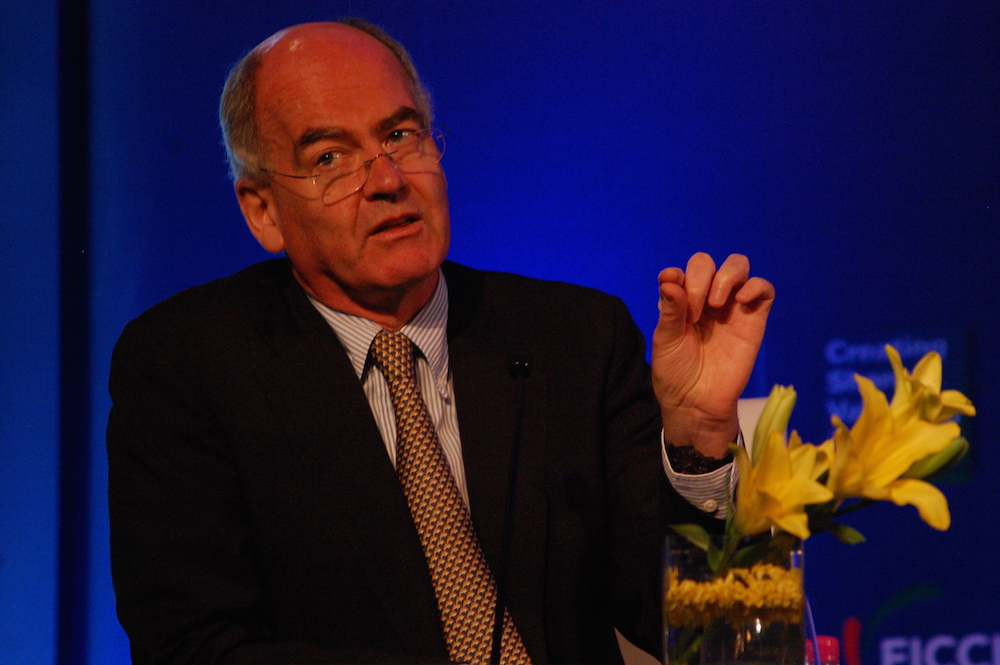
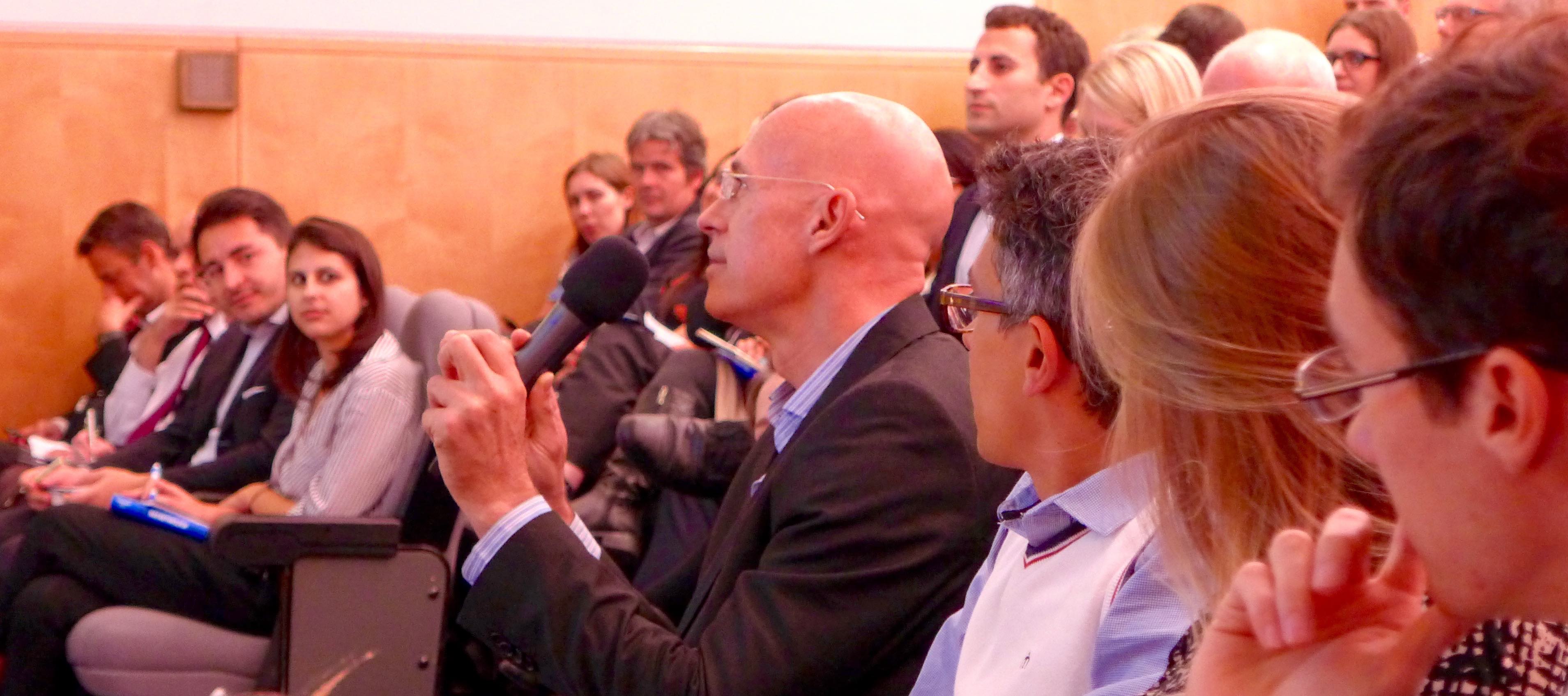
Not a photo of the British Library me, but used by Pioneers Post to illustrate an interesting summary of last week’s ‘Is CSR Dead?’ Barclays debate.

John Elkington
A world authority on corporate responsibility and sustainable development.
Not a photo of the British Library me, but used by Pioneers Post to illustrate an interesting summary of last week’s ‘Is CSR Dead?’ Barclays debate.
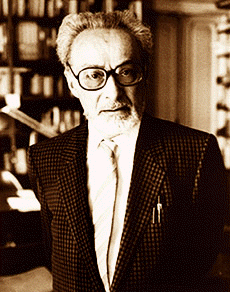
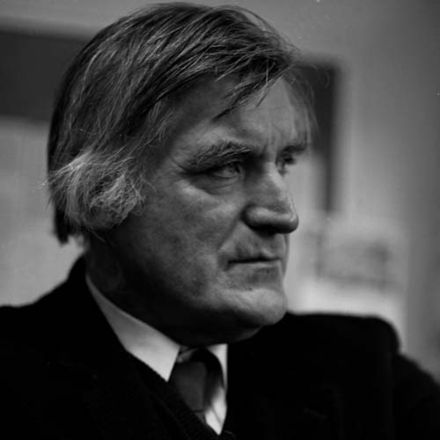
Just watched the BBC2 programme, Ted Hughes: Stronger Than Death. Stunning. Frieda Hughes wonderfully engaging. Have always felt profoundly privileged to have been mentioned in one of his poems, written as Poet Laureate.
In The Letters of Ted Hughes (Faber & Faber, 2007) , edited by Christopher Reid, Hughes writes to Michael Hamburger on 12 September 1987 (page 538). He mentions reading my book, The Poisonned Womb (sic, his misspelling). “Read it,” he suggests, “& gain a head of perfectly white hair.”
Then an odd concatenation this week. Talking with Covestro CEO Patrick Thomas yesterday, we were exploring the carbon cycle, and he explained the last essay in Primo Levi’s book The Periodic Table. He noted that chapter 21 of the book was on Carbon, and ends with the carbon atom in question contained in the full stop at the end of some text.
And that reminded me of the trick Ted Hughes played in writing about The Poisoned Womb. In dropping a comma and full-stop at key points, he slyly referenced the sperm and the egg.
I wonder how many readers of The Times noticed that about the poem when the newspaper published it? (I think I only spotted it when I read the poem later in his 2003 Collected Poems.)
Not one of his finer pieces, but how extraordinary to be trapped like a fly in the amber of his otherwise genius.
(Both images courtesy of Wikipedia.)
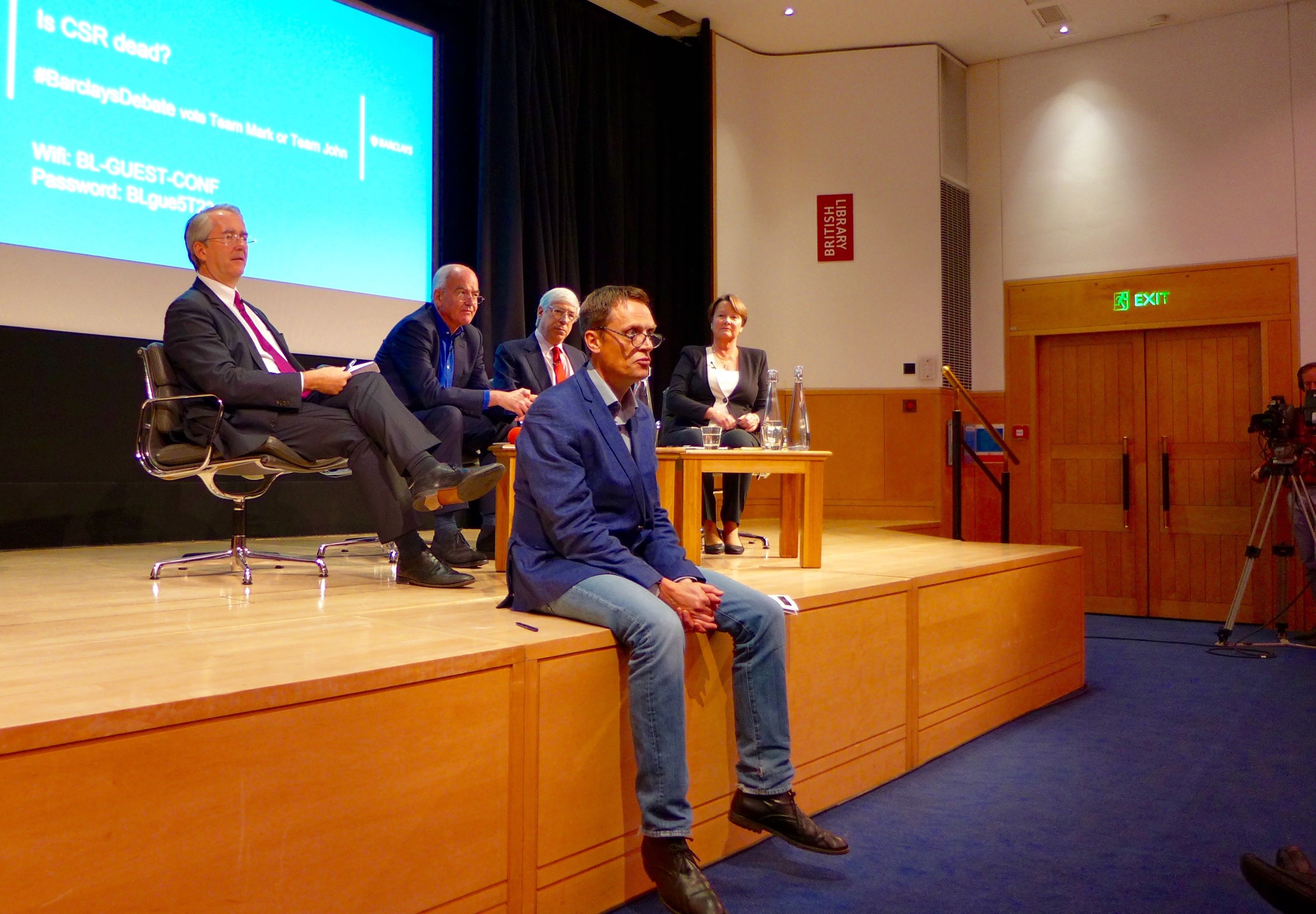
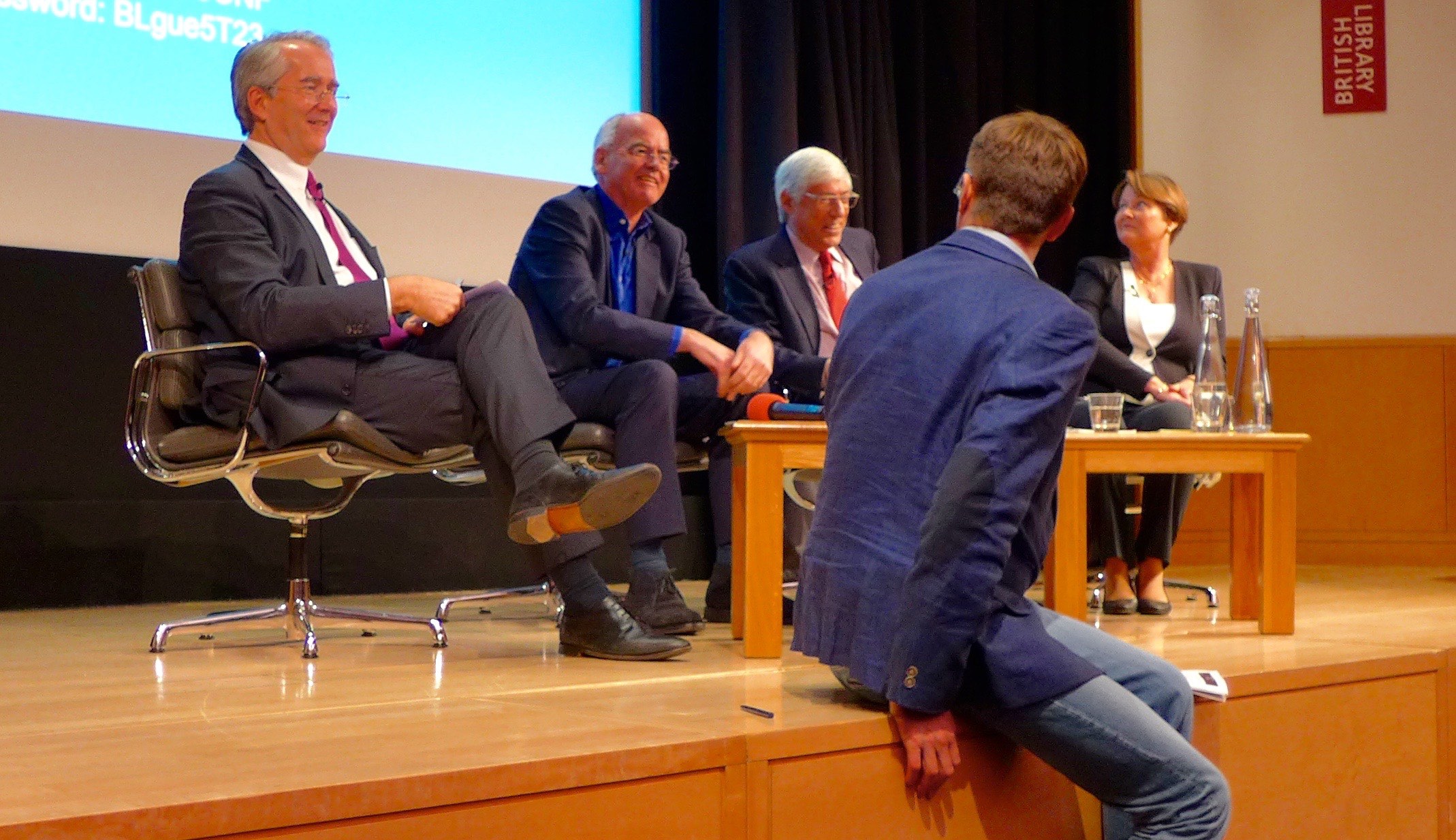
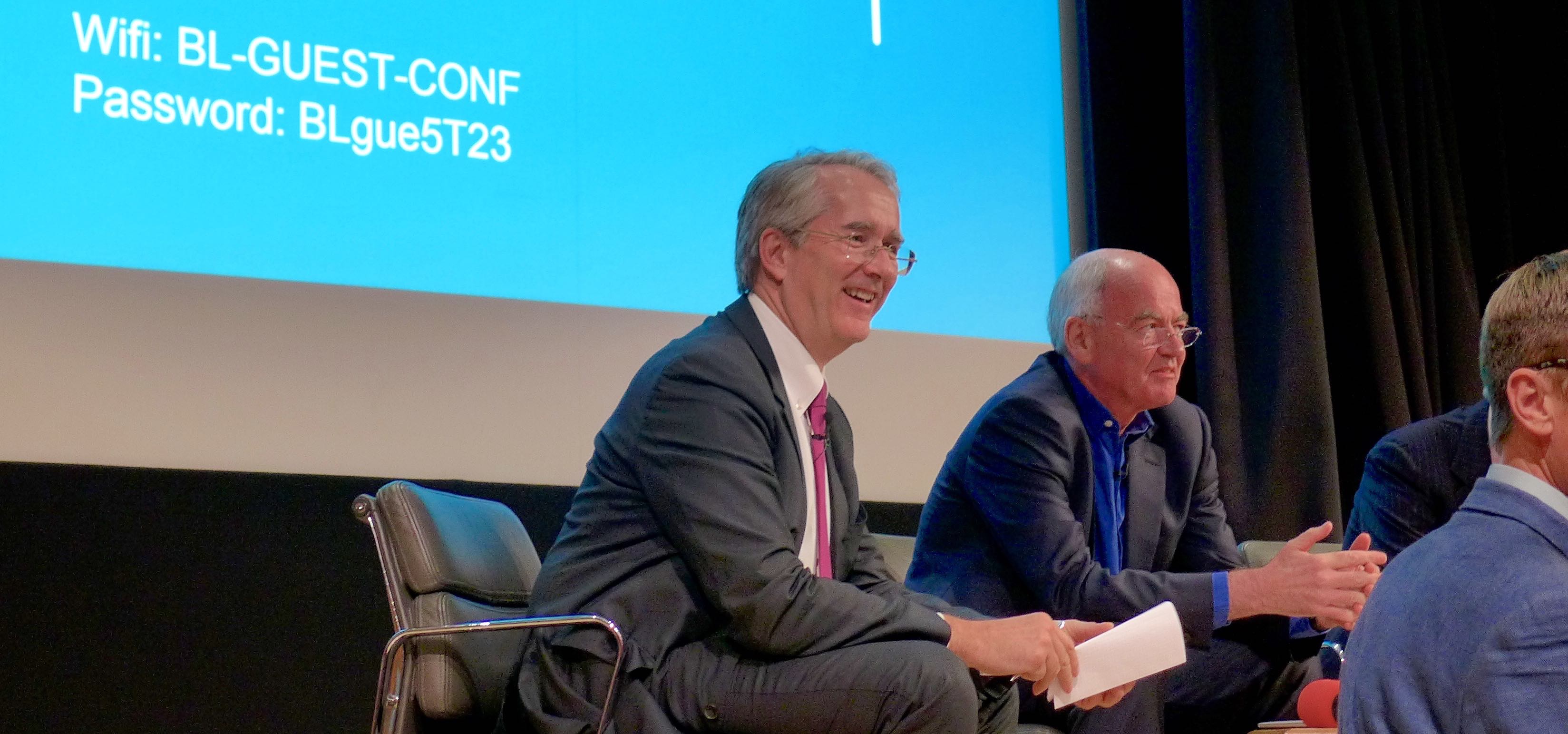
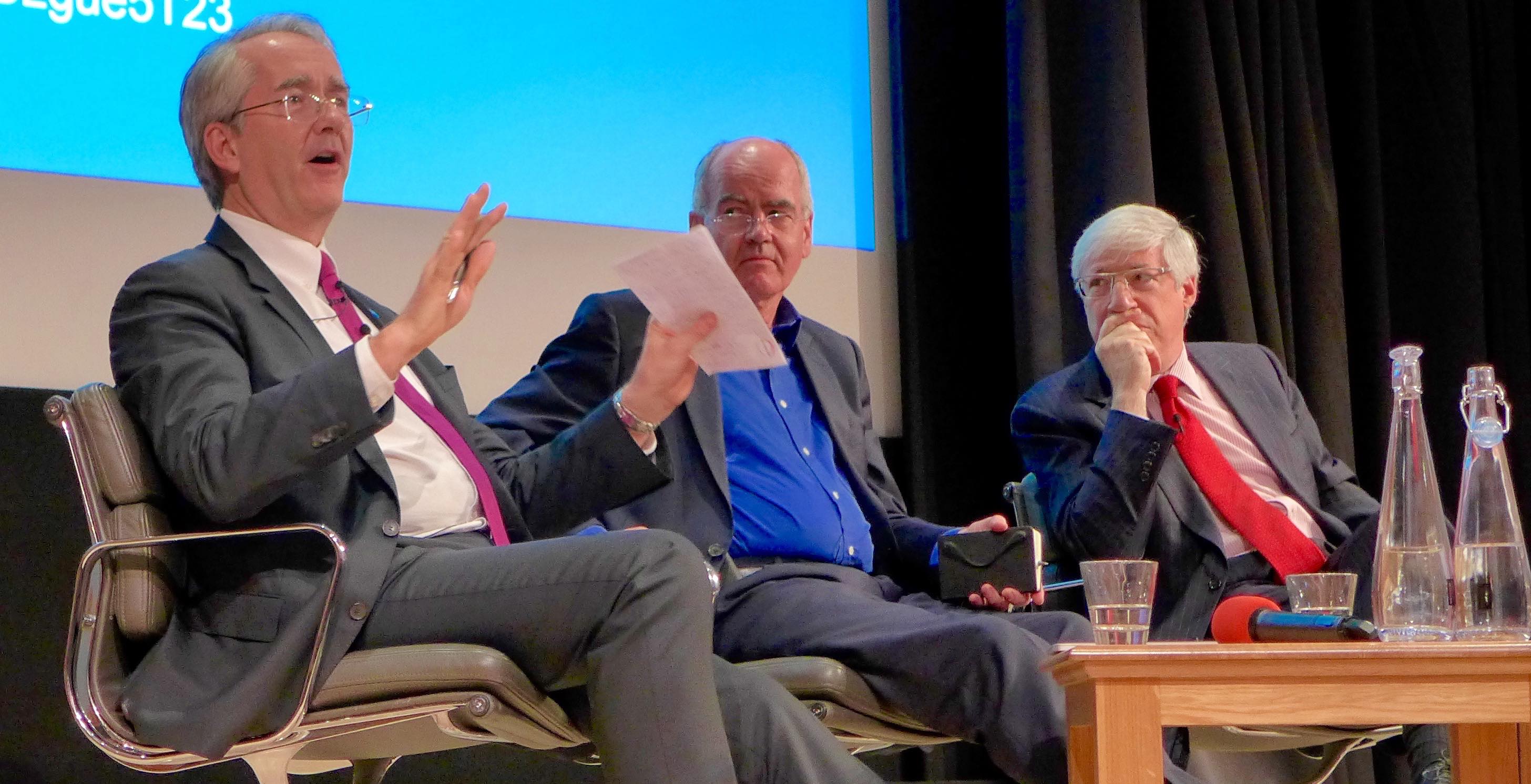
After Monday’s Crowd session, I flew to Geneva for the latest Creating Shared Value Advisory Council session with Nestlé in Vevey. Key task was to judge the latest round of the Creating Shared Value Prize. The Council demonstrated crowd intelligence in action.
Ironic, given all of that, that on Thursday evening I then had to publicly debate the question ‘Is CSR Dead?’ (Corporate Social Responsibility, that is) with two of the main champions of Shared Value, Mark Kramer of FSG and the Shared Value Initiative, and Janet Voûte of Nestlé.
This was a Barclays debate, held at The British Library and chaired by Matthew Taylor, Chief Executive of the Royal Society of Arts. With #TeamMark comprising Mark and Janet, #TeamJohn featured Covestro CEO Patrick Thomas and myself.
Just before we headed a cross to the Library, I realised with horror that I had prepared my speech on the wrong assumptions – and was increasingly stressed as we met the Covestro team at the Hoxton Hotel in Bloomsbury, and then took a taxi to the Library (through the stickiest of traffic jams) and then was filmed (with a camera that crashed part-way through).
Once the filming was finished, I holed up and redid the speech on my MacBook, finishing it just in time. When the five of us took to the stage, the mood was light from the start. For the first time, I spoke from a computer on my lap. (All photos of debate used here are by Sam Lakha.)
When Matthew took an initial poll of the audience, it was originally calculated that the room was 51% to 49% favour of CSR being alive, not dead – though the actual vote was a few point higher, to CSR’s advantage.
To be honest, I felt somewhat compromised by the fact that I have argued that CSR is in urgent need of a profound reboot ever since we set up Volans in 2008. Still, I gave it my best – and Patrick proved what an excellent debater he is. The audience participation was terrific, with some extremely thoughtful contributions from the floor.
I was on tenterhooks when the vote came, feeling that the Shared Value agenda must have made up some ground. But when Matthew read out the results from the room and the online audience, I was stunned to hear that the needle had swung to 75% in favour of our position.
It really was a false framing of the bigger agenda, something that both Mark and I had argued from the outset. My argument was that this is no longer a matter of Either/Or, but of Both/And.
I see Shared Value as having a crucial role. But as an approach that stresses Win-Win outcomes, rather than Win-Win-Win (Triple Bottom Line) outcomes, it by definition fails to deal with the Win-Lose challenges (e.g. stranded assets) that are shot through the wider sustainability debate.
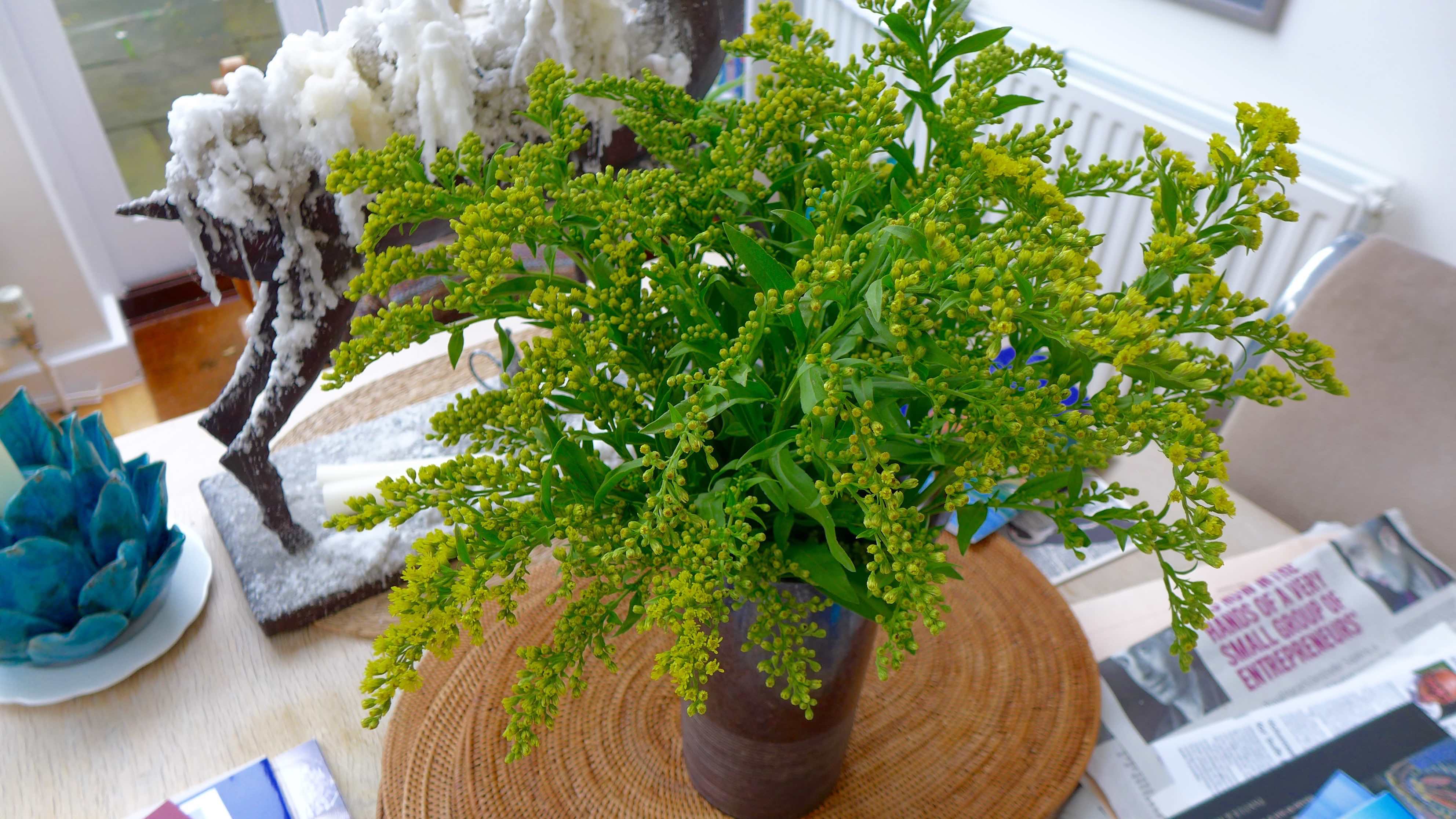
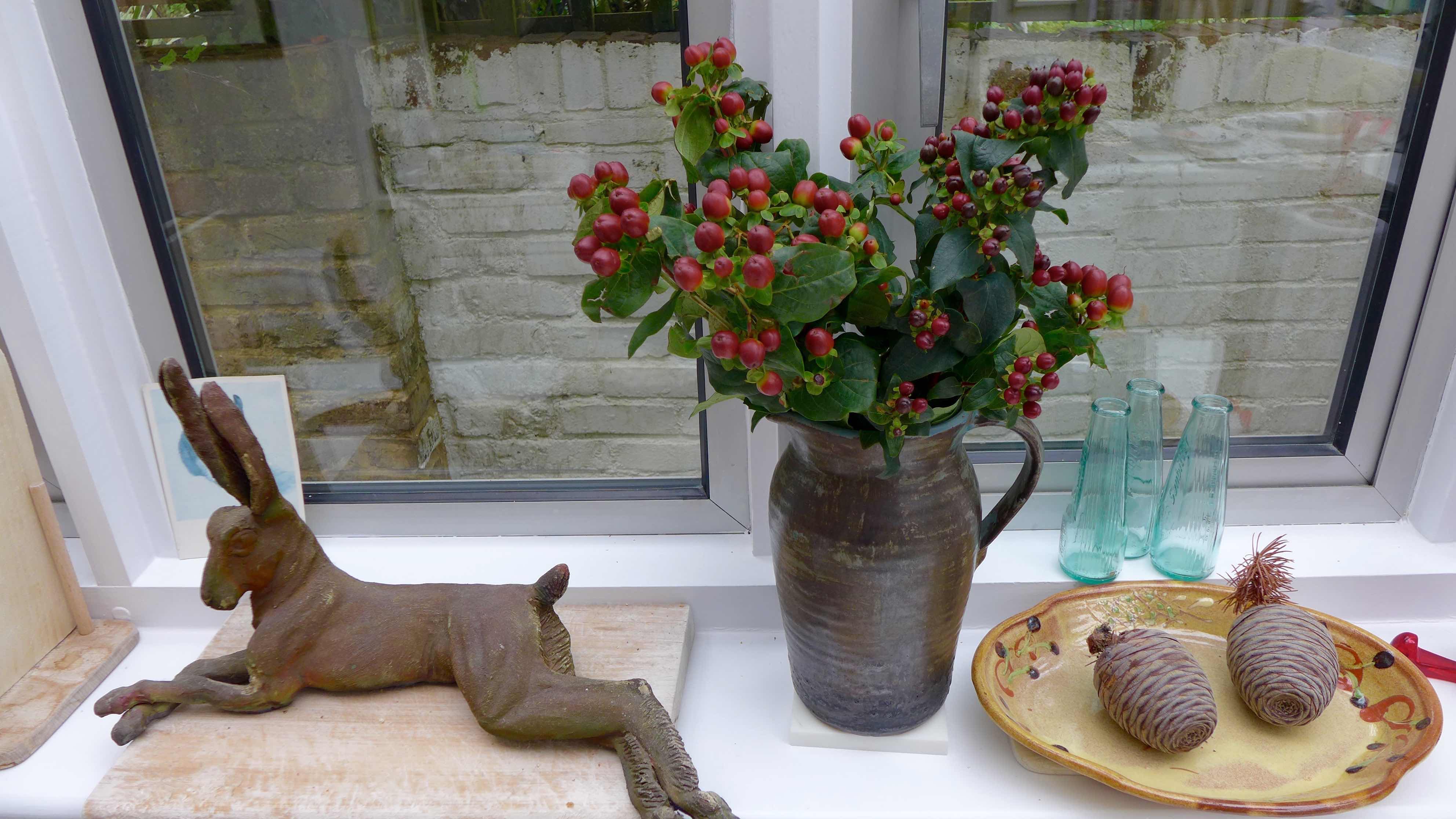
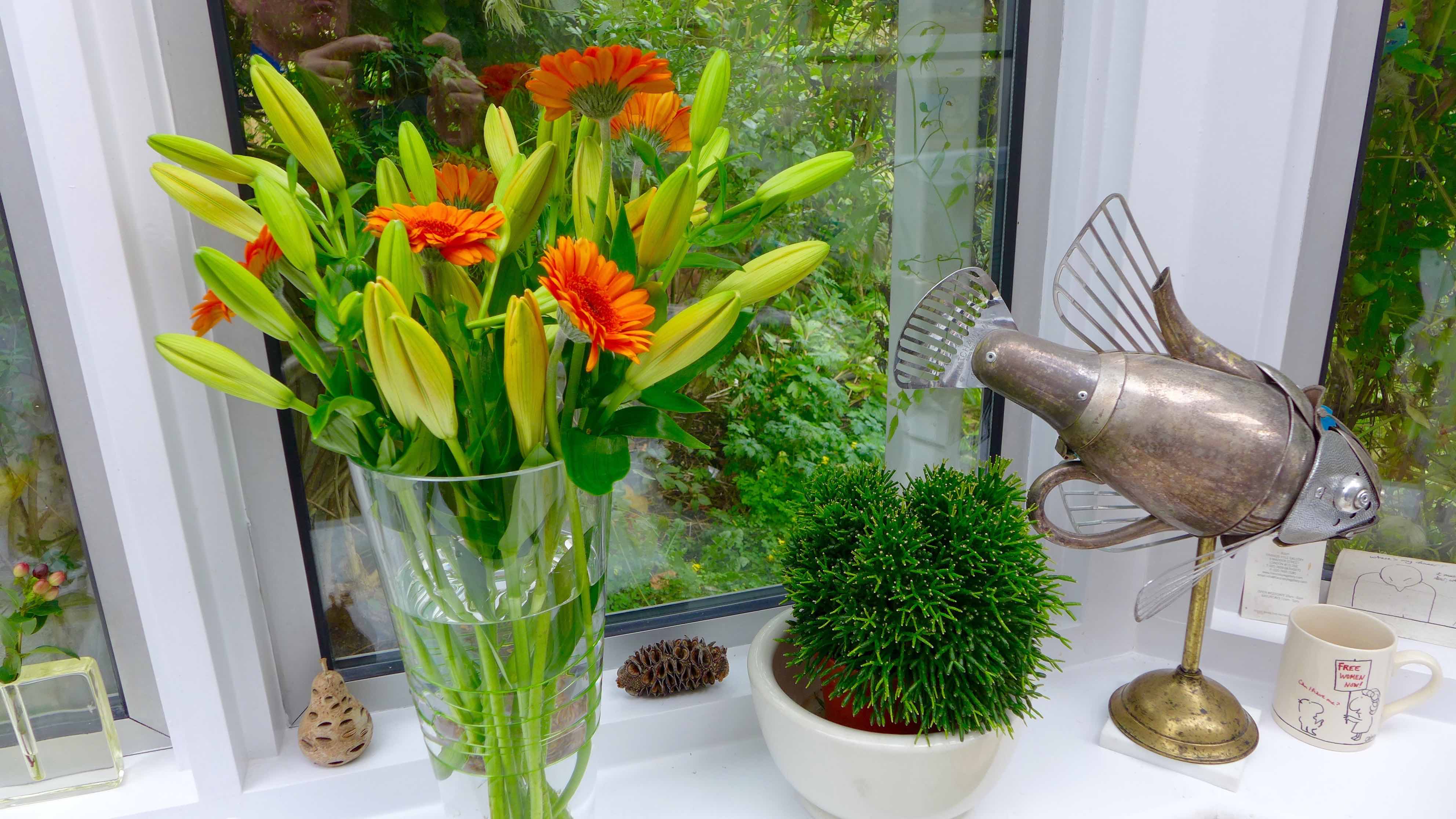
Yesterday, Friday, included a session with the Covestro team and a wonderful telephone call with Janine Benyus. Then, today, a box of flowers arrived at our door in Barnes, a huge bouquet from Zheng Jieying in New Zealand, celebrating the debate win. We split Jieying’s bouquet into five vases, three of the images I took for her being shown above.

Wonderful evening with The Crowd at The Art of Change event.
Introduced by Jim Woods and chaired by Catherine Cameron, the event featured three panellists who spoke after my presentation: Richard Gillies, on his lessons from Kingfisher & M&S; Kate Millar, on how the Barclays ‘Lens’ brings society into major business decisions; and Tim Brooks, on the process that led to Lego committing to removing crude-oil-based plastics from its supply chain by 2030.
The first image in my keynote is shown above: it was only after I had dropped it into the slide background that I noticed the pubic hair, but death is no respecter of our vanities.
Then on, with Jim, the speakers and the sponsors, to a delightful dinner at Manicomio City, overlooking the rain sluicing down outside in the silvery darkness of Gutter Lane.
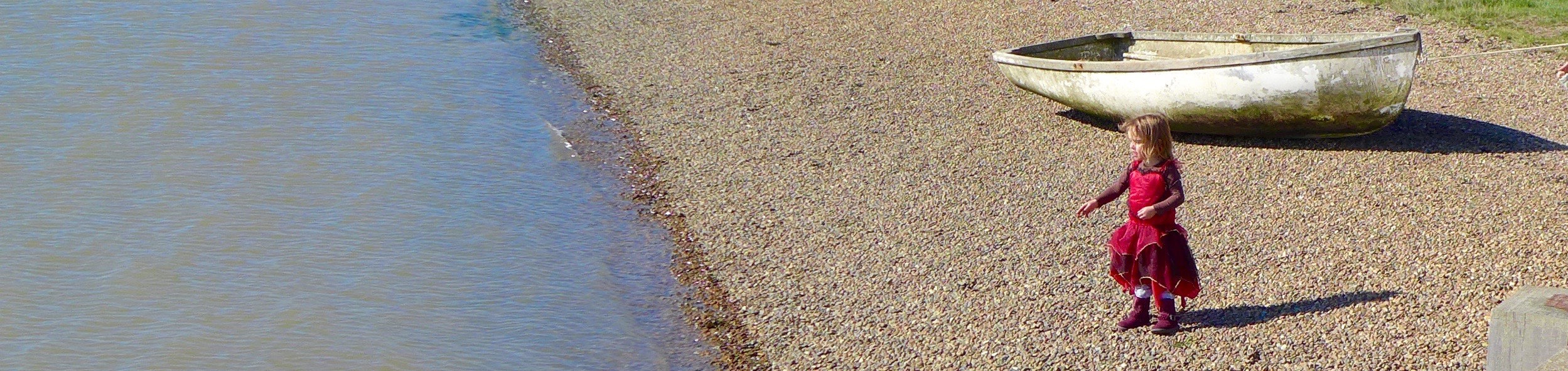
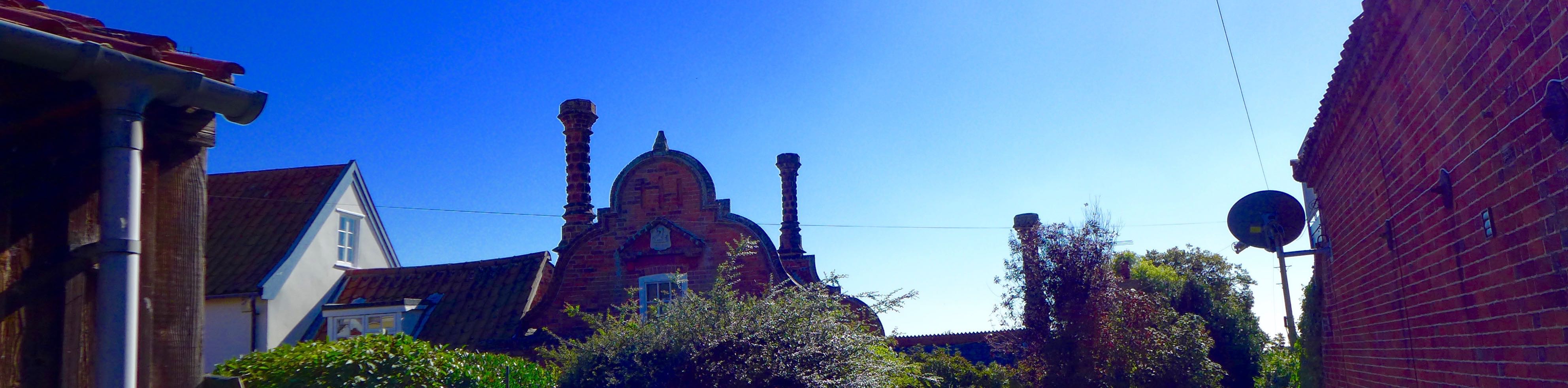
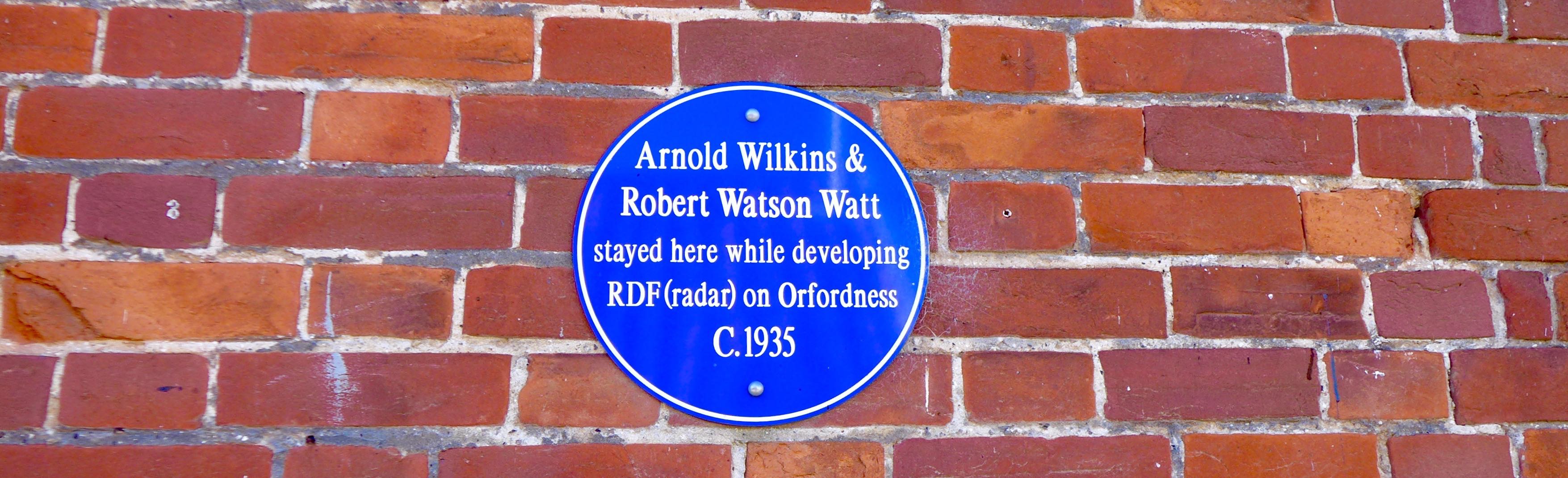
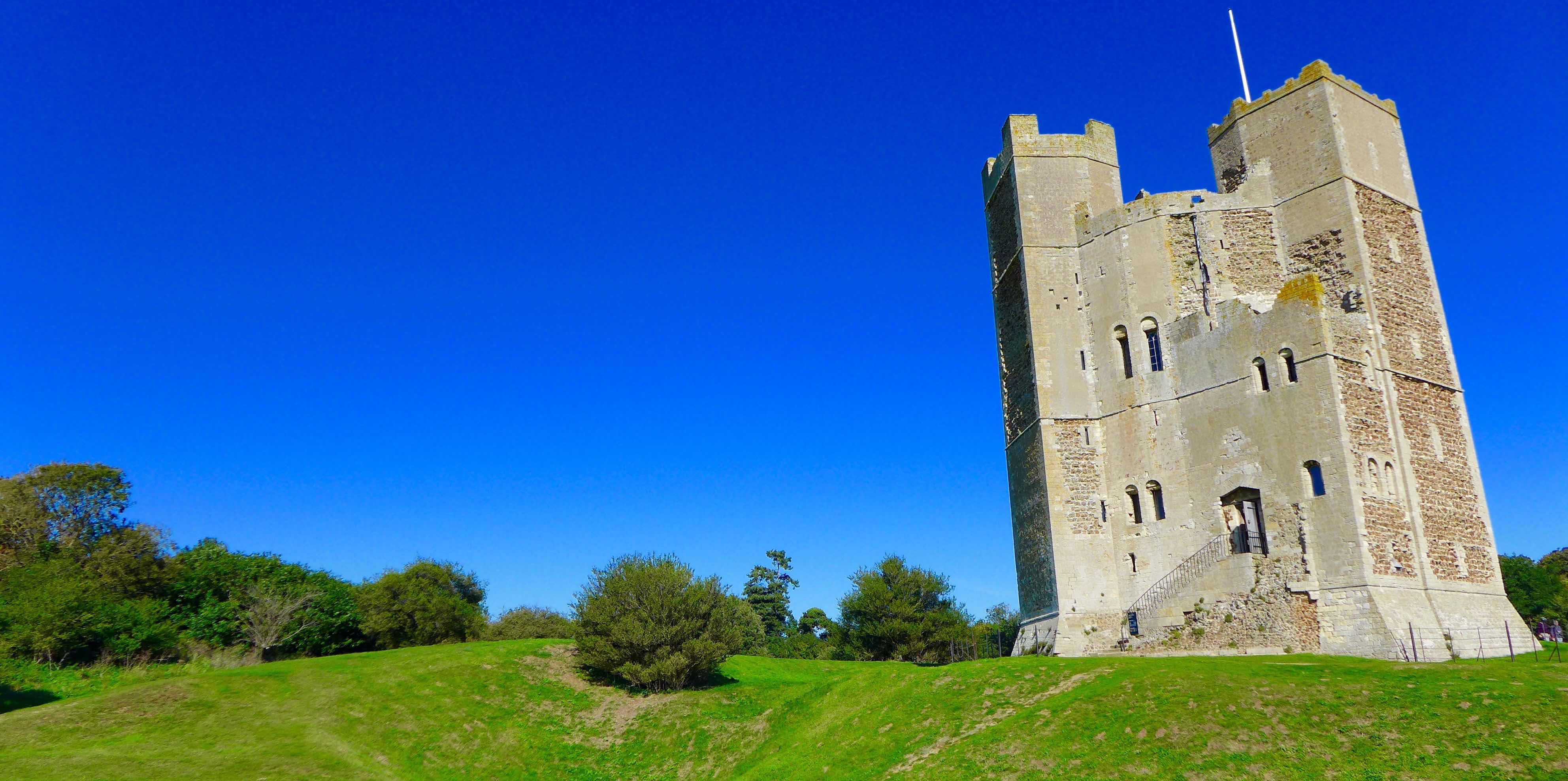

After Sutton Hoo, we headed across to the coast to see Orford. The Castle was very striking and its keep remarkably intact, particularly given that its outer walls and towers have somehow vanished. Then a delightful lunch at the Butley Orford Oysterage.
A test shot of tabasco on one oyster had me in paroxysms at one point, however, a hangover effect of the cold and cough I have been harbouring for the last week.
Sadly, we discovered, Orford Ness had just closed for the year, except for Saturdays. Had wanted to see the relics of the mysterious testing days on the Ness, when it was a Cold War R&D site, as much as the shingle-backed ecosystem. So we wandered along the shore, in my case plucking and chewing marsh samphire, and marshalling the stamina for the drive back to London.
But amazing how much four days away can expand one’s horizons.