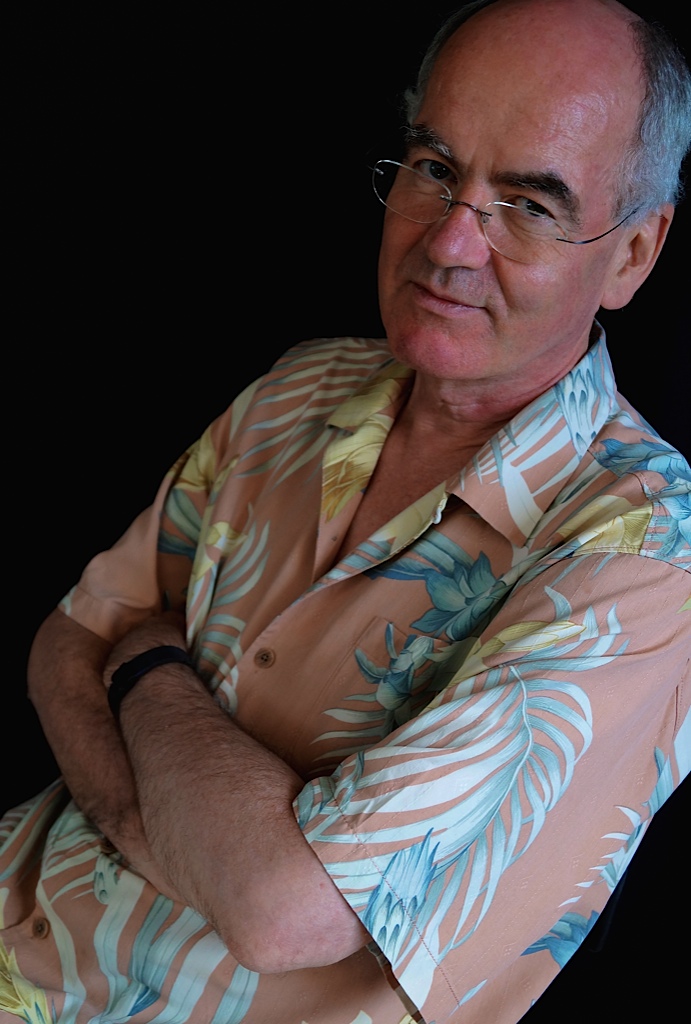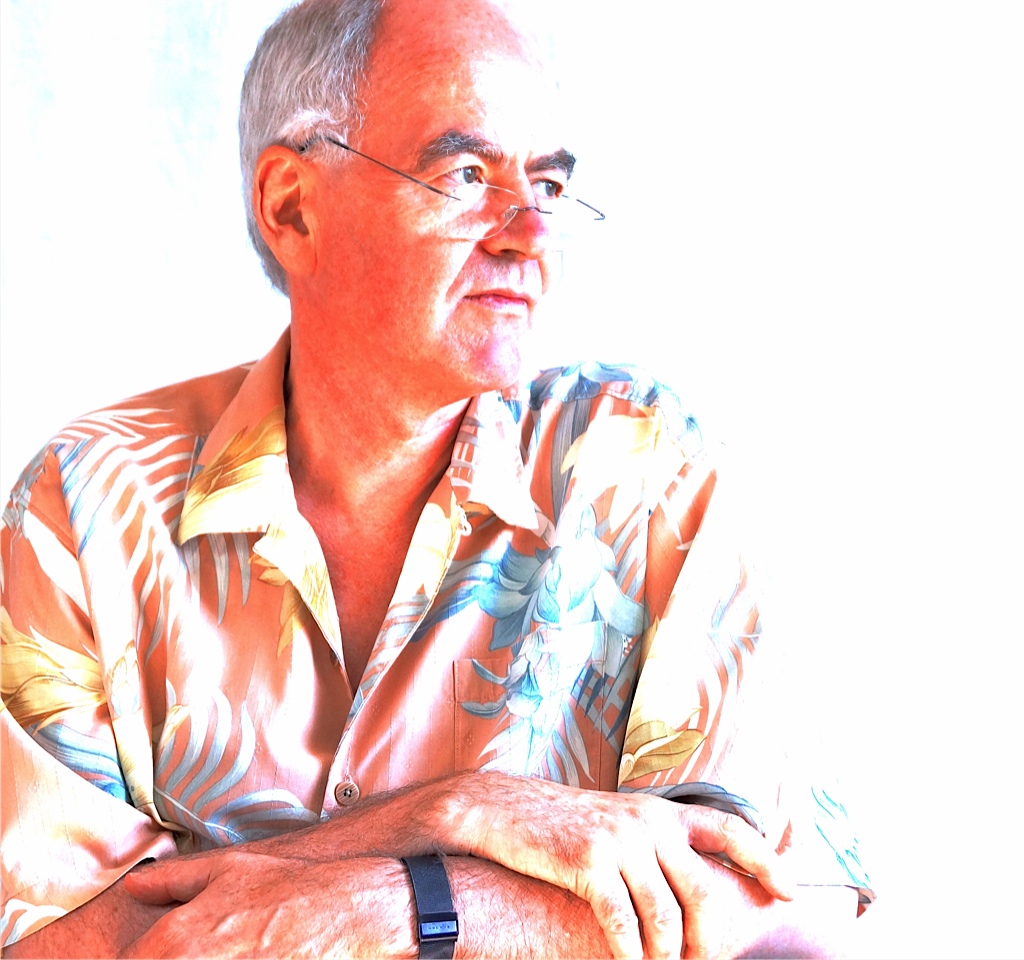

It was with immense sadness that I heard of the death of Stephen Lloyd when I was on a flight back from Copenhagen this evening. The story came, indirectly, via the website of The Lawyer.
I tried to post elements of the following appreciation on the website, but apparently failed to test to show that I was a human rather than a bot – which involved typing in the second and fifth letter of the word SOFTWARE. (I look forward to the day when such websites can detect real human emotions …)
And the emotions are very real.
I first met Stephen when he served as legal counsel for the ill-fated Earthlife Foundation in the 1980s. Later he played the same role when I was Chairman of The Environment Foundation, which subsequently morphed into the Foundation for Democracy and Sustainable Development, under its then Director Halina Ward.
The story I wanted to share has to do with the period after the Trustees of The Environment Foundation decided to apply to the Charity Commissioners for permission to embrace the charitable objective of sustainable development. We were told point-blank that sustainable development was commercial, ergo couldn’t be a charitable objective. To add insult to injury, the Commissioners then tried to shut us down.
Stephen was utterly incensed. He fought our case for two years, and when it extended into a third year volunteered to continue pro bono. It was a joy to stand shoulder-to-shoulder with such a man, alongside the late Helen Holdaway, during what proved to be a fairly protracted fight.
In the end, thanks to Stephen, we won.
So one key legacy of Stephen’s legal work is the fact that sustainable development is now a charitable objective in this country.
He will be missed hugely, in so many different ways.
Those who knew him better as family members, friends or colleagues will be far closer to the epicentre of this seismic shock. We send them our best wishes – and our thanks for sharing this wonderful man with us.
LATER ADDITION: For obituaries of Stephen, see http://www.theguardian.com/society/2014/aug/29/stephen-lloyd and http://www.independent.co.uk/news/obituaries/stephen-lloyd-lawyer-acclaimed-for-his-efforts-to-modernise-the-charity-sector-and-champion-the-idea-of-social-enterprise-9712963.html