
79 Years Ago Today


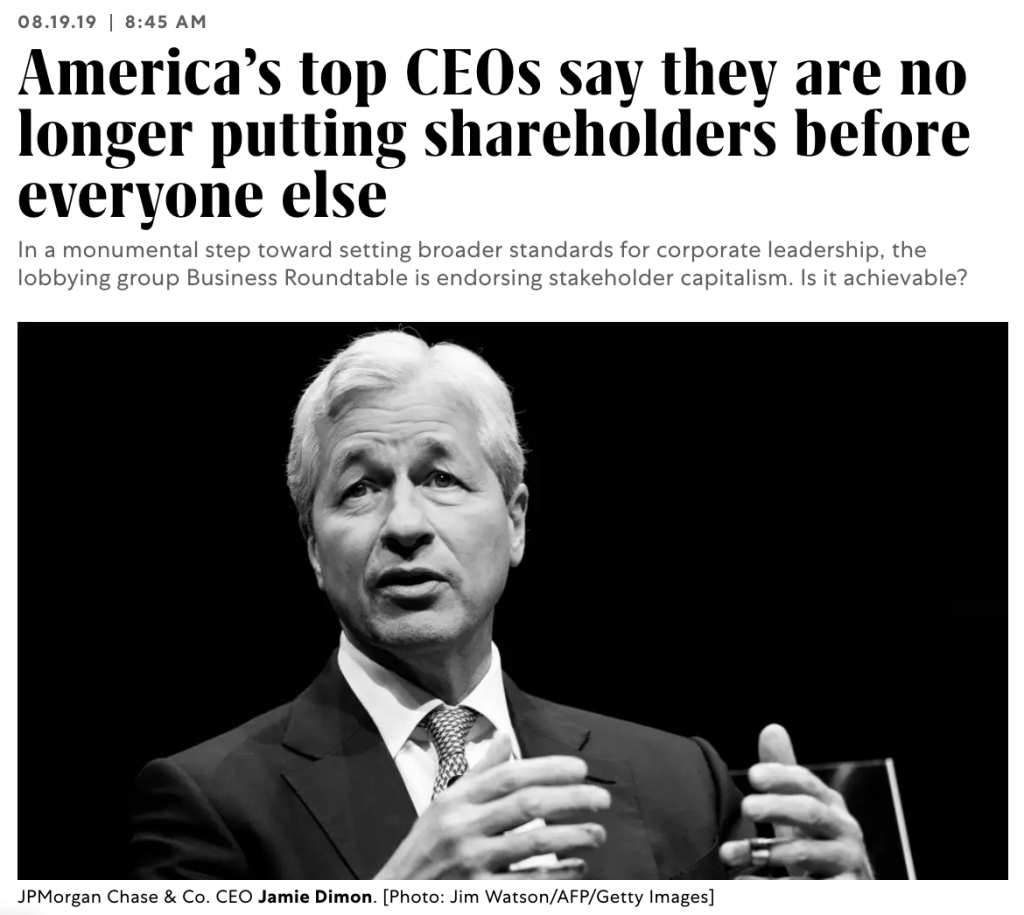
I am quoted in this Fast Company piece on a milestone announcement by the Business Roundtable. Literally 25 years after I came up with the Triple Bottom Line, the Business Roundtable in the USA has made an announcement potentially reversing over 50 years in which Milton Friedman’s doctrine of shareholders-above-everything-else has prevailed.
The article by Rick Wartzman opens as follows:
For the past two decades, the official stance of America’s top corporate executives has been that the interests of shareholders came before the interests of all others—workers, consumers, the cities and towns in which their companies operated, and society as a whole.
The Business Roundtable, a lobbying group composed of the nation’s leading CEOs, just announced that its members “share a fundamental commitment to all of our stakeholders”—each of whom “is essential”—while pledging “to deliver value to all of them, for the future success of our companies, our communities, and our country.”
With its “Statement on the Purpose of a Corporation,” the Roundtable has affirmed the need for “meeting or exceeding customer expectations”; “investing in our employees,” including by “compensating them fairly and providing important benefits,” as well as offering training and education so that they can “develop new skills for a rapidly changing world”; “dealing fairly and ethically with our suppliers”; “supporting the communities in which we work”; and “generating long-term value for shareholders.”
Jamie Dimon, the CEO of JPMorgan Chase and the Roundtable’s chairman, says he hopes that this declaration “will help to set a new standard for corporate leadership.”
It is, without question, a huge deal.
Read the full piece here. Just over a year after my ‘product recall‘ of the Triple Bottom Line, via the Harvard Business Review, it feels as if the world is beginning to catch up.

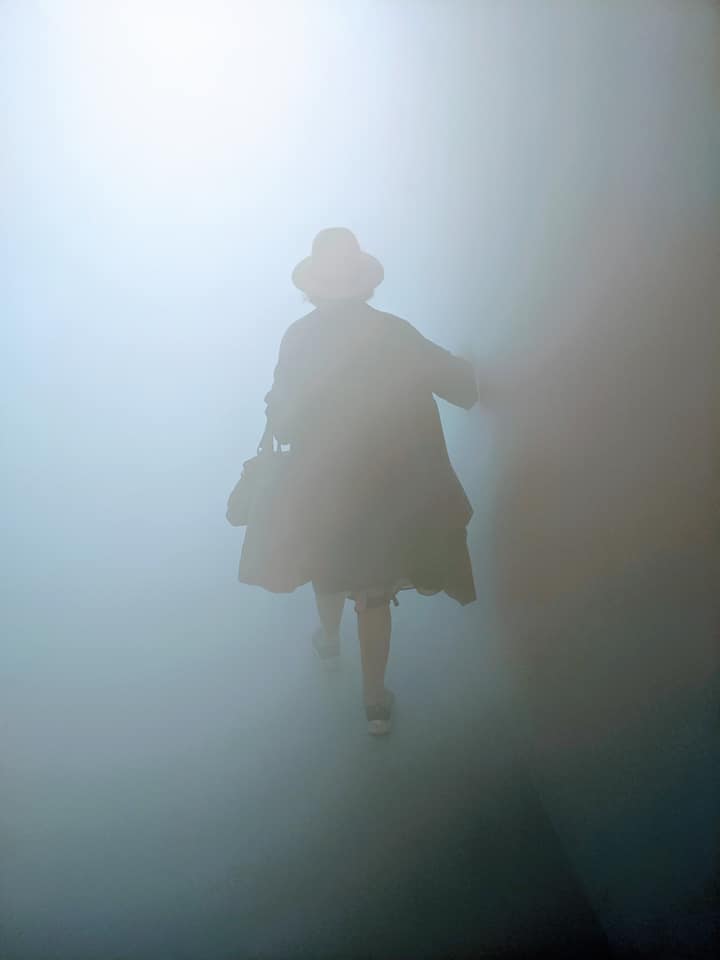
Elaine and Hania went this week to Olafur Eliasson’s In Real Life exhibition at the Tate Modern. One highlight is the 39-metre long fog exhibit, Din blinde passager (Your blind passenger) where you can see about 1.5 metres ahead. The fog is made from non-toxic polls, a sweetener often used in food production. One question Eliasson asks is: Can artistic endeavour help mitigate the impact global warming? We must hope so.

The manuscript of my new book, Green Swans, went off to the publishers a few days after we held the Green Swan Day event at the Barnes Wetland Centre. Can’t exactly say I have been walking on air since, but it has certainly been a considerable relief – and the publishers seem delighted. Now for several months of editing and getting the book designed and set.
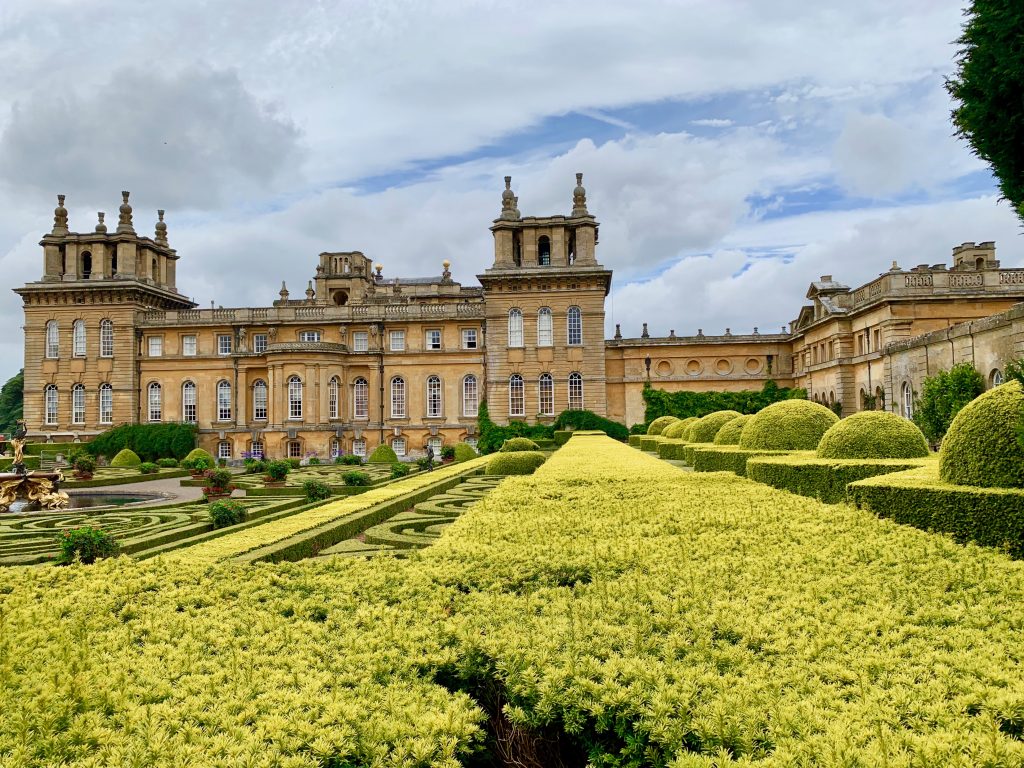
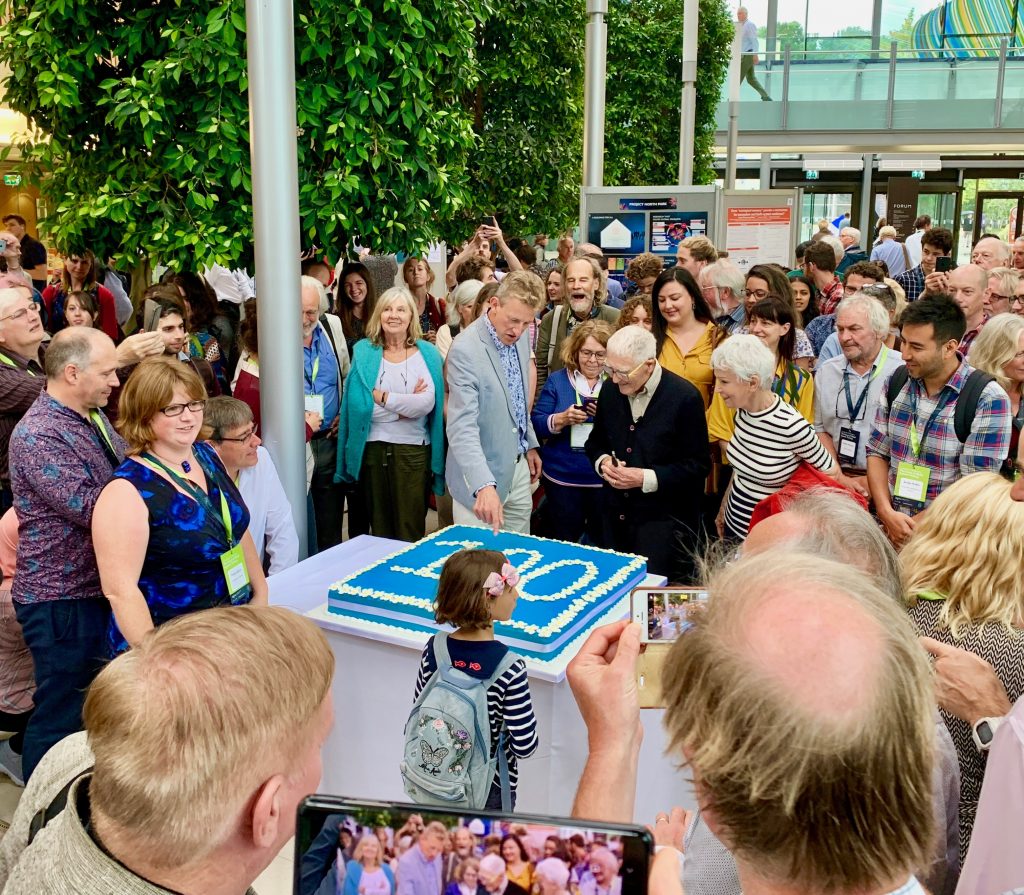
One book I quote from in Green Swans is James Lovelock’s latest, Novacene. Read it before attending Jim’s 100th birthday party in The Orangery at Blenheim Palace, on Friday, July 26. It really is stunning – and highly engaging. I found myself laughing out loud at least once.
As we all trooped out in bright sunshine for a massive group photograph on the steps of the Palace, I found myself walking alongside someone I knew I recognised, but couldn’t quite place. Stewart Brand. One of my long-standing heroes, ever since I bought and read all the Whole Earth Catalogs – throughout their life cycle. He was there with his wife, Ryan Phelan, and he told me as we walked into the firing line that he and I had been seated next to each other at lunch. Joy – and what a wonderful conversation!
Have since been communicating with Ryan about her work at Revive & Restore. I am particularly interested in their work on ocean genomics (where I was struck by the Big Ideas proposed for the use of applied biotechnology) and on saving the horseshoe crab.

Then a trip across to Hill House, Little Rissington, to see my ailing mother and her carers, my siblings. She is still there, in part, but it is like talking to a still occasionally lively and funny person through a small letterbox. God only knows what is going to happen when the Baby Boomers hit the same sort of age. I heard from a friend this week that his sister-in-law had opted to have her life ended – and I suspect assisted dying is going to become a rapid growth industry before too long.

After Hill House, I drive back to London for the rest of the weekend, before heading off by train on the Monday to Exeter University for the 3-day (29-31 July) event on ‘The Future of Systems Thinking‘, where I met all sorts of extraordinary people – and caught up with old friends, like Tim Smit and Professor Tim O’Riordan. Fascinating interview of Jim Lovelock by GSI’s Tim Lenton.


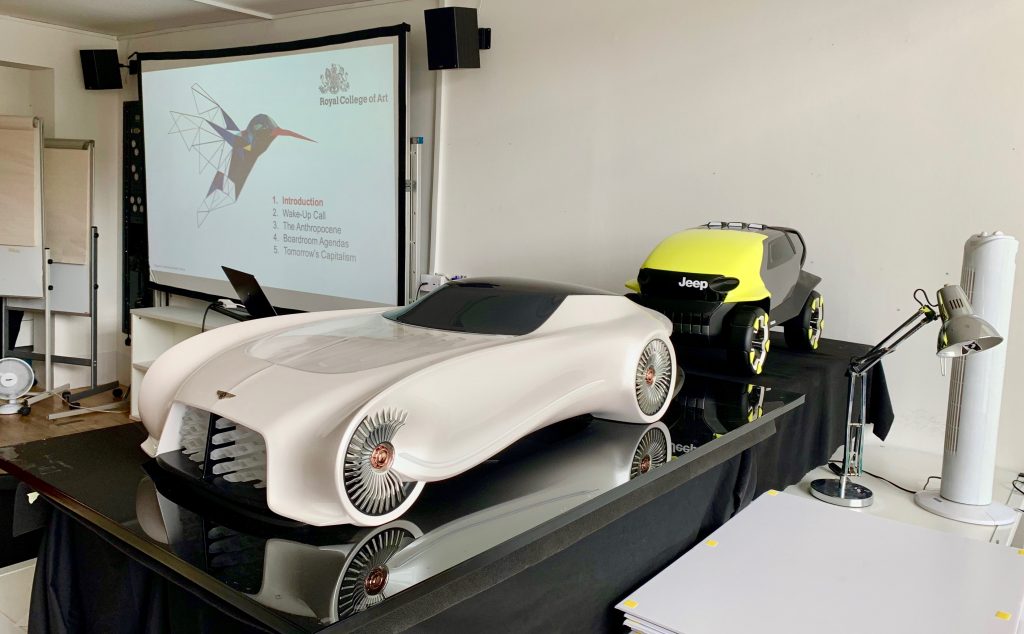
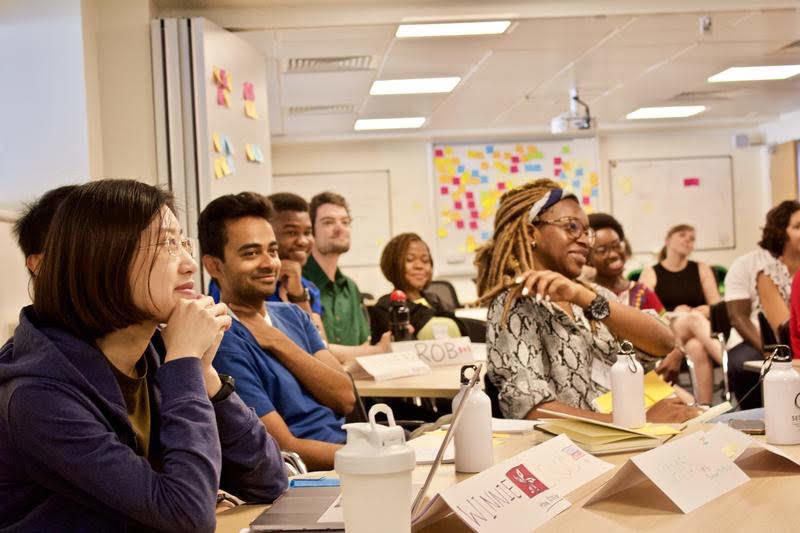
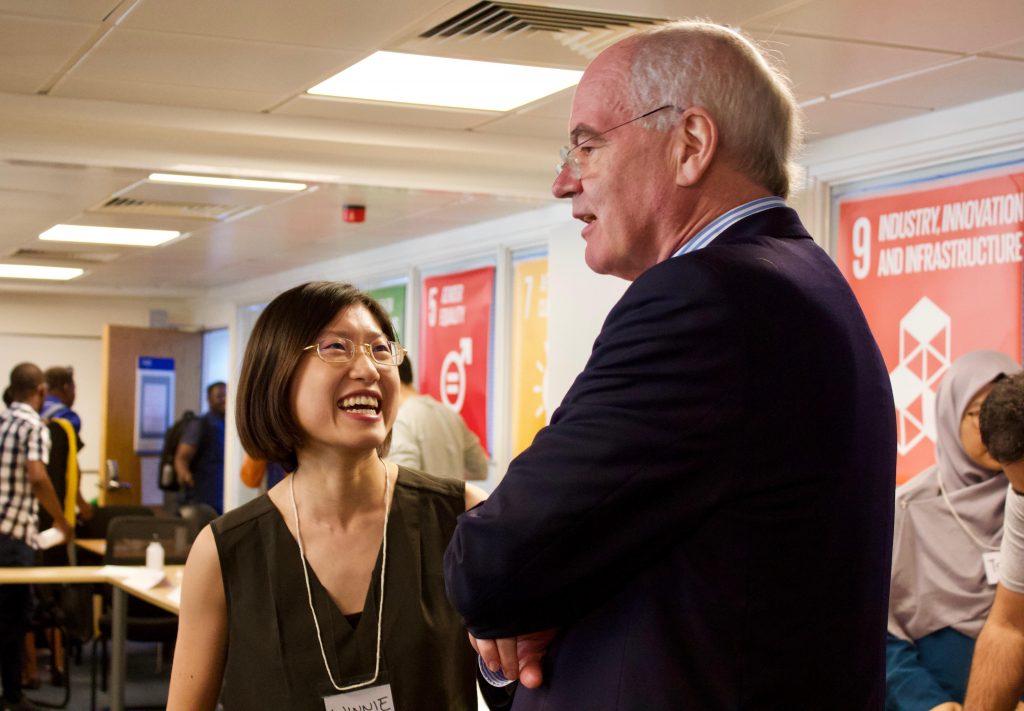
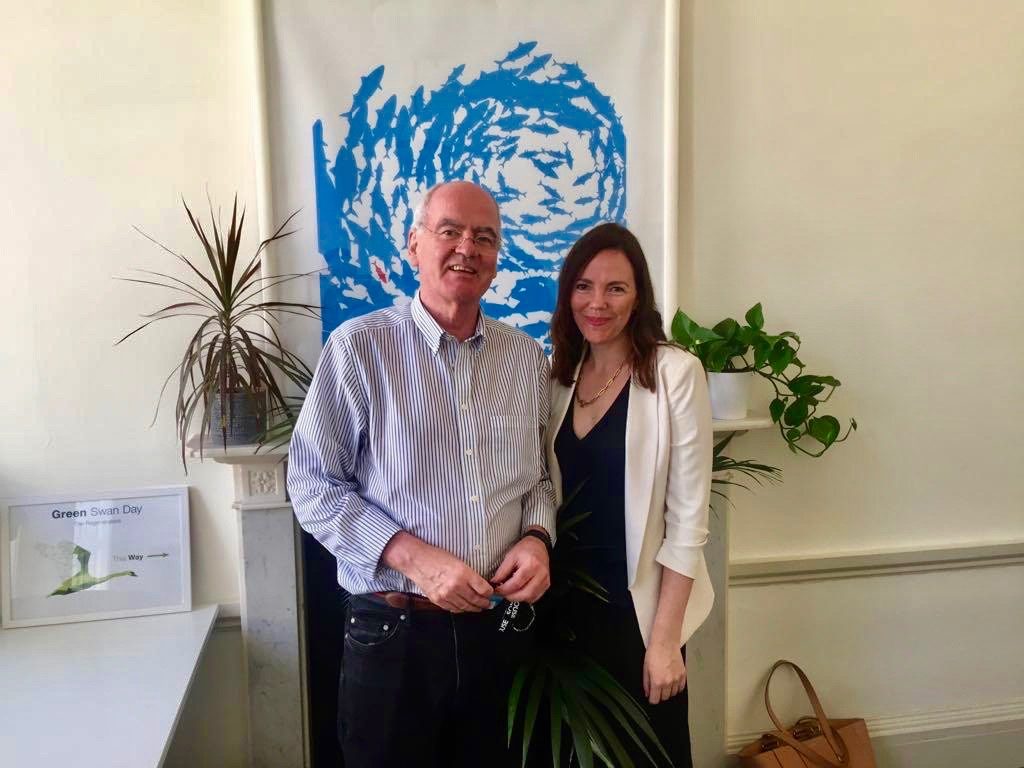
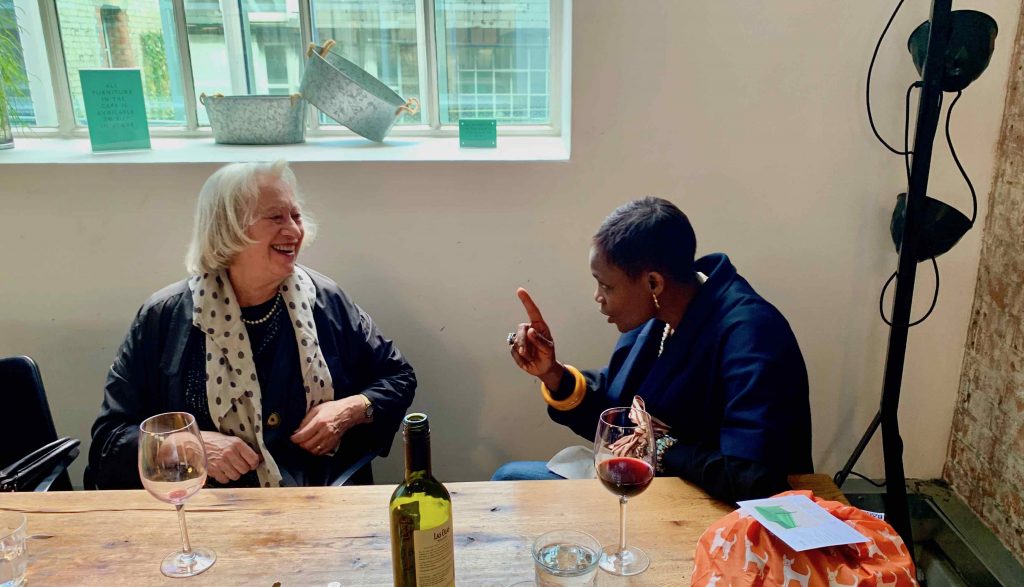
Other events in July included a 2-3 day trip to Germany with the team for a deep immersion exercise with Covestro (July 15-16), a speech at the Royal College of Art on the 18th (see image below), a birthday party for Cathy Runciman of Atlas of the Future (20th), a speech for the Academy of Sustainable Innovation at Imperial College (see image below), and visits to Somerset House from people like Rebecca Mills (who I first encountered in the early days of The B Team, see image below), Anna Swaithes (Head of Responsible Business, Government Inclusive Economy Unit) and Ben Yeoh of RBC.


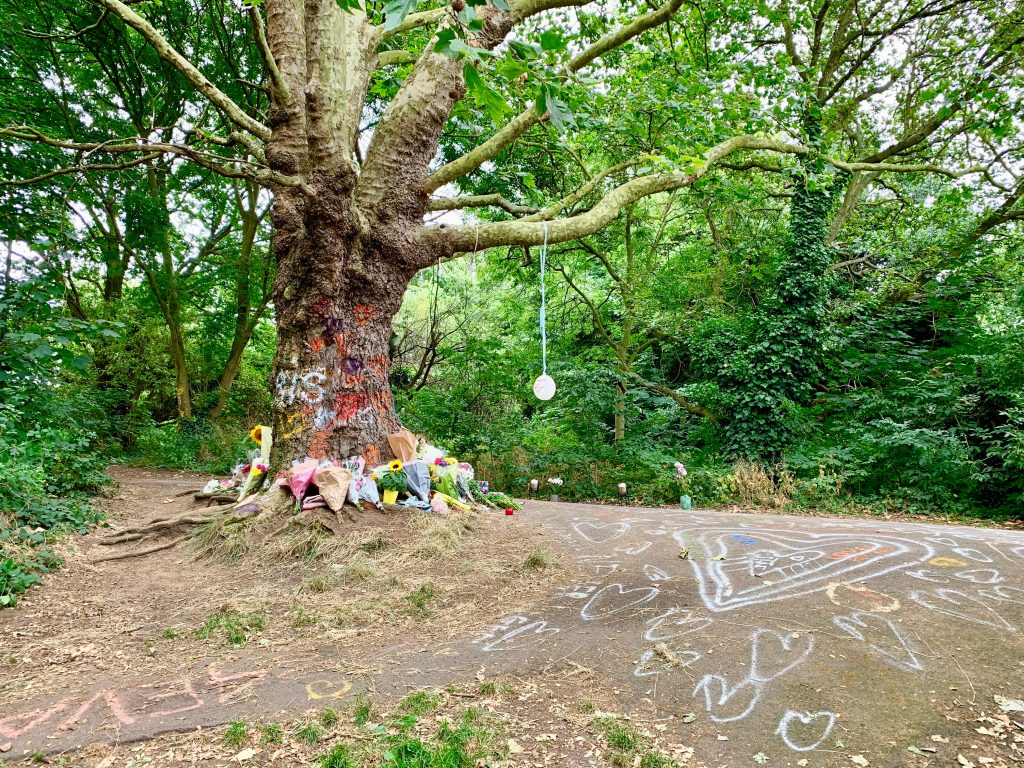
But in the midst of all this came the unimaginable news that Ben Goldsmith’s eldest daughter, Iris, had been killed in a all-terrain vehicle accident. Every time we have walked across Barnes Common since there has been a reminder (as if a reminder were needed) in the form of the impromptu shrine around one of my favourite plane trees (see below, though it has evolved since). I sent Ben a note immediately I heard. His heartbroken reply still rattles around my brain. Truly, there are no words for such times.

Here are a few of the things that happened in the last 5-6 weeks, as I rocketed towards and beyond my 70th birthday.
We hosted a meeting of Covestro people at Somerset House on 22 May; I attended the first meeting of a new Environmental Committee for the Royal Household at Buckingham Palace on 31 May; flew to Munich and Dresden for a session with the board of Melitta; took part in the latest meeting of the WWF Council of Ambassadors on 5 June; flew to Barcelona with Elaine on 6 June to speak at an Atlas of the Future conference, where one of the things I did was chair a session with two young activists each from Extinction Rebellion and Fridays for Future; took part in the Cambridge Institute for Sustainability Leadership’s 30th anniversary event at Buckingham Palace on 13 June; took the Eurostar to Paris to speak at a Conference Board convening of Chief Economists; then took the ICE train to Brussels to speak at an Amfori event, where I was delighted to speak alongside Nadya Zhexembayeva; then I summed up a UN Global Compact conference at Aviva Investors’ HQ on 24 June, the day after my birthday, covered elsewhere; then I spoke at a Lloyds Banking Group board session at Brocket Hall on 27-28 June; then I sent off the new Green Swans book to the publishers on 1 July; we did our first Imaginarium event for The Body Shop International on 3-4 July; I spoke at the Climate Innovation Forum on 3 July, where I handed over to Anna Taylor, school climate activist – and then had the worst migraine in 30 years, trying to talk to Nik Gowing and largely failing; and then on 6 June a birthday lunch for the girls at Spring.
And here are a few images from those events and trips:


John Elkington is a world authority on corporate responsibility and sustainable development. He is currently Founding Partner and Executive Chairman of Volans, a future-focused business working at the intersection of the sustainability, entrepreneurship and innovation movements.